Can non-surgical treatments like acupuncture and spinal decompression provide relief to individuals dealing with sciatica?
Introduction
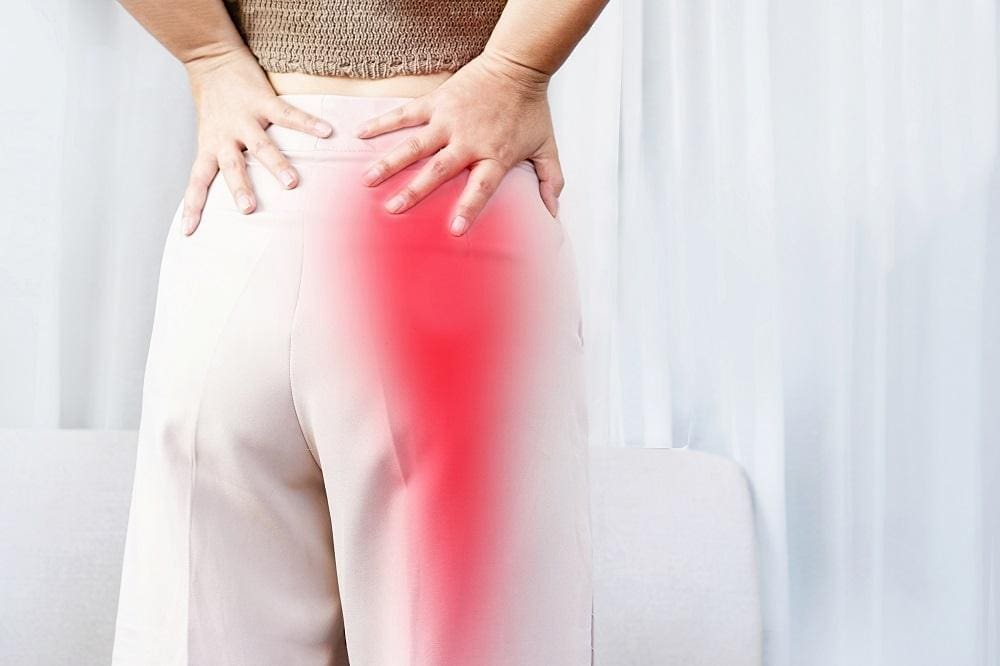
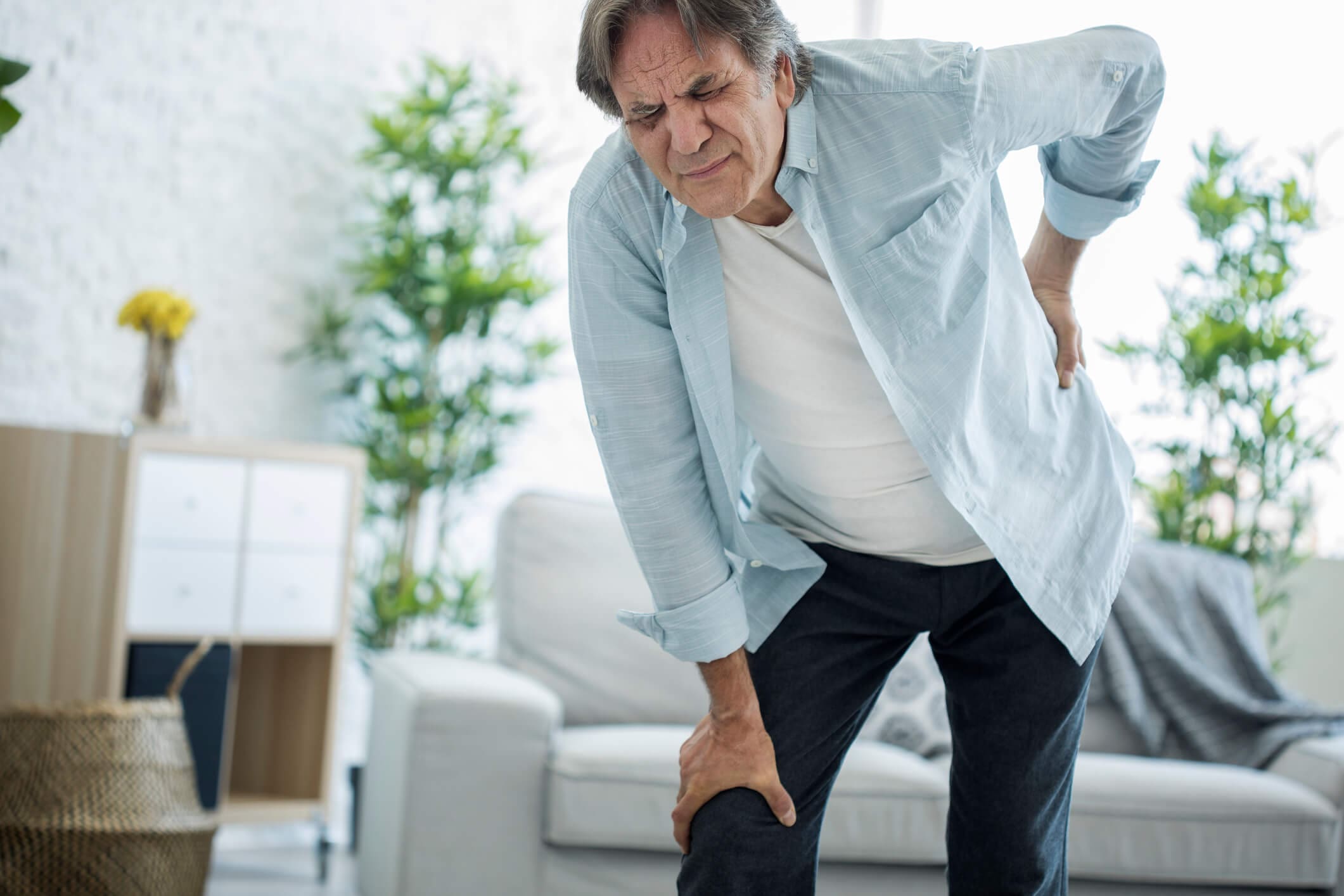
When many individuals start to feel pain running down their legs after a long day of activities, it causes them to have limited mobility and difficulty finding a place to rest. Many people think that they are just dealing with leg pain, but it can be more of an issue as they realize that it’s not just the leg pain they are experiencing but it is sciatica. While this long nerve comes from the lower back and travels down to the legs, it can succumb to pain and discomfort when herniated discs or muscles compress and aggravate the nerve. When this happens, it can impact a person’s mobility and quality of life, thus causing them to seek out treatment to reduce the pain from sciatica. Fortunately, alternative therapies like acupuncture and spinal decompression have been utilized to not only minimize sciatic pain but also provide positive, beneficial results. Today’s article looks at sciatica, how spinal decompression and acupuncture can relieve sciatica, and how integrating these two non-surgical treatments can lead to beneficial results. We talk with certified medical providers who consolidate our patients’ information to assess how sciatica can significantly impact a person’s well-being and quality of life. We also inform and guide patients on how integrating acupuncture therapy and spinal decompression can positively reduce sciatica. We encourage our patients to ask their associated medical providers intricate and important questions about incorporating non-surgical treatments into a wellness routine to relieve sciatica and its referred symptoms. Dr. Jimenez, D.C., includes this information as an academic service. Disclaimer.
Understanding Sciatica
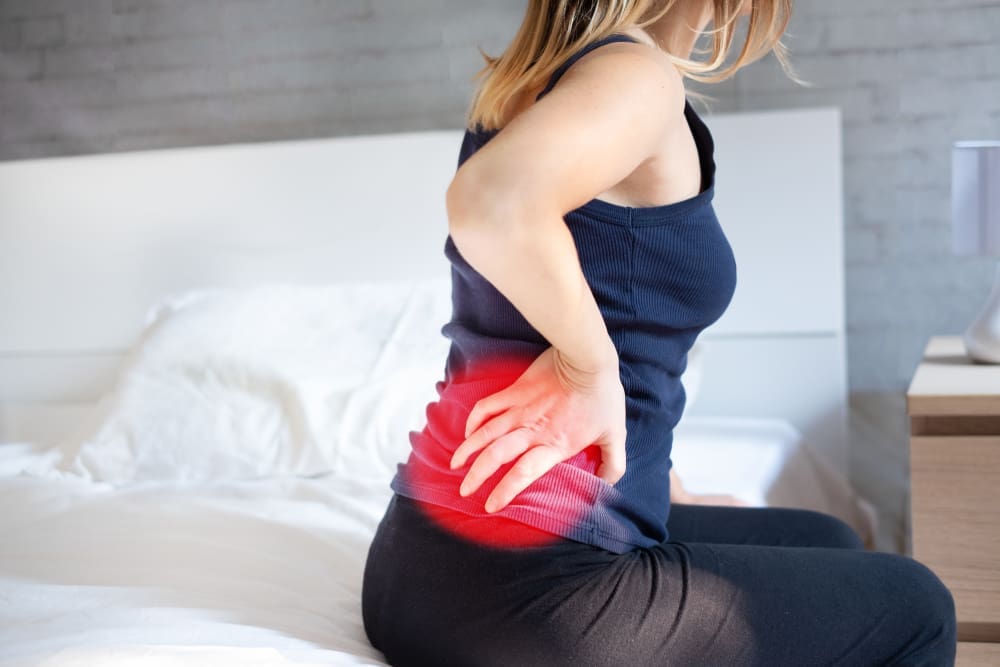
Do you often experience numbness or tingling sensations from your lower back to your legs? Do you feel like your gait is feeling off balance? Or have you stretched your legs after being seated for a while, which provides temporary relief? While the sciatic nerve plays a pivotal role in motor function in the legs, when various factors, such as herniated discs and even pregnancy, start to aggravate the nerve, it can cause pain. Sciatica is a deliberating pain condition often mislabeled as low back pain or radicular leg pain due to these two musculoskeletal conditions. These are comorbidities and can be exacerbated by simple twists and turns. (Davis et al., 2024)
Additionally, when many individuals are doing repetitive motions or dealing with degenerative changes in the spine, the spinal discs are more prone to herniation. They may press on the spinal nerves, causing the neuron signals to invoke pain and discomfort in the lower extremities. (Zhou et al., 2021) At the same time, sciatica can be both spinal and extra-spinal sources in the lumbar spinal region, which causes many individuals to be in constant pain and looking for relief. (Siddiq et al., 2020) When sciatica pain starts to affect a person’s lower extremities, causing mobility issues, many people seek treatments to reduce the pain-like effects of sciatica.
The Science of Motion-Video
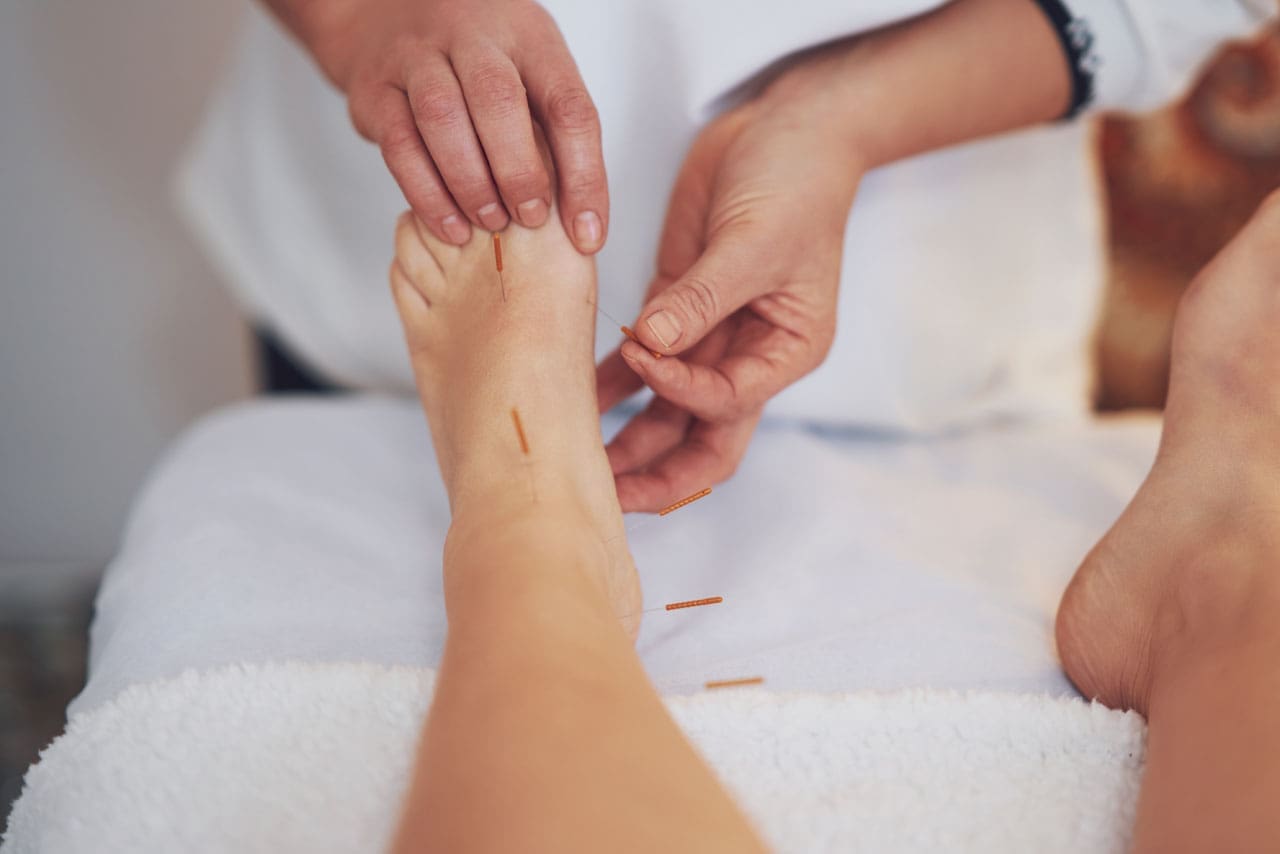
Acupuncture For Reducing Sciatica Pain
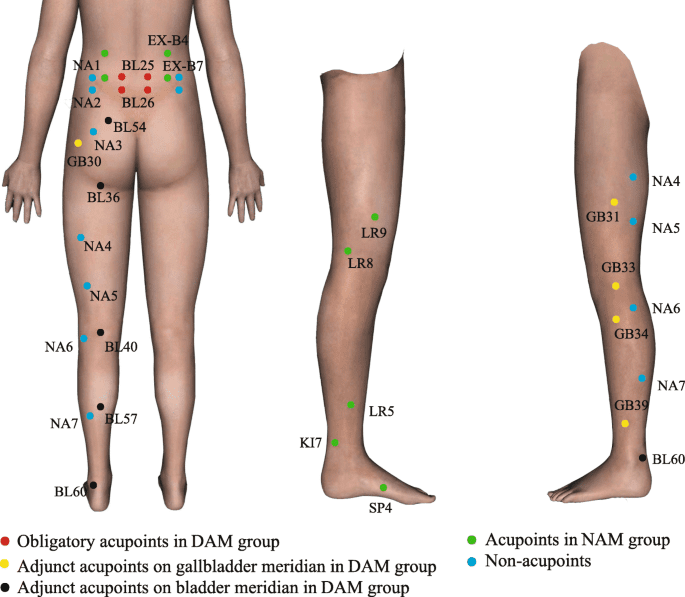
When it comes to treating sciatica, many people can look into non-surgical treatments due to its affordability and effectiveness in reducing sciatica and its associated pain-like symptoms. Non-surgical treatments can be customized to the individual’s pain and be combined to restore a person’s quality of life. Two non-surgical treatments that can help reduce sciatica are acupuncture and spinal decompression. Acupuncture has a long history of providing significant positive effects on lowering sciatic pain and improving a person’s quality of life. (Yuan et al., 2020) Highly trained professionals from China use acupuncture and incorporate small solid needles to provide instant relief from sciatica’s associated symptoms. This is because acupuncture exerts analgesic effects by regulating microglia activation, inhibiting the body’s natural inflammatory response, and modulating receptors along the pain pathway in the nervous system. (Zhang et al., 2023) To this point, acupuncture can stimulate the body’s acupoints to restore balance.
The Effects Of Acupuncture
One of the effects of acupuncture for relieving sciatica is that it can reduce pain intensity by changing the brain’s activity patterns when the pain receptors are disrupted. (Yu et al., 2022) Additionally, when acupuncturists start to stimulate the nerves in the muscles and tissues, they release endorphins and other neurohumoral factors that help change the pain process in the nervous system. Acupuncture helps reduce inflammation while improving muscle stiffness and joint mobility through increasing microcirculation to reduce swelling while blocking sciatica pain from affecting the lower extremities.
Spinal Decompression For Relieving Sciatica Pain
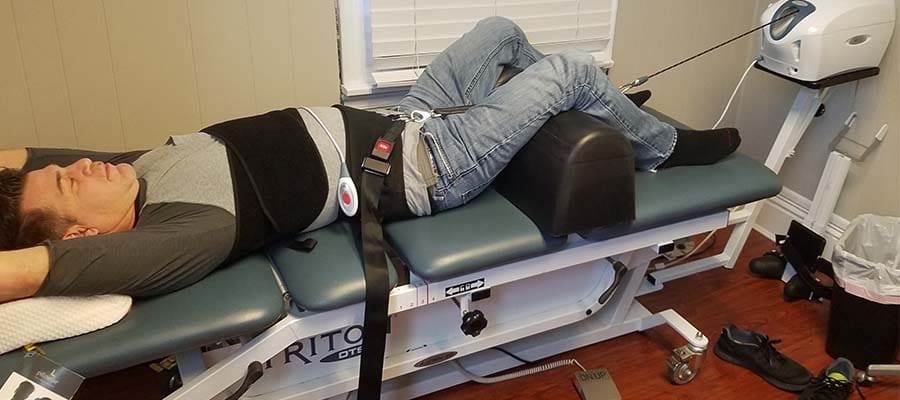
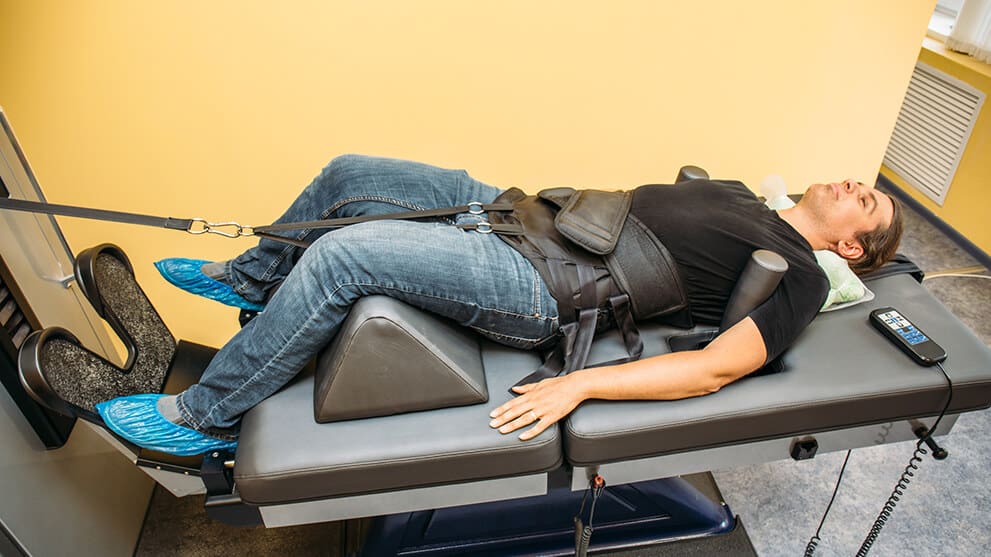
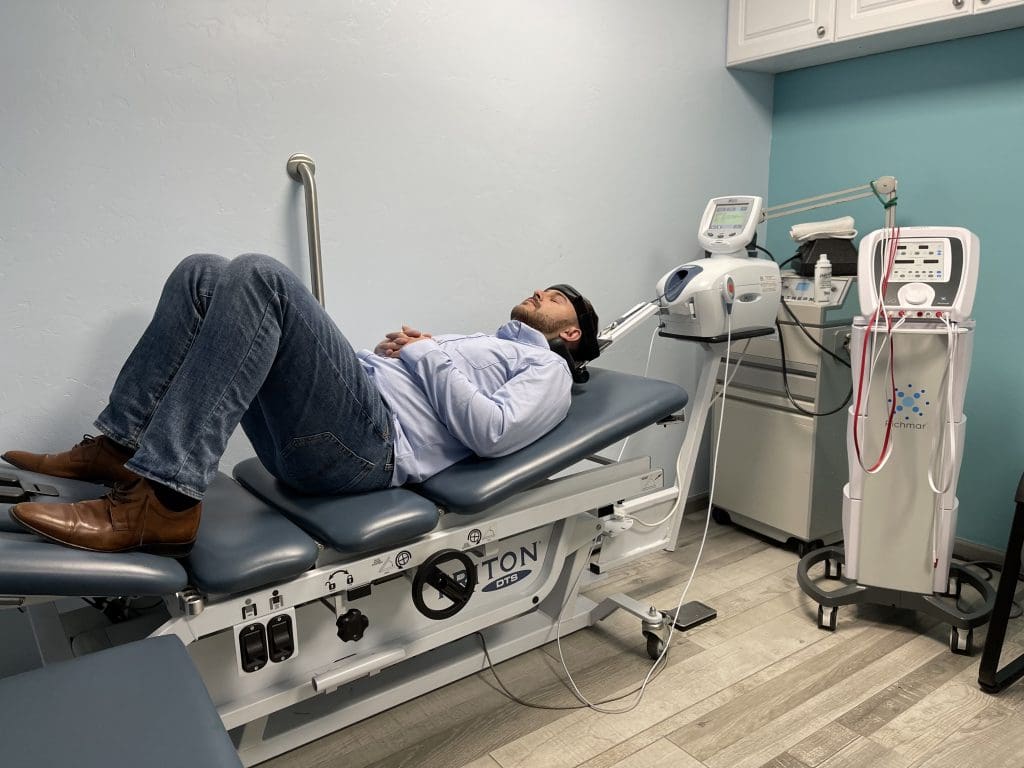
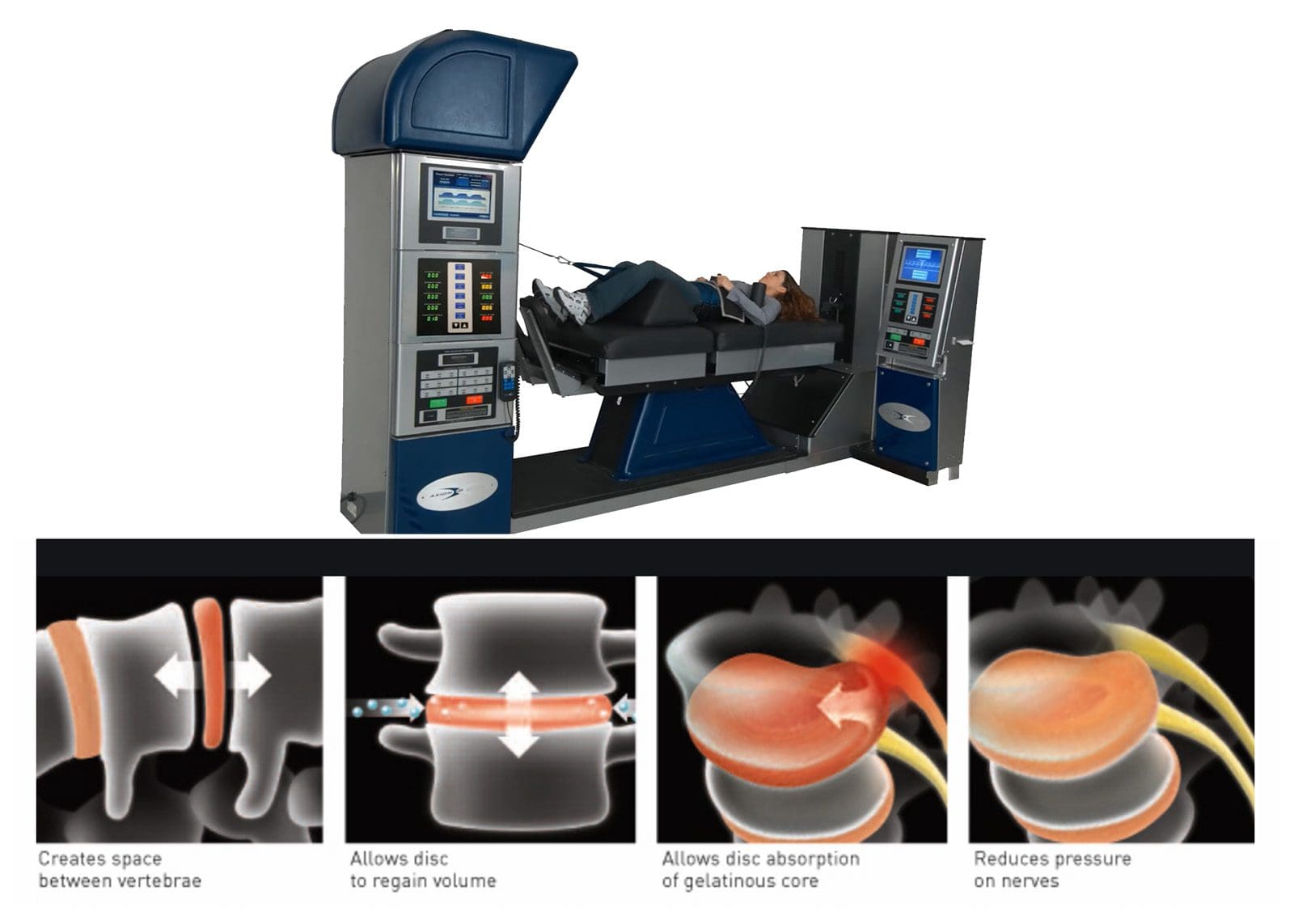
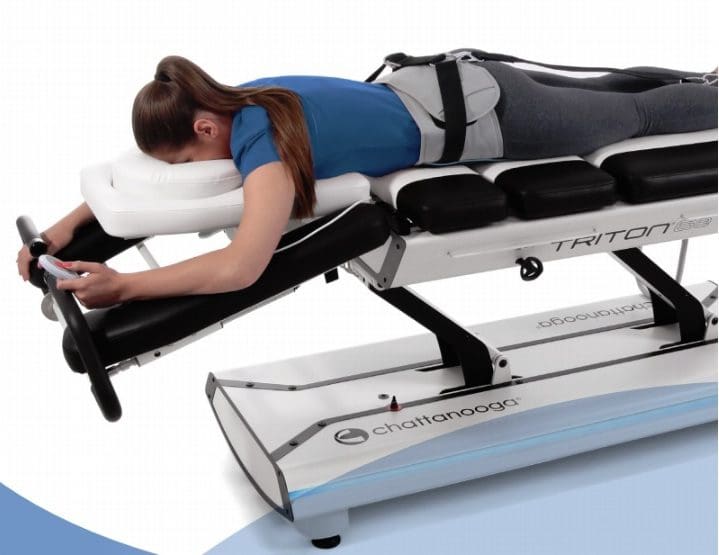
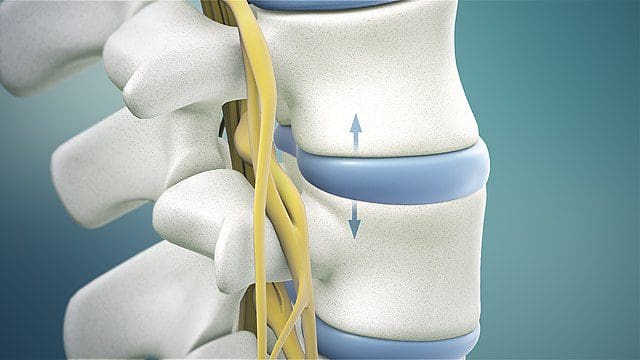
Another form of non-surgical treatment is spinal decompression, and it can help reduce the effects of sciatica and its associated pain symptoms. Spinal decompression utilizes a traction table to gently stretch the spine to create a negative pressure within the spinal disc and free up the affected nerves. For sciatica individuals, this non-surgical treatment relieves the sciatic nerve as spinal decompression helps reduce the pain intensity and improve mobility function in the lower extremities. (Choi et al., 2022) The main objective of spinal decompression is to create space within the spinal canal and neural structures to release the aggravated sciatic nerve from causing more pain. (Burkhard et al., 2022)
The Effects Of Spinal Decompression
Many individuals can begin to feel relief from incorporating spinal decompression in their wellness treatment. This non-surgical treatment promotes fluids and nutrients to the spinal disc to kick-start the body’s natural healing process. When the spine is being gently stretched, there is less pressure on the sciatic nerves, which can alleviate the pain and improve mobility. Additionally, many individuals will feel their flexibility and mobility back in their lumbar region.
Integrating Acupuncture and Spinal Decompression For Relief
So, when many people start to integrate spinal decompression and acupuncture as a holistic and non-surgical approach for relieving sciatica, the results and benefits are positive. While spinal decompression targets the mechanical healing of the spinal disc and reducing nerve pressure, acupuncture focuses on relieving the pain and reducing inflammation at a systemic level. This enhances the body’s natural healing process and offers a synergistic effect to improve treatment outcomes. Non-surgical treatments like acupuncture and spinal decompression can provide a hopeful outcome for many individuals seeking relief from their sciatic pain without resorting to surgical procedures. These treatments allow the individual to regain their mobility in their lower extremities, reduce pain, and improve their quality of life by making people more mindful of their bodies and reducing the chances of sciatica from returning. By doing so, many individuals can live a healthier and pain-free lifestyle.
References
Burkhard, M. D., Farshad, M., Suter, D., Cornaz, F., Leoty, L., Furnstahl, P., & Spirig, J. M. (2022). Spinal decompression with patient-specific guides. Spine J, 22(7), 1160-1168. https://doi.org/10.1016/j.spinee.2022.01.002
Choi, E., Gil, H. Y., Ju, J., Han, W. K., Nahm, F. S., & Lee, P. B. (2022). Effect of Nonsurgical Spinal Decompression on Intensity of Pain and Herniated Disc Volume in Subacute Lumbar Herniated Disc. International Journal of Clinical Practice, 2022, 6343837. https://doi.org/10.1155/2022/6343837
Siddiq, M. A. B., Clegg, D., Hasan, S. A., & Rasker, J. J. (2020). Extra-spinal sciatica and sciatica mimics: a scoping review. Korean J Pain, 33(4), 305-317. https://doi.org/10.3344/kjp.2020.33.4.305
Yu, F. T., Liu, C. Z., Ni, G. X., Cai, G. W., Liu, Z. S., Zhou, X. Q., Ma, C. Y., Meng, X. L., Tu, J. F., Li, H. W., Yang, J. W., Yan, S. Y., Fu, H. Y., Xu, W. T., Li, J., Xiang, H. C., Sun, T. H., Zhang, B., Li, M. H., . . . Wang, L. Q. (2022). Acupuncture for chronic sciatica: protocol for a multicenter randomised controlled trial. BMJ Open, 12(5), e054566. https://doi.org/10.1136/bmjopen-2021-054566
Yuan, S., Huang, C., Xu, Y., Chen, D., & Chen, L. (2020). Acupuncture for lumbar disc herniation: Protocol for a systematic review and meta-analysis. Medicine (Baltimore), 99(9), e19117. https://doi.org/10.1097/MD.0000000000019117
Zhang, Z., Hu, T., Huang, P., Yang, M., Huang, Z., Xia, Y., Zhang, X., Zhang, X., & Ni, G. (2023). The efficacy and safety of acupuncture therapy for sciatica: A systematic review and meta-analysis of randomized controlled trails. Front Neurosci, 17, 1097830. https://doi.org/10.3389/fnins.2023.1097830
Zhou, J., Mi, J., Peng, Y., Han, H., & Liu, Z. (2021). Causal Associations of Obesity With the Intervertebral Degeneration, Low Back Pain, and Sciatica: A Two-Sample Mendelian Randomization Study. Front Endocrinol (Lausanne), 12, 740200. https://doi.org/10.3389/fendo.2021.740200
Can individuals with lumbar spinal stenosis utilize spinal decompression to reduce low back pain and restore mobility?
Introduction
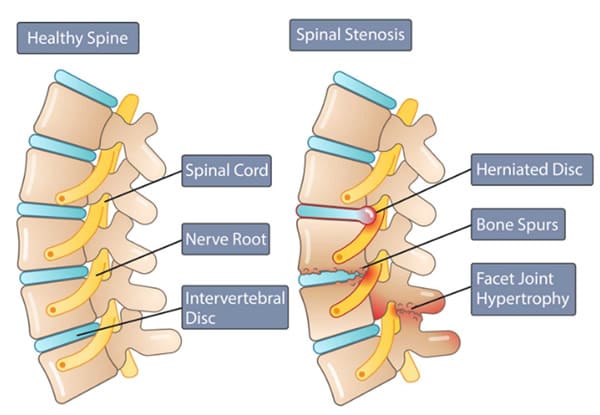
Many individuals worldwide have dealt with low back pain at some point in their lives that has affected their mobility and impacted their routine. Numerous environmental factors can lead to low back pain development, like improper heavy lifting, poor posture, traumatic injuries, and accidents that can affect the surrounding muscles, spinal cord, and nerve roots. When this happens, it can lead to lumbar spinal stenosis and cause overlapping risk profiles that are correlated with low back pain. When people are dealing with lumbar spinal stenosis, they could be thinking that their pain is in the lower extremities. To that point, many individuals seek treatment to not only reduce low back pain but also reduce the effects of lumbar spinal stenosis. Some treatments, like spinal decompression, which is a non-surgical treatment, can help restore mobility to the body. Today’s article looks at how lumbar spinal stenosis affects the lower back and its diagnosis while looking at how spinal decompression can provide relief to the individual and have positive benefits in restoring mobility. We talk with certified medical providers who consolidate our patients’ information to assess how lumbar spinal stenosis correlates with lower back pain, causing mobility issues. We also inform and guide patients on how spinal decompression is an excellent form of treatment that can be combined with other therapies. We encourage our patients to ask their associated medical providers intricate and important questions about incorporating decompression therapy to relieve the pain effects caused by lumbar stenosis while reducing the overlapping pain effects like lower back pain to regain a person’s mobility. Dr. Jimenez, D.C., includes this information as an academic service. Disclaimer.
How Lumbar Spinal Stenosis Affects the Lower Back
Do you feel tingling sensations in the back of your legs affecting your ability to move around? Or does your lower back feel less mobile than it is used to? When many individuals are experiencing low back pain during their lifetime, it can often correlate with lumbar spinal stenosis. Lumbar spinal stenosis usually occurs when the spinal canal in the lower back becomes constricted, leading to degenerative changes. When the spinal canal starts to narrow in the spine, it can cause significant discomfort, interfere with daily activities, and may result in progressive disability for many individuals. (Munakomi et al., 2024) The symptoms caused by lumbar spinal stenosis range from mild to severe, and on which environmental factors correspond to the issue. At the same time, lumbar spinal stenosis is characterized by symptoms like low back pain that can cause spondylotic changes that induce low back pain that can negatively impact a person’s quality of life. (Ogon et al., 2022) This causes many people to go to their primary doctors to get a diagnosis and learn how to manage the pain associated with lumbar spinal stenosis.
The Diagnosis Of Lumbar Spinal Stenosis
When it comes to diagnosing lumbar spinal stenosis, many healthcare providers will incorporate a comprehensive evaluation, which includes a physical examination to see how mobile a person’s back is and imaging testing like MRIs and CT scans to visualize the spinal canal and assess the extent of the narrowing that is causing pain in the lower extremities. This is because when individuals deal with lumbar spinal stenosis, it can manifest with neurogenic claudication in the lower extremities, especially when a person is standing or sitting. The pain is decreased when their position is changed. (Sobanski et al., 2023) Additionally, lumbar spinal stenosis is one of the most commonly diagnosed spinal disorders that many healthcare professionals assess and evaluate. When there is a narrowing in the spinal canal, leading to the development of lumbar spinal, simple motions like walking can exacerbate the symptoms to the lower extremities and increase the oxygen in the spinal nerves, which may exceed the available blood flow to the extremities. (Deer et al., 2019) To that point, treatments like spinal decompression can help reduce lower back pain associated with lumbar spinal stenosis.
The Non-Surgical Approach To Wellness- Video
A Path To Relief Using Spinal Decompression
When it comes to individuals experiencing the pain caused by lumbar spinal stenosis, many individuals can seek out non-surgical treatments like spinal decompression to relieve lower back pain. Spinal decompression has emerged as a non-invasive, effective treatment option for lumbar spinal stenosis. It utilizes gentle mechanical traction on the spine to be stretched, relieving the spinal nerves by creating more space within the spinal canal. Spinal decompression decreases the degenerative process while the surrounding muscles are gently stretched, and the spinal disc height increases due to negative pressure. (Kang et al., 2016)
The Benefits Of Spinal Decompression & Restoring Mobility
Additionally, the gentle traction from spinal decompression helps enhance the production flow of nutrients and oxygen back to the affected spinal discs and spine to foster a better healing environment for the body. Since spinal decompression can be combined with other non-surgical treatments, like physical therapy and spinal manipulation, it can provide long-lasting positive effects for individuals with lumbar spinal stenosis. (Ammendolia et al., 2022) Some of the beneficial results of spinal decompression include:
Pain relief by alleviating pressure off the spinal nerves to reduce pain and discomfort in the lower extremities significantly.
Improved mobility allows the individual to return to their daily activities with ease.
Many people can benefit from spinal decompression to reduce the effects of lumbar spinal stenosis and have their lower extremity mobility restored after consecutive sessions to reduce the chances of the pain from coming back. By thinking more about their health and wellness, many people can make small routine changes in their activities to mitigate the pain and remain mobile throughout their lives. This allows them to have a sense of hope to relieve them from the pain they have been under.
References
Ammendolia, C., Hofkirchner, C., Plener, J., Bussieres, A., Schneider, M. J., Young, J. J., Furlan, A. D., Stuber, K., Ahmed, A., Cancelliere, C., Adeboyejo, A., & Ornelas, J. (2022). Non-operative treatment for lumbar spinal stenosis with neurogenic claudication: an updated systematic review. BMJ Open, 12(1), e057724. https://doi.org/10.1136/bmjopen-2021-057724
Deer, T., Sayed, D., Michels, J., Josephson, Y., Li, S., & Calodney, A. K. (2019). A Review of Lumbar Spinal Stenosis with Intermittent Neurogenic Claudication: Disease and Diagnosis. Pain Med, 20(Suppl 2), S32-S44. https://doi.org/10.1093/pm/pnz161
Kang, J. I., Jeong, D. K., & Choi, H. (2016). Effect of spinal decompression on the lumbar muscle activity and disk height in patients with herniated intervertebral disk. Journal of Physical Therapy Science, 28(11), 3125-3130. https://doi.org/10.1589/jpts.28.3125
Ogon, I., Teramoto, A., Takashima, H., Terashima, Y., Yoshimoto, M., Emori, M., Iba, K., Takebayashi, T., & Yamashita, T. (2022). Factors associated with low back pain in patients with lumbar spinal stenosis: a cross-sectional study. BMC Musculoskelet Disord, 23(1), 552. https://doi.org/10.1186/s12891-022-05483-7
Sobanski, D., Staszkiewicz, R., Stachura, M., Gadzielinski, M., & Grabarek, B. O. (2023). Presentation, Diagnosis, and Management of Lower Back Pain Associated with Spinal Stenosis: A Narrative Review. Med Sci Monit, 29, e939237. https://doi.org/10.12659/MSM.939237
Can plantar fasciitis patients incorporate non-surgical treatments to reduce hip pain and restore mobility?
Introduction
Everyone is on their feet constantly as it helps people stay mobile and allows them to go from one location to another. Many people are constantly on their feet from childhood to adulthood. This is because the feet are part of the lower musculoskeletal extremities that stabilize the hips and allow sensory-motor function to the legs, thighs, and calves. The feet also have various muscles, tendons, and ligaments surrounding the skeletal structure to prevent pain and discomfort. However, when repetitive motions or injuries start to affect the feet, it can lead to plantar fasciitis and, over time, cause overlapping risk profiles that lead to hip pain. When people are experiencing these pain-like conditions, it can significantly affect their daily activities and overall quality of life. When this happens, many people seek various treatments to reduce the pain-like symptoms caused by plantar fasciitis and restore hip mobility. Today’s article looks at how plantar fasciitis correlates with hip pain, the connection between the feet and the hips, and how there are non-surgical solutions to reduce plantar fasciitis. We talk with certified medical providers who consolidate our patients’ information to assess how to mitigate plantar fasciitis and restore hip mobility. We also inform and guide patients on how numerous non-surgical treatments can help strengthen weak muscles associated with plantar fasciitis and help with restoring stabilization from hip pain. We encourage our patients to ask their associated medical providers intricate and important questions about incorporating small changes to reduce the pain-like effects caused by plantar fasciitis. Dr. Jimenez, D.C., includes this information as an academic service. Disclaimer.
How Plantar Fasciitis Correlates With Hip Pain
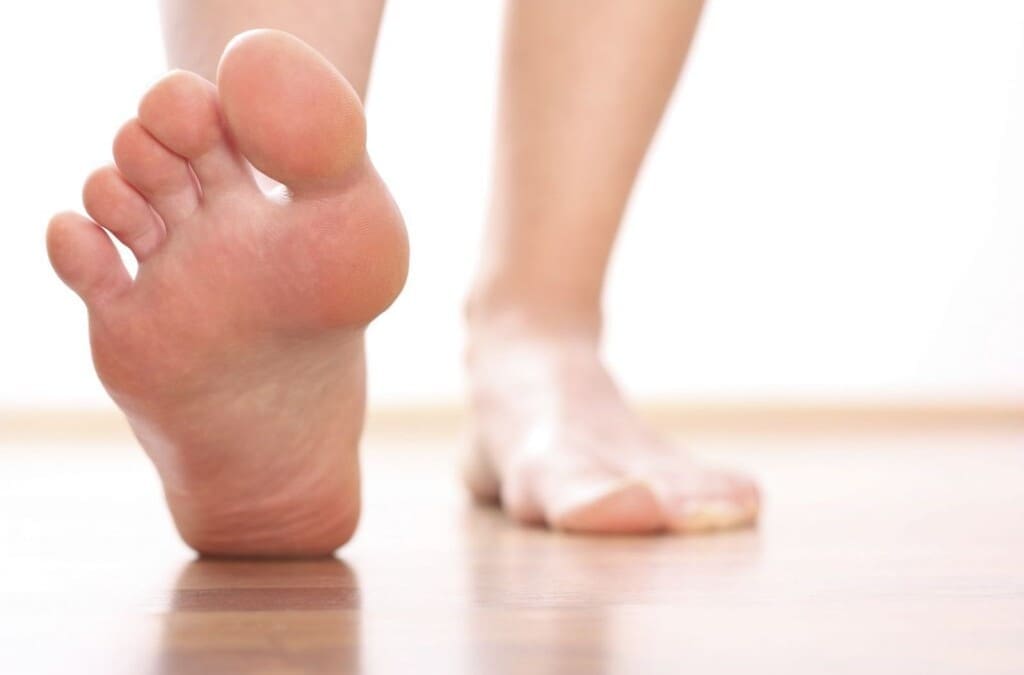
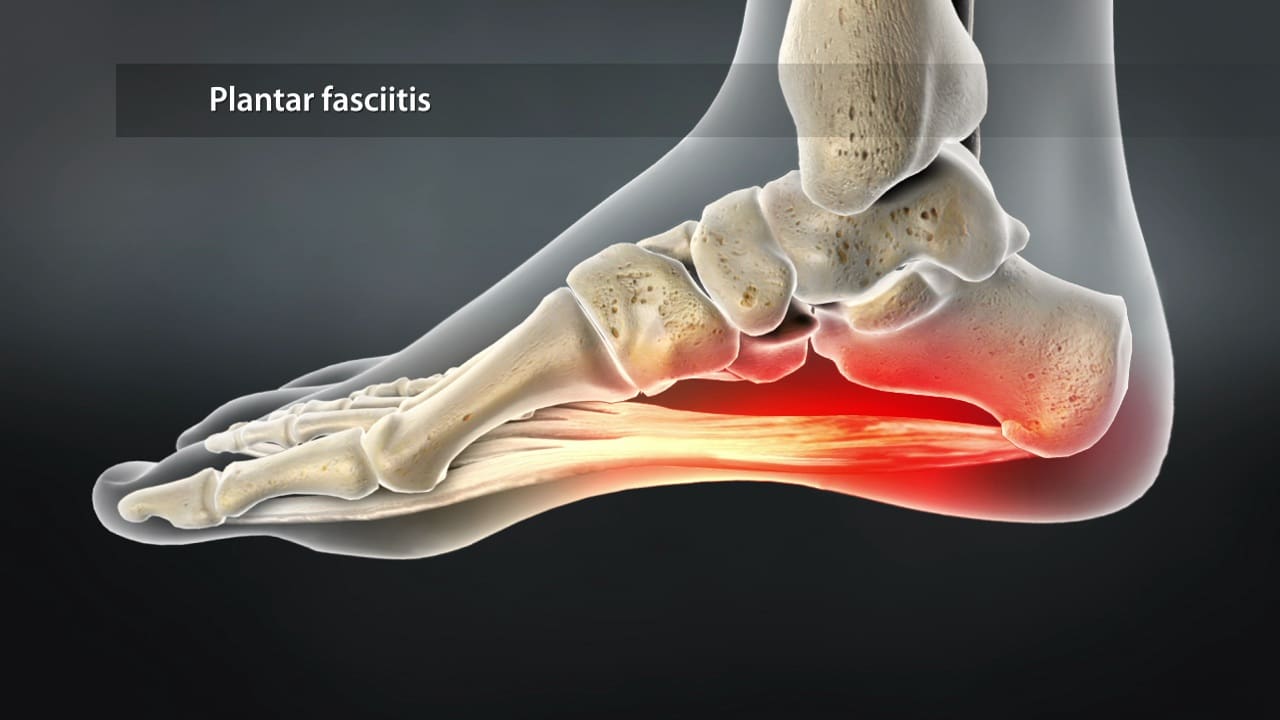
Do you experience pain in your heels constantly after a long walk? Do you feel stiffness in your hips when stretching? Or do you feel your shoes are causing tension and pain in your feet and calves? Often, many of these pain-like scenarios are due to people dealing with plantar fasciitis, characterized by heel pain due to inflammation or degenerative irritation of the plantar fascia, a band of thick tissues is running across the bottom of the foot and connecting to the heel bone to the toes in the lower extremities. This band of tissues plays an essential role in the body, providing normal biomechanics to the foot while supporting the arch and helping with shock absorption. (Buchanan et al., 2024) Plantar fasciitis can affect the stability of the lower extremities since the pain affects the feet and causes hip pain.
So, how would plantar fasciitis correlate with hip pain? With plantar fasciitis, many people are experiencing pain in their feet. It can lead to abnormal foot posture, lower extremity muscle weakness, and muscle stress that can reduce the stability of the legs and hip muscles. (Lee et al., 2022) With hip pain, many people can experience a gait dysfunction that causes muscle weakness in the lower extremities and causes the accessory muscles to perform the primary muscles’ jobs. To that point, this forces people to scrap the ground when walking. (Ahuja et al., 2020) This is because normal conditions like natural aging, muscle overuse, or trauma can cause pain-like symptoms to the hips, including discomfort on the thighs, groin, and buttock region, joint stiffness, and reduced range of motion. Hip pain can cause overlapping risk profiles that may include repetitive strain on the feet, thus leading to symptoms of sharp to dull aches on the heel.
The Connection Between The Feet and The Hips
It is important to understand that foot problems like plantar fasciitis can affect the hips and vice versa, as both body regions have a beautiful relationship within the musculoskeletal system. Plantar fasciitis on their feet can alter their gait function, potentially leading to hip pain over time. This is due to many environmental factors that can affect the hips and feet over time, leading to plantar fasciitis correlating with hip pain. From excessive weight-bearing activities to microtrauma in the hips or the plantar fascia, many people will often seek treatment to reduce the effects of plantar fasciitis correlated with hip pain by addressing how their range of motion is affecting the plantarflexion and their load on the force-absorbing plantar surface structures could be good starting points in the prevention and treatment of plantar fasciitis correlated with hip pain. (Hamstra-Wright et al., 2021)
What Is Plantar Fasciitis?-Video
Non-Surgical Solutions To Reduce Plantar Fasciitis
When it comes to reducing plantar fasciitis in the body, many individuals will seek non-surgical treatments that can alleviate the pain from plantar fascia. Non-surgical treatments are cost-effective and can reduce the pain from plantar fasciitis and its associated symptoms, like hip pain. Some of the benefits of non-surgical treatments are promising, as they have a low risk of complications, good accessibility, and even a high capacity to relieve the mechanical load on the plantar fascia when doing regular activities. (Schuitema et al., 2020) Some of the non-surgical treatments that many people can incorporate include:
Stretching exercises
Orthotic devices
Chiropractic care
Massage therapy
Acupuncture/electroacupuncture
Spinal decompression
These non-surgical treatments not only help reduce plantar fasciitis but also help alleviate hip pain. For example, spinal decompression can help restore hip mobility by stretching the lumbar spine and relieving the lower extremities from numbness while strengthening tight muscles. (Takagi et al., 2023). Electroacupuncture can stimulate the body’s acupoints to release endorphins from the lower extremities to reduce inflammation of the plantar fascia. (Wang et al., 2019) When people begin to make small changes in their routine, like wearing proper footwear and not carrying or lifting heavy weighted objects, it can go a long way to prevent plantar fasciitis and hip pain from reoccurring can go a long way. Having a personalized treatment plan can ensure many individuals seeking non-surgical treatments have a better outcome on their health and mobility while preventing long-term complications.
References
Ahuja, V., Thapa, D., Patial, S., Chander, A., & Ahuja, A. (2020). Chronic hip pain in adults: Current knowledge and future prospective. J Anaesthesiol Clin Pharmacol, 36(4), 450-457. https://doi.org/10.4103/joacp.JOACP_170_19
Hamstra-Wright, K. L., Huxel Bliven, K. C., Bay, R. C., & Aydemir, B. (2021). Risk Factors for Plantar Fasciitis in Physically Active Individuals: A Systematic Review and Meta-analysis. Sports Health, 13(3), 296-303. https://doi.org/10.1177/1941738120970976
Lee, J. H., Shin, K. H., Jung, T. S., & Jang, W. Y. (2022). Lower Extremity Muscle Performance and Foot Pressure in Patients Who Have Plantar Fasciitis with and without Flat Foot Posture. Int J Environ Res Public Health, 20(1). https://doi.org/10.3390/ijerph20010087
Schuitema, D., Greve, C., Postema, K., Dekker, R., & Hijmans, J. M. (2020). Effectiveness of Mechanical Treatment for Plantar Fasciitis: A Systematic Review. J Sport Rehabil, 29(5), 657-674. https://doi.org/10.1123/jsr.2019-0036
Takagi, Y., Yamada, H., Ebara, H., Hayashi, H., Inatani, H., Toyooka, K., Mori, A., Kitano, Y., Nakanami, A., Kagechika, K., Yahata, T., & Tsuchiya, H. (2023). Decompression for lumbar spinal stenosis at the intrathecal catheter insertion site during intrathecal baclofen therapy: a case report. J Med Case Rep, 17(1), 239. https://doi.org/10.1186/s13256-023-03959-1
Wang, W., Liu, Y., Zhao, J., Jiao, R., & Liu, Z. (2019). Electroacupuncture versus manual acupuncture in the treatment of plantar heel pain syndrome: study protocol for an upcoming randomised controlled trial. BMJ Open, 9(4), e026147. https://doi.org/10.1136/bmjopen-2018-026147
Can individuals with cervical spinal pain incorporate spinal decompression therapy to reduce neck pain and headaches?
Introduction
Many individuals deal with neck pain at some point, leading to many issues that can impact their daily lives. See, the neck is part of the cervical region of the musculoskeletal system. It is surrounded by muscles, soft tissues, and ligaments that protect the spinal cord while allowing the head to be mobile. Like back pain, neck pain is a common issue that causes pain and discomfort from associated environmental factors and traumatic injuries. When a person is dealing with neck pain, they are also coping with comorbidities that cause overlapping risk profiles like headaches and migraines. However, treatments like spinal decompression can help reduce cervical spinal pain affecting the neck and reduce the painful effects of headaches and migraines. Today’s article looks at the impact of cervical pain and headaches, how spinal decompression can reduce cervical spinal pain, and how it benefits from reducing headaches. We talk with certified medical providers who consolidate our patients’ information to assess how to mitigate cervical spinal pain from the neck. We also inform and guide patients on how spinal decompression can help reduce headaches caused by cervical spinal pain. We encourage our patients to ask their associated medical providers intricate and important questions about incorporating spinal decompression therapy as part of their routine to reduce headaches and migraines associated with the neck. Dr. Jimenez, D.C., includes this information as an academic service. Disclaimer.
The Effects Of Cervical Pain & Headaches
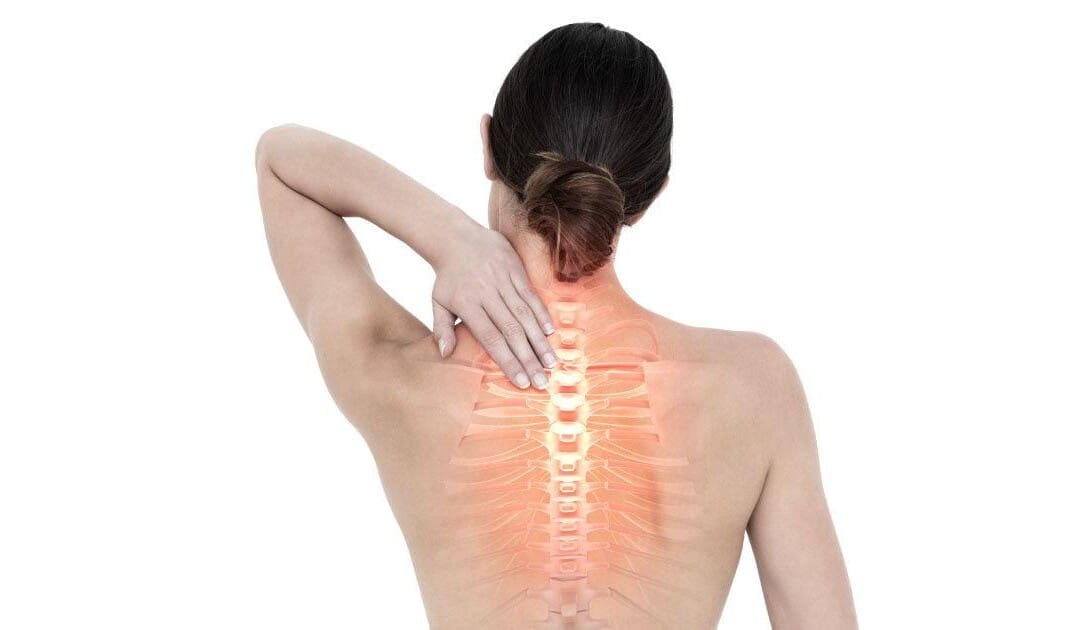
Do you feel stiffness on both sides of your neck that causes you limited mobility when you turn your neck? Have you experienced constant throbbing pain in your temples? Or do you feel muscle aches on your neck and shoulders from being hunched on the computer for an extended period? Many individuals dealing with these pain-like issues could be coping with cervical spinal pain. Various causes that can lead to the development of cervical spinal pain include herniated discs, pinched nerves, spinal stenosis, and muscle strain that originates from the neck region. This is because cervical spinal pain can be associated with environmental factors that can cause pain and discomfort, disability, and impaired quality of life as the surrounding neck muscles are overstretched and tight. (Ben Ayed et al., 2019) When people are dealing with cervical spinal pain, one of the symptoms it is associated with is headaches. This is because the intricated nerve pathways are connected to the neck and head. When cervical spinal pain is causing these issues, it can significantly impact a person’s daily body function as the pain is traveling upwards.
At the same time, neck pain is a multifactorial disease that can become a major issue worldwide. Like back pain, numerous risk factors can contribute to its development. (Kazeminasab et al., 2022) Some risk factors, like excessive phone usage, cause prolonged neck flexion to the neck and shoulders, causing static muscular loading with a lack of support to the upper extremities. (Al-Hadidi et al., 2019) To this point, environmental risk factors like excessive phone usage can make individuals develop a hunched position in their necks that can compress the spinal disc in the cervical region and aggravate the nerve roots to produce headaches and pain. However, many individuals have found ways to reduce cervical spinal pain and find pain relief from their headaches.
Home Exercises for Pain Relief-Video
How Spinal Decompression Reduces Cervical Spinal Pain
When it comes to reducing cervical spinal pain, many individuals have experienced that spinal decompression can help mitigate the effects of cervical pain. Spinal decompression has increasingly been recognized as an effective non-surgical treatment when it comes to alleviating cervical spinal pain. What spinal decompression does is that it allows negative pressure on the cervical spine to relieve any herniated disc of the aggravated nerve roots and help improve neurological symptoms. (Kang et al., 2016) This is due to a person being strapped comfortably on a traction machine that gently stretches and decompresses the spinal vertebrae. Additionally, some of the benefits of spinal decompression for cervical spinal pain include:
Improved spinal alignment to reduce muscle strain on the neck muscles and joints.
Enhanced the body’s natural healing by increasing blood flow and nutrient exchange.
Increased neck mobility by decreasing muscle stiffness.
Reducing pain levels that are causing intense headaches.
The Benefits of Spinal Decompression For Headaches
Additionally, spinal decompression can help reduce headaches associated with cervical spinal pain as spinal decompression can be combined with other therapies like acupuncture and physical therapy to relieve the protruding spinal dice and stabilize within the annulus by spinal elongation. (Van Der Heijden et al., 1995) This is due to gentle traction on the neck that is causing the prolapsed disc to reposition itself while restoring disc height to minimize the pressure on the nerves. (Amjad et al., 2022) When a person is doing spinal decompression therapy consecutively, the pain-like effects of cervical spinal pain and the associated headaches begin to reduce over time, and many people will start to notice how their habits are in correlation with their pain. By incorporating spinal decompression therapy as part of their treatment, many people can make small changes in their routine and be more mindful of their bodies to prevent the progression of cervical spinal pain from returning.
References
Al-Hadidi, F., Bsisu, I., AlRyalat, S. A., Al-Zu’bi, B., Bsisu, R., Hamdan, M., Kanaan, T., Yasin, M., & Samarah, O. (2019). Association between mobile phone use and neck pain in university students: A cross-sectional study using numeric rating scale for evaluation of neck pain. PLOS ONE, 14(5), e0217231. https://doi.org/10.1371/journal.pone.0217231
Amjad, F., Mohseni-Bandpei, M. A., Gilani, S. A., Ahmad, A., & Hanif, A. (2022). Effects of non-surgical decompression therapy in addition to routine physical therapy on pain, range of motion, endurance, functional disability and quality of life versus routine physical therapy alone in patients with lumbar radiculopathy; a randomized controlled trial. BMC Musculoskelet Disord, 23(1), 255. https://doi.org/10.1186/s12891-022-05196-x
Ben Ayed, H., Yaich, S., Trigui, M., Ben Hmida, M., Ben Jemaa, M., Ammar, A., Jedidi, J., Karray, R., Feki, H., Mejdoub, Y., Kassis, M., & Damak, J. (2019). Prevalence, Risk Factors and Outcomes of Neck, Shoulders and Low-Back Pain in Secondary-School Children. J Res Health Sci, 19(1), e00440. https://www.ncbi.nlm.nih.gov/pubmed/31133629
Kang, J.-I., Jeong, D.-K., & Choi, H. (2016). Effect of spinal decompression on the lumbar muscle activity and disk height in patients with herniated intervertebral disk. Journal of Physical Therapy Science, 28(11), 3125-3130. https://doi.org/10.1589/jpts.28.3125
Kazeminasab, S., Nejadghaderi, S. A., Amiri, P., Pourfathi, H., Araj-Khodaei, M., Sullman, M. J. M., Kolahi, A. A., & Safiri, S. (2022). Neck pain: global epidemiology, trends and risk factors. BMC Musculoskelet Disord, 23(1), 26. https://doi.org/10.1186/s12891-021-04957-4
Van Der Heijden, G. J., Beurskens, A. J., Koes, B. W., Assendelft, W. J., De Vet, H. C., & Bouter, L. M. (1995). The Efficacy of Traction for Back and Neck Pain: A Systematic, Blinded Review of Randomized Clinical Trial Methods. Physical Therapy, 75(2), 93-104. https://doi.org/10.1093/ptj/75.2.93
Can nonsurgical therapeutic options help individuals with chronic low back pain find the relief they are looking for to restore body function?
Introduction
Between the upper, middle, and lower back portions of the musculoskeletal system, many individuals have succumbed to traumatic injuries, repetitive motions, and overlapping environmental risk profiles that cause pain and disability, thus affecting their everyday routine. As one of the most common work conditions, back pain can cause individuals to deal with socio-economic burdens and can range from acute to chronic, depending on the injuries and factors that correlate with this issue. As part of the musculoskeletal system, the back has various muscles in the three quadrants that support the upper and lower extremities and have an outstanding relationship with the spine as each muscle group surrounds the spine and protects the spinal cord. When environmental factors and traumatic injuries start to cause pain-like symptoms in the back, it can put a person in excruciating pain, hence why many seek non-surgical treatments to reduce the pain-like effects of back pain and find the relief they are seeking. Today’s article looks at the impact of chronic low back pain and how non-surgical treatments can positively affect individuals dealing with chronic low back pain. We talk with certified medical providers who consolidate our patients’ information to provide numerous non-surgical treatment options to minimize chronic lower back pain affecting their extremities. We also inform and guide patients on how various non-surgical treatments can benefit their health and wellness as they can help reduce musculoskeletal conditions like chronic back pain. We encourage our patients to ask their associated medical providers intricated and important questions about their chronic low back pain and what small changes they can incorporate to reduce its pain-like symptoms. Dr. Jimenez, D.C., includes this information as an academic service. Disclaimer.
The Impact Of Chronic Low Back Pain
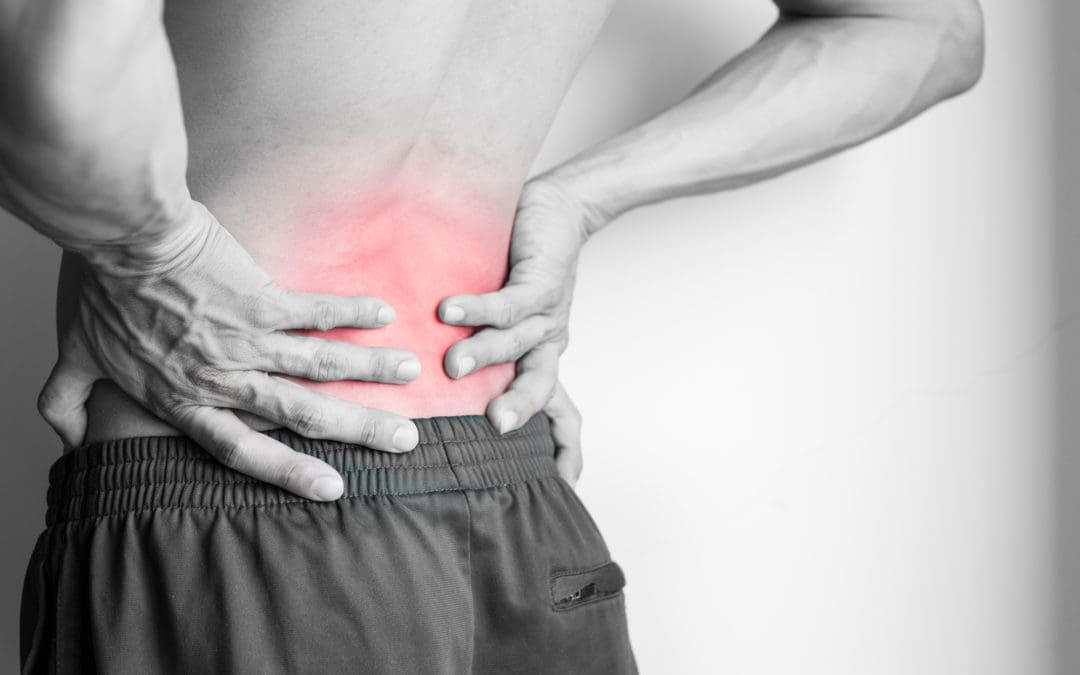
Do you constantly feel severe muscle aches or pains in your back after an excruciating long workday? Do you experience muscle tiredness from your back to your legs after carrying a heavy object? Or have you noticed that twisting or turning motions temporarily relieve your lower back, only to worsen after a while? Often, many of these pain-like scenarios are correlated with chronic low back pain, and it can be due to the various factors that correlate with this common musculoskeletal condition. When it comes to musculoskeletal conditions associated with chronic low back pain, they are prevalent while their impact is pervasive. To that point, they affect many individuals as they are the number one most common cause of severe long-term pain and physical disability. (Woolf & Pfleger, 2003) Since back pain can be either acute or chronic, it can become multifactorial as many other pain symptoms tend to cause overlapping risk profiles in the body. The impact of chronic low back pain has underlying pathological causes that are not well-defined but can be related to psychosocial dysfunction. (Andersson, 1999)
Additionally, degenerative changes within the spine can also cause an impact on the development of chronic lower back pain. The risk factors that cause overlapping risk profiles can range from smoking and obesity to various occupations that require excessive motions. (Atkinson, 2004) When that happens, it causes people to have unnecessary stress that impacts their lives and causes them to be miserable. This is where many individuals start seeking treatment to reduce the effects of chronic lower back pain and reduce the chances of seeking surgical intervention.
The Role Of Chiropractic Care On Improving Your Health- Video
Non-Surgical Treatments For Chronic Back Pain
When people deal with chronic lower back pain, many often don’t realize that various motions, ages, and pathologies can modify the spine, causing the spinal discs to go through degenerative changes that correspond to the development of chronic lower back pain. (Benoist, 2003) When degenerative changes start to cause pain-like symptoms in the back, many will begin looking for affordable and effective treatments. Hence, this is why non-surgical treatments can help reduce the pain-like symptoms of chronic lower back pain and help restore body mobility. Non-surgical treatments are personalized to the person’s pain and range from acupuncture to massage therapy and spinal decompression. Non-surgical treatments are also affordable and help reduce the overlapping risk profiles of chronic low back pain while reducing its associated conditions.
Spinal Decompression Effects On Chronic Low Back Pain
Spinal decompression, as stated before, is a form of non-surgical treatment that incorporates mechanical gentle traction on the spine to alleviate chronic low back pain and can reduce the pain-like symptoms associated with it. Spinal decompression helps reduce the friction of the lumbar muscles, affecting the lumbar spine but also provides pain relief and body function. (Choi et al., 2022) Spinal decompression is safe while being gentle on the spine, combined with stabilization exercises to enhance intra-abdominal pressure and spinal ability to the lumbar. (Hlaing et al., 2021) When a person incorporates spinal decompression as part of their health and wellness journey, their pain and disability will lower over time while strengthening weakened muscles that were affected by chronic lower back pain. Incorporating these non-surgical treatments can help a person be more mindful of the environmental impact they are inflicting on their backs and live a better and healthier life.
Choi, E., Gil, H. Y., Ju, J., Han, W. K., Nahm, F. S., & Lee, P. B. (2022). Effect of Nonsurgical Spinal Decompression on Intensity of Pain and Herniated Disc Volume in Subacute Lumbar Herniated Disc. International Journal of Clinical Practice, 2022, 6343837. https://doi.org/10.1155/2022/6343837
Hlaing, S. S., Puntumetakul, R., Khine, E. E., & Boucaut, R. (2021). Effects of core stabilization exercise and strengthening exercise on proprioception, balance, muscle thickness and pain related outcomes in patients with subacute nonspecific low back pain: a randomized controlled trial. BMC Musculoskelet Disord, 22(1), 998. https://doi.org/10.1186/s12891-021-04858-6
Can individuals with leg and back pain find the relief by incorporating decompression to reduce pain-like associated symptoms?
Introduction
The lower extremities help stabilize the upper body’s weight and provide movement to the individual. The lower body portions include the lower back, pelvis, hips, thighs, legs, and feet, as they all have specific jobs to do and have an outstanding relationship with each other. However, their lower back and legs are susceptible to injuries. When environmental factors or injuries start to cause issues in the musculoskeletal system, it can lead to referred pain and overlapping risk profiles that can cause a person to have mobility and stability issues. The affected muscles, tissues, ligaments, and nerve roots can become irritated, weak, and tight when environmental factors start to compress the spine and lead to pain over time. Today’s article looks at how the back and legs work together in the body, how they are impacted by pain from environmental factors, and how spinal decompression can reduce leg and back pain. We talk with certified medical providers who consolidate our patients’ information to provide numerous treatments to minimize back and leg pain affecting their mobility. We also inform and guide patients on how treatments like decompression can help reduce pain-like symptoms within the legs and back. We encourage our patients to ask their associated medical providers intricated and important questions about the referred pain-like symptoms they are experiencing from their legs and since that is disrupting their daily routine. Dr. Jimenez, D.C., incorporates this information as an academic service. Disclaimer.
How The Back & Legs Work Together?
Do you feel radiating pain in your back that is affecting your ability to walk? Do you experience muscle aches or tiredness in your legs after a long workday? Or do you feel stiffness in your back and legs after waking up? Many of these scenarios are correlated with leg and back pain that can impact a person’s gait and lead to associated pain-like symptoms. The back and leg muscles work together through the sciatic nerve, a long nerve from the lumbar spinal region, past the gluteal muscles, traveling down the back of the legs and stopping at the knees. The back consists of the core muscles and the lumbar spinal region, allowing the person to bend, twist, and extend.
Meanwhile, the leg muscles help a person become mobile while stabilizing the person’s weight. These two muscle groups have an outstanding relationship in the lower extremities, as people need to be mobile when doing activities. However, they can also become vulnerable to injuries and pain that can cause disability issues.
How Pain Is Associated With The Back & Legs?
When it comes to the lower back and the legs, environmental factors and traumatic injuries can affect the surrounding muscles, tendons, ligaments, and nerve roots. For example, when working individuals routinely lift heavy objects, it can increase the risk of developing lower back pain while causing whole-body vibrations in the legs. (Becker & Childress, 2019) This is because what the heavy loading object does to the lower back is that it causes the spine to be compressed and contract the surrounding muscle. When it is repeated constantly, it can cause the spinal disc to herniate and aggravate the nerve roots. When these nerve roots become aggravated, it can lead to nerve entrapment and inflammation, thus causing individuals to experience chronic leg pain, foot drop, or ankle stability that affects their mobility. (Fortier et al., 2021)
Additionally, back and leg pain can even happen when the spine starts to experience degeneration, a natural process when the spinal disc shrinks over time. When the spinal disc in the lumbar spinal region degenerates over time, the nutrient supplies and changes in the extracellular composition cause the discs to be less capable of maintaining their load distribution function in the lower extremities. (Kim et al., 2020) However, many people who are experiencing leg and back pain can seek treatment to reduce the pain-like symptoms.
Chiropractic Care For Leg Instability- Video
Spinal Decompression Reducing Pain On The Legs & Back
When it comes to treating leg and back pain, many individuals will start to seek affordable treatment that can reduce pain-like symptoms. Many non-surgical treatments like spinal decompression are excellent for reducing pain that is affecting the back and legs. Spinal decompression uses a traction machine that can help stretch out the tight muscles from the lower back and provide negative pressure to the affected disc by increasing the blood nutrient flow back to the disc while reducing pressure off the aggravated nerve root. (Choi et al., 2022) Spinal decompression can be combined with core stabilizing exercises that can help reduce pain and disability and improve stability in the legs and lower extremities. (Hlaing et al., 2021) With spinal decompression to reduce back and leg pain, many individuals can notice positive results after consecutive treatment, and their mobility is improved. (Vanti et al., 2021) When individuals who are experiencing leg and back pain and are looking for treatment can find the benefits of spinal decompression to be incorporated into their daily routine since it can be customizable and help them be more mindful of what movements and environmental factors are causing them pain. Making these small changes over time can improve their health and help them live healthier lives.
References
Becker, B. A., & Childress, M. A. (2019). Nonspecific Low Back Pain and Return To Work. American Family Physician, 100(11), 697-703. https://www.ncbi.nlm.nih.gov/pubmed/31790184
Choi, E., Gil, H. Y., Ju, J., Han, W. K., Nahm, F. S., & Lee, P. B. (2022). Effect of Nonsurgical Spinal Decompression on Intensity of Pain and Herniated Disc Volume in Subacute Lumbar Herniated Disc. International Journal of Clinical Practice, 2022, 6343837. https://doi.org/10.1155/2022/6343837
Fortier, L. M., Markel, M., Thomas, B. G., Sherman, W. F., Thomas, B. H., & Kaye, A. D. (2021). An Update on Peroneal Nerve Entrapment and Neuropathy. Orthop Rev (Pavia), 13(2), 24937. https://doi.org/10.52965/001c.24937
Hlaing, S. S., Puntumetakul, R., Khine, E. E., & Boucaut, R. (2021). Effects of core stabilization exercise and strengthening exercise on proprioception, balance, muscle thickness and pain related outcomes in patients with subacute nonspecific low back pain: a randomized controlled trial. BMC Musculoskelet Disord, 22(1), 998. https://doi.org/10.1186/s12891-021-04858-6
Kim, H. S., Wu, P. H., & Jang, I. T. (2020). Lumbar Degenerative Disease Part 1: Anatomy and Pathophysiology of Intervertebral Discogenic Pain and Radiofrequency Ablation of Basivertebral and Sinuvertebral Nerve Treatment for Chronic Discogenic Back Pain: A Prospective Case Series and Review of Literature. Int J Mol Sci, 21(4). https://doi.org/10.3390/ijms21041483
Vanti, C., Turone, L., Panizzolo, A., Guccione, A. A., Bertozzi, L., & Pillastrini, P. (2021). Vertical traction for lumbar radiculopathy: a systematic review. Arch Physiother, 11(1), 7. https://doi.org/10.1186/s40945-021-00102-5
Can individuals dealing with hip pain, find the relief they are looking for from spinal decompression to reduce their sciatica pain?
Introduction
When it comes to individuals doing everyday movements, the body can be in weird positions without pain or discomfort. Hence, people can stand or sit for prolonged periods and feel all right when doing strenuous activities. However, as the body ages, the surrounding muscles and ligaments can become weak and tight, while the spinal joints and discs start to be compressed and wear and tear. This is because many individuals make repetitive motions on their bodies that cause pain-like symptoms in the back, hips, neck, and body extremities, leading to referred pain in different body locations. When individuals are experiencing musculoskeletal pain in their bodies, it can cause overlapping risk profiles that can hinder the individual and cause them to be miserable. Additionally, when people experience musculoskeletal pain in their bodies, many will seek treatment to reduce the referred pain-like symptoms associated with the musculoskeletal pain. Today’s article will examine one type of musculoskeletal pain on the hips, how it can cause sciatica pain-like problems, and how treatments like decompression can reduce the pain-like effects of hip pain correlated with sciatica. We talk with certified medical providers who consolidate our patients’ information to provide numerous treatments to relieve hip pain associated with sciatica. We also inform and guide patients on how decompression can help reduce pain-like symptoms like sciatica and restore hip mobility. We encourage our patients to ask their associated medical providers intricated and important questions about the pain-like symptoms they are experiencing from hip pain. Dr. Jimenez, D.C., incorporates this information as an academic service. Disclaimer.
Hip Pain Associated With Sciatica
Do you often experience stiffness in your lower back and hips after sitting down for an excessive period? How about feeling radiating pain running down from your lower back to your legs? Or do you think your hip and thigh muscles become tight and weak, which is affecting your gait stability? Many individuals experiencing these pain-like issues are experiencing hip pain, and it can be an issue when it is not treated over time. Since hip pain is a common and disabling condition that is challenging to diagnose, many individuals often express localized pain in one of the three anatomic regions: the anterior, posterior, and lateral hip sections. (Wilson & Furukawa, 2014) When individuals are dealing with hip pain, they will also experience referred pain in their lower backs, which causes them to be in distress and miserable. At the same time, simple ordinary movements like sitting or standing can affect the muscles and ligaments surrounding the hips and can be damaging. This can cause hip pain to be referred from the lumbar spine and spine problems, which then cause musculoskeletal issues in the lower extremities. (Lee et al., 2018)
So, how would hip pain be associated with sciatica and causing pain in many lower extremities? The hip areas in the musculoskeletal system have numerous muscles surrounding the pelvic bone area that can become tight and weak, causing referred musculoskeletal pain from intrapelvic and gynecologic issues. (Chamberlain, 2021) This means that musculoskeletal disorders like piriformis syndromes associated with hip pain can lead to sciatica. The sciatic nerve travels down from the lumbar region and the buttocks and behind the leg. When a person is dealing with sciatica and is going to their primary doctor to get treated for the pain, their doctors will do a physical examination to see what factors are causing the pain. Some of the common findings during a physical exam were tenderness and palpation of the greater sciatic notch and the reproduction of pain along the hips. (Son & Lee, 2022) This causes associated symptoms that correlate with sciatica and hip pain, including:
Tingling/numbing sensations
Muscle tenderness
Pain while sitting or standing
Discomfort
Is Motion The Key To Healing- Video
Spinal Decompression Reducing Hip Pain
However, many individuals will find non-surgical treatments to help reduce sciatica associated with hip pain. Non-surgical treatments are customized to a person’s pain and are cost-effective while being gentle on the spine. Spinal decompression can help reduce hip pain associated with sciatica. Decompression on the spine allows gentle traction to stretch out weak muscles along the lower back and hips while the spinal discs are experiencing negative pressure. When a person is dealing with sciatica pain associated with hip pain and trying decompression for the first time, they are provided with the relief they deserve. (Crisp et al., 1955)
Additionally, many individuals who incorporate decompression for their hip pain can begin to feel its effects as it helps improve blood flow circulation back to the hips to start the natural healing process. (Hua et al., 2019) When people begin incorporating decompression for their hip pain, they can relax as they feel all their aches and pain gradually disappear as mobility and rotation are back on the lower extremities.
Crisp, E. J., Cyriax, J. H., & Christie, B. G. (1955). Discussion on the treatment of backache by traction. Proc R Soc Med, 48(10), 805-814. https://www.ncbi.nlm.nih.gov/pubmed/13266831
Hua, K. C., Yang, X. G., Feng, J. T., Wang, F., Yang, L., Zhang, H., & Hu, Y. C. (2019). The efficacy and safety of core decompression for the treatment of femoral head necrosis: a systematic review and meta-analysis. J Orthop Surg Res, 14(1), 306. https://doi.org/10.1186/s13018-019-1359-7
Lee, Y. J., Kim, S. H., Chung, S. W., Lee, Y. K., & Koo, K. H. (2018). Causes of Chronic Hip Pain Undiagnosed or Misdiagnosed by Primary Physicians in Young Adult Patients: a Retrospective Descriptive Study. J Korean Med Sci, 33(52), e339. https://doi.org/10.3346/jkms.2018.33.e339
Son, B. C., & Lee, C. (2022). Piriformis Syndrome (Sciatic Nerve Entrapment) Associated With Type C Sciatic Nerve Variation: A Report of Two Cases and Literature Review. Korean J Neurotrauma, 18(2), 434-443. https://doi.org/10.13004/kjnt.2022.18.e29
IFM's Find A Practitioner tool is the largest referral network in Functional Medicine, created to help patients locate Functional Medicine practitioners anywhere in the world. IFM Certified Practitioners are listed first in the search results, given their extensive education in Functional Medicine