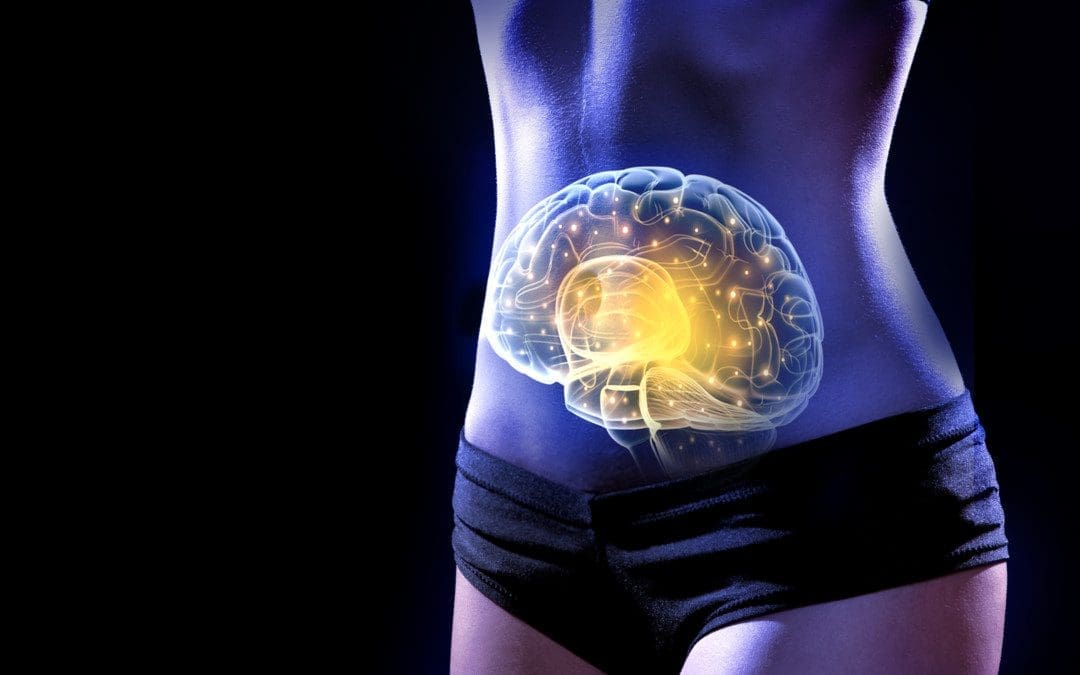
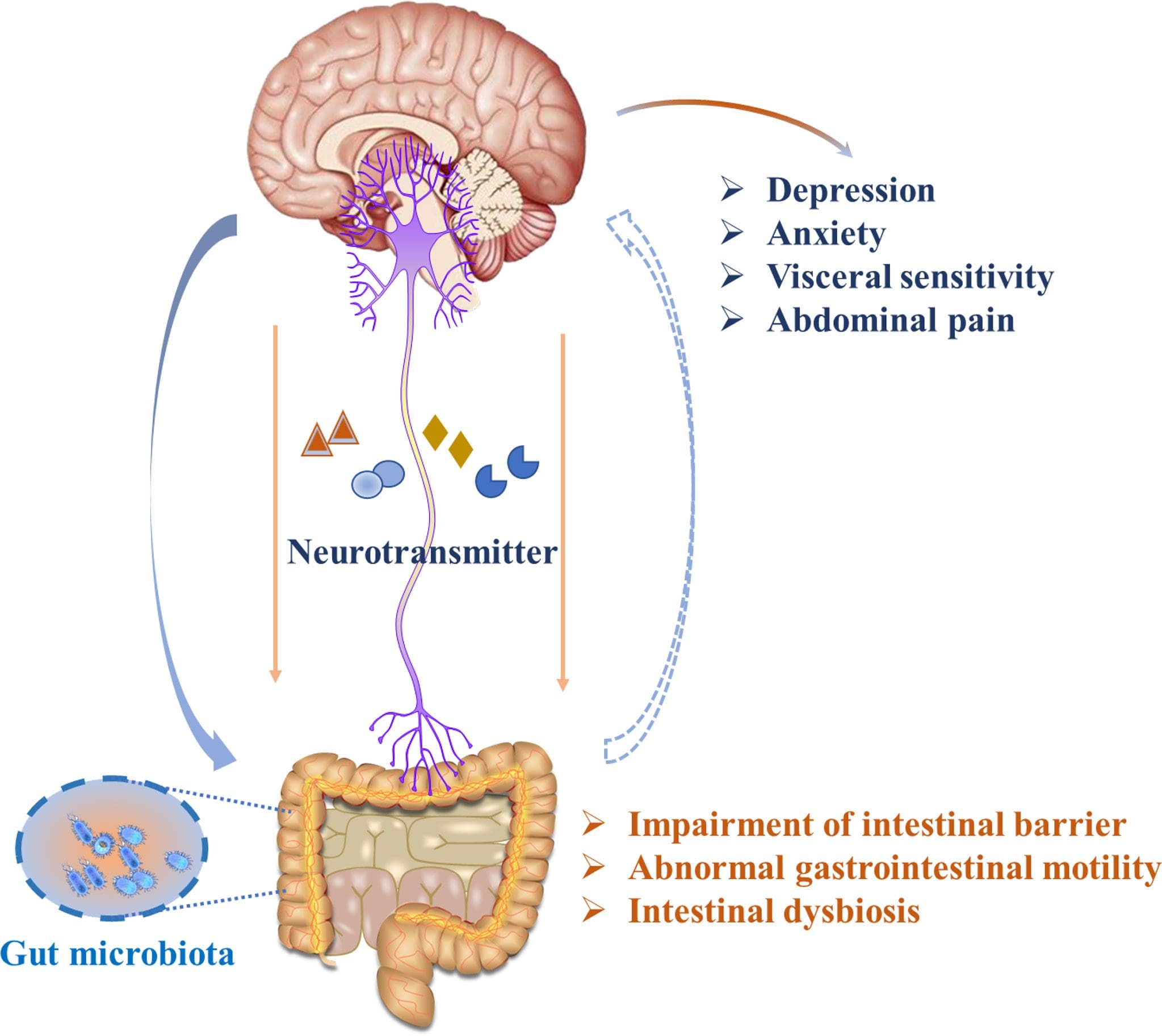
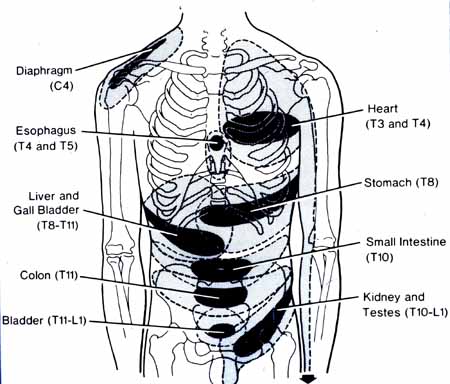
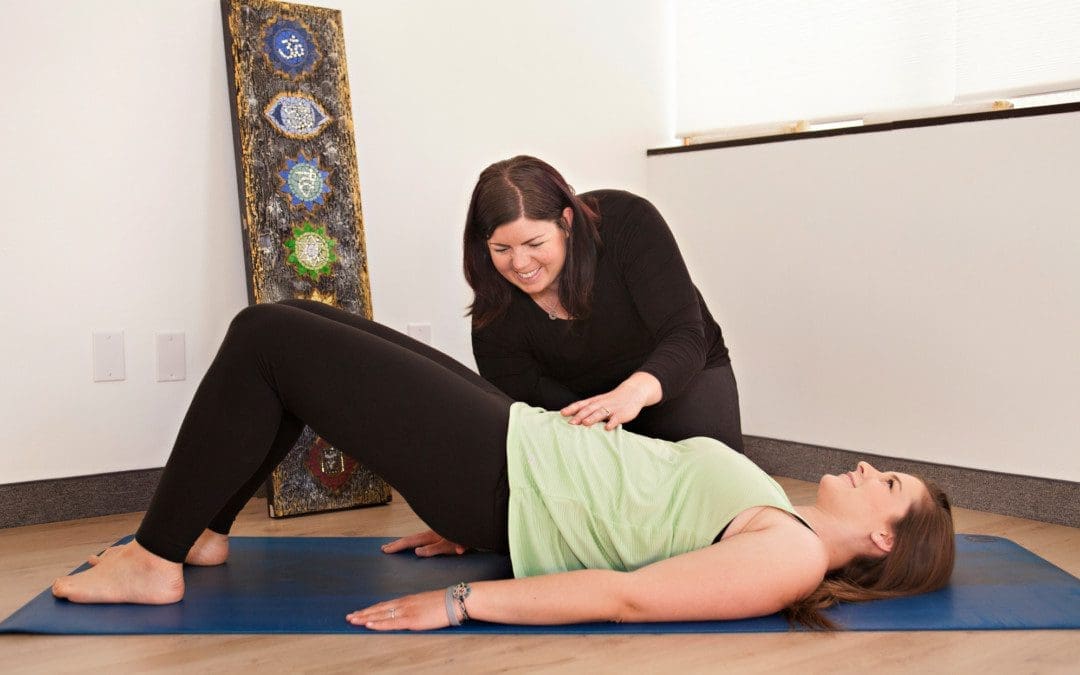
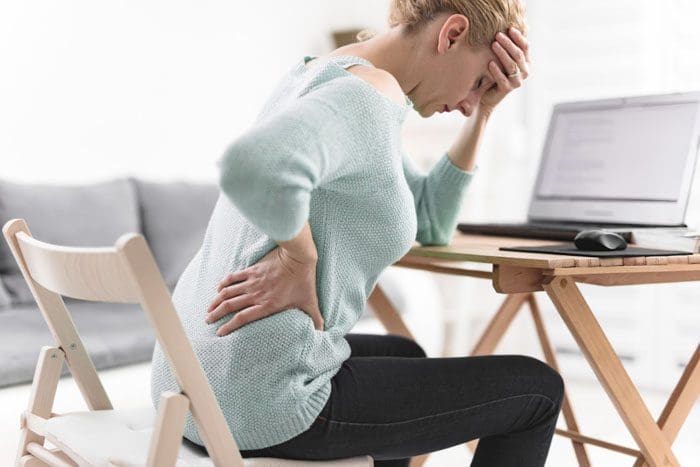
The gut-brain axis is fundamental to the body as it communicates bi-directional with the brain and the gut. Separately they provide different functions that are required of the body. The brain, part of the central nervous system, allows the neurons to travel to each overlapping nerve root while having a causal relationship with different muscles and organs connected to the spinal cord. While the gut, which is part of the gastrointestinal and digestive system, helps modulate the body’s homeostasis and regulates the immune system. The nerves, muscles, and organs correspond as the nerve pathways interconnect to the spinal cord. When injuries or traumatic events affect the body, it can lead the individual to suffer from pain affecting their body while increasing the risk associated within different locations. For example, chronic stress causing gut inflammation is associated with headaches or neck and back pain. Today’s article focuses on the gut-brain axis, what happens when chronic issues affect the gut-brain axis, and how somatovisceral pain affects the gut-brain axis. We refer patients to certified providers specializing in gastroenterology treatments that help those with issues that affect the gut-brain axis and overlapping problems impacting the body. We also guide our patients by referring to our associated medical providers based on their examination when it’s appropriate. We find that education is the solution to asking our providers insightful questions. Dr. Alex Jimenez DC provides this information as an educational service only. Disclaimer
How Does The Gut & Brain Work Together?
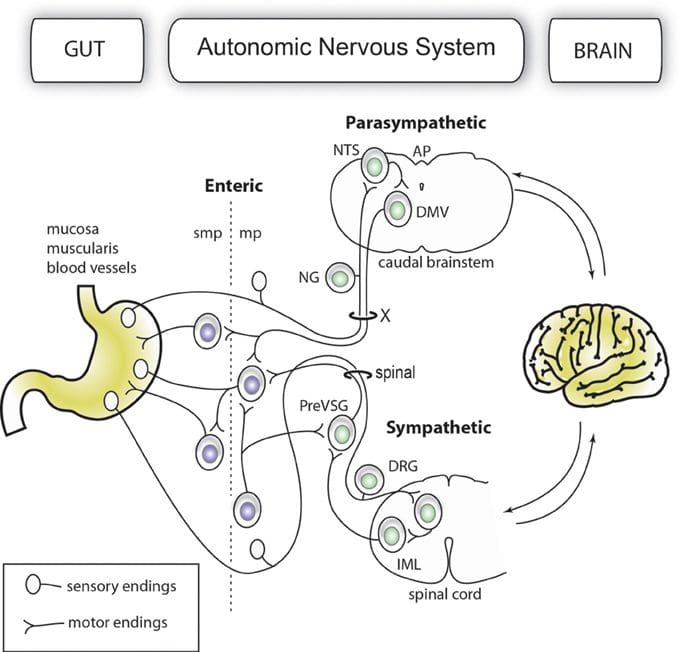
The way the gut and brain correlate together is quite remarkable. The gut allows food to be digested in the stomach to be bio-transformed into nutrients the body needs to function. While the brain sends neuron signals through the spinal cord, those signals help provide the sensory-motor functions to make the body move. Now, how do the brain and gut work together in the body? Well, studies reveal that the gut-brain axis correlates to the various systems like the autonomic nervous system, the HPA axis, and the nerves surrounding the gastrointestinal tract help the brain influence intestinal activity and regulate cognitive function. Each of these vital organs has a causal relationship where they:
Help with sleep regulation
Improve memory functionality
Helps coordinate physical and emotional well-being
Regulating inflammatory responses
When chronic issues affect the gut-brain axis, it can cause an overlap in risk profiles that rise in the body and not just in the brain or the gut. Studies reveal that issues that begin to affect the gut-brain axis can cause alteration within the bi-directional pathway and trigger other problems that correlate to the body.
Chronic Issues Affecting The Gut-Brain Axis
Have you been suffering from fatigue? How about reoccurring headaches that never seem to go away? Do digestive complaints like IBS, GERD, or gut inflammation affect more than your gut? These chronic issues can be various factors that impact the bi-directional connection of the gut-brain axis. Stress, gut inflammation, traumatic events, food allergens, autoimmunity, and metainflammation are some overlapping risk profiles associated with neck and back pain. Studies reveal that chronic stress in the brain can affect the gut’s composition and functionality by alternating intestinal permeability. When the gut microbiome is being affected, the harmful bacteria begin to overproduce and trigger the sympathetic branch of the nervous system to cause an imbalance of hormones to be released and be associated with stress-related muscle dysfunction in the body. So what does this implicates to the body? Let’s say, for example, that you have been experiencing pain in the cervical region of the spine, but your brain is telling the body that it is a headache. This is known as somato-visceral pain.
An Overview Of Somatosensory Tract-Video
Have you been suffering from cognitive and memory dysfunction? How about experiencing gastrointestinal issues that are affecting your gut? Or have you experienced any cramping, gnawing, or sharp pain that seems to be triggered by movement and appears in one area of the body? This is known as somato-visceral pain and is defined as soft tissues and muscles experiencing pain that can affect the internal organs. Somato-visceral pain is much easier to identify than viscero-somatic pain because visceral pain is caused by damaged internal organs associated with distress in different body locations. At the same time, somato-visceral pain is often associated with musculoskeletal pain. The video above explains the somatosensory tract that is in the body and how the body responds to the somatosensory system. The somatosensory system is located within the peripheral and central nervous systems. It is responsible for modulating the body’s sense of touch, vibration, temperature, and pain receptors that are located in the body. When traumatic events affect the somatic nerves, they can trigger changes in the gut-brain axis and cause alterations to the affected organs.
Somatovisceral Pain Affecting The Gut-Brain Axis
When dealing with chronic stress, the effects cause a dysfunctional gut-brain axis and cause issues affecting the two organs. Studies reveal that when chronic stress becomes an associated mediator for gut disturbances and dysregulation of the gut-brain axis, it can cause an overlap in risk profiles in the body. So what does this mean, and how is the body affected by somato-visceral pain? First, let’s look at what happens when the body is affected by chronic stress. When stress affects the gut and the brain, it can cause issues like IBS (irritable bowel syndrome) or headaches. Studies reveal that IBS is one of the most common gastrointestinal disorders that trigger visceral and somatic hypersensitivity on the sensory nerves. So the body experiencing sharp pain in the back or neck may be associated with IBS.
Now looking at headaches and their causes on the body, it is one example of somato-visceral pain. When a person is dealing with neck trauma due to an auto accident that causes whiplash can trigger cervicogenic headache. How do the two correlate with somato-visceral pain? Well, somato-visceral pain is when soft muscles and tissues are affected and can cause an impact on the internal organs. For cervicogenic headaches may trigger mechanical pain along the cervical spine to be aggravated by movement and be associated with musculoskeletal issues like rheumatoid arthritis, ankylosing spondylitis, or muscle strain on the upper cervical spine. Many individuals go to available treatments that can help them better understand the issue that is causing them to be in pain and how to alleviate them.
Conclusion
The gut-brain axis is fundamental in the body as it communicates bi-directional with the brain and the gut. These two organs help keep the body functioning as the brain provides neuron signals while the gut regulates homeostasis. The gut-brain axis helps the body by correlating with the various systems that help influence intestinal activity and control cognitive function. When traumatic factors affect the body’s soft tissues and muscles and trigger organ issues, this is known as somato-visceral pain. Somato-visceral pain is when the muscles are affecting the organs, and an example is cervical muscle strain associated with headaches. Providing much-needed information on available treatments can help many individuals when being examined by their physicians.
References
Appleton, Jeremy. “The Gut-Brain Axis: Influence of Microbiota on Mood and Mental Health.” Integrative Medicine (Encinitas, Calif.), InnoVision Health Media Inc., Aug. 2018, https://www.ncbi.nlm.nih.gov/pmc/articles/PMC6469458/.
Carabotti, Marilia, et al. “The Gut-Brain Axis: Interactions between Enteric Microbiota, Central and Enteric Nervous Systems.” Annals of Gastroenterology, Hellenic Society of Gastroenterology, 2015, https://www.ncbi.nlm.nih.gov/pmc/articles/PMC4367209/.
Martin, Clair R, et al. “The Brain-Gut-Microbiome Axis.” Cellular and Molecular Gastroenterology and Hepatology, Elsevier, 12 Apr. 2018, https://www.ncbi.nlm.nih.gov/pmc/articles/PMC6047317/.
Suslov, Andrey V, et al. “The Neuroimmune Role of Intestinal Microbiota in the Pathogenesis of Cardiovascular Disease.” Journal of Clinical Medicine, MDPI, 6 May 2021, https://www.ncbi.nlm.nih.gov/pmc/articles/PMC8124579/.
Yuan, Yao-Zong, et al. “Functional Brain Imaging in Irritable Bowel Syndrome with Rectal Balloon-Distention by Using Fmri.” World Journal of Gastroenterology, Baishideng Publishing Group Inc, June 2003, https://www.ncbi.nlm.nih.gov/pmc/articles/PMC4611816/.
Nutrition is how the body utilizes consumed food. Nutrition plays a role in chronic pain; lifestyle behaviors can influence how food contributes to illness/diseases. A common cause of chronic pain is chronic systemic inflammation. Inflammation plays a role in many chronic disease conditions, including diabetes, heart disease, and cancer. Reducing inflammation can be achieved by adjusting diet to get individuals back to feeling better quickly and to aid them in maintaining and improving their overall health. Injury Medical Chiropractic and Functional Medicine Clinic offer diet and nutritional supplements guidance as part of a personalized treatment plan.
Inflammation
The purpose of the inflammatory response includes:
Isolate the dangerous bacteria, viruses, or damaged cells.
Flush out the dead cells and other damaging substances.
Reductions of comorbidities like obesity and cardiovascular disease.
Reducing healthcare costs.
Vitamin and Mineral Supplements
Diet and nutritional supplements provide added essential nutrients to a damaged, inflamed, or injured body. Dietary supplements improve overall health and wellness.
Vitamin D and calcium tablets help maintain optimal bone health, as low vitamin D levels can lead to back pain.
Vitamins E and C, combined with copper, help with blood production, tissue repair, and brain and skin health.
Folic acidcan help with joint pain and myofascial pain.
B Vitamins can help with pain and prevent liver dysfunction.
Nutritional supplements support the body until the body and/or organs have correctly healed. Recovery from an injury could cause body stress that can interfere with the healing process. Diet and nutritional supplements expedite the healing and recovery process by:
Helping overcome dietary deficiencies.
Improving immune system function.
Detoxifying toxins.
Contain antioxidants that help the body stay toxin-free.
Chiropractic restores and realigns the body by incorporating supplements to nourish the body tissues and recover optimally from injury.
InBody Nutrition
References
Dragan, Simona, et al. “Dietary Patterns and Interventions to Alleviate Chronic Pain.” Nutrients vol. 12,9 2510. 19 Aug. 2020, doi:10.3390/nu12092510
Lee, Mi Kyung, et al. “The use of nutritional guidance within chiropractic patient management: a survey of 333 chiropractors from the ACORN practice-based research network.” Chiropractic & manual therapies vol. 26 7. 20 Feb. 2018, doi:10.1186/s12998-018-0175-1
Li, Chuan, et al. “Macrophage polarization and meta-inflammation.” Translational research: the journal of laboratory and clinical medicine vol. 191 (2018): 29-44. doi:10.1016/j.trsl.2017.10.004
Nutrition and Chronic Pain https://www.iasp-pain.org/resources/fact-sheets/nutrition-and-chronic-pain/
Pahwa R, Goyal A, Jialal I. Chronic Inflammation. [Updated 2021 Sep 28]. In: StatPearls [Internet]. Treasure Island (FL): StatPearls Publishing; 2022 Jan-. Available from: https://www.ncbi.nlm.nih.gov/books/NBK493173/
Pain in different body areas can excruciate the host as it can affect other regions. In the body, pain can affect the muscles, tissues, organs, and skeletal joints through environmental factors that affect the body’s systems. For example, the gut system provides the body with overall health and wellness by regulating homeostasis and metabolism, which can be affected by common factors like stress or unhealthy eating habits that can cause joint inflammation due to overproducing harmful gut bacteria. Or how about poor posture affecting the organs in the pelvic region and causing the lower back and neck muscles to have a dull ache in the body. Today’s article looks at how pelvic pain affects the somato-visceral reflexes in the body and how there are treatments for relieving pelvic pain. We refer patients to certified providers specializing in chiropractic treatments that help those with pelvic pain. We also guide our patients by referring to our associated medical providers based on their examination when it’s appropriate. We find that education is the solution to asking our providers insightful questions. Dr. Alex Jimenez DC provides this information as an educational service only. Disclaimer
Can my insurance cover it? Yes, it may. If you are uncertain, here is the link to all the insurance providers we cover. If you have any questions or concerns, please call Dr. Jimenez at 915-850-0900.
Somatovisceral Reflexes & Pelvic Pain
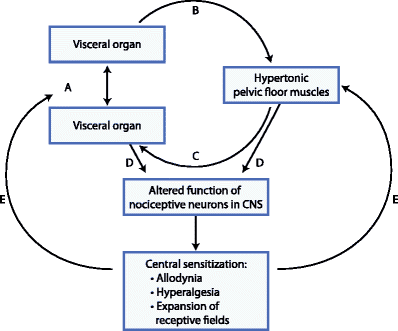
Have you experienced pain in your lower back or pelvic regions from sitting too long? Have you experienced bladder dysfunction that is causing you to urinate frequently? Or are you suffering from muscle cramps in the pelvic area? Studies have revealed that pelvic pain can be a chronic, persistent pain associated with co-morbidities like IBS (irritable bowel syndrome), neurological disorders, or low back pain. Pelvic pain is challenging to diagnose since it is multifactorial and shares various nerve roots that send signals to the brain. For example, individuals that suffer from pelvic pain will complain about the somatovisceral convergence affecting their reproductive organs and connective tissues. Other issues like prolonged sitting and poor posture can also affect the lumbosacral nerve root as it is being compressed, causing low back pain and pelvic organ dysfunction.
The somato-visceral reflexes of the pelvic muscles can become overstretched and compress the surrounding nerve roots like the sciatic nerve and the lumbosacral nerve, causing issues of sciatica or lower back pain. Studies have also revealed that individuals who suffer from spinal cord injuries can disrupt the somatic lumbosacral nerve pathway that is responsible for coordinating bladder function to the pelvic region. These pathways can also produce different autonomic reflex responses to the various organs and somatic afferents. For example, if a female is experiencing pain in her hips or thighs from hyper-sensitive nerve roots, the brain will register that as pain in her reproductive system. Or, if the pelvic muscles are hypersensitive to the touch, something might be affecting the genital regions.
An Overview Of Pelvic Pain- Video
Have you experienced muscle tenderness located in the pelvic region? Have stressful events caused changes in the reproductive system? Have you experienced pelvic pain that is associated with low back pain? You might be experiencing these systems due to pelvic pain and associated co-morbidities. The video above gives an overview of pelvic pain and how it affects the body. Research studies have revealed that the characteristic of mechanically induced pelvic pain and organic dysfunction that correlates to lower sacral nerve root compression results from low back disorders. The environmental factors that can cause low back conditions include:
Obesity
Heavy lifting
Muscle strain
Poor posture
Herniated disc
Treatments For Pelvic Pain
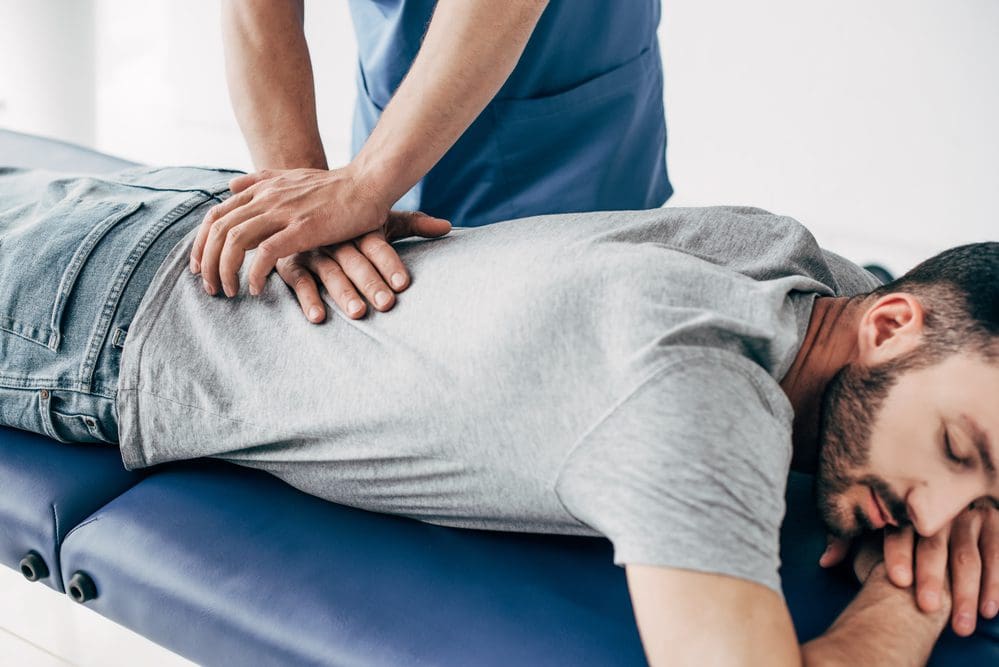
Various treatments can help relieve these overlapping risk profiles associated with pelvic pain and low back pain that are causing the issue and strengthen the weak muscle affected. Exercising can help support the hip and thigh muscles to prevent muscle strain on the low back and pelvic muscles with the combination of chiropractic therapy to provide beneficial pain relief. Chiropractic therapy on the lumbar spine can help alleviate pelvic pain and lumbosacral nerve root irritation affecting the pelvic region. The effects of chiropractic therapy help sustain the caudal flexion of the lumbar spine and release the muscle that aggravates the lumbosacral nerve root that is running along the pelvic region.
Conclusion
Pain affecting the pelvic region can be due to co-morbidities affecting different areas in the body. With pelvic pain being multifactoral, it can be a challenge to diagnose since it shares various nerve roots signaling to the brain. This causes many individuals to complain about somatovisceral convergence that can affect their reproductive organs and connective tissues in the pelvic region. Other issues like low back pain associated with prolonged sitting and poor posture can cause pelvic pain too. Treatments like chiropractic therapy and exercising can help strengthen the low back and pelvic muscles to alleviate painful symptoms that are causing underlying issues and discomfort in the body.
References
Browning, J E. “Mechanically Induced Pelvic Pain and Organic Dysfunction in a Patient without Low Back Pain.” Journal of Manipulative and Physiological Therapeutics, U.S. National Library of Medicine, Sept. 1990, https://pubmed.ncbi.nlm.nih.gov/2212886/.
Browning, J E. “Chiropractic distractive decompression in treating pelvic pain and multiple system pelvic organic dysfunction.” Journal of manipulative and physiological therapeutics vol. 12,4 (1989): 265-74. https://pubmed.ncbi.nlm.nih.gov/2527938/
CM;, Spitznagle TM;Robinson. “Myofascial Pelvic Pain.” Obstetrics and Gynecology Clinics of North America, U.S. National Library of Medicine, 9 June 2014, https://pubmed.ncbi.nlm.nih.gov/25155122/.
Craggs, Michael D. “Pelvic Somato-Visceral Reflexes after Spinal Cord Injury: Measures of Functional Loss and Partial Preservation.” Progress in Brain Research, U.S. National Library of Medicine, 2006, https://pubmed.ncbi.nlm.nih.gov/16198702/.
Dydyk, Alexander M, and Nishant Gupta. “Chronic Pelvic Pain – Statpearls – NCBI Bookshelf.” In: StatPearls [Internet]. Treasure Island (FL), StatPearls Publishing, 11 Nov. 2021, https://www.ncbi.nlm.nih.gov/books/NBK554585/.
The body requires the heart in the cardiovascular system to pump oxygen-riched blood to all the muscles, tissues, and organs to keep it functioning. While the heart pumps the blood to the body, the lungs in the pulmonary system help the body by making the host breathe in the fresh air, remove the gases from the body, and helps delivers oxygen to the body cells. When issues begin to affect the lungs and the heart, it can cause the individual to develop cardiovascular disorders and a lung condition known as asthma to disrupt the body and cause pain to the individual. Today’s article looks at what asthma is, how it affects the body, and how somatic issues from asthma can affect the cardiovascular system. We refer patients to certified providers specializing in cardiovascular and pulmonary treatments that help those suffering from asthma attacks. We also guide our patients by referring to our associated medical providers based on their examination when it’s appropriate. We find that education is the solution to asking our providers insightful questions. Dr. Alex Jimenez DC provides this information as an educational service only. Disclaimer
Can my insurance cover it? Yes, it may. If you are uncertain, here is the link to all the insurance providers we cover. If you have any questions or concerns, please call Dr. Jimenez at 915-850-0900.
What Is Asthma?
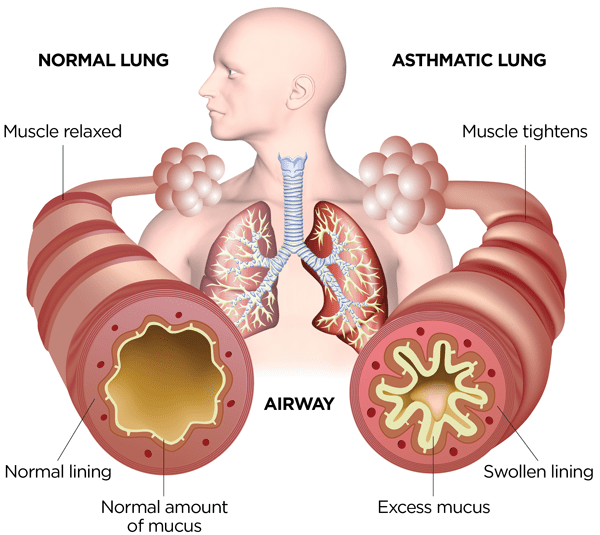
Have you experienced chest pains that are causing issues in your arms? How about the shortness of breath that causes you to have difficulty breathing? Do you have trouble sleeping due to waking up coughing or breathing rapidly? These are the signs and symptoms of you experiencing an asthma attack. Research studies have defined an asthma attack as a chronic disease that causes inflammatory narrowing of the air pathways to the lungs. When a person starts to suffer from an asthma attack, it can cause the lung capacity volume to be weakened and produce an excessive amount of mucus in the airways. Many factors like genetics, allergens, obesity, stress and environmental exposures can trigger a person to have an asthma attack. When these factors begin to affect the lungs, it can cause an overlap of other risk profiles to affect the body.
How Does It Affect The Body?
The lungs help the body intake fresh air and exhale the gases. The lungs provide an autonomic innervation that has a typical casual relationship to the autonomic innervation of the heart. This causal relationship also works with the parasympathetic innervation of the vagus nerve and the prominent sympathetic innervation of the spine’s thoracic region. With the lungs providing the functionality of breathing in the body, it is considered a musculoskeletal act in the service of a visceral system requirement that straddles the somatovisceral interface. Regarding individuals with asthma, research studies have shown that it can cause somatic symptoms like chest pains, cold hands and feet, and blurred vision. These somatic symptoms can affect the lungs and increase the risk associated with cardiovascular diseases.
The Difference Between Somatic & Visceral Pain- Video
Have you noticed chest pain frequently occurring and causing muscle stiffness in your arms? Are you gasping constantly that it irritates your throat? How about the shortness of breath that makes it difficult to sleep? You could be experiencing an asthma attack that can trigger somatovisceral issues that affect the body. The video above explains the difference between somatic and visceral pain affecting the body. Somatic pain is when the muscles trigger the organs, while visceral pain is the opposite, where the internal organs affect the muscles. When asthma affects the airway muscles, it can cause the heart muscles to work extra harder, causing chest and upper-mid back pains in the body.
Asthma Causing Somatic Issues To The Cardiovascular System
The heart and lungs have a casual relationship as the lungs help the body to breathe in the fresh air, and the heart takes the oxygen-riched blood to supply the rest of the organs, muscles, and tissues in the body. Through the sympathetic system, the heart communicates with the parasympathetic, sympathetic, and sensory pathways that allow the coordination of the cardiac tone, causing the heart to accelerate its beat in the body. When an asthma attack begins to affect the cardiovascular system, research studies have found that the sudden restriction of the airflow pathways from an asthma attack is a development for upcoming cardiovascular issues. The heart muscles will coincidentally begin to strain as the sensory innervations cause immense pain. The sudden constriction of the airways during an asthma attack can also affect the thoracic spine and reach the heart. One of the ways to reduce cardiovascular issues that affect the thoracic spine is spinal manipulation. Research studies have found that manipulating the thoracic spine can help increase the motion of the thoracic cage and enhance the arterial airflow supply to regulate heartbeat and lung capacity.
Conclusion
Asthma is a chronic disorder that causes inflammation and narrows the air pathways that restrict oxygen from entering the heart. The lungs and the heart have a casual relationship to the body, providing oxygen and blood flow to the organs, muscles, and tissues to function correctly. When exposed to environmental factors, it can cause restriction to the airway pathways to the lungs, causing wheezing and coughing motion that can cause somatic visceral dysfunction in the cardiovascular system and the thoracic spine. When this happens, treatments like chiropractic therapy can manipulate the thoracic spine and restore the air pathways to improve cardio and lung capacity.
References
Hashmi, Muhammad F, et al. “Asthma.” In: StatPearls [Internet]. Treasure Island (FL), StatPearls Publishing, 16 Feb. 2022, https://www.ncbi.nlm.nih.gov/books/NBK430901/.
Kaminskyj, Adrienne, et al. “Chiropractic Care for Patients with Asthma: A Systematic Review of the Literature.” The Journal of the Canadian Chiropractic Association, Canadian Chiropractic Association, Mar. 2010, https://www.ncbi.nlm.nih.gov/pmc/articles/PMC2829683/.
Pollevick, Matias E, et al. “The Relationship between Asthma and Cardiovascular Disease: An Examination of the Framingham Offspring Study.” Chest, American College of Chest Physicians, Apr. 2021, https://www.ncbi.nlm.nih.gov/pmc/articles/PMC8501004/.
Ringsberg, K C, et al. “Psychological Differences between Asthmatics and Patients Suffering from an Asthma-like Condition, Functional Breathing Disorder: A Comparison between the Two Groups Concerning Personality, Psychosocial and Somatic Parameters.” Integrative Physiological and Behavioral Science : the Official Journal of the Pavlovian Society, U.S. National Library of Medicine, 1993, https://pubmed.ncbi.nlm.nih.gov/8117581/.
Referred pain is the interpretation of feeling pain in a different location than the actual cause. For example, a pinched nerve in the spine/back causes pain not to show up not where it is pinching but further down in the buttock, leg, calf, or foot. Similarly, a pinched nerve in the neck could translate to shoulder or elbow pain. Referred pain is often caused by the muscles overcompensating weaker ones, like feeling pain outside the knee, with the actual injury stemming from hip joint dysfunction caused by weakened lateral hip muscles. The athletic referred pain could have been brought on by an acute sports injury, an overuse injury from the repetitive motion/s.
Athletic Referred Pain
Somatic referred pain originates from the muscles, skin, and other soft tissues and is not to be confused with visceral pain, which refers to the internal organs/viscera. However, the pain presents in regions supplied by the same nerve roots. Damaged or injured body structures can cause referred pain. This includes the muscles, nerves, ligaments, and bones.
Common Sites
Individuals can experience referred pain almost anywhere. Athletic referred pain commonly occurs in these areas:
The neck and shoulder where pain can be felt in the elbow, arm, and hand or cause headaches.
The back where pain can be felt in the hips, buttocks, and thighs.
The hip/s area, where pain can be felt in and around the low back and abdominal regions.
The groin, where pain can be felt in and around the abdominal region.
Problems with the vertebral discs, nerve root compression, muscle spasms, osteoarthritic changes, spinal fracture, or tumor/s can affect the body’s ability to transport sensory information, which can cause strange sensations and weakness of muscle tissues, and sometimes problems with coordination and movement. Part of an accurate diagnosis is knowing the patterns of referred pain in all the muscles and internal organs.
Pain Activation
Many nerve endings come together and share the same nerve cell group in the spinal cord. When signals travel through the spinal cord to the brain, some signals follow the same path as the pain signals from a different body part. Pain awareness is felt in a deeper center of the brain known as the thalamus, but the sensory cortex determines the perception of where the pain is coming from and the location of the pain. The intensity and sensation of the athletic referred somatic pain vary for different structures and depend on the inflammation level. For example:
Nerve pain tends to be sharp or shooting.
Muscle pain tends to be a deep dull aching or a burning sensation.
However, muscles can give a sensation of tingling where referred pain is presenting, but tingling is more commonly associated with a nerve injury.
Diagnosing referred pain injuries can be complex as there are various areas where the pain can show up. The source of damage needs to be identified; otherwise, achieving lasting pain relief will not last. A biomechanical analysis can help to find movement/motion patterns that may be causing pain and help identify the source.
Treatment
Athletic performance and spinal health are interconnected. Chiropractic treatment involves whole-body wellness that involves the spine and nervous system. Routine chiropractic care relieves neck, shoulder, arm, back, leg, and foot conditions/injuries and helps prevent disorders of joints and muscles. It calms the mind, provides pain relief, and educates individuals on being more aware of the body. Chiropractic adjustments improve blood flow and nerve function to increase agility, reaction times, balance, strength, and expedited healing of the body.
DRX9000 Decompression
References
Kapitza, Camilla, et al. “Application and utility of a clinical framework for spinally referred neck-arm pain: A cross-sectional and longitudinal study protocol.” PloS one vol. 15,12 e0244137. 28 Dec. 2020, doi:10.1371/journal.pone.0244137
Murray, Greg M. “Guest Editorial: referred pain.” Journal of applied oral science: Revista FOB vol. 17,6 (2009): i. doi:10.1590/s1678-77572009000600001
Weller, Jason L et al. “Myofascial Pain.” Seminars in neurology vol. 38,6 (2018): 640-643. doi:10.1055/s-0038-1673674
Wilke, Jan, et al. “What Is Evidence-Based About Myofascial Chains: A Systematic Review.” Archives of physical medicine and rehabilitation vol. 97,3 (2016): 454-61. doi:10.1016/j.apmr.2015.07.023
The body relies on the gut system to help regulate its homeostasis and metabolize the nutrients for the immune system. The beneficial gut bacteria help maintain the intestinal walls from developing chronic issues and affecting the entire body. The gut system also provides information to the central nervous system through the spinal cord to the brain. The neuron signals help transport the information to all the corresponding muscles, tissues, and organs that require the gut system to stay healthy and functional. When the gut develops issues, the related muscles, tissues, nerves, and surrounding organs begin to feel the effects, causing the body to be dysfunctional. When this happens, many individuals will start to suffer pain and go to their physicians to find relief. Today’s article focuses on the sympathetic nervous system, how it affects the body, and how gut disorders can disruptively affect the sympathetic nerves in the surrounded torso area. We refer patients to certified, skilled providers specializing in gastrointestinal and chiropractic treatments that help those suffering from gut disorders and bodily pain. We also guide our patients by referring to our associated medical providers based on their examination when it’s appropriate. We find that education is critical for asking insightful questions to our providers. Dr. Alex Jimenez DC provides this information as an educational service only. Disclaimer
Can my insurance cover it? Yes, it may. If you are uncertain, here is the link to all the insurance providers we cover. If you have any questions or concerns, please call Dr. Jimenez at 915-850-0900.
The Sympathetic Nervous System
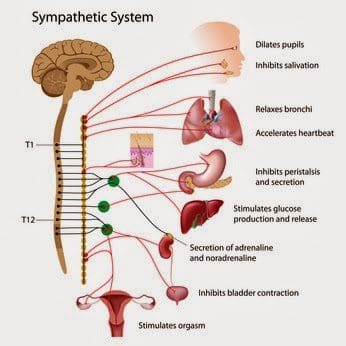
Have you been feeling stressed throughout the entire day? Do symptoms of inflammation tend to flare around the abdominal area or the abdominal organs? Do your muscles seem to tense up more than they should, even in their relaxed state? All of these signs and symptoms that affect the abdominal region of the body are all connected to the sympathetic nervous system in the body. Research studies have defined the sympathetic nervous system as part of the autonomic nervous system, a central nervous system component. The best way to describe the sympathetic nervous system is that it activates the adrenal glands to produce the hormone adrenaline causing the body to be in a “fight or flight” mode. The sympathetic nerves also help regulate the alpha and beta receptor activity of the various corresponding organs that stimulate the blood vessels surrounding the body, causing a relationship of the organs to the muscles.
How Does It Affect The Body?
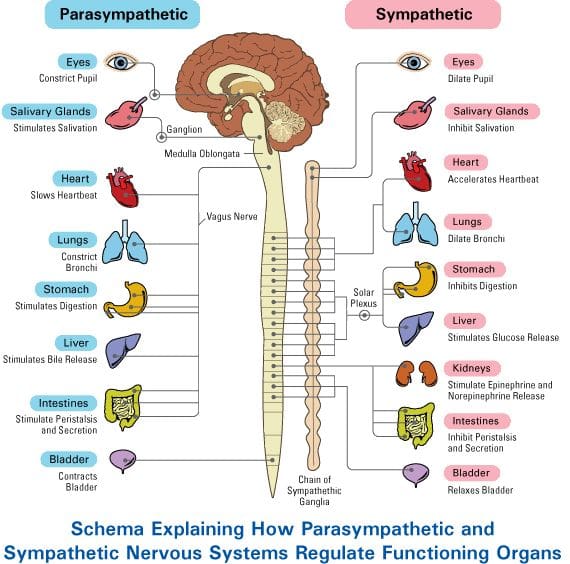
As part of the autonomic system, the sympathetic nervous and parasympathetic systems help the body achieve homeostasis by exerting influences over the organ systems. Research studies have shown that this causes the organ systems to upregulate and downregulate the various functions that each muscle needs. Some of the tasks that the sympathetic nervous system that activates these organs include:
An increased metabolism
Decreased GI motility
An increased heart rate
An increase in movement and strength
Suppression in the immune system
Constriction of the large arteries and veins
Increase glucose production
Additional studies have noticed that the neurons in the sympathetic nervous system help prepare the body for various physical activities that affect the organs. This causal relationship between the organs and muscles helps redirect the blood flow to different body parts. The sensory impulses of the somatic tissue will then correlate to the spinal cord’s thoracic and lumbar spinal regions. When these nerves become irritated, it can coincidently cause a direct overlap on the muscles and visceral organs surrounding the nerves, changing their functionality. This causes somatic dysfunction to create the impression of overlapping profiles affecting the internal organs.
An Overview Of The Sympathetic Nervous System-Video
Have you experienced knee pain while having issues in the pelvic region? How about feeling pain in the lower abdomen that triggers spinal stiffness in the lumbar parts of the back? Or have you noticed any pain from the testicular area is relieved after a spinal manipulation? These symptoms are mediators of the sympathetic nervous system when internal organs are damaged. The video above explains the sympathetic nervous system and how it functions in the body. When the body suffers from traumatic forces or ordinary factors, it can cause an increased risk of other associated problems that can also affect it. The afferent fibers from the sympathetic nervous system can carry the pain signals from the somatic and visceral tissues that converge at the common synaptic site that is within the spinal cord. Research has stated that the somatic nociceptive signals can disrupt the gastrointestinal tract due to stress from various locations in the gut system. When this happens, it can cause an overlap of risk profiles in the entire body.
How Do Gut Disorders Affect The Sympathetic Nerves?
The way the gut system works is that it provides homeostasis to the body by regulating the immune system. When the sympathetic nerves are intertwined with the gut system and the spinal cord, research studies show that the sympathetic innervation to the GI tract helps regulate the motility, secretion, and blood flow by correlating to the nervous system’s activity and modulating GI inflammation. When the guts system begins to suffer from disorders affecting the entire body, it can trigger alarm points to the meridians that closely associate with one or more internal organs in the gut system. These alarm points are coincidentally represented as the first instances of visceral pain or tenderness to the somatic structures. When this happens, many physicians will notice that visceral pain involvement overlaps with referred pain, correlating with the individual’s history and other signs of dysfunction. This is a technique called nerve tracing, where physicians follow the line of tenderness from a painful region of the body to the spine, like how GI issues can cause musculoskeletal pain and disturb the visceral tone.
Conclusion
The body requires the gut to maintain homeostasis and help regulate the immune system. The gut system also provides information to the central nervous system by letting the neuron signals transport the sensory-motor functions through the sympathetic nervous system to make the body functional. The sympathetic nerves help provide organ activation to the body that can help prepare the body for various activities. When the sympathetic nerves become irritated, it can cause the muscles and organs to be triggered and change their functionality. This can make the surrounding organs and muscles have an increased risk associated with other disorders that affect the body and correlate to different symptoms. When individuals inform their primary physicians about these symptoms, it gives them a better understanding of these disorders’ causation.
References
Alshask, Mark N, and Joe M Das. “Neuroanatomy, Sympathetic Nervous System.” In: StatPearls [Internet]. Treasure Island (FL), StatPearls Publishing, 14 May 2022, https://www.ncbi.nlm.nih.gov/books/NBK542195/.
Boezaart, Andre P, et al. “Visceral versus Somatic Pain: An Educational Review of Anatomy and Clinical Implications.” Regional Anesthesia and Pain Medicine, U.S. National Library of Medicine, July 2021, https://pubmed.ncbi.nlm.nih.gov/34145074/.
Cervi, Andrea L, et al. “Neural Regulation of Gastrointestinal Inflammation: Role of the Sympathetic Nervous System.” Autonomic Neuroscience: Basic & Clinical, U.S. National Library of Medicine, May 2014, https://pubmed.ncbi.nlm.nih.gov/24412637/.
LeBouef, Tyler, et al. “Physiology, Autonomic Nervous System.” In: StatPearls [Internet]. Treasure Island (FL), StatPearls Publishing, 8 May 2022, https://www.ncbi.nlm.nih.gov/books/NBK538516/.
Waxenbaum, Joshua A, et al. “Anatomy, Autonomic Nervous System – Statpearls – NCBI Bookshelf.” In: StatPearls [Internet]. Treasure Island (FL), StatPearls Publishing, 29 June 2021, https://www.ncbi.nlm.nih.gov/books/NBK539845/.
Back pain usually comes from lifting an object the wrong way or awkwardly moving the body, injuring the spinal structures or muscles. However, sometimes it could be signs/symptoms of a more serious medical condition. The back pain could be caused by:
How to know when the root cause of back pain is from something else in the body? There are two types of pain that pain specialists look at. These are visceral pain and somatic pain. Visceral pain comes from damage or injury to the organs or organ tissues. This internal pain can radiate to the spine from conditions like:
Pancreatitis
Ulcerative colitis
Crohn’s disease
Gall stones
Cancers
Kidney pain
Urinary tract infections
Somatic pain is injury or damage to the muscles, skin, and soft tissues. It can be caused by:
Regular wear and tear
Aging
Injury
Sedentary lifestyle
However, visceral pain can cause somatic/bodily pain to flare up. The stress the body is going through because of the medical condition can cause inflammation.
Kidney Infections and Stones
The kidneys are located in the rear of the body toward the middle of the back. The kidneys:
Filter waste products from the body
Regulate bodily fluids
Perform other vital functions.
Kidney infections and kidney stones can easily mimic a sprain or strain in the back. Infections or stones can also present with other symptoms like:
Side and groin pain could accompany the back pain.
The pain does not go away after shifting positions or lying down.
Urinary Tract Infection UTI
Upper urinary tract infections in the kidneys or ureters can cause back pain. Upper UTIs happen when a lower UTI in the bladder or urethra goes unnoticed or does not respond to antibiotic treatment. Infections can occur at any age, with women and older men being more susceptible. The pain usually presents in the lower back and groin area. Other possible symptoms include:
Pain in the back, sides of the lower abdomen between the lower ribs and hips.
Fever
Vomiting
Frequent urination in small amounts
Burning during urination
Strong urge to urinate
Foul-smelling urine
Cloudy urine
Fatigue.
The pain can feel like:
Cramping pain
Pressure
Soreness
Pancreatitis
Pancreatitis is inflammation of the pancreas, the long flat organ located in the upper abdomen behind the stomach. It assists digestion and sugar management. The American Pancreatic Associationreports acute pancreatitis can make individuals feel sick with moderate to severe abdominal pain that can radiate to the back and often worsens after eating. The pain is felt in the upper to middle back. Other possible symptoms include:
Abdominal pain that radiates to the back
Abdominal pain after eating
Fever
Nausea
Vomiting
Tenderness in the abdomen
The pain can feel like a pulled muscle or joint pain that increases and decreases at first and then strengthens after eating or lying down.
Inflammatory Bowel Diseases IBD
Ulcerative colitis and Crohn’s disease are inflammatory bowel diseases not to be confused with irritable bowel syndrome.
Ulcerative colitis affects the colon.
Inflamed intestinal areas characterize Crohn’s disease.
Both can cause spreading back pain.
A study found 25% of individuals with IBD have chronic back pain. Other possible symptoms include:
The pain can feel mild or severe, like a cramp in the lower abdomen around the low back. It can present in cycles as a flare-up, then goes away. It’s essential to read the body’s warning signs and not push through the pain or ignore it. If any back pain goes on for more than a week, consult a doctor or chiropractor for a thorough examination. A pain specialist could be recommended if there is chronic back pain from a severe medical condition. A primary doctor or specialist helps keep the medical condition in check, while a pain specialist and/or chiropractor can alleviate chronic musculoskeletal pain from inflammation, irritation, and overstimulated nerves.
Body Composition
Personalized Lifestyle Medicine
Personalized lifestyle medicine develops customized treatment/health plans to fit the individual. It includes:
Research on how the body works as an integrated system.
Combines new technology approaches in medicine.
The relationship between nutrients and gene expression.
Life and behavioral sciences.
Nutrigenomics testing helps individuals understand the influence of dietary components on their genes, which can help prevent the development of certain chronic diseases.
References
American Pancreatic Association (Pancreapedia). (2015). Pathogenesis and Treatment of Pain in Chronic Pancreatitis. https://pancreapedia.org/reviews/pathogenesis-and-treatment-of-pain-in-chronic-pancreatitis
American College of Rheumatology. (2019). The U.S. Prevalence of Inflammatory Bowel Disease and Associated Axial Pain: Data from the National Health & Nutrition Examination Survey (NHANES). https://acrabstracts.org/abstract/the-us-prevalence-of-inflammatory-bowel-disease-and-associated-axial-pain-data-from-the-national-health-nutrition-examination-survey-nhanes/
IFM's Find A Practitioner tool is the largest referral network in Functional Medicine, created to help patients locate Functional Medicine practitioners anywhere in the world. IFM Certified Practitioners are listed first in the search results, given their extensive education in Functional Medicine