Chiropractic Solutions for Sudden Movement Injuries
Businesswoman experiencing back pain while working at her desk in a modern office.
Introduction
Picture yourself dashing to catch a ball, only to twist your ankle with a sharp sting. Or imagine your neck jerking in a car crash, leaving you stiff and sore. These are sudden movement injuries—quick, forceful actions that strain muscles, sprain joints, or sometimes result from involuntary jerks due to medical conditions (Hopkins Medicine, n.d.; Verywell Health, 2022). Sudden movement injuries are acute musculoskeletal issues, such as sprains or strains, caused by a single traumatic event, or they can result from neurological conditions that lead to uncontrollable motions (Cleveland Clinic, 2023a; UF Health, n.d.).
Chiropractic integrative care can help by easing pain, reducing swelling, and restoring movement naturally. At El Paso Back Clinic, Dr. Alexander Jimenez, DC, APRN, FNP-BC, uses spinal adjustments, nutrition, and therapies like massage to heal these injuries (Jimenez, n.d.a). This article explores what sudden movement injuries are, how they happen, and how Dr. Jimenez’s holistic approach speeds recovery. You’ll learn practical tips to heal and prevent future issues, all backed by science.
Whether from a sports slip or an unexpected jolt, these injuries can disrupt daily life. With the right care, you can bounce back stronger and stay active (Cleveland Clinic, 2023b).
Understanding Sudden Movement Injuries
Sudden movement injuries come in two forms. Acute soft-tissue injuries, like strains (stretched muscles or tendons) or sprains (stretched ligaments), happen from a single, forceful action, such as twisting a knee or jerking your neck in a crash (Hopkins Medicine, n.d.; Cleveland Clinic, 2023c). These often occur in sports, work accidents, or falls, causing pain, swelling, or limited motion (UPMC, n.d.).
Involuntary movement injuries, like jerks or tremors, stem from neurological conditions such as myoclonus or ataxia (Verywell Health, 2022; Children’s Hospital, n.d.). These can result from brain injuries, seizures, or migraines, leading to uncontrolled motions that may strain muscles or joints (Edward K. Le, 2023; Movement Disorders, n.d.).
Both types limit mobility and can lead to chronic pain if untreated. Acute injuries cause immediate swelling or bruising, while neurological ones may add balance issues or anxiety (Cleveland Clinic, 2023a; UF Health, n.d.). Early treatment prevents long-term problems like arthritis or weakness (Cleveland Clinic, 2023b).
How Sudden Movement Injuries Occur
Acute soft-tissue injuries arise from sudden force. A quick pivot in basketball can sprain an ankle, or lifting a heavy box awkwardly can strain a back muscle (Cleveland Clinic, 2023c). Common triggers include:
Sports Accidents: Sudden twists or tackles in soccer or running (Cleveland Clinic, 2023b).
Car Crashes: Whiplash from neck jerking (Cleveland Clinic, 2023d).
Slips or Falls: Tripping on a curb, straining a knee (Pain Care Florida, n.d.).
No Warm-Up: Jumping into exercise without stretching (Cleveland Clinic, 2023c).
Involuntary movement injuries come from medical issues. Myoclonus, which causes jerky motions, can result from epilepsy or brain trauma, straining muscles during spasms (Movement Disorders, n.d.). Ataxia, causing unsteady movement, might follow a stroke, leading to falls or sprains (Children’s Hospital, n.d.). Risk factors include age, weak muscles, or prior injuries, which make joints less stable (UPMC, n.d.).
Both types disrupt normal movement. A sprained ankle swells, limiting walking, while involuntary jerks can cause falls, leading to additional injuries (Edward K. Le, 2023).
Signs and Effects of Sudden Movement Injuries
Signs vary by injury type. For soft-tissue injuries, you might notice:
Sharp pain or swelling, like a sore ankle after a twist (Hopkins Medicine, n.d.).
Bruising or stiffness, making joint movement tough (Cleveland Clinic, 2023c).
Weakness, like struggling to lift after a shoulder strain (UPMC, n.d.).
Involuntary movement injuries show differently:
Sudden twitches or tremors, like myoclonus spasms (Movement Disorders, n.d.).
Unsteady walking or balance loss from ataxia (Children’s Hospital, n.d.).
Muscle soreness from repetitive jerks (Verywell Health, 2022).
These injuries can make daily tasks hard—walking hurts with a sprained knee, or involuntary jerks cause embarrassment (Cleveland Clinic, 2023a). Untreated, they risk chronic pain, joint damage, or falls, especially in older adults (Cleveland Clinic, 2023b). Acting early stops small issues from growing.
Chiropractic Care for Recovery
Chiropractic care helps sudden movement injuries by fixing spinal misalignments that disrupt nerve signals, easing pain and swelling (New Edge Family Chiropractic, n.d.). Adjustments realign the spine, improving joint function and muscle coordination (Rangeline Chiropractic, n.d.). For a sprained ankle, adjustments reduce nerve pressure, speeding healing (Texas Medical Institute, n.d.).
For involuntary movements, chiropractic care calms nervous system stress, reducing spasms in conditions like myoclonus (Jimenez, n.d.a). Patients often feel less pain and better mobility after a few sessions (Cleveland Clinic, 2023b). It’s like resetting a stuck gear, letting your body move freely.
Dr. Jimenez’s Expertise at El Paso Back Clinic
At El Paso Back Clinic, Dr. Alexander Jimenez, DC, APRN, FNP-BC, uses his dual expertise as a chiropractor and nurse practitioner to treat sudden movement injuries from work, sports, personal falls, or motor vehicle accidents (MVAs). “Trauma misaligns the spine, blocking healing,” he explains (Jimenez, n.d.b).
His clinic uses advanced diagnostics: X-rays for neuromusculoskeletal imaging and blood tests to check inflammation. A sports injury, like a twisted knee, might show nerve pinches affecting mobility (Jimenez, n.d.a). Treatments are non-surgical: adjustments restore alignment, ultrasound reduces swelling, and exercises strengthen muscles. For MVAs, Dr. Jimenez provides detailed medical-legal documentation, working with specialists for smooth claims.
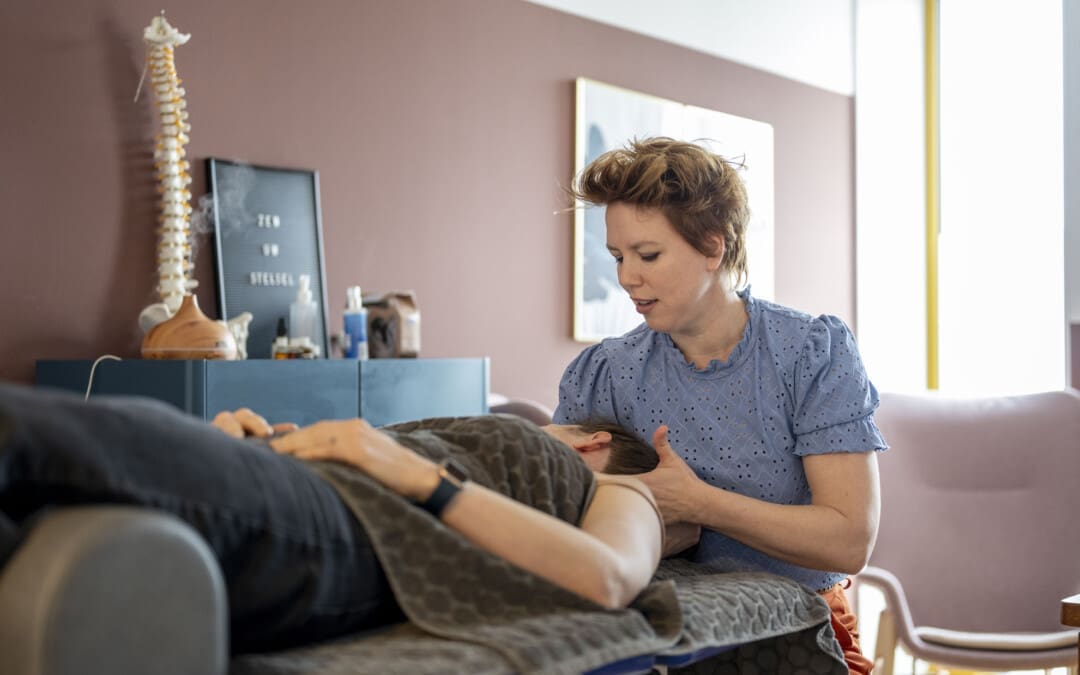
Integrative therapies boost recovery. Massage improves blood flow, speeding tissue repair; acupuncture reduces pain for easier motion; and nutrition plans with anti-inflammatory foods support healing (Jimenez, n.d.b). A worker with a strained back from lifting moved freely after adjustments and massage. Dr. Jimenez targets root causes, like poor form, to prevent chronic issues.
Integrative Therapies for Healing
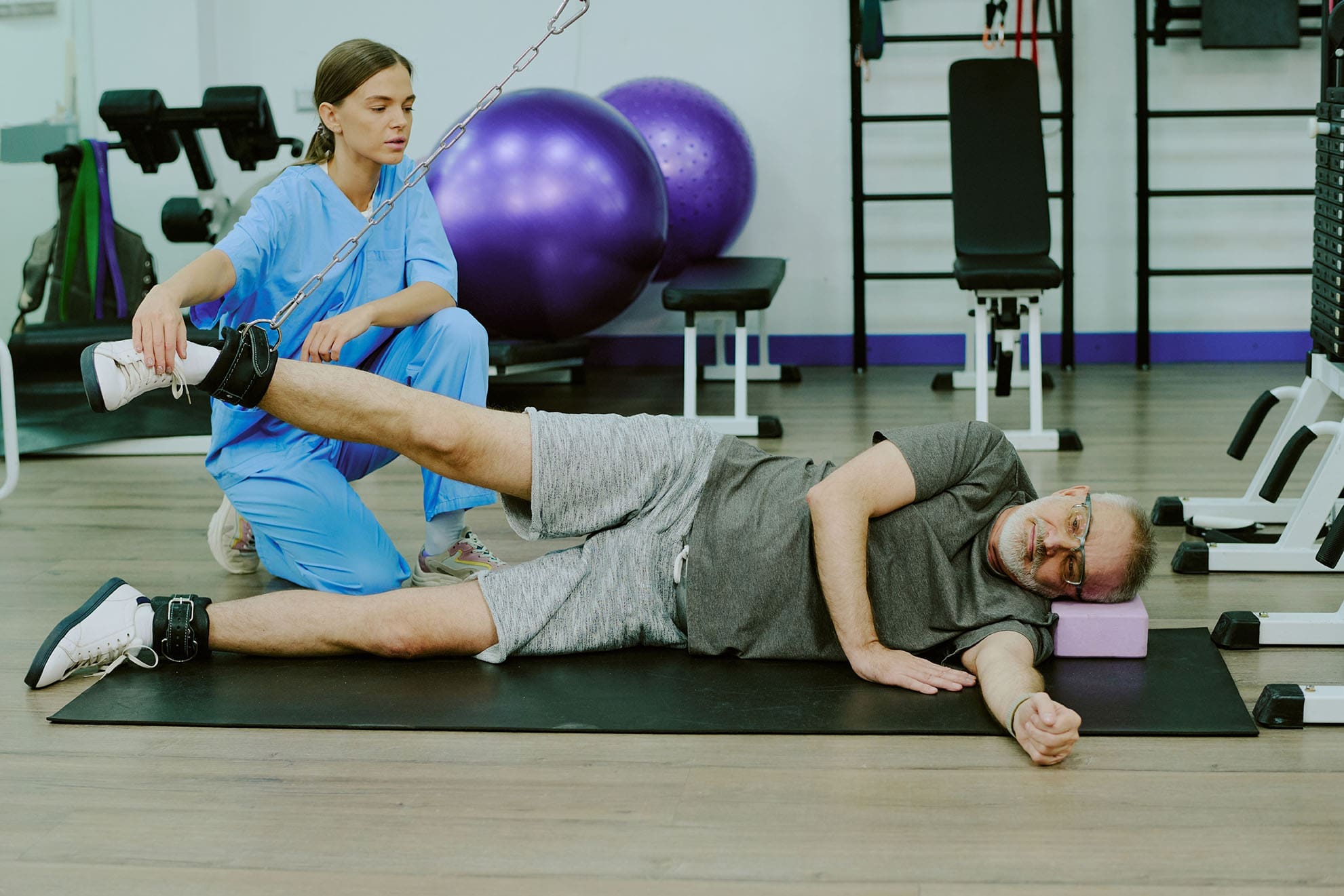
El Paso Back Clinic’s integrative approach enhances recovery. Massage therapy relaxes tight muscles, boosting circulation to heal sprains faster (Texas Medical Institute, n.d.). Acupuncture targets points to ease pain and calm spasms, helping with involuntary movements (Jimenez, n.d.b). Exercises like leg lifts rebuild strength and stabilize joints (Sport and Spinal Physio, n.d.).
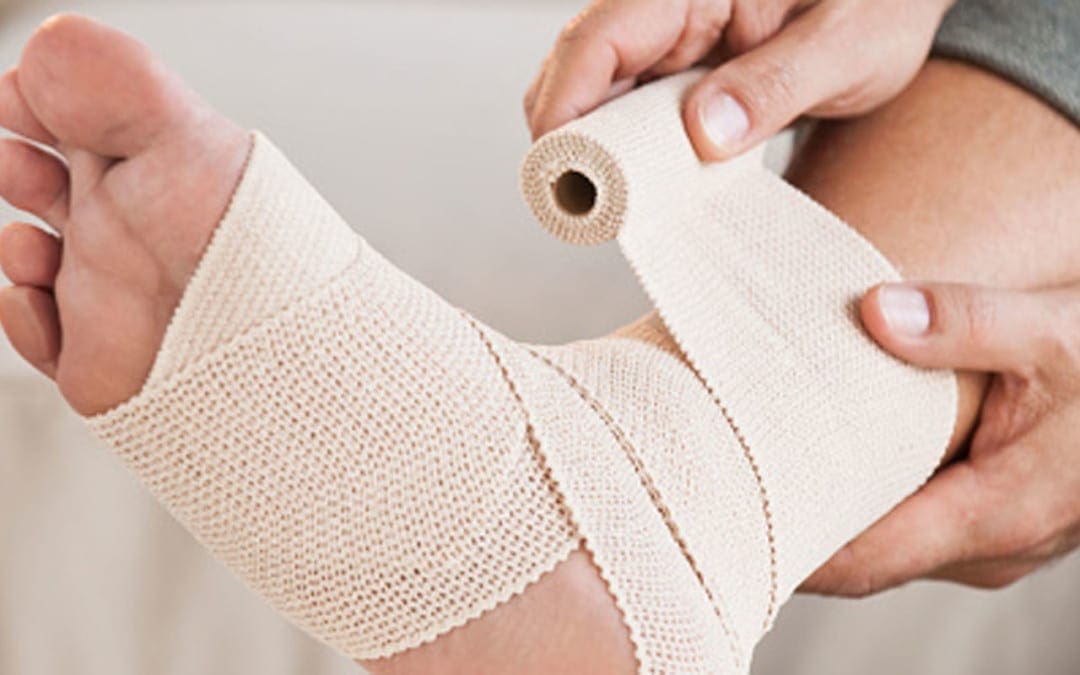
The RICE method (rest, ice, compression, elevation) helps reduce swelling in soft-tissue injuries early on (Cleveland Clinic, 2023e). These therapies, paired with chiropractic, speed recovery and prevent issues like arthritis (Cleveland Clinic, 2023b).
Nutrition to Support Recovery
Nutrition aids healing from sudden movement injuries. Omega-3-rich foods like salmon reduce inflammation, easing joint pain (Best Grand Rapids Chiropractor, n.d.). Leafy greens like spinach provide antioxidants to protect tissues (Spine, n.d., p. 417). Lean proteins like chicken rebuild muscles and ligaments (Human Care NY, n.d.).
Calcium from yogurt strengthens bones, while magnesium in nuts prevents spasms (Foot and Ankle Experts, n.d.). Try salmon salads or berry smoothies to support recovery. These foods work with chiropractic to speed healing (Rangeline Chiropractic, n.d.).
Preventing Future Injuries
Prevent injuries with smart habits. Warm up before sports with stretches to cut strain risks (Cleveland Clinic, 2023c). Strengthen core muscles with planks to stabilize joints (Sport and Spinal Physio, n.d.). Use proper form when lifting—bend knees, keep back straight (UPMC, n.d.).
For neurological issues, manage conditions like epilepsy with doctor guidance to reduce spasms (Verywell Health, 2022). Regular chiropractic check-ups catch misalignments early (New Edge Family Chiropractic, n.d.). These steps keep you moving safely.
Success Stories from El Paso Back Clinic
At El Paso Back Clinic, a runner with a sprained ankle healed with adjustments and protein-rich meals, returning to races. A driver post-MVA eased neck pain with acupuncture and greens. These stories show how integrative care restores mobility.
Conclusion
Sudden movement injuries, from sprains to involuntary jerks, can disrupt life, but chiropractic care at El Paso Back Clinic, led by Dr. Jimenez, heals them naturally. Using adjustments, nutrition, and therapies like massage, the clinic restores movement. Try warm-ups, eat omega-3s, and visit the clinic. Stay active and pain-free.
Rainy Weather and Motor Vehicle Accidents: Understanding the Risks and Recovery
Rainy weather can make driving more hazardous, increasing the likelihood of minor car accidents that may result in injuries such as spinal misalignment or soft tissue damage. These accidents, while often not severe, can still cause significant health issues if not treated properly. This article examines how rain creates hazardous driving conditions, how these conditions contribute to minor accidents, and how such accidents can lead to injuries that impact spinal health. It also highlights the expertise of Dr. Alexander Jimenez, a chiropractor and nurse practitioner in El Paso, Texas, who specializes in treating auto accident injuries using a unique combination of chiropractic care, medical diagnostics, and integrative medicine to promote recovery and overall health.
How Rainy Weather Increases Accident Risks
Rainy weather creates a cascade of challenges for drivers, making roads more dangerous and increasing the likelihood of minor accidents. Wet roads reduce tire traction, making it harder for vehicles to stop or steer effectively. According to the Texas Department of Insurance, rain is a leading cause of weather-related accidents due to slippery surfaces and reduced visibility (Texas Department of Insurance, n.d.). When tires lose grip on wet roads, vehicles may slide or hydroplane, especially during sudden stops or turns, which can lead to low-speed collisions, such as fender-benders or rear-end accidents (Chicago Lawyer, 2023).
Reduced visibility is another major issue. Heavy rain can obscure a driver’s view, even with windshield wipers on high, making it difficult to see other vehicles, pedestrians, or road signs (Lawyer Schwartz, n.d.). This limited visibility often forces drivers to react more slowly, increasing the risk of minor accidents, such as bumping into another car while braking or changing lanes (Knowles Law Firm, n.d.). Additionally, rain can make roads uneven by creating puddles or washing out gravel, which affects vehicle control and alignment, further contributing to accidents (Springs Auto, n.d.).
These conditions create a chain reaction: wet roads and poor visibility lead to compromised driving conditions, which in turn increase the likelihood of minor accidents. Even low-speed collisions can cause jolts to the body, resulting in injuries that affect spinal alignment and soft tissues, such as muscles and ligaments (Joyce & Macdonald, n.d.). For example, a sudden stop on a slippery road can cause a rear-end collision, leading to whiplash, a common injury where the neck jerks forward and backward, straining muscles and misaligning the spine (Salinas Trial Law, n.d.).
The Link Between Minor Accidents and Spinal Injuries
Minor car accidents, such as those caused by rainy weather, may seem harmless, but they can still cause significant injuries. The sudden forces from even a low-speed collision can strain the body, particularly the spine and surrounding tissues. Whiplash is one of the most common injuries, occurring when the head and neck are jolted rapidly, stretching muscles, ligaments, and tendons beyond their normal range (South Sound Law Group, n.d.). This can lead to spinal misalignment, where the vertebrae shift out of their proper position, potentially pressing on nerves and causing pain or discomfort (Jimenez, 2025).
Soft tissue injuries, such as sprains or strains in the neck, back, or shoulders, are also common. These injuries occur when the muscles or ligaments are stretched or torn due to the impact (Because You Want to Win, n.d.). Over time, untreated soft tissue damage can contribute to spinal misalignment by creating uneven tension around the spine, which can lead to chronic pain or reduced mobility (HSI, n.d.). For instance, a minor rear-end collision on a wet road might cause a driver to tense up, resulting in muscle strain that pulls the spine out of alignment.
Spinal misalignments, or subluxations, can disrupt the nervous system, leading to symptoms like headaches, numbness, or tingling in the arms or legs (Jimenez, 2025). If left untreated, these injuries can worsen, causing long-term issues like chronic back pain or reduced range of motion. Early intervention is crucial in preventing minor injuries from developing into chronic conditions, and professionals like Dr. Alexander Jimenez specialize in identifying and treating these issues before they escalate.
Dr. Alexander Jimenez: A Leader in Auto Accident Recovery
Dr. Alexander Jimenez, a chiropractor and board-certified family nurse practitioner in El Paso, Texas, has over 25 years of experience treating injuries from motor vehicle accidents (MVAs). His unique dual licensure allows him to combine chiropractic expertise with medical diagnostics, offering a comprehensive approach to recovery (Jimenez, 2025). At his Injury Medical & Chiropractic Clinic, Dr. Jimenez uses advanced tools and integrative medicine to address both the symptoms and root causes of injuries, helping patients regain mobility and prevent long-term complications.
Clinical Correlation and Dual Diagnosis
Dr. Jimenez’s approach involves a dual diagnosis process, combining chiropractic assessments with medical evaluations. He utilizes advanced imaging techniques, including X-rays, MRIs, and CT scans, to detect spinal misalignments, disc herniations, and soft tissue damage (Jimenez, 2025). These tools help him correlate a patient’s symptoms, like neck pain or numbness, with objective findings, ensuring accurate treatment plans. For example, a patient with whiplash might show cervical misalignment on an MRI, which Dr. Jimenez can address with targeted spinal adjustments.
His nurse practitioner training enables him to assess systemic issues, such as inflammation or hormonal imbalances, that may impede recovery. By combining chiropractic and medical perspectives, Dr. Jimenez creates personalized treatment plans that address both biomechanical (spine and muscle) and physiological (body-wide) factors (Jimenez, 2025). This dual approach ensures that injuries are treated holistically, thereby reducing the risk of chronic pain.
Advanced Diagnostics and Imaging
Dr. Jimenez relies on advanced diagnostics to guide his treatments. X-rays and MRIs reveal structural issues, such as misaligned vertebrae or herniated discs, while electromyography (EMG) and functional movement screens assess nerve damage or muscle dysfunction (Jimenez, 2025). These tools are especially important for minor accident injuries, which may not be apparent in standard exams but can cause significant problems if left untreated. For instance, a low-speed collision might cause a subtle ligament tear that can only be detected by an MRI, allowing Dr. Jimenez to tailor his treatment to the specific injury.
Chiropractic and Integrative Medicine
Chiropractic care is central to Dr. Jimenez’s approach, using spinal adjustments to correct misalignments and relieve nerve pressure. These adjustments restore joint mobility and reduce pain, enabling patients to recover without the need for surgery or long-term medication (Jimenez, 2025). He also incorporates soft tissue therapies, such as massage and myofascial release, to reduce muscle tension and improve circulation, which accelerates the healing process.
Integrative medicine enhances his treatments by addressing overall health and well-being. Dr. Jimenez provides nutritional guidance to reduce inflammation, offers acupuncture to alleviate pain, and recommends rehabilitation exercises to strengthen muscles and improve flexibility (Jimenez, 2025). For example, a patient with a soft tissue injury might receive spinal adjustments to realign the spine, nutritional advice to reduce inflammation, and exercises to restore mobility, ensuring a comprehensive recovery.
Legal Paperwork and Personal Injury Cases
Dr. Jimenez’s dual licensure makes him uniquely qualified to handle the legal aspects of personal injury cases. He provides detailed medical reports that document injuries, treatments, and progress, which are essential for insurance claims or legal proceedings (Jimenez, 2025). His reports include objective evidence from imaging and diagnostic tests, giving attorneys and insurance companies clear proof of injury. This thorough documentation helps patients secure fair compensation while focusing on their recovery and rehabilitation.
Recovering from Minor Accidents with Chiropractic Care
Chiropractic care is highly effective for recovering from minor accident injuries, especially those caused by rainy weather. Spinal adjustments correct misalignments, reducing pressure on nerves and alleviating pain (Jimenez, 2025). Soft tissue therapies, like massage, help heal strained muscles and ligaments, while rehabilitation exercises strengthen the body to prevent future injuries. Dr. Jimenez’s integrative approach also includes acupuncture and nutritional counseling to support overall health, addressing inflammation and stress that can worsen injuries.
Early intervention is crucial. Seeking care within 72 hours of an accident can prevent minor injuries from becoming chronic (Jimenez, 2025). For instance, a patient with whiplash resulting from a rainy-day collision may receive adjustments to correct cervical misalignment, soft tissue therapy to reduce muscle tension, and nutritional guidance to combat inflammation, ultimately leading to a faster recovery and improved long-term health.
References
Jimenez, A. (2025). Spinal alignment pain relief for motor vehicle injuries. Retrieved from https://dralexjimenez.com/
Conclusion
Rainy weather increases the risk of minor car accidents by creating slippery roads and reducing visibility, which can lead to collisions that may cause spinal misalignments and soft tissue injuries. These injuries, if untreated, can lead to chronic pain or reduced mobility. Dr. Alexander Jimenez’s expertise as a chiropractor and nurse practitioner enables him to provide comprehensive care, utilizing advanced diagnostics, chiropractic adjustments, and integrative medicine to address both the symptoms and underlying causes of injuries. His ability to handle medical and legal aspects ensures patients recover fully while navigating personal injury cases. By seeking early treatment, individuals can restore their health and prevent long-term complications.
Chiropractic Care for Motor Vehicle Accident Recovery: A Comprehensive Guide to Healing
Motor vehicle accidents (MVAs) can be life-changing events, often leaving individuals with injuries that range from mild discomfort to severe, debilitating conditions. Among the most common injuries sustained in MVAs are musculoskeletal injuries, which affect muscles, bones, ligaments, tendons, and nerves. These injuries can significantly impact daily life, work, and recreational activities, raising critical questions about recovery: Will I fully recover, and how long will it take? Chiropractic care offers a powerful, non-invasive solution for addressing these injuries, relieving pain, and restoring mobility. By focusing on spinal alignment, reducing inflammation, and improving nerve function, chiropractors help prevent long-term complications and expedite healing. In El Paso, Texas, Dr. Alexander Jimenez, DC, APRN, FNP-BC, stands out as a leader in this field, using a dual-scope approach that combines chiropractic expertise with nurse practitioner skills to deliver comprehensive care. This blog post explores the nature of musculoskeletal injuries from MVAs, the benefits of chiropractic care, and Dr. Jimenez’s unique approach to treatment and legal documentation, all while providing actionable insights for recovery.
Understanding Musculoskeletal Injuries from Motor Vehicle Accidents
Musculoskeletal injuries are among the most common outcomes of MVAs, even in low-speed collisions. The sudden force of a crash can cause significant trauma to the body’s musculoskeletal system, which includes muscles, bones, ligaments, tendons, and nerves. These injuries vary widely in severity, from minor sprains to severe fractures or nerve damage, and their effects can disrupt daily life.
Types and Severity of Musculoskeletal Injuries
Whiplash: One of the most frequent MVA injuries, whiplash occurs when the head and neck are abruptly jerked, often in rear-end collisions. It can damage cervical muscles, ligaments, discs, and nerves, leading to neck pain, stiffness, and headaches. If untreated, whiplash can cause long-term issues like chronic pain or spinal degeneration (Torts Law, 2023).
Soft Tissue Injuries: These involve damage to muscles, ligaments, or tendons, such as sprains or strains. Soft tissue injuries may not be immediately visible but can cause significant pain and mobility issues if ignored, potentially leading to chronic disability (Aguiar Injury Lawyers, 2023).
Fractures: Broken bones, such as those in the arms, legs, or spine, are common in high-impact crashes. Fractures require immediate medical attention and can lead to long-term complications like reduced mobility or arthritis (Ortho Sport & Spine, 2023).
Herniated Discs: The force of an MVA can compress or displace spinal discs, causing them to bulge or rupture. This can pinch nerves, leading to pain, numbness, or weakness in the arms or legs (Florida Physical Medicine, 2023).
Nerve Damage: Trauma from an MVA can compress or irritate nerves, causing symptoms like tingling, numbness, or muscle weakness. Nerve injuries can significantly affect daily activities and may require specialized care (Lonseth Pain, 2023).
Impact on Daily Life
Musculoskeletal injuries can disrupt every aspect of life. For example, whiplash may make it difficult to turn your head while driving or working at a desk. Soft tissue injuries can limit your ability to lift objects or participate in sports. Fractures or herniated discs may require time off work, affecting income and mental well-being. Chronic pain from untreated injuries can also lead to emotional challenges, such as anxiety or depression, further complicating recovery (JS Berry Law, 2023). The severity of these injuries often depends on factors like the speed of the collision, seatbelt use, airbag deployment, and the occupant’s position in the vehicle (Advantage Healthcare Systems, 2023).
The Recovery Question
A common concern after an MVA is whether full recovery is possible and how long it will take. Recovery depends on the injury’s severity, the individual’s overall health, and the timeliness of treatment. Minor injuries like sprains may heal in weeks with proper care, while severe fractures or nerve damage could take months or require ongoing management. Early intervention is critical to prevent long-term complications, such as chronic pain or reduced mobility (Wirth Chiropractic, 2023).
Chiropractic care is a non-invasive, drug-free approach that focuses on diagnosing and treating musculoskeletal disorders, particularly those affecting the spine and nervous system. After an MVA, chiropractors play a vital role in addressing injuries, relieving pain, and restoring function, helping patients return to their normal lives.
How Chiropractic Care Works
Chiropractors use hands-on techniques, such as spinal adjustments, to realign the spine and joints, reduce inflammation, and restore nerve function. These adjustments involve precise, controlled movements to correct misalignments (subluxations) caused by the force of an MVA. By restoring proper alignment, chiropractic care alleviates pressure on nerves, improves blood flow, and promotes the body’s natural healing processes (Hogan Chiropractic, 2024).
Benefits of Chiropractic Care
Pain Relief: Spinal adjustments release anti-inflammatory hormones and reduce nerve pressure, providing relief from neck, back, and joint pain without relying on medications, which can have side effects or risks of dependency (Brookdale Health, 2023).
Improved Mobility: MVAs often cause stiffness and reduced range of motion. Chiropractic techniques, including soft tissue therapy and corrective exercises, restore flexibility and allow patients to perform daily tasks with ease (Recovery Chiromed, 2023).
Reduced Inflammation: Chiropractic care improves circulation and reduces swelling in injured tissues, speeding up recovery and preventing scar tissue buildup (Uptown Denver Chiropractor, 2023).
Prevention of Long-Term Complications: Early chiropractic intervention can prevent chronic pain, spinal degeneration, or mobility issues by addressing injuries at their source (The Neck and Back Clinics, 2024).
Holistic Healing: Chiropractors often incorporate nutrition counseling, stress management, and lifestyle advice to support overall health, addressing both physical and emotional aspects of recovery (Artisan Chiropractic Clinic, 2023).
Recovery Timeline with Chiropractic Care
The recovery timeline varies based on the injury’s severity and the patient’s commitment to treatment. Minor injuries like whiplash may improve within 4 to 12 weeks of regular chiropractic sessions, while more severe injuries, such as herniated discs, may require several months of care. Most patients notice significant pain relief and improved mobility within a few sessions, but consistent treatment is essential for long-term healing (Tradition Health, 2024). Chiropractors create personalized treatment plans, adjusting techniques as the patient progresses to ensure optimal outcomes.
Dr. Alexander Jimenez, DC, APRN, FNP-BC, is a board-certified chiropractor and family nurse practitioner based in El Paso, Texas, with over 25 years of experience treating MVA injuries. His unique dual licensure allows him to combine chiropractic expertise with medical diagnostics, offering a comprehensive approach to personal injury cases. Dr. Jimenez’s practice, Injury Medical & Chiropractic Clinic, is renowned for its integrative treatment plans that address both the biomechanical and systemic effects of MVAs.
Dual-Scope Diagnosis and Treatment
Dr. Jimenez employs a dual-scope approach, integrating chiropractic assessments (e.g., spinal alignment checks) with medical evaluations (e.g., metabolic and hormonal tests). This method ensures that both physical and physiological issues are addressed, providing a more accurate diagnosis and tailored treatment plan. For example, he uses advanced imaging techniques, such as X-rays, MRIs, and digital motion X-rays, to detect subtle injuries like ligament tears, disc herniations, or nerve compression that may not be apparent in initial exams (Jimenez, 2023a). His clinical observations emphasize the correlation between patient injuries and objective diagnostic findings, ensuring precise interventions.
Integrative Medicine Approach
Dr. Jimenez incorporates integrative medicine principles, combining chiropractic adjustments with functional medicine, nutrition counseling, and rehabilitation exercises. This holistic approach addresses the root causes of injuries rather than just masking symptoms. For instance:
Nutritional Counseling: He recommends anti-inflammatory diets rich in omega-3s and antioxidants to reduce inflammation and support tissue repair (El Paso Back Clinic, 2025).
Functional Medicine: He monitors systemic issues like inflammation or stress responses that can hinder recovery, ensuring comprehensive healing (Jimenez, 2023b).
Rehabilitation Exercises: Targeted exercises restore strength and flexibility, preventing re-injury and promoting long-term mobility (Chiropractic Scientist, 2025).
Handling Legal Paperwork in Personal Injury Cases
Dr. Jimenez’s dual licensure equips him to bridge medical treatment with legal documentation, a critical aspect of personal injury cases. He provides detailed injury reports, treatment plans, and progress updates supported by imaging results, ensuring patients receive appropriate compensation. His ability to document injuries accurately strengthens legal claims while prioritizing clinical care (Jimenez, 2024). This dual role sets him apart, as he can navigate both the healthcare and legal systems effectively, reducing stress for patients.
Clinical Observations and Expertise
Dr. Jimenez’s work, as seen on dralexjimenez.com, elpasobackclinic.com, and his LinkedIn profile, highlights his commitment to evidence-based, patient-centered care. He emphasizes early intervention to prevent chronic issues, noting that “undetected microtraumas from even minor accidents can compound over time, affecting spinal alignment and nervous system function” (Jimenez, 2025). His integrative approach has helped countless patients regain their quality of life, as evidenced by testimonials praising his ability to restore mobility and reduce pain (Chiropractic Scientist, 2025).
Seeking chiropractic care soon after an MVA is crucial for optimal recovery. The body’s stress response can mask symptoms, delaying the recognition of injuries like whiplash or soft tissue damage. These “hidden” injuries can worsen without treatment, leading to chronic pain or long-term complications.
The Critical 72-Hour Window
Clinical evidence suggests that symptoms of MVA injuries often appear within 24 to 72 hours post-accident. During this period, the body may still be in shock, and adrenaline can suppress pain signals. Chiropractic evaluation within this window allows for early detection and intervention, preventing conditions from becoming chronic (The Neck and Back Clinics, 2024). For example, early spinal adjustments can correct misalignments before they cause nerve compression or inflammation.
Preventing Chronic Pain
Untreated musculoskeletal injuries can lead to persistent pain, reduced mobility, and even psychological effects like depression. Chiropractic care addresses these issues proactively by restoring alignment, reducing inflammation, and promoting tissue healing. Studies show that patients who seek chiropractic care soon after an MVA experience greater improvements compared to those who delay treatment (Clearway Pain, 2023).
Supporting Legal Claims
Early chiropractic care also strengthens personal injury claims by providing documented evidence of injuries and treatment. Chiropractors like Dr. Jimenez ensure that medical records, imaging results, and progress reports are thorough and legally sound, helping patients secure fair compensation (Jimenez, 2024).
Chiropractic care is often most effective when combined with other therapies, creating a holistic approach to MVA recovery. Dr. Jimenez and other chiropractors integrate complementary treatments to address both the physical and systemic effects of injuries.
Complementary Therapies
Acupuncture: Thin needles stimulate acupoints to release endorphins, improve blood flow, and calm the nervous system, reducing pain and inflammation (Jimenez, 2023a).
Massage Therapy: This relaxes tense muscles, breaks down scar tissue, and improves circulation, enhancing the effects of chiropractic adjustments (Uptown Denver Chiropractor, 2023).
Physical Therapy: Targeted exercises strengthen muscles, improve flexibility, and support spinal alignment, preventing re-injury (Tradition Health, 2024).
Nutrition Counseling: Anti-inflammatory diets and supplements support tissue repair and reduce systemic inflammation, promoting faster recovery (El Paso Back Clinic, 2025).
Benefits of an Integrative Approach
Integrative care treats the whole person, not just isolated symptoms. By addressing biomechanical, physiological, and emotional factors, this approach ensures faster, more complete healing. For example, combining chiropractic adjustments with acupuncture can alleviate pain while improving mental clarity, helping patients cope with the stress of recovery (Artisan Chiropractic Clinic, 2023). Dr. Jimenez’s clinic emphasizes “therapeutic layering,” using these therapies in structured phases to avoid setbacks and empower patients with long-term self-care strategies (Jimenez, 2025).
Recovering from an MVA requires a proactive approach, combining professional care with self-management. Here are practical steps to support healing and prevent complications.
Seek Immediate Care
Visit a chiropractor or medical professional within 72 hours of the accident, even if you feel fine. Early evaluation can detect hidden injuries and establish a baseline for treatment and legal documentation (Clearway Pain, 2023).
Follow Your Treatment Plan
Adhere to your chiropractor’s recommendations, attending all scheduled sessions and performing prescribed exercises. Consistency is key to achieving full recovery and preventing setbacks (Tradition Health, 2024).
Adopt Healthy Habits
Nutrition: Eat anti-inflammatory foods like fish, leafy greens, and berries to support tissue repair (El Paso Back Clinic, 2025).
Rest: Prioritize sleep to allow your body to heal and reduce stress (Jimenez, 2023b).
Posture: Maintain proper posture during daily activities to avoid straining injured areas (Recovery Chiromed, 2023).
Communicate with Your Chiropractor
Report any changes in symptoms or challenges with your treatment plan. Your chiropractor can adjust therapies to ensure progress (Hogan Chiropractic, 2024).
Manage Legal Aspects
Work with your chiropractor to document injuries and treatments for insurance or legal claims. Accurate records can streamline the process and reduce stress (Jimenez, 2024).
Motor vehicle accidents can cause a wide range of musculoskeletal injuries, from whiplash and soft tissue damage to fractures and nerve injuries, significantly impacting daily life. Chiropractic care offers a non-invasive, holistic solution, relieving pain, restoring mobility, and preventing long-term complications. By addressing the root causes of injuries through spinal adjustments, integrative therapies, and personalized treatment plans, chiropractors help patients recover faster and more completely. Dr. Alexander Jimenez exemplifies this approach, using his dual licensure to provide comprehensive care and legal support in El Paso. Early intervention, consistent treatment, and healthy lifestyle choices are key to achieving full recovery. If you’ve been in an MVA, don’t wait—seek chiropractic care to start your healing journey today.
Crash Course in Healing: Integrative Care for Car Accident Recovery
Car accidents can leave you shaken, sore, and struggling to get back to normal. From whiplash to broken bones, the injuries caused by motor vehicle accidents (MVAs) range from mild to severe, often affecting your muscles, nerves, and joints. These injuries can lead to chronic pain or long-term complications if not treated properly. Integrative care, which combines chiropractic care, acupuncture, massage therapy, and the expertise of nurse practitioners, offers a holistic approach to healing. This method doesn’t just mask pain—it tackles the root causes to restore your health and mobility.
In this blog post, we’ll explore the common injuries caused by car accidents, such as nerve damage, musculoskeletal and ligamentous injuries, and back and neck pain. We’ll dive into how integrative care, led by professionals like Dr. Alexander Jimenez in El Paso, Texas, can help you recover. You’ll learn about the science behind chiropractic adjustments, acupuncture, massage therapy, and the role of nurse practitioners in managing your care. We’ll also discuss how Dr. Jimenez’s dual expertise as a chiropractor and nurse practitioner, along with advanced diagnostics, makes him a leader in auto accident recovery. By the end, you’ll understand why integrative care is a complete and effective way to heal from car accident injuries.
Common Car Accident Injuries: What You Need to Know
Car accidents generate powerful forces that can cause significant damage to your body. Even low-speed collisions can cause significant injuries because of the sudden jolt or impact. Let’s break down the most common types of injuries and how they affect you.
Whiplash: The Neck’s Worst Enemy
Whiplash is one of the most frequent injuries in rear-end collisions. It happens when your head is forcefully whipped back and forth, straining or tearing the muscles, ligaments, and tendons in your neck. Symptoms include neck pain, stiffness, headaches, and sometimes dizziness or tingling in the arms. Whiplash can take days or weeks to show up, making it a sneaky injury that’s often overlooked (Blue Q Health, 2023).
Whiplash doesn’t just affect soft tissues. It can also compress or irritate nerves in the cervical spine, leading to radiating pain or numbness. If untreated, whiplash can cause chronic neck pain or even degenerative disc disease (Hogan Chiropractic, 2024).
Fractures: Broken Bones from High Impact
High-speed or rollover accidents can cause broken bones, especially in the arms, legs, ribs, or spine. Fractures are painful and may require immobilization or surgery, depending on their severity. For example, a compression fracture in the spine can occur when vertebrae collapse under force, leading to intense back pain and limited mobility (Novus Spine Center, n.d.).
Broken bones often heal with time, but they can lead to complications like misalignment or nerve damage if not properly managed. Physical therapy and chiropractic care can help restore function after the bone heals (Cedar Park Chiro, n.d.).
Soft Tissue Injuries: Sprains, Strains, and More
Soft tissue injuries affect muscles, ligaments, and tendons. Sprains occur when ligaments (which connect bones) are stretched or torn, while strains involve muscles or tendons (which connect muscles to bones). These injuries cause pain, swelling, and limited mobility, often in the back, neck, or shoulders (Sterling Medical Group, n.d.).
Rollover accidents are particularly likely to cause soft tissue damage because the body is tossed around, stressing multiple areas. These injuries may not be visible on X-rays, making them more difficult to diagnose without a thorough examination (Oklahoma Lawyer, n.d.).
Nerve Injuries: When Pain Radiates
Nerve injuries are common in MVAs, especially when the spine is involved. A herniated disc, for instance, can press on spinal nerves, causing sharp, shooting pain that radiates down the arms or legs (sciatica). Nerve damage can also result from whiplash or blunt trauma, leading to symptoms like numbness, tingling, or weakness (Lispine Medical, 2022).
Severe nerve injuries, such as brachial plexus damage, can occur in high-impact crashes, affecting the nerves that control arm and hand movement. These injuries require specialized care to prevent long-term disability (University of Michigan, n.d.).
Back and Neck Pain: A Common Aftermath
Back and neck pain are hallmarks of car accident injuries, often stemming from whiplash, soft tissue damage, or spinal misalignment. The sudden force of a crash can displace vertebrae (subluxation), putting pressure on nerves and muscles. This can lead to chronic pain, stiffness, or reduced range of motion if not addressed (Monitto Chiropractic, n.d.).
These injuries aren’t just painful—they can disrupt your daily life, making it hard to work, sleep, or enjoy activities. Integrative care is crucial in alleviating pain and preventing long-term complications.
The Power of Integrative Care: A Holistic Approach
Integrative care combines various healthcare disciplines to treat the whole person, rather than just their symptoms. For car accident victims, this means combining chiropractic care, acupuncture, massage therapy, and nurse practitioner expertise to address pain, restore function, and promote long-term health and well-being. Let’s explore how each component works and why they’re stronger together.
Chiropractic Care: Aligning the Spine, Relieving Pain
Chiropractic care focuses on the spine and nervous system, which are often disrupted in car accidents. Chiropractors use manual adjustments to correct spinal misalignments (subluxations), relieving pressure on nerves and restoring joint mobility. This is especially effective for treating whiplash, back pain, and nerve injuries such as sciatica (PhysMed, n.d.).
Chiropractic adjustments do more than reduce pain. They improve blood flow, reduce inflammation, and stimulate the body’s natural healing processes. Studies show that chiropractic care can significantly improve outcomes for MVA-related injuries, with patients reporting less pain and better mobility after treatment (PMC, 2011).
Dr. Alexander Jimenez, a chiropractor and nurse practitioner in El Paso, is a leader in this field. His dual licensure enables him to integrate chiropractic techniques with medical diagnostics, resulting in personalized treatment plans. He utilizes advanced imaging techniques, such as X-rays and MRIs, to accurately identify spinal misalignments, disc herniations, and soft tissue injuries, ensuring precise care (Jimenez, 2024).
Acupuncture: Targeting Pain and Inflammation
Acupuncture, rooted in traditional Chinese medicine, involves inserting thin needles into specific points on the body to stimulate the body’s natural healing process. For car accident injuries, acupuncture reduces pain, inflammation, and muscle tension by improving blood flow and releasing endorphins, the body’s natural painkillers (Governor’s Park Chiropractic, 2023).
This therapy is particularly effective for soft tissue injuries and chronic pain. It’s a passive treatment, meaning patients can relax while the acupuncturist works, making it ideal for those with limited mobility after an accident. When combined with chiropractic care, acupuncture can enhance pain relief and accelerate recovery (MGF Chiropractic, n.d.).
Massage therapy targets soft tissue injuries by relaxing tight muscles, reducing scar tissue, and improving circulation. For car accident victims, it’s a powerful tool for relieving pain and stiffness in the neck, back, and shoulders. Techniques such as trigger point therapy and deep tissue massage can help address muscle spasms caused by whiplash or strains (Fleetwood Surrey Physio, n.d.).
When paired with chiropractic adjustments, massage therapy prepares the body for spinal corrections by loosening tight tissues. It also reduces stress and promotes relaxation, which can help with the emotional toll of an accident (Evolved Health Chiropractic, n.d.).
Nurse Practitioners: Coordinating Comprehensive Care
Nurse practitioners (NPs) play a crucial role in integrative care by providing medical expertise and coordinating treatment plans. They can diagnose injuries, prescribe medications, and order diagnostic tests, ensuring that all aspects of a patient’s health are addressed. NPs also educate patients on self-care practices, such as proper nutrition and exercise, to support their recovery (Physicians Group LLC, n.d.).
Dr. Jimenez’s background as a board-certified family nurse practitioner gives him a unique edge. Dr. Jimenez integrates chiropractic and medical care, employing tools like electromyography (EMG) and functional movement screens to evaluate nerve and muscle function. He serves as a comprehensive resource for MVA victims due to his proficiency in managing both clinical treatment and legal documentation, such as injury reports for insurance claims (Jimenez, 2024).
Why Integrative Care Works
Integrative care is effective because it addresses the root causes of injuries, rather than just their symptoms. For example, a patient with whiplash might receive chiropractic adjustments to realign the spine, acupuncture to reduce inflammation, massage to relax muscles, and NP guidance on nutrition to support healing. This multi-faceted approach ensures faster recovery and reduces the risk of chronic pain (Rebound Clinics DMV, n.d.).
Dr. Alexander Jimenez: A Leader in Auto Accident Recovery
Dr. Alexander Jimenez, DC, APRN, FNP-BC, is a standout in the field of integrative care for car accident injuries. Based in El Paso, Texas, he brings over 25 years of experience as both a chiropractor and a board-certified family nurse practitioner. His dual licensure allows him to offer a unique blend of biomechanical and medical expertise, making him a trusted choice for MVA victims.
Dual-Scope Diagnosis and Treatment
Dr. Jimenez’s approach is grounded in clinical reasoning that connects patient symptoms to objective findings. He uses advanced diagnostics, such as X-rays, MRIs, CT scans, and electromyography (EMG), to pinpoint injuries like spinal misalignments, disc herniations, and nerve compression. These tools are crucial for identifying subtle injuries that may not be apparent in standard examinations (Jimenez, 2024).
His dual training enables him to address both the musculoskeletal and systemic effects of injuries. For example, a patient with back pain might have a herniated disc (a biomechanical issue) and inflammation or metabolic imbalances (systemic issues). Dr. Jimenez combines chiropractic adjustments with functional medicine, including nutritional guidance, to address both aspects, ensuring comprehensive healing (Jimenez, 2024).
Advanced Imaging and Diagnostics
Dr. Jimenez’s use of advanced imaging sets him apart. X-rays and MRIs reveal structural damage, while EMG and functional movement screens assess nerve and muscle function. These tests provide objective data that guide treatment and validate injury claims for legal or insurance purposes. For instance, an EMG can confirm nerve damage in a patient with radiating pain, ensuring the treatment plan targets the right issue (Jimenez, 2024).
Legal and Medical Expertise
Personal injury cases often involve legal complexities, such as proving the extent of injuries for insurance claims or lawsuits. Dr. Jimenez’s nurse practitioner training equips him to produce detailed medical reports that correlate symptoms with diagnostic findings. This is crucial for attorneys and insurance companies, as it provides credible evidence of injury and treatment needs (ChiroMed, n.d.).
His chiropractic expertise ensures that treatments, such as spinal decompression and manual adjustments, are tailored to each patient’s needs. At the same time, his NP skills enable him to manage medications or refer patients to specialists as necessary. This dual role streamlines care and reduces the need for multiple providers.
Clinical Observations and Patient-Centered Care
Dr. Jimenez’s clinical observations emphasize the importance of personalized care. He tailors treatment plans to each patient’s health profile, lifestyle, and injury severity. For example, a patient with whiplash might receive spinal adjustments, acupuncture, and a home exercise program, while someone with a fractured vertebra might need immobilization followed by rehabilitation. His integrative approach draws on evidence-based protocols from chiropractic, functional medicine, and physical therapy (Jimenez, 2024).
Patients praise Dr. Jimenez for his ability to relieve pain and restore function. Testimonials highlight his thorough exams, clear explanations, and compassionate care, which make the recovery process less daunting (El Paso Back Clinic, n.d.).
Let’s examine how integrative care addresses the specific injuries resulting from car accidents. Each treatment modality plays a role in targeting pain, restoring function, and preventing complications.
Whiplash: A Multi-Pronged Approach
Whiplash requires a combination of therapies to address soft tissue damage, nerve irritation, and spinal misalignment. Chiropractic adjustments realign the cervical spine, reducing pressure on nerves and improving mobility. Acupuncture reduces inflammation and muscle spasms, while massage therapy relaxes tight neck muscles. Nurse practitioners may recommend anti-inflammatory diets or supplements to support healing (Cedar Park Chiro, n.d.; Governor’s Park Chiropractic, 2023).
Dr. Jimenez utilizes diagnostic tools, such as MRIs, to identify hidden disc injuries or nerve compression, ensuring a precise treatment plan. Patients typically see significant improvement within 6–12 weeks with this approach (Hogan Chiropractic, 2024).
Fractures: Supporting Bone Healing
Fractures need careful management to heal properly. Chiropractors avoid adjusting areas with broken bones but can use gentle techniques to support surrounding tissues. Once the bone stabilizes, physical therapy and massage help restore strength and mobility. Nurse practitioners monitor healing with imaging and provide guidance on nutrition (like calcium and vitamin D) to strengthen bones (Novus Spine Center, n.d.).
Dr. Jimenez’s expertise ensures that fracture patients receive safe, non-invasive care that complements medical treatment, thereby reducing the risk of complications such as misalignment (Jimenez, 2024).
Soft Tissue Injuries: Restoring Flexibility
Sprains and strains benefit from massage therapy to reduce scar tissue and improve circulation. Chiropractic adjustments correct joint restrictions, while acupuncture relieves pain and promotes tissue repair and healing. Nurse practitioners may suggest stretching exercises or braces to support recovery (Sterling Medical Group, n.d.).
Dr. Jimenez utilizes functional movement screens to evaluate the impact of soft tissue injuries on mobility, tailoring treatments to restore flexibility and prevent chronic stiffness (Jimenez, 2024).
Nerve Injuries: Easing Pain and Restoring Function
Nerve injuries, like sciatica or brachial plexus damage, require precise care. Chiropractic adjustments relieve pressure on compressed nerves, while acupuncture stimulates nerve pathways to reduce pain. Massage therapy improves blood flow to affected areas, and nurse practitioners may order EMG tests to monitor nerve function (Lispine Medical, 2022).
Dr. Jimenez’s use of EMG and neurologic exams ensures accurate diagnosis and treatment, helping patients regain sensation and strength (Jimenez, 2024).
Back and Neck Pain: Comprehensive Relief
Back and neck pain often stems from multiple issues, like subluxations, muscle strains, and nerve irritation. Chiropractic care corrects spinal alignment, acupuncture reduces inflammation, and massage therapy eases muscle tension. Nurse practitioners offer holistic advice, such as ergonomic tips and stress management techniques, to help prevent pain from returning (Monitto Chiropractic, n.d.).
Dr. Jimenez’s integrative plans often include spinal decompression for disc injuries, combined with lifestyle changes to support long-term spinal health (Jimenez, 2024).
Integrative care isn’t just a feel-good approach—it’s backed by science. Let’s explore the evidence supporting chiropractic care, acupuncture, massage therapy, and nurse practitioner involvement in MVA recovery.
Chiropractic Care: Evidence-Based Healing
Studies have shown that chiropractic adjustments are effective in treating whiplash, back pain, and nerve-related injuries. A 2011 study found that MVA patients treated with chiropractic care needed an average of 14.2 sessions to see significant improvement, with many avoiding the need for ongoing pain management (PMC, 2011).
Chiropractic works by restoring spinal alignment, which reduces nerve irritation and improves joint function. This results in reduced pain, improved mobility, and faster healing (PhysMed, n.d.).
Acupuncture: Pain Relief with Precision
Research supports the role of acupuncture in reducing pain and inflammation. A 2021 study found that acupuncture significantly improved outcomes for musculoskeletal pain, including post-accident injuries, by modulating pain pathways and promoting tissue repair (PMC, 2021).
Acupuncture’s ability to stimulate endorphin release and improve blood flow makes it a powerful complement to other therapies, enhancing overall recovery (MGF Chiropractic, n.d.).
Massage Therapy: More Than Relaxation
Massage therapy has been shown to reduce muscle tension, improve circulation, and alleviate pain associated with soft tissue injuries. A 2023 study highlighted its effectiveness in treating whiplash-related muscle spasms when combined with chiropractic care (Fleetwood Surrey Physio, n.d.).
By breaking down scar tissue and improving oxygen delivery to tissues, massage therapy accelerates healing and prevents chronic stiffness (Evolved Health Chiropractic, n.d.).
Nurse Practitioners: A Medical Anchor
Nurse practitioners bring medical rigor to integrative care. They use evidence-based protocols to diagnose injuries, manage pain, and coordinate multidisciplinary treatment. Their ability to order diagnostic tests and provide patient education ensures that care is comprehensive and tailored (Physicians Group LLC, n.d.).
Dr. Jimenez’s NP training enables him to seamlessly combine medical and holistic approaches, thereby providing patients with the optimal care (Jimenez, 2024).
Why Choose Integrative Care for Car Accident Recovery?
Integrative care offers several advantages over traditional medical treatment alone. Here’s why it’s the best choice for recovering from car accident injuries.
Holistic Healing
Unlike pain medications, which only mask symptoms, integrative care addresses the root causes of pain and dysfunction. Nurse practitioners support overall health, acupuncture reduces inflammation, massage therapy heals soft tissues, and chiropractic adjustments fix spinal misalignments. This comprehensive approach leads to lasting recovery (Rebound Clinics DMV, n.d.).
Non-Invasive and Safe
Integrative therapies are non-invasive, meaning they don’t require surgery or heavy medications with side effects. Chiropractic care, acupuncture, and massage therapy are safe for most patients and can be tailored to individual needs (Cedar Park Chiro, n.d.).
Faster Recovery
By combining multiple therapies, integrative care accelerates the healing process. For example, chiropractic adjustments prepare the spine for massage therapy, which enhances the pain-relieving effects of acupuncture. Patients often experience faster results than with single-modality treatments (Governor’s Park Chiropractic, 2023).
Personalized Care
Integrative care is highly customizable. Dr. Jimenez, for instance, designs treatment plans tailored to each patient’s specific injuries, lifestyle, and goals. This ensures that every aspect of recovery is addressed, from pain relief to long-term wellness (Jimenez, 2024).
Legal and Insurance Support
For personal injury cases, integrative care providers like Dr. Jimenez offer detailed documentation that supports insurance claims or legal cases. His dual expertise ensures that injury reports are thorough and credible, helping patients secure the compensation they deserve (ChiroMed, n.d.).
Car accidents can leave you with painful and debilitating injuries, from whiplash to nerve damage. But you don’t have to live with the pain or settle for temporary fixes. Integrative care, which combines chiropractic care, acupuncture, massage therapy, and nurse practitioner expertise, offers a comprehensive and effective approach to healing. By addressing the root causes of your injuries, this approach restores your health, mobility, and quality of life.
Dr. Alexander Jimenez exemplifies the power of integrative care. His dual training, advanced diagnostics, and patient-centered approach make him a leader in auto accident recovery. Whether you’re dealing with back pain, soft tissue injuries, or complex nerve damage, his clinic in El Paso offers the tools and expertise to get you back on track.
If you’ve been in a car accident, don’t wait to seek care. Contact a qualified integrative care provider, such as Dr. Jimenez, to begin your recovery journey today. Your body deserves the best chance to heal naturally, safely, and completely.
Woodward, M. E., & Mullan, P. C. (2011). Chiropractic treatment of patients in motor vehicle accidents: A statistical analysis. Journal of Chiropractic Medicine, 10(4), 247–252. https://pmc.ncbi.nlm.nih.gov/articles/PMC3217388/
Yoganandan, N., Humm, J. R., & Pintar, F. A. (2021). Musculoskeletal injuries after road traffic crashes. Frontiers in Bioengineering and Biotechnology, 9, 749948. https://pmc.ncbi.nlm.nih.gov/articles/PMC8582890/
According to the American Academy of Orthopedic Surgery �The most common soft tissues injured are muscles, tendons, and ligaments.
Acute injuries are caused by a sudden trauma, such as a fall, twist, or blow to the body. Examples of an acute injury include sprains, strains, and contusions.�� (http://orthoinfo.aaos.org/topic.cfm?topic=A00111) We must also not forget that there are other soft tissues that can get injured and the true definition of soft tissue, which is anything not bone is soft tissue.
This includes the brain, lungs, heart and any other organ in the body. However, in medicine soft tissue injuries are commonly known to be limited to the muscles, ligaments and tendons.
Soft Tissue Injury Classification
When we look at the type of structures that muscles, tendons and ligament are composed of, we will realize that they are connective tissue. According to the National Institute of Health �Connective tissue is the material inside your body that supports many of its parts. It is the “cellular glue” that gives your tissues their shape and helps keep them strong. It also helps some of your tissues do their work (http://www.nlm.nih.gov/medlineplus/connectivetissuedisorders.html). Unlike fracture repair where the bone is replaced and usually heals properly if aligned and rested, connective tissue disorders undergo a different type of wound repair that has aberrant tissue replacement as sequella to bodily injury and has subsequent abnormal permanent function.
If we focus on sprains or ligamentous injuries, according to the American Academy of Orthopedic Surgery there are three types of sprains:
Sprains are classified by severity:1
Grade 1 sprain (mild):�Slight stretching and some damage to the fibers (fibrils) of the ligament.
Grade 2 sprain (moderate):�Partial tearing of the ligament. There is abnormal looseness (laxity) in the joint when it is moved in certain ways.
Grade 3 sprain (severe):�Complete tear of the ligament. This causes significant instability and makes the joint nonfunctional.
Regardless of the severity of the sprain, there is tissue damage or bodily injury and the next step is to determine if there is healing or wound repair. According to Woo, Hildebrand, Watanabe, Fenwick, Papageorgiou and Wang (1999) ��as a result the combination of cell therapy with growth factor therapy may offer new avenues to improve the healing of ligament and tendon. Of course, specific recommendations regarding growth factor selection, and timing and method of application cannot be made at this time.
Previous attempts at determining optimal doses of growth factors have provided contradictory results. Although growth factor treatment has been shown to improve the properties of healing ligaments and tendons, these properties do not reach the level of the uninjured tissue.� (p. s320)
�No treatment currently exists to restore an injured tendon or ligament to its normal condition.�, stated Dozer and Dupree (2005). (pg. 231).
Soft Tissue Recovery Process
According to Hauser, Dolan, Phillips, Newlin, Moore and Woldin (2013) �injured ligament structure is replaced with tissue that is grossly, histologically, biochemically and biomechanically similar to scar tissue. Fully remodeled scar tissue remains grossly, microscopically and functionally different from normal tissues� (p. 6) �the persisting abnormalities present in the remodeled ligament matrix can have profound implications on joint biomechanics, depending on the functional demands placed on the tissue.
Since remodel ligament tissue is morphologically and mechanically inferior to normal ligament tissue, ligament laxity results, causing functional disability of the affected joints and predisposing other soft tissues in and around the joints further damage.� (p.7) �studies of healing ligaments have consistently shown that certain ligaments do not heal independently following rupture, and those that didn�t feel, do so characteristically inferior compositional properties compared with normal tissue. It is not uncommon for more than one ligament undergo injury during a single traumatic event.� (p.8) �osteoarthritis for joint degeneration is one of the most common consequences of ligament laxity.
Traditionally, the pathophysiology of osteoarthritis was thought to be due of aging and wear and tear on the joint, but more recent studies have shown that ligaments play a critical role in the development of osteoarthritis. Osteoarthritis begins when one or more of ligaments become unstable or lax, and the bones began to track improperly and put pressure on different areas, resulting in the rubbing the bone on cartilage. This causes breakdown of cartilage and ultimately leads to deterioration, whereby the joint is reduced to bone on bone, a mechanical problem of the joint that leads to abnormality of the joints mechanics. Hypomobility and ligament laxity have become clear risk factors for the prevalence of osteoarthritis.� (p.9)
Looking globally at the research over the last 16 years, in 1999 it was concluded that the most current treatments to repair or heal the injured ligament do not reach the level of the uninjured tissue. In in 2005 it was concluded that no treatment currently exists to restore an injured tendons or ligaments to its normal condition. In addition the current standard of ligament research in 2013 concluded that that ligaments do not feel independently, but damage ligaments are a direct cause of osteoarthritis and biomechanical dysfunction (abnormality of joint mechanics). The latest research has also concluded that ligament damage or sprains is the key element in osteoarthritis and not simply aging or wear and tear on the joint.
As a result it is now clear based upon the scientific evidence that a soft tissue injury is a connective tissue disorder that has permanent negative sequela and is the cause of future arthritis. This is no longer a debatable issue and those in the medical legal forum who are still arguing �transient soft tissue injuries� are simply rendering rhetoric out of ignorance and a possible ulterior motive because the facts clearly delineate the negative sequella based upon decades of multiple scientific conclusions.
The caveat to this argument is that although there is irrefutable bodily injury with clear permanent sequella, does it also cause permanent functional loss in every scenario? Those are two separate issues and as a result of the function of ligaments, which is to connect bones to bones the arbiter for normal vs. abnormal function is ranges of motion of the joint. That can be accomplished by either a two-piece inclinometer for the spine, which according to the American Medical Association Guides to the Evaluation of Permanent Impairment, 5th Edition (p. 400) is the standard (and is still the medical standard as the 6th Edition refers to the 5th for Ranges of motion).
The other diagnostic demonstrable evidence to conclude aberrant function is to conclude laxity of ligaments through x-ray digitizing. Both diagnostic tools confirm demonstrably loss of function of the spinal joints. ��
The scope of our information is limited to chiropractic and spinal injuries and conditions. To discuss options on the subject matter, please feel free to ask Dr. Jimenez or contact us at 915-850-0900 .�
Woo S, Hildebrand K., Watanabe N., Fenwick J., Papageorgiou C., Wang J. (1999) Tissue Engineering of Ligament and Tendon Healing, Clinical Orthopedics and Related Research 367S pgs. S312-S323
Tozer S., Duprez D. (2005) Tendon and Ligament: Development, Repair and Disease, Birth Defects Research (part C) 75:226-236
Hauser R., Dolan E., Phillips H., Newlin A., Moore R. and B. Woldin (2013) �Ligament Injury and Healing: A Review of Current Clinical Diagnostics and Therapeutics, The Open Rehabilitation Journal (6) 1-20
Cocchiarella L., Anderson G., (2001) Guides to the Evaluation of Permanent Impairment, 5th Edition, Chicago IL, AMA Press
Additional Topics: Preventing Spinal Degeneration
Spinal degeneration can occur naturally over time as a result of age and the constant wear-and-tear of the vertebrae and other complex structures of the spine, generally developing in people over the ages of 40. On occasion, spinal degeneration can also occur due to spinal damage or injury, which may result in further complications if left untreated. Chiropractic care can help strengthen the structures of the spine, helping to prevent spinal degeneration.
IFM's Find A Practitioner tool is the largest referral network in Functional Medicine, created to help patients locate Functional Medicine practitioners anywhere in the world. IFM Certified Practitioners are listed first in the search results, given their extensive education in Functional Medicine