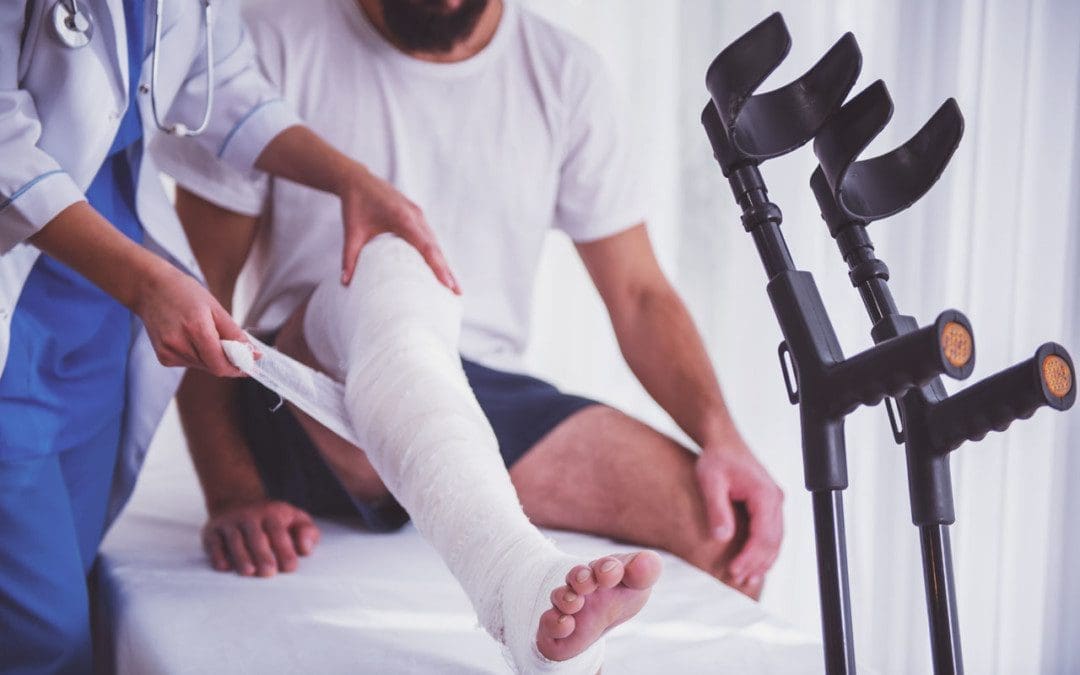
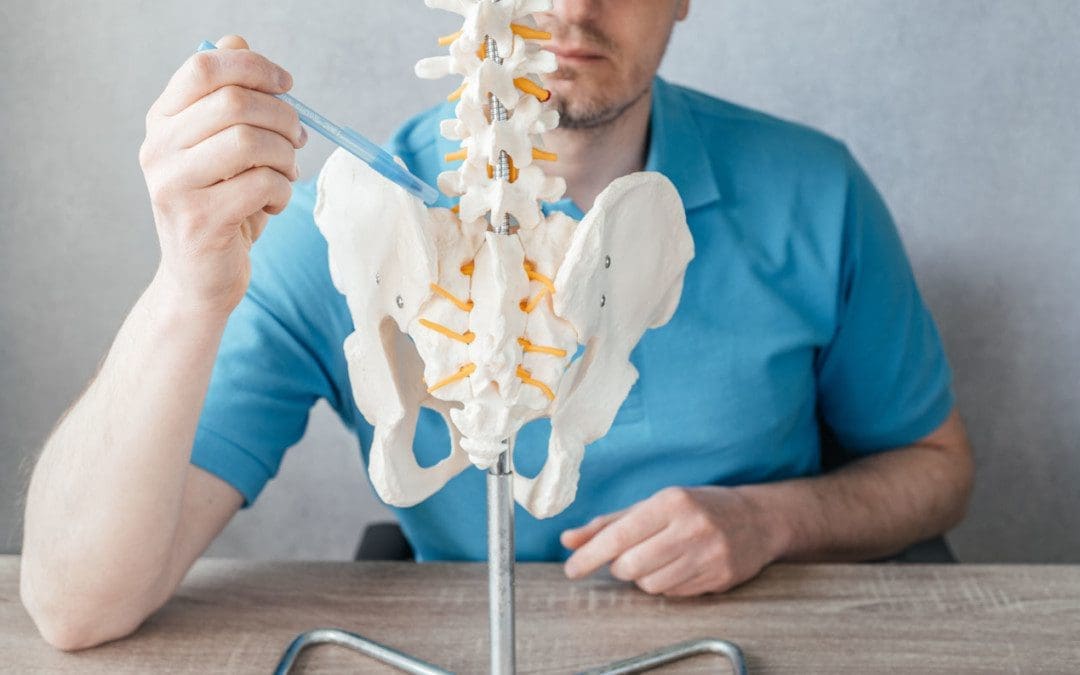
Sciatic nerve injury happens from trauma to the nerve and can cause numbness, tingling, loss of muscle power, and pain. The traumatic experience can be a muscle spasm that pulls and/or pinches the sciatic nerve, force/pressure impact injury, over-stretching injury, or a laceration/cutting injury. A slipped disk, or herniated disk, is the most common cause of irritation on the sciatic nerve. A slipped disk occurs when one becomes slightly dislodged, pushing out from the spine. This places pressure/compression on the sciatic nerve.
Trauma to the lower back, buttocks, or leg from an automobile accident, sports injury, work injury.
Medical treatment causes:
Direct surgical trauma.
Total hip replacement surgery can cause nerve compression and stretch during the procedure, causing damage to the sciatic nerve resulting in dysfunction.
Injection injuries via intramuscular injection in the gluteal region. This is a situation where there is a loss of movement and or lack of sensation at the affected lower extremity with or without pain.
Injection palsy can begin suddenly or hours following damage to the sciatic nerve.
A misplaced intramuscular injection at the gluteal region is the most common cause of injury. It is attributed to frequent injections or poor techniques resulting from inadequately trained or unqualified staff.
Complaints of radiating pain in the leg, which follows a sensory nerve pattern.
Pain radiates below the knee, into the foot.
Complaints of low back pain, which is often less severe than leg pain.
Report of electrical, burning, numbing sensations.
Diagnosis
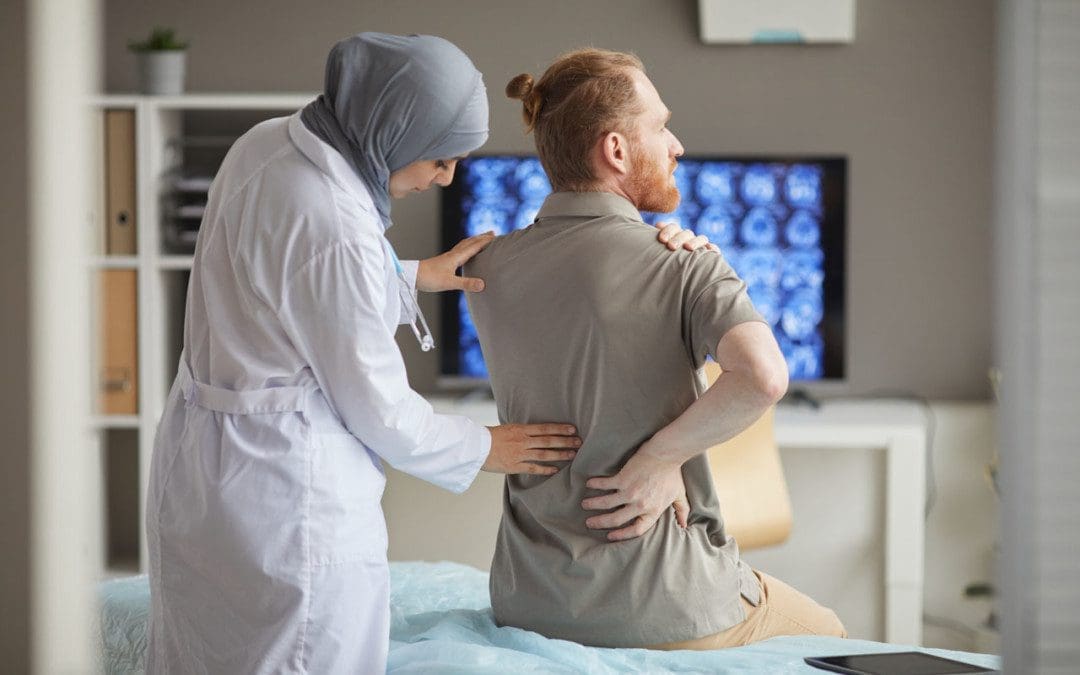
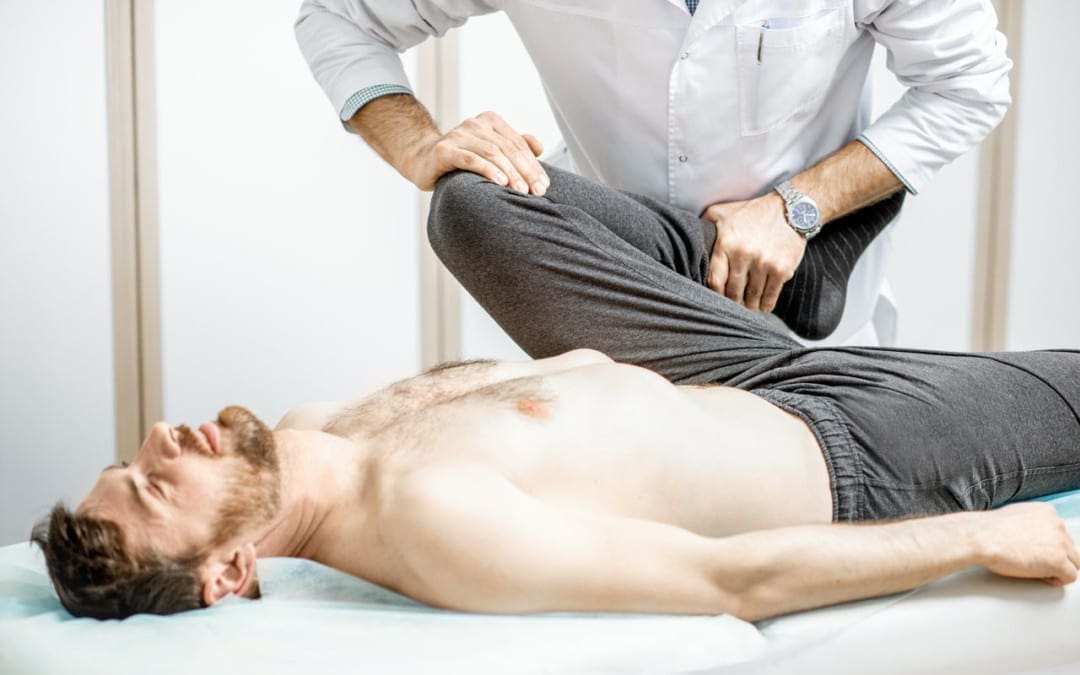
A detailed subjective and objective physical examination is necessary to figure out the severity of the sciatic nerve injury. Diagnostic studies include:
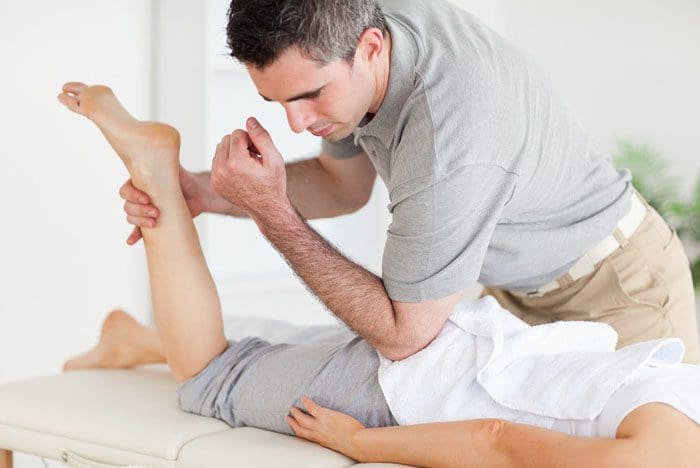
Chiropractic and physical therapy exercises and stretches improve nerve regeneration after nerve damage.
Electrical Muscle Stimulation
TENS and Electroacupuncture have been shown to help enhance nerve regrowth.
Bio-laser stimulation can help with nerve nutrition and regeneration.
Joint or Soft Tissue mobilization
Helps to retain muscle, nerve, and soft tissue flexibility and prevent deformity.
Balance Training
Coordination, strength, and flexibility exercises help to restore balance.
Splinting
In the early stages after a sciatic nerve injury, bracing may be needed to prevent deformity and new injury or re-injury risks.
Ankle Foot Orthosis – AFO can help prevent foot drop, muscle damage, and falls risk.
Body Composition
Optimize Diet for Fat Loss
Individuals that want to lose fat need to create a calorie deficit. Individuals need to consistently eat less than they need for Total Daily Energy Expenditure – TDEE. The safest way to handle a caloric reduction is to reduce calorie intake in small doses like 200-300 calories, for example. After a week or two, perform a body composition analysis. If Fat Mass numbers begin to drop or not, adjust calorie needs accordingly. Restricting calories is the most common way, a deficit can also be created by increasing calorie needs through exercise.
References
Kline, D G et al. “Management and results of sciatic nerve injuries: a 24-year experience.” Journal of neurosurgery vol. 89,1 (1998): 13-23. doi:10.3171/jns.1998.89.1.0013
Schmalzried, TP et al. “Update on nerve palsy associated with total hip replacement.” Clinical Orthopedics and related research,344 (1997): 188-206.
Shim, Ho Yong et al. “Sciatic nerve injury caused by a stretching exercise in a trained dancer.” Annals of rehabilitation medicine vol. 37,6 (2013): 886-90. doi:10.5535/arm.2013.37.6.886
Suszyński, Krzysztof et al. “Physiotherapeutic techniques used in the management of patients with peripheral nerve injuries.” Neural regeneration research vol. 10,11 (2015): 1770-2. doi:10.4103/1673-5374.170299
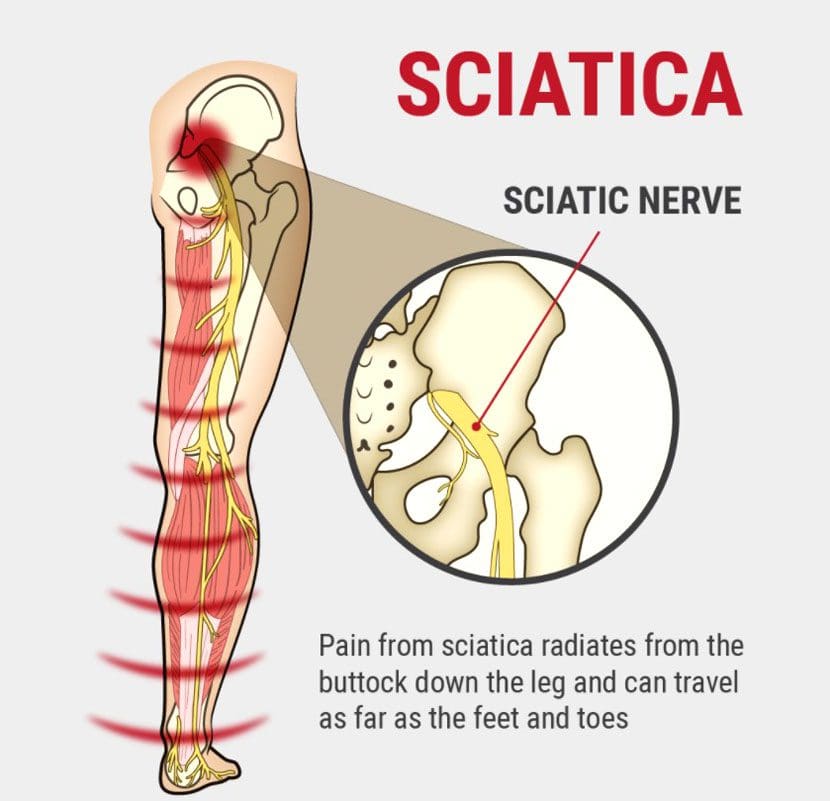
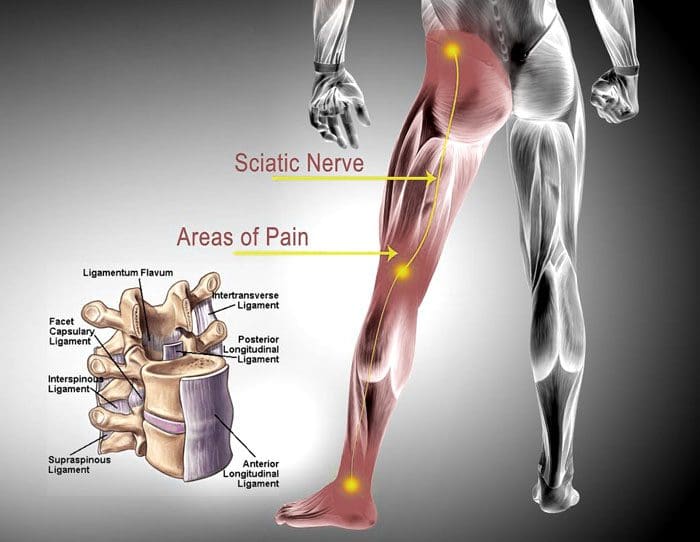
Sciatica Causes: The sciatic nerve forms by the union of Lumbar4 to Sacral31 nerve roots and exits the pelvis through the greater sciatic foramen, below the piriformis muscle located deep in the buttocks. The nerve runs down the back of the thigh, into the leg, and ends in the foot. The sciatic nerve becomes inflamed, irritated, and/or mechanically compressed. Any type of pain and/or neurological symptom/s from the sciatic nerve is referred to as sciatica. Sciatica is a type of lumbar radiculopathy, which means that the pain originates from the low back and/or sacral nerve roots.
Sciatica Causes
Physical forces on the nerve can cause mechanical compression due to the following conditions:
Herniated Discs
A disc in the lower back can bulge or herniate, causing irritation and/or compression of a sciatic nerve root.
Foraminal Stenosis
Stenosis, the intervertebral opening through which the nerve roots travel, begins to narrow/close in, can compress or irritate the sciatic nerve.
Degeneration
Degenerative changes in the spine like the thickening of facet joint capsules and/or ligaments can compress the sciatic nerve.
Segmental Instability
Instability of a spinal vertebral segment that happens if one vertebra slips over the one beneath it – spondylolisthesis
Complete dislocation of one or more vertebrae can compress the nerve root/s of the nerve.
Other Sciatica Causes
Tumors, cysts, infections, or abscesses in the lower spine or pelvic region can also cause sciatic nerve compression.
Chemical Inflammation
Chemical irritants can include hyaluronic acid and/or fibronectin/protein fragments that leak out of degenerated or herniated discs. These irritants can cause inflammation and/or irritation of the sciatic nerve.
Degenerated discs can cause nerve tissues to grow into the disc, penetrating the outer and inner layers of the disc, causing sciatica. Immune system responses can contribute to pain when exposed to disc fluid.
Substances such as glycosphingolipids/fats and neurofilaments /protein polymers secreted by the immune system are increased in individuals with sciatica. These substances are released from the reaction between nerve roots and exposed disc material, causing inflammation.
Job Occupation
Individuals with specific jobs have an increased risk of developing sciatica. Examples include:
Truck drivers
Desk workers
Teachers
Warehouse workers
Machine workers
Plumbers
Electricians
Carpenters
Fitness trainers
Sitting and standing for long periods, using improper posture, constantly bending, twisting, reaching, and regularly lifting are risk factors for sciatica.
Piriformis Syndrome
Piriformis syndrome is a condition where the piriformis muscle swells and spasms from overuse or inflammation irritating the sciatic nerve that is right underneath. The nerve can get trapped in the muscle causing sciatica-like symptoms that include:
Pain follows the same pattern in the leg as a compressed sciatic nerve root.
Tingling
Numbness
Discomfort from piriformis syndrome feels similar to sciatica, but it is not caused by compressed sciatic nerve root. Piriformis pain comes from compression of the sciatic nerve near the piriformis muscle.
Genetic Sciatica Causes
Sciatica caused by degenerated and/or herniated discs can be genetic. Research has shown that certain genetic factors are more prevalent in individuals with back and spinal problems. These congenital disabilities can cause the discs to become weak and susceptible to external stress. With time the proteins in the disc break down, compromising the integrity and function.
Arthritis and Joint Issues
Arthritis or other inflammatory conditions around the hip joint can cause pain down the leg, similar to sciatica. This is referred pain that spreads out from the source and is not radicular nerve pain that originates in the nerve roots.
Conditions like sacroiliac joint dysfunction or sacroiliitiscan cause sciatica-like pain that runs down the back of the thigh but usually ends before or at the knee.
The pain can be acute and debilitating, like sciatica but is caused by an abnormal motion or malalignment of the sacroiliac joint.
Body Composition
Normal Cholesterol Ranges
High cholesterol can lead to severe consequences when left untreated, but it can be difficult to spot with no noticeable warning signs. This is why it’s essential to monitor cholesterol levels with blood tests, especially if there is an increased risk. Example of normal cholesterol levels for adults 20 years of age or older:
Total cholesterol 125-200 mg/dL
LDL <100 mg/dL
HDL >40 mg/dL men, >50 mg/dL women
Lifestyle
Lack of physical activity contributes to high cholesterol levels.
Diets that mainly consist of processed foods and saturated fats increase the risk of high LDL levels.
Smoking can lower HDL levels.
Aging
Individual risk for developing high cholesterol tends to increase as the body advances in age. This is why it is recommended to have regular physicals and blood tests.
Genetics
Some individuals are more genetically predisposed to developing high cholesterol and heart disease.
Knowing family medical history can help predict whether it may become a problem.
References
Davis D, Maini K, Vasudevan A. Sciatica. [Updated 2021 Sep 2]. In: StatPearls [Internet]. Treasure Island (FL): StatPearls Publishing; 2021 Jan-. Available from: https://www.ncbi.nlm.nih.gov/books/NBK507908/
Giuffre BA, Jeanmonod R. Anatomy, Sciatic Nerve. [Updated 2021 Jul 29]. In: StatPearls [Internet]. Treasure Island (FL): StatPearls Publishing; 2021 Jan-. Available from: https://www.ncbi.nlm.nih.gov/books/NBK482431/
Hicks BL, Lam JC, Varacallo M. Piriformis Syndrome. [Updated 2021 Jul 18]. In: StatPearls [Internet]. Treasure Island (FL): StatPearls Publishing; 2021 Jan-. Available from: https://www.ncbi.nlm.nih.gov/books/NBK448172/
Raj MA, Ampat G, Varacallo M. Sacroiliac Joint Pain. [Updated 2021 Aug 30]. In: StatPearls [Internet]. Treasure Island (FL): StatPearls Publishing; 2021 Jan-. Available from: https://www.ncbi.nlm.nih.gov/books/NBK470299/
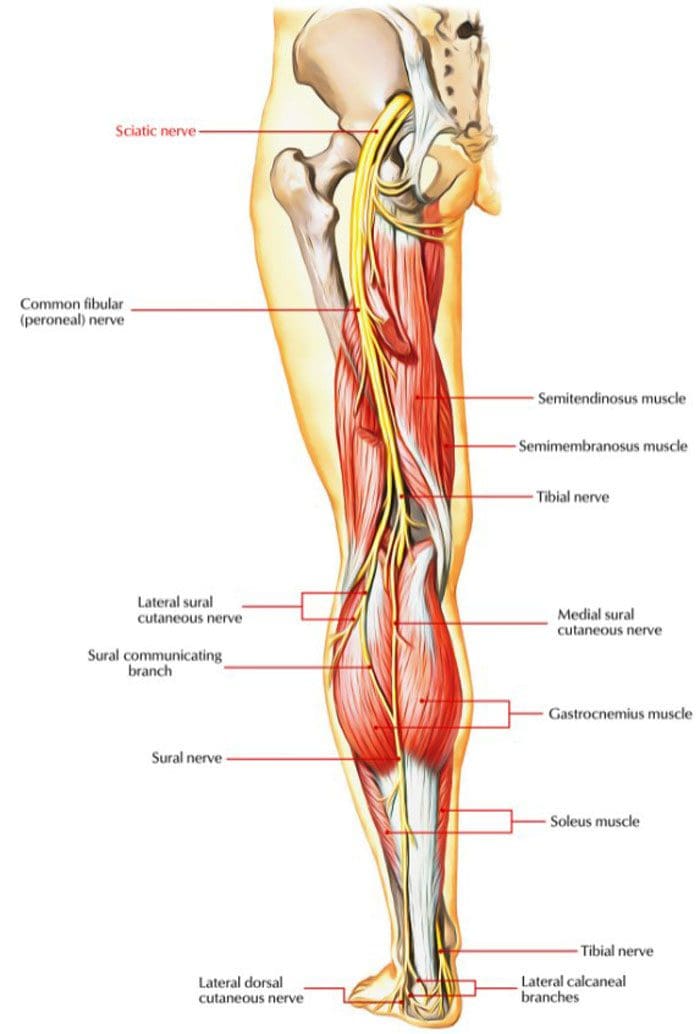
The sciatic nerve is formed through a combination of motor and sensory fibers based on the spinal nerves of the lower back L4 to S3, known as the lumbosacral plexus. It is the largest and longest nerve in the human body and about as wide as an adult thumb. It begins at the base of the spine, runs along the back of each leg, and ends at the foot supplying the areas with fresh blood and nutrients. There are sciatic nerve branches that consist of primary branches and smaller branches.
Sciatic Nerve Branches
The nerve splits into two main branches near the back of the knee called the popliteal fossa.
This fossa is located slightly above the joint behind the knee.
The popliteal fossa is a diamond-shaped space that acts as the conduit for the blood vessels and nerves.
Primary branches
From the popliteal fossa:
The tibial nerve continues down the back of the calf to the heel and bottom of the foot.
The common peroneal nerve, aka common fibular nerve, travels sideways along the outer part of the knee to the outer border of the lower leg and foot.
Both nerves convert into small sensory nerves in the calf that supply the outer side of each foot.
The sciatic nerve breaks off into smaller branches, known as collaterals, that include:
These are muscle branches that supply the muscles in the thigh, including the hamstring group and the adductor magnus muscles along the inner thigh.
Other small branches supply the leg and foot muscles.
Articular branches supply the back of the hip joint, the back and side of the knee joint.
The sciatic nerve does not supply structures in the buttocks; however, pain commonly radiates/spreads into this area when the nerve is impaired, impinged, and inflamed.
Blood Supply
The delivery of nutrients to the sciatic nerve is done through blood vessels that also contribute to the nerve’s function. Any interruption of blood flow to the sciatic nerve can cause pain and dysfunction. The sciatic nerve and the sciatic nerve branches receive their blood supply from two sources that include:
The extrinsic system is made up of nearby arteries and veins.
The intrinsic system includes arteries and veins that run along the nerve and are embedded deep in a sheath known as the epineurium of connective tissue that envelops the nerve.
The intrinsic blood supply can be affected by conditions like diabetes, which can contribute to symptoms associated with diabetic neuropathy.
Both systems connect at various junction points.
Nerve Function
The combination of sensory and motor fibers that make up the sciatic nerve provides the essential functions in the lower limbs allowing the body to:
Stand
Walk
Run
Climb
Lift
A healthy sciatic nerve is well protected around the low back and buttock muscles where it starts, and it cannot be palpated or felt by touching or pressing on the area. When the nerve gets inflamed, injured, or pinched, the leg can feel stiff and inflexible when trying to move and can lead to pain, weakness, and tingling in the lower back, buttock, leg/s, and feet.
Anatomical Variations of the Nerve
Individuals can have variations in the anatomical structure of the sciatic nerve. These variations are considered normal, but they can increase the risk of developing sciatica brought on by impingement, entrapment, or irritation of the nerve root/s. Variations in sciatic nerve branches include:
The nerve divides above the piriformis muscle; one portion passes through the piriformis, with the other portion exiting the pelvis below the muscle. This is the most common variation.
The nerve divides above the piriformis muscle; one portion passes through the piriformis, with the other portion exiting the pelvis above the muscle.
The nerve divides above the piriformis, with one portion traveling in front while the other travels behind it.
Undivided sciatic nerve exits through the piriformis muscle.
Undivided sciatic nerve exits from behind the top part of the piriformis.
Around 10% of individuals have a nerve that divides above the popliteal fossa and does not merge but courses down in two separate branches.
The sciatic nerve and the sciatic nerve branches are significant components of the body. It supplies motor functions to move the legs and feet and provides sensory functions along the nerve path. Keeping the sciatic nerve healthy is key in helping to prevent back and spinal issues. Chiropractic can help realign the sciatic nerve and educate on maintaining the nerve’s health.
Body Composition
Fitness Motivation
New workout routine
Individuals that don’t feel like returning to previous workout routines are recommended to try out other fitness options. If the gym isn’t cutting it or there is burnout with the current routine, switch things up. This can include:
Virtual group classes.
1-on-1 personal training.
Outdoor activities.
All are valid options to explore if in a rut with the current routine.
The important thing is to find what works for you.
Allow the body to rest
Individuals may want to push it to the limit to get back into shape, but rest days are essential for healthy muscle development and improved performance.
Noticing the body is more sore and exhausted after a workout is an indication that the body needs rest. This also includes:
Maintaining proper hydration.
Stretching out the muscles regularly.
Taking days off from exercising are necessary to:
Prevent muscle fatigue.
Reduce the risk of injury.
Allow for adequate muscle recovery.
Long term commitment is key
It can be discouraging to commit to a workout schedule only to notice minor changes to strength and fitness.
However, small improvements do accumulate over time.
Small increases over time can have a huge impact on overall strength and fitness.
Keep the bigger picture in mind to remain positive.
References
Davis D, Vasudevan A. Sciatica. [Updated 2019 Feb 28]. In: StatPearls [Internet]. Treasure Island (FL): StatPearls Publishing; 2019 Jan-. Available from: https://www.ncbi.nlm.nih.gov/books/NBK507908/
Barral J, Croibier A. Manual Therapy for the Peripheral Nerves. Elsevier Health Sciences; 2007.
Ryan MM, Jones HR Jr. Mononeuropathies. In: Neuromuscular Disorders of Infancy, Childhood, and Adolescence. Elsevier; 2015:243-273. doi:10.1016/b978-0-12-417044-5.00014-7
The sciatic nerve is the largest in the body and is created by five nerve roots that come together and exit the lower spine. It goes through the buttocks on either side and down the thighs all the way to the heels and soles of the feet. The sciatic nerve connects the spinal cord to the muscles of the thigh, leg, and foot. Any type of pain and/or neurological symptom/s that comes from the sciatic nerve is known as sciatica. The symptoms can be felt along the nerve’s path. This could be the:
When the nerve is compressed, neurological symptoms can accompany the pain. These include:
Thigh muscle weakness
If the thigh muscles are affected, weakness can be felt when bending or flexing the knee.
Leg and foot muscle weakness
Weakness can be felt while attempting to bend the knee or pointing the foot/toes upward/downward. This can lead to foot drop, which makes lifting the front part of the foot when walking difficult. Difficulty can also present when getting up from a sitting position or walking on the tiptoes.
Numbness
Loss of sensation can happen when the nerve impulses/transmissions cannot pass all the way through. Common areas affected by numbness are the:
Side of the calf
Side of the heel
Bottom of the foot
Top of the foot
Paresthesia
This is an abnormal sensation felt on the skin. It is brought on by improper nerve transmission. This sensation can include:
Tingling
Tightness
Pins-and-needles
Crawling feeling along the back of the thigh and/or leg
The Sciatic Nerve Gets Affected
The sciatic nerve can become:
Irritated
Compressed
Inflamed
This lumbar/low back radiculopathy means that the pain originates in and around the lumbar and/or sacral/sacrum nerve roots.
Compression
Physical forces could affect the nerve following common conditions:
Disc Herniation
A disc in the lower back can bulge or herniate. This causes irritation that can lead to compression of a nerve root.
Stenosis
Stenosis means the opening where the sciatic nerve exit into the buttocks begins to get narrow in size. This creates a clog with the other nerve roots that compresses or irritates the sciatic nerve. Degenerative changes in the spine like the thickening of the facet joint capsules and/or ligaments can also compress the sciatic nerve.
Instability
Instability of a vertebral segment happens when one vertebra slips over the one below it, known as spondylolisthesis. There are also vertebral defects like spondylolysis which is a complete dislocation of one or more vertebrae. This can directly compress the sciatic nerve roots.
Inflammatory Response
The body’s own chemicals can irritate the nerve causing inflammation. These chemical irritants include:
Hyaluronic acid
Fibronectin protein fragments leak out of degenerated or herniated discs onto and around the sciatic nerve roots.
There are times when degenerated discs can cause nerve tissues to grow into a disc. The tissue penetrates the outer and inner layers of the disc, causing inflammation and pain.
Some studies have shown how an immune system response can contribute to sciatic pain when there is exposure to the disc material from herniated disc/s.
Glycosphingolipids which are fats, and neurofilaments which are protein polymers. They are secreted by the immune system and have been found to have high levels in individuals with sciatica. It is believed they are released in reaction to the nerve roots and exposed disc material. This can lead to inflammation of the sciatic nerve.
Body Composition
The physical characteristics of an individual can also affect the sciatic nerve. Research has shown an increased risk of sciatica in:
Overweight individuals
Obese individuals
Older individuals
Tall individuals
Work Injuries
Individuals with certain jobs can have an increased risk of developing sciatica. Examples include:
Semi-Truck operators
Machine operators
Construction workers
Hairstylists
Office workers
Athletes that lift weights
This comes from:
Sitting for long amounts of time
Poor posture
Constant bending forward or sideways
Regularly lifting the arms above shoulder level
All are risk factors.
Vitamin B12 deficiency
Adequate levels of vitamin B12 are important for nerve health. Vitamin B12 supports the myelin sheath that covers and protects the nerves. It is important in nerve function and in transmitting impulses. Sciatica can present from vitamin B12 deficiency. However, this is more common in individuals 60+.
Body Analysis
Alleviating Nerve Pain Through Clinical Nutrition
Clinical nutrition is a powerful tool to help alleviate sciatica. Many individuals can relieve their pain through diet adjustments. Here are a few diet tips to alleviate sciatic nerve pain through clinical nutrition:
Sometimes, sciatica can be triggered by constipation from an unhealthy diet
Oily fish like salmon and halibut are rich in omega 3 fatty acids
Fresh pineapples and berries are anti-inflammatories that support healing and boost the immune system
2-3 cups of green tea
Add turmeric, ginger, and garlic to meals
B-Vitamins are important to take in when going through sciatica and are found in green peas, spinach, navy beans, nuts, bananas
Foods that are rich in A-Vitamins like dairy products, dark leafy vegetables, orange-colored fruits, eggs, and oily fish
Foods rich in C-Vitamins, like citrus and tomatoes
K-Vitamins like broccoli and spinach
Drink plenty of water, between 6 to 8 glasses a day
Foods to Avoid
Nutritionists recommend cutting out meat products except for oily fish for the first two weeks.
Foods that contain sunflower oil, corn oil, sesame oil, margarine, and partially hydrogenated oil.
Stressor foods like caffeine, processed food, soda, refined sugars, and chocolate.
Alcohol
References
Giuffre BA, Jeanmonod R. Anatomy, Sciatic Nerve. [Updated 2018 Dec 16]. In: StatPearls [Internet]. Treasure Island (FL): StatPearls Publishing; 2019 Jan-. Available from: https://www.ncbi.nlm.nih.gov/books/NBK482431/.
Heuch I, Heuch I, Hagen K, Zwart JA. Association between body height and chronic low back pain: a follow-up in the Nord-Trøndelag Health Study [published correction appears in BMJ Open. 2015;5(10):e006983]. BMJ Open. 2015;5(6):e006983. Published 2015 Jun 15. doi:10.1136/bmjopen-2014-006983.
Kumar, M. Epidemiology, pathophysiology and symptomatic treatment of sciatica: A review. nt. J. Pharm. Bio. Arch. 2011, 2.
Quero L, Klawitter M, Schmaus A, et al. Hyaluronic acid fragments enhance the inflammatory and catabolic response in human intervertebral disc cells through modulation of toll-like receptor 2 signaling pathways. Arthritis Res Ther. 2013;15(4): R94. Published 2013 Aug 22. doi:10.1186/ar4274.
Shiri R, Lallukka T, Karppinen J, Viikari-Juntura E. Obesity as a Risk Factor for Sciatica: A Meta-Analysis. American Journal of Epidemiology. 2014;179(8):929-937. doi:10.1093/aje/kwu007.
The spinal cord is the information pathway that transmits signals from the brain to the rest of the body. The body’s limbs and organs cannot function properly without regular communication flowing through the spinal cord. Understanding how the sciatic nerve responds to the other parts of the body can clarify how a doctor of chiropractic heals sciatica. When severe pain presents normal communications are overridden for the sake of body and health preservation. The sciatic nerve is an important part of the spinal cord and requires a trained professional to aid in proper and effective healing.
Basics On Sciatica
Sciatica happens when the nerves are compressed/pinched in some form. Lower back conditions can be the cause of such compression. Sciatica can be reduced and healed. Conditions that can lead to sciatic pain include:
Herniated discs
Subluxations
Disc Degeneration
Spinal Stenosis
Lower back disc bulge
Piriformis syndrome
Symptoms
Sciatica often includes:
Sharp pain
Numbness
Burning
Tingling sensation
Individuals can also experience weakness down the leg.
Normal activities can become strained as individuals experience these symptoms. Pressure on the nerve can be decreased and healed with professional chiropractic care. The human spine consists of 31 pairs of nerves. Five of these pairs are in the lumbar/lower back region and five are right below that area in the sacral region. The sciatic nerve starts in the lower back. It goes down through the hips, buttocks, thighs, knees, calves, and ends in the foot.
Causes could be something as simple as sitting on a bulging wallet or sitting for extended lengths of time can result in a decreased blood flow to the area. Also, direct trauma to the gluteal muscles from automobile accidents, sports, and work injuries can lead to sciatic nerve issues and pain.
Treatment Options
Tests and examinations will be conducted to figure out the origin of the pain to develop a personalized treatment plan to expedite the healing process. Treatment can include:
Chiropractic treatment
Decreasing muscle tension
Core stabilization
Spinal decompression
Rehabilitation therapy
Chiropractic treatment is designed to help the body activate its own healing system. It is non-invasive and drug-free providing an organic alternative. Advanced cases of sciatica can result in muscle weakness or a loss of sensation in the legs, if not properly treated. Individual treatment plans vary depending on an individual’s specific needs.
Prevention
Prevention is important once the condition is healing to not cause flare-ups. Sciatica symptoms can return, especially if proper and continued care to the spine is not maintained. Preventative care and maintenance are essential for ensuring a healthy spine and body. These tips can help avoid back injuries that can lead to sciatica and help with reoccurrences:
Practice proper posture
Regular exercise/physical activity with safe movements
Bend at the knees, especially when lifting heavy objects
Follow specific instructions given by a chiropractor
Body Composition
Healthy Snacks
Eggs
Eggs make a great snack that will keep the body full and help to eat less. They are a great source of protein and fat and have a healthy variety of vitamins and minerals. Hard-boiled eggs are easy to make ahead of time and are portable.
Cheese
Cheese is a great snack for protein and fat. But it is important to watch the serving size if watching/limiting calories. Cottage cheese is highest in protein but cream cheese and cheese sticks are also good options. Cheese can be paired with a serving of fruit or vegetables like grape tomatoes, bell peppers, celery, apples, or pears.
Jerky
Jerky is convenient and portable and is a great way to pack in extra protein throughout the day. The best option is grass-fed. Remember that some jerky is high in sodium if limiting sodium.
Greek Yogurt
Natural Greek yogurt is a great option for a high-protein snack. However, many yogurts are high in sugar. Therefore choose yogurt with less than 10 grams of sugar per serving, or opt for plain yogurt to avoid the sugar altogether. The yogurt can be sweetened with honey, fresh fruit, or mixed into a smoothie.
Hummus and Guacamole Dips
Hummus is a great source of plant-based protein and is balanced with carbohydrates, fat, and fiber. It is the olive oil in the hummus that provides a healthy dose of heart-healthy polyunsaturated fats. Guacamole is a delicious source of healthy fats.Both dips are calorie-dense, therefore it is important to be aware of portion sizes. These can be paired with carrot sticks, bell peppers, or celery.
Disclaimer
The information herein is not intended to replace a one-on-one relationship with a qualified health care professional, licensed physician, and is not medical advice. We encourage you to make your own health care decisions based on your research and partnership with a qualified health care professional. Our information scope is limited to chiropractic, musculoskeletal, physical medicines, wellness, sensitive health issues, functional medicine articles, topics, and discussions. We provide and present clinical collaboration with specialists from a wide array of disciplines. Each specialist is governed by their professional scope of practice and their jurisdiction of licensure. We use functional health & wellness protocols to treat and support care for the musculoskeletal system’s injuries or disorders. Our videos, posts, topics, subjects, and insights cover clinical matters, issues, and topics that relate to and support, directly or indirectly, our clinical scope of practice.* Our office has made a reasonable attempt to provide supportive citations and has identified the relevant research study or studies supporting our posts. We provide copies of supporting research studies available to regulatory boards and the public upon request. We understand that we cover matters that require an additional explanation of how it may assist in a particular care plan or treatment protocol; therefore, to further discuss the subject matter above, please feel free to ask Dr. Alex Jimenez or contact us at 915-850-0900.
Dr. Alex Jimenez DC, MSACP, CCST, IFMCP*, CIFM*, CTG*
email: [email protected]
phone: 915-850-0900
Licensed in Texas & New Mexico
References
National Institutes of Health. (2019.) “Sciatica.” medlineplus.gov/sciatica.html.
North American Spine Society. (2012.) “Clinical Guidelines for Diagnosis and Treatment of Lumbar Disc Herniation with Radiculopathy.” www.spine.org/Portals/0/assets/downloads/ResearchClinicalCare/Guidelines/LumbarDiscHerniation.pdf
Sciatica is a set of symptoms characterized by discomfort and pain along the length of the sciatic nerve, which runs down the buttocks, hips, and thighs, into the feet and the legs. Also known as sciatic nerve pain, sciatica is brought on by the compression or impingement of the nerve through harms and/or ailments such as a herniated disc. The patients in the following video describe the way their quality of life has influenced. After getting chiropractic care with Dr. Alex Jimenez, chiropractor, patients talk how treatment has helped them achieve pain relief from their sciatica. Sciatic nerve pain is one of the most frequent health issues. The people highly recommend Dr. Alex Jimenez as the non-invasive pick for sciatica.
Nerve Pain Therapy
We are blessed to present to you�El Paso�s Premier Wellness & Injury Care Clinic.
As El Paso�s Chiropractic Rehabilitation Clinic & Integrated Medicine Center,�we passionately are focused on treating patients after frustrating injuries and chronic pain syndromes. We focus on improving your ability through flexibility, mobility and agility programs tailored for all age groups and disabilities.
We want you to live a life filled with more energy, positive attitude, better sleep, less pain, proper body weight and educated on how to maintain this way of life.
I assure you, I will only accept the best for you�
If you have enjoyed this video and we have helped you in any way, please feel free to subscribe and recommend�us.
Chiropractor Near Me: Due to his previous back injury history, George Lara suffered a recent back injury which he was unfortunately unable to recover from through traditional treatment. That’s when the VA recommended him to seek chiropractic care with Dr. Alex Jimenez, ultimately changing his quality of life. George Lara had degenerative disc disease, or DDD, and sciatic nerve pain before receiving treatment with Dr. Alex Jimenez. George Lara describes how much his life has improved with chiropractic care and he’s grateful of the services and care he received. George Lara recommends Dr. Alex Jimenez as the non-surgical choice for back pain, among other spine health issues.
Chiropractor Near Me
Chiropractic care is a means to diagnose and treat health problems that affect the nerves, muscles, bones, and joints of the body. A healthcare provider who supplies chiropractic care is known as a chiropractor. Adjustment of the spine, known as manipulation, is the basis of care. Chiropractors also use other kinds of treatments. Your physician will ask about your goals for your health history and therapy. It’s important to inform your physician about any physical problems you may have which make it difficult for you to do particular things.
We are blessed to present to you�El Paso�s Premier Wellness & Injury Care Clinic.
As El Paso�s Chiropractic Rehabilitation Clinic & Integrated Medicine Center,�we passionately are focused treating patients after frustrating injuries and chronic pain syndromes. We focus on improving your ability through flexibility, mobility and agility programs tailored for all age groups and disabilities.
If you have enjoyed this video and/or we have helped you in any way please feel free to subscribe and share us.
IFM's Find A Practitioner tool is the largest referral network in Functional Medicine, created to help patients locate Functional Medicine practitioners anywhere in the world. IFM Certified Practitioners are listed first in the search results, given their extensive education in Functional Medicine