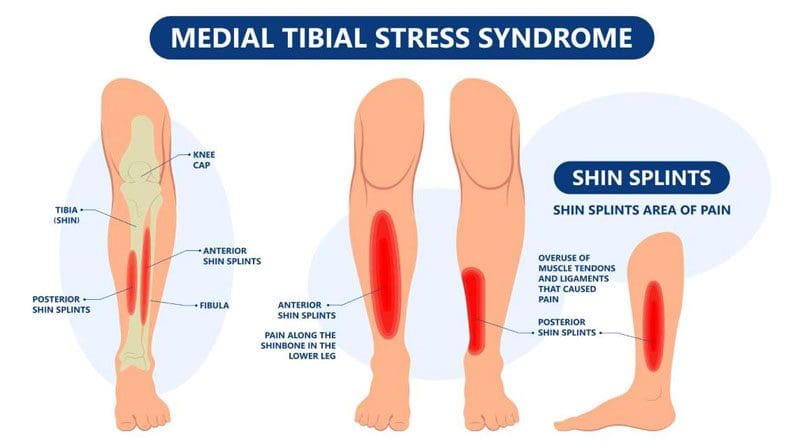
When stress is placed on the shins with physical activity from walking, running, or exercise, the connective tissues attaching the leg muscles to the tibia can become inflamed, causing medial tibial stress syndrome, more commonly known as shin splints. This inflammation is caused by tiny tears in the muscles and tendons of the shin. Chronic shin pain could be related to foot arch problems, underlying issues with the muscles, or shoes that don’t support the feet properly. Although it usually goes away within a few days, it’s important to monitor to ensure that it does not progress into a stress fracture. A chiropractor can offer treatments to relieve the pain and help prevent shin splints from recurring.
Medial Tibial Stress Syndrome
Medial tibial stress syndrome can impact anyone. It can come from walking far distances or in awkward positions like going downstairs with small steps, jumping rope, and playing with the kids on the playground can all cause burning, tightness, and pain in the shins. Shin splints affect individuals differently. For some, the pain recedes when the triggering activity is stopped. For others, the pain can become a chronic condition that results in continuous pain, even when at rest.
The Shin
The shin is a part of the tibia bone in the lower leg.
This bone absorbs the shocks when moving through daily activities.
The muscles that run along the shin support the foot’s arch and raise the toes during movement.
Medial tibial stress syndrome is caused by excessive force on the shinbone and the tissue around it, which causes the muscles to swell and increases pressure around the bone.
If left untreated, small tears in the muscle and the bone can form, leading to chronic pain and stress fractures.
Medial tibial stress syndrome is more likely to happen from:
Not stretching before physical activity or exercise.
Constantly walking or running on hard surfaces.
Wearing the wrong shoes that don’t provide enough cushioning or arch support.
Over-exertion on the body with activity and movement.
The body is not given the proper amount of time to recover.
Athletes often experience shin splints when they’ve intensified their training routine or changed it up.
Symptoms
Pain during exercise or activity.
Pain in the front of the lower leg.
Soreness in the lower leg.
Swelling in the lower leg.
Shin is hot to the touch.
Treatment
Whenever pain is being experienced, some muscles will either get tight or weak in response. By identifying the weak and/or tight muscles, a chiropractor can prescribe stretches and exercises that will help alleviate the pain and prevent it. One of the main principles of chiropractic is to treat the body as an interconnected system. A chiropractor may work on an unrelated part of the body to treat the symptomatic area. For example, they may work to align the spine and pelvis to lessen the impact on the lower legs.
Part of a treatment plan may include:
Soft Tissue Mobilization
A handheld instrument loosens tight tissues during soft tissue mobilization therapy and breaks scar tissue around the tibia.
Massaging tight muscles in the leg keeps them loose and alleviates the pain.
Percussion massage can be added to reduce muscle knots, improve blood flow, and loosen up scar tissue.
The treatment relieves pain and can help avoid shin splints when returning to normal activities.
Ultrasound and Low Laser Therapy
Ultrasound and low laser therapy use heat to warm the deep tissues in the lower leg gently.
The treatment eases pain, reduces inflammation, swelling, and increases blood flow.
Kinesio Taping
Applying flexible Kinesio tape to the foot and lower leg can reduce stress on the shins.
The chiropractor or physical therapist will show how to apply the tape correctly.
Foot Orthotics
Individuals may be more likely to develop shin splints if they have high or low arches or their feet tend to roll inward or outward when walking.
Prescription foot orthotics can be made to keep the feet properly balanced and supported.
Stretching Exercises
Shin splints could be related to tight muscles in the back of the calf and weak muscles in the front of the lower leg.
A chiropractor or physical therapist will show stretching and strengthening exercises to maintain muscle balance.
Body Composition
Retaining Water Due To Salt Intake
Salt/sodium is everywhere and hard to avoid.
It might not be a surprise that a single patty cheeseburger contains over 500 mg of sodium – almost a quarter of the daily recommended level, but it is a surprise to know that the ranch dressing on a salad contains as much as 270 mg or a tablespoon of soy sauce on a healthy, vegetable-only stir-fry has 879 mg of sodium. The Mayo Clinic estimates that the average individual consumes about 3,400 mg of sodium a day: close to double what is recommended. Sodium is linked with water retention, and it is the kidneys’ job to expel unneeded sodium out of the body. Until the kidneys activate, an individual will temporarily be retaining extra water. If daily water and sodium intake habits change daily, this can contribute to water retention, causing fluctuations in daily weight. So, if an individual was on a diet but flooded the body with more salt than usual, expect to see a temporary increase in weight.
References
Bates, P. “Shin splints–a literature review.” British journal of sports medicine vol. 19,3 (1985): 132-7. doi:10.1136/bjsm.19.3.132
Chiropractic Economics: The Science Behind Percussion Massage.
Gross, ML et al. “Effectiveness of orthotic shoe inserts in the long-distance runner.” The American journal of sports medicine vol. 19,4 (1991): 409-12. doi:10.1177/036354659101900416
Heer, Martina et al. “Increasing sodium intake from a previous low or high intake affects water, electrolyte and acid-base balance differently.” The British journal of nutrition vol. 101,9 (2009): 1286-94. doi:10.1017/S0007114508088041
McClure, Charles J. and Robert Oh. “Medial Tibial Stress Syndrome.” StatPearls, StatPearls Publishing, 11 August 2021.
The thoracic spine, also known as the upper or middle back, is designed for stability to anchor the rib cage and protect the organs in the chest. It is highly resistant to injury and pain. However, when thoracic back pain does present, it is usually from long-term posture problems or an injury. Thoracic back pain is less common than lower back and neck pain, but it does affect up to 20% of the population, particularly women. Treatment options include chiropractic for quick and long-term pain relief.
Thoracic Back Pain and Soreness
The thoracic area is vital for various functions related to:
Upper back pain usually feels like a sharp, burning pain localized to one spot or a general achiness that can flare up and spread out to the shoulder, neck, and arms.
Types of Upper Back Pain
These include:
Myofascial pain
Spine degeneration
Joint dysfunction
Nerve dysfunction
General spinal misalignments
Depending on what specific tissues are affected, pain can occur with breathing or arm use. It is recommended to have a healthcare professional perform an examination and get an accurate diagnosis. A chiropractor understands the delicate balance and functions that the thoracic spine provides and can develop a proper treatment plan.
Chiropractic
Treatment options will depend on the symptoms, underlying dysfunctions, and individual preferences. Recommendations for treatment often include:
Spine adjustments to improve alignment and nerve integrity.
Posture training to maintain spinal alignment.
Therapeutic massage.
Exercise training to restore muscular balance.
Non-invasive pain-relieving techniques.
Health coaching.
Body Composition
Plant-Based Diets for Weight Loss
Individuals who follow vegan, vegetarian, and semivegetarian diets have reported and shown they are less likely to be overweight or obese. This can indicate that reducing intake of meat and animal products is beneficial for weight loss. Studies have found that individuals who follow a vegan diet may lose more weight than individuals on a more conventional weight loss diet, even with similar calories consumed, and often have significant improvements in blood sugar and inflammation markers.
Plant-Based Protein and Muscle Gain
Some plant-based proteins are just as effective as animal protein at promoting muscle gain. A study found that supplementing rice protein following resistance training had similar benefits to whey protein supplementation. Both groups had:
Briggs AM, Smith AJ, Straker LM, Bragge P. Thoracic spine pain in the general population: prevalence, incidence and associated factors in children, adolescents and adults. A systematic review. BMC Musculoskelet Disord. 2009;10:77.
Cichoń, Dorota et al. “Efficacy of Physiotherapy in Reducing Back Pain and Improve Joint Mobility in Older Women.” Ortopedia, traumatologia, rehabilitacja vol. 21,1 (2019): 45-55. doi:10.5604/01.3001.0013.1115
Fouquet N, Bodin J, Descatha A, et al. Prevalence of thoracic spine pain in a surveillance network. Occup Med (Lond). 2015;65(2):122-5.
Jäger, Ralf et al. “Comparison of rice and whey protein isolate digestion rate and amino acid absorption.” Journal of the International Society of Sports Nutrition vol. 10,Suppl 1 P12. 6 Dec. 2013, doi:10.1186/1550-2783-10-S1-P12
Joy, Jordan M et al. “The effects of 8 weeks of whey or rice protein supplementation on body composition and exercise performance.” Nutrition journal vol. 12 86. 20 Jun. 2013, doi:10.1186/1475-2891-12-86
Medawar, Evelyn et al. “The effects of plant-based diets on the body and the brain: a systematic review.” Translational psychiatry vol. 9,1 226. 12 Sep. 2019, doi:10.1038/s41398-019-0552-0
Newby, PK et al. “Risk of overweight and obesity among semivegetarian, lactovegetarian, and vegan women.” The American journal of clinical nutrition vol. 81,6 (2005): 1267-74. doi:10.1093/ajcn/81.6.1267
Pope, Malcolm H et al. “Spine ergonomics.” Annual review of biomedical engineering vol. 4 (2002): 49-68. doi:10.1146/annurev.bioeng.4.092101.122107
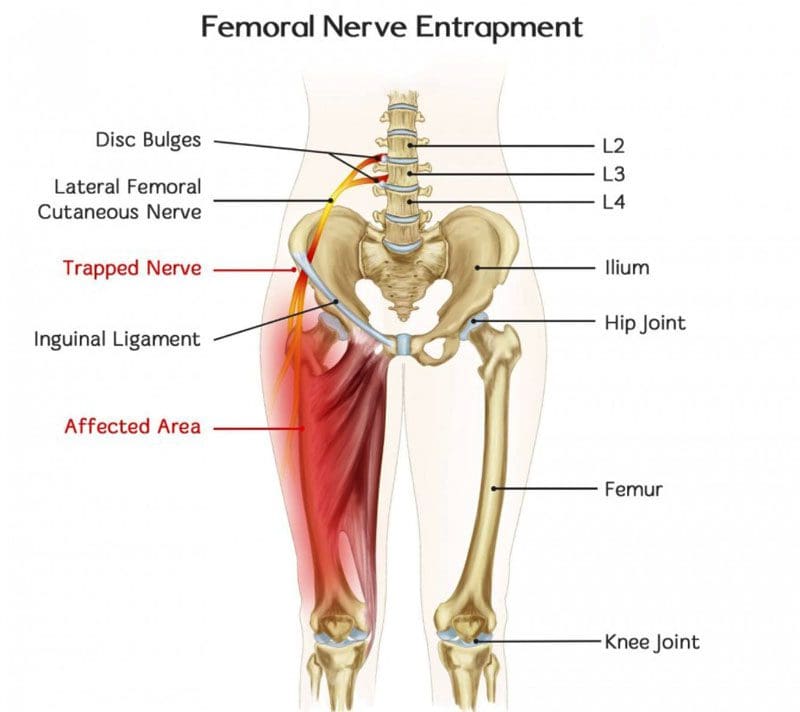
A nerve injury is often caused by a sudden traumatic event, like a slip and fall, personal or work injury, an automobile accident, or a sports injury. Overall stresses of the body from poor posture and being overweight can also lead to nerve pain over time, known as cumulative trauma. Where ligaments and bones are not aligned correctly, nerve pain and damage can occur. When nerve pain presents, there is pressure being placed on that nerve/s. Nerve pain symptoms include burning, tingling, or numbness-type sensations in the tissues controlled by that nerve. Orthopedic and neurologic testing will determine what specific nerve is affected. Chiropractic adjustments realign the spine and relieve the pressure on the nerve, thus eliminating the pain and correcting the problem.
Nerve Injury
Too much pressure from surrounding tissues compresses and irritates the nerve and interrupts its ability to function correctly. Pinched nerves are most vulnerable at points in the body where they pass through narrow spaces and have little to no soft tissue protection. Symptoms include:
Pins and Needles Sensation
Numbness
Pain
Weakness
A pinched nerve can decrease the range of motion and cause muscle spasms. If left untreated, a nerve injury can leave an individual with chronic pain and lead to permanent nerve damage.
Tingling and Numbness
Tingling and numbness are unusual or unpleasant physical sensations, most commonly experienced in the arms, hands, fingers, legs, feet, and toes. Tingling and numbness come in two forms:
To determine the appropriate course of treatment, a doctor of chiropractic must diagnose the cause of the nerve injury. Depending on the nature or severity of the sensation, the examination will include:
Muscle tests
Range-of-motion tests
Neurological tests
Orthopedic tests
The chiropractor will palpate the effective areas and order imaging tests like X-rays if necessary. If further testing is needed to diagnose the source of the nerve injury, the doctor may order an MRI or CT scan. Once the underlying condition is diagnosed, a chiropractor will develop a treatment plan to eliminate irritation, correct misalignments causing pressure, and restore proper nerve function. Treatment plans vary from case to case but can include:
Therapeutic Massage
Body adjustments
Spinal manipulation
Heat and Ice
The objective is to relieve/release the pressure on the nerves. Chiropractic adjustments help reposition the muscles and nerves. Deep-tissue massage helps to release tension and eliminate toxins that worsen the sensations. Treatment improves circulation and relieves pressure on the neural pathways necessary to restore normal neural signaling between the body and the brain.
Body Composition
Why The Brain Needs Sugar
The brain needs half of all the body’s energy supply because of its complex nerve cell system. The brain requires glucose for brain cell energy. Because neurons can’t store energy, they need a continuous fuel supply to function correctly from the bloodstream. The ability to think, learn and recall information is closely associated with glucose levels. When blood glucose levels are low, the ability to think is inhibited as the production of chemical messengers/neurotransmitters, are reduced, disrupting communication between the neurons. Natural sugar can boost brain health because it requires glucose for functioning. Sugar is released slowly into the bloodstream when taken naturally from sources like apples and bananas, keeping the energy levels steady, without craving more sugar.
References
Ameh, Victor, and Steve Crane. “Nerve injury following shoulder dislocation: the emergency physician’s perspective.” European journal of emergency medicine: official journal of the European Society for Emergency Medicine vol. 13,4 (2006): 233-5. doi:10.1097/01.mej.0000206190.62201.ad
Nichols, J S, and K O Lillehei. “Nerve injury associated with acute vascular trauma.” The Surgical clinics of North America vol. 68,4 (1988): 837-52. doi:10.1016/s0039-6109(16)44589-5
Ruggiero, S L. “Trigeminal nerve injury and repair.” The New York state dental journal vol. 62,8 (1996): 36-40.
Welch, J A. “Peripheral nerve injury.” Seminars in veterinary medicine and surgery (small animal) vol. 11,4 (1996): 273-84. doi:10.1016/s1096-2867(96)80020-x
WOODHALL, B. “Peripheral nerve injury.” The Surgical clinics of North America (1954): 1147-65. doi:10.1016/s0039-6109(16)34299-2
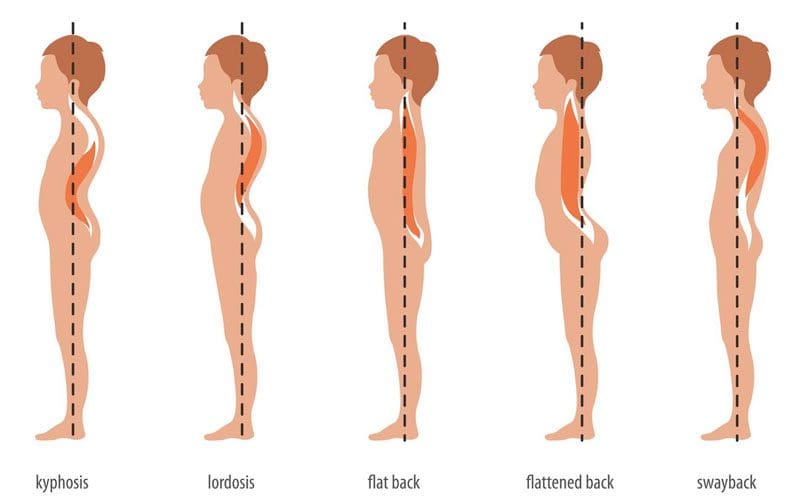
Individuals believe that maintaining a straight/flat back is healthy. However, the back is made up of natural curves that allow flexibility and optimal movement. If there is a lack of these curves, it can lead to spine issues, discomfort, and pain. A common problem to develop from a spine lacking natural curvature is abnormal kyphosis. This is when the natural curve in the thoracic spine – mid-back or lumbar spine – low back disappears, which results in a flat back. Restoring the curvature can be challenging, as flatback syndrome requires chiropractic adjustments to gently shift and realign the spine back into a healthy curve and re-train the spine to maintain the curve.
Causes of Flat Back Syndrome
Flatback syndrome is usually a result of muscle tightness in the lower back muscles, specifically in the psoas muscle. Or it could be degenerative disc disease, where the cartilage supporting the spine begins to weaken. Other causes include arthritis and osteoporosis. Practicing unhealthy posture habits can worsen these conditions, speeding up the loss of the spine’s curvature. Loss of spinal curvature does not occur rapidly, as the body will begin to present with symptoms. The following symptoms could be an indication:
Fatigue when trying to stand upright
Balance problems
Restricted mobility
Muscle spasms
Chronic low back pain
Thigh pain
Groin pain
Disc herniation
Back pain and problems with balance are the earliest warning signs of flatback syndrome.
Symptoms
Flatback symptoms usually get worse as the day progresses, with a sense of fatigue and increasing difficulty to stand upright. Individuals tend to flex or bend their hips and knees to get into an upright position. This can become an exhausting process as the day progresses. Individuals can also have symptoms of sciatica and/or spinal stenosis with leg pain and weakness that gets worse when walking. Neck and upper back pain can begin to present while straining to align themselves. The symptoms become disabling, often requiring pain medications that limit the individual’s ability to perform daily activities.
Realignment Treatment
A chiropractor must determine the severity of the deviation through a thorough assessment and examination. This shows the loss of curvature to help a chiropractor plan a realignment/remodeling adjustment schedule. Restoring a natural kyphosis is done through a combination of adjustments and bracing. Scheduled spinal adjustments will realign and shift the vertebrae back to neutral, while a back brace supports to prevent any deviation. Stretching and exercising relevant muscle groups is also part of a chiropractic treatment plan. An example is core exercises for strengthening the muscles supporting the spine.
Body Composition
Personalized Nutrition
Because the body is so complex and dynamic, there is no perfect fit when it comes to diet, exercise, or a combination. Fad diets typically recommend that individuals adhere to the same eating guidelines, indicating they will reach an expected result like fat loss. These diets work because they focus on a simple reduction in calorie intake, especially processed and fast foods. The problem is that some of these fad diets can restrict critical nutrients that negatively affect an individual’s health. More information about an individual’s body and how it works is an excellent resource in improving body composition and overall health. Personalized nutrition is an innovative and favorable approach to preventing and treating obesity and related conditions. This approach identifies:
Genetic markers
Dietary patterns
Environment
Metabolism
Educated recommendations can be made based on these factors.
References
Drabsch, Theresa, and Christina Holzapfel. “A Scientific Perspective of Personalised Gene-Based Dietary Recommendations for Weight Management.” Nutrients vol. 11,3 617. 14 Mar. 2019, doi:10.3390/nu11030617
Farcy, J P, and F J Schwab. “Management of flatback and related kyphotic decompensation syndromes.” Spine vol. 22,20 (1997): 2452-7. doi:10.1097/00007632-199710150-00025
Lee, Chang-Hyun, et al. “‘Lumbar Degenerative Kyphosis’ Is Not Byword for Degenerative Sagittal Imbalance: Time to Replace a Misconception.” Journal of Korean Neurosurgical Society vol. 60,2 (2017): 125-129. doi:10.3340/jkns.2016.0607.001
Lu, Daniel C, and Dean Chou. “Flatback syndrome.” Neurosurgery clinics of North America vol. 18,2 (2007): 289-94. doi:10.1016/j.nec.2007.01.007
Wiggins, Gregory C et al. “Management of iatrogenic flat-back syndrome.” Neurosurgical focus vol. 15,3 E8. 15 Sep. 2003, doi:10.3171/foc.2003.15.3.8
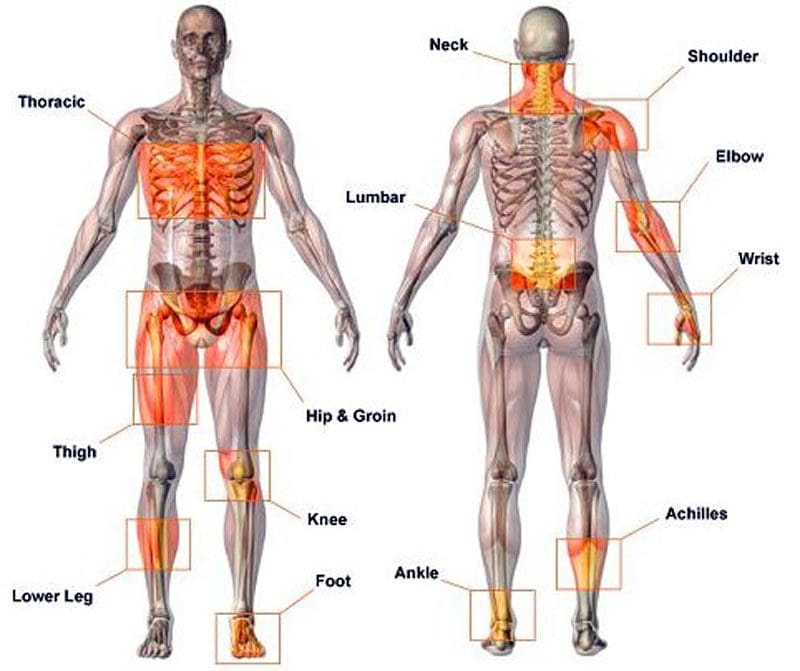
Musculoskeletal Disorders, or MSDs, are injuries, conditions, and disorders that affect the body’s musculoskeletal system. It includes the muscles, tendons, ligaments, nerves, discs, blood vessels, bones, and joints. MSDs are common, and the risk of developing them increases with age. The severity of an MSD can vary. They cause discomfort, recurrent pain, stiffness, swelling, and aching that interfere with everyday activities. Early diagnosis and treatment can alleviate symptoms and improve long-term health. Common disorders include:
The term musculoskeletal disorder is used as it accurately describes the injury or condition. Other terms used are repetitive motion injury, repetitive stress injury, and overuse injury. When individuals are exposed to MSD risk factors, they begin to fatigue. This can start a musculoskeletal imbalance. With time, fatigue completely overtakes recovery/healing, and the musculoskeletal imbalance continues, a musculoskeletal disorder develops. The risk factors are broken into two categories: work-related/ergonomic risk factors and individual-related risk factors.
Ergonomic Factors:
Force
Repetition
Posture
High Task Repetition
Many work tasks and cycles are repetitive and are typically controlled by hourly or daily production targets and work processes.
High task repetition combined with other risks factors like high force and/or awkward postures can contribute to the formation of MSD.
A job is considered highly repetitive if the cycle time is 30 seconds or less.
Forceful Exertions
Many job tasks require high force loads on the body.
Muscle effort increases in response to high force requirements. This increases associated fatigue.
Repetitive or Sustained Awkward Postures
Awkward postures place excessive force on joints, overload the muscles and tendons around affected joints.
The joints of the body are most efficient when they operate close to the mid-range motion of the joint.
The risk of MSD is increased when the joints are worked outside of this mid-range repetitively for sustained periods without a proper amount of recovery time.
Individual Factors
Unhealthy work practices
Lack of physical activity/fitness
Unhealthy habits
Poor diet
Unhealthy Work Practices
Individuals that engage in poor work practices, body mechanics, and lifting techniques are introducing unnecessary risk factors.
These poor practices create unnecessary stress on the body that increases fatigue and decreases the body’s ability to recover properly.
Poor Health Habits
Individuals who smoke, drink excessively, are obese, or exhibit numerous other poor health habits put themselves at risk for musculoskeletal disorders and other chronic diseases.
Insufficient Rest and Recovery
Individuals that do not get adequate rest and recovery put themselves at higher risk.
MSDs develop when fatigue outruns the individual’s recovery system, causing a musculoskeletal imbalance.
Poor Diet, Fitness, and Hydration
Individuals who eat unhealthily are dehydrated, at a poor level of physical fitness, and do not take care of their bodies are putting themselves at a higher risk of developing musculoskeletal and chronic health problems.
Causes
The causes of musculoskeletal disorders are varied. Muscle tissue can be damaged with the wear and tear of daily work, school, and physical activities. Trauma to the body can come from:
Postural strain
Repetitive movements
Overuse
Prolonged immobilization
Jerking movements
Sprains
Dislocations
Falling injuries
Auto accident injuries
Fractures
Direct trauma to the muscle/s
Poor body mechanics can cause spinal alignment problems and muscle shortening, causing other muscles to be strained, causing problems and pain.
Treatment Rehabilitation
A doctor will recommend a treatment plan based on the diagnosis and severity of the symptoms. They may recommend moderate exercise and over-the-counter medications like ibuprofen or acetaminophen to address occasional discomfort or pain. They often recommend chiropractic and physical therapy rehabilitation to learn how to manage pain and discomfort, maintain strength, range of motion, and adjust everyday activities. Different types of manual therapy, or mobilization, can treat body alignment problems. A doctor may prescribe medications like nonsteroidal anti-inflammatories NSAIDs to reduce inflammation and pain for more severe symptoms. For individuals with musculoskeletal disorders like fibromyalgia, medications to increase the body’s level of serotonin and norepinephrine may be prescribed in low doses to modulate sleep, pain, and immune system function.
Body Composition
Types of Pain
Pain can be grouped into three categories:
Early Warning Pain
This is most recognizable after having just touched a pan, and the hand jerks away before realizing how hot the pan is, also known as the withdrawal reflex.
This is a protective mechanism that helps avoid danger and is vital for survival.
Inflammatory Pain
This type of pain happens after an injury or surgery while the body is healing and recovering.
Inflammation prevents the body from performing movements to prevent and avoid re-injury.
Pathological Pain
This type of pain can happen after the body has healed, but the nervous system has been damaged.
This is often the case with individuals who sustain an injury and inform doctors that the injured area is never the same.
If the rehabilitation does not correctly heal the nervous system, protective pain measures can generate a false alarm causing pain signals to fire off.
References
Asada, Fuminari, and Kenichiro Takano. Nihon eiseigaku zasshi. Japanese journal of hygiene vol. 71,2 (2016): 111-8. doi:10.1265/jjh.71.111
da Costa, Bruno R, and Edgar Ramos Vieira. “Risk factors for work-related musculoskeletal disorders: A systematic review of recent longitudinal studies.” American journal of industrial medicine vol. 53,3 (2010): 285-323. doi:10.1002/ajim.20750
Malińska, Marzena. “Dolegliwości układu mięśniowo-szkieletowego u operatorów komputerowych” [Musculoskeletal disorders among computer operators]. Medycyna pracy vol. 70,4 (2019): 511-521. doi:10.13075/mp.5893.00810
Musculoskeletal system diseases. (n.d.). dmu.edu/medterms/musculoskeletal-system/musculoskeletal-system-diseases/
Roquelaure, Yves et al. “Troubles musculo-squelettiques liés au travail” [Work-related musculoskeletal disorders]. La Revue du praticien vol. 68,1 (2018): 84-90.
Villa-Forte A. (n.d.). Diagnosis of musculoskeletal disorders. merckmanuals.com/home/bone,-joint,-and-muscle-disorders/diagnosis-of-musculoskeletal-disorders/introduction
Recovery and rehabilitation after spinal fusion surgery take time. Gentle yoga poses can help expedite recovery from spinal fusion surgery and are recommended in a rehabilitation program. The spine is the body’s central support structure that allows the body to stand upright, bend, and stay balanced. However, an individual may need to have vertebrae fused to repair painful back problems. Spinal fusion is a surgical procedure that permanently connects/fuses two or more vertebrae into a single bone. The procedure is done to help:
Correct a deformity
Improve stability
Reduce pain
At the beginning of the recovery process, the doctor may recommend light physical activity like walking. As the spine continues to heal, moderate exercise is essential for optimal recovery. Doctors are recommending gentle yoga to increase mobility, flexibility and regain strength.
Gentle Yoga and Spine Surgery Recovery
Yoga has become a way to stretch the body, exercise, promote physical and mental well-being. There are different styles of yoga, ranging from gentle stretching to advanced poses. Yoga focuses on stretching, coordination, and balance. When stretching the body, the range of motion is improved. Yoga also helps improve balance and increases strength to reduce the risk of falls and injuries. Gentle yoga after spinal fusion benefits include:
Pain relief
Stress reduction
Improved mental health
Increased flexibility and strength
Improved balance
Increase in energy levels
Gentle yoga after surgery focuses on an improved range of motion/coordination of the arms and legs with the torso. This allows the spine to safely flex, not become stiff, and avoid strain, leading to fuller activity.
When To Begin Yoga After Spinal Fusion?
A reduced range of motion and loss of muscle mass is expected in the weeks and months following surgery. The healthcare/rehabilitation team will address this through exercise and physical therapy once the doctor clears the individual to begin rehabilitation training. The doctor will use some form of diagnostic imaging to determine if the vertebrae have fully fused before giving the ok for exercise. Most individuals can begin light physical activity four to six weeks after the procedure. If the fusion surgery was fused in only one place, individuals could start gentle yoga poses within two to three months. For a multi-level fusion surgery, individuals may need to wait four to six months after the procedure before they can safely begin.
Yoga Recovery Program
It’s essential to take it slow and steady when first beginning yoga after spinal fusion. As the body continues to heal, gradually add more challenging poses and stretches to the routine. This is a graduated recovery program separated into stages to help the individual build back strength and flexibility. In the first stages of recovery, gentle poses that have minimal effects on the spine are recommended. These include:
It’s crucial to listen to the body as a guide when moving through the poses, no matter what stage of recovery. The fusion needs time to heal and stabilize, so any poses that involve twisting movements and flexing should be avoided. Seek advice if there is confusion about how or whether or not to proceed. It is recommended to work with an experienced yoga teacher after spinal fusion. A knowledgeable instructor can guide with the poses, inform which poses to avoid and make modifications to get the most out of the gentle poses.
Body Composition
How Heat Affects Basal Metabolic Rate
Gender, height, and age influence Basal Metabolic Rate. These are factors individuals cannot control or change. However, individuals can increase the calories the body burns by regulating body temperature. Both the internal and external temperatures influence metabolic rate. The chemical reactions that contribute to metabolism happen more quickly if the temperature is higher, as the body works harder to restore normal temperature balance. For example, when a fever is present, the Basal Metabolic Rate will jump up to a much higher rate than usual to increase the speed of cellular metabolic reactions to combat the fever and get the body back to a healthy state. When it comes to external temperature, it’s only prolonged exposure to heat that raises the Basal Metabolic Rate.
References
American Academy of Orthopedic Surgeons. (June 2018). “Spinal Fusion.” https://orthoinfo.aaos.org/en/treatment/spinal-fusion/
Gillooly, James F, and Andrew P Allen. “Changes in body temperature influence the scaling of VO2max and aerobic scope in mammals.” Biology letters vol. 3,1 (2007): 99-102. doi:10.1098/rsbl.2006.0576
National Center for Complementary and Integrative Health. (February 2020) “Yoga for Health: What the Science Says.” https://www.nccih.nih.gov/health/providers/digest/yoga-for-health-science
National Center for Complementary and Integrative Health. (April 2021) “Yoga: What You Need to Know.” https://www.nccih.nih.gov/health/yoga-what-you-need-to-know
As the weather gets colder, individuals may feel like their muscles and joints are frequently stiff and experience more aches and pains. This is even more evident for individuals that work outside in the winter or with specific ailments/conditions. Colder weather can increase the risk of suffering musculoskeletal injuries and intensify the condition.
How Colder Weather Impacts The Muscles
Individuals with arthritic conditions might find that symptoms become exacerbated. This can keep individuals away from regular activities. Conditions like rheumatoid arthritis and osteoarthritis tend not to react well to weather sudden atmospheric changes, worsening symptoms. However, individuals are well aware of how their body feels and moves when colder weather is present with or without existing conditions. Movement slows down, and when trying to move, the muscles can contract involuntarily, causing tension and stiffness. This usually results in soreness and pain. Feeling warm, safe, and comfortable is essential for the body’s overall health. Overuse and overexertion can increase the risk of injury in colder temperatures.
Barometric Pressure
When the weather gets colder, barometric pressure drops. The Body’s tissues like the muscles, tendons, and ligaments expand. This places pressure on nerves near the joints, causing discomfort and pain.
In cold weather, the fluid density in the joints lessens, causing the bones to rub against each other harder because the fluid is not thick enough to allow for proper lubrication.
The cold makes the muscles shiver, contract, and tighten. This can compress the nerves in the joints and increase pain symptoms.
Prevent Stiffness and Musculoskeletal-Related Injuries
Maintain an active lifestyle
It is recommended to engage in physical activity to exercise the muscles and joints.
A chiropractor can also help manage musculoskeletal condition-related pain during the winter months and help prevent musculoskeletal conditions for individuals that work outdoors.
This can be split into 30 minutes a day on at least five days a week or in shorter sessions of 10 minutes several times a day throughout the week.
Aerobic exercise can include:
Running
Cycling
Hiking
Dancing
Walking
Resistance Training
Research has shown that resistance training with bands or weights can supplement aerobic exercise to reduce blood pressure.
It is recommended to complete 2 to 4 sets of 8 to 12 repetitions for each major muscle group during workout sessions.
Resistance training sessions should be spaced out throughout the week to limit muscle soreness and injury.
Resistance training can include:
Resistance bands with freehand movements, squats, push-ups, bicep curls
Free weights dumbbells, barbells
Gym weight machines like the chest press and shoulder press
References
https://www.cdc.gov/niosh/topics/coldstress/
Heil, Kieran et al. “Freezing and non-freezing cold-weather injuries: a systematic review.” British medical bulletin vol. 117,1 (2016): 79-93. doi:10.1093/bmb/ldw001
Kowtoniuk, Robert A et al. “Cutaneous Cold Weather Injuries in the US Military.” Cutis vol. 108,4 (2021): 181-184. doi:10.12788/cutis.0363
Long, William B 3rd et al. “Cold injuries.” Journal of long-term effects of medical implants vol. 15,1 (2005): 67-78. doi:10.1615/jlongtermeffmedimplants.v15.i1.80
IFM's Find A Practitioner tool is the largest referral network in Functional Medicine, created to help patients locate Functional Medicine practitioners anywhere in the world. IFM Certified Practitioners are listed first in the search results, given their extensive education in Functional Medicine