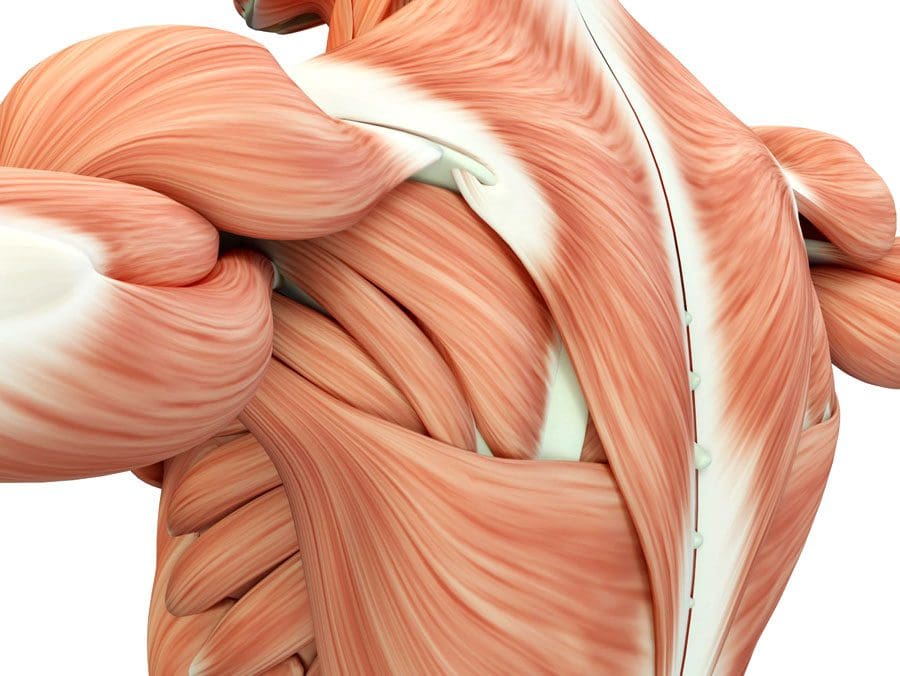
The body’s musculoskeletal system consists of bones, cartilage, ligaments, tendons, and connective tissues. These parts get pushed to the extreme with everyday wear and tear, job, school, house chores, and tasks. All the flexing and contracting cause tightness, strain, and soreness that can contribute to negative muscle behavior that holds the muscles in an unhealthy position and in a semi-flexed or tightened state. An example is an unhealthy posture that becomes the norm for an individual. A percussive massage can release tightness, maintain flexibility, relieve discomfort, alleviate stress, and improve circulation.
Percussive Massage Therapy
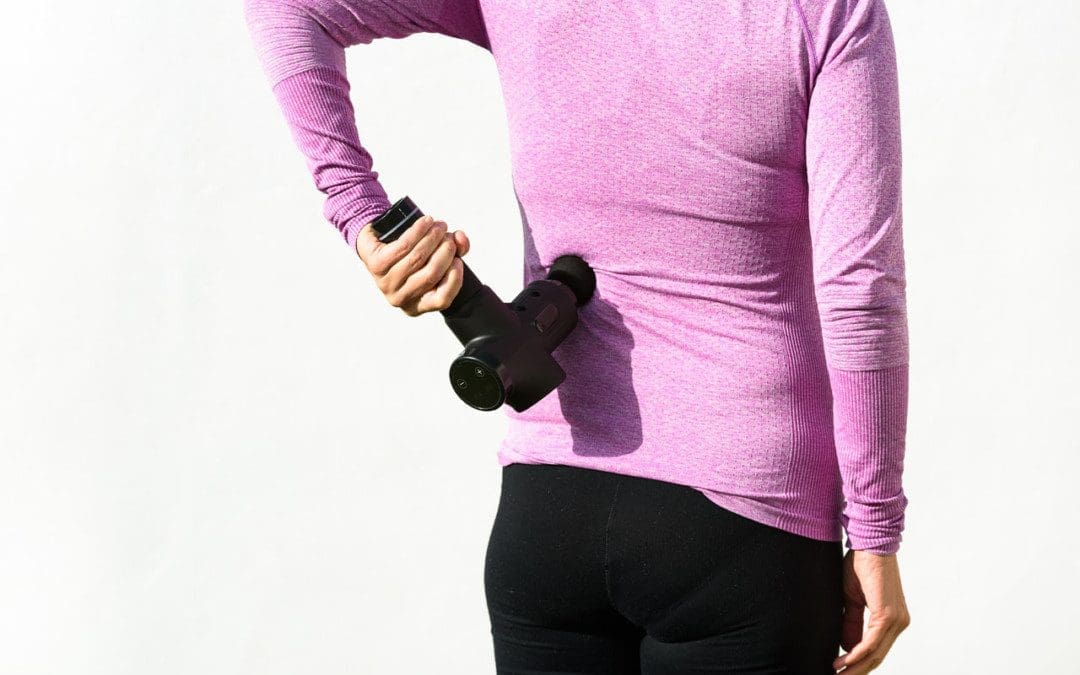
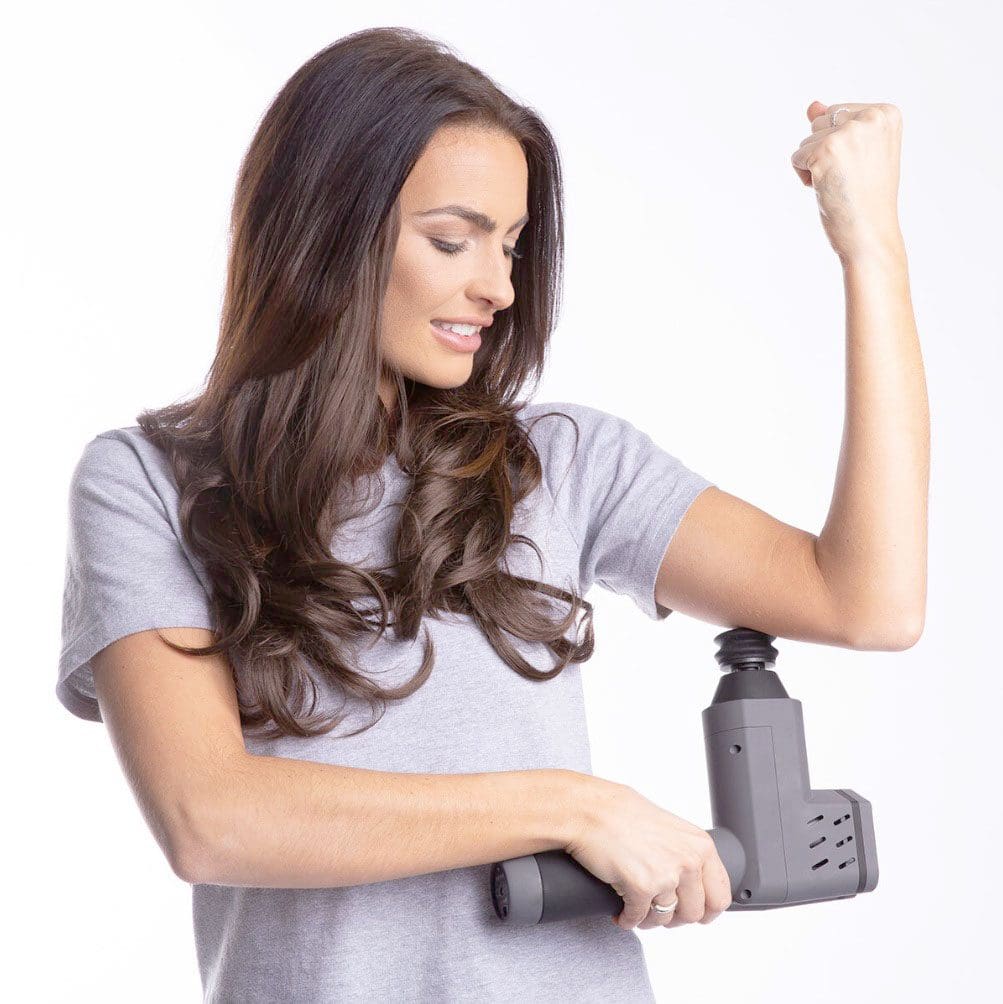
A percussive/percussion massage is a form of physical therapy that utilizes vibration through repeated pressure bursts to massage muscles. Percussive therapy offers more control over targeted muscle groups than foam rollers and other static massagers. The treatment involves using an electric massage device to relieve muscle tension. Different massage heads for various therapeutic purposes move rapidly and forcefully, applying pressure directly to the soft tissues while the vibrations help release and loosen the areas.
How The Massage Works
Fascia, which wraps around the muscles and joints, can become tight and inflamed, causing soreness and pain.
Research shows that tight fascia can limit mobility and proper range of motion.
When a muscle group is stiff and limits the range of motion of a specific part of the body, the rest of the muscles and body will overcompensate. This increases the risk of serious injury.
Percussive therapy loosens the tissues and increases blood circulation.
Once the stiffness and soreness are relieved, continued percussive therapy can prevent tightness from reforming, improve the range of motion, and speed up muscle recovery.
Massage guns can penetrate up to an inch into the soft tissue, stimulating the muscles and helping release tension.
Benefits
Improved mobility
Percussive massage distributes the thickened fascia fluid to relieve pressure and tightness.
Repeated pressure at high speed thins the fluids, making the fascia more workable so the muscles can move easily and efficiently.
Reduced Soreness
Lactic acid builds up in the muscles after working, physical activity, and exercise.
This build-up causes soreness and pain.
The percussion forces muscle fibers to release the lactic acid, reducing the soreness.
Decreased DOMS/Delayed Onset Muscle Soreness
It’s common to experience pain and soreness 24 to 72 hours after unfamiliar physical activity, such as a new job, exercise routine, or rehabilitation after injury or surgery.
This is known as delayed onset muscle soreness or DOMS, which results from tiny muscle fiber tears.
Percussive therapy increases skin temperature, blood flow, and hormonal responses to reduce inflammation and pain.
Increases Relaxation
After work, school, physical activities, and working out, a percussive massage session can help the body wind down and relax.
A percussive massage will help the muscles release and relax when the body is exhausted or overwhelmed.
How To Use A Percussive Massager
Before starting a new medical treatment, including percussion therapy, talk to your doctor, physical therapist, or chiropractor.
Ensure you know the difference between normal muscle soreness and pain from an injury.
Don’t use a massager on an injured muscle or body part, as the aggressive motion could aggravate the injury.
Avoid using the device on bones or joints.
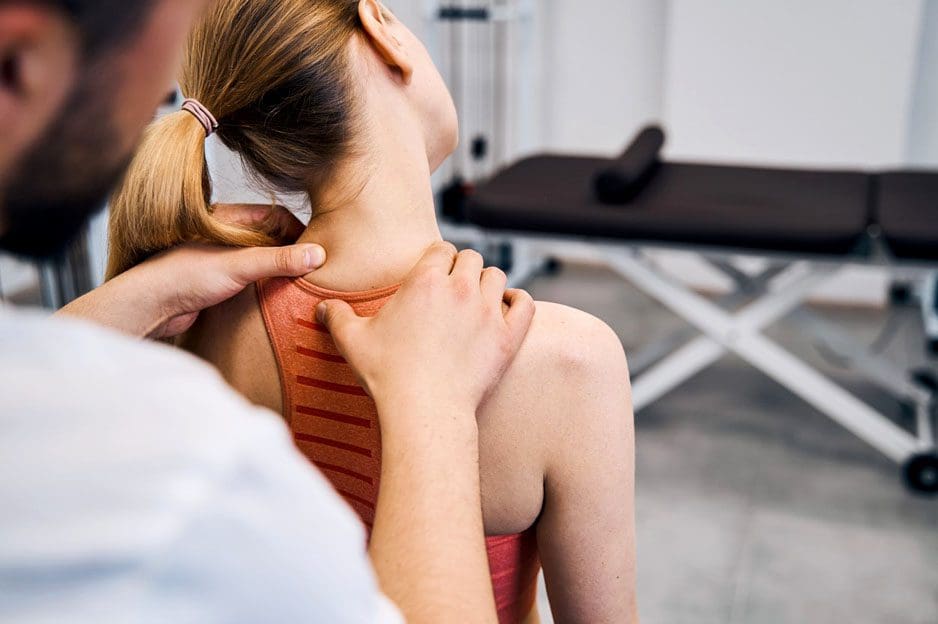
Never use a massage gun directly on the neck; perform the massage on the shoulders and upper back.
Start with the lowest intensity level.
The low and medium settings should provide plenty of power for most users.
As you become more comfortable with the device, you’ll understand how your body reacts then you can try out the higher settings.
A percussive massager should be used in short bursts on small, targeted areas.
It is recommended to perform treatments for only a few minutes.
Seeing the muscles turning reddish during the massage signals that blood is flowing and it’s time to move on to another area.
If the massage gun makes the skin sore or sensitive, make tiny circles instead of holding the massager in one spot.
Combined with chiropractic and professional massage, percussive therapy can help individuals maintain a relaxed musculoskeletal system.
Best Massage Guns
References
Cafarelli, E et al. “Vibratory massage and short-term recovery from muscular fatigue.” International journal of sports medicine vol. 11,6 (1990): 474-8. doi:10.1055/s-2007-1024840
Cerciello, Simone, et al. “Clinical applications of vibration therapy in orthopedic practice.” Muscles, ligaments and tendons journal vol. 6,1 147-56. 19 May. 2016, doi:10.11138/mltj/2016.6.1.147
Cheatham, Scott W et al. “Mechanical Percussion Devices: A Survey of Practice Patterns Among Healthcare Professionals.” International journal of sports physical therapy vol. 16,3 766-777. 2 Jun. 2021, doi:10.26603/001c.23530
García-Sillero, Manuel et al. “Acute Effects of a Percussive Massage Treatment on Movement Velocity during Resistance Training.” International journal of environmental research and public health vol. 18,15 7726. 21 Jul. 2021, doi:10.3390/ijerph18157726
Jack Martin, “A critical evaluation of percussion muscle gun therapy as a rehabilitation tool focusing on lower limb mobility.” A literature review. Department of Health and Wellbeing. The University of Winchester. https://osf.io/preprints/sportrxiv/j9ya8/
Imtiyaz, Shagufta et al. “To Compare the Effect of Vibration Therapy and Massage in Prevention of Delayed Onset Muscle Soreness (DOMS).” Journal of clinical and diagnostic research: JCDR vol. 8,1 (2014): 133-6. doi:10.7860/JCDR/2014/7294.3971
Konrad, Andreas et al. “The Acute Effects of a Percussive Massage Treatment with a Hypervolt Device on Plantar Flexor Muscles’ Range of Motion and Performance.” Journal of sports science & medicine vol. 19,4 690-694. 19 Nov. 2020
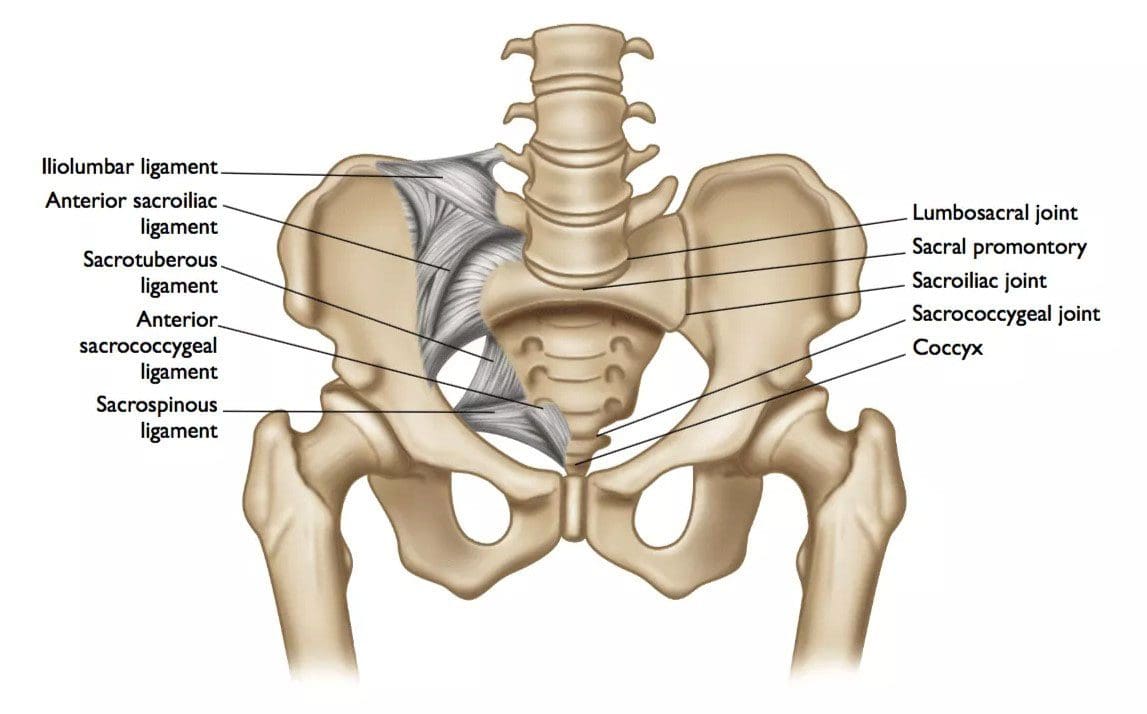
The function of the SI joints is to allow torsional or twisting movements when moving the legs that act as levers. Without the sacroiliac joints and the pubic symphysis at the front of the pelvis, which allow these precision movements, the pelvis would be at higher risk of a fracture. The sacroiliac joints transmit body weight and all the physical forces down through the sacrum to the hips and legs. Individuals, especially athletes with pain in the lower back, hip, groin, or leg, could be experiencing SIJ/sacroiliac joint dysfunction. A physician or surgeon could recommend sacroiliac joint surgery for severe SI joint dysfunction and pain that has not resolved with conservative treatment.
Sacroiliac Joint Surgery
There are two sacroiliac joints. They connect the large iliac bones that make up the sides of the pelvis and the sacrum or triangle-shaped vertebrae between the iliac bones at the base of the spine. Pain in this area can come from sacroiliitis or inflammation of an SI joint, and referred pain may present. A doctor will consider causes such as:
There is a pathology of sacroiliac joint dysfunction in athletes. Sports that require repetitive and/or asymmetric loading that includes:
Kicking
Swinging
Throwing
Single-leg stance
Any athlete can develop sacroiliac joint dysfunction, but the highest prevalence activities include:
Soccer
Football
Basketball
Gymnastics
Golfing
Powerlifting
Cross-country skiing
Step aerobics
Stair stepper machines
Elliptical machines
Fusion Surgery
Surgery is not for patients with less than six months of confirmed localized pain or impairment with other causes ruled out. Surgery is the last option for SI joint pain unless it is an emergency. Doctors and surgeons will recommend non-invasive treatment methods before recommending surgery. Surgery recommendations come when the pain has become intolerable, and the individual can no longer move or operate.
Sacroiliac joint fusion is a minimally invasive procedure involving a small incision less than two inches long.
Under image guidance, titanium implants are inserted across the sacroiliac joint to provide stability.
Holes in the hardware allow for adding bone or for the bone to grow naturally across or onto the area to maintain stability.
This surgery can be either outpatient or overnight, depending on surgeon preference and the type of support available.
Surgery Recovery Time
For most individuals, recovery time is around three weeks on crutches.
Pain management depends on whether screws or bolts are involved; bolts tend to be more uncomfortable.
Post-op pain dissipates in a few days or a couple of weeks.
Fusion itself takes six or more months to complete.
Conservative Treatment Options
Conservative treatment modalities to reduce the inflammation can include:
Chiropractic
Physical therapy
Nonsurgical spinal decompression
Medications
Injections
Rest
Staying off your feet for a few days can help decrease pressure on the SI joint.
Using an ice or heating pad on the lower back and/or buttocks.
Massaging the surrounding muscles may help if the apparent cause is an injury.
A doctor could suggest using a cane, walker, or crutches under medical supervision.
Medications
Medications include anti-inflammatories such as ibuprofen, naproxen, or prescription alternatives.
Acetaminophen helps with pain but not inflammation.
Corticosteroids
Steroids are the most powerful anti-inflammatory.
A common nonsurgical treatment is cortisol steroids, injected under X-ray guidance.
Injections go directly to the source.
Oral steroids spread throughout the body but can cause undesirable side effects.
Chiropractic and Physical Therapy
Depending on the severity of the condition, chiropractic and physical therapy may be able to strengthen the muscles around the area and realign the joint.
A chiropractor will level the pelvis through sacroiliac joint manipulation and mobilization.
It works by applying compression around the hip and across the joint.
Back, Hip, and Radiating Pain
References
Brolinson, P Gunnar, et al. “Sacroiliac joint dysfunction in athletes.” Current sports medicine reports vol. 2,1 (2003): 47-56. doi:10.1249/00149619-200302000-00009
Heil, Jessica. “Load-Induced Changes of Inter-Limb Asymmetries in Dynamic Postural Control in Healthy Subjects.” Frontiers in human neuroscience vol. 16 824730. 11 Mar. 2022, doi:10.3389/fnhum.2022.824730
International Journal of Spine Surgery. (2020*) “International Society for the Advancement of Spine Surgery Policy 2020 Update—Minimally Invasive Surgical Sacroiliac Joint Fusion (for Chronic Sacroiliac joint Pain): Coverage Indications, Limitations, and Medical Necessity.” https://doi.org/10.14444/7156
Peebles, Rebecca DO1; Jonas, Christopher E. DO, FAAFP2. Sacroiliac Joint Dysfunction in the Athlete: Diagnosis and Management. Current Sports Medicine Reports: 9/10 2017 – Volume 16 – Issue 5 – p 336-342
doi: 10.1249/JSR.0000000000000410
Stress and anxiety treatments can include a range of therapies, including talking therapy, meditation techniques, and medication. Chiropractic care, adjustments, and massage are also used as a treatment plan to de-stress. Whether diagnosed with an anxiety disorder or experiencing intense stress, chiropractic functional medicine can address the physical symptoms to rebalance the mind and body.
De-Stress
Physical and mental health are connected. Stress and anxiety can cause tension, fatigue, headaches, and aches and pains. It can make sleeping and/or relaxing difficult, affecting mental and physical health. Signs of stress include:
Blood sugar level changes
Every day or almost every day, tension headaches
Teeth grinding
Backaches
Muscle tension
Digestive problems
Skin irritation
Hair loss
Heart issues
The spine is the conduit for the sympathetic and parasympathetic nervous systems.
The sympathetic nervous system activates when the brain thinks sudden action or important stressful decisions needs to be taken.
The fight or flight response speeds up the heart rate and releases adrenaline.
The parasympathetic system deactivates the fight or flight response, calming the body into a more relaxed state.
Problems arise when the sympathetic nervous system gets activated repeatedly, causing the fight or flight system to remain semi-active. This can come from long commutes, traffic jams, loud music, deadlines, sports practice, rehearsals, etc. The parasympathetic nervous system never gets a chance to activate and settle the mind and body. The result is constantly feeling stressed and agitated.
Chiropractic Care
Chiropractic care to de-stress decreases stress hormones and releases feel-good hormones like oxytocin, dopamine, and serotonin, which allow healing and help the body relax. Chiropractic adjustments let the brain know it’s time to activate the parasympathetic nervous system and ease down. Chiropractic helps by:
Relieving Muscle Tension
When the body is under stress, the muscles tense up, causing discomfort, aches, and pains.
The continued stress can lead to health issues, panic attacks, anxiety disorders, and depression.
Chiropractic relieves tension restoring the body to its natural balance.
Chiropractic can help effectively restore bodily functions.
Adjustments and massage rebalance blood circulation and energy flow, allowing clear nervous system transmission.
Lowering Blood Pressure
Chiropractic care has shown positive results in lowering blood pressure.
Improving Quality Sleep
Chiropractic care improves sleep patterns by correcting spinal misalignments.
Increasing Relaxation
Chiropractic adjustments can release and relax muscle activity, allowing the body to relax and de-stress completely.
Health Voice
References
Jamison, J R. “Stress management: an exploratory study of chiropractic patients.” Journal of manipulative and physiological therapeutics vol. 23,1 (2000): 32-6. doi:10.1016/s0161-4754(00)90111-8
Kültür, Turgut, et al. “Evaluation of the effect of chiropractic manipulative treatment on oxidative stress in sacroiliac joint dysfunction.” Turkish journal of physical medicine and rehabilitation vol. 66,2 176-183. 18 May. 2020, doi:10.5606/tftrd.2020.3301
Mariotti, Agnese. “The effects of chronic stress on health: new insights into the molecular mechanisms of brain-body communication.” Future science OA vol. 1,3 FSO23. 1 Nov. 2015, doi:10.4155/fso.15.21
Stefanaki, Charikleia, et al. “Chronic stress, and body composition disorders: implications for health and disease.” Hormones (Athens, Greece) vol. 17,1 (2018): 33-43. doi:10.1007/s42000-018-0023-7
Yaribeygi, Habib et al. “The impact of stress on body function: A review.” EXCLI journal vol. 16 1057-1072. 21 Jul. 2017, doi:10.17179/excli2017-480
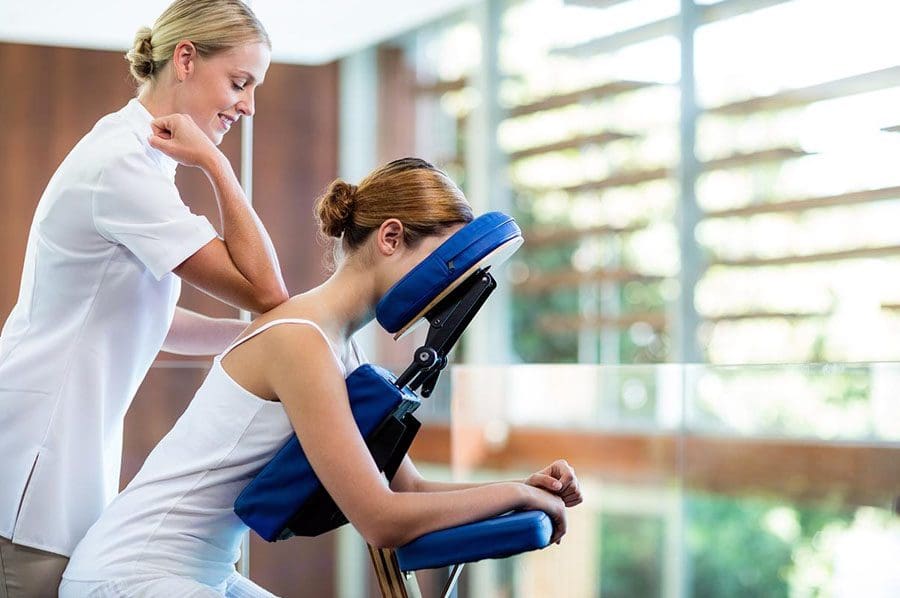
Neuropathy therapeutic massage is a system of structured palpations or movements of the body’s soft tissues. When the nerves don’t get enough oxygen and nutrients from blood circulation, symptoms like tenderness, tingling, numbness, and pain can present. The best way to move the blood is by massaging the circulation in and around the numb and sore areas and throughout the body. Many types of massage therapy are available for various health-related issues. This includes:
Pain alleviation and management
Injury rehabilitation and prevention
Stress alleviation
Anxiety and depression therapy
Immune system restoration
Increasing relaxation
Facilitating overall wellness
Neuropathy Therapeutic Massage
Neuropathy therapeutic massage: The objective is to stimulate blood flow throughout the body. This is because the more muscles move, the better they can maintain blood circulation to nourish the nerves and the body, which is why physical activity/exercise/movement is encouraged. Benefits include:
De-stressing the nerves that are causing tingling, numbness, and burning.
The discomfort eases as the muscles are lengthened and loosened, releasing the tightness and pressure.
Endorphins (natural painkillers) are released, minimizing the pain.
Increase in circulation
Reduced spasms and cramping
Increased joint flexibility
Mobility restoration
Symptom relief
Decreased anxiety
Improved sleep quality
Increased energy levels
Improved concentration
Reduced fatigue
Massage Techniques
Massaging techniques include:
Kneading
Stroking
Gliding
Percussion
Vibration
Friction
Compression
Passive stretching
Active stretching
Effleurage
This can be firm or light soothing, stroking movements without dragging the skin, using the fingertips or the palms.
Petrissage
Lifting or picking up muscles and rolling the skin.
Tapotement
Striking with the side of the hand, usually with slightly flexed fingers, rhythmic finger movements, or short rapid movements with the sides of the hand.
There are different types of massage, those that are for comfort and those for specific conditions or diseases. A few include:
Swedish Massage
Generally regarded as the most common form of massage, this technique involves a combination of five basic strokes and concentrates on the muscles and connective tissues.
Used to improve circulation, relaxation, pain relief, and overall maintenance and well-being.
Sports Massage
Sports massage therapies are used in preventative and therapeutic settings.
Athletes use the technique during warm-ups, training, and competition to treat and/or help in:
Injury prevention
Improved flexibility
Full range of motion
Improved performance
Helps to focus and mental clarity.
Reflexology
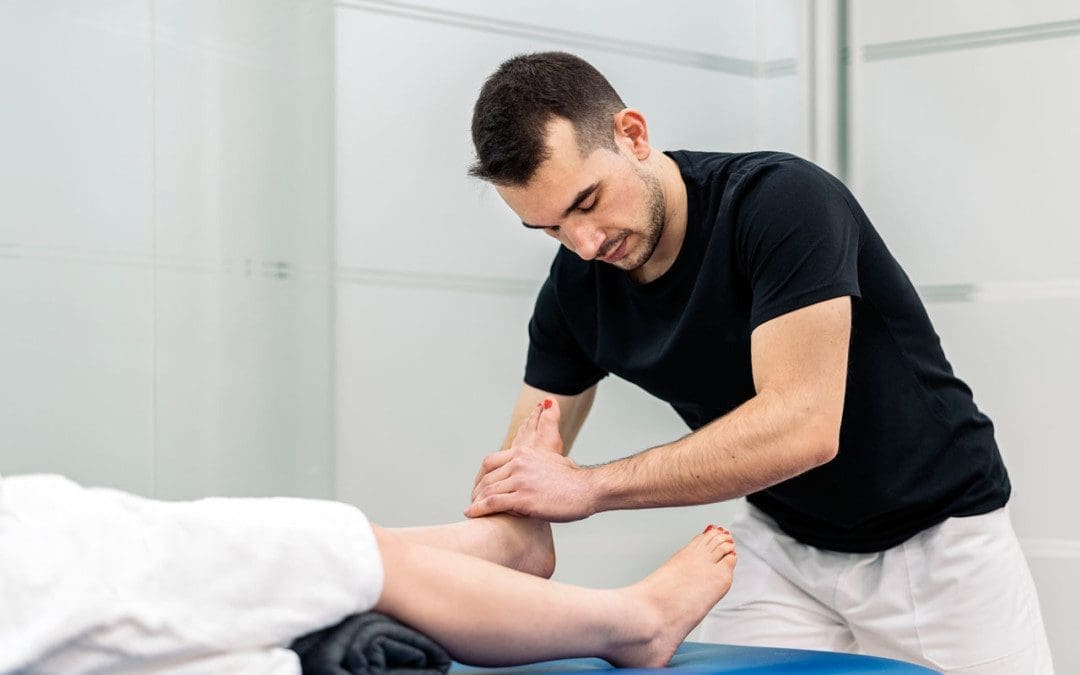
This technique uses a system of points on the hands, feet, and ears that correspond to or reflex other body areas.
Reflexologists apply appropriate pressure to these points to stimulate energy flow, to relieve pain or blockages throughout the body.
Reflexology is also used to ease stress and promote relaxation.
Aromatherapy
Various essential oils derived from plants, herbs, flowers, and roots have therapeutic qualities.
Aromatherapy involves essential oils to produce a certain effect; for example, lavender is used to induce calmness and relaxation.
When combined with body massage, aromatherapy can enrich the experience immensely.
A few drops can be added to massage cream or oil and applied to the skin.
Connective tissue massage is similar to myofascial release in that it involves working with the fascia, or soft tissue, to relieve pain, tightness, and discomfort.
The theory of connective tissue massage is that tight, restricted body areas negatively affect other body areas.
Practitioners/therapists hook their fingers into the connective tissue and use pulling strokes to lengthen the tissues.
This releases tension, improves mobility and reduces stress.
Deep-Tissue Massage
Deep-tissue massage utilizes slow strokes, direct pressure, and/or friction across the grain of the muscles with the fingers, thumbs, and/or elbows.
Its purpose is to reach the fascia beneath the muscles going deep into the muscles and connective tissue to release aches and pains.
Therapists thoroughly understand the human body and have been trained to administer deep-tissue massage.
The technique is used in treating chronic pain, inflammation, and injury.
Geriatric Massage
Geriatric massage involves treating the elderly and addressing specific needs related to age, conditions, and illness.
The sessions are usually shorter and involve gentle techniques to facilitate pain relief, relaxation, and overall wellness.
Lymph Drainage Therapy
This technique involves the application of light, rhythmic strokes to alleviate various conditions related to the body’s lymph system.
The lymph system supports the immune system and is responsible for flushing toxins and draining fluid.
When lymph circulation slows down or stops, fluid can build up and cause physical problems like inflammation, edema, and neuropathies.
Therapists restore lymph flow by using a mapping system to assess problem areas, then apply gentle pressure using the fingers and hands to reactivate circulation.
Neuromuscular Therapy
Neuromuscular therapy is massage applied to specific muscles, often used to increase blood circulation, release muscle tension knots/trigger points, and/or release pain/pressure on nerves.
This therapy is also known as trigger-point therapy in that concentrated finger pressure is applied to specific points to alleviate muscular pain.
HealthCare
Neuropathy therapeutic massage is used in combination to enhance regular medical care. Let a doctor know when trying massage therapies, and follow any standard treatment plans. Some forms of massage can cause soreness the next day but should be combined with a sense of improvement and being healthier. If any part of the massage doesn’t feel right or is painful, let the therapist know immediately. Most serious issues come from too much pressure during the massage or sensitivity or allergy to massage oils. Massage therapy caution includes the following:
Vigorous massage should be avoided by individuals with bleeding disorders or low blood platelet counts and taking blood-thinning medications.
Massage therapy should not be done in areas with blood clots, fractures, healing wounds, skin infections, weakened bones from osteoporosis or cancer, or after recent surgery.
Cancer patients should discuss any concerns about massage therapy with their oncologist.
Pregnant women should consult their healthcare provider before using massage therapy.
Peripheral Neuropathy Recovery
References
American Massage Therapy Association defines massage therapy and basic massage therapy terms. www.amtamassage.org
Complementary and alternative methods: types of bodywork. Available at www.cancer.org
Gok Metin, Zehra, et al. “Aromatherapy Massage for Neuropathic Pain and Quality of Life in Diabetic Patients.” Journal of nursing scholarship: an official publication of Sigma Theta Tau International Honor Society of Nursing vol. 49,4 (2017): 379-388. doi:10.1111/jnu.12300
MassageTherapy.com. www.massagetherapy.com
National Institutes of Health, National Center for Complementary and Alternative Medicine
Samuels, Noah, and Eran Ben-Arye. “Integrative Approaches to Chemotherapy-Induced Peripheral Neuropathy.” Current oncology reports vol. 22,3 23. 11 Feb. 2020, doi:10.1007/s11912-020-0891-2
Sarısoy, Pınar, and Ozlem Ovayolu. “The Effect of Foot Massage on Peripheral Neuropathy-Related Pain and Sleep Quality in Patients With Non-Hodgkin’s Lymphoma.” Holistic nursing practice vol. 34,6 (2020): 345-355. doi:10.1097/HNP.0000000000000412
Thomas, Ewan, et al. “Peripheral Nerve Responses to Muscle Stretching: A Systematic Review.” Journal of sports science & medicine vol. 20,2 258-267. 8 Mar. 2021, doi:10.52082/jssm.2021.258
Zhang, Yong-Hui, et al. “Exercise for Neuropathic Pain: A Systematic Review and Expert Consensus.” Frontiers in medicine vol. 8 756940. 24 Nov. 2021, doi:10.3389/fmed.2021.756940
Diagnosing ankylosing spondylitis usually involves multiple tests. When doctors order blood tests to diagnose ankylosing spondylitis, an individual is experiencing worsening symptoms in their back and joints. Often, a blood test diagnosis means the doctor is looking for evidence of anything else that could be causing the symptoms. However, blood tests by themselves cannot definitively diagnose ankylosing spondylitis, but when combined with imaging and assessment, they can provide important clues that point to the answers.
Ankylosing Spondylitis Blood Test Diagnosis
Ankylosing spondylitis is arthritis that primarily affects the spine and hips. It can be difficult to diagnose as no single test can provide thorough information for a definitive diagnosis. A combination of diagnostic tests are utilized, including a physical exam, imaging, and blood tests. Doctors are not only looking for results that will point to ankylosing spondylitis, but they are looking for any results that might point away from the spondylitis results that might provide a different explanation for symptoms.
Physical Exam
The diagnostic process will begin with the individual’s medical history, family history, and physical exam. During the exam, the doctor will ask questions to help rule out other conditions:
How long have symptoms been presenting?
Do symptoms get better with rest or exercise?
Are the symptoms getting worse or staying the same?
Are the symptoms worse at a particular time of day?
The doctor will check for limitations in mobility and palpate tender areas. Many conditions can cause similar symptoms, so the doctor will check to see if the pain or lack of mobility is consistent with ankylosing spondylitis. The feature sign of ankylosing spondylitis is pain and stiffness in the sacroiliac joints. The sacroiliac joints are located in the lower back, where the base of the spine and pelvis meet. The doctor will look at other spinal conditions and symptoms:
Back pain symptoms caused by – injuries, posture patterns, and/or sleeping positions.
The HLA-B27 gene corresponds with ankylosing spondylitis; if an individual has it, one of their parents has it.
Imaging
X-rays often serve as the first step to a diagnosis.
As the disease progresses, new small bones form between the vertebrae, eventually fusing them.
X-rays work best at mapping the disease progression than the initial diagnosis.
An MRI provides clearer images in the early stages as smaller details are visible.
Blood Tests
Blood tests can help rule out other conditions and check for signs of inflammation, providing supportive evidence along with the results of imaging tests. It typically only takes about a day or two to get the results. The doctor may order one of the following blood tests:
Antinuclear antibodies, or ANA, go after the proteins in the cell’s nucleus, telling the body its cells are the enemy.
This activates an immune response that the body fights to eliminate.
A study determined that ANA is found in 19% of individuals suffering from ankylosing spondylitis and is higher in women than men.
Combined with other tests, the presence of ANA provides another clue to a diagnosis.
Gut Health
The gut microbiome plays an important role in triggering the development of ankylosing spondylitis and its treatment.
Tests to determine the gut’s health can give a doctor a complete picture of what is happening inside the body.
Blood test diagnoses for ankylosing spondylitis and other inflammatory conditions rely heavily on piecing together different tests alongside clinical exams and imaging.
Causes, Symptoms, Diagnosis, and Treatment
References
Cardoneanu, Anca, et al. “Characteristics of the intestinal microbiome in ankylosing spondylitis.” Experimental and therapeutic medicine vol. 22,1 (2021): 676. doi:10.3892/etm.2021.10108
Prohaska, E et al. “Antinukleäre Antikörper bei Spondylitis ankylosans (Morbus Bechterew)” [Antinuclear antibodies in ankylosing spondylitis (author’s transl)]. Wiener klinische Wochenschrift vol. 92,24 (1980): 876-9.
Sheehan, Nicholas J. “The ramifications of HLA-B27.” Journal of the Royal Society of Medicine vol. 97,1 (2004): 10-4. doi:10.1177/014107680409700102
Wenker KJ, Quint JM. Ankylosing Spondylitis. [Updated 2022 Apr 9]. In: StatPearls [Internet]. Treasure Island (FL): StatPearls Publishing; 2022 Jan-. Available from: https://www.ncbi.nlm.nih.gov/books/NBK470173/
Xu, Yong-Yue, et al. “Role of the gut microbiome in ankylosing spondylitis: an analysis of studies in the literature.” Discovery medicine vol. 22,123 (2016): 361-370.
Back injuries from vehicle collisions vary from person to person. Common injuries may include strains, sprains, herniated discs, and fractures, and individuals dealing with certain spinal conditions like spinal stenosis may cause the medical condition to accelerate. Still, the force and physical impact the body absorbs during a crash, no matter how minor the accident or how safe the car is, will cause bodily aches and pains with the potential for other spinal conditions. Chiropractic care, massage, decompression, and traction therapy can relieve symptoms and restore mobility and function.
Back Injuries From Vehicle Collisions
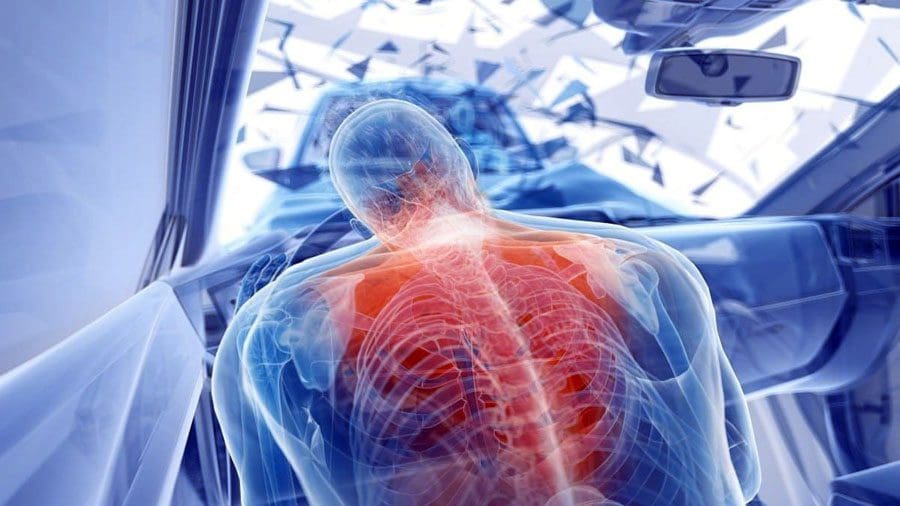
Depending on how the impact affects the spine, problems can present in various areas of the back. The violent motion can sprain, strain, and fracture spinal components. Even minor incidents can impact mobility. Symptoms can stem from inflammation, compressed nerves, or fractures. Any damage can have long-lasting effects on the vertebrae, nerve roots, and back muscles. A vehicle collision can affect the following:
Lumbar vertebrae – lower back
Thoracic vertebrae – middle/upper back
Cervical vertebrae – neck
Each area consists of bones, tissues, muscles, nerves, tendons, and ligaments extending from the neck to the pelvis.
The most common back injuries are to the neck and lower back, where the most movement and shifting occurs, often causing nerve damage.
The central placement and rigid structure make middle back injuries less common.
Upper back injuries that connect the rib and chest region can affect breathing.
Soft tissue injuries might not show up immediately.
Symptoms
After a vehicle collision, it’s common to feel sore all over. The symptoms can range from manageable discomfort to complete immobility. Individuals may experience the following:
Muscle spasms
The muscle may repeatedly twitch, feel like hard knots, and feel tender to the touch.
Muscle spasms can vary in pain levels from mild to debilitating.
Stiffness
Individuals may not feel as flexible because of the muscle tension that activated during the crash to protect the body.
Stiffness can go away after light stretching or continue throughout the day.
Burning or Shooting Pain
A burning or shooting pain may travel down the back and buttocks through the back of one or both legs.
It can be mild, dull aches and pains that go away quickly or last for days.
Changing positions, such as sitting up after waking up or standing up after sitting, can cause sharp acute pain.
Certain physical activities can cause a throbbing sensation or mild pain when attempting to perform various tasks.
Tingling and/or Numbness
Tense muscles can pinch nerves leading to sensations of tingling or numbness in the legs, feet, arms, or hands.
Head Issues
Headaches, dizziness, or disorientation can present.
Spinal Disorders
Back injuries from vehicle collisions can result in a degenerative disc disorder months or years later. It can also speed up health issues individuals didn’t know they had before the crash. As the body ages, previous damage combined with degeneration can result in:
Micro-tears within the muscles and ligaments are common and cannot be found through a standard x-ray.
Spinal adjustments can bring the spine back into alignment, producing natural anti-inflammatory properties to assist with discomfort and heal the tears.
Scar Tissue Breakdown
Muscles can get scarred, causing stiffness and soreness.
Chiropractic massage targets these areas and breaks down the build-up quicker than if it was left to heal on its own.
Less scar tissue means faster recovery.
Range of Motion and Mobility Restored
Back injuries can result in restricted mobility.
It may be difficult to turn or move when the muscles are inflamed.
Mobilizing the spine through adjustments restores the proper range of motion.
Decreased Medication Use
Prescription pain medications can turn into dependency.
Chiropractic adjustments can ensure that the injury is healed and the pain is not just masked.
Long-Term Benefits
Receiving chiropractic care can help prevent minor injuries from worsening into serious and chronic conditions.
Post Whiplash Symptoms
References
Erbulut, Deniz U. “Biomechanics of neck injuries resulting from rear-end vehicle collisions.” Turkish neurosurgery vol. 24,4 (2014): 466-70. doi:10.5137/1019-5149.JTN.9218-13.1
National Spinal Cord Injury Statistical Center. (2020) “Spinal Cord Injury: Facts and Figures at a Glance.” https://www.nspine injurysc.uab.edu/Public/Facts%20and%20Figures%202020.pdf
Rao, Raj D et al. “Occupant and Crash Characteristics of Elderly Subjects With Thoracic and Lumbar Spine Injuries After Motor Vehicle Collisions.” Spine vol. 41,1 (2016): 32-8. doi:10.1097/BRS.0000000000001079
Rao, Raj D et al. “Occupant and crash characteristics in thoracic and lumbar spine injuries resulting from motor vehicle collisions.” The spine journal: official journal of the North American Spine Society vol. 14,10 (2014): 2355-65. doi:10.1016/j.spinee.2014.01.038
Nerves control muscle fibers. Muscle twitching is an involuntary contraction of the muscle fibers. When individuals play sports/work out vigorously or for a long time, they may experience muscle twitching and can often see and/or feel the twitches happening. The most worked-out muscles are likely to twitch, which includes the biceps, thighs, and calves, but twitches can occur in any muscle. Chiropractic care, massage therapy, and functional medicine can help relax the muscles, improve circulation, restore function, and train individuals to prevent future episodes.
Muscle Twitching
A muscle twitch often occurs after intense physical activity or a hard workout because the muscle or muscles have been overworked, and there is hyper-excitability of the nerve/s that makes the muscle/s continue to contract.
A muscle twitch that can be seen is called fasciculation.
A muscle twitch that cannot be seen is called fibrillation.
If there is pain or the twitching is prolonged, it is a muscle spasm.
Causes
The most common causes include the following:
Intense exercise and rigorous physical activity build up lactic acid in the muscles.
Dehydration is a very common factor for shaky muscles.
Vitamin D and calcium deficiencies could cause muscle spasms in the hand, calves, and eyelids.
Using caffeinated products to increase physical performance.
Not enough or a lack of healthy sleep.
Anxiety or stress.
Certain medications like estrogen and corticosteroids.
Nicotine and tobacco use.
Physical Activity/Exercise
Intense exercise and physical activity can cause muscle fatigue.
Muscle fatigue triggers twitching and cramping in overworked muscle fibers.
Electrolytes play a role in muscle contraction.
Electrolyte loss and imbalances within muscle fibers through sweating can lead to twitching.
Dehydration
Muscle mass comprises 75% water.
Water carries nutrients and minerals to muscles to support function.
Not being properly hydrated can cause twitching and cramping.
Vitamin D Deficiency
Nerves need vitamin D to relay messages to and from the brain to the body’s muscles.
A vitamin D deficiency can cause muscle weakness and twitching.
Lack of sleep can affect neurotransmitter function.
A common site of fasciculation tiredness occurs in the eyelids.
Anxiety and Stress
Experiencing psychological stress or high anxiety levels can cause excess muscle tension.
This can lead to muscle twitching.
Muscle fasciculation caused by stress can occur anywhere in the body.
Certain Medications
Certain medications can lead to involuntary muscle twitching.
The reaction can be a side effect due to interactions with other medications.
Individuals should discuss side effects and medication interactions with their doctor when taking a new medication.
Chiropractic Care
Chiropractors are experts on the musculoskeletal system and have many techniques to treat muscle fasciculation and spasms. It often depends on the cause/s, and specific treatment varies on a case-by-case basis. Common chiropractic treatments include:
Massage therapy
Heat and ice therapy
Manual manipulation
Joint adjustments
Ultrasound
Stretches to keep the muscles flexible
Exercises to strengthen the muscles
Nutritional recommendations
Fasciculation
References
Bergeron, Michael F.. Muscle Cramps during Exercise-Is It Fatigue or Electrolyte Deficit?. Current Sports Medicine Reports July 2008 – Volume 7 – Issue 4 – p S50-S55 doi: 10.1249/JSR.0b013e31817f476a
Gragossian A, Bashir K, Friede R. Hypomagnesemia. [Updated 2022 May 15]. In: StatPearls [Internet]. Treasure Island (F.L.): StatPearls Publishing; 2022 Jan-. Available from: https://www.ncbi.nlm.nih.gov/books/NBK500003/
Küçükali, Cem Ismail, et al. “Peripheral nerve hyperexcitability syndromes.” Reviews in the neurosciences vol. 26,2 (2015): 239-51. doi:10.1515/revneuro-2014-0066
Maughan, Ronald J, and Susan M Shirreffs. “Muscle Cramping During Exercise: Causes, Solutions, and Questions Remaining.” Sports medicine (Auckland, N.Z.) vol. 49, Suppl 2 (2019): 115-124. doi:10.1007/s40279-019-01162-1
Miller, Kevin C et al. “Exercise-associated muscle cramps: causes, treatment, and prevention.” Sports health vol. 2,4 (2010): 279-83. doi:10.1177/1941738109357299
Riebl, Shaun K, and Brenda M Davy. “The Hydration Equation: Update on Water Balance and Cognitive Performance.” ACSM’s health & fitness journal vol. 17,6 (2013): 21-28. doi:10.1249/FIT.0b013e3182a9570f
IFM's Find A Practitioner tool is the largest referral network in Functional Medicine, created to help patients locate Functional Medicine practitioners anywhere in the world. IFM Certified Practitioners are listed first in the search results, given their extensive education in Functional Medicine

 Sacroiliac Joint Surgery

 Neuropathy Therapeutic Massage