Learning the cause of the problem and how to effectively manage it can help individuals experiencing back spasms to quickly and safely return to previous levels of function and activity.
Back Spasm
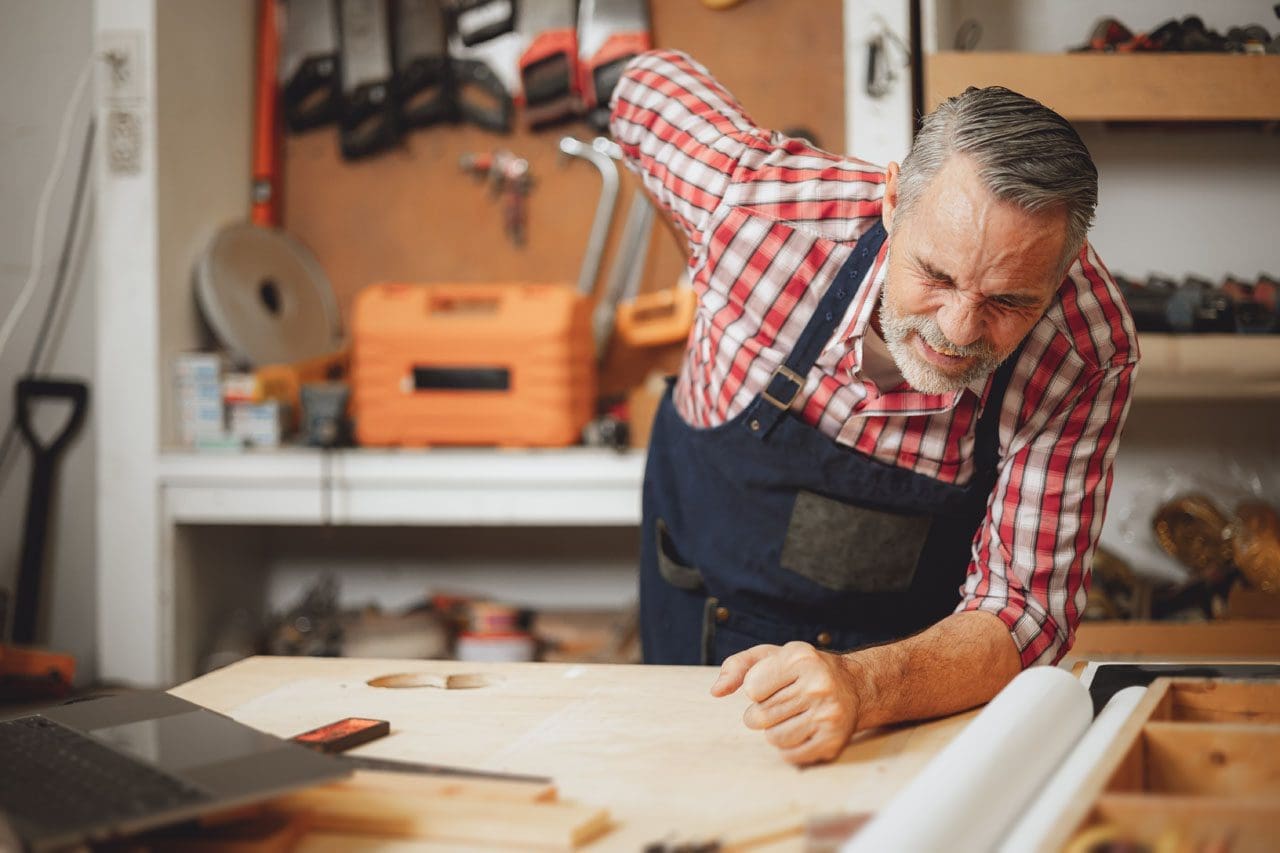
Individuals dealing with back pain or sciatica usually describe the symptoms as the back muscles tightening or spasming. A back spasm can feel mild, like a fist pressing into one side of the spine or an intense pain that prevents the individual from sitting, standing, or walking comfortably. Bask spasms can become severe, causing difficulty maintaining normal upright posture.
What Is A Spasm
A back spasm is a sudden onset of back muscle tightness. Sometimes, the tight sensation becomes so intense and severe that it prevents the individual from moving normally. Some individuals have difficulty bending forward because of the pain and tightness.
Symptoms
Most episodes last several hours to several days. Severe cases can last about six to eight weeks, but the spasms and pain subside gradually, allowing the individual to move normally and resume normal activity. Common sensations and symptoms can include:
Difficulty bending.
A tight sensation in the back.
Pulsing pains and sensations.
Pain on one or both sides of the back.
Sometimes, the spasm can cause radiating pain in the buttocks and hips. When severe, it can be accompanied by nerve pain, numbness, and tingling that radiates down one or both legs. (Medline Plus. 2022)
Causes
Back spasms are caused by tight muscle tissue, which often results from some mechanical stress. The stress causes the muscle tissue near the spine to be pulled abnormally. As a result of the pulling, the muscle fibers become taut and painful. Mechanical causes of back spasms may include: (Merck Manual, 2022)
Poor sitting and/or standing posture.
Repetitive overuse injury.
Lumbar strains.
Lumbar disc herniations.
Low back osteoarthritis.
Spondylolisthesis – vertebrae shift out of position, including anterolisthesis and retrolisthesis.
Spinal stenosis
All these can place increased stress on the anatomical structures in the spine. The lower back muscles near these structures may go into a protective spasm that can also cause a tight and painful sensation in the back. Other non-mechanical causes of low back spasms include: (Merck Manual, 2022)
Poor sitting posture or sitting for long periods without back support.
Lack of physical conditioning.
Being overweight or obese.
Psychological conditions – anxiety, depression, and emotional stress.
Family medical history of ankylosing spondylitis.
Smoking
Individuals can stop smoking, start exercising, or engage in positive activities to help manage stress. Individuals dealing with back spasms may need to see a healthcare provider for a proper diagnosis and treatment.
Treatment
Treatment for back spasms can include home remedies or therapies from medical providers. The treatments are designed to relieve the spasms and manage the mechanical stresses that may have caused them. Medical professionals can also show strategies to prevent spasms. Home remedies can include: (Merck Manual, 2022)
If self-care strategies are unable to provide relief, individuals may need to visit a medical professional for treatment. Medical treatments can include: (Merck Manual, 2022)
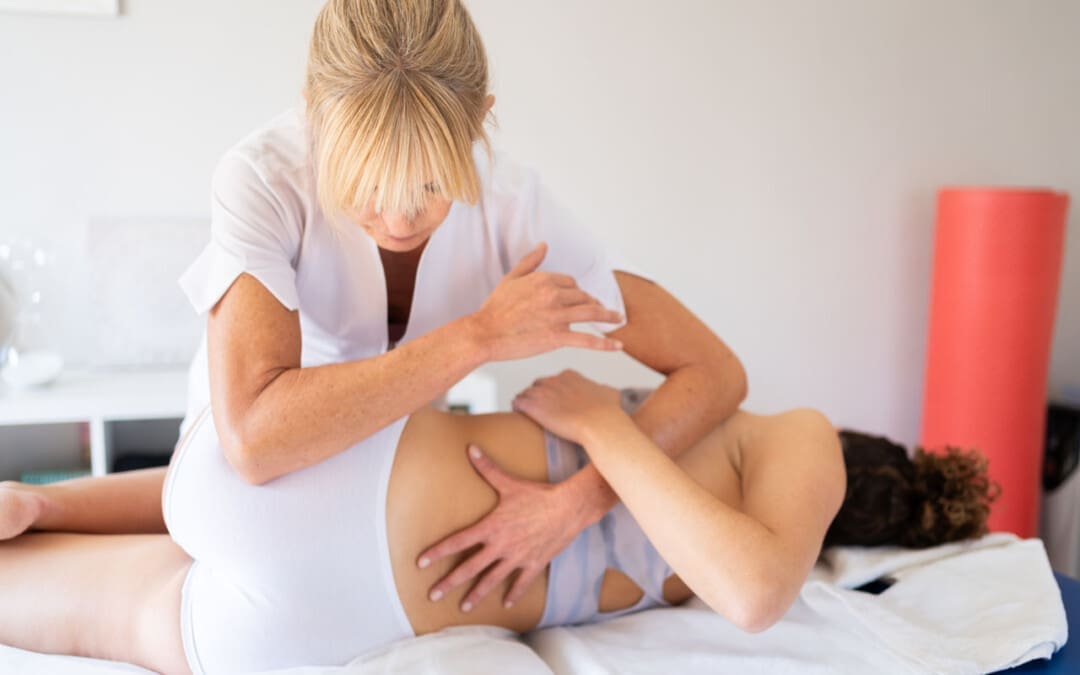
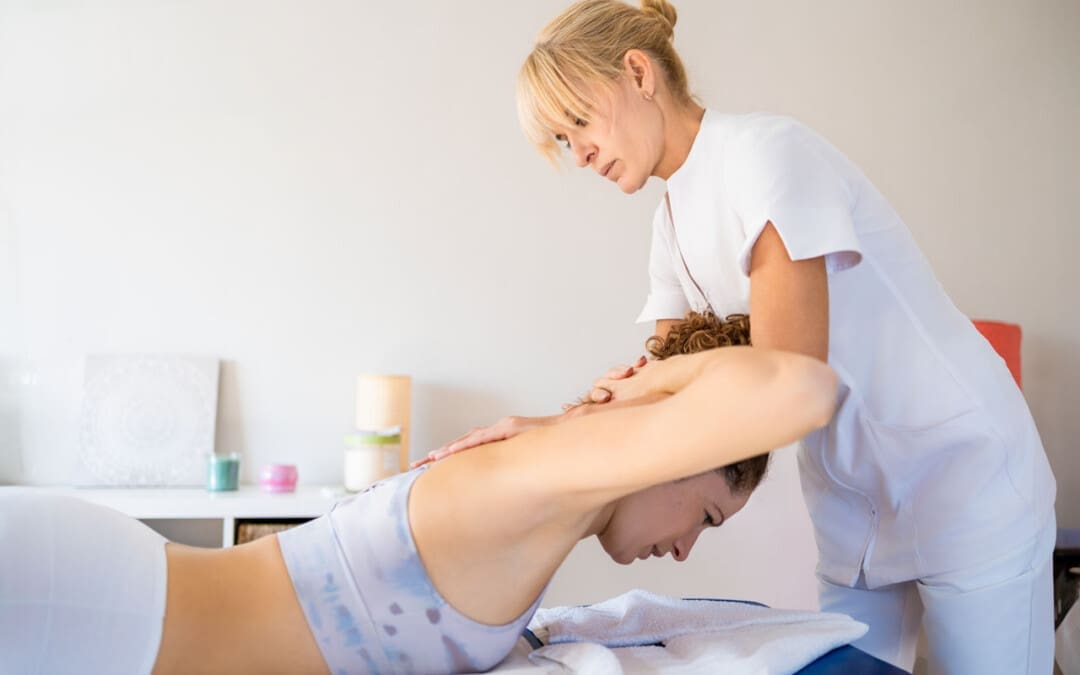
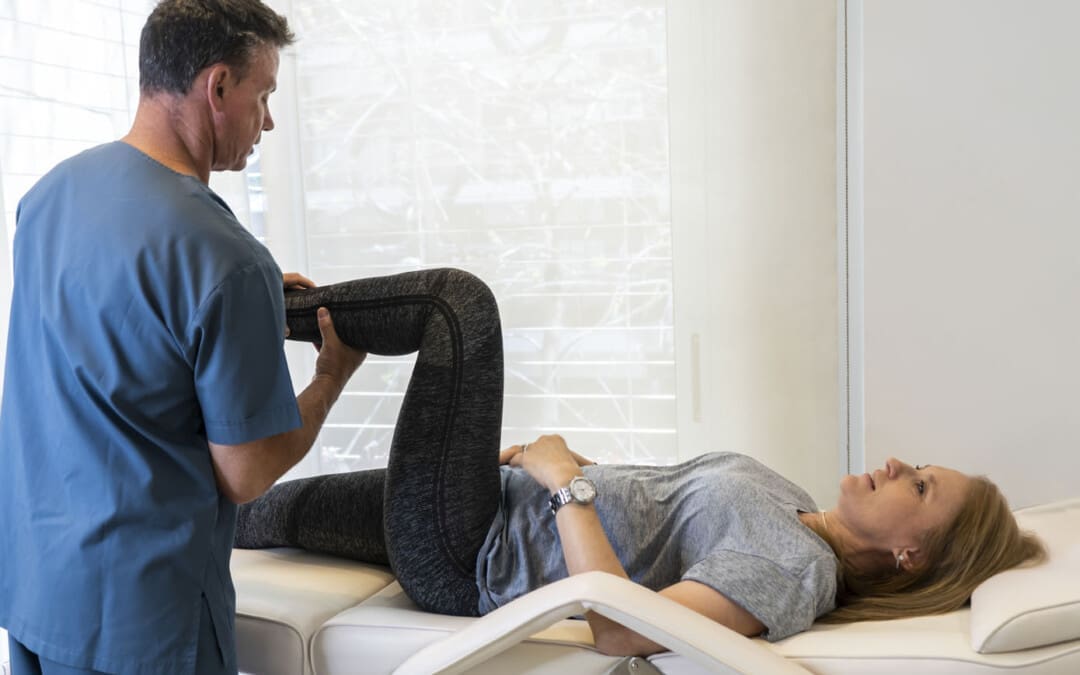
Most individuals are able to manage symptoms with physical therapy or chiropractic, which includes learning exercises and posture adjustments to relieve tightness.
National Institute of Neurological Disorders and Stroke. (2023). Back pain. Retrieved from https://www.ninds.nih.gov/health-information/disorders/back-pain?
Bhatia, A., Engle, A., & Cohen, S. P. (2020). Current and future pharmacological agents for the treatment of back pain. Expert opinion on pharmacotherapy, 21(8), 857–861. https://doi.org/10.1080/14656566.2020.1735353
Individuals experiencing shooting, aching pain in the lower extremities, and intermittent leg pain could be suffering from neurogenic claudication. Can knowing the symptoms help healthcare providers develop an effective treatment plan?
Neurogenic Claudication
Neurogenic claudication occurs when spinal nerves become compressed in the lumbar or lower spine, causing intermittent leg pain. Compressed nerves in the lumbar spine can cause leg pain and cramps. The pain usually worsens with specific movements or activities like sitting, standing, or bending backward. It is also known as pseudo-claudication when the space within the lumbar spine narrows. A condition known as lumbar spinal stenosis. However, neurogenic claudication is a syndrome or group of symptoms caused by a pinched spinal nerve, while spinal stenosis describes the narrowing of the spinal passages.
Symptoms
Neurogenic claudication symptoms can include:
Leg cramping.
Numbness, tingling, or burning sensations.
Leg fatigue and weakness.
A sensation of heaviness in the leg/s.
Sharp, shooting, or aching pain extending into the lower extremities, often in both legs.
There may also be pain in the lower back or buttocks.
Neurogenic claudication is different from other types of leg pain, as the pain alternates – ceasing and beginning randomly and worsens with specific movements or activities. Standing, walking, descending stairs, or flexing backward can trigger pain, while sitting, climbing stairs, or leaning forward tends to relieve pain. However, every case is different. Over time, neurogenic claudication can affect mobility as individuals try to avoid activities that cause pain, including exercise, lifting objects, and prolonged walking. In severe cases, neurogenic claudication can make sleeping difficult.
Neurogenic claudication and sciatica are not the same. Neurogenic claudication involves nerve compression in the central canal of the lumbar spine, causing pain in both legs. Sciatica involves compression of nerve roots exiting from the sides of the lumbar spine, causing pain in one leg. (Carlo Ammendolia, 2014)
Causes
With neurogenic claudication, compressed spinal nerves are the underlying cause of the leg pain. In many cases, lumber spinal stenosis – LSS is the cause of pinched nerve. There are two types of lumbar spinal stenosis.
Central stenosis is the main cause of neurogenic claudication. With this type, the central canal of the lumbar spine, which houses the spinal cord, narrows, causing pain in both legs.
Lumbar spinal stenosis can be acquired and develop later in life due to spine deterioration.
Congenital means the individual is born with the condition.
Both can lead to neurogenic claudication in different ways.
Foramen stenosis is another type of lumbar spinal stenosis that causes the narrowing of spaces on either side of the lumbar spine where nerve roots branch off the spinal cord. The associated pain is different in that it is either in the right or left leg.
The pain corresponds to the side of the spinal cord where the nerves are being pinched.
Acquired Lumbar Spinal Stenosis
Lumbar spinal stenosis is usually acquired due to the degeneration of the lumbar spine and tends to affect older adults. The causes of the narrowing can include:
Spinal trauma, such as from a vehicle collision, work, or sports injury.
Disc herniation.
Spinal osteoporosis – wear-and-tear arthritis.
Ankylosing spondylitis – a type of inflammatory arthritis that affects the spine.
Osteophytes – bone spurs.
Spinal tumors – non-cancerous and cancerous tumors.
Congenital Lumbar Spinal Stenosis
Congenital lumbar spinal stenosis means an individual is born with abnormalities of the spine that may not be apparent at birth. Because the space within the spinal canal is already narrow, the spinal cord is vulnerable to any changes as the individual ages. Even individuals with mild arthritis can experience symptoms of neurogenic claudication early on and develop symptoms in their 30s and 40s instead of their 60s and 70s.
Diagnosis
Diagnosis of neurogenic claudication is largely based on the individual’s medical history, physical examination, and imaging. The physical examination and review identify where the pain is presenting and when. The healthcare provider may ask:
Is there a history of lower back pain?
Is the pain in one leg or both?
Is the pain constant?
Does the pain come and go?
Does the pain get better or worse when standing or sitting?
Do movements or activities cause pain symptoms and sensations?
Are there any usual sensations while walking?
Treatment
Treatments can consist of physical therapy, spinal steroid injections, and pain meds. Surgery is a last resort when all other therapies are unable to provide effective relief.
Physical Therapy
A treatment plan will involve physical therapy that includes:
Daily stretching
Strengthening
Aerobic exercises
This will help improve and stabilize the lower back muscles and correct posture problems.
Occupational therapy will recommend activity modifications that cause pain symptoms.
This includes proper body mechanics, energy conservation, and recognizing pain signals.
Back braces or belts may also be recommended.
Spinal Steroid Injections
Healthcare providers may recommend epidural steroid injections.
This delivers a cortisone steroid to the outermost section of the spinal column or the epidural space.
Pain medications are used to treat intermittent neurogenic claudication. These include:
Over-the-counter analgesics like acetaminophen.
Nonsteroidal anti-inflammatory drugs or NSAIDs like ibuprofen or naproxen.
Prescription NSAIDs may be prescribed if needed.
NSAIDs are used with chronic neurogenic pain and should only be used when required.
The long-term use of NSAIDs can increase the risk of stomach ulcers, and the overuse of acetaminophen can lead to liver toxicity and liver failure.
Surgery
If conservative treatments are unable to provide effective relief and mobility and/or quality of life are affected, surgery known as a laminectomy may be recommended to decompress the lumbar spine. The procedure may be performed:
Laparoscopically – with small incisions, scopes, and surgical instrumentation.
Open surgery – with a scalpel and sutures.
During the procedure, facets of the vertebra are partially or completely removed.
To provide stability, the bones are sometimes fused with screws, plates, or rods.
Success rates for both are more or less the same.
Between 85% and 90% of individuals undergoing the surgery achieve long-lasting and/or permanent pain relief. (Xin-Long Ma et al., 2017)
Movement Medicine: Chiropractic Care
References
Ammendolia C. (2014). Degenerative lumbar spinal stenosis and its imposters: three case studies. The Journal of the Canadian Chiropractic Association, 58(3), 312–319.
Munakomi S, Foris LA, Varacallo M. (2024). Spinal Stenosis and Neurogenic Claudication. [Updated 2023 Aug 13]. In: StatPearls [Internet]. Treasure Island (FL): StatPearls Publishing; 2024 Jan-. Available from: https://www.ncbi.nlm.nih.gov/books/NBK430872/
Ma, X. L., Zhao, X. W., Ma, J. X., Li, F., Wang, Y., & Lu, B. (2017). Effectiveness of surgery versus conservative treatment for lumbar spinal stenosis: A system review and meta-analysis of randomized controlled trials. International journal of surgery (London, England), 44, 329–338. https://doi.org/10.1016/j.ijsu.2017.07.032
For individuals experiencing sacroiliac joint/SIJ dysfunction and pain, could applying kinesiology tape help bring relief and manage symptoms?
Kinesiology Tape For Sacroiliac Joint Pain
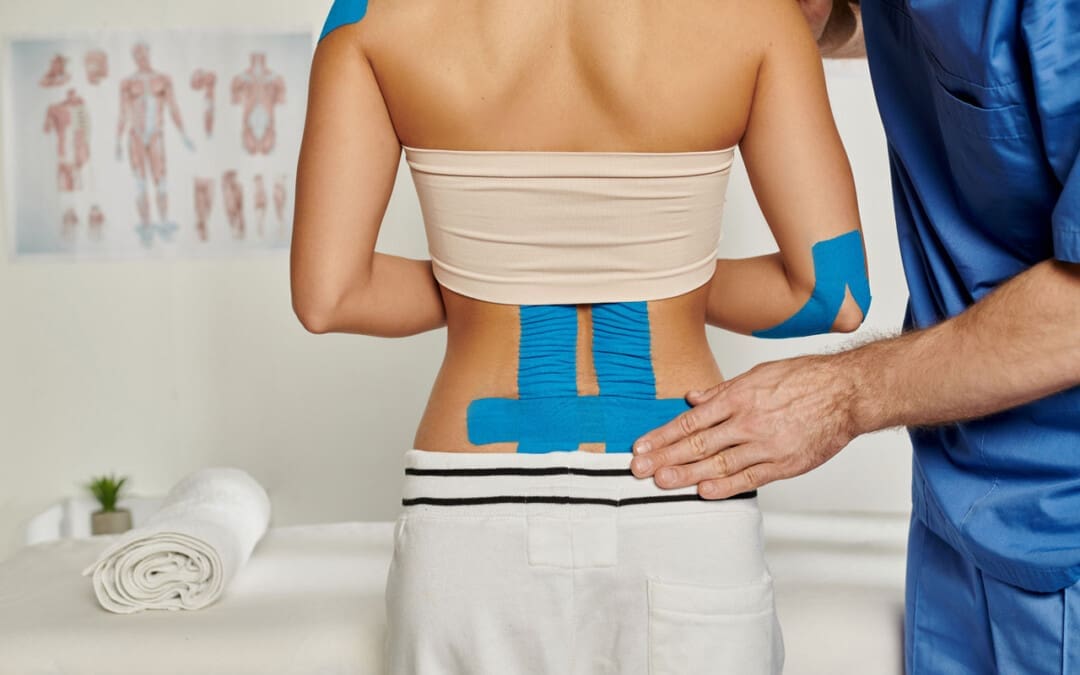
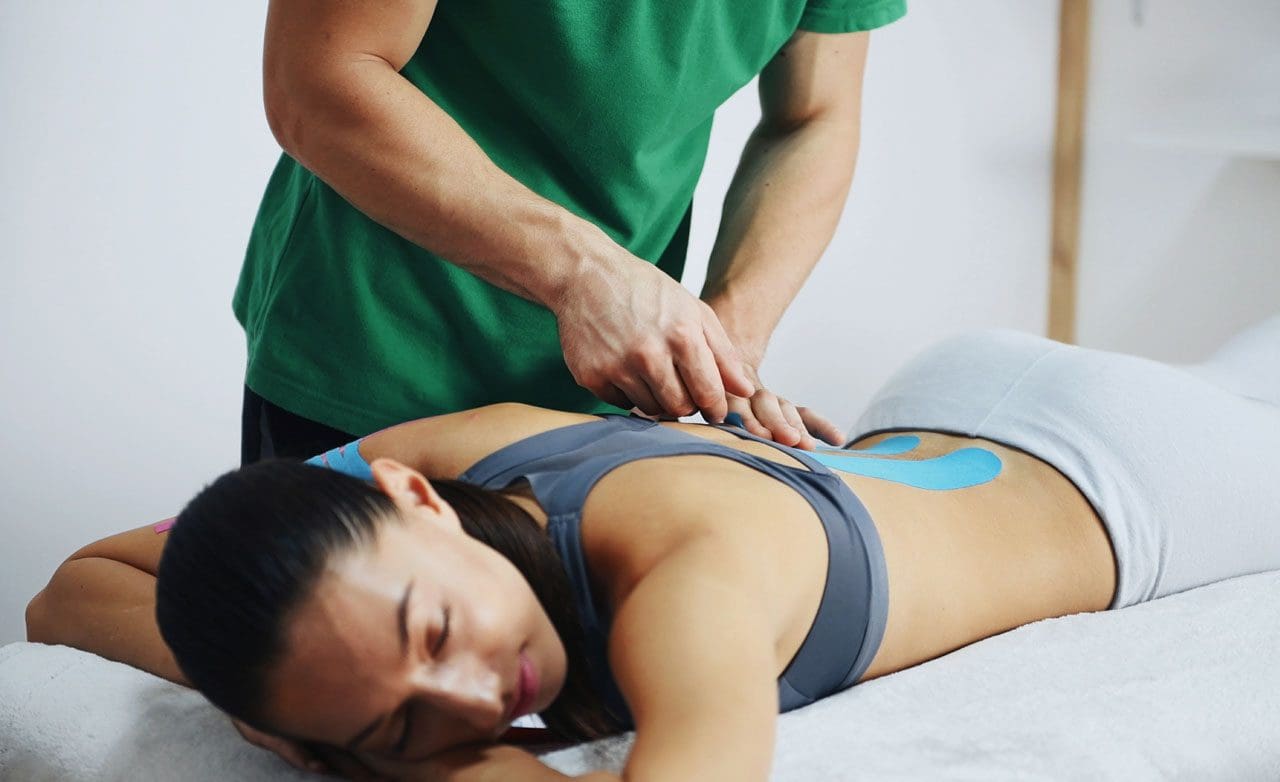
A lower back ailment that is common during pregnancy. The pain is usually on one or both sides of the back, just above the buttocks, that comes and goes and can limit the ability to bend, sit, and perform various physical activities. (Moayad Al-Subahi et al., 2017) The therapeutic tape provides support while allowing for movement and may help treat and manage sacroiliac joint/SIJ pain by:
Decreasing muscle spasms.
Facilitating muscular function.
Increasing blood circulation to and around the pain site.
Decreasing muscle trigger points.
Mechanism
Some studies have found that taping the SI joint has benefits that include:
One theory is it helps lift and hold the overlying tissues off of the SI joint, which helps decrease the pressure around it.
Another theory is that lifting the tissues helps create a pressure differential under the tape, like non-surgical decompression, allowing increased circulation to the tissues surrounding the sacroiliac joint.
This floods the area with blood and nutrients, creating an optimal healing environment.
Application
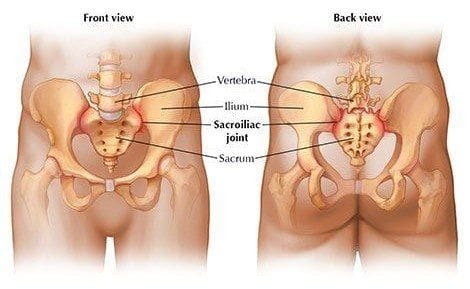
A sacroiliac joint on the right and left sides connects the pelvis to the sacrum or the lowest part of the spine. To apply the kinesiology tape correctly, locate the lowest part of the back within the pelvic area. (Francisco Selva et al., 2019) Ask a friend or family member for help if you can’t reach the area.
Taping steps:
Cut three strips of tape, each 4 to 6 inches long.
Sit in a chair and bend the body slightly forward.
If someone is helping, you can stand and slightly bend forward.
Remove the lift-off strip in the middle and stretch the tape to expose several inches, leaving the ends covered.
Apply the exposed tape at an angle over the SI joint, like making the first line of an X, just above the buttocks, with full stretch on the tape.
Peel the lift-off strips from the ends and adhere them with no stretching.
Repeat the application steps with a second strip, adhering at a 45-degree angle to the first strip, making the X over the sacroiliac joint.
Repeat this with the final strip horizontally across the X made from the first two pieces.
There should be a tape pattern of star shape over the sacroiliac joint.
Kinesiology tape can stay over the sacroiliac joint for three to five days.
Watch for signs of irritation around the tape.
Remove the tape if the skin becomes irritated, and consult your primary healthcare provider, physical therapist, or chiropractor for other treatment options.
Some individuals with specific conditions should avoid using the tape and get confirmation that it’s safe.
Individuals with severe sacroiliac pain where self-management is not working should see a healthcare provider, physical therapist, and or chiropractor for an evaluation and to learn therapeutic exercises and treatments to help manage the condition.
Sciatica During Pregnancy
References
Al-Subahi, M., Alayat, M., Alshehri, M. A., Helal, O., Alhasan, H., Alalawi, A., Takrouni, A., & Alfaqeh, A. (2017). The effectiveness of physiotherapy interventions for sacroiliac joint dysfunction: a systematic review. Journal of physical therapy science, 29(9), 1689–1694. https://doi.org/10.1589/jpts.29.1689
Do-Yun Shin and Ju-Young Heo. (2017). The Effects of Kinesiotaping Applied onto Erector Spinae and Sacroiliac Joint on Lumbar Flexibility. The Journal of Korean Physical Therapy, 307-315. https://doi.org/https://doi.org/10.18857/jkpt.2017.29.6.307
Selva, F., Pardo, A., Aguado, X., Montava, I., Gil-Santos, L., & Barrios, C. (2019). A study of reproducibility of kinesiology tape applications: review, reliability and validity. BMC musculoskeletal disorders, 20(1), 153. https://doi.org/10.1186/s12891-019-2533-0
Can physical therapy with instrument-assisted soft tissue mobilization or IASTM improve mobility, flexibility, and health for individuals with musculoskeletal injuries or illnesses?
Instrument Assisted Soft Tissue Mobilization
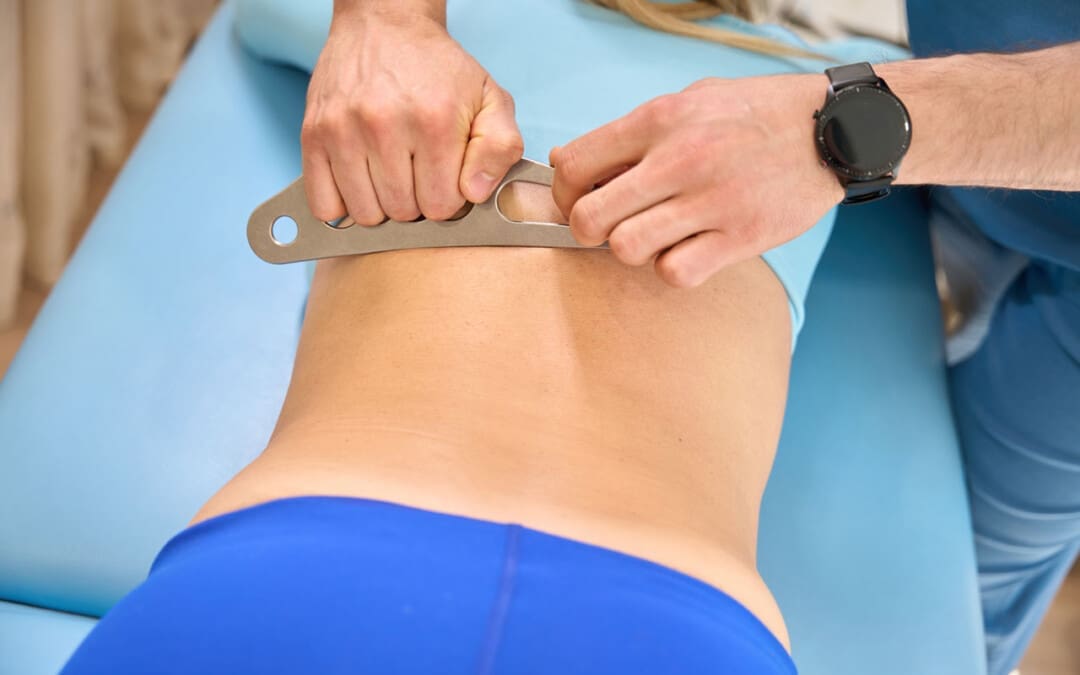
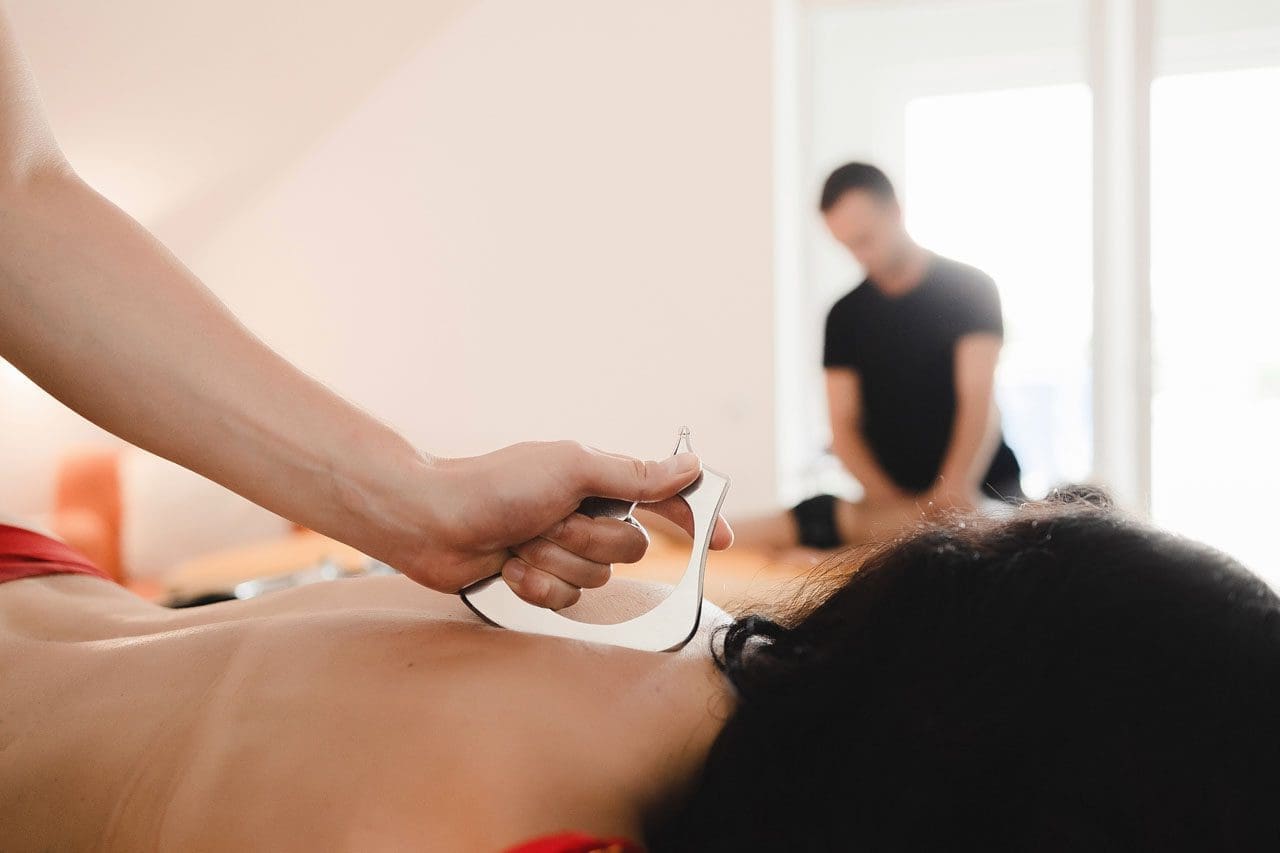
Instrument-assisted soft tissue mobilization or IASTM is also known as the Graston technique. It is a myofascial release and massage technique used in physical therapy where the therapist uses metal or plastic tools to improve soft tissue mobility in the body. The ergonomically shaped tool is gently or vigorously scraped and rubbed across the injured or painful area. The rubbing is used to locate and release tightness in the fascia/collagen covering the muscles and the tendons. This helps reduce pain and improve movement.
Individuals often develop tissue tightness or restrictions in the muscles and fascia after an injury. These soft tissue restrictions can limit the range of motion – ROM and can trigger pain symptoms. (Kim J, Sung DJ, Lee J. 2017)
History
The Graston technique of instrument-assisted soft tissue mobilization was developed by an athlete who created their instruments to treat soft tissue injuries. The practice has grown with input from medical experts, trainers, researchers, and clinicians.
Physical therapists use different types of tools to perform IASTM.
These massage instruments comprise various types for specific massage and release.
The Graston company designs some of the tools.
Other companies have their version of metal or plastic scraping and rubbing tools.
The objective is to help release soft tissue and myofascial restrictions to improve body movement. (Kim J, Sung DJ, Lee J. 2017)
How It Works
The theory is that scraping the tissues causes microtrauma to the affected area, activating the body’s natural inflammatory response. (Kim J, Sung DJ, Lee J. 2017)
The body activates to reabsorb the tightened or scar tissue, causing the restriction.
The therapist can then stretch the adhesions to alleviate pain and improve mobility.
Treatment
Certain conditions respond well to instrument-assisted soft tissue mobilization, including (Kim J, Sung DJ, Lee J. 2017)
Limited mobility
Decreased muscle recruitment
Loss of range of motion – ROM
Pain with movement
Excessive scar tissue formation
Augmented soft tissue mobilization or ASTM techniques can treat certain injuries and medical conditions that include:
A review compared hands-on myofascial release to instrument myofascial release for chronic low back pain. (Williams M. 2017)
Little difference was found between the two techniques for pain relief.
Another review compared IASTM to other methods for treating pain and function loss. (Matthew Lambert et al., 2017)
The researchers concluded that IASTM could positively affect blood circulation and tissue flexibility and reduce pain.
Another study examined the use of IASTM, pseudo-fake ultrasound therapy, and spinal manipulation for patients with thoracic/upper back pain. (Amy L. Crothers et al., 2016)
All groups improved over time with no significant negative events.
The researchers concluded that instrument-assisted soft tissue mobilization is no more or less effective than spinal manipulation or pseudo-ultrasound therapy for thoracic back pain.
Every case is different, and musculoskeletal conditions respond differently to various treatments. For any questions or concerns, contact your primary healthcare provider to determine if IASTM is an appropriate treatment that can help.
From Injury To Recovery
References
Kamali, F., Panahi, F., Ebrahimi, S., & Abbasi, L. (2014). Comparison between massage and routine physical therapy in women with sub acute and chronic nonspecific low back pain. Journal of back and musculoskeletal rehabilitation, 27(4), 475–480. https://doi.org/10.3233/BMR-140468
Kim, J., Sung, D. J., & Lee, J. (2017). Therapeutic effectiveness of instrument-assisted soft tissue mobilization for soft tissue injury: mechanisms and practical application. Journal of exercise rehabilitation, 13(1), 12–22. https://doi.org/10.12965/jer.1732824.412
Chughtai, M., Newman, J. M., Sultan, A. A., Samuel, L. T., Rabin, J., Khlopas, A., Bhave, A., & Mont, M. A. (2019). Astym® therapy: a systematic review. Annals of translational medicine, 7(4), 70. https://doi.org/10.21037/atm.2018.11.49
Williams M. (2017). Comparing pain and disability outcomes of instrumental versus hands-on myofascial release in individuals with chronic low back pain: a meta-analysis. Doctoral dissertation, California State University, Fresno. https://repository.library.fresnostate.edu/bitstream/handle/10211.3/192491/Williams_csu_6050D_10390.pdf?sequence=1
Matthew Lambert, Rebecca Hitchcock, Kelly Lavallee, Eric Hayford, Russ Morazzini, Amber Wallace, Dakota Conroy & Josh Cleland (2017) The effects of instrument-assisted soft tissue mobilization compared to other interventions on pain and function: a systematic review, Physical Therapy Reviews, 22:1-2, 76-85, DOI: 10.1080/10833196.2017.1304184
Crothers, A. L., French, S. D., Hebert, J. J., & Walker, B. F. (2016). Spinal manipulative therapy, Graston technique® and placebo for non-specific thoracic spine pain: a randomised controlled trial. Chiropractic & manual therapies, 24, 16. https://doi.org/10.1186/s12998-016-0096-9
For individuals dealing with ulcerative colitis, can acupuncture treatment benefit those with UC and other GI-related issues?
Acupuncture For Ulcerative Colitis
Acupuncture has been used to treat symptoms related to pain and inflammation. Studies suggest it may help reduce inflammation and symptoms like diarrhea and abdominal pain, which could benefit individuals with inflammatory bowel disease. Individuals with ulcerative colitis, an inflammatory bowel disease/IBD affecting the large intestine, may find acupuncture beneficial in managing symptoms, including pain and gastrointestinal symptoms. (Crohn’s and Colitis Foundation, 2019)
The pathways connecting the acupoints generate energy, which contributes to overall health.
A disruption to the energy flow can cause injury, illness, or disease.
When acupuncture needles are inserted, energy flow and health are improved.
Benefits
Acupuncture can be used for the relief of various conditions. Studies have shown that acupuncture can reduce inflammation and disease activity in individuals with an IBD, like UC and Crohn’s disease. It can help with: (Gengqing Song et al., 2019)
Pain symptoms
Gut microbiome imbalances
Gut motor dysfunction
Intestinal barrier function
Anxiety
Depression
Studies suggest the use of acupuncture with heat, known as moxibustion, can improve several GI symptoms including (Crohn’s and Colitis Foundation, 2019)
Studies found the use of acupuncture along with moxibustion reduced inflammation in individuals with Crohn’s disease and ulcerative colitis. (Crohn’s and Colitis Foundation, 2019)
Stress and Mood
Chronic conditions like ulcerative colitis can cause feelings of depression and/or anxiety. Acupuncture may be used to address symptoms related to stress and mood and can benefit emotional health issues that include: (Johns Hopkins Medicine. 2024)
Insomnia
Anxiety
Nervousness
Depression
Neurosis – mental health condition characterized by chronic distress and anxiety.
Side Effects
Acupuncture is considered a safe practice. The most common side effects are: (GI Society. 2024)
Needle shock is rare but more common in individuals:
Who are regularly nervous.
Who are nervous around needles.
Who are new to acupuncture.
Who have a history of fainting.
Who are extremely fatigued.
Who have low blood sugar.
For some, GI symptoms may worsen before they improve. It is recommended to try at least five sessions as this is part of the healing process. (Cleveland Clinic. 2023) However, individuals should contact their doctor if symptoms become severe or last more than two days. (GI Society. 2024) Individuals considering acupuncture to help manage symptoms of ulcerative colitis should speak with their healthcare provider to help determine the appropriate treatment and where to start.
Gastro-Intestinal Dysfunction Treatment
References
Crohn’s and Colitis Foundation. (2019). Acupuncture in Inflammatory Bowel Disease. IBDVisible Blog. https://www.crohnscolitisfoundation.org/blog/acupuncture-inflammatory-bowel-disease
Wilkinson J, Faleiro R. (2007). Acupuncture in pain management. Continuing Education in Anaesthesia, Critical Care and Pain. 7(4), 135-138. https://doi.org/10.1093/bjaceaccp/mkm021
Song, G., Fiocchi, C., & Achkar, J. P. (2019). Acupuncture in Inflammatory Bowel Disease. Inflammatory bowel diseases, 25(7), 1129–1139. https://doi.org/10.1093/ibd/izy371
Harvard Medical School. (2016). Relieving pain with acupuncture. Harvard Health Blog. https://www.health.harvard.edu/healthbeat/relieving-pain-with-acupuncture
Arthritis Foundation. (N.D.). Acupuncture for Arthritis. Health Wellness. https://www.arthritis.org/health-wellness/treatment/complementary-therapies/natural-therapies/acupuncture-for-arthritis
Harvard Medical School. (2023). Acupuncture: what is it? Harvard Health Publishing Harvard Medical School Blog. https://www.health.harvard.edu/a_to_z/acupuncture-a-to-z#:~:text=The%20most%20common%20side%20effects,injury%20to%20an%20internal%20organ.
Cleveland Clinic. (2023). Acupuncture. Health Library. https://my.clevelandclinic.org/health/treatments/4767-acupuncture
GI Society. (2024). Acupuncture and Digestion. badgut.org. https://badgut.org/information-centre/a-z-digestive-topics/acupuncture-and-digestion/
Can physical therapy treatment protocols aimed at improving range of motion and flexibility around the hip and relieving inflammation around the sciatic nerve help individuals experiencing deep buttock pain or piriformis syndrome?
Deep Buttock Pain
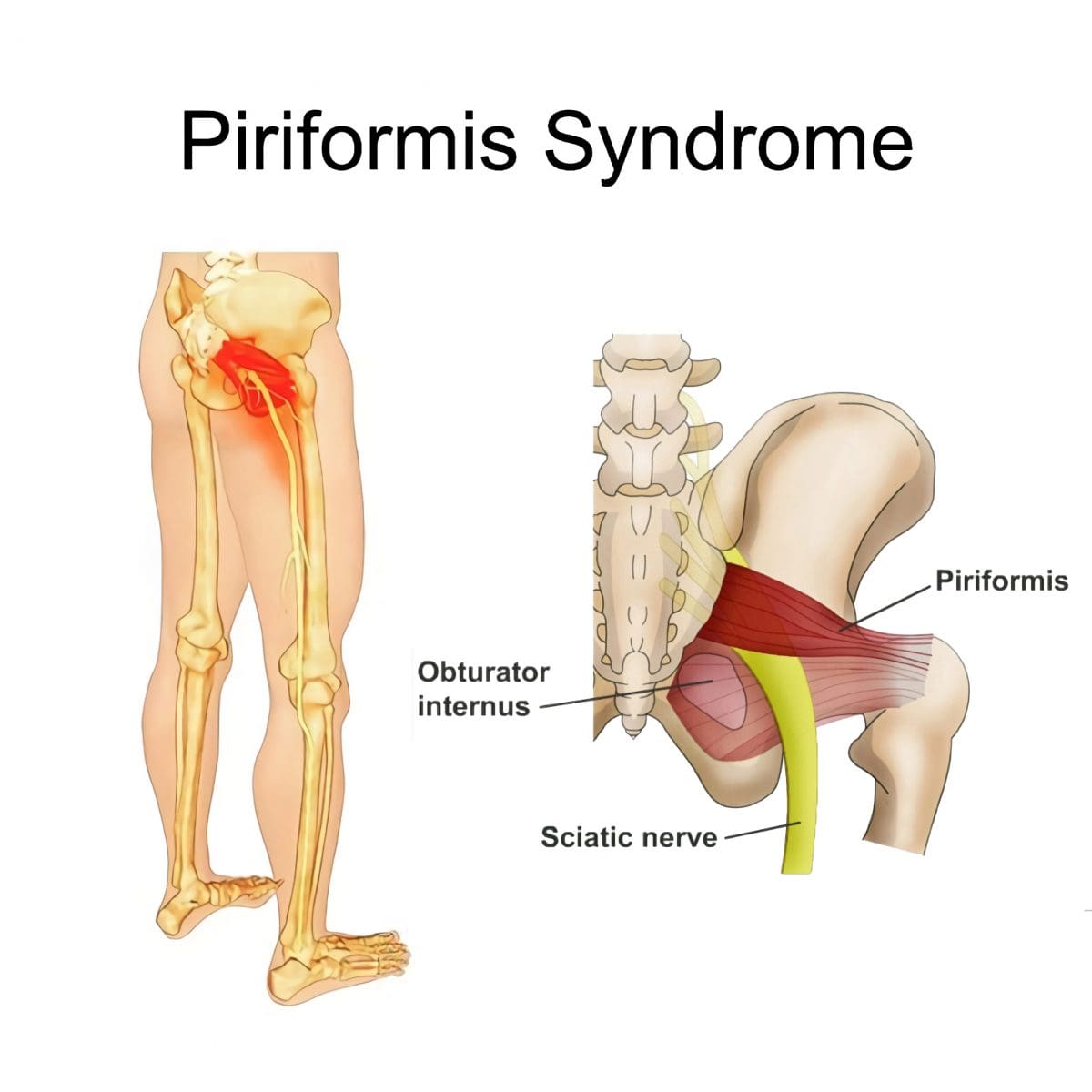
Piriformis syndrome, a.k .a. deep buttock pain, is described as sciatic nerve irritation from the piriformis muscle.
The piriformis is a small muscle behind the hip joint in the buttocks.
It is about one centimeter in diameter and functions in the hip joint’s external rotation or turning outward.
The piriformis muscle and tendon are close to the sciatic nerve, which supplies the lower extremities with motor and sensory functions.
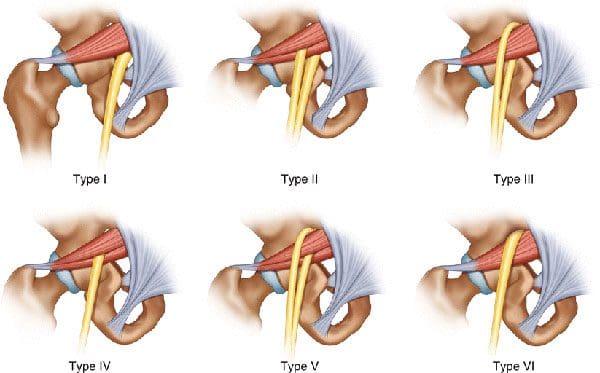
Depending on an individual’s anatomic variation of the muscle and tendon:
The two cross over, under, or through each other behind the hip joint in the deep buttock.
This relationship is thought to irritate the nerve, leading to sciatica symptoms.
Piriformis Syndrome
When diagnosed with piriformis syndrome, it is thought that the muscle and tendon bind to and/or spasm around the nerve, causing irritation and pain symptoms.
The theory supported is that when the piriformis muscle and its tendon tighten, the sciatic nerve becomes compressed or pinched. This decreases blood circulation and irritates the nerve from the pressure. (Shane P. Cass 2015)
Tenderness with pressure on the piriformis muscle.
Discomfort in the back of the thigh.
Deep buttock pain behind the hip.
Electric sensations, shocks, and pains travel down the back of the lower extremity.
Numbness in the lower extremity.
Some individuals develop symptoms abruptly, while others go through a gradual increase.
Diagnosis
Doctors will order X-rays, MRIs, and nerve conduction studies, which is normal.
Because piriformis syndrome can be challenging to diagnose, some individuals with minor hip pain may receive a piriformis syndrome diagnosis even if they don’t have the condition. (Shane P. Cass 2015)
It is sometimes referred to as deep buttock pain. Other causes of this type of pain include back and spinal problems like:
Herniated discs
Spinal stenosis
Radiculopathy – sciatica
Hip bursitis
A piriformis syndrome diagnosis is usually given when these other causes are eliminated.
When the diagnosis is uncertain, an injection is administered in the area of the piriformis muscle. (Danilo Jankovic et al., 2013)
Different medications can be used, but the injection itself is used to help determine the specific location of the discomfort.
When an injection is given into the piriformis muscle or tendon, it is often administered by ultrasound guidance to ensure the needle delivers the medication to the correct location. (Elizabeth A. Bardowski, J. W. Thomas Byrd 2019)
Avoiding activities that cause symptoms for at least a few weeks.
Physical Therapy
Emphasize stretching and strengthening the hip rotator muscles.
Non-Surgical Decompression
Gently pulls the spine to release any compression, allowing optimal rehydration and circulation and taking the pressure off the sciatic nerve.
Therapeutic Massage Techniques
To relax and release muscle tension and increase circulation.
Acupuncture
To help relax the piriformis muscle, sciatic nerve, and surrounding area.
Relieve pain.
Chiropractic Adjustments
Realignment rebalances the spine and musculoskeletal system to alleviate pain.
Anti-Inflammatory Medication
To decrease inflammation around the tendon.
Cortisone Injections
Injections are used to decrease inflammation and swelling.
Botulinum Toxin Injection
Injections of botulinum toxin paralyze the muscle to relieve pain.
Surgery
Surgery can be performed in rare cases to loosen the piriformis tendon, known as a piriformis release. (Shane P. Cass 2015)
Surgery is a last resort when conservative treatments have been tried for at least 6 months with little to no relief.
Recovery can take several months.
Sciatica Causes and Treatment
References
Cass S. P. (2015). Piriformis syndrome: a cause of nondiscogenic sciatica. Current sports medicine reports, 14(1), 41–44. https://doi.org/10.1249/JSR.0000000000000110
Jankovic, D., Peng, P., & van Zundert, A. (2013). Brief review: piriformis syndrome: etiology, diagnosis, and management. Canadian journal of anaesthesia = Journal canadien d’anesthesie, 60(10), 1003–1012. https://doi.org/10.1007/s12630-013-0009-5
Bardowski, E. A., & Byrd, J. W. T. (2019). Piriformis Injection: An Ultrasound-Guided Technique. Arthroscopy techniques, 8(12), e1457–e1461. https://doi.org/10.1016/j.eats.2019.07.033
For individuals dealing with knee pain symptoms from injury and/or arthritis, can incorporating an acupuncture and/or electroacupuncture treatment plan help in pain relief and management?
Acupuncture For Knee Pain
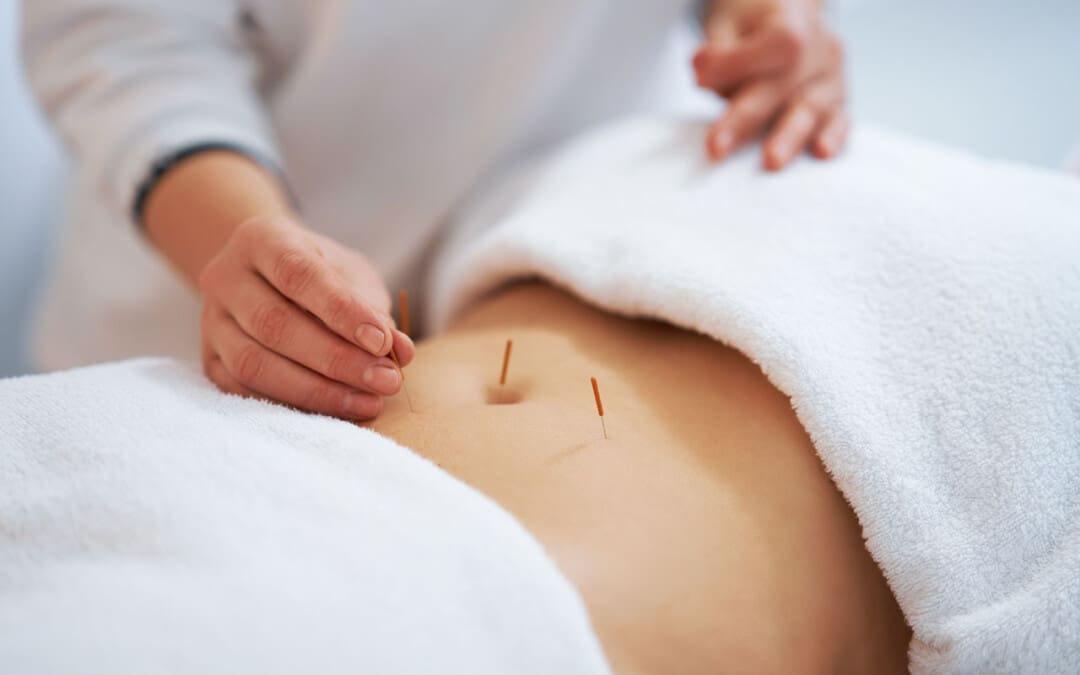
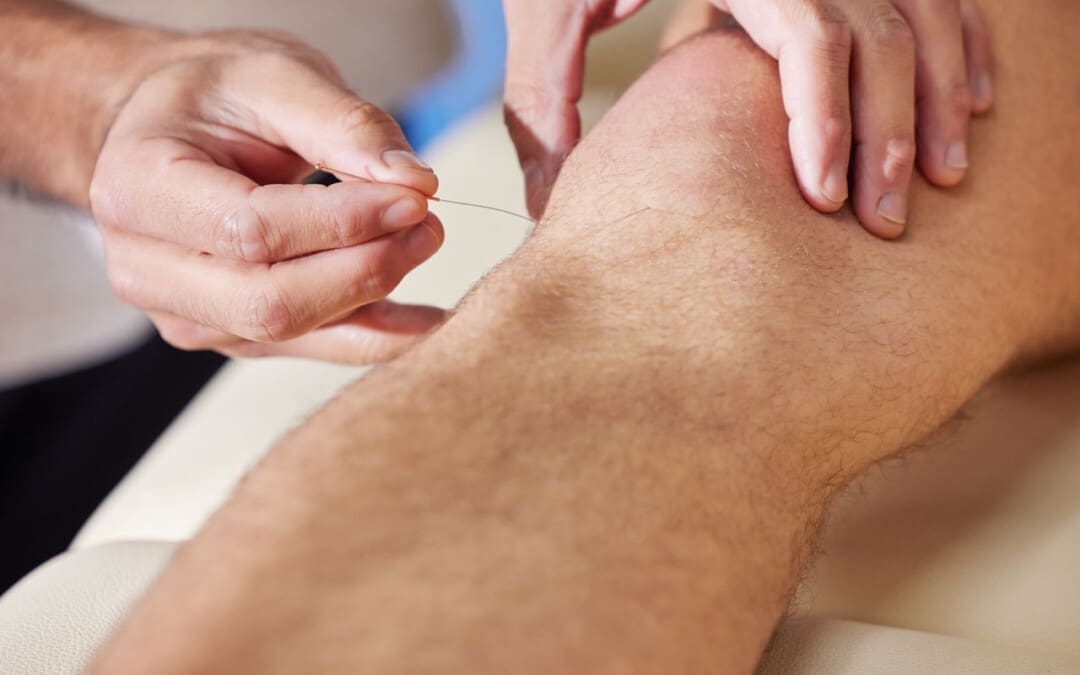
Acupuncture involves inserting very thin needles into the skin at specific acupoints on the body. It is based on the premise that the needles restore the flow of the body’s energy to activate and promote healing, relieve pain, and help the body relax.
Acupuncture can help address various health conditions, including knee pain caused by arthritis or injury.
Depending on the type and severity of pain, treatments can help reduce the pain for days or weeks.
Acupuncture is often used as a complementary therapy – treatment in addition to other treatment or therapy strategies like massage and chiropractic.
Acupuncture Benefits
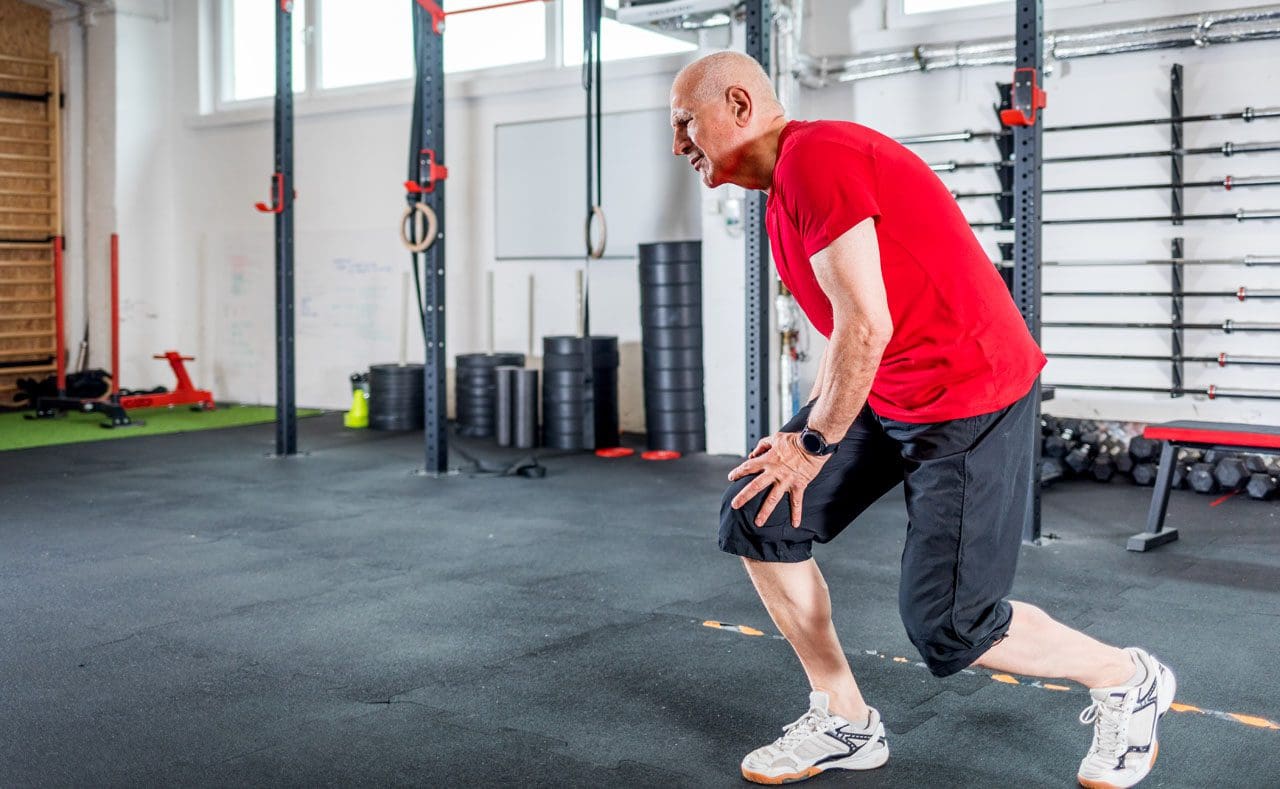
Knee pain caused by osteoarthritis or injury can reduce flexibility, mobility, and quality of life. Acupuncture can help provide relief.
When the acupuncture needles are placed on the body, a signal is sent along the spinal cord to the brain, which triggers a release of endorphins/pain hormones. Medical researchers believe this helps reduce pain. (Qian-Qian Li et al., 2013) Acupuncture also helps decrease the production of cortisol, a hormone that helps control inflammation. (Qian-Qian Li et al., 2013) With reduced pain sensations and less inflammation after acupuncture treatments, knee function and mobility can be improved.
Various factors play a role in the pain relief experienced from acupuncture. Some evidence suggests that an individual’s expectations may impact the results of acupuncture treatment. (Stephanie L. Prady et al., 2015)
Researchers are currently assessing whether the expectation that acupuncture is beneficial contributes to a better outcome after treatment. (Zuoqin Yang et al., 2021)
In 2019, acupuncture was recommended in treating knee osteoarthritis in the American College of Rheumatology/Arthritis Foundation guidelines for hand, hip, and knee osteoarthritis pain management. (Sharon L. Kolasinski et al., 2020)
Research
Different clinical studies support acupuncture’s ability to help in knee pain relief and management.
One study found that acupuncture helps manage various conditions that cause chronic pain. (Andrew J. Vickers et al., 2012)
A scientific review analyzed previous studies on pain management interventions after knee surgery and found supporting evidence that the treatments delayed and reduced the use of medications for pain relief post-surgery. (Dario Tedesco et al., 2017)
Osteoarthritis
A systematic review analyzed randomized control studies to determine whether or not acupuncture reduced pain and improved joint function in individuals with chronic osteoarthritis knee pain. (Xianfeng Lin et al., 2016)
Individuals received six to twenty-three weekly acupuncture sessions for three to 36 weeks.
The analysis determined that acupuncture can improve short and long-term physical function and mobility and provide up to 13 weeks of pain relief in individuals with chronic knee pain caused by osteoarthritis.
Rheumatoid Arthritis
Rheumatoid arthritis is a chronic disease that affects joints, including the knee joint, causing pain and stiffness.
Acupuncture is beneficial in treating rheumatoid arthritis/RA.
A review found that acupuncture alone and in combination with other treatment modalities benefits individuals with RA. (Pei-Chi, Chou Heng-Yi Chu 2018)
Acupuncture is believed to have anti-inflammatory and antioxidant effects to help regulate immune system function.
Chronic Knee Pain
Various conditions and injuries can cause chronic knee pain, making mobility difficult.
Individuals with joint pain often turn to complementary therapies for pain relief management, with acupuncture being one of the popular modalities. (Michael Frass et al., 2012)
Working with a licensed, professional acupuncture practitioner can reduce the risk of unwanted side effects and complications.
Types
Other acupuncture options that may be offered include:
Electroacupuncture
A modified form of acupuncture where a mild electrical current passes through the needles, providing additional stimulation to the acupoints.
In one research study, individuals with knee osteoarthritis reported significant improvements in their pain, stiffness, and physical function after electroacupuncture treatment. (Ziyong Ju et al., 2015)
Auricular
Auricular or ear acupuncture works on acupoints in the ear corresponding to the body’s different parts.
A research review analyzed several studies on auricular acupuncture for pain relief and found that it can provide relief within 48 hours of pain onset. (M. Murakami et al., 2017)
Battlefield Acupuncture
The military and veteran healthcare facilities use a unique form of auricular acupuncture for pain management.
Studies show that it is effective at providing immediate pain relief, but more research is necessary to determine long-term pain relief effectiveness. (Anna Denee Montgomery, Ronovan Ottenbacher 2020)
Before trying acupuncture, consult a healthcare professional for guidance, as it may be integrated with other therapies and lifestyle adjustments.
Overcoming an ACL Injury
References
Li, Q. Q., Shi, G. X., Xu, Q., Wang, J., Liu, C. Z., & Wang, L. P. (2013). Acupuncture effect and central autonomic regulation. Evidence-based complementary and alternative medicine : eCAM, 2013, 267959. https://doi.org/10.1155/2013/267959
Prady, S. L., Burch, J., Vanderbloemen, L., Crouch, S., & MacPherson, H. (2015). Measuring expectations of benefit from treatment in acupuncture trials: a systematic review. Complementary therapies in medicine, 23(2), 185–199. https://doi.org/10.1016/j.ctim.2015.01.007
Yang, Z., Li, Y., Zou, Z., Zhao, Y., Zhang, W., Jiang, H., Hou, Y., Li, Y., & Zheng, Q. (2021). Does patient’s expectation benefit acupuncture treatment?: A protocol for systematic review and meta-analysis. Medicine, 100(1), e24178. https://doi.org/10.1097/MD.0000000000024178
Kolasinski, S. L., Neogi, T., Hochberg, M. C., Oatis, C., Guyatt, G., Block, J., Callahan, L., Copenhaver, C., Dodge, C., Felson, D., Gellar, K., Harvey, W. F., Hawker, G., Herzig, E., Kwoh, C. K., Nelson, A. E., Samuels, J., Scanzello, C., White, D., Wise, B., … Reston, J. (2020). 2019 American College of Rheumatology/Arthritis Foundation Guideline for the Management of Osteoarthritis of the Hand, Hip, and Knee. Arthritis care & research, 72(2), 149–162. https://doi.org/10.1002/acr.24131
Vickers, A. J., Cronin, A. M., Maschino, A. C., Lewith, G., MacPherson, H., Foster, N. E., Sherman, K. J., Witt, C. M., Linde, K., & Acupuncture Trialists’ Collaboration (2012). Acupuncture for chronic pain: individual patient data meta-analysis. Archives of internal medicine, 172(19), 1444–1453. https://doi.org/10.1001/archinternmed.2012.3654
Tedesco, D., Gori, D., Desai, K. R., Asch, S., Carroll, I. R., Curtin, C., McDonald, K. M., Fantini, M. P., & Hernandez-Boussard, T. (2017). Drug-Free Interventions to Reduce Pain or Opioid Consumption After Total Knee Arthroplasty: A Systematic Review and Meta-analysis. JAMA surgery, 152(10), e172872. https://doi.org/10.1001/jamasurg.2017.2872
Lin, X., Huang, K., Zhu, G., Huang, Z., Qin, A., & Fan, S. (2016). The Effects of Acupuncture on Chronic Knee Pain Due to Osteoarthritis: A Meta-Analysis. The Journal of bone and joint surgery. American volume, 98(18), 1578–1585. https://doi.org/10.2106/JBJS.15.00620
Chou, P. C., & Chu, H. Y. (2018). Clinical Efficacy of Acupuncture on Rheumatoid Arthritis and Associated Mechanisms: A Systemic Review. Evidence-based complementary and alternative medicine : eCAM, 2018, 8596918. https://doi.org/10.1155/2018/8596918
Frass, M., Strassl, R. P., Friehs, H., Müllner, M., Kundi, M., & Kaye, A. D. (2012). Use and acceptance of complementary and alternative medicine among the general population and medical personnel: a systematic review. Ochsner journal, 12(1), 45–56.
Hinman, R. S., McCrory, P., Pirotta, M., Relf, I., Forbes, A., Crossley, K. M., Williamson, E., Kyriakides, M., Novy, K., Metcalf, B. R., Harris, A., Reddy, P., Conaghan, P. G., & Bennell, K. L. (2014). Acupuncture for chronic knee pain: a randomized clinical trial. JAMA, 312(13), 1313–1322. https://doi.org/10.1001/jama.2014.12660
National Center for Complementary and Integrative Health. (2022). Acupuncture in depth. National Center for Complementary and Integrative Health. https://www.nccih.nih.gov/health/acupuncture-what-you-need-to-know
Harvard Medical School. (2023). Acupuncture: what is it? Harvard Health Publishing Harvard Medical School Blog. https://www.health.harvard.edu/a_to_z/acupuncture-a-to-z#:~:text=The%20most%20common%20side%20effects,injury%20to%20an%20internal%20organ.
Ju, Z., Guo, X., Jiang, X., Wang, X., Liu, S., He, J., Cui, H., & Wang, K. (2015). Electroacupuncture with different current intensities to treat knee osteoarthritis: a single-blinded controlled study. International journal of clinical and experimental medicine, 8(10), 18981–18989.
Murakami, M., Fox, L., & Dijkers, M. P. (2017). Ear Acupuncture for Immediate Pain Relief-A Systematic Review and Meta-Analysis of Randomized Controlled Trials. Pain medicine (Malden, Mass.), 18(3), 551–564. https://doi.org/10.1093/pm/pnw215
Montgomery, A. D., & Ottenbacher, R. (2020). Battlefield Acupuncture for Chronic Pain Management in Patients on Long-Term Opioid Therapy. Medical acupuncture, 32(1), 38–44. https://doi.org/10.1089/acu.2019.1382
IFM's Find A Practitioner tool is the largest referral network in Functional Medicine, created to help patients locate Functional Medicine practitioners anywhere in the world. IFM Certified Practitioners are listed first in the search results, given their extensive education in Functional Medicine

 Taping steps: