
by Dr Alex Jimenez DC, APRN, FNP-BC, CFMP, IFMCP | Chiropractic Examination, Mobility & Flexibility, Physical Rehabilitation
Physical therapists (PT’s) are healthcare professionals who treat patients of all ages with back or neck ailments. Your spine surgeon, physiatrist, orthopedist, primary care physician, neurosurgeon and your chiropractor may refer you to a physical therapist as portion of your non-operative plan of treatment. An organized physical therapy plan may be an intrinsic portion of your after-care following back surgery. PT’s practice in a variety of settings for example hospitals, outpatient clinics, rehabilitation centers, and nursing homes. �Myself, I am a Chiropractor. �There are clear differences that sometimes creates confusion, and for that reason I have posted this in order to create conversation regarding the similarities and contrasts.
Goals of Physical Therapy
The primary goals�of physical therapy include: maintain practical skill and improve, build endurance and physical strength, increase flexibility, reduce pain, and prevent impairment. PTs also instruct patients the best way to exercise to enhance overall physical fitness, move about safely (biomechanics and ergonomics), and injury prevention. Physical therapists also help patients with long-term physical incapacity (eg, spinal cord injury).
Physical therapy may contain passive modalities; the individual is administered to treatments by the PT. Modalities include myofascial release, different types of massage, ultrasound, ice or heat. Some of these treatments could be administered before lively therapeutic exercise.

Spine-Associated Conditions Physical Therapists Treat:
- Degenerative disk disease
- Rheumatoid arthritis
- Sciatica
- Spondylosis (spinal arthritis)
- Whiplash
- Rebuild endurance, flexibility and strength after back surgery, also as specific physical needs associated with surgical aftercare.
Coordinated Care
Your physical therapist may work directly for or with your physician, therapist, chiropractor and other healthcare providers to organize aspects of your physical treatment. For instance, your doctor may send the physical therapist pertinent parts of your graph, such as present medications, your analysis, and results of imaging studies.
During the first consultation, the physical therapist talks with you about symptoms, analysis, and your medical history. Many patients with a back or neck ailment experience pain that is severe, chronic, and/or episodic. Severity the location, type, and variables that decrease or increase pain are significant, and the PT will ask you many questions regarding pain.
Education and Clinical Training
Physical therapists are healthcare professionals who passed a state licensing examination and have completed an accredited physical therapy program. The program includes medical ethics academic learning, and evidence-based medicine with clinical use outside the classroom. After graduation, a PT may advance experience and knowledge by participating in areas of their interest. Now all physical therapists graduate with a Doctor of Physical Therapy (DPT) degree.
Through the American Board of Physical Therapy Specialties, a PT can eventually be a board certified specialist in a specific area such as orthopaedics, pediatrics, or geriatrics. There are various areas of specialization.
Selecting A Physical Therapist
Many states permit you to attend a physical therapist without a physician�s referral. What questions should you keep in mind about picking out a physical therapist, even though you can definitely ask your physician for a recommendation? Listed below are some questions to consider.
- What is the physical therapist�s training and educational history?
- Does the physical therapist frequently treat patients with my difficulty?
- How many times per week do I need physical therapy?
- Will I Be provided by the physical therapist with a customized home exercise plan?
- Am I comfortable with a female or male physical therapist?
Taking Charge
Bear in mind a physical therapist is a precious healthcare professional and member of your medical team. While physical therapy may be challenging or demanding at first, you are offered many benefits by a PT. It’s an opportunity to take charge of your back or neck pain, while building a stronger more resilient body.

Call Today!
Source:
American Association of Physical Therapists. www.apta.org
by Dr Alex Jimenez DC, APRN, FNP-BC, CFMP, IFMCP | Exercise, Lower Back Pain, Weight Loss
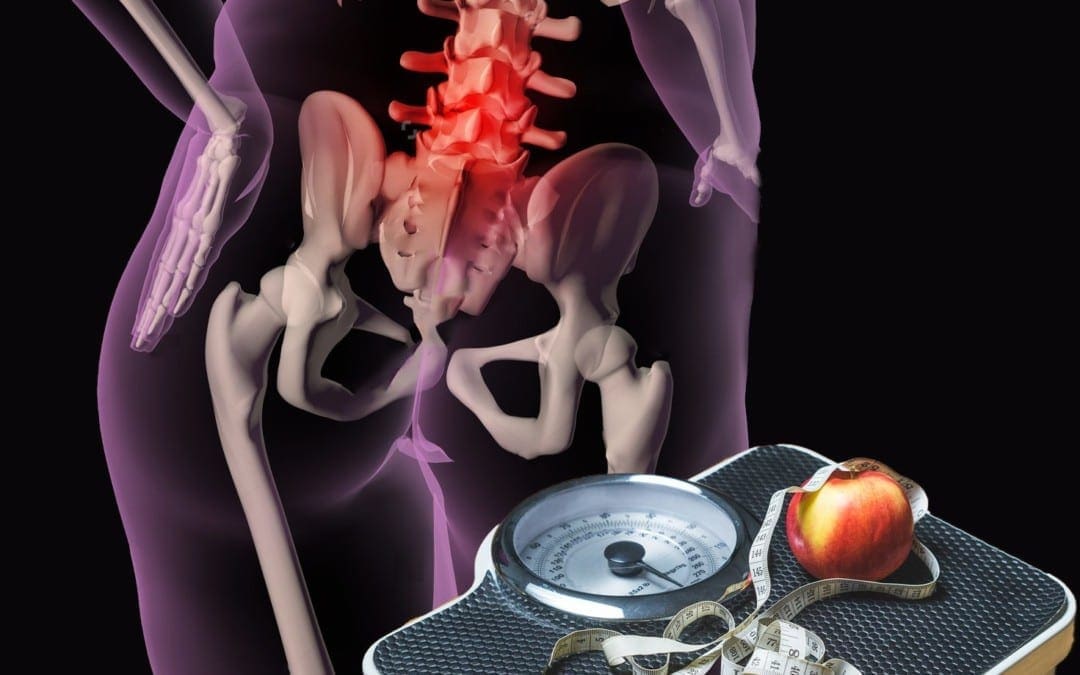
A good attitude about weight loss will go a long way in helping you to achieve success. Whether your weight problem has resulted from eating the wrong foods, lack of routine physical exercise, using food to resist anxiety, age, or genetics �you can help defeat that by setting reasonable goals and expectations that are realistic.
The initial step to take would be to discuss your set for weight loss and general health by means of your physician. Your physician can assist you to make informed choices about treatments that contain weight loss plans and exercise suitable to your needs.

- Therapies include dietary, behavioral, drug, and for some patients, surgical alteration of the digestive system to reduce the quantity of food consumed. A safe and realistic weight reduction plan may result in success.
- Evaluating your body weight is more involved than stepping on the scale. This info is assessed to find out your risks due to extra weight (eg, high blood pressure).
Nutrition Means To Feed Your Body
In the event you haven’t detected, the ‘D’ word (Diet) hasn’t been used in this post as it relates to weight reduction. Granted, caloric reduction will be required by a weight loss program. Yet, for many overweight or obese folks, a weight loss program means exercising, handling anxiety, and making lifestyle changes, which might comprise relearning how to eat.
It’s vitally crucial that you feed your body the nutrients it needs to be healthy and live. No one food contains all the essential nutrients �it takes combining a wide variety of foods to help meet your body’s needs. If you have been heavy or obese for a long time, your body may really be starving for necessary nutrients!
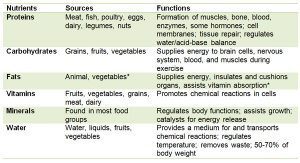
Nutrients Their Food Sources & Activities In The Human Body
*Fats are essential in taking the fat-soluble vitamins A, D, E, and K. There are just three types of fats:
- Saturated Fat will raise blood cholesterol levels. These fats are found mostly in meat and diary products.
- Polyunsaturated Fat tends to lower blood cholesterol levels. It’s mainly found in plant sources such as safflower, sunflower, soybean, corn, and cottonseed.
- Monounsaturated Fat tends to lower the bad cholesterol or LDL (low density cholesterol). Examples include canola oil, olive oil, peanut oil, and avocados.
Although this amount is exceeded by most Americans, dietary ingestion of fat shouldn’t exceed 30% per day.
Remove the skin from poultry, trim visible fat from meat, an easy method to cut back fat consumption is to choose lean cuts of meat, choose water-packed tuna, and pick dairy products made from skim or low-fat milk.

Call Today!

by Dr Alex Jimenez DC, APRN, FNP-BC, CFMP, IFMCP | Chiropractic, Integrative Functional Wellness, Integrative Medicine, Wellness
Seizing on the opioid epidemic as a chance to expand their reach, naturopaths and chiropractors�are aggressively lobbying Congress and state governments to elevate the role of�alternative therapies�in treating chronic pain. They�ve scored several victories in recent months, and hope the Trump administration will give them a further boost.
Their Most Powerful Argument: We Don�t Prescribe Addictive Pain Pills
Shunning pharmaceuticals, they treat pain with everything from acupuncture to massage to castor oil ointments. They offer herbal supplements and homeopathic pills.
There�s little rigorous scientific research to back up such treatments. Yet patients often say they feel relief. And providers say their alternative approaches are vitally needed at a time when more than 30,000 people a year die of opioid overdose in the US alone � and half of those deaths involve a prescription painkiller, according to the Centers for Disease Control and Prevention.
�I am surprised that with the crisis where it is today, more people aren�t picking up on alternative treatments,� said John Falardeau, a senior vice president with the American Chiropractic Association.
Chiropractors scored a big victory recently in Oregon, where the state Medicaid program decided to cover spinal adjustment for lower back pain starting in 2016. Vermont, Virginia, and Nevada are considering similar moves.
Another win came earlier this year, when the American College of Physicians recommended non-surgical interventions such as acupuncture, yoga, and chiropractic care as the go-to treatments for lower back pain.
�The American College of Physicians is our new best friend,� said Robert Hayden, a Georgia chiropractor and spokesperson for the�American Chiropractic Association. Hayden said the the industry considers the decision �a direct result of the fact that we are in an opioid crisis in this country.�
Hoping For Help From The Trump Administration
Hoping to make even more inroads, both naturopaths and chiropractors are lobbying Congress to push the Veterans Affairs health system to hire alternative providers. Chiropractors are also pushing for a role in the National Health Service Corps, which puts providers to work in community health centers, often in rural areas.
And this month, naturopaths will descend on Washington, D.C., for a meeting all about chronic pain. �Naturopathic doctors are poised to be the leaders in combating the opioid epidemic,� the promotional materials claim.
The pain workshops will be followed by a three-day conference to set a lobbying agenda and teach naturopaths organizing techniques.
The American Association of Naturopathic Physicians clearly sees an opening to make gains: The arrival of the Trump administration and a new, Republican-controlled Congress �opens up new opportunities for AANP to push for insurance non-discrimination, to have [naturopaths] included in the VA, and to emphasize that naturopathic care is a much-needed alternative to opioids for the treatment of chronic pain,� the AANP website declares.
Chiropractors, too, are hopeful. President Trump has talked about giving more Americans access to flexible spending accounts�for health care. That, they say, will make it easier for�consumers to pay for treatments that insurance doesn�t cover � like chiropractic care.
�I think they see an opening. Whether it actually works or not is secondary. It�s basically an opening for them to try to claim some legitimacy.�
Dr. David Gorksi, surgical oncologist
Some mainstream doctors � who often range from skeptical to fiercely critical of alternative medicine � are wary. They worry that naturopaths or chiropractors might persuade patients with serious diseases to shun conventional medical care. And they point out that some herbal treatments interact badly with chemotherapy or other pharmaceuticals.
Other skeptics dismiss the push to claim a role in treating pain as a public relations ploy.
�I think they see an opening,� said Dr. David Gorski, a surgical oncologist and an editor of the blog Science-Based Medicine. �Whether it actually works or not is secondary. It�s basically an opening for them to try to claim some legitimacy.�
He finds it particularly galling that alternative providers often mix sound advice on diet and exercise, drawn from mainstream medicine, with fringe therapies that have no evidence behind them, like homeopathy pills. �It becomes hard for the average person to figure out what is and it isn�t quackery,� he said.
But other doctors are cautiously embracing the idea of new ways to treat chronic pain. They say if alternative remedies help � even if only through a placebo effect � patients may be able to avoid addictive pills.
Helping Patients Gain Control Over Their Pain
Emily Telfair, a naturopath in Maryland, said she often sees chronic pain patients who feel frustrated that conventional treatments haven�t worked to treat their pain. Or those patients haven�t been able to tolerate the tough side effects of pain medication. They come to her hoping for relief.
�That�s the place where naturopathic medicine shines. It offers another option for folks who haven�t found help,� Telfair said.
Telfair uses massage therapy, including a specific type of treatment known as craniosacral massage. She also sends patients home with castor oil packs and topical creams to apply to their pain points, all of which she said are noninvasive ways �to invite the body to heal and let go of the chronic symptom.�
�It offers another option for folks who haven�t found help.�
Emily Teflair, naturopath
She said her job isn�t always to cure a patient�s pain � it�s to help patients see that their pain won�t always be unrelenting and oppressive, and to help them gain control.
�Knowing their pain can be different from one day to the next, that is a very powerful tool,� she said. �I know I can�t help everybody with chronic pain. But you [can] change the person�s relationship to their pain.�
That�s been the case for 70-year-old James Fite, who has had both hips replaced and now needs a shoulder replaced. He�s hesitant to have the surgery because of his chronic pain.
�It�s always there. Sometimes it�s just blinding, excruciating,� he said. But he�s found relief with an acupuncturist and naturopathic care from Telfair.
He uses roll-on castor oil, sticks to an anti-inflammatory diet, and also receives massage therapy. Other times, he takes opioids. Fite said he has had 15 providers trying to treat aspects of his pain. He feels his acupuncturist and Telfair are the most �tuned in� to his body�s condition.
�None of these things are cure-alls for a chronic condition like mine,� he said. �But I�ve gotten as much help from them as from anybody.�
With various combinations of treatments, Fite said he�s more able to manage his pain than he has been before. He�s found the energy to teach chess after school twice a week at a nearby library and can spend more time playing with his grandkids.
Other naturopaths said they see their goal as finding and addressing the root cause of a patient�s pain. And they argue they have more time than a medical doctor to do that.
�It�s not as simple as a replacement for an opioid. We treat the cause of the pain. We don�t just mask it with a painkiller,� said Michelle Brannick, a naturopathic provider in Illinois who markets her services specifically to pain patients. Brannick relies on homeopathic arnica and herbal supplements, among other treatments.
A Cautious Approach From Physicians
Taxpayers subsidize roughly $120 million a year in federal grants to research alternative medicine through the National Institutes of Health.
Even after all that research, Dr. Josephine Briggs, the director of the NIH�s National Center for Complementary and Integrative Health, said she is aware there isn�t much robust evidence to support many alternative pain therapies.
�We can�t call this a slam dunk. This is not a situation where we�ve got an easy answer for a tough clinical problem,� she said.
But she pointed out that many alternative remedies are fairly low-risk. And some physicians are opening their minds up to the idea � with caveats.
�As a physician, I would never just say, �You have pain, so we�re going to just put you on pain medicine,�� said Dr. Andrew Esch, a clinician and consultant with the Center to Advance Palliative Care in New York.
Doctors stress that pain can vary wildly from one patient to the next, and treatments won�t be the same for every patient, either. �Sometimes that�s physical therapy and Motrin, sometimes it�s acupuncture and antidepressants,� said Esch.
Dr. Charles von Gunten, a palliative care specialist at OhioHealth, agreed alternative therapies like acupuncture and massage can be part of a doctor�s toolkit.
�They�re not either-or types of approaches,� he explained.
�As a physician, I would never just say, �You have pain, so we�re going to just put you on pain medicine.��
Dr. Andrew Esch, palliative care expert
But doctors also are leery of sending cancer patients or others with serious illnesses to a naturopathic provider who might convince them to go off of chemotherapy or forgo conventional medical care.
�That�s certainly a concern,� said Briggs. There�s also concern that homeopathic remedies like St. John�s wort will interfere with a patient�s prescribed medication and make those drugs less effective. Encouraging pain patients to experiment with alternative treatments might open the door to those risks.
But Esch said he doesn�t see those concerns as a reason for doctors to dismiss naturopathic approaches that their chronic pain patients are interested in trying. Most patients he sees are using some sort of alternative treatment � and many will continue to do so whether doctors like it or not, he said.
�If someone is going to take shark cartilage because they think it will make their pain better, my approach is not to immediately say no,� he said.
Instead, he scours the evidence, the side effects, and the potential drug interactions that might put a patient at risk. If it seems safe for a patient to try, he gives them the green light and checks back regularly to see if it�s helping.
�It�s part of the responsibility of physicians to know what people are taking and not dismiss it, because it�s our job to know they�re going to do it safely,� he said.
One State Weighs The Costs Of Treating Pain
Many dietary supplements � which don�t have to go through a regulatory review for safety or efficacy before hitting the market � are relatively cheap: Shoppers can snag 60 homeopathic arnica tablets off a drugstore shelf for less than $10.
But other alternative therapies can be costly: Craniosacral massage and acupuncture, for instance, can each run over $100 for an hourlong session, and patients may need multiple visits each month.
The Oregon Health Plan, which is the state version of Medicaid, weighed those expenses when deciding whether to cover chiropractic adjustment for lower back pain.
The chiropractic care costs more than would for a short course of opioids � a single vertebrae adjustment can cost around $65. But health officials are hopeful that they�ll save money in the long run by reducing the number of people addicted to opioids.
�We�re trying to offer up some of these treatment options from the beginning, with the goal of trying to reduce the transition from acute pain to chronic pain,� said Denise Taray, who coordinates the Oregon Pain Management Commission.
That commission spearheaded the research into what treatments should be covered and ultimately recommended that state Medicaid cover chiropractic care. They�re now looking at alternative medicine treatments for other pain conditions, such as fibromyalgia.
�We�re all focused on the opioid epidemic and managing prescribing,� said Taray. �The part that still seems to be falling through the cracks is the patient perspective and the treatment and the care of pain.�
Call Today!

by Dr Alex Jimenez DC, APRN, FNP-BC, CFMP, IFMCP | Chiropractic, Chronic Back Pain, Spine Care
Living with chronic back or neck pain can lead to depression, feelings of worry, nervousness, hopelessness, as well as other mental health-associated symptoms. Your pain medicine physician or your back specialist may refer you to a psychologist or psychiatrist. Referring you doesn�t mean your physician believes your pain is all in your mind! Rather, he/she is taking an optimistic step in treating you as a whole individual � by treating both the physical and psychological pain.
Chronic Neck &�Back�Pain Is Complicated
As someone living with chronic pain caused spondylosis, degenerative disc disease, spinal cord injury or some other back problem, you understand pain is a complicated issue, and treatment requires the expertise of a spine�specialist. Perhaps your pain management plan features a blend of treatments � medication for neuropathic pain, a periodic epidural spinal shot, a muscle relaxant, or physical therapy. Treatment of stress, nervousness, and depression (there are various types) needs the same level of expertise but from somebody who focuses on managing mental health problems.
Depression & Chronic Pain
Are you aware that depression and chronic pain often go together? Depression is a critical condition, and nothing to be embarrassed of. It has been reported that as many as 50% of individuals with chronic pain are depressed.1 So, if you are depressed, you’re far from being alone.
The signs and symptoms of depression can manifest themselves differently in each individual, but tiredness, sleep disruption, changes in eating habits, listlessness, and feelings of hopelessness are all quite common. Aches and pains are a very common symptom of depression notably, depression can lead directly to neck and long-term back pain.
Treating Depression & Pain
Two classes of antidepressants often used to treat depression in those that experience chronic pain are selective serotonin reuptake inhibitors (SSRIs) and serotonin and norepinephrine reuptake inhibitors (SNRIs). Generally prescribed SSRIs include and fluoxetine (Prozac) and sertraline (Zoloft), whereas usually prescribed SNRIs include duloxetine (Cymbalta) and venlafaxine (Effexor). These drugs have now been demonstrated to be effective and safe for handling depression in the context of continual pain, but like all medicines, they come with some risk of unwanted effects. As always, be sure to go over these drugs in detail together with your physician before beginning any treatment regimen that includes them, and inform your physician of all of the medicines (including over the counter medicines), herbal remedies, and nutritional supplements you’re currently taking so as to avoid any negative drug interactions.
Moreover, or in addition to medications, other types of treatment may include:
- Talk therapy, more officially called cognitive behavioral therapy (CBT). The focus of CBT is to help the individual manage their situation and may include learning how to problem solve, thus engaging the individual to alter specific thought patterns to your more positive outlook, and conquering�fears.
- Practice relaxation techniques such as meditation or breathing exercises.
- Routine exercise might help curb feelings of worry, stress as well as depression. Exercise causes the entire body to release endorphins, which can cause you to feel much better and may reduce pain perception too.
Call Today!
Reference
1. Tartakovsky M. Living with chronic pain and melancholy. PsychCentral.com. http://psychcentral.com/lib/living-with-chronic-pain-and-depression/. Got July 30, 2015.

by Dr Alex Jimenez DC, APRN, FNP-BC, CFMP, IFMCP | Auto Accident Injuries, Chiropractic, Personal Injury
Whiplash is�a common injury, annually affecting about 2 million individuals within the U.S. Generally due to a car accident, whiplash also can be a consequence of falling, engaging in sports &�being shaken or punched.
Whiplash may be the common term�for�neck damage or stress caused by hyperextension (see image below) and hyperflexion (see image below). It frequently does not cause immediate symptoms: over-time, it might produce actually. Since whiplash could cause long-lasting results to the back, it is vital that you see your physician if you have been injured, even if you don�t have pain.
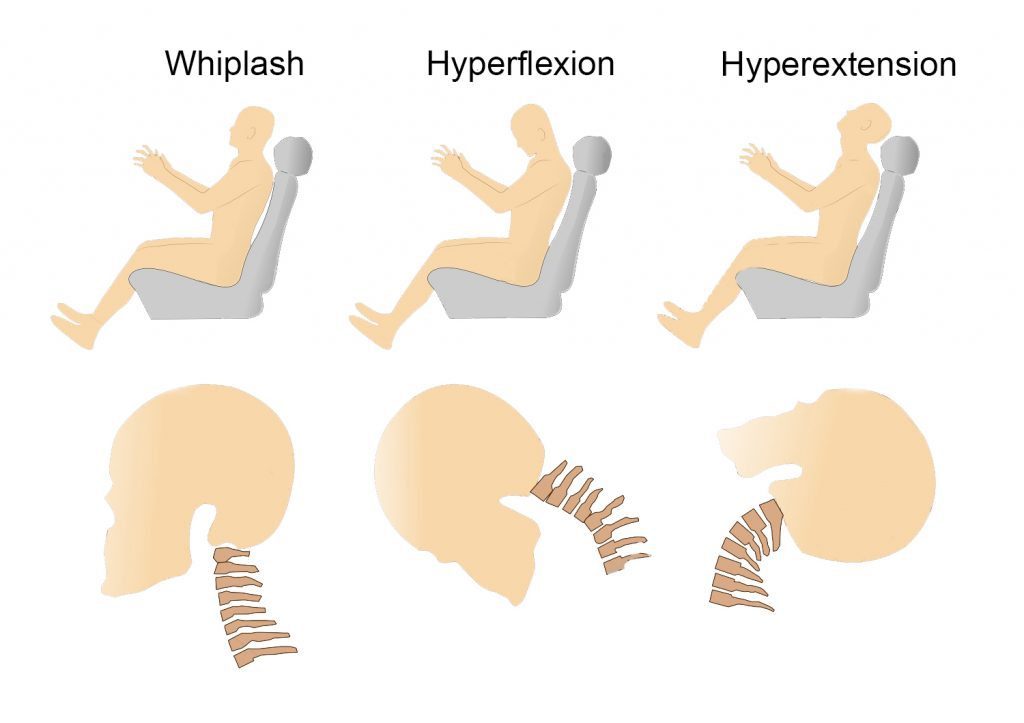
The cervical spine (throat) is really a sophisticated structure consists of vertebrae (spinal bones), intervertebral disks (behave as shock absorbers), muscles, ligaments, and nerves. The throat is is flexible and will move it different guidelines (jerk, swivel) while supporting the total weight of the head. However, that mobility can make the throat at risk of injury. Throughout a whiplash event, your throat goes swiftly and vigorously backward and forward. Pain can continue despite the injury itself has healed.
Whiplash can result in reduced productivity, temporary impairment, and perhaps substantial medical expenses.
Not Just Pain In The Neck
A person with whiplash’s chief criticism is upper back pain or neck pain. Other symptoms may include:
- Pain
- Stiffness
- Pain within the arm and/or shoulder that may expand to the hand(s).
- Paresthesias (including numbness or tingling) and/or weakness that’ll expand into the hand(s).
- Headache
You might possibly experience dizziness, nausea, ringing�in the ears, weakness, jaw pain, and blurred vision.
A Condition With�An Impact

The most frequent cause of whiplash is definitely a car accident in which the person�s vehicle (often stopped) is rear-ended by another car or truck. Because of this, the neck’s bones are forced�into a hyperextended position, while the upper vertebrae are hyperflexed, leading to an unusual S-shaped curve. This cycle typically damages the delicate tissues (structures, tendons, muscles) of the neck.
How Do I Realize I Have Whiplash?
Your doctor works a neurological and physical exam and carefully reviews your medical history. Because x rays don�t show injuries to delicate tissues, a CT (computerized tomography) scan or MRI (magnetic resonance imaging) could be executed.
What Does Treatment Involve?
Treatment is determined by the extent and level of the whiplash, and factor is given to general health and your age. Initial therapy can include:
- Short term rest (a day or two)
- Ice, for first day or two; then alternate ice and temperature
- Gentle�range-of-motion exercises
- Anti-inflammatory drugs (over-the-counter or prescription)
- Muscle relaxants
*When using ice, make certain the cool source is draped in a towel to safeguard your skin area. Don’t apply ice for longer than 15 minutes at a time.
If your pain does not disappear inside a reasonable timeframe, or when it is serious, your doctor may recommend trigger-point injections, physical treatment, chiropractic, massage, acupuncture, and/or use of a transcutaneous electrical nerve stimulation (TENS) device.
Soft�collars, although once trusted for whiplash, are not employed so frequently anymore, since by immobilizing the neck, the muscles can weaken and delay recovery.
Surgery is rarely warranted by whiplash. If your pain persists even after you’ve undergone nonsurgical treatment, your doctor might advise surgery, according to what structures have already been injured and how serious the harm is. It is vital that you understand the risks carried with surgery. Thus, you should have a thorough conversation with your doctor.

Call Today!
Sources
Whiplash. Mayo Clinic. http://www.mayoclinic.org/disorders-situations/whiplash/basics/meaning/con-20033090.
Whiplash. MedicineNet. / whiplash/article.htm Whiplash.
Whiplash Injury. Hopkins Medicine. Http://www.hopkinsmedicine.org/ healthlibrary/problems/adult/spine_shoulder_and_pelvis_disorders/whiplash_injury_85,p01388/.

by Dr Alex Jimenez DC, APRN, FNP-BC, CFMP, IFMCP | Chiropractic, Chronic Back Pain, Spine Care
Pain in the upper and/or mid back is not as common than lower back or neck pain. The upper back is called the thoracic spinal column, and it is the most secure part of the spine. The reach of movement in the upper back is limited because of the backbone�s attachments to the ribs (rib cage).
Upper back pain is generally caused by soft tissue injuries, like sprains or strains, muscle tension caused by bad posture, or looking downward for long time spans (eg, texting, mobile phone use).
- Pain
- Tightness
- Stiffness
- Muscle spasm
- Tenderness to touch
- Headache
What causes or leads to upper back pain?
An episode of upper back pain can be actuated by distinct moves and actions, including:
- Twisting
- Excessive bending
- Whiplash or alternative neck injury
- Lifting improperly
- Poor muscle tone
- Persistent movements, overuse
- Contact sports
- Carrying a load that is heavy
- Smoking
- Being overweight
Poor posture�working at the computer for�a long time without taking a break to walk around and extend, or in general can promote upper back pain. Both muscle fatigue and muscle pull, which often result from poor posture, can trigger the pain.
So what can I do about it?
Usually, upper back pain is not a cause for worry; however, it can be uncomfortable, painful, and inconvenient. Also, if pain develops suddenly and is serious�such as from an injury (eg, fall)�and, certainly if pain and symptoms (eg, weakness) progressively worsen you should seek medical attention.
Generally, the next home treatments can help relieve back pain that is upper.
- Short term rest
- Mild�Stretches
- Over the counter medicine, for example ibuprofen, (Motrin�), naproxen sodium (Aleve�), or acetaminophen (Tylenol�). Take with food, and don’t take more than the recommended dose.
- Use a cold pack that is commercially available or fill a plastic bag with ice and seal it wrap it. Apply to the painful area for 20 minutes every 2-3 hours for the first 2 to 3 days.
- Heat (after the very first 72 hours). After using moist heat, gently stretch the muscles to enhance mobility and alleviate stiffness.
Your physician may prescribe drugs, like a muscle relaxant or perform trigger point injections to greatly help break up muscle spasms. He or she may also recommend physical therapy to increase flexibility, mobility and alleviate pain. Other treatments your doctor may suggest include acupuncture and chiropractic care.
Most cases of upper back pain resolve in 1 to 2 weeks without additional treatment. When you’re able to perform them without pain restart your regular activities slowly. Don�t rush matters, however: you could interfere with your healing and risk reinjury.
As always, abrupt or severe pain ought to be dealt with promptly.
Call Today!
Composed by Stewart G. Eidelson, MD

by Dr Alex Jimenez DC, APRN, FNP-BC, CFMP, IFMCP | Turmeric
Turmeric is quickly becoming an “it” superfood. You’ve probably seen the ingredient�all over�Pinterest and Instagram in the form of�golden-hued lattes, soups, and vegan ice cream. It�was even called a “rising star” by Google Food Trends,�since�searches for turmeric jumped�a whopping�56% between November and January.�And as a nutritionist, I’m thrilled, since this healthy food trend is both delicious and backed by research.
Turmeric, a root in the same family as ginger, has�long been used as an anti-inflammatory compound in Chinese and Indian medicine. Its�active ingredient, a yellow compound called curcumin, has been found to have�antioxidant,�antiviral,�and anticancer�properties in lab and animal studies. And although more clinical trials about the benefits�of curcumin for�humans are needed, it’s�been linked to lower total cholesterol levels�and improved liver function�after�liver disease or damage.
RELATED: 6 Cancer-Fighting Superfoods
I eat turmeric almost every day, and advise my clients do the same�with a few caveats. First, I do not advocate taking turmeric supplements, unless they�ve been prescribed (and will be monitored) by a physician, especially for pregnant women. I also caution my clients against going overboard with turmeric root or powder. Too much has been linked to unwanted side effects, including reflux, low blood sugar, increased bleeding risk, reduced iron absorption, and worsened gallbladder problems.
To reap turmeric’s benefits, here are some simple meal and snack ideas to help you get a healthy amount of the root in your diet.
RELATED: The A-Z Guide to Vitamins
Make Turmeric Paste
Turmeric paste is a mixture of ground turmeric, extra virgin coconut oil, cinnamon, and black pepper. It’s used in golden milk lattes�those orange-yellow drinks you’ve probably seen on Instagram�which are�made by�dissolving the paste�into warm almond or coconut milk along with a little organic honey and fresh grated ginger. And while black pepper may seem like an odd ingredient, it actually helps boost turmeric’s absorption from the digestive system into the bloodstream.
Sip On Turmeric Tea
Add a pinch of ground turmeric to warm water along with lemon to start you day. (Note: I�m serious about a pinch�it�s pungent, so too much can be tough to swallow.) Alternatively, you can purchase turmeric tea bags, which can be steeped alone or with other types of tea, such as green, white, black, or oolong.
RELATED: 11 Things You Should Know Before Trying Kombucha
Whip It Into A Smoothie
For a tasty and unique kick of flavor, add a bit of ground turmeric to your morning smoothie. Or opt for fresh, peeled turmeric root, which you�ll find in the produce section, likely near the ginger. A little nub no bigger than the size of your pinky nail�is all you need.
Make It A Seasoning Staple
I love to keep ground turmeric handy to season nearly anything savory, including scrambled eggs, saut�ed veggies, soups, stir frys, and pulses (especially oven roasted chickpeas). You can also fold a little turmeric into nut butter or hummus, whisk it into homemade vinaigrette, or stir it into oatmeal along with coconut milk, maple syrup, cinnamon, and nuts or sesame seeds. The options are endless! In most dishes, I�ll start with an eighth of a teaspoon and add more to taste, making�sure the turmeric won�t overpower other flavors.
RELATED: Healthy 4-Ingredient Dinners You Can Make in 10 Minutes Or Less
Create A�Unique Dessert
To make homemade vegan turmeric �ice cream,� whip turmeric paste with one cup coconut milk or coconut cream, half of a ripe banana, a few pitted dates, maple syrup, and a little extra fresh ginger. Pour into BPA free pop molds, freeze, and enjoy.
Cynthia Sass�is a nutritionist and registered dietitian with master�s degrees in both nutrition science and public health. Frequently seen on�national TV, she�s Health�s contributing nutrition editor, and privately counsels�clients�in New York, Los Angeles, and long distance. Cynthia is currently the sports nutrition consultant to the New York Yankees, previously consulted for three other professional sports teams, and is board certified as a specialist in sports dietetics. Sass is a three-time New York Times best-selling author, and her newest book is Slim Down Now: Shed Pounds and Inches with Real Food, Real Fast. Connect with her on�Facebook,�Twitter�and�Pinterest.
Call Today!










