Can acupuncture treatment help individuals dealing with or experiencing insomnia and sleep issues and/or disorders?
Acupuncture For Insomnia
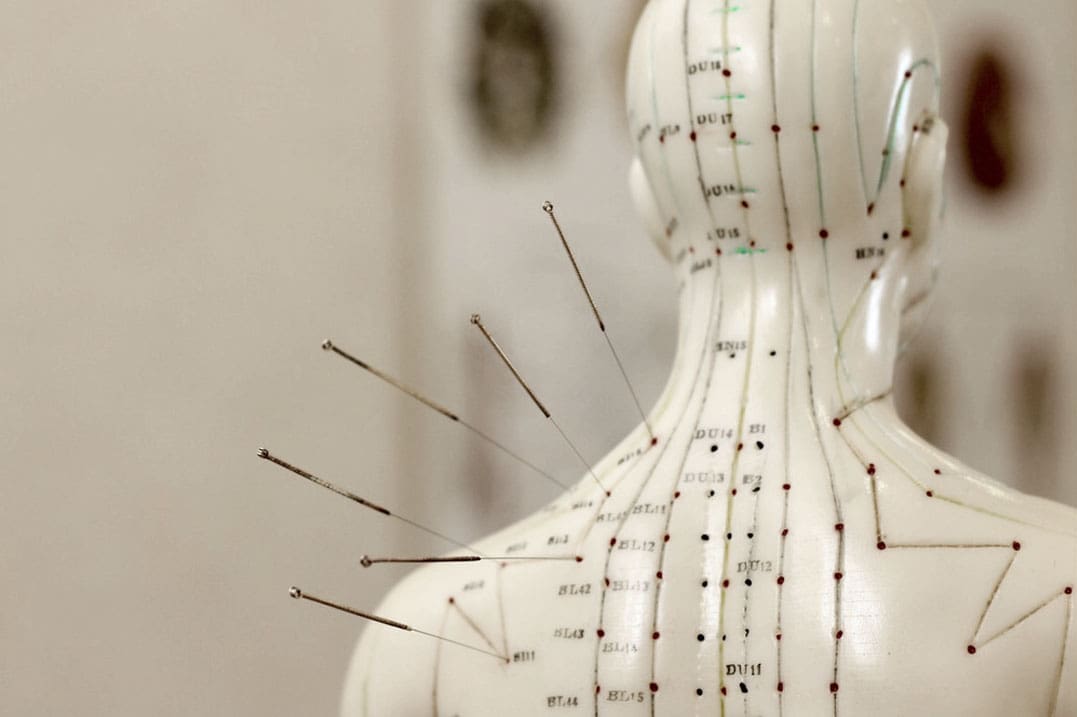
Acupuncture is a type of holistic medicine that involves inserting sterile, disposable, thin needles at specific points known as acupoints on the body. Each needle is inserted into a different area to stimulate symptom relief of various conditions, like chronic pain and nausea. (Johns Hopkins Medicine. 2024) Recent research has looked into acupuncture for insomnia and found that it may be an effective alternative. (Mingming Zhang et al., 2019)
Insomnia
Insomnia causes individuals to have trouble falling or staying asleep. Individuals who have insomnia tend to wake up earlier than they intend to and find it difficult to impossible to get back to sleep once they are awake. The sleep disorder is quite common, with around 10% of individuals experiencing it at some point. (Andrew D. Krystal et al., 2019)
There are three categories, all characterized by the duration of the disorder. They include: (Andrew D. Krystal et al., 2019)
Acute/Short-Term
Lasting less than three months.
Episodic
Happens once in a while for less than three months.
Chronic
Lasting more than three months.
Health Issues
Insomnia can cause various health issues, and individuals can develop mood changes, irritability, fatigue, and problems with memory, impulse control, and concentration. (Andrew D. Krystal et al., 2019)
Insomnia has also been shown to increase the risk of heart failure, heart attack, and other chronic health conditions. (Mingming Zhang et al., 2019)
Benefits
Studies on the use of acupuncture for insomnia have found that it may improve sleep because of its influence on certain neurotransmitters. One review noted that specific neurotransmitters involved in the sleep-wake cycle are positively affected by acupuncture. (Kaicun Zhao 2013) The neurotransmitters include:
Norepinephrine
Helps with waking up and staying alert.
Melatonin
A hormone that helps the body calm down and prepare for sleep.
Gamma-aminobutyric acid – GABA
Helps the body fall asleep and stay asleep.
However, more research is needed to confirm the benefits of acupuncture for insomnia further.
Conditions
Certain conditions can contribute to insomnia, including:
Mood disorders
Chronic pain
Other sleep disorders
Acupuncture can help lower the effects of these disorders.
Pain
Because of the way acupuncture affects certain chemicals, it is a proven complementary treatment for pain.
The needles enhance chemicals like endorphins, dynorphins, and encephalins.
Acupuncture also releases corticosteroids, which are stress hormones.
Each of these chemicals has a role in pain symptoms.
Studies have found that individuals with anxiety can also benefit from acupuncture to help reduce symptoms. (Meixuan Li et al., 2019)
Sleep Apnea
Sleep apnea is a sleep-breathing disorder that causes an individual to stop breathing during the night temporarily.
The muscles in the nasal cavity, nose, mouth, or throat become overly relaxed.
Acupuncture can help stimulate the muscles and prevent over-relaxation, preventing apneas.
Data suggests that acupuncture may affect the apnea-hypopnea index, the number of times an individual stops and starts breathing during sleep. (Liaoyao Wang et al., 2020)
Session
Individuals should not feel pain and just a small amount of pressure in the needles’ insertion area.
If pain is present, it could be because the needles are not inserted in the right spot.
Bleeding or bruising where the needle was inserted.
Nausea
Fainting
Pins and needles sensation
Feeling more pain treatment
Prior to getting acupuncture, individuals are recommended to speak to their healthcare provider. They can advise on how it can help and any side effects that may occur due to the individual’s health, underlying conditions, and medical history. Once cleared, they can recommend a licensed acupuncturist.
Zhang, M., Zhao, J., Li, X., Chen, X., Xie, J., Meng, L., & Gao, X. (2019). Effectiveness and safety of acupuncture for insomnia: Protocol for a systematic review. Medicine, 98(45), e17842. https://doi.org/10.1097/MD.0000000000017842
Krystal, A. D., Prather, A. A., & Ashbrook, L. H. (2019). The assessment and management of insomnia: an update. World psychiatry: official journal of the World Psychiatric Association (WPA), 18(3), 337–352. https://doi.org/10.1002/wps.20674
Zhao K. (2013). Acupuncture for the treatment of insomnia. International review of neurobiology, 111, 217–234. https://doi.org/10.1016/B978-0-12-411545-3.00011-0
Patil, S., Sen, S., Bral, M., Reddy, S., Bradley, K. K., Cornett, E. M., Fox, C. J., & Kaye, A. D. (2016). The Role of Acupuncture in Pain Management. Current pain and headache reports, 20(4), 22. https://doi.org/10.1007/s11916-016-0552-1
Li, M., Xing, X., Yao, L., Li, X., He, W., Wang, M., Li, H., Wang, X., Xun, Y., Yan, P., Lu, Z., Zhou, B., Yang, X., & Yang, K. (2019). Acupuncture for treatment of anxiety, an overview of systematic reviews. Complementary therapies in medicine, 43, 247–252. https://doi.org/10.1016/j.ctim.2019.02.013
Wang, L., Xu, J., Zhan, Y., & Pei, J. (2020). Acupuncture for Obstructive Sleep Apnea (OSA) in Adults: A Systematic Review and Meta-Analysis. BioMed research international, 2020, 6972327. https://doi.org/10.1155/2020/6972327
Chan, M. W. C., Wu, X. Y., Wu, J. C. Y., Wong, S. Y. S., & Chung, V. C. H. (2017). Safety of Acupuncture: Overview of Systematic Reviews. Scientific reports, 7(1), 3369. https://doi.org/10.1038/s41598-017-03272-0
Ernst, G., Strzyz, H., & Hagmeister, H. (2003). Incidence of adverse effects during acupuncture therapy-a multicentre survey. Complementary therapies in medicine, 11(2), 93–97. https://doi.org/10.1016/s0965-2299(03)00004-9
For individuals dealing with pain, inflammatory conditions, and stress issues, could adding acupuncture to a treatment plan help bring relief and healing?
Acupuncture Treatment
Acupuncture treatment is a traditional Chinese medicine based on circulating the body’s life energy, or qi, with the idea that a blockage or disturbance in the energy flow can cause health issues. Acupuncturists insert thin needles into specific points throughout the body to rebalance the body’s energy, stimulate healing, and promote relaxation. (Johns Hopkins Medicine. 2023) Researchers are not exactly sure how the treatment works; however, theories suggest that it can help release endorphins, as well as influence the autonomic nervous system.
How Does It Work?
Researchers have not been able to understand how acupuncture works fully, but some theories include:
The needles stimulate the release of endorphins – the body’s natural pain-relieving chemicals.
They can influence the autonomic nervous system, and specific needle placement impacts breathing, blood pressure, and heart rate. (Tony Y. Chon, Mark C. Lee. 2013)
The health benefits can vary depending on the individual. It may take several sessions before benefits are noticed. (Tony Y. Chon, Mark C. Lee. 2013) Research is still limited; however, there are some studies that found acupuncture to be helpful for certain conditions.
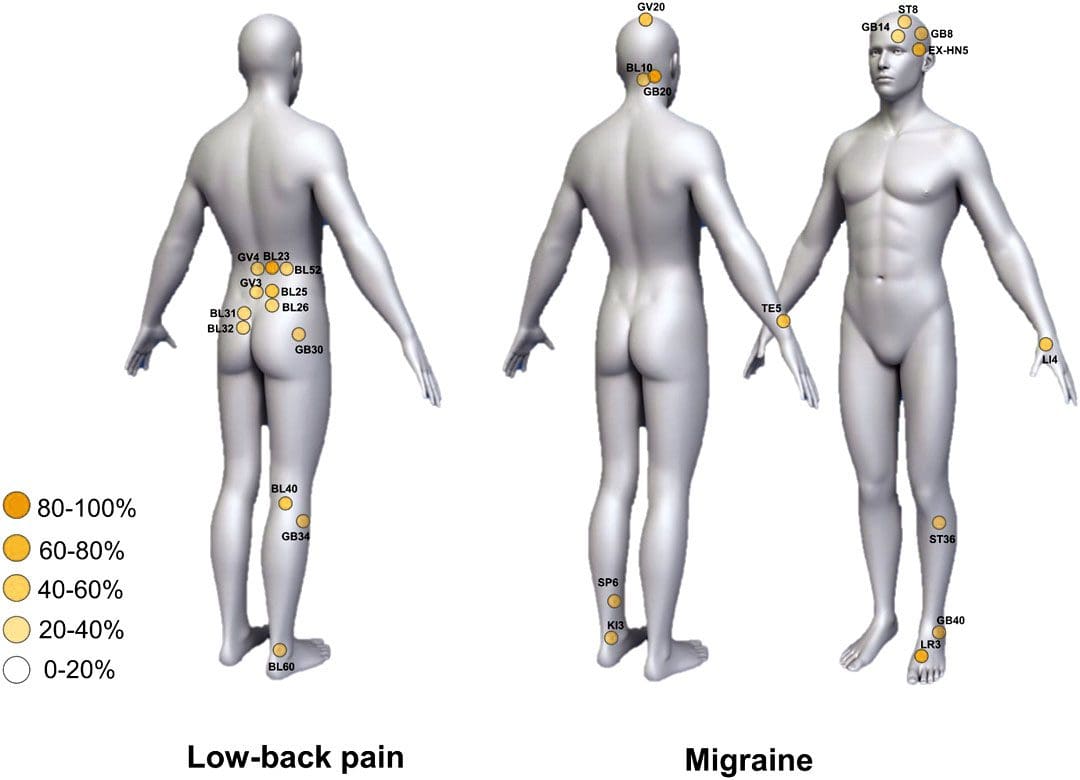
Low Back Pain
A study on non-pharmacological options for lower back pain showed that acupuncture treatment relieved intense pain and promoted better back functioning.
However, in terms of long-term benefits, it was not clear how helpful the treatment was. (Roger Chou, et al., 2017)
Migraines
Research done over a six-month period showed that:
Acupuncture was able to reduce the frequency of migraine symptoms by half in 41% of individuals compared to those not receiving acupuncture.
Treatment was noted as being helpful as preventative migraine medications. (Klaus Linde, et al., 2016)
Tension Headaches
According to research, having at least six acupuncture sessions may be helpful for individuals with frequent head pain or pressure/tension headaches.
This study also noted that acupuncture, combined with pain medication, significantly reduced headache frequency compared to those only given medication. (Klaus Linde, et al., 2016)
Knee Pain
Multiple studies found that acupuncture treatment may be able to improve knee function short and long-term in individuals who have knee osteoarthritis.
This condition causes the connective tissue in the knee to break down.
The study also found that treatment was able to help with osteoarthritis and decrease knee pain but was only helpful for the short term. (Xianfeng Lin, et al., 2016)
Another review looked at multiple studies that found that treatment delayed and reduced the use of pain medication in individuals who had knee replacement surgery. (Dario Tedesco, et al., 2017)
Facial Elasticity
Cosmetic or facial acupuncture is used to improve the appearance of the skin on the head, face, and neck.
In a study, individuals had five acupuncture sessions in three weeks, and a little over half of the participants showed skin elasticity improvement. (Younghee Yun et al., 2013)
The Process
Before getting acupuncture treatment, the acupuncturist will ask the individual about their medical history and may perform a physical examination.
Thin needles are placed in specific areas to address your concern or condition.
The acupuncturist may gently twist the needles to emphasize stimulation.
The needles are left in for 20 to 30 minutes, with the total session lasting anywhere from 30 minutes to an hour. (Tony Y. Chon, Mark C. Lee. 2013)
This is the burning of dried herbs near the acupuncture needles to warm and stimulate the points and enhance healing.
Electroacupuncture
An electrical device is connected to the needles, providing a gentle electrical current that stimulates the muscles.
Cupping
Glass or silicone cups are placed on the area, creating a vacuum/suction effect, which helps stimulate blood circulation and rebalance the energy. (Johns Hopkins Medicine. 2023)
After the treatment, some individuals may feel relaxed, while others may feel energized.
Is It Painful?
Individuals may feel a slight ache, sting, or pinch as the needle is inserted. Some acupuncturists adjust the needle after it has been inserted, which can cause additional pressure.
Once the needle is properly placed, individuals may feel a tingling or heavy feeling, referred to as de qi. (National Institutes of Health. (N.D.)
Let the acupuncturist know if there is discomfort or increased pain at any point during the session.
In order to reduce the risks, the treatment should always be done by a licensed trained healthcare provider using clean, disposable needles. It is recommended to consult with a primary care physician before getting acupuncture, as the treatment may not be right for individuals with certain health conditions.
Chon, T. Y., & Lee, M. C. (2013). Acupuncture. Mayo Clinic proceedings, 88(10), 1141–1146. https://doi.org/10.1016/j.mayocp.2013.06.009
Yun, Y., Kim, S., Kim, M., Kim, K., Park, J. S., & Choi, I. (2013). Effect of facial cosmetic acupuncture on facial elasticity: an open-label, single-arm pilot study. Evidence-based complementary and alternative medicine : eCAM, 2013, 424313. https://doi.org/10.1155/2013/424313
Chou, R., Deyo, R., Friedly, J., Skelly, A., Hashimoto, R., Weimer, M., Fu, R., Dana, T., Kraegel, P., Griffin, J., Grusing, S., & Brodt, E. D. (2017). Nonpharmacologic Therapies for Low Back Pain: A Systematic Review for an American College of Physicians Clinical Practice Guideline. Annals of internal medicine, 166(7), 493–505. https://doi.org/10.7326/M16-2459
Linde, K., Allais, G., Brinkhaus, B., Fei, Y., Mehring, M., Vertosick, E. A., Vickers, A., & White, A. R. (2016). Acupuncture for the prevention of episodic migraine. The Cochrane database of systematic reviews, 2016(6), CD001218. https://doi.org/10.1002/14651858.CD001218.pub3
Linde, K., Allais, G., Brinkhaus, B., Fei, Y., Mehring, M., Shin, B. C., Vickers, A., & White, A. R. (2016). Acupuncture for the prevention of tension-type headache. The Cochrane database of systematic reviews, 4(4), CD007587. https://doi.org/10.1002/14651858.CD007587.pub2
Lin, X., Huang, K., Zhu, G., Huang, Z., Qin, A., & Fan, S. (2016). The Effects of Acupuncture on Chronic Knee Pain Due to Osteoarthritis: A Meta-Analysis. The Journal of bone and joint surgery. American volume, 98(18), 1578–1585. https://doi.org/10.2106/JBJS.15.00620
Tedesco, D., Gori, D., Desai, K. R., Asch, S., Carroll, I. R., Curtin, C., McDonald, K. M., Fantini, M. P., & Hernandez-Boussard, T. (2017). Drug-Free Interventions to Reduce Pain or Opioid Consumption After Total Knee Arthroplasty: A Systematic Review and Meta-analysis. JAMA surgery, 152(10), e172872. https://doi.org/10.1001/jamasurg.2017.2872
Chan, M. W. C., Wu, X. Y., Wu, J. C. Y., Wong, S. Y. S., & Chung, V. C. H. (2017). Safety of Acupuncture: Overview of Systematic Reviews. Scientific reports, 7(1), 3369. https://doi.org/10.1038/s41598-017-03272-0
Individuals spend around one-third of their life sleeping or resting. Every person has their own preferred sleeping position. However, not all sleep positions are comfortable and supportive to the body, especially the spine. Individuals that sleep on their side or stomach that experience back pain might want to consider switching to sleeping on their back. Changing preferred sleeping positions can seem impossible, however, learning to sleep on your back is possible with a little training and adjustment period.
Learning To Sleep On Your Back
After side sleeping, back sleeping is the second most common position. Individuals that are stomach or side sleepers that suffer from:
Learning to sleep on your back is recommended because its health benefits can potentially solve all these problems and more.
Adapting this sleeping position can help maintain proper spinal alignment.
Relieves waking up with tension headaches.
Relieve sinus problems.
Individuals that are not natural back sleepers understand how difficult it is to force oneself to adapt to a new sleeping position. There are ways to condition the mind and body to fall and stay asleep on your back, resulting in healthy rest. These include:
A Pillow Under The Knees
It may help to place a supportive pillow under the knees.
The knees should be slightly bent and feel comfortable.
Check to make sure that the neck and spine feel comfortable and are in alignment.
Make adjustments as needed.
A Pillow Under The Low Back
In the beginning, switching to back sleeping can increase discomfort in the low back.
Placing a pillow under the lower back can help.
Using too large or thick a pillow could create added discomfort.
Try a few different pillows to find what works best and feels right.
Pillow Surround
Individuals that are active sleepers and tend to roll onto their side or stomach soon after falling asleep, can place pillows around the midsection and hips.
A small barrier of pillows around the body can assist in learning to sleep on your back.
The pillows help prevent the body from rolling.
It’s recommended to place pillows closely against either side of the body.
Using the pillows as an enclosure will force the body to remain in a neutral position throughout the night.
Sleeping On The Right Pillow
Individuals will want to make sure they are using the right sleeping pillow.
In addition to supporting the spine’s alignment, a quality pillow will also support the neck.
The recommended pillow for back sleeping should cradle the head and ensure it stays elevated.
A pillow that is too flat or too thick can cause the head to become unlevel with the body leading to:
Neck and upper body pain
Restricted airflow, which may cause you to snore or suffer from sleep apnea.
Digestive issues like acid reflux and heartburn.
Consider a pillow that’s made out of some type of memory foam to assist with learning to sleep on your back.
The thickness and hugging sensation can help to stay on the back and prevent inadvertently flipping over.
Sleeping On The Right Mattress
A positive back sleeping experience begins with the right mattress. There are so many mattress types to choose from. It is recommended to consider the materials, the firmness level, and the size. For comfortably sleeping on your back, the firmness level is essential.
Consider the positioning of your spine.
The objective is to keep the spine as straight as possible, which is achieved with the proper firmness.
A mattress that is too firm will create unwanted pressure and tension on the shoulders and the pelvic region.
A mattress that is too soft will cause the hips to sink, throwing spinal alignment off and causing back pain symptoms.
A medium-firm mattress is recommended.
Memory foam is a great option for learning to sleep on your back.
Memory foam cradles the natural curve of the body, and hugs the body during sleep, which helps avoid accidentally rolling onto your side or stomach.
Memory foam mattresses with integrated gel can provide cooling and ventilation to keep the body refreshed throughout the night.
A medium-firm memory foam mattress will make sure the body stays straight, with the proper cushioning around the pelvis and hips.
Training To Sleep On Your Back
References
Anderson, Ngaire H et al. “Association of Supine Going-to-Sleep Position in Late Pregnancy With Reduced Birth Weight: A Secondary Analysis of an Individual Participant Data Meta-analysis.” JAMA network open vol. 2,10 e1912614. 2 Oct. 2019, doi:10.1001/jamanetworkopen.2019.12614
Desouzart, Gustavo, et al. “Effects of sleeping position on back pain in physically active seniors: A controlled pilot study.” Work (Reading, Mass.) vol. 53,2 (2015): 235-40. doi:10.3233/WOR-152243
Khan, Bashir Ahmad, et al. “Effect of bed head elevation during sleep in symptomatic patients of nocturnal gastroesophageal reflux.” Journal of Gastroenterology and Hepatology vol. 27,6 (2012): 1078-82. doi:10.1111/j.1440-1746.2011.06968.x
Portale, G et al. “When are reflux episodes symptomatic?.” Diseases of the esophagus: official journal of the International Society for Diseases of the Esophagus vol. 20,1 (2007): 47-52. doi:10.1111/j.1442-2050.2007.00650.x
Skarpsno, Eivind Schjelderup, et al. “Sleep positions and nocturnal body movements based on free-living accelerometer recordings: association with demographics, lifestyle, and insomnia symptoms.” Nature and Science of Sleep vol. 9 267-275. 1 Nov. 2017, doi:10.2147/NSS.S145777
Surdea-Blaga, Teodora, et al. “Food and Gastroesophageal Reflux Disease.” Current medicinal chemistry vol. 26,19 (2019): 3497-3511. doi:10.2174/0929867324666170515123807
Maintaining a healthy and well-balanced nutritional plan is recommended for overall health. When the body is nourished healthily, it will perform optimally. Stress is part of daily life, and certain foods can enhance the body’s ability to handle stress, help target physical and emotional states, and protect the brain. The Injury Medical Chiropractic and Functional Medicine Clinic Team can provide therapeutic massage to increase circulation, and relax the mind and body, adjustments to restore any misalignments, and nutritional support and health coaching for total wellness.
Foods For Stress
Anxiety is a widespread condition affecting millions of individuals. Trying to lower stress levels includes self-care, sleep management, physical activity, and incorporating foods to reduce cortisol levels, the primary hormone responsible for stress.
Cortisol
Cortisol has a variety of functions that include:
Manages how the body uses carbohydrates, fats, and proteins.
Sleep cycle regulation.
Blood pressure regulation.
Increases blood sugar.
Decreases inflammation.
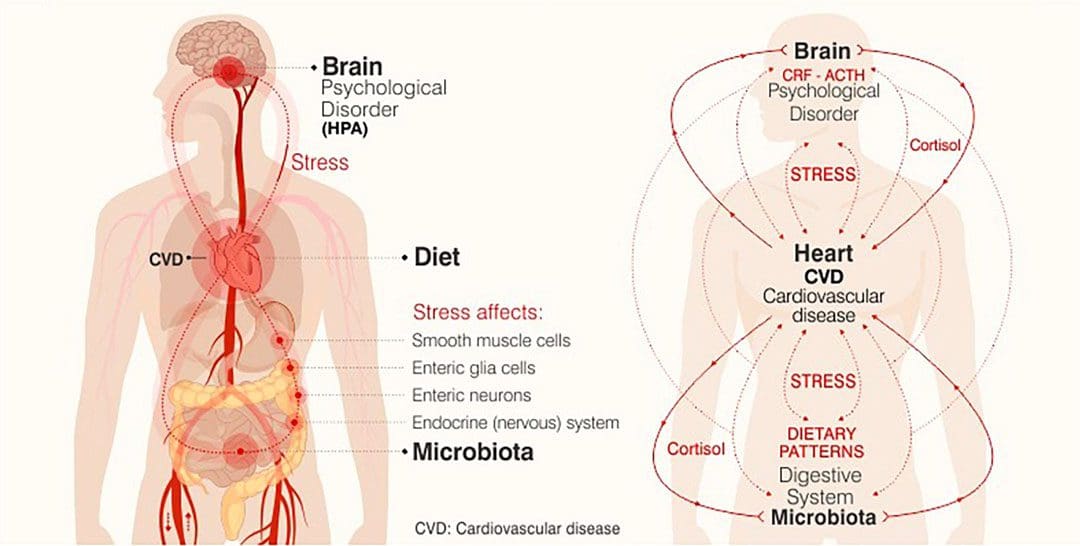
Cortisol is sometimes known as the stress hormone because the adrenal gland releases it when experiencing stress or when the body is under physical stress/inflammation. It is the key to managing the fight-or-flight instinct and is healthy for a short period as a protective mechanism providing the energy needed to respond to short-term stress. However, the long-term release of cortisol generates tension in the body, leading to chronic inflammation and raised blood pressure. Learning how to manage stress is necessary for lowering cortisol levels.
Symptoms
Symptoms vary and are different for everybody.
Physical
Exhaustion.
Sleep problems.
Headaches.
Muscle tension.
Jaw clenching.
Aches and pains.
Chronic illness from a weakened immune system.
Stomach or digestive problems.
High blood pressure.
Chest pain or a feeling like the heart is racing.
Dizziness.
Shaking.
Emotional and mental
Irritability and or anxiousness.
Sadness.
Depression.
Panic attacks.
Foods
The objective is to reduce inflammation, thus reducing cortisol levels. Recommended foods for stress include foods high in magnesium, vitamin B, Omega-3 fatty acids, protein, and foods that benefit the gut. Here are a few.
Magnesium
Magnesium is highly beneficial in reducing inflammation, metabolizing cortisol, and relaxing the mind and body.
Dark chocolate.
Bananas.
Broccoli.
Spinach.
Avocados.
Pumpkin seeds.
Vitamin B
Vitamin B12 can help with the metabolism of cortisol.
The key to lowering stress is a whole-body approach that includes exercise, proper sleep, and managing chronic diseases like diabetes, hypertension, and obesity, all of which can put the body in a prolonged state of inflammation. Incorporating these foods into a nutritional plan can help relieve stress naturally.
Impact of Stress
References
Aucoin, Monique, and Sukriti Bhardwaj. “Generalized Anxiety Disorder and Hypoglycemia Symptoms Improved with Diet Modification.” Case reports in psychiatry vol. 2016 (2016): 7165425. doi:10.1155/2016/7165425
Errisuriz, Vanessa L et al. “Perceived stress and dietary choices: The moderating role of stress management.” Eating behaviors vol. 22 (2016): 211-216. doi:10.1016/j.eatbeh.2016.06.008
Norwitz, Nicholas G, and Uma Naidoo. “Nutrition as Metabolic Treatment for Anxiety.” Frontiers in psychiatry vol. 12 598119. 12 Feb. 2021, doi:10.3389/fpsyt.2021.598119
Serafini, Mauro, and Ilaria Peluso. “Functional Foods for Health: The Interrelated Antioxidant and Anti-Inflammatory Role of Fruits, Vegetables, Herbs, Spices and Cocoa in Humans.” Current pharmaceutical design vol. 22,44 (2016): 6701-6715. doi:10.2174/1381612823666161123094235
Zellner, Debra A et al. “Food selection changes under stress.” Physiology & behavior vol. 87,4 (2006): 789-93. doi:10.1016/j.physbeh.2006.01.014
Stress and anxiety treatments can include a range of therapies, including talking therapy, meditation techniques, and medication. Chiropractic care, adjustments, and massage are also used as a treatment plan to de-stress. Whether diagnosed with an anxiety disorder or experiencing intense stress, chiropractic functional medicine can address the physical symptoms to rebalance the mind and body.
De-Stress
Physical and mental health are connected. Stress and anxiety can cause tension, fatigue, headaches, and aches and pains. It can make sleeping and/or relaxing difficult, affecting mental and physical health. Signs of stress include:
Blood sugar level changes
Every day or almost every day, tension headaches
Teeth grinding
Backaches
Muscle tension
Digestive problems
Skin irritation
Hair loss
Heart issues
The spine is the conduit for the sympathetic and parasympathetic nervous systems.
The sympathetic nervous system activates when the brain thinks sudden action or important stressful decisions needs to be taken.
The fight or flight response speeds up the heart rate and releases adrenaline.
The parasympathetic system deactivates the fight or flight response, calming the body into a more relaxed state.
Problems arise when the sympathetic nervous system gets activated repeatedly, causing the fight or flight system to remain semi-active. This can come from long commutes, traffic jams, loud music, deadlines, sports practice, rehearsals, etc. The parasympathetic nervous system never gets a chance to activate and settle the mind and body. The result is constantly feeling stressed and agitated.
Chiropractic Care
Chiropractic care to de-stress decreases stress hormones and releases feel-good hormones like oxytocin, dopamine, and serotonin, which allow healing and help the body relax. Chiropractic adjustments let the brain know it’s time to activate the parasympathetic nervous system and ease down. Chiropractic helps by:
Relieving Muscle Tension
When the body is under stress, the muscles tense up, causing discomfort, aches, and pains.
The continued stress can lead to health issues, panic attacks, anxiety disorders, and depression.
Chiropractic relieves tension restoring the body to its natural balance.
Chiropractic can help effectively restore bodily functions.
Adjustments and massage rebalance blood circulation and energy flow, allowing clear nervous system transmission.
Lowering Blood Pressure
Chiropractic care has shown positive results in lowering blood pressure.
Improving Quality Sleep
Chiropractic care improves sleep patterns by correcting spinal misalignments.
Increasing Relaxation
Chiropractic adjustments can release and relax muscle activity, allowing the body to relax and de-stress completely.
Health Voice
References
Jamison, J R. “Stress management: an exploratory study of chiropractic patients.” Journal of manipulative and physiological therapeutics vol. 23,1 (2000): 32-6. doi:10.1016/s0161-4754(00)90111-8
Kültür, Turgut, et al. “Evaluation of the effect of chiropractic manipulative treatment on oxidative stress in sacroiliac joint dysfunction.” Turkish journal of physical medicine and rehabilitation vol. 66,2 176-183. 18 May. 2020, doi:10.5606/tftrd.2020.3301
Mariotti, Agnese. “The effects of chronic stress on health: new insights into the molecular mechanisms of brain-body communication.” Future science OA vol. 1,3 FSO23. 1 Nov. 2015, doi:10.4155/fso.15.21
Stefanaki, Charikleia, et al. “Chronic stress, and body composition disorders: implications for health and disease.” Hormones (Athens, Greece) vol. 17,1 (2018): 33-43. doi:10.1007/s42000-018-0023-7
Yaribeygi, Habib et al. “The impact of stress on body function: A review.” EXCLI journal vol. 16 1057-1072. 21 Jul. 2017, doi:10.17179/excli2017-480
Yoga has gained popularity because of its ability to reduce back pain, relax tight muscles, relieve stress and exercise in a safe calm environment. Developed thousands of years ago, the practice of breathing, posing and stretching offers a variety of important health benefits. As a chiropractor, I�m often asked about the practice of yoga. Those with back pain or have undergone spine surgery want to know if yoga can help them improve their physical and psychological health.
Reduced stress
Improved blood pressure
Increased flexibility
Increased stamina
Greater balance
Improved breathing techniques
In addition to the normal exercise benefits yoga offers, the practice serves as therapy for a variety of injuries and health conditions. Yoga embodies the physical, emotional, and spiritual wellness, and touches upon other forms of traditional exercise. The concept that yoga heals the body in its entirety mirrors chiropractic care. These foundations offer enormous benefits to those dealing with a variety of injuries and conditions. By incorporating yoga, individuals are able to reap amazing rewards.
A regular exercise plan needs to include a little cardio as there are huge benefits from pumping the heart rate up. Minimal loading exercises, like biking, and swimming are great. Pain can be managed by participating in cardiovascular exercises, however, yoga�s gentleness can complement the healing process.
Here are a few reasons:
Prepares the body for healing
Practicing yoga stretches and elongates the body’s muscles, releasing tension and stress. It can serve to warm up the body and clear the mind, so a chiropractor can get to the root problem. Yoga complements chiropractic treatment by preparing the body to heal itself.
Strengthens joints and ligaments
Dealing with a health condition or injury is frustrating and can seem like it takes forever to heal. Implementing yoga into a recovery plan helps strengthen joints and ligaments, which aids in promoting healing and cutting down the time it takes to get better. Yoga works on the body as a whole and promotes greater well-being from head to toe. A stronger body offers more productivity than one that is stiff, sore, and unhealthy.
Increases range of motion
Depending on the individual’s specific condition, individuals may need a few visits to prepare their bodies before the main issue can be addressed. Yoga sessions increase a body’s flexibility and help with the range of motion in the neck, back, hips, and other joints.
Prevents injury/s
Yoga provides a continual way for individuals dealing with chronic conditions to manage and reduce pain, inflammation, and other symptoms. Yoga combined with chiropractic keeps the body aligned, balanced, muscles stretched, de-stressed, and the joints working properly.
Both also serve to keep posture correct, and ligaments strong. All of this creates a body that is less susceptible to future injury, illness, and stress. Individuals enjoy increased mobility for a lot longer without changing lifestyle.
The Best Way to Start
There are many different types of yoga. Most sessions usually last an hour and include breathing exercises, meditation and holding poses/postures that stretch and tone muscle groups.
To help visualize how yoga can help the spine, here’s an analogy:
Think of the spine like a cookie ice cream sandwich with the ice cream in-between and a gummy band wrapped around. The cookies represent the vertebrae, the ice cream is the disc cushion in between and the gummy band represents the ligament and muscles surrounding the area.
The tighter the gummy band is, the more it compresses the cookies and applies pressure to the ice cream.When stretching the gummy band, it loosens the pressure on the cookies and reduces the load/compression of the ice cream.
Exercise is crucial for recovery and rehabilitation. Yoga is a gentle way to get you back on your feet. It promotes circulation, relaxation, strength, and flexibility. Pure plane movements meaning moving forward then backward in basic movements are essential until the body becomes more flexible. Move carefully forward, sideways and cautiously backward.
At the beginning no movements combining bending and twisting.
The muscles need to adapt and become comfortable with these movements at first. Therefore, hold poses for at least 30 seconds without bouncing minimizing potential injury.
Certified instructor
Ask your doctor or chiropractor if they can recommend a certified yoga instructor; preferably with 500 hours of instruction. Search for small class sizes and a teacher that closely monitors movements and poses closely. It is important that the instructor be aware and make gentle adjustments or offer modifications to participants as needed.
Restorative Flow
Start off with a type known as Restorative Flow. It restores the flow from one part of the body to another with slow controlled movements/poses that emphasize stretching and correct breathing.
Listen to Your Body
When healing from injury/s, take it slow. Listen to your body and let it guide your movements so that it feels safe and comfortable. Do not push beyond. For most, a beginner or restorative Yoga class is best. Ask about modifying the poses so that the bending and twisting combinations/advanced postures are taken out so as not to overload the joints.
If you are on a budget consider purchasing an instructional DVD. DVD’s offer program variations of 20 to 60 minutes and are highly educational and easy to follow. Stretching pain/soreness is okay, but sharp pain is not.
Yoga could be an answer to many of the body’s issues, whether dealing with current conditions or just want to stay healthy in a new way check out the basics of yoga. Chiropractic coupled with yoga offers great benefits to those dealing with medical conditions or injury. Ask your chiropractor for an evaluation, and if adding yoga to your health program will help.
IFM's Find A Practitioner tool is the largest referral network in Functional Medicine, created to help patients locate Functional Medicine practitioners anywhere in the world. IFM Certified Practitioners are listed first in the search results, given their extensive education in Functional Medicine