Could older individuals who do not have symptoms of shoulder pain or loss of shoulder and arm function have a rotator cuff tear?
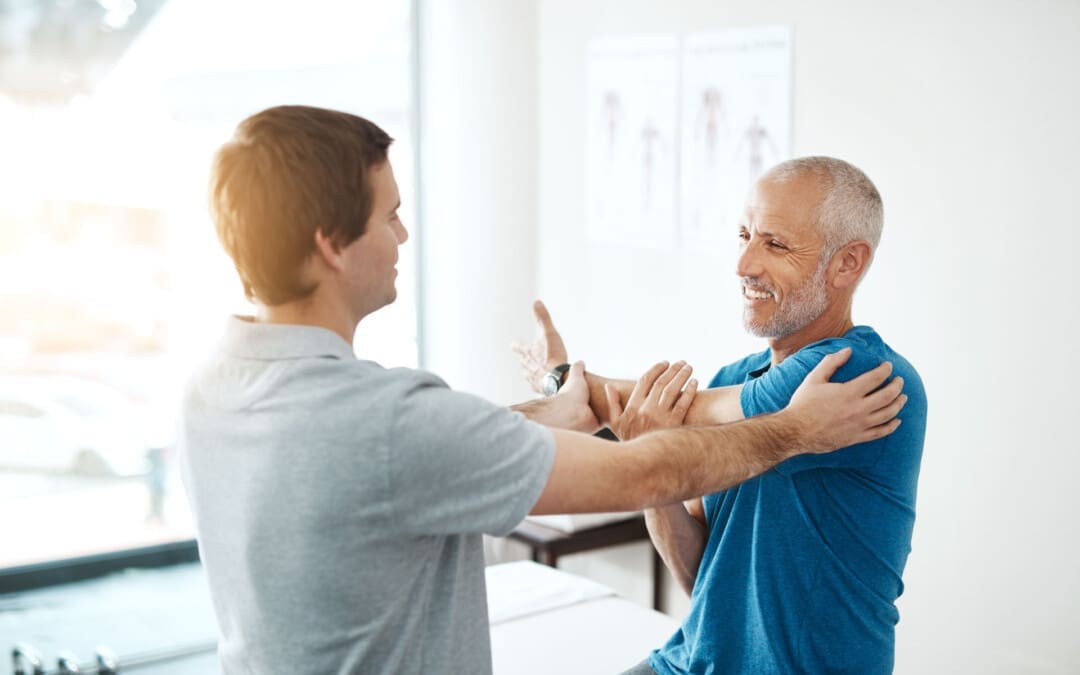
Rotator Cuff Tear Physical Therapy
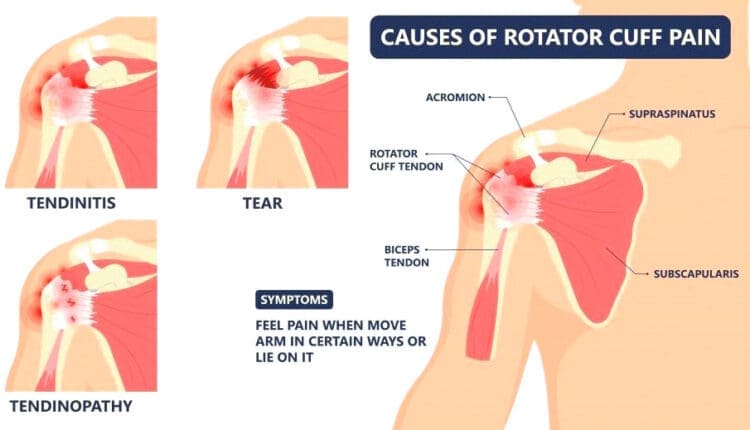
A rotator cuff tear is a common injury to the four muscles and tendons surrounding and stabilizing the shoulder joint. Studies have shown that (Geary M. B., & Elfar J. C. 2015)
30% of those under the age of 70
70% of those over age 80 have a rotator cuff tear.
Physical therapy is often recommended as a first-line initial treatment for rotator cuff pain. In most cases, a rotator cuff tear will not need surgical treatment. Determining when surgery is necessary depends on several factors a patient can discuss with their healthcare provider.
Causes
Overuse and repetitive motions
Trauma (e.g., falls, collisions)
Age-related degeneration
Symptoms
Shoulder pain, especially with overhead or rotational movements
Weakness and difficulty raising the arm
Clicking or grinding sounds in the shoulder
Limited range of motion
Treatment
The goal of physical therapy for a rotator cuff tear is not necessarily to heal the torn tendon but to relieve pain and improve strength by reducing inflammation and restoring shoulder joint mechanics. This is achieved through physical therapy, ice application, anti-inflammatory treatments like medications, and cortisone injections.
Physical Therapy
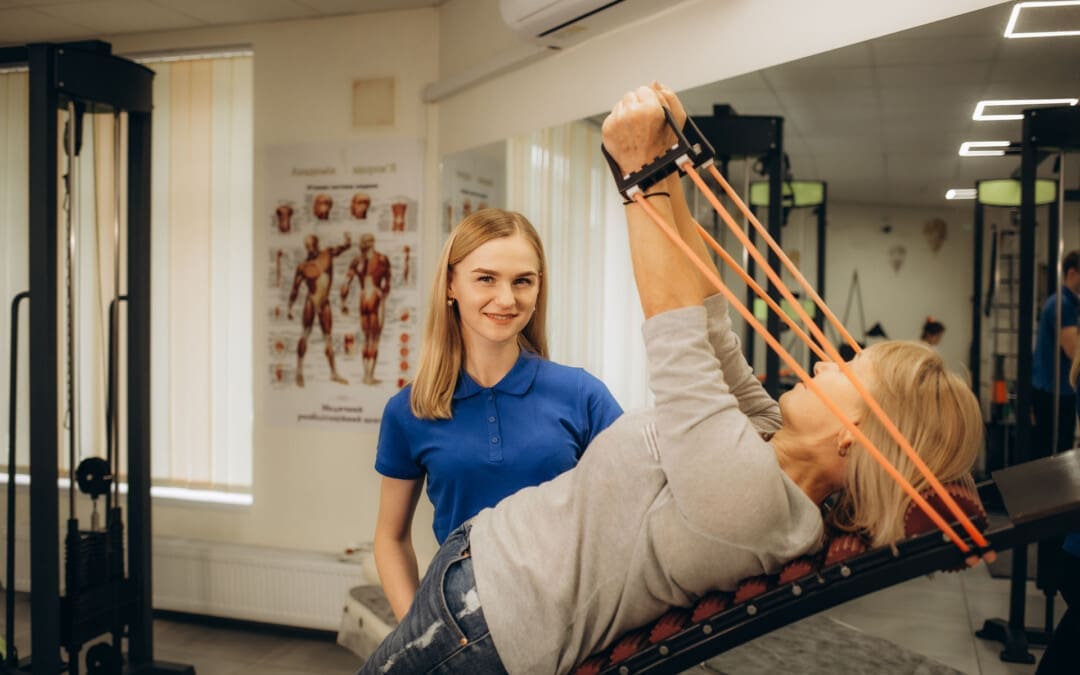
The goal of physical therapy is to improve the function of the muscles that surround the shoulder. Physical therapy targets the smaller muscles around the shoulder that are commonly neglected. By strengthening these muscles, the treatment can help compensate for damaged tendons and improve the mechanics of the shoulder joint. A chiropractic physical therapy team will develop a personalized exercise program. Generally, rehabilitation will start with gentle range of motion exercises that can be accomplished using the arms to lift a mobility stick/wand overhead.
Shoulder Pulleys
These improve shoulder range of motion and flexibility.
Isometric Exercises
These exercises are for the rotator cuff muscles and may then be started.
This exercise can improve the contracting of the muscles around the shoulder and offer more support to the shoulder joint.
Scapular Stabilization Exercises
These can also be done to improve the muscles surrounding the shoulder blade’s function.
This can help improve how the shoulder joint, arm, and scapulae move together when using the arm.
Advanced Strengthening
Advanced exercises can be done with a dumbbell or resistance band.
Consult your healthcare provider or physical therapist before starting these or any other exercises for a rotator cuff tear. Doing exercises correctly prevents further pain, injury, or shoulder problems. Specific, focused exercises can help expedite and regain normal shoulder function.
Injury Medical Chiropractic and Functional Medicine Clinic
The prognosis for rotator cuff tears depends on the severity of the tear and the individual’s overall health. With proper treatment, most people can regain the full function of their shoulders. However, some may experience ongoing pain or limitations in severe cases. Injury Medical Chiropractic and Functional Medicine Clinic works with primary healthcare providers and specialists to build optimal health and wellness solutions. We focus on what works for you to relieve pain, restore function, prevent injury, and help mitigate issues through adjustments that help the body realign itself. They can also work with other medical professionals to integrate a treatment plan to resolve musculoskeletal problems.
Shoulder Pain Chiropractic Treatment
References
Geary, M. B., & Elfar, J. C. (2015). Rotator Cuff Tears in the Elderly Patients. Geriatric orthopaedic surgery & rehabilitation, 6(3), 220–224. https://doi.org/10.1177/2151458515583895
Can individuals add sparkling water to their diet to help lower blood sugar and aid with weight loss?
Sparkling Water
Sparkling water is generally considered a healthy drink with health benefits. It is refreshing, increases hydration, improves digestion, and may even help with weight loss (Takahashi A. 2025) (University of Chicago Medicine, 2023). This is nothing new. A previous study suggested that carbonated water makes the body feel full. The carbonation in sparkling water can trick the stomach into feeling fuller, potentially reducing overall calorie intake by curbing snacking between meals, which could prevent overeating and weight gain. (Wakisaka S. et al., 2012) However, a new report suggests carbonated water may help with weight loss by enhancing glucose/sugar uptake and metabolism. (Takahashi A. 2025) But further research is needed.
Lower Blood Sugar Levels
The report compared the effects of carbonated water to hemodialysis, a treatment that filters blood for individuals with kidney failure. (Takahashi A. 2025) Hemodialysis turns the blood alkaline, enhancing glucose absorption and metabolism. (EurekAlert, 2025)
Researchers assume that the carbon dioxide (CO2) absorbed after drinking sparkling water and the CO2 supplied during hemodialysis behave similarly. Carbonated water may consume glucose in the blood near the stomach, temporarily lowering blood sugar levels. However, the researchers suggested that follow-up continuous glucose monitoring (CGM) studies to measure blood sugar levels before and after drinking carbonated water would be necessary to validate the effect.
This does not mean that after drinking sparkling water, there will be major changes to an individual’s weight. Something metabolically is probably happening, but it’s still barely being discovered. The impact of CO2 in carbonated water is not a standalone solution for weight loss. (Takahashi A. 2025)
Adding To A Diet
If sparkling water can help manage blood glucose, it could also affect how the body stores fat. Over time, high blood sugar levels can overwhelm the body, and excess sugar becomes stored as body fat instead of being stored properly for energy use, causing weight gain. (Centers for Disease Control and Prevention, 2024) But for the most part, according to the research, the carbon dioxide in sparkling water may help to prevent this by stimulating glycolysis, or the process the body uses to break down glucose for energy and keep blood sugar levels low. (National Cancer Institute, N.D) (Takahashi A. 2025) Further research is needed to confirm and understand how sparkling water can proficiently and effectively work for weight loss.
Carbonated water alone is unlikely to contribute to significant weight loss. However, sparkling water can be a useful tool for weight loss as part of a healthy lifestyle (Takahashi A. 2025). A balanced diet and regular exercise are still essential for effective weight management.
Weight Gain
Some researchers have questioned whether sparkling water can lead to weight gain. A study on rats and humans found a link between drinking carbonated water and increased levels of the hunger-stimulating hormone ghrelin. (Eweis D. S., Abed F., & Stiban J. 2017) This could lead to increased appetite and higher calorie consumption, but more research is needed, as sleep, physical activity levels and hydration also impact hormones.
Individuals interested in including carbonated water in a balanced diet should check the labels for the caloric content, added sugars, and sugar alcohols, like xylitol or erythritol, which can cause gas or bloating. It is ideal if the label says water and carbonation; the fewer ingredients, the better.
Injury Medical Chiropractic and Functional Medicine Clinic
Injury Medical Chiropractic and Functional Medicine Clinic works with primary healthcare providers and specialists to build optimal health and wellness solutions. We focus on what works for you to relieve pain, restore function, prevent injury, and help mitigate issues through adjustments that help the body realign itself. They can also work with other medical professionals to integrate a treatment plan to resolve musculoskeletal problems.
Chiropractic Care and Metabolism: The Hidden Link
References
Takahashi A. (2025). Can carbonated water support weight loss? BMJ Nutr Prev Health. https://doi.org/10.1136/bmjnph-2024-001108
University of Chicago Medicine. (2023). Is sparkling water good for you? What about hard seltzer? https://www.uchicagomedicine.org/forefront/health-and-wellness-articles/is-carbonated-water-good-for-you
Wakisaka, S., Nagai, H., Mura, E., Matsumoto, T., Moritani, T., & Nagai, N. (2012). The effects of carbonated water upon gastric and cardiac activities and fullness in healthy young women. Journal of nutritional science and vitaminology, 58(5), 333–338. https://doi.org/10.3177/jnsv.58.333
EurekAlert. (2025). Fizzy water might aid weight loss by boosting glucose uptake and metabolism. BMJ Nutrition Prevention & Health. https://doi.org/10.1136/bmjnph-2024-001108
Centers for Disease Control and Prevention. (2024). About insulin resistance and type 2 diabetes. Retrieved from https://www.cdc.gov/diabetes/about/insulin-resistance-type-2-diabetes.html
National Cancer Institute. (N.D.). Glycolysis. Retrieved from https://www.cancer.gov/publications/dictionaries/cancer-terms/def/glycolysis
Eweis, D. S., Abed, F., & Stiban, J. (2017). Carbon dioxide in carbonated beverages induces ghrelin release and increased food consumption in male rats: Implications on the onset of obesity. Obesity research & clinical practice, 11(5), 534–543. https://doi.org/10.1016/j.orcp.2017.02.001
Could individuals who are having headaches with neck pain need emergency treatment or need to get started with sustained physical therapy?
Headaches and Neck Pain
Headaches and neck pain are two very common symptoms. They often occur together and signal common health issues, including fatigue, sinus headaches, and migraines. The combination can also occur due to serious health issues such as a concussion or meningitis. Causes of headaches with neck pain range from various causes, such as not getting enough sleep, having the neck in an awkward position, or having a hangover, to life-threatening issues like fluid buildup in the brain. It is recommended that individuals see a healthcare provider as soon as possible to rule out any life-threatening issues. Discuss the symptoms of neck pain with headache, what can cause these symptoms, and discuss treatment and prevention.
Symptoms
Symptoms are similar to what they feel like when they occur alone. Headache can present as:
A feeling of fullness in the head
Head soreness
Sharp head pain
Throbbing head pain
Pounding head pain
Neck pain can present as:
Pain in the back of the neck
Pain and/or aching of the upper back and/or shoulders
Associated Symptoms
Additional symptoms are common. Symptoms associated with headaches and neck pain include:
Neck stiffness
Trouble concentrating
Exhaustion or sleepiness
Aching throughout the body
Nausea
Dizziness
Vertigo – feeling like the room is spinning.
Photophobia – discomfort when looking at bright lights.
A feeling of numbness or tingling down the arm
Generally, associated symptoms suggest a more severe cause and can help a healthcare provider make a diagnosis.
Emergency Help
New symptoms of headache or neck pain can indicate a serious condition. If you develop these symptoms together, get prompt medical attention.
Causes
There are a variety of medical conditions that can cause headaches and neck pain. Both of these conditions are caused by irritation of sensory nerve fibers. Sometimes, head or neck pain can spread to other areas because the sensory nerves of these structures are so close together. (Côté P. et al., 2019) Additionally, a medical condition like an infection can affect the other due to proximity. Causes of headaches with neck pain include:
Headaches
Sinus headaches, tension headaches, and cervicogenic headaches are usually associated with head pain, but they can also involve neck pain. (Côté P. et al., 2019)
Migraine
Migraines are commonly associated with headaches and often cause neck pain as well.
In addition, they can cause nausea and body aches.
Fatigue
Being tired commonly leads to temporary headaches and neck pain until thorough rest is achieved.
Alcohol Consumption and/or a Hangover
For many, drinking can trigger a headache.
This is a common migraine trigger, but it can also trigger headaches for those who don’t have migraines.
Muscle Strain
Prolonged or recurrent positions that strain the neck muscles, like lifting or sitting at a desk, can cause aching or pain that involves both the head and neck. (Houle M. et al., 2021)
Injuries
Trauma such as whiplash or falling can cause soreness in the head and neck.
Bruises or other injuries may be present.
Severe injuries can cause damage to the skull, brain, spine, spinal nerves, or spinal cord.
Concussion
A concussion often causes trouble concentrating, persistent headaches, and neck pain.
Usually, these symptoms improve within a few weeks after a mild concussion.
Meningitis
Inflammation or infection of the lining around the brain and spinal cord causes pain or tenderness in the head, back, and neck.
Neck stiffness and fever are commonly associated symptoms.
Pinched Nerve
Arthritis is a common cause of pressure on spinal nerves.
A pinched nerve in the upper spine can cause pain in the head and neck and tingling down the arm.
Herniated Disc
Degenerative arthritis or trauma can cause a spinal disc to press on a nerve and possibly on the spinal cord.
This may cause loss of sensation or weakness of the arm.
Subarachnoid Hemorrhage
This is a serious condition caused by bleeding of a blood vessel in the brain.
Irritation and inflammation can cause severe head and neck pain, possibly with seizures and loss of consciousness.
Hydrocephalus
Fluid can accumulate around the brain, causing pain-inducing pressure.
Causes include obstruction of cerebrospinal fluid flow due to brain tumors, brain infections, or congenital malformations. (Langner S. et al., 2017)
Increased Intracranial Pressure
Pressure on the brain and the brain’s blood vessels can cause pain.
Causes of pressure within the skull include hydrocephalus, head trauma, brain tumors, or swelling from a stroke.
Severe cases can cause lethargy or loss of consciousness.
Brain or Spine cancer
Cancer of the brain or within the spine can cause pain affecting the head and neck, often with other symptoms, like loss of vision.
Treatment
Talk to a healthcare provider about the following treatments. Treating headaches with neck pain includes methods that address symptoms and methods that treat the underlying cause. The medications used for headaches with neck pain often reduce both symptoms, but this depends on the cause. Treatments that can relieve both headaches and neck pain when they occur together include:
Getting proper sleep to alleviate fatigue.
Rest and rehabilitation after a concussion or another injury.
Physical therapy to keep muscles flexible and relaxed.
Fluids for meningitis treatment and antibiotics for bacterial meningitis.
Surgical procedures for a tumor or subarachnoid hemorrhage.
A surgical procedure to relieve hydrocephalus.
Headache Treatment
You can do a few things to relieve your headaches, and although they won’t directly take away your neck pain, your headache relief might also decrease your neck pain. These include:
Avoiding loud noises
Cranial massage
Applying gentle cranial pressure
Avoiding bright lights as much as possible
Using specialized migraine sunglasses
Neck Pain Treatment
Some treatments that can specifically treat neck pain include:
Injury Medical Chiropractic and Functional Medicine Clinic
Knowing whether a serious problem is causing headaches and neck pain can be difficult. The more dangerous conditions don’t necessarily cause more severe pain. This is why getting medical attention is crucial if you have these symptoms together. If you frequently have both headaches and neck pain, it can have a substantial impact on your quality of life. There are ways to manage the symptoms, including preventative measures such as physical therapy, exercises, and avoiding triggers. Injury Medical Chiropractic and Functional Medicine Clinic works with primary healthcare providers and specialists to build optimal health and wellness solutions. We focus on what works for you to relieve pain, restore function, prevent injury, and help mitigate issues through adjustments that help the body realign itself. They can also work with other medical professionals to integrate a treatment plan to resolve musculoskeletal problems.
Tension Headaches
References
Côté, P., Yu, H., Shearer, H. M., Randhawa, K., Wong, J. J., Mior, S., Ameis, A., Carroll, L. J., Nordin, M., Varatharajan, S., Sutton, D., Southerst, D., Jacobs, C., Stupar, M., Taylor-Vaisey, A., Gross, D. P., Brison, R. J., Paulden, M., Ammendolia, C., Cassidy, J. D., … Lacerte, M. (2019). Non-pharmacological management of persistent headaches associated with neck pain: A clinical practice guideline from the Ontario protocol for traffic injury management (OPTIMa) collaboration. European journal of pain (London, England), 23(6), 1051–1070. https://doi.org/10.1002/ejp.1374
Houle, M., Lessard, A., Marineau-Bélanger, É., Lardon, A., Marchand, A. A., Descarreaux, M., & Abboud, J. (2021). Factors associated with headache and neck pain among telecommuters – a five days follow-up. BMC Public Health, 21(1), 1086. https://doi.org/10.1186/s12889-021-11144-6
Langner, S., Fleck, S., Baldauf, J., Mensel, B., Kühn, J. P., & Kirsch, M. (2017). Diagnosis and Differential Diagnosis of Hydrocephalus in Adults. Diagnostik und Differenzialdiagnostik des Hydrozephalus beim Erwachsenen. RoFo : Fortschritte auf dem Gebiete der Rontgenstrahlen und der Nuklearmedizin, 189(8), 728–739. https://doi.org/10.1055/s-0043-108550
Petersen, S. M., Jull, G. A., & Learman, K. E. (2019). Self-reported sinus headaches are associated with neck pain and cervical musculoskeletal dysfunction: a preliminary observational case-control study. The Journal of manual & manipulative therapy, 27(4), 245–252. https://doi.org/10.1080/10669817.2019.1572987
For individuals with shoulder pain and problems, what are the stages of a frozen shoulder, how long do they last, and what can be done to relieve pain?
Frozen Shoulder Stages
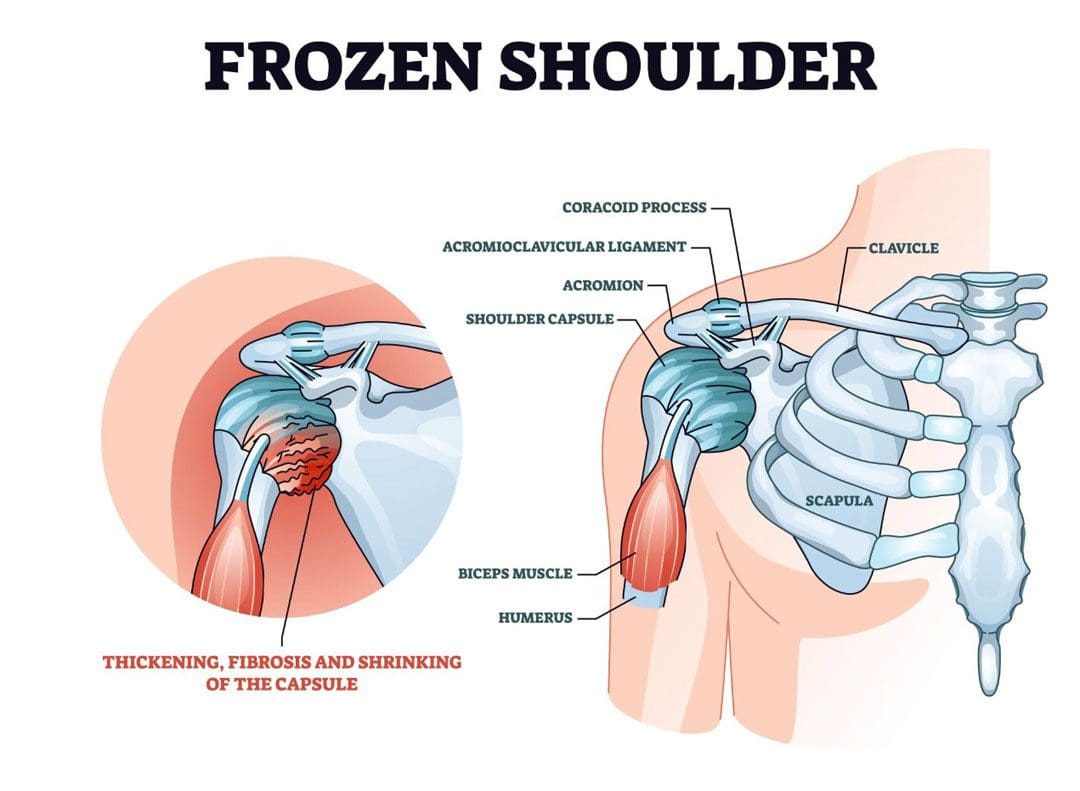
A frozen shoulder, also called adhesive capsulitis, is a very common cause of shoulder pain. It causes severe pain and limited mobility. The condition progresses through stages and can take up to two years to resolve completely. The stages of frozen shoulder include pre-freezing, freezing, freezing, and thawing.
Stage 1
Pre-Freezing – 1 month to 3 months
Pre-freezing describes the earliest stage of a frozen shoulder. This is when individuals first start to notice pain in their shoulder. (Soussahn, S. et al., 2024) Many in this stage will first experience the pain at night while changing sleeping positions. As the condition progresses, individuals may notice pain when they move their shoulders, especially when raising their arms or reaching behind them. Individuals may also find reduced mobility in that shoulder and may ache even when not using it. Because motion may be only slightly restricted in this stage, an early frozen shoulder can be mistaken for a rotator cuff problem. (Chan H. B. Y., Pua P. Y., & How C. H. 2017)
Root Cause
A frozen shoulder happens when there is inflammation in the tissue that surrounds the shoulder joint. Although the specific causes aren’t known, immobilization after an injury and other shoulder conditions, like bursitis, may play a role. (Johns Hopkins Medicine, 2025)
Stage 2
Freezing – 10 weeks to 8 months
The freezing stage is the most painful. The shoulder capsule becomes inflamed and can thicken and stiffen. As this happens, shoulder movements become increasingly difficult and painful. (Soussahn, S. et al., 2024)
Stage 3
Frozen – 4 months to 12 months
The third stage of a frozen shoulder is known as the frozen phase, where the shoulder is stiff. The examination finding confirming the frozen shoulder diagnosis is that neither the individual nor another person can move the shoulder. (UpToDate, 2024) With a rotator cuff issue, a patient cannot move their arm normally, but the healthcare provider can. This distinguishes between a frozen shoulder and a rotator cuff injury. The frozen stage is typically much less painful than freezing, but pain can result from simple activities. (Soussahn, S. et al., 2024) Rotation of the shoulder joint is limited, making activities like washing hair or reaching painful or difficult.
Stage 4
Thawing – 5 months to 2 years
In this phase, the shoulder joint capsule becomes thickened and stiff but gradually loosens with time. (Soussahn, S. et al., 2024) Stretching the shoulder capsule, even allowing for some discomfort, is important to ensure the shoulder joint’s mobility continues to recover. Not having the extreme pain associated with freezing the joint and seeing gradual gains in mobility make this stage tolerable.
Treatment
Frozen shoulder treatment starts with physical therapy and joint stretching. Anti-inflammatory medications, ice and heat application, and alternative therapies can all help manage the discomfort. A healthcare provider may also recommend a corticosteroid injection to reduce inflammation, relieve pain, and expedite improved mobility. Redler L. H. & Dennis E. R. 2019)
Surgery is seldom needed but is an option for treating a frozen shoulder. It is usually only considered if prolonged efforts at therapy have failed to improve symptoms. One of the problems is that surgery could worsen shoulder problems. (Le H. V., Lee S. J., Nazarian A., & Rodriguez E. K. 2017)
Prognosis
The timeline for recovery can be long, measured in months and possibly years. (Le H. V., Lee S. J., Nazarian A., & Rodriguez E. K. 2017) Expecting a quick recovery can cause more frustration. However, individuals can take steps to speed their recovery and reduce discomfort. Physical therapy can be beneficial, and a healthcare provider can suggest treatments to help alleviate pain while recovering. Over time, almost all patients will find complete relief and a normal or near-normal range of motion in their shoulder joints.
Injury Medical Chiropractic and Functional Medicine Clinic
Injury Medical Chiropractic and Functional Medicine Clinic works with primary healthcare providers and specialists to build optimal health and wellness solutions. We focus on what works for you to relieve pain, restore function, prevent injury, and help mitigate issues through adjustments that help the body realign itself. They can also work with other medical professionals to integrate a treatment plan to resolve musculoskeletal problems.
Motion Key To Healing
References
Soussahn, S., Hu, D., Durieux, J., Kosmas, C., & Faraji, N. (2024). Adhesive capsulitis: Utility of magnetic resonance imaging as a primary diagnostic tool and clinical management support. Current problems in diagnostic radiology, 53(4), 464–469. https://doi.org/10.1067/j.cpradiol.2024.03.005
Chan, H. B. Y., Pua, P. Y., & How, C. H. (2017). Physical therapy in the management of frozen shoulder. Singapore Medical Journal, 58(12), 685–689. https://doi.org/10.11622/smedj.2017107
UpToDate. (2024). Patient education: Frozen shoulder (beyond the basics). https://www.uptodate.com/contents/frozen-shoulder-beyond-the-basics
Redler, L. H., & Dennis, E. R. (2019). Treatment of Adhesive Capsulitis of the Shoulder. The Journal of the American Academy of Orthopaedic Surgeons, 27(12), e544–e554. https://doi.org/10.5435/JAAOS-D-17-00606
Le, H. V., Lee, S. J., Nazarian, A., & Rodriguez, E. K. (2017). Adhesive capsulitis of the shoulder: review of pathophysiology and current clinical treatments. Shoulder & elbow, 9(2), 75–84. https://doi.org/10.1177/1758573216676786
Can individuals experiencing difficulty with functional mobility benefit from physical therapy to help them return to normal activities?
Outcome Measurement Tests
Outcome measurement tests assess the effects of a treatment plan on a patient. They can be used to determine a patient’s baseline function, monitor their progress, and evaluate the effectiveness of treatment. They also give the therapy team an effective way to measure mobility, flexibility, and range of motion.
The physical therapist may use other functional outcome measurements to help assess physical therapy progress.
They may measure your strength and range of motion.
Balance and posture may be evaluated.
Effective functional outcome measurement tests must meet certain criteria to be useful in a physical therapy clinic. First, they must be reliable, meaning the results must be consistent with each patient and within groups of patients. They must also be valid to measure exactly what they are intended to measure. An effective measurement test must also be easy to administer, so it must be practical and simple. Outcome measurement tests must also be purposeful. For example, a balance test must reflect a patient’s current function and be related to their balance ability.
Common Outcome Measurement Tests Used
Common functional outcome measurement tools that a physical therapist may use include:
The timed up-and-go or TUG test is a simple assessment used to evaluate a person’s mobility and balance by measuring how long it takes them to stand up from a chair, walk a short distance, turn around, walk back, and sit down again; it’s often used to identify potential fall risks in older adults, particularly those with mobility concerns, as a longer time to complete the task may indicate increased fall risk. (Centers for Disease Control and Prevention, 2017)
The Tinetti balance and gait evaluation, also known as the Performance-Oriented Mobility Assessment (POMA), is a clinical test used to assess balance and gait abilities, particularly in older adults. It evaluates stability during various standing and walking tests and provides a score that indicates a person’s fall risk potential.
The Berg Balance Scale (BBS) is a standardized test for adults that measures balance and the risk of falling. It’s widely used and can be performed in various settings.
The six-minute walk test (6MWT) is a medical assessment in which a person walks as far as they can in a designated area for exactly six minutes. This allows healthcare providers to evaluate their functional exercise capacity. It is particularly useful for assessing patients with lung or heart conditions where walking ability might be compromised. The distance covered during the six minutes is the key measurement used to interpret the test results. (Ferreira M. B. et al., 2022)
The functional reach test (FRT) is a clinical assessment that measures an individual’s dynamic balance by determining the maximum distance they can reach forward while standing in a fixed position. It assesses their risk of falling by evaluating how far they can extend their arm before losing stability. The FRT is often used to assess older adults or individuals with potential balance issues.
The Oswestry low back pain disability questionnaire is a self-administered questionnaire used to measure the level of disability a person experiences due to low back pain. It assesses how the pain impacts their daily activities in various aspects of life, such as personal care, work, and social life; a higher score indicates greater disability.
The functional independence measure (FIM) assesses a patient’s ability to perform daily activities independently. It also measures the patient’s disability level and how much assistance is needed.
Functional outcome measurement tests provide a starting point for developing physical therapy goals. For example, if the TUG test takes 19 seconds, individuals may aim for 10 seconds. A TUG score that falls at or over 10 seconds indicates reduced physical capacity (Kear B. M., Guck T. P., & McGaha A. L. 2017). This can be the motivation needed to reach physical therapy goals.
Injury Medical Chiropractic and Functional Medicine Clinic
Injury Medical Chiropractic and Functional Medicine Clinic works with primary healthcare providers and specialists to build optimal health and wellness solutions. We focus on what works for you to relieve pain, restore function, prevent injury, and help mitigate issues through adjustments that help the body realign itself. They can also work with other medical professionals to integrate a treatment plan to resolve musculoskeletal problems.
Understanding The Effects of Personal Injury
References
American Physical Therapy Association. (N.D.). Outcome Measures in Patient Care. https://www.apta.org/your-practice/outcomes-measurement
Centers for Disease Control and Prevention. (2017). Timed Up & Go Assessment. Retrieved from https://www.cdc.gov/steadi/media/pdfs/steadi-assessment-tug-508.pdf
Ferreira, M. B., Saraiva, F. A., Fonseca, T., Costa, R., Marinho, A., Oliveira, J. C., Carvalho, H. C., Rodrigues, P., & Ferreira, J. P. (2022). Clinical associations and prognostic implications of 6-minute walk test in rheumatoid arthritis. Scientific reports, 12(1), 18672. https://doi.org/10.1038/s41598-022-21547-z
Kear, B. M., Guck, T. P., & McGaha, A. L. (2017). Timed Up and Go (TUG) Test: Normative Reference Values for Ages 20 to 59 Years and Relationships With Physical and Mental Health Risk Factors. Journal of primary care & community health, 8(1), 9–13. https://doi.org/10.1177/2150131916659282
Should individuals wanting to engage in the exercise start with a warm-up and end with a cooldown to prepare the muscles for optimal performance and post-workout recovery?
Warming Up, Cooling Down
Warming up 5 to 10 minutes before exercise is beneficial for pumping blood to the muscles and preparing them for a run. Dynamic or active stretching and light aerobic activity are a few ways to warm up. This could be active stretching, such as walking lunges, brisk walking, or riding a stationary bike for a few minutes before running. However, individuals should avoid static stretches before running, as they can increase the risk of injury. The minimum length of time for an effective cooldown session is five minutes. Depending on the intensity of the workout, individuals may choose to extend that to 10 minutes.
Steps for a Running Warmup
Do five to 10 minutes of light aerobic exercise to loosen up muscles.
Walk briskly, march, jog slowly, or cycle on a stationary bike.
Don’t rush.
Perform dynamic stretches and movements during the warmup, including walking lunges, jumping jacks, or toe touches.
Begin the run with a slow jog and gradually increase speed.
Slow down if you run out of breath.
This is part of knowing how fast you should run; starting too fast is a common mistake.
Pay attention to posture and form.
Ensure you are using the best technique before speeding up.
Warm Up Benefits
When warming up, the blood vessels dilate. The increased blood flow primes the muscles with oxygen and prepares them to perform at their best. Blood flow also increases the temperature in the muscles for enhanced flexibility. Allowing the heart rate to increase gradually is beneficial, instead of going full max heart output by jumping full speed into the running. (The American Heart Association, 2024)
Properly Cooling Down
At the end of the run:
Cool down by walking or slowly jogging for five to 10 minutes.
Breathing and heart rate should gradually return to normal.
Drink water or an electrolyte-infused drink to rehydrate the body.
Benefits of a Cooldown
The cool-down keeps blood flowing throughout the body at a consistent level. Stopping immediately can cause light-headedness because heart rate and blood pressure can drop rapidly. Winding down slowly allows heart rate and blood pressure to fall gradually. The cooldown is also a good mental transition from the intensity and accomplishing the workout.
Before or After Stretching
Stretching evidence shows it doesn’t have the benefits once thought. Static stretching before, during, or after exercise has not been shown to prevent injury or delayed onset muscle soreness. (Herbert R. D., de Noronha M., & Kamper S. J. 2011) Stretching cold muscles is not recommended. However, there is some evidence that dynamic or active stretching after a warmup can benefit performance. Active stretching is done with exercises that take the muscles through their full range of motion and mimic the actions that will be done during the workout. (Van Hooren B., & Peake J. M. 2018)
Stretching After Running
Standard stretching includes the hamstring stretch, quad stretch, calf stretch, low lunge stretch, IT band stretch, butterfly stretch, hip and backstretch, arms and abs stretch, and triceps stretch. Tips for proper stretching:
Don’t Bounce
Avoid bouncing, as this mimics pulling a rubber band back and forth. You want the muscle to stay stretched.
Hold the stretch for 15 to 30 seconds.
Don’t Stretch Through Pain
Don’t stretch beyond the point where tightness is felt in the muscle.
Do not push through muscle resistance.
Never stretch to the point of pain.
Stretch Whole Body
Don’t just stretch the areas with tightness and/or soreness.
Stretch the whole body equally to prevent injury.
Don’t Hold Your Breath
Take deep breaths during the stretch.
Stay relaxed and breathe in and out slowly.
If starting a new fitness routine, consult your healthcare provider to determine the optimal running warmups and stretching exercises.
Injury Medical Chiropractic and Functional Medicine Clinic
Injury Medical Chiropractic and Functional Medicine Clinic works with primary healthcare providers and specialists to build optimal health and wellness solutions. We focus on what works for you to relieve pain, restore function, prevent injury, and help mitigate issues through adjustments that help the body realign itself. They can also work with other medical professionals to integrate a treatment plan to resolve musculoskeletal problems.
The Science of Motion
References
The American Heart Association. (2024). Warm up, cool down. https://www.heart.org/en/healthy-living/fitness/fitness-basics/warm-up-cool-down
Herbert, R. D., de Noronha, M., & Kamper, S. J. (2011). Stretching to prevent or reduce muscle soreness after exercise. The Cochrane database of systematic reviews, (7), CD004577. https://doi.org/10.1002/14651858.CD004577.pub3
Van Hooren, B., & Peake, J. M. (2018). Do We Need a Cool-Down After Exercise? A Narrative Review of the Psychophysiological Effects and the Effects on Performance, Injuries and the Long-Term Adaptive Response. Sports medicine (Auckland, N.Z.), 48(7), 1575–1595. https://doi.org/10.1007/s40279-018-0916-2
Can a knee brace relieve discomfort, provide support, and expedite recovery for individuals recovering from an injury or surgery?
Knee Brace
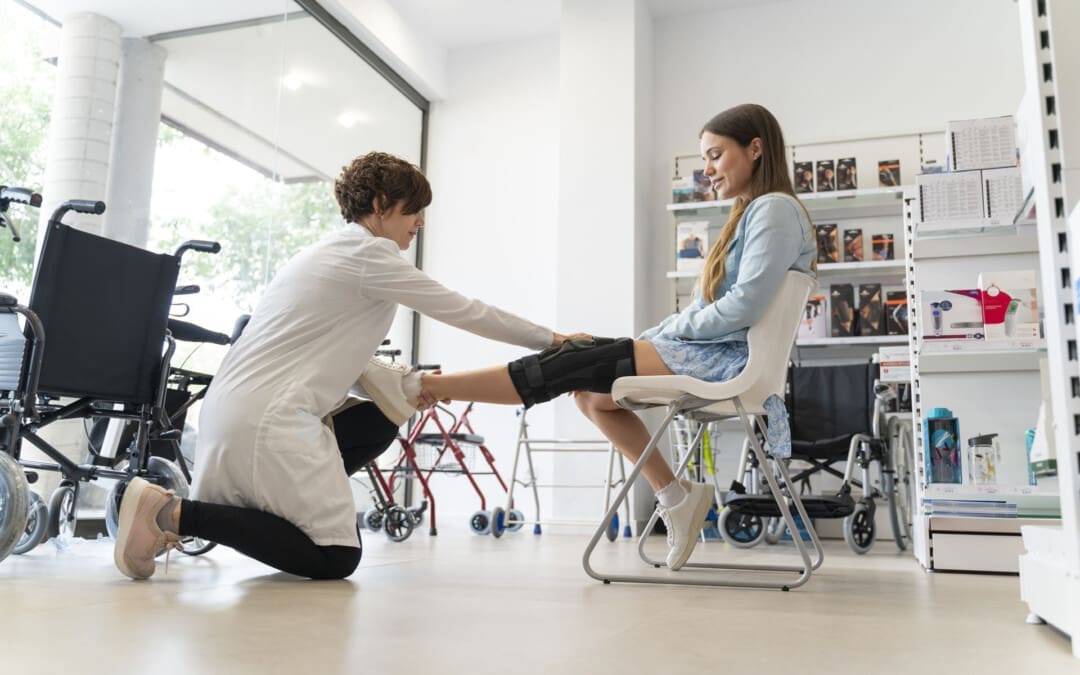
A knee brace is a medical device that supports and stabilizes the knee joint to help with pain and recovery after an injury or surgery. Many knee braces are made of various materials and offer a range of support levels. A healthcare provider or physical therapist can recommend the appropriate one for your condition and suggest the best one. Ask a healthcare provider if you’re unsure, as wearing a knee brace correctly and for the recommended time is important for healing. They are generally safe. However, individuals with health conditions such as poor circulation should be cautious when using them and consult their healthcare provider.
What They Do
The knee joint comprises bones, cartilage, ligaments, tendons, and muscles. A knee brace stabilizes these structures, preventing them from moving too much or too fast. Some braces redistribute the knee joint’s weight, decreasing the force the knee absorbs. (American Academy of Family Physicians, 2020)
Conditions
A knee brace is used after surgery to aid in healing and following an injury. This can be:
Knee braces differ in function and support level. Some stabilize the knee, while others completely immobilize the joint. A healthcare provider and/or physical therapist will explain what support is needed and how to use it. They can also check the brace’s fit and determine if adjustments or a different size are required.
Most Commonly Used
Prophylactic Brace
This is a protective knee pad that shields the kneecap from direct impact.
A knee unloader is typically used to control discomfort due to inflammatory conditions like tendonitis and osteoarthritis.
Functional
This brace limits motion in the joint after an injury or prevents dislocation.
Bledsoe Brace
This brace has straps to wrap around the thigh and shin and support brackets on the inside and outside of the knee joint.
A small mechanism locks the knee into full extension or allows the knee to bend a specific amount.
Knee Immobilizer
A knee immobilizer keeps the knee in one position.
It is a long cloth brace that runs the length of the shin and thigh.
Knee Brace vs Knee Support
A knee support or sleeve is usually a tight-fitting fabric garment. It provides compression to help reduce swelling and discomfort. A knee brace offers more support and can also be set to limit mobility.
Wearing The Brace
Individuals may need to wear a knee brace all day or only when performing specific tasks and operations. It depends on the individual and the condition the brace is being used for. Some may only need to wear a knee brace during certain activities or a flare-up of pain. (Mayo Clinic, 2022) Wearing a brace for unnecessarily long periods can cause skin abrasion, joint stiffness, and muscle atrophy. (American Academy of Family Physicians, 2020) Conversely, neglecting to wear it can cause more susceptibility to injury or extend and or impair healing time. Ask a healthcare provider when you should and should not wear the brace. This could be when:
Sitting
Walking
Driving
Sleeping
Stretching
Contraindications
Some medical conditions can make an individual susceptible to injury and adverse effects from wearing a knee brace. These include: (Holden, M. A. et al., 2021)
Poor circulation
Superficial wounds on the knee
Psoriasis
Eczema
Arterial insufficiency
Severe varicose veins
A history of thrombophlebitis
Injury Medical Chiropractic and Functional Medicine Clinic
If you have one of these conditions, a healthcare provider will decide if a knee brace is safe. Injury Medical Chiropractic and Functional Medicine Clinic works with primary healthcare providers and specialists to build optimal health and wellness solutions. We focus on what works for you to relieve pain, restore function, prevent injury, and help mitigate issues through adjustments that help the body realign itself. They can also work with other medical professionals to integrate a treatment plan to resolve musculoskeletal problems.
Best Knee Injury Chiropractor
References
American Academy of Family Physicians. (2020). Knee Bracing: What Works? https://familydoctor.org/knee-bracing-what-works/
Sprouse, R. A., McLaughlin, A. M., & Harris, G. D. (2018). Braces and Splints for Common Musculoskeletal Conditions. American family physician, 98(10), 570–576.
American Academy of Pediatrics. (2019). Knee pain: how to choose the right knee brace for your child. https://www.healthychildren.org/English/health-issues/injuries-emergencies/sports-injuries/Pages/Knee-Pain-and-braces.aspx
Mayo Clinic. (2022). To brace or not to brace: What’s the best answer? https://www.mayoclinichealthsystem.org/hometown-health/speaking-of-health/to-brace-or-not-to-brace#:~:text=If%20you%20have%20early%20onset%2C%20mild%20arthritis,below%20the%20knee%20for%20compression%20and%20comfort.
Holden, M. A., Callaghan, M., Felson, D., Birrell, F., Nicholls, E., Jowett, S., Kigozi, J., McBeth, J., Borrelli, B., Jinks, C., Foster, N. E., Dziedzic, K., Mallen, C., Ingram, C., Sutton, A., Lawton, S., Halliday, N., Hartshorne, L., Williams, H., Browell, R., … Peat, G. (2021). Clinical and cost-effectiveness of bracing in symptomatic knee osteoarthritis management: protocol for a multicentre, primary care, randomised, parallel-group, superiority trial. BMJ open, 11(3), e048196. https://doi.org/10.1136/bmjopen-2020-048196
IFM's Find A Practitioner tool is the largest referral network in Functional Medicine, created to help patients locate Functional Medicine practitioners anywhere in the world. IFM Certified Practitioners are listed first in the search results, given their extensive education in Functional Medicine