Studies reveal that swimming and aquatic exercises can help in relieving back pain. Done properly it is a highly recognized form of cardio exercise as well as injury recovery and rehabilitation, especially when dealing with back pain. Other types of cardiovascular exercise/s are great and are recommended for individuals with back pain that is already being managed. This could be light walking and mild aerobics.
However, those in severe pain and more than likely not in the best shape, cardio can be hard on the body. Swimming is great for all body types, those with weight issues that contribute to their back pain, those that have trouble moving, the young, elderly plus it burns calories, builds muscle, and is very refreshing.
Swimming has been utilized as a non-impact form of exercise and is recommended for individuals in injury recovery, surgery, and for those where performing high-impact exercise/s like running would be painful and dangerous. The buoyancy or upthrust of the water counters gravity decreasing the compression on the spine. Aqua or hydrotherapy allows cardio activity without increasing or worsening pain, which is very therapeutic. Regular cardiovascular exercises/activities are beneficial for pain reduction. Figuring out and determining the right exercise/stroke for the patient’s specific ailment and length of time those exercises should be done without causing fatigue or increased pain is the objective.
Strengthening the paraspinal muscles is essential to help with spinal support and reducing back pain. Utilizing the up-thrust of the water, enables patients to exercise these muscle groups more efficiently and effectively.
Preparation
Wherever the swimming therapy will take place, it is vital that the individual feels comfortable at the location, in the water, knows how to swim as this puts an individual at ease, not worrying about their surroundings and able to focus completely on their therapy/rehab.
If an individual is not a confident swimmer, the therapy can be done in shallow water or a rehabilitation pool and if cleared with a doctor taking swimming lessons with back pain in mind could be part of a therapy program. Once confident in the water warm-up in the shallow end or do some walking/cycling before actual swimming.
Therapeutic Strokes
Strokes for the therapeutic workout will be determined by the doctor, specialist, chiropractor, therapist, etc. These strokes are recommended to protect the spine while keeping pain at bay. Although individual cases are completely unique, and a doctor/therapist could recommend other strokes, the safest strokes found for back pain are the freestyle and the backstroke.
Strokes like the butterfly or breaststroke cause a natural extension/arch in the low back, which can be quite painful. So a patient does not have to lift their heads, which could cause them to arch their backs as well, could benefit using a center snorkel.
Regimen Frequency, Length
Like all forms of exercise, especially when dealing with back pain moderation is the way to go avoiding repetitive/overuse injuries. Soreness after the workout that goes away within a few hours is normal. But if the soreness lasts to the next day, this could the body warning the patient they are doing too much. For swimming, therapists usually recommend three days a week 20 to 30-minute workout. With activity response being used as a guide to progress or decrease the intensity or volume of the exercise. A gradual increase in activity until the patient reaches a workout regimen that fits:
Age
Condition level
Physical ability
Considerations
When swimming or performing any exercise/s the benefits are completely dependent on the individual and back condition. It is difficult to determine how well therapeutic swimming will work, as every individual and the condition/s they are dealing with are different. Individuals with arthritis or spinal stenosis have been shown to do well using hydrotherapy because of decreased spinal compression. Each patient might have to make certain adjustments based on their condition and the doctor’s, chiropractor, specialist’s treatment plan.
For example, someone with cervical spine arthritis or stenosis could have a difficult time lifting their head to breathe. In this case, they could be instructed to swim using only the backstroke or using a customized stroke so they don’t have to lift the head. Every patient needs to try and see what works for their specific condition. What works for one patient, may not work for another. Find out if swimming could be a treatment option for your back condition. With this in mind, finding a form of aqua/swimming exercise that suits you can be achieved.
Lower Back Pain Skating Boarding Injury Treatment
Dr. Alex Jimenez�s Blog Post Disclaimer
The scope of our information is limited to chiropractic, musculoskeletal, physical medicines, wellness, and sensitive health issues and/or functional medicine articles, topics, and discussions. We use functional health & wellness protocols to treat and support care for injuries or disorders of the musculoskeletal system. Our posts, topics, subjects, and insights cover clinical matters, issues, and topics that relate and support directly or indirectly our clinical scope of practice.*
Our office has made a reasonable attempt to provide supportive citations and has identified the relevant research study or studies supporting our posts. We also make copies of supporting research studies available to the board and or the public upon request. We understand that we cover matters that require an additional explanation as to how it may assist in a particular care plan or treatment protocol; therefore, to further discuss the subject matter above, please feel free to ask Dr. Alex Jimenez or contact us at 915-850-0900. The provider(s) Licensed in Texas& New Mexico*
You don’t have to be highly athletic to do back extensions. They’re common in yoga, Pilates, and other stretching and strengthening exercises. Health and fitness begin with the desire to improve oneself. When desire and belief are strong enough, it leads to action. When done properly and consistently, success follows. Considering all that the back goes through in a typical day, it isn’t much of a stretch to think that pain could present at times. This is especially true if the back is not properly aligned.
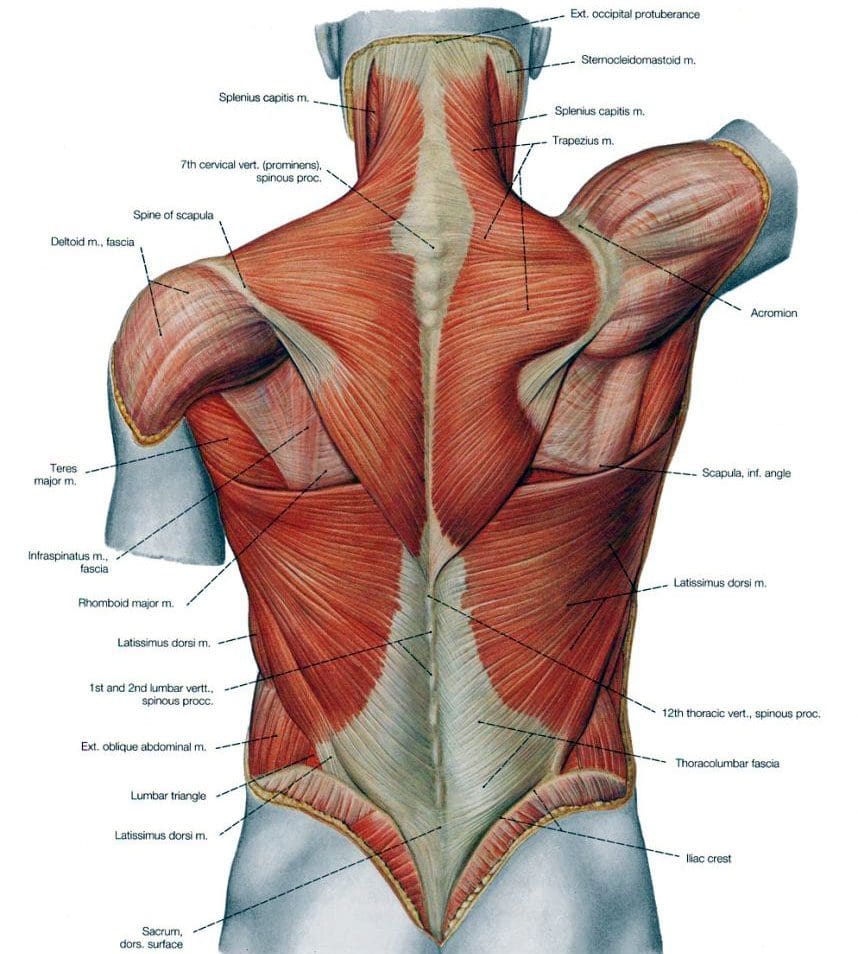
Strong back muscles can reduce injuries and improve posture. There are some muscles along the length of the spine that support the spine. One of the most important�deep muscle groups in your back is the erector spinae. If this muscle group becomes weak, back pain can start to present.
Back Extension
Back extensions can be done:
Using a machine
With an exercise ball
No equipment or objects at all described below
When beginning it’s a good idea to consult a certified personal trainer that has experience rehabilitating people with back pain. They will also teach proper form, body mechanics and alignment. Before doing any exercises consult your chiropractor or primary doctor.
Three You Can Do
The Cow Pose
Begin on hands and knees.
Hands are shoulder-distance apart and knees are hip-distance apart.
Inhale and arch your spine by rocking your pelvis toward the floor.
Look up toward the ceiling.
As you exhale, move back to your starting neutral back position.
Inhale, and repeat. Link your inhales and exhales with your movement.
Do the cow stretch 5 to 10 times once a day.
Upper Back Extension
Begin on your stomach with a small pillow or�rolled�towel under your hips.
Arms should be along your sides.
Slowly lift your upper body off the floor and contract your low back muscles.
Hold 3 seconds before lowering back to the floor.
Repeat 10 times.
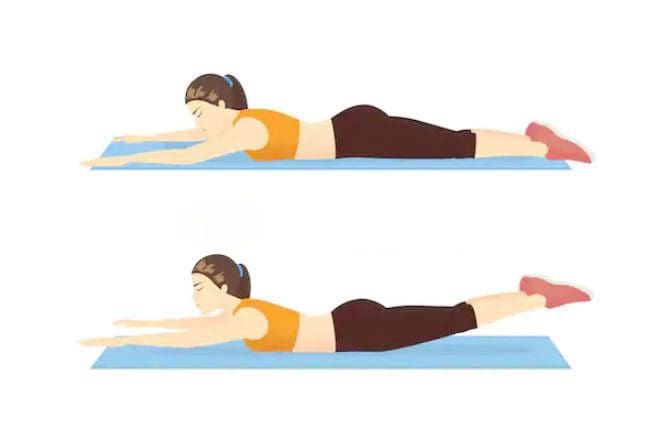
Opposite Arm/Leg Extension
Start on your stomach with legs together and arms stretched in front.
Breathe in and tighten your tailbone as you lift your arms and legs off the floor (about hip height and if you can higher).
Pump the right arm down and left leg down so they just graze the ground, and then bring them back to hip height and pump the left arm and right leg down.
Alternating right arm/left leg and left arm/right leg in small movements. Keep your eyes toward the mat.
Repeat 3 times every day.
These are just a few back extensions that can help you build strong back muscles. Do these exercises regularly to decrease and prevent back pain.
Belief Action Success
All of us want to be living healthy lives.
When realistic, specific and measurable goals are expertly set-up in a health program what really keeps us from getting there is a break in the link that falls between belief and the action. And that is the excuses that seem to pop up at those moments.
Every time I try to exercise or eat healthy, something comes up
Someone or something else is responsible for the situation.
We know what we need to do but just don’t want to do it. We believe that something out of our control prevents us.
Be Proactive
It means more than just taking initiative. It means a responsibility or you can think of it as a response and the ability for our own lives. People that become proactive do not blame circumstances, conditions, etc for their behavior or lack of behavior. It is a product of their own conscious choice. Once you realize the power you have, obstacles become welcome challenges to be overcome. With just a little success, confidence grows and commitment to health and fitness goals becomes a priority.
Back Pain Specialist
NCBI Resources
Dealing with joint or muscle pain can be a daunting experience. It�s important to work on maintaining�mobility and flexibility. The more flexible, the less likely to be injured. One of the best ways to improve flexibility is through stretching. A�chiropractor�can recommend stretches, or you can use some of these basic techniques
Everyday exercises that increase the strength of the abdomen/core along with the back muscles will optimize your body to resist spinal injuries.
Your spine goes through a lot each day. It provides structural support and houses the central nervous system that carries impulses from the brain throughout the body. When it doesn’t work as it is supposed to, the entire body can be affected. Chiropractic has long been praised as a way to keep the back healthy.
The spine is the primary support for the body. When it breaks down, the body suffers. Regular chiropractic care keeps the spine properly aligned, which keeps the body in proper alignment.
Chiropractic helps with joint health as well as the health of the related muscles and ligaments. Your chiropractor can also recommend stretching and strength-building exercises to help keep your spine strong and in optimal form.
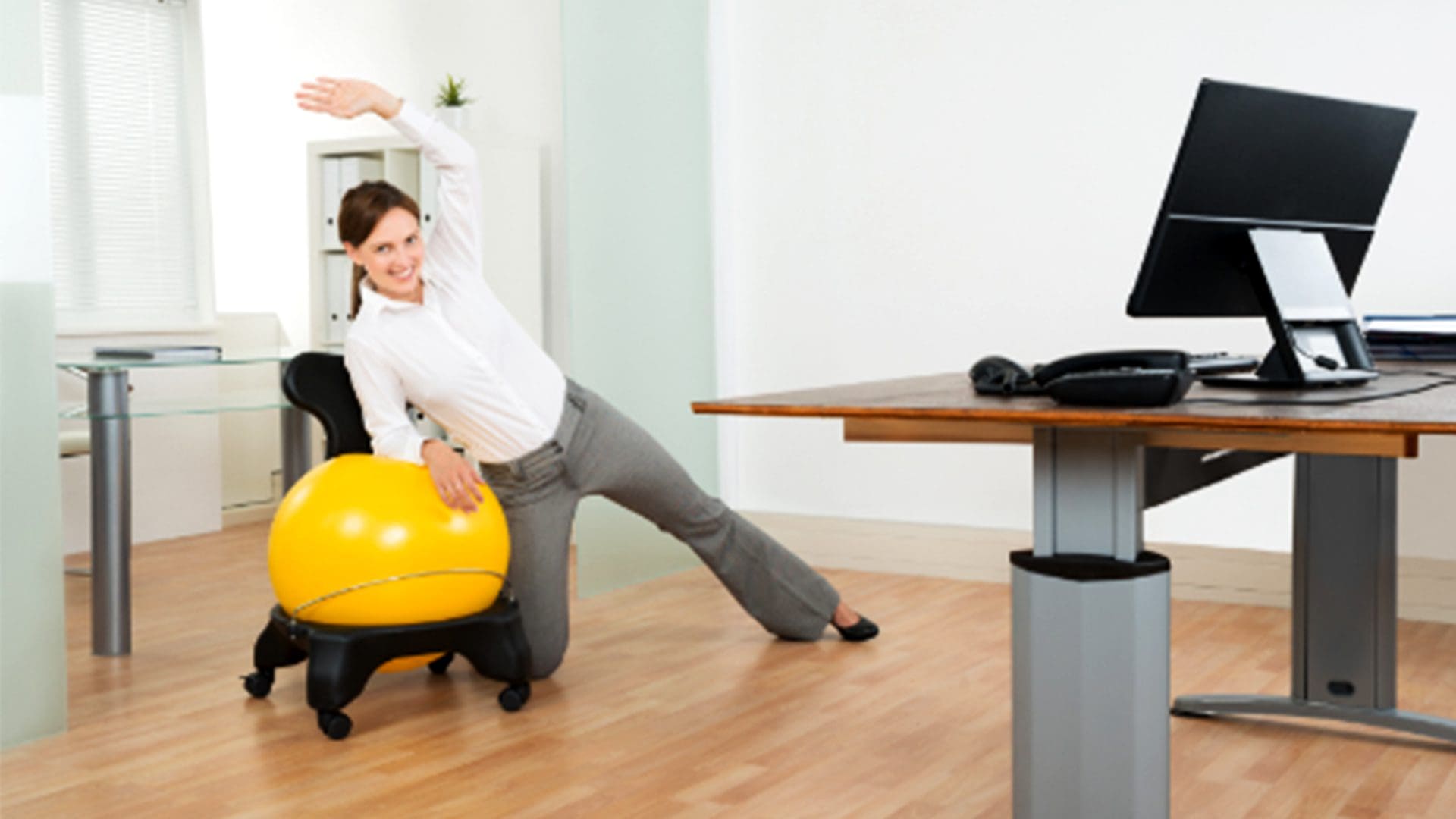
Try the following everyday exercises as the day progresses.
Rotate the shoulders, forward and back.
Turn the head slowly from side to side.
Imagine an airplane taking off, just over your right shoulder. Feel the neck stretch, and follow the plane as it goes up, around and down, until it disappears behind the other shoulder. Reverse and do the same from the left side.
When there is a break or pause in your day waiting at the elevator or for a traffic light to change pull in the abdominal muscles, tighten and hold for 8 seconds without breathing. Relax and increase the count gradually when you feel ready. After a week or so, practice breathing the way you normally do with your abdomen flat and contracted. Try this when you sit, stand, and walk.
Before rising out of bed in the morning, push your head against the pillow and hold for 6 seconds. This strengthens the neck muscles and helps you wake up.
Chiropractic helps keep the spine flexible and loose to prevent injury/s. A strong flexible spine reduces the chances of a misaligned back and could experience pain.Your quality of life will greatly improve being more flexible and mobile.
Continued Everyday Exercises
As you get ready for your day, brushing teeth or shaving, pull in the abdominal muscles and hold them as hard as you can.
Make a habit of starting your day holding stomach muscles in.
In the car, waiting in traffic make the most of it, grab the steering wheel on either side of the wheel at three o’clock and nine o’clock. Try to pull the wheel apart and hold it for a few seconds. Then do the same but push inward. You can also push with your palms against the roof. Also push against your knees using the muscles in your forearms, chest, and abdomen.
Waiting for an elevator, push your toe against the bottom of a wall and hold. You should feel it in your rear, abdomen and low back.
You can strengthen your grip and arms by squeezing a solid object like an office landline phone receiver and then let go and repeat.
While talking on the phone, stand over your desk waste-basket with legs straight, squeeze in using the muscles in your legs and hips.
You can also choose to do some exercises that can be done anywhere and in public.
Chiropractic Improves Posture
Proper posture is beneficial for the entire body. Proper alignment keeps the muscles working correctly and in strong fashion. This prevents over wear and tear on the joints surface and keeps the muscles working effectively and efficiently. Good posture prevents injury and helps with organ function.
Chiropractic optimizes overall health by keeping the body balanced and in tip-top form. Many think that its only purpose is to treat back pain, but it actually focuses on total body wellness.
Reduce Excessive Foot Pronation with Custom Foot Orthotics
NCBI Resources
Having healthy body composition means�there needs to be more lean body mass i.e.�muscle mass�and less body fat.�Strength training/CrossFit�helps by raising the�metabolic rate�while lowering body fat. The increased muscle strength helps maintain correct posture and body mechanics in whatever you do.
Physical activity reduces the chance of injury while increasing physical performance like being able to climb stairs or carry groceries with added confidence.
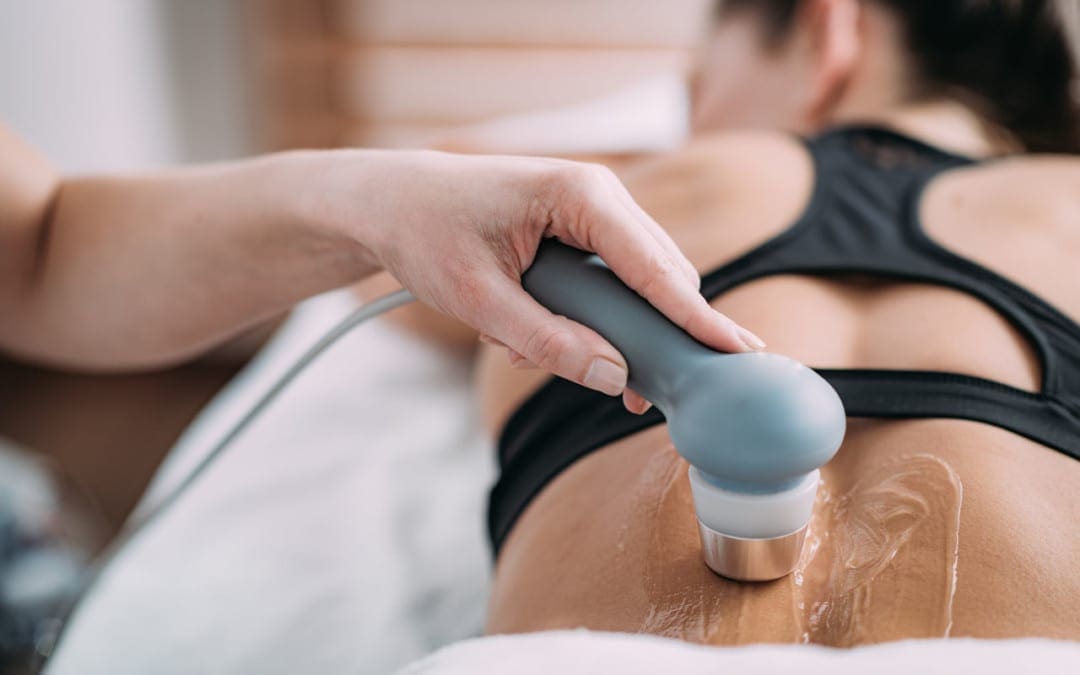
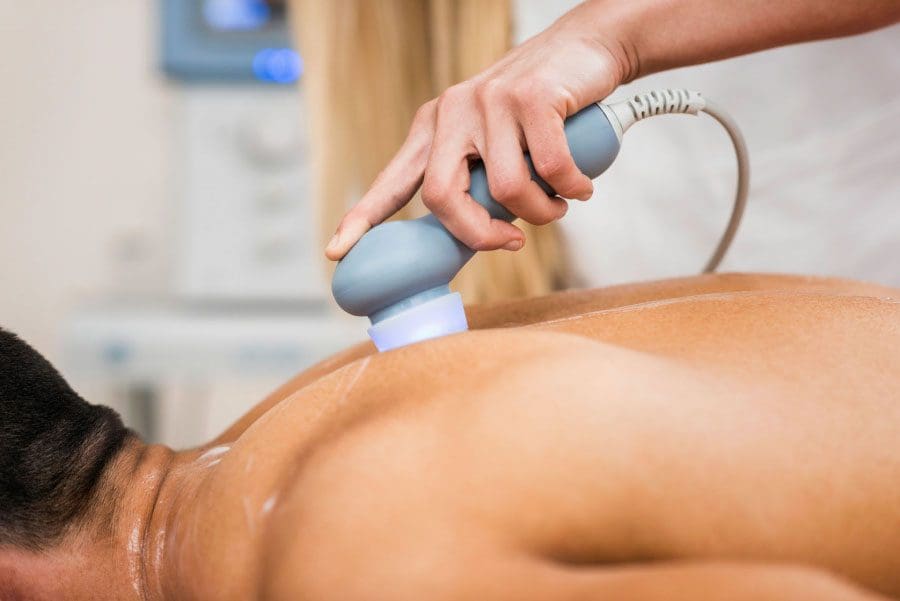
Ultrasound is a passive therapy, which means this is a treatment that a physical therapist administers. It creates gentle pulsating, penetrating heat that soothes, and relaxes spinal and any other muscles that may be tight, knotted and sore.
It is an added supplemental therapy of the primary treatment like chiropractic, therapeutic stretching, and exercise. Ultrasound releases and warms the muscles and soft tissues thus increasing circulation that speeds recovery/healing.
How does ultrasound work?
The equipment creates high-frequency sound waves that flow through to the tight, knotted area with a round-headed probe. The sound waves flow deep into the muscle tissue and ligaments all the while creating a soothing heat that loosens up the tissues.
Treatment application
The therapist will apply a hypoallergenic gel to the skin, that makes for a smooth moveable surface. Then the therapist goes in gentle, circular motions with the probe, and performs the treatment, that can last several minutes.
Ultrasound can also be utilized when performing phonophoresis. This is a treatment that involves the application of topical anti-inflammatory medications that are mixed with ultrasound gel�then applied to the area with the probe. The sound waves force the medicine into the tissues to help reduce inflammation.
Does it hurt?
Absolutely not, the patient will only feel a tingling sensation around the area being treated. There will also be a warming sensation from the sound waves.
Ultrasound results
The ultrasound probe is glided over the surface, all the while sound waves are penetrating through the skin’s surface, which causes the soft tissues to vibrate, creates muscle tightness soothing/releasing heat. The heat induces vasodilation that draws blood into the tissues that are hurting. The increased blood flow delivers much needed:
Oxygen
Nutrients
Removes the cell’s waste
The heat relieves pain and inflammation, reduces muscle spasms, and accelerates healing. Depending on thearea being treated, the range of motion will be increased.
Shoulder Pain Rehabilitation
NCBI Resources
Physical therapists also�instruct patients on the best way to exercise to enhance overall physical fitness, move about safely (biomechanics and ergonomics), and injury prevention. Physical therapists also help patients with�long-term physical incapacity�(eg, spinal cord injury).
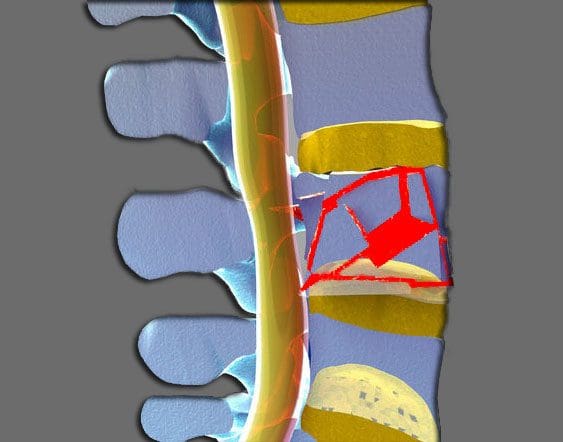
A burst fracture describes an injury to the spine where the vertebrae get compressed severely. These types of injuries occur from severe trauma, like an automobile accident or a serious fall, sports injury, work injury. These injuries entail a great deal of force into the spine, so much so that a vertebra can get crushed.
When crushed in the front of the spine, a wedge-shaped fracture occurs and is known as a compression fracture.
But if the vertebral body gets crushed in all directions this is known as a burst fracture.
The term burst means that the vertebral body spreads out in all directions.
Severe Injury
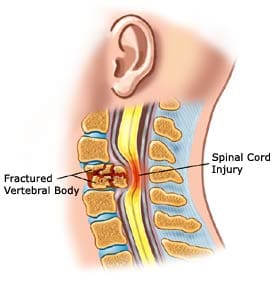
This is a much more severe injury than a compression fracture. With the bones crushed and possible rough jagged edges, if they spread out the spinal cord has a high probability of being injured. The fragments can bruise the spinal cord causing paralysis or partial neurologic injury. The spine becomes far less stable than from a compression fracture.
Nerve Injury
Neurologic injuries from a burst fracture can range from no injury to paralysis. This depends on the amount of force present at the time of the injury and how much the spinal canal is compromised.
A greater amount of force equals more bony fragments that can be forced into the spinal canal and cause higher loss of spinal cord function.
This can cause loss of:
Strength
Sensation
Reflexes below the injury
With an incomplete spinal cord injury, partial paralysis or partial reflex loss occurs.
With a mild burst fracture, only short-term symptoms could be present and no neurologic injury.
Intense Pain
Burst fractures can cause intense pain and the pain is right where the trauma took place.
But pain can also present in the legs and feet depending on how the spinal nerves were affected, shifted or pinched. Patients complain of an electric tingling or shooting type sensation in their legs with spinal cord compression. With a burst fracture, individuals are unable to walk right after the trauma. But the pain percentage present is severe enough that they know not to try and walk.
Diagnosis
If at the sight of the accident the patient says that they have severe back pain should not be in a seated flexed position. They need to be kept lying flat and transported in a flat position.
If they stand or sit with a burst fracture, it can increase the possibility of a neurologic injury.
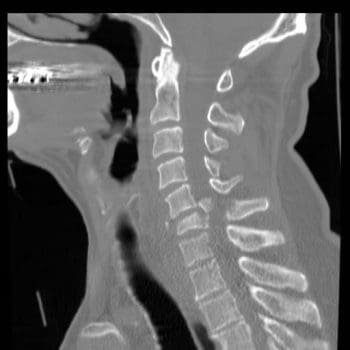
Burst fractures require immediate medical attention from an orthopedic or neurosurgeon. The patient is taken to an emergency room and x-rays, CT scans are gathered.
The diagnosis of a burst fracture is typically made with x-rays and a CT scan.
Sometimes, an MRI will be ordered to assess the amount of:
Soft tissue trauma
Bleeding
Ligament injury
The CT scan and x-rays allow the doctor to determine the level of the fracture, and if it is a:
Compression fracture
Burst fracture
Fracture-dislocation
This will determine how much the spinal canal has been compromised and if its angulation or angle has taken an abnormal bend or curve. These factors all contribute to the development of an optimal treatment plan.
The physical exam will document:
Spinal deformity and Angulation of the spine
Tenderness of the spine where the fracture is located
Neurologic exam
Neurologic exam should include testing:
Muscle strength
Sensation
Reflexes of the lower extremities
Testing of bowel and bladder control
Treatment & Recovery
A stable burst fracture can be treated without surgery.
A stable burst fracture falls into these parameters:
There is no neurologic injury
The angulation is less than 20 degrees
The amount of spinal canal compromise is less than 50%
With this type of treatment, a brace along with physical therapy/chiropractic can have excellent results.
A turtle or clamshell brace TLSO�(Thoracic Lumbar Sacral Orthosis) is a body cast used in the treatment of a burst fracture.
The brace is worn for eight to twelve weeks for adequate and optimal healing.
There are times when a fracture thought stable and treated can start to angulate. This may require surgery. However, all burst fractures require some form of treatment.
Recovery
Nonsurgical treatment patients stay in the hospital for one or two days while their brace is fit.
X-rays are done in the standing position to make sure the spine stays stable.
Pain medications are prescribed for three to four weeks
Non-narcotic medications can begin after the final week
When the brace is removed, physical therapy and chiropractic are instituted to help return strength to the core and lower extremities.
Surgical patients will remain in the hospital for three to five days.
They will be fitted with a brace after the incisions present less pain and are recovered from the surgery.
They can walk within one or two days with the help of a physical therapist.
X-rays are taken to follow the position of the spine and see how the healing is progressing.
Chiropractic/Physical therapy is implemented to help with core strength and lower extremity strength.
Recovery time depends on the severity of the neurologic injury.
Patients that don’t have a neurologic injury can make a full recovery with return to most activities.
Patients with partial neurological injuries can also expect to fully recover.
Unfortunately, with permanent neurologic injury, recovery can be limited.
But treatment for burst fractures today is superior to what they were years ago, especially with spine specialists and specific spinal procedures.
Chiropractic Rehab
Chiropractic is not a treatment for fractures but is a treatment for subluxations and rehabilitation with these types of fractures. Once a fracture has stabilized and healed properly, a chiropractic evaluation can rule out any lingering subluxation, herniation, and joint restriction. The adjustments are safe and effective in establishing optimal function to a subluxated joint.
Chiropractic Treatment For Car Accident Injuries El Paso, Texas
We focus on what works for you. We also strive to create fitness and better the body through researched methods and total wellness programs. These programs are natural and use the body�s own ability to achieve goals of improvement.
NCBI Resources
Chiropractors can help alleviate some of the long-term and immediate concerns associated with bone fractures. A chiropractor can help with compression techniques which are beneficial in maintaining the bone in place for healing. A chiropractor may also advocate wellness techniques, such as a healthy diet that will optimize the body�s ability to restore its original health and wellness. Chiropractors may also educate a patient on a variety of exercises and stretches to reduce the likelihood of complications and which, if done properly and at fixed intervals, will promote quicker recovery.
Physical therapists (PTs) are healthcare professionals that treat patients of all ages with various ailments/conditions. A spine surgeon, physiatrist, orthopedist, primary care physician, neurosurgeon, and a chiropractor may refer patients to a physical therapist as part of a non-operative treatment plan.
An organized physical therapy plan may be an integral part of after-care following surgery. Therapists practice in a variety of settings, like hospitals, outpatient clinics, rehabilitation centers, and nursing homes. Physical therapists provide:
Treatments
Exercises
Mechanics
The primary goals�of physical therapy include:
Maintain practical skills
Improvement
Building endurance and strength
Increasing flexibility
Reducing pain
Preventing impairment
Physical therapists also instruct patients on the best way to exercise to enhance overall physical fitness, move about safely (biomechanics and ergonomics), and injury prevention. Physical therapists also help patients with long-term physical incapacity (eg, spinal cord injury).
Aquatic Therapy
Patients with osteoarthritis have found�waterexercise to be beneficial. With a gravity-free environment,�patients can perform simple exercises without stressing the tender joints. Movement increases circulation to the affected joints and can relieve stiffness. Swimming is also a great exercise for anyone for loosening up stiff joints and strengthening muscles.
Electrical Stimulation
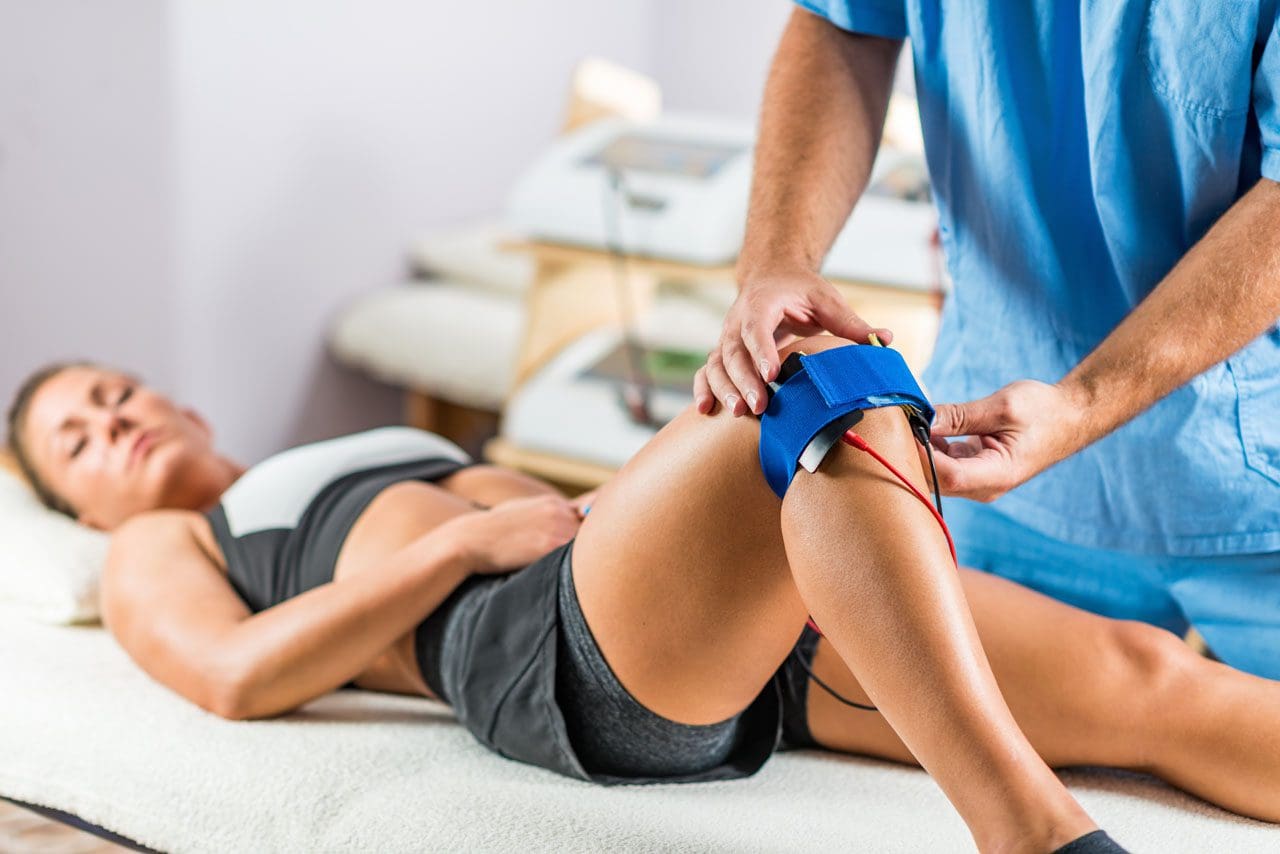
This type of therapy forces a muscle or muscle group to contract and relax. Therapists place surface patches containing electrodes on the skin over the area to be treated. The therapist programs the equipment to deliver the correct amount of stimulation for a set time.
The electrical current flows through nerve and muscle cells. The treatment is not painful. The patient feels gentle pulsating or an on/off sensation. This treatment stimulates circulation and supplies the area with oxygen and nourishment for healing. Electrical stimulation enhances healing and alleviates swelling and pain.
Electrical stimulation in physical therapy. Therapist positioning electrodes onto a patient’s knee
Heat and Ice
Heat increases circulation, decreases stiffness, pain and muscle spasms.
Patients with early arthritis symptoms find relief by taking a warm bath or hot shower.
It is best when done in the morning to help loosen up and alleviate stiffness.
Physical therapists use moist hot packs wrapped in a towel that is laid or wrapped around the affected area.
A moist hot pack transfers moist heat that penetrates deeply into soft tissues and stimulates local circulation more than heat alone.
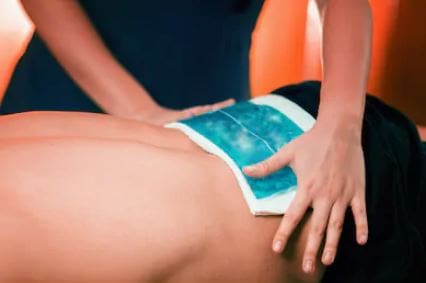
Ice decreases pain by slowing the nerve impulses.
Inflammation subsides with forms of cold therapy:
Cold packs
Ice massage
Iced towels
They are usually the first aid following trauma.
When treating an overworked body part�ice�treatment should be supervised by a physical therapist.
Hydrotherapy
This is like a whirlpool bath. The water temperature and agitation loosen up joints, stimulate muscles and are controlled for maximum benefit.
Myofascial Release
This therapy improves circulation, decreases muscular tension and increases range of motion.
It is a type of massage that stimulates the muscles. The muscle tissue is manipulated by hand to stretch the tissue. Tight tissues become loosened using a cross friction motion with this therapy.
Movement & Conditioning
A physical therapist teaches patients how to move properly while being able to work through the pain. Therapists want patients to work as pain-free as possible. This does not mean that the exercises will be easy. More than likely they are going to be tough, but that is what you want to get back into top physical form.
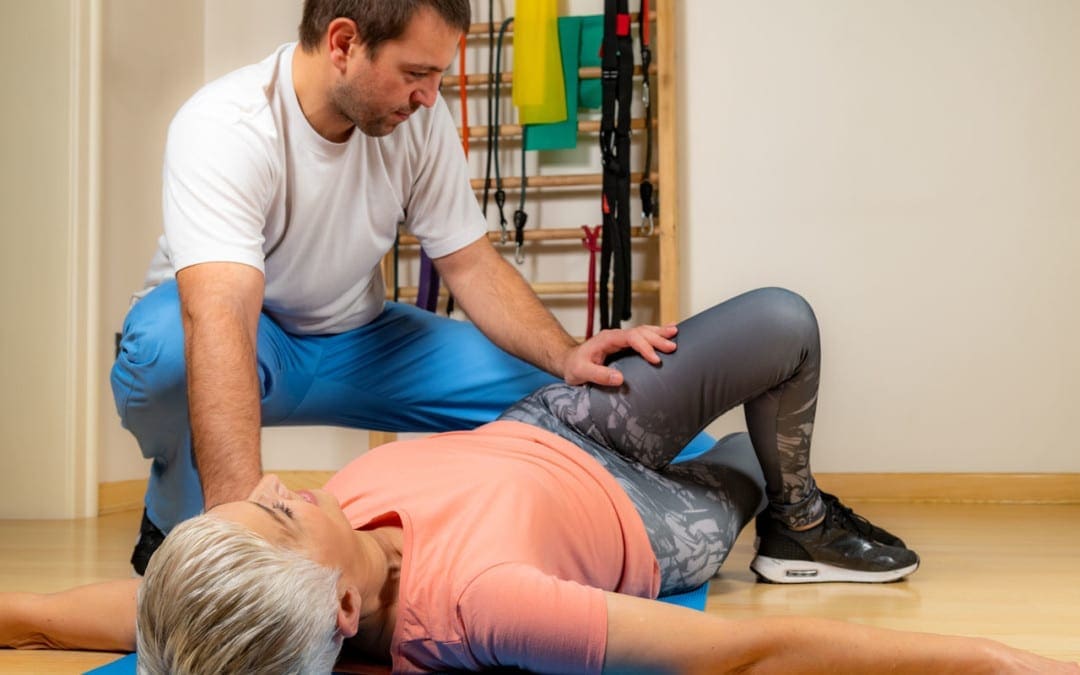
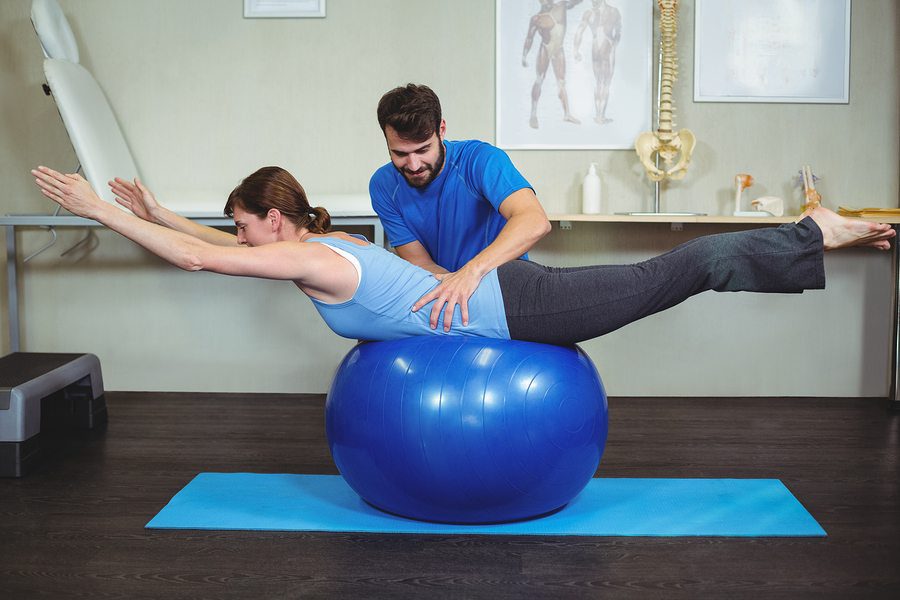
Physical therapist assisting woman on an exercise ball at the clinic
Warming-Up can be accomplished by riding a stationary bike and some light stretching. The type of warm-up that goes with the therapy is determined by the individual treatment plan.
There will be muscle soreness for 24 to 48 hours following exercise therapy. This is completely normal and should be expected. As the exercises become a normal part of the day the discomfort will gradually go away. Stretching will increase flexibility. And as the treatment goes on resistive and strength exercises could be added.
Couple warming up
Home Exercise
With any treatment plan, there is usually a custom home exercise program. Exercises pretty much follow clinic exercises with variations and added stretches to keep the body from stiffening staying limber. Changes can be discussed with a physician.
Body Mechanics & Posture
Proper body mechanics helps to prevent further injury/s from occurring. Patients willing to maintain
Physical fitness
Reduce stress
Apply proper body mechanics
This reduces the risk of injury.
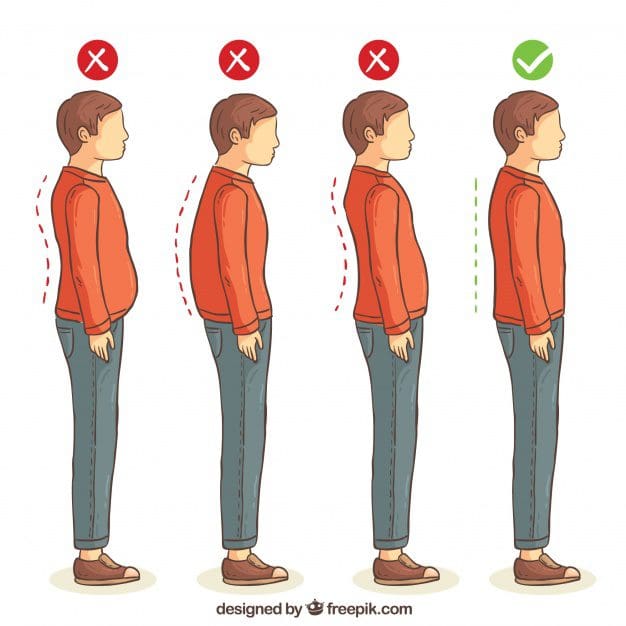
Proper posture is defined as keeping the natural curve of the spine. Proper posture minimizes stress to the spine. This is the first lesson a physical therapist teaches a patient.
Poor posture and poor body mechanics are leading contributors to neck and back pain.
Proper Work Habits
Do not lean over a desk for long periods.
Try not to sit without back support.
Adjust chair height so the knees are bent at a 90-degrees.
Bend the elbows at a 90-degree angle or they can rest on the work surface.
Don’t cradle the phone against the ear and shoulder as this can cause neck and shoulder issues.
Lifting and Carrying Objects
First, look at the object to be moved. If it looks too heavy find help.
Remove obstacles from the pathway where the object will be going through.
Visualize maintaining proper posture.
Get as close to the object as you can.
Place feet slightly apart and flat on the floor.
Bend at the knees to provide stable support.
Tighten the stomach muscles.
Breathe deeply.
Smoothly lift the object using arms and legs and not the back.
Hold the object at the sides and bottom.
Keep the object close to the body.
Keep back straight and carry the object with elbows slightly bent.
With shopping bags or luggage split the load in two, and try to carry the same amount of weight in each hand.
Pushing versus Pulling
Pushing is the more efficient and safer method of moving objects. Keep the back straight and use the knees to push. Keep close to the object and reposition the body every so often.
Reaching for Objects
Check the size, weight, and location of the object.
Use a proper stool or step-ladder to get the object. Stand with both feet flat.
One hand can be used for additional support.
Try not to look over too much as this can cause neck strain.
Think about storing regularly used items within easy reach.
Physical therapists may work directly for or with a physician, therapist, chiropractor and other healthcare providers to organize aspects of physical treatment plans. For example, a doctor may send physical therapist information of graphs, medications, analysis, and imaging results.
Massage Rehabilitation El Paso, Texas
NCBI Resources
During the first consultation, a physical therapist will talk about symptoms, analysis, and medical history.� Severity the location, type, and variables that decrease or increase pain are significant, and the PT will ask many questions regarding pain.
Physical therapists are healthcare professionals and members of your medical team. While physical therapy may be challenging or demanding at first, there are many benefits. It�s an opportunity to take charge of back or neck pain while building a stronger more resilient body.
FDA recognizes and approves spinal decompression and its ability to eliminate herniated discs.
On the verge of back surgery, a mason discovered the non-surgical solution to work-related chronic back pain.
A new male patient who works in construction came to see me as a last resort to lessen his back pain brought on from damaged/herniated discs.
His primary caregiver recommended back surgery, but that would have put him on disability for months.
Fortunately, before saying yes to the surgery, a co-worker recommended chiropractic care.
Bricklayers/masons have the highest rate of back injuries with non-paid sick leave.
Constant bending over, even with a back brace, takes its toll on the spine, which in this case resulted in two herniated discs.
Pain medications helped in the beginning but with constant use, put him in a constant brain fog state, along with the expense, which took its toll on the family budget.
Disc Injury & Back Surgery
The doctor did not discuss spinal decompression therapy
�A non-surgical back treatment that slowly and gently stretches the spine.
This stretching lessens the pressure on the compressed nerve root (herniated disc) and results in less and even complete alleviation.
The patient came twice a week with myself and the team working on him over the course of a month, however, every case is different so treatments vary depending on the condition.
With each treatment, the two herniated discs were slowly reverted back to their natural position. This is able to be achieved with less pressure between the discs.
Towards the end of treatment, the patient’s pain was gone by about 90%.
With two weeks of rest, the patient was able to return to work.
The best part was that there was no surgery, pain medications, disability, and hospital bills.
Spine treatment alternative
Chiropractic/Decompression therapy is way less expensive than medication and surgery. It is:
Non-surgical
Recovery time is faster
Completely drug-free
People suffering every day with herniated/injured discs should consider the chiropractic decompression option. You do not have to learn to live with chronic back pain.
If you suffer from:
Herniated discs
Bulging discs
Degenerative disc disease
I encourage you to discuss the condition with an experienced chiropractor. There are many proven alternatives to back surgery and pain meds. People need to be aware of these alternatives for chronic back pain. The right-back pain treatment can definitely improve the quality of life.
Herniated Disc El Paso, TX
Sandra Rubio developed two herniated discs and a bulging disc after suffering from an accident at a young age, which caused her intense pain throughout her youth.
When she became a mother, her symptoms became severe.
After visiting doctors without results, Sandra found chiropractor Dr. Alex Jimenez and found relief from her sciatica and migraines.
The herniated disc treatment she received from Dr. Alex Jimenez was non-surgical.
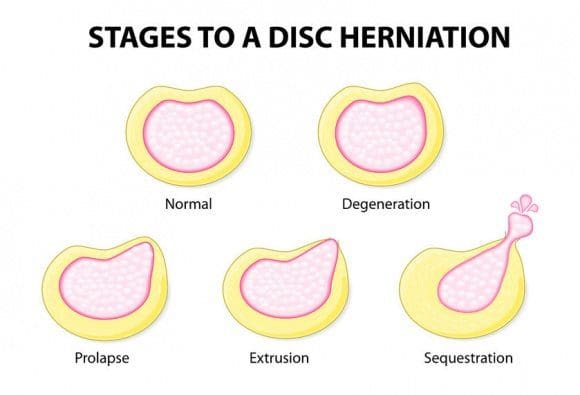
A herniated disc, also known as a slipped disc, is a medical condition in which:
Atear from the outer intervertebral disc allows the soft, central area to bulge out beyond the outer rings.
Disc herniation is usually a result of:
Degeneration (wear/tear)
Trauma (auto accident/sports injury)
Lifting injuries
Straining movement
The tear can release the compounds, which cause inflammation and can cause severe pain even if the nerve root not compressed.
A physical examination is usually the first step in diagnosing a herniated disc. The chiropractor will examine the spine while the patient is standing, and while they’re lying down. Depending on the severity and location of the herniation, they may note a decrease in spine curvature.
Radicular pain will be assessed, when the spine is:
Unmoving
In motion
With pressure applied
Other tests may be administered.
X-rays may also be taken, but an MRI is usually more accurate and shows more detail.
Chiropractic has been very effective in helping patients manage their pain and regain their mobility so they can return to their normal life. Therefore, it should be your first option for treatment before you go down the road with drugs or surgery.
NCBI Resources
It is often referred to as a ruptured disc or slipped disc and occurs when the disc moves or slips out of place. It can also be the result of a disc that has a small tear and is leaking the jelly-like substance that is inside. This can put pressure on the surrounding nerves, causing pain and discomfort.
IFM's Find A Practitioner tool is the largest referral network in Functional Medicine, created to help patients locate Functional Medicine practitioners anywhere in the world. IFM Certified Practitioners are listed first in the search results, given their extensive education in Functional Medicine