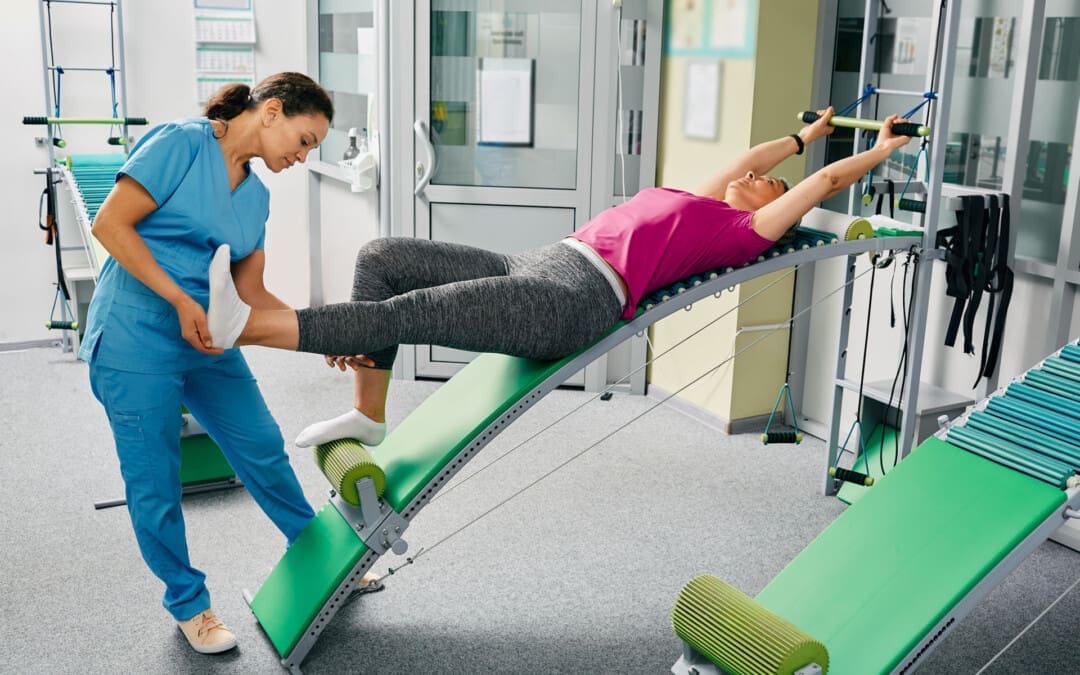
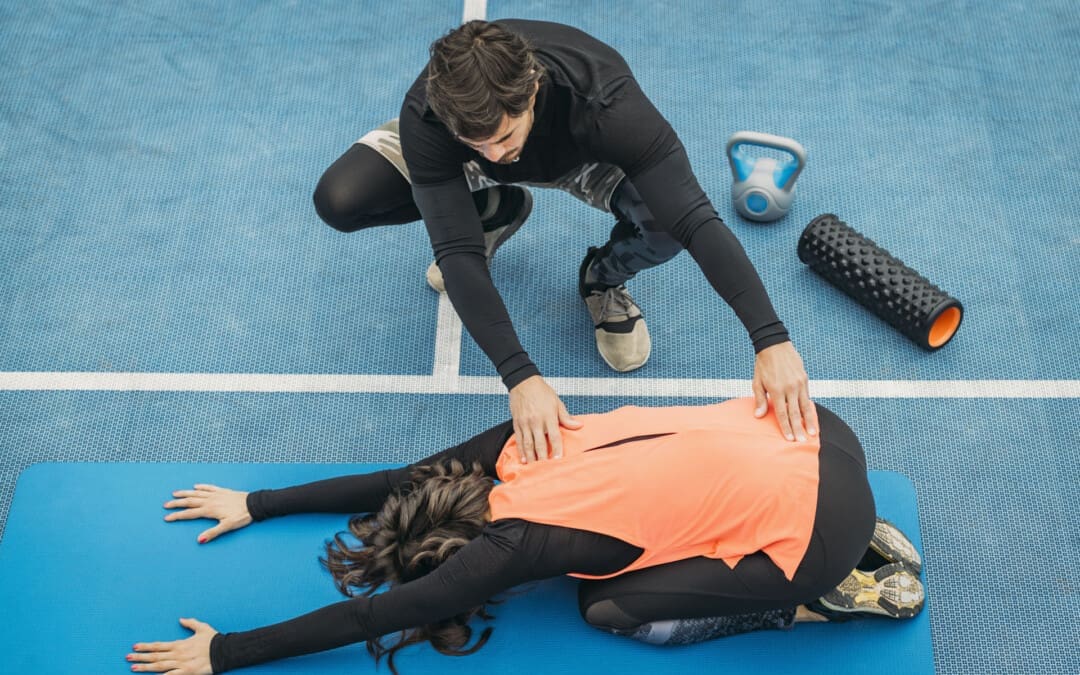
What are the recommendations for a pulled muscle injury to fully recover?
Pulled Muscle Recovery Time
A pulled muscle, medically known as a strain, occurs when muscle fibers are stretched too far and sometimes tear. A pulled muscle injury typically starts to heal within days. Mild injuries can heal completely in one to three weeks, but more serious strains or tears, depending on the severity, can take six to 12 weeks or longer. (Fernandes T. L., Pedrinelli A., & Hernandez A. J. 2015) Rest, hydration, healthy foods, and slowly returning to activity can help expedite healing time.
Timeline
The timeline for recovering from a pulled muscle depends on the injury’s severity.
Pulled muscles are typically categorized into three grades based on the degree and size of pulled muscle fibers, as follows (Hospital for Special Surgery, 2024)
Grade 1 (mild)
Heals in a few days.
A microscopic tear or stretch in the muscle fiber.
It might feel sore, but you can still use the muscle.
Grade 2 (moderate)
Heals in four to six weeks.
A partial tear in the muscle causes noticeable pain and swelling, making it harder to move or use the injured muscle.
Grade 3 (severe)
Heals in several months
This type of muscle strain causes a complete tear, also known as a rupture.
It results in intense pain, significant swelling, and inability to use the muscle.
Surgery may be required in some cases.
Larger muscles, such as the hamstrings and quadriceps, may take longer to heal than smaller muscles due to their increased size and greater weight-bearing loads.
Body Parts More Susceptible To Injury
The following are more susceptible to muscle strains, pulls, or tears (Nölle L. V. et al., 2022)
Neck – levator scapulae and trapezius
Shoulders – rotator cuff muscles
Lower back – erector spinae
Groin – adductors
Front of the thigh – quadriceps
Behind the thigh – hamstrings
Calves – gastrocnemius and soleus
Healing Stages and Factors
Pulled muscles heal in three predictable stages, though the timing and progression may vary by individual and injury severity (Baoge L. et al., 2012).
Inflammatory Stage (zero to three days)
When pulling a muscle, the body reacts instantly with an inflammatory response that may include swelling, redness, bruising, and pain.
Rest is important during this stage to prevent the injury from getting worse.
Repair Stage (three to 21 days)
Damaged muscle fibers are repaired and regrow during this stage.
Collagen fills in any tears to rebuild damaged muscle tissue.
Gentle movement and easy activity can help the fibers line up properly and reduce stiffness.
Start slowly moving a pulled muscle as soon as possible, but avoid too much activity too soon, as it can delay and prolong healing.
Remodeling Stage (three weeks to one year)
Repaired tissue gets stronger and adapts to regular movement.
Gradually adding more activity, stretching, and strengthening exercises helps treat a pulled muscle and return to full strength and function but should be done carefully to avoid re-injury.
Avoid activities that cause pain, but move the muscle gently to prevent stiffness.
Prolonged rest can slow healing, so maintain a balance between rest and exercise.
Ice
Add ice for 10–20 minutes for the first 48 hours to reduce swelling and pain.
Ice helps control inflammation by limiting blood flow to the injured area.
Compression
Use compression stockings or wrap the injured part in bandages to help reduce swelling.
Ensure the binding is not too tight so circulation is not cut off.
Elevation
Raise the injured area above heart level throughout the day.
This helps reduce swelling by allowing fluids to drain away from the injury site.
Heat
After the first two to three days, heat therapy increases blood circulation and improves flexibility, helping the muscle heal.
Eat Healthy
Get enough protein for muscle repair.
Maintain Hydration
Drink plenty of water to help with circulation and muscle lubrication.
Massage and Physical Therapy
These hands-on interventions can improve circulation, help reduce scar tissue, and restore range of motion.
Over-the-counter Medications
If needed, over-the-counter nonsteroidal anti-inflammatory medications like Advil or Motrin (ibuprofen) and Aleve (naproxen sodium) can help with pain and swelling.
Only use as directed.
These steps can help promote faster healing and expedite returning to normal daily activities.
When to Resume Normal Activity
Individuals may need one to two weeks to recover before resuming normal activity for mild strains. However, for more severe injuries, it could take four to six weeks or longer to return to all daily activities. (Harvard Health Publishing, 2023) It’s essential to gradually return to daily activities to avoid reinjury, which can delay and prolong healing. Follow these recommendations to recover from a pulled muscle safely and quickly (Kraemer W., Denegar C., & Flanagan S. 2009)
Once the pain has subsided, the swelling has decreased, and the muscle feels better, start with low-impact exercises.
Slowly resume normal activities, avoiding overexerting the injured area.
Gradually increase activity levels and stop if there is any pain.
Avoid strenuous activities that place excessive stress on the injured muscle until the muscle is completely healed.
Contact a Healthcare Provider
While most pulled muscles heal with home care, seek medical attention if: (Penn Medicine, 2023)
Pain persists or worsens after seven to 10 days.
This can indicate a more serious injury, such as a severe torn muscle.
Significant pain, loss of motion and strength, and swelling disrupt daily activities or show signs of worsening despite rest and self-care.
It is difficult to move the affected area, or the muscle cannot bear weight, suggesting a more severe injury.
There are signs of infection, including redness, warmth, increased swelling, or fever, especially if the skin is cut or broken near the injured area.
There is unusual bruising or a visible deformity, which could indicate a bone fracture requiring professional evaluation.
A healthcare provider may recommend imaging studies, such as MRI, ultrasound, or X-rays, to assess the extent of the injury, rule out fractures, or check for muscle tears.
Injury Medical Chiropractic & Functional Medicine Clinic
Injury Medical Chiropractic and Functional Medicine Clinic works with primary healthcare providers and specialists to develop an optimal health and wellness solution. We focus on what works for you to relieve pain, restore function, and prevent injury. Regarding musculoskeletal pain, specialists like chiropractors, acupuncturists, and massage therapists can help mitigate the pain through spinal adjustments that help the body realign itself. They can also work with other medical professionals to integrate a treatment plan to resolve musculoskeletal issues.
Say Goodbye to Pain with Chiropractic Care
References
Fernandes, T. L., Pedrinelli, A., & Hernandez, A. J. (2015). MUSCLE INJURY – PHYSIOPATHOLOGY, DIAGNOSIS, TREATMENT, AND CLINICAL PRESENTATION. Revista brasileira de ortopedia, 46(3), 247–255. https://doi.org/10.1016/S2255-4971(15)30190-7
Hospital for Special Surgery. J. N. R., MD. (2024). Muscle Strain: Causes, Symptoms, Treatment. https://www.hss.edu/conditions_muscle-strain.asp
Nölle, L. V., Mishra, A., Martynenko, O. V., & Schmitt, S. (2022). Evaluation of muscle strain injury severity in active human body models. Journal of the mechanical behavior of biomedical materials, 135, 105463. https://doi.org/10.1016/j.jmbbm.2022.105463
Baoge, L., Van Den Steen, E., Rimbaut, S., Philips, N., Witvrouw, E., Almqvist, K. F., Vanderstraeten, G., & Vanden Bossche, L. C. (2012). Treatment of skeletal muscle injury: a review. ISRN orthopedics, 2012, 689012. https://doi.org/10.5402/2012/689012
Laumonier, T., & Menetrey, J. (2016). Muscle injuries and strategies for improving their repair. Journal of Experimental Orthopaedics, 3(1), 15. https://doi.org/10.1186/s40634-016-0051-7
Harvard Health Publishing. (2023). Muscle strain. https://www.health.harvard.edu/staying-healthy/muscle-strain-a-to-z
Kraemer, W., Denegar, C., & Flanagan, S. (2009). Recovery from injury in sport: considerations in the transition from medical care to performance care. Sports Health, 1(5), 392–395. https://doi.org/10.1177/1941738109343156
Penn Medicine. (2023). Strains. https://www.pennmedicine.org/for-patients-and-visitors/patient-information/conditions-treated-a-to-z/strains
Can bone broth help individuals with gut issues or chronic conditions like inflammatory bowel disorder?
Bone Broth Health
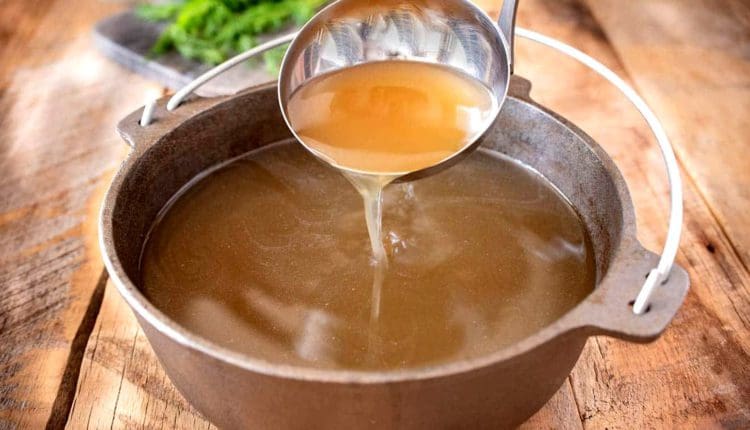
Bone broth is a nutrient-rich beverage made by simmering animal bones, typically from beef, chicken, or fish, in water for an extended period (24-72 hours). It can be used as a beverage or as a base for soups, stews, and sauces.
Process
Bones are roasted or boiled to release flavor.
Bones are placed in a pot with water, vegetables (such as onions, carrots, and celery), herbs (such as parsley and thyme), and spices.
The mixture is simmered over low heat for a long time, allowing the bones to release their nutrients and collagen.
The broth is strained to remove the bones and solids.
Nutrients
Bone broth is a healthy source of:
Collagen
A protein that supports skin, hair, and joint health.
Minerals
Including calcium, magnesium, phosphorus, and silicon.
Amino acids
Essential for building and repairing tissues.
Bone Broth Health Benefits
While there is limited research on the health benefits, the nutrients in bone broth can be beneficial for:
Joint health
Bone density
Digestion
Gut health
Muscle growth and recovery
Hydration
Reduce inflammation
Improve skin elasticity and appearance
Boost immune system
While research on bone broth’s benefits is still limited, it’s a nutritious and hydrating beverage that supports gut health and recovery after a tough workout. It can be drunk on its own or used in cooking. Bone broth is a delicious way to replenish electrolytes and stay hydrated, whether recovering from a flare-up or an intense workout. It is especially helpful for those dealing with gut issues or chronic conditions like inflammatory bowel disorder.
Nutrient-Rich
Bone broth is rich in minerals, including calcium, magnesium, potassium, phosphorus, and iodine.
Joint Health
Collagen is the main source of protein found in bones, tendons, and ligaments.
Research suggests that collagen may support joint health, protect the tissues in joints, and improve symptoms of osteoarthritis. (Martínez-Puig D. et al., 2023)
Anti-Inflammatory
Bone broth contains glycine and arginine, amino acids with anti-inflammatory properties.
Incorporating bone broth into one’s diet can help meet protein goals.
One cup of bone broth contains four to 20 grams of protein.
Digestion and Gut Health
Colostrum is the first milk produced after giving birth, and some research suggests this may offer immune-boosting benefits and gut repair, but more research is needed. (Playford R. J., & Weiser M. J. 2021)
Bone broth contains glutamine, an amino acid that can reduce inflammation in the gut, strengthen the gut lining, and maintain a healthy microbiome.
Many bone broths are high in sodium and may not be suitable for individuals on low-sodium diets. It is recommended that individuals consume less than 2,300 milligrams of sodium per day to support a healthy heart and reduce the risk of high blood pressure, look for other sources of sodium, and incorporate bone broth accordingly. (American Heart Association, 2024) Also, because of the polysaccharides that may leach from the cartilage and the garlic and onions usually present in the bone broth, it’s not suitable for those with a digestive disorder like small intestinal bacterial overgrowth (SIBO) or individuals following a low-FODMAP diet.
What To Look For
Quality
When possible, choose a bone broth that’s grass-fed and organic.
Quality matters because the process of simmering the bones with water pulls all the nutrients, collagen, and protein into the broth.
Starting with the highest quality ingredients ensures it will be as nutritious as possible.
Type
Various types include chicken, beef, turkey, and bison varieties.
Packaging
Bone broth comes in various packaging, including shelf-stable, frozen, or fresh.
When selecting, consider how often it is used, how much is needed, and storage space.
For individuals who drink bone broth daily, buying it in bulk and storing it in the pantry or freezer may be more budget-friendly.
Consistency
Generally, bone broth is a thick, slightly viscous beverage.
Individuals who prefer a thinner liquid should try a shelf-stable broth, which is usually less gelatinous than frozen bone broths.
Powdered bone broth is also a great option for those who prefer a lighter beverage.
Individuals can choose a low-sodium bone broth to limit sodium intake.
Injury Medical Chiropractic and Functional Medicine Clinic
Injury Medical Chiropractic and Functional Medicine Clinic works with primary healthcare providers and specialists to develop highly effective treatment plans through an integrated approach for each patient and restore health and function to the body through nutrition and wellness, functional medicine, acupuncture, Electroacupuncture, and integrated medicine protocols. We focus on what works for you to relieve pain, restore function, prevent injury, and mitigate issues through adjustments that help the body realign itself. The clinic can also work with other medical professionals to integrate a treatment plan to resolve musculoskeletal problems.
Reducing Inflammation In The Body
References
Martínez-Puig, D., Costa-Larrión, E., Rubio-Rodríguez, N., & Gálvez-Martín, P. (2023). Collagen Supplementation for Joint Health: The Link between Composition and Scientific Knowledge. Nutrients, 15(6), 1332. https://doi.org/10.3390/nu15061332
Chen, S., Kim, W., Henning, S. M., Carpenter, C. L., & Li, Z. (2010). Arginine and antioxidant supplement on performance in elderly male cyclists: a randomized controlled trial. Journal of the International Society of Sports Nutrition, 7, 13. https://doi.org/10.1186/1550-2783-7-13
Razak, M. A., Begum, P. S., Viswanath, B., & Rajagopal, S. (2017). Multifarious Beneficial Effect of Nonessential Amino Acid, Glycine: A Review. Oxidative medicine and cellular longevity, 2017, 1716701. https://doi.org/10.1155/2017/1716701
Playford, R. J., & Weiser, M. J. (2021). Bovine Colostrum: Its Constituents and Uses. Nutrients, 13(1), 265. https://doi.org/10.3390/nu13010265
Wang, B., Wu, G., Zhou, Z., Dai, Z., Sun, Y., Ji, Y., Li, W., Wang, W., Liu, C., Han, F., & Wu, Z. (2015). Glutamine and intestinal barrier function. Amino acids, 47(10), 2143–2154. https://doi.org/10.1007/s00726-014-1773-4
Nagahama, K., Nishio, H., Yamato, M., & Takeuchi, K. (2012). Orally administered L-arginine and glycine are highly effective against acid reflux esophagitis in rats. Medical science monitor: international medical journal of experimental and clinical research, 18(1), BR9–BR15. https://doi.org/10.12659/msm.882190
American Heart Association. Association, A. H. (2024). Lifestyle & Risk Reduction, High Blood Pressure. https://www.heart.org/-/media/files/health-topics/answers-by-heart/why-should-i-limit-sodium.pdf
Individuals who have fractured their scaphoid bone may experience pain and swelling in the wrist just below the thumb. Can immobilization with a cast and physical therapy help?
Scaphoid Fracture
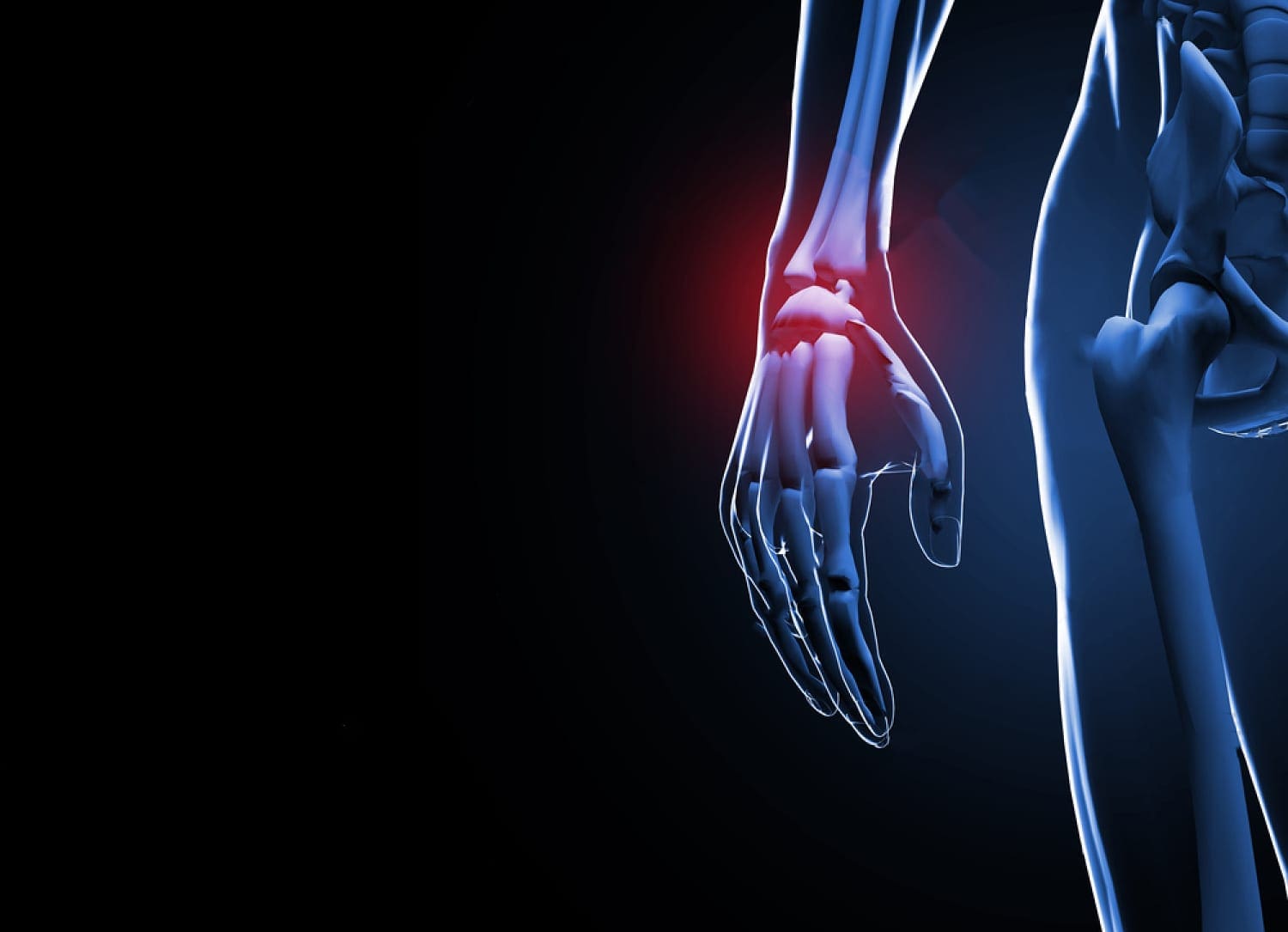
A scaphoid fracture is a break in one of the wrist’s small or carpal bones. This type of fracture occurs most often after a fall onto an outstretched hand. Symptoms typically include swelling and pain in the wrist just below the base of the thumb. These fractures can be difficult to diagnose since they don’t always appear on an X-ray. If the X-ray is negative and the healthcare provider suspects a scaphoid fracture, an MRI may be necessary. Surgery may be required in more severe cases or when the injury is not healing correctly. (American Academy of Orthopaedic Surgeons, 2023)
A Break In The – Navicular Bone
The scaphoid is one of eight carpal bones in the wrist. It is located just below the thumb’s base and is shaped like a kidney bean. This bone can be identified by holding a thumbs-up position and feeling for the hollow between the two tendons below your thumb. The scaphoid is located at the base of the hollow. A break in the scaphoid bone most commonly occurs in the middle of the bone but can also happen at either end. A scaphoid fracture can be displaced or non-displaced (American Academy of Orthopaedic Surgeons, 2023)
Displaced Fracture
It is when the bone fragments have moved out of alignment.
Non-displaced Fracture
It is when the fragments are still in their normal location in the hand.
The scaphoid’s blood supply comes from a small vessel that enters the most distant part of the bone and flows back through the bone. Because of this one small blood supply, a fracture in the center can stop the circulation to the proximal portion of the bone. Because of this, scaphoid fractures need immediate diagnosis and treatment.
Symptoms
Pain or deep aching on the thumb-side of the wrist, typically after a fall on an outstretched arm, could be a scaphoid fracture. Other symptoms experienced include: (American Academy of Orthopaedic Surgeons, 2023)
A healthcare provider will evaluate the hand for tenderness and pain in the hollow and/or the bone. If a break is suspected, they will order an X-ray. (Clementson M., Björkman A., & Thomsen N. O. B. 2020) Many patients are diagnosed with a wrist sprain when they have a fracture. Diagnosis can be difficult because the fracture often doesn’t appear on X-rays until weeks after the healing process starts. Physicians commonly treat a wrist injury as a scaphoid fracture initially and then repeat X-rays within two weeks. (American Academy of Orthopaedic Surgeons, 2023) If the injury doesn’t show on an X-ray, the provider may order an MRI, as these fractures can be easier to see on an MRI. An MRI can help ensure appropriate treatment immediately. (Wong S. B. S., & Peh W. C. G. 2019)
Treatment
If a wrist fracture is diagnosed, the wrist will be immobilized in a cast. However, a healthcare provider may also put the wrist in a cast if the X-ray is negative but they suspect a fracture. This will stabilize the injury until an MRI can be performed. With immobilization and follow-up treatment, scaphoid fractures often heal without surgery. Repeat X-rays are taken over several weeks or months so the provider can make sure the injury is healing correctly. If it is not healing correctly, surgery may be recommended. (Clementson M., Björkman A., & Thomsen N. O. B. 2020) If the fracture is displaced, healing correctly may be a challenge. In this case, a physician may recommend initial surgery to reposition the bones. (Clementson M., Björkman A., & Thomsen N. O. B. 2020) This type of surgery involves pinning the bone in place with screws.
Rehabilitation is an important part of healing because immobilization takes a long time. Wrist range-of-motion exercises can be started, followed by strengthening exercises for the wrist flexors and extensors. Supination, pronation, and grip exercises are also part of physical therapy.
This condition causes degeneration of the cartilage in the joint.
Avascular Necrosis
This is when the blood supply to the bone is reduced or cut off, causing the bone to die.
Injury Medical Chiropractic and Functional Medicine Clinic
Injury Medical Chiropractic and Functional Medicine Clinic works with primary healthcare providers and specialists to build optimal health and wellness solutions. We focus on what works for you to relieve pain, restore function, prevent injury, and mitigate issues through adjustments that help the body realign itself. The clinic can also work with other medical professionals to integrate a treatment plan to resolve musculoskeletal problems.
Skateboarding Injury Treatment
References
American Academy of Orthopaedic Surgeons. (2023). Scaphoid fracture of the wrist. https://orthoinfo.aaos.org/en/diseases–conditions/scaphoid-fracture-of-the-wrist
Clementson, M., Björkman, A., & Thomsen, N. O. B. (2020). Acute scaphoid fractures: guidelines for diagnosis and treatment. EFORT open reviews, 5(2), 96–103. https://doi.org/10.1302/2058-5241.5.190025
Wong, S. B. S., & Peh, W. C. G. (2019). The role of magnetic resonance imaging in the evaluation of scaphoid fractures. Journal of Medical Radiation Sciences, 66(1), 3–4. https://doi.org/10.1002/jmrs.316
Almigdad, A., Al-Zoubi, A., Mustafa, A., Al-Qasaimeh, M., Azzam, E., Mestarihi, S., Khair, Y., & Almanasier, G. (2024). A review of scaphoid fracture, treatment outcomes, and consequences. International orthopaedics, 48(2), 529–536. https://doi.org/10.1007/s00264-023-06014-2
For individuals with shoulder pain and problems, what are the stages of a frozen shoulder, how long do they last, and what can be done to relieve pain?
Frozen Shoulder Stages
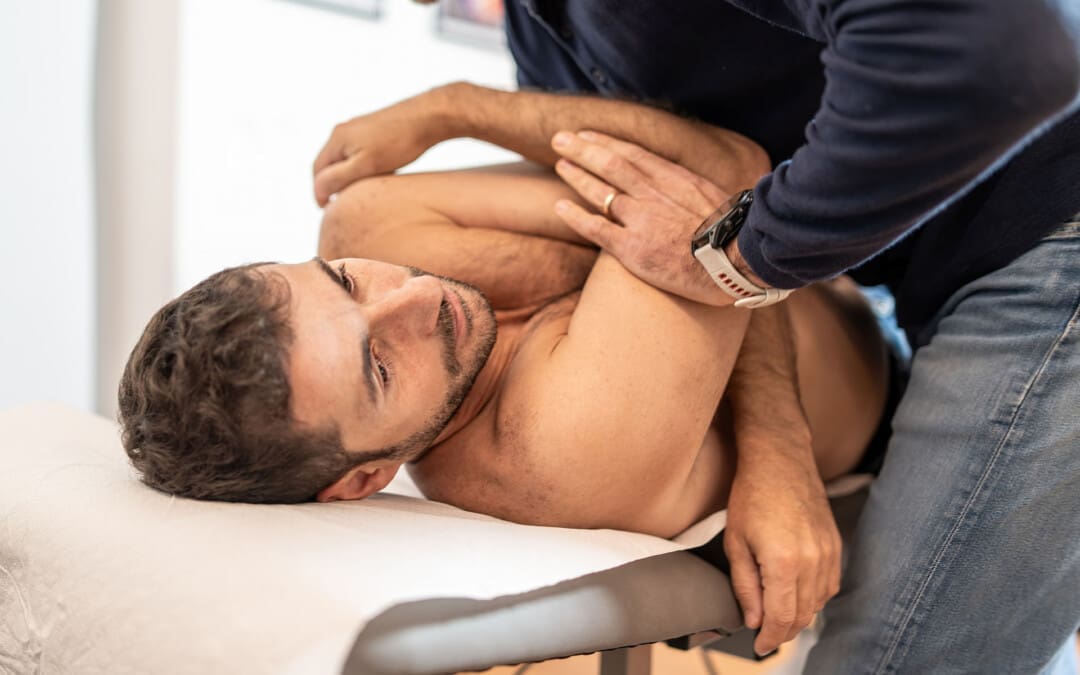
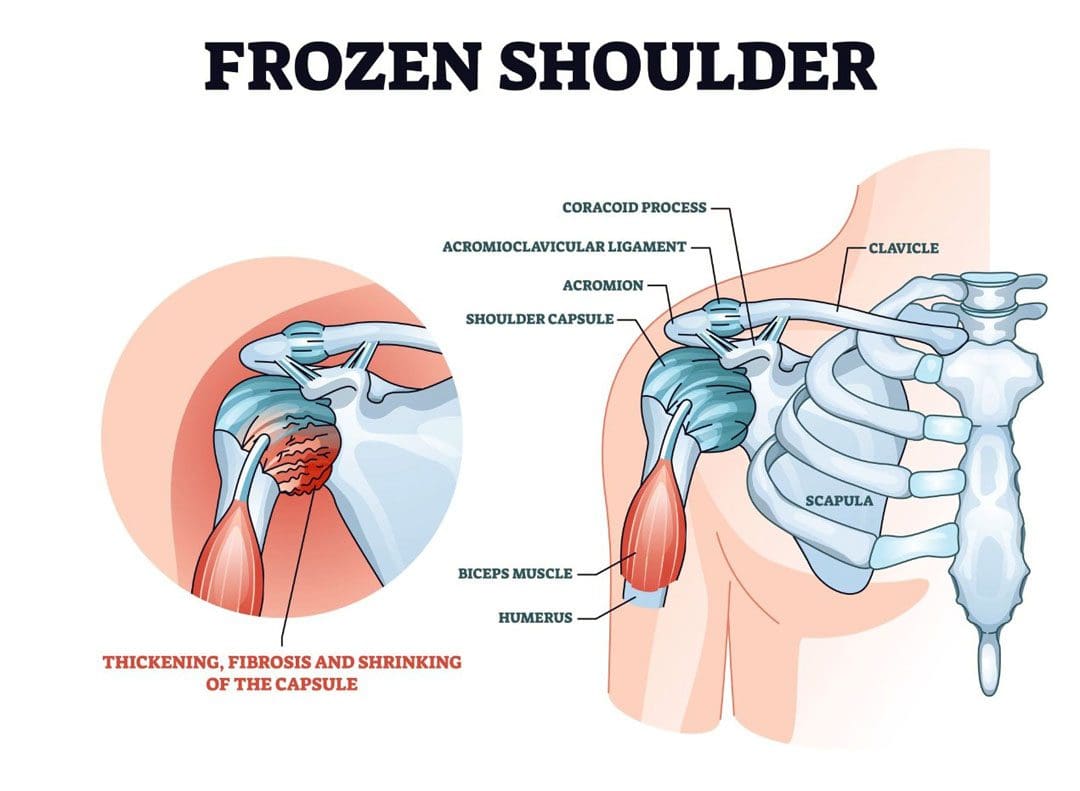
A frozen shoulder, also called adhesive capsulitis, is a very common cause of shoulder pain. It causes severe pain and limited mobility. The condition progresses through stages and can take up to two years to resolve completely. The stages of frozen shoulder include pre-freezing, freezing, freezing, and thawing.
Stage 1
Pre-Freezing – 1 month to 3 months
Pre-freezing describes the earliest stage of a frozen shoulder. This is when individuals first start to notice pain in their shoulder. (Soussahn, S. et al., 2024) Many in this stage will first experience the pain at night while changing sleeping positions. As the condition progresses, individuals may notice pain when they move their shoulders, especially when raising their arms or reaching behind them. Individuals may also find reduced mobility in that shoulder and may ache even when not using it. Because motion may be only slightly restricted in this stage, an early frozen shoulder can be mistaken for a rotator cuff problem. (Chan H. B. Y., Pua P. Y., & How C. H. 2017)
Root Cause
A frozen shoulder happens when there is inflammation in the tissue that surrounds the shoulder joint. Although the specific causes aren’t known, immobilization after an injury and other shoulder conditions, like bursitis, may play a role. (Johns Hopkins Medicine, 2025)
Stage 2
Freezing – 10 weeks to 8 months
The freezing stage is the most painful. The shoulder capsule becomes inflamed and can thicken and stiffen. As this happens, shoulder movements become increasingly difficult and painful. (Soussahn, S. et al., 2024)
Stage 3
Frozen – 4 months to 12 months
The third stage of a frozen shoulder is known as the frozen phase, where the shoulder is stiff. The examination finding confirming the frozen shoulder diagnosis is that neither the individual nor another person can move the shoulder. (UpToDate, 2024) With a rotator cuff issue, a patient cannot move their arm normally, but the healthcare provider can. This distinguishes between a frozen shoulder and a rotator cuff injury. The frozen stage is typically much less painful than freezing, but pain can result from simple activities. (Soussahn, S. et al., 2024) Rotation of the shoulder joint is limited, making activities like washing hair or reaching painful or difficult.
Stage 4
Thawing – 5 months to 2 years
In this phase, the shoulder joint capsule becomes thickened and stiff but gradually loosens with time. (Soussahn, S. et al., 2024) Stretching the shoulder capsule, even allowing for some discomfort, is important to ensure the shoulder joint’s mobility continues to recover. Not having the extreme pain associated with freezing the joint and seeing gradual gains in mobility make this stage tolerable.
Treatment
Frozen shoulder treatment starts with physical therapy and joint stretching. Anti-inflammatory medications, ice and heat application, and alternative therapies can all help manage the discomfort. A healthcare provider may also recommend a corticosteroid injection to reduce inflammation, relieve pain, and expedite improved mobility. Redler L. H. & Dennis E. R. 2019)
Surgery is seldom needed but is an option for treating a frozen shoulder. It is usually only considered if prolonged efforts at therapy have failed to improve symptoms. One of the problems is that surgery could worsen shoulder problems. (Le H. V., Lee S. J., Nazarian A., & Rodriguez E. K. 2017)
Prognosis
The timeline for recovery can be long, measured in months and possibly years. (Le H. V., Lee S. J., Nazarian A., & Rodriguez E. K. 2017) Expecting a quick recovery can cause more frustration. However, individuals can take steps to speed their recovery and reduce discomfort. Physical therapy can be beneficial, and a healthcare provider can suggest treatments to help alleviate pain while recovering. Over time, almost all patients will find complete relief and a normal or near-normal range of motion in their shoulder joints.
Injury Medical Chiropractic and Functional Medicine Clinic
Injury Medical Chiropractic and Functional Medicine Clinic works with primary healthcare providers and specialists to build optimal health and wellness solutions. We focus on what works for you to relieve pain, restore function, prevent injury, and help mitigate issues through adjustments that help the body realign itself. They can also work with other medical professionals to integrate a treatment plan to resolve musculoskeletal problems.
Motion Key To Healing
References
Soussahn, S., Hu, D., Durieux, J., Kosmas, C., & Faraji, N. (2024). Adhesive capsulitis: Utility of magnetic resonance imaging as a primary diagnostic tool and clinical management support. Current problems in diagnostic radiology, 53(4), 464–469. https://doi.org/10.1067/j.cpradiol.2024.03.005
Chan, H. B. Y., Pua, P. Y., & How, C. H. (2017). Physical therapy in the management of frozen shoulder. Singapore Medical Journal, 58(12), 685–689. https://doi.org/10.11622/smedj.2017107
UpToDate. (2024). Patient education: Frozen shoulder (beyond the basics). https://www.uptodate.com/contents/frozen-shoulder-beyond-the-basics
Redler, L. H., & Dennis, E. R. (2019). Treatment of Adhesive Capsulitis of the Shoulder. The Journal of the American Academy of Orthopaedic Surgeons, 27(12), e544–e554. https://doi.org/10.5435/JAAOS-D-17-00606
Le, H. V., Lee, S. J., Nazarian, A., & Rodriguez, E. K. (2017). Adhesive capsulitis of the shoulder: review of pathophysiology and current clinical treatments. Shoulder & elbow, 9(2), 75–84. https://doi.org/10.1177/1758573216676786
Can a knee brace relieve discomfort, provide support, and expedite recovery for individuals recovering from an injury or surgery?
Knee Brace
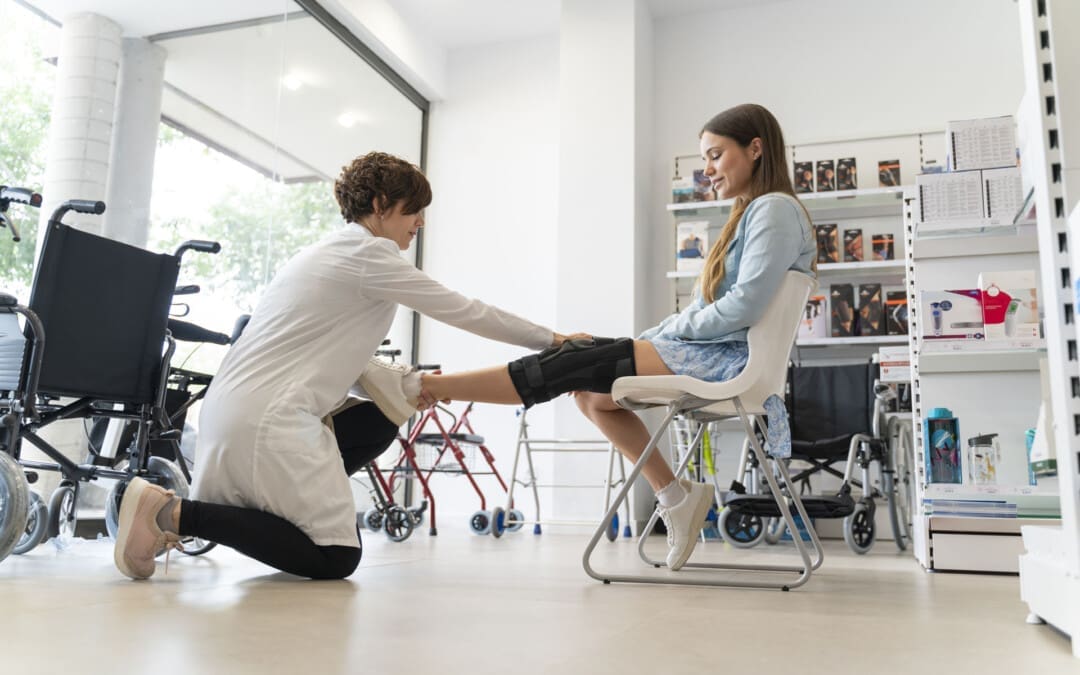
A knee brace is a medical device that supports and stabilizes the knee joint to help with pain and recovery after an injury or surgery. Many knee braces are made of various materials and offer a range of support levels. A healthcare provider or physical therapist can recommend the appropriate one for your condition and suggest the best one. Ask a healthcare provider if you’re unsure, as wearing a knee brace correctly and for the recommended time is important for healing. They are generally safe. However, individuals with health conditions such as poor circulation should be cautious when using them and consult their healthcare provider.
What They Do
The knee joint comprises bones, cartilage, ligaments, tendons, and muscles. A knee brace stabilizes these structures, preventing them from moving too much or too fast. Some braces redistribute the knee joint’s weight, decreasing the force the knee absorbs. (American Academy of Family Physicians, 2020)
Conditions
A knee brace is used after surgery to aid in healing and following an injury. This can be:
Knee braces differ in function and support level. Some stabilize the knee, while others completely immobilize the joint. A healthcare provider and/or physical therapist will explain what support is needed and how to use it. They can also check the brace’s fit and determine if adjustments or a different size are required.
Most Commonly Used
Prophylactic Brace
This is a protective knee pad that shields the kneecap from direct impact.
A knee unloader is typically used to control discomfort due to inflammatory conditions like tendonitis and osteoarthritis.
Functional
This brace limits motion in the joint after an injury or prevents dislocation.
Bledsoe Brace
This brace has straps to wrap around the thigh and shin and support brackets on the inside and outside of the knee joint.
A small mechanism locks the knee into full extension or allows the knee to bend a specific amount.
Knee Immobilizer
A knee immobilizer keeps the knee in one position.
It is a long cloth brace that runs the length of the shin and thigh.
Knee Brace vs Knee Support
A knee support or sleeve is usually a tight-fitting fabric garment. It provides compression to help reduce swelling and discomfort. A knee brace offers more support and can also be set to limit mobility.
Wearing The Brace
Individuals may need to wear a knee brace all day or only when performing specific tasks and operations. It depends on the individual and the condition the brace is being used for. Some may only need to wear a knee brace during certain activities or a flare-up of pain. (Mayo Clinic, 2022) Wearing a brace for unnecessarily long periods can cause skin abrasion, joint stiffness, and muscle atrophy. (American Academy of Family Physicians, 2020) Conversely, neglecting to wear it can cause more susceptibility to injury or extend and or impair healing time. Ask a healthcare provider when you should and should not wear the brace. This could be when:
Sitting
Walking
Driving
Sleeping
Stretching
Contraindications
Some medical conditions can make an individual susceptible to injury and adverse effects from wearing a knee brace. These include: (Holden, M. A. et al., 2021)
Poor circulation
Superficial wounds on the knee
Psoriasis
Eczema
Arterial insufficiency
Severe varicose veins
A history of thrombophlebitis
Injury Medical Chiropractic and Functional Medicine Clinic
If you have one of these conditions, a healthcare provider will decide if a knee brace is safe. Injury Medical Chiropractic and Functional Medicine Clinic works with primary healthcare providers and specialists to build optimal health and wellness solutions. We focus on what works for you to relieve pain, restore function, prevent injury, and help mitigate issues through adjustments that help the body realign itself. They can also work with other medical professionals to integrate a treatment plan to resolve musculoskeletal problems.
Best Knee Injury Chiropractor
References
American Academy of Family Physicians. (2020). Knee Bracing: What Works? https://familydoctor.org/knee-bracing-what-works/
Sprouse, R. A., McLaughlin, A. M., & Harris, G. D. (2018). Braces and Splints for Common Musculoskeletal Conditions. American family physician, 98(10), 570–576.
American Academy of Pediatrics. (2019). Knee pain: how to choose the right knee brace for your child. https://www.healthychildren.org/English/health-issues/injuries-emergencies/sports-injuries/Pages/Knee-Pain-and-braces.aspx
Mayo Clinic. (2022). To brace or not to brace: What’s the best answer? https://www.mayoclinichealthsystem.org/hometown-health/speaking-of-health/to-brace-or-not-to-brace#:~:text=If%20you%20have%20early%20onset%2C%20mild%20arthritis,below%20the%20knee%20for%20compression%20and%20comfort.
Holden, M. A., Callaghan, M., Felson, D., Birrell, F., Nicholls, E., Jowett, S., Kigozi, J., McBeth, J., Borrelli, B., Jinks, C., Foster, N. E., Dziedzic, K., Mallen, C., Ingram, C., Sutton, A., Lawton, S., Halliday, N., Hartshorne, L., Williams, H., Browell, R., … Peat, G. (2021). Clinical and cost-effectiveness of bracing in symptomatic knee osteoarthritis management: protocol for a multicentre, primary care, randomised, parallel-group, superiority trial. BMJ open, 11(3), e048196. https://doi.org/10.1136/bmjopen-2020-048196
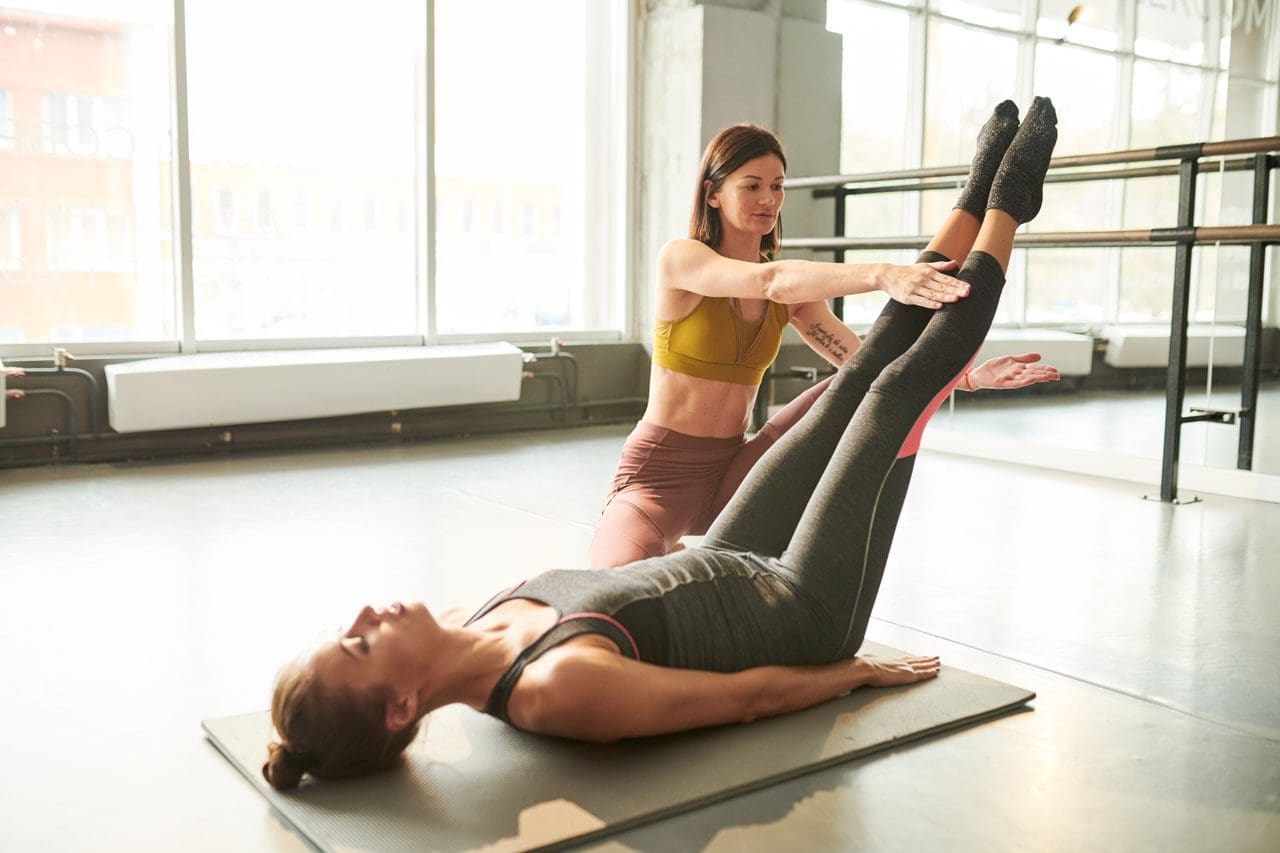
Can modified workouts and/or having a personal trainer design an alternate fitness routine while in injury recovery help injured individuals and athletes maintain fitness?
Maintain Fitness During Injury Recovery
Individuals with personal, work, or sports injuries must take time off to rest, recover, and rebuild. However, there are ways to maintain fitness and endurance levels while unable to engage in full workouts and exercise.
Fitness Base
Injured individuals and athletes will lose a certain amount of fitness during recovery. After all, the body is injured and needs to focus most of its attention on healing to get back to normal. Deconditioning is a fact of life when the body stops exercising, but there are ways to stay active to maintain a fitness base. Individuals can modify or scale back exercise. Before exercising after an injury, get a doctor’s approval. Then, follow their recommendations. (Garber C. E. et al., 2011)
Even if one body part or joint is immobilized, cross-training principles can help individuals discover new ways to stay fit while rehabilitating. The key is to have the right attitude and remain active within tolerance levels until the injury is healed. Trying new things may take some creativity and flexibility, but most find training through injury is possible and not difficult. Here are ways to continue working out while recovering.
Lower Back Injury Workout
Talk with a doctor or sports doctor to understand exercise limitations before modifying workouts. Walking, swimming, or recumbent cycling are generally safe for individuals with a lower back injury. These workouts can help maintain cardiovascular fitness. An example of a modified workout may consist of the following:
Warm up before exercising.
Perform the workout on Monday, Wednesday, and Friday.
Perform each exercise for 30 to 60 seconds with 15 seconds of rest between exercises.
Complete the entire circuit three to four times.
Complete 30 to 60 minutes of non-weight-bearing cardiovascular exercises on Tuesday, Thursday, and Saturday.
Chest Press
Lat Pulldown
Overhead Press
Leg Extension
Wall Sit
Shoulder and Elbow Injury Workout
Shoulder or other upper body injuries often make it possible to continue traditional cardiovascular exercise because the lower body can be fully exercised. Walking, stair climbing, stationary cycling like an under-desk bike, and the elliptical trainer all work. Circuit training routines will maintain strength and power in the non-injured muscles and joints. The following example routine can be done four to five times weekly.
Warm-up.
Perform each exercise for 30 to 60 seconds, allowing 15 seconds of rest between exercises.
Complete the entire routine three to four times.
Stationary cycling for two minutes at a moderate pace and two at a higher intensity.
Leg Press
Elliptical trainer for two minutes at a moderate pace and two at a higher intensity.
Ab Crunches
Walking Lunges
Low Back Extensions
Treadmill walking for two minutes at a moderate pace and two at a higher intensity or incline.
Wall sits
Ankle and Foot Injury Workout
If the doctor approves, individuals can use a rowing machine or a stationary bike with one leg or swim a few laps. As a doctor or physical therapist recommends, individuals may also need an ankle brace or other support. A sports doctor or personal trainer can help recommend other non-weight-bearing cardiovascular exercises for 30 to 60 minutes three times weekly. Here is a sample workout to try:
Warm-up.
Perform the workout on Monday, Wednesday, and Friday.
Perform each exercise for 30 to 60 seconds with 15 seconds rest between exercises.
Complete the workout three to four times.
Leg Extensions
Chest Press
Lat Pulldown
Overhead Press
Seated Cable Rows
Incline Push-Up
Bicycle Crunches
Hanging Leg Raise
Leg and Knee Injury Workout
Leg and knee injuries can be limiting, as most endurance exercise requires flexion and knee joint extension. One-legged cycling or using an upper-body ergometer/handcycle are options. Swimming may be possible if the individual uses a pull buoy to keep them from kicking or using their legs. Here are two circuit workout examples:
Circuit 1
Warm-up.
Perform this on Monday, Wednesday, and Friday.
Perform each exercise for 30 to 60 seconds with 15 seconds of rest between exercises.
Complete the workout three to four times.
Pull-Up or Assisted Pull-Up
Chest Press
Lat Pulldown
Overhead Press
Circuit 2
Warm-up.
Perform the workout on Tuesday, Thursday, and Saturday.
Perform each exercise for 30 to 60 seconds with 15 seconds of rest between exercises.
Complete the workout three to four times.
Seated Russian Twist
Ab Crunch
V-Sit ab exercise
Injury Medical Chiropractic and Functional Medicine Clinic
Individuals may need significant rest time to heal properly, so consult a doctor on the balance of rest and training. Doing the exercises prescribed by the physical therapist during rehabilitation is important. Injury Medical Chiropractic and Functional Medicine Clinic works with primary healthcare providers and specialists to develop an optimal health and wellness solution. We focus on what works for you to relieve pain, restore function, and prevent injury. Regarding musculoskeletal pain, specialists like chiropractors, acupuncturists, and massage therapists can help mitigate the pain through spinal adjustments that help the body realign itself. They can also work with other medical professionals to integrate a treatment plan to resolve musculoskeletal issues.
Treating Ankle Sprains
References
Garber, C. E., Blissmer, B., Deschenes, M. R., Franklin, B. A., Lamonte, M. J., Lee, I. M., Nieman, D. C., Swain, D. P., & American College of Sports Medicine (2011). American College of Sports Medicine position stand. Quantity and quality of exercise for developing and maintaining cardiorespiratory, musculoskeletal, and neuromotor fitness in apparently healthy adults: guidance for prescribing exercise. Medicine and science in sports and exercise, 43(7), 1334–1359. https://doi.org/10.1249/MSS.0b013e318213fefb
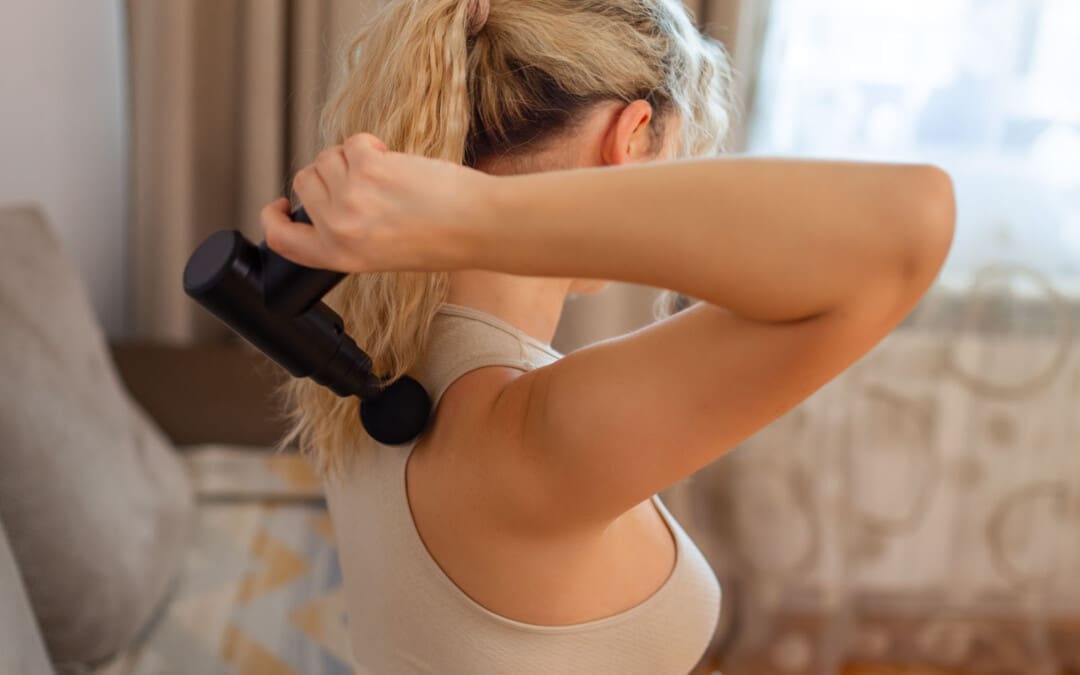
Therapeutic massage guns are great for athletes and fitness enthusiasts. Can daily massage gun use be incorporated into a daily routine?
Daily Massage Gun Use
Athletes or individuals participating in recreational sports and exercise may want to consider adding a massage gun to their daily routine. Massage guns create short, repeated bursts of pressure on certain areas of the body. Most massage guns have multiple settings to allow for different preferences and levels of intensity. They can help by warming up the muscles and during recovery. While the benefits are still being researched, daily massage gun therapy can improve the quality of physical activity, exercise, and life.
Benefits
Because massage guns work by softly and repeatedly stimulating or massaging the muscles, they are gentle enough to use daily as long as they are used correctly. They offer several benefits, including increasing physical ability and reducing recovery time. One study found that consistently using a massage gun increased the quality of life in fibromyalgia patients, indicating potential beyond exercise and sports. (Kraft, K., Kanter, S., and Janik, H. 2013) Some of the benefits include:
Decrease Muscle Soreness
Delayed-onset muscle Soreness/DOMS is a feeling of soreness experienced after a workout or intense manual labor. An example is waking up and feeling sore from work or exercising the previous day (National Academy of Sports Medicine, 2024). A study compared the effectiveness of vibration and massage therapy on DOMS. Both were found to be equally effective in preventing delayed onset muscle soreness. (Imtiyaz, S., Veqar, Z., and Shareef, M. Y. 2014)
Help Prevent Muscle Fatigue
Muscle fatigue occurs when the muscles are overworked and cannot function. Reduced muscle performance can lead to shorter workouts and injuries. A study on non-athletic males found that massage therapy helped prevent or reduce muscle fatigue. Researchers also found that different massage gun settings prevented or prolonged the onset of muscle fatigue. (Otadi, K. et al., 2019)
Increase Range of Motion
Range of motion/ROM describes the flexibility of a muscle or joint in the body. When engaging in physical activity or exercise, it is vital to know and consider the range of motion of the joints to ensure proper form and decrease the risk of injury. One study found that massage therapy can improve joint performance by increasing an individual’s range of motion. (Lyu, B. J. et al., 2020) The performance of the joints depends in part on the muscles that expand and contract to move it. Another research study found that a five-minute massage on certain muscle groups improved muscle performance and range of motion. (Konrad, A. et al., 2020)
Increase Muscle Strength and Endurance
Muscle strength and endurance are key components of a healthy musculoskeletal system and are essential to avoid straining or overworking muscles. Muscle strength describes the immediate performance of a muscle or muscle group, and muscle endurance describes how long performance can be sustained. (Lyu, B. J. et al., 2020) Massage therapy has been shown to improve muscle strength and endurance by helping increase immediate performance and the number of repetitions an individual can endure. (García-Sillero, M. et al., 2021)
Improve Agility
Agility is the ability to accelerate, decelerate, stabilize, and quickly change directions while maintaining proper posture. (National Academy of Sports Medicine, 2024) It is a skill that needs to be developed. One study found that engaging in massage therapy before a workout could improve agility. (Lyu, B. J. et al., 2020)
Daily Use
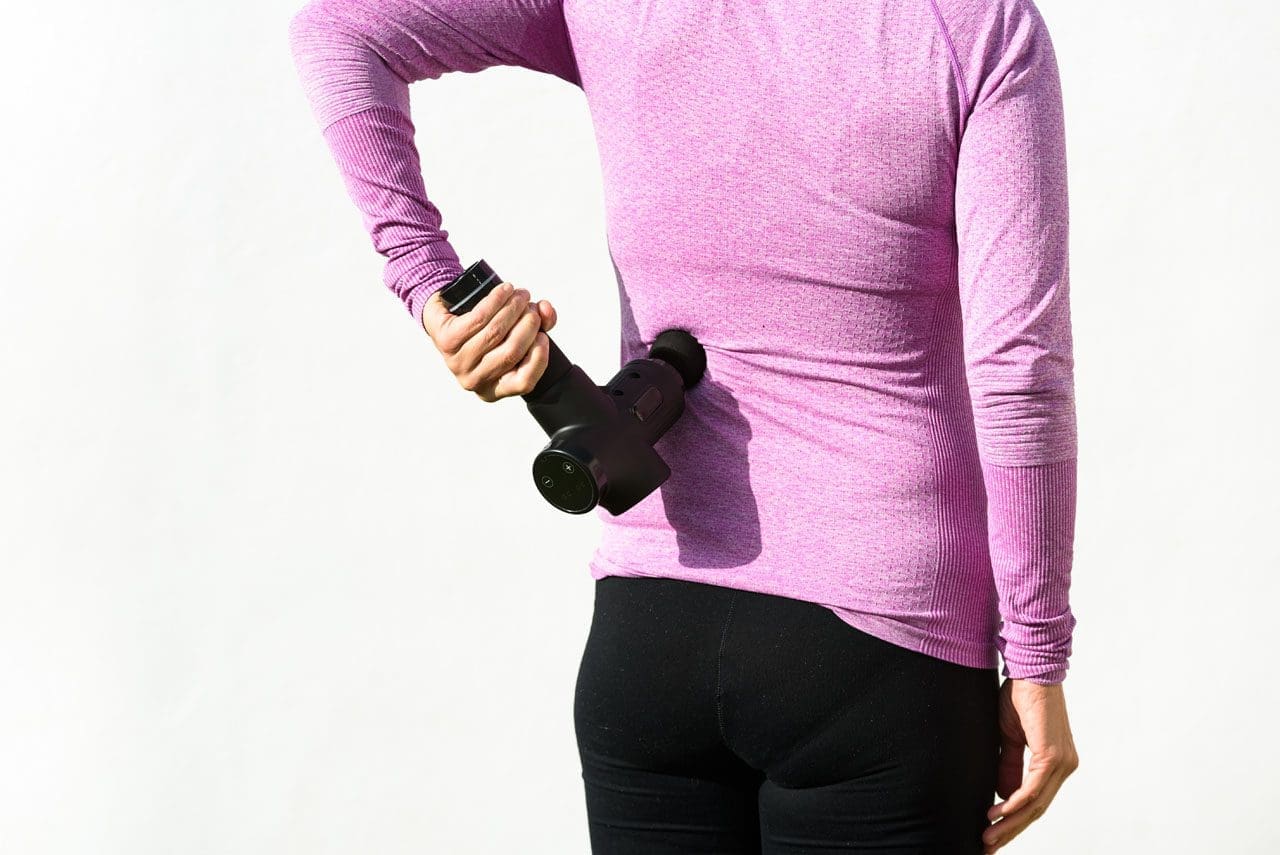
A massage gun is safe to use daily as long as it is used properly. Using a massage device correctly will improve effectiveness and prevent discomfort or injury. Recommended daily usage of a massage gun includes:
Set the massage gun to the lowest setting.
Use a light touch.
Adjust the speed to comfort level, ensuring there is no pain.
Focus the massage gun on an area for 10 to 30 seconds.
Hover it across the muscle or tendon to allow the vibrations to do their job.
Do this over the desired areas as part of a warm-up and cool-down.
Safety
While massage guns are useful for warmups and workout recovery, they should be used cautiously. Individuals should use massage guns over muscles and not on bony or sensitive areas. Individuals should avoid massaging around vital organs and/or inflamed body areas as these areas could cause a jarring or uncomfortable sensation and lead to injury. If the massage gun is causing bruising, sensitivity, or discomfort, stop using it and allow the body to recover before trying again. If pain persists, talk to a healthcare provider or a physical therapist. They can determine what is causing issues, whether a massage gun is being used correctly, and whether it is an appropriate self-care treatment for the individual. There are situations where using a massage gun is not advised. Individuals should talk to a healthcare provider before using the device if they have any of the following:
Have a musculoskeletal condition like osteoporosis or arthritis.
Take blood thinners.
Have anemia.
Have other blood-related conditions.
Are older than 65.
Take several medications.
Have a broken bone or a fracture.
Have varicose veins or a history of deep vein thrombosis.
Using a massage gun can help improve performance and reduce recovery time and can be incorporated into a daily routine.
Injury Medical Chiropractic and Functional Medicine Clinic
Injury Medical Chiropractic and Functional Medicine Clinic treats patients’ injuries and chronic pain syndromes. We focus on improving ability through flexibility, mobility, and agility programs tailored to the individual. We use in-person and virtual health coaching and comprehensive care plans to ensure every patient’s care and wellness outcomes. Our providers use an integrated approach to create customized care plans that include Functional Medicine, Acupuncture, Electro-Acupuncture, and Sports Medicine principles. Our goal is to relieve pain naturally by restoring health and function to the body. Patients who need other treatment will be referred to a clinic or physician best suited for them. Dr. Jimenez has teamed up with the top surgeons, clinical specialists, medical researchers, and premier rehabilitation providers to provide our community with the best clinical treatments.
Enhance Your Lifestyle With Chiropractic!
References
Kraft, K., Kanter, S., & Janik, H. (2013). Safety and effectiveness of vibration massage by deep oscillations: a prospective observational study. Evidence-based complementary and alternative medicine : eCAM, 2013, 679248. https://doi.org/10.1155/2013/679248
National Academy of Sports Medicine. Kaminski, J. (2024). Muscle soreness & DOMS. NASM. https://blog.nasm.org/doms-muscle-sorenes
Imtiyaz, S., Veqar, Z., & Shareef, M. Y. (2014). To Compare the Effect of Vibration Therapy and Massage in Prevention of Delayed Onset Muscle Soreness (DOMS). Journal of clinical and diagnostic research : JCDR, 8(1), 133–136. https://doi.org/10.7860/JCDR/2014/7294.3971
Otadi, K., Ghasemi, M., Jalaie, S., Bagheri, H., Azizian, M., Emamdoost, S., Sarafraz, H., & Sepahvand, M. (2019). A prophylactic effect of local vibration on quadriceps muscle fatigue in non-athletic males: a randomized controlled trial study. Journal of physical therapy science, 31(3), 223–226. https://doi.org/10.1589/jpts.31.223
Lyu, B. J., Lee, C. L., Chang, W. D., & Chang, N. J. (2020). Effects of Vibration Rolling with and without Dynamic Muscle Contraction on Ankle Range of Motion, Proprioception, Muscle Strength and Agility in Young Adults: A Crossover Study. International journal of environmental research and public health, 17(1), 354. https://doi.org/10.3390/ijerph17010354
Konrad, A., Glashüttner, C., Reiner, M. M., Bernsteiner, D., & Tilp, M. (2020). The Acute Effects of a Percussive Massage Treatment with a Hypervolt Device on Plantar Flexor Muscles’ Range of Motion and Performance. Journal of sports science & medicine, 19(4), 690–694.
García-Sillero, M., Jurado-Castro, J. M., Benítez-Porres, J., & Vargas-Molina, S. (2021). Acute Effects of a Percussive Massage Treatment on Movement Velocity during Resistance Training. International journal of environmental research and public health, 18(15), 7726. https://doi.org/10.3390/ijerph18157726
National Academy of Sports Medicine. Miller, K. (2024). Speed, agility, and quickess: SAQ. NASM. https://blog.nasm.org/sports-performance/speed-agility-quickness-saq
IFM's Find A Practitioner tool is the largest referral network in Functional Medicine, created to help patients locate Functional Medicine practitioners anywhere in the world. IFM Certified Practitioners are listed first in the search results, given their extensive education in Functional Medicine