Broken bones are common injuries. Because children’s bones grow rapidly, they have increased flexibility. When injuries, specifically fractures, occur, they do not always break cleanly across the bone or into pieces. What type of fracture is this, and how are they treated?
Greenstick Fracture
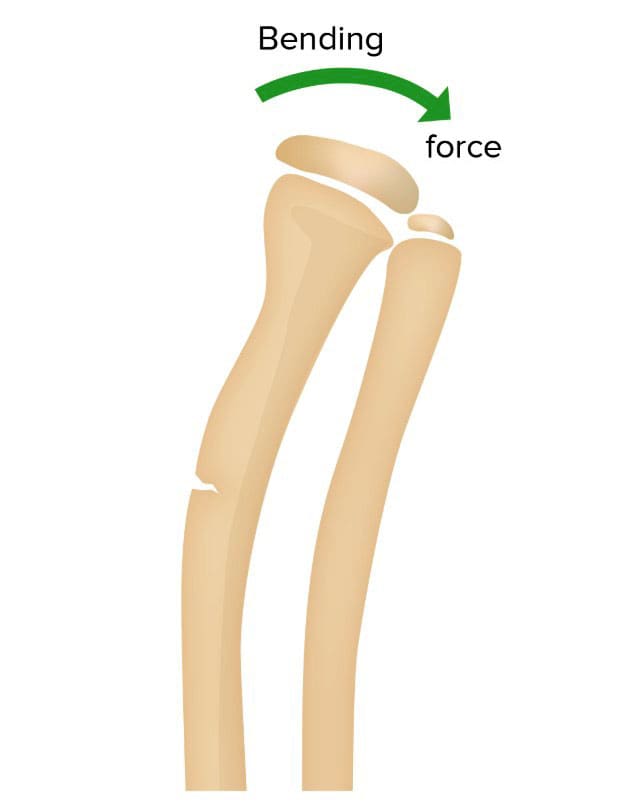
A greenstick fracture is a partial break in a bone that occurs when a bone bends and cracks instead of breaking into separate pieces. (Wolfe J. A. et al., 2019) The term is based on a young green branch that bends and splinters but does not break into pieces when bent. Only one side of the bone is broken, while the other side gets bent. Many children experience at least one fracture during their growing years. This is one of multiple fracture types seen in children. They can happen in adults but are uncommon.
Causes
Greenstick fractures mostly occur in infants or toddlers, sometimes in children during their early adolescent and pre-adolescent years. They are partial-thickness fractures (a break in a bone that doesn’t completely break it) characterized by a break on one side and a bend on the other. Buckle fractures and bow fractures are different types of partial-thickness fractures. Greenstick fractures commonly occur:
In children under 10 years old
Occurs when a child reaches out to break a fall
During motor vehicle collisions
Sports
Direct impacts
Non-accidental trauma
It is more common in long bones, including:
Radius
Ulna
Humerus
Fibula
Tibia
Clavicle
The fracture pattern often indicates a limb’s bending or contortion.
Deformity, such as the affected body part looking crooked or out of alignment.
Treatment
If the bone is not significantly bent out of alignment, a splint or cast may be all that is necessary to treat the break. If the bone is visibly out of alignment, it must be manually straightened before the limb is put into a cast. If the break is severe, surgery may be required. Fortunately, a growing skeleton can remodel bone, so fractured bones can often realign themselves over time with minimal intervention. Healing depends on various factors, including:
Sometimes, the fracture must be bent back and repositioned in a fracture reduction procedure. An anesthetic may be used as the doctor manually realigns the bone into the correct position. After the reduction, a cast or splint will stabilize the bone and maintain proper alignment. Depending on how quickly the bone heals, a cast may be necessary for a few weeks, months, or longer, depending on the patient and/or underlying conditions.
Healing
Healing involves specialized cells that gradually rebuild and fine-tune the new bone.
The average time for a greenstick fracture to heal completely may take four weeks.
Injury Medical Chiropractic & Functional Medicine Clinic
Injury Medical Chiropractic and Functional Medicine Clinic works with primary healthcare providers and specialists to develop an optimal health and wellness solution. We focus on what works for you to relieve pain, restore function, and prevent injury. Regarding musculoskeletal pain, specialists like chiropractors, acupuncturists, and massage therapists can help mitigate the pain through spinal adjustments that help the body realign itself. They can also work with other medical professionals to integrate a treatment plan to resolve musculoskeletal issues.
Building a Stronger Body
References
Wolfe, J. A., Wolfe, H., Banaag, A., Tintle, S., & Perez Koehlmoos, T. (2019). Early Pediatric Fractures in a Universally Insured Population within the United States. BMC pediatrics, 19(1), 343. https://doi.org/10.1186/s12887-019-1725-y
Atanelov, Z., & Bentley, T. P. (2025). Greenstick Fracture. In StatPearls. https://www.ncbi.nlm.nih.gov/pubmed/30020651
Pountos, I., Clegg, J., & Siddiqui, A. (2010). Diagnosis and treatment of greenstick and torus fractures of the distal radius in children: a prospective randomised single-blind study. Journal of children’s orthopaedics, 4(4), 321–326. https://doi.org/10.1007/s11832-010-0269-3
Incorrect manual handling and lifting is a leading cause of workplace injuries. Can health and safety training help reduce injuries and lost workdays?
Correct Manual Lifting Technique
Manually lifting objects using incorrect techniques can lead to acute back injuries, herniated discs, sciatica, and long-term issues like increased risk of reinjury, body misalignment, and chronic back pain. Individuals can prevent spinal disc compression and/or lower back muscle strain by learning to use correct manual lifting techniques. (CDC. The National Institute for Occupational Safety and Health (NIOSH). 2007)
Lifting Guide
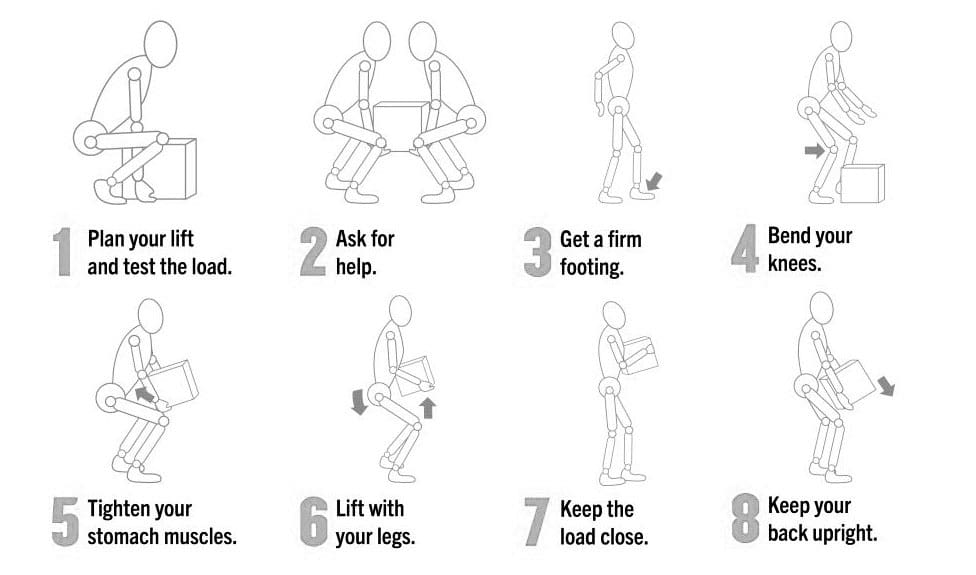
Individuals can protect their backs and prevent injury by following simple steps when lifting objects.
Support Base
Ensure there is a healthy support base from which to lift.
Keep feet shoulder-width apart with one foot slightly in front of the other.
Ask For Help
If coworkers or colleagues are available, ask for assistance.
If the load is too heavy, ask for help lifting and moving the object/s.
Use Mechanical Assistant Devices
Use hand trucks, dollies, or pushcarts whenever possible for uneven and heavy loads.
Squat To Lift Object
Bend at the hips and knees only, not the back.
Put one knee on the ground to ensure stability before lifting.
Check Posture
Looking straight ahead, maintain posture upright with the chest out, shoulders back, and lower back slightly arched.
Lift Slowly
Lift with the knees and hips only, gradually straightening the lower back.
Load Positioning
Once upright, hold the load close to the body around the stomach.
Move and Maintain Alertness
Always take small steps.
Maintain alertness as to where you are going.
Keep the shoulders square with the hips when changing directions to avoid twisting and losing or shifting balance.
Rest
If you are fatigued, set the load/object down and rest for a few minutes until you can fully engage in the task.
Squat To Set Object Down
Squat with the knees and hips and set the load down slowly.
Avoid quickly rising and jerking movements, and allow the legs, hips, and back muscles to reset.
Planning and Tips
Lifting anything heavy takes planning to prevent muscle spasms, back strain, and other musculoskeletal injuries. Considerations to keep in mind:
Make a Plan Before Lifting
Knowing what object/s are being lifted and where they are going will prevent individuals from making awkward movements while holding and carrying something heavy.
Set and clear a path.
If lifting something with another person, ensure both agree and understand the plan.
Lift Close to The Body
Individuals are stronger and more stable lifters if the object is held close to their body rather than at the end of their reach.
Make sure there is a firm hold on the object.
It is easier to maintain balance close to the body.
Maintain Feet Shoulder-Width Apart
Keep the feet about shoulder-width apart.
Having a solid base of support is important while lifting.
Placing the feet too close together will cause instability while placing them too far apart will hinder movement.
Take short steps.
Visualize The Motions Involved and Practice The Motions Before Lifting
Think about the motion before lifting.
Practice the lifting motion before lifting the object.
Focus on keeping the spine straight.
Raise and lower to the ground by bending the knees.
Avoid bending at the waist or hips.
Tighten the Stomach Muscles
Tightening the abdominal muscles will hold the back in a healthy lifting position and help prevent excessive force on the spine.
Lift With the Legs
The legs are stronger than the back muscles, so let the leg strength do the work.
Lower yourself to the ground by bending the knees, not the back.
Keep Eyes Up
Looking slightly upwards will help maintain a better spine position and help keep the back straight.
Avoid Twisting or Bending
Face in the direction you are walking.
Stop, take small steps, and continue walking if turning is required.
Back Belts
It has become common for many who work in jobs requiring manual lifting to wear back belts or support. However, research does not show that they decrease the risk of a lifting injury. (CDC and The National Institute for Occupational Safety and Health, 2023) Instead, it is recommended that the belt be thought of as a reminder of where the back muscles are positioned to keep the individual aligned, combined with the correct lifting techniques.
Injury Medical Chiropractic and Functional Medicine Clinic
Training the body and maintaining its optimal health for correct manual lifting techniques requires daily efforts through practice, conscious position corrections, and ergonomics. Injury Medical Chiropractic and Functional Medicine Clinic works with primary healthcare providers and specialists to develop an optimal health and wellness solution. We focus on what works for you to relieve pain, restore function, and prevent injury. Regarding musculoskeletal pain, specialists like chiropractors, acupuncturists, and massage therapists can help mitigate the pain through spinal adjustments that help the body realign itself. They can also work with other medical professionals to integrate a treatment plan to resolve musculoskeletal issues.
Chiropractic Care For Injury Recovery
References
CDC. The National Institute for Occupational Safety and Health (NIOSH). (2007). Ergonomic Guidelines for Manual Material Handling. (No. 2007-131). Retrieved from https://www.cdc.gov/niosh/docs/2007-131/pdfs/2007-131.pdf
CDC. The National Institute for Occupational Safety and Health (NIOSH) (2023). Back Belts – Do They Prevent Injury? (No. 94-127). Retrieved from https://www.cdc.gov/niosh/docs/94-127/
Fans of almonds may have noticed that they can go stale and taste awful. Can knowing how to store almonds help extend their shelf life?
Almonds
Almonds are a healthy, satisfying snack rich in nutrients, including fiber and protein. However, they can go stale and should not be eaten. Whole almonds stay fresh the longest because chopped, roasted, or ground almonds release their oils, which are exposed to more oxygen and go rancid more quickly.
Storage
They should be stored in an airtight container in the refrigerator or freezer for extended life. They are not recommended to be stored at room temperature for long periods, so storing them in the pantry is not recommended. However, enough for a snack can be taken from storage for a day or two while keeping the rest safe and fresh.
Natural almonds can be stored in the refrigerator or freezer for two years or more.
Roasted almonds can stay fresh for up to a year in an airtight container in the refrigerator or freezer.
Almond paste is recommended to be refrigerated and can stay fresh for 2 to 2 1/2 years.
Rancidity
Almonds are rich in omega-3 and monounsaturated fats, so they are recommended for heart health. (Cleveland Clinic, 2023) However, the fats become rancid if the almonds are exposed to oxygen, especially at room temperature. Rancid oil gives the stale almonds a bad taste. Spoiled almonds are not poisonous, but the fats no longer benefit health. It is possible that rancid fat could contribute to chronic health problems if consumed regularly. (Estévez M. et al., 2017) Almonds last longer than other nuts because they contain some phytochemical antioxidants that protect the nuts. So, if they taste bad, it’s time to throw them out. (University of California Agriculture and Natural Resources, 2010)
Salmonella
Salmonella is a bacteria that causes symptoms of food-borne illness, including upset stomach, vomiting, diarrhea, and fever. Almonds are generally safe from salmonella. However, raw almonds were responsible for two salmonella outbreaks in the United States and Canada. Salmonella outbreaks have also been reported in Australia. In response to those cases, the nuts now must be roasted, blanched, processed, steamed, or treated with a gas called propylene oxide. And none of these treatments remove the nutritional benefits.
Injury Medical Chiropractic and Functional Medicine Clinic
Injury Medical Chiropractic and Functional Medicine Clinic providers use an integrated approach to create customized care plans for each patient and restore health and function to the body through nutrition and wellness, chiropractic adjustments, functional medicine, acupuncture, Electroacupuncture, and sports medicine protocols. If the individual needs other treatment, they will be referred to a clinic or physician best suited for them. Dr. Jimenez has teamed up with top surgeons, clinical specialists, medical researchers, nutritionists, and health coaches to provide the most effective clinical treatments.
Functional Nutrition
References
Almond Board of California. (2024). Shelf Stability and Shelf Life. https://www.almonds.com/tools-and-resources/food-safety-and-quality/shelf-stability-and-shelf-life
Estévez, M., Li, Z., Soladoye, O. P., & Van-Hecke, T. (2017). Health Risks of Food Oxidation. Advances in food and nutrition research, 82, 45–81. https://doi.org/10.1016/bs.afnr.2016.12.005
University of California Agriculture and Natural Resources. (2010). Nuts: Safe Methods for Consumers to Handle, Store, and Enjoy. https://ucfoodsafety.ucdavis.edu/sites/g/files/dgvnsk7366/files/inline-files/44384_0.pdf
Can individuals incorporate proper posture in their workouts to provide effective results and reduce muscle pain in their bodies?
Introduction
Many people have started participating in various physical activities to improve their health and wellness. Additionally, engaging in different physical activities can provide numerous beneficial properties for the body as it can help strengthen the various muscles, bones, and ligaments that have succumbed to multiple injuries, strains, or conditions that cause many individuals to be in pain. When many people with musculoskeletal conditions start incorporating exercises as part of their treatment, maintaining proper posture while doing each set of stretches or exercises for each muscle can help reduce any unwanted strain or pulls that can cause more harm than good. Today’s post focuses on how maintaining proper posture can help make any workouts more efficient, how adequate posture can provide stability and strength to weak muscles, and how incorporating proper posture in a customized treatment plan can prevent numerous injuries from reoccurring. We discuss with certified associated medical providers who consolidate our patients’ information to assess many individuals to understand the importance of proper posture. We also inform and guide patients while asking their associated medical provider intricate questions to integrate non-surgical treatments to reduce the overlapping symptoms correlating with poor posture and help create a customized treatment plan that utilizes proper posture during exercises. Dr. Jimenez, D.C., includes this information as an academic service. Disclaimer.
Maintaining Posture Is Important For Effective Workouts
How often do you feel muscle strain on your shoulders, neck, and lower back after a strenuous long day? Do you notice that you feel more hunched over that you feel muscle aches and discomfort? Or do you feel discomfort when stretching your muscles that it causes temporary relief? More often than not, when the world has been on its entire feet or sitting down all day from working, school, or commuting to different locations, many individuals will often slip into an unhealthy habit of slouching when relaxing after a hard day. This, in turn, can cause many individuals to develop neck and back issues that often correlate with an increased stress load in the neck and lower back area. (Hansraj, 2014) Hence, postural correction and its beneficial effects on the back and neck are limited. However, when manual and physical therapists incorporate a PSB (postural-structural-biomechanical) model, it can help ascertain the various causes of musculoskeletal conditions and play an important role in clinical assessment and managing multiple muscle pains. (Lederman, 2011)
So why is it important to exercise to maintain proper posture? Well, when many individuals are in a hunched position from looking at their phones or leaning a lot more while being on the computer or driving, itcan cause the muscles in the neck, shoulders, and upper back to be in a static position, causing the muscles to be overused. (Abd El-Azeim et al., 2022) Additionally, say a person is working out to relieve stress, they would have to maintain a proper posture to prevent injuries and use the equipment to achieve muscular activity. When doing an effective workout, many individuals can improve their posture through muscle stretching exercises that can help improve postural alignment, which plays a role in preventing and treating musculoskeletal pain disorders. (Matsutani et al., 2023) At the same time, maintaining proper posture while working out can provide effective, good-quality movement and neutral spinal alignment.(Katzman et al., 2021)
Discovering The Benefits Of Chiropractic Care- Video
Proper Posture Stabilizes Weak Muscles
At the same time, having proper posture can help stabilize weak muscles in the upper and lower body quadrants. This is because environmental factors like obesity, repetitive movements, andexcessive sitting or standing can cause the muscles to be overused and weak over time when a person is not taking a break. This causes strength imbalances between the muscle groups, causing the accessory muscles to take over the main muscle’s job function and causing the spine to compensate and exaggerate the body’s natural curve. Hence why, exercises, especially core exercises, can help distribute the weight of the overbearing load and can help many individuals reduce the forward lean motion while decreasing muscle strain and fatigue on the upper and lower quadrants. Core exercises can help induce muscular contractions while influencing neuromuscular potentiation. (Lyons et al., 2021) This can help strengthen the weak muscles and stabilize the other muscles so the body can be realigned to invoke proper posture. Also, poor posture can correlate with lumbar spine and pelvis instability as the muscles can become weak. (Kim & Yim, 2020) Incorporating stability exercises into the weak muscles can help many individuals improve their posture when performing exercises.
Incorporating Proper Posture In A Customed Treatment Plan
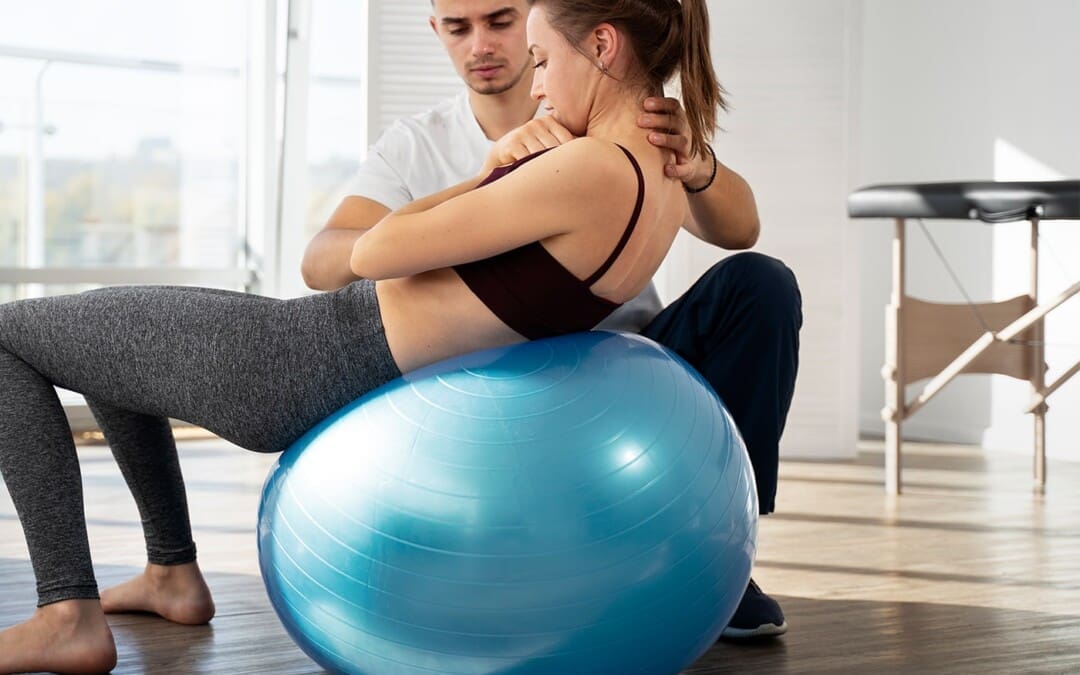
When it comes to musculoskeletal pain conditions, many individuals can seek out pain specialists like chiropractors, acupuncturists, massage therapists to ease the pain in the muscles from an initial visit. Visiting a chiropractic care office or going to a gym and being assigned to a personal trainer can help practice healthy habits in maintaining and incorporating proper posture in a customized treatment plan. A chiropractic team can help mitigate the pain through spinal adjustments that can help the body realign itself and can work with other associated medical professionals to come up with a customer treatment plan that can help relieve muscle pain, improve the body’s flexibility and mobility, resolve musculoskeletal issues and prevent future pain symptoms from reoccurring. Additionally, a physical therapist can work together with a chiropractor to incorporate targeted exercises to help improve posture while stretching and strengthening the targeted muscles. This, in turn, helps with improving neuromuscular improvement to maintain correct posture. When many individuals develop improper posture over time, it can lead to dire consequences, as muscle pain can cause overlapping risk profiles in the body. Making small adjustments to how people sit or stand can help maintain proper posture. That way, the body can realign itself over time, and many can have a pain-free, healthy lifestyle.
References
Abd El-Azeim, A. S., Mahmoud, A. G., Mohamed, M. T., & El-Khateeb, Y. S. (2022). Impact of adding scapular stabilization to postural correctional exercises on symptomatic forward head posture: a randomized controlled trial. Eur J Phys Rehabil Med, 58(5), 757-766. https://doi.org/10.23736/S1973-9087.22.07361-0
Hansraj, K. K. (2014). Assessment of stresses in the cervical spine caused by posture and position of the head. Surg Technol Int, 25, 277-279. https://www.ncbi.nlm.nih.gov/pubmed/25393825
Katzman, W. B., Parimi, N., Gladin, A., Wong, S., & Lane, N. E. (2021). Long-Term Efficacy of Treatment Effects After a Kyphosis Exercise and Posture Training Intervention in Older Community-Dwelling Adults: A Cohort Study. J Geriatr Phys Ther, 44(3), 127-138. https://doi.org/10.1519/JPT.0000000000000262
Kim, B., & Yim, J. (2020). Core Stability and Hip Exercises Improve Physical Function and Activity in Patients with Non-Specific Low Back Pain: A Randomized Controlled Trial. Tohoku J Exp Med, 251(3), 193-206. https://doi.org/10.1620/tjem.251.193
Lederman, E. (2011). The fall of the postural-structural-biomechanical model in manual and physical therapies: exemplified by lower back pain. J Bodyw Mov Ther, 15(2), 131-138. https://doi.org/10.1016/j.jbmt.2011.01.011
Lyons, K. D., Parks, A. G., Dadematthews, O., Zandieh, N., McHenry, P., Games, K. E., Goodlett, M. D., Murrah, W., Roper, J., & Sefton, J. M. (2021). Core and Whole Body Vibration Exercise Influences Muscle Sensitivity and Posture during a Military Foot March. Int J Environ Res Public Health, 18(9). https://doi.org/10.3390/ijerph18094966
Matsutani, L. A., Sousa do Espirito Santo, A., Ciscato, M., Yuan, S. L. K., & Marques, A. P. (2023). Global posture reeducation compared with segmental muscle stretching exercises in the treatment of fibromyalgia: a randomized controlled trial. Trials, 24(1), 384. https://doi.org/10.1186/s13063-023-07422-w
Can electrolyte chewing gum help physically active individuals, fitness enthusiasts, and athletes experiencing extreme heat and dehydration?
Electrolyte Chewing Gum
Electrolyte powder mix and drinks have been marketed as efficient and time-saving for fast-paced lives. Now, electrolytes are in chewing gum form. These gums work by activating salivary glands and making the mouth water. Manufacturers claim the gum’s sour taste makes the mouth water, quenches thirst, and replenishes some electrolytes. Some brands don’t list the percentages or amounts of ingredients, making determining each gum’s electrolyte content difficult. However, electrolyte chewing gum is designed to eliminate feelings of thirst and is not meant to hydrate the body. This can be dangerous because it gives the individual a false sense of hydration. When the thirst mechanism is impaired, an individual may not drink enough fluids, leading to dehydration. The Food and Drug Administration has not studied the effectiveness of electrolyte gum.
Signs The Body Is Not Getting Enough Electrolytes
Electrolyte deficiency can result from insufficient fluids or excessive sweating (National Library of Medicine, 2024). Signs that the body is not getting enough electrolytes can vary because the body needs each electrolyte for specific functions. The symptoms can range from neurological symptoms such as headaches and seizures in the case of low sodium to muscle cramps and weakness when there are low potassium levels. (National Library of Medicine, 2023) (National Library of Medicine, 2023) However, individuals can still have electrolyte imbalances even if they do not have symptoms. This is why proper hydration and intake of electrolytes through water and food are important.
Ingredients
The ingredients listed on electrolyte chewing gum include:
Sugar
Gum base
Corn syrup
Citric acid
Glycerin
Natural flavors
Soy lecithin
Artificial sweeteners
Artificial color
Electrolytes in sodium citrate and potassium citrate
However, gum brands fail to include the percentages of the ingredients, making it hard to figure out the actual electrolyte content. The amount can determine their effectiveness. Given their size, estimates point to very little electrolyte content, possibly around 10 milligrams of sodium per piece, which is insufficient to hydrate the body.
Rehydrating the Body
Food and fluids are reliable sources of electrolytes that the body can absorb. Sources include:
Fruits like bananas and oranges contain potassium and magnesium.
Vegetables also contain potassium and magnesium.
Dairy for calcium.
Electrolyte supplements are generally unnecessary if you eat a balanced diet. However, these products could be useful during exercise, especially for their sodium content (National Library of Medicine, 2024). When exposed to the heat, consider a rehydration solution like sports drinks or making your own. The presence of sugar increases the absorption of sodium by the intestine. Sugar in electrolyte solutions does not add calories; it helps the intestine absorb the sodium faster and holds water in the bloodstream, helping maintain blood pressure. While chewing a piece of electrolyte gum might make it easy to get balanced electrolytes, it is not enough to replenish the body. Individuals who need more electrolytes should talk to their healthcare provider about the best way to meet their body’s needs. They may recommend drinks or powders specially formulated to provide an electrolyte boost.
Injury Medical Chiropractic and Functional Medicine Clinic works with primary healthcare providers and specialists to develop highly effective treatment plans through an integrated approach for each patient and restore health and function to the body through nutrition and wellness, functional medicine, acupuncture, Electroacupuncture, and integrated medicine protocols. If the individual needs other treatment, they will be referred to a clinic or physician best suited for them. Dr. Jimenez has teamed up with top surgeons, clinical specialists, medical researchers, nutritionists, and health coaches to provide the most effective clinical treatments.
Balancing Body and Metabolism
References
National Library of Medicine, MedlinePlus. (2024). Fluid and electrolyte balance. Retrieved from https://medlineplus.gov/fluidandelectrolytebalance.html
National Library of Medicine, MedlinePlus. (2023). Low blood sodium. Retrieved from https://medlineplus.gov/ency/article/000394.htm
National Library of Medicine MedlinePlus. (2023). Low blood potassium. Retrieved from https://medlineplus.gov/ency/article/000479.htm
Can improving breathing patterns help further fitness and optimize overall health for individuals who walk for exercise?
Improve Breathing and Walking
Exercising is a moment in which breathing can quicken and become labored if not done correctly. There is a proper way to breathe when exercising, especially when walking or speed walking. Breathing incorrectly causes rapid fatigue and exhaustion. Controlling the flow of one’s breath improves endurance and cardiovascular health, and it can also amplify metabolism, mood, and energy levels. (Hsiu-Chin Teng et al., 2018) Known as diaphragmatic breathing, it is used for those with reduced lung capacity, like individuals with chronic obstructive pulmonary disease/COPD. The practice improves lung capacity and is a recommended way to help relieve stress.
Physiology
During exercise, the oxygen inhaled converts the calories consumed into energy that fuels the body. This process is referred to as metabolism.
When the oxygen supply exceeds the body’s oxygen needs, the body is in an aerobic state. This means there is plenty of oxygen to fuel physical activity/exercise as there are calories to burn.
If the oxygen supply falls short of the body’s oxygen needs, the body falls into an anaerobic state.
Deprived of oxygen, the body turns to stored fuel in the muscles, known as glycogen.
This delivers a powerful burst of energy, but the fuel is quickly spent and fatigue and exhaustion soon follow.
Increasing airflow in and out of the lungs can prevent early exhaustion and help the body burn calories more effectively. (Your lungs and exercise. Breathe 2016)
Improved Breathing Benefits
Optimal breathing starts in infancy. When a baby breathes, their belly rises and falls. This facilitates respiration by pushing and pulling the diaphragm – the muscle that separates the lungs and abdominal cavity. When the baby inhales, the belly extends, pulling the diaphragm downward and allowing the lungs to fill with air. When the baby exhales, the belly draws in, pressing the diaphragm upward and forcing air out. As the body ages and the capacity of the lungs increases, individuals shift from belly-breathing to chest-breathing. Chest breathing involves the chest wall muscles with little use of the diaphragm. Chest breathing usually provides enough air for everyday activity but does not fill the lungs.
This is why individuals resort to mouth-breathing or gasping when the oxygen supply is limited. Even those in decent physical shape may be inadvertently undermining efforts by sucking in their stomach to look thinner, depriving themselves of complete inhalations and exhalations. To overcome this, individuals need to re-train their bodies to activate the abdominal muscles when walking. Belly or diaphragmatic breathing can extend the duration of exercise while strengthening the core muscles. (Nelson, Nicole 2012) By increasing core stability, individuals can better support the spine and maintain a healthy posture when walking. This stabilizes the hips, knees, upper back, and shoulders, making the body less prone to strain, instability, and fatigue from unhealthy posture. (Tomas K. Tong et al., 2014)
Breathing Correctly
The inhalation draws the belly out, pulls the diaphragm down, and inflates the lungs. Simultaneously, it extends the ribcage and lengthens the lower spine. This forces the shoulders and collarbone backward, further opening the chest. Exhaling does the reverse.
Walking
Start by inhaling and exhaling through the nose, ensuring that the inhalation duration matches the exhalation duration. When picking up the pace, individuals can resort to mouth-breathing, maintaining the same inhalation/exhalation rhythm. At no time should breathing be held in. Learning diaphragmatic breathing takes time, but the following steps can be a starting point:
Inhale by inflating the belly fully on a count of five.
Allow the lungs to fill, drawing the shoulders back as this happens.
Exhale by pulling the belly button toward the spine on a count of five.
Use the diaphragm to press the air out of the lungs, keeping the spine erect.
Repeat.
If unable to maintain a count of five, individuals can shorten the count or slow the pace of the walk. Individuals in good shape may be able to extend the count. Initially, diaphragmatic breathing may not come naturally, but it will become automatic with practice. Stop and place the hands over the head if short of breath when walking. Breathe in and out deeply and evenly until breathing returns to normal.
Unlocking Wellness
References
Teng, H. C., Yeh, M. L., & Wang, M. H. (2018). Walking with controlled breathing improves exercise tolerance, anxiety, and quality of life in heart failure patients: A randomized controlled trial. European journal of cardiovascular nursing, 17(8), 717–727. https://doi.org/10.1177/1474515118778453
Your lungs and exercise. (2016). Breathe (Sheffield, England), 12(1), 97–100. https://doi.org/10.1183/20734735.ELF121
Tong, T. K., Wu, S., Nie, J., Baker, J. S., & Lin, H. (2014). The occurrence of core muscle fatigue during high-intensity running exercise and its limitation to performance: the role of respiratory work. Journal of sports science & medicine, 13(2), 244–251.
Nelson, Nicole MS, LMT. (2012). Diaphragmatic Breathing: The Foundation of Core Stability. Strength and Conditioning Journal 34(5):p 34-40, October 2012. | DOI: 10.1519/SSC.0b013e31826ddc07
Working out on a treadmill is a great way to get cardiovascular exercise when unable to go outside or to change things up. However, it’s not just about getting on the machine and walking or running. Like anything, proper form and posture are important in preventing injuries. This allows the individual to walk smoother and faster, burn more calories, and get the full benefits. Individuals with a medical condition that impacts posture or makes it difficult to walk on a treadmill should speak to a healthcare provider for recommendations to ensure they can work out without aggravating the condition or putting themselves at risk. There is an option of working with a physical or occupational therapist to address any concerns individuals may have about using a treadmill.
Treadmill Walking Exercise Errors
Safety
A common error is getting on a treadmill with the belt already running. This may seem unnecessary, but many accidents happen when individuals just jump on. To avoid injuries, it is recommended to follow these safety tips.
Make sure the machine is off.
Know where the emergency stop switch is.
Stand next to the base/running deck.
Clip the safety key to your body to stop the treadmill if you slip or stumble.
Start the treadmill and set it to slow speed.
Look at the speed and carefully get onto the moving tread.
Gradually increase the speed once comfortably on board.
Wrong Shoes
A healthy step is to strike with the heel in front with the forward foot slightly off the surface. The foot then rolls from heel to toe; by the time the toe is on the ground, the individual is halfway into the next step, and the forward foot is now the rear foot and ready for the toes to push off to take the next step.
This sequence is only possible with flexible shoes.
Wearing stiff shoes may not allow for the roll-through.
Stiff shoes force the foot to slap down.
The body and walking stride become a flat-footed stomp.
Take a few minutes during a walking session to think about what the feet are doing.
Ensure they strike with the heel, roll through the step, and the rear foot provides an adequate push-off.
If you cannot do this in your present shoes, then it’s time to look at other flexible walking/running shoes.
Holding The Handrails
The handrails provide stability, but natural walking posture or natural movement involves a healthy stride and arm motion.
Constantly holding onto the handrails doesn’t allow for this motion.
Walking or running at a slower pace is recommended without using the handrails.
Individuals will get a better workout at a slower pace than they would at a faster rate holding on to the rails.
Individuals with a disability or balance issues may need the handrails and should consult a trainer or physical therapist for healthy workout recommendations.
Leaning Forward
Proper walking posture means the body is upright, not leaning forward or backward.
Before stepping onto the treadmill, check and readjust your posture.
Proper arm motion allows the body to go faster and burn more calories.
The swinging motion can help shoulder and neck problems developed from unhealthy postures.
The legs only move as fast as the arms do.
To speed up the legs, speed up the arms.
Going Too Fast
Go only as fast as the body can go while maintaining proper walking posture and form.
If overstriding, leaning forward, or hunching shoulders begin to present, slow down until a comfortable/maintainable speed that allows the body to walk correctly is found.
If the workout doesn’t feel like it’s helping
Individuals with a bad walking form at high speeds may consider adding running intervals.
Running will create quick bursts of higher heart rate and change form.
Running Intervals
Warm up at a slow speed for 3 to 5 minutes.
Increase walking speed to a fast pace that can maintain proper walking form.
Start a jog and increase the speed to match the jogging pace.
Jog for 1 to 3 minutes.
Return to the fast walking pace for 3 to 5 minutes.
Jog for 1 to 3 minutes.
Repeat until the end of the workout.
Finish with 3 to 5 minutes at an easy walking pace to cool down.
Challenge Yourself
When the body has fully adapted to a workout, it’s time to challenge the body to achieve greater fitness and stay motivated. This is where workout variation intensity, duration, frequency, and/or mode come into play.
Intensity
Add intensity by increasing the incline or the speed.
Duration
Increase the time spent on the treadmill.
If spending 30 minutes for several weeks, increase to 45 minutes for at least one weekly session.
After a couple of weeks, increase to 60 minutes.
Frequency
Once the body is used to treadmill walking, try to incorporate a session every day or every other day.
Walk at a brisk pace for 30 to 60 minutes, going for a total of 150 to 300 minutes per week.
Type of Exercise
Try jogging or running.
Alternate using the exercise bike, rowing machine, or stair climber.
Add weight training, circuit training, or anything enjoyable that gets the body moving in different ways.
Set goals and get into the habit of using the treadmill regularly to reap all the benefits. Avoid common treadmill errors, stay safe, and make the most out of walking and running workouts.
Move Better, Live Better
References
Centers for Disease Control and Prevention. Benefits of Physical Activity.
Donlin, Margo C et al. “Adaptive treadmill walking encourages persistent propulsion.” Gait & Posture vol. 93 (2022): 246-251. doi:10.1016/j.gaitpost.2022.02.017
Donlin, Margo C et al. “User-driven treadmill walking promotes healthy step width after stroke.” Gait & Posture vol. 86 (2021): 256-259. doi:10.1016/j.gaitpost.2021.03.031
Hashiba, M. “Transient change in standing posture after linear treadmill locomotion.” The Japanese Journal of Physiology vol. 48,6 (1998): 499-504. doi:10.2170/jjphysiol.48.499
Liang, Junjie et al. “The effect of anti-gravity treadmill training for knee osteoarthritis rehabilitation on joint pain, gait, and EMG: Case report.” Medicine vol. 98,18 (2019): e15386. doi:10.1097/MD.0000000000015386
MacEwen, Brittany T et al. “A systematic review of standing and treadmill desks in the workplace.” Preventive medicine vol. 70 (2015): 50-8. doi:10.1016/j.ypmed.2014.11.011
IFM's Find A Practitioner tool is the largest referral network in Functional Medicine, created to help patients locate Functional Medicine practitioners anywhere in the world. IFM Certified Practitioners are listed first in the search results, given their extensive education in Functional Medicine



 Causes