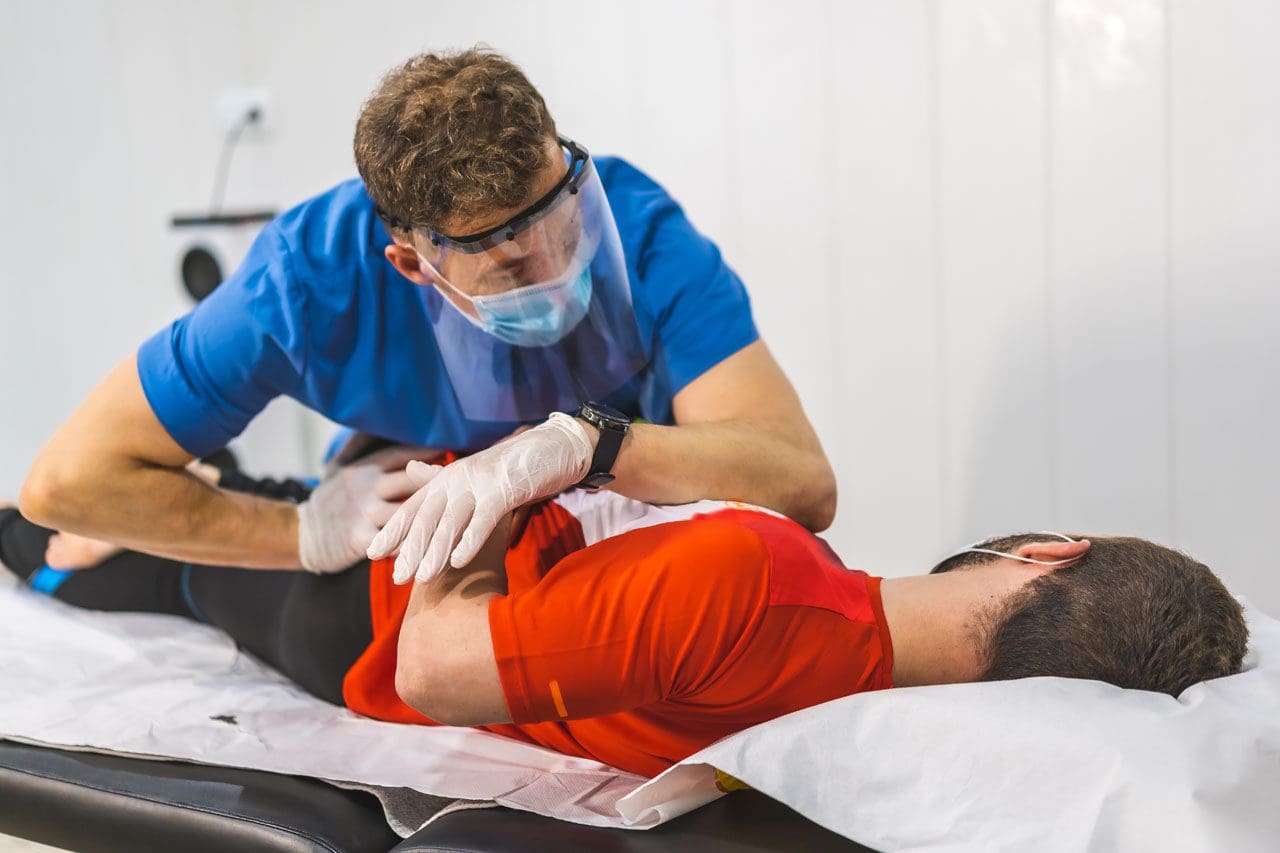
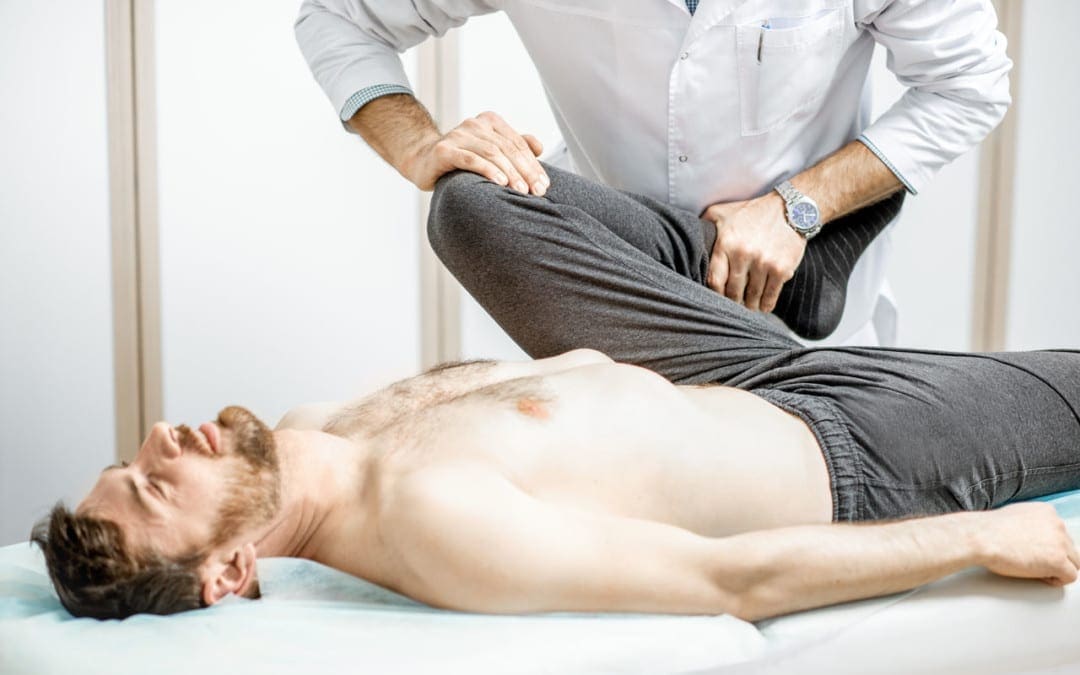
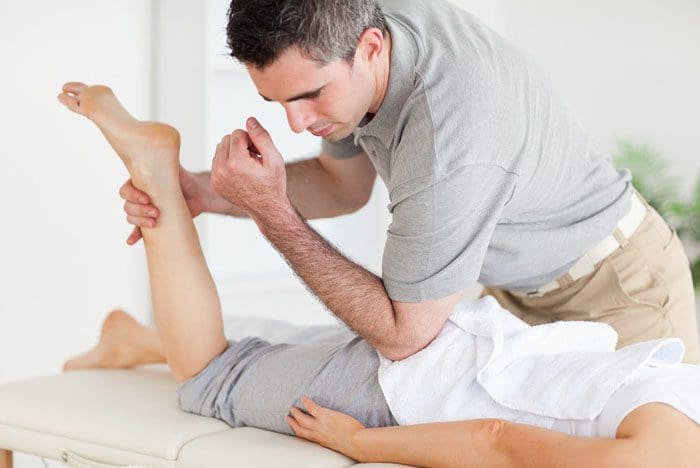
Back problems can affect everyone. The most healthy individuals can experience back issues from time to time because of unhealthy postures, standing or sitting for extended periods at a job or school, athletes, and individuals with previous injuries. Back soreness and pain symptoms are common in today’s active and inactive world. The pain can range from dull and constant aches to sharp and sudden piercing sensations. This causes pressure to build up against different regions of the spine. Individuals trying to reposition the body can cause an imbalance in the spine that often leads to more pain and problems. It is impossible to adjust one’s spine effectively and should be evaluated and treated by a professional chiropractor and therapy team.
Professional Chiropractor
Problems With DIY adjustments
Self-cracking or having a friend/family/spouse walk on their back or squeeze the body to achieve the crack or pop forces an increase in mobility that can lead to overexerting the spine.
Can loosen all of the joints instead of just the tight joints.
This can overly loosen already flexible joints that must compensate for the stiff joints.
The muscles have to work overtime to maintain stability, adding stress which increases muscle tension.
This can cause the health of compressed segments to continue to decline and worsen and/or cause further injury.
It can cause abnormal vertebral degeneration.
It can be dangerous if the individual has weak bones.
Injuries can include herniated and dislocated discs.
In the worst-case scenario, fractures and broken vertebrae.
Although rare, there is the possible risk of rib fracture or subluxation.
This can cause pain and symptoms to turn into a serious health or chronic condition.
Chiropractic Training
Chiropractors are trained medical specialists on the body’s structure and function. Chiropractors know the correct positioning and function of every area of the spine, from the neck to the tailbone. The most common injuries that chiropractic treats include:
Muscle Strains
Sciatica
Overuse/Repetitive Strains
Neck Sprains
Whiplash
Headaches
Herniated Discs
Dislocations
Fractures
Proper Realignment
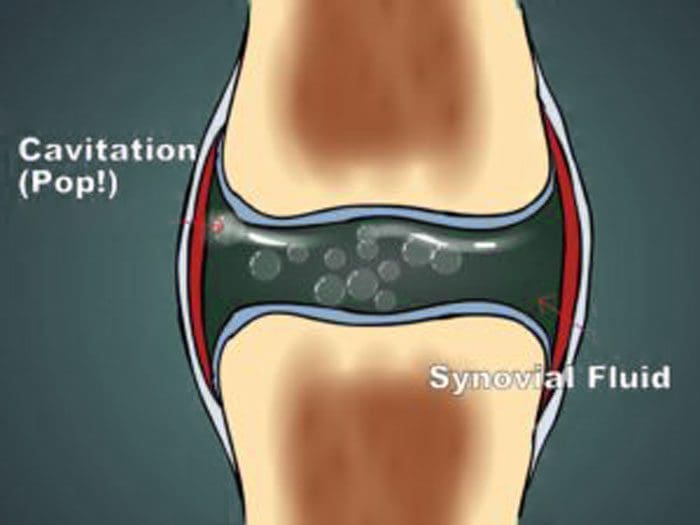
Individuals think the popping sound is the goal; however, it’s not what relieves the pain or symptoms. The relief comes from the improved movement of the joints. The term for the popping sound is cavitation. Chiropractic manipulation is a specific force applied in a specific direction to a particular joint. During a professional realignment session, the pressure inside the joint decreases, releasing gasses within the synovial fluid into the joint space. That’s the popping sound. When a professional chiropractor performs adjustments/cavitations, they:
ImproveJoint function.
Relax the muscles.
Relieve nerve irritation.
There’s also the possibility of an unknown underlying cause for the pain symptoms. Therefore, friends and family should not attempt back adjustments unless they are professional chiropractors. When symptoms persist, treatment from a professional licensed chiropractic clinic is safer and more effective, and early treatment can prevent permanent damage caused by chronic inflammation. Professional chiropractor treatments include:
Adjustments
To gently realign joints to decrease pain and increase range of motion.
Soft-Tissue Therapy
Relaxes tight muscles, relieves spasms, and releases tension in the tissues that surround the muscle fascia.
Exercises and Stretches
Restore and maintain joint stability and mobility.
Joint Bracing and Kinesio Taping
Supports sprained joints or muscles during recovery.
Referrals to Medical Experts
For guidance on diet and nutrition to reduce inflammation and promote healthy weight.
The Path To Healing
References
Dunning, James, et al. “CAVITATION SOUNDS DURING CERVICOTHORACIC SPINAL MANIPULATION.” International Journal of sports physical therapy vol. 12,4 (2017): 642-654.
Evans, David W, and Nicholas Lucas. “What is manipulation? A new definition.” BMC musculoskeletal disorders vol. 24,1 194. 15 March 2023, doi:10.1186/s12891-023-06298-w
Hardy, Katie, and Henry Pollard. “The organization of the stress response, and its relevance to chiropractors: a commentary.” Chiropractic & osteopathy vol. 14 25. 18 October 2006, doi:10.1186/1746-1340-14-25
LaPelusa, Andrew. and Bruno Bordoni. “High-Velocity Low Amplitude Manipulation Techniques.” StatPearls, StatPearls Publishing, 6 February 2023.
Navid, Muhammad Samran, et al. “The effects of chiropractic spinal manipulation on central processing of tonic pain – a pilot study using standardized low-resolution brain electromagnetic tomography (sLORETA).” Scientific Reports vol. 9,1 6925. 6 May. 2019, doi:10.1038/s41598-019-42984-3
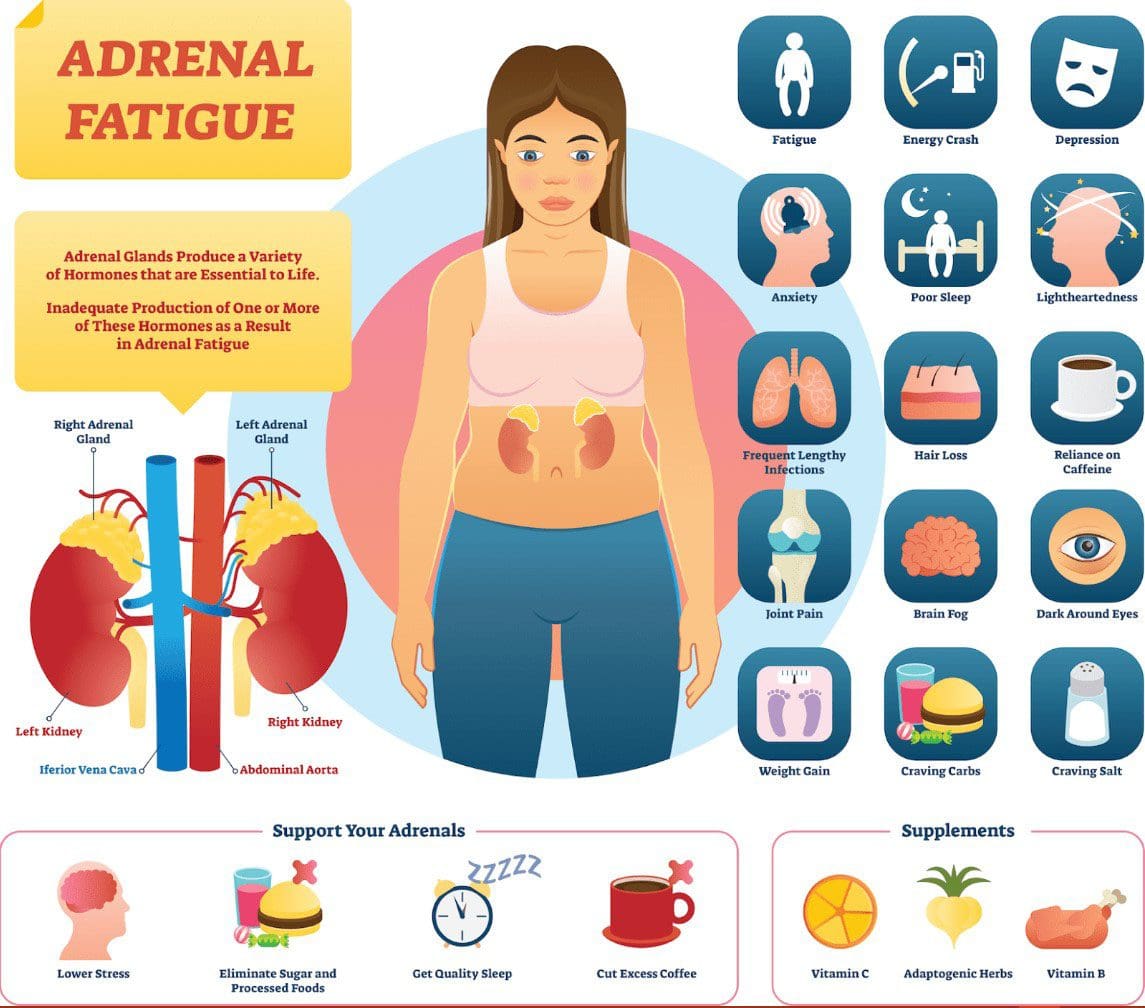
The adrenal glands are small and sit above the kidneys. The glands help the body burn fat and protein and regulate sugar, blood pressure, and stress response. They create, release, and regulate hormones like cortisol and adrenaline. Conditions like chronic fatigue, brain fog, and burnout cause individuals to be exhausted during the day and unable to fall asleep at night. Symptoms can also include hair loss, weight fluctuation, increased cravings, and difficulty recovering from illness. Nutrition support plays a major role in healing adrenal fatigue.
Nutrition Support
Adrenal fatigue nutrition support is a food-based approach to optimize adrenal gland function. The objective is to increase energy levels naturally, so the body doesn’t burn stored nutrients. Adrenal gland optimization involves learning ways to reduce and manage stress, getting healthy sleep, and making lifestyle adjustments.
Adrenal Fatigue
When stress activates, the adrenal glands release cortisol. Researchers theorize that when the body experiences high levels of chronic stress, the adrenal glands may not be able to produce enough cortisol to maintain healthy function, which can lead to adrenal fatigue.
Adrenal fatigue should not be confused with adrenal insufficiency, a verified medical condition where the adrenal glands cannot produce enough hormones.
Fatigue Symptoms
Symptoms of adrenal fatigue include:
Chronic low energy levels
Difficulty waking up
Difficulty falling asleep
Increased cravings for salt or sugar
Dependence on stimulants like caffeine
Other health conditions could also cause symptoms.
Foods to Avoid
Decreasing foods and drinks high in refined and processed sugar and unhealthy fats are recommended. Some foods to limit include:
It’s also recommended to time meals to help manage blood sugar levels. Skipping meals forces the body to burn stored nutrients that can reduce energy levels. Maintaining breakfast and lunch and regular balanced snacks can help maintain energy levels throughout the day. Maintaining hydration is also important, as dehydration can influence stress levels and cause the adrenal glands to produce cortisol.
Recommended Foods
Doctors and nutritionists recommend balancing nutrient-dense sources of protein, healthy fats, and carbohydrates. Nutrition support foods include:
Lean meats
Fatty fish – Salmon and sardines are great protein sources as they are loaded with healthy omega-3 fatty acids, which can reduce inflammation and promote improved brain health.
Leafy greens – These vegetables contain magnesium, like spinach, kale, and Swiss chard. The body needs magnesium to carry out various functions, which also helps the body relax and manage stress more effectively. When there is trouble falling asleep, it could be a deficiency in this mineral.
Sea salt – Individuals with adrenal fatigue experience electrolyte imbalances. This is caused by a deficiency in the steroid hormone aldosterone. Adding sea salt will help balance electrolytes and minimize symptoms, specifically those related to blood pressure.
Olive oil
Avocado – The body needs a good amount of healthy fat to help the body heal. A low-fat diet is not ideal for dealing with hormonal issues like adrenal fatigue, as the body needs fat and cholesterol to produce hormones. Avocados contain high monounsaturated fats and fiber that help the body detox and digest food more efficiently.
Healing
A nutrition plan addressing adrenal fatigue can increase energy levels, regulate blood pressure, and promote healthier eating habits. Talking with your doctor and a nutritionist is recommended for optimal results, as they can develop a personalized health plan that addresses the following:
Lifestyle adjustments
Healthy sleep schedule
Managing stress
Physical activity
We are here for you at Injury Medical Chiropractic and Functional Wellness Clinic to learn more about adrenal fatigue and how to manage it. Contact us for more information on our services or to schedule an appointment for a consultation.
Adrenal Dysfunction Patterns
References
ABDULLA, Jehan, and B. DJ Torpy. “Chronic Fatigue Syndrome.” Endotext, edited by Kenneth R Feingold et al., MDText.com, Inc., 20 April 2017.
Allen, Loyd V Jr. “Adrenal fatigue.” International journal of pharmaceutical compounding vol. 17,1 (2013): 39-44.
Galland, Leo. “The gut microbiome and the brain.” Journal of medicinal food vol. 17,12 (2014): 1261-72. doi:10.1089/jmf.2014.7000
Nervousness, fear, anxiety, and discouragement are common and natural feelings to have while awaiting surgery. Preparing for spinal surgery can cause individuals to experience what is known as preoperative anxiety. A study suggests that preoperative anxiety affects from 60 to 80% of individuals. There can be a lot of unknowns going into spinal surgery. Individuals can experience preoperative anxiety:
Over the procedure itself.
By imagining what could go wrong?
How is the body going to recover?
The temporary changes in functioning post-surgery.
The post-surgical pain and discomfort.
What will the results be?
Learning how to decrease surgery stress will improve the procedure and recovery. There are ways to overcome this anxiety with tips from a pain psychologist.
Getting Educated and Informed
A pain psychologist recommends spending as much time as needed to discuss the surgery with the surgeon/provider. Ask the doctor if it is possible to speak with other patients who have gone through the same surgery to learn more about the procedure and what to expect with the recovery. Searching the internet is fine, but it is recommended not to get caught up searching non-reputable websites as there is a lot of misleading information that can lead to unnecessary stress. Ask the doctor to share statistics of positive outcomes versus complications to provide reassurance and to determine if surgery is the right option based on the specific condition.
Going In With The Right Mindset
Having a heightened level of anxiety or depression can contribute to poor surgical outcomes. Individuals that focus on the worst-case scenario are more likely to have higher levels of pain after surgery. Having the right mindset, staying calm and positive can decrease preoperative anxiety and can optimize recovery.
Preparation and Planning
Mental preparation and planning for surgery will set the mind and body at ease. This means:
Knowing the anticipated healing timeline.
The recovery phases the body will go through.
How long they will last?
What is needed for optimal recovery?
Support during each step.
Recommended medical follow-up.
Post-surgical treatment/rehabilitation plan.
Understand the Pros and Cons
Before surgery, it can be beneficial to understand the pros and cons of the surgery. Speaking with the surgeon to learn this information can create a clear, concise picture of what to expect and the recovery timeline.
Relaxation
It is important to learn relaxation skills to stay positive and calm before and after surgery. Relaxation exercises can be very effective at all stages of pre-and post-surgery. Learn how to:
Manage thinking positively.
Avoid catastrophizing.
These can be accomplished through:
Meditation
Slow walks
Gentle yoga as long as it is cleared by the doctor.
Understand the Time
Knowing what will go into post-surgery recovery and having realistic expectations will create a sense of confidence.
Support System
Having a healthy support system will increase positivity and can speed up recovery. This can include:
A partner.
Family members.
Close friends.
They can help before and after surgery with physical assistance or just to listen.
Consult a Professional Pain Psychologist
Help from a behavioral health specialist or a pain psychologist can be beneficial in reducing anxiety and promoting positive surgical outcomes. They help deal with the pain, pre, and post-surgery, rehabilitation, life moving forward, etc.
Body Composition
Carbohydrates Simple and Complex
Simple carbs are a quick, scattered source of energy, and complex carbs are a healthy source of steady energy. Complex carbs are not as readily available for immediate energy as simple carbs are, but they are more efficient and healthier. Complex carbs provide sustainable energy, meaning the energy is constant with no crash like simple carbs. Complex carbs release slowly and should be the most significant component of daily energy intake. When it comes to muscle gain, complex carbohydrates can help:
Prevent Muscle Weakness
Glycogen is stored in the muscles. When the muscles are used during physical activity or exercise, the body taps into the glycogen stores for that particular muscle. Athletes take advantage of glycogen by consuming carbs (carbo-loading) a day or more before a workout to maximize the muscle glycogen stores. This helps delay fatigue and improve performance, making for a better workout and stronger muscles.
Prevent Muscle Degradation
One concern about consuming a low-carb diet is muscle loss. A study compared a low-carb diet to other diets and found that restricting carbohydrates results in protein loss. This is because restricting carbohydrates causes an increase in the amount of nitrogen that gets excreted by the body. Nitrogen is a component of amino acids that forms muscle proteins, with a loss in nitrogen indicating that the muscles are breaking down.
References
Beck, Kathryn L et al. “Role of nutrition in performance enhancement and postexercise recovery.” Open access journal of sports medicine vol. 6 259-67. 11 Aug. 2015, doi:10.2147/OAJSM.S33605
First, Get Educated: The Spine Journal (July 2018) “Anxiety and depression in spine surgery—a systematic integrative review” https://www.sciencedirect.com/science/article/pii/S1529943018301281.
Hearris, Mark A, et al. “Regulation of Muscle Glycogen Metabolism during Exercise: Implications for Endurance Performance and Training Adaptations.” Nutrients vol. 10,3 298. 2 Mar. 2018, doi:10.3390/nu10030298
How Attitude Can Affect Recovery: Journal of Neurosurgery. (November 2017) “Influence of catastrophizing, anxiety, and depression on in-hospital opioid consumption, pain, and quality of recovery after adult spine surgery” https://thejns.org/spine/view/journals/j-neurosurg-spine/28/1/article-p119.xml
International Journal of Surgery Open. (2018) “Prevalence and factors associated with preoperative anxiety among elective surgical patients at University of Gondar Hospital. Gondar, Northwest Ethiopia, 2017. A cross-sectional study” https://www.sciencedirect.com/science/article/pii/S2405857217300475
The spinal cord is the information pathway that transmits signals from the brain to the rest of the body. The body’s limbs and organs cannot function properly without regular communication flowing through the spinal cord. Understanding how the sciatic nerve responds to the other parts of the body can clarify how a doctor of chiropractic heals sciatica. When severe pain presents normal communications are overridden for the sake of body and health preservation. The sciatic nerve is an important part of the spinal cord and requires a trained professional to aid in proper and effective healing.
Basics On Sciatica
Sciatica happens when the nerves are compressed/pinched in some form. Lower back conditions can be the cause of such compression. Sciatica can be reduced and healed. Conditions that can lead to sciatic pain include:
Herniated discs
Subluxations
Disc Degeneration
Spinal Stenosis
Lower back disc bulge
Piriformis syndrome
Symptoms
Sciatica often includes:
Sharp pain
Numbness
Burning
Tingling sensation
Individuals can also experience weakness down the leg.
Normal activities can become strained as individuals experience these symptoms. Pressure on the nerve can be decreased and healed with professional chiropractic care. The human spine consists of 31 pairs of nerves. Five of these pairs are in the lumbar/lower back region and five are right below that area in the sacral region. The sciatic nerve starts in the lower back. It goes down through the hips, buttocks, thighs, knees, calves, and ends in the foot.
Causes could be something as simple as sitting on a bulging wallet or sitting for extended lengths of time can result in a decreased blood flow to the area. Also, direct trauma to the gluteal muscles from automobile accidents, sports, and work injuries can lead to sciatic nerve issues and pain.
Treatment Options
Tests and examinations will be conducted to figure out the origin of the pain to develop a personalized treatment plan to expedite the healing process. Treatment can include:
Chiropractic treatment
Decreasing muscle tension
Core stabilization
Spinal decompression
Rehabilitation therapy
Chiropractic treatment is designed to help the body activate its own healing system. It is non-invasive and drug-free providing an organic alternative. Advanced cases of sciatica can result in muscle weakness or a loss of sensation in the legs, if not properly treated. Individual treatment plans vary depending on an individual’s specific needs.
Prevention
Prevention is important once the condition is healing to not cause flare-ups. Sciatica symptoms can return, especially if proper and continued care to the spine is not maintained. Preventative care and maintenance are essential for ensuring a healthy spine and body. These tips can help avoid back injuries that can lead to sciatica and help with reoccurrences:
Practice proper posture
Regular exercise/physical activity with safe movements
Bend at the knees, especially when lifting heavy objects
Follow specific instructions given by a chiropractor
Body Composition
Healthy Snacks
Eggs
Eggs make a great snack that will keep the body full and help to eat less. They are a great source of protein and fat and have a healthy variety of vitamins and minerals. Hard-boiled eggs are easy to make ahead of time and are portable.
Cheese
Cheese is a great snack for protein and fat. But it is important to watch the serving size if watching/limiting calories. Cottage cheese is highest in protein but cream cheese and cheese sticks are also good options. Cheese can be paired with a serving of fruit or vegetables like grape tomatoes, bell peppers, celery, apples, or pears.
Jerky
Jerky is convenient and portable and is a great way to pack in extra protein throughout the day. The best option is grass-fed. Remember that some jerky is high in sodium if limiting sodium.
Greek Yogurt
Natural Greek yogurt is a great option for a high-protein snack. However, many yogurts are high in sugar. Therefore choose yogurt with less than 10 grams of sugar per serving, or opt for plain yogurt to avoid the sugar altogether. The yogurt can be sweetened with honey, fresh fruit, or mixed into a smoothie.
Hummus and Guacamole Dips
Hummus is a great source of plant-based protein and is balanced with carbohydrates, fat, and fiber. It is the olive oil in the hummus that provides a healthy dose of heart-healthy polyunsaturated fats. Guacamole is a delicious source of healthy fats.Both dips are calorie-dense, therefore it is important to be aware of portion sizes. These can be paired with carrot sticks, bell peppers, or celery.
Disclaimer
The information herein is not intended to replace a one-on-one relationship with a qualified health care professional, licensed physician, and is not medical advice. We encourage you to make your own health care decisions based on your research and partnership with a qualified health care professional. Our information scope is limited to chiropractic, musculoskeletal, physical medicines, wellness, sensitive health issues, functional medicine articles, topics, and discussions. We provide and present clinical collaboration with specialists from a wide array of disciplines. Each specialist is governed by their professional scope of practice and their jurisdiction of licensure. We use functional health & wellness protocols to treat and support care for the musculoskeletal system’s injuries or disorders. Our videos, posts, topics, subjects, and insights cover clinical matters, issues, and topics that relate to and support, directly or indirectly, our clinical scope of practice.* Our office has made a reasonable attempt to provide supportive citations and has identified the relevant research study or studies supporting our posts. We provide copies of supporting research studies available to regulatory boards and the public upon request. We understand that we cover matters that require an additional explanation of how it may assist in a particular care plan or treatment protocol; therefore, to further discuss the subject matter above, please feel free to ask Dr. Alex Jimenez or contact us at 915-850-0900.
Dr. Alex Jimenez DC, MSACP, CCST, IFMCP*, CIFM*, CTG*
email: [email protected]
phone: 915-850-0900
Licensed in Texas & New Mexico
References
National Institutes of Health. (2019.) “Sciatica.” medlineplus.gov/sciatica.html.
North American Spine Society. (2012.) “Clinical Guidelines for Diagnosis and Treatment of Lumbar Disc Herniation with Radiculopathy.” www.spine.org/Portals/0/assets/downloads/ResearchClinicalCare/Guidelines/LumbarDiscHerniation.pdf
Self-cracking and popping the spine can feel good but should it be done without professional/chiropractic assistance? We’ve all done it getting up from bed or the couch, lean back, and wait for the sound of the spine cracking/popping. Some even have a friend help pop the spine to get that satisfying feeling. There are proper stretching techniques to follow, but cracking the spine without professional help is not recommended as it could lead to problems or worsen any underlying spinal issues.
Sounds
Self cracking, popping the spine refers to the sounds the neck or back make with certain movements. The joints in the spine contain fluid and gas. When the body moves, stretches can create cracking popping sounds as different pressures are exerted. The sound is known as joint cavitation, is the normal exchange of gases like oxygen, nitrogen, and carbon dioxide around the joints.
Spaces form in the synovial fluid that surrounds the joints. These spaces make an audible sound when the pressure changes/cavitation causing the gases to be released. The gases are naturally present in the body. A doctor of chiropractic mobilizes the joints very carefully through adjustments using their hands or specific instruments to increase the spine's range of motion and stability. When adjustments and manipulations are not performed by a professional, problems can happen, that can include:
Loss of strength
Soft tissue swelling
Muscle spasms
When it’s done properly and safely injuries are prevented and any issues like swelling and tightness around the neck and spine are also avoided.
Self-cracking performed incorrectlycan lead to excessive force bringing the joints to excessive ranges of motion that can potentially cause injury. Individuals need to be careful even when self-cracking as the spine can make sounds for other reasons.
Age-related arthritis can generate a crunching type of sound when moving known as crepitus
A ligament or tendon can rub over a bone or bone spur, creating different sounds
These sounds are usually not problematic, but when they are consistent with certain movements they could cause inflammation and/or pain.
Chiropractic Professional Adjustments
The primary reasons most individuals seek chiropractic help are for problems, like pain, tightness, and weakness. Individuals can voluntarily see a chiropractor or they could be referred to one by a different doctor. Doctors routinely work with chiropractors to help patients recover from musculoskeletal injuries and conditions. A chiropractor performs manipulations in a safe, controlled manner. They are familiar with the sounds that the joints make and know they are safe. They usually have a multidisciplinary team that is involved in the management of various musculoskeletal conditions.
Why chiropractic care is so helpful?
All doctors of chiropractic are trained to diagnose and treat neuro-musculoskeletal conditions. During the diagnosis, the chiropractor will go through the individual's medical history and conduct a physical exam to determine what treatment plan is best for the individual and their injury or condition. Many are now flocking to chiropractic care to avoid taking pain medications. Scientific evidence supports the health benefits of adjustments for various types of musculoskeletal pain, as well as to improve function and mobility
It is also recommended to work with a chiropractor in addition to other health professionals, like orthopedic specialists and physical therapists. They can help decrease pain, provide increased mobility and stability. If there is a constant need to self crack the back, or are having other issues with pain and tightness, talk with a doctor to see if chiropractic adjustments and manipulation will help. This will ensure that the right diagnosis is made and will help to create the optimal treatment plan to develop a stronger healthier body.
Body Composition
Increasing muscle mass is a recommended way to improve body composition and increase immune system function. Research shows senior adults with a higher skeletal muscle mass have an increased number of immune cellsin the blood. This indicates that the muscles and the immune system are connected. When working out myokines or hormone-type proteins are released that strengthen the immune system to help protect and fight diseases. Regular exercise with moderate intensity increases the release of T lymphocytes/T cells improving the body's immunity. Regular exercise also helps reduce the risk of developing chronic diseases like:
Type 2 diabetes
Obesity
Different types of cancer
Cardiovascular diseases
Improved body composition with regular exercise and a well-balanced diet helps maintain a healthy proportion of muscle and fat mass. The more developed the body's muscle mass becomes strengthens the immune system and lowers the risk of diseases and various health conditions.
Disclaimer
The information herein is not intended to replace a one-on-one relationship with a qualified health care professional, licensed physician, and is not medical advice. We encourage you to make your own health care decisions based on your research and partnership with a qualified health care professional. Our information scope is limited to chiropractic, musculoskeletal, physical medicines, wellness, sensitive health issues, functional medicine articles, topics, and discussions. We provide and present clinical collaboration with specialists from a wide array of disciplines. Each specialist is governed by their professional scope of practice and their jurisdiction of licensure. We use functional health & wellness protocols to treat and support care for the musculoskeletal system’s injuries or disorders. Our videos, posts, topics, subjects, and insights cover clinical matters, issues, and topics that relate to and support, directly or indirectly, our clinical scope of practice.* Our office has made a reasonable attempt to provide supportive citations and has identified the relevant research study or studies supporting our posts. We provide copies of supporting research studies available to regulatory boards and the public upon request. We understand that we cover matters that require an additional explanation of how it may assist in a particular care plan or treatment protocol; therefore, to further discuss the subject matter above, please feel free to ask Dr. Alex Jimenez or contact us at 915-850-0900.
Dr. Alex Jimenez DC, MSACP, CCST, IFMCP, CIFM, CTG* email: [email protected] phone: 915-850-0900 Licensed in Texas & New Mexico
“The Prevalence, Patterns, and Predictors of Chiropractic Use Among US Adults: Results From the 2012 National Health Interview Survey.” Spine. Dec 2017. https://pubmed.ncbi.nlm.nih.gov/28459779/
“Chiropractic Use in the Medicare Population: Prevalence, Patterns, and Associations With 1-Year Changes in Health and Satisfaction With Care.” Journal of Manipulative and Physiological Therapeutics. Oct 2014. https://www.sciencedirect.com/science/article/pii/S0161475414001444
There has been an increasing number of professional athletes and athletic teams in recent years that have chosen to use chiropractors to treat their injuries, help manage their pain, and help keep them at the top of their game concerning performance and stamina. Top athletes like Jordan Spieth, Phil Mickelson, Vernon Davis, and Aaron Rodgers recognize that value in good chiropractic care and have incorporated it into their overall health and wellness programs.
One of the biggest draws is chiropractic�s whole-body approach to health care. A chiropractor will not just treat the symptoms of a problem (such as pain), he or she will work to uncover the cause of the problem and recommend lifestyle changes that will help the athlete not only eliminate their pain, but resolve the issue causing the pain, and take steps to help prevent the problem from recurring.
The NFL Chooses Chiropractic
The National Football League (NFL) has long kept chiropractic care as a standard treatment for its players. The Professional Football Chiropractic Association estimates that the average team chiropractor for the NFL will perform anywhere from 30 to 50 chiropractic adjustments or treatments a week during the football season.
When you consider that the NFL teams employ around 35 chiropractors, that adds up to about 27,000 adjustments in that short 16-week span, but it�s worth it to keep the players in tip-top shape, and many continue chiropractic care even after they retire.
The PGA Chooses Chiropractic
Many top golfers in the Professional Golfers� Association (PGA), such as Arnold Palmer, Jack Nicklaus, and Phil Mickelson see chiropractic care not only as a necessary element in their wellness routines but also as a playing a vital role in their success.
Many use it to enhance their athletic performance, help prevent injuries, help heal from injuries, manage pain, and improve their overall health. Some golfers, like Masters Tournament winner Jordan Spieth, have a chiropractor who travels with him on a full-time basis and provides treatments several times a day.
Olympic Teams and Chiropractic
At the Olympics, the best of the best compete � and put their bodies through a lot of stress and punishment in the process. Most Olympic teams have two chiropractors who travel with them in an official capacity.
After practice or competition, they will get treatments to keep their bodies at optimal performance level. If any of the athletes sustain injuries, the chiropractors can help to manage pain and help heal the injury. Studies show that most injuries that are treated with chiropractic care heal faster and more complete.
The MLB, NBA, and NHL Choose Chiropractic
Most of the teams in the NHL, NBA, and MLB either have a chiropractor they refer to that is outside, or their organization or they have one on staff. This means that not only are chiropractors treating athletes, but they are also treating some of the best athletes in the world.
These people make a living based on how well their bodies perform so it stands to reason they would not turn to just any type of treatment or trend. They choose to reap the benefits of the tried and true chiropractic care.
Chiropractic for Athletes
Athletes know the many benefits that they can get from regular chiropractic care. Some of the top include:
It is drug-free and non-invasive.
It is very effective in pain management.
It can reverse the punishment that the body undergoes while participating in sports.
If you play sports, even if you enjoy a game of touch football on the weekends, you might benefit from chiropractic care. If it�s good enough for the pros, it�s good enough for you!
IFM's Find A Practitioner tool is the largest referral network in Functional Medicine, created to help patients locate Functional Medicine practitioners anywhere in the world. IFM Certified Practitioners are listed first in the search results, given their extensive education in Functional Medicine