Integrative Chiropractic Care for Gut-Hormone Health
Abstract
In this educational post, we embark on a journey deep into the intricate systems that govern our health, exploring the profound and often overlooked influence of the gut microbiome and key nutrients on our overall well-being, particularly hormone metabolism and systemic inflammation. Drawing on my years of clinical practice, I will share the latest findings from leading researchers, translated into practical insights for your health journey. We will demystify complex concepts such as gut dysbiosis and leaky gut, explaining their physiological underpinnings and how they can manifest as common conditions like PCOS, endometriosis, autoimmune disorders, and even mood changes. This post will illuminate the intricate process of estrogen metabolism and how an imbalanced gut can disrupt it, potentially increasing health risks. We’ll then bridge this knowledge to practical, evidence-based strategies, emphasizing how integrative chiropractic care, combined with targeted nutritional support and lifestyle adjustments, provides a powerful framework for restoring gut health, optimizing hormonal balance, and enhancing your body’s natural healing capabilities.
Unlocking Systemic Wellness By Understanding The Gut Microbiome
Welcome. For years, in my clinical practice at the El Paso Back Clinic, I have observed patients with chronic musculoskeletal issues who also struggle with seemingly unrelated problems—fatigue, hormonal imbalances, and persistent inflammation. This led me, nearly a decade ago, to delve deeper into the science of the gut. What I discovered, and what is now being robustly confirmed by leading researchers, is that the root cause of many metabolic and hormonal disruptions lies within our digestive system. My goal today is not to overwhelm you, but to raise awareness of key concepts that can significantly impact your health outcomes.
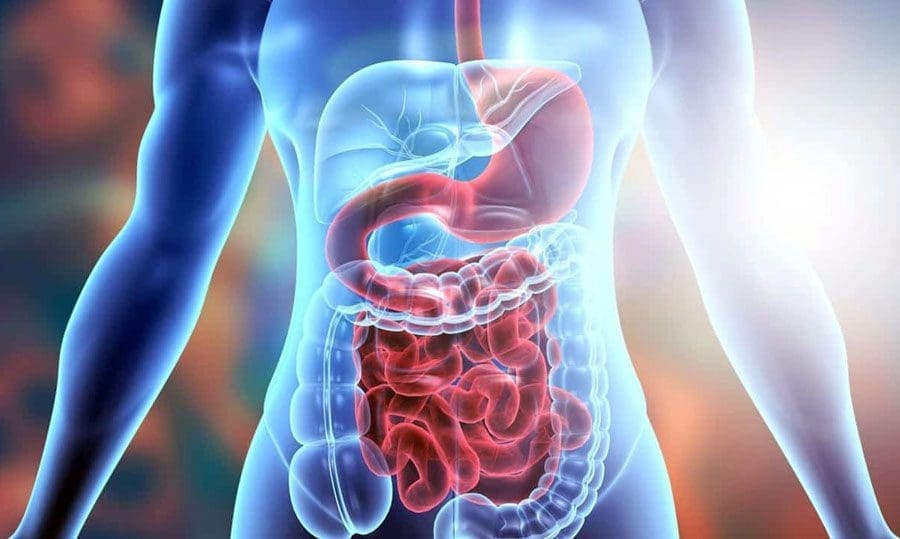
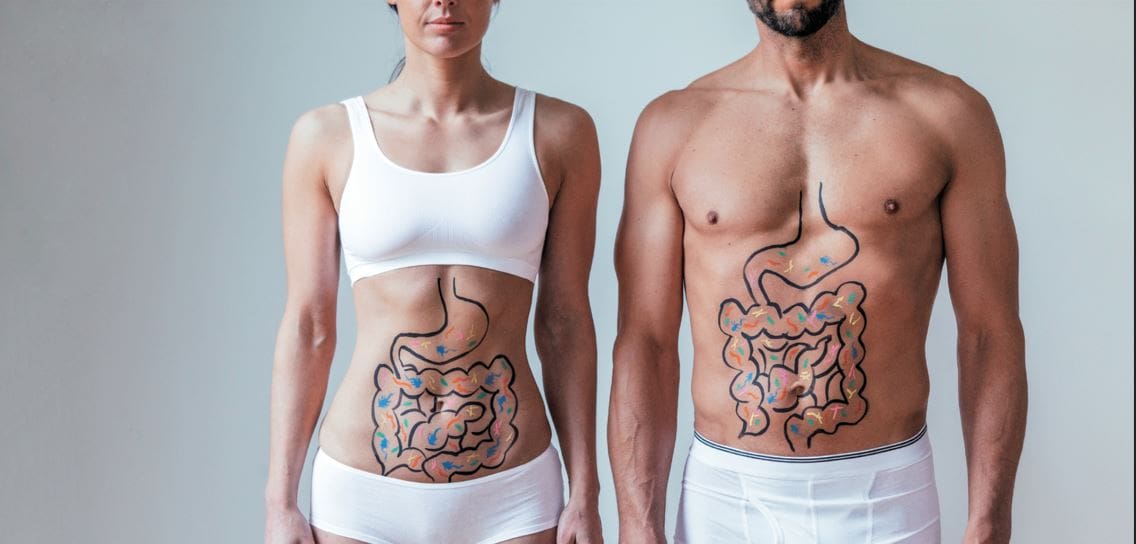
The gut microbiome is a complex ecosystem comprised of trillions of microorganisms—bacteria, viruses, fungi, and more—residing primarily in our large intestine. These microbes are not passive bystanders; they are crucial for:
Digestion and Nutrient Absorption: Breaking down food components that our bodies cannot.
Immune System Regulation: Training and modulating our immune responses.
Hormone Metabolism: Playing a direct role in regulating hormones like estrogen through a process known as enterohepatic circulation.
This intricate internal world is influenced by our diet, lifestyle, stress levels, medications, and even genetics. The gut’s influence extends far beyond digestion, affecting everything from brain function (the gut-brain axis) to cardiovascular health.
Gut Dysbiosis: When The Internal Ecosystem Is Disrupted
One of the most critical concepts in gut health is dysbiosis. This term describes an imbalance in the gut’s microbial community, specifically an overgrowth of “bad” or pathogenic bacteria at the expense of beneficial, or commensal, bacteria.
Why is this imbalance so problematic? One major reason is the production of lipopolysaccharides (LPS). LPS are endotoxins found in the outer membrane of certain pathogenic bacteria. When these bacteria proliferate, more LPS is released. If the gut lining is compromised, these inflammatory molecules can enter the bloodstream, triggering a systemic inflammatory response. This low-grade, chronic inflammation is a known driver of numerous conditions, including:
Cardiovascular disease
Neuropathology
Polycystic Ovary Syndrome (PCOS)
Autoimmune conditions like Hashimoto’s thyroiditis
As an integrative clinician, I’ve learned that addressing the gut is non-negotiable for achieving lasting results. By restoring the dominance of beneficial bacteria, which can help manage and clear pathogenic strains, we can significantly reduce the body’s inflammatory load and improve clinical outcomes, whether we’re treating chronic back pain, metabolic syndrome, or hormonal disruption.
Leaky Gut (Intestinal Permeability): The Breach In The Barrier
Hand in hand with dysbiosis is the concept of leaky gut, or increased intestinal permeability. While they are distinct, they often occur together and fuel each other in a vicious cycle.
Imagine the lining of your intestines as a tightly controlled barrier, made up of a single layer of cells joined by structures called tight junctions. These junctions act as gatekeepers, allowing micronutrients to pass into the bloodstream while blocking larger, undigested food particles, toxins, and microbes.
Leaky gut occurs when these tight junctions loosen and become “leaky”. This allows substances that should remain confined to the gut to enter the systemic circulation, where the immune system identifies them as foreign invaders and launches an inflammatory response. This process is a primary mechanism behind food sensitivities, allergies, and autoimmune reactions.
Common Causes of Leaky Gut:
Poor Diet: The Standard American Diet (SAD), high in processed foods, sugar, and unhealthy fats, is a major contributor.
Chronic Stress: Both mental and physical stress elevate cortisol, a hormone that can degrade the integrity of the gut lining.
Toxin Overload: Environmental toxins, alcohol, and certain medications can damage intestinal cells.
Physical Trauma: Research has shown that a break in these tight junctions can occur within just 20 minutes of a traumatic brain injury (TBI) or concussion. This highlights the profound and immediate connection between physical trauma and gut integrity, a key consideration in our chiropractic and physical therapy practice.
Because we live in a society filled with these triggers, many of us are likely experiencing some degree of intestinal permeability. Recognizing the signs is the first step toward healing.
The Gut-Hormone Axis: PCOS, Endometriosis, And Estrogen
The connection between gut health and hormonal balance is one of the most exciting frontiers in medicine. Recent studies are cementing the gut’s role as a central regulator of our endocrine system.
The PCOS and Endometriosis Connection
For conditions like Polycystic Ovary Syndrome (PCOS) and endometriosis, the current literature increasingly points to gut dysbiosis as a foundational root cause.
PCOS: Gut dysbiosis can drive the pathophysiology of PCOS by worsening inflammation and insulin resistance—two key features of the syndrome. The inflammatory cascade initiated by LPS directly contributes to these metabolic disruptions, as detailed in a comprehensive 2025 review (He & Li, 2025).
Endometriosis: An imbalanced gut microbiome can increase the levels of circulating estrogen metabolites that stimulate the growth of endometrial lesions. The link is so strong that studies show a 50% increased risk of Inflammatory Bowel Disease (IBD) in individuals with endometriosis, underscoring the shared inflammatory pathway originating in the gut (Jiang et al., 2021).
How The Gut Directly Metabolizes Estrogen
The gut’s role in hormone regulation is not just indirect; it’s a direct, biochemical process. Here’s how it works:
Liver Conjugation: Hormones like estrogen are sent to the liver for detoxification. The liver attaches a molecule to estrogen metabolites to neutralize them and tag them for excretion.
Excretion via the Gut: This “packaged” or conjugated estrogen is then sent to the gut for elimination from the body.
The Role of Beta-Glucuronidase: This is where gut health becomes critical. If you have dysbiosis, unhealthy bacteria produce an enzyme called beta-glucuronidase.
Recirculation of “Bad” Estrogen: Beta-glucuronidase acts like a pair of scissors, “un-packaging” the estrogen. This frees the potentially harmful estrogen to be reabsorbed back into the bloodstream, where it can increase the risk for estrogen-dominant conditions and hormone-related cancers (Plottel & Blaser, 2011).
This is a powerful example of how addressing gut health can directly mitigate hormonal risks. By fostering a healthy microbiome, we reduce beta-glucuronidase levels, ensuring that harmful estrogen metabolites are safely excreted.
The Synergistic Power of Essential Vitamins
While gut health is foundational, a body’s ability to use hormones correctly also depends on crucial vitamin cofactors. The assumption that symptoms like fatigue or depression automatically signal low hormone levels can be misleading.
I recall a case from over a decade ago involving an 18-year-old male presenting with depression, obesity, and profound fatigue. His labs revealed a robust testosterone level of 900 ng/dL but critically low Vitamin B12 and nearly non-existent Vitamin D. Instead of hormones, we used a simple, powerful regimen: a high-quality B-complex, a blend of vitamins A, D, and K, and iodine. The transformation was remarkable. This illustrates a key principle: hormones are useless if your cells lack the cofactors to utilize them.
The Critical Link Between Vitamin D, A, and K2
The connection between Vitamin D and testosterone is well-documented (Wehr et al., 2010). In my clinical observation, I aim for patients’ Vitamin D levels to be in the optimal range of 60-80 ng/mL to support endocrine function, immune health, and disease prevention.
However, Vitamin D supplementation must be balanced:
Vitamin D3 raises serum calcium. This is beneficial, but without proper direction, calcium can accumulate in arteries and soft tissues.
Vitamin K2 (Menaquinone) is the “calcium shuttle.” It activates proteins that direct calcium into bones and teeth, preventing arterial calcification (Shearer & Newman, 2008).
Vitamin A (Retinol) works with D and K2. It helps the body excrete any excess calcium, completing this tightly regulated system. It’s also essential for activating receptors for both Vitamin D and thyroid hormone.
If a patient on a high dose of oral Vitamin D isn’t seeing their levels rise, it’s a strong indicator of potential gut malabsorption issues, which then becomes a primary focus of our investigation.
The Universal Importance of Iodine and Selenium
Iodine is a critical mineral for thyroid hormone production, but it’s also vital for the health of breast, ovarian, and prostate tissues. Low iodine status is strongly linked to an increased risk of hormone-sensitive cancers (Eskin, 1977). This systemic deficiency is why I consider iodine a crucial part of a comprehensive health strategy.
A persistent myth suggests that individuals with Hashimoto’s thyroiditis should avoid iodine. The actual issue is not iodine but a selenium deficiency. The thyroid uses iodine to make hormones, producing hydrogen peroxide as a byproduct. Selenium is the key antioxidant needed to neutralize this byproduct. Insufficient selenium increases oxidative stress, damaging the thyroid and triggering an autoimmune attack. Therefore, many researchers now consider Hashimoto’s to be, at its core, a selenium deficiency state until proven otherwise.
The Role of Integrative Chiropractic and Functional Medicine
At our clinic, we believe in a multifaceted strategy that combines physical medicine with functional nutrition to address these core issues. A healthy gut and balanced nutritional status are foundational to reducing systemic inflammation, which in turn helps alleviate musculoskeletal pain and improves the body’s ability to heal from injury.
The Chiropractic Foundation for Systemic Health
Your nervous system is the master control system for your entire body, including your endocrine (hormonal) system and your digestive tract. The brain communicates with your glands and organs via the spinal cord and peripheral nerves.
Structural Alignment and Nerve Function: If there are misalignments in the spine, known as vertebral subluxations, they can interfere with this communication pathway. This is like having static on the phone line between your brain and your gut or hormone-producing glands. By performing specific chiropractic adjustments, we can restore proper alignment and mobility, which may improve nerve flow to the digestive organs, potentially enhancing absorption and overall gut health.
Stress Reduction: Chiropractic adjustments have been shown to have a powerful effect on the autonomic nervous system, helping to shift the body from a “fight-or-flight” (sympathetic) state to a “rest-and-digest” (parasympathetic) state. Chronic stress is a major driver of hormonal imbalance and leaky gut. By reducing neurological stress, chiropractic care helps create a more favorable internal environment for both hormonal balance and gut healing.
Enhanced Healing and Physical Therapy: A body that is not fighting a constant internal battle against inflammation caused by a leaky gut is one that can heal from a spinal injury more quickly and respond better to therapeutic exercise. By addressing the body’s internal environment, we enhance the effectiveness of our core chiropractic and physical therapy services. This allows us to create personalized, effective treatment plans that not only alleviate symptoms but also build a resilient foundation for long-term health and wellness.
A Comprehensive “4R” Gut Healing Program
For patients with significant gut-related symptoms, we implement a structured “4R” program alongside our physical medicine protocols:
Remove: The first step is to remove the triggers damaging the gut. This involves identifying and eliminating inflammatory foods, infections, and other toxins.
Replace: Next, we replace what’s missing for proper digestion, such as digestive enzymes or hydrochloric acid (HCI), to reduce the burden on the gut.
Reinoculate: This involves reintroducing beneficial bacteria using high-quality, multi-strain probiotics and feeding them prebiotics, such as fiber and polyphenols.
Repair: Finally, we provide key nutrients to help heal and seal the gut lining. L-glutamine is the primary fuel for intestinal cells and is critical for repairing leaky gut. Other powerful anti-inflammatory and healing nutrients include berberine, zinc, and marshmallow root.
By integrating these functional medicine principles with our core chiropractic and physical therapy services, we create a truly holistic and powerful approach. This comprehensive model addresses the body as an interconnected system, leading to more profound and lasting health transformations.
Gut Health for Faster Recovery—El Paso Back Clinic
Why your gut matters when you’re healing
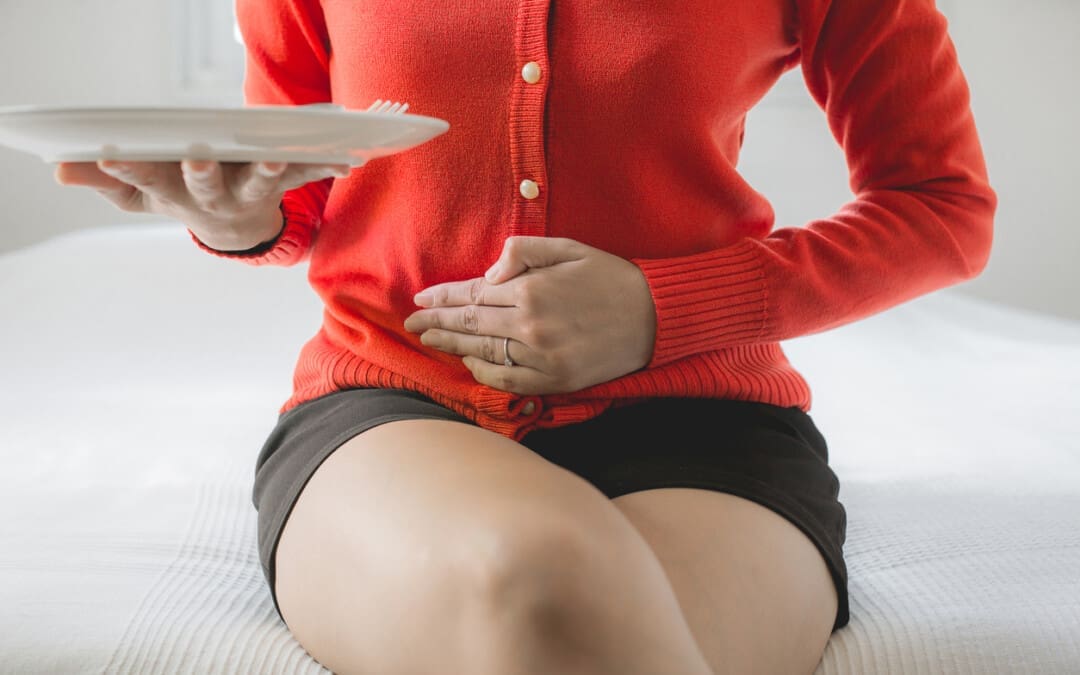
After a back or neck injury—from daily strain, sports, work, or a car crash—pain and limited mobility can dominate your life. But there’s a powerful helper inside you: the gut microbiome. These trillions of microbes influence digestion, inflammation, immunity, energy, and even sleep. When they fall out of balance (called dysbiosis), bloating, irregular stools, fatigue, and higher inflammation can slow your rehab progress. The positive news is that simple daily steps can reset the balance and support your recovery. (Cleveland Clinic, 2023/2022). (Cleveland Clinic)
At El Paso Back Clinic, we often combine spine-focused care—such as chiropractic adjustments when appropriate, therapeutic exercise, soft-tissue work, and, if indicated, imaging—with practical gut-support strategies, helping patients recover more comfortably and steadily. (Dr. Alex Jimenez, El Paso clinic pages). (El Paso, TX Doctor Of Chiropractic)
Dysbiosis in plain language
Dysbiosis means your gut community is out of balance—too many “unhelpful” species, not enough beneficial ones, or less diversity overall. Diets high in refined sugars and ultra-processed foods, repeated courses of antibiotics, stress, poor sleep, and alcohol/environmental toxins are common triggers. (Cleveland Clinic, 2024; Better Health Channel, 2023; USDA ARS, 2025). (Cleveland Clinic)
Ultra-processed foods tend to be low in fiber and high in additives; over time, they’re linked with inflammation and a less favorable gut environment—exactly what you don’t want while healing. (Cleveland Clinic Newsroom, 2023). (Cleveland Clinic)
How “unhealthy” bacteria gain ground
Unwanted bacteria flourish when conditions favor them. Three everyday drivers:
Low fiber, high ultra-processed intake. Beneficial microbes feed on plant fibers and resistant starches from beans, whole grains, vegetables, and fruit. Starve them, and opportunistic species take over. (Wilson et al., 2020; Singh et al., 2017). (PMC)
Antibiotics and antimicrobials. Essential when needed, but they can also reduce helpful species; rebuilding with fiber-rich foods (and sometimes probiotics) helps restore balance. (Cleveland Clinic, 2024). (Cleveland Clinic)
Stress and poor sleep. Both alter motility and immune signaling via the brain–gut axis, nudging the microbiome toward dysbiosis. (Better Health Channel, 2023). (Better Health Channel)
SIBO: a special case to know about
Small Intestinal Bacterial Overgrowth (SIBO) happens when excess bacteria build up in the small intestine, which normally has low counts. Symptoms can include bloating, abdominal discomfort, diarrhea, early fullness, weight loss, or malnutrition. (Mayo Clinic, 2024). (Mayo Clinic)
Treatment often pairs targeted antibiotics with nutrition and root-cause fixes (e.g., motility support or addressing structural issues). Without tackling the cause, SIBO can recur. (Mayo Clinic, 2024). (Mayo Clinic)
If you notice persistent bloating, pain, or weight loss, ask your clinician about evaluation and a phased plan that treats the cause, then carefully re-expands fibers and fermented foods.
How better gut habits speed musculoskeletal recovery
Lower, steadier inflammation: A fiber-rich, plant-forward pattern boosts short-chain fatty acids (SCFAs) like butyrate that help protect the gut lining and may dampen systemic inflammation tied to pain. (Singh et al., 2017). (PMC)
Energy and participation: Balanced digestion supports energy, sleep, and mood—key drivers of successful physical therapy and home exercise. (Cleveland Clinic, 2022). (Cleveland Clinic)
Medication tolerance: If you need antibiotics or other meds, a microbiome-friendly plan can reduce GI side effects. (Cleveland Clinic, 2024). (Cleveland Clinic)
The El Paso Back Clinic approach (dual-scope care)
Our team—led by Alexander Jimenez, DC, APRN, FNP-BC—blends chiropractic care with nurse-practitioner medical evaluation. When appropriate, we use X-ray/MRI to clarify the diagnosis, and we coordinate conservative therapies with nutrition and lifestyle coaching. For injury cases, we also provide the documentation insurers and attorneys require. (El Paso, TX Doctor Of Chiropractic)
Common elements of a plan:
Dual-scope assessment: History, neuro/orthopedic testing, and imaging when indicated to pinpoint pain drivers (joint, nerve, soft tissue). (El Paso, TX Doctor Of Chiropractic)
Conservative therapies: Chiropractic adjustments (as indicated), therapeutic exercise, massage/soft-tissue work; acupuncture may be added to modulate pain and stress. (El Paso, TX Doctor Of Chiropractic)
Gut-support basics: Plant variety, fiber targets, and live-culture foods; stress and sleep tools that calm the gut–brain axis. (Cleveland Clinic Magazine; Penn State Health). (Cleveland Clinic)
Medical-legal readiness: Structured notes, imaging reports, and measurable outcomes for personal-injury and MVA cases. (El Paso, TX Doctor Of Chiropractic)
Clinical observation: Patients with back/neck pain who improve sleep and add one fermented food daily—while increasing beans/whole grains and veggies—often report less bloating and steadier energy within weeks, which helps them stay consistent with rehab.
A 4–6 week “gut-reset” that fits rehab
1) Make plants the base (daily)
Aim for colorful vegetables and fruits, beans/lentils 4–5 days/week, and whole grains (oats, barley, brown rice, quinoa). These choices feed beneficial microbes and boost SCFAs. (Wilson et al., 2020). (PMC)
2) Add one fermented food most days
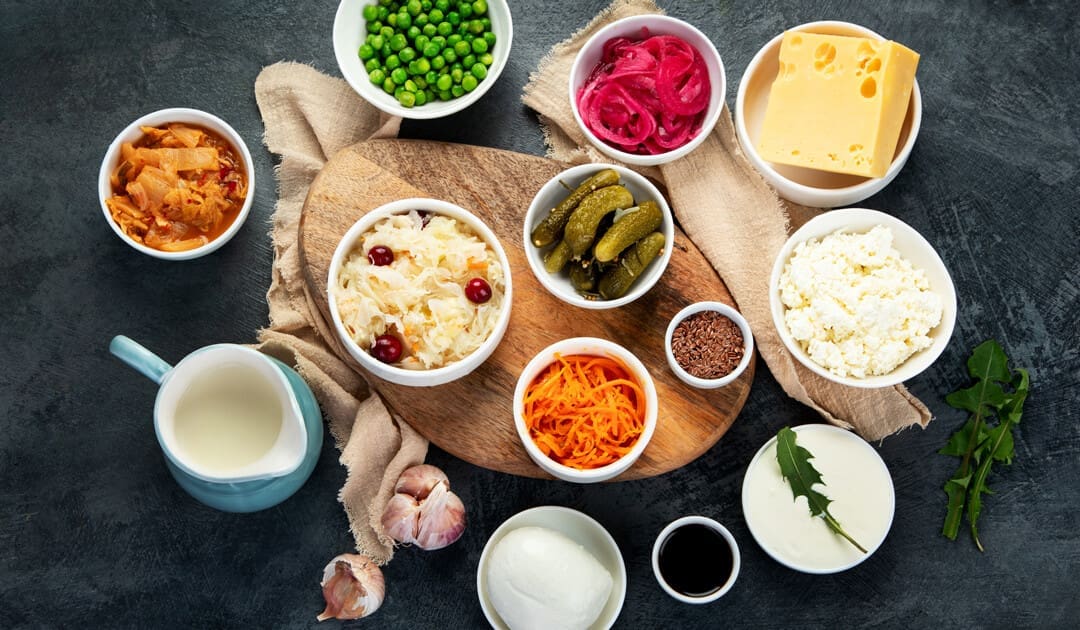
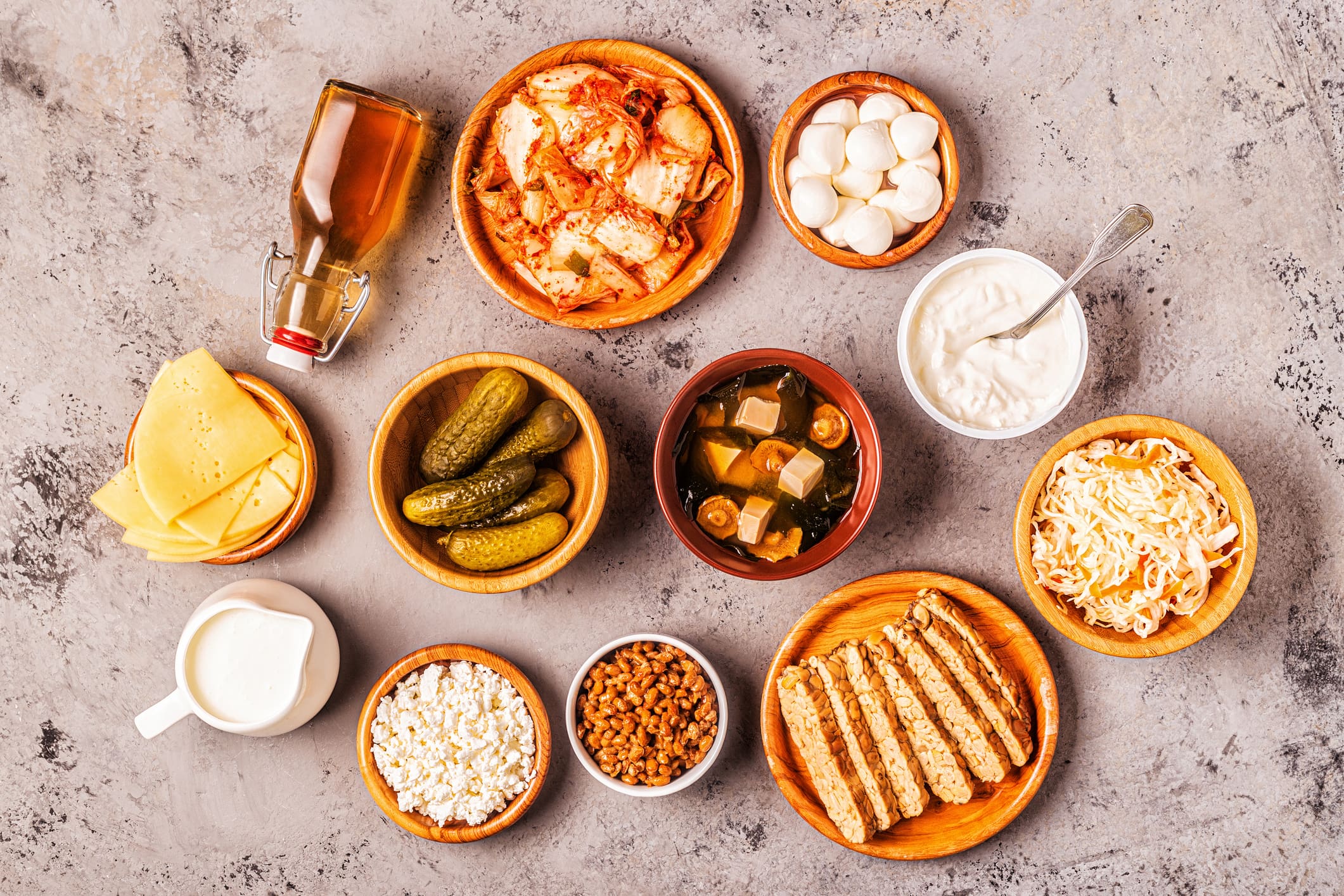
Yogurt or kefir with live active cultures, kimchi, sauerkraut, or kombucha. Not all fermented foods have live microbes after processing—check the label. (Healthline; Cleveland Clinic Magazine). (Healthline)
3) Tame ultra-processed foods
Swap sugary drinks for water/unsweetened tea; favor whole-grain staples; keep packaged snacks as occasional treats. (Cleveland Clinic, 2023). (Cleveland Clinic)
4) Support sleep and stress
Target 7–9 hours with a consistent wind-down; try 5 minutes of slow breathing before bed; walk 20–30 minutes most days, and add two short strength sessions weekly. (Better Health Channel, 2023). (Better Health Channel)
5) Medications—coordinate with your clinician
Don’t stop prescribed meds on your own. If antibiotics are necessary, ask whether a food-first strategy and a short-term probiotic make sense for you. (Cleveland Clinic, 2024). (Cleveland Clinic)
6) Hygiene matters
Wash hands, rinse produce, and avoid kitchen cross-contamination to reduce exposure to harmful bacteria. (Better Health Channel, 2023). (Better Health Channel)
Two-week starter plan (easy, budget-minded)
Breakfast: Oats + kefir or yogurt + berries + nuts.
Dinner: Slow-cooker chili or lentil curry; salad with olive oil; baked potato (cool leftovers for resistant starch).
Snacks: Fruit + nut butter; carrots + hummus; plain popcorn; small kefir smoothie.
Small, steady changes add up; focus on what you can repeat during busy treatment weeks. (Penn State Health, 2018). (Penn State)
When to seek medical care now
Unintended weight loss, blood in stool, fever, severe or night-time symptoms, or a history of GI surgery.
Talk with your clinician about evaluation, including possible SIBO testing when appropriate. (Mayo Clinic, 2024). (Mayo Clinic)
Local help in El Paso
If you’re recovering from a back or neck injury and want a plan that connects spine care, gut health, and documentation for injury cases, our team can help you build a sustainable routine while we treat the root musculoskeletal drivers. (El Paso Back Clinic/Dr. Jimenez). (El Paso, TX Doctor Of Chiropractic)
Find out how bromelain can be a natural solution for reducing inflammation and promoting recovery from pain.
How Bromelain Fights Inflammation: Natural Benefits, Chiropractic Support, and Wellness Tips for Everyday Health
Hey folks! Imagine your body as a bustling city where inflammation acts like traffic cops directing chaos after a fender-bender – necessary at first, but a nightmare if it gridlocks everything. Now, picture a natural ally straight from the pineapple patch: bromelain, zapping that swelling like a tropical traffic clearer. In this in-depth guide (clocking in over 5,000 words of easy-to-digest info), we’ll unpack bromelain’s powerhouse role in taming inflammation, backed by solid science with a sprinkle of laughs to keep it fun. We’ll cover inflammation’s good and bad sides, environmental triggers, and how combining natural remedies with hands-on care like chiropractic adjustments can help dial down chronic risks. Drawing from experts in integrated health, we’ll spotlight practical tweaks for better living, especially for those dealing with pain or injuries in active communities like El Paso. No superhero cape needed – just smart, natural strategies to feel your best!
Let’s break it down simply, at a level anyone can grab onto. If inflammation feels like your body’s overeager alarm clock, bromelain might just be the snooze button you’ve been missing. Ready to dive in?
What Is Inflammation and Its Role in a Healthy Body?
Let’s kick off with the fundamentals. Inflammation is your body’s natural defense squad – like firefighters rushing to douse a blaze before it spreads. When you scrape your knee or battle a virus, your immune system deploys cells, chemicals, and fluids to isolate the threat, leading to those classic signs: redness, swelling, warmth, and ouch-factor pain (Cleveland Clinic, n.d.). In a well-tuned body, this process is a hero: it neutralizes invaders, clears out damaged bits, and paves the way for repair, all while maintaining balance or what pros call homeostasis (Yale Medicine, 2020).
Visualize this: You strain a muscle hiking. Inflammation swoops in, boosting blood flow with healing goodies to mend the tear. Without it, injuries could linger like unwanted houseguests, and infections might run wild. It’s crucial for immune regulation, helping you shrug off daily germs, and even signals muscle growth post-workout – your body’s subtle nudge to “level up!” (Vanderbilt Medicine, 2015). But when it overstays, it links to heavier hitters like cardiovascular woes or metabolic issues (Yale Medicine, 2022). Bottom line: Inflammation is your internal watchdog – vigilant and vital, but best kept in check.
Quick chuckle: Why does inflammation cause puffiness? It’s your body inflating like a balloon animal to trap the bad stuff – party trick gone wrong if it doesn’t deflate!
Acute vs. Chronic Inflammation: Spotting the Difference
Time to differentiate the duo: acute and chronic inflammation. Acute is the rapid responder – think elite rescue team handling a crisis swiftly, lasting mere hours or days before bowing out (Harvard Health, 2020). Example? A splinter: quick redness and throb, then poof, healed. It’s protective, ramping up blood supply and immune troops for speedy recovery.
Chronic inflammation? That’s the lingering lurker, simmering low-key for months or years, often silently eroding tissues (Cleveland Clinic, n.d.). Triggers include autoimmune mix-ups, persistent irritants, or unchecked acute episodes, potentially fueling ailments like joint woes or even tumors (NCBI, 2023).
Core contrasts: Acute is brief, beneficial, and resolves; chronic is prolonged, problematic, and pervasive. Acute aids repair via enhanced circulation and cell cleanup (Physiopedia, n.d.). Chronic drains energy, sparking ongoing discomfort and elevated disease odds (Encompass Health, 2021). Laugh break: Acute inflammation is a flash mob – exciting and gone fast. Chronic? More like a never-ending Zoom call, wearing everyone out!
Grasping this helps tailor fixes: Ice for acute flare-ups, holistic shifts for chronic battles.
Your surroundings aren’t passive – they’re inflammation influencers. Elements like smog, eats, tension, and habitat can spike levels (Nature Medicine, 2019). Air pollution sneaks in toxins, sparking body-wide stress and swelling (The University of Queensland, n.d.). It’s akin to inhaling mini agitators that stir your defenses.
Food choices matter big: Sugary, processed bites fan flames, while veggie-packed antioxidants douse them (PMC, 2019). Toxins from pesticides or metals mess with gut barriers, leaking inflammation systemically (ScienceDirect, 2013). Stress pumps cortisol, which chronically amps inflammation (Northwestern University, 2017).
More culprits: Smoking irks tissues, extra weight releases inflammatory signals from fat, and childhood exposures prime adult risks (PMC, 2019). In gut disorders like Crohn’s, enviro factors tweak permeability and microbes, heightening odds (CGH Journal, 2024). Giggle moment: Urban pollution? Your body’s throwing an uninvited inflammation bash – time to crash it with cleaner habits!
Counter with tweaks like fresh air filters or balanced plates – insights ahead from integrated care pros.
Meet Bromelain: Your Pineapple-Powered Ally Against Inflammation
Bromelain – not a sci-fi baddie, but an enzyme squad from pineapple cores and sap, long hailed in traditional remedies and now science-vetted for swelling showdowns (PubMed, 2022). It’s nature’s gentle warrior, slicing through proteins, easing puffiness, and fine-tuning immunity.
It shines in easing arthritis aches or surgery swells, often with fewer side hits than pills (PubMed, 2023). Fun tidbit: Nibbling pineapple helps, but caps deliver the knockout dose – though don’t count on fruit salad alone for that marathon recovery!
Clinical Reasons Bromelain Tackles Inflammation
Science breakdown: Bromelain curbs inflammation by blocking flare-up messengers like prostaglandins and cytokines, dialing down swell and hurt (Hikisz & Bernasinska-Slomczewska, 2021). It amps clot-busting, boosting flow to clear junk (PubMed, 2024).
In clinics, it shrinks fluid-trapping proteins for less edema, hastening fixes in sinus clogs or bruises (PubMed, 2023). For long-haul inflammation, it reins in immune overdrives (PubMed, 2024). Why it works? Targets origins naturally, safely – a step up from symptom-masking meds.
Snicker: Bromelain’s your chill pal bringing calm (and maybe piña coladas) to inflammation’s storm.
Mechanics deep-dive: Shuts off NF-kB inflammation triggers, ups protective enzymes. Helps disc issues by soothing responses (PubMed, 2018). Mirrors curcumin for workout woes, but with fruity flair (PubMed, 2020).
Fernández-Lázaro, D., et al. (2020). *Modulation of exercise-induced muscle damage, inflammation, and oxidative markers by curcumin supplementation*. https://pubmed.ncbi.nlm.nih.gov/32075287/
Bromelain’s Beneficial Traits and Body Boosts
Pulling from core research (Hikisz & Bernasinska-Slomczewska, 2021), bromelain’s protein-digesting, swell-reducing, and clot-preventing powers shine. It clears inflammatory clutter, smooths digestion, and ups nutrient uptake.
Perks: Eases joint pain, quickens wounds, thins mucus for clearer sinuses. Potential cancer fighter by targeting bad cells. Body-wide: Strengthens defenses, heart health via pressure drops, asthma relief through airway calm.
Aid mechanism: Balances cytokines for immune harmony, curbing chronic creeps. Gut-soother for IBS. Chuckle: Pineapple’s bromelain says, “Digest this – and ditch the bloat!”
Extras: Fights oxidative hits tied to inflammation (PubMed, 2016). Cuts post-gym aches akin to curcumin (PubMed, 2019).
Tan, Y. Q., & Zhang, J. (2019). *Effect of curcumin supplementation on exercise-induced oxidative stress, inflammation, muscle damage, and muscle soreness*. https://pubmed.ncbi.nlm.nih.gov/31025894/
Chiropractic Care Combined with Non-Surgical Approaches for Chronic Inflammation
Chiropractic isn’t mere snaps – it’s a non-invasive champ for curbing chronic inflammation overlaps. Adjustments realign spines, ease nerve pinches, and enhance flow to tame swells (Cleveland Clinic, n.d.). Paired with massage, nutrition, or acupuncture, it hits shared risks like stiffness, stress, and pain cycles.
Mechanism: Corrects misalignments to lower body-wide inflammation, aiding arthritis or spinal strains (Western Reserve Hospital, n.d.). Add-ons like diet tweaks and rehab foster drug-free healing (Driver Chiropractic, 2025).
In rheumatoid cases, exercise-integrated plans moderate inflammation (PubMed, 2022). Eases trigger points for lasting relief (PubMed, 2015). Humor: Chiropractors? Body tuners keeping inflammation from hitting sour notes!
Clinics blending these, like those in El Paso focusing on back health, offer tailored protocols for local active lifestyles, integrating functional assessments to address inflammation roots.
Sgreccia, E., et al. (2022). *The effect of exercise on patients with rheumatoid arthritis on the modulation of inflammation*. https://pubmed.ncbi.nlm.nih.gov/34874837/
Insights from Dr. Alexander Jimenez on Inflammation Management
In El Paso, practitioners like Dr. Alexander Jimenez, DC, APRN, FNP-BC, fuse chiropractic with functional medicine to combat inflammation (El Paso Back Clinic, n.d.). His take: Target origins like alignments and nutrition to shrink chronic threats.
Routine nudges: Fold in anti-inflammatory eats, steady motion, and calm techniques. Agility drills build toughness (El Paso Back Clinic, n.d.). Tools like Living Matrix craft custom paths.
Laugh: Dr. Jimenez plays inflammation sleuth – cracking cases with adjustments, no deerstalker hat required!
Clients report enhanced rest, reduced aches, and vigor via his whole-body strategy, ideal for bustling areas like El Paso.
Handling Personal Injury in El Paso: Expert Care Spotlight
El Paso sees its share of mishaps from commutes or sports, where specialized care shines for recovery (El Paso Back Clinic, n.d.). Pros like Dr. Jimenez link traumas to cutting-edge scans, diagnostics, and scoped views for precise mapping.
He bridges health services and legal needs, delivering solid records for cases. With decades in, he handles whiplash to sciatica via gentle rehab (El Paso Back Clinic, n.d.).
Giggle: Injuries sting, but expert care flips the script from “ouch” to “onward” like a pro upgrade!
Clinics here emphasize non-invasive paths, coordinating with teams for full-circle support in personal injury scenarios.
Everyday Tweaks: Clinical Wisdom for Inflammation Control
Dr. Jimenez advises: Weave bromelain sources like pineapple or supps into meals. Add walks to curb flames; mindfulness for stress (El Paso Back Clinic, n.d.). Build strength, stay hydrated.
Monitor with evals; dodge pollutants. These stack to trim risks, fostering wellness (El Paso Back Clinic, n.d.).
Humor: Tiny shifts? Like ditching junk for greens – your insides high-five without the inflammation hangover!
Wrapping this deep dive into bromelain’s inflammation-fighting prowess, natural perks, and synergy with chiropractic and lifestyle shifts, it’s evident these approaches pave ways to robust health. From science on bromelain to integrated strategies reducing chronic burdens, tools like these empower better living.
Disclaimer: This article provides general information only and isn’t medical advice, diagnosis, or treatment. Consult a healthcare professional before new regimens, especially with conditions. Content draws from research; take it seriously for informed choices. Results differ; no outcomes guaranteed.
Delve into the gut-liver connection with chiropractic care and find out how it benefits your health and vitality.
Understanding the Gut-Liver Axis: How It Influences Back Pain and the Role of Chiropractic Care in Holistic Recovery
In our busy lives, back pain is a common complaint that can disrupt daily activities, from sitting at a desk to enjoying a walk. But what if some of that discomfort stems from deeper issues, like problems in your digestive system or liver? The gut-liver axis represents a vital link in the body, where imbalances can lead to widespread effects, including musculoskeletal pain, such as backaches. This article explores this connection in depth, explaining how the gut supports overall body function, why environmental factors can disrupt it, and how these issues might manifest as overlapping symptoms affecting not just the abdomen but also the spine and muscles. We’ll also discuss the clinical reasons why chiropractic care can be beneficial, alongside other nonsurgical treatments such as targeted exercises, massage therapy, acupuncture, and integrative medicine approaches that promote natural healing and prevent long-term complications.
Back pain affects millions, often linked to poor posture or injuries, but emerging research suggests that internal factors also play a role. By understanding the gut-liver relationship, you can take steps toward better health. This guide draws on scientific insights to provide clear, actionable information. While it’s based on reliable sources, consulting a healthcare provider is key for individual needs.
Decoding the Gut-Liver Axis: A Foundation for Health
The gut-liver axis is an interactive system in which the intestines and liver constantly communicate. Food digested in the gut sends nutrients via the portal vein to the liver for processing, detoxification, and distribution. In turn, the liver produces bile to help the gut break down fats and maintain a balance of bacteria. This partnership ensures that the body handles toxins and absorbs essential nutrients efficiently.
Disruptions here can ripple out, potentially contributing to conditions like inflammation that affect distant areas, such as the back. For instance, gut bacteria imbalances might lead to liver strain, triggering signals that heighten pain sensitivity in the spine (Wang et al., 2021). This axis is essential because it influences energy levels, immune responses, and even pain perception. Practitioners in functional medicine, such as Dr. Alexander Jimenez, often evaluate this link to address hidden causes of chronic discomfort, using tools to restore harmony without resorting to surgery.
The Gut’s Essential Role in Body Function and Pain Management
Your gut is more than a food processor—it’s a powerhouse for health. Housing trillions of microbes, it digests meals, extracts nutrients like vitamins and minerals, and produces compounds that fuel cells. A balanced gut microbiome supports immunity by warding off pathogens and reducing inflammation, which can otherwise spread and aggravate conditions such as back pain.
Beyond digestion, the gut influences nerve signals through the vagus nerve, affecting stress and mood, which in turn can cause muscle tension and exacerbate back pain. When functioning properly, it promotes better sleep and increased energy, helping the body recover from physical strains. However, imbalances—known as dysbiosis—can lead to issues like bloating or fatigue, sometimes referring pain to the musculoskeletal system. Dr. Jimenez notes in his practice that assessing gut health via functional tests reveals connections to persistent back issues, allowing tailored plans that enhance recovery (Jimenez, n.d.).
The Interconnected Gut and Liver: Why They Rely on Each Other
The gut and liver are closely linked by both anatomy and function. Absorbed gut contents flow directly to the liver, where they’re metabolized. The liver reciprocates by sending bile to regulate gut bacteria and aid digestion. This cycle protects against toxins, but problems in one organ stress the other.
For example, poor gut health can lead to the liver being flooded with harmful substances, resulting in inflammation or fatty buildup. Studies link this to diseases where gut permeability allows bacterial products to irritate the liver, potentially amplifying body-wide signals that manifest as pain (Federico et al., 2017). In back health contexts, this might involve viscerosomatic reflexes, where organ distress refers pain to the spine. Research highlights how alcohol or infections exacerbate this, damaging gut barriers and overburdening the liver (Chae et al., 2024). Dr. Jimenez emphasizes evaluating these ties in patients with unexplained back pain, using integrative methods to break the cycle.
Environmental Influences: Disrupting the Gut and Triggering Musculoskeletal Symptoms
Everyday surroundings shape gut health, often leading to issues that overlap with back problems. Diets high in processed foods feed harmful bacteria, which can thin the gut lining and cause a condition known as “leaky gut.” This allows toxins to enter the blood, triggering inflammation that can sensitize nerves in the spine (Di Vincenzo et al., 2023).
Stress compounds this by altering gut movement, increasing permeability, and potentially referring pain to the back via neural pathways (Konturek et al., 2011). Toxins like pollutants or medications disrupt microbes, while alcohol harms both gut and liver, leading to fatigue and muscle tension (Konturek et al., 2011). Infections add to the mix, wiping out beneficial bacteria and allowing inflammation to spread.
These factors create overlapping symptoms: gut distress might mimic or worsen back pain through viscerosomatic mechanisms, where internal irritation signals to muscles and joints (Farmer et al., 2009). For instance, abdominal inflammation could tighten lower back muscles, causing chronic aches. Risk factors like poor sleep or trauma heighten this in adults and children (Zia et al., 2022). Environmental exposures, including chemicals, further imbalance the microbiome, linking to systemic pain (Nicholson et al., 2012).
Dr. Jimenez uses detailed histories to identify these triggers, crafting plans that rebuild gut integrity and ease back strain.
Table: Environmental Factors and Their Effects on Gut Health and Back Pain
Environmental Factor
How It Disrupts the Gut
Potential Overlapping Symptoms in Back/Muscles
Processed Diets
Promotes bad bacteria, leaky gut
Inflammation leading to spinal pain, stiffness
Chronic Stress
Slows digestion, increases permeability
Muscle tension, referred to as lower back aches
Alcohol and Toxins
Damages lining, alters microbiome
Fatigue, liver strain, causing widespread pain
Medications/Infections
Kills good bacteria, causes dysbiosis
Systemic inflammation, joint/muscle discomfort
Pollutants
Disrupts bacterial balance
Chronic fatigue, heightened pain sensitivity
This overview illustrates how daily exposures can lead to back-related issues, underscoring the need for comprehensive interventions.
Clinical Insights: Why Chiropractic Care Supports the Gut-Liver Axis and Back Health
Chiropractic care targets spinal alignment to optimize nerve function, which can indirectly benefit the gut-liver axis. Subluxations—misalignments—may interfere with autonomic nerves that regulate digestion and detoxification, contributing to imbalances that can refer pain to the back.
The rationale lies in neurology: adjustments restore communication, potentially reducing inflammation and improving gut motility (Elsenbruch et al., 2015). For back pain tied to visceral issues, this addresses viscerosomatic reflexes, easing referred discomfort. Emerging evidence suggests that probiotics, when combined with chiropractic care, enhance liver function by balancing the microbiome (Hojsak, 2024).
Dr. Jimenez, with extensive experience in functional medicine, integrates this for patients with back pain from gut-liver sources. His approach utilizes adjustments to calm overactive nerves, promoting natural healing and preventing escalations such as disc degeneration (Jimenez, n.d.).
It’s about holistic balance, not just force—clear patient discussions ensure understanding, fostering adherence for lasting relief.
The Healing Diet: Combat Inflammation, Embrace Wellness: Video
Nonsurgical Pathways: Exercises, Therapies, and Integrative Medicine for Healing
For gut-liver-related back issues, nonsurgical options are often the preferred choice. Targeted exercises, such as core strengthening or yoga, improve posture and support spinal health, while also aiding digestion. Massage therapy relaxes muscles, boosting circulation to organs and reducing tension.
Acupuncture stimulates specific points to balance energy, alleviating pain and inflammation, and offering benefits for gut disorders. Integrative medicine combines nutrition—specifically, anti-inflammatory diets rich in fiber—with herbs to heal the gut lining and support liver detoxification.
These foster the body’s innate repair, preventing chronic back problems. Dr. Jimenez’s clinic protocols emphasize this, utilizing electro-acupuncture and rehabilitation to address the root causes, with patients reporting reduced pain and improved function.
Expert Perspectives from Dr. Alexander Jimenez on Back-Focused Care
Dr. Alexander Jimenez, DC, APRN, FNP-BC, leads the way in blending chiropractic with functional medicine for optimal back health. His credentials include advanced training in clinical physiology and integrative protocols. In practice, he tackles viscerosomatic links, where gut-liver issues manifest as back pain, using assessments to create custom plans.
He shares via podcasts and resources how nutrition and adjustments resolve inflammation, aiding recovery from injuries. Patients value his empathetic communication, explaining connections simply to empower self-care (Jimenez, n.d.).
Practical Steps for Integrating Gut-Liver Health into Back Pain Management
Begin with lifestyle audits: track your diet, stress levels, and activity. Seek professional evaluations for personalized advice. Incorporate habits such as consuming probiotic foods, taking gentle walks, and practicing stress-reduction techniques.
Combine therapies: regular adjustments, daily stretches, and nutritional tweaks. Consistency yields results, as evidenced by the outcomes in functional medicine.
This exploration reveals the profound impact of the gut-liver axis on back health. Through chiropractic and integrative methods, you can harness natural healing for a pain-free life.
References
Chae, Y.-R., et al. (2024). Diet-Induced Gut Dysbiosis and Leaky Gut Syndrome. Journal of Microbiology and Biotechnology, 34(4), 747-756. https://pubmed.ncbi.nlm.nih.gov/38321650/
Di Vincenzo, F., et al. (2023). Gut microbiota, intestinal permeability, and systemic inflammation: a narrative review. Internal and Emergency Medicine, 19(2), 275-293. https://pubmed.ncbi.nlm.nih.gov/37505311/
Farmer, A. D., et al. (2009). Visceral pain hypersensitivity in functional gastrointestinal disorders. British Medical Bulletin, 91, 123-136. https://pubmed.ncbi.nlm.nih.gov/19620136/
Hojsak, I. (2024). Probiotics in Functional Gastrointestinal Disorders. Advances in Experimental Medicine and Biology, 1449, 157-174. https://pubmed.ncbi.nlm.nih.gov/39060737/
Konturek, P. C., et al. (2011). Stress and the Gut: Pathophysiology, Clinical Consequences, Diagnostic Approach, and Treatment Options. Journal of Physiology and Pharmacology, 62(6), 591-599. https://pubmed.ncbi.nlm.nih.gov/22314561/
Xie, C., & Halegoua-DeMarzio, D. (2019). Role of Probiotics in Nonalcoholic Fatty Liver Disease: Does Gut Microbiota Matter? Nutrients, 11(11), 2837. https://www.mdpi.com/2072-6643/11/11/2837
Zia, J. K., et al. (2022). Risk Factors for Abdominal Pain-Related Disorders of Gut-Brain Interaction in Adults and Children: A Systematic Review. Gastroenterology, 163(4), 995-1023.e3. https://pubmed.ncbi.nlm.nih.gov/35716771/
Looking for GI disorder treatment? Learn about the latest strategies and methods to manage your condition effectively.
What Are GI Disorders?
How often does a huge lunch leave you feeling bloated? Have you ever had gastrointestinal inflammation or constipation? Or do you have muscles and joints that are stiff? Environmental variables may disrupt the gastrointestinal system and produce several overlapping risk profiles in the body by extending their effect onto the musculoskeletal system. This can result in pain-like sensations that often resemble musculoskeletal illnesses, although many individuals are unaware of this. Depending on their severity, gastrointestinal (GI) problems are often frequent and may be difficult to treat, with major medical and social repercussions. In 2018, Malone et al. Gastric reflux disease (GERD), small intestinal bacterial overgrowth (SIBO), and irritable bowel syndrome (IBS) are a few prevalent GI disorders. In the musculoskeletal system, GI issues may be a contributing factor to persistent discomfort, inflexible joints, and muscular dysfunction. Understanding the relationship between the stomach and the musculoskeletal system helps many people find practical, non-surgical solutions that may alleviate pain and enhance their quality of life.
How GI Disorders Affect The Gut & Musculoskeletal System
Many individuals question how environmental variables might impact their muscles and intestines, and they play a significant role in the development of GI illnesses. One environmental component that might have an impact on the muscles and intestines is stress. A person’s physical and mental health may be impacted by stress, which can alter how the gut bacteria react and result in gastrointestinal diseases. In 2011, Konturek et al.
Inflammation & Systemic Effects
When GI illnesses begin to impact the body, they lead to inflammation and adhere to the afflicted region, resulting in problems with the stomach. When the gut system is affected by inflammation, it may cause low-grade inflammation, compromise the integrity of the gut barrier, and interfere with normal food and nutrient digestion. In 2024, Cassini et al. This may result in inflammatory chronic gastrointestinal disorders such as ulcerative colitis or Crohn’s disease. This may then cause cytokines and inflammatory mediators to be released into the bloodstream, which can lead to systemic inflammation in the musculoskeletal system, resulting in symptoms including tiredness, joint stiffness, and muscle soreness.
Nutrient Malabsorption & Deficiencies
Chronic diarrhea, IBD, and celiac disease may all affect how nutrients are absorbed, resulting in vitamin and mineral deficiencies that can cause joint pain, weakness, and cramping in the muscles that are often confused with fibromyalgia or arthritis.
Gut Dysbiosis & The Nervous System
The neurological system and the digestive system, often referred to as the “second brain,” have a special interaction. Dysbiosis, or an imbalance in gut bacteria, may lead to the development of a leaky gut since the gut contains trillions of bacteria and aids in the transportation of nutrients from meals to other bodies. Toxins may enter the circulation and set off the immune system as a result. This results in systemic inflammation and musculoskeletal pain, which impacts the quality of life and pain of the musculoskeletal system from the stomach. (Casini and others, 2024) In addition, the gut-brain axis regulates muscular contraction and pain perception.
Visceral-Somatic Reflexes & Referred Pain
Referred pain patterns, in which the musculoskeletal system experiences visceral discomfort, may be caused by GI problems. Visceral pain hypersensitivity manifests as persistent stomach pain or discomfort (Farmer & Aziz, 2009). For instance, IBS might result in lower back and pelvic pain because of visceral-somatic responses, but GERD can produce chest and upper back pain.
Fighting Inflammation Naturally: Video
Functional & Nonsurgical Approaches To Reduce GI Pain
The following non-surgical, evidence-based methods may be used to treat musculoskeletal and intestinal discomfort:
Dietary Modifications
A nutritious diet is a good place to start when making little adjustments to enhance gut health. A balanced diet may help the body develop, mend, and produce energy. It can also influence and control a number of vital bodily processes, including hormones in the gastrointestinal tract. El-Salhy, 2019. By avoiding trigger meals that result in overlapping pain sensations, including foods high in omega-3s and polyphenols may help lessen the inflammatory effects from the stomach. GI issues may be treated using the following diets:
Elimination and Anti-Inflammatory Diet
Diet of FODMAP.
Pro-& Prebiotics
Probiotics and prebiotics may aid in the restoration and balancing of the gut flora in terms of gut health. Prebiotics use foods high in fiber to nourish the good bacteria in the stomach and promote gut health, while probiotics include good bacteria that help balance the gut microbiota and lower inflammation. By combining these two, intestinal inflammation may be avoided by reestablishing the dynamic equilibrium between the host defense systems and microbiota in the intestinal mucosa. (Dhaneshwar & Roy, 2023)
Stress Management
Reducing environmental stresses that lead to gastrointestinal illnesses and musculoskeletal discomfort also helps the body relax and ease tight muscles. Among the methods individuals may use are:
Meditation and Mindfulness: Progressive muscular relaxation, yoga, and deep breathing may all help people feel less discomfort and less sensitive to their stomachs.
Cognitive behavioral therapy, or CBT, may help enhance pain tolerance and manage GI symptoms brought on by stress.
Manual Therapies
GI conditions linked to musculoskeletal discomfort may be reduced using manual therapy. In order to assist strengthen and stretch weak muscle groups and lessen the body’s inflammatory effects, massage therapists, physical therapists, and chiropractors may use a variety of treatments. Among these treatments are:
Osteopathic Manipulative Therapy (OMT): Enhances gastrointestinal motility and relieves referred pain.
Visceral manipulation is a manual treatment that eases musculoskeletal tension and improves digestion by releasing abdominal limitations.
Massage therapy may ease back and abdominal muscular tension and lessen gastrointestinal symptoms associated with stress.
Acupuncture
By activating the autonomic nervous system, acupuncture has been shown to enhance stomach motility and lessen discomfort associated with IBS. To alleviate a patient, acupuncturists insert tiny, thin needles into different bodily acupoints. Neuromodulation, intestinal barrier restoration, and gut microbiota adjustment are all part of acupuncture. (Li and others, 2023)
Conclusion
The musculoskeletal system and gastrointestinal illnesses interact in a unique way because their risk profiles overlap and correlate. Treatments to lessen GI issues may be more successful when this relationship is understood. Functional, non-surgical methods including movement-based treatments, manual therapies, stress management, gut microbiota maintenance, and dietary modifications may provide comprehensive relief from GI-related musculoskeletal pain. These little adjustments to a person’s daily schedule, such as regular exercise or a balanced diet, may help address the underlying cause of dysfunction and provide long-lasting relief and enhanced wellbeing.
Injury Medical & Functional Medicine Clinic
We associate with certified medical providers who understand the importance of the effects of GI disorders on not only the gut system but also the musculoskeletal system. While asking important questions to our associated medical providers, we advise patients to implement small changes like physical activities and small dietary changes to their diet to reduce the chances of GI disorders from returning. Dr. Alex Jimenez, D.C., envisions this information as an academic service. Disclaimer.
References
Casini, I., Massai, L., Solomita, E., Ortenzi, K., Pieretti, S., & Aloisi, A. M. (2024). Gastrointestinal Conditions Affect Chronic Pain and Quality of Life in Women. Int J Environ Res Public Health, 21(11). https://doi.org/10.3390/ijerph21111435
El-Salhy, M. (2019). Nutritional Management of Gastrointestinal Diseases and Disorders. Nutrients, 11(12). https://doi.org/10.3390/nu11123013
Farmer, A. D., & Aziz, Q. (2009). Visceral pain hypersensitivity in functional gastrointestinal disorders. Br Med Bull, 91, 123-136. https://doi.org/10.1093/bmb/ldp026
Konturek, P. C., Brzozowski, T., & Konturek, S. J. (2011). Stress and the gut: pathophysiology, clinical consequences, diagnostic approach and treatment options. J Physiol Pharmacol, 62(6), 591-599. https://www.ncbi.nlm.nih.gov/pubmed/22314561
Li, X., Liu, S., Liu, H., & Zhu, J. J. (2023). Acupuncture for gastrointestinal diseases. Anat Rec (Hoboken), 306(12), 2997-3005. https://doi.org/10.1002/ar.24871
Malone, M., Waheed, A., & Samiullah, S. (2018). Functional Gastrointestinal Disorders: Functional Lower Gastrointestinal Disorders in Adults. FP Essent, 466, 21-28. https://www.ncbi.nlm.nih.gov/pubmed/29528206
Roy, S., & Dhaneshwar, S. (2023). Role of prebiotics, probiotics, and synbiotics in management of inflammatory bowel disease: Current perspectives. World J Gastroenterol, 29(14), 2078-2100. https://doi.org/10.3748/wjg.v29.i14.2078
Can individuals dealing with gut issues incorporate the beneficial properties of probiotics and prebiotics to improve body function?
How The Gut Works Together With The Body
When many individuals are dealing with chronic issues that are causing referred pain in their bodies, it could be an issue that is affecting their gut system. Have you experienced unpredictable food reactions that make you unable to enjoy your favorite meal or food item anymore? Do you notice any abdominal swelling after a heavy meal? Or have you been more constipated and found it difficult to go to the bathroom? This is because the gut system is the second brain of the human body. The gastrointestinal (GI) system provides many beneficial properties to the host and the human body. It helps strengthen the gut’s integrity, harvest and give energy, protect the body from foreign pathogens, and regulate the immune system. (Thursby & Juge, 2017) Inside the gut system is home to trillions of bacteria that help transport the nutrients and vitamins of food to different areas of the body. This, in turn, gives the individual the energy to be mobile and complete their daily activities. However, environmental factors like illnesses, stress, bad dietary habits, and lifestyles can cause the gut ecosystem to undergo abnormal changes, causing gut dysbiosis. (Zhang et al., 2015)
When environmental factors impact the body, especially the gut system, the immune system produces inflammatory cytokines caused by certain bacteria. Once certain structural component bacteria strains trigger inflammation, it can cause a cascade of inflammatory pathways to affect the entire body, causing the individual to experience pain and discomfort. (Al Bander et al., 2020) Additionally, gut dysbiosis can also be associated with the occurrence of several chronic metabolic diseases that are developed. (Xiong et al., 2023) Fortunately, there are numerous ways people can reduce the impact of gut dysbiosis and help restore normal body function by including probiotics and prebiotics. We associate with certified medical providers who inform our patients of how the gut system can affect the body when environmental factors impact it. While asking important questions to our associated medical providers, we advise patients to integrate various probiotic and prebiotic foods to help regulate healthy bacteria back to the gut and reduce pain and discomfort in the body. Dr. Alex Jimenez, D.C., envisions this information as an academic service. Disclaimer.
Nutrition Fundamentals- Video
Probiotic & Prebiotic Foods For The Gut
Now, when it comes to the gut system, it is important to know that trillions of bacteria help with gut regulation. When environmental factors cause various issues, it can cause pain and discomfort to the rest of the body. Hence, incorporating probiotics and prebiotics can help regulate the gut and reduce the impact of harmful bacteria from affecting the body. As part of a healthy diet, probiotics have the potential to regulate gut microbiota by affecting the intestinal microbial dynamics and homeostasis, thus influencing the intestines and distill organs physiology. (Kim et al., 2021) Additionally, when a person is incorporating probiotics and prebiotics to regulate their gut, it can be used to help manipulate the host’s microbiota while being used for potential therapeutic strategies. (Radford-Smith & Anthony, 2023) Some of the foods that have probiotics and prebiotics include:
Jicama
Bananas
Garlic
Miso
Kimchi
Yogurt
How Probiotics & Prebiotics Improve Body Function
When people start to incorporate prebiotics and probiotics, they will notice an increased abundance of health-promoting bacteria that can increase microbiome diversity and metabolic pathways that can affect the qualitative and quantitative changes of the gut composition. (Jager et al., 2019) Different bacterial strains can have various properties that can help with the gastrointestinal microbiome diversity and improve the body through metabolic support.
Conclusion
So, when people think about their health and wellness, the best place to start is with the gut by adding prebiotics and probiotics as part of a healthy diet. This, in turn, can help the loss of beneficial bacteria that have been affected by environmental factors and can help reduce the inflammatory effects of chronic illnesses. Making these small changes can be helpful to one’s health and well-being and allow many people to come up with tasty food combinations to improve gut health and metabolic pathways.
References
Al Bander, Z., Nitert, M. D., Mousa, A., & Naderpoor, N. (2020). The Gut Microbiota and Inflammation: An Overview. Int J Environ Res Public Health, 17(20). https://doi.org/10.3390/ijerph17207618
Jager, R., Mohr, A. E., Carpenter, K. C., Kerksick, C. M., Purpura, M., Moussa, A., Townsend, J. R., Lamprecht, M., West, N. P., Black, K., Gleeson, M., Pyne, D. B., Wells, S. D., Arent, S. M., Smith-Ryan, A. E., Kreider, R. B., Campbell, B. I., Bannock, L., Scheiman, J.,…Antonio, J. (2019). International Society of Sports Nutrition Position Stand: Probiotics. J Int Soc Sports Nutr, 16(1), 62. https://doi.org/10.1186/s12970-019-0329-0
Kim, C. S., Cha, L., Sim, M., Jung, S., Chun, W. Y., Baik, H. W., & Shin, D. M. (2021). Probiotic Supplementation Improves Cognitive Function and Mood with Changes in Gut Microbiota in Community-Dwelling Older Adults: A Randomized, Double-Blind, Placebo-Controlled, Multicenter Trial. J Gerontol A Biol Sci Med Sci, 76(1), 32-40. https://doi.org/10.1093/gerona/glaa090
Radford-Smith, D. E., & Anthony, D. C. (2023). Prebiotic and Probiotic Modulation of the Microbiota-Gut-Brain Axis in Depression. Nutrients, 15(8). https://doi.org/10.3390/nu15081880
Thursby, E., & Juge, N. (2017). Introduction to the human gut microbiota. Biochem J, 474(11), 1823-1836. https://doi.org/10.1042/BCJ20160510
Xiong, R. G., Li, J., Cheng, J., Zhou, D. D., Wu, S. X., Huang, S. Y., Saimaiti, A., Yang, Z. J., Gan, R. Y., & Li, H. B. (2023). The Role of Gut Microbiota in Anxiety, Depression, and Other Mental Disorders as Well as the Protective Effects of Dietary Components. Nutrients, 15(14). https://doi.org/10.3390/nu15143258
Zhang, Y. J., Li, S., Gan, R. Y., Zhou, T., Xu, D. P., & Li, H. B. (2015). Impacts of gut bacteria on human health and diseases. Int J Mol Sci, 16(4), 7493-7519. https://doi.org/10.3390/ijms16047493
Can individuals incorporate miso into their diets to improve their gut health and utilize its beneficial properties?
What Is Miso?
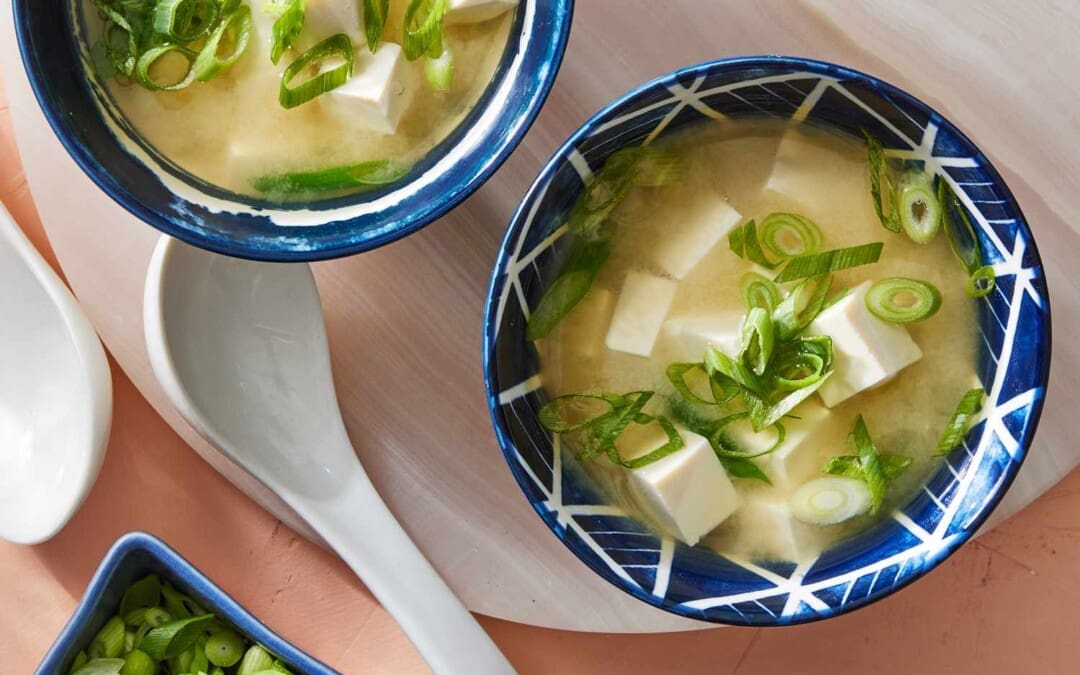
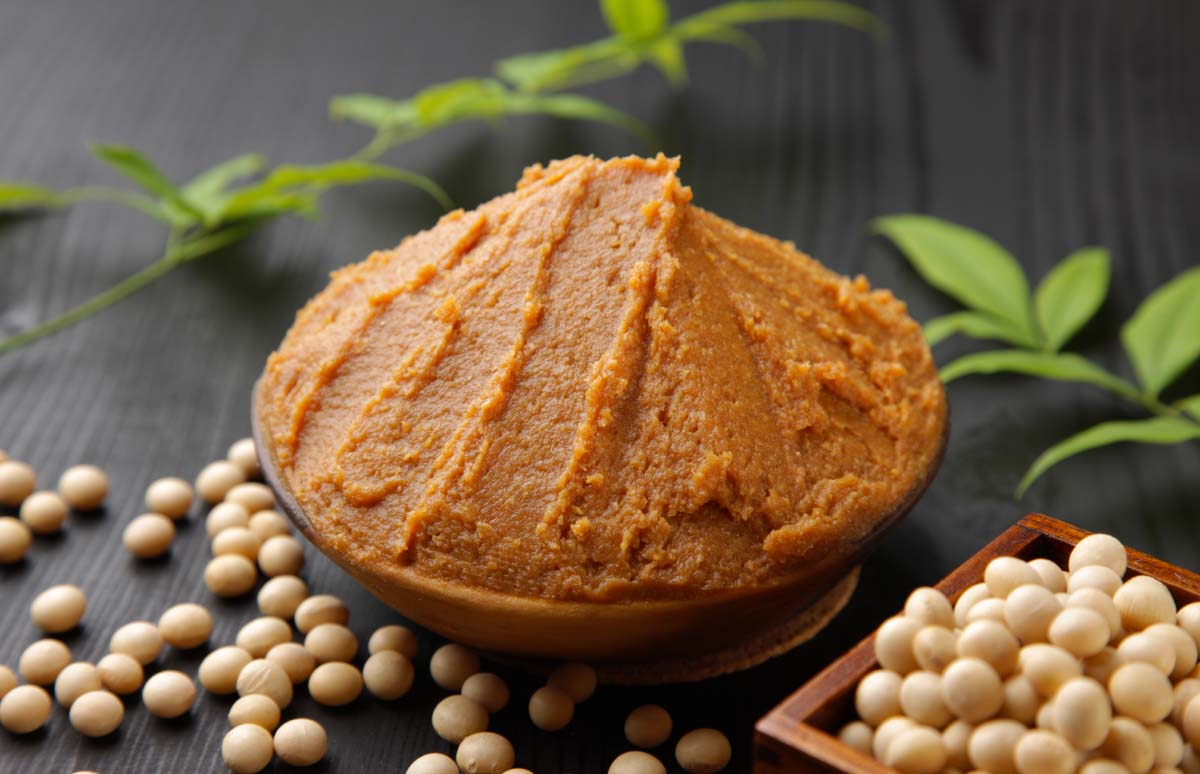
As the weather starts to get colder, many people start thinking about making soups, stews, and hot foods. However, when it comes to a person’s health and wellness, many people wonder what to add to their soups while adding many nutritional foods and proteins that can make them not only flavorful but also add beneficial properties to their diet. Why not add miso? Miso is fermented soybean paste, a rice-based food product in Japan that is a staple cooking product. (Saeed et al., 2022) Additionally, since miso is a soybean product, many people incorporate it into their soups as it contributes to many health benefits to Japanese-style diets and can even enhance various dishes. (Ito, 2020) At the same time, many people who start to incorporate miso as part of their diet will notice some beneficial results in their gut system. We associate with certified medical providers who inform our patients of the benefits of incorporating miso into a nutritional diet. While asking important questions to our associated medical providers, we advise patients to integrate ways to add miso to their foods and help reduce bad bacterial growth in their gut system. Dr. Alex Jimenez, D.C., envisions this information as an academic service. Disclaimer.
Types Of Miso
Miso can come in various types depending on how long it has been left to be fermented and its ingredients to see what color and flavor intensity will be put into the cooking. All miso products are in paste form and can be paired well with any protein like chicken, meat, and fish. The types of miso include:
White miso (Shiro miso): Mildest, sweet, less salty
Yellow miso (Shinshu miso): Mild, earthier, more acidic
Red miso (Aka miso): Salty, slightly bitter
Brown rice miso (Genmai miso): Sweet, mild, earthy
Barley miso (Mugi miso): Mild, earthy, not gluten-free
Miso Nutritional Facts
When it comes to the nutritional facts of miso, one tablespoon of miso contains about:
1 tbsp of miso: 17g
Calories: 34
Total Fats: 1g
Cholesterol: 0mg
Sodium: 634mg
Total Carbohydrates: 4.3g
Protein: 2.2g
It is important to note that a bit of miso goes a long way due to its high sodium content and its various vitamins and nutrients.
Eat Right To Feel Better- Video
Beneficial Properties of Miso
When it comes to the beneficial properties of miso, it has numerous benefits that can help the body provide the nutrients it needs to fuel. Since miso is a fermented seasoning, it is rich in nutrients and has probiotic microorganisms that can help propagate healthy good bacteria to the gut while enhancing the immune system. (Paul et al., 2023) Additionally, when consumed daily, miso can help improve skin moisture, stimulate ceramides, have an anti-hypertensive effect, and many other beneficial effects. (Kotake et al., 2022)
Improves Gut Health
Since miso is a probiotic, it can help many individuals with gut issues since the gut system has trillions of bacteria that activate and mediate the body. (de Vos et al., 2022) Many people don’t realize that the gut is known as the second brain, and when environmental factors start to affect the gut, it can cause many health problems. So, adding miso can help influence good bacteria to reduce harmful bacteria and directly influence the epithelial immune cells of the GI tract. (Wieers et al., 2019)
Incorporating Miso In Your Diet
Since miso has a sweet/salty flavor, it can be used in various recipes. It can be taken in small amounts depending on the individual’s taste and what ingredients many people use for their cooking. At the same time, if a person is on a low-sodium diet, limiting the intake or avoiding it if they have a food allergy to soy is best. Making small changes and adding healthy nutritional substitutes to food can help many people live healthier.
References
de Vos, W. M., Tilg, H., Van Hul, M., & Cani, P. D. (2022). Gut microbiome and health: mechanistic insights. Gut, 71(5), 1020-1032. https://doi.org/10.1136/gutjnl-2021-326789
Ito, K. (2020). Review of the health benefits of habitual consumption of miso soup: focus on the effects on sympathetic nerve activity, blood pressure, and heart rate. Environ Health Prev Med, 25(1), 45. https://doi.org/10.1186/s12199-020-00883-4
Kotake, K., Kumazawa, T., Nakamura, K., Shimizu, Y., Ayabe, T., & Adachi, T. (2022). Ingestion of miso regulates immunological robustness in mice. PLOS ONE, 17(1), e0261680. https://doi.org/10.1371/journal.pone.0261680
Paul, A. K., Lim, C. L., Apu, M. A. I., Dolma, K. G., Gupta, M., de Lourdes Pereira, M., Wilairatana, P., Rahmatullah, M., Wiart, C., & Nissapatorn, V. (2023). Are Fermented Foods Effective against Inflammatory Diseases? Int J Environ Res Public Health, 20(3). https://doi.org/10.3390/ijerph20032481
Saeed, F., Afzaal, M., Shah, Y. A., Khan, M. H., Hussain, M., Ikram, A., Ateeq, H., Noman, M., Saewan, S. A., & Khashroum, A. O. (2022). Miso: A traditional nutritious & health-endorsing fermented product. Food Sci Nutr, 10(12), 4103-4111. https://doi.org/10.1002/fsn3.3029
Wieers, G., Belkhir, L., Enaud, R., Leclercq, S., Philippart de Foy, J. M., Dequenne, I., de Timary, P., & Cani, P. D. (2019). How Probiotics Affect the Microbiota. Front Cell Infect Microbiol, 9, 454. https://doi.org/10.3389/fcimb.2019.00454
IFM's Find A Practitioner tool is the largest referral network in Functional Medicine, created to help patients locate Functional Medicine practitioners anywhere in the world. IFM Certified Practitioners are listed first in the search results, given their extensive education in Functional Medicine