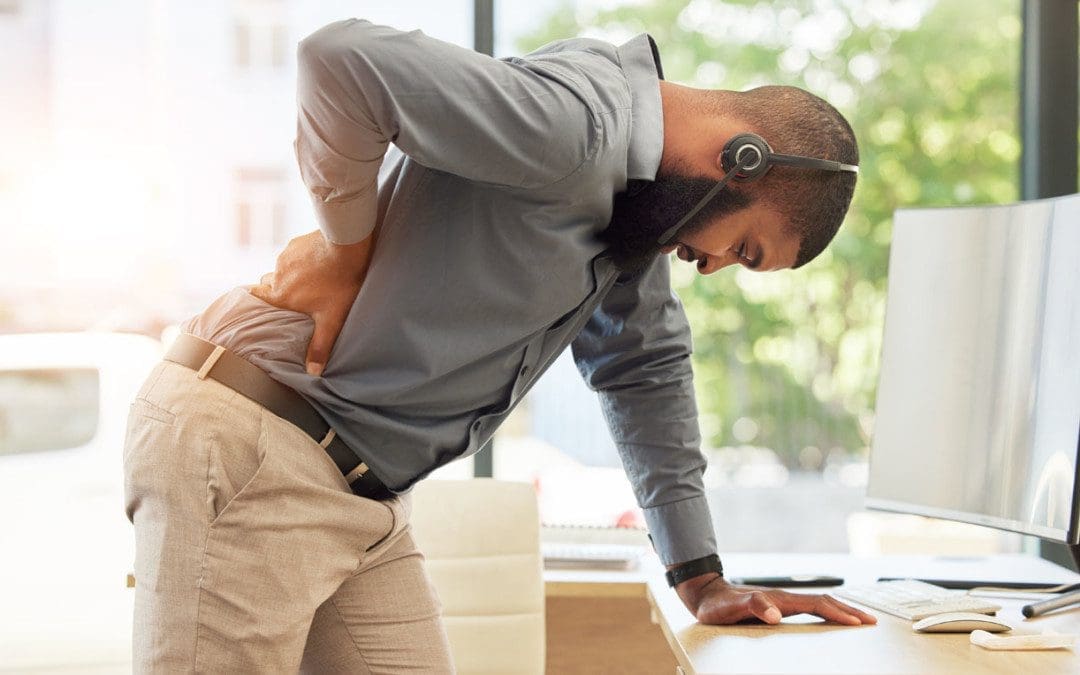
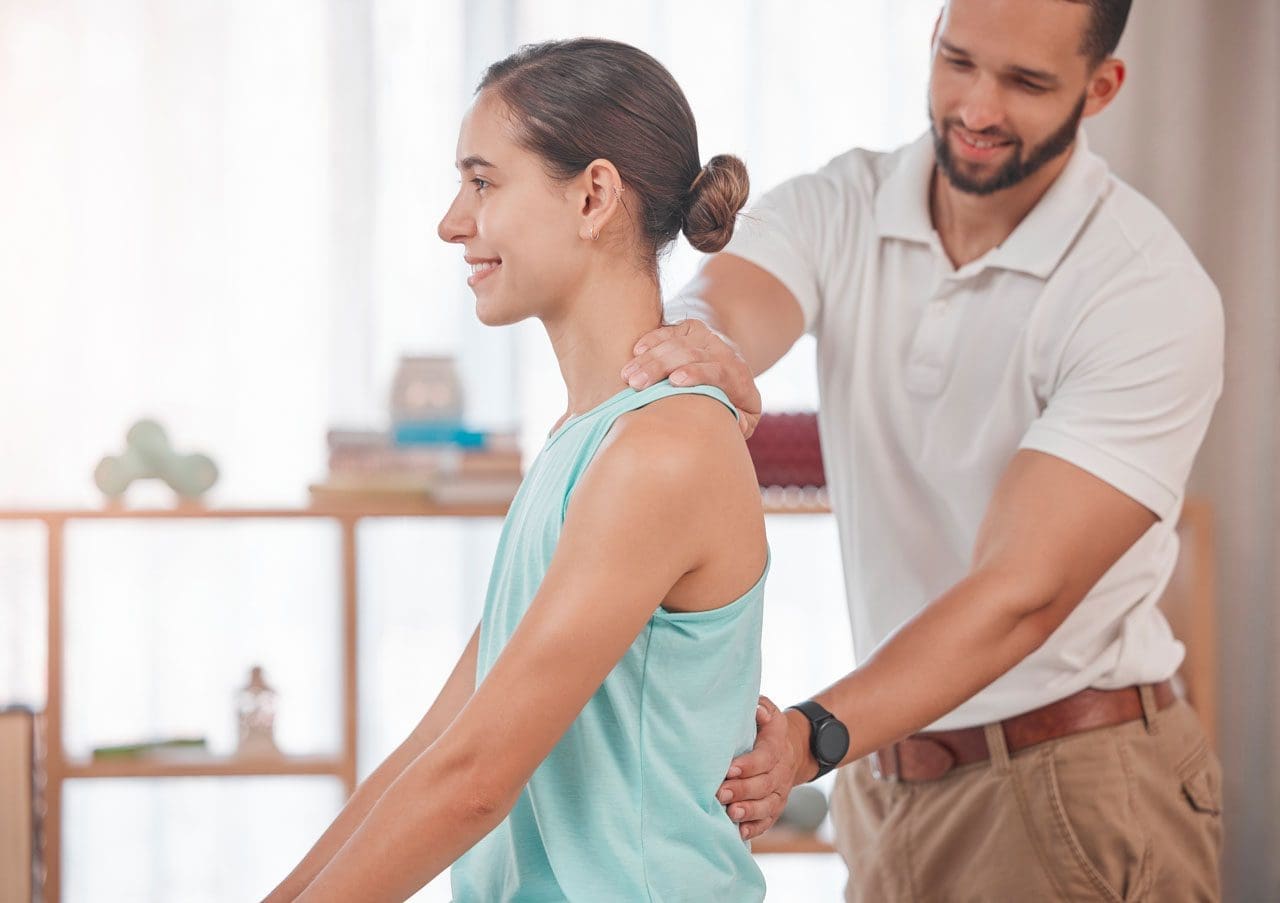
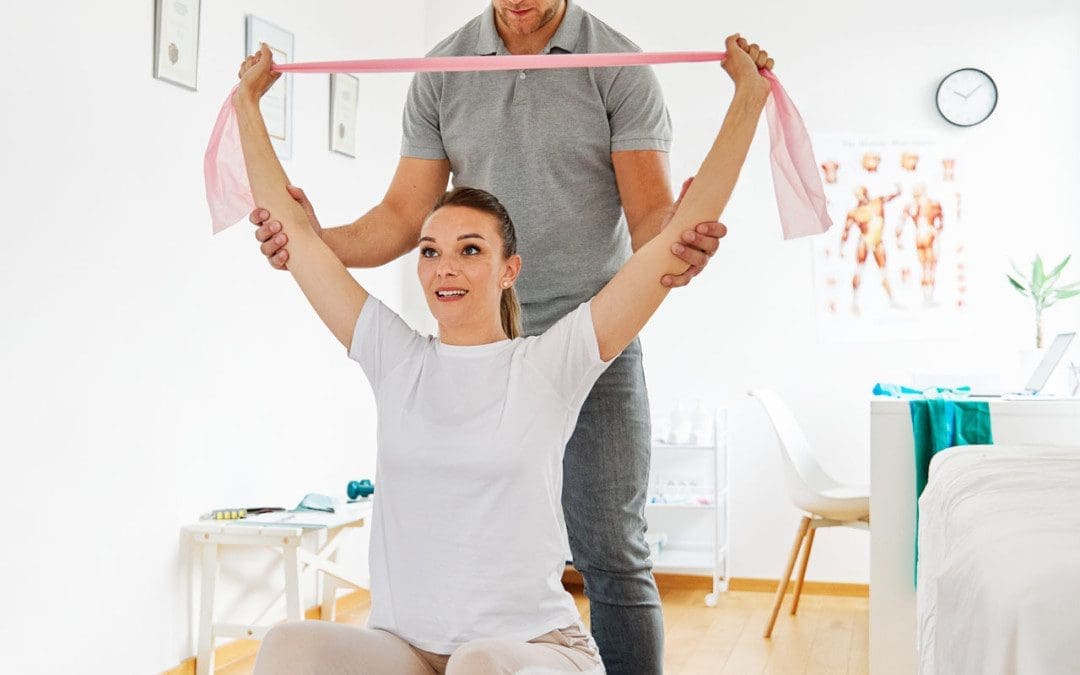
For individuals working at a desk or work station where the majority of the work is done in a sitting position and increases the risk for a variety of health problems, can using a standing desk help prevent musculoskeletal problems and improve short and long-term wellness?
Stand Desks
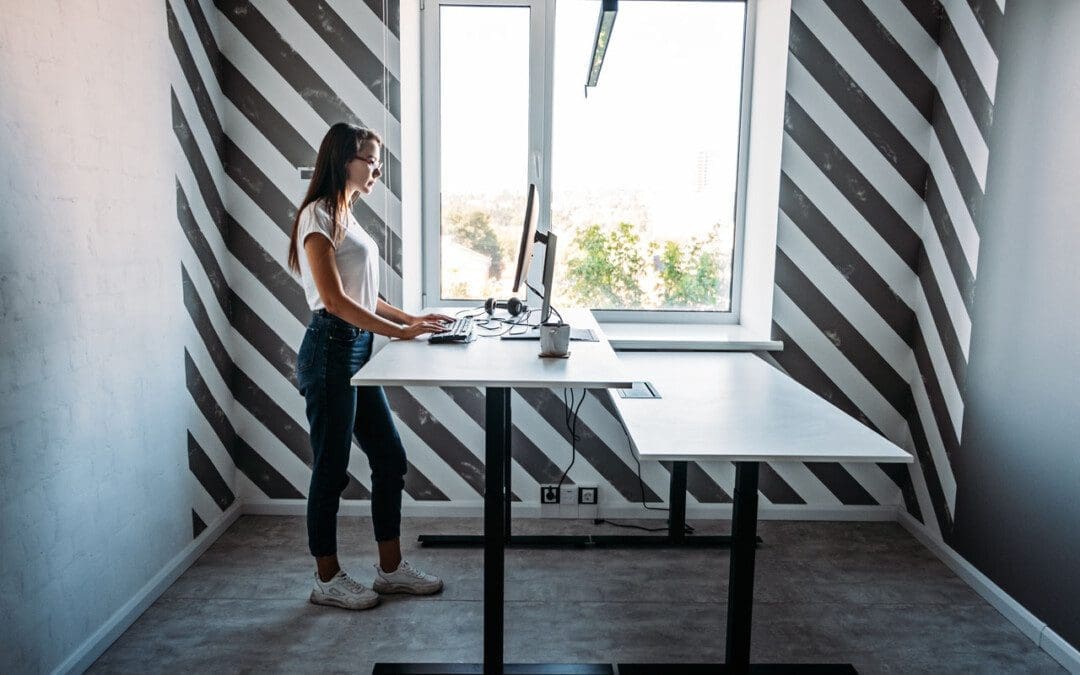
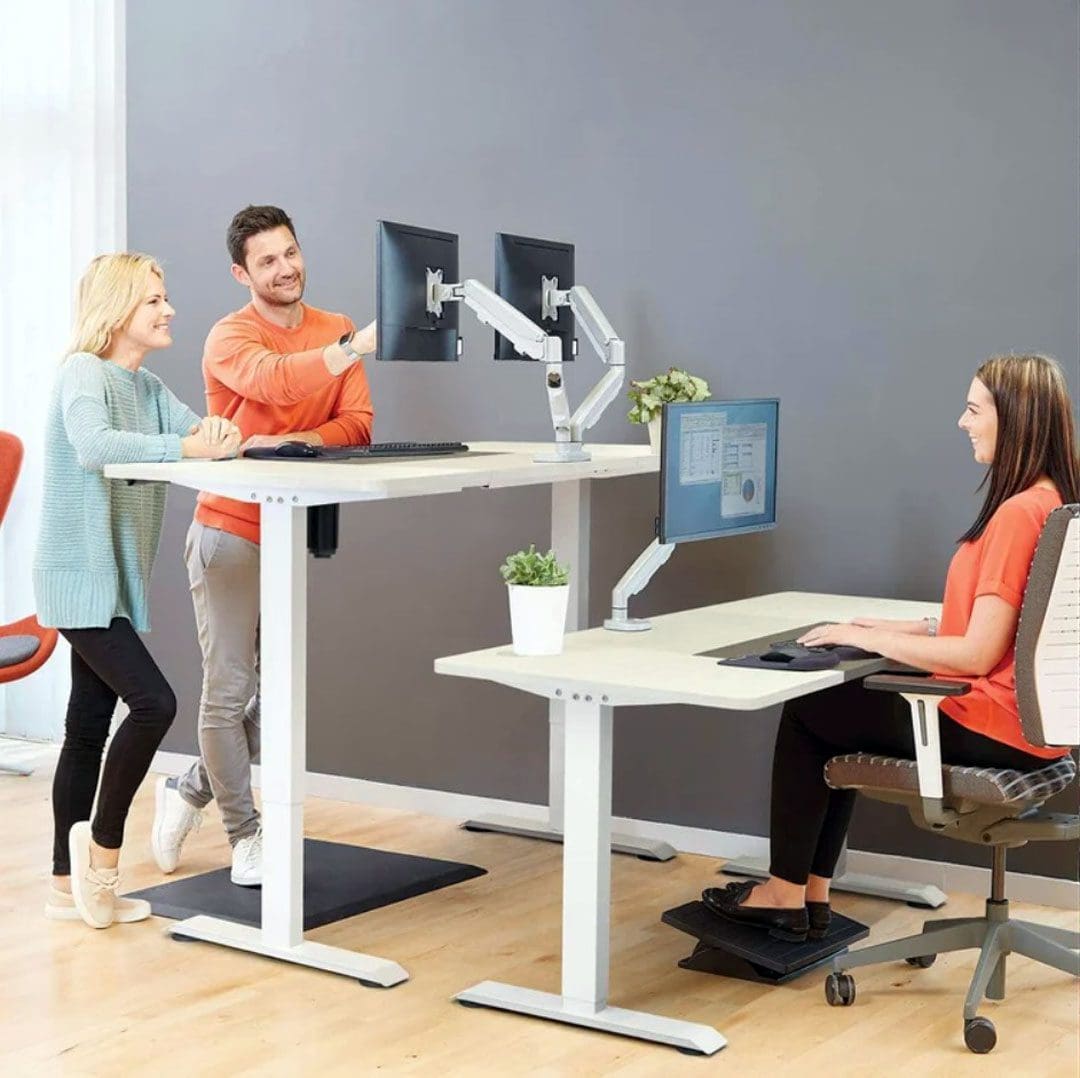
More than 80% of jobs are done in a seated position. Stand desks have proven to help. (Allene L. Gremaud et al., 2018) An adjustable stand desk is intended to be the standing height of an individual. Some desks can be lowered to use while sitting. These desks can improve:
Blood circulation
Back pain
Energy
Focus
Individuals who are less sedentary may experience decreased depression, anxiety, and risk of chronic disease.
Improve Posture and Decrease Back Pain
Sitting for prolonged periods can cause fatigue and physical discomfort. Back pain symptoms and sensations are common, especially when practicing unhealthy postures, already dealing with existing back problems, or using a non-ergonomic desk set-up. Instead of only sitting or standing for the whole workday, alternating between sitting and standing is far healthier. Practicing sitting and standing regularly reduces body fatigue and lower back discomfort. (Alicia A. Thorp et al., 2014) (Grant T. Ognibene et al., 2016)
Increases Energy Levels
Prolonged sitting correlates with fatigue, reduced energy, and productivity. A sit-stand desk can provide benefits like increased productivity levels. Researchers discovered that sit-stand desks could improve the general health and productivity of office workers. Individuals in the study reported:
According to the CDC, six in 10 individuals in the U.S. have at least one chronic disease, like diabetes, heart disease, stroke, or cancer. Chronic disease is the leading cause of death and disability, as well as a leading force of healthcare costs. (Centers for Disease Control and Prevention. 2023) While further research is needed to see if standing desks can reduce the risk of chronic disease, one study looked to quantify the association between sedentary time and the risk of chronic disease or death. Researchers reported that sedentariness for prolonged periods was independently associated with negative health outcomes regardless of physical activity. (Aviroop Biswas et al., 2015)
Improved Mental Focus
Sitting for extended periods slows down blood circulation. This decreased blood flow to the brain lowers cognitive function and increases the risk of neurodegenerative conditions. One study confirmed that healthy individuals who worked in a prolonged sitting position had reduced brain blood flow. The study found that frequent, short walks could help prevent this. (Sophie E. Carter et al., 2018) Standing increases blood and oxygen circulation. This improves cognitive function, which also helps improve focus and concentration.
Depression and Anxiety Reduction
Modern lifestyles typically contain large amounts of sedentary behavior.
However, there is a small amount about the mental health risks of prolonged sedentary behavior. There have been a few studies aimed at improving public understanding. One study focused on a group of older adults, having them self-report sedentary habits that included television, internet, and reading time. This information was compared to their individual scoring on the Centre of Epidemiological Studies Depression scale. (Mark Hamer, Emmanuel Stamatakis. 2014)
The researchers found that certain sedentary behaviors are more harmful to mental health than others.
Television watching, for example, resulted in increased depressive symptoms and decreased cognitive function. (Mark Hamer, Emmanuel Stamatakis. 2014)
Internet use had the opposite effect, decreasing depressive symptoms and increasing cognitive function.
Researchers theorize that the results come from the contrasting environmental and social contexts in which they are happening. (Mark Hamer, Emmanuel Stamatakis. 2014)
Another study looked at the possible correlation between sedentary behavior and anxiety.
Incorporating a standing desk into the workspace can help to reduce the negative effects of sedentary behaviors, leading to improved productivity, improved mental and physical health, and a healthy work environment for individuals who work long hours at a desk or workstation.
Understanding Academic Low Back Pain: Impact and Chiropractic Solutions
References
Gremaud, A. L., Carr, L. J., Simmering, J. E., Evans, N. J., Cremer, J. F., Segre, A. M., Polgreen, L. A., & Polgreen, P. M. (2018). Gamifying Accelerometer Use Increases Physical Activity Levels of Sedentary Office Workers. Journal of the American Heart Association, 7(13), e007735. https://doi.org/10.1161/JAHA.117.007735
Thorp, A. A., Kingwell, B. A., Owen, N., & Dunstan, D. W. (2014). Breaking up workplace sitting time with intermittent standing bouts improves fatigue and musculoskeletal discomfort in overweight/obese office workers. Occupational and environmental medicine, 71(11), 765–771. https://doi.org/10.1136/oemed-2014-102348
Ognibene, G. T., Torres, W., von Eyben, R., & Horst, K. C. (2016). Impact of a Sit-Stand Workstation on Chronic Low Back Pain: Results of a Randomized Trial. Journal of occupational and environmental medicine, 58(3), 287–293. https://doi.org/10.1097/JOM.0000000000000615
Ma, J., Ma, D., Li, Z., & Kim, H. (2021). Effects of a Workplace Sit-Stand Desk Intervention on Health and Productivity. International journal of environmental research and public health, 18(21), 11604. https://doi.org/10.3390/ijerph182111604
Centers for Disease Control and Prevention. Chronic disease.
Biswas, A., Oh, P. I., Faulkner, G. E., Bajaj, R. R., Silver, M. A., Mitchell, M. S., & Alter, D. A. (2015). Sedentary time and its association with risk for disease incidence, mortality, and hospitalization in adults: a systematic review and meta-analysis. Annals of internal medicine, 162(2), 123–132. https://doi.org/10.7326/M14-1651
Carter, S. E., Draijer, R., Holder, S. M., Brown, L., Thijssen, D. H. J., & Hopkins, N. D. (2018). Regular walking breaks prevent the decline in cerebral blood flow associated with prolonged sitting. Journal of applied physiology (Bethesda, Md. : 1985), 125(3), 790–798. https://doi.org/10.1152/japplphysiol.00310.2018
Hamer, M., & Stamatakis, E. (2014). Prospective study of sedentary behavior, risk of depression, and cognitive impairment. Medicine and science in sports and exercise, 46(4), 718–723. https://doi.org/10.1249/MSS.0000000000000156
Teychenne, M., Costigan, S. A., & Parker, K. (2015). The association between sedentary behaviour and risk of anxiety: a systematic review. BMC public health, 15, 513. https://doi.org/10.1186/s12889-015-1843-x
For older individuals experiencing posture problems, slumping, slouching, and upper back pain, could adding rib cage exercises help bring relief and prevent the condition from worsening?
Improved Posture
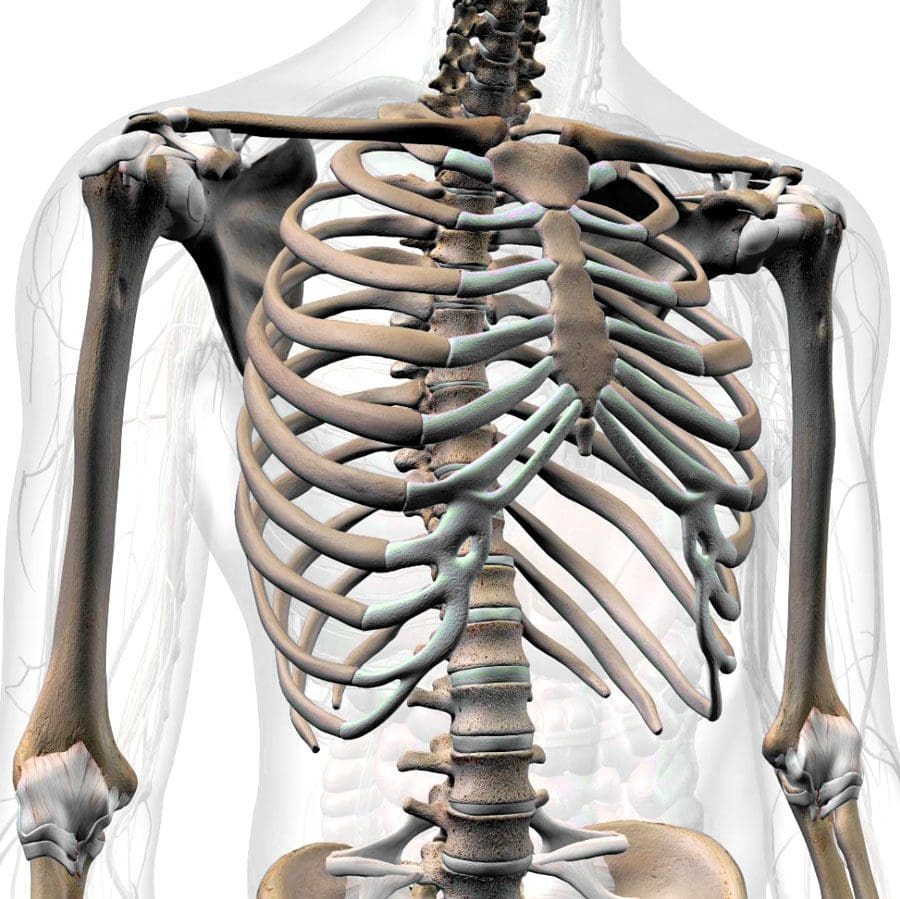
It’s common to associate a collapsed upper back posture with age, but other factors can also contribute to the problems. (Justyna Drzał-Grabiec, et al., 2013) The rib cage and the pelvis are important to body structure and comprise much of the core. If these bone structures become misaligned due to unhealthy posture, the muscles that attach to them become tight, weak, or both, and the surrounding muscles have to compensate, causing a worsening of the condition and further injury.
Unhealthy postures can be caused by a rib cage that compresses down onto the pelvic bone.
As the upper back slumps or compresses, height can begin to decrease.
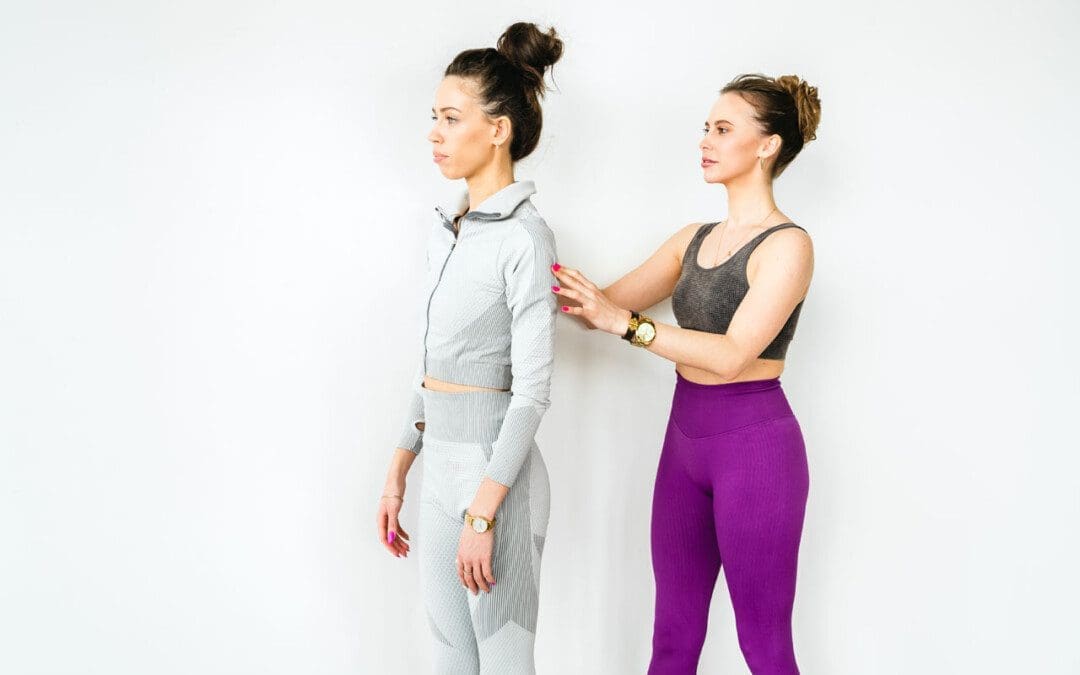
Posture awareness exercises can help lift the rib cage off the pelvic bone.
Rib Cage Exercises
This exercise can be done sitting or standing. A daily routine can help improve posture and relieve back problems and pain.
The sitting version helps keep the focus on doing the exercise right.
The standing version challenges body awareness, allowing the individual to feel how the rib cage and upper back movements affect pelvic and lower back posture.
To begin, it is recommended to start in a sitting position.
Once the basics are learned, then certainly progress to standing.
Exercise
Position the pelvis so it is in a slight forward tilt.
This forward tilt will exaggerate the low back curve slightly while tightening the lower back muscles in a good way.
Establishing and maintaining this curve in the sitting position should feel natural.
Inhale and exaggerate the upward lift of the rib cage.
Inhaling causes the spine and ribs to extend slightly.
Exhale and allow the rib cage and upper back to return to their natural position.
Repeat up to 10 times once or twice a day.
For this exercise, use breathing to develop the rib cage’s lift and carriage incrementally.
Don’t max out on the spinal extension.
Instead, focus on how breathing/inhaling supports the movement of the ribs and upper back and develops the muscles from there.
Try to lift the rib cage equally on both sides as the body allows.
With practice, individuals will realize the healthy posture changes and increased distance between the ribs and pelvis.
Guidance and Variation
Perform the exercise with the back against a wall for upper back guidance.
Another variation of the pelvis and rib cage posture training exercise is to raise the arms.
This will create a different posture awareness training perspective.
Focus on rib cage movement when the arms are raised.
Does lifting the arms make the exercise easier, harder, or different?
To enhance posture improvement, stretch the pectoral muscles.
Yoga
Individuals looking for more ways to strengthen healthy posture should consider yoga.
A study published in the International Journal of Yoga suggests that a great way to activate the core may be to include a variety of yoga postures into the routine. (Mrithunjay Rathore et al., 2017) The ab muscles attach to various places on the rib cage and play a role in posture, alignment, and balance. The researchers identified two muscles, the external obliques, and the transverse abdominal, as key to a healthily aligned posture.
Core Strength
References
Drzał-Grabiec, J., Snela, S., Rykała, J., Podgórska, J., & Banaś, A. (2013). Changes in the body posture of women occurring with age. BMC geriatrics, 13, 108. https://doi.org/10.1186/1471-2318-13-108
Rathore, M., Trivedi, S., Abraham, J., & Sinha, M. B. (2017). Anatomical Correlation of Core Muscle Activation in Different Yogic Postures. International journal of yoga, 10(2), 59–66. https://doi.org/10.4103/0973-6131.205515
Papegaaij, S., Taube, W., Baudry, S., Otten, E., & Hortobágyi, T. (2014). Aging causes a reorganization of cortical and spinal control of posture. Frontiers in aging neuroscience, 6, 28. https://doi.org/10.3389/fnagi.2014.00028
For individuals trying to achieve healthy posture, could using posture awareness training be effective in treatment and prevention?
Posture Awareness
Spinal curves help support the body’s weight, movement, and balance. Five areas include the neck, upper back, lower back, sacrum, and coccyx. The bottom of the spine or sacrum rests between the two hip bones that comprise the pelvis. Because of this location, the movements made with the pelvis significantly affect the spine. (Ibrahim Alkatout, et al., 2021) When the pelvis moves, the spine moves.
Posture-related back pain and associated symptoms are often caused by a weakened strength and flexibility ratio between the opposing muscle groups that hold the body upright.
Achieving healthy posture requires technique and consistent practice for maintaining a healthy pelvis and low back curve. (DeokJu Kim, et al., 2015)
Finding the low back curve and exploring how it responds when moving the pelvis is important to effective posture awareness training.
Kim, D., Cho, M., Park, Y., & Yang, Y. (2015). Effect of an exercise program for posture correction on musculoskeletal pain. Journal of physical therapy science, 27(6), 1791–1794. https://doi.org/10.1589/jpts.27.1791
Alkatout, I., Wedel, T., Pape, J., Possover, M., & Dhanawat, J. (2021). Review: Pelvic nerves - from anatomy and physiology to clinical applications. Translational neuroscience, 12(1), 362–378. https://doi.org/10.1515/tnsci-2020-0184
Żurawski, A. Ł., Kiebzak, W. P., Kowalski, I. M., Śliwiński, G., & Śliwiński, Z. (2020). Evaluation of the association between postural control and sagittal curvature of the spine. PloS one, 15(10), e0241228. https://doi.org/10.1371/journal.pone.0241228
Zemková, E., & Zapletalová, L. (2021). Back Problems: Pros and Cons of Core Strengthening Exercises as a Part of Athlete Training. International journal of environmental research and public health, 18(10), 5400. https://doi.org/10.3390/ijerph18105400
Individuals that sit at a desk/workstation for hours for work or school, or drive for a living, could be fostering a long-term condition known as forward head posture. Can understanding the signs and symptoms help to prevent the condition?
Forward Head Posture
Neck pain often causes or is caused by misalignment in the area between the shoulders and head. Forward head posture is a common problem that can strain the neck muscles, leading to pain and worsening neck, shoulder, and back posture. (Jung-Ho Kang, et al., 2012) For individuals who are at risk of developing or are already showing signs/symptoms, it’s important to get medical attention to prevent complications, such as chronic neck pain or compressing a nerve. Individuals can continue to do the work that they need to do but may need some postural adjustments and re-training so as not to continue straining the neck while working.
Postural Deviation
The head is in a healthy alignment with the neck when the ears line up with the gravity line.
The gravity line is an imaginary straight line that represents gravity’s downward pull.
It is used in posture assessments as a reference for noting the positions of the body and determining the presence of any postural misalignment or deviation.
A forward head posture occurs when the head begins to position forward of the gravity line when looking at the body from the side.
Forward head posture is a postural deviation because the head varies from the reference line. (Jung-Ho Kang, et al., 2012)
Muscle Imbalances
Forward head posture often results in a strength imbalance between muscles that support and move your neck, shoulders, and head. (Dae-Hyun Kim, et al., 2018)
The muscles in the back of the neck become shortened and overactive as they flex forward, while the muscles in the front become lengthened, weaker, and strained when they relax.
Kyphosis
Kyphosis also known as hunchback is when the shoulders round forward, and the head is also brought forward. (Jung-Ho Kang, et al., 2012) After many hours sitting at a desk, computer, or driving, kyphosis can also cause and/or worsen forward head posture.
This occurs because the upper back area supports the neck and head.
When the upper back moves or changes position, the head and neck follow.
The majority of the head’s weight is in the front, and this contributes to the forward movement.
An individual with kyphosis has to lift their head to see.
Treatment
A chiropractic injury specialist team can develop a personalized treatment plan to relieve pain symptoms, provide postural retraining, realign the spine, and restore mobility and function.
Standing and sitting using a healthy posture, along with exercises to strengthen the neck muscles, can help get the spine in alignment. (Elżbieta Szczygieł, et al., 2019)
Targeted stretching can help if the neck muscles are tight.
At-home stretches may also relieve pain
Risk Factors
Pretty much everyone is at risk of developing a forward head posture. Common risk factors include:
Constantly looking down at a phone and staying in this position for a long time aka text neck.
Desk jobs and computer use can significantly round the shoulders and upper back, leading to a forward head posture. (Jung-Ho Kang, et al., 2012)
Driving for a living causes prolonged back, neck, and shoulder positioning.
Sleeping or reading with a large pillow under the head can contribute to forward head posture.
Doing work that requires dexterity and close-up positions, like a seamstress or technician can cause over-positioning of the neck.
Individuals who regularly carry a significant amount of weight in front of their body may begin to develop kyphosis.
An example is carrying a child or another load in front of the body.
Large breasts can also increase the risk of kyphosis and forward head posture.
Neck Injuries
References
Kang, J. H., Park, R. Y., Lee, S. J., Kim, J. Y., Yoon, S. R., & Jung, K. I. (2012). The effect of the forward head posture on postural balance in long time computer based worker. Annals of rehabilitation medicine, 36(1), 98–104. https://doi.org/10.5535/arm.2012.36.1.98
Kim, D. H., Kim, C. J., & Son, S. M. (2018). Neck Pain in Adults with Forward Head Posture: Effects of Craniovertebral Angle and Cervical Range of Motion. Osong public health and research perspectives, 9(6), 309–313. https://doi.org/10.24171/j.phrp.2018.9.6.04
Szczygieł, E., Sieradzki, B., Masłoń, A., Golec, J., Czechowska, D., Węglarz, K., Szczygieł, R., & Golec, E. (2019). Assessing the impact of certain exercises on the spatial head posture. International journal of occupational medicine and environmental health, 32(1), 43–51. https://doi.org/10.13075/ijomeh.1896.01293
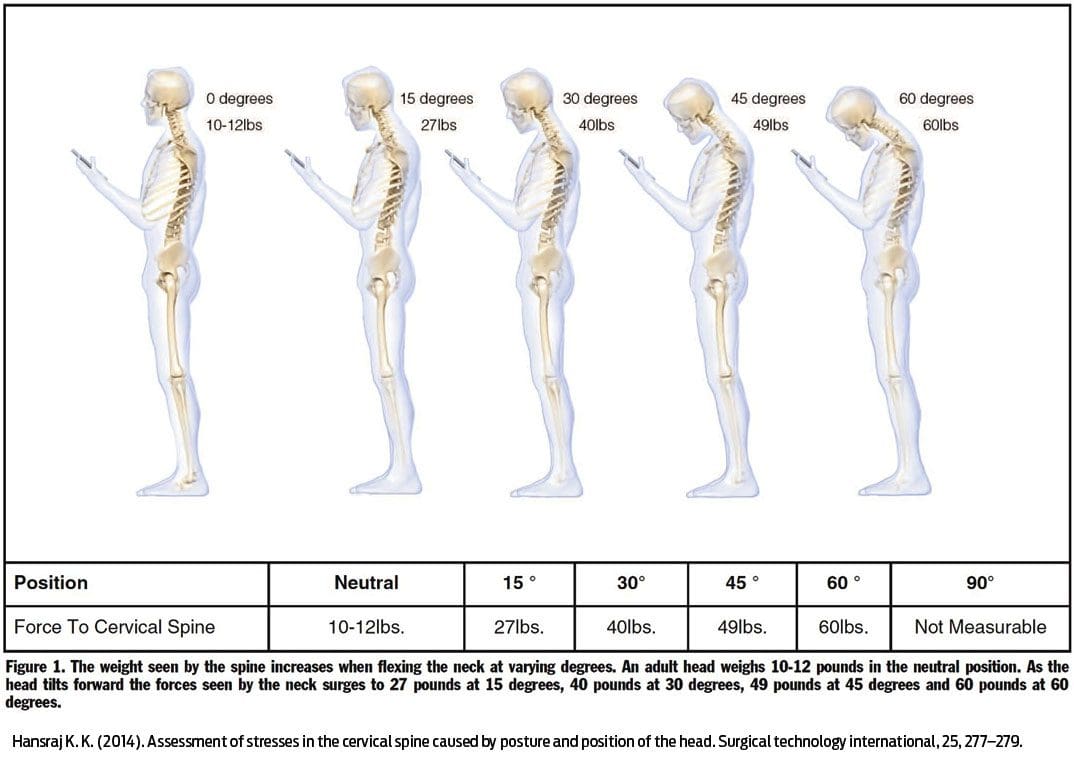
Hansraj K. K. (2014). Assessment of stresses in the cervical spine caused by posture and position of the head. Surgical technology international, 25, 277–279.
Ankylosing spondylitis is an inflammatory arthritis that causes changes in posture that occur over time. Can exercise and maintaining spinal alignment help improve posture problems?
Ankylosing Spondylitis Posture Improvement
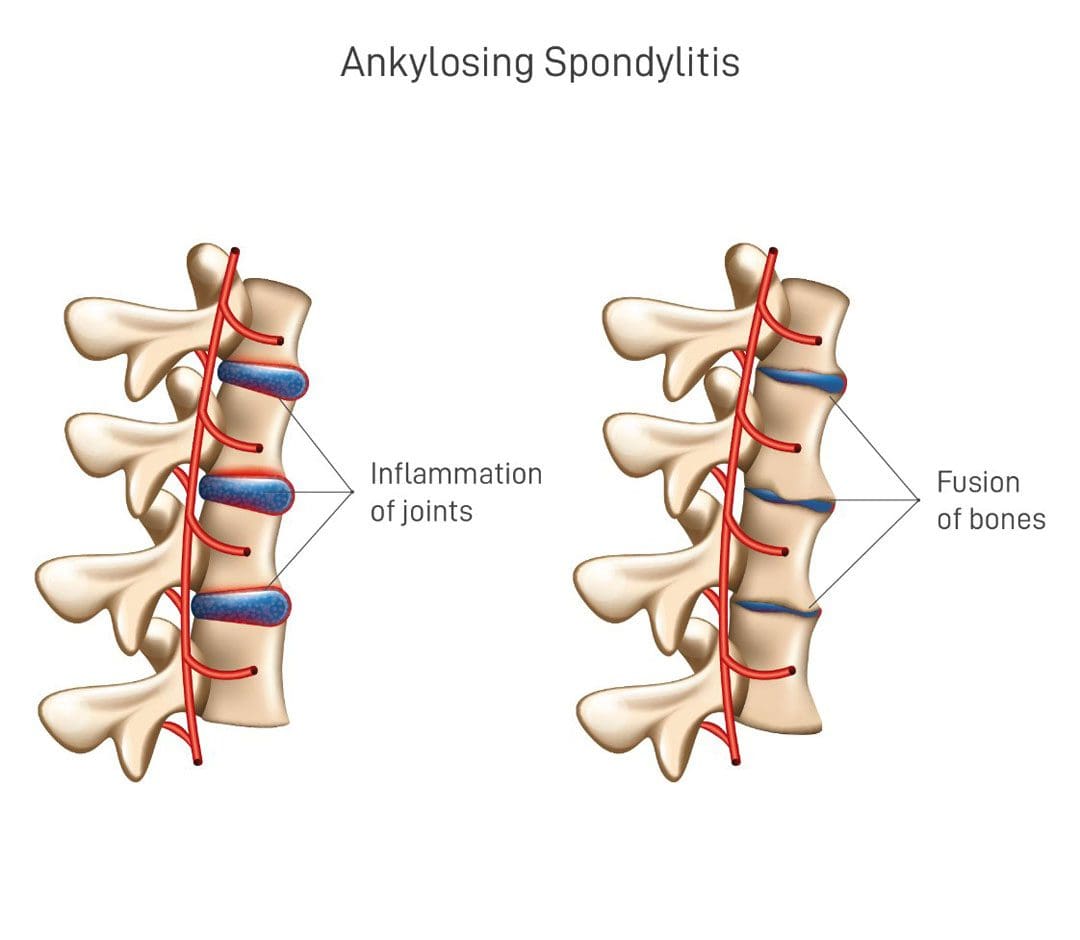
Ankylosing spondylitis/AS is an autoimmune arthritis that primarily affects the spine. It can also spread to other joints of the body and affect the internal organs. Back pain problems are a common side effect of the condition and depending on the severity of damage to the spine, it can have a serious impact on posture.
Affects Posture
The condition usually first affects the sacroiliac joints at the bottom of the spine where they attach to the pelvis. As the condition progresses it works its way to the upper spine. The spine consists of 26 vertebrae/bones stacked on top of each other.
Line up the ears, shoulders, hips, knees, and ankles in a straight line.
Squeeze the shoulder blades together and down toward the back pockets.
Relax the arms at the sides.
Look straight ahead.
Tuck the chin back slightly.
Sitting
The natural curves of the spine need support for proper posture when sitting. Try these tips when at a desk or at a table:
Position the height of the chair so the hips and knees are bent at 90-degree angles.
Place the feet flat on the floor or use a footstool based on chair height.
Place a lumbar support pillow or rolled-up towel behind the lower back.
Position the screen monitor at eye level to keep the upper back straight.
Keep the keyboard and mouse close to the body to prevent overreaching which can increase the rounding of the shoulders and upper back.
Lying Down
Ankylosing spondylitis can make lying down uncomfortable. To support the spine while lying down try to:
Sleep on a semi-firm mattress or type like memory foam to conform to the body.
Place a pillow between the knees to maintain a straight spine when lying on the side.
Use a specialized pillow to prevent placing the upper back in a rounded position.
Posture Exercises
For individuals with ankylosing spondylitis stretching and strengthening exercises can help improve body posture. Individuals are recommended to talk to their healthcare provider before beginning an exercise program.
Chin Tucks
Sit up straight.
Squeeze the shoulder blades together.
Rest the arms at your sides.
Look straight ahead, pull the chin back and in until the stretch is felt along the muscles of the neck.
Hold for three to five seconds and relax.
Repeat 10 times.
Corner Stretch
Stand facing a corner.
Raise the arms to shoulder height.
Place one forearm flat against each wall.
Stagger the feet.
Slowly shift weight over the front leg and lean in toward the corner.
Stop once the stretch is felt across the chest.
Hold for 10 to 20 seconds and relax.
Repeat three times.
Scapular Squeezes
Sit up straight with arms resting at the sides.
Squeeze the shoulder blades together like they are holding an object between them.
Hold for three seconds and relax.
Repeat 10 times.
Maintaining spinal alignment will help decrease back pain that occurs with AS.
Targeted exercises can help stretch tight muscles and strengthen the muscles responsible for maintaining spinal alignment.
Maintaining healthy posture when sitting, standing, and sleeping can help prevent deformities in the spine.
Regular physical activity can help combat stiffness and help maintain overall strength.
For an individualized exercise program, see a physical therapist or chiropractor on incorporating posture exercises to help prevent complications from developing.
Arthritis
References
National Institute of Arthritis and Musculoskeletal and Skin Diseases. Ankylosing spondylitis.
De Nunzio, A. M., Iervolino, S., Zincarelli, C., Di Gioia, L., Rengo, G., Multari, V., Peluso, R., Di Minno, M. N., & Pappone, N. (2015). Ankylosing spondylitis and posture control: the role of visual input. BioMed research international, 2015, 948674. https://doi.org/10.1155/2015/948674
Factors that cause poor, unhealthy posture can be caused by the day-to-day effects of gravity on the body, personal, work, or sports injuries, illness, genetics, or a combination of these factors is also common. This leads to neck and back pain that leads to various musculoskeletal health issues. Achieving consistent healthy posture requires technique and practice. Chiropractic treatment with massage and/or physical therapy can restore muscles to optimal mobility and function.
Factors That Cause Unhealthy Posture
Factors that cause posture problems, like back pain, are often caused by issues with the strength and flexibility ratio between the body’s muscle groups that hold the body upright.
Muscle Guarding
After sustaining an injury, muscles can spasm to protect the injured and the surrounding area.
Muscle spasms can help keep injuries stable and protect them from worsening, but they can also limit movements and cause pain symptoms.
Prolonged muscle spasms can lead to weakened/vulnerable muscles, creating an imbalance between the muscles guarding against the injury and those still working normally.
This can cause the body posture to shift to compensate.
Muscle Tension
Muscle weakness or tension can develop when holding a prolonged position day after day or when doing daily tasks/chores in a way that places added stress on the body.
When certain muscle groups are weak or tense, posture will be affected.
Aches and pains begin to develop from the awkward positioning and the other muscles that must work overtime.
Unhealthy Habits
Compensation is when the body can still achieve its movement goal but with compromised and unhealthy alignment.
As the body compensates and accommodates muscle spasms, weakness, tension, and/or imbalance begin to present.
When this happens, the body may be forced to use alternate and less efficient muscle contraction and flexion patterns.
Technology
Using technology or working with several combined devices can slowly shift the body from correct alignment.
Incessant texting can cause text neck to develop, a condition in which the neck is held in too much flexion, or forward bending, for a prolonged time.
Discomfort, trigger points, and pain symptoms will develop, leading to further posture problems.
Stress and Mental Health
Individuals who experience stress regularly and easily are factors that cause posture problems.
Stress can contribute to shallow breathing or overly-contracted muscles, causing the body to shift out of alignment.
Adjusting posture can help counter the effects of stress.
Shoes
Footwear affects posture.
Heels extend the body’s weight forward, which can cause hip and spinal misalignment.
Individuals can wear down the outside or inside of their shoes faster because of things like:
Imbalanced kinetic forces will be translated up the ankle, knee, hip, and lower back.
This can lead to pain and discomfort in any of these joints.
Genetics
Sometimes, factors that cause unhealthy posture are hereditary.
For example, Scheuermann’s disease – a condition in which adolescent boys develop pronounced kyphosis in their thoracic spines.
It is recommended that the individual work with their primary/specialist healthcare provider in conjunction with a chiropractic specialist team for treatment and management.
Chiropractic treatment can help individuals achieve and maintain proper posture through various massage therapies to release tightness and relax the muscles, decompression to realign the spine, adjustments to realign the body, and postural training through exercises and stretches to develop healthy postural habits.
Quick Patient Intake
References
In, Tae-Sung et al., “Spinal and Pelvic Alignment of Sitting Posture Associated with Smartphone Use in Adolescents with Low Back Pain.” International Journal of Environmental Research and Public Health vol. 18,16 8369. 7 Aug. 2021, doi:10.3390/ijerph18168369
Korakakis, Vasileios, et al. “Physiotherapist perceptions of optimal sitting and standing posture.” Musculoskeletal Science & Practice vol. 39 (2019): 24-31. doi:10.1016/j.msksp.2018.11.004
Mansfield JT, Bennett M. Scheuermann Disease. [Updated 2022 Aug 21]. In: StatPearls [Internet]. Treasure Island (FL): StatPearls Publishing; 2023 Jan-. Available from: https://www.ncbi.nlm.nih.gov/books/NBK499966/
Mingels, Sarah, et al. “Is There Support for the Paradigm ‘Spinal Posture as a Trigger for Episodic Headache’? A Comprehensive Review.” Current pain and headache reports vol. 23,3 17. 4 Mar. 2019, doi:10.1007/s11916-019-0756-2
Mork, Paul Jarle, and Rolf H Westgaard. “Back posture and low back muscle activity in female computer workers: a field study.” Clinical biomechanics (Bristol, Avon) vol. 24,2 (2009): 169-75. doi:10.1016/j.clinbiomech.2008.11.001
Pope, Malcolm H et al. “Spine ergonomics.” Annual review of Biomedical Engineering vol. 4 (2002): 49-68. doi:10.1146/annurev.bioeng.4.092101.122107
Shaghayegh Fard, B et al. “Evaluation of forward head posture in sitting and standing positions.” The European Spine Journal: official publication of the European Spine Society, the European Spinal Deformity Society, and the European Section of the Cervical Spine Research Society vol. 25,11 (2016): 3577-3582. doi:10.1007/s00586-015-4254-x
Tinitali, Sarah, et al. “Sitting Posture During Occupational Driving Causes Low Back Pain; Evidence-Based Position or Dogma? A Systematic Review.” Human Factors vol. 63,1 (2021): 111-123. doi:10.1177/0018720819871730
Wernli, Kevin, et al. “Movement, posture and low back pain. How do they relate? A replicated single-case design in 12 people with persistent, disabling low back pain.” European Journal of Pain (London, England) vol. 24,9 (2020): 1831-1849. doi:10.1002/ejp.1631
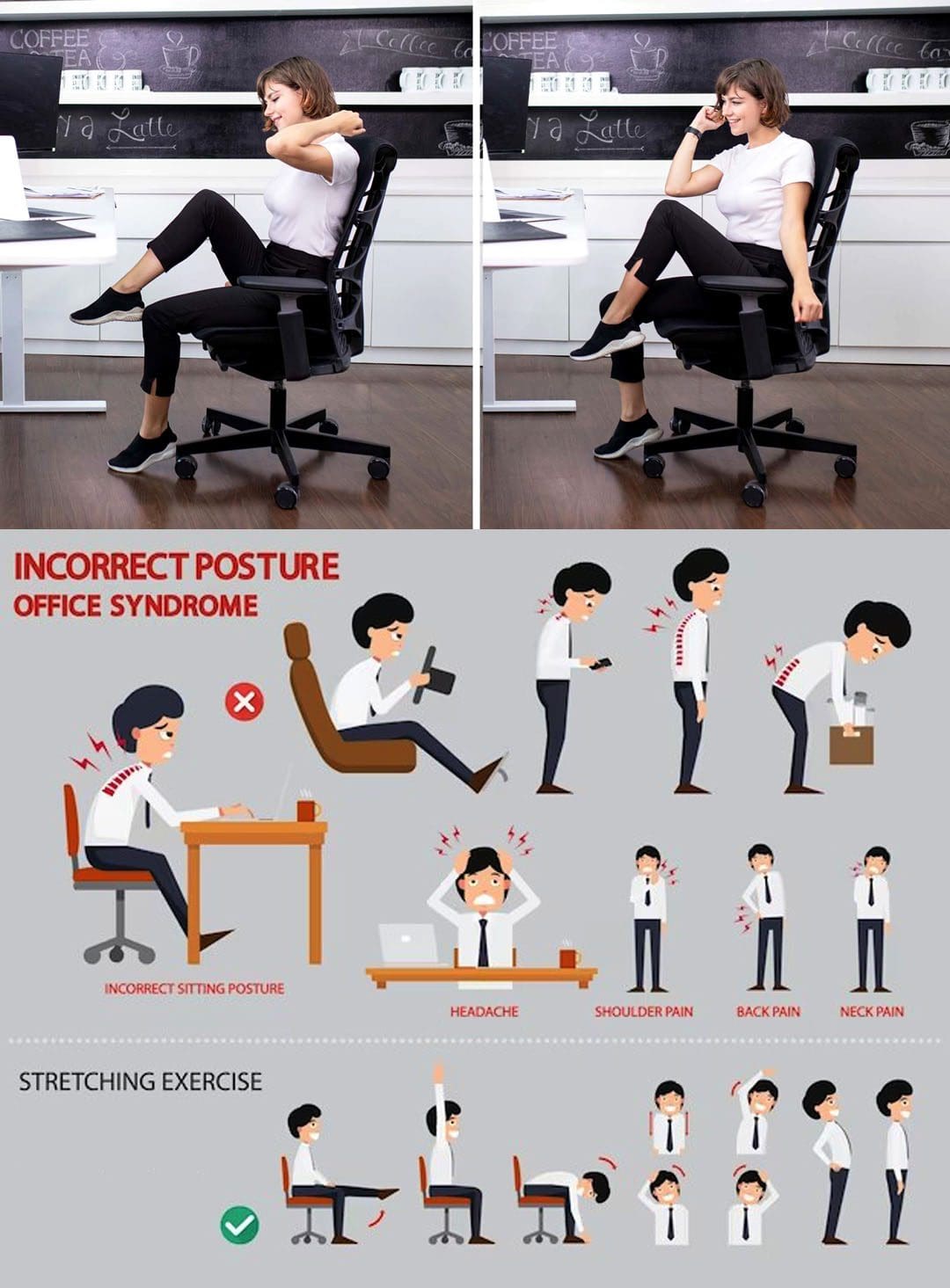
Sitting at a desk or standing at a workstation in the same position for hours at a time every day or night can strain the body’s neuromusculoskeletal system. This causes hunching of the shoulders which leads to body tension, headaches, and neck, shoulder, back, leg, and foot pain. Taking regular breaks to move and stretch out provides various benefits that include pain symptom relief, increased circulation, improved posture, increased energy, muscle relaxation, and improve overall health. Here we look at stretches for sitting and standing jobs.
Stretches For Sitting and Standing Jobs
Sitting or standing for too long can affect an individual’s health. The body is made to move and not remain in one position for long periods. Standing and sitting for a prolonged period of time increases the risk for chronic conditions, sleep disorders, digestion issues, weight gain, obesity, heart disease, cancer, and diabetes. To help break the cycle of staying in one position, experts recommend taking movement breaks for one to three minutes every 30 to 45 minutes, or at least once an hour.
Individuals are encouraged to find ways to set up a job/work system where they are not limited to just sitting or standing but have a balance where they can move around, do some desk work, move some more, and so on where the body is regularly engaging all the muscles and not only using a few that often leads to overworked muscles and overcompensating postures that lead to injuries. This can be using a standing desk, taking quick short walks, or doing some stretches. Movement loosens up the body and helps maintain mental focus.
Flexibility Breaks
The following stretches for sitting and standing jobs are recommended to be done as often as possible to develop healthy habits.
Set an alarm for every 45 to 55 minutes and perform the stretches.
Hold each stretch for at least 15-30 seconds.
Avoid exercises or stretches that cause discomfort or pain.
Chest Stretch
Many individuals begin to hunch forward. Therefore, it is essential to stretch the pectoral/chest muscles and shoulders. Individuals with shoulder problems or injuries should avoid this stretch.
Stand with the feet shoulder-width apart.
The stretch can be performed seated in a chair.
Move the arms behind the body and, if possible, interlock the fingers together.
Straighten the arms and gently lift the hands up until you feel a stretch in the chest.
Hold for 10 to 30 seconds.
Repeat 5-10 times.
Individuals can also use a resistance band and hold it overhead.
Individuals can put their forearms on either side of a doorway, and gently press forward until the stretch is felt in the chest.
Upper Back Stretch
The upper back stretch will help get circulation moving in all the muscles between the shoulder blades as well as the traps and the shoulders.
Begin in a seated or standing position.
Stretch the arms straight out.
Place one hand on top of the other.
Reach away with your arms.
Relax and gently bend the head down.
Imagine the arms curving up and over an imaginary sphere.
Hold the stretch for 10 to 30 seconds.
Neck Stretch
Tension in the neck can lead to headaches and upper back pain. Forward head posture is common when working at a desk/workstation, which places extra weight and stress on the neck muscles. The head can weigh up to 11 pounds. Staying aware of posture and regular stretching can provide relief.
Start in a sitting position, with the back straight and the shoulders back.
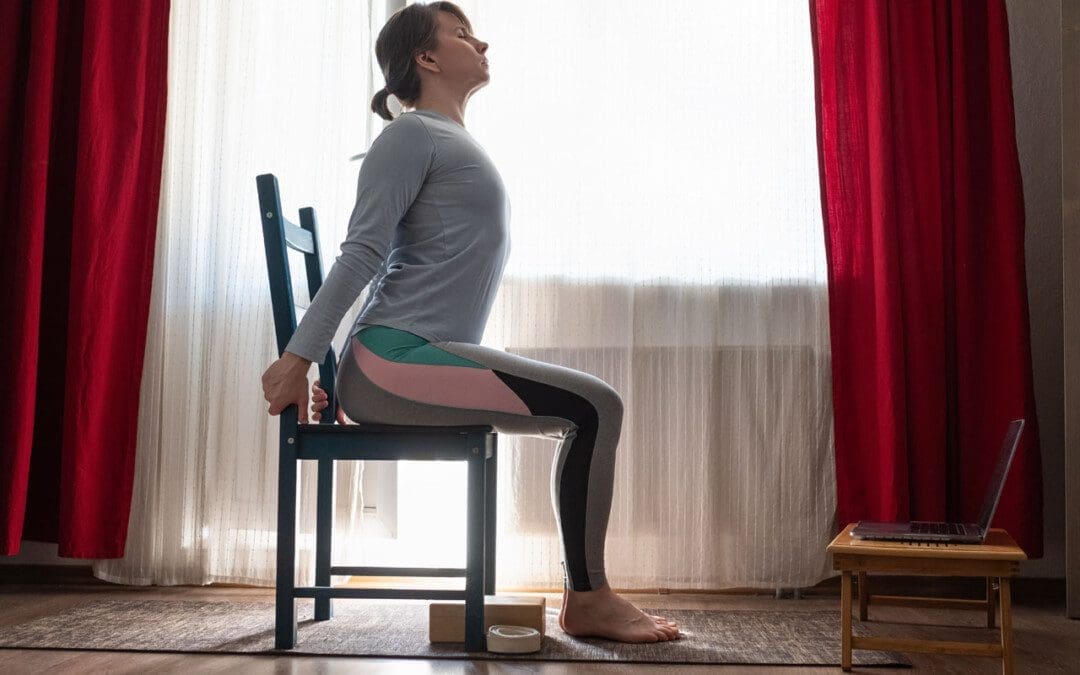
Reach down and grab the side of the chair with your hand.
Gently pull on the chair, while tilting the head in the opposite direction, feeling the stretch down the side of the neck and shoulder.
Hold for 10 to 30 seconds and repeat on the other side.
Repeat five to 10 times on each side.
Inner Thigh Stretch
Stretching the inner thigh is important for the hips and groin. This stretch helps open the hips and gets rid of tightness and tension in the lower body.
In a seated position, widen the legs, toes outward, and lean forward with the elbows on the thighs.
Keep the back straight and the abs contracted.
Gently press forward while using the elbows to push the thighs out until a stretch is felt in the inner thighs.
Hold for 10 to 30 seconds.
Repeat as many times as necessary to get a thorough stretch.
Regular stretching will help to improve the range of motion and help the muscles move more efficiently. Stretching may also help individuals reach or maintain a healthy weight for improved posture.
Benefits of Stretching
References
Cooley D, Pedersen S. A pilot study of increasing non-purposeful movement breaks at work as a means of reducing prolonged sitting. J Environ Public Health. 2013;2013:128376. doi:10.1155/2013/128376
Daneshmandi H, Choobineh A, Ghaem H, Karimi M. Adverse effects of prolonged sitting behavior on the general health of office workers. J Lifestyle Med. 2017;7(2):69-75. doi:10.15280/jlm.2017.7.2.69
Fathollahnejad, Kiana, et al. “The effect of manual therapy and stabilizing exercises on the forward head and rounded shoulder postures: a six-week intervention with a one-month follow-up study.” BMC Musculoskeletal Disorders vol. 20,1 86. 18 Feb. 2019, doi:10.1186/s12891-019-2438-y
Feldman, Anatol G. “The Relationship Between Postural and Movement Stability.” Advances in experimental medicine and biology vol. 957 (2016): 105-120. doi:10.1007/978-3-319-47313-0_6
Korakakis, Vasileios, et al. “Physiotherapist perceptions of optimal sitting and standing posture.” Musculoskeletal Science & Practice vol. 39 (2019): 24-31. doi:10.1016/j.msksp.2018.11.004
Lurati AR. Health issues and injury risks associated with prolonged sitting and sedentary lifestyles. Workplace Health Saf. 2018;66(6):285-290. doi:10.1177/2165079917737558
Nakphet N, Chaikumarn M, Janwantanakul P. Effect of different types of rest-break interventions on neck and shoulder muscle activity, perceived discomfort and productivity in symptomatic VDU operators: A randomized controlled trial. Int J Occup Saf Ergon. 2014;20(2):339-53. doi:10.1080/10803548.2014.11077048
Sanders, Martha J, and Claudia Michalak Turcotte. “Posture makes perfect.” Today’s FDA: official monthly journal of the Florida Dental Association vol. 25,2 (2013): 62-5.
Shaghayegh Fard, B et al. “Evaluation of forward head posture in sitting and standing positions.” The European spine journal: official publication of the European Spine Society, the European Spinal Deformity Society, and the European Section of the Cervical Spine Research Society vol. 25,11 (2016): 3577-3582. doi:10.1007/s00586-015-4254-x
IFM's Find A Practitioner tool is the largest referral network in Functional Medicine, created to help patients locate Functional Medicine practitioners anywhere in the world. IFM Certified Practitioners are listed first in the search results, given their extensive education in Functional Medicine