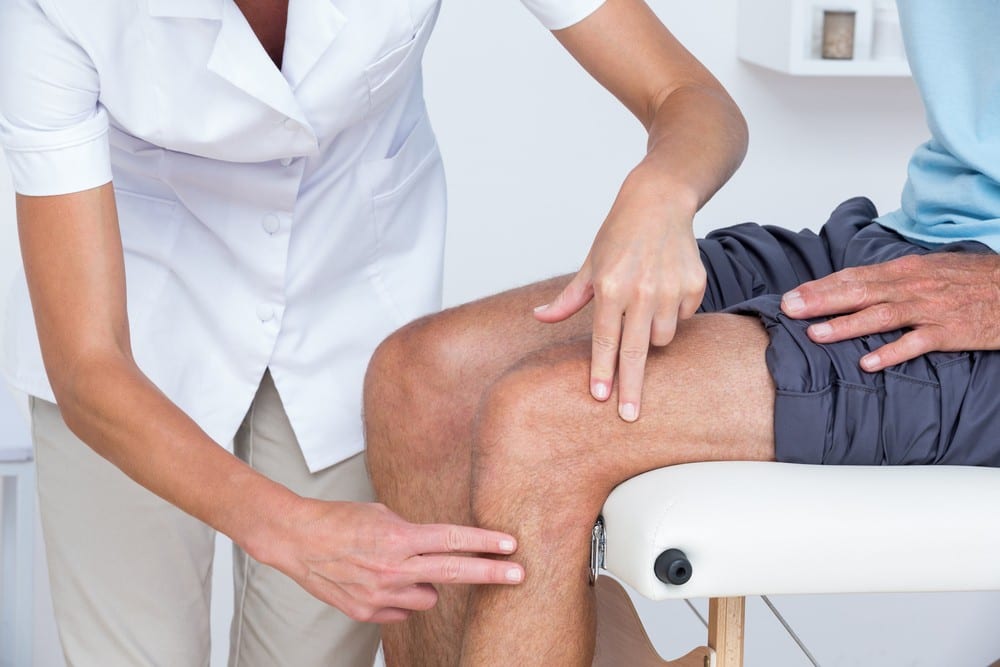
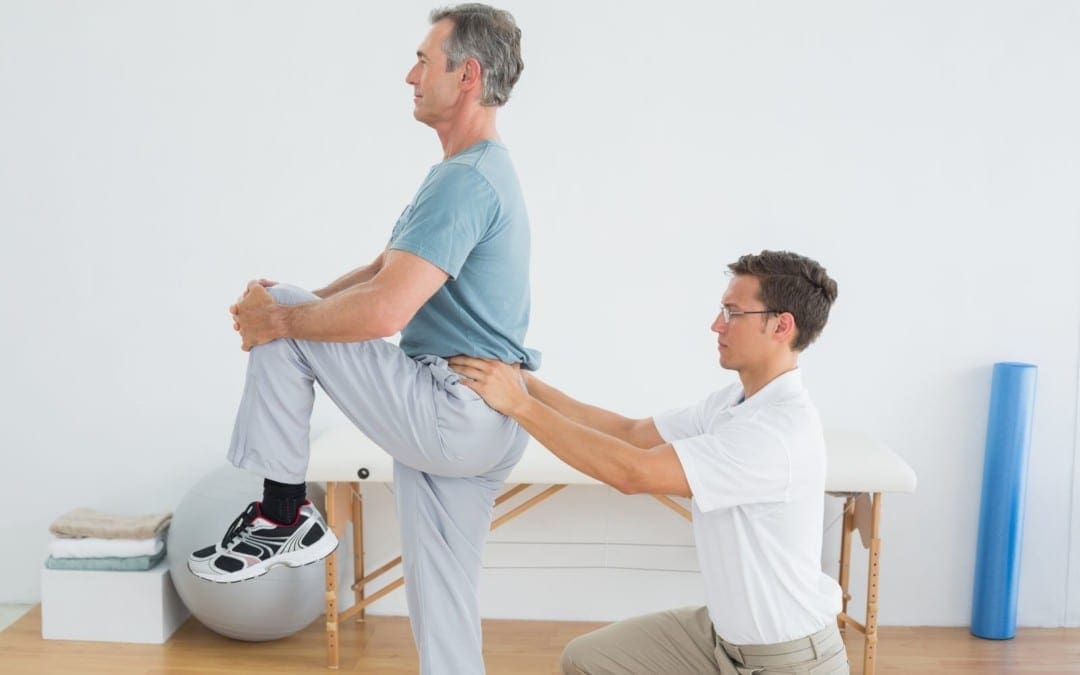
A healthcare professional may refer you to a physical therapist to help you relieve your sciatica. Physical therapy includes both passive and active treatments. Passive treatments help unwind you and your body. These ultimately prepare your body for therapeutic exercises, which are the active treatments commonly utilized as a part of physical therapy.
Your physical therapist can give you passive treatments such as:
Deep tissue massage: This procedure targets chronic muscle stress which can be compressing or irritating your sciatic nerve and its associated nerve roots. The physical therapist uses direct friction and pressure to attempt to release the tension in your soft tissues, such as the tendons, ligaments and muscles.
Hot and cold therapies: By employing heat, the physical therapist seeks to get more blood to the target region because an increased blood circulation brings more oxygen and nutrients to the affected area. By way of instance, a heating pack placed on your piriformis muscle may help to reduce muscle spasms that could be causing your sciatica. Cold therapy, on the other hand, slows down blood flow, helping to decrease inflammation, muscle spasms, and pain. Your physical therapist will alternate between hot and cold therapies in order to achieve the desired results.
TENS (transcutaneous electric nerve stimulation): It may even be used at home, if your physical therapist thinks it is necessary. A machine stimulates your muscles through a variety of safe intensities of electric current. TENS helps decrease muscle spasms, and it might increase your body’s production of endorphins, the body’s natural painkillers. The TENS equipment your physical therapist utilizes is larger than the “at-home” usage system. Whether big or small, a TENS device may be an essential treatment for sciatica and its associated symptoms.
Ultrasound: Ultrasound sends sound waves deep in your muscle tissues and makes a gentle heat that enhances circulation and helps to speed up recovery. Greater circulation can help to reduce muscle spasms, cramping, swelling, stiffness, and pain.
In the active part of physical therapy, your physical therapist will teach you various exercises to help treat your sciatica. Your physical therapy’s treatment program is individualized, taking into account your overall health and wellness as well as your medical history. It might consist of strengthening exercises, aerobic conditioning, and movements to increase endurance and range of movement.
Physical therapy might be part of a comprehensive sciatica treatment plan prescribed by your healthcare professional. Aside from receiving physical therapy for your sciatica, or sciatic nerve pain, the following list includes other treatment options which are often considered when discussing the best treatment options for your source of sciatica symptoms. These treatments include:
Alternative treatments, such as acupuncture;
Chiropractic care;
Drugs and/or medications; and
Surgery
If necessary, your physical therapist may teach you how to fix your posture and integrate ergonomic principles into your everyday activities. This will be done in order to work on preventing future episodes of sciatica. Of the list of treatment options to help treat sciatica, chiropractic care and physical therapy are similar to each other and may involve common treatment modalities. However, a chiropractor uses spinal adjustments and manual manipulations to relieve symptoms of sciatica by carefully restoring the original alignment of the spine and reducing spinal stress and tension.
Dr. Alex Jimenez’s Insight
As its previously been addressed, because sciatica can occur due to a variety of injuries and/or aggravated conditions, a proper diagnosis followed by the best treatment option for the patient’s source of their symptoms is key for overall improvement and prevention of further episodes of sciatic nerve pain. Among the various types of treatment, chiropractic care and physical therapy are popular alternative treatment approaches which help treat sciatica, without the need for drugs and/or medications or surgical interventions. Chiropractic care focuses on correcting the alignment of the spine through the use of spinal adjustments and manual manipulations in order to release tension on the spine and improve sciatic nerve pain.
Chiropractic Care for Sciatica
Chiropractic care is a well-known alternative treatment option which is regularly used to treat sciatica. Proper diagnosis of sciatica Is essential before considering any of the above treatment modalities. Because there are lots of disorders that cause sciatica, the chiropractor’s first step towards treating sciatica would be to determine what’s causing the patient’s relapse. Forming a diagnosis involves a thoughtful review of the patient’s medical history as well as a physical and neurological evaluation.
Diagnostic testing includes x-rays, MRI, CT scans and/or electrodiagnostic tests (nerve conduction speed, electromyography). These examinations and evaluations help to detect potential contraindications to spinal adjustments and manual manipulations along with other chiropractic alternative treatment options. The aim of chiropractic care is to help the human body heal itself. Chiropractic care is noninvasive (non-surgical) and drug-free.
The type of chiropractic care provided depends on the reason for the individual’s sciatica. A sciatica treatment program might include several distinct therapies like ice/cold treatments, ultrasound, TENS, (similar to those used in physical therapy) and spinal adjustments and manual manipulations. Spinal adjustments and manual manipulations differ from a swift high velocity push to those that combine minimal pressure and gentle force. Mastery of every method is an art which requires great precision and skill. Spinal adjustments and manual manipulations are the treatment modalities that differentiate chiropractic care from other medical disciplines.
However, sciatica can be brought on by other disorders beyond the scope of chiropractic care. If the chiropractor determines that the patient’s source of their symptoms requires treatment from a different type of doctor, then the patient is referred to another healthcare professional. In some instances, the chiropractor may continue to treat the patient and also co-manage the patient’s care with another healthcare professional.
The scope of our information is limited to chiropractic as well as to spinal injuries and conditions. To discuss the subject matter, please feel free to ask Dr. Jimenez or contact us at 915-850-0900 .
Curated by Dr. Alex Jimenez
Additional Topics: Sciatica
Sciatica is medically referred to as a collection of symptoms, rather than a single injury and/or condition. Symptoms of sciatic nerve pain, or sciatica, can vary in frequency and intensity, however, it is most commonly described as a sudden, sharp (knife-like) or electrical pain that radiates from the low back down the buttocks, hips, thighs and legs into the foot. Other symptoms of sciatica may include, tingling or burning sensations, numbness and weakness along the length of the sciatic nerve. Sciatica most frequently affects individuals between the ages of 30 and 50 years. It may often develop as a result of the degeneration of the spine due to age, however, the compression and irritation of the sciatic nerve caused by a bulging or herniated disc, among other spinal health issues, may also cause sciatic nerve pain.
There are many different treatments for cerebral palsy available today, however each case of cerebral palsy is as unique as the individual it affects. Because cerebral palsy can ultimately affect the normal functioning of the brain, treatment approaches which enhance the connection between the brain and the body are essential. Various treatments will work for different patients. A treatment known as physical therapy, or physiotherapy, is categorized as a non-medicinal treatment of cerebral palsy with the usage of massage, exercise, heat, and other external means of treatment.
Physiotherapy can be used to help cerebral palsy patients improve motion and motor abilities. Since cerebral palsy is a physical and movement disorder that disrupts the brain’s ability to correctly control muscle movement, physiotherapy can work wonders in helping cerebral palsy patients achieve mobility. Cerebral palsy physical therapy techniques are dependent on the degree of physical limitations of the person, and what’s going to be most beneficial to the cerebral palsy patient. Chiropractic care, can also include physical therapy techniques. Because the brain is believed to be lacking proper stimulation for functioning through cerebral palsy, chiropractic care can offer proprioception of touch for the assistance of mobility for the increased sensory stimulation of the brain through spinal adjustments and manipulations.
Physiotherapy for Cerebral Palsy
Cerebral palsy is the most common physical disability in children and it also represents the most frequent diagnosis in children who receive physical therapy. The harshness of limitations in gross motor function among children with cerebral palsy varies greatly, as some can walk without helping devices while some must use battery-powered wheelchairs. Physical therapists help children discover better ways to balance and move, as well as learn to walk, use their wheelchair, stand up with help, or go up and down stairs safely. The physical therapists engaged in physiotherapy reduce further growth of musculoskeletal problems by preventing muscle weakening, deterioration, and contracture during the suitable physiotherapy methods.
Physiotherapy usually consists of a couple kinds of treatment and helps a cerebral palsy patient to improve their gross motor abilities. Motor abilities that utilize the big muscles in the body, such as those in the arms and legs, are called gross motor abilities. This kind of physical therapy can help improve a cerebral palsy patient’s balance and motion.
Physical therapy for cerebral palsy patients consists of activities and education to enhance flexibility, strength, mobility, and function. A physical therapist also designs, modifies, and orders elastic gear to be used in the rehabilitation. Physical therapy can take place in clinics, hospitals, schools, and ought to continue in the home through a workout program. Physical treatment for cerebral palsy patients won’t be effective without an ongoing daily home program.
Physical Therapy Methods for Cerebral Palsy
A physical therapy program must include lots of exercises that include stretching, strengthening, and positioning. To elongate the muscles, the arms and legs must be transferred in ways that produce a slow, steady pull on the muscles to keep them loose. Because of the greater muscle tone of the cerebral palsy patient, they tend to have tight muscles. Therefore, it’s extremely important to perform daily stretches to maintain the arms and legs limber, allowing the child to continue to move and function. Strengthening exercises work specific muscle groups to enable them to encourage your system better and increase function. Positioning requires your system to be set in a particular position to achieve long stretches. Some places help minimize unwanted tone. Positioning can be achieved in many different ways. Bracing, abduction pillows, knee immobilizers, wheelchair inserts, sitting recommendations, and handling techniques are a part of placement techniques utilized in physical therapy for cerebral palsy patients.
New methods of physical therapy for cerebral palsy patients have taken into the water. Aquatic-based rehabilitation employs the physical properties of water to either resist or help in the operation of exercises. Cerebral palsy patients undergo muscle shortening in the majority of their involved extremities and it becomes a difficult job to lengthen the affected musculature with regular stretching while needing to manage the effects that gravity has on the spastic leg or arm. In earlier times there was clinical bias against strengthening activities for this population. But, recent study findings are revealing that kids with cerebral palsy may gain from strengthening applications and that strength is directly associated with motor function. Some of the recorded advantages are optimization of neuromuscular responses, improved motor unit contraction synchrony and facilitation of maximal muscle contraction combined with a wide available selection of motion.
Physical treatment for cerebral palsy patients does not heal spasticity but can improve impairments and limitations. Physical treatment for cerebral palsy patients is an important step towards an independent lifestyle. If these changes happen only in the therapy gym, the disability remains unchanged. Therapy must improve skills to carry out meaningful tasks in everyday life. Changing the level of handicap is the ultimate aim of physical therapy for cerebral palsy.
Occupational therapy is another element of physiotherapy used for cerebral palsy patients, and it’s used for aiding in the development of fine motor skills. Fine motor skills focus on the use of smaller muscles, such as those from the face, fingers, toes, palms, and feet. Fine motor skills have been used during daily living skills such as eating, dressing, writing, etc., and are fine tuned by occupational physiotherapy.
Physiotherapy also entails picking the right sort of adaptive equipment that could enhance a cerebral palsy patient’s motor abilities. Wheelchairs, walkers, special eating utensils and other adaptive equipment supply a patient with the liberty to accomplish some tasks on their own.
Additional types of physiotherapy like language and speech therapy might also be incorporated into a cerebral palsy patient’s program. Physiotherapy in the form of language and speech therapy that enables a cerebral palsy patient to communicate more easily with other people by developing the facial and jaw muscles, enhancing speech or sign language messages, and introducing communication resources such as computers and other visual aids.
Dr. Alex Jimenez’s Insight
Cerebral palsy is a lifelong group of movement disorders with no cure. However, several treatment options can help improve the quality of life of a patient with cerebral palsy. Chiropractic care and physical therapy, or physiotherapy, are some of the most common treatment approaches utilized to help restore strength, flexibility and mobility for individuals and children with cerebral palsy, without the need for drugs/medications and surgery. Chiropractic care can help improve many aspects associated with cerebral palsy due to the stimulation of the brain through touch, using spinal adjustment and manual manipulations to enhance sensory receptors in patients with this movement disorder. A physical therapist, as well as a chiropractor, may generally recommend a series of stretches and exercises which can improve range of motion in patients with cerebral palsy. Chiropractic care and physical therapy have the ability to develop self-sufficiency in cerebral palsy patients where it was previously absent.
Chiropractic Care for Cerebral Palsy
Several other physical therapy options can also help provide some form of relief from painful symptoms for cerebral palsy patients. Chiropractic care has become a popular, alternative treatment approach which focuses on maintaining as well as improving the overall health of the body through the use of spinal adjustments and manual manipulations. Because different areas of the body can be affected in individuals and children with cerebral palsy, chiropractic care can be beneficial towards helping those limbs regains some strength, flexibility and mobility. A chiropractor who specializes in patients with cerebral palsy can also offer several rehabilitation and physical therapy stretches and exercises to achieve the desired semblance of activity from the cerebral palsy patient. Because chiropractic care utilizes touch through spinal adjustments and manual manipulations to enhance the structure and function of the brain and the body, the sensory stimulation provided by a chiropractor can promote the migration of the brain in order to help change the receptors of the brain.
Furthermore, chiropractic care can help treat other, less noticeable aspects of the motor disorder. When used as a part of a rehabilitation and physical therapy program, chiropractic care can help improve some of the more problematic symptoms associated with cerebral palsy, including muscle spasms, seizures, and leg and arm issues through touch mobility protocols. The connection between the body and the brain has long been the center focus of chiropractic care, which is why spinal adjustments and manual manipulations are commonly utilized to enhance the stimulation of the brain, the spine, the nerves and the remaining structures of the body, especially in the case of patients with cerebral palsy, where the proper stimulation of the brain is necessary in order to restore function and improve quality of life. By carefully working to restore the natural alignment of the spine, a doctor of chiropractic, or chiropractor, can improve symptoms of back pain which may often be caused by the stress being placed on the spine�in patients with cerebral palsy. The purpose of chiropractic care and physical therapy is to improve physical movement and coordination, speech, vision and intellectual development�for patients with cerebral palsy.
Physiotherapy is an integral part in the vast majority of many cerebral palsy patients’ lives. Physiotherapy has the ability to develop self-sufficiency in cerebral palsy patients in which it was previously absent. A kid with cerebral palsy can start physiotherapy in just about any age. Speak with your child’s doctor about setting up physiotherapy program today. The scope of our information is limited to chiropractic as well as to spinal injuries and conditions. To discuss the subject matter, please feel free to ask Dr. Jimenez or contact us at 915-850-0900 .
Curated by Dr. Alex Jimenez
Additional Topics: Sciatica
Sciatica is medically referred to as a collection of symptoms, rather than a single injury and/or condition. Symptoms of sciatic nerve pain, or sciatica, can vary in frequency and intensity, however, it is most commonly described as a sudden, sharp (knife-like) or electrical pain that radiates from the low back down the buttocks, hips, thighs and legs into the foot. Other symptoms of sciatica may include, tingling or burning sensations, numbness and weakness along the length of the sciatic nerve. Sciatica most frequently affects individuals between the ages of 30 and 50 years. It may often develop as a result of the degeneration of the spine due to age, however, the compression and irritation of the sciatic nerve caused by a bulging or herniated disc, among other spinal health issues, may also cause sciatic nerve pain.
Children with cerebral palsy have various needs. Some children have problems with motor skills and spasticity, but normally pick up things pretty fast. Others have a full range of issues from motor skills to esophageal and respiratory problems. Since so many kids with cerebral palsy have an array of different medical needs, there isn’t one particular type of treatment which may help each and every child. Luckily, there are a number of different therapeutic remedies to select from, which range from holistic care, water therapy, and much more.
Acupuncture
Whilst generally not adopted in Western Medicine, acupuncture has been used for centuries by Asian countries and is viewed as a medicinal art. Some families with children who have cerebral palsy take their kids to an acupuncturist to try and relieve the frequent pain related to the disorder. Other kids find relief in acupuncture for painful birth injuries such as spina bifida, Erb’s palsy, and brain damage. Acupuncture uses needles to ease pain, often instead of medication.
Aquatherapy
Aquatherapy is among the most popular and beneficials form of treatment for children with cerebral palsy, as they suffer from limb maladiess, but this might also be advantageous for children who suffer with Erb’s palsy and are trying to regain movement in their arm.
Under the supervision of a trained and experienced professional therapist, kids may gain from the strength exercise and training afforded by the anti-gravity character of a pool. In this soothing environment, a child can have a respite from some of the pain which comes with the disability (occasionally cerebral palsy causes stress on the musculoskeletal frame by simply gravity and body weight), and they can still work through the natural curative and restorative nature of water.
Behavioral Therapy (Psychotherapy)
Some birth injuries involve an intellectual disability that impacts how kids interact in social scenarios. Other children might have had physical constraints that included them being house-bound for a long time, causing them to have a deficiency in social skills or cues. Behavioral therapy, also known as psychotherapy, allows patients to work through problems they may have within their social and mental health with a behavioral health professional.
Chiropractic Care and Massage Therapy
Children with cerebral palsy may benefit from chiropractic care and massage therapy for a few different reasons. Because some children with cerebral palsy may have experienced lots of strain or stress on their musculoskeletal system as a result of the disorder, requiring chiropractic care may ultimately be fundamental towards their proper spinal alignment as well as for their overall health and wellness.
Chiropractic care is a well-known alternative treatment option which utilizes spinal adjustments and manual manipulations to treat a variety of injuries and/or conditions associated with the musculoskeletal and nervous system, including back pain.
Another reason that a patient with cerebral palsy might need chiropractic care or massage treatment is for the basic goal of extending and stretching muscles. When muscles relax as they perform through such therapies, they are more inclined to become stronger and healthier which is needed if they are going to correctly learn how to walk. This kind of treatment isn’t generally suggested for kids suffering from spina bifida because the raw exposed nerves could be inadvertently mishandled, causing more problems.
Furthermore, chiropractic care can be used to help treat other, less noticeable aspects of cerebral palsy. The theory of chiropractic care is that by healing the central area around the spine, the extremities and other parts of the body affected by the disorder can become more normalized, allowing for improved function and quality of life. Chiropractic care can also help improve strength, mobility and flexibility in children with cerebral palsy and its associated symptoms.
Conductive Education
Some children with neurological or mobility impairment found in almost any brain-related birth trauma need help performing activities that regular people learn through daily exercise, learning, and experience. Since these children don’t often have the same sorts of experiences that non-disabled people have, conductive education is a form of special education that functions as a kind of study group for life.
Conductive education provides opportunities of every day learning experiences so that kids can have the exact same general education that non-disabled individuals do.
Hippotherapy
Using equine motion and connections with horses, children with all kinds of birth injuries could learn basic occupational and speech therapy. Hippotherapy is not therapeutic horseback riding, but rather a trained practitioner introduces the child to the horse and uses the horse to access the child in ways which were previously thought of as unconventional.
Hyperbaric Oxygen Therapy
Normally short-term treatment and frequently only experienced once or twice, Hyperbaric Oxygen Therapy is a method of fast-healing for some kids that have suffered oxygen deprivation (anoxic, hypoxic, HIE, birth asphyxia, and perinatal asphyxia). If an infant is delivered and does not breathe for the upcoming instant minutes, hyperbaric oxygen treatment is a great way to introduce a lot of oxygen into the blood stream preventing or lessening the seriousness of birth injuries such as cerebral palsy.
Occupational Therapy
Occupational therapy’s main objective is to work on creating balance, strength, and gait. An occupational therapist might consult with an orthopedic surgeon to operate on strengthening and firming muscles, in which following the occupational therapist can delegate casts and orthopedic devices which also help strengthen and form muscles. These methods are to help patients learn how to walk, and also to create control and strength to stop spasticity.
The occupational therapist also trains patients to function on decision-making, abstract reasoning, problem-solving, perception, memory, sequencing, and much more.
Play Therapy
Utilizing play with a variety of different toys in various public places, kids with all kinds of birth injuries can learn to appreciate themselves. Often children with birth injuries can feel that they’re different or that they have health issues and end up stressing about their difficulties more than having fun.
While they’re having fun in play therapy, they can learn the way to interact with other kids, learn about themselves, and to construct self-confidence.
Physiotherapy and Physical Therapy
Physiotherapy and physical therapy both operate on the rehabilitation of muscle groups. This is extremely important for children with shoulder dystocia, Erb’s palsy, Klumpke’s palsy, or Brachial Plexus palsy, and, in fact, kids suffering from these birth injuries won’t regain use of their hand or arm without physical and physiotherapy. Through this type of treatment, therapists strive to receive the perfect movement from their patients through an assortment of different challenges and exercises.
This can be like occupational therapy, though the focus is mainly on what the muscle groups are doing, and not on so many different targets like occupational therapy. A physical therapist is often like a personal trainer in a gym, training, cheering, and challenging.
Respiratory, Digestive, and Dietician Therapy
Some kids with cerebral palsy encounter respiration and esophageal problems. Consequently they can experience issues with eating, breathing, and drinking, which divides into digestive and dietician treatment, addressing what foods and drinks should be consumed. Respiratory treatment may primarily tackle breathing exercises to strengthen and optimize lung development, but may also address these other concerns.
Speech and Language Therapy
Speech and language therapy can be very important for kids with cerebral palsy and other forms of brain-related birth harm. Approximately, 1 out of every 4 patients with cerebral palsy don’t have the capability to speak. Speech and language therapy helps them to work on exercises which progress the learning of speech and get kids closer to communicating effectively.
Some speech and language therapists utilize programs that help patients understand the operation of language inside individuals, and these programs also provide communication boards using pre-formed responses so that children can get in the habit of responding with particular answers until they consider trying to verbalize these answers.
Vocational Counseling
This has many different sorts of therapists, a few children could be confused or jeopardized by visiting a lot of individuals, or, worse, by having so many people invade their home. One way of approaching treatment is by using a vocational counselor, one individual who can master several distinct types of treatment.
As vocational counselors might not have exactly the exact same depth in all of these subjects as one therapist would have regarding one subject, this might be a great first step for treatment with your little one. By getting your child to adjust to only one person interacting within their lifetime, they’re more inclined to concentrate on the subjects at hand.
Afterwards, if more obstacles and more depth is required, your kid may have more assurance in different areas (and with a few social abilities from connecting with this particular counselor) and may be able to handle other therapists more efficiently.
Yoga Therapy
Normally prescribed under the direction of an occupational or physical therapist, yoga therapy is a fantastic alternative for kids whose muscles need to be loosened or lengthened. Children with cerebral palsy suffer from particularly tight muscles, so yoga therapy helps them to work on extending and on making the muscles more limb. This type of treatment might be incorporated to other sorts of therapy, and it might also be delegated as “homework” to kids with cerebral palsy for optimal flexibility and, ultimately, optimal freedom.
Dr. Alex Jimenez’s Insight
Cerebral palsy is a lifelong set of movement disorders with no cure. However, various types of treatment options can help provide some forms of relief for individuals and children with cerebral palsy as well as help restore some function and quality of life. Because cerebral palsy can affect patients differently, people with the disorder can benefit from many different therapies, including chiropractic care and physical therapy. Chiropractic care is a popular, alternative treatment option which focuses on the diagnosis and treatment of several kinds of injuries and/or conditions, including cerebral palsy. Through the use of spinal adjustments and manual manipulations, a chiropractor can help improve strength, mobility and flexibility in people with cerebral palsy.
The scope of our information is limited to chiropractic as well as to spinal injuries and conditions. To discuss the subject matter, please feel free to ask Dr. Jimenez or contact us at 915-850-0900 .
Curated by Dr. Alex Jimenez
Additional Topics: Sciatica
Sciatica is medically referred to as a collection of symptoms, rather than a single injury and/or condition. Symptoms of sciatic nerve pain, or sciatica, can vary in frequency and intensity, however, it is most commonly described as a sudden, sharp (knife-like) or electrical pain that radiates from the low back down the buttocks, hips, thighs and legs into the foot. Other symptoms of sciatica may include, tingling or burning sensations, numbness and weakness along the length of the sciatic nerve. Sciatica most frequently affects individuals between the ages of 30 and 50 years. It may often develop as a result of the degeneration of the spine due to age, however, the compression and irritation of the sciatic nerve caused by a bulging or herniated disc, among other spinal health issues, may also cause sciatic nerve pain.
You hear that you are supposed to stay busy through your chronic pain and you believe, “But how? Actions make my pain worse. Just getting through the day at work is agony, and today the doctor expects me to perform extra tasks?” This is the point where a physical therapist may help.
How can a physical therapist help with my chronic pain?
Physical therapists can give you a personalized strengthening and workout plan, besides helping you learn how to manage your own “daily life” chronic pain symptoms. The physical therapist will do a thorough physical evaluation to assess your chronic pain and its impact. They will also ask about your therapy goals: do you wish to learn how to better handle your pain? What would be helpful to learn from physical therapy? Using that information, the physical therapist will create a therapy plan especially for you.
Physical Therapy is Active and Passive
Physical therapy includes both active and passive treatments. Passive treatments help to unwind you and your physique. As you don’t need to actively participate, they’re known as passive. Your physical treatment program may begin with treatments that are passive, but the goal is to get into treatments that are more active. These are exercises which strengthen your body and help you handle the pain that is chronic.
Passive physical therapy treatments include:
Deep Tissue Massage: This technique targets spasms and chronic muscle strain that perhaps builds up through life stress. You could have spasms or muscular strain because of strains or sprains. The physical therapist uses direct pressure and friction to attempt to release the tension in your soft tissues (ligaments, tendons, muscles).
Hot and Cold Therapies: Your physical therapist may alternate between cold and warm therapies. The physical therapist attempts to gain more blood to the target area by applying hot treatment because an increased blood circulation brings more oxygen and nutrients to this region. Blood circulation is essential to remove waste byproducts made by muscle spasms, and in addition, it helps relieve symptoms associated with chronic pain. Cold treatment, also called cryotherapy, slows circulation, helping to decrease inflammation, muscle spasms, and pain. You might be given an ice pack or even be given an ice massage. Another alternative that is part of cryotherapy is a spray which cools the tissues. After cold therapy, your physical therapist may have you stretch the affected muscles.
TENS (transcutaneous electric nerve stimulation): A TENS machine stimulates your muscles through factor (but safe) intensities of electrical current. TENS helps reduce muscle spasms, and it might increase the own body’s production of endorphins, your pain killers. The TENS gear your therapist utilizes is big. But a more compact machine for “at home” use is also available. Whether big or small, a TENS unit may be a very helpful therapy.
Ultrasound: By increasing blood flow, an ultrasound helps decrease pain, numbness, swelling, stiffness, and muscle spasms. It does this by creating heat that enhances circulation, sending sound waves deep in your muscle cells.
At the active portion of physical therapy, your physical therapist will teach you different exercises to increase your flexibility, strength, core stability, and range of motion (how readily your joints move). Remember, your physical therapy program is individualized, taking under account medical history and your health. Your exercises may not be suitable for another person with chronic pain, especially since pain is such a subjective, personal experience.
Other Areas of Physical Therapy
You will learn to fix your posture and incorporate ergonomic principles in your daily activities, if necessary. This is all part of this “self-care” or “self-treatment” aspect of physical therapy. During physical therapy, you learn good habits and principles that let you take better care of your body. Staying active is an significant part chronic pain therapy. The therapist can help you figure out the best kind of workout for you.
7 Tips for Exercising When You Have Chronic Pain
Too much of the wrong activity can cause chronic pain to worsen. If jogging or running are out of the question, you may be able to handle and enjoy cycling, which can be easier on painful knees and hips. Other forms of physical therapy, including aerobics done in warm water, help to alleviate inflammation; plus the buoyancy of the water protects the body against the stress of gravity and from movements that may otherwise result in pain. No matter which type of exercise you choose, use caution not to move too fast or too much, or do so much that it becomes worse.
7 Tips for Exercising When You Have Chronic Pain
Talk to you doctor before you begin an exercise program.
Start slowly and gradually increase your efforts as you gain strength, flexibility, and confidence.
Move at your own pace. Never try to keep up with a class or a group if doing so is painful.
Exercise every day, if possible.
Strive for a balanced routine of cardiovascular, strengthening, and stretching exercise.
Accept that you will be able to do more on some days than others.
Be patient with your progress. Overexertion makes pain worse and can strain muscles.
A person’s sleep patterns are improved by exercise. When curative sleep patterns improve, chronic pain symptoms usually do too. Physically active individuals sleep longer and more deeply than people that are sedentary. Exercise also helps to relieve sleep apnea, a common disruptive sleep disorder that that abruptly stops the breath..
The scope of our information is limited to chiropractic and spinal injuries and conditions. To discuss options on the subject matter, please feel free to ask Dr. Jimenez or contact us at 915-850-0900 .�
By Dr. Alex Jimenez
Additional Topics: Wellness
Overall health and wellness are essential towards maintaining the proper mental and physical balance in the body. From eating a balanced nutrition as well as exercising and participating in physical activities, to sleeping a healthy amount of time on a regular basis, following the best health and wellness tips can ultimately help maintain overall well-being. Eating plenty of fruits and vegetables can go a long way towards helping people become healthy.
Surgery is a common approach to treat carpal tunnel syndrome. But, physical therapy may work just as well, a new study indicates.
Researchers found that physical therapy improved hand and wrist function and reduced pain as effectively as a standard operation for the condition. Moreover, after one month, physical therapy patients reported better results than those who underwent surgery.
“We believe that physical therapy should be the first therapeutic option for almost all patients with this condition,” said lead study author Cesar Fernandez de las Penas. “If conservative treatment fails, then surgery would be the next option,” said de las Penas, a professor of physical therapy at King Juan Carlos University in Alcorcon, Spain.
Also, one extra benefit of therapy over surgery may be cost savings, he noted.
Treatments for Carpal Tunnel Syndrome
Carpal tunnel syndrome occurs when the median nerve, which runs from the forearm into the palm of the hand, becomes squeezed at the wrist. It often arises from repetitive motions required for work, such as computer use or assembly line work. Symptoms usually start gradually, with patients noticing numbness and weakness in the hand and wrist.
Surgery for the condition generally involves cutting a ligament around the wrist to reduce pressure on the median nerve, according to the U.S. National Institutes of Health.
Results of Physical Therapy vs Surgery
For this study, de las Penas and his colleagues followed 100 women from Madrid who had carpal tunnel syndrome. Half were treated with physical therapy and half underwent surgery.
For three weeks, the therapy patients received weekly half-hour manual therapy sessions — meaning therapists only used their hands. The therapists focused on the neck and the median nerve. They also applied manual physical therapy to the shoulder, elbow, forearm, wrist and fingers. On their own, patients performed neck-stretching exercises at home.
After one month, the therapy group reported greater daily function and greater “pinch strength” between the thumb and forefinger compared to the surgery patients. After three, six and 12 months, however, improvements were similar in both groups. All participants experienced similar reductions in pain.
Study co-author Joshua Cleland is a professor with the physical therapy program at Franklin Pierce University in Rindge, N.H. “Manual physical therapy may be just as beneficial in improving function and symptom severity as surgery despite the severity of their condition,” he said, noting that 38 percent of those in the therapy group had “severe” carpal tunnel syndrome.
“These manual physical therapy techniques are commonly used here in the United States as well and should become a standard of practice for physical therapists working with patients who have carpal tunnel syndrome,” Cleland said.
Dr. Daniel Polatsch is co-director of the New York Hand and Wrist Center at Lenox Hill Hospital in New York City. He treats several hundred cases of carpal tunnel syndrome each year, of which 15 to 20 percent require surgery. Treatment should be decided on a case-by-case basis, Polatsch said. Mild cases may be treated with conservative approaches that can include splinting, injections, therapy and activity modification, he added.
“Surgery is necessary when there is muscle weakness or atrophy from the nerve being compressed at the wrist,” he said.
Polatsch added that this type of surgery is generally safe and effective.
Still, operations can have complications, said Cleland. He cited a previous research finding that “approximately 25 percent of individuals undergoing surgery for carpal tunnel syndrome experience treatment failure with half of those requiring an additional surgical procedure.”
According to the researchers, almost half of all work-related injuries are linked to carpal tunnel syndrome. And, more than one-third who undergo surgery for the condition are not back at work eight weeks later.
Because this was a small study focusing only on women, the study authors said that future studies need to examine men.
The study results were published in the March issue of the Journal of Orthopaedic & Sports Physical Therapy.
SOURCES: Cesar Fernandez de las Penas, P.T., Ph.D., professor, physical therapy, King Juan Carlos University, Alcorcon, Spain; Joshua Cleland, P.T., Ph.D., professor, physical therapy program, Franklin Pierce University, Rindge, N.H.; Daniel Polatsch, M.D., co-director, New York Hand and Wrist Center, Lenox Hill Hospital, New York City; March 2017, Journal of Orthopaedic & Sports Physical Therapy
The scope of our information is limited to chiropractic and spinal injuries and conditions. To discuss options on the subject matter, please feel free to ask Dr. Jimenez or contact us at 915-850-0900 .
Additional Topics: Chiropractic and Carpal Tunnel Syndrome
Carpal tunnel syndrome, which occurs when the median nerve, found between the forearm and the palm of the hand, becomes compressed at the wrist, can be treated in a variety of ways, including physical therapy and even surgery. New research has also determined that chiropractic care can be effective towards treating carpal tunnel syndrome and its symptoms. Chiropractor utilize manual manipulations to relieve the painful symptoms.
Because degenerative disc disease, or DDD, can weaken the structures of the spine significantly, you might need to focus on strengthening your back, neck, and core muscles to improve the condition. Subsequently, the proper care and treatment for DDD can help support the spine better, which might result in decreased pain. A healthcare professional may often recommend physical therapy to help treat degenerative disc disease.
Physical therapy includes both passive and active treatments. Passive treatments help relax you and your body. They are called passive because these do not require individuals to actively participate in the treatment. If you’re experiencing severe pain, you’ll most likely start with passive treatments while your own body heals and/or recovers from the symptoms of the disorder. However, the goal of physical therapy is to get the patients into treatments that are lively. These are curative exercises that reinforce the body to ensure the spine has better support and structure.
Passive Physical Therapy for DDD
Your physical therapist may give you one of the following passive treatments:
Deep tissue massage: This technique targets chronic muscle tension that could build up through daily life stress and spasms. You could also have spasms or muscle tension due to strains or sprains from sports injuries or other injuries. A physical therapist may utilize direct pressure and friction to release the tension in your soft tissues, such as ligaments, tendons and muscles.
Hot and cold treatments: The physical therapist will switch between cold and hot therapies. Through the use of heat, the physical therapist will achieve an increased blood flow to the target area. More oxygen and nutrients are brought to the affected region as a result of an increased blood circulation. Good circulation is also needed to remove waste by-products developed by muscle spasms.
Cold therapy, also called cryotherapy, slows circulation, helping to reduce inflammation, muscle spasms, and pain. An ice massage or an ice pack can be used to perform cold therapy. Another cryotherapy option is a spray called fluoromethane, which can cool the body’s tissues. A physical therapist may work with you to additionally stretch the muscles that are affected.
Spinal traction: By extending the back, spinal traction works to alleviate pain caused by muscle tightness or compressed nerves. The physical therapist can achieve that manually by using their own body or mechanically with unique machines. Particularly in case your nerve has been pinched by the foramen, the place where the nerve exits the spinal canal, traction may strive. By stretching the spine to readjust the vertebrae, it is believed to help widen the foramen and improve symptoms of DDD.
Active Physical Therapy for DDD
In the active portion of physical therapy, your therapist is going to educate you on various exercises to improve your flexibility, strength, core stability, and range of motion, or how readily your joints move. Your physical therapy program is individualized, taking into consideration history and your well-being. Your exercises might not be acceptable for another individual with degenerative disc disease.
Degenerative disc disease, or DDD, may not entirely “go away” once the individual’s discs have begun to degenerate. You can’t reverse the process and because of that, your physical therapist will help you learn how to work with it and how to limit the pain. You’ll understand body mechanics and how to avoid situations that can aggravate pain and other symptoms.
The specialist will also show you how to correct your posture and integrate ergonomic principles into your daily activities if needed. This is all part of the “self-care” or “self-treatment” aspect of physical therapy: Through physical therapy, you learn good habits and principles that allow you to take better care of the body.
Your physical therapist could also propose a personalized exercise program for you personally. The goals may include: strengthening abdominal and back muscles, increasing muscle endurance (so that your more powerful muscles can work harder longer), and getting your body to carry your weight more proficiently. An exercise program comes with a different bonus�it can assist you to drop some weight. Extra weight can exacerbate pain so your physical therapist can work along with one to establish goals and after that follow through, if you need certainly to lose excess weight.
The scope of our information is limited to chiropractic and spinal injuries and conditions. To discuss options on the subject matter, please feel free to ask Dr. Jimenez or contact us at 915-850-0900 .
By Dr. Alex Jimenez
Additional Topics: Whole Body Wellness
Maintaining overall health and wellness through a balanced nutrition, regular physical activity and proper sleep is essential for your whole body�s well-being. While these are some of the most important contributing factors for staying healthy, seeking care and preventing injuries or the development of conditions through natural alternatives can also guarantee overall health and wellness. Chiropractic care is a safe and effective treatment option utilized by many individuals to ensure whole body wellness.
Physical therapy helps people of all ages who have medical conditions, illnesses or injuries that limit their regular ability to move and function.
A customized physical therapy program can help individuals return to their prior level of functioning, and encourage activities and lifestyle changes that can help prevent further injury and improve overall health and well being. Primary care doctors often refer patients to physical therapy at the first sign of a problem, since it is considered a conservative approach to managing problems. Wondering what makes physical therapy so important? There are 10 ways physical therapy may benefit you.
Reduce or eliminate pain.�Therapeutic exercises and manual therapy techniques such as joint and soft tissue mobilization or treatments such as ultrasound, taping or electrical stimulation can help relieve pain and restore muscle and joint function to reduce pain. Such therapies can also prevent pain from returning.
Avoid surgery.�If physical therapy helps you eliminate pain or heal from an injury, surgery may not be needed. And even if surgery is required, you may benefit from pre-surgery physical therapy. If you are going into a surgery stronger and in better shape, you will recover faster afterwards in many cases. Also, by avoiding surgery, health care costs are reduced.
Improve mobility.�If you�re having trouble standing, walking or moving�no matter your age�physical therapy can help. Stretching and strengthening exercises help restore your ability to move. Physical therapists can properly fit individuals with a cane, crutches or any other assistive device, or assess for orthotic prescription. By customizing an individual care plan, whatever activity that is important to an individual�s life can be practiced and adapted to ensure maximal performance and safety.
Recover from a stroke.�It�s common to lose some degree of function and movement after stroke. Physical therapy helps strengthen weakened parts of the body and improve gait and balance. Physical therapists can also improve stroke patients� ability to transfer and move around in bed so that they can be more independent around the home, and reduce their burden of care for toileting, bathing, dressing and other activities of daily living.
Recover from or prevent a sports injury.�Physical therapists understand how different sports can increase your risk for specific types of injuries (such as stress fractures for distance runners). They can design appropriate recovery or prevention exercise programs for you to ensure a safe return to your sport.
Improve your balance and prevent falls�. When you begin physical therapy, you will get screened for fall risk. If you�re at high risk for falls, therapists will provide exercises that safely and carefully challenge your balance as a way to mimic real-life situations. Therapists also help you with exercises to improve coordination and assistive devices to help with safer walking. When the balance problem is caused by a problem in one�s vestibular system, Physical therapists can perform specific maneuvers that can quickly restore proper vestibular functioning, and reduce and eliminate symptoms of dizziness or vertigo.
Manage diabetes and vascular conditions. As part of an overall diabetes management plan, exercise can help effectively control blood sugar. �Additionally, people with diabetes may have problems with sensation in their feet and legs. Physical therapists can help provide and educate these patients on proper foot care to prevent further problems down the road.
Manage age-related issues�. As individuals age, they may develop arthritis or osteoporosis or need a joint replacement. Physical therapists are experts in helping patients recover from joint replacement, and manage arthritic or osteoporotic conditions conservatively.
Manage heart and lung disease.�While patients may complete cardiac rehabilitation after a heart attack or procedure, you also may receive physical therapy if your daily functioning is affected. For pulmonary problems, physical therapy can improve quality of life through strengthening, conditioning and breathing exercises, and help patients clear fluid in the lungs.
Manage Women�s Health and other conditions.�Women have specific health concerns, such as with pregnancy and post-partum care. Physical therapists can offer specialized management of issues related to women�s health. Additionally, PT can provide specialized treatment for: �Bowel incontinence, breast cancer, constipation, fibromyalgia, lymphedema, male pelvic health, pelvic pain, and urinary incontinence.
If you have questions about how physical therapy may help you or someone you care about, please don�t hesitate to ask your health care provider or local PT for information.
Remaining physically active is essential for people of all ages towards maintaining overall health, especially for elderly patients. And, when an injury or a condition has challenged an individual’s lifestyle, physical therapy can have tremendous benefits for them.
For more information, please feel free to ask Dr. Jimenez or contact us at 915-850-0900 .
IFM's Find A Practitioner tool is the largest referral network in Functional Medicine, created to help patients locate Functional Medicine practitioners anywhere in the world. IFM Certified Practitioners are listed first in the search results, given their extensive education in Functional Medicine