Injury Medical Spinal Decompression: Spinal decompression therapy/treatment can be surgical or non-surgical, with differences in the procedure, recovery time, and results. Individuals who experience compression-related problems can have severe and prolonged spinal conditions that can lead to various health issues. Individuals experiencing persistent or chronic neck, back, or leg pain should know the differences between surgical and non-surgical spinal decompression. Spinal decompression aims to relieve pressure on the discs and reduce stress on the nervesto eliminate the pain associated with compression on the spine,restoring optimal circulation and improving spinal function.
Surgical Procedure
It is invasive, must be performed by a surgeon, and can have a recovery time of up to 6 weeks.
Surgery is usually suggested as a last resort after alternative therapies have not succeeded or when the compression is so severe that surgery is the only option.
Surgical spinal decompression is directed towards removal to reduce pressure instead of adjusting or stretching the discs.
In cases of severe nerve compression, surgery can be an effective option.
Risks include infection, damage to the spinal cord, and blood clots.
Types of Spinal Decompression Surgery
Types of surgeries; spinal fusion could be necessary to stabilize the spine. Common types of back surgery:
Discectomy
This procedure removes a portion of the disc to relieve pressure on nerves.
Laminotomy
The procedureremoves a small portion of the bone or a section of the bony arch to increase the size of the spinal canal and relieve pressure.
Laminectomy
The procedureremoves theentire bony arch or lamina to increase the size of the spinal canal and relieve pressure.
Foraminotomy
This procedure removes bone and other tissue to widen the openings for the nerve roots to pass through.
The procedure removes a vertebral body along with discs.
Injury Medical Spinal Decompression
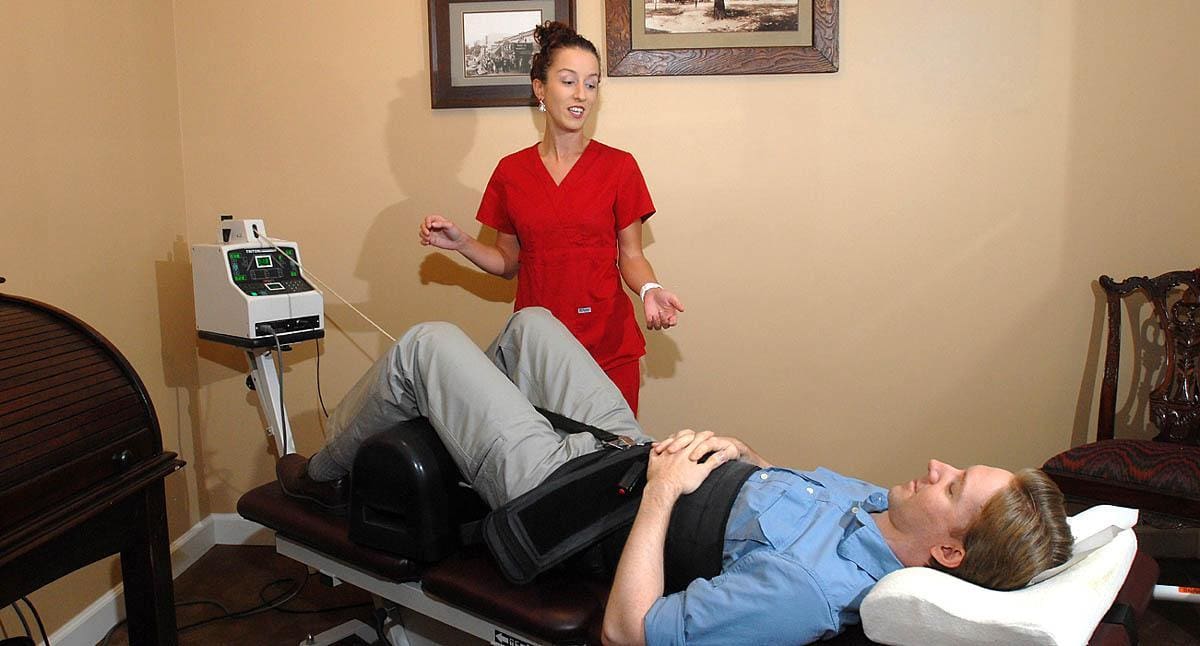
Surgery for a damaged/injured spine is not always necessary. Treatment regimes vary depending on each individual’s medical condition. Non-surgical motorized spinal decompression is a non-invasive back treatment that uses a mechanized decompression table to slowly and gently stretch the spine. The therapy gradually relieves the pressure on the compressed nerve root/s resulting in reduced or complete alleviation of pain.
Oxygen, water, and nutrients circulate abundantly, promoting healing as the discs re-hydrate, and are re-nourished, improving and enhancing spine function. Individuals can enjoy increased levels of mobility, strength in the spine and muscles, and more flexibility.
Descompresión Espinal Con La DRX9000
References
American Spinal Decompression Association: “Spinal Decompression Therapy.”
Daniel, D.M. Chiropractic and Osteopathy, 2007.
Macario, Alex, and Joseph V Pergolizzi. “Systematic literature review of spinal decompression via motorized traction for chronic discogenic low back pain.” Pain practice: the official journal of World Institute of Pain vol. 6,3 (2006): 171-8. doi:10.1111/j.1533-2500.2006.00082.x
O’Hara K, editor. Decompression: a treatment for back pain. Vol. 11. National Association of Healthcare Professionals; 2004. pp. 1-2.http://www.naohp.com/menu/publications/mccu/bibliography.htm#10 [Google Scholar]
Diabetes and severe blood sugar fluctuations can lead to back pain and spinal conditions. The negative impacts on the body from diabetes can be destructive as it is a state of chronic inflammation.
Spine Conditions and Diabetes
Spinal conditions being researched and their link to diabetes can affect each condition and its development differently.
Spinal Stenosis
Spinal stenosis is when the spine’s openings foraminabegin to shrink and narrow, causing the nerve roots that branch off the spinal cord to have less space to function.
The stenosis can compress one or more lumbar spinal nerves.
Pain, tingling, weakness, and/or numbness in the legs can begin to present.
Spinal Epidural Abscess
Spinal epidural abscess is an infection between the vertebral bones and the spinal cord membrane.
Diabetes increases the risk of infection and increases the risk of developing an abscess.
Hypertension and obesity can also increase the risk of infection.
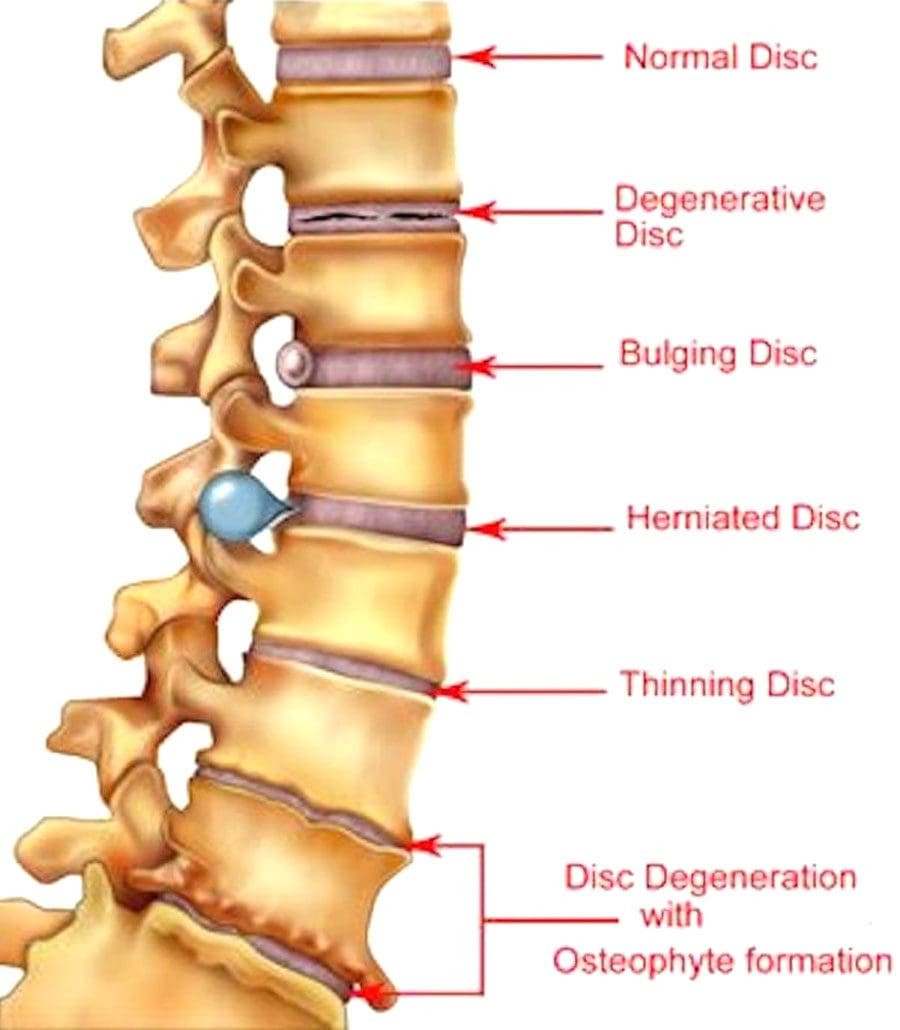
Lumbar Disc Degeneration
The back contains spinal discs between each vertebra that are the shock absorbers.
Lumbar disc degeneration occurs when one or more discs begin to break down.
The disc’s deterioration causes changes in the lumbar/lower back structure.
The degeneration also causes back pain.
Disc degeneration is a normal part of aging and is expected. However, those who have lived with diabetes for over ten years have a higher risk of developing advanced lumbar disc degeneration. To prevent disc degeneration and/or minimize the adverse effects, it’s essential to maintain blood sugar levels.
Vertebral Osteomyelitis
Vertebral osteomyelitis is a rare spinal infection resulting from a spinal injury or post-surgical complication/s.
It is a bacterial infection that can travel to the spine from another location.
Diabetes increases susceptibility to infections.
For example, an individual with diabetes could have a foot ulcer, lower back pain, and a fever, symptoms that could indicate the development of vertebral osteomyelitis.
Chiropractic and Decompression Therapy
Spinal decompression is an effective non-surgical technique that can relieve back pain, leg pain, and symptoms associated with spinal conditions and disorders. It works by gently creating traction/pulling force with a specialized mechanical decompression table combined with chiropractic massage and adjustments. Benefits include:
Pain relief
Decompression relieves tension in tight, spasming, or injured muscles.
Stimulates the nervous system to release chemical signals that bring pain relief.
Heals spinal disc tissues
Decompression creates a vacuum force on the spinal discs, helping to circulate much-needed fluids, cells, and other substances to the damaged tissue/s.
Restores spinal disc and joint alignment
Stress, poor posture, poor body mechanics, and other factors can cause joints to shift out of place or the discs to herniate.
The vacuum force helps realign the joints and discs.
Prevents further pain and inflammation.
Restores mobility and function.
Relieves pressure on nerves
Spinal nerves can get pinched when discs, bones, or other tissues compress the small spaces causing inflammation and pain.
Non-surgical decompression increases the space around the nerves, allowing the nerves to heal.
Injury Medical Chiropractic and Functional Medicine Clinic offer spinal decompression as one of many treatment approaches to restore a high quality of life.
DOC Decompression Table
References
Anekstein, Yoram, et al. “Diabetes mellitus as a risk factor for the development of lumbar spinal stenosis.” The Israel Medical Association journal: IMAJ vol. 12,1 (2010): 16-20.
Eivazi, Maghsoud, and Laleh Abadi. “Low back pain in diabetes mellitus and importance of preventive approach.” Health promotion perspectives vol. 2,1 80-8. 1 Jul. 2012, doi:10.5681/hpp.2012.010
Heuch, Ingrid et al. “Associations between serum lipid levels and chronic low back pain.” Epidemiology (Cambridge, Mass.) vol. 21,6 (2010): 837-41. doi:10.1097/EDE.0b013e3181f20808
Rinaldo, Lorenzo, et al. “Diabetes and Back Pain: Markers of Diabetes Disease Progression Are Associated With Chronic Back Pain.” Clinical diabetes: a publication of the American Diabetes Association vol. 35,3 (2017): 126-131. doi:10.2337/cd16-0011
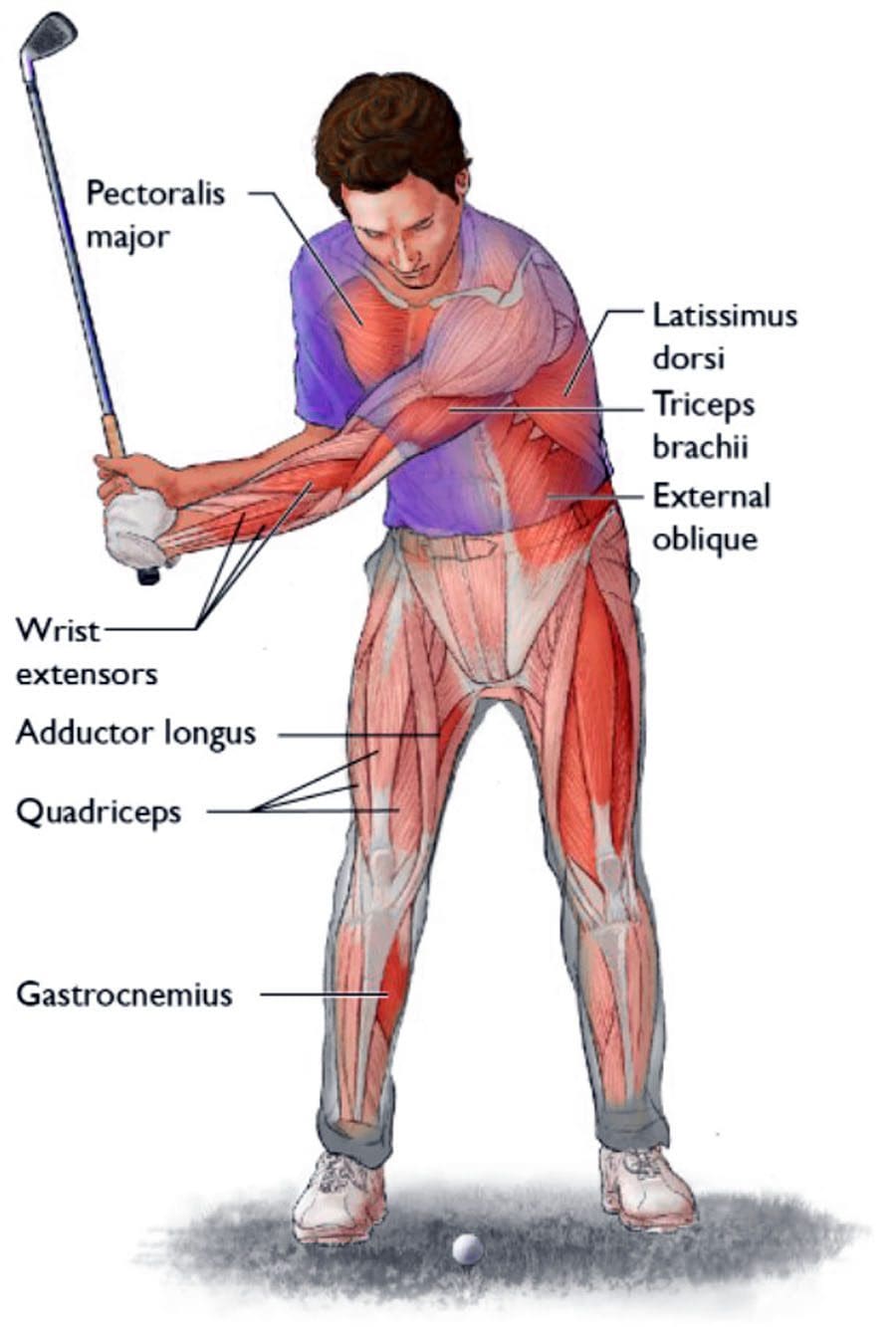
Golfing Back Injuries: Golf is an enjoyable game that can be played at all ages. It involves the foundation of the body’s range of motion, the spine. Because of the repetitive nature of a golfer’s unique swing, the repetitive rotating/twisting of the spine slowly degrades the integrity of the spinal discs causing them to bulge, herniate, or rupture. The slightest shift causing misalignment can leave the spine vulnerable to further injury. Non-surgical motorized decompression combined with chiropractic musculoskeletal adjustments can restore and maintain optimal health.
Golfing Back Injuries
Golfing involves muscle memory. Going through the walk, bending to tee the ball, recoiling for the swing, swinging and following through, walking to the hole, and bending down to retrieve the ball are all repetitive motions that can lead to:
Soreness
Inflammation
Back, hip, leg, and foot pain.
Strains
Other injuries to the muscles and discs.
The bending and twisting are the least tolerated motions by the spine. More than half of injuries sustained involve the back and/or neck. Having the spine correctly aligned is vital to retaining accuracy, power, and injury prevention. Common injuries include:
Sacroiliac Joint/SI Joint Dysfunction
The sacroiliac joint is located between the spine and the hip. Symptoms of sacroiliac joint pain include:
Low back pain.
Hip pain
Pain in the buttocks.
Pain radiating down the legs.
Groin pain
Pelvis pain
Burning sensation in the pelvis.
Numbness and weakness in the pelvis and legs.
SI Joint Pain Causes
The sacroiliac joint requires supported stability when transferring a load from the torso to the legs, specifically during the swing.
If there is compression, misalignment, or weakness, the motion will begin to wear away this stability and leave the sacroiliac joint open to further injury.
Sacroiliac joint injuries often occur from minor multi-incidents and not one major trauma.
With time the SI joint becomes misaligned, exposing the cartilage between joints, causing inflammation known as Sacroiliitis.
Facet Joint Syndrome
The facet joints are located between two vertebrae, allowing the ability to bend and twist.
Healthy facet joints have cartilage all around them, allowing the vertebrae to move smoothly in all directions.
Facet joint syndrome causes pain between the vertebrae.
Facet Joint Syndrome Causes
The leading cause of facet joint syndrome is excessive and repetitive swing movement.
Misalignment can expose and irritate the joints, causing pain, swelling, and inflammation.
Multi-micro-traumas and not one major trauma are often the cause of injury/s.
Muscle spasms are common.
Symptoms
Highly reduced range of motion
Muscle pain
Numbness
Weakness
Cervical Facet Syndrome affects the neck, shoulders, arms, and hands.
Lumbar Facet Syndrome affects the buttocks, legs, and feet.
The treatment is computer-controlled to provide gentle and painless decompression.
The therapist enters the program cycle.
The decompression table goes through brief moments of pulling and relaxing.
The spine’s bones are stretched slowly and methodically.
As the vertebrae are separated, a vacuum is formed, pulling the gel-cushion center of the disc back inside, removing the pressure on the spinal nerves and alleviating pain and disability.
The vacuum also draws oxygen and nutrients into the injured and degenerated discs to optimize healing.
DRX 9000
Long Term Success
References
Cole, Michael H, and Paul N Grimshaw. “The Biomechanics of the Modern Golf Swing: Implications for Lower Back Injuries.” Sports medicine (Auckland, N.Z.) vol. 46,3 (2016): 339-51. doi:10.1007/s40279-015-0429-1
Dydyk, Alexander M., et al. “Sacroiliac Joint Injury.” StatPearls, StatPearls Publishing, 4 August 2021.
Hosea, T M, and C J Gatt Jr. “Back pain in golf.” Clinics in sports medicine vol. 15,1 (1996): 37-53.
Lindsay, David M, and Anthony A Vandervoort. “Golf-related low back pain: a review of causative factors and prevention strategies.” Asian journal of sports medicine vol. 5,4 (2014): e24289. doi:10.5812/asjsm.24289
Smith, Jo Armour, et al. “Risk Factors Associated With Low Back Pain in Golfers: A Systematic Review and Meta-analysis.” Sports health vol. 10,6 (2018): 538-546. doi:10.1177/1941738118795425
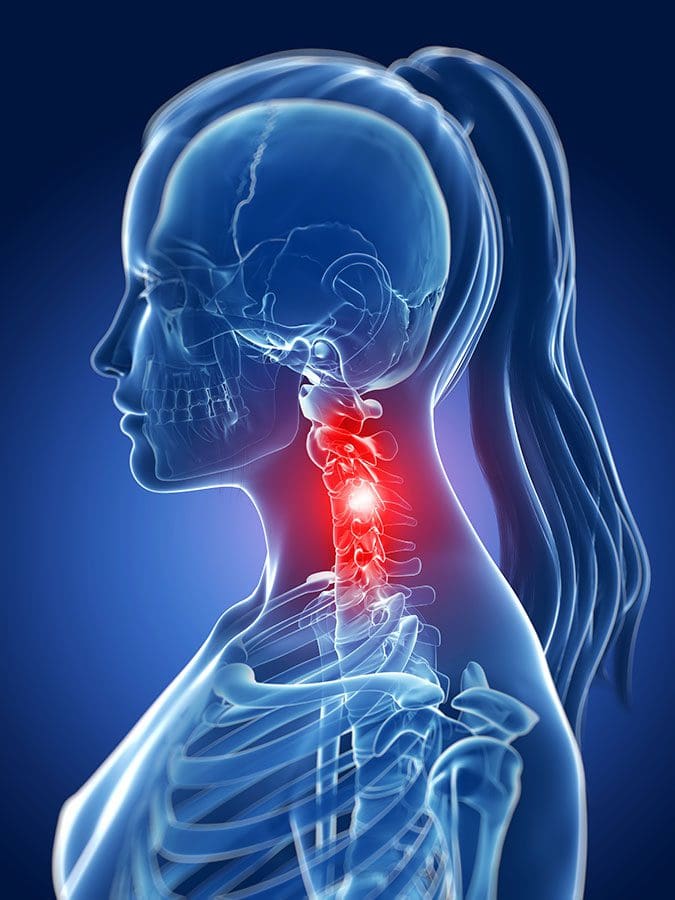
The neck allows the head to turn up, down, left, right, and side to side while supporting it. The neck is also part of the cervical spine as ligaments, muscles, and spinal discs surround it. However, just like the lower back, the neck is sustainable to suffer from neck-related injuries or pulled muscles that can cause many individuals to suffer from neck pain. Luckily there are ways to treat neck pain like gentle stretches, chiropractic adjustments, massages, and decompression therapy. Today’s article will discuss the cervical nerves, what happens to the neck when these nerves are pinched, and how cervical decompression therapy can help alleviate the pinched cervical nerves from the neck. By referring patients to qualified and skilled providers specializing in spinal decompression therapy. To that end, and when appropriate, we advise our patients to refer to our associated medical providers based on their examination. We find that education is the key to asking valuable questions to our providers. Dr. Alex Jimenez DC provides this information as an educational service only. Disclaimer
Can my insurance cover it? Yes, it may. If you are uncertain, here is the link to all the insurance providers we cover. If you have any questions, please call Dr. Jimenez at 915-850-0900.
The Cervical Nerves
The cervical nerve’s function is to conduct information on the motor and sensory skills that the neck is allowed to do. Since the neck’s primary function is to keep the head upright, research studies have found that the cervical regions of the spinal cord are where the cervical nerves lie. The cervical nerves branched out all over the neck muscles as the central nervous system allows the neuron signals to send the information to the cervical nerves. These nerve functions help control the head, neck, shoulders, and upper limbs to move in any direction without feeling pain. However, just like the lower back, the neck can also suffer from injuries, pulled muscles, or chronic conditions that can cause a person to be in pain.
What Happens When The Cervical Nerves Are Pinched?
Have you ever felt your back, neck, arms, or legs stiff? How about the sensations of feeling tingles on your shoulders, lower back, or even your arms? This might be due to pinched nerves if you suffer from these conditions. When the neck suffers from an injury or the muscles have become tense, this is due to a pinched cervical nerve. Research studies have found that a pinched nerve in the cervical area of the spine is mostly a compressed nerve due to a herniated disc. This causes pressure on the cervical nerve roots and causes radiating pain from the neck to the shoulders and down to the arms.
The cervical nerves send out radiating pain signals to the upper body and neck due to being compressed, causing the individual to be miserable. Other research studies have found that when the cervical nerve roots are being pinched, it can cause a condition known as cervical radiculopathy. This causes symptoms of pain, sensory and motor deficits, and even diminishes reflexes from the neck to the arms. When this happens to the neck, it can cause many problems for the individual. Research studies have stated that mechanical and degenerative factors are presented for many suffering from chronic neck pain. In contrast, those suffering from cervical spondylosis complain about neck stiffness, degenerative changes, and neurological complications to the body and neck.
Treating Pinched Nerves With Decompression Therapy-Video
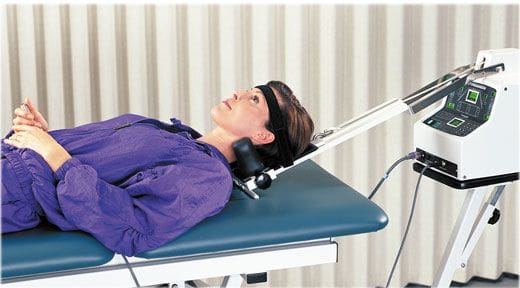
Has your neck been feeling stiff lately? Does it hurt when you are turning your head from side to side? You could be experiencing a pinched nerve in the cervical area of the spine, and decompression therapy could be the answer. Cervical decompression allows a person to lay on a motorized traction table, and the machine gently pulls on the cervical spine and takes the pressure off the cervical nerve root. When the cervical decompression machine gently pulls the cervical spine, it allows the necessary nutrients to rehydrate the herniated disc and reduce the pain that the neck muscles were suffering from, causing them to relax. In case you want to learn more about cervical decompression therapy, this link will explain its benefits and how it can alleviate pinched cervical nerves.
As stated earlier, many treatments can help many dealing with neck pain and compressed cervical pinch nerves. One of these treatments is cervical traction decompression therapy, and it can help alleviate not only neck pain but also reduce it. Research studies have found that many individuals suffering from cervical radiculopathy utilize cervical traction to increase the intervertebral disc gap while also relieving the pressure off the cervical root. This allows the neck muscles to relax and pull the herniated cervical disc back to the spine. When people utilize cervical decompression to alleviate their neck pain, they can feel relief after a few sessions.
Conclusion
Overall, cervical decompression therapy allows the individual to feel relief through gentle stretching on the cervical spinal discs and takes the pressure off the cervical roots. When the cervical roots are compressed, it causes a wide variety of symptoms that causes problems from the neck down to the arms. Some of these symptoms can even affect a person’s quality of life and make them miserable if not treated right away. Utilizing decompression therapy and other non-surgical treatments allows the person to be pain-free and continue their wellness journey.
References
Binder, Allan I. “Cervical Spondylosis and Neck Pain.” BMJ (Clinical Research Ed.), BMJ Publishing Group Ltd., 10 Mar. 2007, https://www.ncbi.nlm.nih.gov/pmc/articles/PMC1819511/.
Iyer, Sravisht, and Han Jo Kim. “Cervical Radiculopathy.” Current Reviews in Musculoskeletal Medicine, Springer US, Sept. 2016, https://www.ncbi.nlm.nih.gov/pmc/articles/PMC4958381/.
Khan, Rehan Ramzan, et al. “A Randomized Controlled Trial of Intermittent Cervical Traction in Sitting vs. Supine Position for the Management of Cervical Radiculopathy.” Pakistan Journal of Medical Sciences, Professional Medical Publications, 2017, https://www.ncbi.nlm.nih.gov/pmc/articles/PMC5768820/.
Waxenbaum, Joshua A, et al. “Anatomy, Head and Neck, Cervical Nerves.” StatPearls [Internet]. Treasure Island (FL), StatPearls Publishing, 26 July 2021, https://www.ncbi.nlm.nih.gov/books/NBK538136/.
Nerve impingement, sciatica, disc herniation/degeneration, or spinal stenosis can cause sharp, debilitating nerve pain causing electric shocks, pins, needles, or burning sensations along the back or into the arms and legs. In combination with additional chiropractic treatment modalities, spinal decompression therapy effectively relieves the pain and disability resulting from disc injury and degeneration, repairs the damaged discs, and reverses nerve dystrophy. Part of the treatment involves a proper diet to deliver healing nutrients to the spine.
Healing Nutrients
The spine supports the entire body to perform motions and movements and needs the proper healing nutrients, especially after chiropractic and decompression therapy. There are vitamins and minerals that are critical for a healthy spine. These ensure that the bones, muscles, discs, and other tissues function correctly. There are nutrients that are essential to the immune system; if they are not present, the ability to heal and recover properly is reduced and takes longer. Nutrients commonly used in immunonutrition include:
Nucleotides
Antioxidants
Arginine
Glutamine
Omega-3
All are found naturally in certain foods and nutritional supplements and are essential in healing from injuries, like a herniated disc, sciatica, degenerative disc disease, and back or neck surgery.
Nucleotides
Every cell in the body contains nucleotides, which help make up and maintain DNA and RNA.
DNA and RNA production is necessary for cell repair and regrowth.
When the body is experiencing a stressful health issue like back or neck pain, it needs more nucleotides.
The body produces and recycles nucleotides and absorbs them through food.
All-natural plant- and animal-based food sources contain nucleotides.
Antioxidants
Antioxidants maintain and restore healthy tissues by reducing oxidative stress.
Oxidative stress is associated with chronic inflammation.
Inflammation is necessary during healing, but chronic inflammation can be destructive.
Omega-3 supplementation can help decrease chronic inflammation.
Omega-3 foods include:
Salmon
Eggs
Walnuts
Flaxseed
Spinach
Spinal decompression gently stretches the spine, creating a vacuum inside the discs and joints. The negative pressure helps heal disc bulges and herniated discs. The lengthened spine allows healing nutrients and water to flow correctly, reducing swelling and inflammation and improving joint motion.
DRX9000 Explicada En Español
References
Chen, Linlin, et al. “Inflammatory responses and inflammation-associated diseases in organs.” Oncotarget vol. 9,6 7204-7218. 14 Dec. 2017, doi:10.18632/oncotarget.23208
Daniel, Dwain M. “Non-surgical spinal decompression therapy: does the scientific literature support efficacy claims made in the advertising media?.” Chiropractic & osteopathy vol. 15 7. 18 May. 2007, doi:10.1186/1746-1340-15-7
Dionne, Clermont E et al. “Serum vitamin C and spinal pain: a nationwide study.” Pain vol. 157,11 (2016): 2527-2535. doi:10.1097/j.pain.0000000000000671
Napier, Zachary, et al. “Omega-3 Fatty Acid Supplementation Reduce Intervertebral Disc Degeneration.” Medical science monitor: international medical journal of experimental and clinical research vol. 25 9531-9537. 14 Dec. 2019, doi:10.12659/MSM.918649
Zolfaghari, Farid, et al. “A Survey of Vitamin D Status in Patients with Degenerative Diseases of the Spine.” Asian spine journal vol. 10,5 (2016): 834-842. doi:10.4184/asj.2016.10.5.834
Throughout the entire world, everyone has back pain at some point. Since back pain is common for many individuals, it is considered the most expensive condition, causing many working individuals to call off work and see their primary physicians to find some relief. When back pain is not treated right away, it can turn into chronic back pain over time and hinder a person’s quality of life. Different kinds of treatments can help manage back pain and help alleviate the symptoms. Today’s article will focus on how chiropractic and decompression therapy can work together to help alleviate back pain. By referring patients to qualified and skilled providers specializing in spinal decompression therapy. To that end, and when appropriate, we advise our patients to refer to our associated medical providers based on their examination. We find that education is the key to asking valuable questions to our providers. Dr. Alex Jimenez DC provides this information as an educational service only. Disclaimer
Can my insurance cover it? Yes, it may. If you are uncertain, here is the link to all the insurance providers we cover. If you have any questions, please call Dr. Jimenez at 915-850-0900.
How Chiropractic Therapy Helps With Back Pain
Since back pain is common for many individuals, the pain can range from a dull ache in the lower back to a sudden stinging pain that can radiate down to the legs causing sciatica to develop. Back pain can make many people feel miserable, and they try to find ways to alleviate the pain. Research studies have found that individuals with back pain will have lower productivity and quality of life while becoming a higher financial liability. Some people use medication to reduce the pain when this becomes an issue, while others use a hot and cold compress to lower the inflammation associated with back pain. Luckily chiropractic therapy can help alleviate back pain for many individuals.
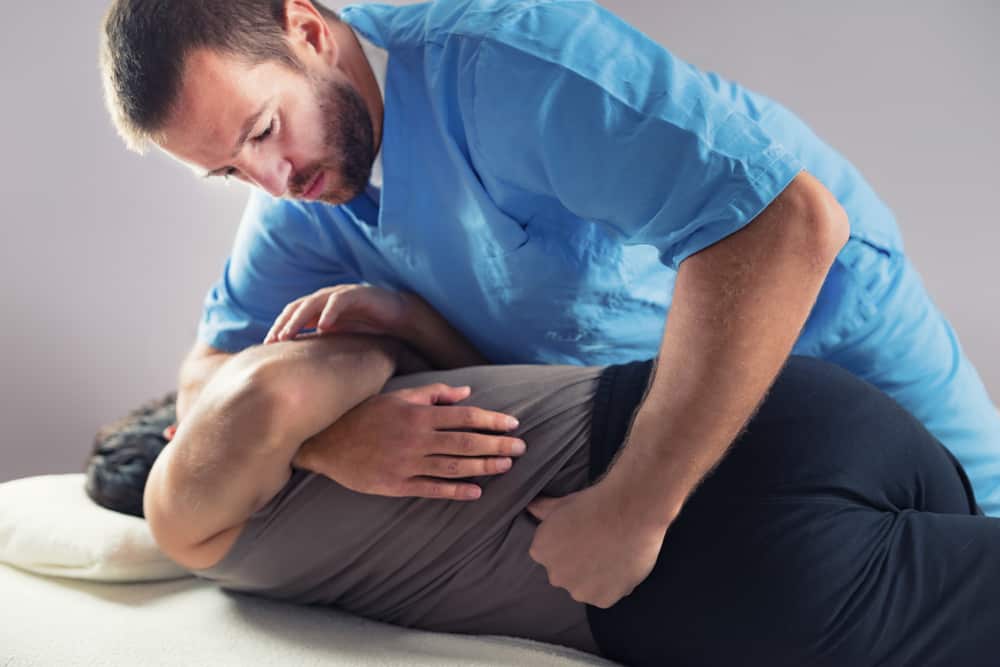
Research studies have stated that chiropractic therapy is a non-surgical treatment that utilizes spinal manipulation for the body, causing relief for individuals with back pain. Chiropractic therapy causes the spinal joints to “pop” or release the pressure that was causing the person to be in pain. Chiropractic therapy also helps realign the spine back to its original state through manipulation while causing instant relief to the individual. Other research studies have found that when people go for a chiropractic adjustment for their low back pain, it is more effective than the other treatments for alleviating back pain symptoms.
How Decompression Therapy Helps With Back Pain
Like chiropractic therapy, decompression therapy is also a non-surgical treatment that can help individuals with back pain. Research studies have stated that decompression therapy can reduce chronic low back pain by increasing the spinal disc height. Decompression therapy can also vertically expand the intervertebral space through traction and alleviate other symptoms that are caused by back pain. Other research studies have also found that the effects of decompression therapy also help take the pressure off the nerve roots encompassing the spine by decompressing herniated disc material that causes low back pain. This will reduce the herniated discs are causing in the back and loosen up muscle tension.
Decompression Therapy & Back Pain-Video
Does your back constantly ache by doing simple things like bending, turning, and twisting? How about feeling sudden pain running down to your leg? If you have been experiencing back pain throughout your life, decompression might help you. The video above shows how decompression therapy can help individuals stretch their spine using gentle traction. This will allow the necessary nutrients to come back into the spine and take the pressure off the pinched nerve roots. When people utilize decompression therapy in their wellness journey, they can begin to feel much better without feeling any back pain that can hinder their quality of life. If you want to learn more about decompression therapy, this link will explain its benefits and how it can alleviate symptoms caused by back pain.
How Does Chiropractic & Decompression Therapy Work Together?
Since chiropractic and decompression therapy are non-surgical treatments for individuals suffering from back pain, they can work hand in hand to reduce the symptoms caused by back pain. Research studies have mentioned that chiropractic therapy can help reduce the stress and pressure on the posterior spinal discs by increasing the movements of the metabolites. In contrast, decompression therapy can create negative pressure in the spinal canal, allowing the spinal disc to supply nutritional substances and oxygen. The main goal for both of these treatments is to alleviate the back pain that the individual is suffering from. Other research studies have found that chiropractic and decompression therapy allows a flexion-distraction technique for individuals that helps broaden the distance of the spinal disc space and helps pull the bulging disc back to the spine. This allows the spine to realign itself and reduce back pain symptoms.
Conclusion
Overall, utilizing chiropractic and decompression therapy as part of a person’s wellness journey can help alleviate back pain and the symptoms that are causing pain to the back and the body. Chiropractic therapy can help realign the spine and release the trapped gases on the spinal joints. In contrast, decompression therapy utilizes traction to gently stretch the spine and provide nutritional supplements back to the spine. Incorporating these two types of treatments can cause many individuals to have instant relief from their back and any other symptoms that were the source of their pain. When they begin to feel their life coming back together, they can continue on their health journey being pain-free.
References
Apfel, Christian C, et al. “Restoration of Disk Height through Non-Surgical Spinal Decompression Is Associated with Decreased Discogenic Low Back Pain: A Retrospective Cohort Study.” BMC Musculoskeletal Disorders, BioMed Central, 8 July 2010, https://www.ncbi.nlm.nih.gov/pmc/articles/PMC2912793/.
Choi, Jioun, et al. “The Effects of Manual Therapy Using Joint Mobilization and Flexion-Distraction Techniques on Chronic Low Back Pain and Disc Heights.” Journal of Physical Therapy Science, The Society of Physical Therapy Science, Aug. 2014, https://www.ncbi.nlm.nih.gov/pmc/articles/PMC4155230/.
Kang, Jeong-Il, et al. “Effect of Spinal Decompression on the Lumbar Muscle Activity and Disk Height in Patients with Herniated Intervertebral Disk.” Journal of Physical Therapy Science, The Society of Physical Therapy Science, Nov. 2016, https://www.ncbi.nlm.nih.gov/pmc/articles/PMC5140813/.
Khodakarami, Nima. “Treatment of Patients with Low Back Pain: A Comparison of Physical Therapy and Chiropractic Manipulation.” Healthcare (Basel, Switzerland), MDPI, 24 Feb. 2020, https://www.ncbi.nlm.nih.gov/pmc/articles/PMC7151187/.
Manga, Pran, et al. “Effective Management of Low Back Pain: It’s Time to Accept the Evidence.” The Journal of the Canadian Chiropractic Association, U.S. National Library of Medicine, Dec. 1993, https://www.ncbi.nlm.nih.gov/pmc/articles/PMC2485083/.
Oh, Hyunju, et al. “Effects of the Flexion-Distraction Technique and Drop Technique on Straight Leg Raising Angle and Intervertebral Disc Height of Patients with an Intervertebral Disc Herniation.” Journal of Physical Therapy Science, The Society of Physical Therapy Science, Aug. 2019, https://www.ncbi.nlm.nih.gov/pmc/articles/PMC6698474/.
Yeomans, Steven. “Chiropractic Treatments for Lower Back Pain.” Spine, Spine-Health, 14 Mar. 2013, https://www.spine-health.com/treatment/chiropractic/chiropractic-treatments-lower-back-pain.
Body Flexibleness: The body loses a small amount of flexibility during normal aging. Decreased body flexibility can negatively impact everyday life by preventing normal function. If the muscles are not taken through their full range of motion to maintain length, strength is lost, and decreased flexibility increases. This can happen from:
Water loss in the tissues and spine.
Increased stiffness in the joints.
Loss of elasticity throughout the muscle tendons and surrounding tissues.
Body Flexibleness
Individuals of all ages struggle with flexibility, but there is a difference in age stiffness. However, a sedentary lifestyle can make everyday activities feel more strenuous than before. Less flexibleness can also cause pain. For example, if the muscles in the front of the legs become tight, it can limit movement in the pelvis and hips, leading to low back pain.
Several problems can result from decreased flexibility, including:
Shorter steps while walking.
Slower walking speed.
Back pain.
Increased risk of falls.
Flexibleness improves overall movement and helps prevent simple strains and injuries, including:
Back injury.
Muscle strains.
Shoulder injury.
Hip injury.
Leg injury.
A stretching program for the hip muscles can improve walking speed and step length. This will result in improved walking function with improved and increased control, decreasing the risk of injury. Step length is also critical in preventing injuries. More distance while walking and longer steps mean better balance, making it essential to maintain flexibility in the leg muscles.
Chiropractic Decompression
Routine chiropractic adjustments and spinal decompression can slow the progression of joint degeneration, improve movement, and decrease the risk of injury. When the vertebrae are properly aligned, the entire body operates at its optimal level. There is proper lubrication of joints and muscles, improving mobility and function and removing stress on the nerves, muscles, ligaments, and tendons. Chiropractic treats the joints, bones, and muscles to improve body flexibleness through manual and motorized decompression, adjustments, and massage, combined with health coaching, nutrition, stretching, and exercises to do at home.
DRX Spinal Decompression
References
“American College of Sports Medicine Position Stand. The recommended quantity and quality of exercise for developing and maintaining cardiorespiratory and muscular fitness, and flexibility in healthy adults.” Medicine and science in sports and exercise vol. 30,6 (1998): 975-91. doi:10.1097/00005768-199806000-00032
Choi, Jioun, et al. “Influences of spinal decompression therapy and general traction therapy on the pain, disability, and straight leg raising of patients with intervertebral disc herniation.” Journal of physical therapy science vol. 27,2 (2015): 481-3. doi:10.1589/jpts.27.481
Tseng, Shiuan-Yu, et al. “Effect of Two Frequencies of Whole-Body Vibration Training on Balance and Flexibility of the Elderly: A Randomized Controlled Trial.” American journal of physical medicine & rehabilitation vol. 95,10 (2016): 730-7. doi:10.1097/PHM.0000000000000477
IFM's Find A Practitioner tool is the largest referral network in Functional Medicine, created to help patients locate Functional Medicine practitioners anywhere in the world. IFM Certified Practitioners are listed first in the search results, given their extensive education in Functional Medicine