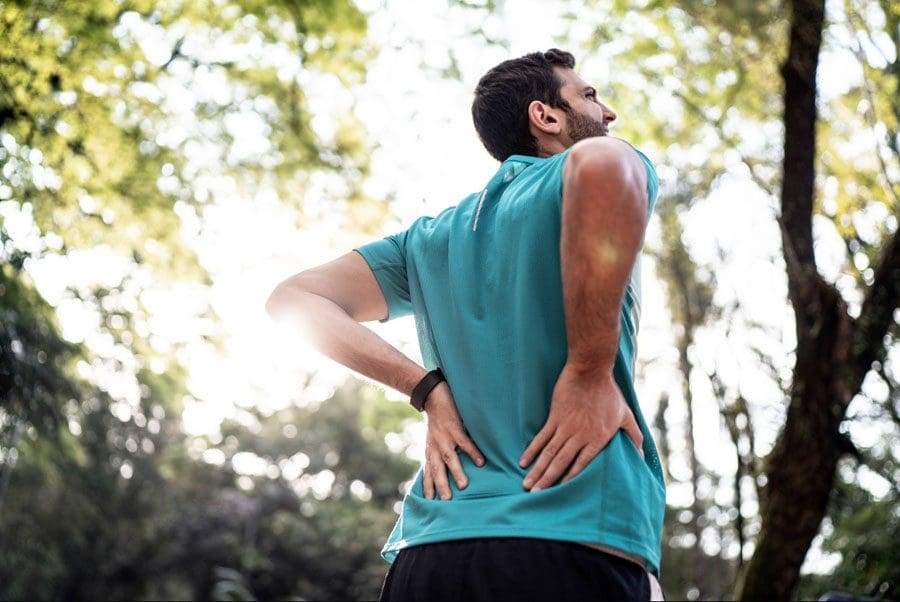
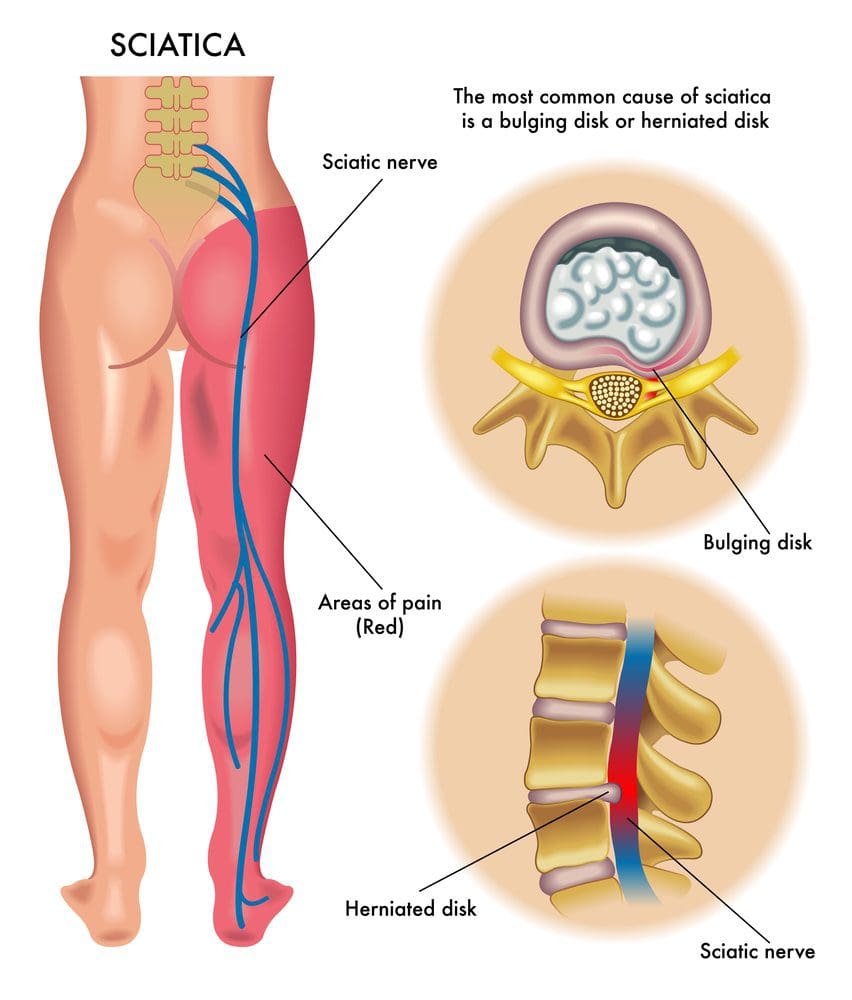
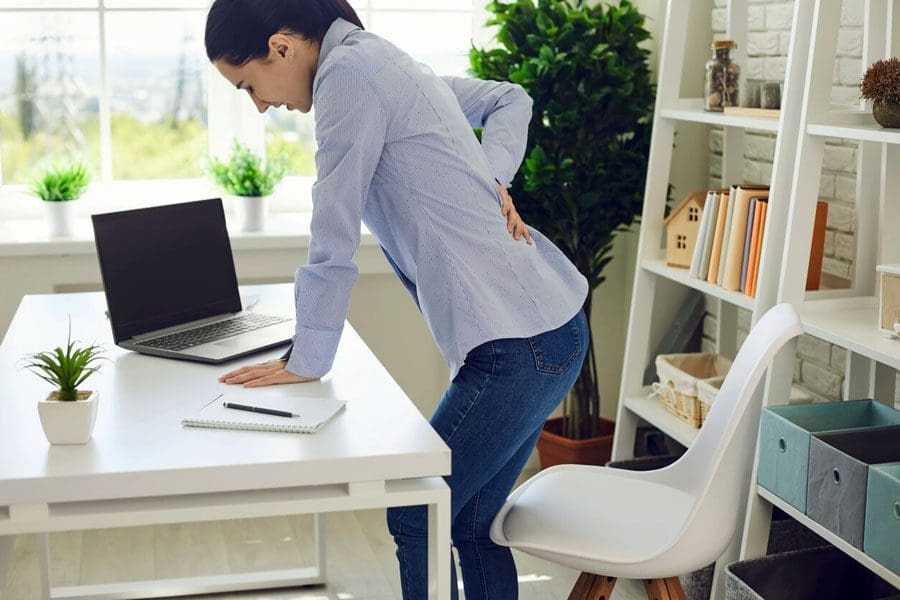
Sciatica is a radiculopathy, which is irritation of the nerve as it exits the spine and is typically caused by compression/pinching along the nerve’s path. Most sciatica cases improve within a few weeks of the injury incident. Left untreated, it can become chronic sciatica and can have long-term repercussions and effects. A herniated disc is the most common cause if it bulges next to the nerve; it can pinch off the nerve or leak fluid onto the nerve, causing inflammation, swelling, pain, numbness, and weakness. Another common cause is spinal stenosis. As the body ages, the canal through which the nerve and spinal cord run can begin to narrow, placing pressure on the nerves. Then there are muscle spasms, spinal fractures, and spinal cancer. Anything that changes the curvature of the spine, including pregnancy, can cause sciatica.
Repercussions From Sciatica
The repercussions can vary or be a combination that includes:
Chronic Pain
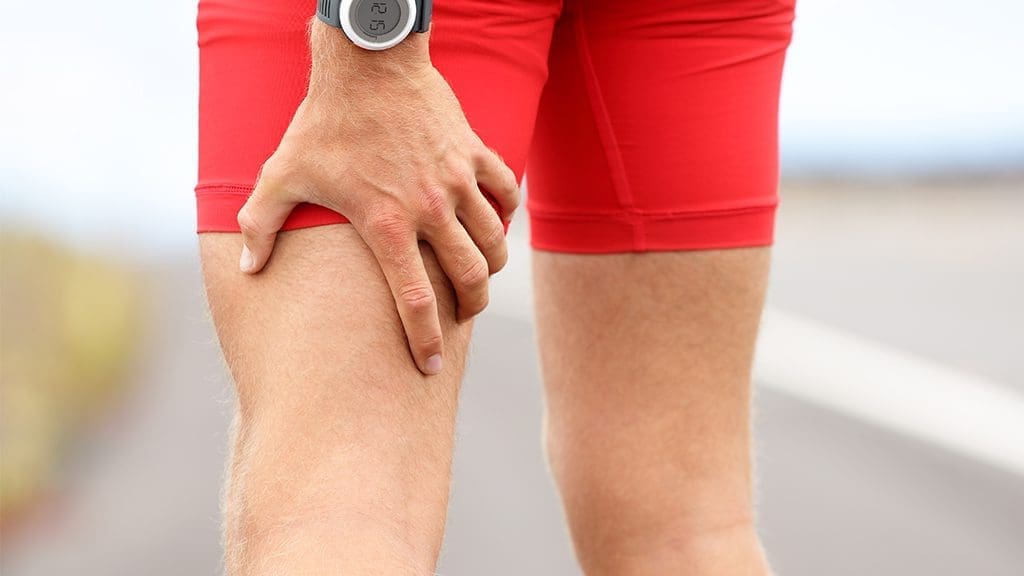
The pain can be anywhere along the nerve; typically, it travels from the lower spine through the buttocks, down the back of the leg, and into the foot.
The condition can cause various types of pain: Burning, electrical, or shooting pain in the low back.
Symptoms can come and go and may present only when sitting, standing, lying, or engaged in a particular activity.
The severity of the pain can vary from mild to severe, mildly uncomfortable, to limiting function.
Posture Problems
When the body experiences chronic pain in a localized area, the body’s natural reaction is to avoid placing pressure, twisting or bending, or using a specific body part, manipulating healthy posture or walking gait to protect the low back or legs from pain.
This is referred to as muscle/posture guarding, which removes pressure from the site but alters the body’s natural alignment, affecting the spine’s characteristics and causing adverse side effects, like upper back and neck pain, headaches, and fatigue.
Unhealthy and awkward postures can negatively affect digestion, organ function, and breathing.
Loss of Balance
Sciatica commonly causes numbness and tingling in the leg, calf, foot, and toes.
The hidden danger behind numbness; it alters the body’s proprioception or awareness of its position.
When proprioception becomes inhibited or altered, communication signals from the body to the brain/vice versa get jumbled/interrupted, confusing the brain, throwing the body off balance.
Sciatica is more problematic if the pain comes with neurological symptoms like numbness, muscle, or leg weakness.
This means there is an increased level of possible nerve damage if muscular weakness, which requires aggressive treatment.
Declining Reflexes
Depending on where the nerve is compressed, pain and numbness can affect the lower leg area and feet.
Damage to the nerve can cause the inability to flex the foot up.
The knee-jerk reflex, known as the patellar reflex, is the kicking motion of the lower leg when tapped on the patellar tendon.
Sciatica can numb the area, causing a delayed reaction or severe unresponsiveness to stimulation.
Permanent Nerve Damage
If left untreated, neurological symptoms like numbness and leg weakness can progress to permanent nerve damage.
However, this happens rarely but explains the importance of taking the injury seriously so full recovery is achievable.
Non-Surgical Sciatica Relief
References
Berry, James A et al. “A Review of Lumbar Radiculopathy, Diagnosis, and Treatment.” Cureus vol. 11,10 e5934. Oct 17 2019, doi:10.7759/cureus.5934
Davis D, Maini K, Vasudevan A. Sciatica. [Updated 2022 Feb 4]. In: StatPearls [Internet]. Treasure Island (FL): StatPearls Publishing; 2022 Jan-. Available from: https://www.ncbi.nlm.nih.gov/books/NBK507908/
Giuffre BA, Jeanmonod R. Anatomy, Sciatic Nerve. [Updated 2021 Jul 29]. In: StatPearls [Internet]. Treasure Island (FL): StatPearls Publishing; 2022 Jan-. Available from: https://www.ncbi.nlm.nih.gov/books/NBK482431/
Nori, Subhadra L. and Michael F. Stretanski. “Foot Drop.” StatPearls, StatPearls Publishing, Dec 15, 2021.
As part of the peripheral nervous system, the sciatic nerve is the largest nerve providing sensory and motor functions to the legs. The sciatic nerve is located in the lumbar regions of the spine that travels down to the leg. When the spine becomes injured or herniated, it can press on the sciatic nerve causing it to be irritated and cause throbbing, radiating pain that can cause symptoms like sciatica to invoke muscle weakness in the legs. Luckily, it’s rare for sciatica to affect both legs since it usually affects one leg at a time. However, various treatments provide relief for many people dealing with sciatica pain in their legs. Today’s article will focus on sciatica and how different treatments can help many individuals alleviate sciatica pain and reclaim their health and wellness. Referring patients to qualified and skilled providers who specialize in spinal decompression therapy. We guide our patients by referring to our associated medical providers based on their examination when it’s appropriate. We find that education is essential for asking insightful questions to our providers. Dr. Alex Jimenez DC provides this information as an educational service only. Disclaimer
Can my insurance cover it? Yes, it may. If you are uncertain, here is the link to all the insurance providers we cover. If you have any questions or concerns, please call Dr. Jimenez at 915-850-0900.
What Is Sciatica?
Feeling radiating, throbbing pain that runs down to your legs? How about muscle weakness in your thighs, legs, and feet? Does it hurt when moving around or shifting to relieve the pain? You could be suffering from sciatica, and research studies have mentioned that sciatica affects everyone, women, especially during their pregnancy, as it causes radiating leg pain and muscle disabilities in the lower regions of the body. Sciatica has a wide range of pain scales from short, sharp, shooting pain irritating to a burning, searing, throbbing pain that causes numbness and muscle weakness in the legs. Sciatica is usually caused by strenuous activities that require frequent lifting of heavy objects, which can cause the spine to over-twist and bend constantly. Additional information also mentioned that sciatica could be associated with other spinal disorders like spondylolisthesis, herniated discs, or muscle spasms that impact the spinal nerve and pressure it. This pressure causes the sciatic nerve to send pain signals to the brain and allows the inflammatory cytokines to irritate the sciatic nerve. Fortunately, various treatments help alleviate sciatica from causing more harm to the body and alleviate lower back pain and other chronic symptoms that affect the spine.
Non-Surgical Decompression Ft. DRX9000-Video
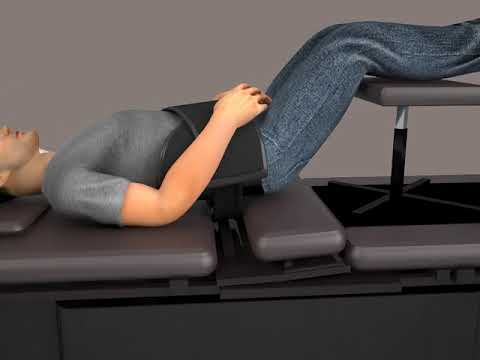
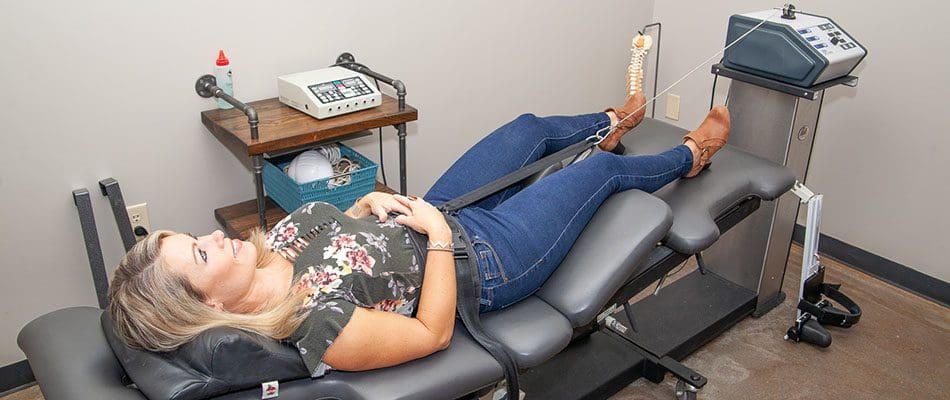
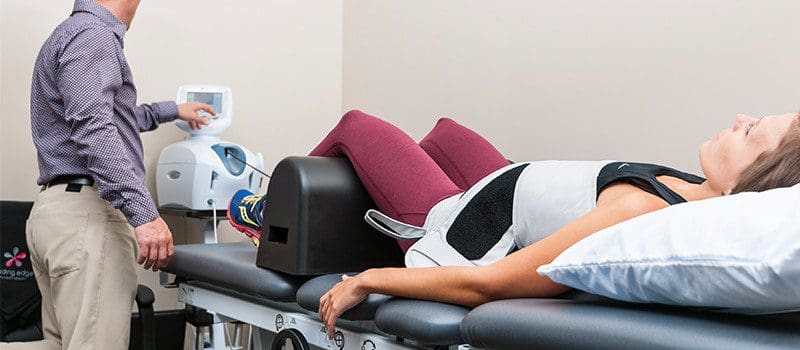
Feeling numbness and muscle weakness occurring in the back of your legs? How about a wide range of pain that hinders your ability to walk? Do you feel relief after shifting your position so you won’t feel any pain? You may be suffering from sciatica, and treatments like non-surgical decompression therapy can be the answer to alleviating sciatica pain. The video above introduces the DRX9000, a non-surgical decompression machine that utilizes many individuals through gentle traction and helps take the pressure off the sciatic nerve root that is causing sciatica. Decompression therapy allows the beneficial nutrients in the body to help repair the compressed spinal discs that aggravate the nerve roots in the lumbar region of the spine. When people use decompression therapy are part of their wellness treatment, they will feel a difference in their lower back and spine as decompression increases intervertebral disc height and relieve aggravating nerve roots from causing more pain to the body. Suppose you want to learn more about decompression and how it can benefit you in providing relief from sciatica and other spinal issues? This link will explainhow decompression offers optimal comfort for many people that suffer from sciatica.
The Various Treatments For Sciatica: Decompression
When sciatica starts to affect the lower half of the body, it can hinder a person’s quality of life. Many people have tried to alleviate the pain by shifting their weight to a more comfortable position, while others go to various treatments that specialize in treating sciatica. One of the multiple treatments is decompression therapy. Research studies have proven that decompression therapy has provided many individuals relief from sciatica by increasing spinal height so the compressed discs that aggravate the sciatic nerve can return to their original form. Decompression therapy can reduce the pain that has been afflicted in the lumbar region and provide disc restoration to the spine. Additional research studies have also mentioned that decompression therapy has even helped reduce pain, disability, and straight leg individuals suffering from sciatica. Decompression uses negative pressure on the lumbar spine. It helps supply the necessary substances like nutrients and oxygen back into the compressed disc and relieves the sciatic nerve’s pain.
Physical Activities
Another form of treatment for sciatica that many individuals can utilize is physical activities. Incorporating light to moderate physical activities that can benefit those with sciatica can provide the relief they are searching for. Research studies have shown that individuals exercising for a while can help reduce the effects of sciatica or even lumbar radicular pain from developing. Exercises like yoga, jogging, and workout plans that focus on the legs and back help strengthen the muscles and spine from developing sciatica. Other research studies have shown that therapeutic exercises have helped support the core while stretching tight muscles like the hamstrings and even transporting beneficial fluids throughout the entire body. This will provide much-needed relief to many suffering individuals hindered by sciatica.
Conclusion
Overall, sciatica happens to everybody; it causes pain in the lower regions of the body. When a compressed spinal disc starts to irritate the sciatic nerve root, it can send radiating, searing pain that travels down the leg. Since the sciatic nerve root is the largest in the peripheral nervous system, it provides sensory and motor functions to the legs, allowing them to move around from place to place. When the spine gets injured and starts to affect the sciatic nerve, sciatica begins to develop, causing leg pain and spinal issues. Incorporating various treatments that help alleviate sciatica provides much-needed relief for many suffering individuals.
References
Apfel, Christian C, et al. “Restoration of Disk Height through Non-Surgical Spinal Decompression Is Associated with Decreased Discogenic Low Back Pain: A Retrospective Cohort Study.” BMC Musculoskeletal Disorders, BioMed Central, 8 July 2010, https://www.ncbi.nlm.nih.gov/pmc/articles/PMC2912793/.
Choi, Jioun, et al. “Influences of Spinal Decompression Therapy and General Traction Therapy on the Pain, Disability, and Straight Leg Raising of Patients with Intervertebral Disc Herniation.” Journal of Physical Therapy Science, The Society of Physical Therapy Science, Feb. 2015, https://www.ncbi.nlm.nih.gov/pmc/articles/PMC4339166/.
Hochschuler, Stephen. “Sciatica Treatment.” Spine, Spine-Health, 5 June 2019, https://www.spine-health.com/conditions/sciatica/sciatica-treatment.
Koes, B W, et al. “Diagnosis and Treatment of Sciatica.” BMJ (Clinical Research Ed.), BMJ Publishing Group Ltd., 23 June 2007, https://www.ncbi.nlm.nih.gov/pmc/articles/PMC1895638/.
Shiri, R, et al. “Leisure-Time Physical Activity and Sciatica: A Systematic Review and Meta-Analysis.” European Journal of Pain (London, England), U.S. National Library of Medicine, Nov. 2016, https://www.ncbi.nlm.nih.gov/pmc/articles/PMC5081102/.
Food is more than just energy. Diets have a profound effect on everything in an individual’s life. Some foods can help the body heal or interfere with the recovery/healing process from injury/s and/or conditions that include sciatica. Making changes to a diet plays a significant factor in the recovery/rehabilitation phase, and adding certain foods will improve and expedite the healing process. A fully functional sciatic nerve nutrition diet plan must be personalized to each individual’s needs.
Sciatic Nerve Nutrition
Sciatica can cause numbness, tingling, electrical shock-type pain, or a combination in the back, hip, outer side of the leg, and the foot. Clinical nutrition is a powerful tool when combating sciatica. Enzymes in certain foods can help reduce the inflammation associated with sciatica. A high percentage of individuals dealing with sciatica can enhance pain relief by adjusting their diets. Quick recommendations include:
Oily fish like salmon and halibut are rich in omega-three fatty acids that decrease inflammation in the body and the sciatic nerve.
Fresh pineapples and berries are anti-inflammatories that aid in healing and increase immune system function.
2-3 cups of green tea contain antioxidants that help control peripheral sensations and help manage pain.
Turmeric, ginger, and garlic contain anti-inflammatory agents that relieve swelling by reducing levels of inflammation-stimulating enzymes.
B-Vitamins are essential to maintain normal nerve function and can be found in green peas, spinach, navy beans, nuts, and bananas.
Magnesium-rich foods can ensure the body is not deficient and help control muscle spasms.
Sciatica can also be triggered by a poor diet that causes constipation that can place pressure on the nerve. Therefore it is recommended to incorporate fiber-rich foods that include plenty of fruits and vegetables to prevent constipation.
Foods That Make Sciatica Worse
Inflammatory foods to avoid:
Sugar and high-fructose corn syrup.
Trans fats include margarine and any hydrogenated/solidified or partially hydrogenated oils.
Refined vegetable oils – These are vegetable, nut, or seed oils that have been highly processed. Cut down on french fries, chips, or other foods fried in these oils.
Refined carbohydrates – Carbohydrates that have fiber removed increase the growth of inflammatory gut bacteria. These include white flour, refined corn products, white rice, and various commercial cereals and sugars.
Excessive alcohol – Moderate amounts of alcohol can provide health benefits, but higher amounts increase inflammation.
Processed meats – are often processed at high temperatures, creating chemicals/substances associated with inflammation.
Avoid Surgery
References
Davis D, Maini K, Vasudevan A. Sciatica. [Updated 2022 Feb 4]. In: StatPearls [Internet]. Treasure Island (FL): StatPearls Publishing; 2022 Jan-. Available from: https://www.ncbi.nlm.nih.gov/books/NBK507908/
Garfin, SR et al. “Spinal nerve root compression.” Spine vol. 20,16 (1995): 1810-20. doi:10.1097/00007632-199508150-00012
Kumar, M. Epidemiology, pathophysiology and symptomatic treatment of sciatica: A review. nt. J. Pharm. Bio. Arch. 2011, 2.
Safari, Mir Bahram, et al. “Efficacy of a Short-Term Low-Calorie Diet in Overweight and Obese Patients with Chronic Sciatica: A Randomized Controlled Trial.” Journal of alternative and complementary medicine (New York, N.Y.) vol. 26,6 (2020): 508-514. doi:10.1089/acm.2019.0360
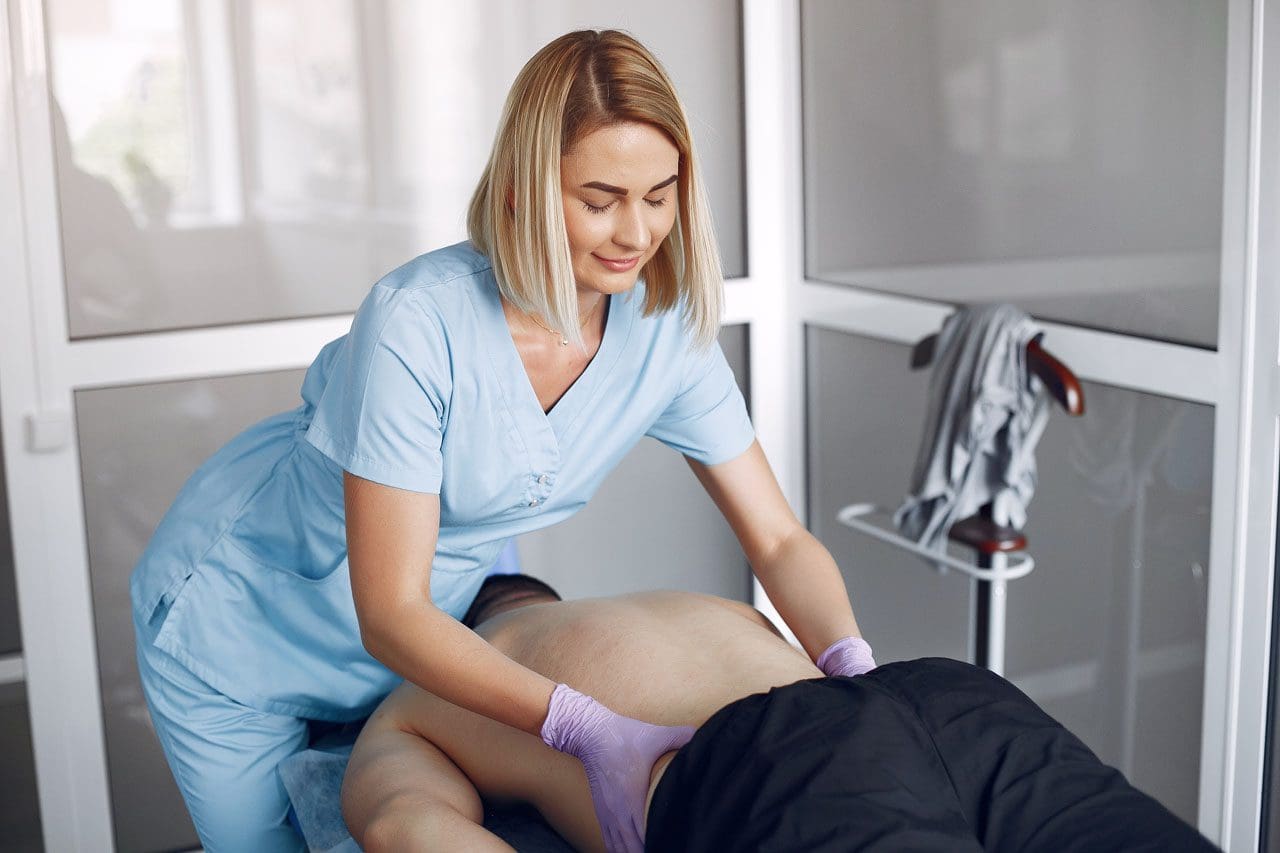
Massage is the manipulation of the body’s muscles and tissues using controlled force, gentle and slow kneading, and assisted instrumentation. Decompression Massage Centertailors treatment plans to the individual’s health needs to help expedite recovery. A medical decompression massage can:
Bring pain relief
Relieve stress
Relieve muscle aches and tension
Release knotted or cramped muscles
Improve sleep
Improve mental/emotional state
Accelerate injury rehabilitation
Strengthen the musculoskeletal system
Release toxins
Boost the immune system
Trained professionals perform massage therapy in a clinical or hospital setting to find and focus on problem areas. The therapeutic massage involves focused work on the body’s:
Soft tissues
Muscles
Tendons
Ligaments
Discomfort and Pain Relief
A massage therapist works on several medical issues that are either chronic or acute, which include:
Overuse/Repetitive stress injuries.
Neck pain
Whiplash.
Migraines.
Tension headaches, cluster headaches, and sinus headaches.
Shoulder pain.
Back pain.
Radiating pain.
Strains and sprains.
Tendonitis.
Post-surgical scar tissue rehabilitation with a doctor’s clearance.
Decompression Massage
A therapeutic decompression massage is more profound, with individuals experiencing more tenderness as the therapist works through the tissue using various techniques and instruments that could incorporate:
A decompression massage could be recommended as an extended part of a treatment plan. Spot work focuses on areas of concern for a shorter period while enhancing the decompression treatment. Focused massage techniques will:
Alleviate pain
Increase range of motion
Restore movement and function
Assist in healing faster
Spinal DRX9000
References
Demirel, Aynur, et al. “Regression of lumbar disc herniation by physiotherapy. Does non-surgical spinal decompression therapy make a difference? A double-blind, randomized controlled trial.” Journal of back and musculoskeletal rehabilitation vol. 30,5 (2017): 1015-1022. doi:10.3233/BMR-169581
Keller, Glenda. “The effects of massage therapy after decompression and fusion surgery of the lumbar spine: a case study.” International journal of therapeutic massage & bodywork vol. 5,4 (2012): 3-8. doi:10.3822/ijtmb.v5i4.189
Menard, Martha Brown. “Immediate Effect of Therapeutic Massage on Pain Sensation and Unpleasantness: A Consecutive Case Series.” Global advances in health and medicine vol. 4,5 (2015): 56-60. doi:10.7453/gahmj.2015.059
Zainuddin, Zainal, et al. “Effects of massage on delayed-onset muscle soreness, swelling, and recovery of muscle function.” Journal of athletic training vol. 40,3 (2005): 174-80.
As the world moves, so does the body. When the body does everyday movements like running, jumping, and walking without feeling pain. When people incorporate daily habits to live longer and have healthier bodies, the body will not succumb to injuries and pain. However, when certain circumstances like stress, anxiety, and unhealthy habits start to take hold of the person’s body, it can lead to complications like obesity, chronic inflammatory responses, and low back pain affecting the body. Treatments like physical therapy and decompression therapy have been used to help many individuals trying to get their lives back together. Today’s article focuses on how obesity is associated with low back pain, how it affects the body, and how decompression therapy can help weight loss patients experiencing low back pain. By referring patients to qualified and skilled providers specializing in spinal decompression therapy. To that end, and when appropriate, we advise our patients to refer to our associated medical providers based on their examination. We find that education is the key to asking valuable questions to our providers. Dr. Alex Jimenez DC provides this information as an educational service only. Disclaimer
Can my insurance cover it? Yes, it may. If you are uncertain, here is the link to all the insurance providers we cover. If you have any questions, please call Dr. Jimenez at 915-850-0900.
Obesity and Low Back Pain
Feeling sluggish after walking around all day long? Do you feel shortness of breath? How about aches on your lower back? Experiencing any of these symptoms could result from obesity and low back pain affecting you. Research studies have mentioned that low back pain and obesity are the most common concerns for everybody worldwide. Since low back pain is the most musculoskeletal health concern and obesity is a health problem, many individuals will have an increased risk of lumbar radicular pain. This is due to the mass body index affecting the person’s body, as research studies have mentioned that obesity can have both biomechanical and meta-inflammatory effects on the spine. Since both male and female bodies are different in fat composition, it is more likely that female bodies tend to have more fat masses stored around the torso area, causing lower back pain issues than male bodies. In regards to that, lifestyle habits and changes can also cause obesity to progress further in both male and female bodies causing low back pain issues to develop further.
How Does It Affect The Body
When obesity and low back pain start to affect the body, research studies have shown that chronic conditions like diabetes and hypertension are associated with obesity and can influence the path for diseases in the tendons and ligaments of the body. As the body goes through the natural aging process, this can lead to low back pain and cause many overweight individuals to be at risk of osteoarthritis. The excess weight starts putting more pressure on the knees, hips, feet, and lower back when this happens. This causes the pelvis to pull forward in the body, causing the lower back muscles to become strained. All is not lost as there are treatments to lose weight and alleviate the symptoms of low back pain.
DRX9000 Decompression Therapy-Video
Do you feel aches and strains on your lower back? How about feeling out of breath from walking? Do you feel the weight bearing down onto your legs and feet? Your weight could be affecting your back, and non-surgical treatments like physical therapy and decompression therapy might be able to help you out. The video above shows how the DRX9000 decompression machine can help alleviate low back pain by gently stretching the spine to elongate the disc height and loosen up the lower back muscles. While decompression therapy helps with low back pain, research studies have found that physical therapy can help promote weight loss. Losing the excess weight can alleviate low back symptoms that are causing the muscles and joints to relax and take the stress off the spine. Suppose you want to learn more about decompression and how it can benefit you in relieving low back pain and other low back pain conditions? This link will explain what it does for the lower back.
How Decompression Can Help Weightloss Individuals
As stated in a previous article, physical therapy and decompression go hand in hand in alleviating low back pain. For individuals suffering from obesity, physical therapy can help get them back in shape. With the right motivation to exercise, lose weight, and eat healthier, individuals will begin to see the excess weight be taken off and take the pressure off their lower backs. Research studies have mentioned that individuals who lose weight are allowed to do spinal decompression therapy. After a person starts to lose weight, the residual low back pain is still there and can be a nuisance to the back. Luckily, that is where decompression therapy comes in, and as research shows, decompression therapy can help relieve low back pain and reduce the symptoms of leg pain. This is beneficial for weight loss individuals as both of these therapies can help improve a person’s quality of life and help them on their weight loss journey.
Conclusion
Overall, obesity and low back pain can cause a person to become miserable and be in pain. When a person is obese, the excess weight around the torso can pressure the lower back, hips, knees, and feet. If a person is suffering from lower back issues, it can cause them to develop other back problems that can cause them to lean and find relief. Incorporating physical therapy and decompression therapy is a match made in heaven as many individuals lose weight and start to take the pressure off their lower back. Eating healthy foods, exercising, and changing certain lifestyles can help promote a healthy body without pain, and many individuals can benefit from that.
References
Chou, Louisa, et al. “The Association between Obesity and Low Back Pain and Disability Is Affected by Mood Disorders: A Population-Based, Cross-Sectional Study of Men.” Medicine, Wolters Kluwer Health, Apr. 2016, https://www.ncbi.nlm.nih.gov/pmc/articles/PMC4839843/.
Frilander, Heikki, et al. “Role of Overweight and Obesity in Low Back Disorders among Men: A Longitudinal Study with a Life Course Approach.” BMJ Open, BMJ Publishing Group, 21 Aug. 2015, https://www.ncbi.nlm.nih.gov/pmc/articles/PMC4550727.
Frisco, Donald. “Weight Loss for Back Pain Relief.” Spine, Spine-Health, 2 Nov. 2004, https://www.spine-health.com/wellness/nutrition-diet-weight-loss/weight-loss-back-pain-relief.
Kakiuchi, Masaaki, et al. “Relief of Low Back Pain after Posterior Decompression for Lumbar Spinal Stenosis.” Spine, U.S. National Library of Medicine, 15 Sept. 2021, https://pubmed.ncbi.nlm.nih.gov/34435987/.
Mirtz, Timothy A, and Leon Greene. “Is Obesity a Risk Factor for Low Back Pain? an Example of Using the Evidence to Answer a Clinical Question.” Chiropractic & Osteopathy, BioMed Central, 11 Apr. 2005, https://www.ncbi.nlm.nih.gov/pmc/articles/PMC1151650/.
Ross, Donald A, et al. “Trends in Weight and Body Mass Index after Spinal Surgery for Degenerative Disease.” International Journal of Spine Surgery, International Society for the Advancement of Spine Surgery, Aug. 2021, https://www.ncbi.nlm.nih.gov/pmc/articles/PMC8375684/.
Many complex spinal surgeries take place in a hospital environment. The individual spends a night or two in the hospital, so medical staff can monitor them if any complications arise. However, outpatient surgeries have increased with new developments in minimally invasive procedures, pain management, and home rehabilitation. The improvements compared to traditional spinal surgical procedures are significant. These advancements have made it possible to perform more complex surgeries outside of a hospital. Outpatient surgeries have:
Accelerated recovery times
Decreased complications
Decreased infections
Healthier overall outcomes
Outpatient Surgery Candidates
Determining if outpatient surgery can be performed effectively depends on the injury/s and/or conditions that the individual is going through. An individual who is debilitated or has underlying medical conditions that increase their risk for complications or do not have support at home to assist with recovery and rehabilitation is recommended to have the surgery done in a hospital. To be considered for outpatient spine surgery, a surgeon looks at:
Standalone ambulatory surgery centers offer same-day surgical procedures for individuals that meet specific criteria. Medical staff assess the patient’s condition and determine recovery at home. If issues arise, the individual can be transferred to a hospital. Some facilities are single-specialty facilities, focusing on one medical specialty, and others are multi-specialty, meaning they offer a range of medical services from:
Orthopedic
Podiatry
Pain management services
Procedures
Anterior Cervical Discectomy and Fusion – ACDF
ACDF is a two-part surgery. First, the surgeon removes part of an intervertebral disc with bulged and compressed nerves from the spinal cord. Because there is less cushion, the vertebrae above and below are fused to prevent and eliminate painful movement. The discectomy:
Provides more accessible access to the vertebrae
Reduces healing time
Causes less pain
ACDF outpatient procedure treats several neck conditions that include:
Cervical spinal stenosis
Cervical radiculopathy
Neck-related degenerative disc disease
Herniated disc
Cervical spinal fracture
Individuals recover in the surgical center for one to several hours following the surgery before returning home. Traditional ACDF procedure takes three weeks to three months to recover.
Lumbar Discectomy
A lumbar discectomy is a minimally invasiveprocedure that repairs a lower back herniated disc compressing the surrounding nerves. This procedure provides compression relief and allows the nerve to heal. A traditional lumbar discectomy takes four to six weeks to recover.
Lumbar Laminectomy
This minimally invasive procedure removes thickened ligaments and lamina from the lower back. This opens the spinal canal space, relieving pressure and bringing pain relief. The surgery commonly treats lower-back spinal stenosis. A traditional laminectomy takes four to six weeks to recover.
Lumbar Spinal Fusion
Outpatient lumbar spinal fusion permanently connects two or more vertebrae in the lower back. The surgery helps stabilize the spine from severe arthritis or herniated disc removal. Spinal fusion has been found to be effective for correcting certain spinal deformities. The surgery involves a short recovery time at the outpatient center, after which the individual can return home the same day. A traditional or open spinal fusion requires a two-to-three-day hospital stay. After four to six weeks and with a doctor’s clearance, individuals can return to light activities, with full recovery requiring six months.
Chiropractic Spinal Decompression
References
International Journal of Spine Surgery. (April 16, 2021) “The expanding frontier of outpatient spine surgery.” https://pubmed.ncbi.nlm.nih.gov/33900984/
Mayo Clinic. (n.d.) “Spinal fusion.” https://www.mayoclinic.org/tests-procedures/spinal-fusion/about/pac-20384523
Neurosurgeons of New Jersey. (July 21, 2019) “Lumbar discectomy recovery timeline: Your guide to recovery.” https://www.neurosurgeonsofnewjersey.com/blog/lumbar-discectomy-recovery-time/#:~:text=The%20overall%20lumbar%20discectomy%20recovery,discectomy%20recovery%20time%20should%20progress
Rothman Orthopaedics. (March 2, 2017) “Outpatient spine surgery: A new way to look at surgery.” https://rothmanortho.com/stories/blog/outpatient-spine-surgery
The body is a marvelous functional machine that requires constantly moving worldwide. The body can do everyday movements from the head to the feet and be in weird positions without feeling pain. However, ordinary factors like natural aging, wear and tear, and issues affect the body over time. When these factors start to affect the body, they can cause unwanted symptoms that can inflict pain on specific areas around the body. Some areas that suffer pain include the hips, lower back, neck, the body’s internal systems, and the spine, causing the individual to be miserable. Luckily many treatments do relieve pain in the body and help dampen the effects of the unwanted symptoms that are hindering the individual. Today’s article focuses on hip pain, its symptoms, and how decompression therapy can help many individuals suffering from hip pain. By referring patients to qualified and skilled providers specializing in spinal decompression therapy. To that end, and when appropriate, we advise our patients to refer to our associated medical providers based on their examination. We find that education is the key to asking valuable questions to our providers. Dr. Alex Jimenez DC provides this information as an educational service only. Disclaimer
Can my insurance cover it? Yes, it may. If you are uncertain, here is the link to all the insurance providers we cover. If you have any questions, please call Dr. Jimenez at 915-850-0900.
What Is Hip Pain?
Are you feeling stiffness from your lower back and hips? Do your hips hurt after falling due to playing sports? How about pain from the lower back to the hips down to the feet? You might be experiencing hip pain. Research studies have stated that hip pain can be associated with many factors that can cause many individuals to be in distress, impair their daily activities, and affect their quality of life. Hip pain can be associated with simple movements that are damaged, like sitting and standing, which can be hard after a while. Other associations that hip pain can occur can be lower back pain, neuropathies, herniation, or chronic pain. According to research studies, hip pain is considered a musculoskeletal disorder. It shows that posterior hip pain in adults is caused by osteoarthritis or traumatic causes like sacral stress fractures that can affect the hips. This musculoskeletal disorder can become a problem for many older adults suffering from hip issues.
The Symptoms
Research studies have found that hip pain is a musculoskeletal complaint affecting young and old adults. Since hip pain is associated with various chronic issues, it can cause many individuals to be miserable and be in constant pain. For adults, hip pain can be one of the issues for those suffering from osteoarthritis in the anterior hip region. As research shows, in the posterior hip region, hip pain can be associated with chronic conditions like piriformis syndrome and lumbar radiculopathy that are centralized in the lower back. Other symptoms that hip pain cause on its own do associate with other chronic conditions, including:
Are you experiencing discomfort from your hips while sitting or standing? How about sharp, throbbing pain coming from your lower back and affecting your hips and legs? Do you feel tenderness and swelling on your joints? These symptoms are various forms of hip pain, and lumbar traction can help lower hip pain symptoms. The video above mentions how to prepare for lumbar traction therapy and how it can alleviate symptoms caused by hip pain. Lumbar traction helps compressed disc in the lumbar region of the spine to be restored to its original state and even takes the pressure off the sciatic nerve and other nerve roots that are causing hip pain to the body. Utilizing traction therapy increases the disc height and allows the lumbar spinal discs to be rehydrated again. Suppose you want to learn more about lumbar traction or decompression and how it can benefit you? In that case, this link will explain what decompression does for the lumbar area in the spine and provide relief from hip pain and its associates.
How Decompression Therapy Helps With Hip Pain
Since hip pain is associated with various other conditions that can affect the body, the most common condition that the body has suffered from is low back pain. There are ways to treat hip and low back pain; some individuals utilize heat and ice to neutralize the pain to go away, and others use chiropractic therapy to get the joints to realign themselves. One of the treatments used to relieve hip and low back pain is decompression therapy. Research studies have found that decompression therapy is safe and effective in helping to improve the blood circulation to the hips to provide relief to the hips. Since hip pain is associated with low back pain, decompression allows the herniated discs to be taken off the nerves surrounding the hips and provide pain relief. Other research studies show that traction is used to create negative gravity pressure to help reduce the pressure that is causing pain to the soft tissues and the nerve roots. This negative gravity allows the spine to separate and create more height for the disc to rehydrate while relieving the individual.
Conclusion
Overall the body is a marvelous machine that has the ability to move without pain. When issues start to affect the body, like the hips and lower back, it can cause the individual to suffer from various forms of pain. Since hip pain is associated with low back pain, it can lead to other chronic issues like sciatica or osteoarthritis, affecting the joints and causing them to swell. Treatments like decompression or traction therapy are used to alleviate the pain caused by the hips or lower back. When people incorporate decompression or traction into their wellness journey, they relax a bit as they are laid down and have their spine stretched slowly. This will cause them relief and take the pressure off the nerve roots that are sending pain signals to the brain. This ensures them that they can take back their lives pain-free.
References
Ahuja, Vanita, et al. “Chronic Hip Pain in Adults: Current Knowledge and Future Prospective.” Journal of Anaesthesiology, Clinical Pharmacology, Wolters Kluwer – Medknow, 2020, https://www.ncbi.nlm.nih.gov/pmc/articles/PMC8022067/.
Battaglia, Patrick J, et al. “Posterior, Lateral, and Anterior Hip Pain Due to Musculoskeletal Origin: A Narrative Literature Review of History, Physical Examination, and Diagnostic Imaging.” Journal of Chiropractic Medicine, Elsevier, Dec. 2016, https://www.ncbi.nlm.nih.gov/pmc/articles/PMC5106442/.
Choi, Jioun, et al. “Influences of Spinal Decompression Therapy and General Traction Therapy on the Pain, Disability, and Straight Leg Raising of Patients with Intervertebral Disc Herniation.” Journal of Physical Therapy Science, The Society of Physical Therapy Science, Feb. 2015, https://www.ncbi.nlm.nih.gov/pmc/articles/PMC4339166/.
Lee, Yun Jong, et al. “Causes of Chronic Hip Pain Undiagnosed or Misdiagnosed by Primary Physicians in Young Adult Patients: A Retrospective Descriptive Study.” Journal of Korean Medical Science, The Korean Academy of Medical Sciences, 11 Dec. 2018, https://www.ncbi.nlm.nih.gov/pmc/articles/PMC6300658/.
Wilson, John J, and Masaru Furukawa. “Evaluation of the Patient with Hip Pain.” American Family Physician, U.S. National Library of Medicine, 1 Jan. 2014, https://pubmed.ncbi.nlm.nih.gov/24444505/.
IFM's Find A Practitioner tool is the largest referral network in Functional Medicine, created to help patients locate Functional Medicine practitioners anywhere in the world. IFM Certified Practitioners are listed first in the search results, given their extensive education in Functional Medicine