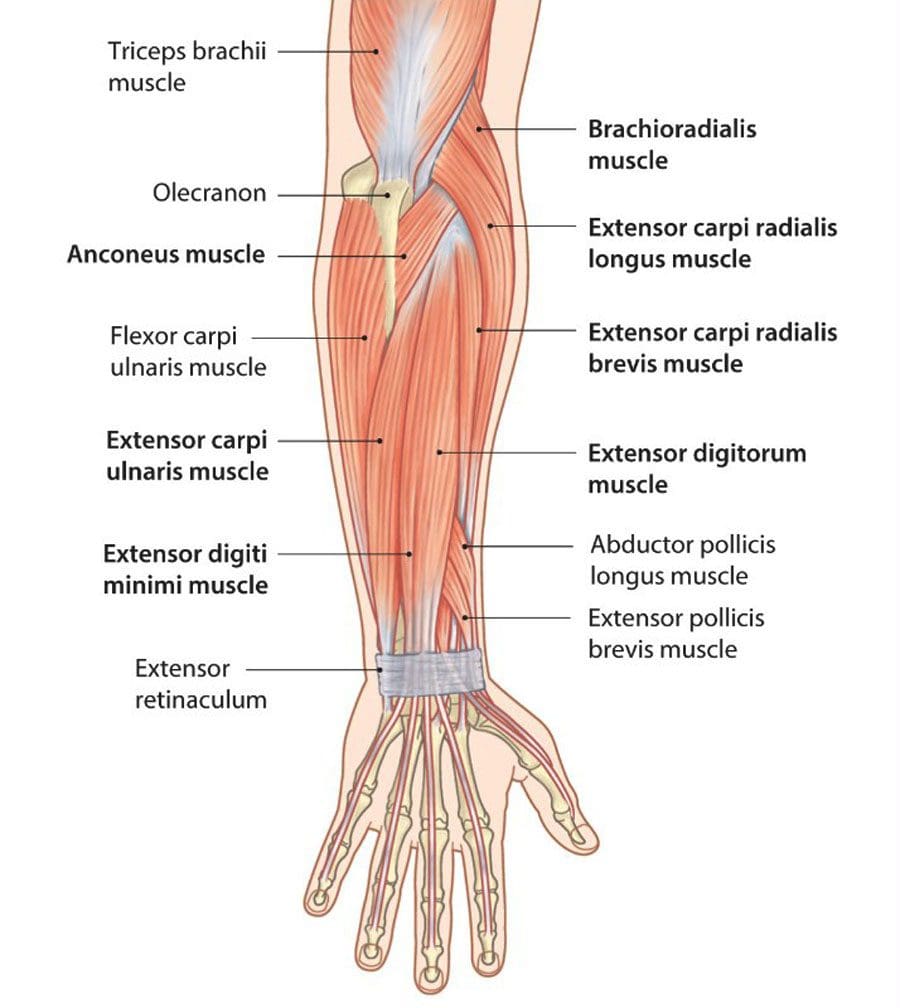
Forearm pain refers to soreness, aches, or discomfort between the wrist and the elbow. An injury or inflammation can affect any tissues, including muscles, bones, blood vessels, tendons, and the skin. The causes usually include overuse injuries, pinched nerves, accidents causing trauma, lifting or heaving heavy objects, sports injuries, and fractures. If left untreated, issues like chronic muscle pain and decreased and disrupted blood/nerve circulation can develop, leading to numbness and weakness. Chiropractic treatment can release tension, massage, reset, and stretch the muscles to expedite healing.
Anatomy
The forearm comprises the radius and ulna, which extend the forearm’s length and cross at the wrist.
The Radius
This bone starts at the elbow and connects to the wrist on the thumb side.
Ulna
This bone begins at the elbow and connects to the wrist on the side of the little finger.
Muscles
Several muscles operate to rotate the forearm up/supination and down/pronation and flex and extend the fingers.
Causes
Forearm pain can happen to anyone and is usually related to traumatic or repetitive use injury. In other cases, pain may be associated with a benign growth, like a cyst or possibly a malignant tumor. Common causes include:
Pulled and/or strained muscles
Muscle ruptures or small tears
A direct blow, fall, or any extreme twisting, bending or jamming action.
Tendonitis from tennis or golfers elbow.
Tennis elbow is caused by inflammation or tiny tears in the forearm muscles and tendons outside the elbow.
Golfers’ elbow is on the inside of the elbow.
Carpal Tunnel Syndrome is a repetitive stress disorder that affects the nerves and tendons of the wrist and forearm.
Musculoskeletal Causes
The musculoskeletal causes involve issues in how the forearm components operate together.
Repetitive actions like lifting, gripping, and typing can compress nerves and blood vessels throughout the forearm.
Forearm problems like dislocations or sprains can also lead to chronic inflammation and pain.
Traumatic Causes
Traumatic causes include those that result in injury to components of the forearm.
Anything that causes a direct injury to the forearm, including an automobile crash or accident, fall, or a direct hit, can fracture bones in the forearm.
A sprain can twist or stretch a ligament or tendon.
Activities that cause bending, twisting, quick sudden movement or direct impact can result in sprained multiple ligaments in the forearm.
Chiropractic Treatment
Healing forearm pain depends on the type of injury, location, and cause of the pain. Chiropractic addresses arm pain, tingling, and numbness in ways often overlooked by general physicians.
A chiropractor will perform a physical examination to determine if there are any underlying causes.
They may apply an ice pack to help control inflammation before the massage.
The chiropractor will perform gentle adjustments to the wrist, arm, and shoulder.
They may recommend a forearm brace to help retrain positioning and movement.
They will recommend exercises and stretches to strengthen and maintain the adjustments.
Carpal Tunnel Pain Treatment
References
Ellenbecker, Todd S et al. “Current concepts in examination and treatment of elbow tendon injury.” Sports health vol. 5,2 (2013): 186-94. doi:10.1177/1941738112464761
Shamsoddini, Alireza, and Mohammad Taghi Hollisaz. “Effects of taping on pain, grip strength and wrist extension force in patients with tennis elbow.” Trauma monthly vol. 18,2 (2013): 71-4. doi:10.5812/traumamon.12450
Suito, Motomu, et al. “Intertendinous epidermoid cyst of the forearm.” Case reports in plastic surgery & hand surgery vol. 6,1 25-28. 28 Jan. 2019, doi:10.1080/23320885.2018.1564314
Claudication is muscle pain that presents when the body is active and stops when the body is at rest, also known as intermittent claudication. Individuals typically report dull aching, cramping, tingling, and/or numbness. Vascular claudication is caused by circulatory problems like poor blood circulation and peripheral artery disease. Still, spinal conditions can also cause neurogenic claudication caused by problems with the spine and nervous system.
Neurogenic Claudication
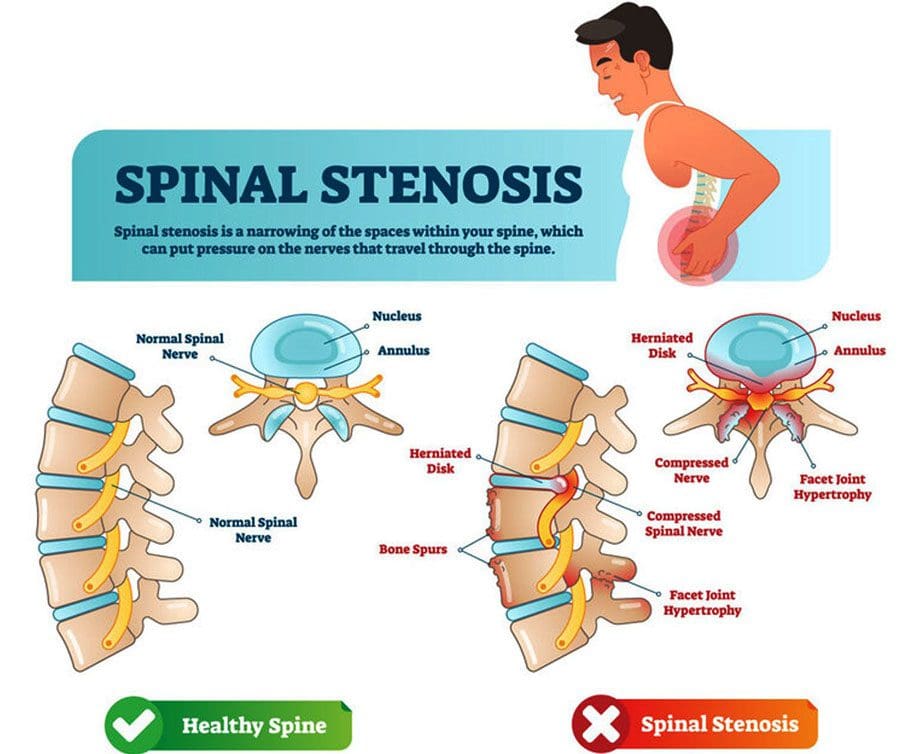
Sciatica is the usual suspect when thigh, hip, buttock, calf, or total leg pain or other sensations are present; however, it could be spinal stenosis with neurogenic claudication. Spinal stenosis is sometimes called pseudo claudication, a narrowing of the space around the low back, which can put pressure on the spinal cord directly and compress the blood vessels around the spine, cutting off oxygen-carrying blood. Pain can start in the lower back and circulate down the legs and cause weakness, tingling, or numbness in the legs and feet. The most common areas of spinal compression include:
The foramen are the openings on the sides of the spine where nerves exit and connect to the peripheral nervous system.
The narrowing can occur in any of these areas, with the most common cause being lumbar spinal stenosis brought on by lumbar degenerative disease.
Symptoms
The most common symptoms of neurogenic claudication include:
Pain in the lower extremities, including the buttocks, thighs, and calf, only manifests with activities like walking or standing around.
Pain that shows up equally on both sides.
There is no pain when sitting or not walking around.
Radiculopathy or nerve pain that radiates down an affected limb. Sciatica is a typical example.
However, the symptoms of claudication and radiculopathy are different.
Claudication will be felt all along the length of the nerve.
Radiculopathy pain is more localized to the buttock, thighs, and calves and can get worse with activity and is generally present even when at rest.
Treatment
Non-surgical treatment of neurogenic claudication includes medication to help control pain, chiropractic manual therapy, non-surgical spinal decompression, physical rehabilitation therapy, and steroid shots to reduce inflammation. A doctor will recommend stretching, strengthening exercises, and types of activities to help improve the body’s ability to support itself. This could include swimming, walking, and stationary cycling. However, conservative treatment might not be an option for individuals with more severe cases. If conservative treatment options don’t work, surgery could be recommended. A healthcare provider can help explain treatment options. Successful outcomes have been seen in cases that are diagnosed and treated early.
Non-Surgical Spinal Decompression Chiropractor
References
Colak, Ahmet, et al. “A less invasive surgical approach in the lumbar lateral recess stenosis: a direct approach to the medial wall of the pedicle.” The European spine journal: official publication of the European Spine Society, the European Spinal Deformity Society, and the European Section of the Cervical Spine Research Society vol. 17,12 (2008): 1745-51. doi:10.1007/s00586-008-0801-z
Munakomi S, Foris LA, Varacallo M. Spinal Stenosis And Neurogenic Claudication. [Updated 2022 Feb 12]. In: StatPearls [Internet]. Treasure Island (FL): StatPearls Publishing; 2022 Jan-. Available from: https://www.ncbi.nlm.nih.gov/books/NBK430872/
Bicycling at any level is excellent healthwise, but the specific physical repetitive motions and postures can wear on a cyclist’s body, causing strains and injury to the:
Muscles
Ligaments
Tendons
Nerves
Spine
Injuries can be caused by falls, overused muscles, joints, posture, and/or balance problems, whether riding a bicycle for fun, health, or sport. Chiropractic decompression can treat cycling-related injuries and help prevent common injuries by helping cyclists with conditioning and exercises. Chiropractic adjustments, combined with health coaching and nutrition planning, can maximize the body’s overall athletic ability and increase/improve:
Many cyclists suffer from back pain overuse injuries that are caused by:
Incorrect saddle/seat height or an uneven seat/saddle
Not bending the knee at the end of a pedal stroke forces the cyclist to rock the pelvis side to side to generate enough power, placing added stress on the low back muscles.
Handlebars that are too far forward can cause over-stretching of the spine.
Constantly tilting the head can cause neck and shoulder pain.
Staying in the same position for an extended period strains the spine.
Repetitive hip flexion causes the muscles to become tight and perform less efficiently, straining the rest of the body to make up for the lost support.
Hamstrings that become tight can shorten in length, causing the body to pull on the pelvis and the spine.
Lack of core strength allows more stress to penetrate the glutes, back, and hips.
Riding on bumpy or rough terrain increases body jarring and spinal compression.
Chiropractic Decompression
Chiropractic decompression for cyclists can rehabilitate the body from injuries, alleviate pain, improve blood and nerve circulation and maintain the body’s flexibility. Advanced decompression techniques personalized to the individual realign and release the body from obstructions and toxins in the neural pathways. Nutritional and supplementation recommendations are incorporated to enhance the body’s natural healing abilities, and exercise/stretches to sustain the adjustments.
Spinal Decompress
References
Schultz, Samantha J, and Susan J Gordon. “Recreational cyclists: The relationship between low back pain and training characteristics.” International journal of exercise science vol. 3,3 79-85. 15 Jul. 2010
Silberman, Marc R. “Bicycling injuries.” Current sports medicine reports vol. 12,5 (2013): 337-45. doi:10.1249/JSR.0b013e3182a4bab7
Streisfeld, Gabriel M et al. “Relationship Between Body Positioning, Muscle Activity, and Spinal Kinematics in Cyclists With and Without Low Back Pain: A Systematic Review.” Sports health vol. 9,1 (2017): 75-79. doi:10.1177/1941738116676260
Thompson, M J, and F P Rivara. “Bicycle-related injuries.” American family physician vol. 63,10 (2001): 2007-14.
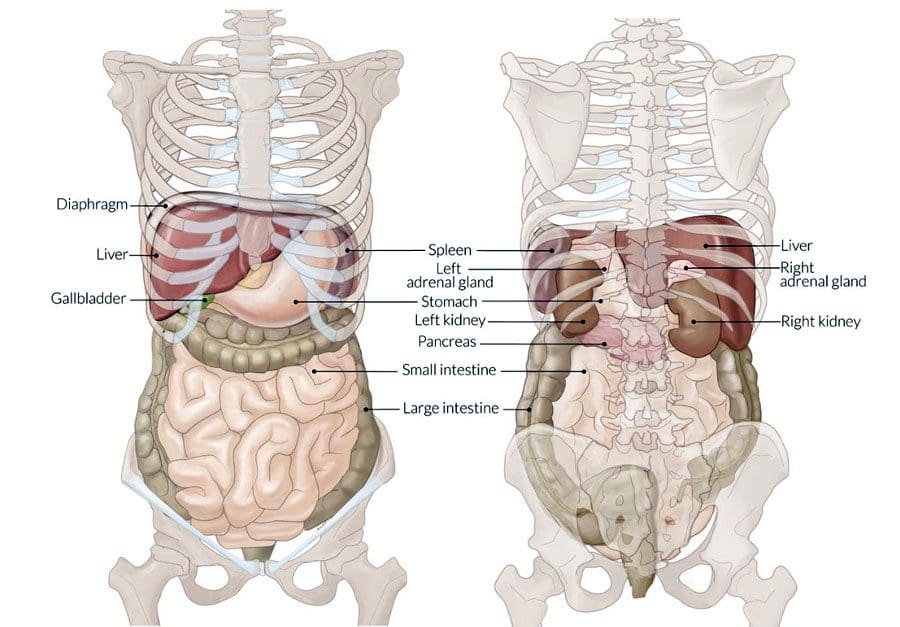
The central nervous system – CNScontrols body and mind functions, voluntary movements, including walking, and involuntary movements, specifically the breakdown of foods and waste removal. Studies have found associations between spinal problems and gastrointestinal-GI tract/stomach issues that include:
Abdominal pain
Constipation
Difficulty controlling bowel movements
Diarrhea
Nausea
Vomiting
Treating the underlying cause through chiropractic, non-surgical spinal decompression, and health coaching can bring pain relief, realign/heal the spine and alleviate stomach issues.
Spinal Problems and Stomach Issues
The spinal cord sends nerve signals throughout the body, including to and from the digestive system. Two types of nerves control the digestive system, extrinsic and intrinsic.
Extrinsic nerves
Connect the digestive organs with the brain and spinal cord.
Release chemicals that contract or relax the digestive system muscles.
The nerves relay signals to speed up or slow down the food’s movement through the gut.
The intrinsic system can function independently and work without communication from the extrinsic nerves. However, the stomach and esophagus/food pipe depends on information from the extrinsic nerves. If there is injury, damage, or interference with the extrinsic nerve supply to the stomach, it can lead to stomach issues. Spinal cord injuries and compressed or herniated discs interrupt the communication between nerves/systems, which can lead to digestive and bowel problems, including:
Feeling full quickly after eating.
Stomach pain
Constipation
Decreased appetite
Difficulty moving waste through the colon or large intestine
Hard stools
Tenesmus – the sensation/feeling of having to have a bowel movement even though there is none.
Herniated Discs
Herniated disc/s usually occurs in the neck or low back spinal area. Symptoms include:
Neck pain
Back pain
Pain spreads from the lower back through the buttocks, legs, and feet.
Pain spreads from the neck through the shoulders, arms, and hands.
Muscle weakness
Muscle spasms
Tingling or burning sensations
Numbness
Chiropractic Spinal Decompression
Chiropractic decompression therapy stretches the spine and manipulates its position to take pressure off the nerves and spinal discs. The decompression process creates negative pressure in the discs that retract herniated or bulging discs, allowing oxygen, water, and other healing nutrients to enter the disc and throughout the spine. The spinal decompression will help alleviate the stomach issues. Consultation from a health coach/nutritionist will recommend a diet that will aid in the disc/s healing, which is anti-inflammatory and easily digestible until the stomach problems are fully resolved.
DRX Patient Testimonials
References
Browning, Kirsteen N, and R Alberto Travagli. “Central nervous system control of gastrointestinal motility and secretion and modulation of gastrointestinal functions.” Comprehensive Physiology vol. 4,4 (2014): 1339-68. doi:10.1002/cphy.c130055
Holmes, Gregory M, and Emily N Blanke. “Gastrointestinal dysfunction after spinal cord injury.” Experimental neurology vol. 320 (2019): 113009. doi:10.1016/j.expneurol.2019.113009
Lara, F J Pérez, et al. “Thoracic disk herniation, a not infrequent cause of chronic abdominal pain.” International surgery vol. 97,1 (2012): 27-33. doi:10.9738/CC98.1
Papadakos, Nikolaos, et al. “Thoracic disc prolapse presenting with abdominal pain: case report and review of the literature.” Annals of the Royal College of Surgeons of England vol. 91,5 (2009): W4-6. doi:10.1308/147870809X401038
When the body goes through intense trauma like a car, truck, crash, or accident, the trauma can slip, bulge, herniate, or rupture the spinal fluid-filled discs that can extrude from the disc space, causing the nucleus pulposusto tear through the annulus fibrosus and compress the nerve roots causing pain. Depending on the severity and force of the crash or accident, a herniated disc can cause the vertebrae to push into the spinal canal, where it can compress, irritate, and/or injure the spinal cord, which can lead to other health issues. Nerve impingement from a herniated disc can also cause numbness and tingling in the hands, arms, legs, and feet. A chiropractic spine disc herniation decompression treatment plan can heal the herniation, realign the spine, stretch the muscles and joints, and rehabilitate the body back to top form.
Spine Disc Herniation
Symptoms of Herniation
Signs and symptoms depend on the spinal area and whether the disc is rubbing or compressing a nerve. Pain is often described as a sharp or burning sensation. A herniated disc usually affects one side of the body.
Pain Presents When Sitting Down – sitting causes a significant strain on the lower spinal discs. When sitting, the pain experienced can worsen.
Arm or leg pain – Depending on the herniated disc, pain can spread to other surrounding areas.
For a lower herniation, this could be the buttock, thigh, calf, and foot.
For a herniated disc in the neck region, pain can be felt in the shoulder and arm.
Pain can present in the arm or leg when coughing, sneezing, or moving into certain positions.
Numbness or tingling – presents from the compressed nerves and spreads as the average blood/energy flow is disrupted.
Muscle Weakness – the affected nerves that support the spinal muscles can lose normal strength causing awkward postures and fatigue.
A herniated disc can be present without symptoms – individuals won’t know unless spinal imaging is ordered.
Sciatica Sensations – the damaged nerve roots affect the ability to function correctly and can cause burning pain, numbness, weakness, and tingling along the front and/or back of the thigh, leg, and/or foot. This can result from direct compression or chemical irritation from a leaked out herniated disc that causes inflammation around the nerve root area.
Chiropractic Injury Care
When a disc herniates, it inhibits the body from communicating and healing itself. To activate proper communication from the brain to the rest of the body, chiropractors perform spine disc herniation decompression which clears the neural system and opens the lines of communication.
Spine Disc Herniation Decompression
Nonsurgical spinal decompression gently stretches the spine to relieve pressure and heal the herniated disc. It is a safe procedure considered a natural alternative compared to surgery or pharmaceutical approaches. Spinal decompression therapy:
It is safe for all ages
It is non-invasive
Sessions take between 30 to 45 minutes, depending on the individual and the injury that could require multiple sessions.
Offers a quicker recovery time
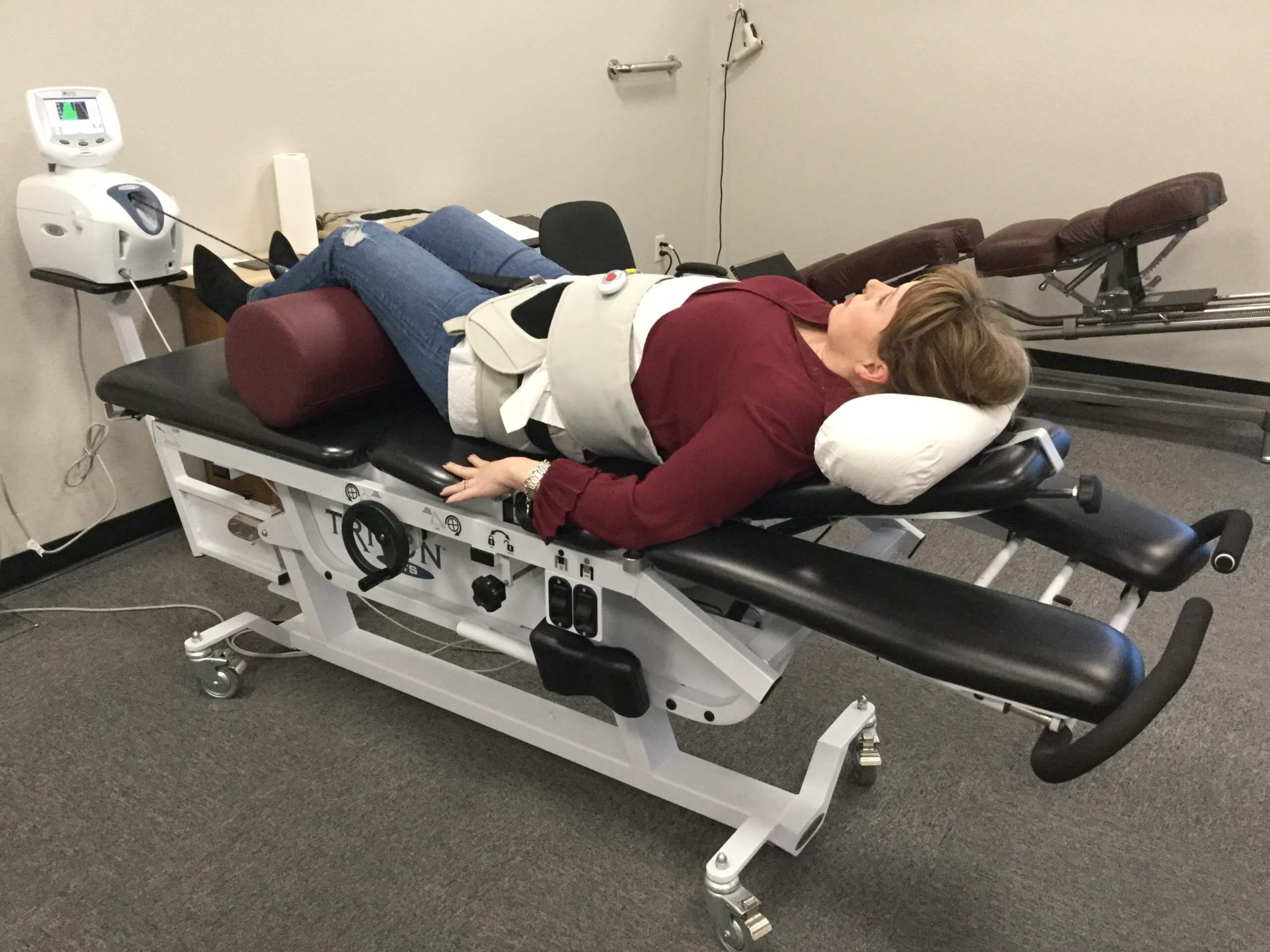
It is performed on a computer-controlled table customized to the individual’s specific needs and injuries.
A treatment plan can expedite the recovery process, rehabilitate and strengthen the whole body, and help avoid minimally invasive spine surgery.
Neurosurgeon DRX9000
References
Atlas, Steven J et al. “The impact of disability compensation on long-term treatment outcomes of patients with sciatica due to a lumbar disc herniation.” Spine vol. 31,26 (2006): 3061-9. doi:10.1097/01.brs.0000250325.87083.8d
Dydyk AM, Ngnitewe Massa R, Mesfin FB. Disc Herniation. [Updated 2022 Jan 18]. In: StatPearls [Internet]. Treasure Island (FL): StatPearls Publishing; 2022 Jan-. Available from: https://www.ncbi.nlm.nih.gov/books/NBK441822/
Gane, Elise M et al. “The Impact of Musculoskeletal Injuries Sustained in Road Traffic Crashes on Work-Related Outcomes: A Systematic Review.” International journal of environmental research and public health vol. 18,21 11504. 1 Nov. 2021, doi:10.3390/ijerph182111504
Scuderi, Gaetano J et al. “Symptomatic cervical disc herniation following a motor vehicle collision: return to work comparative study of workers’ compensation versus personal injury insurance status.” The spine journal: official journal of the North American Spine Society vol. 5,6 (2005): 639-44; discussion 644. doi:10.1016/j.spinee.2005.04.007
Older and elderly individuals have an increased risk of developing a herniated disc/s. The age of the intervertebral discs/cushions causes deflation, drying out, and shifting, making it easier for discs to herniate. Muscle mass also reduces/lessens with age; specifically, the muscles parallel to the spinal column are responsible for stability. When the spine loses strength, the risk of injuries like slips and falls can damage the spine and the rest of the body. Herniated disc decompression will keep the vertebral cushions healthy, functioning, and properly aligned.
Symptoms of Disc Herniation
A herniated disc bulge or tear/s will press on the spinal nerves causing discomfort that can range from mild to severe pain and can last for weeks to months. The symptoms of disc herniation vary and depend on the injury angle, how much of the disc ruptured and if it is touching or has leaked out on the nerve roots. The most common symptoms include:
Pulls the herniated disc back into its correct position.
Fills the injured/damaged areas and the rest of the spine with blood, oxygen, nutrients, and lubricating fluids.
Helping to rebuild joint and muscle strength.
Increasing flexibility in the muscles that support the affected area of the spine.
The therapy duration depends on the herniation, injury, and damage severity. The objective is to bring significant improvement that will last.
Chiropractic, Physical/Massage Therapy, and Health Coaching
A chiropractor and physical massage therapy team will develop a personalized herniated disc decompression treatment plan with specific goals. The therapy will include:
Mechanical decompression.
Manual chiropractic adjustments.
Massage sessions.
Health coaching.
Exercises and stretches will be given that will help maintain pressure relief and flexibility.
Core stabilization exercises will strengthen and stabilize the spine and muscles.
Aerobic conditioning will help increase endurance.
Non-Surgical Spinal Decompression El Paso, Texas
References
Carla Vanti, PT, MSc, OMPT, Alice Panizzolo, PT, OMPT, Luca Turone, PT, OMPT, Andrew A Guccione, PT, Ph.D., DPT, FAPTA, Francesco Saverio Violante, MD, Paolo Pillastrini, PT, MSc, Lucia Bertozzi, PT, MSc, Effectiveness of Mechanical Traction for Lumbar Radiculopathy: A Systematic Review and Meta-Analysis, Physical Therapy, Volume 101, Issue 3, March 2021, pzaa231, https://doi.org/10.1093/ptj/pzaa231
Dydyk AM, Ngnitewe Massa R, Mesfin FB. Disc Herniation. [Updated 2022 Jan 18]. In: StatPearls [Internet]. Treasure Island (FL): StatPearls Publishing; 2022 Jan-. Available from: https://www.ncbi.nlm.nih.gov/books/NBK441822/
Maistrelli, G L et al. “Lumbar disc herniation in the elderly.” Spine vol. 12,1 (1987): 63-6. doi:10.1097/00007632-198701000-00012
Suri, Pradeep, et al. “Nonsurgical treatment of lumbar disk herniation: are outcomes different in older adults?.” Journal of the American Geriatrics Society vol. 59,3 (2011): 423-9. doi:10.1111/j.1532-5415.2011.03316.x
Sciatica Sleep: Poor sleep can leave the body feeling off and unable to function. Not getting the proper amount of sleep can decrease health, decrease work or school productivity, and cause burnout. If it becomes chronic, it can have serious side effects on the brain and body that include:
When sleeping, certain positions/postures can place added pressure on the spine, irritating the nerve. The best sleeping positions maintain the spine’s natural curve and are different for everybody. For example, many individuals sleep on their side. They do not start sleeping this way, but they end up on their side and wake up in pain to find their sciatica flaring up. Other individuals can turn on a specific side, and the symptoms fade or go away.
Positions
The best sleeping position for one individual may not be the best for another. A lot of this depends on the placement of the injury/pinching that can affect how certain sleep positions work, causing no symptoms, while other sleep postures generate all kinds of symptoms, especially pain. Individuals are recommended to sleep in the position that works for them, provided with the correct posture.
Side Sleepers
Side sleepers are recommended to place a pillow between their knees for healthy sleep and pain avoidance results.
A pillow between the legs helps to prevent twisting.
A firm pillow will work or a soft pillow folded in half.
It is also recommended to consider a small pillow under the waist to maintain the alignment between the ribs, hips, and the spine.
Back Sleepers
Back sleepers can benefit from a pillow under the knees to maintain a neutral curve of the spine.
This keeps the legs slightly elevated helping prevent the legs from tilting the pelvis and pulling the spine out of a neutral position.
Individuals that sleep on their back but end up on their side, are recommended to use a large pillow or body pillow placed on the side they turn on to prevent this.
Stomach Sleeping Not Recommended
Sciatic pain can become worse with sleeping on the stomach.
Sleeping on the stomach can collapse the spine and the pelvis as there is no support underneath. This causes damage to the nerves, increasing symptoms and pain levels.
Try to avoid sleeping on the stomach until the sciatic nerve has healed or try to train the body to sleep on the side or back.
Non-Surgical Spinal Decompression Can Help Sciatica Sleep Symptoms
Non-surgical spinal decompression therapy relieves pressure on the sciatic nerve, spine, and surrounding muscles by pulling/stretching them in small increments. The decompression creates negative pressure within the discs that floods the area with an abundance of nutrients to activate and expedite the healing response.
The chiropractic physical therapy team uses motorized medical equipment with sensors linked to a computer-aided system to perform the procedure.
The equipment is designed to adjust the pull force accordingly to prevent muscle resistance.
The adjustable table also allows the spine to be stretched at different angles to target all areas of the back.
Relieves Pressure On The Sciatic Nerve
Decompression stretches the nerve out and increases the space around the impinged and inflamed nerve.
Pain Relief
Decompression relieves tension in tight, spasming, or injured muscles.
Stimulates the nervous system to release the body’s natural pain killers.
Spinal tissue healing from fluids, cells, and other substances that enter the damaged tissue.
Restores Disc and Joint Alignment
Decompression realigns the joints and discs, preventing pain, inflammation, mobility/flexibility problems, and dysfunction.
Encourages Sleep
There are toxins in the body, decompression causes these toxins to be expelled.
This causes exhaustion because the body needs time to adjust after expelling the negative energy.
After a short time, energy levels will return.
The decompression relaxes the entire body which allows for more restful sleep.
DRX9000
References
Kim, Shin Hyung et al. “Risk factors associated with clinical insomnia in chronic low back pain: a retrospective analysis in a university hospital in Korea.” The Korean journal of pain vol. 28,2 (2015): 137-43. doi:10.3344/kjp.2015.28.2.137
Radwan, Ahmed, et al. “Effect of different mattress designs on promoting sleep quality, pain reduction, and spinal alignment in adults with or without back pain; a systematic review of controlled trials.” Sleep health vol. 1,4 (2015): 257-267. doi:10.1016/j.sleh.2015.08.001
Santilli, Valter, et al. “Chiropractic manipulation in the treatment of acute back pain and sciatica with disc protrusion: a randomized, double-blind clinical trial of active and simulated spinal manipulations.” The spine journal: official journal of the North American Spine Society vol. 6,2 (2006): 131-7. doi:10.1016/j.spinee.2005.08.001
IFM's Find A Practitioner tool is the largest referral network in Functional Medicine, created to help patients locate Functional Medicine practitioners anywhere in the world. IFM Certified Practitioners are listed first in the search results, given their extensive education in Functional Medicine