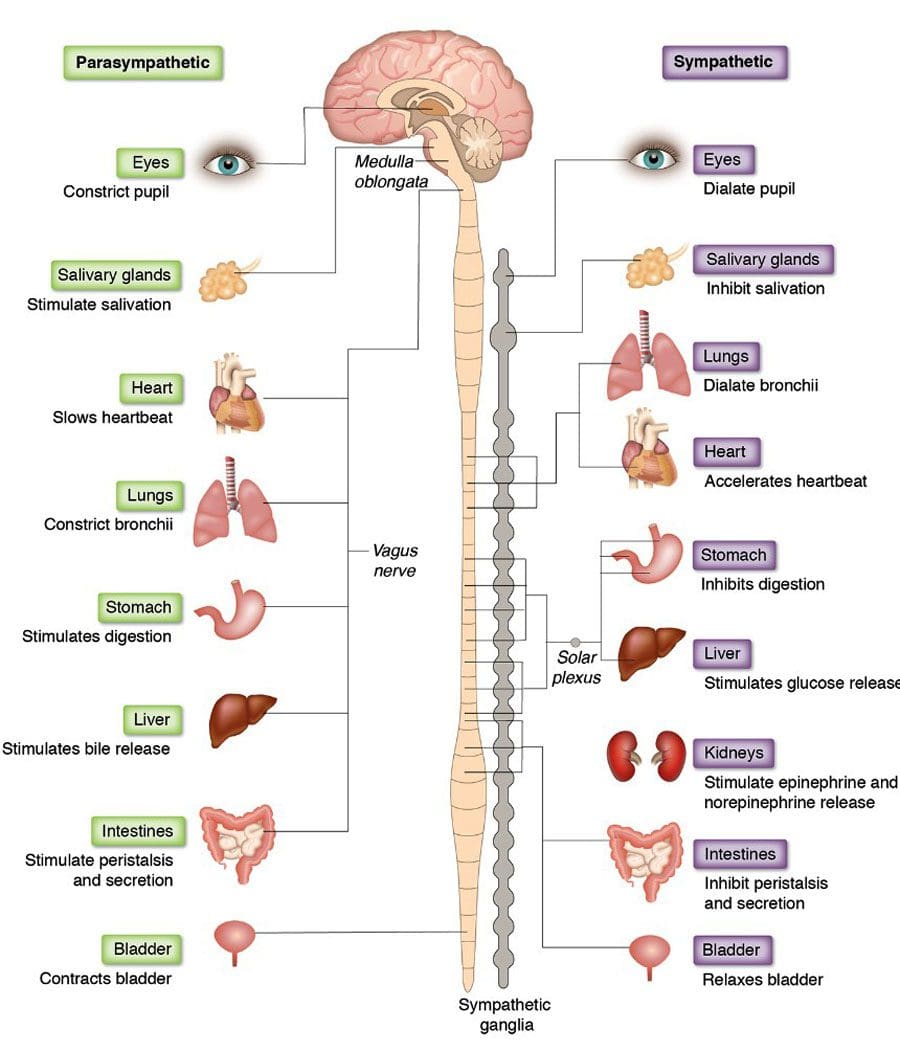
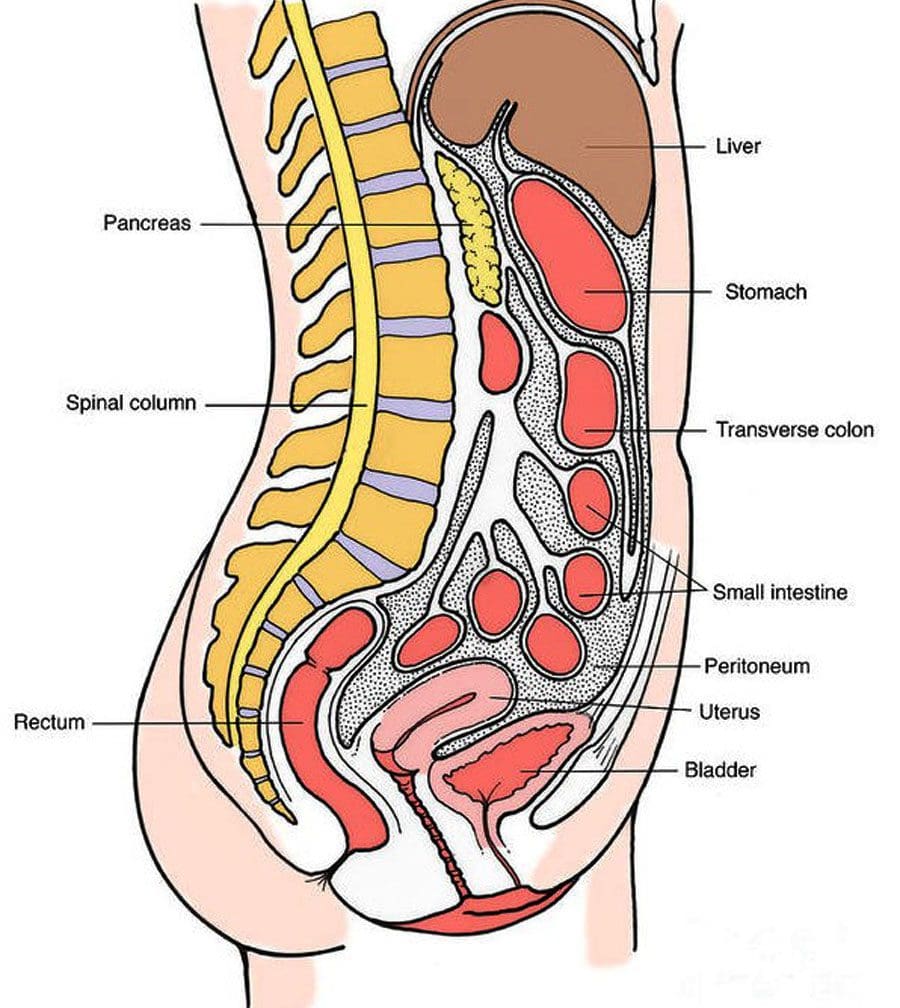
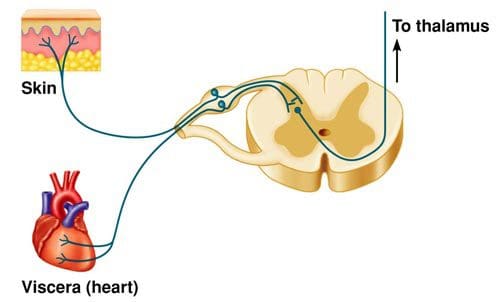
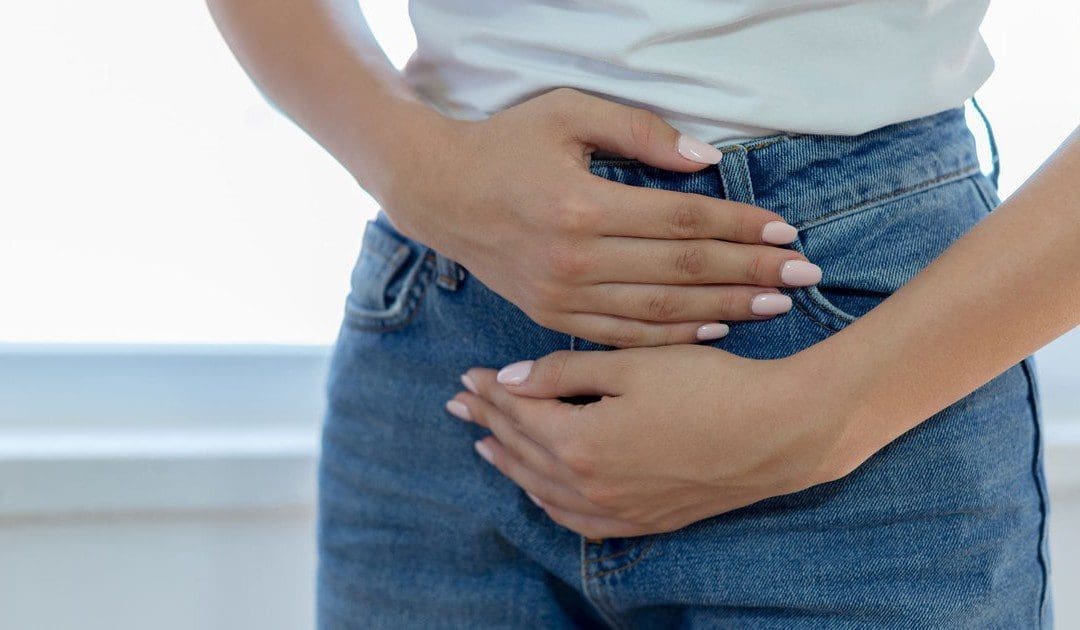
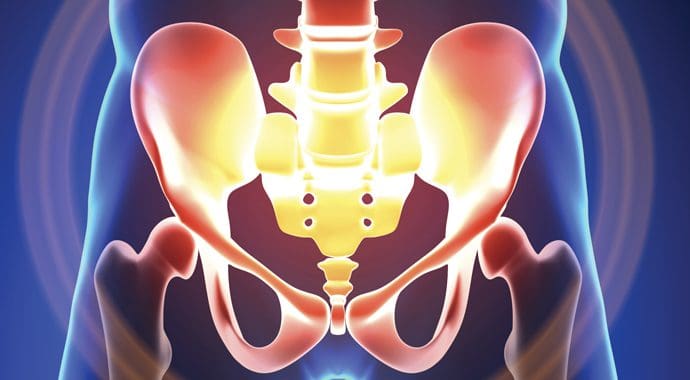
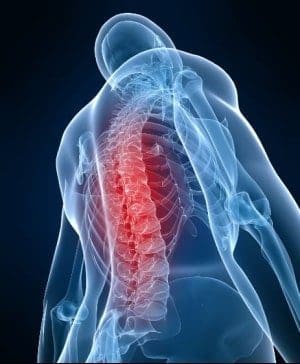
Low back and mid-back pain could be caused by abdominal or pelvic organ distress/irritation or infection that an individual doesn’t know about. This could be a viscerosomatic reflex. This can be the case when there is no back injury, muscle strain, or sprain that would coincide with back aching and soreness. Identifying the symptoms and diagnosing the underlying cause is the first step in getting ultimate pain relief.
The Organs
Inflammation and other issues with any internal organs in the central, abdominal, or pelvic region can produce low back pain. These include the following:
Heart
Lungs
Stomach
Intestines
Liver
Gallbladder
Viscerosomatic reflex pain can also be felt in a completely different body part than where the organ is located. This can cause an individual to think something is wrong in that body region when there is not.
Kidneys
The kidneys help remove liquid waste from the body.
Urine that contains more chemical substances than what can be diluted can cause kidney stones to form and sharp pain in the side and the lower back.
Kidney stones can also cause difficulty urinating and blood to show up in the urine.
Inflammation of the large intestine/colon and/or ulcerative colitis can also cause:
Low back pain.
Abdominal cramps
Rectal pain.
Visceral Pain
Visceral pain is different as it can be harder to pinpoint a source and feels like a dull aching or tightening pressure. The pain originates in the organs of the respiratory system, stomach, or pelvis that is often described as a dull ache but is also described as:
It can accompany other symptoms like nausea, vomiting, sweating, or heart palpitations.
Psychological symptoms like depression can begin to present.
Chiropractic Care
Chiropractic focuses on healing the musculoskeletal system of aches and pain, muscle stiffness, and/or chronic conditions that complement traditional medical care. Adjustments can correct the body’s alignment and how the body physically functions. A chiropractor will use manual or mechanical decompression techniques to realign the spine. This will release the muscle, tendon, ligament, and nerve tension, bringing pain relief, and improving nervous system function, and viscerosomatic reflex. Treatments include:
Adjustments
Will gently realign the joints to decrease pain and increase range of motion.
Soft-tissue therapy
Will relax tight muscles, relieve spasms, and release tension in the surrounding connective tissues.
Exercises and stretches
Will restore and maintain joint stability and mobility.
Joint bracing and Kinesio taping
Will support sprained joints or muscles as the healing process continues.
Integrative medicine expert referrals
Experts will guide individuals on diet and nutrition to reduce inflammation and promote healthy eating for overall health.
DRX9000 Low Back Pain, Sciatica, Herniated Disc
References
Bath M, Owens J. Physiology, Viscerosomatic Reflexes. [Updated 2022 May 8]. In: StatPearls [Internet]. Treasure Island (FL): StatPearls Publishing; 2022 Jan-. Available from: https://www.ncbi.nlm.nih.gov/books/NBK559218/
Beal, M C. “Viscerosomatic reflexes: a review.” The Journal of the American Osteopathic Association vol. 85,12 (1985): 786-801.
Lefebvre R, Peterson D, Haas M. Evidence-Based Practice and Chiropractic Care. (https://www.ncbi.nlm.nih.gov/pmc/articles/PMC3716373/) J Evid Based Complementary Altern Med. 2012;18(1):75-79. Accessed 4/25/2022.
Sikandar, Shafaq, and Anthony H Dickenson. “Visceral pain: the ins and outs, the ups and downs.” Current opinion in supportive and palliative care vol. 6,1 (2012): 17-26. doi:10.1097/SPC.0b013e32834f6ec9
Zhou, QiQi, and G Nicholas Verne. “New insights into visceral hypersensitivity–clinical implications in IBS.” Nature reviews. Gastroenterology & hepatology vol. 8,6 (2011): 349-55. doi:10.1038/nrgastro.2011.83
In the body’s upper half, the cardiovascular system’s heart helps pump nutrient-riched oxygenated blood all around the body to the corresponding muscles, tissues, and organs to keep the body functional. The heart is protected by the ribcage and muscles surrounding the heart organ from any external factors that can cause harm to the body. When these factors do cause an effect on the body, it can lead to many issues like thoracic back pain, cardiovascular problems, gut disorders, and even chest pains. These issues affect a person, causing them to feel crummy and dampen their outlook. Today’s article will look at chest pains, how it affects the gut and heart in the body, and how viscerosomatic dysfunction is associated with chest pains. We refer patients to certified, skilled providers specializing in osteopathic and cardiovascular treatments that help those suffering from chest pains and cardiovascular disorders. We also guide our patients by referring to our associated medical providers based on their examination when it’s appropriate. We find that education is critical for asking insightful questions to our providers. Dr. Alex Jimenez DC provides this information as an educational service only. Disclaimer
Can my insurance cover it? Yes, it may. If you are uncertain, here is the link to all the insurance providers we cover. If you have any questions or concerns, please call Dr. Jimenez at 915-850-0900.
What Are Chest Pains?
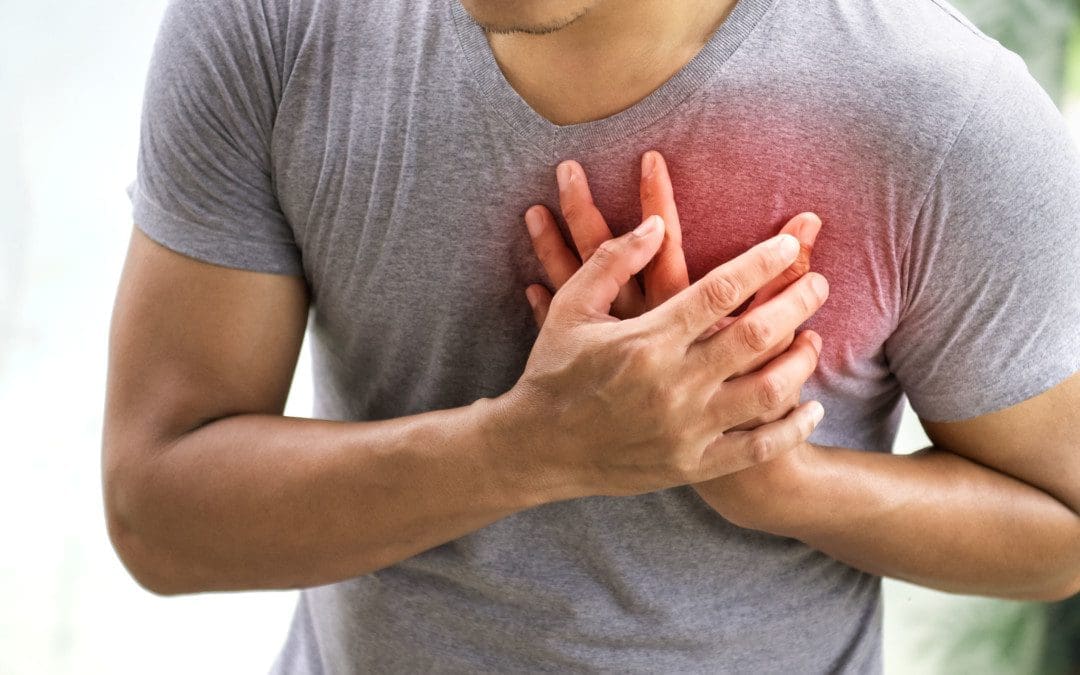
Have you noticed your heart is beating irregularly? How about acid reflux that is affecting your chest constantly? Have you felt muscle stiffness or tenderness in the middle regions of your back? Or have you felt your chest harden and stiffen after something impacted you? Many of these symptoms are tell-tale signs of you experiencing chest pains in your upper body. Research studies have defined chest pains as a common type of visceral pain that is a dull, deep pressure that squeezes the chest. This results in the visceral afferent nerves aggravated as they cause shoulder pain, jaw pain, or thoracic back pain since the nerve root reaches the spinal cord. Additional research studies have found that chest pains can have a variety of cardiac disorders as they can cause dysfunction in the muscles and skeletal joints within the chest walls or the thoracic regions of the spine. When the thoracic region of the spine becomes affected due to chest pains, it can cause herniation on the spinal discs, thus resulting in unwanted pain and discomfort to the individual. Chest pain can even affect the gut system and the heart itself.
How Does It Affect The Gut & The Heart?
Research studies have mentioned that chest pains can affect the gut system and the heart organ itself due to environmental changes that can affect the gut system. The gut microbiota helps metabolize homeostasis in the body for the gut system. When the gut has been impaired, the harmful bacteria travel through the systemic circulation and heighten the inflammatory effects that cause the development of cardiovascular diseases in the heart. At the same time, additional research studies have mentioned that any symptoms accompanying angina pain are conceptualized as a warning to individuals developing coronary artery disease. When this happens, not all ischemic episodes in the heart are indistinguishable when it comes to chest pains and can result from abnormalities of the thoracic regions.
Viscerosomatic Reflexes Overview-Video
Have you experienced irregular chest pains that pop up randomly? How about discomfort in the thoracic regions of your back? Do you feel gastrointestinal inflammatory issues like acid reflux or IBS (irritable bowel syndrome) cause you pain? These symptoms are associated with chest pains in the body due to viscerosomatic dysfunction. Research studies have found that visceral pain is a complex disorder since it can affect one internal organ in the body. In contrast, the corresponding nerve or muscle gets involved as well. Visceral pain is also associated with GI disturbances and changes in the body’s temperature, blood pressure, and heart rate, which are considered autonomic signs that the body is dysfunctioning. The video above gives an insightful overview explanation of what the viscerosomatic reflexes and nerves do when they are not aggravated.
Viscerosomatic Dysfunction Associated With Chest Pains
Since visceral pain is complex and can affect the internal organs, research studies have found that viscerosomatic dysfunction in the thoracic-upper abdominal regions can cause the thoracic and esophagus to become hypersensitive to environmental factors that irritate the airways that connect the entrance of the gut to the esophageal tube. Additional research studies have even found that non-cardiac chest pains are another form of viscerosomatic dysfunction that causes the esophageal opening of the stomach to become dysmotility and hypersensitive causing gastroesophageal reflux disease. This causes many individuals to develop chest pains and can affect a person’s mortality. Adjusting certain habits affecting the chest, gut, or back can reduce the effects that viscerosomatic dysfunction is causing to the person’s body so that they can get their sense of purpose back.
Conclusion
The body’s upper half has the cardiovascular system, where the heart makes sure to pump blood and nutrients to every muscle, tissue, and organ required to keep the body functional. When environmental factors cause issues affecting the body, it can cause various problems in the gut, chest, and heart; this is known as visceral pain and is a complex disorder that can affect the upper abdominal-thoracic region of the body. Visceral pain can cause the gut system to develop gastroesophageal reflux disease, chest pains, and cardiovascular disorders that can make the thoracic region of the spine herniated and stiff if it is not taken care of. When individuals start to take care of themselves and reduce the visceral pain from the affected organ, their bodies will begin to heal naturally and make them continue their health and wellness journey.
References
Brumovsky, P R, and G F Gebhart. “Visceral Organ Cross-Sensitization – an Integrated Perspective.” Autonomic Neuroscience: Basic & Clinical, U.S. National Library of Medicine, 16 Feb. 2010, https://www.ncbi.nlm.nih.gov/pmc/articles/PMC2818077/.
Börjesson, M. “Visceral Chest Pain in Unstable Angina Pectoris and Effects of Transcutaneous Electrical Nerve Stimulation. (TENS). A Review.” Herz, U.S. National Library of Medicine, Apr. 1999, https://pubmed.ncbi.nlm.nih.gov/10372297/.
Johnson, Ken, and Sassan Ghassemzadeh. “Chest Pain – StatPearls – NCBI Bookshelf.” In: StatPearls [Internet]. Treasure Island (FL), StatPearls Publishing, 1 Aug. 2021, https://www.ncbi.nlm.nih.gov/books/NBK470557/.
Sikandar, Shafaq, and Anthony H Dickenson. “Visceral Pain: The Ins and Outs, the Ups and Downs.” Current Opinion in Supportive and Palliative Care, U.S. National Library of Medicine, Mar. 2012, https://www.ncbi.nlm.nih.gov/pmc/articles/PMC3272481/.
Stochkendahl, Mette J, et al. “Diagnosis and Treatment of Musculoskeletal Chest Pain: Design of a Multi-Purpose Trial.” BMC Musculoskeletal Disorders, BioMed Central, 31 Mar. 2008, https://www.ncbi.nlm.nih.gov/pmc/articles/PMC2315652/.
Tang, W H Wilson, et al. “Gut Microbiota in Cardiovascular Health and Disease.” Circulation Research, U.S. National Library of Medicine, 31 Mar. 2017, https://www.ncbi.nlm.nih.gov/pmc/articles/PMC5390330/.
The body is held up by skeletal joints that keep the body upright and provide everyday movements for the body to go anywhere at any time. The musculoskeletal system provides the muscles, tissues, and ligaments that encase the skeletal joints protecting them from unknown factors that can cause harm to the body. The internal organs also have a purpose in the body as they help provide the nutrients and necessary hormones to the muscles and joints that need these nutrients to function. When environmental factors affect the body, either internal or external, it can cause the body to become dysfunctional and even cause unwanted symptoms that affect the internal organs that correspond to the muscles suffering. Today’s article looks at pelvic pain, how gut disorders are associated with pelvic pain, and how viscerosomatic pain affects the pelvis. We refer patients to certified, skilled providers specializing in osteopathic and gut treatments that help those with gut disorders and pelvic pain issues. We also guide our patients by referring to our associated medical providers based on their examination when it’s appropriate. We find that education is critical for asking insightful questions to our providers. Dr. Alex Jimenez DC provides this information as an educational service only. Disclaimer
Can my insurance cover it? Yes, it may. If you are uncertain, here is the link to all the insurance providers we cover. If you have any questions or concerns, please call Dr. Jimenez at 915-850-0900.
What Is Pelvic Pain?
Have you been experiencing gut issues that are affecting your pelvic region? Has your gut been feeling inflammatory effects? Have you noticed that you need to go to the bathroom more frequently than usual? Many of these symptoms are some of the signs that are associated with pelvic pain. Research studies have defined pelvic pain as disabling, chronic, and persistent pain that commonly affects women. Pelvic pain can range from acute to chronic depending on how severe the pain affects the pelvic region of the body. Additional research studies have mentioned that pelvic pain in its chronic form can become a multifactorial disorder that can cause pain in the gastrointestinal, pelvic musculoskeletal, or nervous system, making the immune, neurological, and endocrine metabolism dysfunctional. When pelvic pain begins to affect the gastrointestinal system, it can lead to various gut disorders that can cause the pain to become worse if it is not treated.
How Do Gut Disorders Associate Pelvic Pain?
Research studies have mentioned that since pelvic pain is a multifactorial disorder, it can cause pain to arise in the internal organs in the gastrointestinal system. When pelvic pain starts to affect the gastrointestinal system, it can cause the development of gut disorders to affect the body further. When gut disorders co-exist with pelvic pain, it can cause an enhancement to the overall pain symptoms that are becoming the result of viscerosomatic dysfunction through the cross-organ sensitization mechanisms. Additional information studies have mentioned that gut disorders like IBS (irritable bowel syndrome) can cause changes in thermal/visceral pain sensitivity that overlap in the lower body’s pelvic region, further enhancing rectal/thermal pain. This can cause a person to become miserable and even affect their quality of life since they are suffering from so much pain.
Visceral Afferent Nerves Being Affected By Pelvic Pain-Video
Have you experienced gut issues like IBS (irritable bowel syndrome), inflammation, or IBD (inflammatory bowel disease)? Have you felt pain in your pelvic region constantly? Has the pain-affected certain areas in your body, not just your pelvis? If you have these symptoms, it might be due to your visceral nerves being involved. The video above explains what the visceral afferent nerves from the pelvic region are doing to keep the body functioning in the lower extremities. The visceral afferent nerves become aggravated by environmental factors affecting the body, including the gut system. Symptoms of inflammation and gut disorders from persistent aspects of many forms of stress or trauma can cause visceral pain to affect the body, thus causing pelvic pain, gut issues, lower back pain, and other body pains.
How Viscerosomatic Pain Affects The Pelvis
The body’s viscerosomatic pain can be complex since the organs also affect the corresponding muscles. The way the pain is described in the body from viscerosomatic pain ranges from dull to excruciating pain. Research studies have mentioned that the burden of viscerosomatic pain emanates from the internal thoracic, pelvic, and abdominal organs associated with the muscles. For visceral pain to affect the pelvic region, research studies have shown that the nociceptive pain from the pelvic area is usually visceral from the results from the pelvic organs that are poorly localized and can overlap with the somatic sensory tracts that are located in the spinal cord. When this happens, it can cause significant discomfort to the pelvic organs in the body and affect the individual with excruciating painful symptoms.
Conclusion
The body provides everyday movements held by the skeletal joints that help the body go anywhere. While the musculoskeletal system and the internal organs help give the muscles, tissues, ligaments, and nutrients the body needs to function. When environmental factors affect the body, it can lead to various issues that cause gut disorders and even pain in the pelvic region, known as visceral pain. Visceral pain is a complex disorder since the affected organs also affect the corresponding muscles. For visceral pain to affect the pelvic area, it can lead to dull excruciating pain in the pelvic organs and affect the individual. Visceral pain can also overlap the sensory somatic tracts in the spinal cord, causing unbearable painful symptoms to the body while inflammatory issues in the gut system are developing. When people realize that the pain is affecting them, they can start to find treatments from their specialized providers to help alleviate their pain.
References
Dydyk, Alexander M, and Nishant Gupta. “Chronic Pelvic Pain – Statpearls – NCBI Bookshelf.” In: StatPearls [Internet]. Treasure Island (FL), StatPearls Publishing, 11 Nov. 2021, https://www.ncbi.nlm.nih.gov/books/NBK554585/.
Grinberg, Keren, et al. “New Insights about Chronic Pelvic Pain Syndrome (CPPS).” International Journal of Environmental Research and Public Health, MDPI, 26 Apr. 2020, https://www.ncbi.nlm.nih.gov/pmc/articles/PMC7246747/.
Origoni, Massimo, et al. “Neurobiological Mechanisms of Pelvic Pain.” BioMed Research International, Hindawi Publishing Corporation, 2014, https://www.ncbi.nlm.nih.gov/pmc/articles/PMC4119661.
Udoji, Mercy A, and Timothy J Ness. “New Directions in the Treatment of Pelvic Pain.” Pain Management, U.S. National Library of Medicine, Sept. 2013, https://www.ncbi.nlm.nih.gov/pmc/articles/PMC3979473/.
Verne, G Nicholas, et al. “Viscerosomatic Facilitation in a Subset of IBS Patients, an Effect Mediated by N-Methyl-D-Aspartate Receptors.” The Journal of Pain, U.S. National Library of Medicine, Sept. 2012, https://www.ncbi.nlm.nih.gov/pmc/articles/PMC3489925/.
Yuan, Tian, and Beverley Greenwood-Van Meerveld. “Abdominal and Pelvic Pain: Current Challenges and Future Opportunities.” Frontiers in Pain Research (Lausanne, Switzerland), Frontiers Media S.A., 4 Feb. 2021, https://www.ncbi.nlm.nih.gov/pmc/articles/PMC8915637/.
Back pain for no reason that is non-specific is also known as idiopathic, meaning there is no definitive cause like a herniated disc, vehicle accident/crash, falling accident, work, school, or sports injury. An aching sore back that came out of nowhere can be baffling. However, there are reasons for pain, including age, unhealthy posture, work occupation, muscle spasms, lifestyle habits, family medical history, and viscerosomatic reflexes.
Back Pain No Reason
Individuals will trace back their steps and often find that there was no heavy lifting of packages, overdoing it working out, or bending, twisting awkwardly, but the pain is present.
Age
Age is a primary cause of back pain. After the age of 20, the discs in the spine begin to dehydrate, shrink, and compress/flatten out. This can cause everyday activities to generate back strain and pain as the discs begin to slip, slide, and rub against each other. This is known as degenerative disc disease and is a process that continues as the body gets older.
Back Muscle Spasms
Muscle spasms are a common manifestation of back pain and occur when the muscles involuntarily contract. Spasms often happen from bending, heavy lifting, or other physical activities.
Lifestyle Factors
Lifestyle factors can be a causation factor for back pain that comes out of nowhere.
Smoking increases the risk as nicotine increases the wear and tear on the discs as well as other organs.
The smoke/nicotine causes the discs to age faster because it breaks down the collagen, an essential part of the discs.
Individuals that are out of shape, overweight, and/or obese are more likely to have back pain from the added weight.
Unhealthy Posture/Mechanics
Practicing unhealthy postures will no doubt begin to cause back or some type of pain from the strain and awkward positioning placed on the muscles being used. Strains, twists, pulls, or tears can occur if repeating the same motion.
Viscerosomatic Reflex
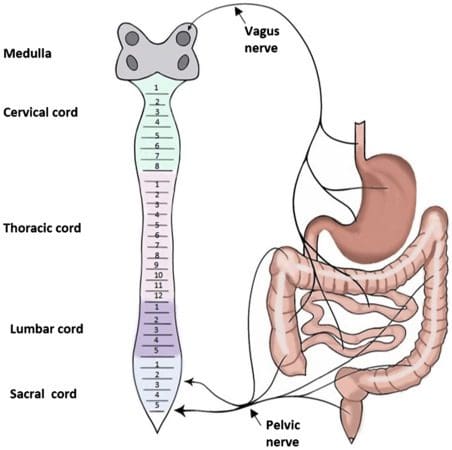
Viscera means organ, and somatic refers to the body or musculoskeletal system. A viscerosomatic reaction happens when a pain signal from an organ is transmitted via the spinal cord, where neurons and motor structures like the muscles, blood vessels, and skin are interconnected. The body’s organs can become distressed or suffer an infection/disease that causes signals to be sent that there is something wrong. However, the signal could be pain that materializes in the spine/back muscles but is not a spinal injury or condition.
Diagnosis and Treatment
The first step to successfully treating back pain is scheduling an appointment with a spine specialist or chiropractor. A series of specific questions will be asked to gain insight into the underlying cause of the pain. These include:
Location of the pain
Intensity of the pain
Frequency of the pain
Medical history
Diet habits
A careful examination is necessary for the doctor to identify the reasons in any individual patient. Once the physician has learned about the symptoms and history, they can determine a possible cause and create a personalized treatment/rehabilitation plan to get the body back to optimal health.
Decompression Patient Testimonials
References
Koes, B W et al. “Diagnosis and treatment of low back pain.” BMJ (Clinical research ed.) vol. 332,7555 (2006): 1430-4. doi:10.1136/bmj.332.7555.1430
Lankhorst, G J et al. “The natural history of idiopathic low back pain. A three-year follow-up study of spinal motion, pain and functional capacity.” Scandinavian journal of rehabilitation medicine vol. 17,1 (1985): 1-4.
Walker, Bruce F et al. “Combined chiropractic interventions for low-back pain.” The Cochrane database of systematic reviews vol. 2010,4 CD005427. 14 Apr. 2010, doi:10.1002/14651858.CD005427.pub2
Even though it is not officially summer, the heat says otherwise. Individuals with neuropathy can experience flare-ups when out in the heat for extended periods. Avoiding discomfort and having fun with family and friends can be stressful. This could be graduations, park festivals, family gatherings, weddings, etc. Here are some neuropathy summer tips/recommendations to maintain a healthy, fun, and pain-free season.
Neuropathy
Neuropathy results from damaged or destroyed nerve cells and is often a side effect associated with diabetes, autoimmune diseases, infections, tumors, and/or hereditary conditions. Also known as peripheral neuropathy, symptoms range from tingling sensations, burning pain, muscle spasms, difficulty moving the arms or legs, feelings of light headiness, and sometimes atrophy. The symptoms depend on the damaged nerves, ranging from autonomic, motor, and sensory nerves. As neuropathy progresses, individuals may begin to feel a loss of balance.
Neuropathy Summer Tips
Research and Prepare
Preparation and planning are highly recommended to prevent a flare-up. For long outdoor ceremonies:
Wear sunscreen
Stay fully hydrated
Dress in cool clothes
Make sure footwear has proper arch/sole support and breathing room.
Wear a hat and sunglasses
Stand periodically to ensure proper circulation if sitting for a while.
Shift weight back and forth during the event to pump circulation throughout the body.
Bring snacks like fruits, veggies, or gluten-free bars.
Know where cool resting areas are located.
If cooling down accommodations are not available, get there early to find a place in the shade, or in the case of bleachers, bring a more comfortable chair, umbrella, and misting fan.
Listen to the body
Listen to the body when engaged in activities, don’t try to push through where you don’t feel comfortable.
Take breaks
The goal is to ensure comfort during the activity, as being uncomfortable can exacerbate symptoms.
Self-care
The body needs thorough rest after a long day in the sun. It is recommended to ice any areas where pain presents to decrease inflammation and neuroplasticity and help with any symptoms of itching, pressure, numbness, or pins and needles.
Start with icing for three minutes, take the ice off and see how it feels.
If the area feels better, continue icing for a full ten minutes.
Remove the ice if irritation occurs or do not feel a difference.
Foods
Watching what you eat can be difficult at summer events. Specific foods like bread, gluten, and high-sugar products can cause symptoms.
If it causes an upset stomach or swelling, it is recommended to avoid it.
Go with fresh seasonal fruits and vegetables.
A little planning can ensure you eat the food that’s best for you.
Call ahead to let friends/family know of any food sensitivities.
Gluten apps allow the ability to scan an item to see if it contains gluten.
Consult a nutritionist to set up an enjoyable diet.
Chiropractic Care and Prevention
Chiropractic care for neuropathy focuses on the underlying conditions causing nerve pain and inflammation.
Treating the inflammation alleviates the pain in the joints and extremities.
Each treatment plan is personalized to meet the needs of every patient.
Treatment will focus on massage, adjustments, decompression, exercises, therapies, and nutrition that expedite healing throughout the body.
Spinal Decompression Non-Surgical
References
Campbell, James N, and Richard A Meyer. “Mechanisms of neuropathic pain.” Neuron vol. 52,1 (2006): 77-92. doi:10.1016/j.neuron.2006.09.021
Everybody is always moving in their vehicles as they go from one place to another in less time. Sometimes accidents happen as vehicles collide with each other and cause excruciating pain to the body as it lunges forward, causing back and neck pain to the individual. These are physical effects on the body, but the emotional impact also takes a toll on the individual. It can cause a person to become miserable and affect their quality of life. Today’s article discusses the effects of an auto accident are cause the back and body, as well as how non-surgical decompression therapy can help alleviate the pain in the back from an auto accident. Patients are referred to qualified, skilled providers specializing in spinal decompression and non-surgical treatments. We go hand in hand with our patients by referring them to our associated medical providers based on their examination when it’s appropriate. We find that education is valuable for asking critical questions to our providers. Dr. Jimenez DC provides this information as an educational service only. Disclaimer
Can my insurance cover it? Yes, it may. If you are uncertain, here is the link to all the insurance providers we cover. If you have any questions or concerns, please call Dr. Jimenez at 915-850-0900.
The Effects Of Auto Accidents On The Back
Have you suffered from back pain after a vehicle collision? What about experiencing whiplash or neck pain? Or has your lower back been feeling stiff and aches more? Many of these symptoms are signs that the spine, back, and neck all have suffered from the effects of an auto accident. Research has shown that the impact of a person in an auto accident causes the body to rapidly lunge forward and back after a complete stop, causing damage to the body, especially on the spine. After the auto accident has occurred, many individuals don’t feel the effects of the injuries that are caused by auto accidents sometimes until the day after the accident. This is due to the adrenaline in the body, which is both a neurotransmitter and a hormone and is fully turned on to the max. Additional information has stated that many individuals suffer from low back pain after a motor vehicle collision. Even if the accident was non-lethal, the impact can cause strain on the lower back muscles and compress the spinal nerves, making them irritated.
How The Body Is Affected
Research studies have shown that the impact of an auto accident may cause the body to have non-fatal physical injuries but also cause psychological trauma that can affect a person’s psyche. Many people that have experienced an auto accident will have various emotions that leave them in shock. During that process, emotions like distress, helplessness, anger, shock, and frustration are presented as the individual who was in the accident experience these negative emotions. Additional research also found that many individuals can experience low back pain episodes reoccurring along with the emotional presence that they are feeling. Fortunately, there are ways to alleviate low back pain caused by auto accidents and can help restore the spine to its functionality.
Spinal Decompression Therapy Alleviates Auto Accident Injuries- Video
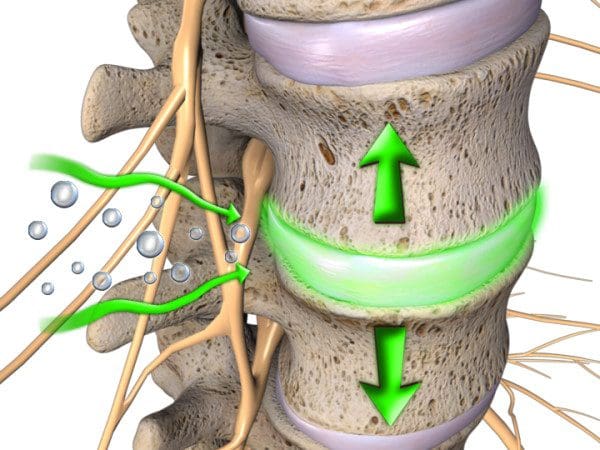
Have you experienced low back pain after a car accident? How about feeling the effects of muscle stiffness on the neck and low back the day after? Do emotions like stress, frustration, and shock affect your quality of life? These are signs and symptoms of what a person is going through after being involved in an auto accident and dealing with neck and back pain. There are ways to treat neck and back pain through decompression, and the video above explains the impressive effects of what decompression does to the individual. Decompression is a non-surgical treatment that allows gentle traction to alleviate the flattened spinal disc and take the pressure off the aggravated nerves surrounding the spine. The gentle traction also pumps the nutrients back to the dehydrated discs while increasing their heights. This link will explain what decompression offers and the impressive results for many individuals who suffer from back or neck pain due to an auto accident.
How Spinal Decompression Helps Relieve The Spine After Auto Accidents
After a person suffers from an auto accident, they experience pain in their spine and back the day before or after. Many individuals who suffer from low back pain, neck pain, and whiplash from auto accidents tend to find ways to alleviate the pain in their spine. One of these treatments is spinal decompression. Spinal decompression allows the individual to sit on a traction table in a supine position and be strapped in. Research studies have mentioned that spinal decompression is a non-surgical treatment for many individuals suffering from low back pain. In contrast, the traction machine slowly but gently pulls the spine to relieve the pain caused by a spinal injury due to an accident. This will provide effective recovery for many individuals suffering from low back pain. Additional information also mentioned that the effectiveness of decompression could reduce the inflammatory markers induced by the aggravated nerve roots through negative pressure, thus causing relief to the back.
Conclusion
Overall, suffering low back pain or neck pain after an auto accident is nerve-wracking for many individuals. The emotional and physical trauma caused by a motor vehicle collision can dampen a person’s mood, and the residual pain afterward can affect their quality of life. Utilizing decompression for non-surgical treatments can provide beneficial results in restoring functionality back in the spine and alleviating the pain the person is in. When people use decompression, they can get back to their activities and become pain-free from their lower back.
References
Daniel, Dwain M. “Non-Surgical Spinal Decompression Therapy: Does the Scientific Literature Support Efficacy Claims Made in the Advertising Media?” Chiropractic & Osteopathy, BioMed Central, 18 May 2007, https://www.ncbi.nlm.nih.gov/pmc/articles/PMC1887522/.
Kang, Jeong-Il, et al. “Effect of Spinal Decompression on the Lumbar Muscle Activity and Disk Height in Patients with Herniated Intervertebral Disk.” Journal of Physical Therapy Science, The Society of Physical Therapy Science, Nov. 2016, https://www.ncbi.nlm.nih.gov/pmc/articles/PMC5140813/.
Nolet, Paul S, et al. “Exposure to a Motor Vehicle Collision and the Risk of Future Back Pain: A Systematic Review and Meta-Analysis.” Accident; Analysis and Prevention, U.S. National Library of Medicine, July 2020, https://pubmed.ncbi.nlm.nih.gov/32438092/.
Nolet, Paul S, et al. “The Association between a Lifetime History of Low Back Injury in a Motor Vehicle Collision and Future Low Back Pain: A Population-Based Cohort Study.” European Spine Journal: Official Publication of the European Spine Society, the European Spinal Deformity Society, and the European Section of the Cervical Spine Research Society, U.S. National Library of Medicine, Jan. 2018, https://pubmed.ncbi.nlm.nih.gov/28391385/.
Salam, Mahmoud M. “Motor Vehicle Accidents: The Physical versus the Psychological Trauma.” Journal of Emergencies, Trauma, and Shock, Medknow Publications & Media Pvt Ltd, 2017, https://www.ncbi.nlm.nih.gov/pmc/articles/PMC5357873/.
Toney-Butler, Tammy J, and Matthew Varacallo. “Motor Vehicle Collisions – Statpearls – NCBI Bookshelf.” In: StatPearls [Internet]. Treasure Island (FL), StatPearls Publishing, 5 Sept. 2021, https://www.ncbi.nlm.nih.gov/books/NBK441955/.
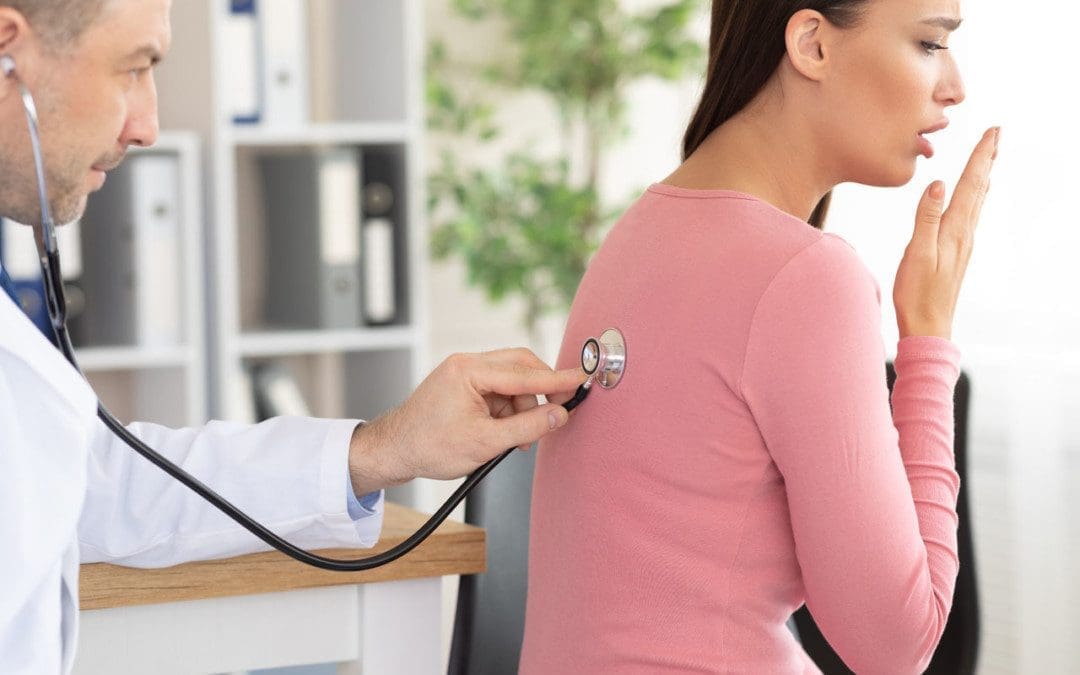
Asthma, coughing, and heavy breathing can contribute to back muscle strain, soreness, and pain. An asthma attack can cause the body to heave during intense gasping, leaving the back muscles physically exhausted. Chiropractic adjustments and decompression can bring back pain relief, strengthen and stretch the spine and spinal muscles, and prevent it from returning, along with asthma management.
Asthma
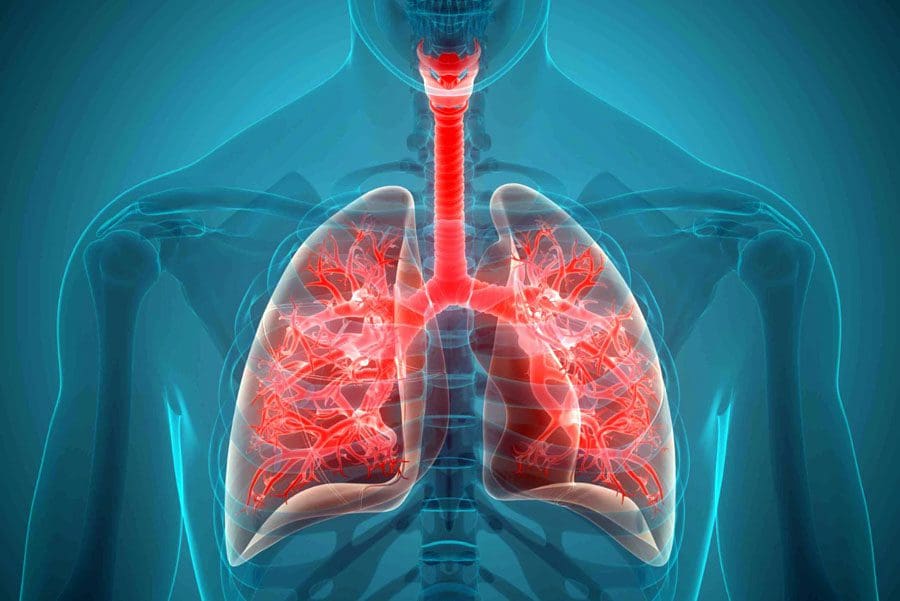
The bronchial tubesdivide into smaller passages called bronchi and then into bronchioles. The bronchioles have tiny air sacs called alveoli, where inhaled oxygen is delivered to the blood. After absorbing the oxygen, the blood leaves the lungs and travels to the heart. Asthma is a lung condition that can affect anyone at any age. Asthma narrows the lungs’ airways causing inflammation in response to respiratory triggers, making it harder for air to travel out of the airways when exhaling. Symptoms include:
Wheezing
Difficulty breathing
Gasping to get air
Coughing
Tightness in the chest
Triggers can include:
Hot and/or humid weather
Exercise
Cold air
Pollen
Pets
Viral infections
Respiratory infections
Asthma Coughing and Back Strain
Asthma symptoms can take a toll on the back muscles and spine. Asthma attacks that cause gasping and heavy breathing cause the primary muscle (diaphragm) that supports breathing to weaken and strain. The diaphragm helps the spine but cannot do so effectively when under constant strain.
Constant Coughing and Spinal Health
Coughing is the body’s way of expelling unwanted foreign bodies. Chronic coughing stresses, strains, and overexerts the spinal support muscles and impacts posture. Individuals unconsciously take on a tense, forward-leaning posture/position that can cause:
Neck and shoulder stiffness, upper/lower back tightness, disc herniation, and pain.
Vertebrae subluxations/spinal misalignments can interfere with circulation and nerve function.
For short-term back pain following an asthma attack or coughing episode, it is recommended to rest, apply heat or ice, and take over-the-counter pain medication.
Massage therapy and myofascial release can stretch and relax the muscles.
Chiropractic manipulation relieves the stress on the nerves and muscles and stimulates the spinal cordand nerves to regain proper functioning.
Breathing Exercises and Yoga
Strengthened and conditioned core muscles can help to breathe more efficiently. When breathing normally it is usually a shallow inhale/exhale that does not fill the lungs to the total capacity. Diaphragmatic breathing is a technique to fully engage the diaphragm and abdominal muscles to fill the lungs with air more efficiently. Using the diaphragm correctly will:
Strengthen the diaphragm.
Use less energy to breathe.
Slow down the breathing rate.
Decrease the work of breathing hard.
Decrease the demand for continuous oxygen.
Yoga is another core-strengthening technique that encourages focused breathing that can help improve asthma control.
Decompression Neurosurgeon
References
American Lung Association. Breathing Exercises. (https://www.lung.org/lung-health-diseases/wellness/breathing-exercises) Accessed 3/29/2022.
Lunardi, Adriana Claudia, et al. “Musculoskeletal dysfunction and pain in adults with asthma.” The Journal of asthma: Official Journal of the Association for the Care of Asthma vol. 48,1 (2011): 105-10. doi:10.3109/02770903.2010.520229
Rasmussen-Barr, E. et al. “Are respiratory disorders risk factors for troublesome low-back pain? A study of a general population cohort in Sweden.” The European spine journal: official publication of the European Spine Society, the European Spinal Deformity Society, and the European Section of the Cervical Spine Research Society vol. 28,11 (2019): 2502-2509. doi:10.1007/s00586-019-06071-5
Solakoğlu, Özge, et al. “The effects of forward head posture on expiratory muscle strength in chronic neck pain patients: A cross-sectional study.” Turkish Journal of physical medicine and rehabilitation vol. 66,2 161-168. 18 May. 2020, doi:10.5606/tftrd.2020.3153
IFM's Find A Practitioner tool is the largest referral network in Functional Medicine, created to help patients locate Functional Medicine practitioners anywhere in the world. IFM Certified Practitioners are listed first in the search results, given their extensive education in Functional Medicine