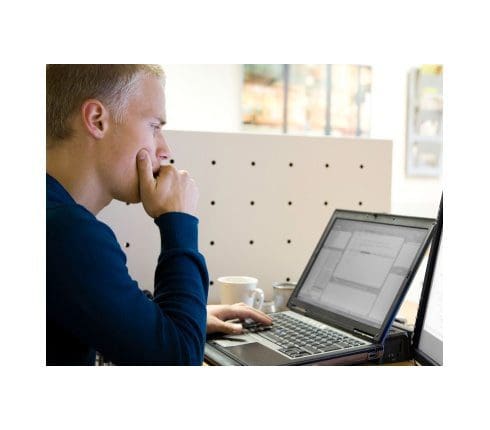
Ergonomics in the work place. Back pain is one of the most frequent work-related injuries and is often brought on by ordinary work activities like sitting in an office chair or heavy lifting.� the study of the workplace as it relates to the worker – helps prevent back pain and back injury and help maintain a healthy back.
The objective of an ergonomics program in business is to adapt the workplace to a specific worker, determined by the job description, required tasks, and physical make up of the employee performing these tasks.
Non-accidental injury, where pain occurs as a result of normal activities and needs of the task. This might occur from sitting in an office chair or standing for too long in one position.
Accidental injury results when an unexpected event triggers injury during the task. A load that changes as it is being lifted, and fall and a slip or hitting one’s head on a cabinet door or slips are typical examples. These injuries can jolt other joints, back, and the neck with consequent muscle strain or tearing of soft tissue at the back.
Occupations which are physically demanding and require repetitive lifting (such as in nursing or heavy industry) are at greatest risk for both non-accidental and accidental spine injury. For instance, a number of health workers have problems because patients are of weight and different stature with needs. Often, the patients need help changing position, rising from a chair and walking. Similarly, the physical effort needed to release a trapped individual or save a life is unpredictable. The same problems occur in the building industry where consistencies of tasks are a challenge.
Office Chair Back Injuries
Individuals who sit most of the day, like those working in a computer while sitting in an office chair, are also at high risk for non-accidental spine injury. Office ergonomics, or computer ergonomics, can help minimize the risk such as the dangers associated with prolonged sitting in an office chair, and carpal tunnel syndrome, such as lower back pain, neck strain, and leg pain.
Office Chair: Ergonomics To Reduce Back Pain?
This guide summarize the use of ergonomic concepts, mechanical apparatus and decent body mechanics (biomechanics) that can contribute to reducing back injuries in the work environment for several jobs. Significantly, staying strong, physically fit and flexible improves the probability of preventing back injuries.
There are certain basic ergonomic tips which may help an employee avoid back pain or back injury:
Develop a job description based on the forces within a particular work environment, the time spent performing the task and the biomechanics (which define human moves and seated posture in an office chair) used in the task.
Use body posture as a tool which may be changed to fit the job demands with minimal stress on the muscles, ligaments, bones and joints.
Learn and use proper body mechanics to restrict extra mechanical stress in completing the job.
Maintain fitness and flexibility and create a reserve of strength.
Identifying Poor Posture And Risks
Many potentially harmful situations that lead to back injury can be identified and avoided by following four basic rules of thumb:
Prolonged static posture is your enemy. The healthy body can only tolerate staying in one position for around 20 minutes. That is sitting at a movie theatre, in a desk in an office chair, or on an airplane becomes uncomfortable after a short time. Standing in one area, such as standing on a floor at an assembly line tends to cause back pain. Holding the same position gradually reduces elasticity in the soft tissues (muscles, ligaments, and tendons in the back). Stress builds up and causes discomfort and/or leg discomfort back.
The remedy is simple. Whether you are sitting in an office chair or standing in a line, change positions frequently. Just move. Stand or sit, stretch, have a short walk. After returning to the standing or sitting posture, use an alternate posture for only a couple minutes and some.
Frequent or repetitive stretching to the end range of motion or embarrassing, angled positions can liquefy the joints. Unlike jobs that need seating in an office chair, jobs that require motion can cause discomfort. Such tasks involve lifting overhead lifting from the floor, moving loads, or utilizing force or twisting while managing material and which signal back injuries might be on the way.
Heavy loads offer greater risk. It is important to have the proper tools or get help if the job requires moving objects.
Fatigue�from sitting in an office chair, from work or from insomnia can make people move more awkwardly. If one is overtired or feels fatigued, it is advisable to avoid lifting heavy objects alone or quickly.
These ergonomic rules of thumb will help the worker and their backs. Otherwise the worker is at risk of sustaining or aggravating a back injury.
Did you know people send an average of 250 million texts daily? Along with the convenience that technology provides, also comes the need to avoid or minimize injuries. This is particularly true of young people, who are still growing.
With the ever increasing daily use of mobile devices such as smartphones, tablets and handheld games, chiropractors are seeing an increase in corresponding Repetitive Strain Injuries (RSI’s), known by names like text neck and Blackberry thumb. RSIs are injuries of the musculoskeletal and nervous systems that are often caused by repetitive activities, forceful exertions, vibrations, mechanical compression (pressing against hard surfaces), or sustained awkward positions.
What Is Text Neck?
Text neck shows itself as curved shoulders, head hanging forward and down and is caused by poor posture from being�hunched over a mobile device for a long time. This prolonged poor posture is often related to chronic headaches, shoulder, neck pain and can have long term impact.
For every inch of forward head posture, it can increase the weight of the head�on the backbone by an additional 10 pounds.
Physiology Of Joints & Technology
Young men and women are especially at risk as they are heavy users of advancing technology i.e. smartphones and handheld gaming devices.
Text neck and neck strain can cause postural abnormalities and change the growth pattern, especially in the spine.
Technology isn’t going anywhere, so how can we help our children minimize the risks? The trick is to stress the importance of posture and how to attain it, since text neck is a postural abnormality.
Chiropractic And Strong Posture
Recommendations To Avoid Text Neck
There are several things parents and young people can incorporate into their daily activities to alleviate the symptoms of text neck, related RSIs and fortify their posture:
Sit up straight with chest out and shoulders back.
Bring your arms up to eye level so you don’t have to look down to see the screen.
If you must look down, tuck your chin into your neck instead of hanging your head forward.
If you use your mobile device for extensive typing, consider investing in an external keyboard.
Rest your forearms on a pillow while typing to minimize neck tension.
Avoid using mobile devices in bright sunlight. Straining to see the screen often leads forward chin movement which, strain the head muscles.
Try For A Balanced Lifestyle
The best way to minimize the risk of RSIs related to mobile devices is to balance the use of these devices and all around techology.
Balance is critical. Encourage your child to take breaks from devices that are mobile and get regular physical activity to offset the effects of leaning over a smartphone, tablet or computer.
“You want to neutralize the stress,” says Doctor of chiropractic Brian Gushaty. “Strenuous physical activity for the upper body, such as racquet sports, can provide a good counterbalance for the strain caused by poor posture.”
Another key element is to introduce your child to a regular stretching program:
Hand stretches and squeezing a stress ball can help fingers.
Pull shoulder blades down and back to help alleviate neck and shoulder strain.
Stretch the chest by standing up straight with arms down at your side. Turn forearms until thumbs are pointing at the wall behind you.
Posture strengthening programs, like Straighten Up Alberta, is a fun, fast and effortless method to incorporate stretching into your daily routine.
If you are worried your child is suffering from a repetitive strain injury like text neck, speak to a health care provider. A chiropractor is trained to treat RSI’s in all age groups and can provide advice on achieving a balanced healthy lifestyle for your whole family.
Question: I’ve had back pain for awhile and I was able to function through it for a time. But now it’s taking its toll on me, as well as my family. I never believed in chiropractors, but now I’ll try anything. What should I ask my physician about chiropractic?
El Paso, TX. Chiropractor, Dr. Alexander Jimenez has seen this scenario all too often and is happy to inform anyone about chiropractic care and it’s benefits.
About two out of every three people will likely experience significant low back pain at some point. A doctor might suggest any range of potential treatments and therapies. But one that almost is never considered is a referral for spinal manipulation.
It seems doctors have been mistaken for initial treatment of lower back pain.�It may be time for doctors to rethink their chiropractic biases.
Spinal Manipulation:
Along with other less traditional therapies like heat, acupuncture and meditation, chiropractic appears to be as powerful as any other medical treatments doctors prescribe and as safe, if not safer.
Physicians are traditionally wary of spinal manipulation (applying pressure on bones and joints), in part because the practitioners are often not doctors. Patients with back pain don’t seem as skeptical. A survey from 2002 through 2008 found that over 30 percent sought chiropractic care, significantly more than those who sought massage, acupuncture or homeopathy.
Researchers have been looking at the evidence supporting spinal manipulation for a while. Nearly 35 years ago, a systematic review assessed the available research found that there may be some short-term benefits from the process. Two reviews from 2003 agreed for the most part, finding that spinal manipulation worked better than a “sham procedure”, or placebo, but no better or worse than other options.
Recently, in The Journal of the American Medical Association, researchers looked for new studies since 2011, in addition to those that had been performed before.
Evidence from 15 randomized controlled trials, which included more than 1,700 patients, revealed that spinal manipulation minimized their back pain of about 10 points on a 100-point scale. The evidence from 12 randomized controlled trials that overlapped of almost 1,400 patients showed that spinal manipulation also resulted in improved mobility and function.
In February, in Annals of Internal Medicine, another systematic review of non-pharmacologic therapies generally agreed with the recent trials. Based on this review, and other evidence, the American College of Physicians released new clinical practice guidelines for the noninvasive treatment of back pain. They recommended that patients should try spinal manipulation, heat, massage and acupuncture as first-line therapies.
What If The Spinal Adjustment Causes Other Injuries:
Because of the fear of those injuries, physicians are hesitant to refer patients to chiropractors or physical therapists for care. However, in the studies outlined above, there were no serious adverse events reported. It is possible to find stories of injury to the spine from improper adjustments, but these are rare, and almost never involve the lower spine.
What About The Cost:
Some doctors are concerned about the cost of chiropractic, especially since many insurance carriers don’t cover chiropractic. Seeing a chiropractor costs more than taking many non-narcotic pain medications. However, more invasive interventions cost a lot of money. In addition, studies have proven that, in general, users of complementary and alternative medicine spend less for back pain compared to users of only traditional medicine.
Medication and surgery may also result in injuries and prescription pain medicines, like opioids, may result in huge costs, particularly when they’re misused.
Some physicians are uncomfortable that they do not have a clear picture of how spinal manipulation actually works. The reality is that doctors don’t understand why a number of other therapies work either.
Back pain is still the issue and no matter what you do, chiropractic is definitely an option to consider.
Chiropractic: Alternative Approach To Treating Chronic Pain
Pain is defined as a physical discomfort caused by illness or injury. Most cases of pain are temporary, or they disappear once the source of the symptom is treated or healed, however, what happens when the pain becomes persistent?
How can you diagnose chronic pain?
Diagnosing chronic pain can be a long procedure. Because there are lots of possible causes behind the painful symptoms, the health care provider may need to conduct a variety of examinations and tests to attempt to find the source of your own pain. Below are a few of the methods the physician may try to diagnose chronic pain.
Medical History
Your doctor will take a comprehensive health history, going over any injuries, illnesses, and medical problems that run in your family. It is essential to be thorough so that the doctor can take a look at the full assortment of causes because chronic pain can generally be a result after injury or illness.
You’ll also have to be very particular about your pain: description, frequency, intensity, duration, activities that make it worse, even whether it is better at a certain time of day, etc.. It may be a good idea to initiate a pain journal where you record details of your pain. You’ll be better able to share information with the healthcare professional.
Physical, Neurological, and Mental Health Exams
For the physical examination, the physician will see your range of movement (that is how well and how much you can move specific joints), posture, and general physical condition. He or she will make note of any movements that increase or cause you pain.
The neurological examination will test your nerves, so this test is particularly critical for chronic pain. The doctor will test your reflexes, muscle power, and how well it is possible to feel. The physician might test if you can feel a touch in your skin. That may indicate nerve damage if you can’t. The healthcare provider will see whether your pain is currently spreading through the examination, �or whether you came in complaining of back pain.
Because chronic pain frequently has an emotional or psychological element, you might have to have a mental health examination. This is to check for symptoms such as stress or depression, that could develop alongside pain. The health exam may also give your doctor a complete picture of your overall health and wellness.
Diagnostic Tests
To see if there is an injury or identifiable illness causing your chronic pain, the healthcare professional will need to conduct diagnostic tests. For the imaging evaluations (x-rays, MRIs), you may have to go to an imaging center to have these done; the results will probably be sent back to your physician, who will interpret them for you.
Some possible diagnostic tests include:
Blood evaluation: Your doctor may be able to tell if you have specific forms of arthritis or a disease based on a blood test.�A blood test also allows the doctor to check your liver and kidney functions.
Bone scan: To help your doctor detect spinal problems such as osteoarthritis, sacroiliac joint dysfunction, fractures, or illnesses (which can all lead to chronic pain), you could have a bone scan. You will have a small amount of radioactive substance. That can travel through your blood flow and be absorbed by your bones. An area where there is abnormal action, like an inflammation, will absorb substances. A scanner can detect the quantity of radiation from all your muscles and also show the “hot spots” (the areas with more radioactive material) to help your doctor figure out where the issue is.
CT scan: A CT scan, which stands for computerized axial tomography, reveals the bones, but in addition, it reveals the soft tissues and nerves.
EMG: An electromyography (EMG) will check if your muscles are responding well to nerve stimuli.
MRI: An MRI, which stands for magnetic resonance imaging, shows the bones, but in addition, it shows the soft tissues and nerves. MRIs do not expose you to radiation by using magnets to get the picture.
Myelogram: To see whether you have a spinal canal or spinal cord disorder, maybe nerve compression causing weakness and pain, you might need a myelogram. In this evaluation, you’ll have a special dye injected into the fluid that surrounds your spinal cord and nerves. Then you’ll have a CT scan or an x-ray. The image will offer a detailed anatomic picture of your spine of the bones, which will assist your doctor.
NCV: A nerve conduction velocity (NCV) test will help the doctor evaluate your nerves and ascertain if there is any damage. This test is done together using the EMG test.
Nerve block: When the doctor suspects that a particular nerve is damaged and that is what is causing your chronic, they may do a nerve block. This is a special type of injection that may help identify if the nerve is the source of pain.
X-ray: This gives your doctor a clear picture of your bones.
The scope of our information is limited to chiropractic and spinal injuries and conditions. To discuss options on the subject matter, please feel free to ask Dr. Jimenez or contact us at 915-850-0900 .�
By Dr. Alex Jimenez
Additional Topics: Wellness
Overall health and wellness are essential towards maintaining the proper mental and physical balance in the body. From eating a balanced nutrition as well as exercising and participating in physical activities, to sleeping a healthy amount of time on a regular basis, following the best health and wellness tips can ultimately help maintain overall well-being. Eating plenty of fruits and vegetables can go a long way towards helping people become healthy.
Question: I work at a desk all day and have started to feel pain in my neck, back, shoulders and arms. Can chiropractors help with sitting posture and general posture?
El Paso, TX. Chiropractor, Dr. Alexander Jimenez provides insight into proper sitting posture and general posture through chiropractic.
Have people asked you about using a posture brace to help correct their sitting habits? Chiropractic patients with moderate posture problems, meaning that they may be chronic but are not tied to any spinal column or other medical condition, may benefit from a posture back brace to improve this condition. There are a number of great ones available, and you can see more information about some of the top ones here.
A patient such as this will almost certainly enjoy the quick referral as well as the relatively fast results, and chiropractors get an easy opportunity to help people, which explains why many enter the profession in the first place.
But if the patient does have an underlying chiropractic ailment, a back brace will probably do little if any good. These issues are usually easily diagnosed using a quick examination, and afterwards, treatment is relatively straightforward as well.
Diagnosing Conditions
All good exams begin with thorough health history, because in most cases, family history is among the most powerful indicators about current issues.
Next, observe the individual’s gait, as how someone walks shows a number of issues. For instance, those who stand or walk with their legs abnormally spread might have fallen arches. Because the bottom of the foot isn’t in appropriate contact with the floor, the whole body has been thrown off kilter, resulting in poor posture. While it isn’t really a chiropractic condition, fallen arches are, as simple as, a referral to an orthopedist.
Moreover, if the patient is experiencing pain, the location can be an indicator as to where the muscles may be weak and there is too much strain on the spine or a different region of the body. Muscle weakness is among the leading causes of poor posture. So, follow-up tests that measure muscle strength and range of movement are usually a good idea.
If the gait examination signals issues in a particular area of the body, the professional should concentrate further diagnostic efforts in that region.
Ultimately, one of the most simple and effective evaluations is just holding a yardstick or comparable object against the patient’s back, so the two of you can definitely see any abnormalities. This comprehensive approach generally describes some of the very frequent chiropractic posture issues, including:
Tissue Damage:
If the neck, lower back, mid back, or any other area is weak and/or inflexible, the individual will probably not see very much posture improvement until these conditions are adjusted and the muscles have been strengthened.
Kyphosis:
Hunchback is a degenerative spine condition that’s very prevalent in women over 60. While more advanced cases may be life threatening and may require spinal fusion surgery, most men and women respond well to therapeutic adjustments and other treatments.
Scoliosis:
This condition is much like genetically-induced kyphosis, since there’s no cure but there are several therapies available. In extreme cases, surgery may be necessary.
Un-Level Pelvis/Pelvic Tilt:
A pelvic tilt, a lower sacral base, and a femur head discrepancy can indicate a lower extremity source, but not�whether it is an anatomical or functional short leg. A clinical postural exam with lower extremity screening is the only way to make this determination.
Forward Head Posture:
The anterior positioning of the cervical spine. This posture is sometimes called Scholar’s Neck, Wearsie Neck, Hunch & or Reading Neck.It is a posture problem that is due to several factors including sleeping with the head raised too high, prolonged use of computers and cellphones, lack of developed back muscle strength and deficiency of nutrients like calcium. Potential negative effects include tingling and numbness in the arms, and a burning pain between the shoulder blades.
Treatment
As stated previously, back braces frequently mend postural issues, like slouching. As for structural problems, like scoliosis, more aggressive treatments are needed.
Conventional treatment consists of:
Heat
Massage
Stretching
Strength exercises
Supportive braces
There are a number of biofeedback tools that accurately evaluate patient progress.
As a chiropractor, your patients count on you to get much better. That almost always means accurately assessing the problem, which also means a quick and capable referral or an aggressive and well thought out therapy regimen.
Question: My parents are elderly, and both hurt their backs. What type of doctor or physician should I look for?
Chiropractic care is safe and effective for elderly adults with back pain, according to new research. To better understand the risk and benefits of chiropractic care in elderly individuals, El Paso, TX. Chiropractor, Dr. Alexander Jimenez, answers questions regarding chiropractic care for elderly individuals with back pain.??
Q: Is Chiropractic Care Safe For Elderly People?
Dr. Jimenez: Chiropractic care is one of the safest interventions for the care of back pain. The dangers of a serious problem after a chiropractic adjustment would be like the danger of having a serious problem after an immunization–exceptionally small. However, minor side effects lasting up to approximately 3 days are very common, most commonly muscle stiffness and soreness. These side effects are similar to those you get when you begin a workout program. People have a smaller chance of severe side effects from manipulation and manual treatment than they do from medication taken for the very same ailments. You should always discuss any side effects from treatment with your chiropractor right away.
Q: What Are The Benefits Of Chiropractic Care For The Treatment Of Low Back Pain In Older Adults?
Dr. Jimenez: Chiropractic care has been used for over 100 years to assist patients with back pain. One of the best benefits of trying chiropractic care first is that you can avoid the risk of side effects from taking medications for pain. Opioid drug addiction is a serious crisis in America. Trying non-drug therapies, such as chiropractic care first may help to reduce the high rates of opioid dependency in the USA.
Actually, the most recent treatment principle for low back pain (from the American College of Physicians), specifically states that people should attempt non-drug options first. The health dangers of pain medications are even greater for older adults compared to younger people, since many older people have other illnesses that affect their wellbeing, and their own bodies process drugs more slowly. Also, many drugs, particularly opioids, increase older people’s risk of falls, which is a very considerable risk in this age group.
Q: What Questions Should I Ask My Chiropractor Before Receiving Treatment?
Dr. Jimenez:�When first talking with a chiropractor, inquire which sort of treatments he or she may use for back pain. Chiropractic care incorporates many different non-drug approaches in addition to spinal manipulation, including other kinds of manual therapy in addition to exercise. �Ask the chiropractor to explain or illustrate the type of spinal manipulation he or she uses (many chiropractors have photographs or can demonstrate what they do), so that you feel comfortable with it. Should you feel uncomfortable with the therapy, feel free to ask whether there are alternate kinds of manipulation he or she may use as there are many different ways to perform spinal manipulation for optimum patient comfort, and also achieve the same targets.
Q: What Should I Tell A Chiropractor About My Medical History, Medicines, & Spinal Condition?
Dr. Jimenez: First of all, since chiropractors are trained to choose a thorough patient history, including questions regarding medication, past injuries or surgeries, and any recent changes in your health, most likely you won’t have to volunteer this information. You’ll be asked about your health history on a patient intake form. Then the doctor will ask you more questions in person. Make sure to talk about all health information about current and previous conditions, drugs, history of accidents and surgeries or alternative therapy, and current changes in your health, even if you think they are not important, they may be.
The chiropractor will also inquire what makes your pain worse or better, and if you have had changes in strength, recent falls, or balance issues, changes in your bowel or bladder function along with other relevant health factors like eating and sleep habits. The chiropractor should then perform a thorough physical examination, including your neurological system, to be certain that spinal manipulation is ideal for you. He or she’ll also see what kinds of adjustments will make your pain better or worse. The chiropractor will use all of this information to develop a treatment plan that’s specific for you to help you fulfill your goals for returning to a normal lifestyle.
Should you be worried about that nagging neck pain that’s been bothering you for the previous couple of days? If you wait until it goes away or do you call a doctor and/or chiropractor?
It Could Be A Muscle Strain
Did you lift something heavy recently? Or maybe you slept wrong on your neck last night? If that’s the case, your neck muscles may have been hyperextended (you stretched them past normal range), which may be causing stiffness. Muscle strains on your neck usually are not severe, but that isn’t always true. Watch your symptoms over the next few days.�If they get worse, call your doctor or chiropractor.
It Could Be Whiplash
Whiplash can cause acute neck pain, which means your pain and soreness lasts a few days or weeks. It usually goes away by itself. If you notice that your pain is getting worse or develop other symptoms, i.e. weakness, numbness, and tingling, call your doctor right away.If you have been in an auto accident, it’s important to get checked out. Sometimes ligaments can stretch and lead to spine problems.
It Could Be Poor Posture
If you’re sitting hunched over a desk all day, tight neck muscles may be causing your neck pain. Chronically tense muscles never get a break, so work with a chiropractor, physical therapist or personal trainer who will teach you easy neck exercises in addition to how to keep good posture. Also, take frequent stretch breaks throughout the afternoon, and elevate your monitor so you don’t need to hunch over it.
It Could Be A Herniated Or Bulging Disc
For those who have neck pain that does not go away even with rest, it might be a herniated or bulging disc. This usually means an intervertebral disc in your cervical spine (neck) may be pressing on a nerve, which could be causing pain. Or it may lead to pain down your arm and into your hand. Let your physician or chiropractor know if you experience these symptoms.
When To Call Your Doctor
Call your doctor immediately if your neck pain becomes worse and you develop other symptoms, including tingling, weakness, dizziness, or loss of bowel or bladder control. It’s far better to be safe when it comes to your neck health. The bottom line is that you never really know whether that neck pain is severe or not, so don’t be afraid to talk about your health.
IFM's Find A Practitioner tool is the largest referral network in Functional Medicine, created to help patients locate Functional Medicine practitioners anywhere in the world. IFM Certified Practitioners are listed first in the search results, given their extensive education in Functional Medicine


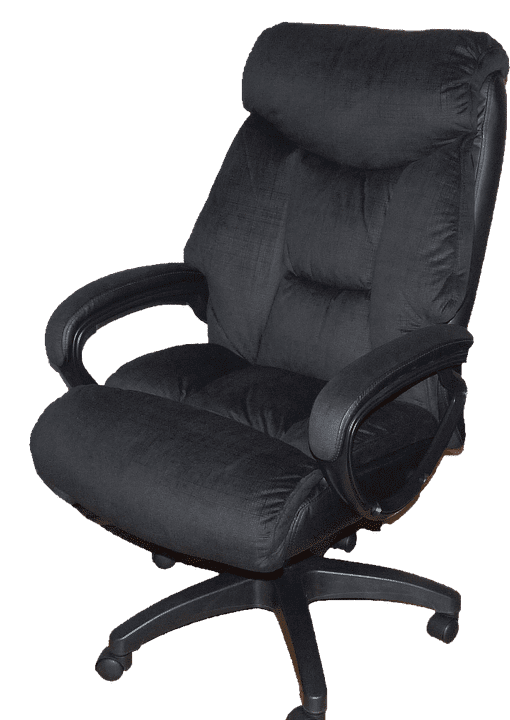 Individuals who sit most of the day, like those working in a computer while sitting in an office chair, are also at high risk for non-accidental spine injury. Office ergonomics, or computer ergonomics, can help minimize the risk such as the dangers associated with prolonged sitting in an office chair, and carpal tunnel syndrome, such as lower back pain, neck strain, and leg pain.
 Many potentially harmful situations that lead to back injury can be identified and avoided by following four basic rules of thumb:
 These ergonomic rules of thumb will help the worker and their backs. Otherwise the worker is at risk of sustaining or aggravating a back injury.
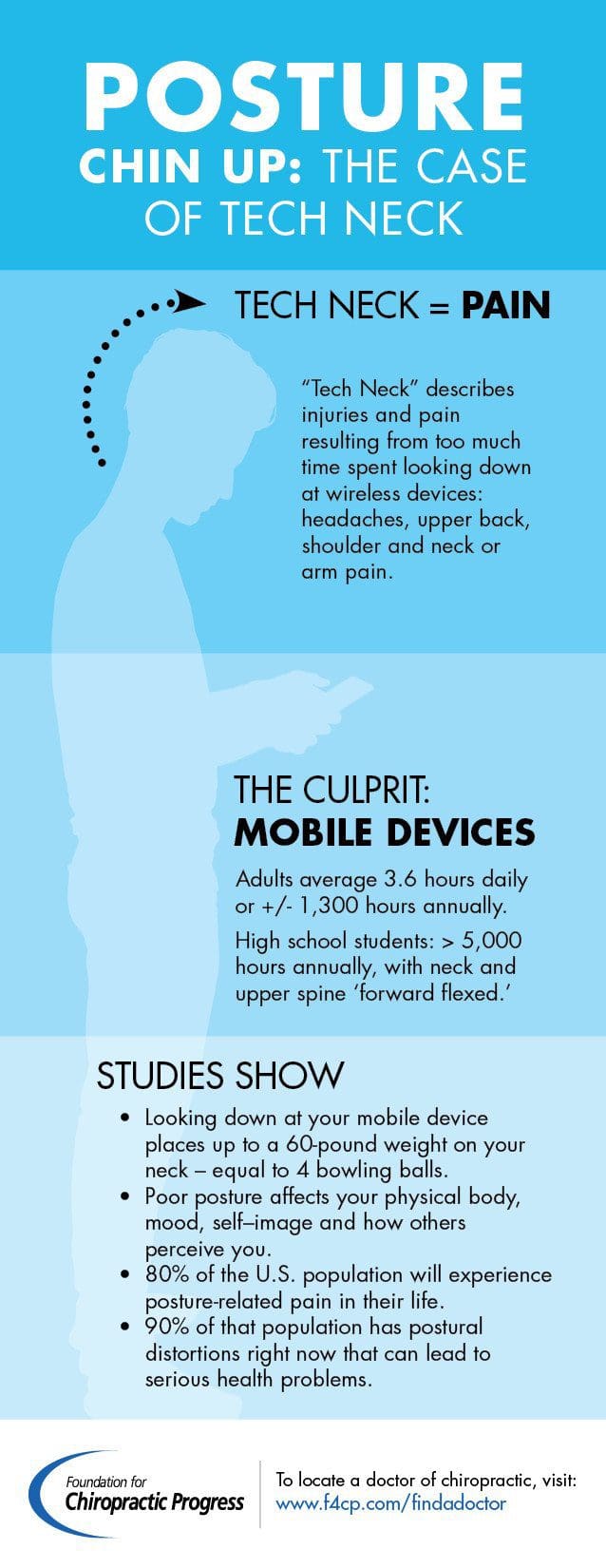
 For every inch of forward head posture, it can increase the weight of the head�on the backbone by an additional 10 pounds.










 It Could Be Poor Posture