The workstation is one of the most damaging places you can spend your day when it comes to your spine. Office chairs are not designed to promote good posture or spinal health while desks and computer monitors are notorious for being too low or too high. The result can cause pain in your neck and back, headaches, and a variety of other conditions.� A stability ball could be the answer.
However, if you have a job that requires you to sit at a desk for an extended period, what can you do? Are you stuck with an achy, stiff neck and back because your workstation doesn�t promote a healthy posture? You don�t have to suffer; you can work healthier and smarter. Using an exercise ball as your chair is a great way to combat the painful and even detrimental effects of the traditional desk and chair.
Stability Ball as an Office Chair
A stability ball, also known as a Swiss ball, exercise ball, or physioball, is a large, inflatable ball used for training. A stability ball helps to increase pillar strength, improve stability and have better balance. It is large, making it high enough that it can easily be used as a desk chair.
At least one company has combined the fitness benefits of a stability ball with some of the convenient features of an office chair (wheels, lumbar support, etc.). Gaiam Balance Ball Chairs are stability balls that are intended to be used as chairs. The ball needs to be inflated before use and may need to be reinflated from time to time. It also has a 300-pound weight capacity. It is a somewhat pricier alternative to the plain stability ball.
How Sitting on a Stability Ball Benefits your Spine
There are at least three outstanding benefits you can enjoy by using a stability ball as your chair. Try it for just 30 days and see the difference for yourself. In that time you will see:
Your core muscles are toned. As you balance on the stability ball, it forces you to engage your core muscles including those in your low back, abdominal, and pelvic floor. It will keep your muscles engaged for extended periods of time but also encourage you to move for little extra core work. This, in turn, will help to keep your spine correctly aligned and stabilized.
Your back pain is relieved. Sitting on your stability ball improves your circulation, encouraging blood flow throughout your body. An office chair, on the other hand, does just the opposite. This is helpful in relieving pain. It keeps your spine aligned which also helps with any back pain you may experience. This is in part to the core strength you develop, but also because you are less likely to slouch or sit in a position that puts a strain on your back.
You have better posture.�A better-aligned spine naturally leads to better posture. Sitting on the ball works your core, strengthening those muscles so that your spine is supported, resulting in better posture. You will find that you sit up straighter and over time you will walk taller. Better posture is perfect for your spine, making it more flexible and stronger.
It should be noted that it isn�t healthy to sit in any position for too long. Stand up and move about every hour or so. While the stability ball causes you to change positions throughout the day, you also need full body movement, which includes standing, stretching and walking.
Fitness is loved by April Hermosillo. She enjoys exercising and eating foods that are healthful. As an athlete since age 14, her neck and lower back pain induced her to experience foot cramps. April Hermosillo tries not to allow her symptoms to change her life. April expresses just how much pain relief Dr. Alex Jimenez has provided her and how thankful she is for trusting chiropractic care with her health problems. Dr. Jimenez is highly recommended by her as the selection for pain.
Lower Back Pain Chiropractic Treatment
Eight out of 10 adults experience debilitating neck or back pain at some time in their lives. Back pain is the second most frequent cause of missed workdays because of illness, and also the most frequent cause of disability in the United States. The goal of chiropractic care is to provide safe and effective treatment which allows patients to come back to a busy lifestyle as soon as possible. Spine specialists can ascertain which treatment strategies are best for each health issue. Non-surgical treatments are the most suitable treatments for neck and back pain.
We are blessed to present to you�El Paso�s Premier Wellness & Injury Care Clinic.
As El Paso�s Chiropractic Rehabilitation Clinic & Integrated Medicine Center,�we passionately are focused on treating patients after frustrating injuries and chronic pain syndromes. We focus on improving your ability through flexibility, mobility and agility programs tailored for all age groups and disabilities.
If you have enjoyed this video and we have helped you in any way, please feel free to subscribe and recommend�us.
While computed tomography scanning, or CT scans, of the cervical spine are frequently utilized to help diagnose neck injuries, simple radiographs are still commonly performed for patients who have experienced minor cervical spine injuries with moderate neck pain, such as those who have suffered a slip-and-fall accident. Imaging diagnostic assessments may reveal underlying injuries and/or aggravated conditions to be more severe than the nature of the trauma. The purpose of the article is to demonstrate the significance of cervical spine radiographs in the trauma patient.�
Abstract
Significant cervical spine injury is very unlikely in a case of trauma if the patient has normal mental status (including no drug or alcohol use) and no neck pain, no tenderness on neck palpation, no neurologic signs or symptoms referable to the neck (such as numbness or weakness in the extremities), no other distracting injury and no history of loss of consciousness. Views required to radiographically exclude a cervical spine fracture include a posteroanterior view, a lateral view and an odontoid view. The lateral view must include all seven cervical vertebrae as well as the C7-T1 interspace, allowing visualization of the alignment of C7 and T1. The most common reason for a missed cervical spine injury is a cervical spine radiographic series that is technically inadequate. The �SCIWORA� syndrome (spinal cord injury without radiographic abnormality) is common in children. Once an injury to the spinal cord is diagnosed, methylprednisolone should be administered as soon as possible in an attempt to limit neurologic injury.
Radiographs continue to be used as a first-line imaging diagnostic assessment modality in the evaluation of patients with suspected cervical spine injuries. The aim of cervical spine radiographs is to confirm the presence of a health issue in the complex structures of the neck and define its extent, particularly with respect to instability. Multiple views may generally be necessary to provide optimal visualization.
Dr. Alex Jimenez D.C., C.C.S.T.
Introduction
Although cervical spine radiographs are almost routine in many emergency departments, not all trauma patients with a significant injury must have radiographs, even if they arrive at the emergency department on a backboard and wearing a cervical collar. This article reviews the proper use of cervical spine radiographs in the trauma patient.
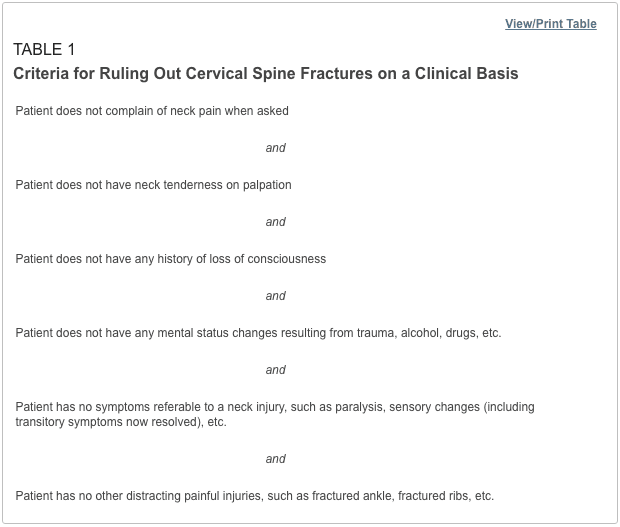
Low-risk criteria have been defined that can be used to exclude cervical spine fractures, based on the patient’s history and physical examination.1�6 Patients who meet these criteria (Table 1) do not require radiographs to rule out cervical fractures. However, the criteria apply only to adults and to patients without mental status changes, including drug or alcohol intoxication. Although studies suggest that these criteria may also be used in the management of verbal children,7�9 caution is in order, since the study series are small, and the ability of children to complain about pain or sensory changes is variable. An 18-year-old patient can give a more reliable history than a five-year-old child.
Some concern has been expressed about case reports suggesting that �occult� cervical spine fractures will be missed if asymptomatic trauma patients do not undergo radiography of the cervical spine.10 On review, however, most of the reported cases did not meet the low-risk criteria in Table 1. Attention to these criteria can substantially reduce the use of cervical spine radiographs.
Cervical Spine Series and Computed Tomography
Once the decision is made to proceed with a radiographic evaluation, the proper views must be obtained. The single portable cross-table lateral radiograph, which is sometimes obtained in the trauma room, should be abandoned. This view is insufficient to exclude a cervical spine fracture and frequently must be repeated in the radiographic department.11,12 The patient’s neck should remain immobilized until a full cervical spine series can be obtained in the radiographic department. Initial films may be taken through the cervical collar, which is generally radiolucent. An adequate cervical spine series includes three views: a true lateral view, which must include all seven cervical vertebrae as well as the C7-T1 junction, an anteroposterior view and an open-mouth odontoid view.13
If no arm injury is present, traction on the arms may facilitate visualization of all seven cervical vertebrae on the lateral film. If all seven vertebrae and the C7-T1 junction are not visible, a swimmer’s view, taken with one arm extended over the head, may allow adequate visualization of the cervical spine. Any film series that does not include these three views and that does not visualize all seven cervical vertebrae and the junction of C7-T1 is inadequate. The patient should be maintained in cervical immobilization, and plain films should be repeated or computed tomographic (CT) scans obtained until all vertebrae are clearly visible. The importance of obtaining all of these views and visualizing all of the vertebrae cannot be overemphasized. While some missed cervical fractures, subluxations and dislocations are the result of film misinterpretation, the most frequent cause of overlooked injury is an inadequate film series.14,15
In addition to the views listed above, some authors suggest adding two lateral oblique views.16,17 Others would obtain these views only if there is a question of a fracture on the other three films or if the films are inadequate because the cervicothoracic junction is not visualized.18 The decision to take oblique views is best made by the clinician and the radiologist who will be reviewing the films.
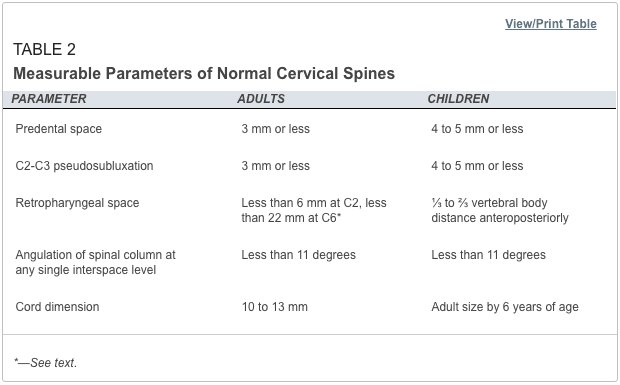
Besides identifying fractures, plain radiographs can also be useful in identifying ligamentous injuries. These injuries frequently present as a malalignment of the cervical vertebrae on lateral views. Unfortunately, not all ligamentous injuries are obvious. If there is a question of ligamentous injury (focal neck pain and minimal malalignment of the lateral cervical x-ray [meeting the criteria in Table 2]) and the cervical films show no evidence of instability or fracture, flexion-extension views should be obtained.17,19 These radiographs should only be obtained in conscious patients who are able to cooperate. Only active motion should be allowed, with the patient limiting the motion of the neck based on the occurrence of pain. Under no circumstance should cervical spine flexion and extension be forced, since force may result in cord injury.
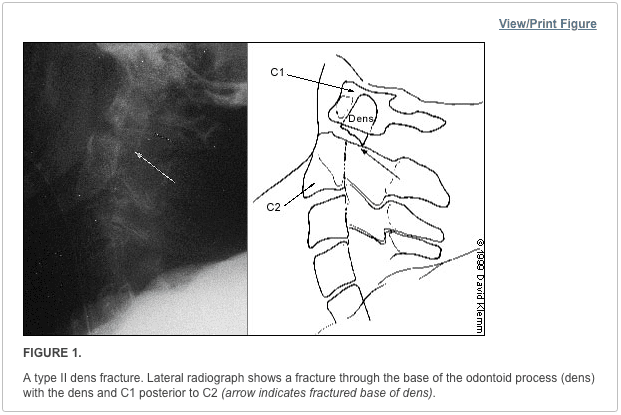
Although they may be considered adequate to rule out a fracture, cervical spine radiographs have limitations. Up to 20 percent11,20,21 of fractures are missed on plain radiographs. If there is any question of an abnormality on the plain radiograph or if the patient has neck pain that seems to be disproportionate to the findings on plain films, a CT scan of the area in question should be obtained. The CT is excellent for identifying fractures, but its ability to show ligamentous injuries is limited.22 Occasionally, plain film tomography may be in order if there is a concern about a type II dens fracture (Figure 1).
While some studies have used magnetic resonance imaging (MRI) as an adjunct to plain films and CT scanning,23,24 the lack of wide availability and the relatively prolonged time required for MRI scanning limits its usefulness in the acute setting. Another constraint is that resuscitation equipment with metal parts may not be able to function properly within the magnetic field generated by the MRI.
Cervical Spine Radiography
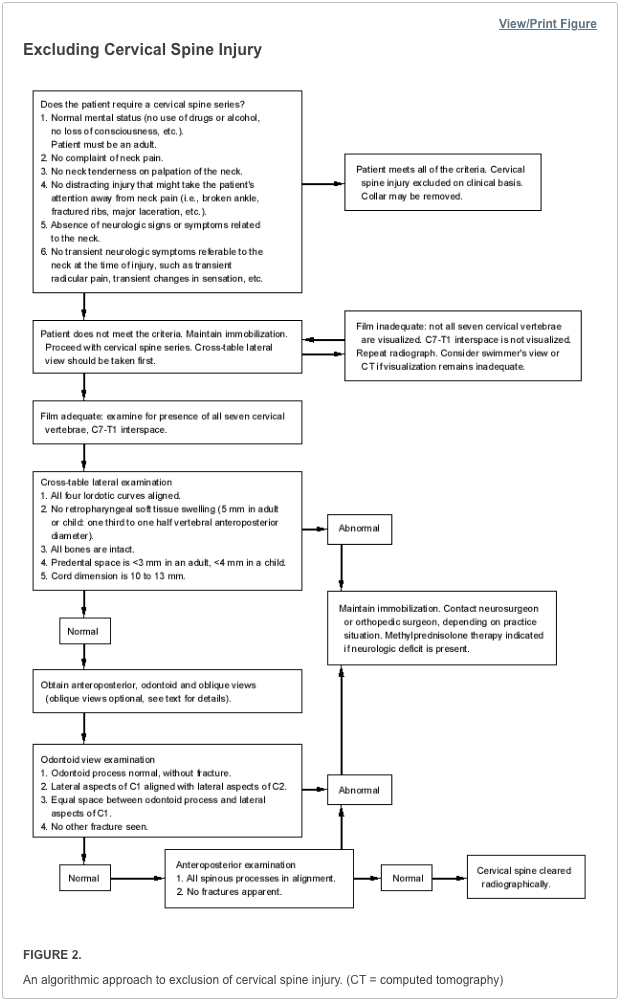
Figure 2 summarizes the approach to reading cervical spine radiographs.
Lateral View
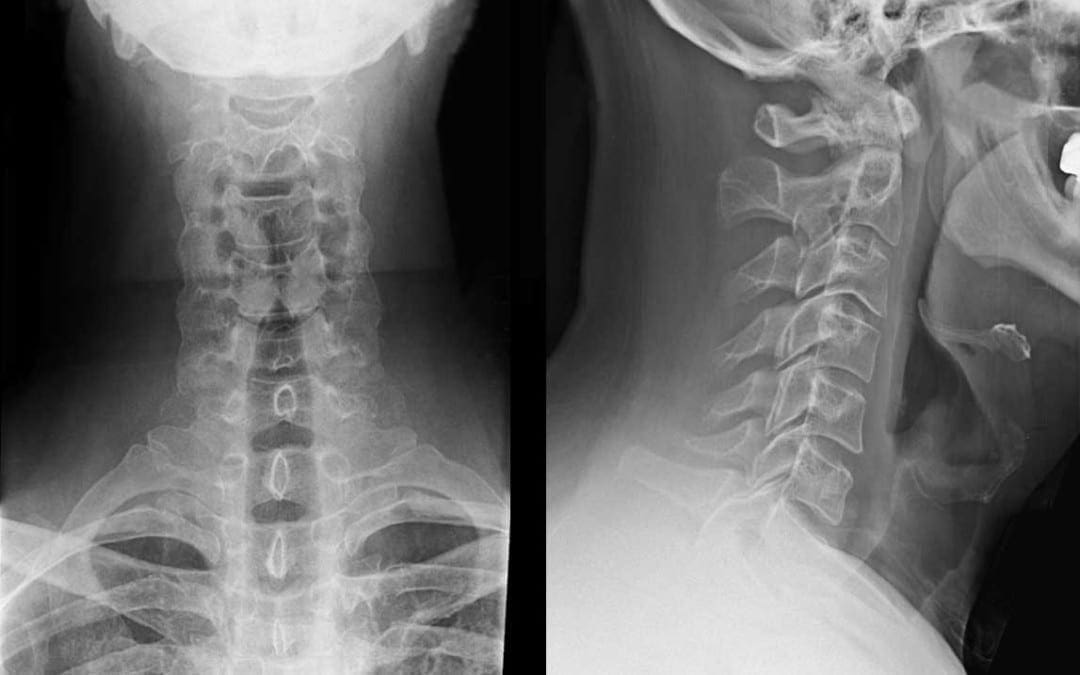
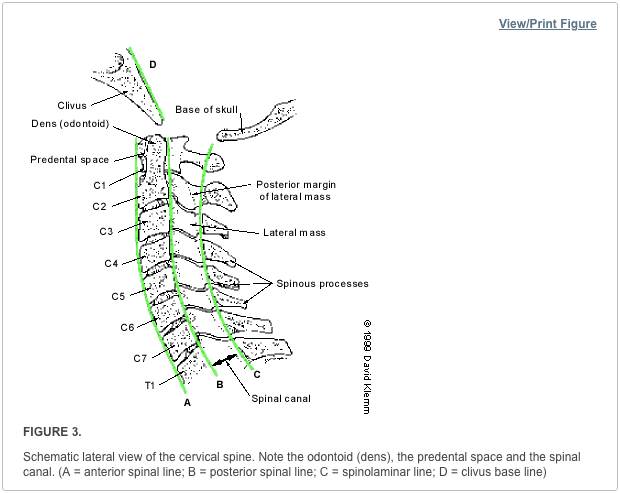
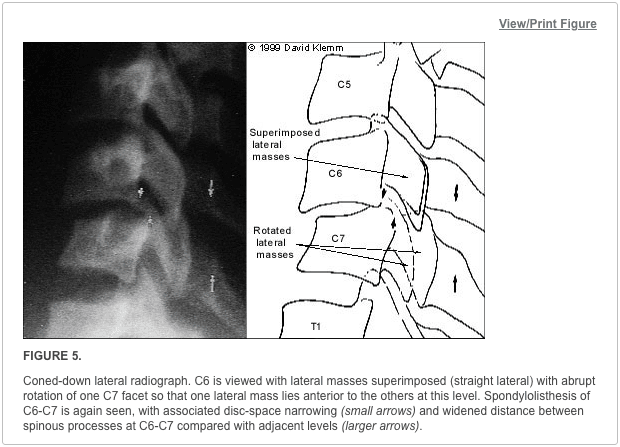
Alignment of the vertebrae on the lateral film is the first aspect to note (Figure 3). The anterior margin of the vertebral bodies, the posterior margin of the vertebral bodies, the spinolaminar line and the tips of the spinous processes (C2-C7) should all be aligned. Any malalignment (Figures 4 and 5) should be considered evidence of ligamentous injury or occult fracture, and cervical spine immobilization should be maintained until a definitive diagnosis is made.
Confusion can sometimes result from pseudosubluxation, a physiologic misalignment that is due to ligamentous laxity, which can occur at the C2-C3 level and, less commonly, at the C3-C4 level. While pseudosubluxation usually occurs in children, it also may occur in adults. If the degree of subluxation is within the normal limits listed in Table 2 and the neck is not tender at that level, flexion-extension views may clarify the situation. Pseudosubluxation should disappear with an extension view. However, flexion-extension views should not be obtained until the entire cervical spine is otherwise cleared radiographically.
After ensuring that the alignment is correct, the spinous processes are examined to be sure that there is no widening of the space between them. If widening is present, a ligamentous injury or fracture should be considered. In addition, if angulation is more than 11 degrees at any level of the cervical spine, a ligamentous injury or fracture should be assumed. The spinal canal (Figure 2) should be more than 13 mm wide on the lateral view. Anything less than this suggests that spinal cord compromise may be impending.
Next, the predental space�the space between the odontoid process and the anterior portion of the ring of C1 (Figure 2)�is examined. This space should be less than 3 mm in adults and less than 4 mm in children (Table 2). An increase in this space is presumptive evidence of a fracture of C1 or of the odontoid process, although it may also represent ligamentous injury at this level. If a fracture is not found on plain radiographs, a CT scan should be obtained for further investigation. The bony structures of the neck should be examined, with particular attention to the vertebral bodies and spinous processes.
The retropharyngeal space (Figure 2) is now examined. The classic advice is that an enlarged retropharyngeal space (Table 2) indicates a spinous fracture. However, the normal and abnormal ranges overlap significantly.25 Retropharyngeal soft tissue swelling (more than 6 mm at C2, more than 22 mm at C6) is highly specific for a fracture but is not very sensitive.26 Soft tissue swelling in symptomatic patients should be considered an indication for further radiographic evaluation. Finally, the craniocervical relationship is checked.
Odontoid View
The dens is next examined for fractures. Artifacts may give the appearance of a fracture (either longitudinal or horizontal) through the dens. These artifacts are often radiographic lines caused by the teeth overlying the dens. However, fractures of the dens are unlikely to be longitudinally oriented. If there is any question of a fracture, the view should be repeated to try to get the teeth out of the field. If it is not possible to exclude a fracture of the dens, thin-section CT scans or plain film tomography is indicated.
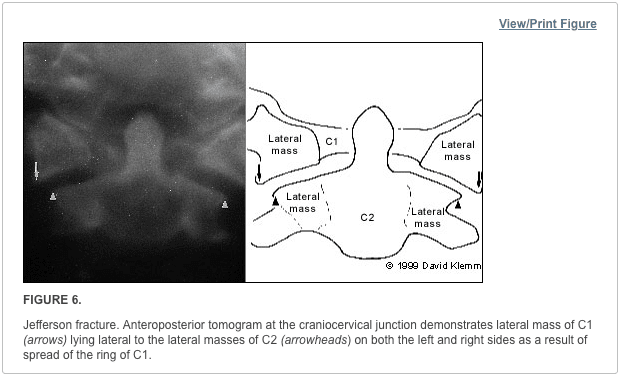
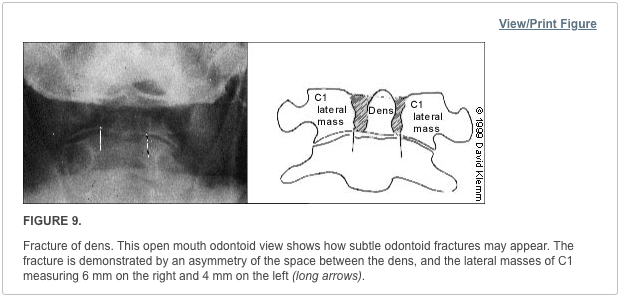
Next, the lateral aspects of C1 are examined. These aspects should be symmetric, with an equal amount of space on each side of the dens. Any asymmetry is suggestive of a fracture. Finally, the lateral aspects of C1 should line up with the lateral aspects of C2. If they do not line up, there may be a fracture of C1. Figure 6 demonstrates asymmetry in the space between the dens and C1, as well as displacement of the lateral aspects of C1 laterally.
Anteroposterior View
The height of the cervical spines should be approximately equal on the anteroposterior view. The spinous processes should be in midline and in good alignment. If one of the spinous processes is off to one side, a facet dislocation may be present.
Common Cervical Abnormalities
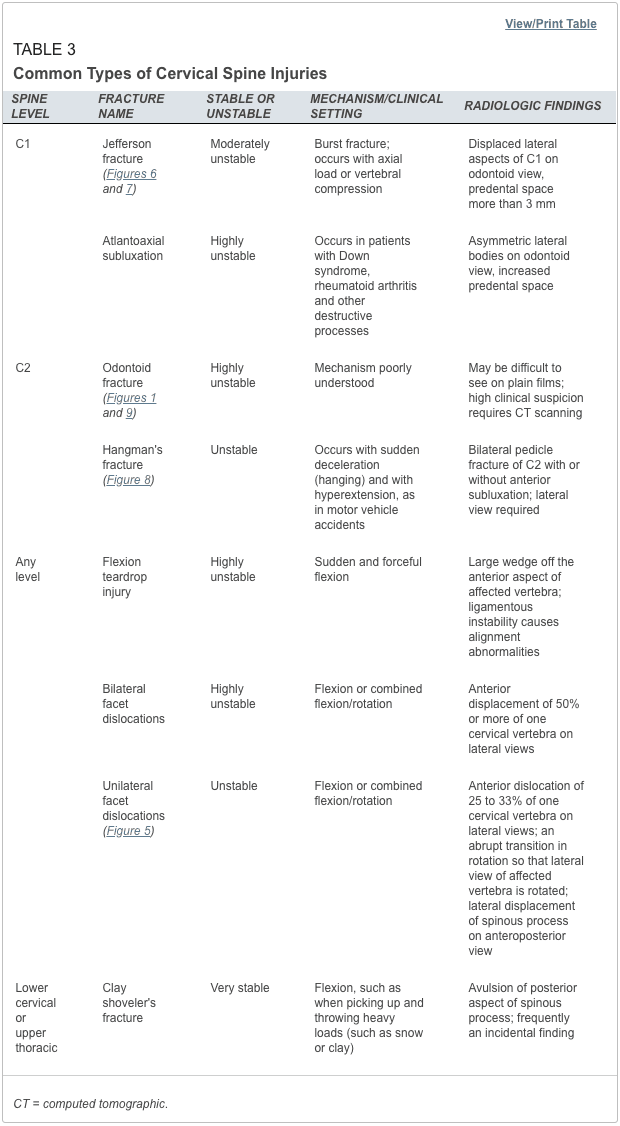
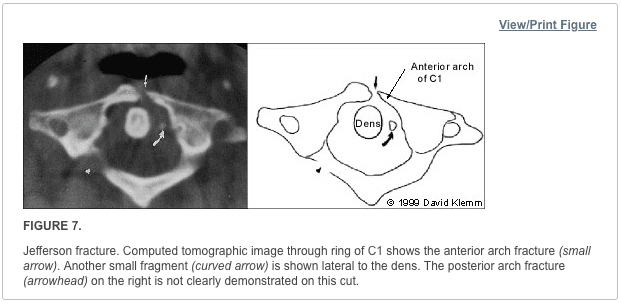
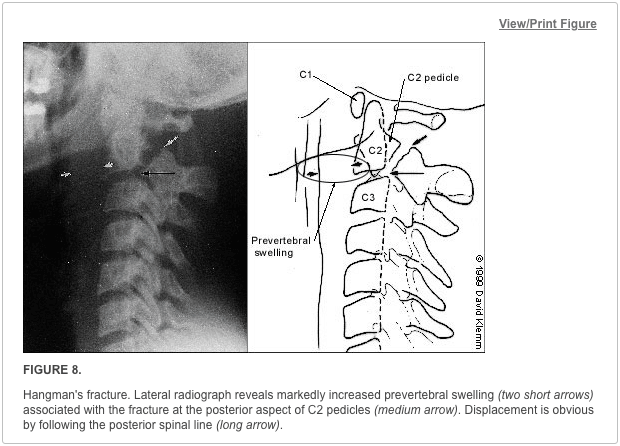
The most common types of cervical abnormalities and their radiographic findings are listed in Table 3. Except for the clay shoveler’s fracture, they should be assumed to be unstable and warrant continued immobilization until definitive therapy can be arranged. Any patient found to have one spinal fracture should have an entire spine series, including views of the cervical spine, the thoracic spine and the lumbosacral spine. The incidence of noncontiguous spine fractures ranges up to 17 percent.27,28 Figures 7 through 9 demonstrate aspects of common cervical spine fractures.
Initial Treatment of Cervical Spine and Cord
If a cervical fracture or dislocation is found, orthopedic or neurosurgical consultation should be obtained immediately. Any patient with a spinal cord injury should begin therapy with methylprednisolone within the first eight hours after the injury, with continued administration for up to 24 hours. Patients should receive methylprednisolone in a dosage of 30 mg per kg given intravenously over one hour. Over the next 23 hours, intravenous methylprednisolone in a dosage of 5.4 mg per kg per hour should be administered. This therapy has been shown to improve outcomes and minimize cord injury,29 although it is not without its problems. The incidence of pneumonia is increased in patients treated with high dosages of methylprednisolone.30
�Sciwora� Syndrome: Unique in Children
A special situation involving children deserves mention. In children, it is not uncommon for a spinal cord injury to show no radiographic abnormalities. This situation has been named �SCIWORA� (spinal cord injury without radiographic abnormality) syndrome. SCIWORA syndrome occurs when the elastic ligaments of a child’s neck stretch during trauma. As a result, the spinal cord also undergoes stretching, leading to neuronal injury or, in some cases, complete severing of the cord.31 This situation may account for up to 70 percent of spinal cord injuries in children and is most common in children younger than eight years. Paralysis may be present on the patient’s arrival in the emergency department. However, up to 30 percent of patients have a delayed onset of neurologic abnormalities, which may not occur until up to four or five days after the injury. In patients with delayed symptoms, many have neurologic symptoms at the time of the injury, such as paresthesias or weakness, that have subsequently resolved.32
It is important to inform the parents of young patients with neck trauma about this possibility so that they will be alert for any developing symptoms or signs. Fortunately, most children with SCIWORA syndrome have a complete recovery, especially if the onset is delayed.33 It is possible to evaluate these injuries with MRI, which will show the abnormality and help determine the prognosis: a patient with complete cord transection is unlikely to recover.3
The treatment of SCIWORA syndrome has not been well studied. However, the general consensus is that steroid therapy should be used.34 In addition, any child who has sustained a significant degree of trauma but has recovered completely should be restricted from physical activities for several weeks.34
Cervical spine radiographs include three standard views, such as the coned odontoid peg view, the anteroposterior view of the entire cervical spine, and the lateral view of the entire cervical spine. Most qualified and experienced healthcare professionals, including chiropractors, offer additional views to visualize the cervicothoracic junction as well as to evaluate the proper alignment of the spine in all patients.�
Dr. Alex Jimenez D.C., C.C.S.T.
About the Authors
MARK A. GRABER, M.D., is associate professor of clinical family medicine and surgery (emergency medicine) at the University of Iowa Hospitals and Clinics, Iowa City. He received his medical degree from Eastern Virginia Medical School, Norfolk, and served a residency in family medicine at the University of Iowa College of Medicine, Iowa City.
MARY KATHOL, M.D., is associate professor of radiology at the University of Iowa Hospitals and Clinics. She is also head of the musculoskeletal radiology section. She received her medical degree from the University of Kansas School of Medicine, Kansas City, Kan., and served a residency in radiology at the University of Iowa College of Medicine.
Address correspondence to Mark A. Graber, M.D., Department of Family Medicine, Steindler Bldg., University of Iowa Hospitals and Clinics, Iowa City, Iowa 52242. Reprints are not available from the authors.
In conclusion,�it is essential to evaluate all views of the cervical spine through imaging diagnostic assessments. While cervical spine radiographs can reveal injuries and conditions, not all neck injuries are detected through radiography. Computed tomography, or CT, scans of the cervical spine are highly accurate in the diagnosis of neck fractures which can help with treatment. The scope of our information is limited to chiropractic as well as to spinal injuries and conditions. To discuss the subject matter, please feel free to ask Dr. Jimenez or contact us at�915-850-0900�.
Curated by Dr. Alex Jimenez
Additional Topics: Acute Back Pain
Back pain�is one of the most prevalent causes of disability and missed days at work worldwide. Back pain attributes to the second most common reason for doctor office visits, outnumbered only by upper-respiratory infections. Approximately 80 percent of the population will experience back pain at least once throughout their life. The spine is a complex structure made up of bones, joints, ligaments, and muscles, among other soft tissues. Because of this, injuries and/or aggravated conditions, such as�herniated discs, can eventually lead to symptoms of back pain. Sports injuries or automobile accident injuries are often the most frequent cause of back pain, however, sometimes the simplest of movements can have painful results. Fortunately, alternative treatment options, such as chiropractic care, can help ease back pain through the use of spinal adjustments and manual manipulations, ultimately improving pain relief.
1.�Kreipke DL, Gillespie KR, McCarthy MC, Mail JT, Lappas JC, Broadie TA. Reliability of indications for cervical spine films in trauma patients.�J Trauma. 1989;29:1438�9.
2.�Ringenberg BJ, Fisher AK, Urdaneta LF, Midthun MA. Rational ordering of cervical spine radiographs following trauma.�Ann Emerg Med. 1988;17:792�6.
3.�Bachulis BL, Long WB, Hynes GD, Johnson MC. Clinical indications for cervical spine radiographs in the traumatized patient.�Am J Surg. 1987;153:473�8.
4.�Hoffman JR, Schriger DL, Mower W, Luo JS, Zucker M. Low-risk criteria for cervical-spine radiography in blunt trauma: a prospective study.�Ann Emerg Med. 1992;21:1454�60.
5.�Saddison D, Vanek VW, Racanelli JL. Clinical indications for cervical spine radiographs in alert trauma patients.�Am Surg. 1991;57:366�9.
6.�Kathol MH, El-Khoury GY. Diagnostic imaging of cervical spine injuries.�Seminars in Spine Surgery. 1996;8(1):2�18.
7.�Lally KP, Senac M, Hardin WD Jr, Haftel A, Kaehler M, Mahour GH. Utility of the cervical spine radiograph in pediatric trauma.�Am J Surg. 1989;158:540�1.
8.�Rachesky I, Boyce WT, Duncan B, Bjelland J, Sibley B. Clinical prediction of cervical spine injuries in children. Radiographic abnormalities.�Am J Dis Child. 1987;141:199�201.
9.�Laham JL, Cotcamp DH, Gibbons PA, Kahana MD, Crone KR. Isolated head injuries versus multiple trauma in pediatric patients: do the same indications for cervical spine evaluation apply?�Pediatr Neurosurg. 1994;21:221�6.
10.�McKee TR, Tinkoff G, Rhodes M. Asymptomatic occult cervical spine fracture: case report and review of the literature.�J Trauma. 1990;30:623�6.
11.�Woodring JH, Lee C. Limitations of cervical radiography in the evaluation of acute cervical trauma.�J Trauma. 1993;34:32�9.
12.�Spain DA, Trooskin SZ, Flancbaum L, Boyarsky AH, Nosher JL. The adequacy and cost effectiveness of routine resuscitation-area cervical-spine radiographs.�Ann Emerg Med. 1990;19:276�8.
13.�Tintinalli JE, Ruiz E, Krome RL, ed. Emergency medicine: a comprehensive study guide. 4th ed. New York: McGraw-Hill, 1996.
15.�Davis JW, Phreaner DL, Hoyt DB, Mackersie RC. The etiology of missed cervical spine injuries.�J Trauma. 1993;34:342�6.
16.�Apple JS, Kirks DR, Merten DF, Martinez S. Cervical spine fractures and dislocations in children.�Pediatr Radiol. 1987;17:45�9.
17.�Turetsky DB, Vines FS, Clayman DA, Northup HM. Technique and use of supine oblique views in acute cervical spine trauma.�Ann Emerg Med. 1993;22:685�9.
18.�Freemyer B, Knopp R, Piche J, Wales L, Williams J. Comparison of five-view and three-view cervical spine series in the evaluation of patients with cervical trauma.�Ann Emerg Med. 1989;18:818�21.
19.�Lewis LM, Docherty M, Ruoff BE, Fortney JP, Keltner RA Jr, Britton P. Flexion-extension views in the evaluation of cervical-spine injuries.�Ann Emerg Med. 1991;20:117�21.
20.�Mace SE. Emergency evaluation of cervical spine injuries: CT versus plain radiographs.�Ann Emerg Med. 1985;14:973�5.
21.�Kirshenbaum KJ, Nadimpalli SR, Fantus R, Cavallino RP. Unsuspected upper cervical spine fractures associated with significant head trauma: role of CT.�J Emerg Med. 1990;8:183�98.
22.�Woodring JH, Lee C. The role and limitations of computed tomographic scanning in the evaluation of cervical trauma.�J Trauma. 1992;33:698�708.
23.�Schaefer DM, Flanders A, Northrup BE, Doan HT, Osterholm JL. Magnetic resonance imaging of acute cervical spine trauma. Correlation with severity of neurologic injury.�Spine. 1989;14:1090�5.
24.�Levitt MA, Flanders AE. Diagnostic capabilities of magnetic resonance imaging and computed tomography in acute cervical spinal column injury.�Am J Emerg Med. 1991;9:131�5.
25.�Templeton PA, Young JW, Mirvis SE, Buddemeyer EU. The value of retropharyngeal soft tissue measurements in trauma of the adult cervical spine. Cervical spine soft tissue measurements.�Skeletal Radiol. 1987;16:98�104.
26.�DeBehnke DJ, Havel CJ. Utility of prevertebral soft tissue measurements in identifying patients with cervical spine fractures.�Ann Emerg Med. 1994;24:1119�24.
29.�Bracken MB, Shepard MJ, Collins WF Jr, Holford TR, Baskin DS, Eisenberg HM, et al. Methylprednisolone or naloxone treatment after acute spinal cord injury: 1-year follow-up data. Results of the second National Acute Spinal Cord Injury Study.�J Neurosurg. 1992;76:23�31.
30.�Galandiuk S, Raque G, Appel S, Polk HC Jr. The two-edged sword of large-dose steroids for spinal cord trauma.�Ann Surg. 1993;218:419�25.
31.�Grabb PA, Pang D. Magnetic resonance imaging in the evaluation of spinal cord injury without radiographic abnormality in children.�Neurosurgery. 1994;35:406�14.
32.�Pang D, Pollack IF. Spinal cord injury without radiographic abnormality in children�the SCIWORA syndrome.�J Trauma. 1989;29:654�64.
33.�Hadley MN, Zabramski JM, Browner CM, Rekate H, Sonntag VK. Pediatric spinal trauma. Review of 122 cases of spinal cord and vertebral column injuries.�J Neurosurg. 1988;68:18�24.
34.�Kriss VM, Kriss TC. SCIWORA (spinal cord injury without radiographic abnormality) in infants and children.�Clin Pediatr. 1996;35:119�24.
The editors of AFP welcome the submission of manuscripts for the Radiologic Decision-Making series. Send submissions to Jay Siwek, M.D., following the guidelines provided in �Information for Authors.�
Coordinators of this series are Thomas J. Barloon, M.D., associate professor of radiology and George R. Bergus, M.D., assistant professor of family practice, both at the University of Iowa College of Medicine, Iowa City.
April Hermosillo enjoys fitness. She enjoys exercising and eating healthful foods. As an athlete since age 14, neck and low back pain which caused her to get feet cramps had been undergone by April. April Hermosillo tries everyday not to let her symptoms affect her everyday life. April expresses just how much pain relief Dr. Alex Jimenez has supplied her and how thankful she is for having a doctor she can expect with her health issues. She recommends him as the non-surgical option for back pain.
Chiropractic Maintenance Care
Eight out of 10 adults experience debilitating back or neck pain at some time in their lives. Back pain is the second cause of missed workdays because of illness, and also the most common cause of disability in the United States. Chiropractic care’s goal is to provide safe and effective treatment which permits individuals to come back to a lifestyle when possible. Spine experts can ascertain which treatment strategies are best for each health problem. Non-surgical remedies are the most suitable treatments for neck and back pain.
We are blessed to present to you�El Paso�s Premier Wellness & Injury Care Clinic.
As El Paso�s Chiropractic Rehabilitation Clinic & Integrated Medicine Center,�we passionately are focused on treating patients after frustrating injuries and chronic pain syndromes. We focus on improving your ability through flexibility, mobility and agility programs tailored for all age groups and disabilities.
If you have enjoyed this video and we have helped you in any way, please feel free to subscribe and recommend�us.
My treatment with Dr. Alex Jimenez has tremendously helped me. It gives me just, a sense of relief knowing that I can come and see him and all of his employees and great masseuses and everyone, can just release all the tension. It just brings me back to life.�
April Hermosillo
Have you ever experienced back pain which triggers or radiates shooting pain into the buttocks or legs? Millions of people in the United States suffer from this common health issue known as sciatica. Sciatica is a general diagnostic term used to describe radiating pain, tingling sensations, numbness or weakness which runs across the length of the sciatic nerve.
Sciatica originates along the lower back and then travels from the buttocks into one or both legs. Instead of a dull achy pain, this type of pain is characterized as a sharp, shooting pain that worsens through prolonged periods of sitting. The sciatic nerve is the largest nerve in the human body comprised of many nerve roots which come together once they exit the spine. When the sciatic nerve becomes compressed, due to a variety of possible causes, symptoms will manifest and radiate down the leg.
What is Sciatica?
Sciatica is a collection of symptoms, including pain, tingling and burning sensations at the lower back and/or legs, weakness, and numbness, caused by a combination of: pressure on the sciatic nerve, inflammation to the sciatic nerve or the region directly surrounding the nerve, an irritation to the sciatic nerve, and/or a pinching of the sciatic nerves. As the largest nerve in the human body, the sciatic nerve can be easily affected.
Sciatic nerve pain is a common health issue that affects many people on a regular basis. Its consequences can range from a mild nuisance to a debilitating pain which interferes with an individual’s physical activities.� Sciatica symptoms manifest in many different ways, including:
Lower back pain
Leg Pain
Buttock pain
A sensation of tingling or �pins & needles� running down the�leg, and even into the toes
Numbness in the legs or feet
Muscle weakness in the legs
Aching or burning feeling in the legs
Pain or numbness in the�big toe, or any of the toes
Any combination of the list above
As you may see, though some individuals could experience pain from the lower back all the way down to their feet, it can be isolated to a segment of this area. Fortunately, a variety of treatment approaches are available to help treat sciatica. Below, we will discuss some of the most common causes of sciatica as well as demonstrate the best treatment approach.�Chiropractic care is one of the most common alternative treatment options utilized to provide sciatic nerve pain relief without prescriptions or surgery.
Causes of Sciatica
Sciatic nerve pain may not always be felt immediately following an injury or condition due�to an accident. Some people experience sciatica that seems to come and go, while for others, it might take years before their symptoms manifest at all. This is partly because pain is processed by only 10 percent of the�nervous system. A patient may also feel relief from their pain, but because the underlying cause of their sciatica hasn’t been fixed, the pain will come back. Below is a list of some of the causes of sciatica.
Subluxation or misalignment of the vertebrae
Disc degeneration, herniation, bulge, protrusion or other damage
A tumor pressing on the sciatic nerve
Injury to muscles
Pregnancy
Slipping, falling, or other impacts
Internal bleeding
Bad posture, either from sitting, standing or sleeping
Osteoarthritis
Spinal stenosis, a narrowing of the spinal canal the sciatic nerves pass through,
Playing sports
Poor lifting techniques
Other normal daily activities
While there are many possible causes for sciatica, the most frequent is a subluxation, or misalignment of the vertebrae in the lumbar spine,�or low back. A subluxation that is left untreated will result in the wear-and-tear of the spine, which in turn may lead�to disc protrusions, disc degeneration, disc herniations, and at some stages, even osteoarthritis. Chiropractic care will gently fix subluxations in the spine, allowing the nervous system to perform at an optimal level so that true recovery can occur.
Another common cause�of sciatica is a disc herniation. Spinal stenosis, which is a consequence of severe degeneration or alignment problems can also cause sciatic nerve pain. A condition called piriformis syndrome occurs when a tight piriformis muscle compresses the sciatic nerve. Determining the reason for sciatica is essential in understanding how to care for the health issue. Untreated sciatica can lead to problems such as:
Constipation
Difficulty getting pregnant
Digestion Problems
Edema or leg swelling
Erectile dysfunction (ED)
Incontinence
Irritable bowel syndrome (IBS)
Menstrual problems
Urinary problems
And more
Leaving sciatica untreated for any length of time can be damaging to your health, and the problem may worsen over time. The use of drugs and/or medications to help cope with your sciatic pain may only offer temporary relief from the symptoms as the real underlying source of your sciatica may not have been treated accordingly.�Diagnosis typically includes a comprehensive examination using a range of motion testing, neurological testing, imaging with MRI or X-Rays, and occasionally, further testing using nerve conduction velocity and electromyography evaluations.
Treatment for sciatica may vary depending on the cause of the symptoms. A chiropractor may use a series of spinal adjustments and manual manipulations�to help take pressure from the sciatic nerve. Other chiropractic care techniques and methods include the flexion distraction diversified technique, traction, and lumbar decompression. Passive and active exercises can also help treat sciatica. Exercises can also be recommended to restore strength, mobility, and flexibility. In severe cases of sciatica, the healthcare professional may recommend surgery.�
Sciatica occurs when an injury or condition results in the compression or impingement of the sciatic nerve, the largest nerve in the human body. When this happens, a collection of symptoms, including pain, tingling and burning sensations, as well as numbness, can develop. Chiropractic care is a well-known, alternative treatment option which can help carefully release the tension in the spine, reducing sciatic nerve pain.
Dr. Alex Jimenez D.C., C.C.S.T.
�
Chiropractic Care and Sciatica
The European Spine Journal printed the findings from a clinical trial demonstrating that chiropractic care led to a 72 percent success rate in treating sciatica and its associated symptoms compared to only a 20 percent success rate from physical therapy, and a 50 percent success rate from corticosteroid injections when treating sciatic nerve pain.
Sciatica is a widespread problem that many patients experience. Chiropractic care can find the source of the health issue in order to begin treatment and deliver pain relief accurately.�Sciatica can be painful and hinder you from living life to the fullest. Contact a chiropractor now to determine whether this is the ideal solution for you.
If you or somebody you know is suffering from sciatica and any of its associated symptoms, please recommend this article to them.�The scope of our information is limited to chiropractic as well as to spinal injuries and conditions. To discuss the subject matter, please feel free to ask Dr. Jimenez or contact us at�915-850-0900�.
Curated by Dr. Alex Jimenez
Additional Topics: Acute Back Pain
Back pain�is one of the most prevalent causes of disability and missed days at work worldwide. Back pain attributes to the second most common reason for doctor office visits, outnumbered only by upper-respiratory infections. Approximately 80 percent of the population will experience back pain at least once throughout their life. The spine is a complex structure made up of bones, joints, ligaments, and muscles, among other soft tissues. Because of this, injuries and/or aggravated conditions, such as�herniated discs, can eventually lead to symptoms of back pain. Sports injuries or automobile accident injuries are often the most frequent cause of back pain, however, sometimes the simplest of movements can have painful results. Fortunately, alternative treatment options, such as chiropractic care, can help ease back pain through the use of spinal adjustments and manual manipulations, ultimately improving pain relief.
Cervical facet joint syndrome, or cervical facet osteoarthritis, is a degenerative condition marked by stiffness and pain in the cervical region (neck) of the spine.�Individuals can gain relief from various types of treatment, including chiropractic care.
Facet joint problems are among the most common sources of lower back and neck pain. They can cause debilitating, chronic problems with the neck and back and can lead to other more severe conditions and symptoms that can be disabling.
What is Cervical Facet Joint Pain?
The spine, comprised of a chain of bones known as vertebrae. Each one has two facet joints on the back side and a large disc on the front side, allowing the vertebrae to stack neatly, one on top of the other, providing stabilization for the entire body.
The facet joints are synovial joints, like other joints in the body and sometimes they can become inflamed or injured, causing pain and stiffness. Cervical facet joint pain is, quite literally, a pain in the neck. It means that the joints in the neck area have become injured or inflamed. Suffering from this condition can make it difficult for the patient to turn their head from side to side, or to move it up and down.
The cervical facet joints are almost always working. They undergo repetitive, constant motion and over time they can become torn or worn down. Problems within the joint can cause movement to be restricted, or it can have too much, both of which can cause pain.
Injury, such as whiplash, to the area, can also cause problems. If�not treated�appropriately�the condition�can be degenerative, and the patient can lose both flexibility and mobility, as well as suffer from chronic pain.
Symptoms of Cervical Facet Joint Pain
The symptoms of cervical facet joint pain tend to vary from patient to patient. A patient may experience one or several of these symptoms:
Tingling, weakness, or pain in the hand and arm
Neck pain
Upper back pain that can affect the shoulders
Pain between the shoulder blades
Headaches, typically located in the back of the head
Swelling and tenderness at the site of the inflamed facet joint
Decreased range of motion and flexibility in the neck
Treatment for Cervical Facet Joint Pain
When a patient diagnosed with cervical facet joint pain, the treatment is usually fairly conservative. Their doctor may recommend soft tissue massage, physical therapy, and posture correction. Combined with medications such as an anti-inflammatory like ibuprofen, or muscle relaxers to ease muscle spasms in the muscles that surround the affected joint.
If those methods do not give the patient relief, the doctor may take a more aggressive approach, prescribing facet joint injections that use steroid medications injected into the affected joint. This approach is intended to keep the pain localized while reducing it. The procedure can be performed in an outpatient setting and has a good record of being useful, but the results are temporary.
Chiropractic for Cervical Facet Joint Pain
Chiropractors have had much success in treating cervical facet joint pain. They can manipulate the areas that are affected, restoring painful, restricted facet joints to a point where they can move much more natural and without pain. Over time, with regular chiropractic treatments, they can help to reestablish range of motion in the neck area for their patients. All done without any medications or injections. It is a natural, gentle, effective method for relieving the pain and helping the patient enjoy a better quality of life.
Sandra Rubio discusses the symptoms, causes, and treatments of neck pain. Headaches, migraines, dizziness, confusion, and weakness in the upper extremities are some of the most common symptoms associated with neck pain. Trauma from an injury, such as that from an automobile accident or a sports injury, or an aggravated condition due to improper posture can commonly cause neck pain and other symptoms. Dr. Alex Jimenez utilizes spinal adjustments and manual manipulations, among other chiropractic treatment methods like deep-tissue massage, to restore the alignment of the cervical spine and improve neck pain. Chiropractic care with Dr. Alex Jimenez is the non-surgical choice for restoring a patient’s overall well-being.
Neck Pain Symptoms & Chiropractic Treatment
Neck pain is a common health issue, with approximately two-thirds of the population being affected by neck pain at any time throughout their lives. Neck pain�that originates in the cervical spine, or upper spine, can be caused by numerous other spinal health issues. Neck pain can result due to the pinching of the nerves emanating from the vertebrae, or because of muscular tightness in both the upper spine and the neck. Joint disruption in the neck can generate a variety of other common symptoms, which�include�headaches, head pain, and migraines. There can also be a spinal joint discomfort. Neck pain affects about 5 percent of the global population as of 2010, according to statistics.
We are blessed to present to you�El Paso�s Premier Wellness & Injury Care Clinic.
As El Paso�s Chiropractic Rehabilitation Clinic & Integrated Medicine Center,�we passionately are focused on treating patients after frustrating injuries and chronic pain syndromes. We focus on improving your ability through flexibility, mobility and agility programs tailored for all age groups and disabilities.
If you have enjoyed this video and we have helped you in any way, please feel free to subscribe and recommend�us.
IFM's Find A Practitioner tool is the largest referral network in Functional Medicine, created to help patients locate Functional Medicine practitioners anywhere in the world. IFM Certified Practitioners are listed first in the search results, given their extensive education in Functional Medicine