A look at what a stinger or burner injury is and what they can do to the neck and shoulders. We will look at:
Symptoms
Treatment
Prevention
Contact sports, like:
Football
Hockey
Soccer
Basketball
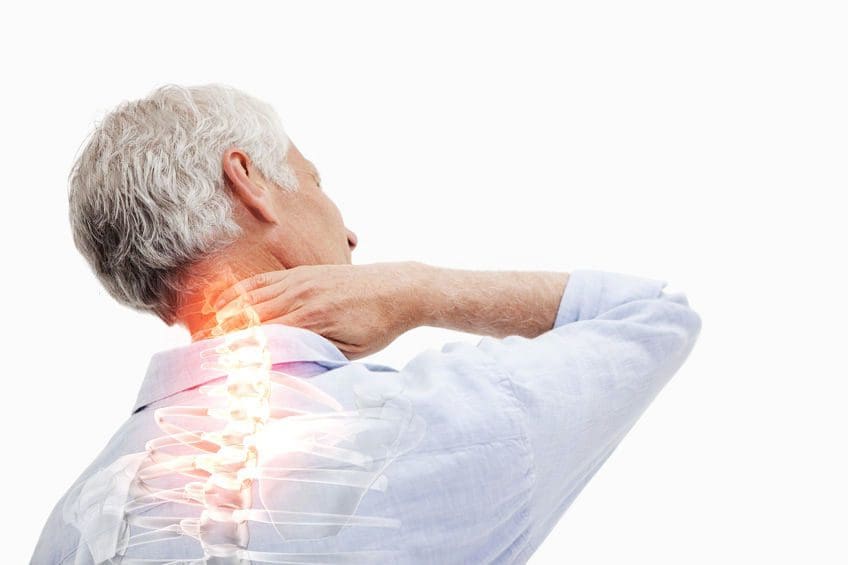
This is a very common cervical injury that affects the neck and upper body. This is known as a stinger.
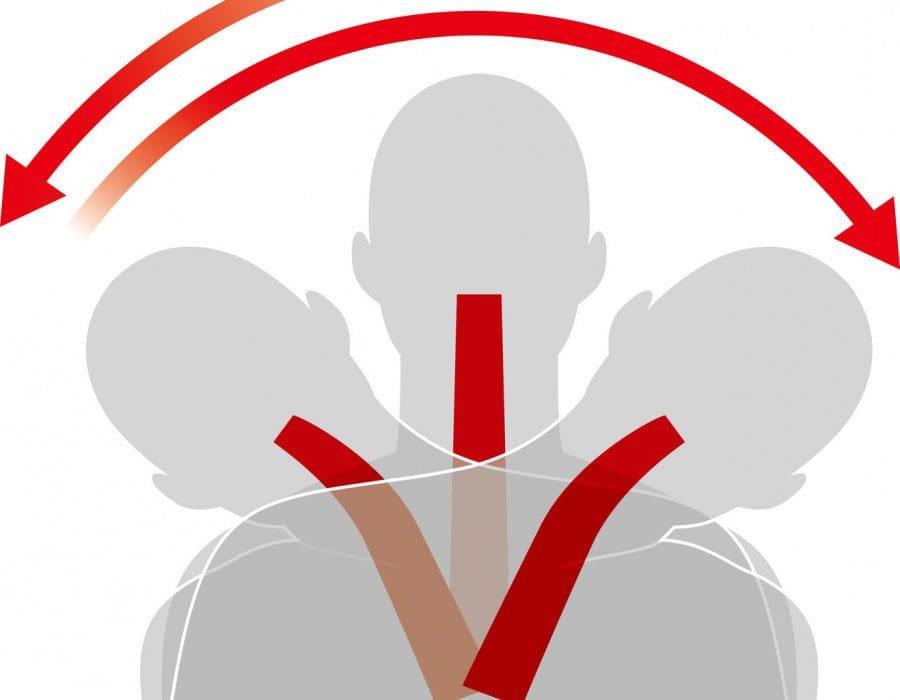
A stinger can also be called a burner and is an injury that happens when the head or neck gets hit to one side, which causes the shoulder to be pulled in the opposite direction.
Stingers/burners often happen at the high school level but can occur at all levels of play.
Stinger/Burner neck injury cause
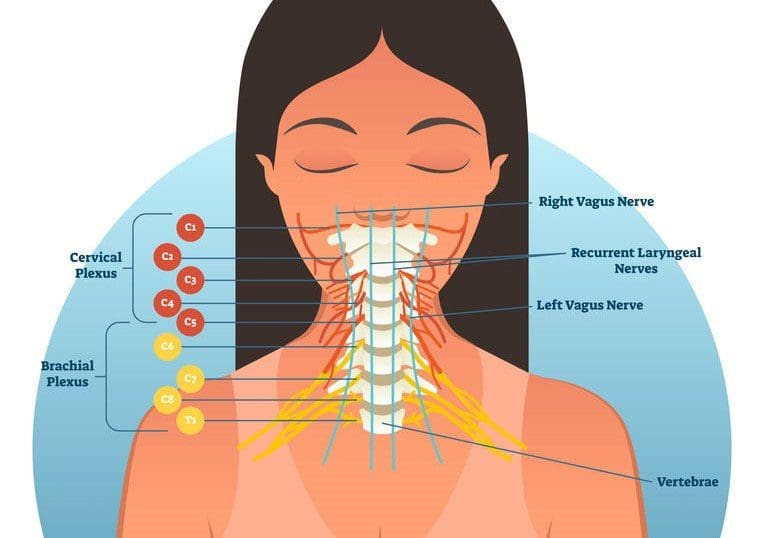
A stinger is caused by stretching the brachial plexus nerves.
These peripheral nerves that come out of:
Spinal cord
Run across the shoulders
Under the collarbone
Into the arms
The brachial plexus nerves give the arms their strength and sensation.
When a sideways hit to the head or hit to the shoulder occurs, the nerves can become:
Compressed
Stretched
Irritated
Symptoms of a cervical stinger
This type of sideways collision causes immediate and intense pain, tingling or burning sensations that can run down the arm into the fingers.
Weakness in the affected arm or hand is common.
The weakness, numbness, and tingling sensations can last a few minutes or for a few weeks.
Stinger/burner injury treatment
Fortunately, most stinger injuries heal on their own with rest and relaxation of the neck muscles.
Athletes are placed on the disabled list until symptoms are gone and a doctor has cleared the athlete.
Players can return to sport once the pain is gone and they’ve regained:
Full range of motion
Strength
Normal sensation in neck and arms
Constant or recurring symptoms could indicate a more serious injury.
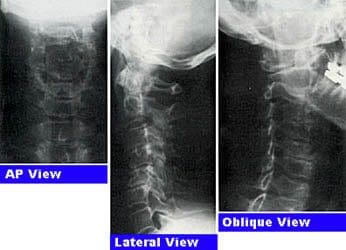
Cervical x-rays, a CT scan, or MRI could be used to rule out other conditions with similar symptoms.
Can stinger/burner injuries be prevented?
Strengthening exercises for the neck muscles are an important way for athletes and beginners to help prevent these injuries.
Using the proper and correct technique in contact sports to avoid spearing/spear tackles and head down tackling.
Safety equipment, like neck rolls, can help limit the backward movement of the neck.
Players who experience stinger symptoms should immediately report it to their coaches or team/personal physician.
Ignoring or playing through a stinger injury can lead to more severe injuries.
*Neck* Pain Chiropractic Care | El Paso, Tx
Following a balanced diet along with healthy lifestyle habits can help promote optimal health and wellness.
People with neck pain realize how much their symptoms affect their ability to engage in everyday activities.
Dr. Alex Jimenez helps patients achieve neck pain relief through chiropractic care, an alternative treatment option that carefully corrects any spinal misalignments or subluxations.�
NCBI Resources
Stretching is an outstanding complement to chiropractic care.
Blood flow to the muscles is increased, helps lower the risk of injury and improves performance.
Stretching is good for the joints, it helps them function through their full range of motion.
Over-the-counter or OTC remedies don’t do anything but give some temporary relief, if any at all, but the thing to take away here is that this kind of treatment can exacerbate the issue.
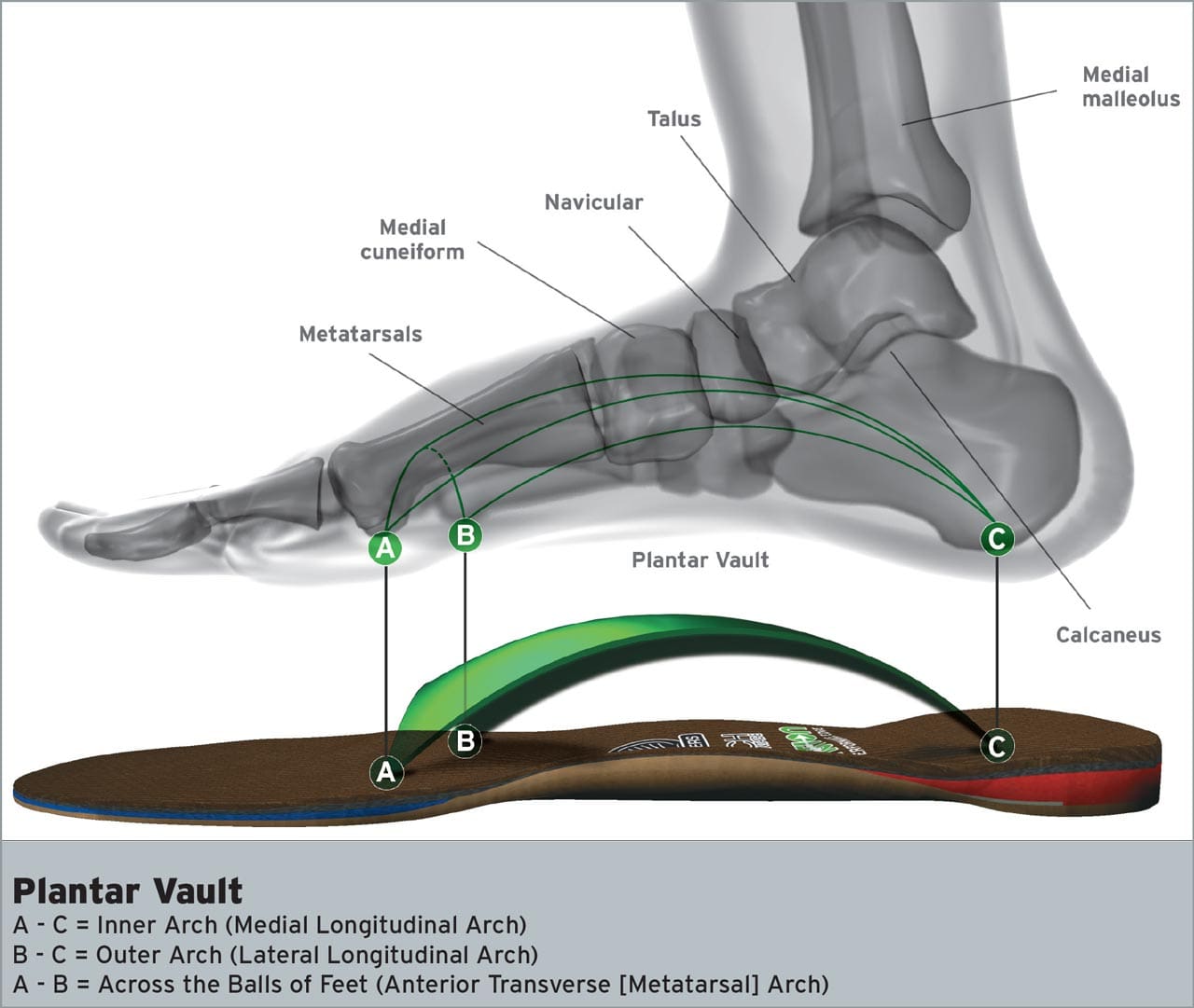
An example of this remedy solution is using store-bought shoe inserts that don’t provide support for the feet and can worsen the condition.
Over the counter, treatment can cost more money in the end, and all this without relief.
These types of insoles are not designed for long-term, daily use. This means they have to be replaced sooner.
Options like wraps and tape also give short-term relief but are not designed to treat the root cause to get rid of it.
Work with a professional to help you get a customized plant like an orthotic insole that will effectively treat the plantar fasciitis and bring long-lasting relief.
Self-Diagnosing & Treatment
This condition can be difficult to identify because of the varying symptoms. Patients could have all or only a few of them.
Symptoms include:
Sharp pain when waking up
Heel spurs
Painful arches
The causes can also vary and include:
Lifestyle
Weight
Age
Gender
Unique composition, shape, and size of the foot
Since it is different for everyone, many try to self-diagnose and do it incorrectly.
Then they try to create their own treatment plans which can be ineffective and dangerous.
Proper treatment requires professional medical attention and not just looking up symptoms online. Treatment is also more than just changing shoes or buying an insole at the local drug or shoe store.
Looking up symptoms and self-diagnosing is not a bad thing, but get a second opinion from a health professional like a chiropractor to make sure that you’re correct and to guide you in obtaining the proper treatment.
Pain Reliever Overuse
Pain relievers are not for treating pain caused by plantar fasciitis.
The convenience of pain relievers like Tylenol and acetaminophen makes it easy to take as soon as the pain kicks in.
The problem is that overuse can be dangerous to the body and can cause:
Kidney problems
Mask symptoms
Disguise other serious issues
Addiction potential�
The best treatment does not require pain relievers.
A professional can help you find relief without pills.
Not Listening to Professional Advice
Trying to schedule a doctor�s appointment can be overwhelming.
Trying to figure out what your insurance covers
Trying to find the time to see a doctor
Finding the right one
Many avoid it altogether and hope the pain goes away.
Many make assumptions about treatment that makes them avoid the doctor,
People have anxiety and are scared of the doctor or what the doctor will find.
There are plenty of excuses for not seeing a qualified professional that specializes in whatever condition you may have.
This is not the case here, the physical therapy or chiropractic care doesn’t go on for weeks or a bunch of follow up appointments.
Relief can be as simple as a customized orthotic insole and an adjustment to the lower back.
Reach out to a chiropractor that can identify, treat and get you moving and pain-free.
Pain and discomfort do not have to be part of normal life.
Saying age or lifestyle is the cause and there’s nothing you can do about it is ridiculous. Remember there are solutions to help prevent and maintain comfort within your body. Give us a call and let us help you live your life pain-free.
Plantar Fasciitis, Reduce *FOOT PAIN* with Custom Orthotics | El Paso, TX (2019)
Gloria Casillas experienced painful symptoms before visiting Dr. Alex Jimenez, a chiropractor in El Paso, TX. Gloria describes how her foot pain gradually developed into plantar fasciitis and how it tremendously affected her quality of life. Gloria Casillas discusses how custom foot orthotics helped her achieve foot pain relief from her plantar fasciitis. Gloria highly recommends Dr. Jimenez as the non-surgical choice for foot pain and plantar fasciitis. Gloria Casillas is grateful for the use of custom foot orthotics.
NCBI Resources
Feet are important. When you consider what your feet go through, taking 8,000 steps over the course of a day, according to the�Illinois Podiatric Medical Association�(IPMA), it�s easy to see how 75 percent of all Americans will have some type of�foot pain�at some point in their lives.�Plantar fasciitis is a common and very painful foot condition that can become chronic if not treated. It is also a condition that responds very well to chiropractic care. Chiropractic adjustments made to the heel and foot take the pressure off of the plantar fascia, allowing it to relax.
Dr. John Coppola and Dr. Valerie Monteiro understand the symptoms associated with peripheral neuropathy. While many healthcare professionals describe peripheral neuropathy as an irreversible and permanent health issue which can only be managed through the utilization of drugs/medications, Dr. John Coppola and Dr. Valerie Monteiro can help treat peripheral neuropathy symptoms by treating the source of the health issue.
Low-level laser therapy (LLLT) is a non-invasive treatment approach that can help naturally increase oxygen, blood flow, and circulation in the human body. LLLT can also stimulate the mitochondria, often known as the powerhouses of the cell, to stimulate recovery in the human body. Dr. John Coppola and Dr. Valerie Monteiro explain how low-level laser therapy can help treat peripheral neuropathy symptoms and stimulate overall well-being. Dr. Alex Jimenez, a chiropractor in El Paso, TX, can help treat peripheral neuropathy symptoms as well as a variety of other health issues.
Low-Level Laser Therapy (LLT) for Peripheral Neuropathy El Paso, TX.
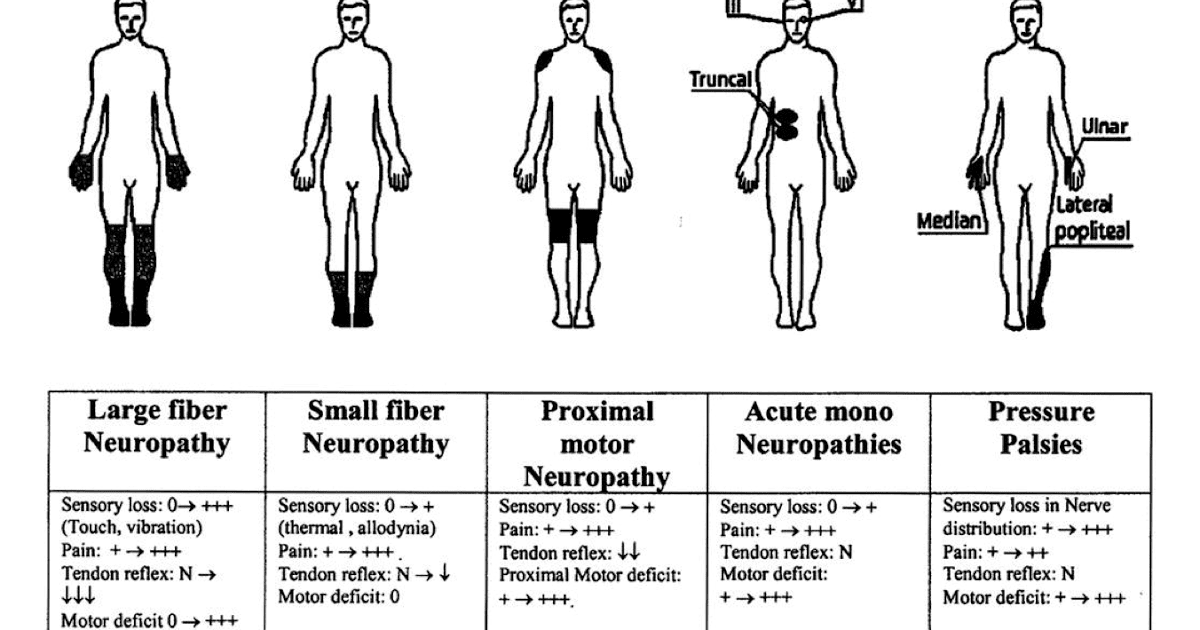
Neuropathy is a medical term used to describe a collection of general diseases or malfunctions which affect the nerves.
The causes of neuropathy, or nerve damage, can vary among individuals and these may be caused by different:
Diseases
Injuries
Infections
Vitamin deficiencies
Neuropathy can also be classified according to the location of the nerves being affected and according to the disease-causing it.
Furthermore, depending on which nerves are affected will depend on the symptoms that will manifest.
Peripheral neuropathy is simply referred to as neuropathy, which is a state that happens when the nerves become damaged or injured, oftentimes simply disturbed.
It�s estimated that neuropathy affects roughly 2.4 percent of the general populace and approximately 8 percent of people older than age 55.
Type
Neuropathy can affect any of the three types of peripheral nerves:
Sensory nerves�transmit messages from sensory organs:
Eyes
Nose
Brain
Motor nerves track the movement of the muscles
Autonomic nerves regulate the involuntary body functions
Sometimes, neuropathy will only impact one nerve. This is medically referred to as mononeuropathy and instances of it include:
Ulnar neuropathy affects the elbow
Radial neuropathy affects the arms
Peroneal neuropathy affects the knees
Femoral neuropathy affects the thighs
Cervical neuropathy affects the neck
Sometimes, two or more isolated nerves in separate regions of the body can become damaged, injured or disrupted, resulting in mono neuritis multiplex neuropathy.
Most of the time, multiple peripheral nerves malfunction at the same time, a condition called polyneuropathy.
Cause
Neuropathies are often inherited from birth or they develop later in life.
The most frequent inherited neuropathy is the Charcot-Marie-Tooth disease, which affects 1 in 2,500 people in the USA.
Although healthcare professionals are sometimes not able to pinpoint the exact reason for an acquired neuropathy, medically referred to as idiopathic neuropathy.
There are many known causes for them, including:
Systemic diseases – a systemic disease is one that affects the whole body.
Physical trauma
Infectious diseases
Autoimmune disorders
The most frequent systemic cause behind peripheral neuropathy is diabetes, which can lead to chronically high blood glucose levels that harm nerves.
Other systemic issues can cause neuropathy, including:
Kidney disorders permit high levels of nerve-damaging toxic chemicals to flow in the blood
Toxins from exposure to heavy metals include:
Arsenic
Lead
Mercury
Thallium
Drugs/medications, including anti-cancer medications, anticonvulsants, antivirals, and antibiotics
Chemical imbalances because of liver illnesses.
Hormonal diseases, like hyperthyroidism, which disturbs metabolic processes, and potentially induces cells and body parts to exert pressure on the nerves.
Deficiencies in vitamins, such as E, B1 (thiamine), B6 (pyridoxine), B12, and niacin can be vital for healthy nerves.
Alcohol abuse induces vitamin deficiencies and could harm nerves.
Cancers and tumors can exert damaging pressure on nerve fibers and paths.
Chronic inflammation can damage protective tissues around nerves, which makes them more vulnerable to compression, getting inflamed and swollen.
Blood diseases and blood vessel damage, which may damage or injure nerve tissue by decreasing the available oxygen supply
Symptoms
Depending on the reason and unique to each patient, signs, and symptoms of neuropathy can include:
Symptoms are dependent on autonomic, sensory, or motor nerves or a combination are affected.
Autonomic nerve damage can start a chain reaction of physiological functions like blood pressure or create gastrointestinal problems and issues.
Damage or dysfunction in the sensory nerves may impact sensations and sense of equilibrium or balance, while injury to motor nerves affects movement and reflexes.
When both sensory and motor nerves are involved, the condition is known as sensorimotor polyneuropathy.
Complications
Peripheral�neuropathy�may result in several complications, as a result of disease or its symptoms.
Numbness from the ailment can allow you to be less vulnerable to temperatures and pain, making you more likely to suffer from burns and serious wounds.
The lack of sensations in the feet, for instance, can make you more prone to developing infections from minor traumatic accidents, particularly for diabetics, who heal more slowly than other people, including foot ulcers and gangrene.
Furthermore, muscle atrophy may cause you to develop particular physical disfigurements, such as pes cavus, a condition marked by an abnormally high foot arch, and claw-like deformities in the feet and palms.
Treatment
The first step in neuropathy treatment should be finding the root cause that’s causing the neuropathy.
Treatment of diseases such as:
Diabetes
Guillain-Barre syndrome
Rheumatoid arthritis
Sarcoidosis
Other underlying diseases
Prevents continued nerve damage and in cases heals the damaged nerves.
If you are unaware of any underlying disease that is causing the peripheral neuropathy, make sure to let your doctor know of abnormal symptoms.
Medication
Peripheral neuropathy can be treated with various medications.
The first type used to treat mild symptoms are:
Over-the-counter pain medications
In more severe cases:
Opiates
Narcotic medications
Anti-seizure medications
A doctor may prescribe a lidocaine patch or anti-depressants to relieve symptoms.
Patients should thoroughly discuss�neuropathymedication with a doctor before proceeding.
Chiropractic/Massage/Physical Therapy
Various manual therapies can benefit symptoms in neuropathy treatment.
A therapist or chiropractor will perform various manipulation techniques, and teach exercises and stretches to help improve symptoms combined with increased muscle strength/control.
A therapist may also recommend braces or splints to improve mobility.
Patients should attend all physical therapy sessions to gain maximum benefits.
Low-level-laser-therapy LLT
The primary and most debilitating symptom of diabetic peripheral neuropathy is a sensation of tingling, prickling, buzzing, pinching, burning, and/or sharp jabbing stabbing pain in the feet.
Low-Level Laser Therapy (LLLT) takes information from the receptors on the membrane of the cell and mitochondrion or the engine of the cell.
This information reaches the cell’s DNA, that directly controls cell function.
When cells receive better information, they work better, along with the tissues they make up like:
Bones
Cartilage
Tendons
Ligaments
LLT promotes the healing and regeneration of damaged tissues,� and its�systemic effects on tissue function are also carried throughout the body by blood and meridians or energy channels.
The key basic physiological effects of low-level laser light include:
Increased cell membranepolarization/permeability
Adenosine-5-triphosphate (ATP) production and respiratory activity
Enzyme activity
Collagen and epithelial production
Capillary formation
Macrophage (immune system) activity
Analgesic effects due to elevated endorphin production
Electrolytic nerve blockage
Improved blood and lymph flow
An anti-inflammatory effect from improved circulation and accelerated tissue regeneration
Increased production of antioxidants
An additional benefit is that the light energy from low-level lasers will only be absorbed by cells and tissues that are not functioning normally and do not go after healthy cells.
Low-level laser therapy has the potential of providing an effective means of reducing low back pain that is:
Simple
Quick
Non-invasive
Side-effect free
Acids
Supplements like:
Essential acids called ALA (alpha-Lipoic acid)
GLA (gamma-linolenic acid) and omega-3 fatty acids
These can have a beneficial effect on diabetic peripheral neuropathy.
L-Carnitine
L-carnitine is a substance that the body makes and stores in the:
Liver
Brain
There have been reports that certain diabetics with neuropathy symptoms could regain regular sensation in the limbs when they increased their consumption of carnitine called acetyl-L-carnitine.
Red meat
Peanut butter
Dairy products
Are good dietary sources of this nutrient.
Supplements are also available at health food stores and pharmacies and health/wellness clinics.
While every type of neuropathy, such as diabetic neuropathy or autoimmune disease-associated neuropathy, develops its own unique group of symptoms, many patients will often report common complaints. Individuals with neuropathy generally describe their pain as stabbing, burning or tingling.�Low-level laser therapy can help relieve these symptoms.
If you experience unusual or abnormal tingling or burning sensations, weakness and/or pain in your hands and feet, it�s essential to seek immediate medical attention in order to receive a proper diagnosis of the cause of your specific signs and symptoms. Early diagnosis can help prevent further nerve injury.� And early laser treatment can help before symptoms really become severe. Visit http://www.neuropathycure.org.
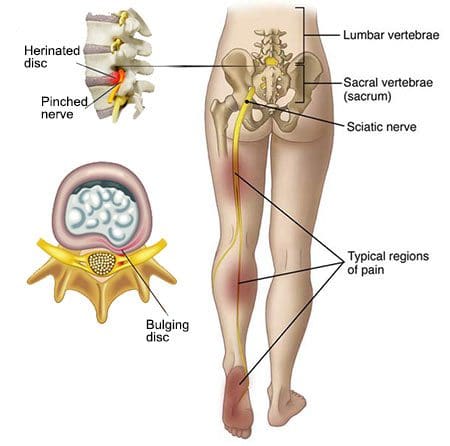
The discs that cushion the vertebrae are made up of a tough outer layer and a softer inner layer. When the outer layer is damaged and the inner layer comes out into the spine, it is referred to as�disc herniation.
Often the symptoms of a herniated disc include back pain, as the inner layer of the disc puts pressure on nerves in the spine. A herniated disc can impact the sciatic nerve, leading to sciatica.
If you know that your sciatica was caused by a herniated disc then try these exercises and stretches to help reduce back and leg pain.
Exercises that help relieve sciatica from a herniated disc
If your spine specialist or chiropractor informed you that a herniated disc is what caused the pain also known as lumbar radiculopathy they may recommend� three sciatica exercises:
Prone on elbows into Press-up
Upper back extension
Opposite arm and leg extension
These stretches can help provide relief when the root cause of sciatica from herniated or bulging disc.
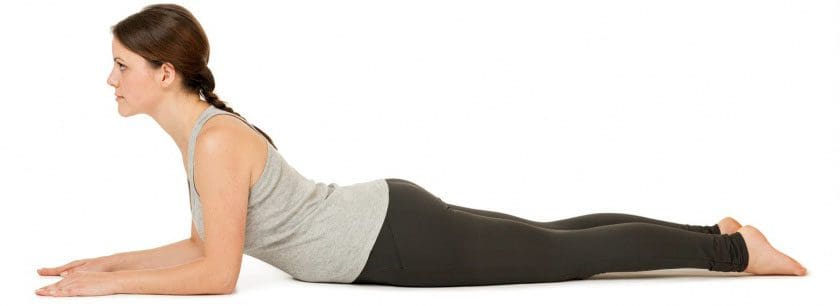
Prone Elbows/Press-Up
This exercise is to ease sciatica from herniated disc pain and pressure in the lumbar spine/low back.
How to:
Lay on stomach
Slowly push up until rested on forearms
Beginners hold for 30 seconds
Once strength is gained and you feel comfortable then hold for 3 to 5 minutes
Gently lower to the floor
Repeat 10 times
Once comfortable holding for 5 minutes then perform an extended arms version, which is like push-ups raising your arms to the point where your elbows lock
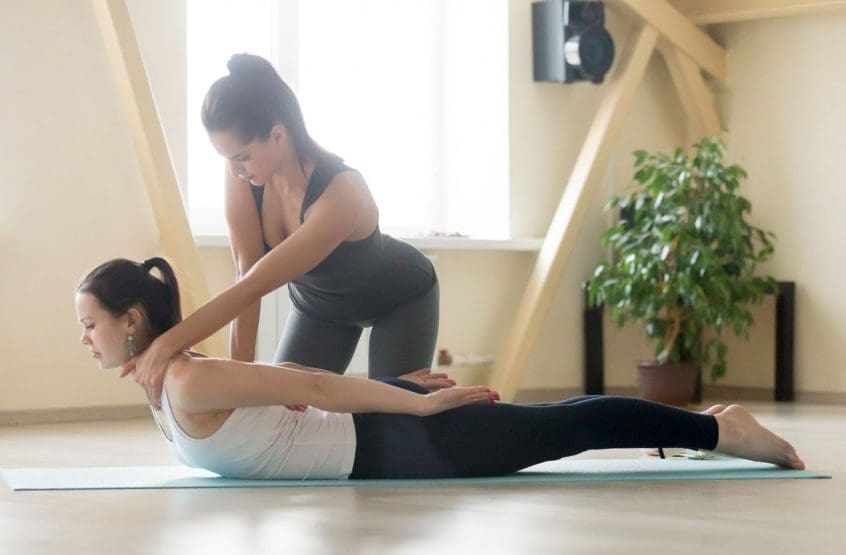
Upper Back Extension
This exercise is to strengthen and stabilize the low back muscles.
How to:
Lay on your stomach with a small pillow or rolled towel under your hips
Rest your arms at your sides
Slowly lift your upper body up off the floor, contracting your low back muscles as you rise
Hold the lifted position for 3 seconds
Slowly lower your body to the ground
Repeat 10 times
Throughout this exercise, keep movements fluid and controlled.
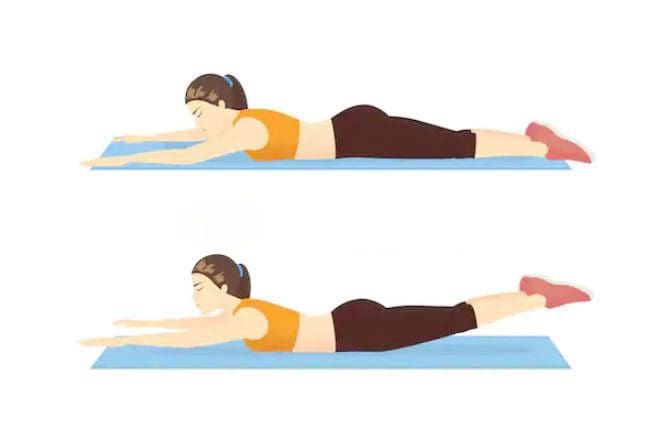
Opposite Arm and Leg Extension
This exercise is to stabilize your spine and strengthen your low back, hamstring and gluteus muscles.
How to:
Lay on your stomach with a small pillow or rolled towel under your abdomen
Extend both arms in front of you
Contract your abdominal muscles as you slowly lift both your right arm and left leg
Hold for 3 seconds. Lower your leg and arm down
Repeat with your left arm and right leg
Hold for 3 seconds
Repeat the exercise 5 to 10 times on each side
As you alternate the lifts, make sure to keep abdominal muscles contracted to get the full benefit.
How do these exercises relieve sciatica from herniated disc
These exercises and stretches are designed to move the pain from the leg and into the low back.
This is centralization/localization.
This is a good thing, as the goal is to get the pain centralized and back at the source.
When the leg pain goes away, it means the pressure on the sciatic nerve and related nerves has been removed.
If sciatic pain stretches down to the foot, you will feel these exercises, meaning that the pain and electrical sensations will move through the ankle and knee. Which means you’re doing it correctly.
This does not mean that the pain is immediately going to centralize to the low back, it does take time because you are trying to stretch and straighten out this long nerve.
But you will notice sciatica pain does not go as far down the leg.
Therefore�these exercises need to be done consistently and be made a part of your routine.
What to know before exercising
Before starting these stretches, consider three recommendations:
Get a doctor�s approval
A spine specialist should clear you to perform these stretches and exercises before you start.
While these exercises are safe, get a doctor�s permission before starting physical activity.
Know the cause so your exercise program helps and not makes the condition worse
Sciatica from herniated disc means a different type of exercise than sciatica caused by piriformis syndrome.
Knowing this information will help you choose an exercise plan that provides maximum relief.
Don�t push too hard
Don’t aggravate sciatica, listen to your body and go slow.
Experience any pain or symptoms:
Weakness
Tingling
Numbness
Contact a spine specialist immediately!
Sciatic nerve pain caused by a herniated or bulging disc is a common problem.
But incorporating these exercises and stretches can provide sustained relief.
The sciatic nerve is a large nerve that travels from the lower back down both of the legs and into the feet. When pressure is placed on the nerve, such as from a herniated disc, it can lead to the symptoms commonly referred to as sciatica.
The sciatic nerve can be impacted by a number of different things, including injury and degenerative diseases.
Difference Foot Orthotics Make to *REDUCE FOOT PAIN* & Correct Posture | El Paso, TX (2019)
Custom made foot orthotics can help control foot motion and posture. Healthcare professionals prescribe custom foot orthotics to help patients focus on their foot posture and mobility control. Research studies have ascertained that using custom foot orthotics for posture and mobility control can help fix excessive foot pronation and supination to prevent a variety of foot health problems. The subsequent video describes how custom foot orthotics will help control foot posture and mobility to improve health and wellness.
NCBI Resources
Sciatica is a common back ailment that affects approximately 1 in 10 adults in the United States. It is most prevalent in people between the ages of 25 and 45. Sciatica is characterized by a shooting pain that originates in the lower back and travels down through the hip, buttock, and back of the leg.
The pain can be so severe that it inhibits mobility and can prevent people from working, taking care of their homes, or just enjoying their life. Traditionally, doctors have treated the condition with medications and some invasive therapies, but chiropractic treatments have been found to be extremely effective in alleviating the pain and curing the condition.
When the weather begins to change and that cold feeling starts to creep into the bones, especially down the back. That’s when sciatica symptoms can flare-up in the worst way.
Cold weather really make sciatica worse
Of the many patients that I’ve treated, those with sciatica firmly state that cold weather makes it worse.
There are bonafide reasons why sciatica acts up when the temperature goes down.
Sciatica
It is a type of radiculopathy, caused by pressure on one or more of the five nerve roots in the lower back;
This is known as the lumbar region of the spine.
The nerves run from the lower spine under buttocks and down each hip into the legs.
Several conditions can compress these nerves at one or more spots along the way:
Numbness
Weakness in the
Lower back
Buttock
Legs on one or both sides
Research Study
Cold weather affects sciatica because it affects different types of pain.
Researchers found that the men who worked in low temperatures reported higher cases of neck and low back pain.
This was compared with those working in warmer temperatures.
Cold Weather & the Spine
Pain and discomfort can increase because the muscles stiffen up in cold weather.
The spine’s muscles also become tight and tense.
Tension and stress, can make the pain worse and increase the risk of muscle strains/sprains.
Barometric Pressure
Air pressure drops before a storm or when the temperature changes.
These changes seep into the sensitive nerves of the lower back and cause swelling/inflammation and pain.
Physical Stress
Any type of movement can wreak havoc on a healthy spine.
This is due to the cold weather causing individuals not to:
Use correct posture
Use correct movement when performing tasks/chores
Hurrying tasks/chores
There is also the chance of a slip and fall accident or twisting your back.
All of this is the perfect set-up for spine and sciatic injury/s.
So How to reduce sciatic pain?
Keep Warm
Wear warm clothing and in layers.
A few thin layers can keep the body warmer than a single thick layer.
Keep the lower back warm
Tuck your shirt into your pants to make sure that your back doesn’t get a cold draft when you reach for something and then put a sweater on over that.
A couple of blankets or an electric blanket on your bed can help keep your muscles from tightening.
Keep home as warm as possible.
Run the car a few minutes to preheat it before heading out.
Wear Proper Shoes or Boots
Proper footwear should have enough tread to prevent slips and falls.
Proper shoes for walking in cold weather. Don’t do the flip-flop thing, that’s just asking for foot/back problems.
Orthotics can help with posture, pronation, and gait.
Warm-Up Before Starting Outdoor Activity
Stretch and loosen the muscles and joints before you go out to:
Trim the lawn/bushes
Take a walk
Play with the kids
Take a few minutes to stretch and warm up inside before going outside.
Do It Right
As previously mentioned use correct form, meaning, lift with your legs, not the back.
Move smaller amounts if landscaping etc., Do it in small increments instead of one or two heavy loads.
Don’t twist your back while lifting.
Face the direction you are going in.
Ask for Help
If sciatica is affecting the task at hand, do not be too proud or afraid to ask for help. Stubbornness can lead to severe injury/s that could have been avoided.
Stay Active
When cold weather starts to make itself known, most of us want to get on the couch, binge watch our favorite movies, sleep, get snuggly, etc.
Exercising and staying in shape is a top remedy for sciatica symptoms.
Consult with a chiropractor, physical therapist/trainer that can offer exercises that won’t present/exacerbate symptoms
Watch your weight when the cold weather kicks in and keep up with your exercise.
El Paso, TX Chiropractor Sciatica Symptoms
Sandra Rubio discusses sciatica, its causes, and its symptoms. Sciatica is the collection of symptoms caused by the compression of the sciatic nerve, the longest nerve in the human body which extends from the lower back to the feet. Sandra Rubio describes how she’s witnessed many patients come into Dr. Alex Jimenez’s office feeling painful and often severe symptoms of sciatica caused by a variety of spinal health issues. Fortunately, Dr. Jimenez is the non-surgical choice for the safe and effective treatment of sciatica symptoms.
Based upon how it’s defined, approximately 2 percent to 40 percent of individuals will experience sciatica symptoms at some point in their lifetime. It is most frequent during people’s ’40s and ’50s, and men are more frequently affected than women. About 90 percent of the time, sciatica symptoms are because of a disc herniation. Other issues that may bring about sciatica comprise of spondylolisthesis, spinal stenosis, piriformis syndrome, pelvic tumors, and compression by a baby’s head during pregnancy, among other spinal health issues.
NCBI Resources
Chiropractic care is a popular, alternative treatment option commonly utilized to help treat symptoms of sciatica. Sciatica is characterized as a collection of symptoms, rather than a single injury or condition. A chiropractor can help diagnose the source of a patient�s sciatic nerve pain, or sciatica, in order to properly determine the best treatment for their specific health issue.
Spinal adjustments and manual manipulations can be utilized to help carefully correct the alignment of the spine, restoring the natural integrity of the spine and allowing the body to heal itself, without the need for drugs and medications or surgery. In certain individuals, sciatica may fix itself, possibly happening just once or a few times throughout their lifetime. But, it�s important to remember that if an injury and/or aggravated condition is not treated effectively, symptoms may worsen.
There are those that can predict approaching storms, and weather change based on the way, their joints behave.
Similarly, individuals with chronic back pain can at times sense a change in how they feel when the weather shifts.
The connection between weather and back pain is not fully understood but here are a few beliefs on why people feel pain based on the season/weather.
There is not a great deal of research on weather’s effects on spinal conditions. said Dr. Alexander Jimenez, D.C. in El Paso, Texas.
Some spinal conditions have been shown to have a clear link to cold weather. An example is sciatica patients that would experience worsened pain when the weather would shift.
Chiropractor Alexander Jimenez breaks down how weather can affect back pain and explains six ways to help weather-related back pain.
Weather and Osteoarthritis
Dr. Jimenez talks of a study that examined joint pain differencesbetween older people with osteoarthritis that were weather-sensitive versus those who also had osteoarthritis but were not weather-sensitive.
More than two-thirds said weather affected their osteoarthritis pain
Researchers found that weather sensitivity and pain:
More prevalent among women
People with anxiety conditions
Weather and season change alters how we feel mentally and emotionally.
That link is definitely true between depression and back pain.
Dr. Jimenez sees the shift in spine health from the hot summer months into the cold ones and that is when the health problems peak.
Winter brings cloudier weather, and that increasesmelatonin from the brain, which causes drowsiness and less energy.
Sunlight increases serotonin, which causes feelings of happiness.
Cold, dark, winter weather can deplete energy and makes people stay indoors. This is not good because being outside, involved in activity and exercise definitely helps with joint pain.
Staying inside and not moving will worsen pain and possibly lead to severe conditions.
When the seasons begin to change, it also brings to realization the holiday season, which can cause all kinds of:
Anxiety
Stress
Tension
The holiday season can cause major stress, and the changes in weather are a reminder of that upcoming stress.
Theories
A common theory suggests that when the temperature drops it affects the viscosity of the synovial fluid in the joints.
This could be one of the reasons why people with spinal joint pain experience flare-ups during the cold shift.
Dr. Jimenez says that the structures within your:
Joints
Tendons
Ligaments
Muscles
Connective tissues
All have different densities and react differently to temperature changes.
In the cold, some connective tissues are looser than others.
So those that are tighter take longer to warm up, and if not then there is a perfect set-up for joint dysfunction.
Another theory is that barometric pressure is what causes the pain. This theory supports people with joint pain that can tell when it�s about to rain.
Some rheumatologists believe the joint capsule and tissues around the joint are like a balloon.
The barometric pressure squeezes this balloon, causing the balloon to expand/inflammation that causes pain.
Moving to Warmer Climate
Mental
Emotional
Physical
Factors play into how pain affects the individual and moving to a sunny place is not necessarily the answer.
Dr. Jimenez says that warmer climates have been thought to be healthier for various conditions.
In a sunny climate, one is likely to be in the sun, being active physically/mentally,� getting plenty of vitamin D, which is good for bones and joints and makes for a good mood all around.
But moving to a warm climate isn�t always an option, so lifestyle changes can do the trick.
Clinical treatments, like infrared sauna, can bring�the sun’s benefits during dark winter days.
People with chronic pain have said they feel pain-free and relaxed after sitting in an infrared sauna.
An infrared sauna does not give off ultraviolet rays, but healthy light.
The light penetrates into the tissues, warms the body, and makes the connective tissue stretchier and looser, which moves easier and doesn’t hurt.
6 Tips
There is no need to move to a sunny climate.
Dr. Jimenez says you can minimize the weather�s effects with these tips:
Diet
Dr. Jimenez recommends reducing consumption of inflammation-inducing foods like:
Red meats
Fried foods
Sugars
Processed starches
Quitting smoking tobacco is essential for finding pain relief.
Proper Hydration
Alcoholic beverages dehydrate and can worsen depression and anxiety.
Dr. Jimenez says drinking plenty of water is important for the spine, and is often overlooked by the senior community.
Older adults don’t have an active thirst like a young person, and can, therefore, dehydrate rapidly.�
Stay Warm
Layer clothing or keep the house warm.
Keep a humidifier running with the heater to prevent respiratory problems caused by the dry heat.
Get Into The Sun Regularly
Natural light helps wards off depression, and it improves productivity in the workplace
Exercise
Physical activity plays a huge part in particularly with low back conditions, walking, which he said engages the postural muscles in the spine.
Dr. Jimenez personally sees the benefits of this: When I�m working out, I don�t feel my hip pain. And I continue because I know that I’m strengthening my body for the better, especially since I help others with their pain.
Hobbies Can Help
A hobby creates a diversion from the pain and releases endorphins, the body’s natural painkillers.
A hobby allows you to focus on something else besides the pain.
Depression & Chronic pain | El Paso, Tx
Chronic pain caused by accidents and/or aggravated conditions can often be one of the primary reasons for depression in patients. When painful symptoms induce patients to struggle with their everyday physical activities, their mental health can be tremendously influenced. Chiropractic care utilizes spinal adjustments and manual manipulations which could help restore the initial integrity of the backbone. Patients describe how chiropractic care has helped them recover their well-being and they highly recommend Dr. Alex Jimenez, doctor of chiropractic, as the non-surgical choice for chronic pain and depression, one of a variety of other common health issues.
NCBI Resources
Back pain can be debilitating, causing immobility, inflexibility, and have a significant impact on a person�s quality of life. It can make even the most mundane daily activities extremely difficult � and even excruciating. Building the muscles that make up your core (abdominals and back) can help support your spine and reduce back pain. In many cases, strengthening these muscles can assist a patient to avoid medication with its unpleasant side effects and even avoid surgery. With just a few smart moves you can significantly decrease your�back pain, increase your mobility, and take back your life.
Often referred to as C1-C7, with the “C” indicating cervical, and the numbers 1-7 indicate the level.
C1 is closest to the skull
C7 is closest to the thoracic chest/rib cage area
The cervical spine is particularly susceptible to degenerative problems because:
Highly mobile with a broad range of motion
Supports the skull
Neck anatomy is complex
Many degenerative problems, including osteophytes or bone spurs, can develop.
Neck Pain Symptoms
Several symptoms can occur and indicate the presence of a degenerative condition:
Neck pain
Pain around the back of the shoulder area
Arm pain, numbness, or weakness
Difficulty with hand dexterity or walking
Conditions That Affect the Neck
The degenerative process begins in any of the joints in the spine, but over time it can cause changes in the other joints.
An example is an intervertebral disc�where:
The disc narrows and the normal movement becomes altered, and the adjacent joints are subjected to force and pressure, which can lead to degenerative arthritis joint inflammation.
Spondylosis or spinal osteoarthritis causing pain in the neck is common. The pain can radiate, or spread, into the shoulder/s or down the arm/s. Arm pain or weakness caused by a bone spur compressing a spinal nerve root can also occur.
Diagnosing Cervical Spine Conditions
Once examined one or more symptoms are likely to be present.
The doctor will ask the patient questions to learn the history of the patient.
A thorough evaluation of the patient will be conducted, including tests to identify the cause of pain and symptoms.
A neurologic examination is performed to rule out neurological disorders
Shoulder examination will also be done to ensure that the symptoms originate from the neck
Diagnostic tests
X-rays for:
Narrow intervertebral disc space
Anterior osteophytes or bone spurs
Spondylosis (ie, arthritis) of the facet joints
Osteophytes created from the uncovertebral joints
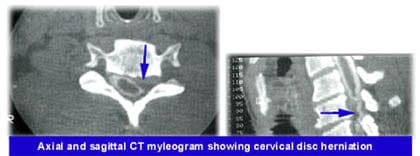
CT Scans or computed tomography can show bone changes associated with degenerative spondylosis. Osteophytes can be observed and evaluated.
CT does not provide an optimal evaluation but can sometimes show disc herniations.
MRI magnetic resonance imaging is a powerful tool for cervical spondylosis.
MRI can help doctors identify:
Disc herniation
Osteophytes
Joint arthrosis a type of osteoarthritis
MRI is best for soft disc herniation/s.
Myelogram/CT can be utilized in complex cases that involve multi-level spinal diseases.
It is very useful in delineating bone spurs from safe disc herniations.
Discography is used diagnostically when viewing the lumbar/low back and thoracic/mid-back spine, but using it in cervical spine imagery is debated among doctors.
Treatment Options
After the tests have been performed, a custom treatment plan is created.
Nonsurgical Neck Pain Treatment
Nonsurgical treatment of cervical degenerative disease has been proven to provide excellent results in over 85% of patients.
A multi-disciplinary approach:
Immobilization of the neck�to reduce motion can be beneficial during acute episodes of pain.
Physical therapy (PT) and Chiropracticcan be useful to decrease muscle spasms and return motion.
Non-surgical treatment provides positive long-term pain and symptom relief.
Surgery
A surgeon is likely to consider surgery for a disorder if one or more of the following criteria are met:
Nonsurgical care has been tried and has not worked
Spinal cord dysfunction
Arm pain or weakness (neurological symptoms) that do not go away
Depending on the diagnosis, surgical procedures can vary:
One type of surgery is the removal of the bone spur(s)
Cervical spinal fusion that joins two or more vertebrae
But the surgical procedure is based on the way you the patient wants to go, the diagnosis, general health, and what the spine surgeon recommends.
The surgeon will explain the recommended procedure to you clearly.
Most of the time the preferred approach is anterior or from the front interbody fusion.
A cervical plate could be placed over the interbody device or graft to stabilize the neck. This can avoid the need for a brace after.
A posterior approach from the back of the spine is considered when a disc has herniated laterally or to the side.
Things You Can Do
Cervical spine disorders can be diagnosed�and treated more accurately with today’s advancing technology.
With the guidance and treatment of an expert medical team, patients can expect to see a definite improvement in their condition and symptoms.
El Paso, TX Neck Pain Chiropractic Treatment
Sandra Rubio discusses the symptoms, causes, and treatments of neck pain. Headaches, migraines, dizziness, confusion, and weakness in the upper extremities are a few of the typical symptoms. Trauma from an accident, such as that from an automobile accident or a sports injury, or an aggravated illness because of improper posture can commonly cause neck pain and other ailments. Dr. Alex Jimenez uses spinal alterations and manual manipulations, one of other chiropractic treatment techniques like deep-tissue massage, to reestablish the alignment of the cervical spine and improve neck pain. Chiropractic care with Dr. Alex Jimenez is your non-surgical choice for restoring general patient well-being.
Neck pain is a frequent health issue, with roughly two-thirds of the people being influenced by neck pain at any time throughout their lifetimes. Numerous other health issues can cause pain arising in the upper back, or the spine. Neck pain can result emanating from the vertebrae, or because of muscular tightness in both the neck and the upper back. Joint disruption in the neck causes migraines, and headache, as does joint disturbance at the trunk, or can generate a variety of other symptoms. Neck pain affects about 5 percent of the worldwide population as of 2010, based on figures.
NCBI Resources
A chiropractor evaluates the spine as a whole because other regions of the�neck (cervical), mid-back (thoracic) and low back (lumbar)�can be affected as well. Along with treating the spine as a whole, chiropractic medicine treats the entire person and not just a specific symptom/s. Chiropractors may�educate on nutrition, stress management, and lifestyle goals in addition to treating neck pain.
IFM's Find A Practitioner tool is the largest referral network in Functional Medicine, created to help patients locate Functional Medicine practitioners anywhere in the world. IFM Certified Practitioners are listed first in the search results, given their extensive education in Functional Medicine