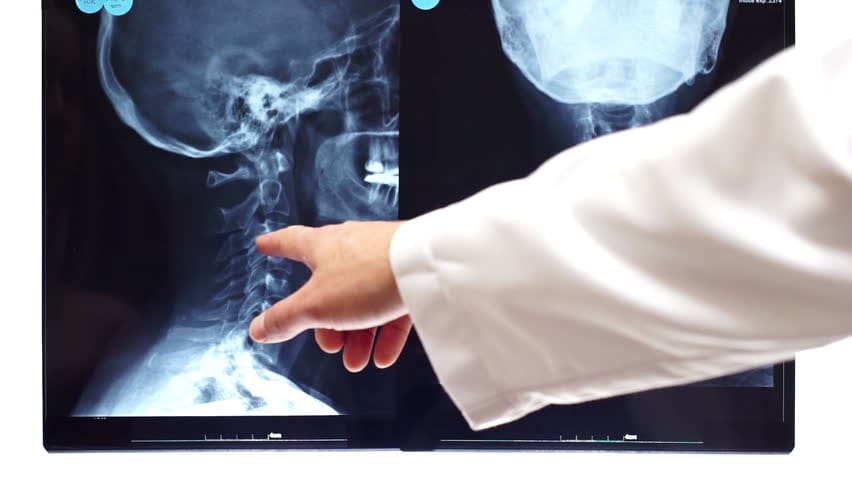
Here are some tips to avoid stressing your back. Ergonomics breaks down how our work environment affects our work and body. Ergonomics looks for ways to improve our environment to decrease the risks of injury, ailments, enhance productivity, and improve the quality of our work.
The profession of ergonomics focuses on two areas:
Industrial ergonomics also called occupational biomechanics focuses on the physical aspects of work like
Force
Posture
Repetitive movement/s
Human factor ergonomics looks at the psychological aspects of work like mental well-being and efficient decision-making.
Minimize Stress at the Desk
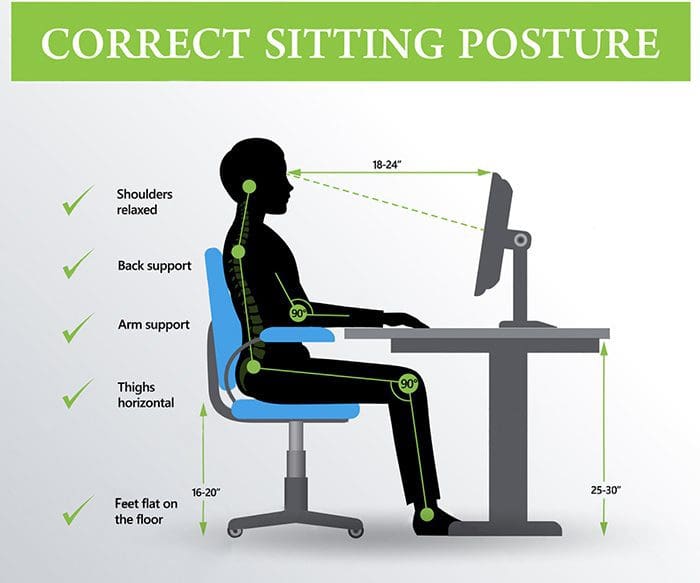
Try not to lean over the desk for extended amounts of time.
Do not sit too far from the desk/workstation.
Do not sit with your back unsupported.
Adjust the chair to a proper height so the knees are bent at a 90-degree angle.
Keep the elbows bent at a 90-degree angle but also rest the elbows on the work surface or chair armrests.
Try not to bend or twist the neck while on the phone.
Maintaining a Neutral Spine While Standing
The feet should be slightly apart with the knees straight and chin tucked in. Try not to stand in one or the same position for extended amounts of time. Change and shift the weight from one foot to the other regularly. Use a footstool to elevate the foot/feet off and on, shifting the weight and continually moving can be helpful.
Proper Posture
Proper posture means maintaining the natural curve of the spine known as a neutral spine. Proper posture should be incorporated into all activities of daily living, which minimizes the amount of added stress to the spine. Proper posture is so important it’s what a chiropractor or physical therapist will first teach a patient.
Proper posture looks like
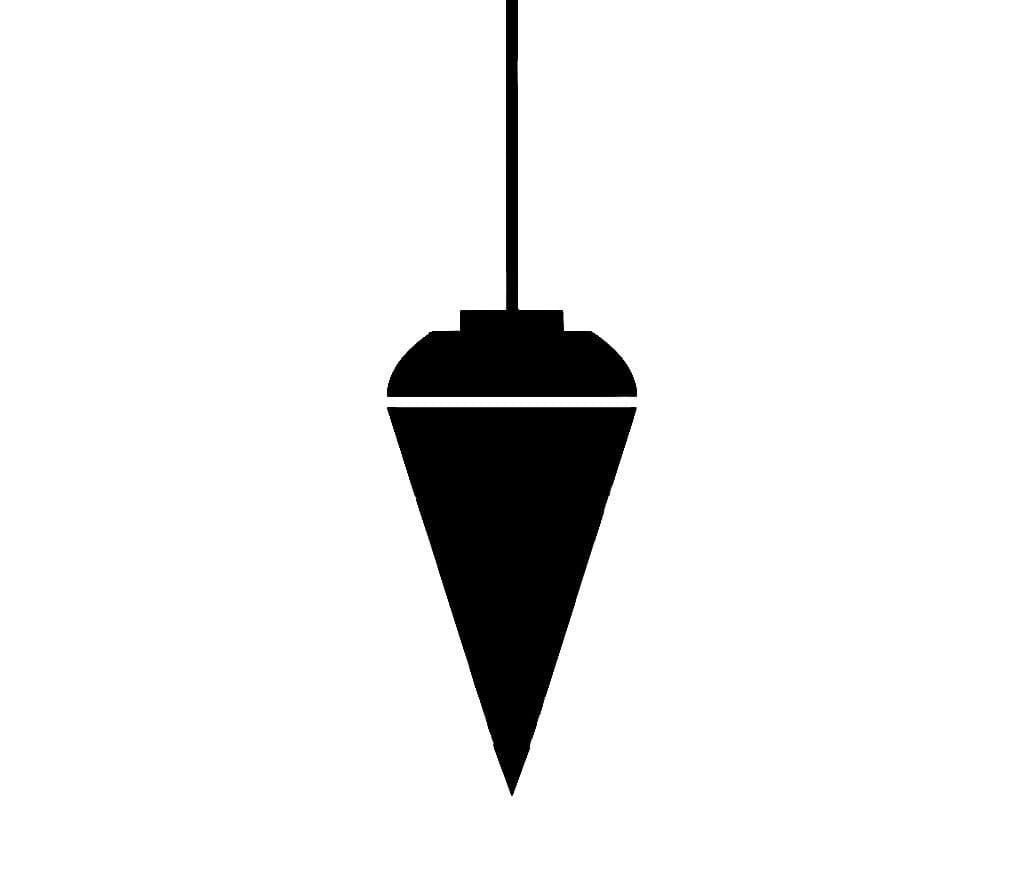
Imagine a plumb bob hanging from the ear lobe. With proper posture, the plumb bob will drop straight down the middle of the arm to the ankle.
Why is this so important?
Improper posture and incorrect body mechanics are two of the primary causes of neck and back pain.
Lifting/Carrying Objects
Observe the object to be moved, if the object looks too heavy or too big then please get help!
Before moving the object move any obstacles out of the path.
Get as close to the object as possible and bend at the knees.
Before lifting make sure the feet are slightly apart and flat. When turning, instead of twisting, pivot with the feet. This helps provide a stable base.
Take a long breathe and tighten the stomach muscles.
Smoothly lift the object using the arms and legs, not the back!
Try to hold the object at the side and bottom and keep it close to the body.
Keep your back straight.
Carry the object with the elbows slightly bent.
When carrying try to keep a balanced amount of weight in each hand. For example, shopping bags or luggage should have the loads divided in two.
Keep the shoulders held slightly back and level.
The ears should line up with the shoulders.
Keep the chin tucked in slightly.
Keep the pelvis shifted forward so that the hips are lined up with the ankles.
Reaching
Consider the size, weight, and location of the object.
Use a heavy-duty step ladder.
Directly face the object and get as close to it as possible.
One hand should be used for additional support.
Try not to look overhead for extended periods as this causes unnecessary stress to the neck.
Store items that are used all the time easy to reach. This could mean rearranging shelves etc.
There are almost as many causes of back pain as there are words to describe the pain and symptoms. Muscle spasms are the most common cause, the spine is susceptible to the same problems as other parts of your body. Poor posture and incorrect body mechanics are two of the leading causes of neck and back pain.
Through Dr.Alex Jimenez�s unique approach to healing, he continues being voted the best�Chiropractor in El Paso by the El Paso reviewing sites, clinical specialists, researchers and readers.��This is in part because he passionately accepts patients he feels are candidates for care. If he feels you need other treatment, then you will be referred to a clinic or Physician that is best suited for you.��Dr. Jimenez has teamed with the top surgeons, clinical specialists, medical researchers and premiere rehabilitation�providers to bring El Paso the top clinical treatments to our community.��Providing high non-invasive protocols is our priority.
Chiropractic Care For Migraine El Paso, TX
NCBI Resources
Sitting places added�stress and pressure on your back because it transfers the body�s full weight onto the buttocks and thighs. Sitting for long periods can cause�pressure�to�increase on the discs, which can lead to severe/chronic back pain.�Sitting also takes a toll on the lower extremities. As the�blood stays�in the legs and feet this creates a sluggish return of blood to the heart.
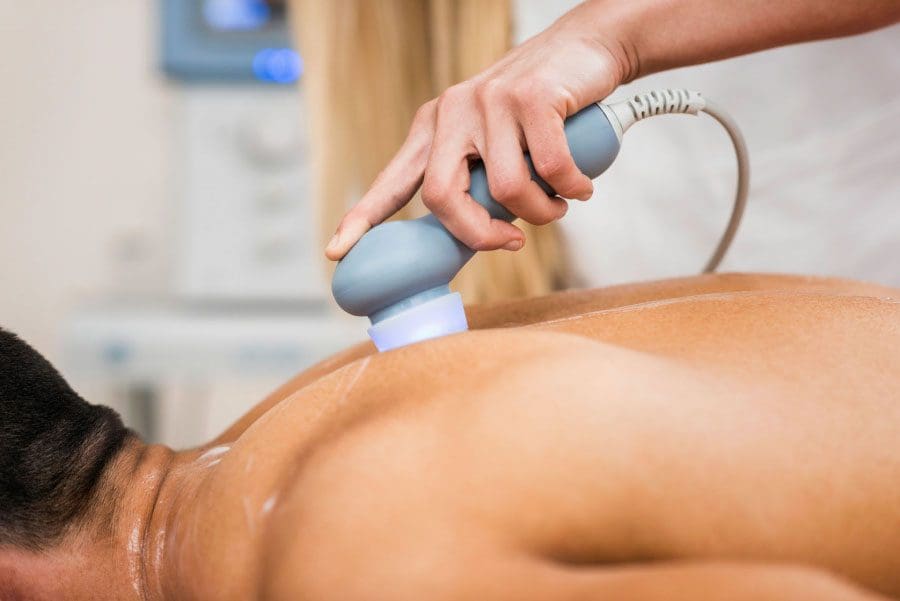
Ultrasound is a passive therapy, which means this is a treatment that a physical therapist administers. It creates gentle pulsating, penetrating heat that soothes, and relaxes spinal and any other muscles that may be tight, knotted and sore.
It is an added supplemental therapy of the primary treatment like chiropractic, therapeutic stretching, and exercise. Ultrasound releases and warms the muscles and soft tissues thus increasing circulation that speeds recovery/healing.
How does ultrasound work?
The equipment creates high-frequency sound waves that flow through to the tight, knotted area with a round-headed probe. The sound waves flow deep into the muscle tissue and ligaments all the while creating a soothing heat that loosens up the tissues.
Treatment application
The therapist will apply a hypoallergenic gel to the skin, that makes for a smooth moveable surface. Then the therapist goes in gentle, circular motions with the probe, and performs the treatment, that can last several minutes.
Ultrasound can also be utilized when performing phonophoresis. This is a treatment that involves the application of topical anti-inflammatory medications that are mixed with ultrasound gel�then applied to the area with the probe. The sound waves force the medicine into the tissues to help reduce inflammation.
Does it hurt?
Absolutely not, the patient will only feel a tingling sensation around the area being treated. There will also be a warming sensation from the sound waves.
Ultrasound results
The ultrasound probe is glided over the surface, all the while sound waves are penetrating through the skin’s surface, which causes the soft tissues to vibrate, creates muscle tightness soothing/releasing heat. The heat induces vasodilation that draws blood into the tissues that are hurting. The increased blood flow delivers much needed:
Oxygen
Nutrients
Removes the cell’s waste
The heat relieves pain and inflammation, reduces muscle spasms, and accelerates healing. Depending on thearea being treated, the range of motion will be increased.
Shoulder Pain Rehabilitation
NCBI Resources
Physical therapists also�instruct patients on the best way to exercise to enhance overall physical fitness, move about safely (biomechanics and ergonomics), and injury prevention. Physical therapists also help patients with�long-term physical incapacity�(eg, spinal cord injury).
Here are a few questions that most new patients have along with the answers about chiropractic adjustments, how they work, what they do and what to expect when visiting a chiropractor.
How do adjustments work?
Chiropractic adjustments are painless, but there is soreness from the massage, the working out of trigger points, knots and from the realignment of the spine into its proper position. New chiropractic patients sometimes involuntarily stiffen or fight the adjustment and feel some discomfort. However, once they relax the treatment will go very smoothly.
If the patient has gone through recent trauma like a car accident or personal injury where whiplash or inflammation has set in then there will be some pain. This is completely normal. However,�once the adjustment has been completed patients report feeling relief, calmness, a sense of well-being, and improved mobility.
During an adjustment what is that pop?
When the vertebrae are realigned, there are small pockets of gas that get released from the joints, which is what makes that pop. It is the same sound heard when knuckles are popped. This pop does not happen with all patients. But it does not mean that the adjustments are working/not working. It is not necessary to have a pop to mean that the treatment is working.
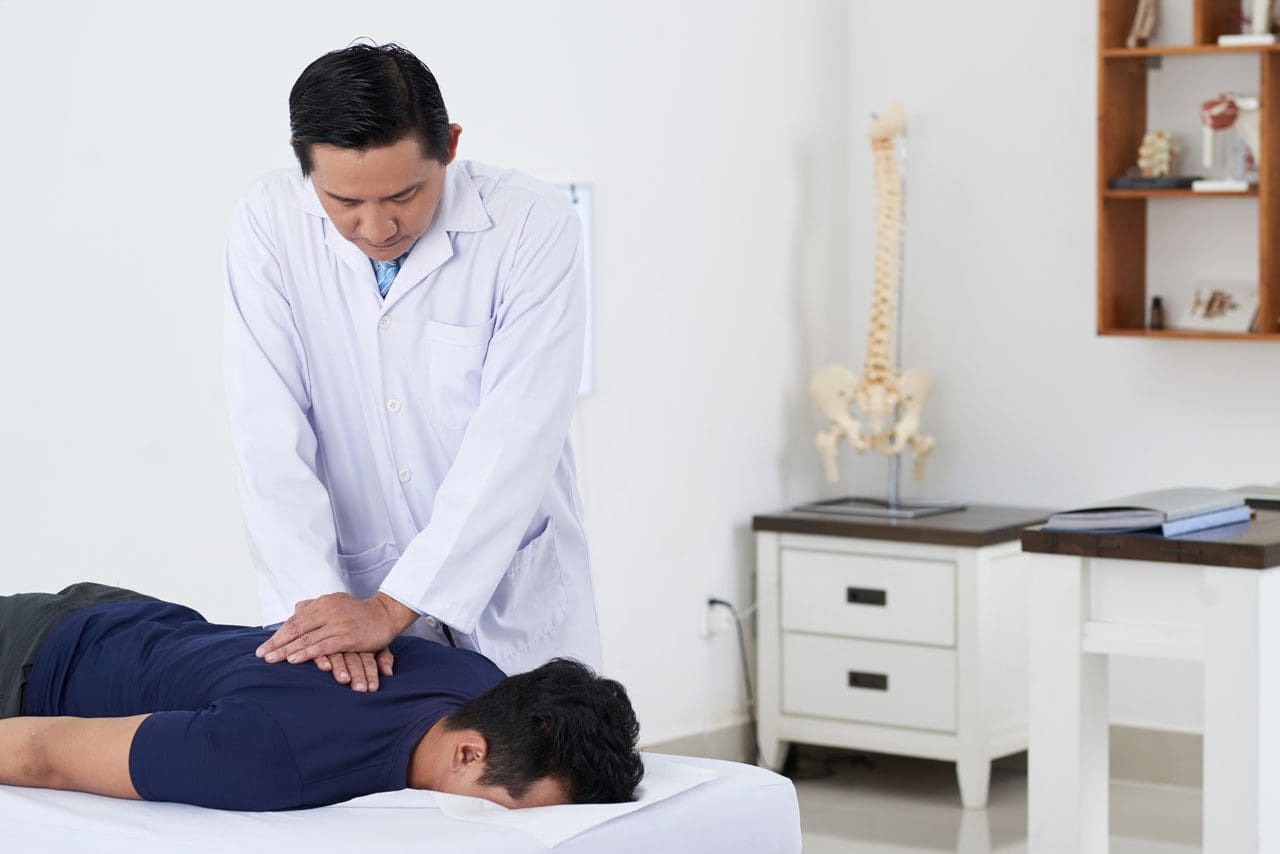
Professional Vietnamese chiropractor doing pushing motion to adjust the spine of a male patient
How safe are these adjustments?
There are several research studies documenting the safety and effectiveness of chiropractic treatment. Chiropractic is far safer than taking medication/s or surgery. Complications from chiropractic are very rare.
Question Is self-adjustment possible?
Absolutely not, chiropractic adjustments and treatment need to be performed by a qualified professional. Remember this is your spine when it’s out of place you don’t want to try to shove it back into place. A medical practitioner that knows the body’s anatomy, especially the spine is who you want working on your spine. This is exactly what chiropractors are specifically trained to do.�
Can other professionals perform these adjustments?
Yes, there are osteopaths or doctors of osteopathic medicineDO’s that are trained to perform these techniques. But usually, they are chiropractors themselves or have chiropractic training but are not using that title in their practice. Chiropractors perform 97% of all adjustments in the country. Be mindful of pain therapists, massage therapists, or so-called healers that claim that they can perform spinal adjustments but do not have the credentials, qualifications, and experience.
What conditions do adjustments help with?
Chiropractic medicine involves precise restoring/realignment of the spine that will allow for correct function and proper movement. Chiropractic helps with:
Repetitive Movement Injuries like carpal tunnel, golfer/tennis elbow
Sciatica
Scoliosis
Sports injuries
Sprained�muscles, joints, and ligaments
Stiffness in the neck, shoulders, back, arms, hands, chest, abdomen, hips, legs, feet
Strained�muscles, joints, and ligaments
Tendonitis� inflammation of soft tissues
Trauma to the body like whiplash from an accident, sports injury, personal injury
Work injuries, falls, slips, lifting, twisting
Question What if surgery is needed?
New guidelines have been issued�and emphasize that the first response for conditions and injuries should be conservative care. Because of the opioid crisis, non-invasive/surgical treatment has been deemed the approach to take with pain meds and surgery as a last resort. However, chiropractors are trained to recognize an injury that they are not able to work on and will refer a patient to the appropriate medical specialist when necessary.
Lower Back Pain Chiropractic Treatment El Paso, TX
NCBI Resources
A chiropractic adjustment�can be a great way to improve multiple areas of the body, along with improving overall health with non-invasive treatment. Dr. Jimenez has teamed with the top surgeons, clinical specialists, medical researchers and premiere rehabilitation�providers to bring El Paso the top clinical treatments to our community.��Providing high non-invasive protocols is our priority. For any questions, you may have about treatments, please feel free to call Dr. Jimenez at 915-850-0900 or 915-412-6677.
Physical therapy involves both passive and active treatments and�is an effective treatment for whiplash, especially combined with other treatments, like bracing and chiropractic. Whiplash causes the soft tissues in your neck to get damaged. A physical therapist can work with you to restore proper function and movement of those tissues.
Passive treatments help to relax tension in the muscle tissues brought on during the accident in the neck and body. It is considered a passive treatment because the patient does not actively participate. Fresh from the injury acute pain sets in, therefore passive treatment is usually the first type of therapy used as your body begins to heal and adjusts to the symptoms.
The primary goal of physical therapy is to get the patient actively participating in active treatment until they can do the exercises on their own. The therapeutic exercises that physical therapists teach to a patient are for strengthening your entire body to ensure that your spine is optimally supported.
Passive Treatment
Deep Tissue Massage
This technique focuses on tight muscle tension that develops from the injury. Direct pressure is applied and massaged to release the tension in the soft tissues like the:
Ligaments
Tendons
Muscles
This will help these tissues heal quicker and keep them loose.
Hot/Cold Therapy
Heat therapy is used by physical therapists to circulate more blood to the injured area. Increased blood flow allows more oxygen, and nutrients to the area. Blood also removes the waste products created by muscle spasms.
Cold therapy slows the blood’s circulation, which helps to reduce inflammation, muscle spasms, and pain. Physical therapists alternate between hot and cold therapy depending on the patient’s condition.
Whether in a car accident or other type of trauma hot and cold therapy can be used at home. Ice should be used first to bring down the inflammation. After 24 to 48 hours, switch between ice and heat. The heat helps relax tense muscles and increases blood circulation to the injured area. Never put ice or heat directly on the skin, wrap in a towel then apply.
Ultrasound
Ultrasound helps reduce muscle:
Cramping
Pain
Spasms
Stiffness
Swelling
Sound waves are sent deep into the muscle tissues and create a gentle heat that circulates the blood that optimizes the healing process.
Active Treatment
When the active part of the therapy begins, the therapist will teach/train you a variety of exercises to work on strength and range of motion or how the joints move with ease or not. Each physical therapy program is customized to each patient’s condition, health, and medical history.
Some exercises might not be appropriate for someone else with a whiplash injury as they could worsen their symptoms and exacerbate the injury. Learning how to correct your posture and utilizing ergonomics into your regular daily activities is part of the therapy program. Once recovered this posture work will continue to help because of the training/exercising you can prevent other forms of neck pain that develop from regular life.
Physical therapy for whiplash patients helps reduce muscle spasms, increase blood circulation, and promote healing of the neck tissues.
Spinal Bracing Another Treatment Option
Whiplash is very treatable, another option is using a cervical brace or cervical collar. The brace provides support to the neck while the soft tissues heal. The soft tissue’s job is to support your neck, but when they’re injured, they can’t do their job. That’s where the brace comes in.
Cervical devices limit the neck’s movement and support your head, which takes the weight off the neck.
This allows the muscles to rest while they heal. Your doctor will inform you of how long you need to wear the brace. Generally, it is worn for two to three weeks. The doctor will explain how to wear the collar, which means how long to weary it each day, caring for the collar, handling daily activities like showering, sitting, sleeping, etc. Symptoms usually subside in two to three weeks. However, if there is still pain, soreness, or other symptoms, you may have to try other treatments.
Whiplash Massage Therapy El Paso, TX Chiropractor
�NCBI Resources
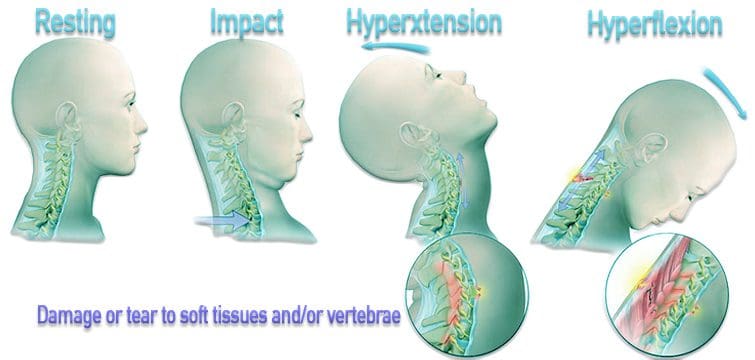
After a car accident, you may notice neck pain.�It could be a�slight soreness that you think is nothing but take care more than likely you have whiplash.�And that�little soreness can turn into a lifetime of chronic neck pain�if only treated with pain meds and not�treated at the source.
Back soreness, pain, and discomfort can make walking even moving a challenge, but through assistive devices, you can keep moving. If a spinal condition affects your ability to walk or if you have recently undergone surgery, a cane or walker can help maintain your independence.
Canes and walkers are designed in a simple fashion, but come with amazing benefits: They improve:
Balance
Prevent falls
Takes stress/pressure off the spine
There are all kinds and styles of assistive walking devices. Here are a few tips to help you select the best cane or walker.
Which To Get Cane or Walker
There are options when it comes to choosing but with so many options knowing which is the best for your condition can be challenging.
Talk with your health provider, which could be a primary physician, nurse, chiropractor, physical therapist, or other health care professionals familiar with your medical history and discuss which device would suit your condition and lifestyle the best.
Canes and walkers each have their pros and cons depending on the condition/s. Some considerations to think about when choosing between a cane and a walker:
What is the purpose of the device?
Canes are ideal for problems that occur on one side of the body like sciatica, which often affects one leg, and walkers are ideal for pain that occurs on both sides like weakness in both of the legs.
Which should I get to support my weight?
Canes can support up to 25 percent of your weight, and walkers can support up to 50 percent.
What is the amount of stability you need in the device?
Walkers have the most stability, but there are four-point canes that can also support proper balance and spine safety.
What amount of flexibility do you need in the device?
If you want perhaps the flexibility to go up and downstairs�a cane may be a better choice, as walkers should not be used on stairs.��
Considerations and Questions
Once you�ve decided on what type, then it’s time to decide which type to buy and make sure it is the correct model and style for you. A health care provider can help you find the right model that suits your needs, fits correctly and will educate and show you how to properly use it. Considerations to think about when buying a cane or walker.
Canes
Canes fall into three categories:
Standard: The simplest type of cane and comes with a comfortable T-shaped handle. This helps with balance, but these aren’t able to bear as much weight.
The Offset: A cane that can support more weight than a standard model comes with a flat grip for those with a weak grip and an upper shaft that can bend outward.
Multi-legged: Multiple-legged canes offer maximum stability, perfect for preventing slips, and falls. The only issue could be is that because of the multiple legs means it can be a little awkward at first. But once you get the hang of it
Questions for a Cane
What grip should I go with?
There�s no right or wrong grip. This all comes down to you and what feels the most comfortable as you move around. But, larger grips work better for those with joint problems, and the foam grip style or a type of memory foam that shapes to your hand seems to be the current trend.
What if the grip I chose is not the correct one?
If numbness, tingling, or pain begins to present in your hand/s when using the device or after, consult your doctor, chiropractor or physical therapist.
Where are Canes available?
Canes can be purchased at medical supply stores and pharmacies. But they can also be purchased online, which is extremely helpful if the model you want is not available at the store.
Where to learn how to properly use the cane?
Talk to your chiropractor, physical therapist or doctor who can give you tips and guidelines on how to use the device. They will also help make sure that the cane fits correctly.
Working with a health care professional to achieve the right fit can be highly beneficial. If the grip does not feel right, it’s not comfortable, or if it’s too long/short, the cane ends up doing more harm than good. A therapist/chiropractor will make sure everything is right.
Walkers
Walkers fall into three models:
Standard: These walkers have four legs with rubber ends and provide quality support and stability. But, because there are no wheels it needs to be picked up to move around.
Front-wheel walker: This type has two wheels in the front and two solid legs in the rear. This type does not need to be picked up and requires less effort.
Four-wheeled walkers: These move the easiest, but they can be difficult to get used to placing all your weight because of the easy rolling. Although they do have breaks and wheel adjustments to control the wheel speed, it can take some getting used to and training. Some models come with a seat.
Questions for a Walker
What grip should I go with?
Walker grips are usually made of hard plastic, non-slip rubber, or flexible memory foam. Again it�s all up to you to decide which is the most comfortable.
Preparing the home for a walker
Walkers can get snagged on rugs or bump into the furniture so it�s a good idea to set up your home and move the furniture/objects to help accommodate your movement.
Where can I purchase a walker?
Walkers are available at medical supply stores and pharmacies. They can also be purchased online.
How can I learn how to properly use my walker?
Using a walker can be a little uncomfortable at first. Movements that were easy, like sitting to standing might need to take some time to get the feel of it. But with time and practice, it will become second nature. Talk to your doctor or chiropractor/physical therapist about the right way to use your walker. They can help you develop a strategy and technique to improve mobility.
Spine Pain Won’t Slow You Down
Mobility assistive devices, like canes, and walkers can help you move around after an accident, spine surgery, or a chronic spine condition and allow you to maintain your freedom.
Our uplifting southwest community surrounded by its infinite beauty is a fantastic place to live and enjoy our families; it is, therefore, our mission to help each of our patients to live,�to�love,�to�matter�and�to�thrive�pain-free�in this beautiful special place.
Shoulder Pain Treatment El Paso, TX Chiropractor
NCBI Resources
As you move into your senior years, you may expect some discomfort and loss of mobility. Aging is hard on the body. But it is important to understand that there are things you can do to feel better. Regular exercise, a healthy diet, and�chiropractic care�can all make your senior years active and thriving.
More and more individuals are looking to add or try out complementary, alternative or integrative treatments for their back and neck pain. To help understand the differences as well as the similarities between the terms, try to remember:
If an alternative clinic which means not mainstream is combined with a conventional clinic this is mainstream medicine, then it is known as complementary or integrative health care.
If it is used instead of or replaces conventional medical care, it is known as alternative health care.
These terms complementary, alternative and integrative tend to get used interchangeably.
The acronym C.A.M is sometimes used, which means Complementary Alternative Medicine.
Choosing the right practitioner for your spine problem whether osteoarthritis, chronic back pain, or whiplash is just as important as choosing a medical physician or chiropractor.
You want to find an alternative or complementary/ integrative professional who is
Highly trained
Licensed
Experienced in treating your particular condition
Makes you feel comfortable
Takes time to answer all your questions
Finding a Complementary Alternative Specialist
A good place to start is to ask your primary care physician, chiropractor for a referral. Others include:
Credentialing, licensing and certifying are terms you will find when learning about a particular complementary alternative medicine clinic or practitioner. Credentials can include the practitioner�s education, where and what they are allowed to practice. Certification in a particular field of practice like acupuncture, for example, is typically needed before the state issues a license and allows the professional to begin treating patients.
You can check your state�s mandatory licensure process for the type of complementary, alternative or integrative practitioner or clinic you are looking into. Most states require the practitioner to register their education, graduation, training, and continuing education credits. Your state agency can provide this information explaining what services the practitioner is allowed to provide such as the ability to provide dietary supplements.
Review the education and qualifications of all potential practitioners
Questions to think about when doing your research.
Did they graduate from a certified program/school?
Did they complete advanced training?
Are they a member of professional societies or organizations?
Do they regularly continue their training with up to date and advanced education?
How long have they been practicing?
Are the treatments covered by insurance?
Are they ready to work with your insurance provider?
What’s the cost of treatment if not covered by insurance?
Your Appointment Plan
Treatment or therapy that the complementary, alternative or integrative practitioner/clinic provides is considered non-medical.
These practitioners need your medical history, that includes over-the-counter and prescription medications, allergies, prior treatment like surgery/spinal injections along with vitamins/supplements you take. Additional information that could be needed is the contact information of your primary care physician or the doctor who referred you. Keep your primary physician/chiropractor informed about all treatments or therapies you will be receiving.
El Paso, TX Neck Pain Chiropractic Treatment
NCBI Resources
The spine is the primary support for the body. When it breaks down, the body suffers.�Regular chiropractic treatment ensures that the spinal column remains in proper alignment which, in turn, keeps the body in proper alignment. It helps with joint health as well as the health of the related muscles and ligaments.
Back/spine injuries now rank either second or third overall for workplace injury/s. According to the Bureau of Labor Statistics, every year there are over 900,000 cases of back injuries that account for 1 in 4 non-fatal job-related injuries that involve work days missed.�
Backcare & Standing Work
Back injuries can be painful, debilitating, and life-changing. 8 out of 10 people will experience a back/spine injury that can lead to chronic pain and health conditions. We all need to know, especially those of us that work standing up is firsthand knowledge of how important it is learning how to improve spine health and take steps to prevent back injury.
In order to prevent low back disorders means that there needs to be an understanding�of the spine when working along with knowledge of back injury risk factors.
Back/Spine Basics
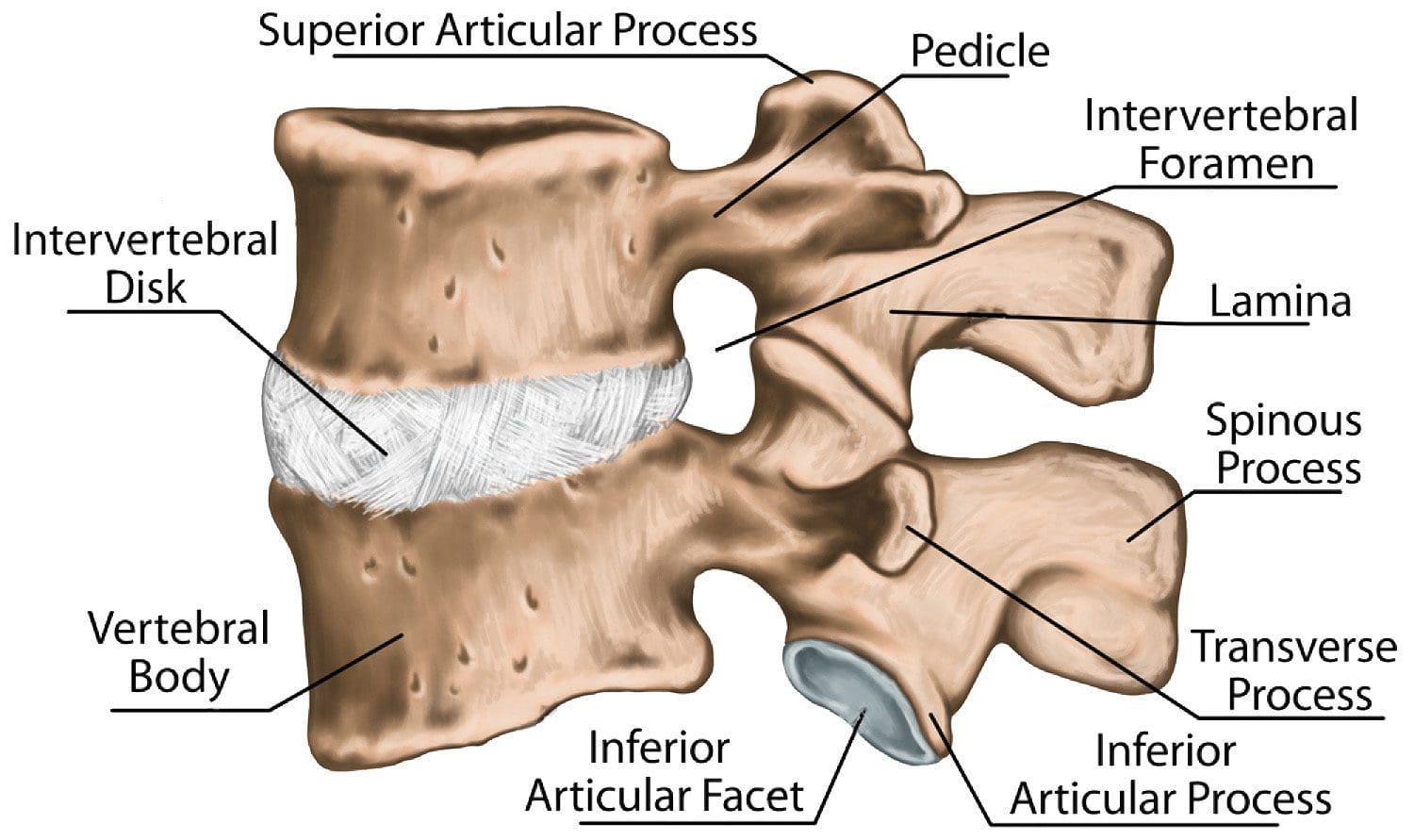
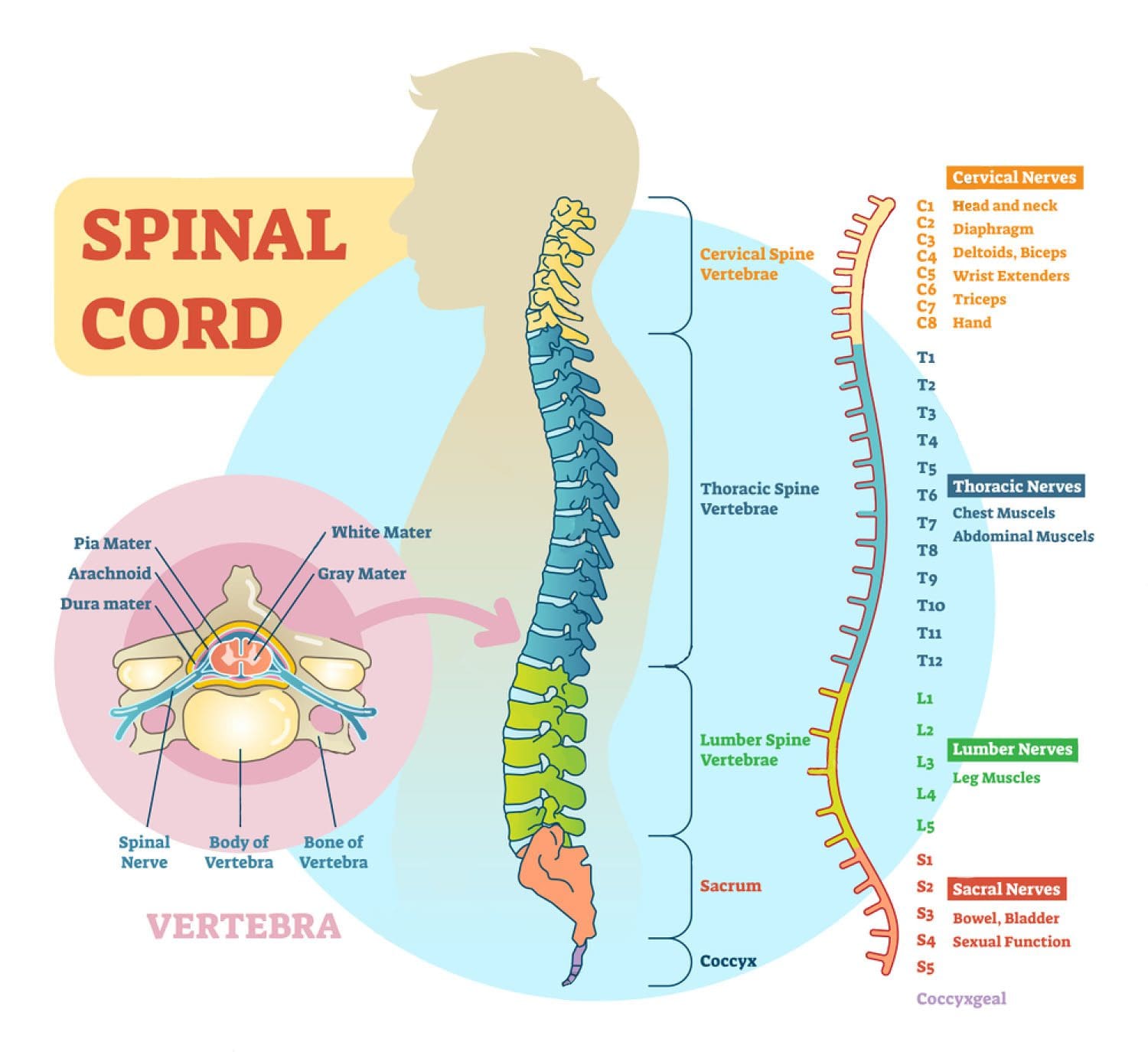
The spine is a flexible structure that consists of 24 bones that move, shift, and contort, called vertebrae. There are:
7 in the neck
12 in the chest
5 in the low back
These are connected by ligaments and separated by pads of cartilage, called intervertebral discs. These are the shock absorbers that allow the flexible movement of the spine, specifically at the neck and the low back.
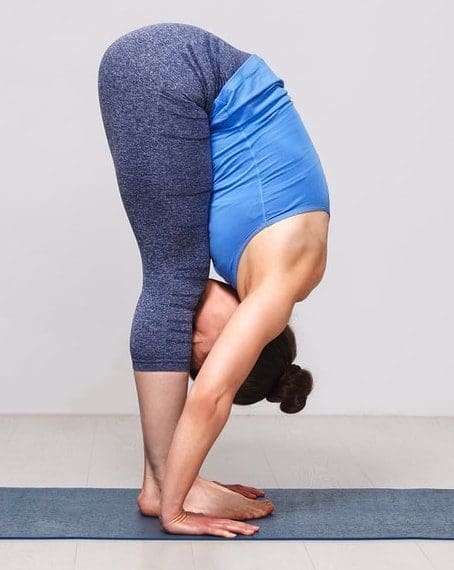
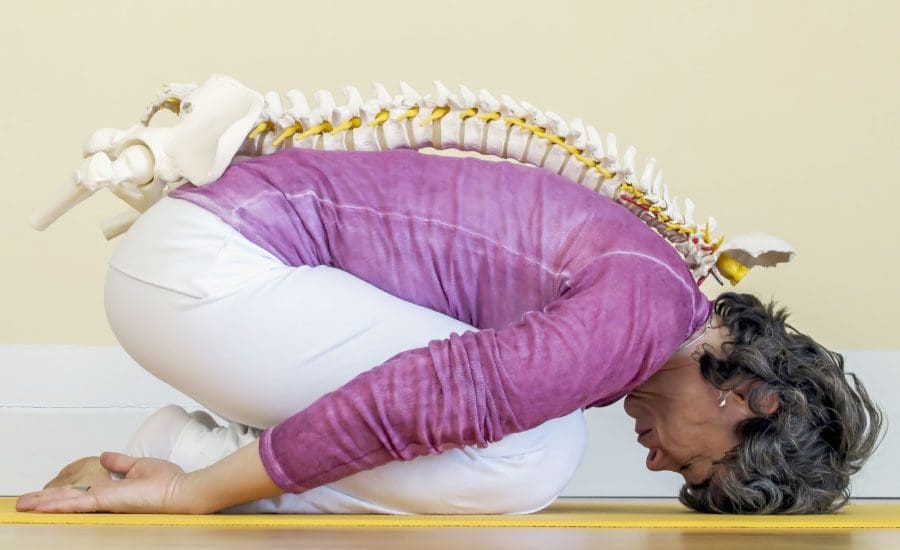
When we stand, the spine naturally curves inwards and outwards. The inward curve is called lordosis, and curves towards the front of the body at the lower back and neck area. The outward curve is called kyphosis, and curves towards the back of the body around the chest area. When we bend over the vertebrae of the lower back change position and shift from being in lordosis to kyphosis when completely bent over and then back again when upright. With this information, it is easy to see how much we move around, bend, stretch and reach during a regular day. The lower back gets used the most, which is why low back pain and injury/s and disorders are the most common.
The National Institute of Occupational Safety and Health concluded: �muscle strain is the most common type of work or nonwork back pain� (Bernard, 1997). This is good news for chiropractors and ergonomists because it means that we can find ways to reduce/change the way we work and the effort involved to minimize injury risks.
Keeping the intervertebral discs healthy plays an extremely significant role in preventing back/spine injuries. If these discs get damaged and start to degenerate,�flexibility begins to fade away, stiffness and soreness sets in and the ability to absorb the daily pressure/forces that comes with standing, moving and working.
There is not a normal blood supply to the intervertebral discs. Instead, as the discs change shape when we move around, the nutrients that they need are absorbed into the discs as the waste products are pumped out. This is why moving the body and staying active is very important. Because as you move you are literally feeding your spine and expelling the bad stuff. Intermittently changing postures and positions helps change the force and weight on the discs so that not all one area is taking the brunt of the force. Remember to move around and keep your spine as healthy as possible.
Risk factors
Major risk factors for back injuries include:
Awkward postures
Bending
Twisting�
Heavy physical tasks
Lifting
Forceful movements
Whole-body vibration aka W.B.V.
Static or unmoving work postures
These risks can happen separately or could be a combination of them all, and if these risks are taking place at any one time the higher probability of an injury/s.
Standing Work
When we stand, the pressure on the�lower back discs is relatively low. Not that there is pressure but it is much lower than when seated with an unsupported backrest like bleachers for example. Standing up uses 20% more energy than sitting does. When we need to bend down to pick up objects or reach to get overhead objects there is an increase in the forces and pressure on the lower back, and this is when an injury is likely to happen.
Tips to Minimize Injury
Here are some tips to help minimize your risks of back/spine injury when you are doing standing work:
Moving around is important to keep the spine healthy. Moving will help improve circulation and reduce muscle fatigue.
Taking consistent short breaks will help reduce fatigue, discomfort and work other muscles.
Gentle stretching during some of these breaks helps to ease muscle tension and gets circulation pumping.
Pay attention to your posture and the way you stand as you work.
Lean on a solid support to help reduce fatigue when you are standing with a support that you can put your back up against, lean against sideways, lean forwards against and to hold on to will increase safety.
Keep your back strong and try to do exercises that will strengthen the back muscles. Activities, like Yoga, Crossfit, HITT or workouts focused on the spine for flexibility are the way to go.
Maintain a stable posture with your feet on a firm surface.
Avoid twisting the lower back around to reach for things.
Move your feet so that your whole body changes position.
Minimize bending, but when you have to, bend for objects in front of you and bend at the knees instead of the back. When bending for objects that are to the side of you change your stance so you are facing the object, and then bend down at the knees.
Don’t overreach but if you have to reach up to a high area to get something use a step-ladder.
Don’t reach over objects and move the obstruction or change your position before reaching for whatever it is.
Low Back Pain? Fix it with *FOOT ORTHOTICS* | El Paso, Tx
NCBI Resources
The one size fits all method just doesn�t cut it. A more focused approach for every individual leads to better results. Patients find that placing their bodies in certain positions and certain physical activities can:
Activate
Aggravate
Deactivate�their back pain.
Patients also find the pain being either better or worse. Understanding why sitting, standing, and walking can change the severity of low back pain can be helpful in diagnosis. These are important cues that help to diagnose and treat low back pain. People sit, stand, and walk all day. This is why so much research has been conducted on how these specific positions and activities contribute to low back pain.
IFM's Find A Practitioner tool is the largest referral network in Functional Medicine, created to help patients locate Functional Medicine practitioners anywhere in the world. IFM Certified Practitioners are listed first in the search results, given their extensive education in Functional Medicine