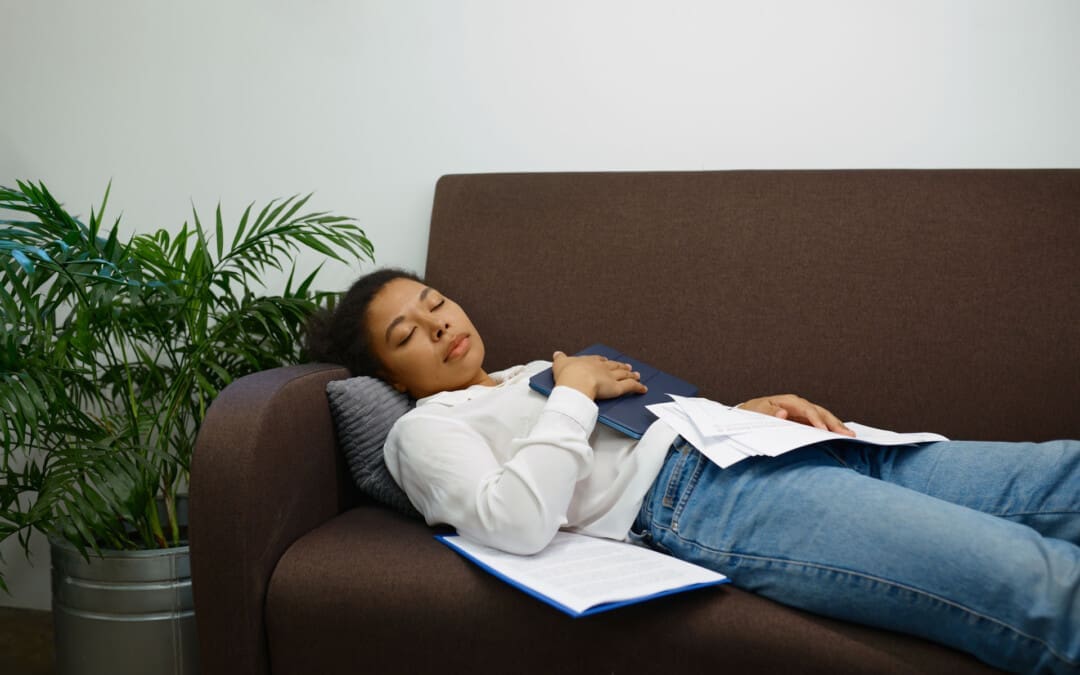
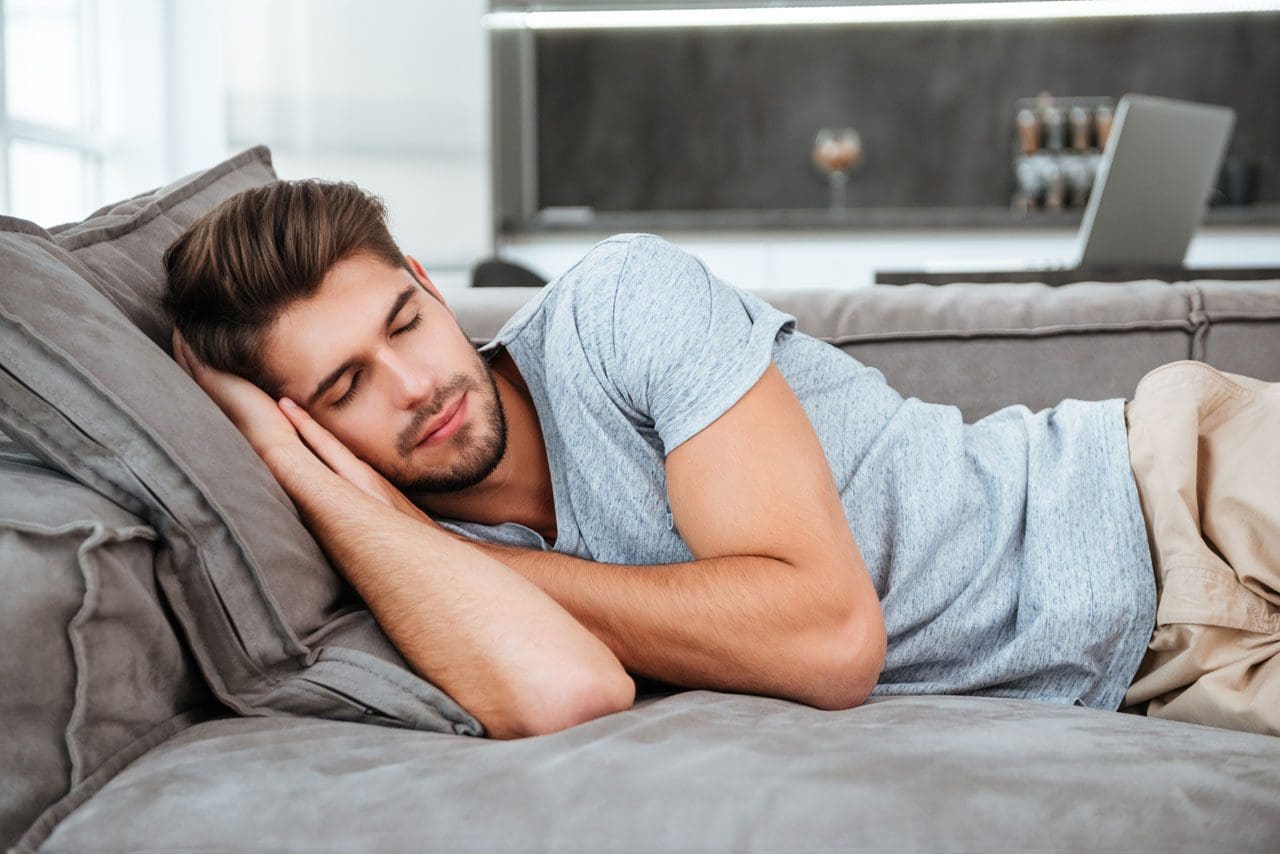
A small study of young adults found that naps lasting 10 to 60 minutes immediately improved mood and alertness. However, most research shows that naps under 30 minutes offer the most benefit because individuals are less likely to enter the deep sleep stage or experience sleep inertia – a period of impaired alertness right after waking. A meta-analysis also suggested that short naps reduce fatigue, increase productivity, and enhance physical performance. (Dutheil F. et al., 2021) A 10-minute nap is the most effective at improving:
Sleep latency or sleep onset latency (SOL)
Fatigue
Vigor
Cognitive performance
Some sleep specialists recommend that patients not take naps longer than 40 minutes, as too much napping could be unhealthy. Studies have shown that excessive daytime sleepiness and napping for over 60 minutes might increase the risk of type 2 diabetes and heart problems. (Yamada T, Nobuhiro S, Takashi K. 2016)
Health
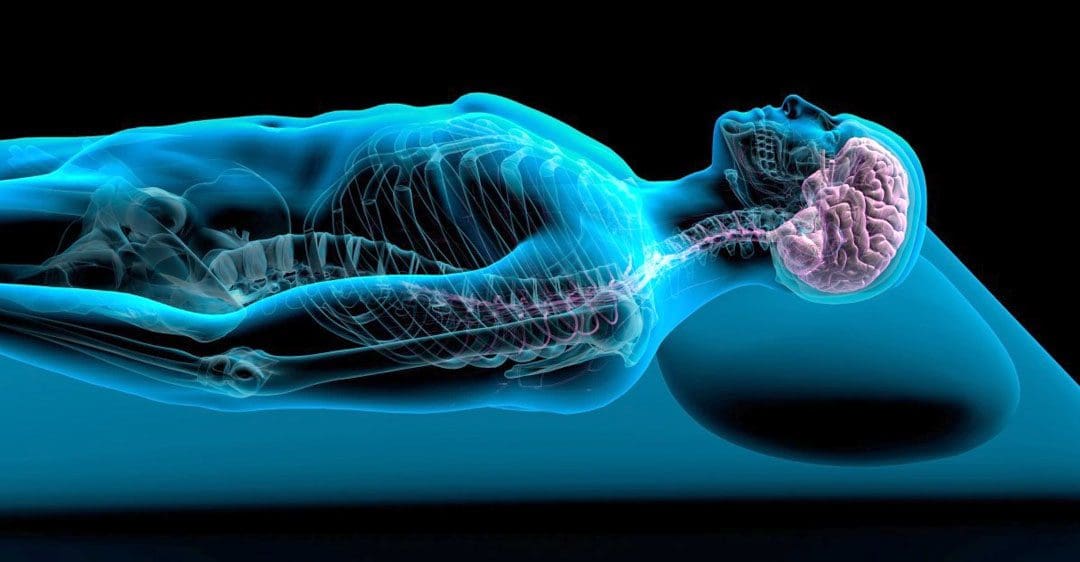
In the study published in Sleep Health, researchers used data from over 30,000 participants aged 40 to 69 from the U.K. Biobank. Researchers examined genetic variants associated with taking naps regularly. (Paz V., Dashti H. S., & Garfield V. 2023) The researchers found a link between regular daytime napping and larger brain volume. The difference in brain volume between individuals who nap regularly and those who don’t was equivalent to 2.6 to 6.5 years of aging. However, no association was found between napping and cognitive performance reaction time or visual memory. The brain naturally shrinks with age, but this process is accelerated in individuals with neurodegenerative diseases and cognitive decline.
How To Avoid Napping for Too Long
Taking naps is good for you. But there’s a difference between healthy daytime sleep and counterproductive excessive sleeping.
Sleep specialists recommend setting an alarm for a nap or asking a family member, friend, or coworker to wake you up.
Individuals can try placing their phones or alarm clocks far away so they have to move to turn them off.
Individuals are recommended to stand up immediately to wake the body through movement and light exposure to avoid feeling groggy after a nap.
Engaging in physical activities before and after naps can also help promote wakefulness.
Sometimes, people feel exhausted for various reasons, such as stress and nutrition, rather than a lack of sleep. In these cases, sleeping more than the body needs will only worsen sleep quality at night. When individuals are experiencing daytime fatigue, rather than lying back down or sitting in bed, sleep specialists suggest walking around. This allows the fatigue to pass, and the patient can sleep better at night.
Injury Medical Chiropractic and Functional Medicine Clinic
Chiropractic’s goals are to help individuals enhance movement with less pain due to a condition after injury or surgery. Injury Medical Chiropractic and Functional Medicine Clinic works with primary healthcare providers and specialists to develop optimal health and wellness solutions. We focus on what works for you to relieve pain, restore function, prevent injury, and help mitigate issues through adjustments that help the body heal itself. They can also work with other medical professionals to integrate a treatment plan to resolve musculoskeletal problems.
Secrets of Optimal Wellness
References
Paz, V., Dashti, H. S., & Garfield, V. (2023). Is there an association between daytime napping, cognitive function, and brain volume? A Mendelian randomization study in the UK Biobank. Sleep health, 9(5), 786–793. https://doi.org/10.1016/j.sleh.2023.05.002
Dutheil, F., Danini, B., Bagheri, R., Fantini, M. L., Pereira, B., Moustafa, F., Trousselard, M., & Navel, V. (2021). Effects of a Short Daytime Nap on the Cognitive Performance: A Systematic Review and Meta-Analysis. International journal of environmental research and public health, 18(19), 10212. https://doi.org/10.3390/ijerph181910212
Yamada T, N. S., Takashi K. (2016). Daytime napping, daytime sleepiness and the risk of metabolic diseases: dose-response meta-analysis using restricted cubic spline model. J Am Coll Cardiol., 67(13), 1951. https://doi.org/https://doi.org/10.1016/S0735-1097(16)31952-0
Hilditch, C. J., Dorrian, J., & Banks, S. (2016). Time to wake up: reactive countermeasures to sleep inertia. Industrial health, 54(6), 528–541. https://doi.org/10.2486/indhealth.2015-0236
Athletic individuals must train regularly, eat healthy, and rest properly to recover and perform their best. Is sleep different for athletes?
Athletes and Sleep
Physical activity is an important component of a healthy lifestyle. Regular exercise increases longevity and can also reduce the risk of anxiety and depression and improve sleep (Centers for Disease Control and Prevention, 2024). When one area is lacking for athletes, overall performance can suffer. Evidence shows that more or extended sleep can benefit athletes and their recovery and performance. (Bird, Stephen P. 2013) Recommendations for athletes range between seven and nine hours nightly, and elite athletes are encouraged to get at least nine hours of sleep nightly and to treat sleep as much as athletic training and diet.
Sleep is essential for overall health and well-being for both athletes and non-athletes. Everyone needs sleep to feel restored and function their best daily. (Richard J. Schwab, 2024) Other physical benefits include:
Cardiovascular Recovery
This allows the heart to rest and cells and tissue to be repaired. (MedlinePlus, 2017) This can help the body recover after physical exertion. As an individual progresses through the stages of sleep, the changes in heart rate and breathing throughout the night promote cardiovascular health (National Heart, Lung, and Blood Institute, 2011)
Illness Prevention
The proper amount of sleep helps the body recover from illness. During sleep, the body produces cytokines/hormones that help the immune system fight off infections. These therapeutic effects are important for an athlete’s recovery and performance.
Lack of Sleep Affects Performance
Poor quality and quantity of sleep can lead to several negative effects. Sleep deprivation reduces the ability to react quickly and think clearly. A lack of sleep also increases irritability and risk for anxiety and depression. Sleep-deprived individuals are more likely to make poor decisions and take unnecessary risks. From a physical standpoint, a lack of sleep increases the risk for medical concerns, including type 2 diabetes, high blood pressure, kidney disease, and stroke. When athletes do not receive adequate sleep, it can:
Inhibit Ability
In a study of sleep-deprived male team athletes, average and total sprint times decreased. (Skein, M. et al., 2011)
Decrease Accuracy
In a study, male and female sleep-deprived tennis players had decreased serve accuracy by up to 53% compared to performance after normal sleep. (Reyner L. A. & Horne J. A. 2013)
Cause Quicker Exhaustion
A study of male runners and volleyball players found that both athletes exhausted faster after sleep deprivation. (Azboy O. & Kaygisiz Z. 2009)
Decrease Reaction Time
A study found that lack of sleep adversely affected reaction time in a group of male collegiate athletes. (Taheri M. & Arabameri E. 2012)
Difficulty Learning and Decision Making
A lack of sleep negatively impacts cognitive skills and functions.
Athletes can become distracted, and decisions like passing the ball or going for the smash can be difficult or made too late.
Increases Risk of Injury
Research on middle—and high-school athletes showed that chronic lack of sleep was associated with increased rates of injury. (Milewski M. D. et al., 2014)
Increases The Risk of Illness or Immunosuppression
Poor sleep habits are associated with lower resistance to illness like a cold. (Prather A. A. et al., 2015)
Athletic Sleep Hygiene
Common components to sleep well include:
Avoid alcohol and Caffeine
Before bedtime, these can interrupt sleep or lead to more disturbed sleep.
Have a Wind-Down Routine
Activities such as reading, bathing, or meditating can help the body relax and get ready for sleep.
Reduce Stressors
Not only do mental stressors affect sleep quality, but they also impact performance overall.
Create an Optimal Sleep Environment
A sleeping space should be dark and cool with little to no noise.
The environment should be used only for sleep and sex.
No Electronics Before Bed
This includes TVs, cell phones, and computers.
The blue light that these devices emit can affect circadian rhythm.
Don’t Stay Awake In Bed
If you can’t fall asleep after 20 minutes of trying, get out of bed.
Do a quiet activity in another space until you feel sleepy.
Avoid Overtraining
Keep a consistent training schedule so as not to overexert yourself.
Quick Naps
Keep naps brief. Naps should be longer than an hour and not after 3 p.m.
Injury Medical Chiropractic and Functional Medicine Clinic
The right bed and mattress contribute to overall health and can improve one’s quality of life. Doctor Alexander Jimenez, DC, at Injury Medical Chiropractic and Functional Medicine Clinic, says a healthy mattress can improve sleep, reduce pain, increase energy levels, and elevate mood. Injury Medical Chiropractic and Functional Medicine Clinic works with primary healthcare providers and specialists to develop an optimal health and wellness solution. We focus on what works for you to relieve pain, restore function, prevent injury, and help mitigate the pain through spinal adjustments that help the body realign itself. They can also work with other medical professionals to integrate a treatment plan to resolve musculoskeletal issues.
Lumbar Spine Injuries In Athletes
References
Centers for Disease Control and Prevention. (2024). Benefits of Physical Activity. Retrieved from https://www.cdc.gov/physical-activity-basics/benefits/?CDC_AAref_Val=https://www.cdc.gov/physicalactivity/basics/pa-health/index.htm
Bird, Stephen P. PhD. (2013). Sleep, Recovery, and Athletic Performance: A Brief Review and Recommendations. Strength and Conditioning Journal, 35(5), 43-47. https://doi.org/DOI: 10.1519/SSC.0b013e3182a62e2f
Schwab, R. J. (2024). Overview of Sleep. Merck Manual Consumer Version. https://www.merckmanuals.com/home/brain-spinal-cord-and-nerve-disorders/sleep-disorders/overview-of-sleep
National Library of Medicine. MedlinePlus. (2017). Healthy Sleep Also called: Sleep Hygeine. Retrieved from https://medlineplus.gov/healthysleep.html
National Heart, Lung, and Blood Institute. (2011). Your guide to healthy sleep. Retrieved from https://www.nhlbi.nih.gov/resources/your-guide-healthy-sleep
Skein, M., Duffield, R., Edge, J., Short, M. J., & Mündel, T. (2011). Intermittent-sprint performance and muscle glycogen after 30 h of sleep deprivation. Medicine and science in sports and exercise, 43(7), 1301–1311. https://doi.org/10.1249/MSS.0b013e31820abc5a
Reyner, L. A., & Horne, J. A. (2013). Sleep restriction and serving accuracy in performance tennis players, and effects of caffeine. Physiology & behavior, 120, 93–96. https://doi.org/10.1016/j.physbeh.2013.07.002
Azboy, O., & Kaygisiz, Z. (2009). Effects of sleep deprivation on cardiorespiratory functions of the runners and volleyball players during rest and exercise. Acta physiologica Hungarica, 96(1), 29–36. https://doi.org/10.1556/APhysiol.96.2009.1.3
Taheri, M., & Arabameri, E. (2012). The effect of sleep deprivation on choice reaction time and anaerobic power of college student athletes. Asian journal of sports medicine, 3(1), 15–20. https://doi.org/10.5812/asjsm.34719
Milewski, M. D., Skaggs, D. L., Bishop, G. A., Pace, J. L., Ibrahim, D. A., Wren, T. A., & Barzdukas, A. (2014). Chronic lack of sleep is associated with increased sports injuries in adolescent athletes. Journal of pediatric orthopedics, 34(2), 129–133. https://doi.org/10.1097/BPO.0000000000000151
Prather, A. A., Janicki-Deverts, D., Hall, M. H., & Cohen, S. (2015). Behaviorally Assessed Sleep and Susceptibility to the Common Cold. Sleep, 38(9), 1353–1359. https://doi.org/10.5665/sleep.4968
Sleep is vital at all ages, but what is the amount of sleep for older individuals?
Amount of Sleep For Older Individuals
Individuals 65 and older are still recommended to get the same amount of sleep as younger adults. (National Council on Aging, 2023) As the body ages, it still needs around 7–9 hours of sleep, but how an individual sleeps is what changes. Older individuals begin to sleep lighter, and their sleep is broken up, causing them to wake up more at night. This can be due to natural changes in the internal body clock, medications, health conditions like arthritis or sleep apnea, or a combination. Older adults often face sleep barriers that are less common in younger individuals, like disabilities and chronic illnesses, and nearly half of adults aged 75 and above have a disability. Aging also shifts the circadian rhythm, causing older individuals to fall asleep and wake up earlier. Melatonin begins to decline with age, starting in the 30s, which can affect body temperature regulation and disrupt the sleep-wake cycle. (Hood S. & Amir S. 2017)
Healthy Sleep and Healthy Aging
Research found that older individuals who sleep poorly have an increased risk of:
As the body ages, a consistent, healthy amount of sleep prepares you for all the ups and downs. Healthy sleep maintains:
Overall health
Mental health
Mood
Memory
Improves cognitive function
Enhances emotional resilience
Supports heart health
Increases immune system function
Keeps energy levels steady.
Well-rested individuals are less likely to have falls or accidents because their focus and coordination are optimal.
Sleeping Healthier as You Age
Maintaining healthy sleep hygiene and being more mindful of routines will improve sleep patterns. This includes:
Going to bed and waking up at the same time every day.
Avoiding long naps during the day.
Monitoring nutrition and physical activity levels.
Creating a calming bedtime routine like meditation and reading.
Keeping the bedroom dark, cool, and quiet.
Reducing caffeine or alcohol, especially in the evening, can affect sleep patterns.
Sleep aids can help for short periods and should be combined with cognitive behavioral therapy and used with caution in the long term to prevent possible dependency. Medications can help by addressing health issues that impact sleep, like pain, depression, or anxiety. However, some medicines can have side effects that alter or worsen sleep patterns.
Injury Medical Chiropractic and Functional Medicine Clinic
Therefore, older individuals still need 7–9 hours of sleep every night to maintain and enhance mental, physical, and emotional well-being, reducing risks associated with aging. Injury Medical Chiropractic and Functional Medicine Clinic works with primary healthcare providers and specialists to develop an optimal health and wellness solution. We focus on what works for you to relieve pain, restore function, and prevent injury. Regarding musculoskeletal pain, specialists like chiropractors, acupuncturists, and massage therapists can help mitigate the pain through spinal adjustments that help the body realign itself. They can also work with other medical professionals to integrate a treatment plan to resolve musculoskeletal issues.
Enhancing Health
References
National Council on Aging. (2023). How Sleep Impacts the Top Age-Related Health Concerns. https://www.ncoa.org/adviser/sleep/chronic-conditions-and-sleep/
Hood, S., & Amir, S. (2017). The aging clock: circadian rhythms and later life. The Journal of clinical investigation, 127(2), 437–446. https://doi.org/10.1172/JCI90328
Stone, K. L., & Xiao, Q. (2018). Impact of Poor Sleep on Physical and Mental Health in Older Women. Sleep medicine clinics, 13(3), 457–465. https://doi.org/10.1016/j.jsmc.2018.04.012
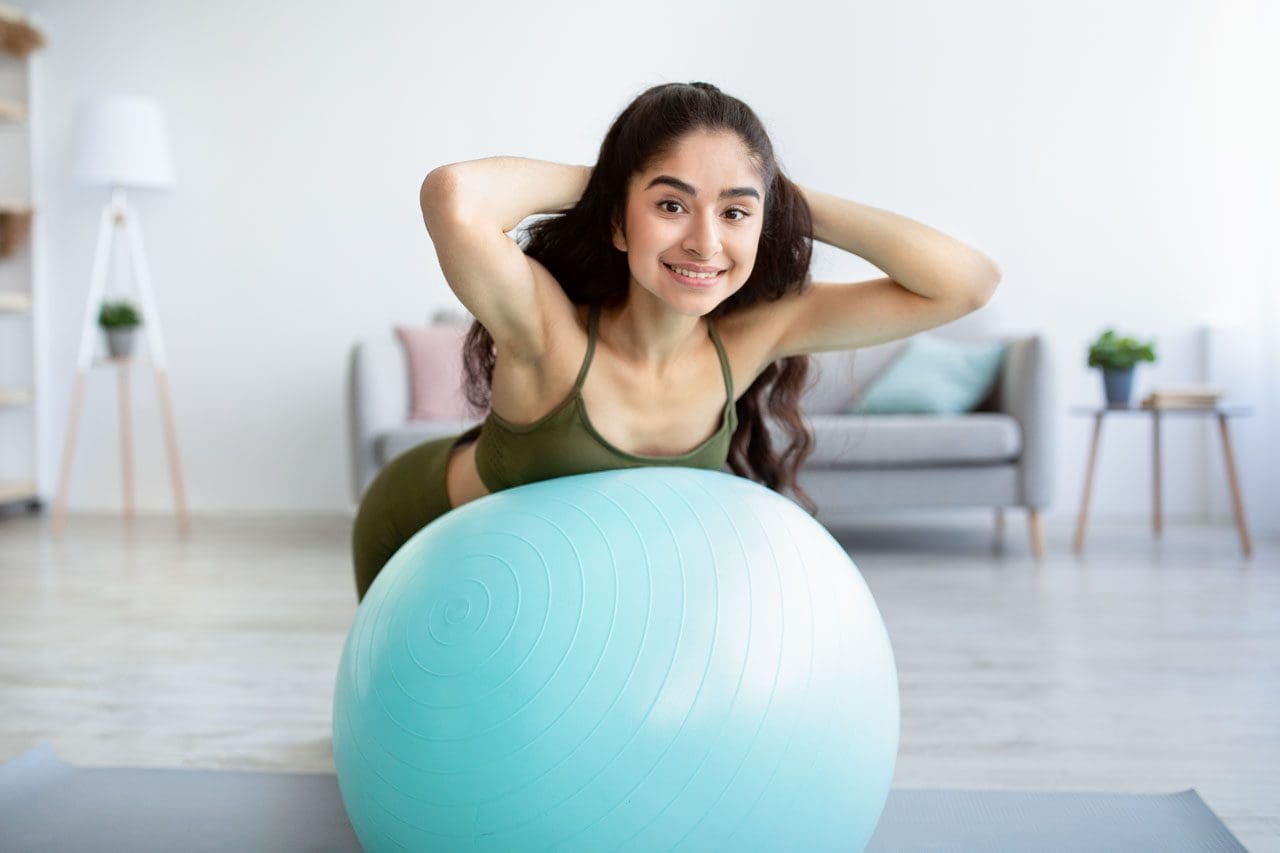
For individuals wanting to improve core stability, can using the right size exercise or stability ball help improve workouts and achieve goals?
Exercise Stability Ball
An exercise ball, stability ball, or Swiss ball is a piece of fitness equipment used in gyms, Pilates and yoga studios, and HIIT classes. (American Council on Exercise. 2014) It is inflated with air to supplement bodyweight workouts or improve posture and balance. It can also be used as a chair. They add a core stability challenge to almost any exercise (American Council on Exercise, N.D.) Getting the appropriate exercise ball size and firmness for your body and purpose will ensure an optimal workout.
Size
The exercise ball size should be proportional to individual height.
Individuals should be able to sit on the ball with their legs at a 90-degree angle or slightly more, but not less.
The thighs should be parallel to the ground or angled slightly down.
With the feet flat on the floor and the spine straight, not leaning forward, backward, or sideways, the knees should be even with or slightly lower than the hips.
Getting the right exercise ball for weight is also important. Individuals who are heavy for their height may need a larger ball to keep the knees and legs at the correct angle. It is recommended to check the weight rating of the ball, its durability, and its high burst resistance before buying.
Inflation
Individuals want a little give on the ball’s surface for exercise. When sitting on the exercise stability ball, body weight should create a little seat and provide more stability. More importantly, it allows sitting evenly on the ball, which is essential for exercising with proper spinal alignment. (Rafael F. Escamilla et al., 2016) Inflation is a matter of preference, but the more inflated the ball is, the more difficult it will be to balance the body, whether sitting or in other positions. It is recommended not to over-inflate the ball at the risk of bursting. The ball may require reinflation occasionally, so many are sold with a small pump for this purpose.
Exercises and Stretches
Exercise balls are highly versatile, inexpensive, and easy-to-use workout tools. They are beneficial for improving core strength and stability. Ways to be used include:
Target exercises for core activation and strengthening.
At Injury Medical Chiropractic and Functional Medicine Clinic, we focus on what works for you and strive to create fitness and better the body through research methods and total wellness programs. These natural programs use the body’s ability to achieve improvement goals and athletes can condition themselves to excel in their sport through proper fitness and nutrition. Our providers use an integrated approach to create personalized programs, often including Functional Medicine, Acupuncture, Electro-Acupuncture, and Sports Medicine principles.
Home Exercises For Pain Relief
References
American Council on Exercise. Sabrena Jo. (2014). Core-strengthening Stability Ball Workout. ACE Fitness® & Healthy Lifestyle Blog. https://www.acefitness.org/resources/pros/expert-articles/5123/core-strengthening-stability-ball-workout/
American Council on Exercise. (N.D.). Exercise Database & Library. Featured Exercises from ACE. Stability Ball. Healthy Living Blog. https://www.acefitness.org/resources/everyone/exercise-library/equipment/stability-ball/
American Council on Exercise. (2001). Strengthen your abdominals with stability balls. Healthy Living Blog. https://acewebcontent.azureedge.net/assets/education-resources/lifestyle/fitfacts/pdfs/fitfacts/itemid_129.pdf
Escamilla, R. F., Lewis, C., Pecson, A., Imamura, R., & Andrews, J. R. (2016). Muscle Activation Among Supine, Prone, and Side Position Exercises With and Without a Swiss Ball. Sports health, 8(4), 372–379. https://doi.org/10.1177/1941738116653931
Sports activities will result in aches, pains, and injuries that need to be examined by a doctor or specialist for proper diagnosis and treatment. Finding the right sports injury specialist can be one of the most difficult parts of dealing with an injury. The following may help when deciding if a sports chiropractic specialist can help.
Sports Injury Specialist
Sports medicine is the study and practice of medical principles related to the science of sports:
Injury prevention
Injury diagnosis and treatment
Nutrition
Psychology
Sports medicine focuses on the medical and therapeutic aspects of sports physical activity. These individuals can be physicians, surgeons, chiropractors, physical therapists, or providers who regularly work with athletes. Athletes often prefer providers with athletic treatment experience.
Doctor To See First for a Sports Injury
Individuals that belong to an HMO or PPO may find that their primary care physician is the first doctor to see for injury.
A family doctor may not be a sports medicine specialist but may have the expertise to deal with the injury.
Minor musculoskeletal injuries like acute sprains and strains respond well to immediate standard treatments like rest, ice, compression, and elevation.
Individuals with complicated overuse or training injuries, chronic conditions such as tendonitis, or who require surgery will be referred to a specialist.
Family Doctor Treatment
Nearly all family practice physicians can diagnose and treat various sports-related injuries.
Other non-traditional methods to treat conditions and illnesses.
Some may have specific experience in treating sports-related injuries.
Finding the Right Specialist
It is important to find a doctor who can design a treatment plan to heal and rehabilitate the injury properly and get the athlete back to their sport quickly and safely. Medicine is science and art, and injury treatment should be personalized to specific goals of healing and performance. When selecting a healthcare provider to treat injuries or provide advice, personal recommendations from trusted sources are recommended to screen providers. As well as asking other athletes, local teams, gyms, athletic clubs, and healthcare organizations can direct individuals in the right direction. If you can’t find a confident recommendation, look for a certified sports medicine physician online or call the clinic. When calling the office, questions to think about include:
What is your treatment specialty?
What experience do you have treating athletes?
What special training do you have in sports injury care?
What degrees and certifications do you have?
How I Tore My ACL
References
Bowyer, B L et al. “Sports medicine. 2. Upper extremity injuries.” Archives of physical medicine and Rehabilitation vol. 74,5-S (1993): S433-7.
Chang, Thomas J. “Sports Medicine.” Clinics in podiatric medicine and surgery vol. 40,1 (2023): xiii-xiv. doi:10.1016/j.cpm.2022.10.001
Ellen, M I, and J Smith. “Musculoskeletal rehabilitation and sports medicine. 2. Shoulder and upper extremity injuries.” Archives of physical medicine and Rehabilitation vol. 80,5 Suppl 1 (1999): S50-8. doi:10.1016/s0003-9993(99)90103-x
Haskell, William L et al. “Physical activity and public health: updated recommendation for adults from the American College of Sports Medicine and the American Heart Association.” Medicine and science in sports and exercise vol. 39,8 (2007): 1423-34. doi:10.1249/mss.0b013e3180616b27
Sherman, A L, and J L Young. “Musculoskeletal rehabilitation and sports medicine. 1. Head and spine injuries.” Archives of physical medicine and Rehabilitation vol. 80,5 Suppl 1 (1999): S40-9. doi:10.1016/s0003-9993(99)90102-8
Zwolski, Christin, et al. “Resistance Training in Youth: Laying the Foundation for Injury Prevention and Physical Literacy.” Sports Health vol. 9,5 (2017): 436-443. doi:10.1177/1941738117704153
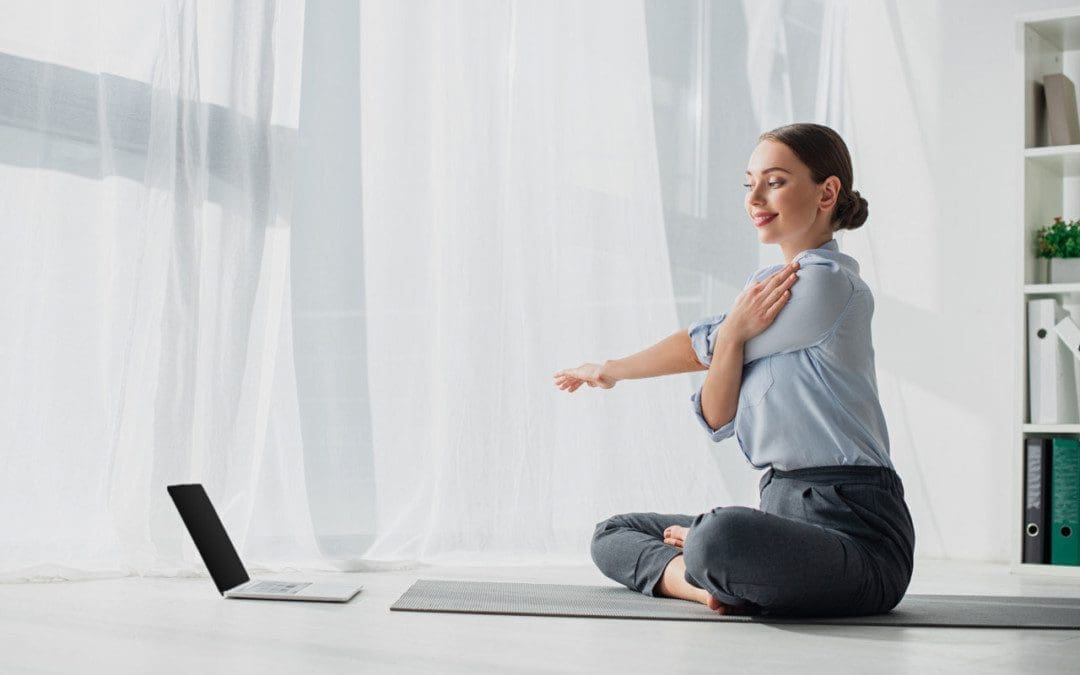
Range of motion – ROM measures the movement around a joint or body part. When stretching or moving certain body parts, like a muscle or joint, the range of motion is how far it can move. Individuals with a limited range of motion cannot move a specific body part or joint through its normal range. Measurements are different for everybody, but there are ranges that individuals should be able to achieve for proper function. The Injury Medical Chiropractic and Functional Medicine Team can address issues/problems with ROM through a personalized treatment plan to alleviate symptoms and restore mobility and flexibility.
Improve Range of Motion
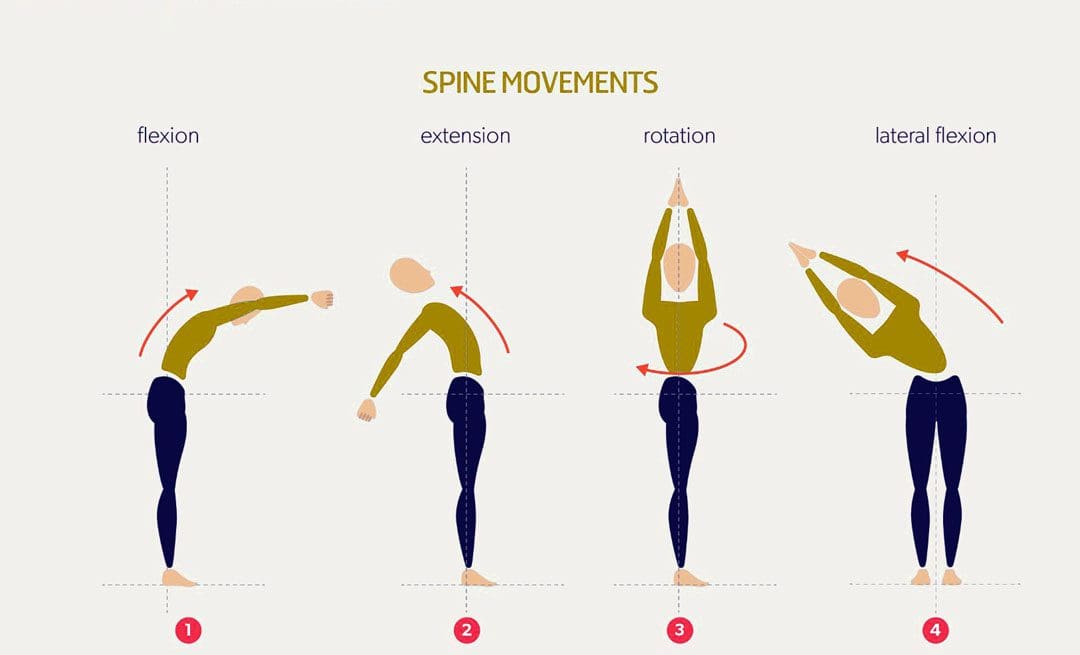
Over 250 joints in the body move from extension to flexion and are responsible for all of the body’s movements. These include the ankles, hips, elbows, knees, and shoulders. Tightness in the hips and ankles can decrease ROM when lifting an object, limiting the muscles’ ability. Form and strength potential becomes limited and suffers from an inadequate ROM. When form and posture are compromised, pain and injuries can result. There are many reasons why this can occur, including:
Tight and stiff muscles.
Trying to use these muscles can worsen the condition, limiting ROM further.
A limited ROM in the back, neck, or shoulders may be due to the body being out of natural alignment.
Repetitive motions, injuries, and everyday wear and tear can shift proper alignment and limit movement.
Conditions like arthritis, brain, nerve, and/or muscle disorders.
A mild to moderate range reduction may be caused by a sedentary lifestyle or insufficient physical activity.
Daily Living
Decreased range of motion and poor mobility can hinder the body from lifting objects, job occupation performance, and household tasks. A healthy physical ability is what determines independent aging and optimal function.
Restoring a healthy range of motion can improve physical performance during work, home, and sports activities.
An improved range of motion allows the affected muscles to work at longer lengths, build strength and relieve tension.
A stronger muscle capable of contracting efficiently through larger ranges prevents and decreases the risk of injury.
Chiropractic Restoration
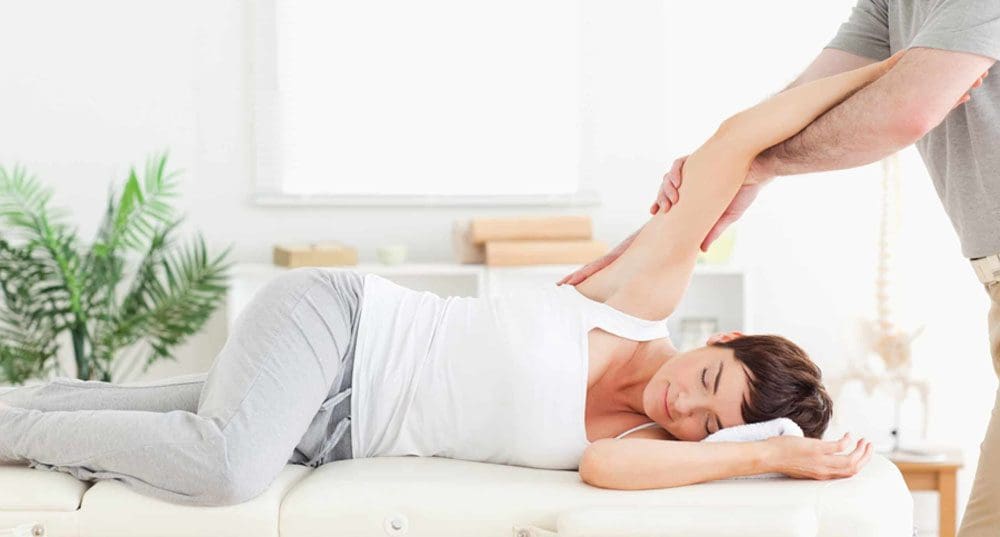
Chiropractic care can realign the body and improve range of motion to optimal levels.
Therapeutic and Percussive Massage
Massage therapy will release the tightness, keep the muscles loose, and increase circulation.
This prepares the body for chiropractic adjustments and spinal decompression.
Decompression and Adjustments
Non-surgical mechanical decompression realigns the body to a pliable state.
Chiropractic adjustments will reset any misalignments, restoring flexibility and mobility.
Exercises
A chiropractor will provide physical therapy-type exercises and stretches to mobilize the joints.
Targeted exercises and stretches will help to maintain the adjustments and strengthen the body to prevent ROM worsening and future injuries.
Secrets of Optimal Wellness
References
Behm, David G et al. “Acute effects of muscle stretching on physical performance, range of motion, and injury incidence in healthy active individuals: a systematic review.” Applied physiology, nutrition, and metabolism = Physiologie appliquee, nutrition et metabolisme vol. 41,1 (2016): 1-11. doi:10.1139/apnm-2015-0235
Calixtre, L B et al. “Manual therapy for the management of pain and limited range of motion in subjects with signs and symptoms of temporomandibular disorder: a systematic review of randomized controlled trials.” Journal of oral rehabilitation vol. 42,11 (2015): 847-61. doi:10.1111/joor.12321
Fishman, Loren M. “Yoga and Bone Health.” Orthopedic nursing vol. 40,3 (2021): 169-179. doi:10.1097/NOR.0000000000000757
Lea, R D, and J J Gerhardt. “Range-of-motion measurements.” The Journal of Bone and joint surgery. American Volume vol. 77,5 (1995): 784-98. doi:10.2106/00004623-199505000-00017
Thomas, Ewan, et al. “The Relation Between Stretching Typology and Stretching Duration: The Effects on Range of Motion.” International Journal of sports medicine vol. 39,4 (2018): 243-254. doi:10.1055/s-0044-101146
Chiropractic care focuses on whole-body health, restoring optimal body function, helping injuries heal/rehabilitate, and maintaining musculoskeletal health. Yoga is one of the most popular forms of fitness because it is not overly physically demanding but still increases flexibility and muscle tone, helps with weight loss, improves cardiovascular and circulatory health, and enhances breathing and energy levels. Yoga provides benefits that directly relate to chiropractic, making the treatment more effective.
Yoga and Chiropractic
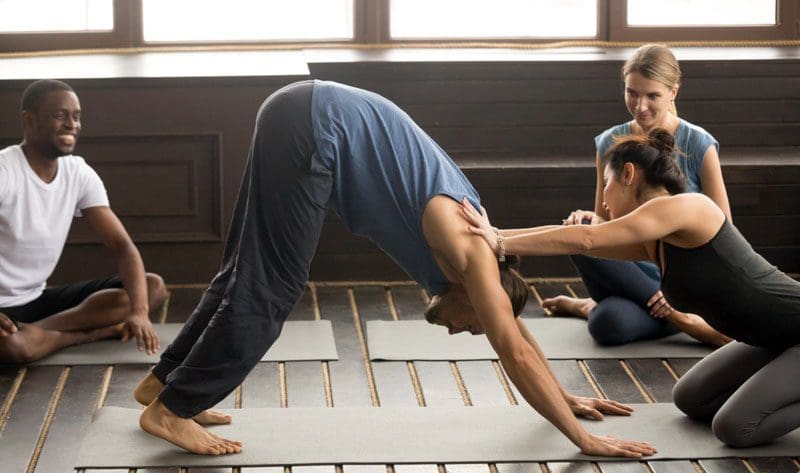
Yoga is an exercise focusing on mindfulness combined with deep stretches and focused breathing. Yoga focuses on balance, flexibility, and strength.
It helps to lower blood pressure and stress levels by releasing built-up tension.
Helps to activate the body’s natural healing process.
It stretches the muscles, ligaments, and tendons, keeping them loose and flexible, enhancing chiropractic adjustments.
Chiropractic
Chiropractic is multi-faceted,restoring the wellness of the neuromusculoskeletal system that involves the nerves, muscles, and bones. It works holistically with the body’s natural processes to restore balance and overall health.
Realigns the spine.
Returns the natural shape of the body’s structure.
Clears interference from the nervous system.
Rejuvenates the body.
Customized chiropractic adjustments, spinal decompression, and traction treatment plans help shift spinal deformities back toward proper balance.
Strengthen Soft Tissues
Yoga and chiropractic work and strengthen all the:
Connective tissues
Muscles
Ligaments
Tendons
Increasing the strength of the joints throughout the body reduces stress and the risk of injury.
Promote Healing
Yoga and chiropractic:
Prepare the body for healing.
Stretch and elongate the body.
Release built-up tension and stress.
Activate the body for healing.
Prevent Injury
Yoga and chiropractic:
Maintain body alignment.
Increase balance.
Stretch and relieve tense muscles.
Ensure proper joint operation.
Make the body less susceptible to injury.
Educate Individuals About The Body
Chiropractors and yoga teachers can educate individuals on how the body works, maintaining muscle strength, teaching posture awareness, and nervous system function for a healthier life.
Yoga Body Flow
References
Biman, Saranga, et al. “Effects of yoga on stress, fatigue, musculoskeletal pain, and the quality of life among employees of the diamond industry: A new approach in employee wellness.” Work (Reading, Mass.) vol. 70,2 (2021): 521-529. doi:10.3233/WOR-213589
da Costa, Fernanda Mazzoni, et al.”“Effects of an intervention program with health education and hatha yoga on the health of professionals with musculoskeletal symptoms”” Revista brasileira de medicina do trabalho : publicacao oficial da Associacao Nacional de Medicina do Trabalho-ANAMT vol. 18,2 114-124. 11 Dec. 2020, doi:10.47626/1679-4435-2020-492
Hawk, Cheryl, et al.” Best Practices for Chiropractic Management of Patients with Chronic Musculoskeletal Pain: A Clinical Practice Guideline” Journal of alternative and complementary medicine (New York, N.Y.) vol. 26,10 (2020): 884-901. doi:10.1089/acm.2020.0181
Kolasinski, Sharon L et al.” 2019 American College of Rheumatology/Arthritis Foundation Guideline for the Management of Osteoarthritis of the Hand, Hip, and Knee” Arthritis care & research vol. 72,2 (2020): 149-162. doi:10.1002/acr.24131
Urits, Ivan et al.” A Comprehensive Review of Alternative Therapies for the Management of Chronic Pain Patients: Acupuncture, Tai Chi, Osteopathic Manipulative Medicine, and Chiropractic Care” Advances in therapy vol. 38,1 (2021): 76-89. doi:10.1007/s12325-020-01554-0
IFM's Find A Practitioner tool is the largest referral network in Functional Medicine, created to help patients locate Functional Medicine practitioners anywhere in the world. IFM Certified Practitioners are listed first in the search results, given their extensive education in Functional Medicine