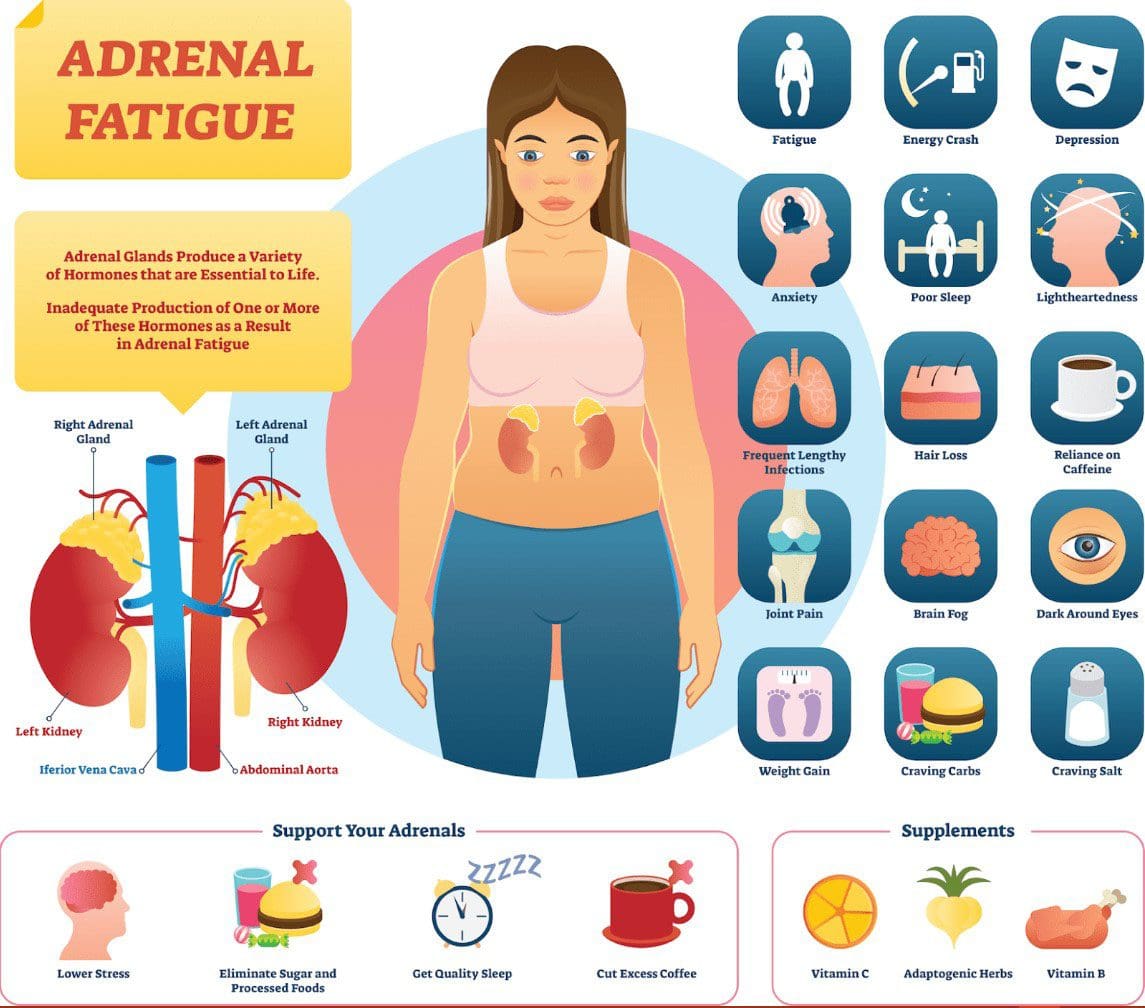
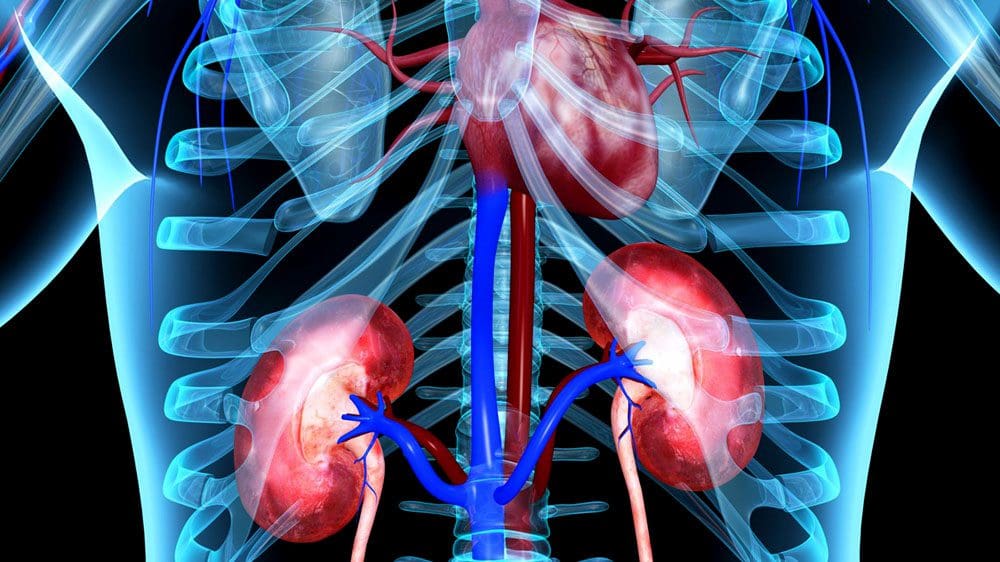
The adrenal glands are small and sit above the kidneys. The glands help the body burn fat and protein and regulate sugar, blood pressure, and stress response. They create, release, and regulate hormones like cortisol and adrenaline. Conditions like chronic fatigue, brain fog, and burnout cause individuals to be exhausted during the day and unable to fall asleep at night. Symptoms can also include hair loss, weight fluctuation, increased cravings, and difficulty recovering from illness. Nutrition support plays a major role in healing adrenal fatigue.
Nutrition Support
Adrenal fatigue nutrition support is a food-based approach to optimize adrenal gland function. The objective is to increase energy levels naturally, so the body doesn’t burn stored nutrients. Adrenal gland optimization involves learning ways to reduce and manage stress, getting healthy sleep, and making lifestyle adjustments.
Adrenal Fatigue
When stress activates, the adrenal glands release cortisol. Researchers theorize that when the body experiences high levels of chronic stress, the adrenal glands may not be able to produce enough cortisol to maintain healthy function, which can lead to adrenal fatigue.
Adrenal fatigue should not be confused with adrenal insufficiency, a verified medical condition where the adrenal glands cannot produce enough hormones.
Fatigue Symptoms
Symptoms of adrenal fatigue include:
Chronic low energy levels
Difficulty waking up
Difficulty falling asleep
Increased cravings for salt or sugar
Dependence on stimulants like caffeine
Other health conditions could also cause symptoms.
Foods to Avoid
Decreasing foods and drinks high in refined and processed sugar and unhealthy fats are recommended. Some foods to limit include:
It’s also recommended to time meals to help manage blood sugar levels. Skipping meals forces the body to burn stored nutrients that can reduce energy levels. Maintaining breakfast and lunch and regular balanced snacks can help maintain energy levels throughout the day. Maintaining hydration is also important, as dehydration can influence stress levels and cause the adrenal glands to produce cortisol.
Recommended Foods
Doctors and nutritionists recommend balancing nutrient-dense sources of protein, healthy fats, and carbohydrates. Nutrition support foods include:
Lean meats
Fatty fish – Salmon and sardines are great protein sources as they are loaded with healthy omega-3 fatty acids, which can reduce inflammation and promote improved brain health.
Leafy greens – These vegetables contain magnesium, like spinach, kale, and Swiss chard. The body needs magnesium to carry out various functions, which also helps the body relax and manage stress more effectively. When there is trouble falling asleep, it could be a deficiency in this mineral.
Sea salt – Individuals with adrenal fatigue experience electrolyte imbalances. This is caused by a deficiency in the steroid hormone aldosterone. Adding sea salt will help balance electrolytes and minimize symptoms, specifically those related to blood pressure.
Olive oil
Avocado – The body needs a good amount of healthy fat to help the body heal. A low-fat diet is not ideal for dealing with hormonal issues like adrenal fatigue, as the body needs fat and cholesterol to produce hormones. Avocados contain high monounsaturated fats and fiber that help the body detox and digest food more efficiently.
Healing
A nutrition plan addressing adrenal fatigue can increase energy levels, regulate blood pressure, and promote healthier eating habits. Talking with your doctor and a nutritionist is recommended for optimal results, as they can develop a personalized health plan that addresses the following:
Lifestyle adjustments
Healthy sleep schedule
Managing stress
Physical activity
We are here for you at Injury Medical Chiropractic and Functional Wellness Clinic to learn more about adrenal fatigue and how to manage it. Contact us for more information on our services or to schedule an appointment for a consultation.
Adrenal Dysfunction Patterns
References
ABDULLA, Jehan, and B. DJ Torpy. “Chronic Fatigue Syndrome.” Endotext, edited by Kenneth R Feingold et al., MDText.com, Inc., 20 April 2017.
Allen, Loyd V Jr. “Adrenal fatigue.” International journal of pharmaceutical compounding vol. 17,1 (2013): 39-44.
Galland, Leo. “The gut microbiome and the brain.” Journal of medicinal food vol. 17,12 (2014): 1261-72. doi:10.1089/jmf.2014.7000
Immune system health and keeping the system strong and healthy can be accomplished by maintaining healthy eating habits. Eating foods rich in specific vitamins and supplements can help the immune system fight off illness, maintain energy levels, and help during injury recovery. Here we look at choosing foods with the right vitamins to build and strengthen the immune system throughout the year.
Immune System Health
The immune system consists of complex cells, processes, and chemicals that constantly defend the body against invading pathogens, including viruses, toxins, and bacteria. Keeping the immune system healthy year-round is key to infection and disease prevention. Healthy lifestyle choices consist of the following:
Nutritious food, healthy sleep, physical activity, and exercise are the most important ways to strengthen the immune system.
Supplementing certain vitamins, minerals, and herbs can help improve immune response.
However, some supplements can interact with prescription or over-the-counter medications.
Certain supplements may not be recommended for individuals with certain health conditions.
Research has found that selenium activates the immune system when there is a threat and signals when to slow or shut down immune responses.
Selenium keeps the immune system from overworking.
Selenium protects from chronic inflammation and autoimmune diseases like rheumatoid arthritis, Crohn’s disease, and psoriasis.
Selenium Foods
Foods from highest to lowest levels of selenium.
Brazil nuts
Tuna
Halibut
Canned sardines
Lean meats
Cottage cheese
Brown rice
Eggs
Oatmeal
Milk
Yogurt
Lentils
Nuts
Seeds
Peas
Increase Water Intake
Maintaining healthy hydration can increase immune health.
Water helps the body produce lymph, which carries white blood cells and other immune system cells.
Try to balance out dehydrating beverages, like coffee and soda.
Try eating more hydrating foods like cucumbers, celery, lettuce, and strawberries.
Immune System Health
References
Chaplin, David D. “Overview of the immune response.” The Journal of allergy and clinical immunology vol. 125,2 Suppl 2 (2010): S3-23. doi:10.1016/j.jaci.2009.12.980
Halliwell, B. “Antioxidants in human health and disease.” Annual review of nutrition vol. 16 (1996): 33-50. doi:10.1146/annurev.nu.16.070196.000341
Lewis, Erin Diane, et al. “Regulatory role of vitamin E in the immune system and inflammation.” IUBMB life vol. 71,4 (2019): 487-494. doi:10.1002/iub.1976
Mora, J Rodrigo, et al. “Vitamin effects on the immune system: vitamins A and D take center stage.” Nature reviews. Immunology vol. 8,9 (2008): 685-98. doi:10.1038/nri2378
Nicholson, Lindsay B. “The immune system.” Essays in biochemistry vol. 60,3 (2016): 275-301. doi:10.1042/EBC20160017
Shakoor, Hira, et al. “Immune-boosting role of vitamins D, C, E, zinc, selenium and omega-3 fatty acids: Could they help against COVID-19?.” Maturitas vol. 143 (2021): 1-9. doi:10.1016/j.maturitas.2020.08.003
Back pain after eating is often the result of conditions and/or disorders in other areas of the body that radiate to the back. These problems range from unhealthy posture, digestive issues, bowel problems, ulcers, allergies, etc. This is because the nerves of the back and the abdominal area run through areas of the spine. In addition to the classic symptoms like bloating and gas, individuals can develop symptoms beyond the gut, including sleep problems, fatigue, headaches, urinating problems, muscle aches, pelvic discomfort, and back pain. Chiropractic care and functional medicine can realign the body, alleviate symptoms, and restore function.
Back Discomfort
Back pain after eating can be linked to the body’s digestive process.
Individuals in this group can experience inflammation after consuming specific foods.
Inflammation could worsen existing back problems.
Individuals with food intolerance will have uncomfortable but usually not dangerous symptoms.
Individuals with food allergies can experience life-threatening allergic reactions.
Heartburn
Heartburn results from acid reflux, when stomach contents and acid flow back into the esophagus. Heartburn’s key symptom is a burning sensation in the chest. However, heartburn and indigestion do not directly cause back pain. But for individuals with back problems, heartburn can worsen back discomfort.
GERD
Gastroesophageal reflux disease, or GERD, could cause back pain in individuals with more than two weekly heartburn episodes.
The digestive system condition results from the chronic backflow of stomach acid.
Over time, the powerful acid can inflame the esophageal lining.
A stomach or esophageal ulcer can develop if GERD is not managed.
Pain could be felt in the lower to middle back around the stomach and lower intestines.
Ulcers
Ulcers can also result from a bacterial infection of Helicobacter pylori (or H. pylori).
Long-term use of nonsteroidal anti-inflammatory drugs (or NSAIDs) can also enable ulcer formation.
A peptic ulcer (or open sore) can develop on your stomach’s interior lining.
The small intestine’s upper portion can also be affected.
Peptic ulcers cause burning pain in the stomach. These flare-ups can worsen existing back problems and pain. Spicy foods and stress don’t cause peptic ulcers but can worsen their effects. In severe cases, a peptic ulcer can cause referred back pain felt in another location than where the pain originates. This means pain could be felt in the lower to middle back adjacent to the stomach and lower intestines.
Kidney Infection
Back pain could result from a bacterial kidney infection.
Kidney dysfunction infections, kidney stones, and chronic kidney diseases can be mistaken for general back and side pain.
Other symptoms can include chills, fever, nausea, and vomiting.
Pancreatitis
Pancreatitiscan develop if the pancreas becomes inflamed, brought on by excess alcohol consumption or gallstones. This definitely can cause back discomfort and pain.
Pancreatitis is the inflammation of the pancreas.
After eating, individuals can experience worsening abdominal pain that can refer to the back.
The body’s network of interconnecting sensory nerves causes the pain to be felt in other areas.
Most individuals will experience pain in the upper left or middle abdomen.
When individuals with celiac disease consume foods with gluten, the small intestine gets damaged, and their bodies cannot properly absorb the necessary nutrients.
Besides the back discomfort, there could be a burning sensation during urination or other urinary tract symptoms. Stools could be dark or black, a possible ulcer symptom. To reduce the chances of back discomfort after eating, avoid sugary, spicy, fatty foods or anything that triggers heartburn and reduce alcohol consumption. If you are experiencing frequent episodes of back pain after eating or the pain worsens, contact your physician, healthcare provider, or a chiropractor.
Hormonal Dysfunction In Men
References
Celiac Disease Foundation. (n.d.) “What is celiac disease?” https://celiac.org/about-celiac-disease/what-is-celiac-disease/
Mayo Clinic. (n.d.) “Celiac disease.” https://www.mayoclinic.org/diseases-conditions/celiac-disease/symptoms-causes/syc-20352220#:~:text=Celiac%20disease%2C%20sometimes%20called%20celiac,response%20in%20your%20small%20intestine
Pfizer. (April 25, 2022) “Heartburn, acid reflux, or GERD: what’s the difference?” https://www.pfizer.com/news/articles/heartburn_acid_reflux_or_gerd_what_s_the_difference#:~:text=The%20terms%20acid%20reflux%2C%20heartburn,meals%20or%20when%20lying%20down
Prairie Spine & Pain Institute. (n.d.) “What may cause back pain after eating: symptoms & prevention.” https://prairiespine.com/spine-care/5-things-that-may-cause-back-pain-after-eating-symptoms-and prevention/#:~:text=Exercises%20practiced%20in%20yoga%2C%20Pilates,chi%20may%20be%20particularly%20beneficial.&text=If%20a%20doctor%20cannot%20identify,ice%2C%20and%20taking%20pain%20relievers.
Maintaining kidney health is important to the body’s overall health and well-being. The kidneys are fist-sized organs located beneath the rib cage on both sides of the spine. A kidney detox maintains health allowing the body to filter and expel waste properly and produce hormones to help the body function at its full potential.
Kidney Health
The kidneys perform several functions that include:
Filters and cleanses out impurities from the blood.
Produces hormones that regulate blood pressure and control the production of red blood cells.
Filter’s waste products stored in the bladder and expelled through urine.
Activates vitamin D to support body absorption of calcium for bone repair and regulating muscle function.
Kidney Detox
A key measure of keeping the kidneys clean and healthy is to engage in a healthy nutrition plan. Doctors recommend implementing lifestyle changes to help the kidneys filter at full capacity. Certain foods can help detox the kidneys and promote their health.
Pumpkin seeds
Pumpkin seeds can help prevent the accumulation of uric acid, one of the compounds that cause kidney stones.
Grapes
These fruits contain a compound called resveratrol to reduce kidney inflammation.
Lemons
Lemons help with digestion.
They have vitamin C, which enhances the immune system and supports white blood cells to fight infections.
Citrate binds with calcium in the urine to stop the growth of calcium crystals, preventing kidney stones.
Carrots
Carrots have beta-carotene, alpha-carotene, and vitamin A.
Antioxidants for inflammation.
Ginger
Ginger can help in the dissolving process of kidney stones and prevents them from reforming.
Beets
Improves blood circulation to the kidneys.
Celery
Celery has alkaline and diuretic properties to help expel excess fluids.
It has coumarins which can help to increase vascular flow.
It is rich in vitamins D, C, and K.
Apples
Apples contain fiber to unclog the arteries, specifically the kidney arteries will improve filtration.
Maintain Hydration
The human body is almost 60 percent water, with every organ requiring water.
The kidneys (body filtration system) require water to secrete urine.
Urine is the primary waste product that allows the body to eliminate unwanted and unnecessary substances.
Low water intake means low urine volume.
Low urine output can lead to kidney dysfunction, like kidney stones.
Maintaining the body’s hydration is crucial so the kidneys can thoroughly flush out excess waste materials.
This is an example of a two-day kidney cleanse to help strengthen the kidneys and detoxify the body.
Day 1
Breakfast
Smoothie made with:
8 ounces of fresh lemon, ginger, and beet juice
1/4 cup of sweetened dried cranberries
Lunch
Smoothie made with:
1 cup almond milk
1/2 cup tofu
1/2 cup spinach
1/4 cup berries
1/2 apple
Two tablespoons of pumpkin seeds
Dinner
Large mixed-greens salad
4 ounces of lean protein – chicken, fish, or tofu
Top with 1/2 cup of grapes
1/4 cup peanuts
Day 2
Breakfast
Smoothie made with:
1 cup soy milk
One frozen banana
1/2 cup spinach
1/2 cup blueberries
One teaspoon spirulina
Lunch
A bowl of:
1 cup orzo rice
1 cup fresh fruit
Two tablespoons of pumpkin seeds
Dinner
Large mixed-greens salad
4 ounces of lean protein – chicken, fish, or tofu
Top with 1/2 cup of cooked barley
Add fresh lemon juice
4 ounces each of unsweetened cherry juice and orange juice
Consult a healthcare provider, nutritionist, or dietitian to ensure it is safe.
Dietary Prescription
References
Chen, Teresa K et al. “Chronic Kidney Disease Diagnosis and Management: A Review.” JAMA vol. 322,13 (2019): 1294-1304. doi:10.1001/jama.2019.14745
Den Hartogh, Danja J, and Evangelia Tsiani. “Health Benefits of Resveratrol in Kidney Disease: Evidence from In Vitro and In Vivo Studies.” Nutrients vol. 11,7 1624. 17 Jul. 2019, doi:10.3390/nu11071624
Pizzorno, Joseph. “The Kidney Dysfunction Epidemic, Part 1: Causes.” Integrative medicine (Encinitas, Calif.) vol. 14,6 (2015): 8-13.
Saldanha, Juliana F et al. “Resveratrol: why is it a promising therapy for chronic kidney disease patients?.” Oxidative medicine and cellular longevity vol. 2013 (2013): 963217. doi:10.1155/2013/963217
Tack, Ivan MD, Ph.D. Effects of Water Consumption on Kidney Function and Excretion. Nutrition Today: November 2010 – Volume 45 – Issue 6 – p S37-S40
doi: 10.1097/NT.0b013e3181fe4376
It is difficult for individuals to achieve health and fitness goals when they don’t like to eat vegetables. Intermittent fasting, Paleo, vegan, Mediterranean, or New Nordic, almost all healthy nutrition plans require vegetable consumption to achieve optimal health. However, it is never too late to learn to enjoy vegetables. Injury Medical Chiropractic and Functional Medicine Clinic can recommend ways not just to eat vegetables because they are healthy but to truly enjoy them.
Training Oneself To Enjoy Vegetables
Everyone’s taste preferences are different.
Many individuals grew up in homes where vegetables were prepared in unappetizing ways.
Over boiling and steaming are common preparation methods that many had experience with, including broccoli, cauliflower, asparagus, and Brussels sprouts, which made them flavorless, mushy and is where many decided they were not going to eat these foods.
Vegetables are full of nutrients that are very beneficial to the body.
Vegetables contain antioxidants, vitamins, minerals, fiber, and phytonutrients.
These nutrients help keep the mind and body healthy and avoid deficiencies.
Vegetables add fiber that provides a feeling of fullness by giving volume to fill the stomach without added calories.
This controls energy balance/calories in vs. calories out, which helps shed body fat without feeling hungry and maintain body weight.
Vegetables feed the intestinal bacteria that help the digestive tract.
Vegetables provide hydration that helps the fiber eliminate waste products.
Vegetables add variety to help maintain healthy nutrition.
Branching Out
The key is to branch out incrementally. Most individuals will have a vegetable or two that they can tolerate. This could be a starting point by expanding on new variations on those tolerable vegetables that will lead to broadened taste preferences. This can be done through different cooking methods that include:
Regardless of where you’re starting, there are simple ways to make the vegetable bitterness less intense, more palatable, and more enjoyable that consists of:
Vegetable Challenge
Vegetable Complement
Vegetable Cushion
Vegetable Challenge
Pick a vegetable that you would not normally eat that requires effort to try.
Motivate yourself to try it – health reasons, children, family, friends, etc.
Take a small bite; you may hate it, like it, or it has no effect.
You at least tried it.
Research suggests that individuals may need to try new foods many times (prepared differently) before tolerating or liking them.
It means pairing food with a vegetable to activate various tastes and flavors pleasing to the palate simultaneously.
Vegetable Cushion
On the tongue are a variety of receptors that bind to the chemicals in food.
When these receptors are activated, they send a chemical signal to the brain about the taste.
Variations in the number and type of receptors help develop flavor preferences.
Basic tastes – sweet, sour, spicy, salty, bitter, and umami.
Pairingbitterness with other distinct flavors, like sweet and spicy, can develop and change the brain’s perception of bland or bitter vegetables to tasty and delicious.
Cushions for bitterness include honey, real maple syrup, sour cream, Mexican crema, hot sauce, oils, almonds, and butter used in balance to enhance and bring out flavors.
The objective is to start small and work your way to becoming more comfortable with experimenting and combining more flavors. Consultation with a professional nutritionist can help individuals get on a healthy nutrition plan that they can enjoy.
Tip From A Dietitian
References
Christoph, Mary J et al. “Intuitive Eating is Associated With Higher Fruit and Vegetable Intake Among Adults.” Journal of nutrition education and behavior vol. 53,3 (2021): 240-245. doi:10.1016/j.jneb.2020.11.015
Melis M, Yousaf NY, Mattes MZ, Cabras T, Messana I, Crnjar R, Tomassini Barbarossa I, Tepper BJ. Sensory perception of salivary protein response to astringency as a function of the 6-n-propylthioural (PROP) bitter-taste phenotype. Physiol Behav. 2017 Jan 24;173:163-173.
Mennella JA. Development of food preferences: Lessons learned from longitudinal and experimental studies. Food Qual Prefer. 2006 Oct;17(7-8):635-637.
Tordoff, Michael G, and Mari A Sandell. “Vegetable bitterness is related to calcium content.” Appetite vol. 52,2 (2009): 498-504. doi:10.1016/j.appet.2009.01.002
Wallace, Taylor C et al. “Fruits, vegetables, and health: A comprehensive narrative, umbrella review of the science and recommendations for enhanced public policy to improve intake.” Critical reviews in food science and nutrition vol. 60,13 (2020): 2174-2211. doi:10.1080/10408398.2019.1632258
Wieczorek, Martyna N et al. “Bitter taste of Brassica vegetables: The role of genetic factors, receptors, isothiocyanates, glucosinolates, and flavor context.” Critical reviews in food science and nutrition vol. 58,18 (2018): 3130-3140. doi:10.1080/10408398.2017.1353478
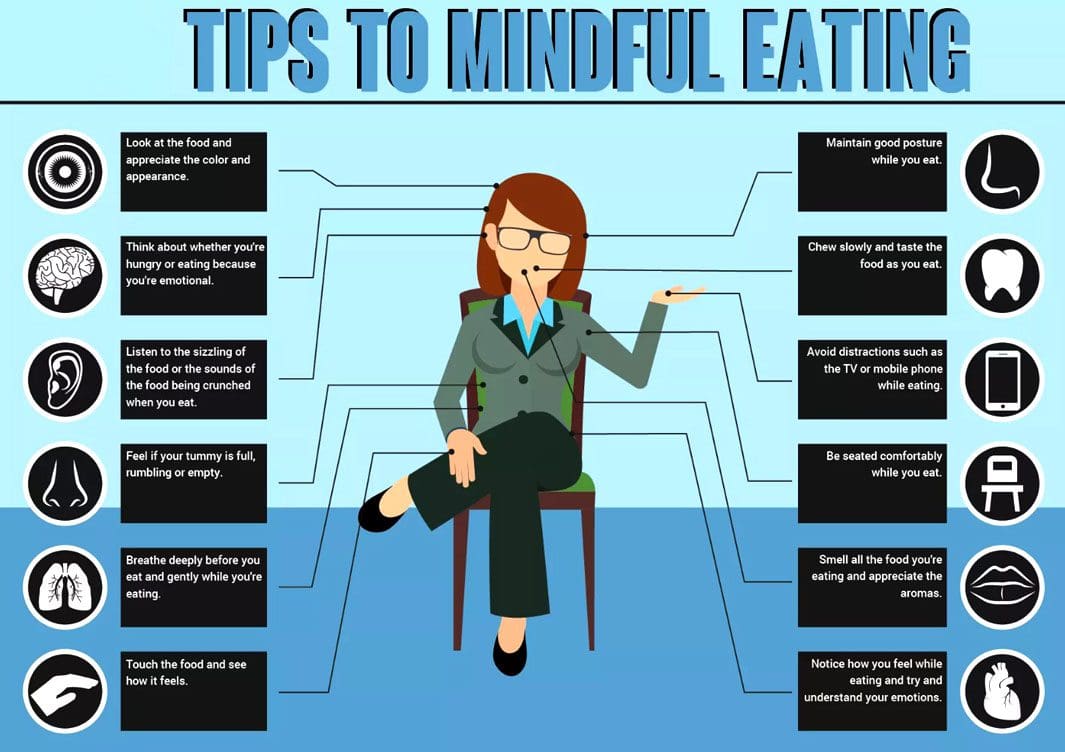
Mindful eating involves paying attention to what and how individuals eat, helping to become more aware of the body’s natural hunger and satisfaction cues. The process can help individuals become aware of the reasons behind their hunger and help to reduce cravings, control portion sizes, and develop long-term healthy eating habits.
Mindful Eating
It’s easy to rush through meals and snacks without pausing to enjoy the experience while refueling the body. Like meditation, individuals focus on what they are eating, how it smells, tastes, and the bodily sensations experienced. It is a way of checking in with the mind and body throughout a meal or snack. Mindful eating puts the individual in touch:
Hedonic hunger – emotional, stressful, conditioned, celebratory, etc.
Benefits
Individuals do not have to go all-in but can adopt some principles of slowing down and tuning into the body to improve health. Benefits include:
Better Digestion
Slowing down and chewing food properly makes it easier to digest.
Improved Nutrition
Fast foods can cause a feeling of sluggishness and bloating.
Eating nutrient-packed meals provides more energy.
Improved nutrition means improved immune system health.
The awareness reinforces making healthier choices.
Satisfaction After Meals
Rushing to finish a meal means not enjoying the flavors and texture factors that can generate a sense of fullness and satisfaction.
Training the mind and body to be truly satisfied with meals and snacks leads to less stress and less craving.
Healthier Food Relationship
The body needs food physiologically for fuel and nourishment.
Individuals also develop emotional attachments to food associated with experiences and memories.
Addressing all aspects and influences in food relationships allows individuals to become more aware of their learned behaviors, perceptions, emotions, and mindsets.
Identifies behaviors that are not beneficial so the individual can work to improve them.
Improved Cardiometabolic Health
Mindful or intuitive eating has been shown to improve:
Blood sugar levels in pregnant women.
Inflammatory markers in postmenopausal women.
Lipid and blood pressure in overweight adults.
Food Consumption Health
Put away electronics and set aside time and space for eating only.
Eat in a setting where you are relaxed.
Eating in the car, in front of a computer while working, or on the phone doesn’t give full attention to the eating process and, as a result, can cause the individual to eat more or eat foods that are not healthy.
Sit down and take a few deep breaths before starting the meal.
If emotions are running high and are geared towards eating, see if you can acknowledge and express those emotions rather than eat through them.
This will help the digestive process and get the most out of the meal.
Eat a palette of colors, sample various salty, sweet, spicy, and umami/savory flavors, and take in the food with all the senses.
Not eating a variety of flavors at a meal can cause a feeling of missing something that can lead to unhealthy cravings.
Eat with others, as sharing food can enrich everyone involved and help focus on the experience, not the amount of food consumed.
Chew thoroughly, as digestion begins in the mouth, where enzymes are secreted in saliva to break down food.
Not properly chewing and making the food smaller can cause indigestion and other digestive problems.
Listen to your body and recognize when you have had enough or want more.
Waiting five minutes before getting another serving can help the body become more attuned to hunger and fullness cues.
Eat Mindfully
References
Cherpak, Christine E. “Mindful Eating: A Review Of How The Stress-Digestion-Mindfulness Triad May Modulate And Improve Gastrointestinal And Digestive Function.” Integrative medicine (Encinitas, Calif.) vol. 18,4 (2019): 48-53.
Espel-Huynh, H M et al. “A narrative review of the construct of hedonic hunger and its measurement by the Power of Food Scale.” Obesity science & practice vol. 4,3 238-249. 28 Feb. 2018, doi:10.1002/osp4.161
Grider, Hannah S et al. “The Influence of Mindful Eating and/or Intuitive Eating Approaches on Dietary Intake: A Systematic Review.” Journal of the Academy of Nutrition and Dietetics vol. 121,4 (2021): 709-727.e1. doi:10.1016/j.jand.2020.10.019
Hendrickson, Kelsie L, and Erin B Rasmussen. “Mindful eating reduces impulsive food choice in adolescents and adults.” Health psychology: official journal of the Division of Health Psychology, American Psychological Association vol. 36,3 (2017): 226-235. doi:10.1037/hea0000440
Morillo Sarto, Hector, et al. “Efficacy of a mindful-eating program to reduce emotional eating in patients suffering from overweight or obesity in primary care settings: a cluster-randomized trial protocol.” BMJ open vol. 9,11 e031327. 21 Nov. 2019, doi:10.1136/bmjopen-2019-031327
Nelson, Joseph B. “Mindful Eating: The Art of Presence While You Eat.” Diabetes spectrum: a publication of the American Diabetes Association vol. 30,3 (2017): 171-174. doi:10.2337/ds17-0015
Warren, Janet M et al. “A structured literature review on the role of mindfulness, mindful eating and intuitive eating in changing eating behaviors: effectiveness and associated potential mechanisms.” Nutrition research reviews vol. 30,2 (2017): 272-283. doi:10.1017/S0954422417000154
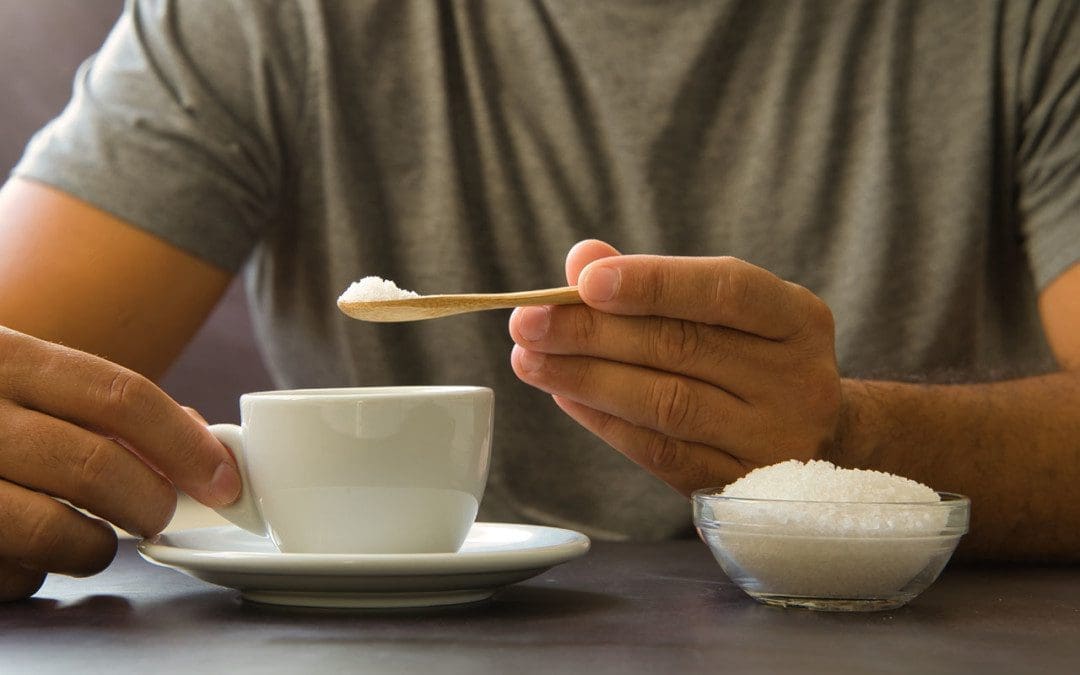
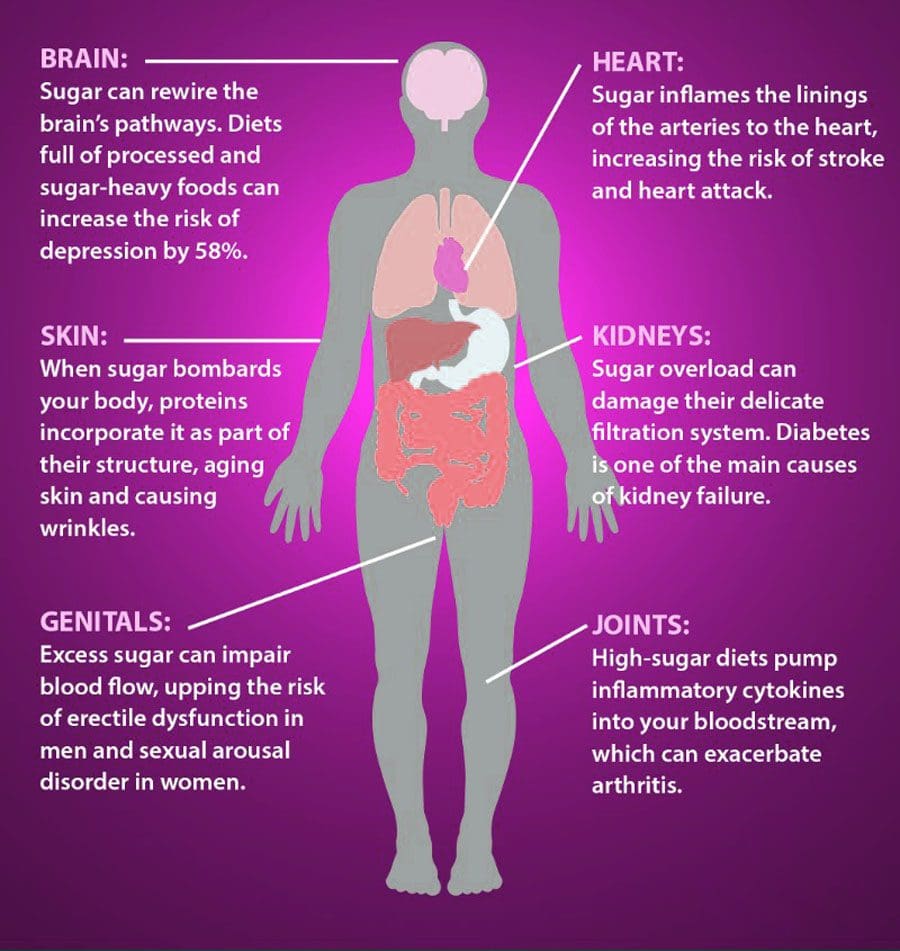
Sugar is a highly addictive carbohydrate linked to obesity, diabetes, metabolic disorders, and mood disorders. Individuals ready to phase out sugar will improve overall health, regardless of age and health status, but the transition can be challenging. A sugar-free or low-sugar diet can help individuals with blood sugar or systemic inflammation, including pre-diabetes, diabetes, heart disease, PCOS, hormonal imbalances, and autoimmune diseases.
Phase Out Sugar
Low-Sugar Diet
A low-sugar nutrition plan focuses on maintaining a low overall sugarintake that limits sugar to avoid blood sugar instability and general inflammation.
This means choosing food with natural sugars like fruit, certain dairy products, vegetables, and natural sugars.
Reducing and replacing packaged or prepared foods with added sugars, like store-bought tomato sauce, cured meats, or frozen meals.
Reducing and replacing processed foods like snack items and fast food.
Reducing restaurant food that can add sugar for flavor and appetite stimulation.
Recommended Ways
Consult a healthcare provider, dietician, or nutritionist before altering diet, physical activity, or supplement routine.
Eat More Healthy Fat
Healthy fat is more satisfying, making the body feel fuller for longer.
Not getting enough sleep negatively impacts the appetite-regulating hormones leptin and ghrelin, causing cravings for instant energy that typically comes from sugar snack products.
Individuals are recommended to get at least 7-9 hours per night. Enough sleep will balance the appetite hormones and decrease sugar cravings.
Manage Stress to Control Emotional Eating
Emotional eating is common when stressed out. Finding something to take the mind off sugar cravings is necessary when having a stressful day. This includes:
If sugar cravings are more serious, then professional help is recommended.
Drink More Water
When school, work, and life is happening, individuals can think they’re hungry; however, it is not hunger but the body needing hydration.
Drink one to two glasses of water when cravings kick in to satisfy the craving.
Drinking water throughout the day helps keep cravings down and helps with sugar withdrawal symptoms.
Individuals who have difficulty drinking water should add slices of fruit, cucumber, or mint to make it more pleasing.
Try sparkling mineral water or naturally flavored carbonated waters.
Try healthy juices, like celery, beet, or carrot juice, instead of water.
Sugar-Free Substitutes
Sugar substitutes are available, but not all are considered healthy.
Individuals should be cautious about using sugar-free alternatives to phase out sugar.
A study found that zero-calorie sweeteners such as aspartame and sucralose were actually found to increase, not decrease, weight.
Stevia and monk fruit extract has been shown to be safe and has no negative side effects.
Consult a dietician or nutritionist to determine the healthiest for you.
What Happens To The Body
References
Azad, Meghan B et al. “Nonnutritive sweeteners and cardiometabolic health: a systematic review and meta-analysis of randomized controlled trials and prospective cohort studies.” CMAJ : Canadian Medical Association journal = journal de l’Association medicale canadienne vol. 189,28 (2017): E929-E939. doi:10.1503/cmaj.161390
Bayon, Virginie et al. “Sleep debt and obesity.” Annals of medicine vol. 46,5 (2014): 264-72. doi:10.3109/07853890.2014.931103
DiNicolantonio, James J et al. “Sugar addiction: is it real? A narrative review.” British journal of sports medicine vol. 52,14 (2018): 910-913. doi:10.1136/bjsports-2017-097971
Franklin, Jane L et al. “Extended exposure to sugar and/or caffeine produces distinct behavioral and neurochemical profiles in the orbitofrontal cortex of rats: Implications for neural function.” Proteomics vol. 16,22 (2016): 2894-2910. doi:10.1002/pmic.201600032
Freeman, Clara R et al. “Impact of sugar on the body, brain, and behavior.” Frontiers in bioscience (Landmark edition) vol. 23,12 2255-2266. 1 Jun. 2018, doi:10.2741/4704
IFM's Find A Practitioner tool is the largest referral network in Functional Medicine, created to help patients locate Functional Medicine practitioners anywhere in the world. IFM Certified Practitioners are listed first in the search results, given their extensive education in Functional Medicine