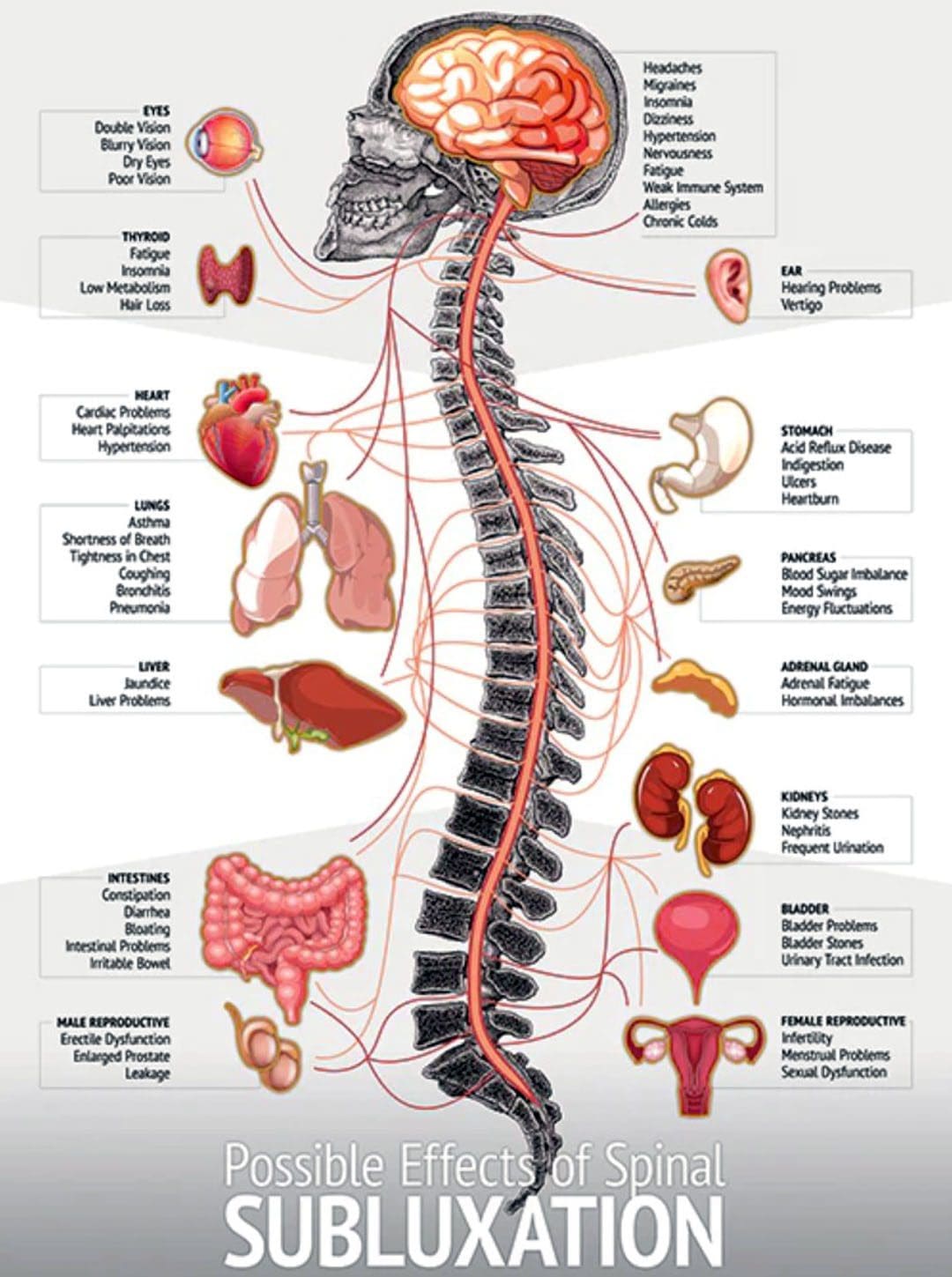
Body misalignment can cause various symptoms to be experienced, ranging from headaches, neck and back pain, sore feet, discomfort in the joints, muscles, or nerves, and digestive problems. Improperly aligned vertebrae can press against nerves, pinching or compressing them, causing the nerve signals of the digestive system, including those in the stomach and intestines, to misfire or fail to transmit at the appropriate moment. This can cause the organs to malfunction, resulting in heartburn, gas, constipation, cramping, diarrhea, and other symptoms. Chiropractic realignment adjustments are an effective treatment option for frequent stomachaches, reflux, constipation, and other gastrointestinal conditions.
Body Misalignment Digestive Problems
There are over a million nerve cells within the digestive system. A collection of nerves branch out from the lower part of the spinal cord and travels to the stomach and intestines. Nerve transmission plays an essential role in the following:
Digestion.
Movement of food through the gastrointestinal system.
Absorption of nutrients and minerals.
Removal of waste products.
Misalignments of the vertebrae are known as subluxations. Pressure on nerve roots caused by misalignment can interfere with the function of the bowel and other organs, which can lead to gastrointestinal issues. Muscle tension in the abdomen can also contribute to digestive problems, whether because of stress or sitting for long hours daily.
Misalignment Symptoms
When the body is out of alignment, symptoms of discomfort begin to appear. The most common include:
Fatigue.
Stiff neck.
Sore shoulders.
Chronic headaches.
Sore muscles.
Pain throughout the back.
Joint pain throughout the body.
Chronic aches.
Tight hips.
Difficulty walking.
Tingling, pins and needles, and numbness nerve sensations – sciatica.
Constantly getting sick.
Healthy Gut
A balanced healthy gut will have less difficulty processing food and eliminating waste, leading to reduced and eventually alleviated symptoms. The following show healthy gut function:
Regular, consistent energy levels.
Increased mental clarity.
Regular and healthy bowel movements.
No pain or discomfort symptoms.
A normal amount of gas and bloating.
Healthy stress levels.
Chiropractic
Chiropractic care will realign the body to its proper form, improving gastrointestinal issues. The chiropractic team will use various tools and techniques to guide and correct any subluxations, relax the muscles, and increase nerve and blood circulation.
Healthy Diet and Chiropractic
References
Ernst, Edzard. “Chiropractic treatment for gastrointestinal problems: a systematic review of clinical trials.” Canadian Journal of Gastroenterology = Journal canadien de Gastroenterologie vol. 25,1 (2011): 39-40. doi:10.1155/2011/910469
Hills, Ronald D Jr, et al. “Gut Microbiome: Profound Implications for Diet and Disease.” Nutrients vol. 11,7 1613. 16 Jul. 2019, doi:10.3390/nu11071613
Hornbuckle, William E., et al. “Gastrointestinal Function.” Clinical Biochemistry of Domestic Animals (2008): 413–457. doi:10.1016/B978-0-12-370491-7.00014-3
Leeming, Emily R et al. “Effect of Diet on the Gut Microbiota: Rethinking Intervention Duration.” Nutrients vol. 11,12 2862. 22 Nov. 2019, doi:10.3390/nu11122862
Li, Yuanyuan, et al. “The Role of Microbiome in Insomnia, Circadian Disturbance, and Depression.” Frontiers in psychiatry vol. 9 669. 5 Dec. 2018, doi:10.3389/fpsyt.2018.00669
Redwood, Daniel. “Chiropractic and visceral disorders.” Journal of Alternative and complementary medicine (New York, N.Y.) vol. 13,5 (2007): 479-80. doi:10.1089/acm.2007.7146
Valdes, Ana M et al. “Role of the gut microbiota in nutrition and health.” BMJ (Clinical research ed.) vol. 361 k2179. 13 Jun. 2018, doi:10.1136/bmj.k2179
What happens to the body after eating healthy? Individuals report the effects of healthy eating, feeling mentally clearer and more focused, increased energy levels, experiencing decreased junk food cravings and hunger pangs, improved sleep, and the benefits of strong bones, cardiovascular health, and disease prevention. The Injury Medical Chiropractic and Functional Medicine Clinic Team can assist individuals working on making healthy lifestyle adjustments to make the transition easier and with professional support to streamline the process, allowing the individual to focus on getting healthy.
What Happens To The Body After Eating Healthy
It can take a little while for the body to adjust to a new nutrition plan. A healthy diet includes nutrient-dense foods from all the major food groups, including lean proteins, whole grains, healthy fats, and fruits and vegetables of various colors.
Benefits
The benefits of healthy eating include the following.
Decreases the risk of heart disease, type 2 diabetes, and certain cancers.
Helps achieve and maintain a healthy weight.
One Week
Experience decreased food cravings throughout the day.
Junk food cravings decrease.
The body begins shedding all the excess water from a high sodium intake and processed foods.
Hunger starts to stabilize.
Experience decreased hunger pains, making losing weight a little easier.
Improved sleep.
Improved control over food choices.
Higher mental focus and clarity – brain fog or low concentration symptoms begin to clear.
Energy levels are higher, making completing daily activities and exercise easier.
The body will become regular with a lower amount of bloating and discomfort.
Moods become stable with fewer ups and downs throughout the day.
One Month
Improved skin health.
A steady rate of weight loss, depending on the approach and starting point.
Clothing begins to feel looser.
Pre-existing health problems like migraines, joint pain, irritable bowel issues, etc., may begin to clear up.
Eating right starts to become more habitual.
Making healthy choices starts to become second nature.
Improved physical performance.
Feel stronger and notice that the body recovers much faster.
Improved metabolism.
Can eat more without gaining body weight.
Six Months
A decrease in overall cholesterol levels if they were high before.
Blood pressure improvement, lowering the risk of heart disease and stroke.
Strengthened skeletal system reducing the risk of stress fractures and breaks.
Improved blood glucose levels, reduced blood sugar fluctuations, and lowered risk factors for diabetes or symptoms are easier to manage.
All the positive changes will lead to staying naturally motivated, where eating healthy is just something you do, and you have learned to indulge wisely. All the benefits will persist for as long as you eat healthily. Target goals can be achieved with a body weight that makes you feel healthy, strong, and confident.
Basal Metabolism
References
Bradbury, Kathryn E et al. “Fruit, vegetable, and fiber intake in relation to cancer risk: findings from the European Prospective Investigation into Cancer and Nutrition (EPIC).” The American journal of clinical nutrition vol. 100 Suppl 1 (2014): 394S-8S. doi:10.3945/ajcn.113.071357
Carlson, Justin L et al. “Health Effects and Sources of Prebiotic Dietary Fiber.” Current developments in nutrition vol. 2,3 nzy005. 29 Jan. 2018, doi:10.1093/cdn/nzy005
Hills, Ronald D Jr, et al. “Gut Microbiome: Profound Implications for Diet and Disease.” Nutrients vol. 11,7 1613. 16 Jul. 2019, doi:10.3390/nu11071613
Zohoori, F Vida. “Chapter 1: Nutrition and Diet.” Monographs in oral science vol. 28 (2020): 1-13. doi:10.1159/000455365
Digestive disorders affect millions of individuals and cover a variety of diseases ranging from mild to severe. These conditions involve the digestive tract, also known as the gastrointestinal or GI tract. The digestive disorders of heartburn, acid reflux, and gastroesophageal reflux disease/GERD are related and have similar symptoms but are different. Accurately diagnosing digestive disorders involves a thorough medical history, imaging and lab tests, and physical examination to develop the proper treatment plan.
Digestive Disorders
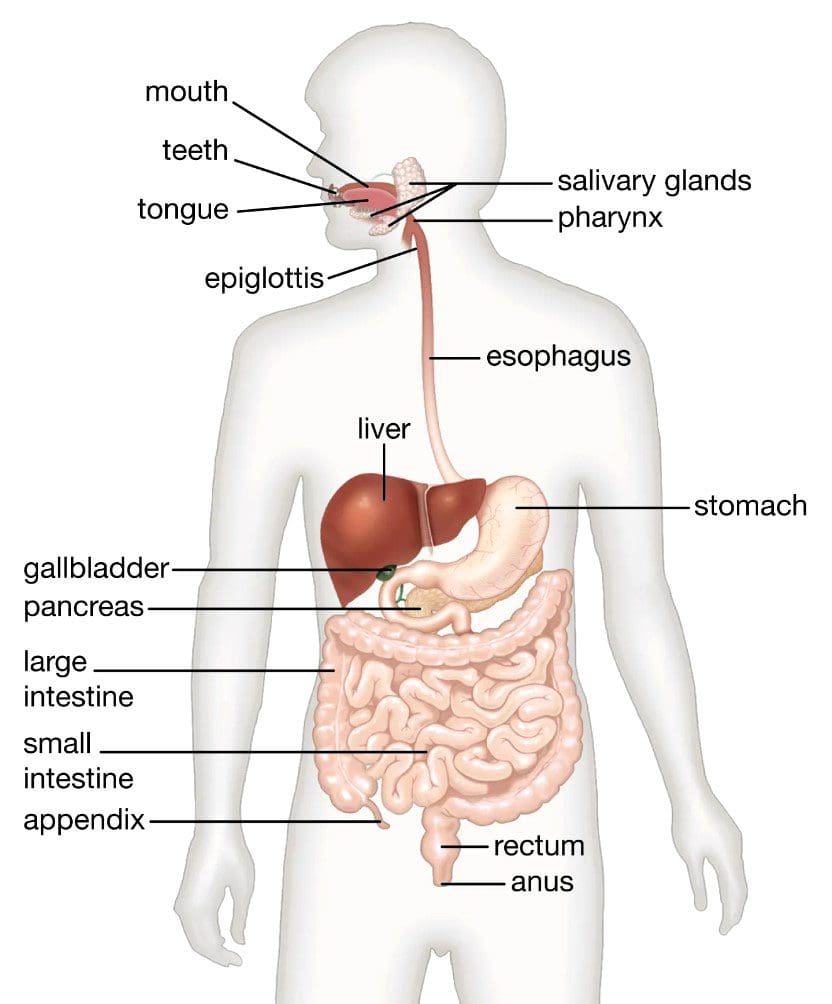
The gastrointestinal tract includes the esophagus, liver, gallbladder, stomach, pancreas, and large and small intestines.
Heartburn
Heartburn has nothing to do with the heart but describes a burning sensation in the chest. Individuals experience heartburn when stomach acid flows back into the esophagus. Occasional heartburn after eating spicy foods or foods an individual is not used to is common and is no cause for alarm. Most can manage the discomfort symptoms with lifestyle adjustments and over-the-counter medications. Chronic heartburn that interferes with daily/nightly routines could indicate a more serious condition requiring medical care. Symptoms include:
The burning discomfort sensations in the stomach and chest regions are usually worse after eating a meal, bending down, at night, and when lying down.
A bitter or acidic taste.
Acid Reflux
The esophagus comprises mainly smooth muscle that extends from the throat down through the chest cavity and past the abdomen, where it connects with the stomach. When swallowing, the esophagus opens and squeezes food down to the bottom, where a valve (lower esophageal sphincter LES) separates it from the stomach. The valve is normally closed. When swallowing, it opens so that food can pass through and then closes up. Acid reflux is a disorder that causes the valve to open when it’s not supposed to. This allows stomach contents like acid, digestive juices, enzymes, and food to flow backward from the stomach into the esophagus, causing heartburn symptoms. This usually happens when the lower esophageal sphincter is under added pressure, weakened, or malfunctioning. Symptoms can be caused by:
Overeating.
Eating spicy or acidic foods that can trigger symptoms.
Eating right before going to bed.
Medications.
Over alcohol consumption.
Exercising after eating.
Pregnancy.
Smoking.
Acid reflux and heartburn affect everyone, but most can handle the discomfort by taking antacids and avoiding the foods that brought it on. Occasional acid reflux can be treated with over-the-counter medication, including:
Acid reflux can potentially progress to gastroesophageal reflux disease, a more serious form of acid reflux that lasts longer. GERD is frequent heartburn that happens two or more times a week. Other signs and symptoms can include:
Some individuals with digestive disorders may need more extensive diagnostic evaluations, including GI endoscopy, laboratory tests, and imaging.
Chiropractic Treatment
Body misalignments, unhealthy posture, and restrictive positions can contribute to digestive disorders that put pressure on the stomach and chest, triggering symptoms. A chiropractor can realign the body and take the stress off the joints and spine, relieving the pressure on the nerves. They can also strengthen the muscles through adjustments that help alleviate pressure on the stomach. A chiropractor designs a treatment plan that suits the individual’s needs, including stretches and exercises, nutrition, and health coaching to achieve and manage a healthy weight.
Chiropractic Precision
References
Carvalho de Miranda Chaves, Renata, et al. “Respiratory physiotherapy can increase lower esophageal sphincter pressure in GERD patients.” Respiratory medicine vol. 106,12 (2012): 1794-9. doi:10.1016/j.rmed.2012.08.023
Harding, Susan M. “Acid reflux and asthma.” Current opinion in pulmonary medicine vol. 9,1 (2003): 42-5. doi:10.1097/00063198-200301000-00007
Kahrilas, Peter J. “Regurgitation in patients with gastroesophageal reflux disease.” Gastroenterology & hepatology vol. 9,1 (2013): 37-9.
Pope, C E 2nd. “Acid-reflux disorders.” The New England journal of medicine vol. 331,10 (1994): 656-60. doi:10.1056/NEJM199409083311007
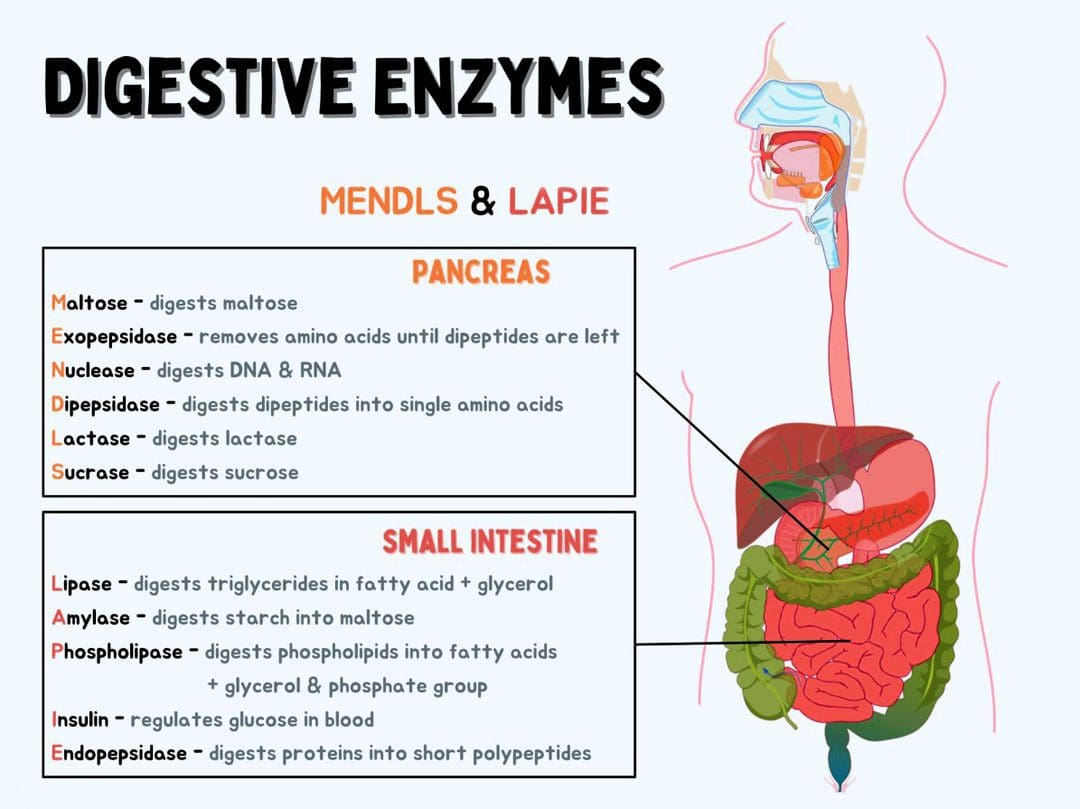
The body makes digestive enzymes to help break down food carbohydrates, fats, and proteins. Healthy digestion and nutrient absorption depend on these enzymes, a protein that speeds up chemical reactions in the mouth, pancreas, and intestines. Certain health conditions like pancreatic insufficiency and lactose intolerance can cause low enzyme levels and insufficiency and may need replacement digestive enzymes to help prevent malabsorption. That’s where digestive enzyme supplements come in.
Digestive Enzymes
Digestive enzymes are a vital part of digestion; without them, the body can’t break foods down, and nutrients can’t be fully absorbed. A lack of digestive enzymes can lead to gastrointestinal/GI symptoms and cause malnourishment, even with a nutritious diet. The result is unpleasant digestive symptoms that can include:
Poor absorption of nutrients
Bloating
Stomach pain
Nausea
Vomiting
Digestive enzyme supplements have been used for treating common forms of gut irritation, heartburn, and other ailments.
Enzyme Types
The main digestive enzymes made in the pancreas include:
Amylase
It is also made in the mouth.
Breaks down carbohydrates, or starches, into sugar molecules.
Low amylase can lead to diarrhea.
Lipase
This works with liver bile to break down fats.
Lipase insufficiency causes decreased levels of fat-soluble vitamins A, D, E, and K.
Protease
This enzyme breaks down proteins into amino acids.
It also helps keep bacteria, yeast, and protozoa out of the intestines.
A shortage of protease can lead to allergies or toxicity in the intestines.
Enzymes made in the small intestine include:
Lactase
Breaks down lactose, a sugar found in dairy products.
Sucrase
Breaks down sucrose, a sugar found in fruits and vegetables.
Insufficiency
When the body does not produce enough digestive enzymes or doesn’t release them correctly. A few types include:
Lactose Intolerance
The body does not produce enough lactase, making digesting the natural sugar in milk and dairy products difficult.
Exocrine Pancreatic Insufficiency
EPI is when the pancreas does not produce enough of the enzymes necessary to digest carbohydrates, proteins, and fats.
Congenital Sucrase-Isomaltase Deficiency
The body does not have enough sucrase to digest certain sugars.
Talking to a doctor if symptoms persist is recommended, as these could be signs of gut irritation or indicate a more serious condition.
Supplements
Prescription Enzymes
Depending on the severity, individuals diagnosed with enzyme insufficiency may need to take prescription digestive enzymes. These supplements assist in food breakdown and nutrient absorption. The most common enzyme replacement therapy is pancreatic enzyme replacement therapy or PERT. PERT is a prescribed medication that includes amylase, lipase, and protease. Individuals with cystic fibrosis often have pancreatic enzyme insufficiency, as the body can’t release the enzymes properly. And individuals with pancreatitis require PERT because their pancreas develops mucus and scar tissue over time.
Over-The-Counter Enzymes
Over-the-counter digestive enzyme supplements can contain amylase, lipase, and protease and can help with acid reflux, gas, bloating, and diarrhea. Some contain lactase and alpha-galactosidase. Alpha-galactosidase can help break down a non-absorbable fiber called galactooligosaccharides/GOS, mostly found in beans, root vegetables, and certain dairy products.
Certain foods contain digestive enzymes, including:
Supplementing the diet with some of these foods can help with digestion.
Functional Nutrition
References
Beliveau, Peter J H, et al. “An Investigation of Chiropractor-Directed Weight-Loss Interventions: Secondary Analysis of O-COAST.” Journal of manipulative and physiological therapeutics vol. 42,5 (2019): 353-365. doi:10.1016/j.jmpt.2018.11.015
Brennan, Gregory T, and Muhammad Wasif Saif. “Pancreatic Enzyme Replacement Therapy: A Concise Review.” JOP: Journal of the pancreas vol. 20,5 (2019): 121-125.
Corring, T. “The adaptation of digestive enzymes to the diet: its physiological significance.” Reproduction, nutrition, developpement vol. 20,4B (1980): 1217-35. doi:10.1051/rnd:19800713
Goodman, Barbara E. “Insights into digestion and absorption of major nutrients in humans.” Advances in physiology education vol. 34,2 (2010): 44-53. doi:10.1152/advan.00094.2009
Vogt, Günter. “Synthesis of digestive enzymes, food processing, and nutrient absorption in decapod crustaceans: a comparison to the mammalian model of digestion.” Zoology (Jena, Germany) vol. 147 (2021): 125945. doi:10.1016/j.zool.2021.125945
Whitcomb, David C, and Mark E Lowe. “Human pancreatic digestive enzymes.” Digestive diseases and sciences vol. 52,1 (2007): 1-17. doi:10.1007/s10620-006-9589-z
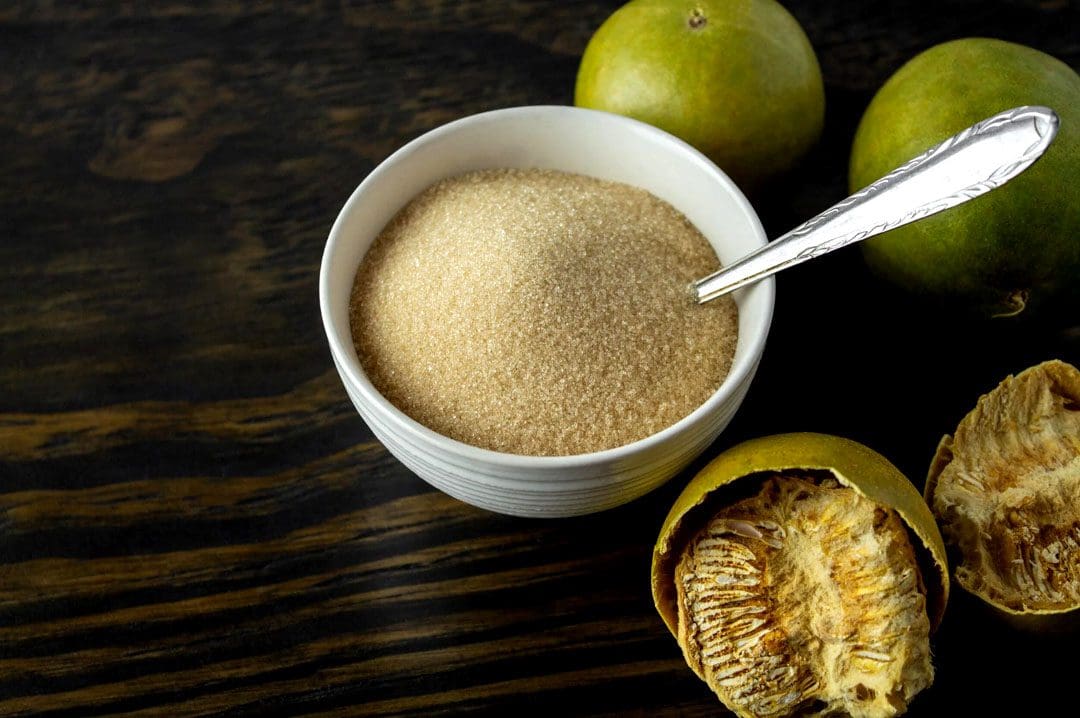
As individuals try to avoid sugar as best as possible, alternative sweeteners are becoming more popular. A new addition is monk fruit sweetener, also called monk fruit extract. Monk fruit is a small, round fruit native to southern China. Unlike some chemically based sugar alternatives, monk fruit extract is considered natural. The sweetener has been around for decades but has become more available in the United States. The zero-calorie extract can be used as a standalone sweetener in foods and drinks and as a flavor enhancer.
Monk Fruit Sugar Alternative
Manufacturers remove the seeds and skin, crush the fruit, and extract the juice, which is then dried into a concentrated powder. Unlike most fruits, the natural sugars in monk fruit are not what gives it its sweetness. Instead, the intense sweetness comes from antioxidants (commonly found in plant foods, antioxidants fight off free radicals that can cause health problems like cancer and heart disease) called mogrosides. The mogroside is the sweetest part of the fruit, with a taste over 100 times sweeter than sugar and no calories.
Safe For Consumption
Monk fruit has the generally recognized as safe -GRAS label from the U.S. Food and Drug Administration with no reported side effects. However, it is advised to read the ingredients label before buying this sweetener. Some of the cheaper products combine other sweeteners with monk fruit extract. Some contain erythritol, a sugar alcohol that can cause stomach bloating or upset stomach.
Use
It has been found to be a healthy option for lowering overall sugar intake. However, consuming monk fruit or any sweetener should be done in moderation and with a healthy nutrition plan. It comes in powder or liquid form. As a natural alternative, it can be used:
As s sugar substitute for favorite baking, cooking, soup, sauce recipes, etc.
For drinks like coffee, tea, lemonade, smoothies, etc.
Added on breakfast dishes like oatmeal or yogurt.
Whipped into frosting or a mousse.
The ultra-sweetness means that little is required as it goes a long way. It is recommended to drink regular water or tea and eat foods without the sweetener because, over time, the taste buds adjust and do not need the sweetener as much. Consult a doctor, dietician, or nutritionist to determine if this sugar alternative is right for you and the benefits.
What Is It?
References
Chen, W J et al. “The antioxidant activities of natural sweeteners, mogrosides, from fruits of Siraitia grosvenori.” International journal of food sciences and nutrition vol. 58,7 (2007): 548-56. doi:10.1080/09637480701336360
EFSA Panel on Food Additives and Flavourings (FAF) et al. “Safety of use of Monk fruit extract as a food additive in different food categories.” EFSA journal. European Food Safety Authority vol. 17,12 e05921. 11 Dec. 2019, doi:10.2903/j.efsa.2019.5921
Lobo, V et al. “Free radicals, antioxidants, and functional foods: Impact on human health.” Pharmacognosy reviews vol. 4,8 (2010): 118-26. doi:10.4103/0973-7847.70902
Pawar, Rahul S et al. “Sweeteners from plants–with emphasis on Stevia rebaudiana (Bertoni) and Siraitia grosvenorii (Swingle).” Analytical and bioanalytical chemistry vol. 405,13 (2013): 4397-407. doi:10.1007/s00216-012-6693-0
There are various reasons for getting sick, but stress is one of the most common. Stress from family, work, school, traveling, etc., wreaks havoc on the body and mind. Working odd or different hours and staying up late disrupts routines and schedules and can generate significant stress. Trying to keep on top of everything and still trying to manage the usual responsibilities and duties can result in a weakened immune system that contributes to persistent illnesses. Chiropractic care combined with functional medicine can strengthen the immune system and restore optimal function.
Weakened Immune System
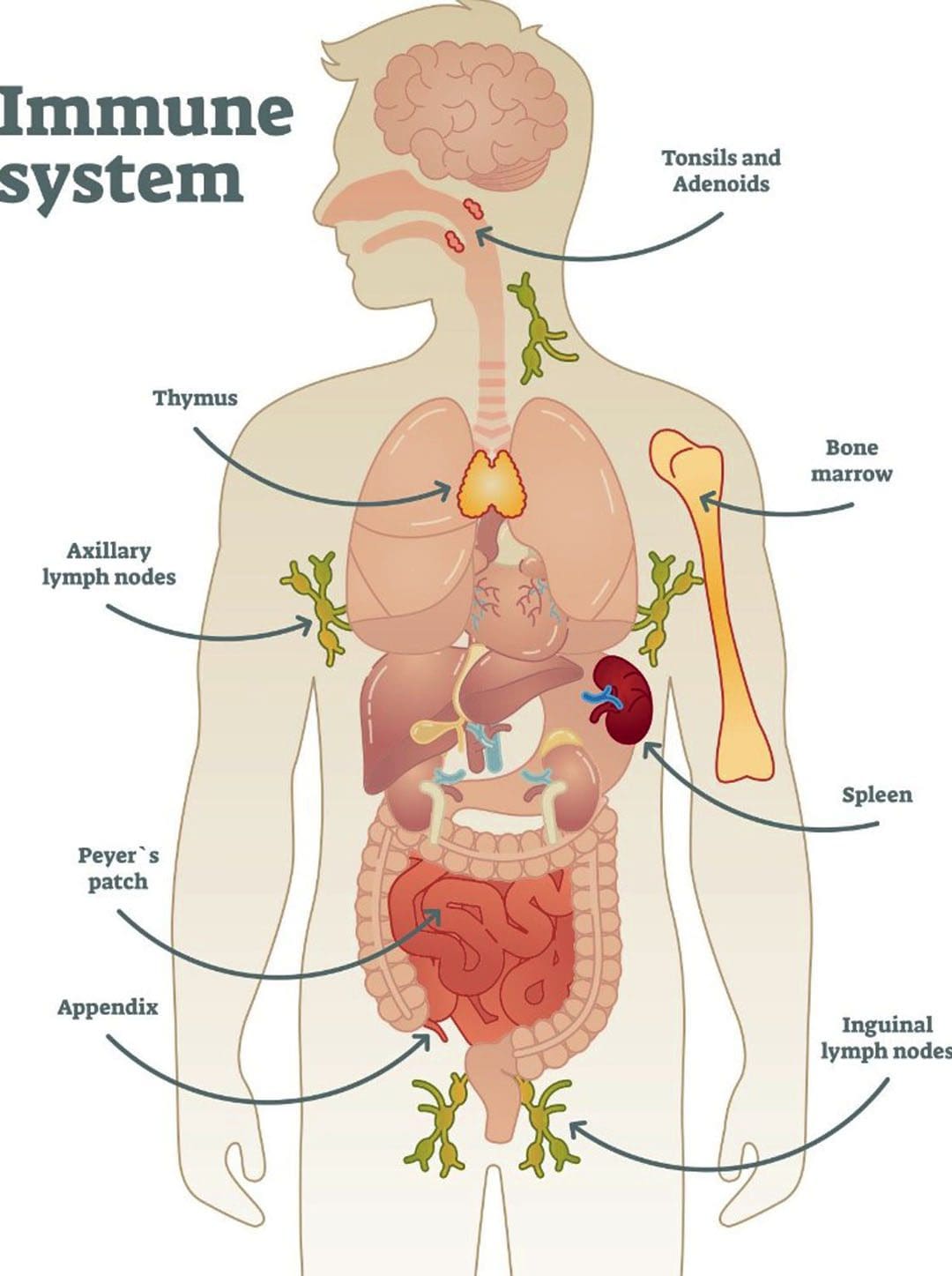
The immune system is a network of organs, white blood cells, proteins/antibodies, and chemicals. It protects the body from bacteria, viruses, parasites, and fungi that cause infection, illness, and disease. It’s normal for healthy adults to get sick a few times a year, but constantly being sick signals a weakened immune system. Individuals with weak immune systems also experience digestion issues. This could be constipation or frequent diarrhea. Approximately 70% of the immune system is in the gastrointestinal tract, where the healthy/beneficial bacteria and microorganisms live. If the amount of healthy bacteria is low, it is harder to protect the body from viruses, chronic inflammation, or autoimmune disorders.
Properly Working
When the immune system works properly, it can tell which cells are the body’s and which substances are foreign and don’t belong there.
It activates, mobilizes, and destroys the outside germs.
After exposure, the immune system stores the germs’ identities to develop antibodies to protect the body.
Depleted Immunity
Chronic stress wears down and prematurely ages the immune system. When the body must constantly adapt to changes from stress, it makes the immune system less responsive.
Depleted immunity is when the cells that should be ready to activate and fight viruses and bacteria are low in numbers.
Ongoing stress, over time, can make the body more vulnerable to illnesses, from colds and flu to chronic diseases like diabetes and heart disease.
High-stress levels can cause depression and anxiety, leading to higher levels of inflammation.
Chiropractic Restoration
Chiropractic care can help strengthen the body’s natural ability to heal and recover from illness by realigning the spine, improving circulation, and releasing toxins. Chiropractic works on the central nervous system, which comprises the spine and brain. As proper function and communication are restored, the central and peripheral nervous systems work together to help control the body’s ability to perceive and handle internal and external stress. Injury Medical Chiropractic and Functional Medicine Clinic treatment include:
Massage therapy
Spinal realignment
Decompression therapy
Health Coaching
Nutritional assistance
Stress Impact
References
Childs, Caroline E et al. “Diet, and Immune Function.” Nutrients vol. 11,8 1933. Aug 16, 2019, doi:10.3390/nu11081933
InformedHealth.org [Internet]. Cologne, Germany: Institute for Quality and Efficiency in Health Care (IQWiG); 2006-. How does the immune system work? [Updated 2020 Apr 23]. Available from: https://www.ncbi.nlm.nih.gov/books/NBK279364/
Nicholson, Lindsay B. “The immune system.” Essays in biochemistry vol. 60,3 (2016): 275-301. doi:10.1042/EBC20160017
Segerstrom, Suzanne C, and Gregory E Miller. “Psychological stress and the human immune system: a meta-analytic study of 30 years of inquiry.” Psychological bulletin vol. 130,4 (2004): 601-30. doi:10.1037/0033-2909.130.4.601
Inflammatory bowel disease, or IBD, causes inflammation of the digestive tract lining, which often involves the deeper layers. Gastrointestinal or GI problems of the stomach and intestines often include diarrhea, weight loss, rectal bleeding, fatigue, and back pain. The inflammation can reach the spine’s joints, causing stiffness, discomfort, and pain symptoms. Injury Medical Chiropractic and Functional Medicine Clinic can help manage symptoms and guide individuals on treatment options.
IBD Back Pain
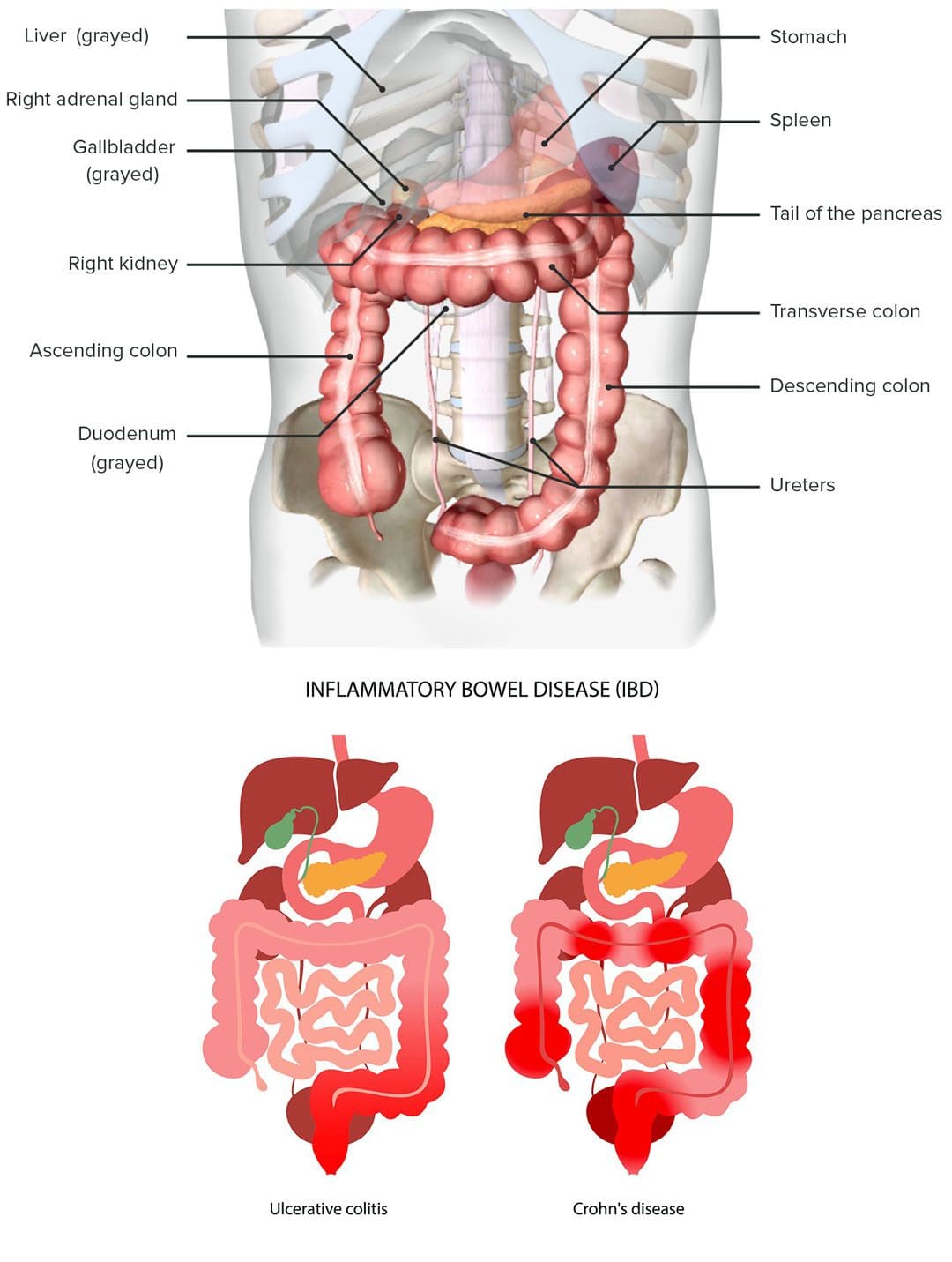
IBD is a set of conditions associated with chronic or intermittent inflammation of the gastrointestinal tract. It includes Crohn’s disease – CD and ulcerative colitis – UC. Although there are genetic components that predispose individuals to IBD, environmental factors appear to contribute the most. Research shows that IBD is likely related to disturbances in the gut’s flora, which include:
Other environmental factors associated with IBD include the long-term use of birth control pills and nonsteroidal anti-inflammatory drugs/NSAIDs. Research theorizes that as the gut becomes inflamed, its normal integrity and structure become compromised and begin to leak out, causing an immune system overreaction response. This can cause non-gastrointestinal symptoms that include:
IBD can cause low back pain as the IBD can inflame the spine’s joints, especially the sacrum, as well as cause abdominal cramps and rectal sensations that radiate to the low back area. However, irritation, inflammation, or infection of any central, abdominal, or pelvic organs can cause low back pain.
Diagnosis
Diagnosis requires a physical examination of the colon – a sigmoidoscopy or a colonoscopy is used.
Both procedures take a biopsy of the intestinal tissues, which is studied to determine the extent and degree of inflammation.
Depending on the circumstances, an X-ray could be used to show the depth or extent of the condition.
Chiropractic Management
A chiropractor can help individuals decrease or completely alleviate musculoskeletal symptoms by realigning the spine and pelvis and massaging, releasing, and relaxing the muscles, which increases circulation and soothes inflammation. The reason why chiropractic care can effectively treat IBD is its ability to stabilize the internal systems. When the central nervous system and immune system communicate and function properly, this prevents the immune system from attacking the body’s tissue cells, preventing inflammation. The chiropractic whole-body approach can also help with recommendations regarding lifestyle changes and nutritional anti-inflammatory modifications.
Ulcerative Colitis
References
Centers for Disease Control and Prevention. “What Is Inflammatory Bowel Disease (IBD)?” 2022, https://www.cdc.gov/ibd/what-is-IBD.htm
Danese S, Fiocchi C. Etiopathogenesis of inflammatory bowel diseases. World J Gastroenterol. 2006;12(30):4807-4812. doi:10.3748/wjg.v12.i30.4807
Limsrivilai, Julajak et al. “Systemic Inflammatory Responses in Ulcerative Colitis Patients and Clostridium difficile Infection.” Digestive diseases and sciences vol. 63,7 (2018): 1801-1810. doi:10.1007/s10620-018-5044-1
van Erp, S J et al. “classifying Back Pain and Peripheral Joint Complaints in Inflammatory Bowel Disease Patients: A Prospective Longitudinal Follow-up Study.” Journal of Crohn’s & colitis vol. 10,2 (2016): 166-75. doi:10.1093/ecco-jcc/jjv195
Zeitz, Jonas, et al. “Pain in IBD Patients: Very Frequent and Frequently Insufficiently Taken into Account.” PloS one vol. 11,6 e0156666. 22 Jun. 2016, doi:10.1371/journal.pone.0156666
IFM's Find A Practitioner tool is the largest referral network in Functional Medicine, created to help patients locate Functional Medicine practitioners anywhere in the world. IFM Certified Practitioners are listed first in the search results, given their extensive education in Functional Medicine






 Digestive Enzymes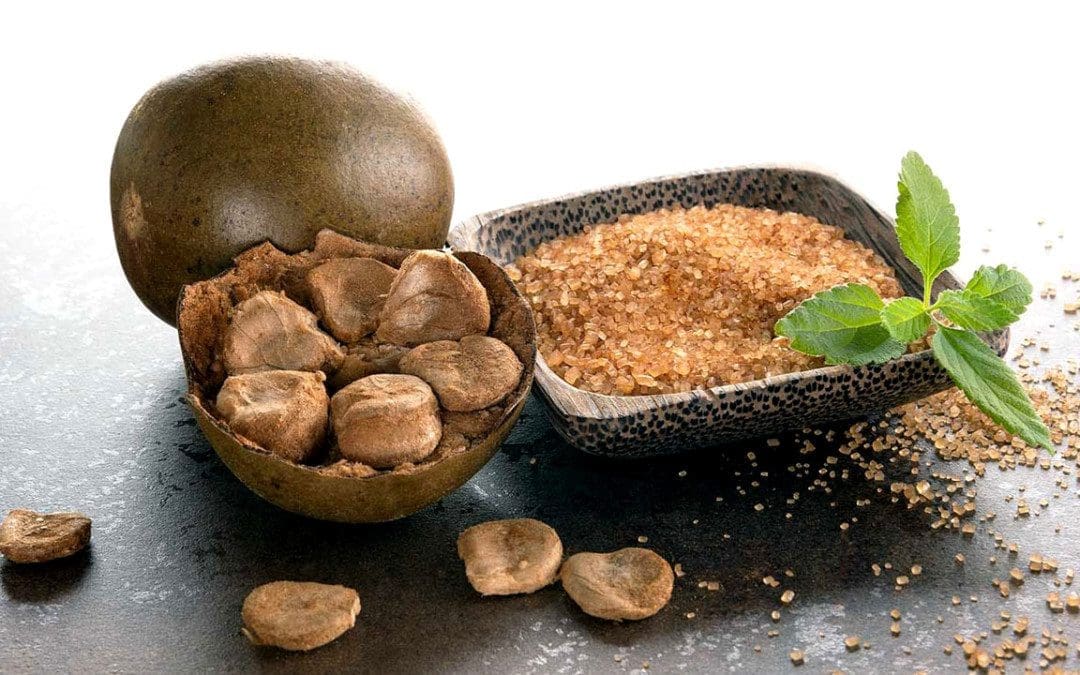

 Weakened Immune System
 IBD Back Pain






