Nutritionists are medical professionals in food and nutrition and work one-on-one to develop an optimal nutrition plan for their body type, age, and health conditions. They explain the right foods to eat, how different foods impact the body, and what foods to avoid. Individuals can benefit from working with a nutritionist to help achieve a healthier lifestyle through education and healthy choices.
Working With A Nutritionist
Nutritionists work with individuals to enhance their knowledge about general nutrition, food, and health. Their focus is on food behavior, which includes developing and implementing meal plans to improve the individual’s or family’s nutrition. Nutritionists work in:
Clinical settings – hospitals, nursing homes, long-term care facilities, fitness and health, and chiropractic clinics.
Government – local health departments.
School districts – regarding school nutrition standards.
Private business – independent work in combination with other medical professionals.
Research – with various health and/or sports organizations.
Benefits
Working with a nutritionist will determine what factors are challenging an individual’s eating habits and triggers and find ways to overcome those barriers. Benefits include:
Nutrition plans are based on nutritional needs, current health, and lifestyle.
Nutrition plans cut down on grocery bills.
Shopping with a specific list cuts down on the extra foods being purchased.
Proper nutrition can help manage chronic diseases like diabetes and heart disease, combined with a primary care doctor or specialist treatment.
Nutritionists can help individuals dealing with food allergies or who have been diagnosed could require a diet change.
Nutritionists can help motivate when struggling to maintain a healthy lifestyle.
Responsibilities and Daily Activities
Nutritionists help individuals reach various goals, like weight loss, healthier eating habits, and stress management, and can be responsible for the following:
Evaluating health needs.
Screening for nutritional risk.
Discussing nutrition and eating habits.
Providing educational resources.
Developing personalized nutrition plans.
Talking about nutritional issues with individual families.
Discussing nutrition plans with primary doctors and other healthcare teams.
Equipping individuals with food behavior modification tools.
Adjusting plans as needed.
Monitoring progress.
Treating conditions and disease management through nutrition.
Functional Nutrition
References
Carrard, Isabelle et al. “Un outil pour évaluer les comportements alimentaires: ESSCA” [A tool for assessing eating behaviors: ESSCA]. Revue medicale suisse vol. 12,511 (2016): 591-6.
Golan, M, and A Weizman. “Reliability and validity of the Family Eating and Activity Habits Questionnaire.” European journal of clinical nutrition vol. 52,10 (1998): 771-7. doi:10.1038/sj.ejcn.1600647
Greenwood, Jessica L J, et al. “Healthy eating vital sign: a new assessment tool for eating behaviors.” ISRN obesity vol. 2012 734682. 22 Jul. 2012, doi:10.5402/2012/734682
Kelley, Claire P et al. “Behavioral Modification for the Management of Obesity.” Primary care vol. 43,1 (2016): 159-75, x. doi:10.1016/j.pop.2015.10.004
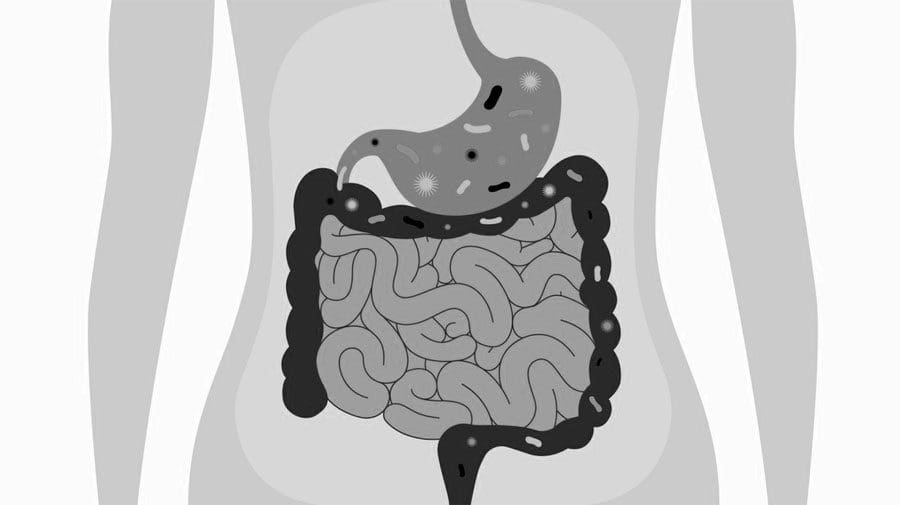
Yogurt is a dairy product made by the bacterial fermentation of milk. The bacteria used are called yogurt cultures, which ferment lactose, which is the natural sugar found in milk. This process produces lactic acid that causes milk proteins to curdle, giving yogurt its flavor and texture. It can be made from all types of milk. Although research is ongoing, the benefits of adding yogurt to one’s nutrition plan can improve overall health, including improved bone health, circulation, immune system function, and probiotics/healthy bacteria that improve digestion and gut health.
Health Benefits
Yogurt comes from milk that varies; some are made from skim and fat-free, whereas whole milk is full-fat. Other nutrients include calcium, vitamin B-2, vitamin B-12, potassium, and magnesium. More research is needed, but there is some evidence that active cultures can help certain gastrointestinal conditions, including:
The faster time food takes to circulate through the bowels.
Immune system improvement.
Feel Fuller
Yogurt is rich in protein and healthy fats, which makes it very filling. Both of these nutrients are key to feeling full for longer. A study found consuming high-protein Greek yogurt in the afternoon resulted in less hunger, increased fullness and delayed the need to eat before dinner.
It can replace the fat, oil, and/or butter in muffin, brownie, or cake recipes.
Speak with a nutritionist and health coach to find out if yogurt would be beneficial. Nutritionists work with individuals to find the best foods for their body type, age, and health condition, explain how different foods impact the body, and what foods to avoid.
Functional Nutrition
References
Andoh, Akira. “Physiological Role of Gut Microbiota for Maintaining Human Health.” Digestion vol. 93,3 (2016): 176-81. doi:10.1159/000444066
Bull, Matthew J, and Nigel T Plummer. “Part 1: The Human Gut Microbiome in Health and Disease.” Integrative medicine (Encinitas, Calif.) vol. 13,6 (2014): 17-22.
Cleveland Clinic: “Which Yogurt is Right For You?” “Why — and When — You Should Include Probiotics in Your Diet.”
Jandhyala, Sai Manasa, et al. “Role of the normal gut microbiota.” World journal of gastroenterology vol. 21,29 (2015): 8787-803. doi:10.3748/wjg.v21.i29.8787
Le Roy, C.I., Kurilshikov, A., Leeming, E.R. et al. Yoghurt consumption is associated with changes in the composition of the human gut microbiome and metabolome. BMC Microbiol 22, 39 (2022). https://doi.org/10.1186/s12866-021-02364-2
Wu, Hsin-Jung, and Eric Wu. “The role of gut microbiota in immune homeostasis and autoimmunity.” Gut microbes vol. 3,1 (2012): 4-14. doi:10.4161/gmic.19320
Clean eating for beginners is a way to approach how you eat by removing unnecessary fats, sugars, and carbs, avoiding processed foods, and embracing vegetables, whole foods, unrefined grains, lean proteins, and healthy fats. The more you practice, the more the craving for salts and sweets decreases and no longer satisfies. The idea is to combine a clean eating lifestyle with an active life that turns into long-term healthy habits.
Clean Eating
Junk food refers to processed/refined foods, artificial flavors, sugars, salts, high saturated fats, and other foods that don’t provide nutrition. Clean foods fill the body with an abundance of vitamins and minerals, high-quality protein, and healthy fats, which improve heart and brain health, assist with weight management, strengthen the immune system and increase energy levels. Clean eating guidelines include:
Preparing and Cooking Own Food
Preparing and cooking your food is an easy way to control what goes into your body.
You control the salt, sugar, flavors, and fats with the objective of keeping the levels as low as possible.
Restaurant and diner food tastes great, but it is usually because salt, sugar, and butter are added to everything.
Whole Foods
Whole foods have not been modified, processed or refined, or saturated with preservatives, added sugars, dyes, fats/hydrogenated fats, or salt to add extra flavor or to enhance shelf life.
They include fresh fruits and vegetables, lean proteins, unsalted nuts/seeds, whole grains, full-fat dairy products, and dried beans/legumes.
Unrefined foods contain more nutrients and fiber, essential for healthy body function.
For example – broccoli is a carbohydrate but provides a lot of fiber, antioxidants, and other nutrients, so it’s recommended when eating clean.
Fats should come from unsaturated fats as much as possible, avoiding saturated and trans fats when possible.
This should be practiced with every meal, whether a snack or dinner.
Limit Adding Salt, Sugar, and Fats
Avoid unnecessary additives, like fat, salt, and sugar, when choosing foods.
Clean eating detoxes the body, so pastries, hamburgers, fries, and fried foods begin to taste too sweet or salty because the body is no longer used to them.
The body and tastebuds become acclimated to whole foods with no longer a need for additives.
Five to Six Small Meals
Counting calories does not take into account the value of each calorie.
Making mindful decisions for all foods, like lean protein, complex carbohydrates, fats, fresh fruits, and vegetables, will make the calories count.
Eating five to six times a day in the right amounts with three small main meals and two to three healthy snacks prevents:
Over-eating
Skipping meals
Exhaustion or jitteriness from unstable blood sugar levels.
Avoid foods with labels that include words like modified, which indicates added processing, and words that end with the lettersose, which indicate added sugars/fructose.
Look for labels with whole grains and whole wheat.
High-calorie foods should have low saturated fat and sugar levels and calories that come from fiber and lean proteins.
Sodium levels should be as low as possible; the body only needs 250 mg daily.
Drink Plenty of Water
Water needs to be consumed throughout the day, every day.
Water will maintain body hydration and function and prevent hunger.
Fruit juices contain more nutrients than soda but can be high in calories and sugar. Read the labels.
To start, take small steps so the body can gradually transition into healthy habits that will last long-term. This is a new lifestyle, not a trending fad. Individuals are recommended to ease into it, and then it will begin to feel normal. Injury Medical Chiropractic Clinic has a Functional Medicine team, including a certified nutritionist, to help individuals develop a nutrition plan specific to their needs.
For Beginners
References
Ambwani, Suman et al. “”It’s Healthy Because It’s Natural.” Perceptions of “Clean” Eating among U.S. Adolescents and Emerging Adults.” Nutrients vol. 12,6 1708. 7 Jun. 2020, doi:10.3390/nu12061708
Allen, Michelle, et al. “The Dirt on Clean Eating: A Cross-Sectional Analysis of Dietary Intake, Restrained Eating, and Opinions about Clean Eating among Women.” Nutrients vol. 10,9 1266. 8 Sep. 2018, doi:10.3390/nu10091266
Ghaderi, Ata. “A European perspective on “clean eating”: Commentary on Negowetti et al. (2021).” The International journal of eating disorders vol. 55,1 (2022): 49-51. doi:10.1002/eat.23615
Around 60% of individuals have a condition caused by or complicated by chronic inflammation. The body reacts with acute inflammation, which is beneficial as the immune system fights off bacteria that could infect the injury. Examples could be getting a cut on the finger that swells for a day or so to repair the wound or catching a cold and coughing up mucus to expel the germs. However, acute inflammation only lasts as long as necessary; chronic inflammation can last for weeks, months, and years. Individuals can have chronic inflammation and not know the damage being done to arteries and organs until pain or other issues begin to present. There are a few anti-inflammatory diets, which are nutrition plans that can help reduce inflammation.
Anti-Inflammatory Diets
Health-promoting substances include vitamins, minerals, fiber, omega-3 fatty acids, flavan-3-ols in tea and cocoa, and anthocyanins in blueberries, strawberries, raspberries, and other red and purple plant foods. Certain chemicals in the body cause inflammation, and naturally-occurring chemicals in foods, can prevent and combat inflammation by providing essential nutrients.
Nordic Diet
This includes Denmark, Sweden, and Finland, which each have different cuisines, but traditionally, they share healthy foods that provide anti-inflammatory benefits, including:
Rye is a grain shown to help reduce blood sugar, the inflammatory marker C-reactive protein. Individuals that follow this way of eating have lower blood levels of C-reactive protein and other inflammation markers. A randomized study was done in various Nordic countries and lasted six to 24 weeks. One group was assigned a healthy Nordic diet while the other stayed on the country’s modern, less healthy diet. The studies found that individuals that practiced a healthy Nordic diet even for a short while improved inflammatory markers and lost weight.
Mexican Diet
Research has linked a traditional Mexican diet to lower inflammation. Staple foods of a traditional Mexican diet include:
Cheese
Corn tortillas
Fruits and vegetables, including hot peppers
Rice – brown and white
Legumes/Beans
Legumes/beans are linked to protection from inflammatory-related conditions that include:
Obesity
High blood pressure
High blood cholesterol
Type 2 diabetes
Cardiovascular disease
Legumes are high in fiber, which helps:
Reduce inflammation
Reduce unhealthy cholesterol
Reduce blood sugar spikes after a meal, which helps prevent type 2 diabetes and inflammation.
A National Cancer Institute study of post-menopausal women of Mexican descent living in the U.S. found that those following a more traditional Mexican diet averaged 23% lower C-reactive protein levels.
Nutritionist Health Coach and Chiropractic
In some instances, chronic inflammation can come from acute inflammation that does not turn off, which can happen when the body does not make enough chemical substances responsible for turning off the immune response. Blood tests for inflammation can include tests that detect the C-reactive protein and the erythrocyte sedimentation rate, which measures the speed red blood cells settle in a test tube that shows if more inflammatory compounds are present. A combined approach and team of medical professionals, including chiropractic, massage therapy, health coaching, and nutrition, can help relieve and prevent inflammation.
Nutritionist
Consulting a nutritionist is recommended to figure out and determine the best diet/nutrition plan for the individual.
A nutritionist may also suggest supplementation like vitamin D, magnesium, and fish oil supplements.
Body composition analysis breaks down the body elements of water, protein, minerals, and fat that can also discover inflammation markers.
Chiropractic
Chiropractic adjustments help reduce the production of cytokines or proteins that regulate the cells of the immune system. Overproduction of cytokines can cause a severe inflammatory response. Chiropractic’s purpose is to rebalance the body by realigning the vertebrae to reduce pressure on the nerves and promote a healthy nervous system. When the spine and other joints are correctly aligned, the nerves function correctly, returning the body’s biomechanics to normal.
InBody Results
References
Galbete C, Kröger J, Jannasch F, et al. Nordic diet, Mediterranean diet, and the risk of chronic diseases: the EPIC-Potsdam study. BMC Med. 2018;16(1):99.
Lankinen M, Uusitupa M, Schwab U. Nordic Diet and Inflammation-A Review of Observational and Intervention Studies. Nutrients. 2019;11(6):1369.
Ricker MA, Haas WC. Anti-Inflammatory Diet in Clinical Practice: A Review. Nutrition in Clinical Practice. 2017;32(3):318-325.
Santiago-Torres M, Tinker LF, Allison MA, et al. Development and Use of a Traditional Mexican Diet Score in Relation to Systemic Inflammation and Insulin Resistance among Women of Mexican Descent. J Nutr. 2015;145(12):2732-2740.
Valerino-Perea, Selene, et al. “Definition of the Traditional Mexican Diet and Its Role in Health: A Systematic Review.” Nutrients vol. 11,11 2803. 17 Nov. 2019, doi:10.3390/nu11112803
Yang, Yoon Jung, et al. “Dietary flavan-3-ols intake and metabolic syndrome risk in Korean adults.” Nutrition research and practice vol. 6,1 (2012): 68-77. doi:10.4162/nrp.2012.6.1.68
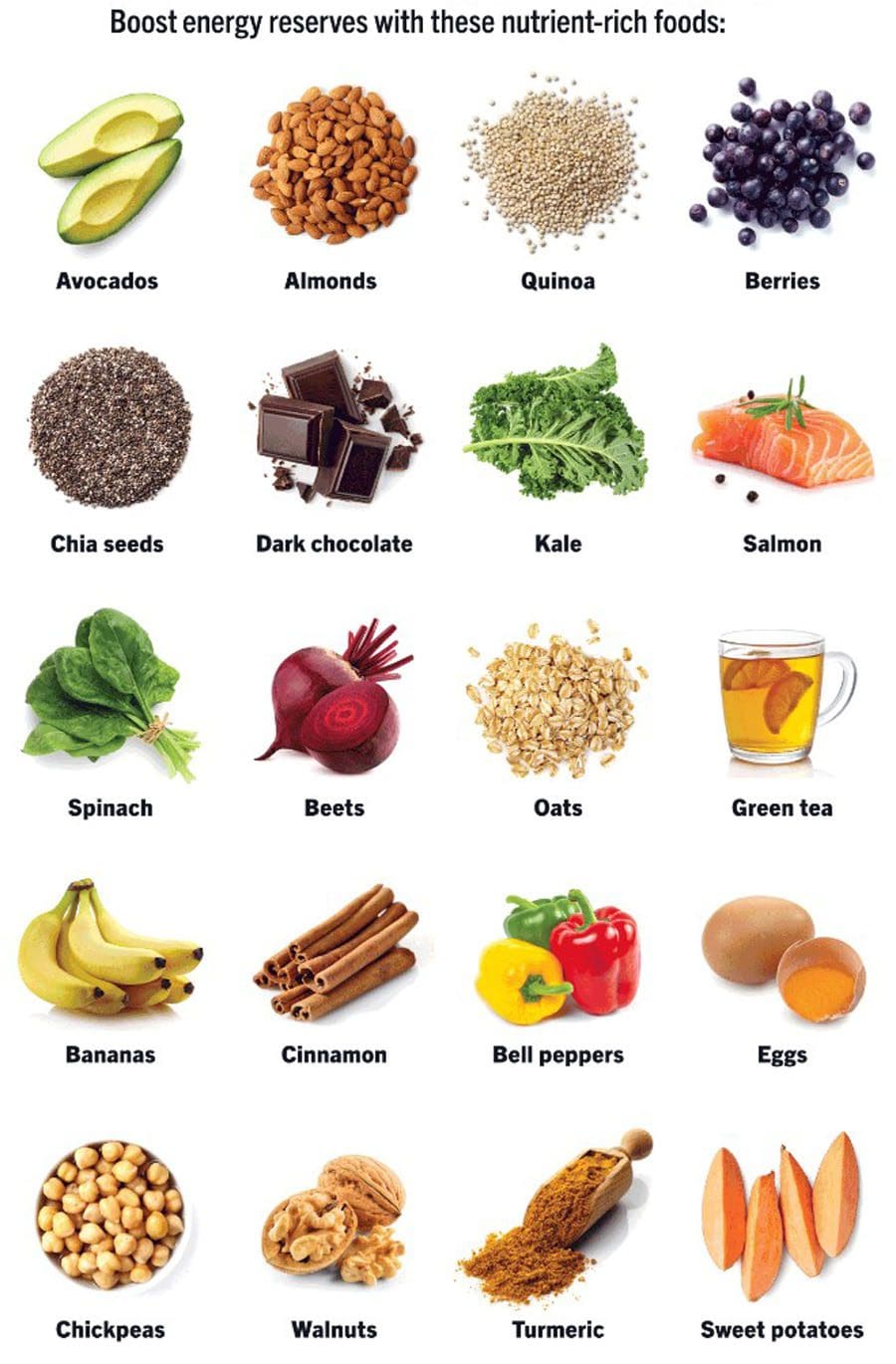
Energy Boosting Foods: Nutritionists, dieticians, and health coaches are constantly asked which foods help maintain energy, alertness, and focus throughout the day. The first thing to know is that all foods provide energy in the form of calories, but not all foods affect energy levels the same way. There are three macronutrients, carbohydrates, fat, and protein. However, carbohydrates are a rapid energy source compared to proteins and fats and are the body’s preferred energy. Here are a few foods for steady, consistent energy levels to include in a meal plan.
Energy Boosting Foods
Properly planned meals can keep the body fueled for up to four hours, and it is recommended to eat every four hours to keep a steady flow of energy. The objective is to maintain balanced blood sugar levels and eat foods with low glycemic index carbohydrates combined with protein and healthy fats. Unhealthy foods for energy are high-sugar foods that cause blood sugar levels to spike, triggering a heavy insulin release, which triggers plunging blood sugar levels, also known as a sugar crash.
Avocados
Avocados are rich in healthy fats, fiber, and B vitamins.
The fat in avocados promotes healthy blood-fat levels and increases the absorption of nutrients.
Around 80% of the carbohydrate content is made up of fiber, which means sustained energy.
Bananas
One of the best energy-boosting foods that can be eaten on its own, frozen and blended into a smoothie or mixed into oatmeal.
Bananas contain complex carbohydrates, vitamin B6, potassium, and some protein.
Beans
It can be pinto, great northern, red, black, Anasazi beans, or other varieties as they have similar nutrient profiles.
They digest slowly, which stabilizes blood sugar.
They contain antioxidants, carbohydrates, fiber, protein, folic acid, iron, and
Magnesium helps produce energy and delivers it to the body’s cells.
Cashews
Cashews are low in sugar, rich in fiber,
They contain heart-healthy fats and plant protein.
They are a reliable source of copper, magnesium, and manganese, critical for energy production, healthy bones, brain health, and immunity.
Eggs
Eggs are packed with protein and rich in B vitamins, which help enzymes turn food into energy generating steady energy.
They contain leucine, an amino acid that stimulates energy production by helping cells to:
Take in more blood sugar.
Stimulates energy production in the cells.
Break down fat to produce energy.
Oatmeal
The complex carbs in oatmeal generate a steady source of slow-burning energy.
Oats boost serotonin production, which helps:
Manage stress.
Enhances learning.
Memory function.
Oast can be made with raisins, berries, bananas, and healthy maple syrup or honey for a healthy meal.
Yogurt
Yogurt contains lactose and galactose that breaks down to provide ready-to-use energy.
Top with oats, fruits, berries, and some honey or maple syrup.
Shrimp
Shrimp are low in calories and provide vitamin B12 and omega-3 fat, which helps with:
Mood
Energy
Sweet potatoes
Sweet potatoes are recommended for energy production because of their iron, magnesium, and vitamin C nutrients.
The food we eat significantly impacts the body’s health and wellness, along with exercise, proper hydration, and healthy sleep are essential in sustaining high energy levels. Avoiding highly processed and sugary foods will help prevent mental and body fatigue. Consult a licensed nutritionist to learn about personalized diet and nutrition plans.
Natural Energy
References
Atkinson, Fiona S et al. “International tables of glycemic index and glycemic load values 2021: a systematic review.” The American journal of clinical nutrition vol. 114,5 (2021): 1625-1632. doi:10.1093/ajcn/nqab233
Evans J, Richards JR, Battisti AS. Caffeine. [Updated 2022 May 1]. In: StatPearls [Internet]. Treasure Island (FL): StatPearls Publishing; 2022 Jan-. Available from: https://www.ncbi.nlm.nih.gov/books/NBK519490/
Holesh, Julie E., et al. “Physiology, Carbohydrates.” StatPearls, StatPearls Publishing, 26 July 2021.
Melaku, Yohannes Adama, et al. “Association between Macronutrient Intake and Excessive Daytime Sleepiness: An Iso-Caloric Substitution Analysis from the North West Adelaide Health Study.” Nutrients vol. 11,10 2374. 5 Oct. 2019, doi:10.3390/nu11102374
Osilla EV, Safadi AO, Sharma S. Calories. [Updated 2021 Sep 15]. In: StatPearls [Internet]. Treasure Island (FL): StatPearls Publishing; 2022 Jan-. Available from: https://www.ncbi.nlm.nih.gov/books/NBK499909/
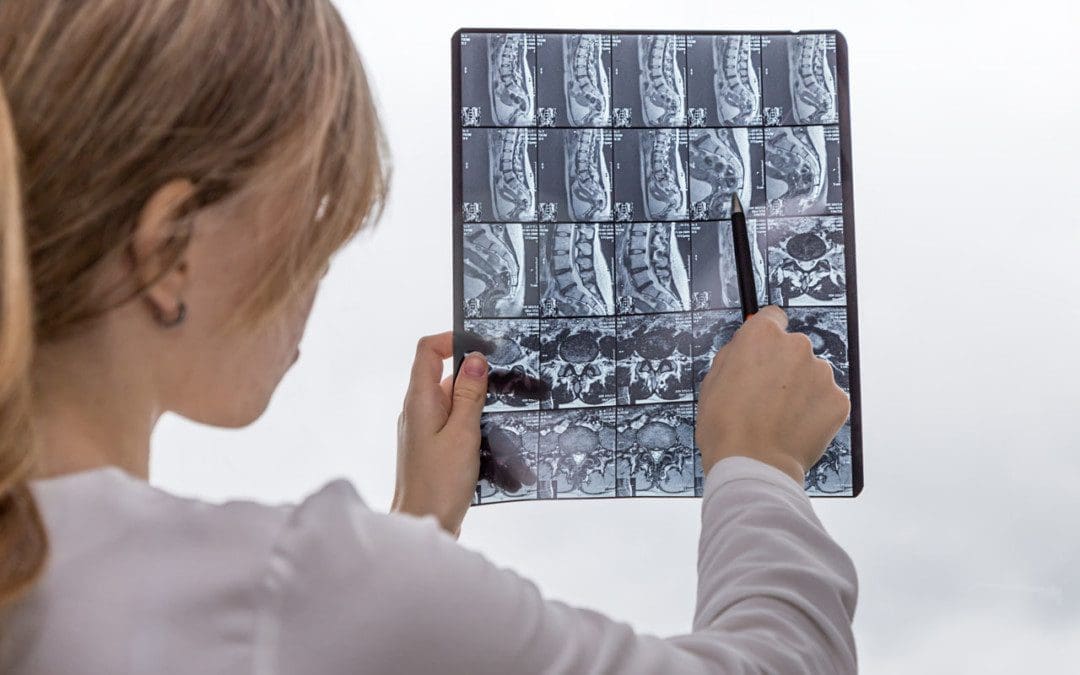
Experiencing low back pain and diarrhea can be a symptom of a viscerosomatic reflex,somatovisceral reflex, or a combination. A reflex is an involuntary response to nervous system stimulation. A doctor tapping below the knee causes the foot to kick forward is a basic example of a reflex. This is a somatovisceral or body organ reflex. Back pain could be from awkward posture, repetitive motions like bending or twisting, or injury that affects the spinal column. The effects could cause nerve compression and damage that can cause firing misinterpreted signals impacting/damaging internal organ function, causing pain and other symptoms.
However, the damage caused to the compressed/injured organ nerves can also cause back pain symptoms. This is a viscerosomatic or organ body reflex. One study found that a group of chiropractic patients dealing with low back pain also had increased bowel problems, even though there was no specific cause, link, or association between the two. Lower back pain and diarrhea may be completely unrelated, but if symptoms are recurring, there is an increased chance of an underlying medical issue.
Chiropractic Medicine
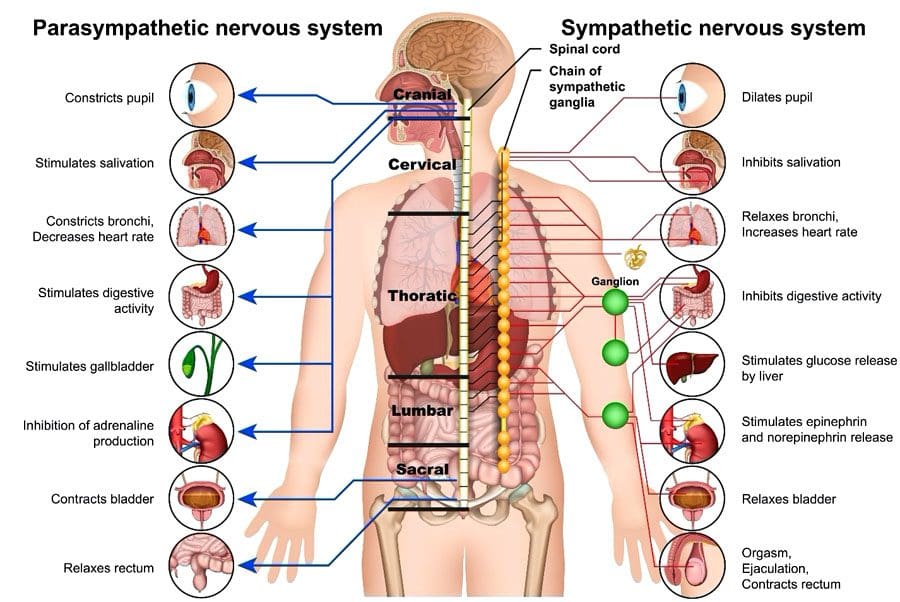
Chiropractic medicine is founded on the nervous system’s control of the body’s organ systems, whose impulse signals travel through the spinal cord. Body systems include the muscles, bones, and all organs. Any problems with the spine and/or nerve changes from normal wear and tear, injury, or infection can affect signal transmissions that can alter system functions. Altered nerve conduction can impact overall health and is referred to as reflex pathways in the nervous system. A somatovisceral reflex is where the musculoskeletal system causes altered nerve conduction creating organ system dysfunction and/or illness. Diarrhea brought on by back pain is an example.
Causes Of Back Pain and Diarrhea
Appendicitis
The appendix extends from the colon in the lower right abdomen. Appendicitis is inflammation of the appendix. The pain usually appears near the belly button and spreads to the right side of the stomach. Some individuals’ appendix extends behind the colon, which can also cause low back pain. Symptoms include:
Loss of appetite
Inability to relieve gas
Constipation
Abdominal pain – Moderate to severe
Diarrhea
Fever
Nausea
Vomiting
Appendicitis can be life-threatening and requires immediate treatment; if left untreated, the condition can worsen within hours, causing a rupture that can leak through the abdominal cavity.
Fecal impaction
Fecal impaction is stools that have become hard, dry, and stuck in the rectum and can cause abdominal and low back pressure and pain. It is commonly caused by chronic constipation, which can be associated with dehydration, lack of fiber, physical inactivity, medication side effects, or long-term use of laxatives. Taking laxatives for a long time can cause the intestines to shut off automatic evacuation of the bowels. Although the condition is common in older individuals, it can happen to individuals of any age who experience chronic constipation. Symptoms can include:
Bloating
Cramping
Bladder pressure
Bladder incontinence
Leakage or sudden diarrhea after long-term constipation.
Rectal bleeding
Enteropathic arthritis
Enteropathic arthritis is a chronic inflammatory arthritis associated with inflammatory bowel disease or IBD. Types include:
Ulcerative colitis
Crohn’s disease
Different arthritic diseases like ankylosing spondylitis and psoriatic arthritis can cause symptoms like diarrhea and abdominal pain or be associated with developing inflammatory bowel disease. Varying symptoms depend on the bowel disease and arthritis type and include:
Fatigue
Cramping
Joint pain
Joint stiffness
Loss of appetite
Bloody diarrhea
Pancreatic Cancer
The symptoms of pancreatic cancer vary depending on the type, location, and cancer stage. Pancreatic cancers in the early stages usually don’t cause signs or symptoms. Possible symptoms can include:
Chiropractic is ideal for addressing reflex issues. A doctor of chiropractic adjusts the spine to improve alignment, joint motion, and nerve energy transmission, improving nerve circulation/signal flow, which can help with unrelated health conditions. A chiropractor will locate any areas of spinal misalignment; once identified, a personalized treatment plan will return the correct alignment to the spine, enabling the nervous system to return to optimal function.
Sengupta, Jyoti N. “Visceral pain: the neurophysiological mechanism.” Handbook of experimental pharmacology,194 (2009): 31-74. doi:10.1007/978-3-540-79090-7_2
Walden, Anna L et al. “Bladder and bowel symptoms among adults presenting with low back pain to an academic chiropractic clinic: results of a preliminary study.” Journal of chiropractic medicine vol. 13,3 (2014): 178-87. doi:10.1016/j.jcm.2014.07.006
Wood, Jackie D. “Neuropathophysiology of functional gastrointestinal disorders.” World journal of gastroenterology vol. 13,9 (2007): 1313-32. doi:10.3748/wjg.v13.i9.1313
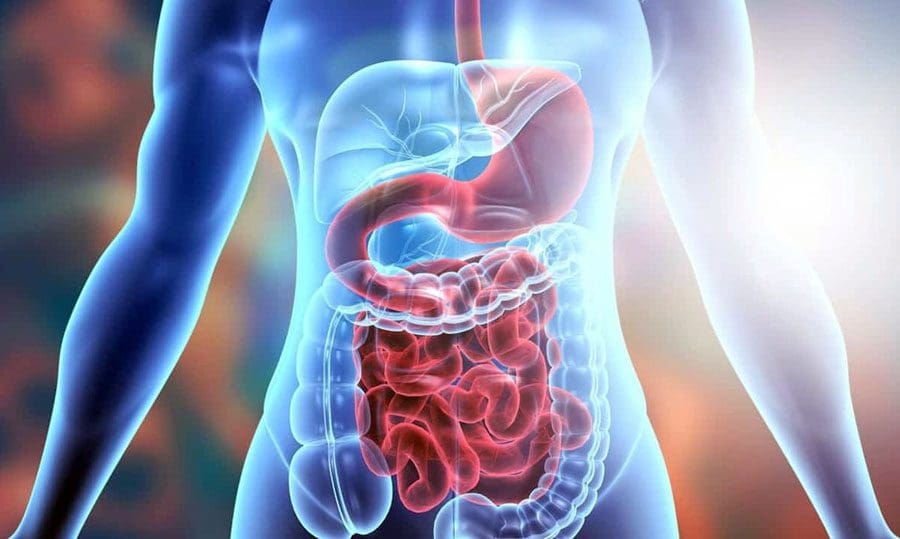
Viscerosomatic Gut Bloating: Everybody has healthy bacteria in the gut, but it can get thrown off balance with unhealthy bacteria that start taking over. Stress, viruses, and antibiotics can disrupt healthy bacteria levels. The bacterial balance known as the microbiome in the intestines is an essential factor in body wellness. The connection between intestinal and overall health is an important one as the gut is responsible for producing serotonin, a primary chemical necessary for emotional wellbeing. A viscerosomatic reflex is an organ/s causing pain to show up in the area where the injured, infected, dysfunctional organ is or, as referred pain in other areas of the body. Stress and unhealthy foods contribute to weight gain, organ stress, and chronic pain.
Viscerosomatic Gut Bloating
Bloating
Bloating is the feeling of pressure or gas in the abdomen. Distention refers to the physical expansion of the abdomen. However, these symptoms can present separately or in combination. Bloating can be a symptom on its own but often presents alongside other gastrointestinal disorders like:
After eating, flatulence, belching, bloating, and distention are a normal part of the digestive process. These issues are not considered problems until they cause pain and/or disrupt everyday life.
Stress
Stress can cause inflammation in the digestive tract, increasing pain receptors and distress-related bloating. Stress can disrupt the normal microbiome, creating intestinal dysbiosisand bacterial overgrowth. This can lead to digestive problems and symptoms that include bloating. This can be partly from excess gas production causing the sensation of bloating and physical distention combined with stress, creating an increased perception of bloating.
Foods Can Cause Inflammation
Animal products can cause inflammation because meat, poultry, and fish contain endotoxins/lipopolysaccharides found in the outer membrane of bacterial cells. These compounds are classified as toxins as they can cause health problems. No matter how these foods are cooked or prepared, the endotoxins are still present, absorbed into the body, and can trigger immune responses like inflammation. Eggs can cause inflammation because they contain high levels of cholesterol and arachidonic acid, which is an acid that is part of the inflammatory response. Excess cholesterol in the blood can trigger inflammation as well.
Dairy products can also trigger the inflammatory response in individuals that don’t produce the lactase enzyme, which breaks down the lactose in dairy products, are intolerant of casein and whey, two proteins in cow milk, or from the hormones and antibiotics given to cows to stimulate milk production and prevent infection. Dairy consumption has been linked to an increased risk of cancer and inflammatory conditions that include:
Acne
Asthma
Type 1 diabetes
Arthritis
Multiple sclerosis
Other Causes of Bloating
Other health conditions can present with visceral gut bloating and distention. This includes disorders and other underlying causes that include:
Musculoskeletal disorders can increase bloating and abdominal distention and can be triggered by stress. Two include:
Abdominal Muscle Dysfunction
These are abnormal contractions of the diaphragm and belly muscles that can occur after eating that can cause the nervous system to create a sense of bloating.
This viscerosomatic reflex leads to unhealthy postures and enlargement of the abdominal muscles that can worsen bloating sensations.
Exercises can be recommended to retrain the muscles to contract, usually after eating, which can help reduce bloating.
Pelvic Floor Dysfunction
Stressful situations naturally cause muscles to tighten, leading to increased contractions in the pelvic floor muscles.
These muscles control the bladder, bowel, and sexual function.
The opposite can happen when the pelvic floor muscles become too relaxed. This can make it difficult to have regular bowel movements.
Increased tone and/or over-relaxed muscles can lead to various symptoms, including bloating.
Chiropractic and Health Coaching
The nervous system controls the digestive process. Properly aligning the spine releases the stress and strain on the bones, muscles, and nerves to work correctly. Chiropractic body adjustments, diet/lifestyle adjustments, supplemental recommendations, and exercises can reduce the underlying causes of viscerosomatic gut bloating. Digestive problems such as:
Chronic heartburn
Gas
Constipation
Diarrhea
Bloating
Irritable bowel syndrome
Chiropractic offers a medication-free approach to treating digestive issues.
Descompresion Espinal DRX9000
References
Dragan, Simona, et al. “Dietary Patterns and Interventions to Alleviate Chronic Pain.” Nutrients vol. 12,9 2510. 19 Aug. 2020, doi:10.3390/nu12092510
Fifi, Amanda C, and Kathleen F Holton. “Food in Chronic Pain: Friend or Foe?.” Nutrients vol. 12,8 2473. 17 Aug. 2020, doi:10.3390/nu12082473
Lacy, Brian E et al. “Management of Chronic Abdominal Distension and Bloating.” Clinical gastroenterology and hepatology: the official clinical practice journal of the American Gastroenterological Association vol. 19,2 (2021): 219-231.e1. doi:10.1016/j.cgh.2020.03.056
Mari, Amir et al. “Bloating and Abdominal Distension: Clinical Approach and Management.” Advances in therapy vol. 36,5 (2019): 1075-1084. doi:10.1007/s12325-019-00924-7
Rice, Amanda D et al. “Decreasing recurrent bowel obstructions, improving quality of life with physiotherapy: Controlled study.” World journal of gastroenterology vol. 24,19 (2018): 2108-2119. doi:10.3748/wjg.v24.i19.2108
IFM's Find A Practitioner tool is the largest referral network in Functional Medicine, created to help patients locate Functional Medicine practitioners anywhere in the world. IFM Certified Practitioners are listed first in the search results, given their extensive education in Functional Medicine




 Health Benefits