Can adding dates to one’s diet be nutritious and provide various health benefits for individuals looking for a naturally sweet snack?
Dates
Dates are a type of dried fruit from the date palm tree. Dates are a healthy source of fiber, calcium, magnesium, potassium, niacin, folate, vitamin A, beta-carotene, lutein, and selenium. They can be a healthier alternative to refined sugar because they have a low glycemic index and do not cause a rapid spike in blood sugar levels. They are a rich source of nutrients, including:
Fiber: High in fiber, which promotes good digestion and helps keep you feeling full.
Potassium: This is essential for heart health and muscle function.
Magnesium: supports bone health and energy production.
Antioxidants: which protect the body from damage caused by free radicals.
Vitamins: a good source of vitamins B6, K, and A.
Consuming them in moderation is recommended, especially for individuals who are trying to lose weight or have diabetes. They are high in sugar, so individuals need to be mindful to avoid or limit additional sources of sugar. Nutritionists and dieticians recommend a modest dose of two large or three small dates, which is around 50 grams and provides half the sugar and calories.
Benefits
Lower Cholesterol
Research has shown that eating dates may also help lower cholesterol and triglyceride levels. However, further research is needed as the current evidence is still inconclusive. (Mirghani H. O. 2024) A recent meta-analysis also showed no significant effect on LDL cholesterol but reduced total cholesterol in individuals with type 2 diabetes.
Help Regulate Blood Sugar
Pitted dates generally don’t contain added sugars but can still contain a significant amount of natural sugars in sucrose, glucose, or fructose. Although their high sugar level may prevent individuals from eating dates as a healthy snack, a key difference between dates and sugary drinks, snacks, or other processed foods is that they contain high levels of fiber. Because of the fiber, which slows glucose absorption in the bloodstream, they also have a low glycemic index, which causes a smaller spike in blood sugar levels. (Mirghani H. O. 2021) Using dates as a sweetener can also be a healthier alternative to refined sugar and can be used in recipes to replace sugar. However, portion control is important.
Support Gut Health
Since dates are high in fiber, they can help the gastrointestinal tract but should be eaten in moderation as part of a balanced, healthy diet. However, they are recommended to be eaten with other fiber-rich foods, specifically those with lower sugar, that includes:
Leafy greens
Non-starchy vegetables
Whole grains
Legumes
Nuts
Seeds
Adding these foods to a diet can also benefit the microbiome. Dates and other fruits can improve the ratio of beneficial gut microbiota. (Eid N. et al., 2015) Eating too many dates could also cause diarrhea, but eating a few daily can help constipation.
Alternatives
Other dried fruits, such as prunes, figs, and apricots, are alternatives, but fresh fruits are an even better choice as they are much lower in calories.
Injury Medical Chiropractic and Functional Medicine Clinic
Injury Medical Chiropractic and Functional Medicine Clinic works with primary healthcare providers and specialists to develop highly effective treatment plans through an integrated approach for each patient and restore health and function to the body through nutrition and wellness, functional medicine, acupuncture, Electroacupuncture, and integrated medicine protocols. We focus on what works for you to relieve pain, restore function, prevent injury, and mitigate issues through adjustments that help the body realign itself. The clinic can also work with other medical professionals to integrate a treatment plan to resolve musculoskeletal problems.
Personalized Medicine and Wellness
References
Mirghani H. O. (2024). Effect of dates on blood glucose and lipid profile among patients with type 2 diabetes. World journal of diabetes, 15(6), 1079–1085. https://doi.org/10.4239/wjd.v15.i6.1079
Mirghani H. O. (2021). Dates fruits effects on blood glucose among patients with diabetes mellitus: A review and meta-analysis. Pakistan journal of medical sciences, 37(4), 1230–1236. https://doi.org/10.12669/pjms.37.4.4112
Eid, N., Osmanova, H., Natchez, C., Walton, G., Costabile, A., Gibson, G., Rowland, I., & Spencer, J. P. (2015). Impact of palm date consumption on microbiota growth and large intestinal health: a randomised, controlled, cross-over, human intervention study. The British journal of nutrition, 114(8), 1226–1236. https://doi.org/10.1017/S0007114515002780
Can walking backward on a treadmill aid in treating conditions and injuries, improving strength, gait, and mobility in the lower extremities and knee, hip, and ankle range of motion (ROM)?
Walking Backward On A Treadmill
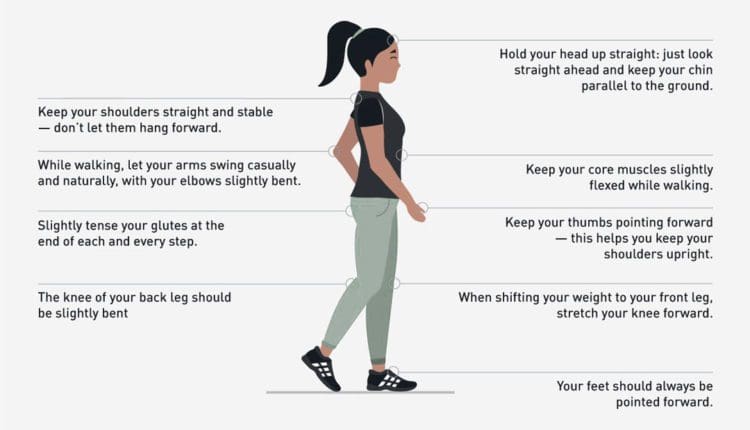
Walking backward is often used in physical therapy to treat multiple conditions and injuries and help improve strength, gait, balance, and mobility in the lower extremities. It is also used to improve knee, hip, and ankle range of motion and lower back pain and burn calories.
The Difference Backward vs. Forward
The difference from forward walking is that certain motions are normal gait characteristics.
First, the leg swings through the air, and the heel lands on the ground.
Then, the straight knee bends slightly as you roll from heel to toe.
As this occurs, the opposite leg rolls from the toes and up into the air.
This heel-to-toe motion repeats, and normal walking takes place.
Reverse walking creates the opposite gait process.
The leg swings through the air and reaches backward with a bent knee.
The toes contact the ground, and the bent knee straightens as you roll from toe to heel.
Then, the heel leaves the ground with the knee straight, repeating the process.
Reverse walking can help increase knee extension range of motion. (Zhang M. et al., 2022)
Individuals with knee injuries, surgeries, or arthritis may lose their knee extension or the knee’s ability to straighten.
The bent knee straightens fully when walking backward, moving from the toes onto the heel.
This helps to improve the range of motion into knee extension.
Quadriceps Function
Reverse walking can improve the function of the quadriceps muscles in the upper thighs. (Alghadir A. H. et al., 2019)
The quads are active when straightening the knee.
Exercises like quad sets, short arc quads, and straight leg raises increase quad strength.
Hamstring Flexibility
The hamstrings are located in the back of the upper thighs and work to bend the knees and extend the hips.
For individuals with tight hamstrings, a therapist may have you walk backward on the treadmill to improve the flexibility of the muscle group. (BBC, 2023)
When walking backward, the hamstring contracts to bend the knee as it swings through the air.
Then, the hamstring is stretched from the toe to heel movement, and the knee straightens.
Walking backward can help reset one’s gait and improve one’s ability to walk forward.
A study on stroke patients found that backward walking training was superior to standing balance training for improving balance and walking speed. (Rose, D. K. et al., 2018)
Burns Calories
Backward walking has been found to burn more calories than forward walking.
As a result, it improves heart and lung health better.
Conditions That Benefit
Individuals with a lower extremity impairment that results in loss of normal walking mobility may benefit from reverse walking. Common conditions that may help include: (BBC, 2023) (DelMastro H. M. et al., 2023)
Hamstring strain
Sciatica with tightness in hamstrings
Hip, knee or ankle surgery
Lower extremity fracture
Cerebral palsy
Multiple sclerosis
Parkinson’s disease
Stroke
A physical therapist will decide if an individual’s condition warrants reverse walking as part of a rehabilitation program.
Injury Medical Chiropractic and Functional Medicine Clinic
Injury Medical Chiropractic and Functional Medicine Clinic works with primary healthcare providers and specialists to develop an optimal health and wellness solution. We focus on what works for you to relieve pain, restore function, and prevent injury. Regarding musculoskeletal pain, specialists like chiropractors, acupuncturists, and massage therapists can help mitigate the pain through spinal adjustments that help the body realign itself. They can also work with other medical professionals to integrate a treatment plan to resolve musculoskeletal issues.
Control Foot Motion and Posture
References
Cha, H. G., Kim, T. H., & Kim, M. K. (2016). Therapeutic efficacy of walking backward and forward on a slope in normal adults. Journal of Physical Therapy Science, 28(6), 1901–1903. https://doi.org/10.1589/jpts.28.1901
Zhang, M., Pang, J., Lu, J., Kang, M., Chen, B., Jones, R. K., Zhan, H., & Liu, A. (2022). The Immediate Effect of Backward Walking on External Knee Adduction Moment in Healthy Individuals. Journal of Healthcare Engineering, 2022, 4232990. https://doi.org/10.1155/2022/4232990
Alghadir, A. H., Anwer, S., Sarkar, B., Paul, A. K., & Anwar, D. (2019). Effect of 6-week retro or forward walking program on pain, functional disability, quadriceps muscle strength, and performance in individuals with knee osteoarthritis: a randomized controlled trial (retro-walking trial). BMC musculoskeletal disorders, 20(1), 159. https://doi.org/10.1186/s12891-019-2537-9
BBC. (2023). Why walking backwards can be good for your health and brain. https://www.bbc.com/future/article/20231110-why-walking-backwards-can-be-good-for-your-health-and-brain
Balasukumaran, T., Olivier, B., & Ntsiea, M. V. (2019). The effectiveness of backward walking as a treatment for people with gait impairments: a systematic review and meta-analysis. Clinical Rehabilitation, 33(2), 171–182. https://doi.org/10.1177/0269215518801430
Rose, D. K., DeMark, L., Fox, E. J., Clark, D. J., & Wludyka, P. (2018). A Backward Walking Training Program to Improve Balance and Mobility in Acute Stroke: A Pilot Randomized Controlled Trial. Journal of Neurologic Physical Therapy: JNPT, 42(1), 12–21. https://doi.org/10.1097/NPT.0000000000000210
Thomas, K. S., Hammond, M., & Magal, M. (2018). Graded forward and backward walking at a matched intensity on cardiorespiratory responses and postural control. Gait & posture, 65, 20–25. https://doi.org/10.1016/j.gaitpost.2018.06.168
DelMastro, H. M., Ruiz, J. A., Simaitis, L. B., Gromisch, E. S., Neto, L. O., Cohen, E. T., Wong, E., Krug, R. J., & Lo, A. C. (2023). Effect of Backward and Forward Walking on Lower Limb Strength, Balance, and Gait in Multiple Sclerosis: A Randomized Feasibility Trial. International journal of MS care, 25(2), 45–50. https://doi.org/10.7224/1537-2073.2022-010
Can bone broth help individuals with gut issues or chronic conditions like inflammatory bowel disorder?
Bone Broth Health
Bone broth is a nutrient-rich beverage made by simmering animal bones, typically from beef, chicken, or fish, in water for an extended period (24-72 hours). It can be used as a beverage or as a base for soups, stews, and sauces.
Process
Bones are roasted or boiled to release flavor.
Bones are placed in a pot with water, vegetables (such as onions, carrots, and celery), herbs (such as parsley and thyme), and spices.
The mixture is simmered over low heat for a long time, allowing the bones to release their nutrients and collagen.
The broth is strained to remove the bones and solids.
Nutrients
Bone broth is a healthy source of:
Collagen
A protein that supports skin, hair, and joint health.
Minerals
Including calcium, magnesium, phosphorus, and silicon.
Amino acids
Essential for building and repairing tissues.
Bone Broth Health Benefits
While there is limited research on the health benefits, the nutrients in bone broth can be beneficial for:
Joint health
Bone density
Digestion
Gut health
Muscle growth and recovery
Hydration
Reduce inflammation
Improve skin elasticity and appearance
Boost immune system
While research on bone broth’s benefits is still limited, it’s a nutritious and hydrating beverage that supports gut health and recovery after a tough workout. It can be drunk on its own or used in cooking. Bone broth is a delicious way to replenish electrolytes and stay hydrated, whether recovering from a flare-up or an intense workout. It is especially helpful for those dealing with gut issues or chronic conditions like inflammatory bowel disorder.
Nutrient-Rich
Bone broth is rich in minerals, including calcium, magnesium, potassium, phosphorus, and iodine.
Joint Health
Collagen is the main source of protein found in bones, tendons, and ligaments.
Research suggests that collagen may support joint health, protect the tissues in joints, and improve symptoms of osteoarthritis. (Martínez-Puig D. et al., 2023)
Anti-Inflammatory
Bone broth contains glycine and arginine, amino acids with anti-inflammatory properties.
Incorporating bone broth into one’s diet can help meet protein goals.
One cup of bone broth contains four to 20 grams of protein.
Digestion and Gut Health
Colostrum is the first milk produced after giving birth, and some research suggests this may offer immune-boosting benefits and gut repair, but more research is needed. (Playford R. J., & Weiser M. J. 2021)
Bone broth contains glutamine, an amino acid that can reduce inflammation in the gut, strengthen the gut lining, and maintain a healthy microbiome.
Many bone broths are high in sodium and may not be suitable for individuals on low-sodium diets. It is recommended that individuals consume less than 2,300 milligrams of sodium per day to support a healthy heart and reduce the risk of high blood pressure, look for other sources of sodium, and incorporate bone broth accordingly. (American Heart Association, 2024) Also, because of the polysaccharides that may leach from the cartilage and the garlic and onions usually present in the bone broth, it’s not suitable for those with a digestive disorder like small intestinal bacterial overgrowth (SIBO) or individuals following a low-FODMAP diet.
What To Look For
Quality
When possible, choose a bone broth that’s grass-fed and organic.
Quality matters because the process of simmering the bones with water pulls all the nutrients, collagen, and protein into the broth.
Starting with the highest quality ingredients ensures it will be as nutritious as possible.
Type
Various types include chicken, beef, turkey, and bison varieties.
Packaging
Bone broth comes in various packaging, including shelf-stable, frozen, or fresh.
When selecting, consider how often it is used, how much is needed, and storage space.
For individuals who drink bone broth daily, buying it in bulk and storing it in the pantry or freezer may be more budget-friendly.
Consistency
Generally, bone broth is a thick, slightly viscous beverage.
Individuals who prefer a thinner liquid should try a shelf-stable broth, which is usually less gelatinous than frozen bone broths.
Powdered bone broth is also a great option for those who prefer a lighter beverage.
Individuals can choose a low-sodium bone broth to limit sodium intake.
Injury Medical Chiropractic and Functional Medicine Clinic
Injury Medical Chiropractic and Functional Medicine Clinic works with primary healthcare providers and specialists to develop highly effective treatment plans through an integrated approach for each patient and restore health and function to the body through nutrition and wellness, functional medicine, acupuncture, Electroacupuncture, and integrated medicine protocols. We focus on what works for you to relieve pain, restore function, prevent injury, and mitigate issues through adjustments that help the body realign itself. The clinic can also work with other medical professionals to integrate a treatment plan to resolve musculoskeletal problems.
Reducing Inflammation In The Body
References
Martínez-Puig, D., Costa-Larrión, E., Rubio-Rodríguez, N., & Gálvez-Martín, P. (2023). Collagen Supplementation for Joint Health: The Link between Composition and Scientific Knowledge. Nutrients, 15(6), 1332. https://doi.org/10.3390/nu15061332
Chen, S., Kim, W., Henning, S. M., Carpenter, C. L., & Li, Z. (2010). Arginine and antioxidant supplement on performance in elderly male cyclists: a randomized controlled trial. Journal of the International Society of Sports Nutrition, 7, 13. https://doi.org/10.1186/1550-2783-7-13
Razak, M. A., Begum, P. S., Viswanath, B., & Rajagopal, S. (2017). Multifarious Beneficial Effect of Nonessential Amino Acid, Glycine: A Review. Oxidative medicine and cellular longevity, 2017, 1716701. https://doi.org/10.1155/2017/1716701
Playford, R. J., & Weiser, M. J. (2021). Bovine Colostrum: Its Constituents and Uses. Nutrients, 13(1), 265. https://doi.org/10.3390/nu13010265
Wang, B., Wu, G., Zhou, Z., Dai, Z., Sun, Y., Ji, Y., Li, W., Wang, W., Liu, C., Han, F., & Wu, Z. (2015). Glutamine and intestinal barrier function. Amino acids, 47(10), 2143–2154. https://doi.org/10.1007/s00726-014-1773-4
Nagahama, K., Nishio, H., Yamato, M., & Takeuchi, K. (2012). Orally administered L-arginine and glycine are highly effective against acid reflux esophagitis in rats. Medical science monitor: international medical journal of experimental and clinical research, 18(1), BR9–BR15. https://doi.org/10.12659/msm.882190
American Heart Association. Association, A. H. (2024). Lifestyle & Risk Reduction, High Blood Pressure. https://www.heart.org/-/media/files/health-topics/answers-by-heart/why-should-i-limit-sodium.pdf
While cheddar cheese’s high-calorie count and saturated fat content have nutritional drawbacks, can a moderate amount be an enjoyable part of a healthy diet?
Cheddar Cheese
Cheddar is a hard, cow’s milk cheese known for its dense, layered texture and nutty flavor. It is a favorite cheese served in quesadillas, mac and cheese, or on burgers. However, cheddar cheese nutrition isn’t considered ideal.
Protein performs a variety of functions in the body.
Protein helps build muscle; it’s necessary to produce enzymes, give structure to cells, maintain fluid balance, and more. (Carbone J. W., & Pasiakos S. M. 2019)
Calorie-Dense
Cheddar is calorie-dense, which increases its satisfaction factor.
May Help Weight Loss
There is the belief that cheese causes weight gain; however, the full-fat dairy paradox, which goes against dietary guidelines, is the idea that full-fat dairy products may be healthier than low-fat or fat-free dairy,
Research now suggests removing fat from dairy products may make them more likely to cause weight gain, making full-fat the better choice for weight management. (Soltani S., & Vafa M. 2017)
Compatible With Keto and Low-Carb Diets
Because of cheddar’s high fat percentage, it’s compatible with high-fat nutrition plans.
With zero carbohydrates, cheddar also fits well in low-carb diets.
Low Lactose
Cheddar is one of the harder, aged cheeses that’s quite low in lactose.
This means lactose-intolerant individuals can often eat it without unpleasant symptoms like bloating, stomach upset, and gas.
Allergies
Although it is low in lactose, cheddar still contains casein and whey, two components that can trigger an immune response in individuals with a dairy allergy. (He, M. et al., 2017)
Storage and Safety
Cheddar does not technically require refrigeration. However, storing it in the fridge will help it last longer. According to the USDA, unopened cheddar can last up to six months in the refrigerator, and opened packages can last three to four weeks. Because it’s a hard cheese, cheddar even takes well to freezing, but this will not extend its life more than refrigeration. The USDA estimates cheddar can be frozen for about six months.
Preparation
Cheddar can be added to any number of cheesy dishes or, of course, served alone with crackers. It doesn’t require high heat to become nice and melty. Try adding a whole-grain base and veggies to increase the nutrients in dishes like cheesy casseroles, Mexican dishes, sandwiches, or pasta.
Injury Medical Chiropractic and Functional Medicine Clinic
Injury Medical Chiropractic and Functional Medicine Clinic works with primary healthcare providers and specialists to develop highly effective treatment plans through an integrated approach for each patient and restore health and function to the body through nutrition and wellness, functional medicine, acupuncture, Electroacupuncture, and integrated medicine protocols. We focus on what works for you to relieve pain, restore function, prevent injury, and mitigate issues through adjustments that help the body realign itself. The clinic can also work with other medical professionals to integrate a treatment plan to resolve musculoskeletal problems.
Osteoporosis
References
U.S. Department of Agriculture. FoodData Central. (2019). Cheddar Cheese. Retrieved from https://fdc.nal.usda.gov/food-details/494681/nutrients
Lordan, R., Tsoupras, A., Mitra, B., & Zabetakis, I. (2018). Dairy Fats and Cardiovascular Disease: Do We Really Need to be Concerned?. Foods (Basel, Switzerland), 7(3), 29. https://doi.org/10.3390/foods7030029
Astrup, A., Geiker, N. R. W., & Magkos, F. (2019). Effects of Full-Fat and Fermented Dairy Products on Cardiometabolic Disease: Food Is More Than the Sum of Its Parts. Advances in nutrition (Bethesda, Md.), 10(5), 924S–930S. https://doi.org/10.1093/advances/nmz069
Hirahatake, K. M., Astrup, A., Hill, J. O., Slavin, J. L., Allison, D. B., & Maki, K. C. (2020). Potential Cardiometabolic Health Benefits of Full-Fat Dairy: The Evidence Base. Advances in nutrition (Bethesda, Md.), 11(3), 533–547. https://doi.org/10.1093/advances/nmz132
Malmir, H., Larijani, B., & Esmaillzadeh, A. (2020). Consumption of milk and dairy products and risk of osteoporosis and hip fracture: a systematic review and Meta-analysis. Critical reviews in food science and nutrition, 60(10), 1722–1737. https://doi.org/10.1080/10408398.2019.1590800
Carbone, J. W., & Pasiakos, S. M. (2019). Dietary Protein and Muscle Mass: Translating Science to Application and Health Benefit. Nutrients, 11(5), 1136. https://doi.org/10.3390/nu11051136
Soltani, S., & Vafa, M. (2017). The dairy fat paradox: Whole dairy products may be healthier than we thought. Medical journal of the Islamic Republic of Iran, 31, 110. https://doi.org/10.14196/mjiri.31.110
He, M., Sun, J., Jiang, Z. Q., & Yang, Y. X. (2017). Effects of cow’s milk beta-casein variants on symptoms of milk intolerance in Chinese adults: a multicentre, randomised controlled study. Nutrition journal, 16(1), 72. https://doi.org/10.1186/s12937-017-0275-0
Can a push-pull workout routine be an option for individuals who want focused training on specific muscle groups and balanced muscle development throughout the body?
Push-Pull Strength Training
A “push-pull” workout is a training style in which you split your exercise routine into separate days dedicated to “push” exercises (targeting muscles like the chest, shoulders, and triceps) and “pull” exercises (targeting muscles like the back and biceps). This allows focused training on each muscle group by isolating their primary movement patterns—pushing away from the body or pulling towards it. The workout often accompanies a separate leg day to complete the full-body workout. This routine comes from bodybuilding. Bodybuilders use this method to maximize their workouts and rest periods. By splitting their workouts into push exercises one day and pull exercises another, they can work out more often without overtraining. (Castanheira R. P. M. et al., 2017)
Upper Body Push Exercises
These exercises involve all the movements that push the weights away from your body. These exercises typically focus on the quads, outer thighs, chest, shoulders, and triceps. (Collins P. 2009)
Pushups
Push-ups are a versatile bodyweight exercise that engages multiple muscle groups, including the chest, shoulders, triceps, and core.
Chest Presses
Chest presses are exercises that target the pectoral muscles (chest muscles).
They can be performed with various equipment and techniques, providing a comprehensive workout for the chest.
Chest Flies
Chest flies are a weightlifting exercise that targets the pectoral muscles (chest muscles).
They are performed by lying on a bench and extending the arms outward with weights in each hand.
The weights are then lowered in an arc motion until they are slightly below chest level before being raised back to the starting position.
Overhead Presses
An overhead press is a weight-training exercise that involves pushing a weight above your head.
Also known as a shoulder, military, or strict press.
Lateral Raises
Lateral raises are an isolation exercise that targets the lateral deltoid muscle on the shoulder’s side.
They raise the arms laterally (out to the sides) while slightly bending at the elbows.
Bent Arm Lateral Raises
A bent-over lateral raise is a weightlifting exercise that strengthens the rear deltoids, the muscles on the back of the shoulders.
It also works other upper and lower body muscles, including the trapezius, rhomboids, triceps, hamstrings, and lower back.
Front Raises
Front raises are a weight training exercise that targets the shoulder muscles.
They can also help build strength and stability in the upper body.
Dips
Dips are an upper-body exercise that uses your body weight to strengthen your triceps and chest.
Triceps Extensions
Triceps extensions are resistance exercises that target the triceps muscles in the back of the upper arm.
They involve extending the arms at the elbows while keeping the shoulders stationary.
Skull Crushers
Skull crushers are a weightlifting exercise that targets the triceps muscles in the upper arms.
They are performed by lying on a bench or floor, holding a weight (such as a dumbbell or barbell) overhead, and then lowering it towards the forehead while keeping the elbows slightly bent.
This exercise helps to strengthen and build muscle mass in the triceps.
Upper Body Pull Exercises
Pull exercises are movements where you are pulling the weight toward your body. These exercises primarily use the biceps, hamstrings, glutes, and back muscles. A routine set up in which you do a push routine one day and a pull routine the next without working the same muscles two days in a row.
Barbell Rows
Often referred to as a “bent-over row” due to the hinged position of your body during the movement.
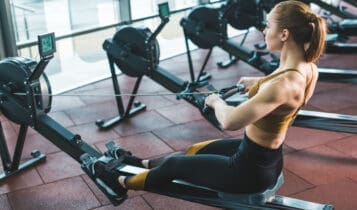
A barbell row is a weightlifting exercise in which you bend over at the hips, grasp a barbell with an overhand grip, and pull the weight toward your stomach.
This exercise primarily targets the upper back muscles, including the latissimus dorsi, while also engaging the core and posterior chain muscles.
One Arm Rows
A variation of the bent-over row, a one-arm row, also known as a single-arm dumbbell row, is an upper-body exercise that targets the back muscles using a dumbbell and a bench.
Double arm rows
A “double arm row” is a rowing exercise in which you simultaneously pull a weight toward your body using both arms, typically with a barbell or dumbbell.
This exercise engages your upper back muscles, including the latissimus dorsi, trapezius, and rhomboids.
To effectively target the back muscles, you maintain a bent-over position. Essentially, it’s the opposite movement of a chest press, but you use both arms simultaneously.
Barbell High Rows
A barbell high row, also known as a wide row, is an exercise that uses a barbell to work the upper and mid back muscles.
Dumbell Pullovers
Dumbbell pullovers are a weightlifting exercise that targets the chest, back, and shoulder muscles.
Seated Rows with Resistance Bands
A “seated row with bands” is an exercise where you sit on the ground, loop a resistance band around your feet, and then pull the handles towards your chest, mimicking a rowing motion.
By squeezing the shoulder blades together, this motion primarily targets the upper back muscles, including the latissimus dorsi and rhomboids.
You are essentially performing a seated row movement using the tension of a resistance band instead of weights.
Lat Pulls with Resistance Band
Lat pulls with a resistance band are a back exercise that strengthens the latissimus dorsi muscles and can improve posture.
Back extensions
Back extensions are an exercise that strengthens and isolates the lower back muscles, also known as the erector spinae.
Seated Alternating Rows
A seated alternating row is an exercise that targets the upper back, biceps, and lats.
It can be performed using a resistance machine or with a band.
Renegade Rows
A renegade row is a full-body exercise that combines a plank with a dumbbell row.
It’s an advanced exercise that targets the upper body, back, shoulders, and core.
Biceps Curls
A bicep curl involves bending the arm at the elbow towards the body, strengthening the biceps, the large muscles in the front of the upper arm.
Home Equipment
Resistance bands and a quality pair of adjustable dumbbells are recommended for home training. These don’t take up much space and can be used for most upper-body exercises. To set up a more dedicated space for workouts, add a weight bench or a full home gym to increase your push-pull training options.
Benefits
Push-pull workouts are great for anybody, whether you’re a bodybuilder or just someone lifting weights to be strong and fit. This routine is usually spread out over three days of training, allowing for shorter workouts. These can help you stay committed despite a busy schedule and are easier than longer, total-body workouts. These exercises can also be done with a cable pulley system or resistance bands.
Day 1 might be a push upper body workout.
Day 2 might be a lower-body workout.
Day 3 might be the pull upper body workout.
First, push-pull workouts allow you to work your muscles without overstressing them. (Castanheira R. P. M. et al., 2017) Second, although they are more frequent, push-pull workouts are shorter, so you can do more because your other muscles are resting. Third, push-pull routines are more interesting and contain more variety, as they can be done in various ways.
Alternating Workouts
Trainers recommend changing workouts every 6-12 weeks to avoid hitting a plateau, which can delay weight loss (American Council on Exercise, 2001). For example, you could do a push-pull routine for a few weeks and then switch to a different training method, pyramid training. Then, return to total body workouts, which you can do up to 3 non-consecutive days a week. Circuit training may be an option because the quick workouts allow you to get your cardio in simultaneously. (Haltom R. W. et al., 1999) With so many different training methods, there’s no need to do the same workouts repeatedly.
Injury Medical Chiropractic and Functional Medicine Clinic
For those who are easily bored with weight training and prefer a variety of exercises, this can be a refreshing way to stay focused and avoid burnout. Injury Medical Chiropractic and Functional Medicine Clinic works with primary healthcare providers and specialists to build optimal health and wellness solutions. We focus on what works for you to relieve pain, restore function, prevent injury, and help mitigate issues through adjustments that help the body realign itself. They can also work with other medical professionals to integrate a treatment plan to resolve musculoskeletal problems.
Transform Your Body
References
Castanheira, R. P. M., Ferreira-Junior, J. B., Celes, R. S., Rocha-Junior, V. A., Cadore, E. L., Izquierdo, M., & Bottaro, M. (2017). Effects of Synergist vs. NonSynergist Split Resistance Training Routines on Acute Neuromuscular Performance in Resistance-Trained Men. Journal of strength and conditioning research, 31(12), 3482–3488. https://doi.org/10.1519/JSC.0000000000001762
American Council on Exercise. (2001). Weight Loss Plateaus and Pitfalls. ACE. https://contentcdn.eacefitness.com/assets/education-resources/lifestyle/fitfacts/pdfs/fitfacts/itemid_69.pdf
Haltom, R. W., Kraemer, R. R., Sloan, R. A., Hebert, E. P., Frank, K., & Tryniecki, J. L. (1999). Circuit weight training and its effects on excess postexercise oxygen consumption. Medicine and science in sports and exercise, 31(11), 1613–1618. https://doi.org/10.1097/00005768-199911000-00018
Can incorporating rice noodles be a healthy alternative to traditional pasta for individuals looking to change their normal routine?
Rice Noodles
Several alternatives are available to replace wheat-based pasta, including:
Black beans
Chickpeas
Edamame
Lentils
Rice
Like gluten-free pasta, rice noodles are made with rice flour instead of semolina wheat. Different types of rice, such as brown and white, can be used to make rice noodles. The ingredients are typically rice flour, water, and tapioca starch for texture. Compared with wheat pasta, rice noodles have a mild flavor and texture.
Regular spaghetti noodles are made with semolina, which comes from durum wheat. Rice noodles are a healthy source of complex carbohydrates, with 41.8g of carbohydrates per serving. Individuals who follow a low-carb diet or track their carb intake should consider portion sizes when enjoying rice noodle dishes.
Fats
Rice noodles contain less than 1g of fat per serving. However, the fat content of meals may vary depending on the other ingredients, sauces, and toppings. Foods high in fat, such as vegetable oils, nuts, seeds, avocados, fish, and eggs, will increase the total fat.
Protein
Rice noodles have 3.1g of protein per serving. Although they are not a significant source of protein, they can be paired with other protein sources, such as meat, fish, or tofu, to make high-protein meals.
Vitamins and Minerals
Rice noodles contain small amounts of:
Calcium
Iron
Magnesium
Zinc
Health Benefits
The noodles are an alternative to regular pasta, which can be a healthful addition to a well-balanced diet and make for a great gluten-free pasta alternative.
Energy Levels
Because they are predominantly made of carbohydrate calories, they are beneficial for increasing and sustaining energy levels.
Gluten-Free Alternative
Rice noodles are especially beneficial for individuals who follow a gluten-free diet.
Individuals with celiac disease and non-celiac gluten sensitivity should read rice noodle packaging carefully to ensure it is gluten-free.
The noodles are also suitable for vegan, vegetarian, low-fat, and low-calorie diets.
Allergies
The noodles are inherently gluten-free because the main ingredient is rice flour. However, individuals with gluten intolerance should ensure no cross-contamination occurs with other non-gluten-free ingredients. Individuals with dietary allergies should check the label to see if cross-contamination may have occurred during processing or if a rice noodle product contains added allergens. Rice noodles are also free of other common allergens, including dairy, soy, eggs, fish, nuts, and wheat.
Preparation
They are cooked by boiling them in water, which rehydrates them. Once cooked, they can be used like regular pasta noodles. They are commonly used in stir-fries and Italian pasta dishes and can be used as substitutes for wheat, egg, and ramen noodles. If a recipe calls for any noodles, use rice noodles instead to change up the texture and flavor.
Storage and Safety
The noodles should be stored in a cool, dry place like the pantry. They come in vacuum-sealed packaging or boxes, so they do not need refrigeration until cooked.
Injury Medical Chiropractic and Functional Medicine Clinic
Injury Medical Chiropractic and Functional Medicine Clinic focuses on and treats injuries and chronic pain syndromes through personalized care plans that improve ability through flexibility, mobility, and agility programs to relieve pain. Our providers use an integrated approach to create customized care plans for each patient and restore health and function to the body through nutrition and wellness, functional medicine, acupuncture, electroacupuncture, and various medicine protocols. If the individual needs other treatment, they will be referred to a clinic or physician best suited for them. Dr. Jimenez has teamed up with top surgeons, clinical specialists, medical researchers, nutritionists, and health coaches to provide the most effective clinical treatments.
Atherosclerosis: The Joint Pain Connection
References
U.S. Department of Agriculture, FoodData Central. (2020). Rice Noodles, cooked. Retrieved from https://fdc.nal.usda.gov/food-details/1101528/nutrients
Could incorporating standing lumbar flexion exercise into a daily routine help decrease pain and improve overall spinal mobility for individuals with low back pain?
Standing Lower Back Flexion Exercise
A chiropractic physical therapy team visit can help determine which exercises are best for an individual’s injury or condition and teach them what to stop doing if they have low back pain. Exercise and proper posture can decrease discomfort and improve mobility for individuals with low back pain. (Suh, J. H. et al., 2019) Sometimes, exercises that bend backward are recommended, while other times, flexion or forward bending movements are the best way to manage lower back pain. Many find the standing Williams lumbar flexion exercises maneuver helpful for low back pain. (Amila A, Syapitri H, Sembiring E. 2021)
Benefits
Individuals with certain diagnoses may benefit from spinal flexion. These diagnoses include:
Be sure to speak with a healthcare provider to understand the diagnosis and low back symptoms, and work with a physical therapist to be sure that forward flexion of the spine is the correct exercise for your back.
When To Avoid Lumbar Flexion
Some should avoid excessive forward bending, which could cause further damage or injury to the spine. Reasons to avoid flexion include:
Neurological signs such as difficulty urinating or controlling bowel movements (Howell E. R. 2012)
Before starting this or any other exercise program for your spine, check with a healthcare provider or physical therapist.
How to Perform
Gradually progressing with other gentle lumbar flexion exercises before full-standing lumbar flexion is recommended. These include performing a week or two of lumbar flexion lying down, followed by a couple weeks of lumbar flexion seated. Once these exercises are easy to perform and pain-free, progress with lumbar flexion standing postures.To perform, follow these steps:
Stand with your feet shoulder-width apart.
Slowly bend forward by sliding your hands down the front of your thighs.
Reach down as far as possible and let your lower back bend forward.
Grab your ankles and gently pull into more forward flexion to increase the backstretch.
Hold the end position for a second or two, then slowly return to the starting position.
As you exercise, be sure to monitor changes in symptoms. Pain worsening in the back or traveling down your leg indicates that you should stop the exercise (Spine-health, 2017). If the pain decreases in your leg or centralizes to your back, continue the exercise. Standing lumbar flexion can be repeated for 10 repetitions a couple of times daily. It can help decrease low back or leg pain symptoms and stretch tight hamstrings and back muscles. (Montefiore Pediatric Orthopedic and Scoliosis Center, 2003)
Injury Medical Chiropractic and Functional Medicine Clinic
Exercise can also prevent future lower back problems. Standing back flexion, postural correction, regular physical activity, and exercise are tools for keeping the spine healthy. Injury Medical Chiropractic and Functional Medicine Clinic works with primary healthcare providers and specialists to build optimal health and wellness solutions. We focus on what works for you to relieve pain, restore function, prevent injury, and help mitigate issues through adjustments that help the body realign itself. They can also work with other medical professionals to integrate a treatment plan to resolve musculoskeletal problems.
What Causes Disc Herniation?
References
Suh, J. H., Kim, H., Jung, G. P., Ko, J. Y., & Ryu, J. S. (2019). The effect of lumbar stabilization and walking exercises on chronic low back pain: A randomized controlled trial. Medicine, 98(26), e16173. https://doi.org/10.1097/MD.0000000000016173
Amila A, Syapitri H, Sembiring E. (2021). The effect of William Flexion Exercise on reducing pain intensity for elderly with low back pain. Int J Nurs Health Serv., 4(1), 28-36. https://doi.org/https://doi.org/10.35654/ijnhs.v4i1.374
Lurie, J., & Tomkins-Lane, C. (2016). Management of lumbar spinal stenosis. BMJ (Clinical research ed.), 352, h6234. https://doi.org/10.1136/bmj.h6234
Sfeir, J. G., Drake, M. T., Sonawane, V. J., & Sinaki, M. (2018). Vertebral compression fractures associated with yoga: a case series. European journal of physical and rehabilitation medicine, 54(6), 947–951. https://doi.org/10.23736/S1973-9087.18.05034-7
Howell E. R. (2012). Conservative management of a 31 year old male with left sided low back and leg pain: a case report. The Journal of the Canadian Chiropractic Association, 56(3), 225–232.
Spine-health. (2017). Exercise with lower back pain: Should you work through the pain? Spine-health
Knowledge from Veritas. https://www.spine-health.com/blog/exercising-lower-back-pain-should-you-work-through-pain
Montefiore Pediatric Orthopedic and Scoliosis Center. Center, M. P. O. a. S. (2003). Low Back Strain. https://www.cham.org/File%20Library/Global%20Navigation/Expertise%20And%20Programs/Pediatric%20Expertise/Orthopedics/Monte-LOW-BACK-STRAIN-WITH-EXERCISES.pdf
IFM's Find A Practitioner tool is the largest referral network in Functional Medicine, created to help patients locate Functional Medicine practitioners anywhere in the world. IFM Certified Practitioners are listed first in the search results, given their extensive education in Functional Medicine