Understanding Chiropractic Spinal Adjustments: Techniques, Benefits, and Integrated Care
Chiropractic spinal adjustments, also known as spinal manipulations or reductions, offer a natural way to address back pain, improve mobility, and support overall health. These procedures focus on aligning the spine to reduce discomfort and enhance body function without surgery or heavy reliance on medications. Many people seek chiropractic care for issues like chronic back pain, neck strain, or injury recovery. This article explores what happens during an adjustment, its effects on the body, common techniques, and how team-based care can boost results.
What Is a Chiropractic Spinal Adjustment?
A chiropractic spinal adjustment involves a trained practitioner using their hands or a tool to apply a quick, controlled force to misaligned parts of the spine. This helps restore proper alignment and movement to the joints. The goal is to ease pain, improve joint function, and reduce pressure on the nerves and surrounding muscles (Cleveland Clinic, n.d.). It’s a non-surgical method that stretches the joint, often releasing gas bubbles like nitrogen, oxygen, and carbon dioxide, which create that familiar cracking sound—similar to when you crack your knuckles (Chiro One, n.d.).
Adjustments target areas of restriction, called subluxations, where vertebrae are out of place or not moving well. By correcting these, the procedure can improve nervous system function, leading to reduced irritation and better overall health (NCCIH, n.d.). Patients often feel an increase in range of motion right away, along with looser muscles.
Key Aspects of a Chiropractic Adjustment
Here are some main features of this treatment:
Procedure: The chiropractor first checks the spine for problem spots. Then, they use a sudden but precise push to fix the joint (Revive Chiropractic DSM, n.d.).
Sensations: You might hear a pop or crack, but it’s just gas escaping the joint fluid, not bones breaking (Cleveland Clinic, n.d.).
Physical Effects: The thrust stretches tight joints, relaxes tense muscles, and frees trapped gases, reducing built-up pressure (Physicians Group LLC, n.d.).
Benefits: It restores normal joint motion, supports nerve health, and reduces pain from nerve compression (Spine Health, n.d.).
What It Feels Like: Most find it painless, though some notice mild soreness afterward, like after a workout. Many report quick relief and easier movement (Complete Care, n.d.).
These elements make adjustments a popular choice for managing pain without invasive options.
Techniques Used in Chiropractic Adjustments
Chiropractors use different methods based on the patient’s needs. Common ones include:
Manual Adjustment: This is a high-velocity, low-amplitude (HVLA) thrust done by hand. It’s direct and aims to realign the spine quickly (Towson Chiro, n.d.).
Instrument-Assisted: Tools provide gentle taps to the spine, ideal for those who prefer less force (Visit Chiro First, n.d.).
Spinal Decompression: Using a specialized table, the spine is stretched to create space between the vertebrae, helping with issues such as herniated discs (Get Adjusted Columbia, n.d.).
These techniques can be tailored to conditions such as whiplash or back injuries sustained in accidents (Utah Therapeutic Massage, n.d.).
What Happens During a Chiropractic Spinal Adjustment
A typical session starts with an assessment. The chiropractor reviews your health history, performs a physical exam, and may use X-rays to identify subluxations (Dubuque Chiropractic, n.d.). Once identified, the adjustment begins.
The practitioner positions you on a table and applies a fast, targeted thrust to the specific joint. This might cause cavitation—the popping sound from gas release in the joint fluid (Starkwood Chiropractic, n.d.). Right after, muscles relax, nerve irritation drops, and joint motion improves (Personal Injury Doctor Group, 2024).
Sessions often include additional therapies such as soft-tissue work, trigger-point release, or stretches to support the adjustment (Boca Chiropractic SW, n.d.). The whole process is quick and focused on comfort.
Benefits of Chiropractic Spinal Adjustments
Regular adjustments offer several advantages:
Pain Relief: They reduce mechanical stress on the spine and ease nerve compression, helping with back, neck, and headache pain (Chiro One, n.d.).
Improved Function: By fixing alignment, they enhance posture and spinal health, preventing future issues (Boca Chiropractic SW, n.d.).
Nervous System Support: Adjustments promote improved nerve signaling, supporting overall bodily function (Physicians Group LLC, n.d.).
Faster Recovery: For injuries like car accidents, this approach speeds healing by addressing root causes (Dallas Accident and Injury Rehab, n.d.).
Studies show these benefits lead to higher patient satisfaction when combined with other care (My Chiro, n.d.).
Incorporating an Interdisciplinary Team for Better Results
Bringing in a team of experts—like advanced practice registered nurses (APRNs), family nurse practitioners (FNP-BC), certified functional medicine providers (CFMP and IFMCP), advanced translational nutrigenomics specialists (ATN), and certified chiropractic spinal trauma experts (CCST)—makes treatment more effective. This approach combines structural fixes with medical and nutritional support to provide holistic care (Health Coach Clinic, n.d.).
For complex cases, such as auto injuries or chronic pain, this team provides comprehensive plans. It focuses on root causes rather than just symptoms, leading to lasting improvements (LinkedIn, n.d.).
How Each Role Contributes
APRN/FNP-BC: These nurses offer medical checks, diagnose issues, and manage meds if needed. They educate patients and integrate chiropractic with traditional medicine to improve pain control (Nursing World, n.d.; Goodwin University, n.d.).
CFMP/IFMCP: They dig into metabolic and nutritional roots of problems, using functional medicine to heal the musculoskeletal system faster (LinkedIn, n.d.).
ATN: By studying genetics and nutrition, they create custom diets and supplements to cut inflammation and aid repair (Jimenez, n.d.).
CCST: Experts in spinal trauma handle tough injuries like whiplash or disc herniations with advanced techniques (Spine Stop, n.d.).
This teamwork enhances outcomes, especially in recovery from accidents or ongoing conditions (Dallas Accident and Injury Rehab, n.d.).
Clinical Observations from Dr. Alexander Jimenez, DC, APRN, FNP-BC
Dr. Alexander Jimenez, with his dual roles in chiropractic and nursing, observes that adjustments restore function in conditions such as sciatica and herniated discs by reducing nerve compression without surgery (Jimenez, n.d.). He notes that patients often experience rapid pain relief and improved mobility after sessions, especially when combined with functional nutrition.
In trauma cases, such as car accidents, Jimenez highlights how spinal decompression and shockwave therapy speed recovery by addressing inflammation and nerve damage (LinkedIn, n.d.). His integrated approach, blending chiropractic with nutrigenomics, helps address root causes such as gut issues that affect spinal health. Patients report reduced symptoms in fibromyalgia and neuropathies through personalized plans that include team input from therapists and nutritionists.
Jimenez emphasizes holistic care for all ages, using assessments to uncover environmental factors. His observations show that interdisciplinary teams lead to sustained health, with testimonials praising relief from chronic pain and improved vitality (Jimenez, n.d.).
Conclusion
Chiropractic spinal adjustments provide a safe, effective way to manage pain and improve spinal health. By understanding the process, techniques, and benefits, you can see why many choose this path. Adding an interdisciplinary team takes it further by offering comprehensive care for better long-term results. If you’re dealing with back issues or injuries, consider consulting a qualified chiropractor.
Nutrition is considered to be one of the most well-understood environmental factors associated with changes in the epigenome. Nutrients in the foods we eat are processed by our metabolism and turned into energy. One metabolic pathway, however, is responsible for producing methyl groups or fundamental epigenetic marks that regulate our gene expression. Essential nutrients, such as B vitamins, SAM-e (S-Adenosyl methionine), and folic acid are important components in this methylation process. Diets with high amounts of these essential nutrients can quickly change gene expression, especially during early development. In the following article, we will discuss the connection between nutrition and the epigenome.
Nutrigenomics and Health
Healthcare professionals discuss that when it comes to dealing with health issues like inflammation and chronic pain, understanding how nutrigenomics affects our overall health is important. Nutritional genomics, or nutrigenomics, is a science that studies the relationship between nutrition, health, and the genome. Researchers in the nutrigenomics field believe that changes in epigenetic marks may be associated with a variety of health issues, including inflammation or the development of diseases like obesity, heart problems, and cancer. Studies have demonstrated that we may be able to control the effects of the nutrients we eat in order to change gene expression associated with various health issues.
Approximately more than 1 out of 3 adults in the United States have been diagnosed with obesity which ultimately increases the risk of a variety of health issues, including prediabetes and type 2 diabetes, among other diseases. Previous studies have demonstrated that changes in epigenetic marks during early development may even predispose individuals to obesity. Moreover, changes in epigenetic marks were also demonstrated to affect metabolic pathways that may increase the risk of prediabetes and type 2 diabetes. Healthcare professionals in the nutrigenomics field have created new ways to be able to better find balance through a wholesome understanding of nutrition and the epigenome.
“An epigenetic test can provide data that is useful for healthcare professionals. It may also offer information about how certain metabolic pathways are affected by essential nutrients, such as vitamins and minerals”.
What is the Epigenetics Diet?
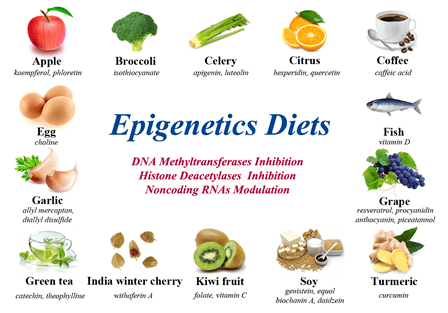
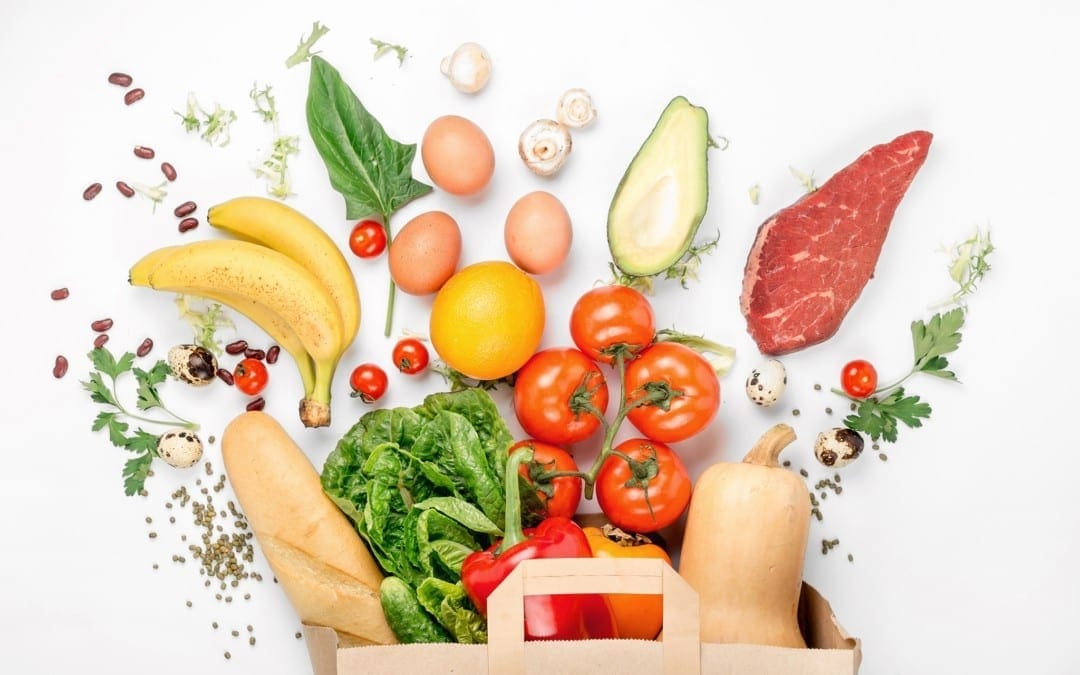
The term “epigenetics diet” was first coined by Dr. Trygve Tollefsbol in 2011. It is medically defined as a group of compounds, such as resveratrol in red grapes, genistein in soybeans, isothiocyanates in broccoli, and many other well-known types of foods, which have been demonstrated to help change epigenomic marks and gene expression. According to researchers, the epigenetics diet can prevent the progression of tumors by regulating enzymes that control these epigenomic marks and gene expression, including DNA methyltransferases, histone deacetylases, and certain non-coding RNAs. Several types of foods included in the epigenetics diet are demonstrated in the following infographic:
Researchers used recently advanced technologies that demonstrated how several bioactive compounds may aggravate damage to the epigenome caused by environmental pollutions. By way of instance, dietary supplementation with methyl donors, such as vitamin B12, choline, and folate, among others, as well as the isoflavone genistein, can regulate changes to epigenome marks and gene expression caused by bisphenol A, a hormone-disrupting chemical. B vitamins may also prevent the loss of DNA methylation caused by air pollution. According to these same studies, dietary supplementation with folic acid has also been demonstrated to help prevent the negative side-effects caused by heavy metals.
We believe that foods in the epigenetics diet could be used to counteract changes to gene expression and epigenomic marks caused by environmental pollution. Environmental pollutants in several types of foods, such as pesticides in fruits like strawberries and leafy greens like spinach, bisphenol A in the plastic containers of foods and drinks, dioxins in fatty foods, polycyclic aromatic hydrocarbons produced when meat is grilled or smoked at high temperatures, and mercury in several types of seafood like king mackerel and swordfish, have been associated with changes to epigenomic marks and gene expression. Those exposures, especially during early development, may cause various health issues.
For more information regarding the connection between nutrition and the epigenome, please review this article:
Nutrition is one of the most understood environmental factors associated with changes in epigenomic marks and gene expression. Essential nutrients found in the different types of foods we eat are metabolized and turned into molecules in order to be used for energy by the human body. One metabolic pathway is responsible for creating methyl groups, important epigenetic marks that regulate our gene expression and epigenomic marks. Essential nutrients, including B vitamins, SAM-e (S-Adenosyl methionine), and folic acid are fundamental components in DNA methylation. Diets that are rich in these essential nutrients can quickly change epigenetic marks and gene expression, especially during early development. Furthermore, adding a variety of good foods to a smoothie can be a fast and easy way to add essential nutrients to your diet. Below is a fast and easy smoothie recipe to help feed your genes. – Dr. Alex Jimenez D.C., C.C.S.T. Insights
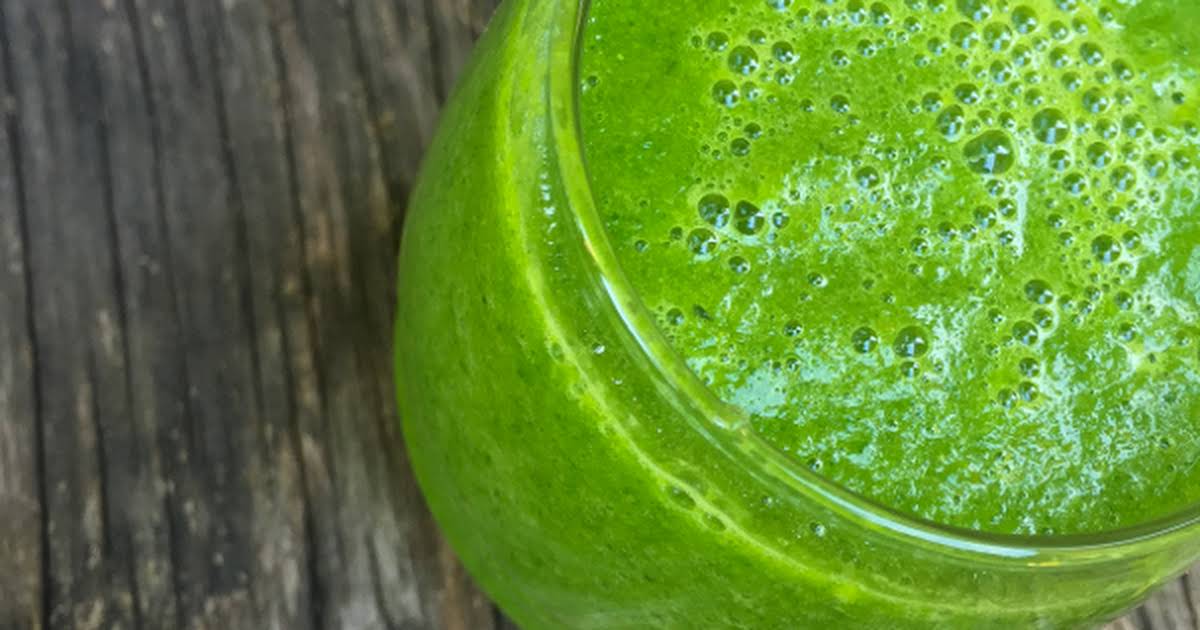
Ginger Greens Juice
Servings: 1 Cook time: 5-10 minutes
� 1 cup pineapple cubes
� 1 apples, sliced
� 1-inch knob of ginger, rinsed, peeled and chopped
� 3 cups kale, rinsed and roughly chopped or ripped
� 5 cups Swiss chard, rinsed and roughly chopped or ripped
Juice all ingredients in a high-quality juicer. Best served immediately.
Add Nasturtium to Your Smoothies
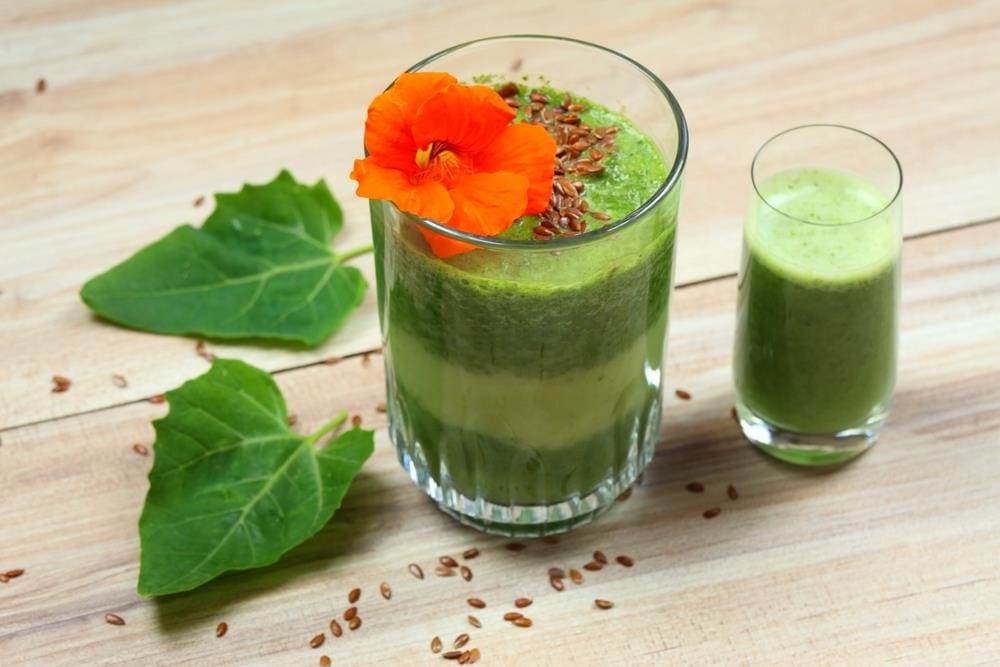
Adding nasturtium flowers and leaves to any smoothie can add extra nutrients. These lovely plants are easy to grow and the entire plant is edible. Nasturtium leaves are high in vitamin C, which is essential for a healthy immune system, and they also contain calcium, potassium, phosphorus, zinc, copper, and iron. According to healthcare professionals, the extract from the flowers and leaves have antimicrobial, antifungal, hypotensive, expectorant, and anticancer effects. Antioxidants in garden nasturtium occur due to its high content of compounds such as anthocyanins, polyphenols, and vitamin C. Due to its rich phytochemical content and unique elemental composition, the garden nasturtium may be used in the treatment of a variety of health issues, including respiratory and digestive problems. Not to mention, the flowers and leaves look absolutely lovely in smoothies.
The scope of our information is limited to chiropractic, musculoskeletal, and nervous health issues or functional medicine articles, topics, and discussions. We use functional health protocols to treat injuries or disorders of the musculoskeletal system. Our office has made a reasonable attempt to provide supportive citations and has identified the relevant research study or studies supporting our posts. We also make copies of supporting research studies available to the board and or the public upon request. To further discuss the subject matter above, please feel free to ask�Dr. Alex Jimenez�or contact us at�915-850-0900.
Curated by Dr. Alex Jimenez D.C., C.C.S.T.
References:
Kirkpatrick, Bailey. �Epigenetics, Nutrition, and Our Health: How What We Eat Could Affect Tags on Our DNA.� What Is Epigenetics?, What Is Epigenetics? Media, 11 May 2018, www.whatisepigenetics.com/epigenetics-nutrition-health-eat-affect-tags-dna/.
Li, Shizhao, et al. �The Epigenetics Diet: A Barrier against Environmental Pollution.� On Biology, BMC Media, 23 May 2019, blogs.biomedcentral.com/on-biology/2019/05/20/the-epigenetics-diet-a-barrier-against-environmental-pollution/.
Researchers are trying to understand how nutrigenomics can affect a person’s health. Studies have shown that epigenetics increases the risk of several health issues. Other studies have also shown that nutrition can change the risk of disease. For many years, researchers have studied the way that traits in plants and animals are passed down between generations. However, this process is still not well understood. A recent study evaluated how epigenetic marks are passed down between generations of pregnant rats given personalized nutrition. The findings showed both genetic and characteristics changes in the rats’ offspring. This suggests that maternal traits and diet may send different signals to the fetus.
Another study showed methylation changes in mice given more methyl donor intakes over six generations. These findings demonstrated that genetic and characteristic changes passed down between generations may be how environmental factors affect genes in plants and animals to allow adaptation to different environments.�The purpose of the following article is to discuss how nutrigenomics and traits between generations can ultimately affect a person’s overall well-being.
Epigenetics, Nutrition, and Exercise
Researchers have determined that the role of epigenetics in health issues like cancer is caused by methylation changes in several different types of genes and it is commonly associated with aging. However, the increased risk of cancer may be due to factors in the person’s immediate course of life where changes in epigenetics may happen years before the development of health issues like cancer. One study found that methylation of the breast-cancer-related gene is associated with the increased risk of early-onset breast cancer. Other studies have shown that resveratrol prevents methylation changes while folic acid affected gene expression associated with changes in methylation and other functions.
Eicosapentaenoic acid also caused methylation changes in the tumor suppressor gene associated with leukemia cells. This study demonstrated the effect of a polyunsaturated fatty acid on epigenetics. Another study found that methylation increased in women diagnosed with human papillomavirus that didn’t have cervical intraepithelial neoplasia. The changes in methylation were associated with higher concentrations of folate and cobalamin in the blood stream. Another study also found that methylation changes in the tumor suppressor gene L3MBTL1 were ultimately associated with overall health. Further studies are necessary to determine how nutrition can affect epigenetics and traits between generations.
Two studies evaluated the effects of exercise on methylation. One of the studies showed methylation changes in people who participated in physical activities for about 30 minutes every day compared with people who engaged in physical activities for less than 10 minutes every day. In the other study, volunteers who participated in exercise demonstrated changes in methylation and gene expression. These findings suggest that methylation is affected by physical activity.
Nutrigenomics and Risk of Health Issues
Numerous studies have evaluated the role of epigenetics in people with diabetes. According to researchers, changes in methylation of several genes have been shown to be associated with insulin resistance in patients with diabetes. A single change in gene expression caused significant methylation changes in people with diabetes compared to healthy controls. However, other studies found changes in traits between generations and obesity. Furthermore, methylation changes did happen in people with normal glucose metabolism which then developed impaired glucose homeostasis. Various genes have been shown to be different in people with diabetes compared to healthy controls, according to the studies.
According to numerous other studies, twins were found to have increased methylation associated with increased insulin resistance. These findings suggest that epigenetic marks associated with diabetes may occur before symptoms and determine the risk of disease. In conclusion, increasing evidence has demonstrated that nutrition can ultimately cause changes to a person’s epigenetics and how these are associated with the increased risk of developing health issues.
For more information regarding how epigenetics affects personalized nutrition, please review this article:
Healthcare professionals and researchers have demonstrated that we can change our epigenetics and gene expression as well as improve the risk of developing a variety of health issues, including inflammation and cancer, which can ultimately cause chronic pain, by controlling the food we eat and focusing on our nutrigenomics. Starting in the kitchen and then taking it directly to the genes, if we follow balanced nutrition, we will see a significant change in our overall health and well-being. At our clinic, we have the ability to assess your specific genetic factors and what dietary guidelines are best for you. One test we use for this is from DNA life, called DNA Diet. A sample of this report is shown below:�
Studies show that nutrition can affect methylation and gene expression. These studies have also found that balanced nutrition can improve how good food affects our overall health and well-being. The following article discussed how our epigenetics can affect traits passed down between generations, including methylation and the risk of disease. Although a good diet is essential it may be difficult for some people to follow. Drinking juices or smoothies can be easy ways to include the balanced nutrition we need to promote our health and well-being. Below, I’ve provided a smoothie recipe so you can address your nutrigenomics from the kitchen to your genes. – Dr. Alex Jimenez D.C., C.C.S.T. Insights
Berry Bliss Smoothie
Servings: 1 Cook time: 5-10 minutes
1/2 cup blueberries (fresh or frozen, preferably wild)
1 medium carrot, roughly chopped
1 tablespoon ground flaxseed or chia seed
1 tablespoons almonds
Water (to desired consistency)
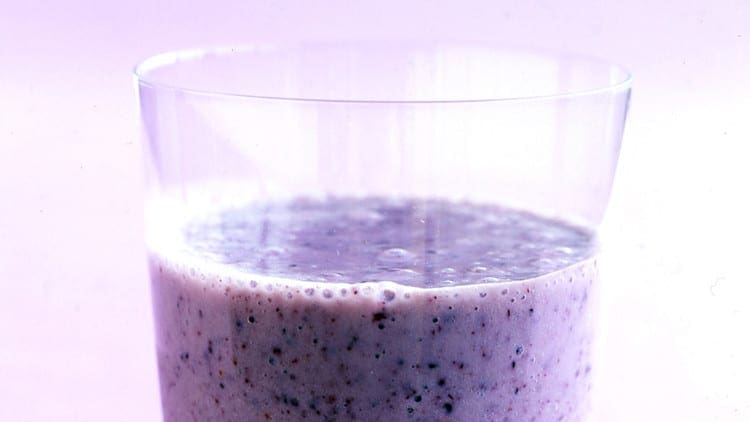
Ice cubes (optional, may omit if using frozen blueberries)Blend all ingredients in a high-speed blender until smooth and creamy. Best served immediately.
The scope of our information is limited to chiropractic, musculoskeletal, and nervous health issues or functional medicine articles, topics, and discussions. We use functional health protocols to treat injuries or disorders of the musculoskeletal system. Our office has made a reasonable attempt to provide supportive citations and has identified the relevant research study or studies supporting our posts. We also make copies of supporting research studies available to the board and or the public upon request. To further discuss the subject matter above, please feel free to ask�Dr. Alex Jimenez�or contact us at�915-850-0900.
Curated by Dr. Alex Jimenez D.C., C.C.S.T.
References:
KA;, Burdge GC;Hoile SP;Lillycrop. �Epigenetics: Are There Implications for Personalised Nutrition?� Current Opinion in Clinical Nutrition and Metabolic Care, U.S. National Library of Medicine, 15 Sept. 2012, pubmed.ncbi.nlm.nih.gov/22878237/.
Healthcare professionals commonly give nutritional recommendations based on an entire population, only sometimes changing these according to age, sex, and pregnancy. Over the last 20 years, however, an increase in research studies has demonstrated that epigenetics can ultimately affect nutrition and even increase the risk of developing a variety of health issues, including oxidative stress and inflammation. Recent advances in technology are also currently being used to help healthcare professionals understand how nutrigenomics can affect an individual’s overall health and wellness.
Several research studies have also demonstrated that single nucleotide polymorphisms can explain the risk for individual complex disease traits. A single-nucleotide polymorphism, or SNP, is a substitution of a nucleotide that happens in the genome. Moreover, further research studies can be utilized to explain the variation in health issue risk based on nutrition and genome. The purpose of the following article is to discuss recent developments in the field of epigenetics and personalized nutrition as well as to consider the contribution of research studies to nutritional recommendations.
Understanding Nutrigenomics
Epigenetics is a collection of changes that affect chromatin structure, without altering our DNA sequence, while allowing transcriptional regulation over a range of timescales. Common epigenetic processes include histone modification, non-coding RNAs, and DNA methylation. Many research studies on how epigenetics affects personalized nutrition focus on DNA methylation, however, research findings have demonstrated other epigenetic marks. DNA methylation inside a dinucleotide is a well-known modification in the genome of a variety of mammals in DNA replication and cell division.
Methylation of dinucleotides is shown by DNA methyltransferases, or Dnmts, and is regulated by mitosis. DNA methylation can trigger transcriptional silencing by blocking and/or promoting the connection of transcription factors in the methyl CpG-binding protein MeCP2 which activates histone-modifying complexes to the DNA. MeCP2 activates what is frequently referred to as histone deacetylases, or HDACs, and histone methyltransferases, or HMTs, resulting in a closed chromatin structure and transcriptional silencing. These have been demonstrated to be associated with various health issues.
Dnmt1 is activated by HDACs and HMTs which suggests that chromatin structure may also affect the status of DNA methylation in the regulation of genes associated with nutrition. According to healthcare professionals, epigenetic marks are essentially maintained throughout an individual’s life. However, recent research findings show that epigenetic plasticity can be affected in early development, including in stages of increased physiological changes, such as puberty and aging. This ultimately suggests the possibility that epigenotypes associated with the increased risk of developing health issues can change.
Epigenetics, Personalized Nutrition, and Origins of Health Issues
Research studies have demonstrated that our early life environment can affect our epigenetic process and the origins of health issues. Healthcare professionals also believe that nutrition in our early life can affect our epigeno- and phenotype in the future. Pregnant rat groups given a diet with corn oil resulted in hypermethylation and decreased gene expression in the offspring, causing mature osteoblasts. This is the first research study to find how maternal diet affects epigenetic processes by altering morphogenesis and changing non-imprinted gene expression in pregnant rat groups.
Pregnant rat groups given a diet with an undisclosed type of fat had increased fetal blood glucose concentration and increased mRNA expression of gluconeogenic genes in the fetal liver. A recent research study found that the amount of fat in the maternal diet was one of the major factors resulting in epigenetic changes in the offspring of pregnant rat groups. The diets given to the pregnant rat groups including fat derived from safflower oil, butter, hydrogenated soybean oil, or fish oil caused hypermethylation in the offspring compared with those where pregnant rat groups were only given 7 percent fat.
Furthermore, one research study found that pregnant rat groups given a protein-restricted, or PR, diet developed epigenetic silencing in both histone modifications and DNA methylation which was followed by progressive transcriptional suppression as the offspring aged. The research findings suggest that nutrition during early development can ultimately cause long-term changes in phenotype. Pregnant rat groups given a PR diet also developed hypomethylation of specific dinucleotides in the adipose tissue leptin promoter and in the heart PPARa promoter in adult offspring.
For more information regarding how epigenetics affects personalized nutrition, please review this article:
Healthcare professionals have demonstrated that we can change gene expression and improve the risk of developing a variety of health issues, including oxidative stress and inflammation which can cause chronic pain, by controlling the food we eat. Starting in the kitchen and then taking it to the genes, if we follow a balanced nutrition, we will see a considerable change in our overall health and wellness. We have the ability to assess your specific genetic factors and what dietary guidelines are best for you to follow. One test we use is from DNA life called DNA Diet. A sample of this report is shown below:�
Research studies have demonstrated how epigenetics affect personalized nutrition. The same research studies have also demonstrated that a balanced nutrition can change our gene expression to improve how good food affects our overall health and wellness. While following a proper diet can help improve the risk of developing a variety of health issues, including oxidative stress and inflammation associated with chronic pain, eating good food may be difficult for some people. That’s why drinking smoothies or juices can be easy ways to include the balanced nutrition we need to promote our well-being. In the section below, I’ve provided a smoothie recipe so you can take your health and wellness from the kitchen to your genes. – Dr. Alex Jimenez D.C., C.C.S.T. Insights
Sea Green Smoothie
Servings: 1 Cook time: 5-10 minutes
� 1/2 cup cantaloupe, cubed
� 1/2 banana
� 1 handful of kale or spinach
� 1 handful of Swiss chard
� 1/4 avocado
� 2 teaspoons spirulina powder
� 1 cup water
� 3 or more ice cubes
Blend all ingredients in a high-speed blender until completely smooth and enjoy!
The scope of our information is limited to chiropractic, musculoskeletal, and nervous health issues or functional medicine articles, topics, and discussions. We use functional health protocols to treat injuries or disorders of the musculoskeletal system. Our office has made a reasonable attempt to provide supportive citations and has identified the relevant research study or studies supporting our posts. We also make copies of supporting research studies available to the board and or the public upon request. To further discuss the subject matter above, please feel free to ask�Dr. Alex Jimenez�or contact us at�915-850-0900.
Curated by Dr. Alex Jimenez D.C., C.C.S.T.
References:
KA;, Burdge GC;Hoile SP;Lillycrop. �Epigenetics: Are There Implications for Personalised Nutrition?� Current Opinion in Clinical Nutrition and Metabolic Care, U.S. National Library of Medicine, 15 Sept. 2012, pubmed.ncbi.nlm.nih.gov/22878237/.
Dr. Alex Jimenez Discusses the Basics of Methylation Status and Activity
Methylation is the process of producing and/or developing a “one-carbon metabolism” from methyl, or CH3, groups. The main methyl donor group utilized for DNA methylation activity is known as s-adenosyl-L-methionine, or SAMe. Other methylation donors, such as MTHFR, COMT, and DNMT, will also use SAMe as their co-factor when regulating DNA methylation status.
According to healthcare professionals, DNA methylation occurs numerous times per second and it is in charge of a variety of bodily functions. Because methylation happens continuously throughout the human body, our overall health and wellness can determine whether we will be involved in healthy methylation activity or some sort of compromised methylation status.
DNA Methylation in the Human Body
DNA methylation is involved in a variety of fundamental processes throughout the body, such as cell division or DNA and RNA synthesis, early CNS development to address neural tube defects, epigenetic regulation of gene expression, immune cell differentiation, neurotransmitter biosynthesis and metabolism, such as that of dopamine, norepinephrine, epinephrine, and acetylcholine, histamine clearance, detoxification and hormone biotransformation, cellular energy metabolism, phospholipid synthesis, and myelination of peripheral nerves, among other processes.
The biochemical pathway chart above demonstrates the metabolism of methylation donors as well as their basic function, including that of MTHFR. Several methyl donors are also demonstrated to interchange reversibly while several methyl donors are only demonstrated to transfer into one-way pathways. Insufficient co-factors or vitamins and minerals associated with these can cause imbalances and deficiencies when regulating DNA methylation status. The methylation cycle works together methylation donors to recycle homocysteine into the by-product of that process. The compounds, such as the nutrients, minerals, and enzymes involved in this reaction also shown in the biochemical pathway above.
Basics of Methylation Status & Activity
Methylation can be affected by genetic as well as external and environmental factors. Our extended exposure to these otherwise harmful factors can even alter an individual’s epigenome. DNA methylation occurs at CpG regions through the utilization of DNMT enzymes associated with gene repression to become five different methylation groups.
A variety of DNMT’s are in charge of maintaining and regulating DNA methylation status and activity. DNMT1 is in change of controlling DNA methylation patterns. DNMT3A and DNMT3B are in charge of producing new methylation triggers and they’re also involved in genomic imprinting during embryonic development. Methylation begins to occur during the early perinatal period, where we inherit our parent’s methylation marks.
Understanding how DNA methylation status is influenced by our health and wellness is fundamental to promote methylation support. The utilization of supplements and/or medicine can help improve DNA methylation, however, there may be a risk of side-effects. Nutrition and lifestyle modifications are safe and effective options to help improve overall DNA methylation.
Promoting methylation support is an essential process towards maintaining overall health and wellness. DNA methylation is involved in a variety of bodily functions. Maintaining and regulating healthy methylation can help prevent a variety of health issues, as we will discuss in the next series of articles. The purpose of the following article is to introduce the basics of DNA methylation. It’s fundamental to understand how nutrition, lifestyle habits, supplements and even medicines, can improve DNA methylation as well as to promote overall health and wellness.
Dr. Alex Jimenez D.C., C.C.S.T. Insight
Smoothies and Juices for Methylation Support
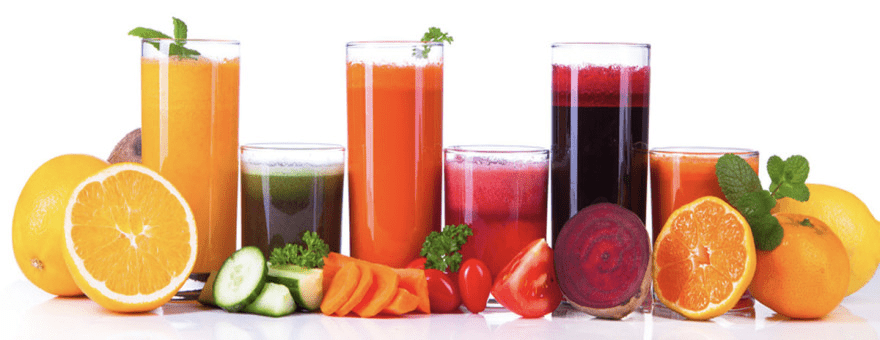
While many healthcare professionals can recommend nutritional guidelines and lifestyle modifications to improve methylation support, there are several options you can try yourself at home. As described above, methylation support supplementation should be determined by a healthcare professional. Smoothies and juices are a fast and easy way to include all the necessary nutrients you need for methylation support without any side-effects. The smoothies and juices below are part of the Methylation Diet Food Plan.Sea Green Smoothie
Servings: 1
Cook time: 5-10 minutes
� 1/2 cup cantaloupe, cubed
� 1/2 banana
� 1 handful of kale or spinach
� 1 handful of Swiss chard
� 1/4 avocado
� 2 teaspoons spirulina powder
� 1 cup water
� 3 or more ice cubes
Blend all ingredients in a high-speed blender until completely smooth and enjoy!
Berry Bliss Smoothie
Servings: 1
Cook time: 5-10 minutes
� 1/2 cup blueberries (fresh or frozen, preferably wild)
� 1 medium carrot, roughly chopped
� 1 tablespoon ground flaxseed or chia seed
� 1 tablespoons almonds
� Water (to desired consistency)
� Ice cubes (optional, may omit if using frozen blueberries)
Blend all ingredients in a high-speed blender until smooth and creamy. Best served immediately!
Sweet and Spicy Juice
Servings: 1
Cook time: 5-10 minutes
� 1 cup honeydew melons
� 3 cups spinach, rinsed
� 3 cups Swiss chard, rinsed
� 1 bunch cilantro (leaves and stems), rinsed
� 1-inch knob of ginger, rinsed, peeled and chopped
� 2-3 knobs whole turmeric root (optional), rinsed, peeled and chopped
Juice all ingredients in a high-quality juicer. Best served immediately!
Ginger Greens Juice
Servings: 1
Cook time: 5-10 minutes
� 1 cup pineapple cubes
� 1 apple, sliced
� 1-inch knob of ginger, rinsed, peeled and chopped
� 3 cups kale, rinsed and roughly chopped or ripped
� 5 cups Swiss chard, rinsed and roughly chopped or ripped
Juice all ingredients in a high-quality juicer. Best served immediately!
Zesty Beet Juice
Servings: 1
Cook time: 5-10 minutes
� 1 grapefruit, peeled and sliced
� 1 apple, washed and sliced
� 1 whole beet, and leaves if you have them, washed and sliced
� 1-inch knob of ginger, rinsed, peeled and chopped
Juice all ingredients in a high-quality juicer. Best served immediately!
Protein Power Smoothie
Serving: 1
Cook time: 5 minutes
� 1 scoop protein powder
� 1 tablespoon ground flaxseed
� 1/2 banana
� 1 kiwi, peeled
� 1/2 teaspoon cinnamon
� Pinch of cardamom
� Non-dairy milk or water, enough to achieve desired consistency
Blend all ingredients in a high-powered blender until completely smooth. Best served immediately!
ProLon� Fasting Mimicking Diet
Balanced methylation support can be achieved through proper nutrition. The ProLon� fasting mimicking diet offers a 5-day meal program which has been individually packed and labeled to serve the foods you need for the FMD in precise quantities and combinations. The meal program is made up of ready-to-eat or easy-to-prepare, plant-based foods, including bars, soups, snacks, supplements, a drink concentrate, and teas. The products are scientifically formulated and great tasting. Before starting the ProLon� fasting mimicking diet, 5-day meal program, please make sure to talk to a healthcare professional to find out if the FMD is right for you. The ProLon� fasting mimicking diet can help promote methylation support, among a variety of other healthy benefits.
Many doctors and functional medicine practitioners can recommend nutritional advice and/or guidelines to help improve DNA methylation. Proper nutrition and lifestyle habits can ultimately help improve DNA methylation. The scope of our information is limited to chiropractic, musculoskeletal and nervous health issues as well as functional medicine articles, topics, and discussions. To further discuss the subject matter above, please feel free to ask Dr. Alex Jimenez or contact us at 915-850-0900 .
Curated by Dr. Alex Jimenez
Additional Topic Discussion: Acute Back Pain
Back pain is one of the most prevalent causes of disability and missed days at work worldwide. Back pain attributes to the second most common reason for doctor office visits, outnumbered only by upper-respiratory infections. Approximately 80 percent of the population will experience back pain at least once throughout their life. Your spine is a complex structure made up of bones, joints, ligaments, and muscles, among other soft tissues. Injuries and/or aggravated conditions, such as herniated discs, can eventually lead to symptoms of back pain. Sports injuries or automobile accident injuries are often the most frequent cause of back pain, however, sometimes the simplest of movements can have painful results. Fortunately, alternative treatment options, such as chiropractic care, can help ease back pain through the use of spinal adjustments and manual manipulations, ultimately improving pain relief.
Formulas for Methylation Support
XYMOGEN�s Exclusive Professional Formulas are available through select licensed health care professionals. The internet sale and discounting of XYMOGEN formulas are strictly prohibited.
Proudly, Dr. Alexander Jimenez makes XYMOGEN formulas available only to patients under our care.
Please call our office in order for us to assign a doctor consultation for immediate access.
If you are a patient of Injury Medical & Chiropractic Clinic, you may inquire about XYMOGEN by calling 915-850-0900.
For your convenience and review of the XYMOGEN products please review the following link.*XYMOGEN-Catalog-Download* All the above XYMOGEN policies remain strictly in force.
***
Nutrition is a safe and effective way to promote methylation support without the side-effects of supplements and/or that of medicines. However, the foods you choose to eat can also tremendously affect your DNA methylation. The food quality and food packaging as well as how you make these dietary changes can determine your methylation status and activity. We will discuss these factors and their effects in detail below.
Food Quality
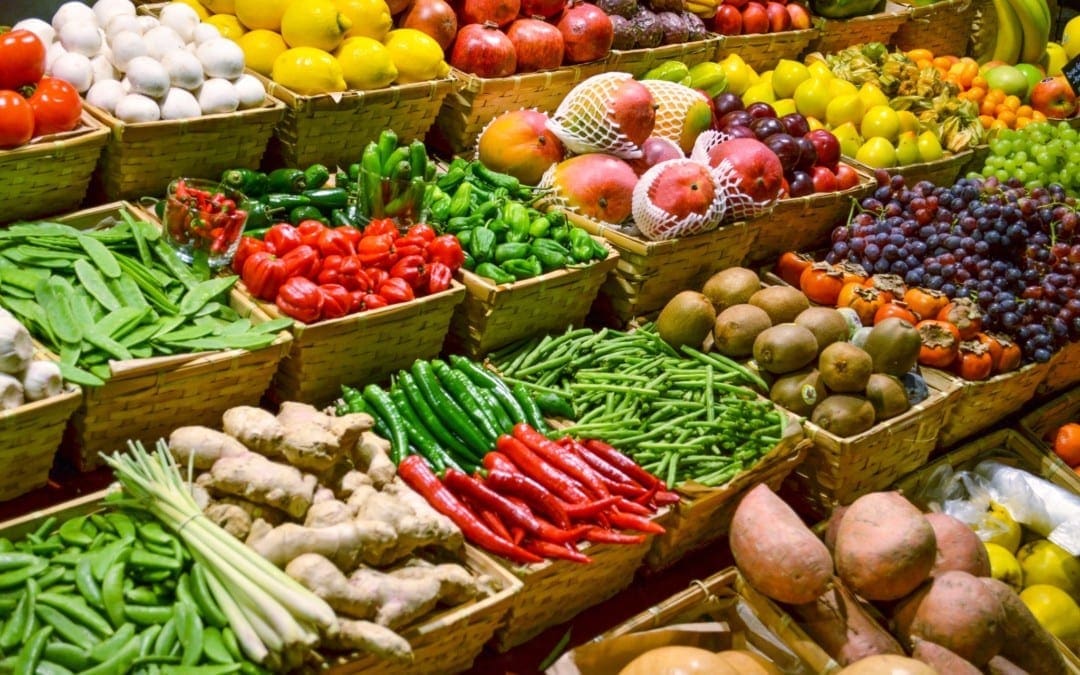
The quality of the foods you choose is fundamental to improve DNA methylation. Choosing high-quality foods, by way of instance, means choosing foods which contain an increased nutrient density, which is abundant in phytonutrients and antioxidants, and contains decreased amounts of toxins, such as pesticides, herbicides, fungicides, and heavy metals. Make sure to look for the terms below when purchasing foods:
Local-grown. Food which has not had to travel considerable distances before being sold generally has a much higher nutrient density.
Non-GMO. Genetically modified organisms, or GMOs, is a term which currently applies to a variety of foods, including commodity grains, such as soy, wheat, and corn. GMO crops are often preferred by some farmers due to their resistance to herbicides. As a result, GMO crops tend to have increased levels of herbicide toxins and/or foreign compounds which can cause cellular damage and other health issues.
Organic. Organic foods contain fewer pesticides, synthetic hormones, and are always non-GMO. The utilization of sewage water is prohibited for organically-grown crops, which tremendously reduces heavy metal health issues. Several organic food farmers also evaluate their soil and food products for heavy metal contamination.
Grass-fed/Pasture-raised. This term applies to graze animals, which are grain-fed in conventional commercial farming operations. Grass-fed/pasture-raised animals have better nutrient profiles, less pro-inflammatory fats, more anti-inflammatory fats, and less risk of heavy metal contamination due to other conventional animal feeds.
Wild caught. Fish which are wild caught also have better nutrient profiles. Generally, there are fewer toxins in wild-caught fish, however, make sure you�re choosing fish from clean waters or which has been evaluated for contaminants. The National Resources Defense Council has a good guide to sustainable and low-mercury seafood.
Cold pressed, unrefined, extra-virgin. These terms are currently applied to oils which are minimally processed and contain the highest amounts of phytonutrients. Avoiding these will prevent you from choosing oils which have been chemically processed with hexane, a solvent which can be found in highly- processed commercial oils.
Food Packaging
The food packaging you choose is also fundamental to improve DNA methylation because these can be a considerable source of toxins, which can also ultimately affect your overall health and wellness. Several simple lifestyle modifications can considerably reduce exposure to these toxins:
Minimize the utilization of plastic food and beverage containers. Preferred choices for containers include glass and stainless steel.
Never reheat food in plastic containers.
Minimize the utilization of canned food choices.
Avoid nonstick cookware. Preferred choices for containers include stainless steel, glass, and cast iron cookware.
Making Dietary Changes
The dietary changes you make can ultimately be fundamental to improve DNA methylation, although it can often be a difficult and sometimes overwhelming process. The key to making these dietary and lifestyle changes as easy and stress-free as possible is described below, including:
Utilizing leftovers for the next day�s meal or part of a meal, such as using leftover cooked salmon and broccoli from dinner as part of a large salad for lunch or for a snack the following day.
Cook extra food, such as chicken, green beans, saute?ed greens, and roasted mushrooms, which can be reheated for another meal.
Many foods freeze well and can be frozen in individual portions to easily combine, take “on the go”, or simply to save for another day.
Try to plan ahead so that you’re not caught in a situation where the only food available doesn’t fit your food plan. Keep suitable snacks on hand and bring meals with you to follow your regimen.
You may find it useful to invest in portable food containers which keep food cold/hot; choose stainless steel or glass containers.
If eating out, call restaurants ahead of time to discuss suitable menu choices. You�ll probably find that restaurants which cook foods from scratch with fresh/local ingredients are most suitable for you.
As previously discussed, improving DNA methylation is a fundamental process towards maintaining overall health and wellness. A balanced nutrition can help safely and effectively improve methylation support, however, choosing foods can also promote methylation support. The purpose of the following article is to easily demonstrate what foods to choose to improve DNA methylation. It’s fundamental to understand how the foods you choose can improve DNA methylation as well as to promote overall health and wellness.
Dr. Alex Jimenez D.C., C.C.S.T. Insight
Smoothies and Juices for Methylation Support
While many healthcare professionals can recommend nutritional guidelines and lifestyle modifications to improve methylation support, there are several options you can try yourself at home. As described above, methylation support supplementation should be determined by a healthcare professional. Smoothies and juices are a fast and easy way to include all the necessary nutrients you need for methylation support without any side-effects. The smoothies and juices below are part of the Methylation Diet Food Plan.Sea Green Smoothie
Servings: 1
Cook time: 5-10 minutes
� 1/2 cup cantaloupe, cubed
� 1/2 banana
� 1 handful of kale or spinach
� 1 handful of Swiss chard
� 1/4 avocado
� 2 teaspoons spirulina powder
� 1 cup water
� 3 or more ice cubes
Blend all ingredients in a high-speed blender until completely smooth and enjoy!
Berry Bliss Smoothie
Servings: 1
Cook time: 5-10 minutes
� 1/2 cup blueberries (fresh or frozen, preferably wild)
� 1 medium carrot, roughly chopped
� 1 tablespoon ground flaxseed or chia seed
� 1 tablespoons almonds
� Water (to desired consistency)
� Ice cubes (optional, may omit if using frozen blueberries)
Blend all ingredients in a high-speed blender until smooth and creamy. Best served immediately!
Sweet and Spicy Juice
Servings: 1
Cook time: 5-10 minutes
� 1 cup honeydew melons
� 3 cups spinach, rinsed
� 3 cups Swiss chard, rinsed
� 1 bunch cilantro (leaves and stems), rinsed
� 1-inch knob of ginger, rinsed, peeled and chopped
� 2-3 knobs whole turmeric root (optional), rinsed, peeled and chopped
Juice all ingredients in a high-quality juicer. Best served immediately!
Ginger Greens Juice
Servings: 1
Cook time: 5-10 minutes
� 1 cup pineapple cubes
� 1 apple, sliced
� 1-inch knob of ginger, rinsed, peeled and chopped
� 3 cups kale, rinsed and roughly chopped or ripped
� 5 cups Swiss chard, rinsed and roughly chopped or ripped
Juice all ingredients in a high-quality juicer. Best served immediately!
Zesty Beet Juice
Servings: 1
Cook time: 5-10 minutes
� 1 grapefruit, peeled and sliced
� 1 apple, washed and sliced
� 1 whole beet, and leaves if you have them, washed and sliced
� 1-inch knob of ginger, rinsed, peeled and chopped
Juice all ingredients in a high-quality juicer. Best served immediately!
Protein Power Smoothie
Serving: 1
Cook time: 5 minutes
� 1 scoop protein powder
� 1 tablespoon ground flaxseed
� 1/2 banana
� 1 kiwi, peeled
� 1/2 teaspoon cinnamon
� Pinch of cardamom
� Non-dairy milk or water, enough to achieve desired consistency
Blend all ingredients in a high-powered blender until completely smooth. Best served immediately!
ProLon� Fasting Mimicking Diet
Balanced methylation support can be achieved through proper nutrition. The ProLon� fasting mimicking diet offers a 5-day meal program which has been individually packed and labeled to serve the foods you need for the FMD in precise quantities and combinations. The meal program is made up of ready-to-eat or easy-to-prepare, plant-based foods, including bars, soups, snacks, supplements, a drink concentrate, and teas. The products are scientifically formulated and great tasting. Before starting the ProLon� fasting mimicking diet, 5-day meal program, please make sure to talk to a healthcare professional to find out if the FMD is right for you. The ProLon� fasting mimicking diet can help promote methylation support, among a variety of other healthy benefits.
Many doctors and functional medicine practitioners can recommend nutritional advice and/or guidelines to help improve DNA methylation. Proper nutrition and lifestyle habits can ultimately help improve DNA methylation. Understanding the role of methylation adaptogens can help promote methylation support. The scope of our information is limited to chiropractic, musculoskeletal and nervous health issues as well as functional medicine articles, topics, and discussions. To further discuss the subject matter above, please feel free to ask Dr. Alex Jimenez or contact us at 915-850-0900 .
Curated by Dr. Alex Jimenez
Additional Topic Discussion: Acute Back Pain
Back pain is one of the most prevalent causes of disability and missed days at work worldwide. Back pain attributes to the second most common reason for doctor office visits, outnumbered only by upper-respiratory infections. Approximately 80 percent of the population will experience back pain at least once throughout their life. Your spine is a complex structure made up of bones, joints, ligaments, and muscles, among other soft tissues. Injuries and/or aggravated conditions, such as herniated discs, can eventually lead to symptoms of back pain. Sports injuries or automobile accident injuries are often the most frequent cause of back pain, however, sometimes the simplest of movements can have painful results. Fortunately, alternative treatment options, such as chiropractic care, can help ease back pain through the use of spinal adjustments and manual manipulations, ultimately improving pain relief.
Formulas for Methylation Support
XYMOGEN�s Exclusive Professional Formulas are available through select licensed health care professionals. The internet sale and discounting of XYMOGEN formulas are strictly prohibited.
Proudly, Dr. Alexander Jimenez makes XYMOGEN formulas available only to patients under our care.
Please call our office in order for us to assign a doctor consultation for immediate access.
If you are a patient of Injury Medical & Chiropractic Clinic, you may inquire about XYMOGEN by calling 915-850-0900.
For your convenience and review of the XYMOGEN products please review the following link.*XYMOGEN-Catalog-Download* All the above XYMOGEN policies remain strictly in force.
***
Dr. Alex Jimenez Discusses What Not to Eat to Improve DNA Methylation
Methylation is an important process which promotes a variety of bodily functions, including the production and regulation of hormones and neurotransmitters, the development of immune cells, and the management of the detoxification of exogenous substances as well as the clearance of histamine, among other essential processes. DNA methylation is also fundamental for cellular renewal to ultimately alter genetic expression.
By modifying your nutrition and lifestyle habits you can optimize your overall health and wellness. You can also improve this essential process by eating a variety of healthy foods. We’ve previously discussed what foods to eat to improve DNA methylation, in this article, we will discuss what foods not to eat to improve DNA methylation. Just like healthy foods can promote methylation support, unhealthy foods can tremendously affect methylation.
What Not to Eat for Methylation Support
The following article focuses on what not to eat to promote methylation support. Below, we will demonstrate what not to eat to improve DNA methylation including charred foods, added sugars, artificial sweeteners, hydrogenated fats, alcohol, and folic acid fortified foods. Our ultimate goal is to help you achieve optimal methylation support. By improving your DNA methylation, you can ultimately achieve overall health and wellness.
Charred Foods
Cooking at high temperatures to create a “seared” or “chargrilled” effect causes a chemical reaction known as the Maillard reaction. This process develops compounds, also known as heterocyclic amines, which have been considered to be pro-inflammatory, pro-oxidant, and damaging to cells.
Instead of eating charred foods, try eating slow-cooked or braised foods, where temperatures are lower and moisture is utilized throughout the cooking process. If you do eat grilled foods occasionally, utilizing marinades which contain garlic, rosemary, fruit pulp and other spices without sugar, can help prevent the development of harmful heterocyclic amines.
Added Sugars
Added sugars can tremendously affect our molecules, enzymes, and cellular structures. Eating too much sugar has been associated with almost all of the most common health issues, including heart disease, diabetes, Alzheimer�s disease, and cancer. Excess sugar consumption causes the human body to produce fat; where the excess sugar is then converted into triglycerides, or fat storage molecules, in the liver, which can cause fatty liver and an accumulation of fat deposits in various regions of the human body.
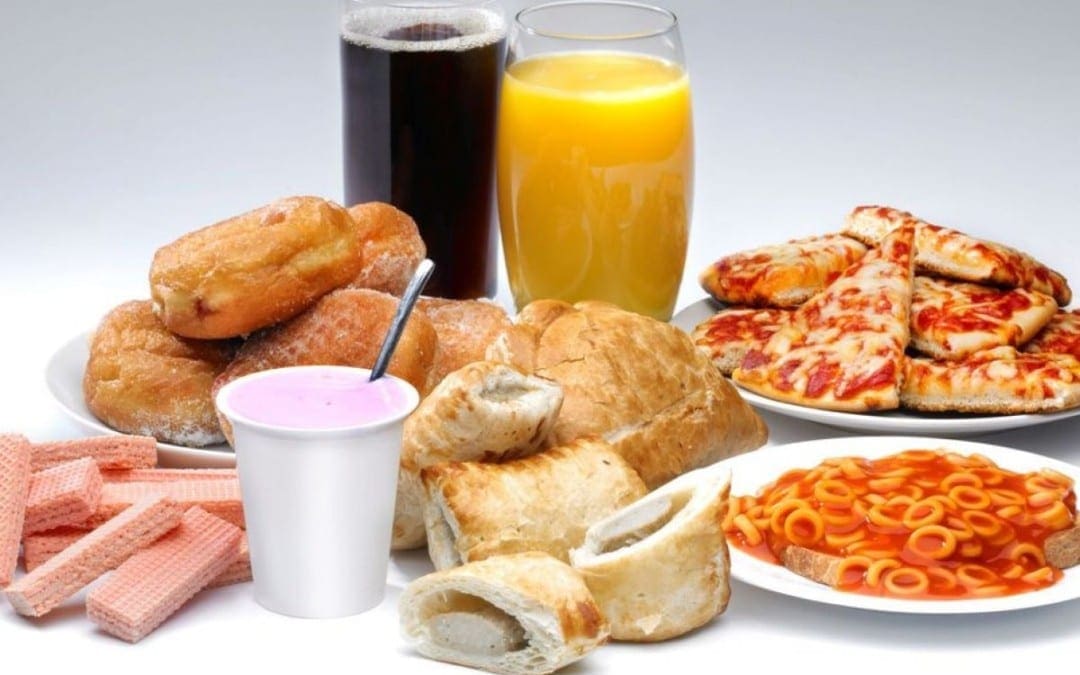
Added sugars can be hidden in a variety of foods. Even supplements, drugs and/or medications, can be sources of excess sugars. Reading the labels for nutrition facts in foods is a good way to start recognizing unwanted sources of sugars. Also, avoid eating high-sugar foods, such as fruit juices, carbonated beverages, confectionery, ice creams, and sweetened yogurts. Make sure to check condiments for hidden sugars. Choosing unprocessed, whole foods is the easiest way to avoid eating hidden added sugars.
Artificial Sweeteners
Artificial sweeteners are also not recommended if you want to improve your DNA methylation. Artificial sweeteners have been demonstrated to cause a physiological response where insulin develops and brain-reward signaling pathways are triggered. This can cause blood sugar imbalances and cravings. Both of these factors make it difficult to eat healthy foods.
Moreover, artificial sweeteners have been demonstrated to affect the brain and the nervous system. While artificial sweeteners require further research studies to determine their negative effects, caution is advised.
Artificial sweeteners which can help improve DNA methylation are stevia and the sugar alcohols erythritol and xylitol. It�s recommended to use these artificial sweeteners while you are weaning yourself off a high-sugar diet. Once you�ve limited sugar in your diet, you�ll find that your taste buds will naturally adapt to the sweetness in whole foods and even vegetables
Hydrogenated Fats
Hydrogenated fats are frequently produced when liquid oils are converted into solid fats. This process changes the molecular structure of the fat into one which is pro-inflammatory and harmful to cells. In the United States, the FDA has already ordered the removal of hydrogenated fats from the supply chain, however, the changes may take effect over a period of years.
To avoid choosing hydrogenated fats, be aware of any solid fats produced from oils which would normally be in a liquid state. On food labels, avoid the terms “hydrogenated” or “partially hydrogenated”, and look for labels that say “trans-fat free”. Utilizing minimally processed oils and butter, or ghee, and avoiding processed foods, is an easy way to avoid trans fats.
Alcohol
Alcohol can interfere with DNA methylation, negatively affecting our gene expression. For this reason, alcohol is not recommended if you want to improve your DNA methylation. If you do consume alcohol, make sure to keep it to a minimum. This means that both men and women should have no more than 1 to 2 alcoholic drinks per week. One alcoholic drink is approximately equivalent to 5 oz of wine, 12 oz of beer, or 1.5 oz of spirits.
Furthermore, it’s important to note that alcoholic beverages do not carry a food label, as other foods and drinks are required to do. Alcohol is not subject to the same regulations as other foods, therefore, it is much more difficult to determine whether one alcohol has higher sugar content than another. Grapes grown for wine are also frequently sprayed with pesticides; choosing organic varieties can ultimately help reduce your exposure.
Folic Acid Fortified Foods
Many grains are fortified with vitamins like folic acid or the synthetic form of folate. However, research studies have demonstrated that folic acid can restrict MTHFR activity and cause a variety of health issues. We recommend avoiding folic acid fortified foods and instead include sources of natural dietary folates, such as dark leafy greens, liver, and legumes, to help improve DNA methylation as well as overall health and wellness.
DNA methylation is a fundamental process in charge of a variety of essential bodily functions. A balanced nutrition can help safely and effectively improve methylation support, however, certain foods can also affect DNA methylation. The purpose of the following article is to easily demonstrate what not to eat to improve DNA methylation from a variety of different food groups. It’s essential to know what food groups to avoid to promote methylation support as well as to promote overall health and wellness. Dr. Alex Jimenez D.C., C.C.S.T. Insight
Smoothies and Juices for Methylation Support
While many healthcare professionals can recommend nutritional guidelines and lifestyle modifications to improve methylation support, there are several options you can try yourself at home. As described above, methylation support supplementation should be determined by a healthcare professional. Smoothies and juices are a fast and easy way to include all the necessary nutrients you need for methylation support without any side-effects. The smoothies and juices below are part of the Methylation Diet Food Plan.Sea Green Smoothie Servings: 1 Cook time: 5-10 minutes � 1/2 cup cantaloupe, cubed � 1/2 banana � 1 handful of kale or spinach � 1 handful of Swiss chard � 1/4 avocado � 2 teaspoons spirulina powder � 1 cup water � 3 or more ice cubes Blend all ingredients in a high-speed blender until completely smooth and enjoy!
Berry Bliss Smoothie Servings: 1 Cook time: 5-10 minutes � 1/2 cup blueberries (fresh or frozen, preferably wild) � 1 medium carrot, roughly chopped � 1 tablespoon ground flaxseed or chia seed � 1 tablespoons almonds � Water (to desired consistency) � Ice cubes (optional, may omit if using frozen blueberries) Blend all ingredients in a high-speed blender until smooth and creamy. Best served immediately!
Sweet and Spicy Juice Servings: 1 Cook time: 5-10 minutes � 1 cup honeydew melons � 3 cups spinach, rinsed � 3 cups Swiss chard, rinsed � 1 bunch cilantro (leaves and stems), rinsed � 1-inch knob of ginger, rinsed, peeled and chopped � 2-3 knobs whole turmeric root (optional), rinsed, peeled and chopped Juice all ingredients in a high-quality juicer. Best served immediately!
Ginger Greens Juice Servings: 1 Cook time: 5-10 minutes � 1 cup pineapple cubes � 1 apple, sliced � 1-inch knob of ginger, rinsed, peeled and chopped � 3 cups kale, rinsed and roughly chopped or ripped � 5 cups Swiss chard, rinsed and roughly chopped or ripped Juice all ingredients in a high-quality juicer. Best served immediately!
Zesty Beet Juice Servings: 1 Cook time: 5-10 minutes � 1 grapefruit, peeled and sliced � 1 apple, washed and sliced � 1 whole beet, and leaves if you have them, washed and sliced � 1-inch knob of ginger, rinsed, peeled and chopped Juice all ingredients in a high-quality juicer. Best served immediately!
Protein Power Smoothie Serving: 1 Cook time: 5 minutes � 1 scoop protein powder � 1 tablespoon ground flaxseed � 1/2 banana � 1 kiwi, peeled � 1/2 teaspoon cinnamon � Pinch of cardamom � Non-dairy milk or water, enough to achieve desired consistency Blend all ingredients in a high-powered blender until completely smooth. Best served immediately!
ProLon� Fasting Mimicking Diet
Balanced methylation support can be achieved through proper nutrition. The ProLon� fasting mimicking diet offers a 5-day meal program which has been individually packed and labeled to serve the foods you need for the FMD in precise quantities and combinations. The meal program is made up of ready-to-eat or easy-to-prepare, plant-based foods, including bars, soups, snacks, supplements, a drink concentrate, and teas. The products are scientifically formulated and great tasting. Before starting the ProLon� fasting mimicking diet, 5-day meal program, please make sure to talk to a healthcare professional to find out if the FMD is right for you. The ProLon� fasting mimicking diet can help promote methylation support, among a variety of other healthy benefits.
Many doctors and functional medicine practitioners can recommend nutritional advice and/or guidelines to help improve DNA methylation. Proper nutrition and lifestyle habits can ultimately help improve DNA methylation. Understanding the role of methylation adaptogens can help promote methylation support. The scope of our information is limited to chiropractic, musculoskeletal and nervous health issues as well as functional medicine articles, topics, and discussions. To further discuss the subject matter above, please feel free to ask Dr. Alex Jimenez or contact us at 915-850-0900 .
Curated by Dr. Alex Jimenez
Additional Topic Discussion: Acute Back Pain
Back pain is one of the most prevalent causes of disability and missed days at work worldwide. Back pain attributes to the second most common reason for doctor office visits, outnumbered only by upper-respiratory infections. Approximately 80 percent of the population will experience back pain at least once throughout their life. Your spine is a complex structure made up of bones, joints, ligaments, and muscles, among other soft tissues. Injuries and/or aggravated conditions, such as herniated discs, can eventually lead to symptoms of back pain. Sports injuries or automobile accident injuries are often the most frequent cause of back pain, however, sometimes the simplest of movements can have painful results. Fortunately, alternative treatment options, such as chiropractic care, can help ease back pain through the use of spinal adjustments and manual manipulations, ultimately improving pain relief.
Formulas for Methylation Support
XYMOGEN�s Exclusive Professional Formulas are available through select licensed health care professionals. The internet sale and discounting of XYMOGEN formulas are strictly prohibited.
Proudly, Dr. Alexander Jimenez makes XYMOGEN formulas available only to patients under our care.
Please call our office in order for us to assign a doctor consultation for immediate access.
If you are a patient of Injury Medical & Chiropractic Clinic, you may inquire about XYMOGEN by calling 915-850-0900.
For your convenience and review of the XYMOGEN products please review the following link.*XYMOGEN-Catalog-Download* All the above XYMOGEN policies remain strictly in force.
IFM's Find A Practitioner tool is the largest referral network in Functional Medicine, created to help patients locate Functional Medicine practitioners anywhere in the world. IFM Certified Practitioners are listed first in the search results, given their extensive education in Functional Medicine