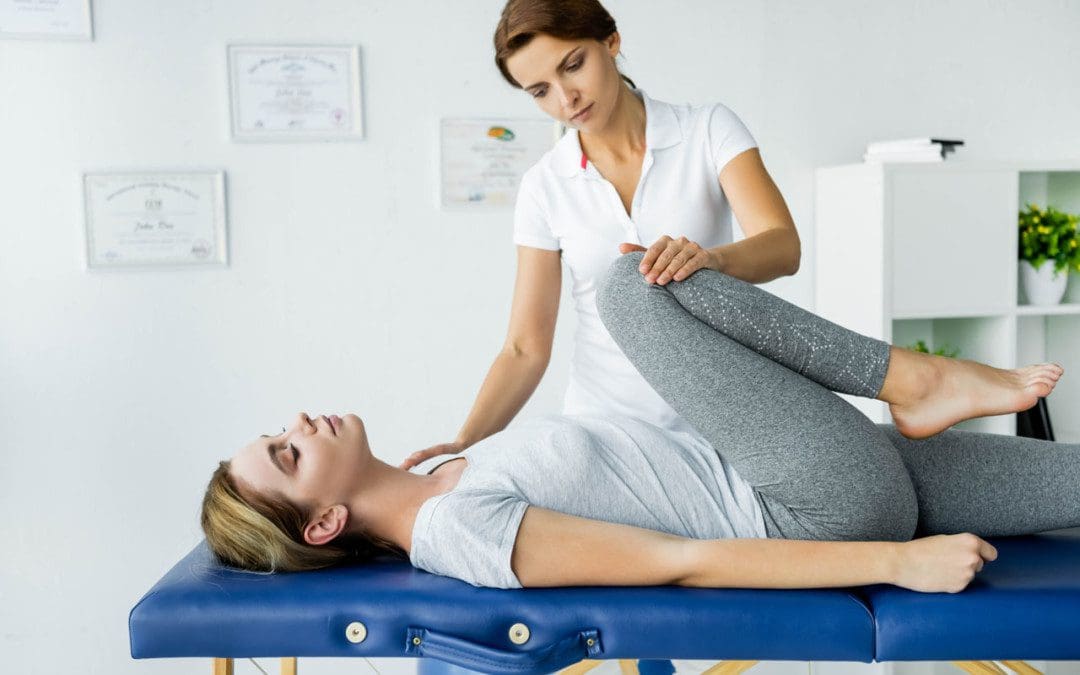
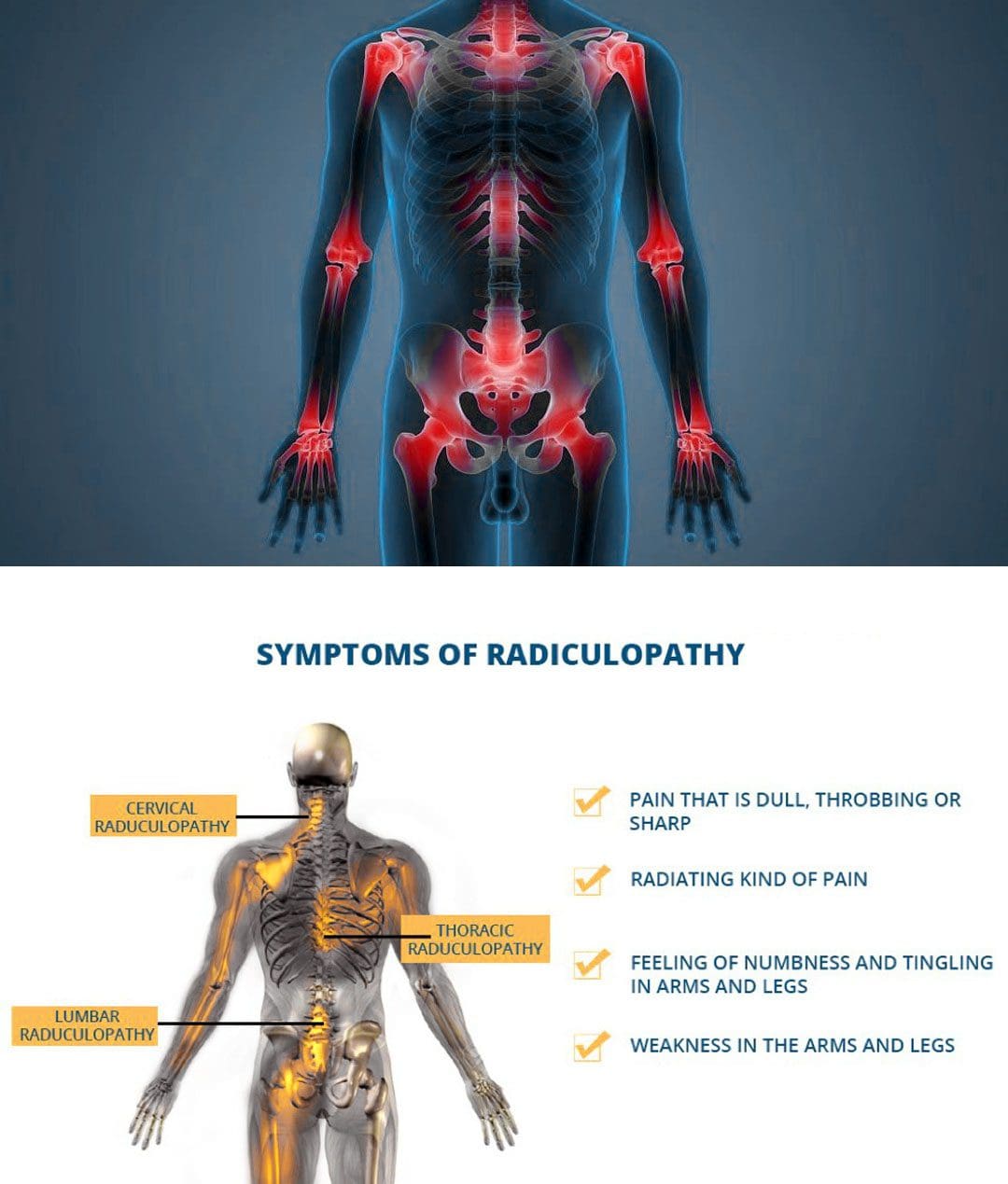
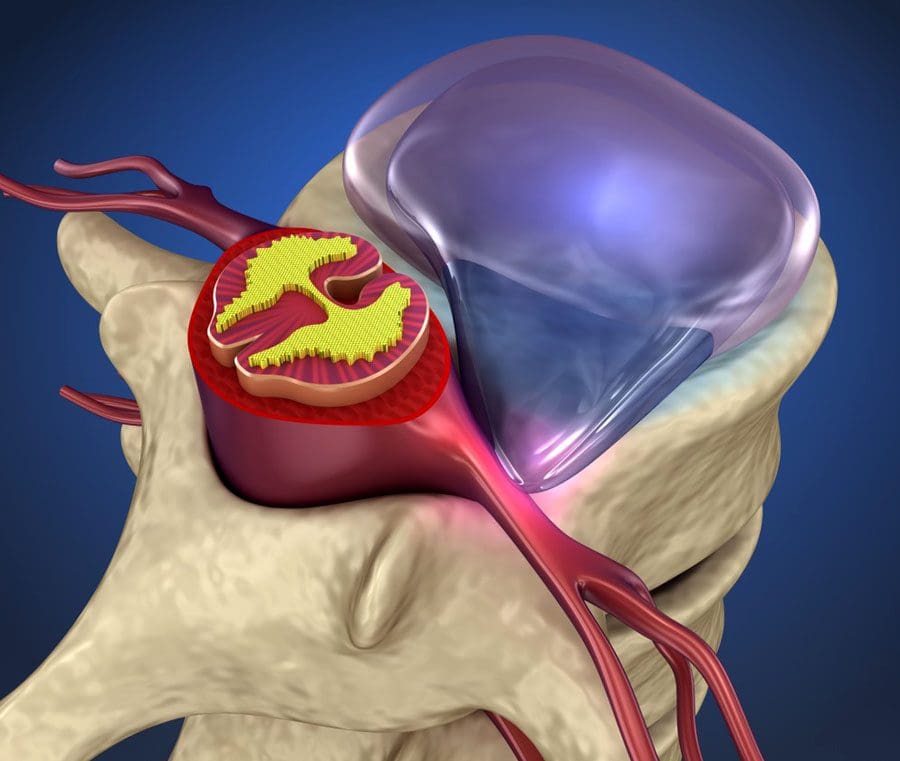
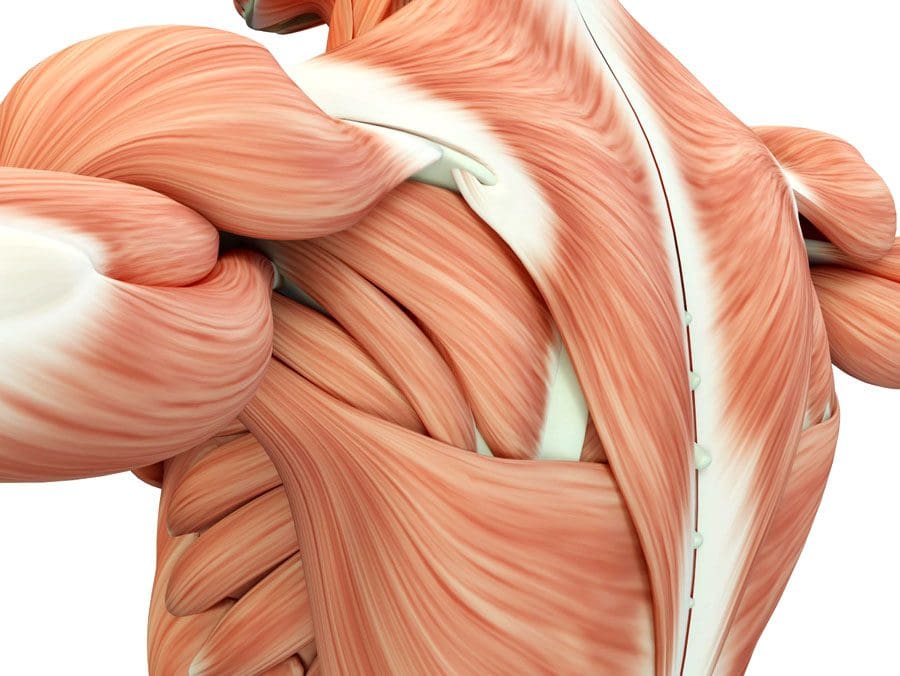
A pinched, compressed, overly stretched, twisted, and entangled nerve can happen throughout the body. The most common locations are the neck, shoulder, upper back, upper chest, arm, elbow, hand, wrist, low back, legs, and feet. This disrupts the nerve’s ability to function properly. Each nerve stimulates muscles and detects sensations in specific areas of the skin or internal organs so they work properly. Common symptoms are tingling, numbness, pain, weakness, and musculoskeletal problems. The average pinched nerve duration can last a few days to as long as 4 to 6 weeks or, in some cases, longer, in which case individuals should see a doctor or neurologist. Injury Medical Chiropractic and Functional Medicine Clinic can relieve, release, and restore nerve health.
Pinched Nerve
A pinched nerve is caused by pressure from surrounding tissues that place added stress on it. Muscles, bones, cartilage, and tendons can all press, pull, or entangle a nerve. This can result in a loss of function, which can then lead to symptoms including:
Tingling
Numbness
Muscle weakness
Various types of pain – sharp, electrical, throbbing, aching, and radiating/spreading out to other areas.
Burning sensation
A pinched nerve can become serious, cause chronic pain conditions and lead to permanent nerve damage.
More severe cases may require surgery.
Pinched Nerve Duration
Pinched nerve duration depends on the injury, which can happen suddenly or gradually. A temporary case with an acute cause, such as injury or poor posture, can last several days. Cases related to chronic conditions, like arthritis, may last longer. Treatment, as well as recovery, also vary based on the location of the injury and what’s causing the pressure.
Body Locations
Neck
A pinched nerve in the neck can cause tingling sensations and pain, which can travel to the shoulders and arms. This type can be caused by:
Sleeping position
Repetitive movements
Injuries
The pain will usually ease within several days unless a chronic health condition is the cause of the pinching.
Lower back
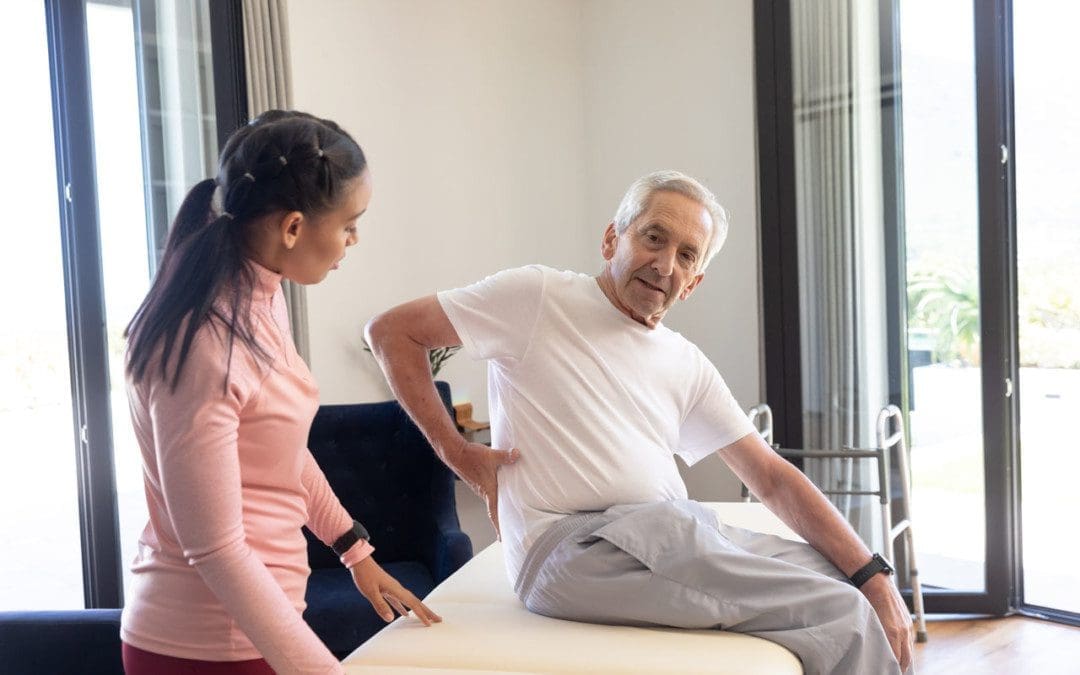
A pinched nerve in the lower back is often brought on by herniated discs that compress nerve roots.
It may also be caused by arthritis or injuries.
Individuals may feel a sharp pain in the lower back, as well as in the buttocks and back of the leg.
Sciatica may be a symptom.
Lower back pain may be acute, lasting only a few days.
If the injury doesn’t resolve, it may cause chronic back pain that can last 12 weeks or more.
Leg
The legs can develop pinched nerves from herniated discs or injuries.
If left untreated can lead to peripheral neuropathy.
This can develop over several weeks or years.
Hip
A pinched nerve in the hip can last a few days if related to an injury. If the pain lasts longer than a few days, consult a doctor. Possible causes of chronic hip pain may include:
Obesity
Bone spurs
Arthritis
Shoulder
Shoulder pain brought on by a pinched nerve usually starts in the upper spine and is caused by:
Injury
Tendinitis
Arthritis
To tell if the pain symptoms are from a pinched nerve and not a muscle strain, the pain tends to occur in one shoulder, and there is a sharpness to the aches.
Left untreated, arthritis or tendinitis can lead to chronic pain that can come and go for several weeks, months, or years.
Wrist
Repetitive overuse is commonly linked to pinched nerves in the wrist.
Pinched nerves can lead to carpal tunnel syndrome – pain and numbness extending through the arm, hand, and fingers.
Pain lasting over two months could indicate other underlying conditions, like arthritis.
Chiropractic Relief
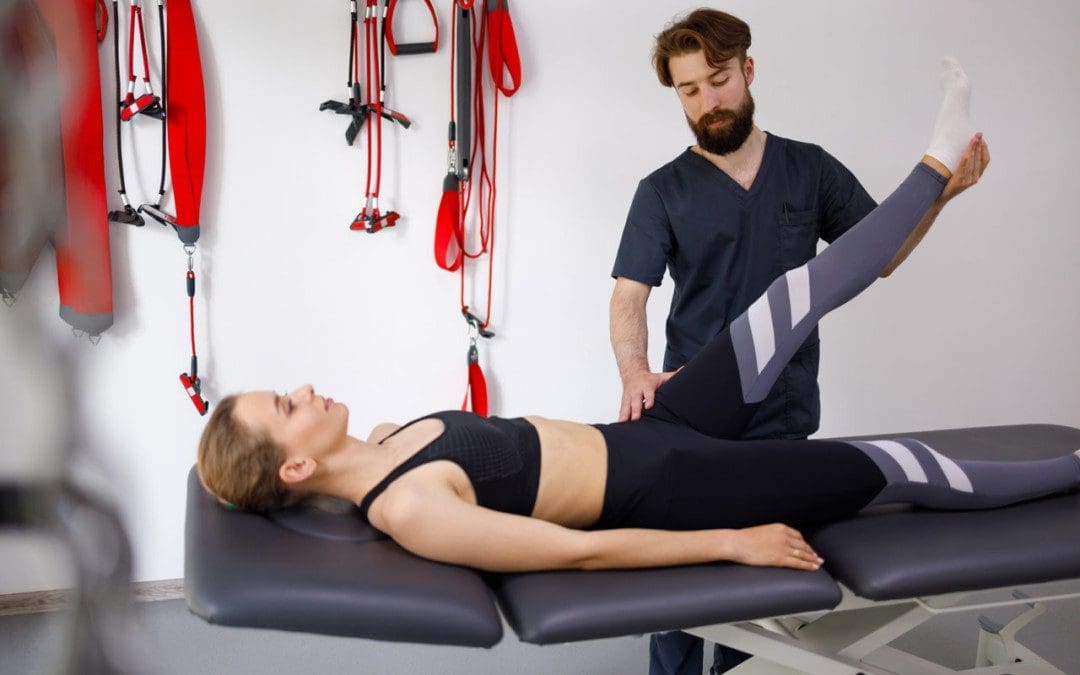
Chiropractic adjustments identify the impacted nerve/s and use various therapies to remove the compression, relieving symptoms and the injury or issue. A personalized treatment plan can include the following:
Cornwall, R, and T E Radomisli. “Nerve injury in traumatic dislocation of the hip.” Clinical orthopedics and related research, 377 (2000): 84-91. doi:10.1097/00003086-200008000-00012
Dmytriv, Mariya, et al. “PT or cervical collar for cervical radiculopathy?.” The Journal of family practice vol. 59,5 (2010): 269-72.
Hochman, Mary G, and Jeffrey L Zilberfarb. “Nerves in a pinch: imaging of nerve compression syndromes.” Radiologic clinics of North America vol. 42,1 (2004): 221-45. doi:10.1016/S0033-8389(03)00162-3
Lopez-Ben, Robert. “Imaging of nerve entrapment in the foot and ankle.” Foot and ankle clinics vol. 16,2 (2011): 213-24. doi:10.1016/j.fcl.2011.04.001
Needham, C W. “Pinched nerves and signature signs.” Connecticut Medicine vol. 57,1 (1993): 3-7.
Siccoli, Alessandro, et al. “Tandem Disc Herniation of the Lumbar and Cervical Spine: Case Series and Review of the Epidemiological, Pathophysiological and Genetic Literature.” Cureus vol. 11,2 e4081. 16 Feb. 2019, doi:10.7759/cureus.4081
Postural dysfunction happens when unhealthy postures are practiced and maintained for prolonged periods. This can occur in any sitting, standing, or lying down position and is a major factor in musculoskeletal injuries. Injuries related to poor posture are normally caused by overuse that builds up over time. When the body starts to go out of alignment, the muscles must work harder to compensate, which further strains the body. This stress can lead to soft tissue injury and excess joint wear and tear. These injuries start as minor aches and pains in the short term. However, if left untreated, they can lead to chronic conditions. Injury Medical Chiropractic and Functional Medicine Clinic can rehabilitate the body to optimal function and provide postural training.
Postural Dysfunction
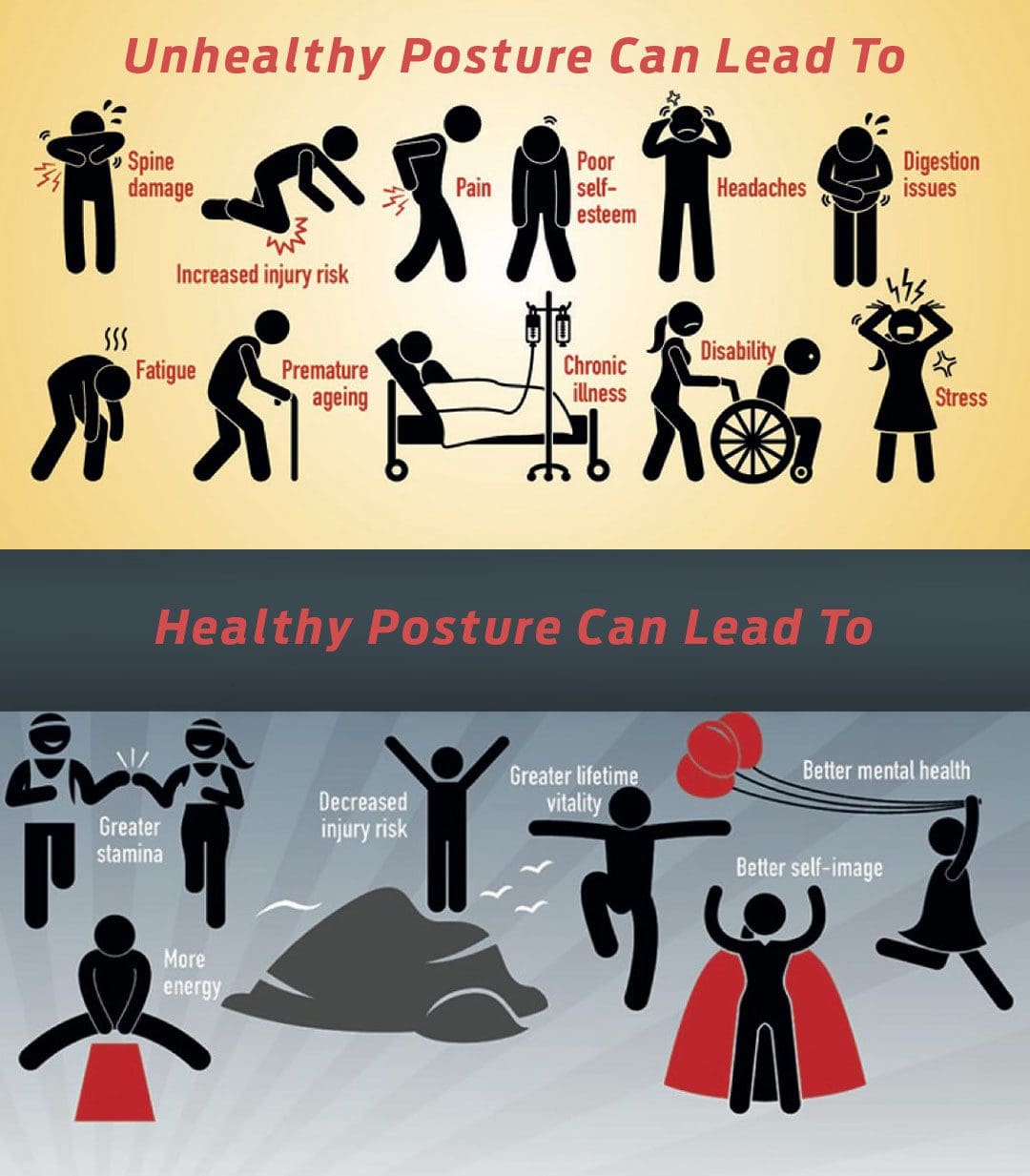
Posture is how the skeleton and muscles hold the body in a healthy position while standing or sitting, affecting breathing, muscle growth, and mobility. Practicing healthy posture means:
The bones are properly aligned.
The muscles, joints, and ligaments function correctly.
The organs, like the stomach, kidneys, and GI tract, are in the right position and can work efficiently.
The nervous system can operate at its full potential.
This allows the body to have:
More energy.
More room for the lungs to expand.
Experience less stress.
Alleviate muscle fatigue.
Achieve physical fitness.
Imbalance Causes
Unhealthy body positioning causes imbalances in muscle strength that pull the body out of alignment. This leads to muscles becoming tight/shortened and others becoming weak/lengthened, and it can also cause internal organ problems. For example, individuals that slump excessively cause the abdomen to compress, crowding the stomach and intestines, which leads to digestive issues. Postural dysfunction can be caused by the following:
Stress and strain from day-to-day activities.
Job responsibilities that involve sitting/standing for long periods and/or repetitive tasks like bending, lifting, reaching, twisting, etc.
Unhealthy driving position.
Non-supportive footwear.
Joint stiffness usually of the neck, upper and lower back, and hips.
Sedentary habits.
Lack of physical activity and exercise.
Muscle tightness.
Muscle weakness.
Weakened core stability.
Inadequate or failed post-surgical recovery.
Effects
Decreased blood circulation resulting in fatigue.
Overuse Injuries.
Breathing difficulties.
Balance issues.
Knee pain.
Joint misalignment.
Increased strain on the spine.
Compression of discs and joints.
Neck pain.
Lower back pain.
Less space for nerves to move due to compression.
Nerve problems.
Piriformis syndrome.
Shoulder impingement.
Chiropractic Rehabilitation
Chiropractic treatment for postural dysfunction provides adjustments, massage and decompression therapy, targeted stretching and exercises, retraining movement patterns, and nutritional and health coaching. Personalized treatment plans can include the following:
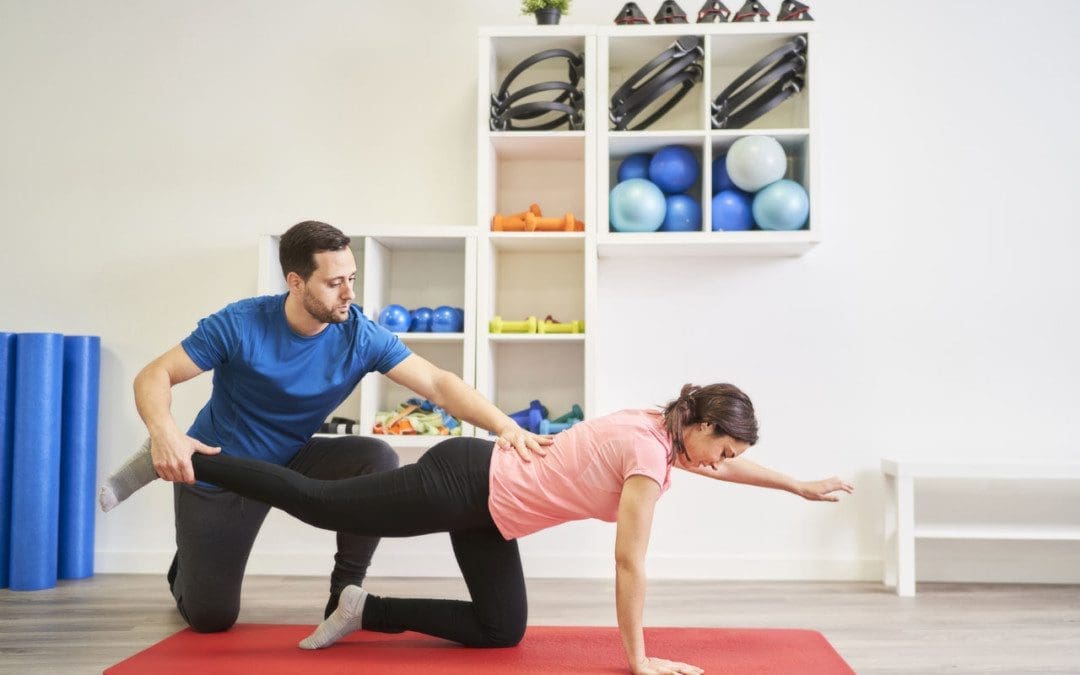
Targeted stretches and exercises to maintain posture correction.
Fix Posture
References
Korakakis, Vasileios, et al. “Physiotherapist perceptions of optimal sitting and standing posture.” Musculoskeletal science & practice vol. 39 (2019): 24-31. doi:10.1016/j.msksp.2018.11.004
Lee, Yongwoo, and Ki Bum Jung. “Effect of Physiotherapy to Correct Rounded Shoulder Posture in 30 Patients During the COVID-19 Pandemic in South Korea Using a Telerehabilitation Exercise Program to Improve Posture, Physical Function, and Reduced Pain, with Evaluation of Patient Satisfaction.” Medical science monitor: international medical journal of experimental and clinical research vol. 28 e938926. 27 Dec. 2022, doi:10.12659/MSM.938926
Shih, Hsu-Sheng, et al. “Effects of Kinesio taping and exercise on forward head posture.” Journal of back and musculoskeletal rehabilitation vol. 30,4 (2017): 725-733. doi:10.3233/BMR-150346
Snodgrass, Suzanne J et al. “Relationship between Posture and Non-Contact Lower Limb Injury in Young Male Amateur Football Players: A Prospective Cohort Study.” International journal of environmental research and public health vol. 18,12 6424. 14 Jun. 2021, doi:10.3390/ijerph18126424
Zhao, Mingming, et al. “Driver posture monitoring in highly automated vehicles using pressure measurement.” Traffic injury prevention vol. 22,4 (2021): 278-283. doi:10.1080/15389588.2021.1892087
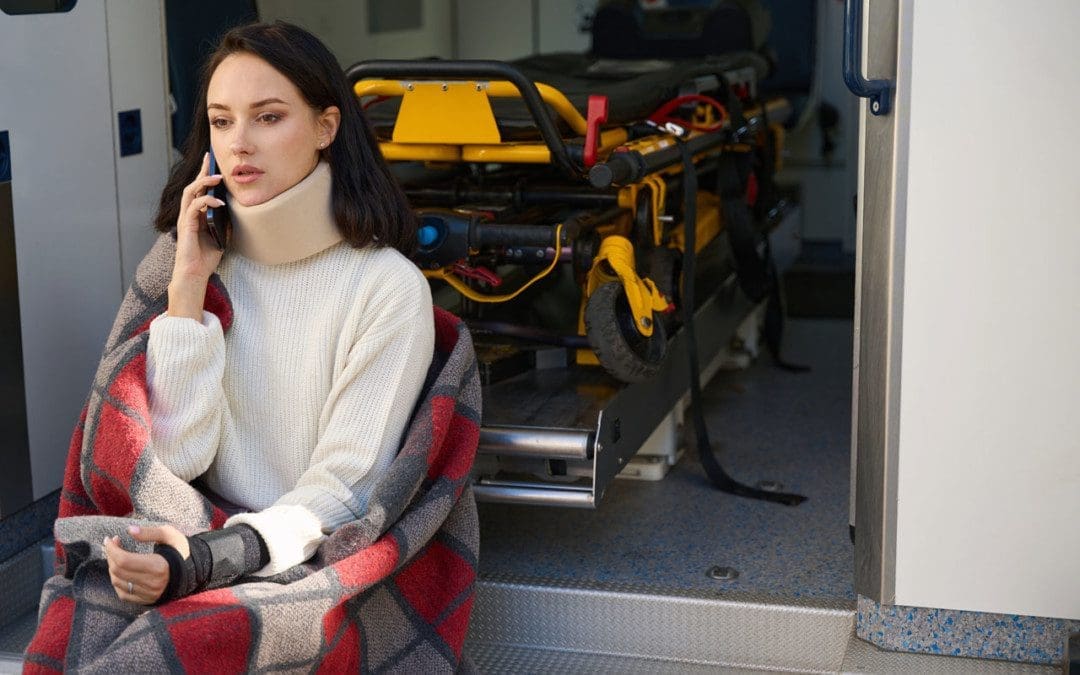
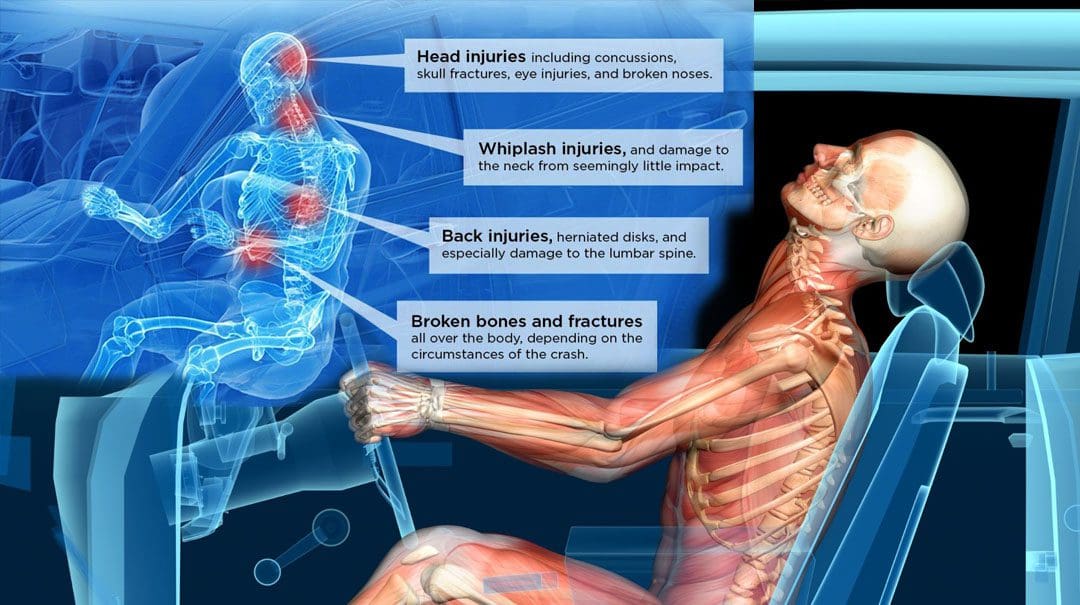
The NHTSA records show that rear-end collisions are the most common and make up 30% of all traffic accidents, crashes, and collisions. Rear-end collisions can come out of nowhere. One moment a driver is waiting at a stop or light, and suddenly they are catapulted forward by the intense force of another vehicle/s resulting in serious and sustaining injuries that can impact an individual’s physical capabilities. Rear-end collision injuries most commonly affect the neck and back. This is because of the excessive force and intense shifting and whipping the body goes through. Chiropractic care, massage, and decompression therapy can realign the body, relax the muscles, release compressed nerves, expedite recovery, and restore mobility and function.
Rear-End Collision Injuries
Rear-end collision injuries can range from mild to serious, and what seems like a minor pull can result in a severe injury. The most common injuries include:
Pre-existing conditions such as degenerative disc disease can worsen.
Collision Types
A rear-end collision can occur in several ways. The most common types include:
Tailgating
When drivers in the rear follow another motorist too closely, and the lead motorist slows down or has to stop quickly, the rear driver hits the vehicle because there was not enough adequate time and distance to stop.
Slow Speed Collisions
Slow-speed/low-impact collisions or fender benders can result in spinal injuries and concussions.
They can also lead to facial and head injuries from sudden airbag deployment.
Vehicle Pile-Ups
A single rear-end collision on a busy street or interstate highway can cause a chain reaction of multiple-vehicle collisions.
These accidents can cause devastating injuries.
Causes
Causes that can take attention away from the road include:
Speeding
Distracted driving – Talking or texting.
Tailgating
Looking at something like an accident while driving by.
Symptoms of rear-end collision injuries may not immediately present following an accident. It can take 24 to 48 hours for discomfort symptoms to come on and sometimes longer. The adrenaline rush allows the individual not to experience the physical symptoms, which is why individuals think they’re fine when they are not. Ignoring signs increases the risk of permanent injury. A herniated disc, for example, left untreated, can lead to permanent nerve damage. Chiropractic treatment for rear-end collisions is one of the most effective options available. A chiropractor manipulates the spine to realign the spinal cord, allowing the body to decrease inflammatory cytokine production, which reduces the inflammatory response. Specific techniques and various tools can realign individual vertebrae, restore joint flexibility, and break up the scar tissue so the areas can heal faster.
The Spine In A Rear-End Auto Accident
References
Chen, Feng, et al. “Investigation on the Injury Severity of Drivers in Rear-End Collisions Between Cars Using a Random Parameters Bivariate Ordered Probit Model.” International journal of environmental research and public health vol. 16,14 2632. 23 Jul. 2019, doi:10.3390/ijerph16142632
Davis, C G. “Rear-end impacts: vehicle and occupant response.” Journal of manipulative and physiological therapeutics vol. 21,9 (1998): 629-39.
Dies, Stephen, and J Walter Strapp. “Chiropractic treatment of patients in motor vehicle accidents: a statistical analysis.” The Journal of the Canadian Chiropractic Association vol. 36,3 (1992): 139–145.
Garmoe, W. “Rear-end collisions.” Archives of physical medicine and rehabilitation vol. 79,8 (1998): 1024-5. doi:10.1016/s0003-9993(98)90106-x
Cue sports use a cue stick to strike billiard balls off and around a pool or equivalent table. The most common game is pool. Although these are not contact sports, various musculoskeletal injuries can manifest. Therefore, it is recommended to know the common injuries so that they can be self-treated or treatment can be sought before the condition worsens. Injury Medical Chiropractic and Functional Medicine Clinic can relieve symptoms, rehabilitate the body, and restore mobility and function.
Cue Sports Injuries
Sports medicine doctors say cue sports players suffer from sprains, strains, and fractures, among other injuries. Cue sports players are constantly:
Bending
Reaching
Twisting
Stretching their arms
Using their hands and wrists
Performing these constant movements and motions for extended periods increases the risk of sustaining injuries. Common symptoms include:
Inflammation
Warmth or heat in affected areas
Swelling
Tightness in the affected areas
Pain
Decreased range of motion
Injuries
Back and Waist
The posturing can cause individuals to tense their muscles, increasing the likelihood of injury. With all the bending, waist and back injuries are common. Back issues include:
Pinched nerves
Sciatica
Sprains
Strains
Herniated discs
Individuals with existing spine conditions or osteoarthritis have an increased risk of injury.
Shoulder, Arm, Wrist, Hand, and Finger
The shoulders, hands, wrists, and fingers are in constant use.
This can lead to overuse injuries affecting the muscles, tendons, ligaments, nerves, and bones.
Consistent stress can lead to sprains, strains, or bursitis.
Tendonitis
Tendonitis occurs when too much pressure is applied, causing tendons to inflame.
This could lead to swelling and pain and could lead to long-term damage.
Foot and Ankle
The feet can slip when stretching too far while setting up and taking a shot.
This injury usually happens when trying to balance on one foot.
Slipping can lead to a sprained ankle or something worse, like a torn ligament or fractured foot.
Chiropractic Care
Chiropractic adjustments combined with massage therapy and functional medicine can treat these injuries and conditions, relieving symptoms and restoring mobility and function. When the tendons, muscles, ligaments, and bones are properly aligned, recovery and rehabilitation progress faster. A chiropractor will also recommend stretching and exercise programs to help maintain the adjustments and prevent injuries.
Physical Therapy and Exercises
References
Garner, Michael J et al. “Chiropractic care of musculoskeletal disorders in a unique population within Canadian community health centers.” Journal of manipulative and physiological therapeutics vol. 30,3 (2007): 165-70. doi:10.1016/j.jmpt.2007.01.009
Hestbaek, Lise, and Mette Jensen Stochkendahl. “The evidence base for chiropractic treatment of musculoskeletal conditions in children and adolescents: The emperor’s new suit?.” Chiropractic & osteopathy vol. 18 15. 2 Jun. 2010, doi:10.1186/1746-1340-18-15
Orloff, A S, and D Resnick. “Fatigue fracture of the distal part of the radius in a pool player.” Injury vol. 17,6 (1986): 418-9. doi:10.1016/0020-1383(86)90088-4
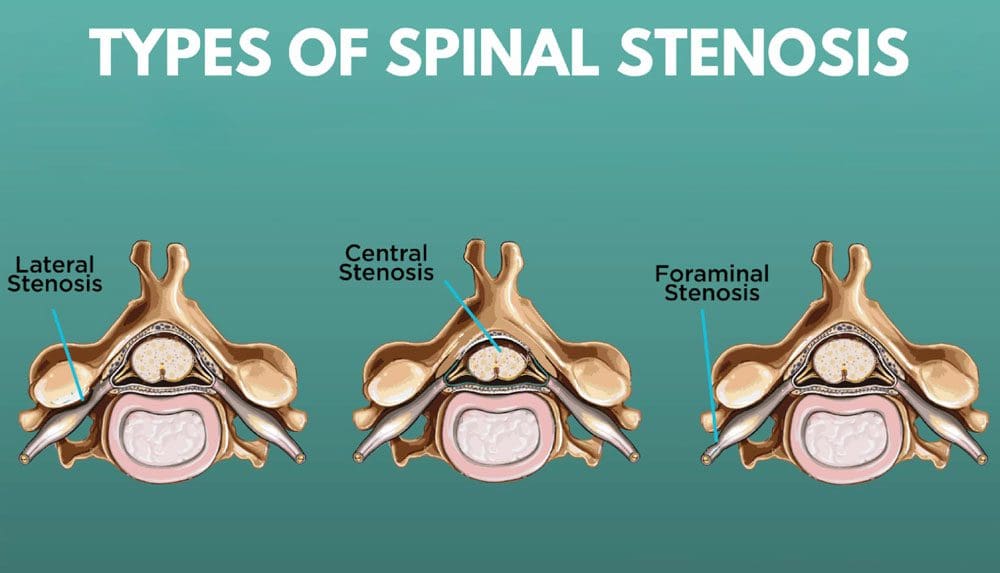
The spine is the body’s central highway, with the spinal canal as the main lane that handles all the traffic. There are entrances and exits, or spinal cavities, that allow the nerves to branch off the spinal cord and run throughout the body. A traffic jam develops during lane closures, accidents, or construction at an entrance or exit. Lateral recess stenosis causes the narrowing of the spine’s lateral recess/Lee’s entrance, which can compress nerves, impede nerve circulation, and cause painful symptoms.
Lateral Recess Stenosis
The spinal column provides a strong and flexible structure for the spinal cord. The nerves travel from the spinal cord through various openings and passageways to the rest of the body. One of the openings is known as the lateral recess. Stenosis means narrowing. When a lateral recess in a vertebra develops stenosis, the nerve in that area can get jammed/pinched with no room to move, causing varying symptoms and sensations.
Symptoms
Depending on where the stenosis is taking place (neck, middle or low back), common symptoms of lateral recess stenosis can include:
Back pain that can spread out to other areas.
Cramping that can spread out to other sites.
Radiating pain that worsens with movement and eases with rest.
Numbness or weakness of the legs or arms.
Electrical tingling sensations down the leg or arm.
Muscle groups around the stenosis area are built up to take the pressure off of the area, alleviating symptoms.
Medications
A doctor or spine specialist may recommend or prescribe medication to ease symptoms. These include:
Tylenol – acetaminophen.
NSAIDS – Advil/ibuprofen or Aleve/naproxen.
Muscle relaxers
Steroid Injections
According to a study, neurogenic claudication is the main reason for disability and loss of independence in the elderly.
Neurogenic claudication describes pain and weakness in the buttocks and legs during physical activity that originates from the nerves, not the vessels.
This can happen from inflammation and swelling around a compressed nerve.
A steroid injection can decrease inflammation for several months.
Surgery
If activity modification, NSAIDs, bracing, and physical therapy don’t work or provide adequate relief, a doctor or specialist could recommend surgery.
Fusion is reserved when there is instability combined with the condition.
Back Problems Chiropractor
References
American College of Rheumatology (n.d.) “Spinal Stenosis” https://www.rheumatology.org/I-Am-A/Patient-Caregiver/Diseases-Conditions/Spinal-Stenosis
Arthritis Foundation (n.d.) “Corticosteroids” https://www.arthritis.org/drug-guide/corticosteroids/corticosteroids
Drug Design, Development and Therapy (2014) “Steroid for epidural injection in spinal stenosis: a systematic review and meta-analysis” https://doi.org/10.2147/DDDT.S78070
Lee, Seung Yeop, et al. “Lumbar Stenosis: A Recent Update by Review of Literature.” Asian spine journal vol. 9,5 (2015): 818-28. doi:10.4184/asj.2015.9.5.818
Liu, Kuan, et al. “Steroid for epidural injection in spinal stenosis: a systematic review and meta-analysis.” Drug design, development, and therapy vol. 9 707-16. Jan 30, 2015, doi:10.2147/DDDT.S78070
Medline Plus (n.d.) “Achondroplasia” https://medlineplus.gov/genetics/condition/achondroplasia/
Herniated disc injuries and the time it takes to heal depend on the injury’s cause, the severity, and where it occurred along the spine. Symptoms can last a few days to months. Chiropractic treatment, massage therapy, and decompression realign the spine and return the disc to its correct position. Still, the herniated disc signs it is returning to normal can take time as the rest of the spine and body adjust to the realignment.
Herniated Disc Signs It Is Returning To Normal
Most cases take a few weeks with healing time depending on health conditions, physical activity level, and age. However, in severe cases, a herniated disc can take up to several months to fully heal, but discomfort symptoms usually resolve sooner.
Expectations From a Healing Disc
Resting the spine and taking it easy after the injury is recommended.
Too much rest is not recommended as it can cause muscle stiffness.
While the herniated disc is healing, a primary doctor may prescribe anti-inflammatories or muscle relaxants to help ease discomfort.
A chiropractor and/or physical therapist can teach exercises and stretches to relieve pressure on nerves, loosen tight muscles, and improve circulation.
Signs The Herniated Disc Is Healing
Most herniated discs cause significant pain in the back and neck from the nervous system, causing some of the muscles of the low back or neck to spasm to protect the area from further damage.
Usually, the muscle spasms relax within the first days of the injury.
After spinal decompression, neurological symptoms like the sharp, shooting pain down a nerve in the arm or leg are the first symptoms to go away.
Then muscle weakness along the path of the nerve goes away.
Numbness in the extremities can linger around longer.
Length of Time
The wear and tear of adult spinal discs, combined with unhealthy posture habits, job occupation, previous injuries, etc., decrease blood circulation.
This is why it can take some time to heal completely, as the entire blood supply needs to reset to optimal circulation.
Nerve compression causing aches and pain sensations down the nerves can also take time.
Regular Activity
Returning to regular activities depends on the individual’s case and condition. It is essential not to overdo things that can cause excessive loading of the spine before the disc has fully healed, which increases the risk of re-herniation and other injuries.
Inactivity can slow the healing process and cause inflammation.
Patients are encouraged to return to activities that generate gentle motion to stimulate the stabilizing muscles to function properly and increase blood circulation to the injured area.
Individuals are recommended to:
Learn posture improvement when walking, sitting, standing, and sleeping.
Adjust sleep patterns.
Incorporate anti-inflammatory nutrition during the healing process.
This provides a mechanical and biological environment that eventually becomes a personalized exercise physical therapy program.
DOC Spinal Decompression
References
Díez Ulloa, Máximo Alberto. “Role of Microangiogenensis in Disc Herniation Healing.” Journal of investigative surgery: the official journal of the Academy of Surgical Research vol. 34,6 (2021): 685. doi:10.1080/08941939.2019.1682725
Factors that influence recovery: Mayo Clinic. February 8, 2022. “Herniated disk.” https://www.mayoclinic.org/diseases-conditions/herniated-disk/symptoms-causes/syc-20354095
Factors that influence recovery: NHS. March 22, 2021. “Slipped Disc.” https://www.nhs.uk/conditions/slipped-disc/
How to speed up healing time: American Academy of Orthopaedic Surgeons. January 2022. “Herniated Disk in the Lower Back” https://orthoinfo.aaos.org/en/diseases–conditions/herniated-disk-in-the-lower-back/
Keramat, Keramat Ullah, and Aisling Gaughran. “Safe physiotherapy interventions in large cervical disc herniations.” BMJ case reports vol. 2012 bcr2012006864. 18 Aug. 2012, doi:10.1136/bcr-2012-006864
Stoll, T et al. “Physiotherapie bei lumbaler Diskushernie” [Physiotherapy in lumbar disc herniation ]. Therapeutische Umschau. Revue therapeutique vol. 58,8 (2001): 487-92. doi:10.1024/0040-5930.58.8.487
Swartz, Karin R, and Gregory R Trost. “Recurrent lumbar disc herniation.” Neurosurgical focus vol. 15,3 E10. 15 Sep. 2003, doi:10.3171/foc.2003.15.3.10
Nerves control muscle fibers. Muscle twitching is an involuntary contraction of the muscle fibers. When individuals play sports/work out vigorously or for a long time, they may experience muscle twitching and can often see and/or feel the twitches happening. The most worked-out muscles are likely to twitch, which includes the biceps, thighs, and calves, but twitches can occur in any muscle. Chiropractic care, massage therapy, and functional medicine can help relax the muscles, improve circulation, restore function, and train individuals to prevent future episodes.
Muscle Twitching
A muscle twitch often occurs after intense physical activity or a hard workout because the muscle or muscles have been overworked, and there is hyper-excitability of the nerve/s that makes the muscle/s continue to contract.
A muscle twitch that can be seen is called fasciculation.
A muscle twitch that cannot be seen is called fibrillation.
If there is pain or the twitching is prolonged, it is a muscle spasm.
Causes
The most common causes include the following:
Intense exercise and rigorous physical activity build up lactic acid in the muscles.
Dehydration is a very common factor for shaky muscles.
Vitamin D and calcium deficiencies could cause muscle spasms in the hand, calves, and eyelids.
Using caffeinated products to increase physical performance.
Not enough or a lack of healthy sleep.
Anxiety or stress.
Certain medications like estrogen and corticosteroids.
Nicotine and tobacco use.
Physical Activity/Exercise
Intense exercise and physical activity can cause muscle fatigue.
Muscle fatigue triggers twitching and cramping in overworked muscle fibers.
Electrolytes play a role in muscle contraction.
Electrolyte loss and imbalances within muscle fibers through sweating can lead to twitching.
Dehydration
Muscle mass comprises 75% water.
Water carries nutrients and minerals to muscles to support function.
Not being properly hydrated can cause twitching and cramping.
Vitamin D Deficiency
Nerves need vitamin D to relay messages to and from the brain to the body’s muscles.
A vitamin D deficiency can cause muscle weakness and twitching.
Lack of sleep can affect neurotransmitter function.
A common site of fasciculation tiredness occurs in the eyelids.
Anxiety and Stress
Experiencing psychological stress or high anxiety levels can cause excess muscle tension.
This can lead to muscle twitching.
Muscle fasciculation caused by stress can occur anywhere in the body.
Certain Medications
Certain medications can lead to involuntary muscle twitching.
The reaction can be a side effect due to interactions with other medications.
Individuals should discuss side effects and medication interactions with their doctor when taking a new medication.
Chiropractic Care
Chiropractors are experts on the musculoskeletal system and have many techniques to treat muscle fasciculation and spasms. It often depends on the cause/s, and specific treatment varies on a case-by-case basis. Common chiropractic treatments include:
Massage therapy
Heat and ice therapy
Manual manipulation
Joint adjustments
Ultrasound
Stretches to keep the muscles flexible
Exercises to strengthen the muscles
Nutritional recommendations
Fasciculation
References
Bergeron, Michael F.. Muscle Cramps during Exercise-Is It Fatigue or Electrolyte Deficit?. Current Sports Medicine Reports July 2008 – Volume 7 – Issue 4 – p S50-S55 doi: 10.1249/JSR.0b013e31817f476a
Gragossian A, Bashir K, Friede R. Hypomagnesemia. [Updated 2022 May 15]. In: StatPearls [Internet]. Treasure Island (F.L.): StatPearls Publishing; 2022 Jan-. Available from: https://www.ncbi.nlm.nih.gov/books/NBK500003/
Küçükali, Cem Ismail, et al. “Peripheral nerve hyperexcitability syndromes.” Reviews in the neurosciences vol. 26,2 (2015): 239-51. doi:10.1515/revneuro-2014-0066
Maughan, Ronald J, and Susan M Shirreffs. “Muscle Cramping During Exercise: Causes, Solutions, and Questions Remaining.” Sports medicine (Auckland, N.Z.) vol. 49, Suppl 2 (2019): 115-124. doi:10.1007/s40279-019-01162-1
Miller, Kevin C et al. “Exercise-associated muscle cramps: causes, treatment, and prevention.” Sports health vol. 2,4 (2010): 279-83. doi:10.1177/1941738109357299
Riebl, Shaun K, and Brenda M Davy. “The Hydration Equation: Update on Water Balance and Cognitive Performance.” ACSM’s health & fitness journal vol. 17,6 (2013): 21-28. doi:10.1249/FIT.0b013e3182a9570f
IFM's Find A Practitioner tool is the largest referral network in Functional Medicine, created to help patients locate Functional Medicine practitioners anywhere in the world. IFM Certified Practitioners are listed first in the search results, given their extensive education in Functional Medicine