The body’s functionality, circulation, and communicationare significantly affected by the health of the nervous system. The brain, spinal cord, and nerve roots connect every part of the body into a massive communication highway. If circulation and communication are interrupted, interfered with, or completely blocked then the body’s health begins to breakdown. Chiropractic treatment and spinal alignment will clear the pathways and get the nerve energy flowing restoring overall health.
Nervous System Operations
The nervous system regulates all areas of the body in communication, coordination, and it functions in the control of all major bodily functions. This includes:
Basic cellular function
Organ processes
Higher-level brain functions that include
Learning
Thinking
Memory
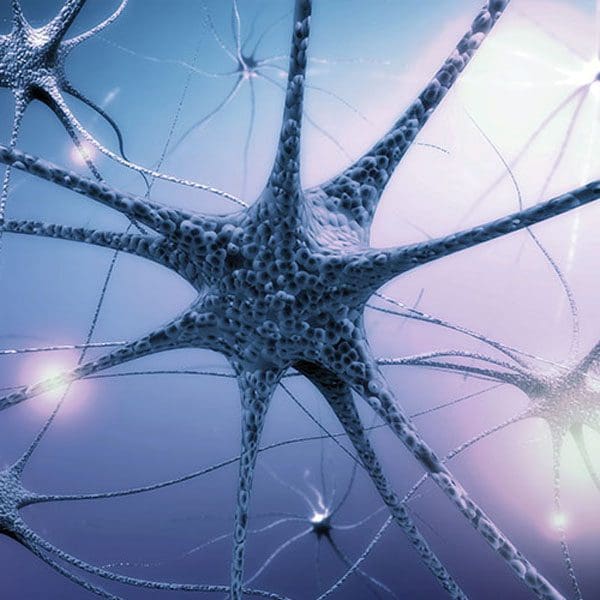
The nerves within the nervous system communicate via chemical and electrical messages. Nerve cells primarily communicate through quick electronic pathways and signals.
Nerve Energy Compromised
The signals that pass between the brain, spinal cord, nerves, and rest of the body maintain connectivity, coordination, and proper organ function. The electrical energy necessary to keep the circulation/signals flowing smoothly happens with optimal nerve strength. Causes that can affect nerve integrity include:
Chronic inflammation
Injury
Mental health factor
Spinal misalignment
If the circulation/communication highway in the nervous system is compromised, it can rapidly turn into misinterpreted, crossed, false, or no signals being sent. Ultimately, the signals can turn into total confusion, making the body fall into a state of total dysfunction. The lines of communication need to remain clear and uninhibited. This allows the body to function with ease as all systems cooperate.
Spinal Misalignment Affects Nerve Energy
With all the signals traveling through the spinal cord, any misalignment will affect circulation. Common causes of misalignment include:
Misalignment can be addressed with professional chiropractic adjustments. A chiropractor will pinpoint any subtle changes, address them, and restore the nerves’ circulation, as well as restore the body’s balance.
Restore and Maximize Nerve Circulation
Chiropractic is a research-based systematic approach to whole-body care and is designed to yield optimal results non-invasively. Contact Injury Medical Chiropractic to see what they can offer in helping to achieve health goals.
The Body’s Composition
Stress is hard enough to handle, but chronic stress can have complex, detrimental effects on emotional health. Over time, stress can wear away at both mental and physical health. And it does not take weeks or months to start seeing the effects.
It can take as little as four days to notice a significant impact on energy, fatigue, and soreness levels. Remember that achieving healthy body composition is more than just building muscle and losing fat. Maintaining a proper diet and getting enough sleep is necessary to make consistent progress.
Dr. Alex Jimenez�s Blog Post Disclaimer
The scope of our information is limited to chiropractic, musculoskeletal, physical medicines, wellness, and sensitive health issues and/or functional medicine articles, topics, and discussions. We use functional health & wellness protocols to treat and support care for injuries or disorders of the musculoskeletal system. Our posts, topics, subjects, and insights cover clinical matters, issues, and topics that relate and support directly or indirectly our clinical scope of practice.*
Our office has made a reasonable attempt to provide supportive citations and has identified the relevant research study or studies supporting our posts. We also make copies of supporting research studies available to the board and or the public upon request. We understand that we cover matters that require an additional explanation as to how it may assist in a particular care plan or treatment protocol; therefore, to further discuss the subject matter above, please feel free to ask Dr. Alex Jimenez or contact us at 915-850-0900. The provider(s) Licensed in Texas& New Mexico*
References
Lorei, M P, and E B Hershman. �Peripheral nerve injuries in athletes. Treatment and prevention.��Sports medicine (Auckland, N.Z.)�vol. 16,2 (1993): 130-47. doi:10.2165/00007256-199316020-00005
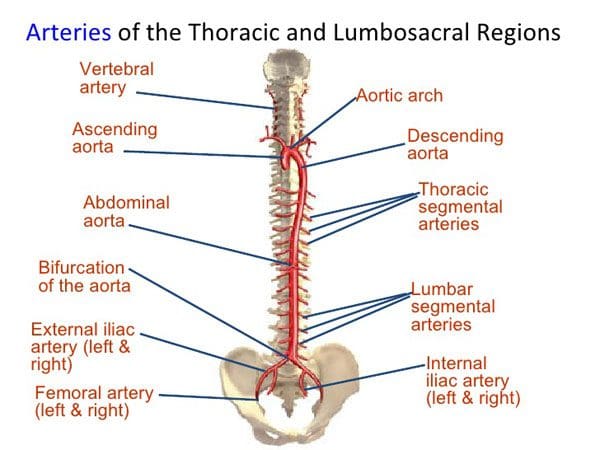
The heart never stops working. The efficiency of the heart and how it operates depends on various factors related to individual health. High blood pressure management can include chiropractic treatment for proper spinal alignment. This promotes improved nervous system function, regulation, and optimal blood flow throughout the body.
High blood pressure is also known as hypertension, often it has no symptoms, and if left untreated, it could lead to heart conditions like heart disease and stroke. Blood pressure is the force the heart exerts on the arteries each time it contracts and relaxes. It is measured with a blood pressure cuff or monitor.
Normal is around 120/80 mmHg
A blood pressure reading of 130/90 mmHg or more, is categorized as high blood pressure.
High blood pressure
Any type of heart condition can place added strain on the body and can lead to poor quality of life, disease, and be fatal. When the body’s ability to pump the proper amount of blood gets compromised the body suffers from a lack of oxygenated blood. These issues can go undiagnosed for years. Often high blood pressure does not get associated with any specific symptoms other than general poor health. When left untreated, high blood pressure can lead to issues like:
Heart attack
Stroke
Kidney disease
Dementia
Prevention and regular monitoring are crucial for staying on top of any potential heart issues.
Heart conditions
Different heart conditions can cause pain in the chest, upper back, and shoulder(s):
Angina is when the heart muscle does not get enough blood causing chest pain.
A heart attack occurs when there is reduced or complete loss of blood supply from the blockage of an artery.
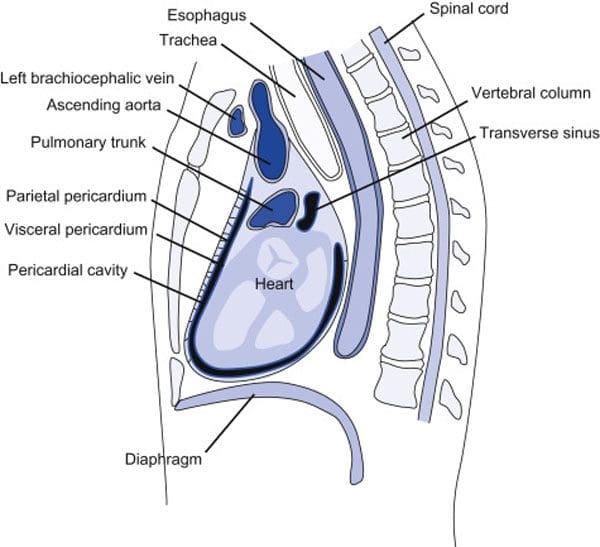
Pericarditisis the inflammation of the thin layers that surround the heart.
Heart conditions are commonly associated with chest pain but remember that chest pain is not always present or severe. Pain-related to the heart can also be felt in other areas, like the shoulder or upper back.
Risk factors
Risk factors associated with high blood pressure include:
An unhealthy diet high full of processed foods, sugar, and salt
The most common treatment for high blood pressure is medication. However, this does not address the root cause of the issue in relation to individual lifestyle and underlying imbalances of the body that include the spine.
Lifestyle
Lifestyle adjustments should be the first line of defense for managing, and reversing heart health issues. High blood pressure management includes:
Focus on nutrition
Exercise
Stress management
Chiropractic
Chiropractic is a specialized approach that focuses on identifying and addressing the root cause of musculoskeletal health issues and optimized organ function through restored impaired nerve function. Spinal misalignment can cause nerve signals to be impaired/damaged which can affect the heart and overall health.
A chiropractic physician can help reduce the strain on the body�s functions by restoring nerve function/energy/blood flow with spinal adjustments that bring the body back into proper alignment. One primary cause of high blood pressure is over-activation of the autonomic nervous system, which regulates the stress response.
When spinal alignment is achieved, there is improved regulation to prevent unnecessary spikes in stress affecting body homeostasis and organ function. Chiropractic can help an individual achieve the best possible heart health. Once the diagnosis is found, an effective customized treatment plan will be developed.
Chiropractor Near Me
Dr. Alex Jimenez�s Blog Post Disclaimer
The scope of our information is limited to chiropractic, musculoskeletal, physical medicines, wellness, and sensitive health issues and/or functional medicine articles, topics, and discussions. We use functional health & wellness protocols to treat and support care for injuries or disorders of the musculoskeletal system. Our posts, topics, subjects, and insights cover clinical matters, issues, and topics that relate and support directly or indirectly our clinical scope of practice.*
Our office has made a reasonable attempt to provide supportive citations and has identified the relevant research study or studies supporting our posts. We also make copies of supporting research studies available to the board and or the public upon request. We understand that we cover matters that require an additional explanation as to how it may assist in a particular care plan or treatment protocol; therefore, to further discuss the subject matter above, please feel free to ask Dr. Alex Jimenez or contact us at 915-850-0900. The provider(s) Licensed in Texas& New Mexico*
References
Win, Ni Ni et al. �Effects of Upper and Lower Cervical Spinal Manipulative Therapy on Blood Pressure and Heart Rate Variability in Volunteers and Patients With Neck Pain: A Randomized Controlled, Cross-Over, Preliminary Study.��Journal of chiropractic medicine�vol. 14,1 (2015): 1-9. doi:10.1016/j.jcm.2014.12.005
Back or disc pain is becoming increasingly common for individuals of all ages. The spinal discs are prone to injury because of the extreme amount of pressure/stress placed on the lower back and neck. Fortunately, most cases of back pain heal on their own, while others can cause long-term chronic pain that can be difficult to manage, without proper treatment.
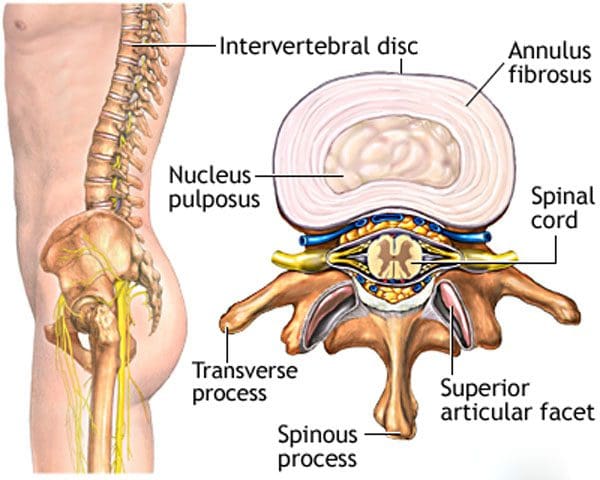
Different types of pain can be caused by problems with the spinal discs. The spinal discs are elastic sections of the spine that sit between the vertebrae. They are made up of materials called annulus fibrosus on the outside and a gel-like material called nucleus pulposus on the inside.
These discs are flexible, which allows for a range of motion to the spine and body shock absorption to increase comfort when in motion. When an individual visits a chiropractor, the practitioner will not know the exact cause of the pain, but only that it hurts around a certain area. Our spinal experts will help individuals understand the different types of ailments or conditions that could be affecting the spine. Then a customized treatment plan can be developed.
Disc problems
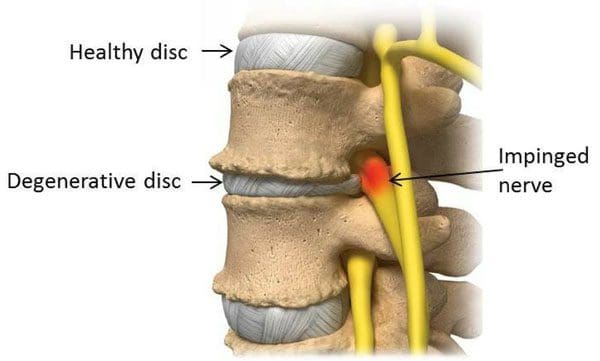
Spinal disc pain has two major sources of pain related to spinal discs: They are disc degeneration and nerve root pain. They are most common in the neck and the lower back. Individuals need to be informed of the difference to understand what is happening with the spine and potential treatment options to alleviate the pain and heal the problem.
Degenerative disc disease
Degenerative disc disease is when the spinal discs begin to dry out and deteriorate. The discs start to shrink and can tear, which leaves that segment with little or no cushioning. This can cause pain, as well as inflammation of the surrounding muscles and joints. Disc degeneration usually presents with low levels of consistent pain and occasional severe flare-ups.
A chiropractor can utilize spinal manipulation to restore alignment, function, and mobility of the affected joint. Massages stretches and exercises will help alleviate the tension in the surrounding muscles along with strengthening them for better support.
Nerve root pain
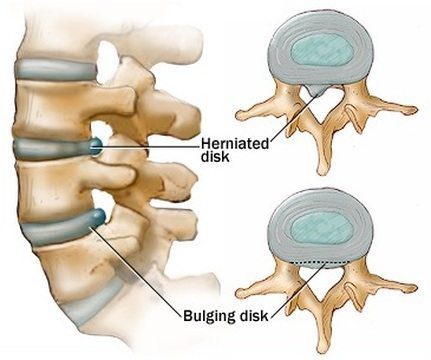
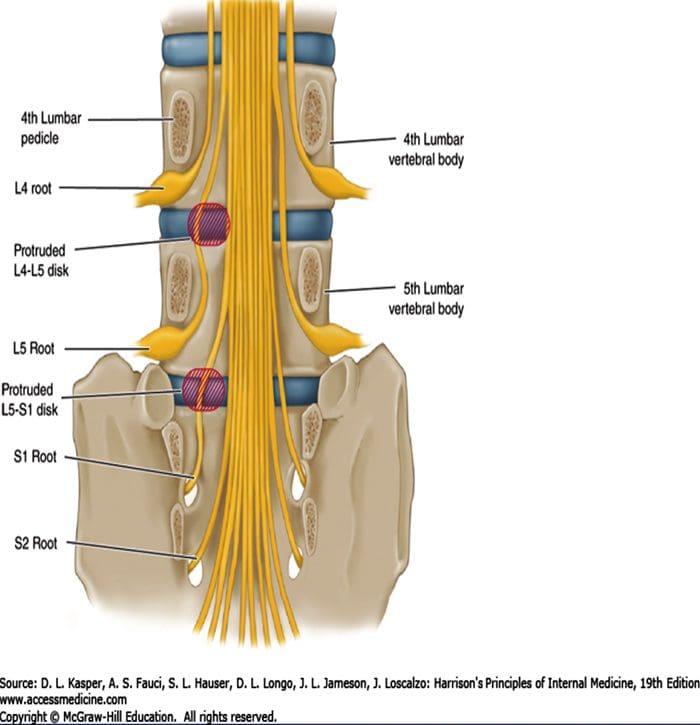
Nerve root pain does not take place within the disc but is usually caused by a bulging or herniated disc. This condition can be called a slipped disc or pinched nerve, affect the nerves that are in close proximity to the neck and lower vertebrae.
The pain can lead to numbness, tingling, and weakness along the path of the nerve, and radiate out to the arms and legs. A bulging disc is when the spinal disc progressively protrudes through a narrow opening.
This can irritate any nearby nerve roots causing inflammation and pain. If the disc herniates or breaks through then the outer protective material tears, letting the cushion/gel leak out and come in contact with the nerve root/s, which could also cause pinching and inflammation. Treatment for a bulging or herniated disc includes:
Spinal manipulation
Corrective exercises
Physical therapy
Massage
Diet adjustments
These treatments can help realign the disc/s, moving them away from any nerves, and minimizing inflammation.
Proper Identification and Diagnosis
Spinal disc problems can be similar in their pain and symptoms. For example, degenerative disc disease can weaken the spinal discs to such a degree that nerve root pain follows creating a dual combination of pain. The conditions require various approaches and treatment methods often done in combination. However, they require a proper diagnosis to create a proper and custom treatment program for every individual. This will ensure the root cause of the disc pain is properly identified and handled. Call us to learn more.
Skateboarding Injury Treatment
Dr. Alex Jimenez�s Blog Post Disclaimer
The scope of our information is limited to chiropractic, musculoskeletal, physical medicines, wellness, and sensitive health issues and/or functional medicine articles, topics, and discussions. We use functional health & wellness protocols to treat and support care for injuries or disorders of the musculoskeletal system. Our posts, topics, subjects, and insights cover clinical matters, issues, and topics that relate and support directly or indirectly our clinical scope of practice.*
Our office has made a reasonable attempt to provide supportive citations and has identified the relevant research study or studies supporting our posts. We also make copies of supporting research studies available to the board and or the public upon request. We understand that we cover matters that require an additional explanation as to how it may assist in a particular care plan or treatment protocol; therefore, to further discuss the subject matter above, please feel free to ask Dr. Alex Jimenez or contact us at 915-850-0900. The provider(s) Licensed in Texas& New Mexico*
References
Browning, J E. �Chiropractic distractive decompression in the treatment of pelvic pain and organic dysfunction in patients with evidence of lower sacral nerve root compression.��Journal of manipulative and physiological therapeutics�vol. 11,5 (1988): 426-32.
Sciatica or Aneurysm? Knowing how a missed diagnosis could be potentially fatal if not diagnosed accurately could be a deadly mistake! Doctors must not fall for a sciatica diagnosis when a possibly fatal iliac artery aneurysm lies looming and progressing.
Sciatica or Aneurysm
An example is a patient who visited an emergency clinic after a few weeks for a non-painful pulsing mass on the buttock. There was no:
Trauma
Injury
Back pain
Leg pain
Prior presentations of pain or sciatica issues
A physical examination found a small pulsing mass on the right buttock. Palpation around the site found no issues with the sensory and motor nerves.
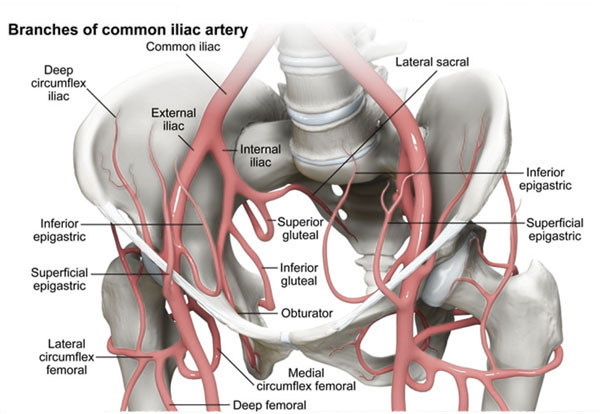
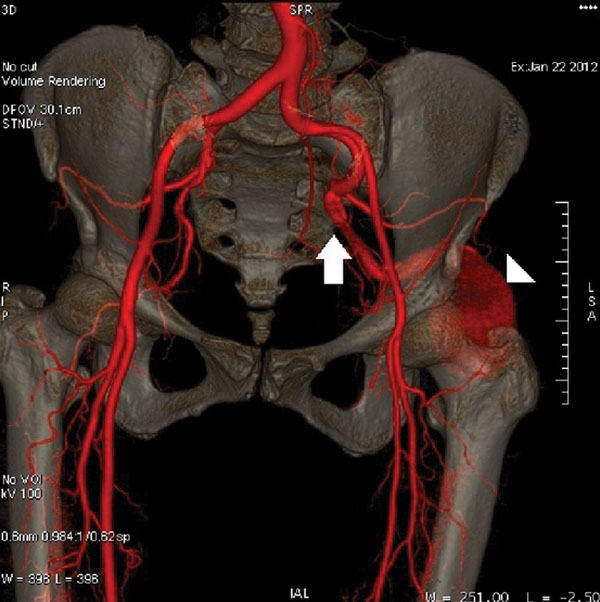
An ultrasound scan of the affected area revealed a developing aneurysm. This was followed by a CT scan of the abdomen along with the pelvis using a contrast dye found the aneurysm developing from the left internal iliac artery. If the mass was not present a doctor could easily diagnose sciatica or persistent sciatic artery. If the iliac artery presents with pulsating lesions is a tip-off that a vascular issue could be impinging on the sciatic nerve. Vascular surgery was discussed with the patient. Surgery was necessary, and the patient underwent sciatic aneurysm repair. The patient was discharged without any complications.
Persistent Sciatic Artery
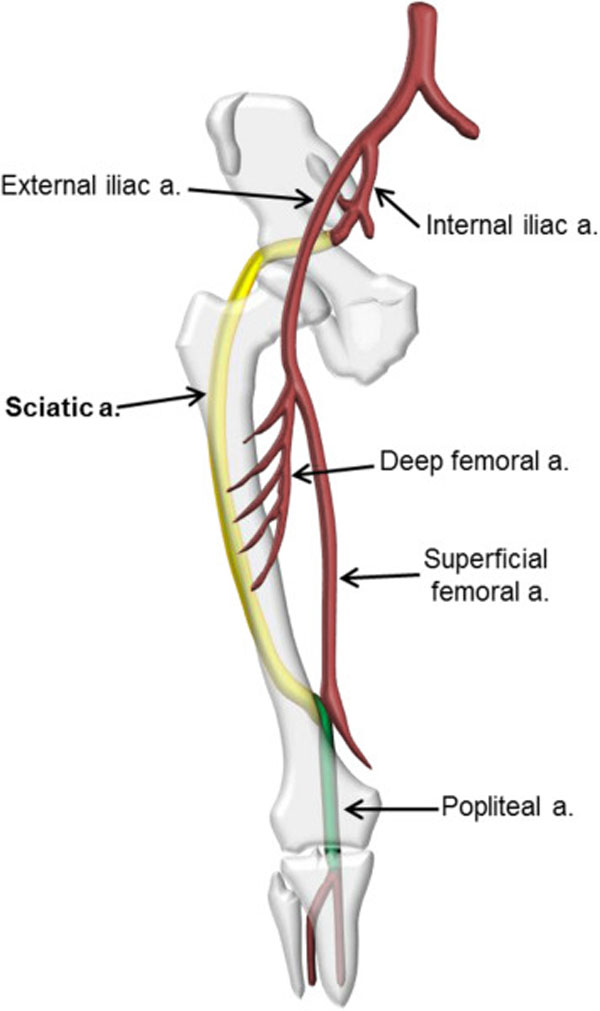
This is a very rare congenital vascular condition. The sciatic artery runs along the sciatic nerve and functions as the major blood supply to the lower extremities. During human embryo development, the femoral artery begins to form while the sciatic arteries start to return to a less developed state. The process continues until the femoral artery takes over as the major blood supply, with only bits of the sciatic artery left.
Persistent sciatic artery can happen either from the sciatic artery not returning to its original size or during normal development the femoral artery developing properly. Most cases of persistent sciatic artery go unknown and are usually detected from another examination for another ailment. Aneurysms often develop based on the arteries/vessel’s tendency for minor trauma/injury when sitting or some form of pressure is applied on the site. Complications include:
Vascular Conditions In The Leg/s That Can Present As Sciatica
The legs’ blood vessels can get infected, bulged, ruptured, or blocked. This can cause sciatica symptoms, like leg pain, weakness, tingling, and numbness. Severe cases could require medical emergency surgery to save the affected limb.
Acute Limb Ischemia
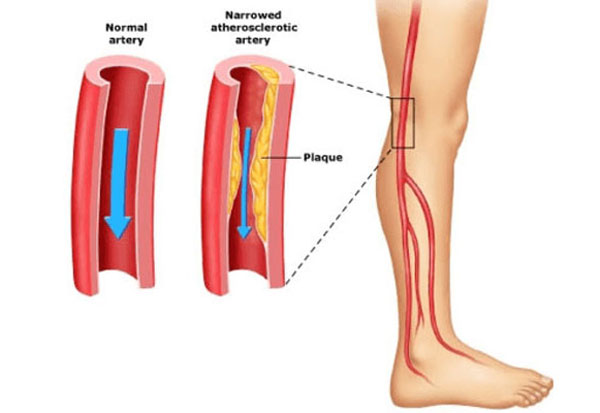
This condition occurs from a decrease or loss of blood supply to the legs. If there is leg pain, it could feel similar to sciatica pain. However, symptoms can progress rapidly and become severe. That’s when it is not sciatica. Acute limb ischemia present one or more of the following symptoms:
Pain and/or numbness in the leg while walking and when resting
Severe pain at night
Sleep problems
Pain relief when sitting on a chair with the feet hanging down
Feet and ankles become swollen
A pale color and lowered skin temperature over the toes and feet when compared to the legs
Acute limb ischemia can develop from an aneurysm, blood clot, or from the thickening of the vessel walls. Treatment should be prompt in order to preserve leg function. Differentiation diagnosis between vascular and other causes like spinal problems that can cause leg pain. A doctor may perform an Ankle/Brachial Index which is a comparison of blood flow in the arms versus the legs. This can be critical in determining if there is vascular insufficiency.
Acute Compartment Syndrome
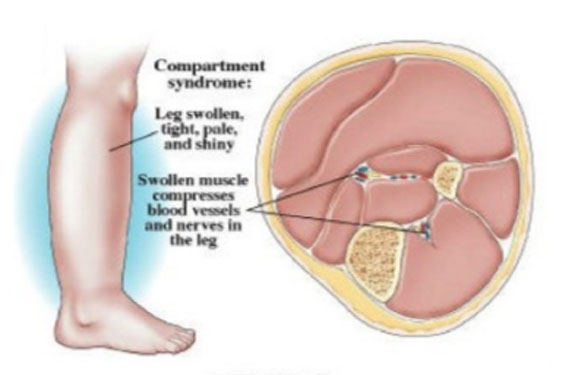
This places increased pressure in the muscle tissues of the leg. It can lead to loss of blood supply in and around the affected area. The sciatic nerve can also get compressed from the increased pressure in the buttock, thigh, or leg. The condition can cause pain, numbness, and weakness in the buttock, thigh, and leg. Individuals have also reported an unusual/altered sensation in the web of the great toe. This is similar to sciatica, as well as one or both legs can be affected. Differentiating symptoms include:
Leg becomes swollen
Pain and tenderness present when touching the leg
A pale color and lowered skin temperature over the leg
Acute compartment syndrome is a serious condition that is considered a medical emergency. It is possible for the condition to cause complete dysfunction of the limb if not addressed in time. There are risk factors that increase the chances of developing limb ischemia or compartment syndrome. These are:
Diabetes
Heart conditions
High cholesterol
Smoking
History of having the condition can also cause a recurrence. This can be from an injury or poor health.
Kidney stones, renal failure, or cysts in the kidney can also cause back and leg pain. Other symptoms can include blood in the urine or difficulty urinating. Any sign of distressing symptoms that present with sciatica can indicate the need for medical attention. This is to check for the possibility of a serious underlying condition or medical emergency. Medical emergencies that are treated in time can help preserve the tissue/s, restore function, and save an individual�s life.
It is essential for a chiropractor or physical therapist to be familiar with diagnosing in a way that will help identify sciatica or aneurysm in individuals presenting with musculoskeletal issues/problems. Knowledge of these risk factors, understanding how to screen for non-musculoskeletal symptoms, basic competence in palpation, and how to interpret findings will help discover sciatica or aneurysm if it is there and begin timely treatment. And if it is not there then a sciatica treatment plan can be developed before it worsens.
Sciatic Nerve Pain
Dr. Alex Jimenez�s Blog Post Disclaimer
The scope of our information is limited to chiropractic, musculoskeletal, physical medicines, wellness, and sensitive health issues and/or functional medicine articles, topics, and discussions. We use functional health & wellness protocols to treat and support care for injuries or disorders of the musculoskeletal system. Our posts, topics, subjects, and insights cover clinical matters, issues, and topics that relate and support directly or indirectly our clinical scope of practice.*
Our office has made a reasonable attempt to provide supportive citations and has identified the relevant research study or studies supporting our posts. We also make copies of supporting research studies available to the board and or the public upon request. We understand that we cover matters that require an additional explanation as to how it may assist in a particular care plan or treatment protocol; therefore, to further discuss the subject matter above, please feel free to ask Dr. Alex Jimenez or contact us at 915-850-0900. The provider(s) Licensed in Texas& New Mexico*
References
Javdanfar A, Celentano C. Sciatic artery aneurysm. West J Emerg Med. 2010;11(5):516-517.
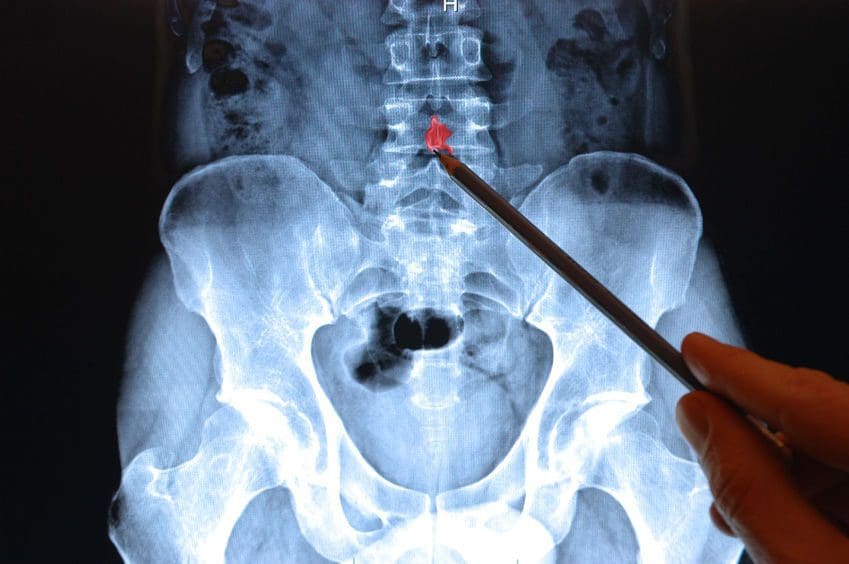
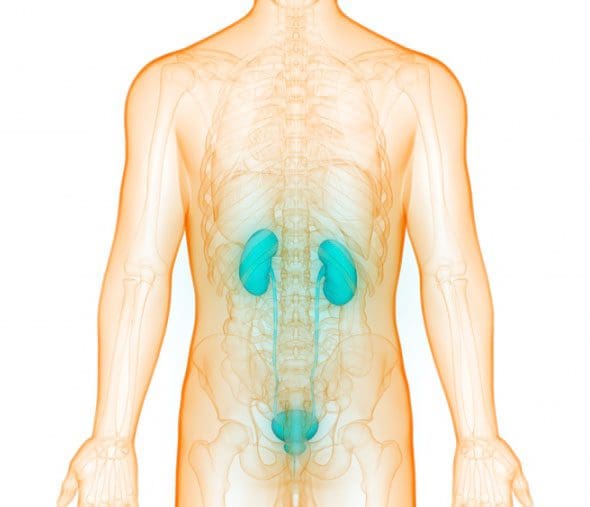
Spinal disorders and injuries could cause a nerve injury through compression or damage causing Neurogenic Bladder Dysfunction also known as Bladder Dysfunction. Neurogenic bladder disorder means an individual is having problems with urination.
Neurogenic involves the nervous system and the nerve tissues that supply and stimulate the organs and muscles to function and operate correctly. Neurogenic bladder dysfunction causes the nerves that control the bladder and muscles in urination to be overactive or underactive. �
�
Symptoms
Constant bathroom visits
Control in urination is limited
Complete involuntary urination
Sudden urge/s to urinate
The bladder is unable to hold urine
The bladder fails to empty completely
Overfilling of the bladder creates intense pressure causing accidental leakage
�
Nerves of the Bladder
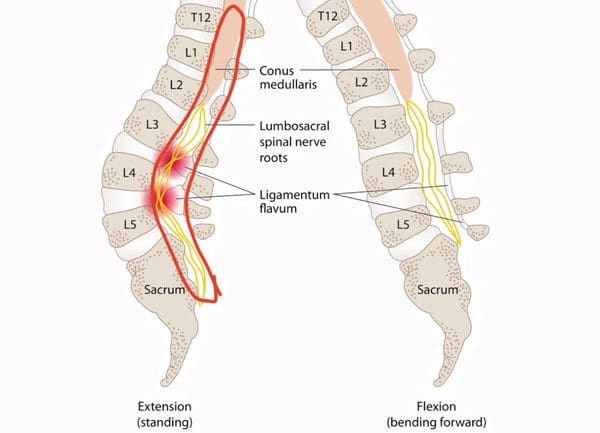
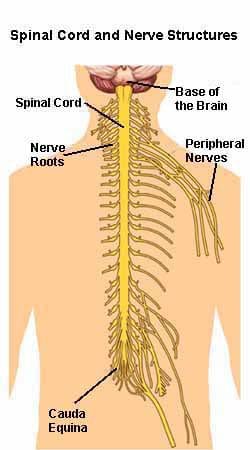
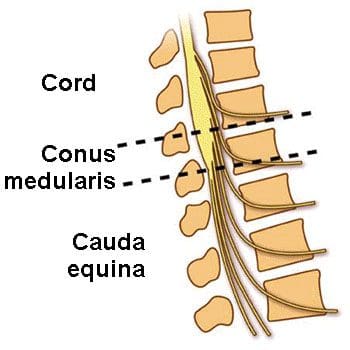
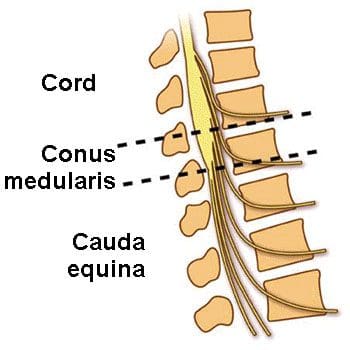
The brain and spinal cord function as the headquarters with the spine as the body’s highway that transmits and relays signals/messages to and from the bladder. In the low back, the spinal cord splits apart into a bundle of nerves called the cauda equina. �
�
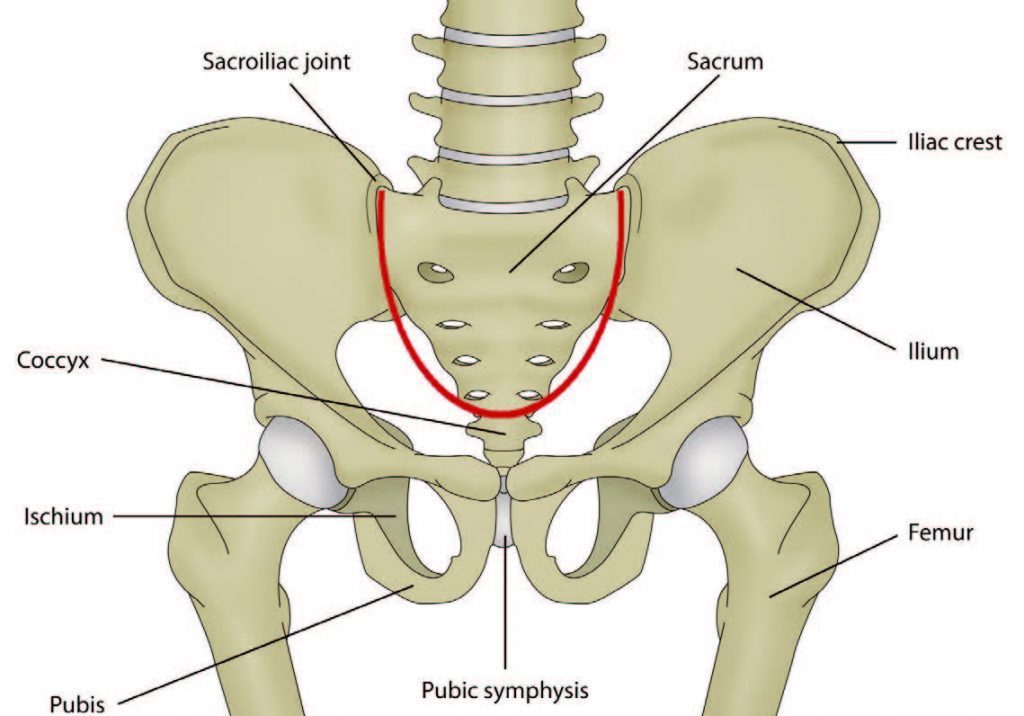
At the end of the lumbar spine is the sacrum this area is known as the sacral spine. The sacrum is the backside of the pelvis between the hip bones. The nerves in the sacral spine branch out and become part of the peripheral nervous system. �
�
These nerves provide and stimulate bladder sensation and function. When these nerves become compressed, inflamed, injured, or damaged in some way, organ dysfunction can present. This is when any of the symptoms listed above can develop and progress. �
Potential Causes of Neurogenic Bladder Dysfunction
Spinal Cord Injury/s are a common cause of neurogenic bladder dysfunction. The spinal cord does not have to be severed to cause paralysis below the injured part of the spine. If the spinal cord gets bruised or there is improper blood flow, the spinal cord’s ability to send nerve signals can become inhibited. Cauda Equina Syndrome happens when the nerves spinal roots become pinched or compressed. It is rare, but it is a serious medical condition that requires immediate medical attention. Causes of cauda equina syndrome include:
Trauma like an auto accident, personal/work/sports injury
Spinal condition from injury or present from birth
�
Treatment
The treatment depends on the cause or causes of neurogenic bladder dysfunction. A primary physician could call upon a bladder specialist like a urologist, nephrologist, or urogynecologist to collaborate and coordinate the treatment plan. If the dysfunction is caused by a nerve root compression, a spinal procedure (discectomy) is performed to decompress and relieve the pressure on the nerves.
Nutrition and Fitness During These Times
Dr. Alex Jimenez�s Blog Post Disclaimer
The scope of our information is limited to chiropractic, musculoskeletal, physical medicines, wellness, and sensitive health issues and/or functional medicine articles, topics, and discussions. We use functional health & wellness protocols to treat and support care for injuries or disorders of the musculoskeletal system. Our posts, topics, subjects, and insights cover clinical matters, issues, and topics that relate and support directly or indirectly our clinical scope of practice.*
Our office has made a reasonable attempt to provide supportive citations and has identified the relevant research study or studies supporting our posts. We also make copies of supporting research studies available to the board and or the public upon request. We understand that we cover matters that require an additional explanation as to how it may assist in a particular care plan or treatment protocol; therefore, to further discuss the subject matter above, please feel free to ask Dr. Alex Jimenez or contact us at 915-850-0900. The provider(s) Licensed in Texas& New Mexico*
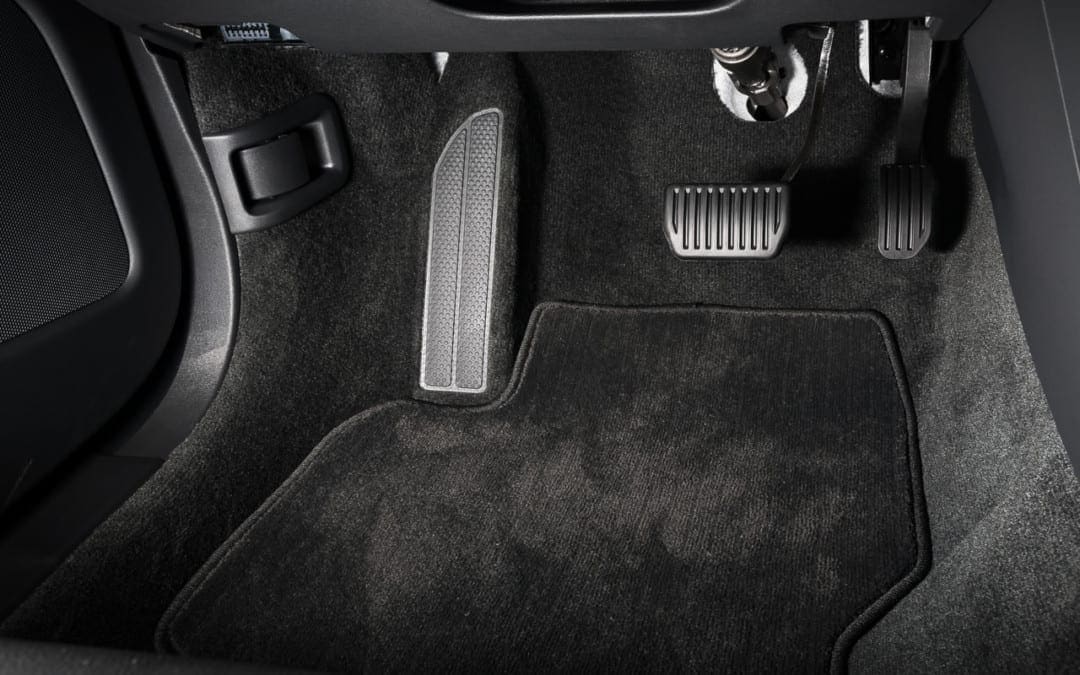
Part 2 delayed braking reaction time caused by sciatica, we continue with the spinal cord, nerves, and how they communicate with the brain. A herniated disc can cause sciatica, which is a compressing of the nerve/s in and around the spinal cord. This compression causes a pinching of the nerve/s like bending a water hose cuts off the flow and damages the hose, is what happens to the spinal nerve/s cutting proper blood flow, and proper synapse/signal flow.
This occurs from the damage to the nerve/s and could delay braking signals for a split second. But that is all that is needed for an auto accident to happen. A delay in braking time has been found in individuals with herniated/bulging/ruptured/slipped discs. Fortunately, through chiropractic and physical therapy, the nerves can be re-stimulated and brought back to optimal function.
�
�
Communication
The spinal cord is about one inch across at its widest and around eighteen inches long. The spinal cord is a type of tube that is filled with nerves and cerebrospinal fluid. This protects and nourishes the cord. Spinal cord added protection includes:
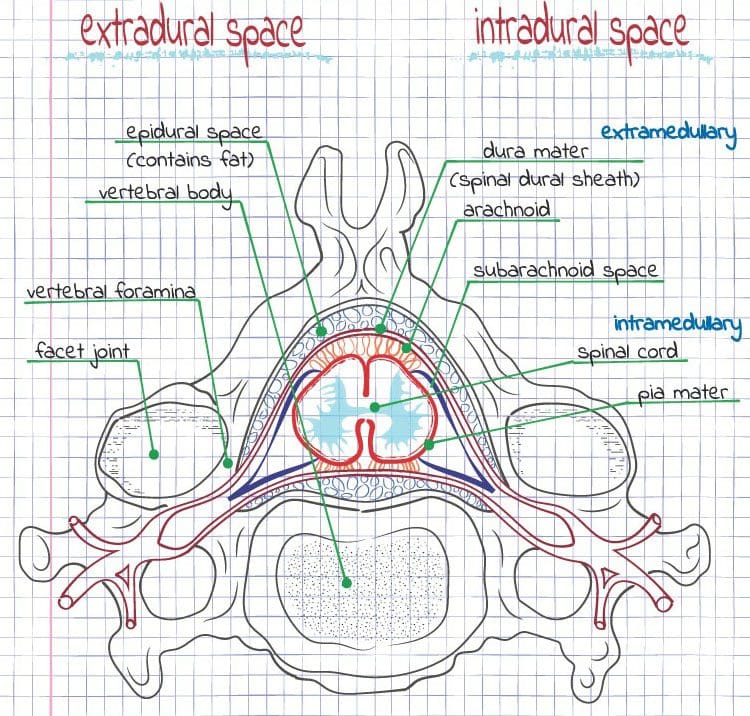
There are three types of membranes surrounding the spinal cord referred to as meninges. The outer membrane is known as the dura mater, the middle membrane is the arachnoid mater and the innermost membrane is the pia mater. �
� These membranes can become inflamed and damaged by disease or trauma. Arachnoiditis is caused by inflammation of the arachnoid lining that results in intense stinging and burning pain. This can happen post-surgery and can cause the scarring of nerve/s.
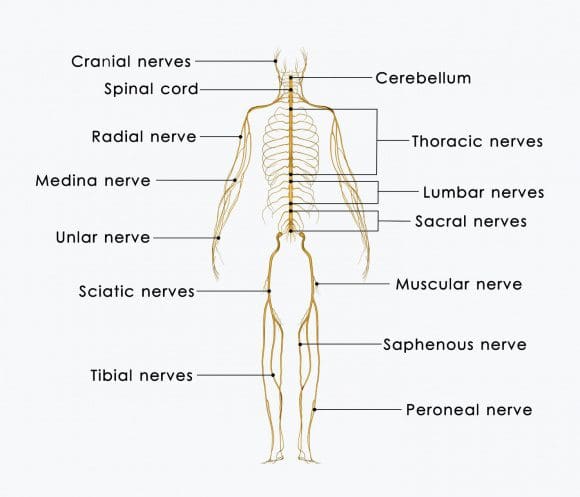
The nerves exit the spinal column and branch out to the rest of the body. All parts of the body are controlled by specific spinal nerves. The nerves are placed in and around the area they control. Like the nerves in the neck area branch out into the arms. This is why a neck ache/pain issue can lead to pain spreading into the arms and hands.
Thoracic spine controls the middle of the body,
The lumbar spine extends into the outer legs controlling that area
Sacral nerves control the middle of the legs and organ functions of the pelvis
�
The brain
Two major types of nerves: sensory and motor. Sensory nerves send information like:
Touch
Temperature
Pain
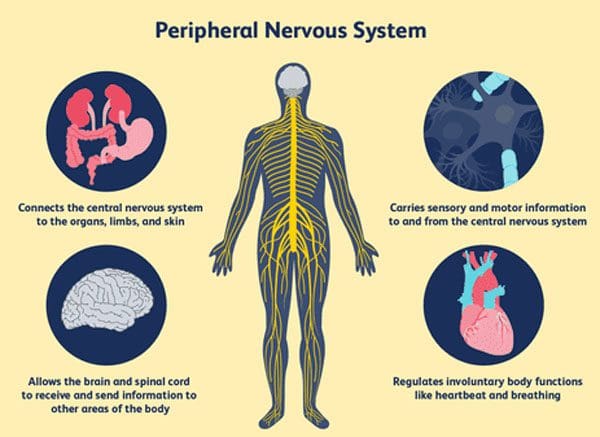
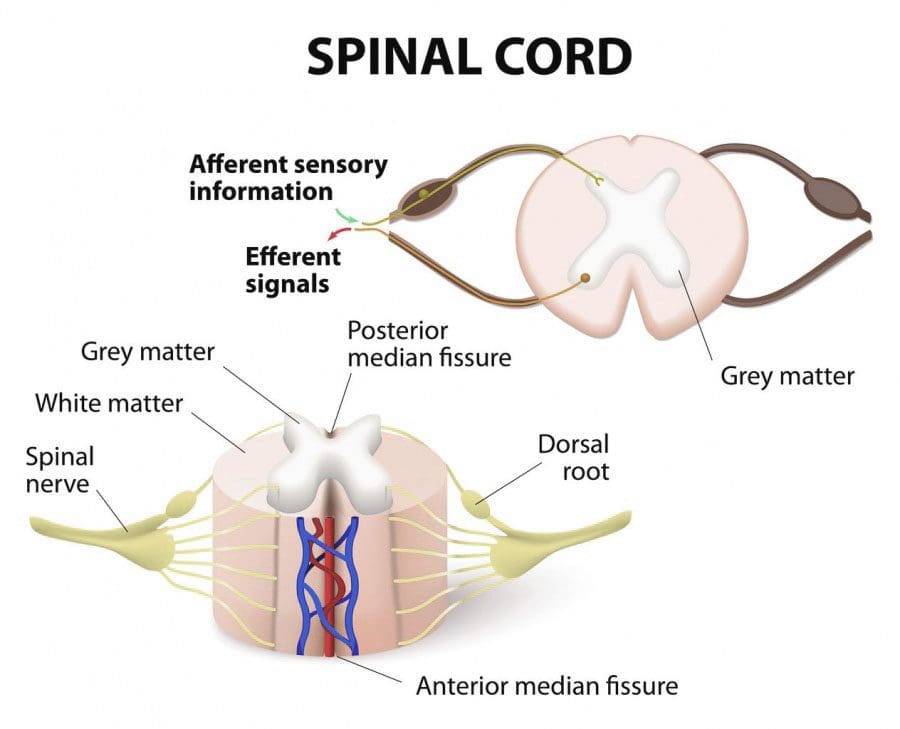
These get sent to the brain via the spinal cord. Motor nerves relay signals from the brain back to the muscles making them contract voluntarily or reflexively. Peripheral nervous system – the PNS has nerves that extend down the spinal canal and branch out at openings in the vertebrae called foramina. �
�
�
Signals/messages get sent to and from the brain aka the central nervous system. It sends all types of signals including pain and initiates movement. For example, the nerves reflexively make the spine twist and turn when driving to keep balance when turning and braking. The peripheral nervous system is a collection of millions of nerves throughout the torso and limbs. This system conveys messages to the central nervous system.
�
Referred pain
When a health problem/issue/condition takes place in one part of the body with pain being felt in another or several areas, pain specialists call it referred pain.
�
Nerves
Nerves exiting the spinal cord is done in pairs with one being a sensory nerve, and the other a motor nerve. Motor nerves initiate movement and bodily function. Damage to a motor nerve could cause a weakness in a muscle or loss of function. For example, a prick in the foot that is not felt could mean there is some sensational loss, indicating a problem with the sensory nerves and or possible nerve damage. These are the nerves that control pain, temperature, etc. Sensory nerve issues can feel like shooting electrical pain Continuing with activities could exacerbate the nerve damage.
�
Cauda Equina
� The spinal cord ends at the lumbar low back, where the nerves extend in a bundle of strands called cauda equina, called this because it looks like a horsetail. These nerves provide motor and sensory function to the:
Legs
Intestines
Genitals
Bladder
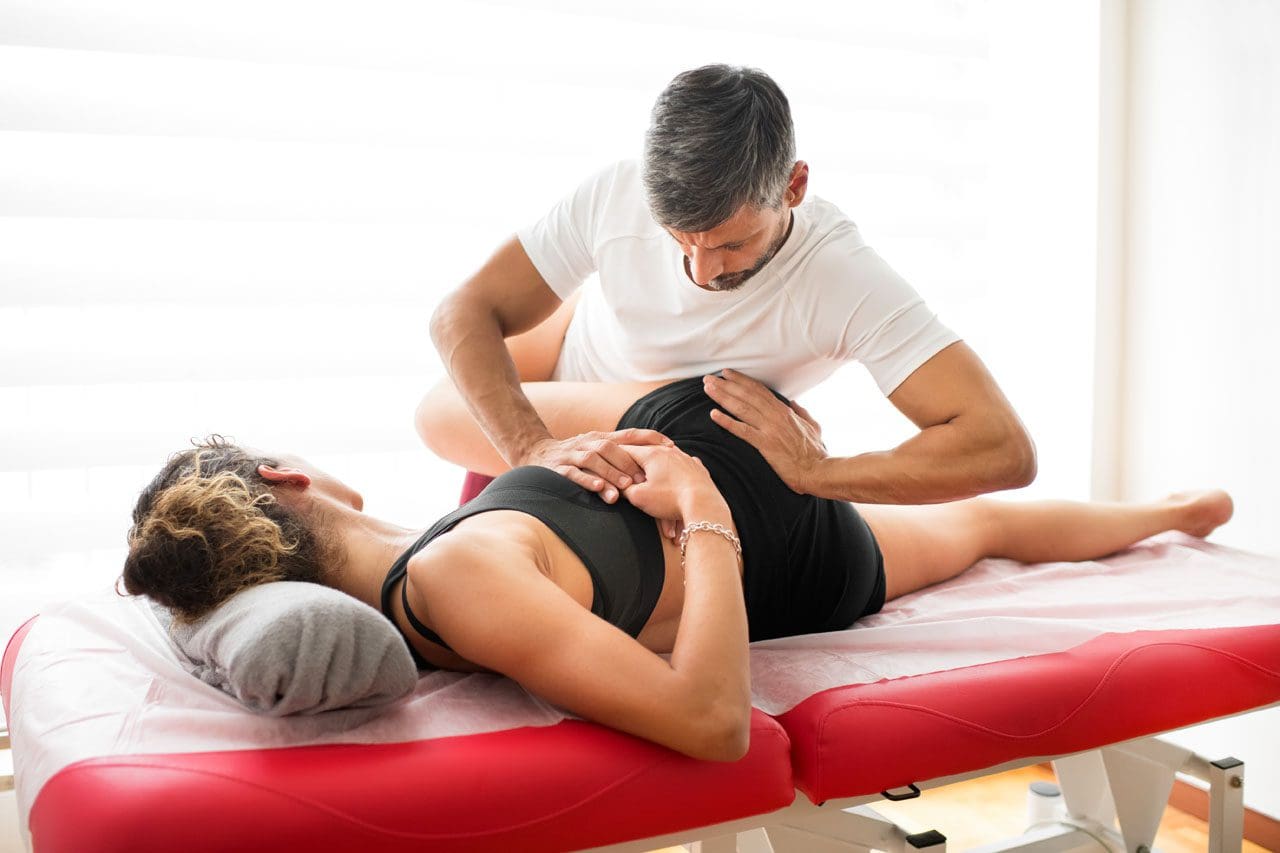
Therefore, based on this knowledge there is adequate information displaying how sciatica could cause a delayed braking reaction time based on the nerves’ dysfunctional signal firing. Chiropractic treatment could be an option to help an individual realign their spine, work out tight muscles, nerves, ligaments preventing any further damage, and getting the individual back in top form.
�
Chiropractors & Sciatica Syndrome Expose
NCBI Resources
�
Dr. Alex Jimenez�s Blog Post Disclaimer
The scope of our information is limited to chiropractic, musculoskeletal, physical medicines, wellness, and sensitive health issues and/or functional medicine articles, topics, and discussions. We use functional health & wellness protocols to treat and support care for injuries or disorders of the musculoskeletal system. Our posts, topics, subjects, and insights cover clinical matters, issues, and topics that relate and support directly or indirectly our clinical scope of practice.*
Our office has made a reasonable attempt to provide supportive citations and has identified the relevant research study or studies supporting our posts. We also make copies of supporting research studies available to the board and or the public upon request. We understand that we cover matters that require an additional explanation as to how it may assist in a particular care plan or treatment protocol; therefore, to further discuss the subject matter above, please feel free to ask Dr. Alex Jimenez or contact us at 915-850-0900. The provider(s) Licensed in Texas& New Mexico*
Research has found that individuals with disc herniation/s can have a delayed braking time when driving. After undergoing surgery these individuals showed significant improvement in braking time.
Based on this information Dr. Jimenez looks at how individuals with functional sciatica, (often caused by a herniated disc) meaning they can move and operate a vehicle to a certain point without generating pain, however they often put themselves in extreme/awkward positions just to operate, could also have a delay in brake reaction time. �
�
Sciatic Nerve
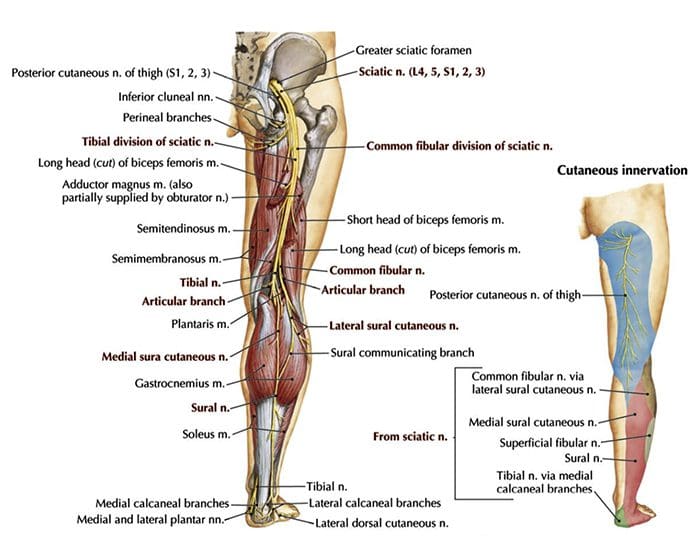
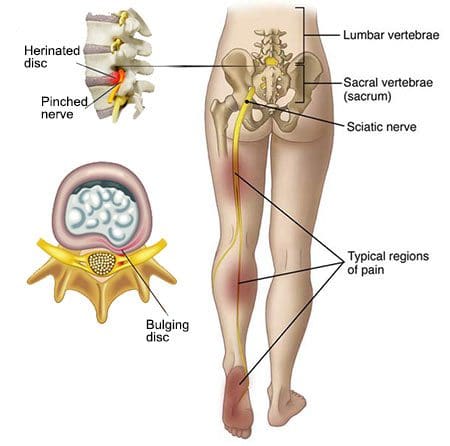
The sciatic nerve is a large nerve that travels from the lower back down both of the legs and into the feet.�Sciatica begins in the low back. The nerve roots in the lower spine come together and turn into the sciatic nerve. Sciatica happens when these nerves get pinched/compressed. This usually occurs from a herniated disc or when the spinal canal narrows called stenosis.
�
Symptoms
Typically, sciatica causes:
Pain in the leg/s
Shooting pain that goes down from the low back, through the leg, calf and sometimes into the foot
Electrical pain running/shooting down the leg
Burning pain
Pain from slight movement
Numbness
Weakness
�
A car accident can cause sciatica, but now it seems that sciatica can cause an automobile accident because of delayed braking reaction time. People with sciatica that is present without pain often say there is a constant non-painful tingling, numbness, or numbing sensation along the leg that lets them know the sciatica is still there.
This could be insufficient blood flow from wherever the impingement is happening. Keep in mind that there could be multiple areas of impingement. Just like the slow blood flow, they may find when they drive the impingement slows the motor-sensory signal and braking time to depress the brake pedal fast enough to avoid a collision.
�
Nerve Treatment
Sciatica can be treated non-surgically with:
Chiropractic
Physical therapy
24 to 48 hours of rest
Over the counter pain relievers like ibuprofen or acetaminophen
Muscle spasms can be treated with heat or ice
� Patients with sciatica feel better with time, usually a few weeks. However, if pain continues, other forms of treatment can be discussed.�A doctor or chiropractor may advise�light exercise and therapeutic stretching. As recovery progresses they may give you exercises to strengthen the back and core.
With new automobiles implementing automatic braking systems has helped significantly reduce accidents, however, there are still bugs to sort out. This is normal with these computerized systems. Reliance upon these systems, especially those with sciatica, herniated, or bulging disc/s, could be a dangerous combination, specifically when it comes to braking reaction time.
Sciatica Pain* Treatment Relief
�
Dr. Alex Jimenez�s Blog Post Disclaimer
The scope of our information is limited to chiropractic, musculoskeletal, physical medicines, wellness, and sensitive health issues and/or functional medicine articles, topics, and discussions. We use functional health & wellness protocols to treat and support care for injuries or disorders of the musculoskeletal system. Our posts, topics, subjects, and insights cover clinical matters, issues, and topics that relate and support directly or indirectly our clinical scope of practice.*
Our office has made a reasonable attempt to provide supportive citations and has identified the relevant research study or studies supporting our posts. We make copies of supporting research studies available to the board and or the public upon request. We understand that we cover matters that require added explanation as to how it may assist in a particular care plan or treatment protocol; therefore, to further discuss the subject matter above, please feel free to ask Dr. Alex Jimenez or contact us at 915-850-0900. The provider(s) Licensed in Texas& New Mexico*
IFM's Find A Practitioner tool is the largest referral network in Functional Medicine, created to help patients locate Functional Medicine practitioners anywhere in the world. IFM Certified Practitioners are listed first in the search results, given their extensive education in Functional Medicine