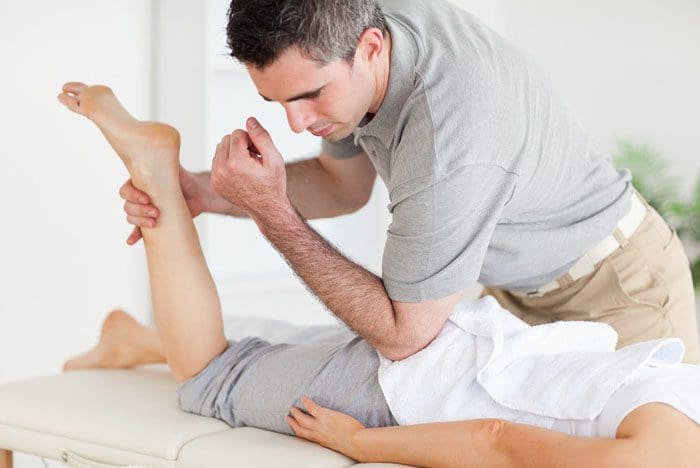
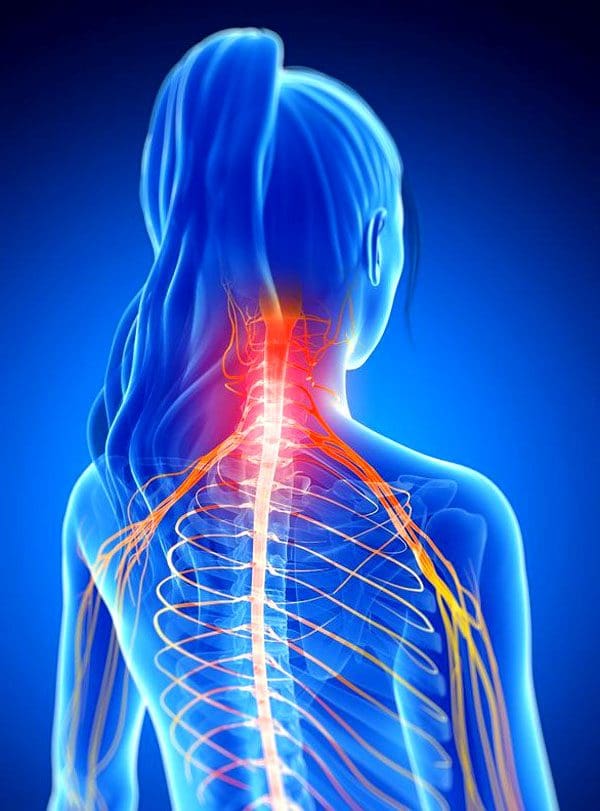
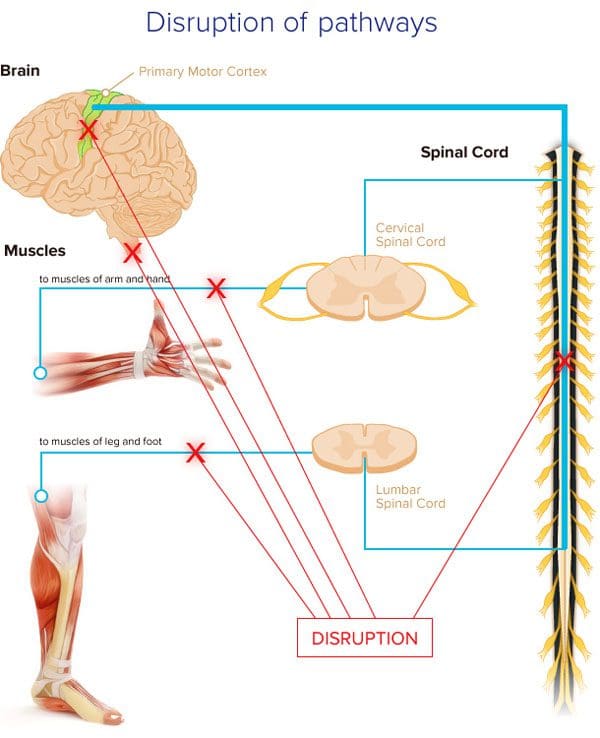
The spinal cord is the information pathway that transmits signals from the brain to the rest of the body. The body’s limbs and organs cannot function properly without regular communication flowing through the spinal cord. Understanding how the sciatic nerve responds to the other parts of the body can clarify how a doctor of chiropractic heals sciatica. When severe pain presents normal communications are overridden for the sake of body and health preservation. The sciatic nerve is an important part of the spinal cord and requires a trained professional to aid in proper and effective healing.
Basics On Sciatica
Sciatica happens when the nerves are compressed/pinched in some form. Lower back conditions can be the cause of such compression. Sciatica can be reduced and healed. Conditions that can lead to sciatic pain include:
Herniated discs
Subluxations
Disc Degeneration
Spinal Stenosis
Lower back disc bulge
Piriformis syndrome
Symptoms
Sciatica often includes:
Sharp pain
Numbness
Burning
Tingling sensation
Individuals can also experience weakness down the leg.
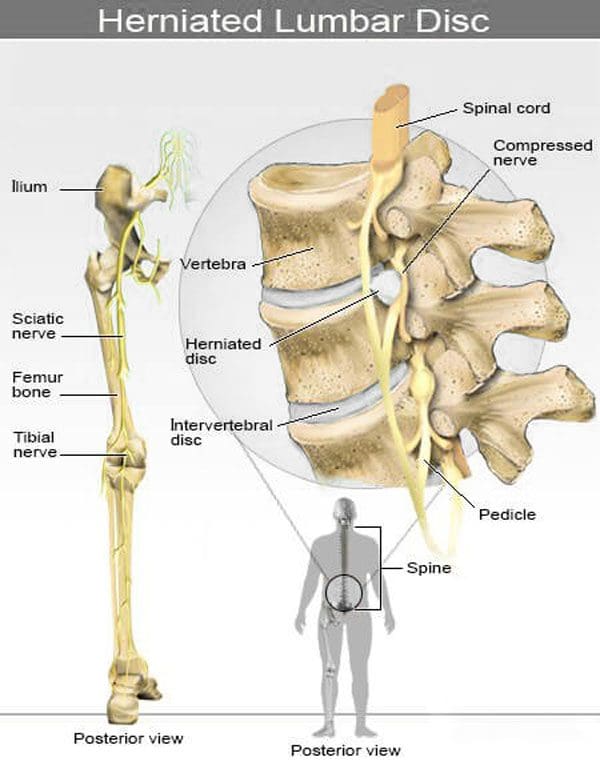
Normal activities can become strained as individuals experience these symptoms. Pressure on the nerve can be decreased and healed with professional chiropractic care. The human spine consists of 31 pairs of nerves. Five of these pairs are in the lumbar/lower back region and five are right below that area in the sacral region. The sciatic nerve starts in the lower back. It goes down through the hips, buttocks, thighs, knees, calves, and ends in the foot.
Causes could be something as simple as sitting on a bulging wallet or sitting for extended lengths of time can result in a decreased blood flow to the area. Also, direct trauma to the gluteal muscles from automobile accidents, sports, and work injuries can lead to sciatic nerve issues and pain.
Treatment Options
Tests and examinations will be conducted to figure out the origin of the pain to develop a personalized treatment plan to expedite the healing process. Treatment can include:
Chiropractic treatment
Decreasing muscle tension
Core stabilization
Spinal decompression
Rehabilitation therapy
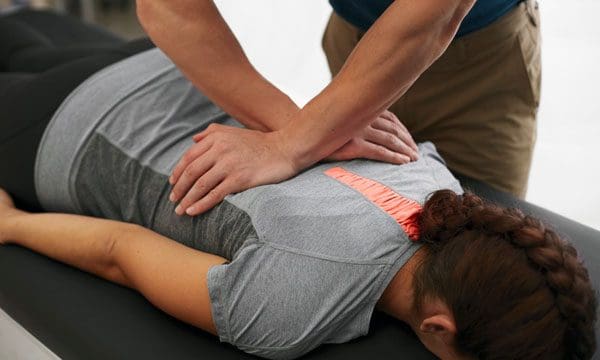
Chiropractic treatment is designed to help the body activate its own healing system. It is non-invasive and drug-free providing an organic alternative. Advanced cases of sciatica can result in muscle weakness or a loss of sensation in the legs, if not properly treated. Individual treatment plans vary depending on an individual’s specific needs.
Prevention
Prevention is important once the condition is healing to not cause flare-ups. Sciatica symptoms can return, especially if proper and continued care to the spine is not maintained. Preventative care and maintenance are essential for ensuring a healthy spine and body. These tips can help avoid back injuries that can lead to sciatica and help with reoccurrences:
Practice proper posture
Regular exercise/physical activity with safe movements
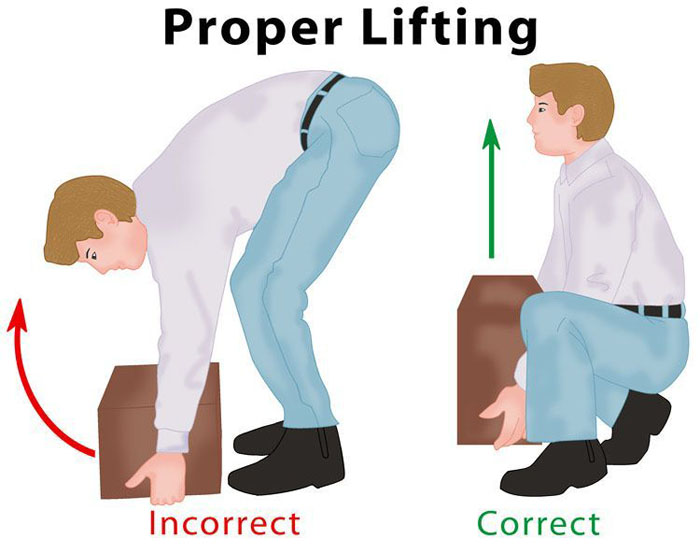
Bend at the knees, especially when lifting heavy objects
Follow specific instructions given by a chiropractor
Body Composition
Healthy Snacks
Eggs
Eggs make a great snack that will keep the body full and help to eat less. They are a great source of protein and fat and have a healthy variety of vitamins and minerals. Hard-boiled eggs are easy to make ahead of time and are portable.
Cheese
Cheese is a great snack for protein and fat. But it is important to watch the serving size if watching/limiting calories. Cottage cheese is highest in protein but cream cheese and cheese sticks are also good options. Cheese can be paired with a serving of fruit or vegetables like grape tomatoes, bell peppers, celery, apples, or pears.
Jerky
Jerky is convenient and portable and is a great way to pack in extra protein throughout the day. The best option is grass-fed. Remember that some jerky is high in sodium if limiting sodium.
Greek Yogurt
Natural Greek yogurt is a great option for a high-protein snack. However, many yogurts are high in sugar. Therefore choose yogurt with less than 10 grams of sugar per serving, or opt for plain yogurt to avoid the sugar altogether. The yogurt can be sweetened with honey, fresh fruit, or mixed into a smoothie.
Hummus and Guacamole Dips
Hummus is a great source of plant-based protein and is balanced with carbohydrates, fat, and fiber. It is the olive oil in the hummus that provides a healthy dose of heart-healthy polyunsaturated fats. Guacamole is a delicious source of healthy fats.Both dips are calorie-dense, therefore it is important to be aware of portion sizes. These can be paired with carrot sticks, bell peppers, or celery.
Disclaimer
The information herein is not intended to replace a one-on-one relationship with a qualified health care professional, licensed physician, and is not medical advice. We encourage you to make your own health care decisions based on your research and partnership with a qualified health care professional. Our information scope is limited to chiropractic, musculoskeletal, physical medicines, wellness, sensitive health issues, functional medicine articles, topics, and discussions. We provide and present clinical collaboration with specialists from a wide array of disciplines. Each specialist is governed by their professional scope of practice and their jurisdiction of licensure. We use functional health & wellness protocols to treat and support care for the musculoskeletal system’s injuries or disorders. Our videos, posts, topics, subjects, and insights cover clinical matters, issues, and topics that relate to and support, directly or indirectly, our clinical scope of practice.* Our office has made a reasonable attempt to provide supportive citations and has identified the relevant research study or studies supporting our posts. We provide copies of supporting research studies available to regulatory boards and the public upon request. We understand that we cover matters that require an additional explanation of how it may assist in a particular care plan or treatment protocol; therefore, to further discuss the subject matter above, please feel free to ask Dr. Alex Jimenez or contact us at 915-850-0900.
Dr. Alex Jimenez DC, MSACP, CCST, IFMCP*, CIFM*, CTG*
email: [email protected]
phone: 915-850-0900
Licensed in Texas & New Mexico
References
National Institutes of Health. (2019.) “Sciatica.” medlineplus.gov/sciatica.html.
North American Spine Society. (2012.) “Clinical Guidelines for Diagnosis and Treatment of Lumbar Disc Herniation with Radiculopathy.” www.spine.org/Portals/0/assets/downloads/ResearchClinicalCare/Guidelines/LumbarDiscHerniation.pdf
Individuals experiencing radiculopathy in and around the neck notice it immediately often driving them to the medicine cabinet. This condition presents with:
Acute pain
Numbness
Muscle spasms
However, medication will only help relieve the pain temporarily but it won’t alleviate what is causing the radiculopathy. This is because pain medication/s can exacerbate the condition by blocking the pain signals with the root nerve issue never being resolved. Chiropractic is a complete solution that specifically mobilizes the cervical joints where nerve impingement is happening. The objective is to help individuals understand the underlying cause of the acute pain induced by radiculopathy and provide long-term pain relief through cervical joint mobilization.
Radiculopathy Pain
To determine what cervical nerve bundles are being affected by a subluxation or vertebral compression a chiropractor needs to isolate the pain. This is accomplished through a description of symptoms, radiological imaging to provide visual confirmation, and an examination of the affected area. Isolating the pain allows the chiropractor to determine the extent of misalignment and how much the nerve is being compressed. This will help in the development of a customized treatment plan. A chiropractor will be able to see and feel the degree of pressure being placed on the nerve or bundle of nerves.
Mobilizing The Cervical Joints
Chiropractors approach this directly based on the individual and the severity of the case. The most common joint mobilizations include:
Low-impact adjusting will shift the misaligned vertebrae back into place
Adjustments to the opposite non-painful area will help counterbalance stress in the spine
Radiculopathy improvement consists of:
The cervical spine is stabilized through bracing and posture supports
Isometric exercises will recondition the neck, shoulders, and upper back
Range of motion exercises will prevent any subtle compression/s
Corrective restoration of the cervical spine’s curve
The spine returns to normal during cervical joint mobilization and alleviates radiculopathy immediately and long term.
Proper chiropractic care will correct the affected nerve bundle, and stabilize the cervical spine to prevent/resist:
Compression
Translation
Subluxation
Other shifts that can occur
Chiropractic Mobilization Long Term Relief
A pinched nerve should not be treated with over-the-counter medications for long-term health. Corrective chiropractic mobilization is a recommended course of action for alleviating this and other musculoskeletal conditions. Chiropractic understands the nature and severity of radiculopathy as well as developing the proper customized treatment plan that will bring optimal results.
Body Composition
DASH Diet Example
Breakfast
3/4 cup bran flakes cereal with 1 banana and 1 cup low-fat milk
1 slice whole-wheat bread with 1 tsp. unsalted butter
1 orange
1 cup coffee
Lunch
Sandwich 2 slices of whole-wheat bread
3 oz. grilled thin chicken breast
2 slices low-fat cheese
1 tbsp. mustard
Salad
1/2 cup chopped/diced cucumbers
1/2 cup chopped/diced tomatoes
1 tablespoon sunflower seeds
1 teaspoon low-calorie non-cream dressing
1/2 cup fruit cocktail with no sugar
Snack
1/3 cup unsalted almonds
Dinner
3 oz. lean beef with 2 tbsp. fat-free, low sodium gravy
The information herein is not intended to replace a one-on-one relationship with a qualified health care professional, licensed physician, and is not medical advice. We encourage you to make your own health care decisions based on your research and partnership with a qualified health care professional. Our information scope is limited to chiropractic, musculoskeletal, physical medicines, wellness, sensitive health issues, functional medicine articles, topics, and discussions. We provide and present clinical collaboration with specialists from a wide array of disciplines. Each specialist is governed by their professional scope of practice and their jurisdiction of licensure. We use functional health & wellness protocols to treat and support care for the musculoskeletal system’s injuries or disorders. Our videos, posts, topics, subjects, and insights cover clinical matters, issues, and topics that relate to and support, directly or indirectly, our clinical scope of practice.* Our office has made a reasonable attempt to provide supportive citations and has identified the relevant research study or studies supporting our posts. We provide copies of supporting research studies available to regulatory boards and the public upon request. We understand that we cover matters that require an additional explanation of how it may assist in a particular care plan or treatment protocol; therefore, to further discuss the subject matter above, please feel free to ask Dr. Alex Jimenez or contact us at 915-850-0900.
Dr. Alex Jimenez DC, MSACP, CCST, IFMCP*, CIFM*, CTG*
email: [email protected]
phone: 915-850-0900
Licensed in Texas & New Mexico
Evid Based Complement Alternat Med. 2015. Complementary and Alternative Medicine for the Management of Cervical Radiculopathy: An Overview of Systematic Reviews. Available at: https://www.ncbi.nlm.nih.gov/pmc/articles/PMC4541004/
Traditional medical treatment for sciatica can sometimes be not as effective or ineffective for individuals, but nerve flossing is an option that could help. Flossing is not something individuals expect to hear from a medical professional treating their sciatica. However, when sciatica does not respond to common treatment methods like light physical activity or medications, a physician, chiropractor, or physical therapist might suggest combining traditional treatment with nerve flossing to alleviate sciatic nerve pain.
Nerve Flossing
The nerves can get jammed/stuck between the tissues and are not able to move, flex as they should. Nerve flossing involves performing gentle exercises to mobilize and stretch the nerves that help reduce irritation, inflammation, and improve mobility, especially in the hips. Nerve flossing is also known as:
The exercises can be done at home with no equipment and simple instructions. When used in combination with other treatments, like chiropractic and physical therapy the effectiveness is increased. Consult with a doctor or doctor of chiropractic for an accurate diagnosis, because what is causing sciatica helps significantly to determine the best treatment plan.
Guidelines
These are simple exercises but they are still exercises that require following safety guidelines to prevent injury or pain. These include:
The body will need time to adjust to new exercises so individuals should start slow
Only a few repetitions should be done at a time
Gradually increase
Stop if pain presents with any of the exercises and report the pain to a doctor or chiropractic physical therapist to see if there is a problem with how the exercises are being performed or if the exercises should be done later on after further treatment.
Focus on staying relaxed, as tensing up the muscles decreases the effectiveness
Breathing properly is key. Individuals unknowingly stop breathing when doing exercises, which is not healthy. Breathe deep in and out.
Nerve Exercises
True nerve flossing is an active movement with motion otherwise, it is just stretching.
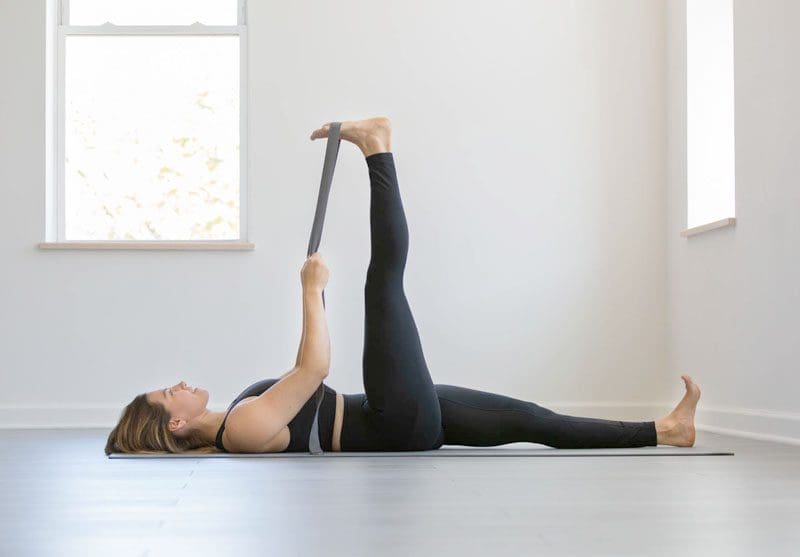
Mobilizing floss
Lie on the floor with both knees bent, feet flat on the floor, and with space at hip-width
A flat pillow can be used for the head if it makes it more comfortable
Tuck the chin in and be sure to keep the upper body relaxed throughout the exercise
Pull the right leg in towards the chest
Keep holding behind the right knee
Slowly straighten the leg until there is a comfortable stretch
Slowly return the knee to the starting position
Breathe deeply, slowly, and try not to press the lower back into the floor
Lower the leg back towards the chest then lower it back to the starting position
Perform with the left leg
Complete five repetitions on each side
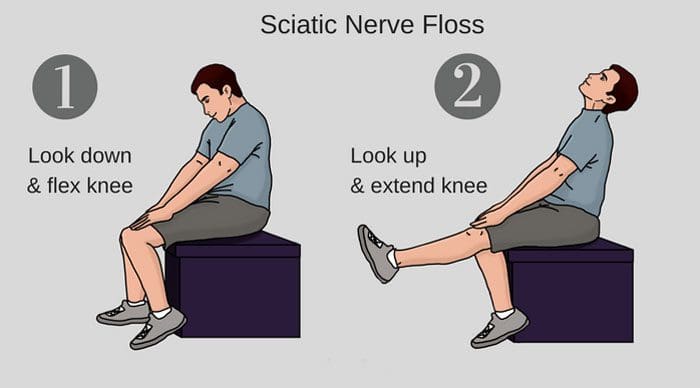
Seated nerve floss
Sitting upright in a chair, knees spaced hip-width, feet flat on the floor, and face forward
Extend the left leg
Flex the foot toward the body
Extend the head up and back looking up at the ceiling
Gently lower head and leg down, tucking the chin into the chest while bending the leg slightly backward
Extend and lower head at the same time when extending and lowering the leg
Perform 10 repetitions
Switch legs and repeat the exercise
Perform exercise 2–3 times every day
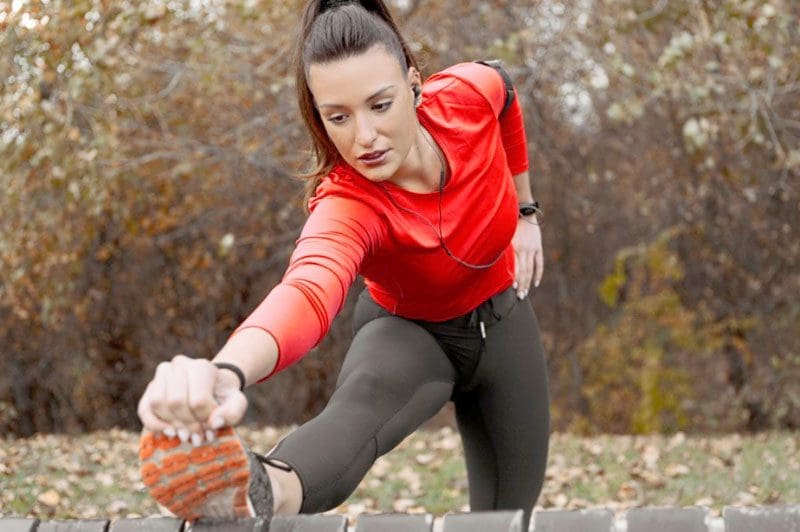
Hamstring floss
Stand up straight, raise the right leg onto a step or other stable surface while keeping the leg straight and toes pointed up
Keeping the back straight, tilt the head and neck forward until there is a slight pull/stretch in the back
Point the toe and bring the chin to the chest
Flex the foot and return
Repeat five times
Return to starting position
Switch legs
Repeat three sets on each leg
Exercise for Piriformis Syndrome
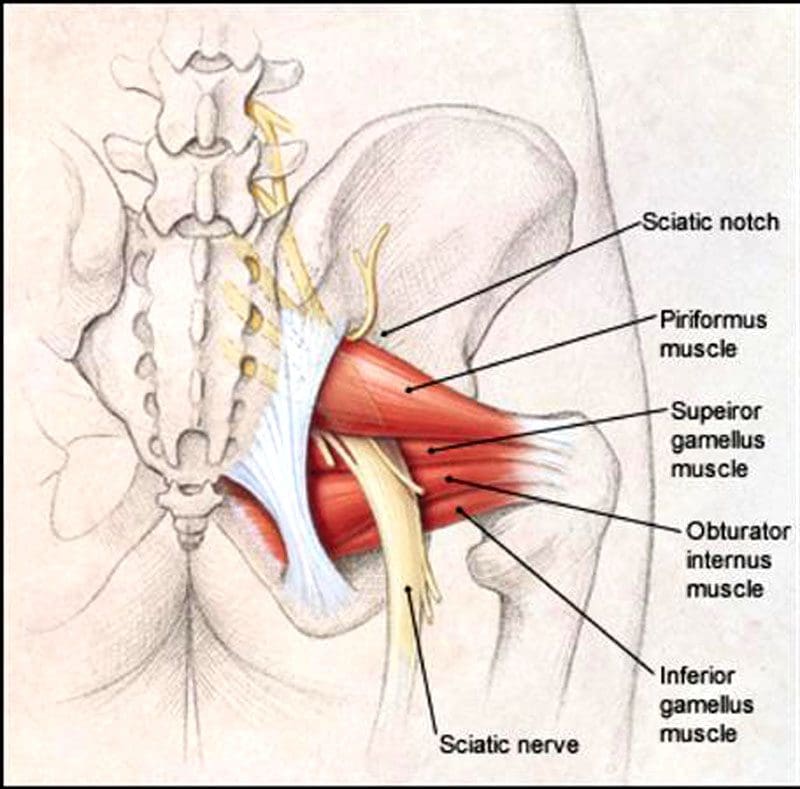
The piriformis muscle joins the base of the spine to the upper leg. Because this muscle is so close to the sciatic nerve, any type of irritation or compression of the sciatic nerve can also cause piriformis syndrome. Piriformis syndrome can cause radiating pain to the:
Hips
Buttocks
Hamstrings
Pain when sitting down or walking upstairs
Nerve flossing can also help relieve the symptoms increasing flexibility and range of motion.
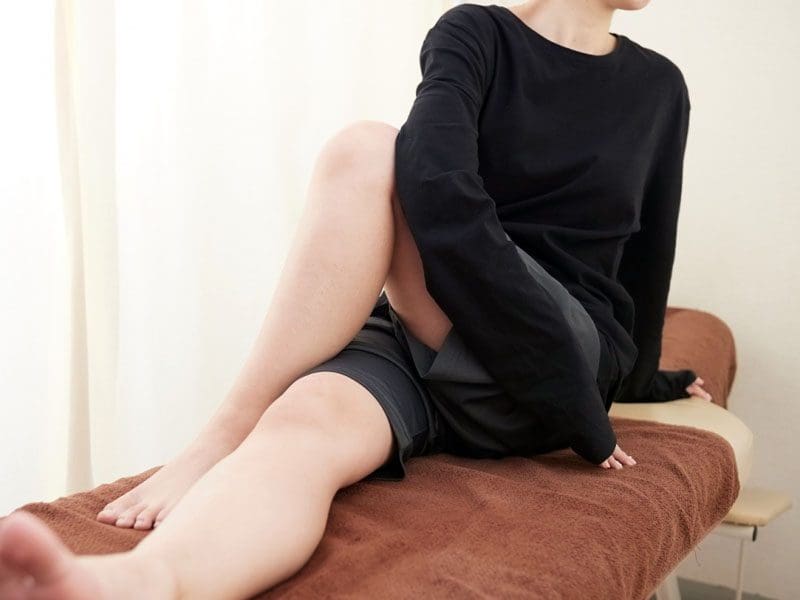
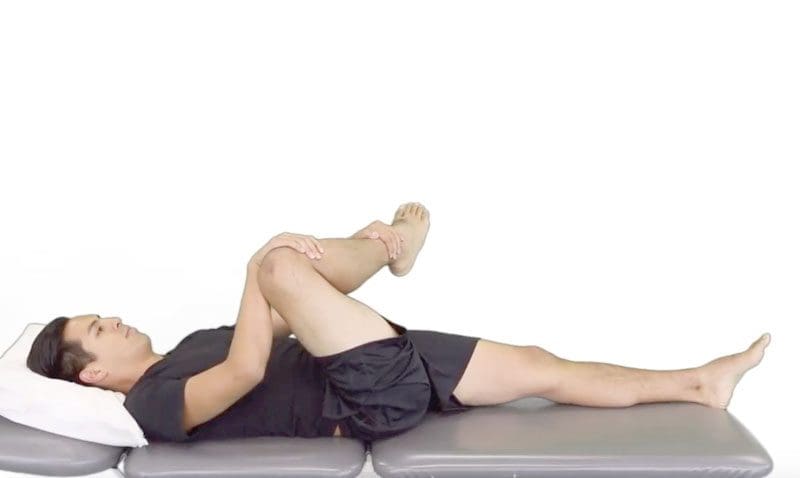
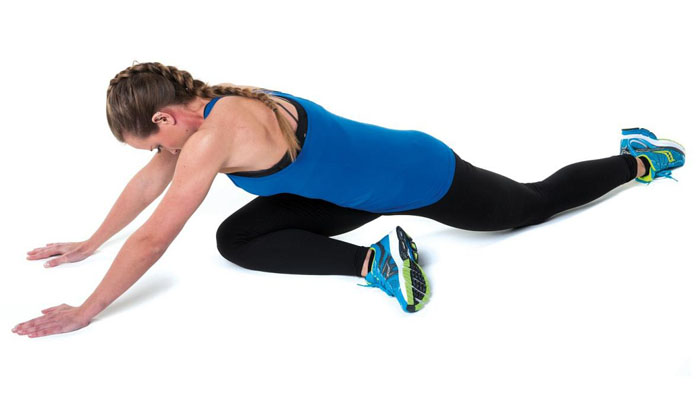
Mobilizing stretch
Lie flat on the floor on the back
Extend both legs
Bend the right leg and bring it up
Hold the right knee and foot
While holding, gently pull the leg across the right side of the body and up toward the right shoulder
Return to the original position
Repeat five times
Gently lower the right leg
Switch legs
Complete five repetitions on each side two to three times a day
Risks
These exercises are not about pushing the body to its limits or in a way that causes pain. They are designed to rehabilitate, stretch, and strengthen the sciatic nerve making risks for further injury minimal. If there are still concerns about the safety of nerve flossing exercises, check with a doctor, doctor of chiropractic, or physical therapist. If there is severe nerve damage or undiagnosed acute pain, nerve flossing could worsen symptoms.Nerve flossing for acute cases of nerve irritation is not recommended as this can cause nerve root aggravation with the stretching/pulling.
There is a difference between being tired after a long day working, playing, etc, and being tired on a regular daily basis. This can be referred to as Chronic Fatigue Syndrome, a clinical condition where fatigue lasts longer than 6 months. With acute, non-clinical fatigue, it is typical to experience many of the symptoms that hamper an individual’s ability to function. Symptoms can include:
The information herein is not intended to replace a one-on-one relationship with a qualified health care professional, licensed physician, and is not medical advice. We encourage you to make your own health care decisions based on your research and partnership with a qualified health care professional. Our information scope is limited to chiropractic, musculoskeletal, physical medicines, wellness, sensitive health issues, functional medicine articles, topics, and discussions. We provide and present clinical collaboration with specialists from a wide array of disciplines. Each specialist is governed by their professional scope of practice and their jurisdiction of licensure. We use functional health & wellness protocols to treat and support care for the musculoskeletal system’s injuries or disorders. Our videos, posts, topics, subjects, and insights cover clinical matters, issues, and topics that relate to and support, directly or indirectly, our clinical scope of practice.* Our office has made a reasonable attempt to provide supportive citations and has identified the relevant research study or studies supporting our posts. We provide copies of supporting research studies available to regulatory boards and the public upon request. We understand that we cover matters that require an additional explanation of how it may assist in a particular care plan or treatment protocol; therefore, to further discuss the subject matter above, please feel free to ask Dr. Alex Jimenez or contact us at 915-850-0900.
Dr. Alex Jimenez DC, MSACP, CCST, IFMCP, CIFM, CTG* email: [email protected] phone: 915-850-0900 Licensed in Texas & New Mexico
References
Anikwe EE, Tella BA, Aiyegbusi AI, Chukwu SC: Influence of Nerve Flossing Technique on acute sciatica and hip range of motion, International Journal of Medicine and Biomedical Research, 4(2) May – August 2015, www.ijmbr.com
Jeong UC, Kim CY, Park YH, Hwang-Bo G, Nam CW. The effects of self-mobilization techniques for the sciatic nerves on physical functions and health of low back pain patients with lower limb radiating pain. J Phys Ther Sci. 2016;28(1):46-50. doi:10.1589/jpts.28.46
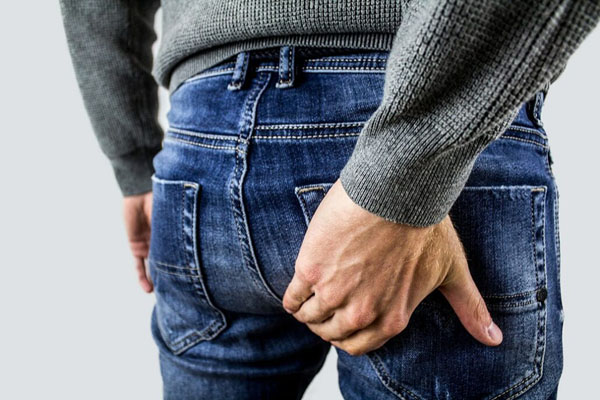
Sciatica is a very common and painful issue. Keeping it in check can be difficult especially with various causes that can generate flare-ups. Individuals managing sciatica need to pay attention and be vigilant of the negative activities/movements that could cause symptoms to reappear. A few common causes include:
Excessively tight-fitting pants
Improperly lifting heavy objects
Poor posture
Weight gain
Not stretching out
Wearing the wrong shoes
Knowing what not to do is just as effective for helping sciatica flare-ups as knowing what is best.
Sciatica Causes
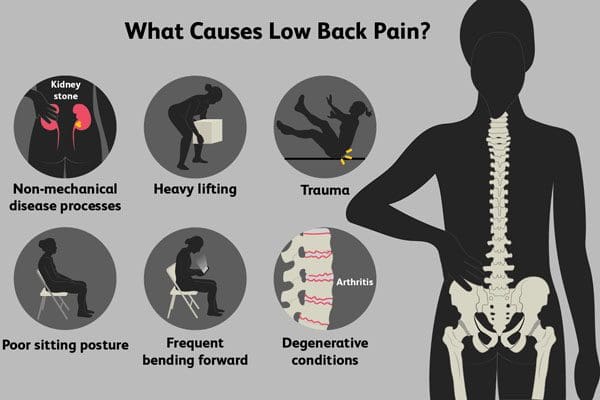
The sciatic nerve is the longest nerve. It comes out the spine through the pelvis, down the leg to the foot. There is one sciatic nerve on each side of the body, and either can become irritated, injured, and inflamed. However, it�s rare that both are irritated at the same time. The underlying causes can vary. Most of the time the cause is a herniated disc that presses against the nerve, causing the pain. Even though this happens in the lower back, an individual might only feel pain in the buttocks and the back of the leg. Other causes of sciatic nerve pain include:
What makes sciatica worse depends on the underlying cause. For most, this is a herniated or bulging disc that presses against the nerve. With this type of case, any increase in pressure on the discs can worsen the symptoms. Sitting down in fact puts more pressure on the spinal discs, worsening the pain. Lying down can also worsen symptoms. When the pain is peaking, lying down for a little while can help, but for too long can worsen symptoms. Standing with a neutral spine, and walking around a bit, can help with nerve pain relief and the healing process.
Improper/Poor Posture
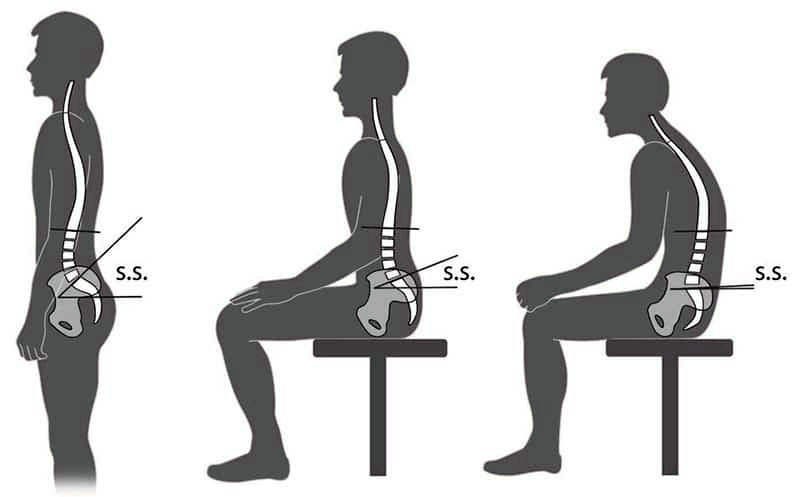
Poor posture, especially the rounding of the lower back. This usually happens when sitting. The rounded low back becomes a bad habit that individuals think will help with the pain. This can cause a flare-up. The spine has a natural S-curve and the more an individual can maintain that natural curve, the better off they will be.
Weight Gain
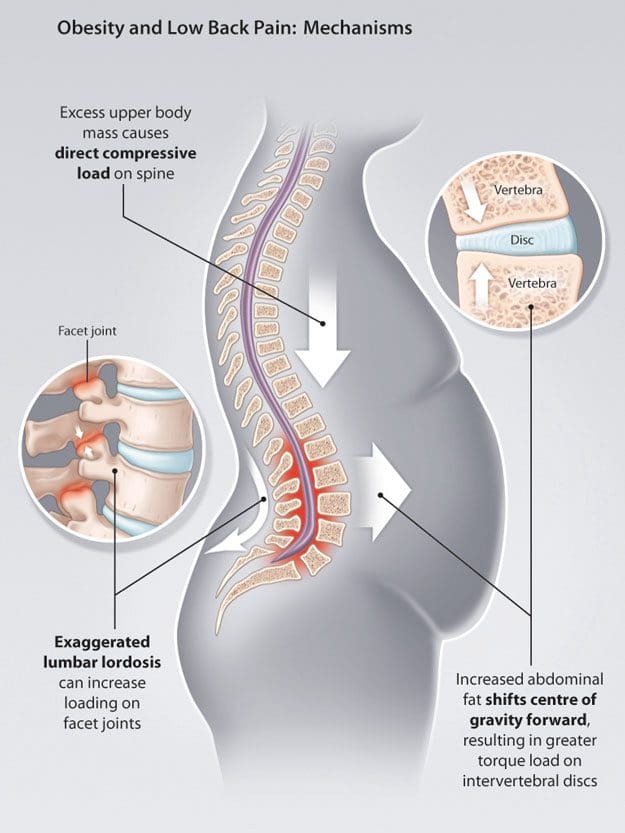
Too much weight can cause flare-ups with added stress/pressure on the spine, especially the low back. Maintaining a healthy weight will help relieve the added pressure, however, many who experience sciatica have trouble exercising. This is where a physical therapist and chiropractor can assist an individual with customized exercise and diet programs to overcome this obstacle. Eating is a way that individuals deal with pain, anxiety, and depression. But weight gain and poor health can worsen sciatica. Individuals that are overweight tend to experience more inflammation throughout the body, making sciatica even worse.
Stretching
Not stretching, especially as the body gets older tightens the muscles, ligaments, and tendons. And stretching improperly can injure these areas. There are recommended and non-recommended stretches for individuals dealing/managing sciatica. Stretches that require bending the low back can place added pressure on the lumbar spine, causing sciatica flare-ups.
Lifting Heavy Things
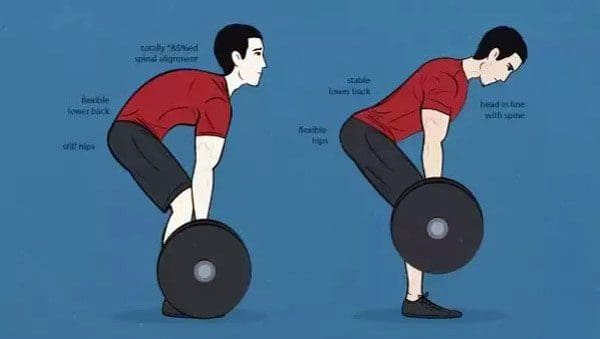
Lifting and improperly lifting heavy objects can worsen sciatica. This has to do with the rounding of the low back. Any time the spine is taken out of its natural S-curve, there is undue pressure on the joints and discs. When lifting heavy objects in this position the problem is worsened. When possible avoid lifting anything heavy while dealing with sciatica. It�s healthy to stay active, but there is no need to do intense workouts at home or the gym, especially heavy lifting.
Tight Pants
Tight pants can contribute to sciatica. Whether shorts, jeans, or skirts, wearing overly-tight, form-fitting pants should be avoided until the sciatica is gone. And even after it is not recommended to wear overly tight-fitting clothing, as this can cause blood and nerve circulation problems.
Shoes
Like tight pants, the wrong shoes without adequate support can cause flare-ups. For example, high heels force weight distribution to the front of the feet. For the body to compensate, it�s normal to push the pelvis and hips forward. When the body is in this position for a long time it starts to place stress on the hamstrings, which will exacerbate sciatica. Shoes without adequate support place added stress on the feet, which gets transferred up the leg to the hamstrings. Customized shoe inserts designed especially for individuals with sciatica can help in preventing symptoms.
Improvement
Sciatica takes time to heal. Avoiding making it worse and taking all the steps to help it heal, can bring the body back to normal within 2 weeks. For most, it takes around 4 weeks for the pain to go away. This depends on various factors. For example, if sciatica develops during pregnancy, it could take longer to get rid of the pain. One sign that shows improvement is called centralization meaning the pain is moving out of the leg and into the spine. This is a good sign that the individual is on the right track.
Body Composition
Meal Planning
The convenience of food delivery is wonderful, but remember that frequently eating food prepared away from home increases the risk of weight gain and obesity. Restaurants tend to serve oversized portions and prepare meals with excessive calories, sodium, and sugar. The benefit of eating from home is that individuals have more control over the ingredients and cooking methods used to prepare the food. It helps to plan meals and snacks in advance to make sure they are balanced. Here are the types of foods that should be included in a balanced meal plan:
A variety of whole fruits
Non-starchy vegetables – leafy greens, red and orange veggies
Starchy vegetables – potatoes, green peas, legumes, winter squash
Grains, with the goal to make at least � from whole-grain sources
Low-fat or fat-free dairy milk, yogurt, cheese
Protein from various sources – lean meats, seafood, eggs, nuts & seeds, and soy products
Healthy cooking oils – olive oil or canola oil
Nuts and nut butter
Fresh or frozen fruits
Dried herbs and spices
Dr. Alex Jimenez�s Blog Post Disclaimer
The scope of our information is limited to chiropractic, musculoskeletal, physical medicines, wellness, and sensitive health issues and/or functional medicine articles, topics, and discussions. We use functional health & wellness protocols to treat and support care for injuries or disorders of the musculoskeletal system. Our posts, topics, subjects, and insights cover clinical matters, issues, and topics that relate and support directly or indirectly our clinical scope of practice.*
Our office has made a reasonable attempt to provide supportive citations and has identified the relevant research study or studies supporting our posts. We also make copies of supporting research studies available to the board and or the public upon request. We understand that we cover matters that require an additional explanation as to how it may assist in a particular care plan or treatment protocol; therefore, to further discuss the subject matter above, please feel free to ask Dr. Alex Jimenez or contact us at 915-850-0900. The provider(s) Licensed in Texas& New Mexico*
References
Sciatica. MedlinePlus. https://medlineplus.gov/sciatica.html. Accessed November 29, 2018.
Sciatica Sciatic Nerve Pain During Pregnancy. babyMed. https://www.babymed.com/pregnancy/sciatica-pain-during-pregnancy. Updated on August 29, 2018. Accessed November 29, 2018.
Shiel WC. Degenerative Disc Disease and Sciatica. MedicineNet. https://www.medicinenet.com/degenerative_disc/article.htm#what_are_the_symptoms_of_radiculopathy_and_sciatica. Last reviewed August 10, 2018. Accessed November 29, 2018.
Back pain combined with sciatica is the number one cause of temporary disability all over the world. The spine is a complex interconnected system that supports the entire body. Being overweight does not help. Losing weight can help relieve sciatica and prevent future episodes. It can be done through chiropractic health coaching. According to research, overweight individuals have a higher risk of developing sciatica. The more weight the body carries the more stress is placed on the spine and joints, which can irritate/inflame the sciatic nerve.
Causes and Symptoms
To understand how sciatica is affected by the weight of the body one needs to understand how it works. A breakdown of the causes and symptoms.
The sciatic nerve runs from the lower spine, through the glutes, down the back of the thigh, and is attached under the foot.
The nerve becomes compressed or irritated where it exits the lower spine. This can be caused by a bulging or herniated disc, narrowing of the spinal canal, or bone spurs.
Symptoms include a sharp pain that spreads out from the low back and down the back of the leg. It also causes tingling, numbness, and weakness.
Indirect Cause Being Overweight
Being overweight can indirectly cause sciatica. When the body has to support added/extra weight it can cause problems. That extra weight also places tremendous stress on the joints, especially those in the spine. The lower back takes most of the force from this stress, which is how sciatica develops. The stress slowly pulls the spine out of alignment and compresses the discs between the vertebrae, which then compresses the sciatic nerve, causing pain and discomfort.
Sciatica and Weight Loss
Keep in mind that weight loss is not a cure for sciatica. Weight loss will surely help relieve sciatica pain but there are other issues at work that are combined with excess weight and are causing sciatica. Weight loss is only a step in the right direction. The most recommended and effective ways to lose weight and relieve sciatica pain is having a healthy diet, exercise, and chiropractic health coaching. Other things that can be done to relieve sciatic nerve pain include:
Regular exercise will help reduce the symptoms and strengthen the body’s core and leg muscles. There are a variety of things that make sciatica worse like:
Sitting too much
Sedentary lifestyle
Wearing shoes with no support
Lifting, bending, twisting, reaching, overuse
Exercise is the best antidote to sitting too much and living a sedentary. Exercising with sciatica does not mean a full gym routine but doing the right exercises that will not worsen the condition. The important thing is staying active. Avoiding exercise will only make sciatica worse. For example, yoga is great for sciatica and health in general. A 30-minute session of yoga 3 times a week combined with another form of exercise twice a week can produce optimal results.
Weight Training
Weight training will work with sciatica with certain adjustments and avoiding specific exercises that can cause pain and should be discussed with a doctor, chiropractor, physical therapist depending on the individual’s sciatic condition.
Form and Posture
Weight training form is essential. Practice slow repetitions with special attention to physical form. Proper posture, maintaining a neutral spine, and avoiding rounding the lower back will help avoid worsening sciatica, and prevent further injury/s.
Avoid Overhead and Straight Leg Exercises
Not until the sciatica pain reduces avoid overhead lifting exercises and straight leg exercises, as these can cause flare-ups. Also, avoid intensive abdominal exercises that require doing crunches.
Know The Limits
When sciatica is present, the body is in healing mode, the key is to not overdo it. This exercise is minimal, to help in the recovery process, and strengthen the muscles. Too much exercise can prolong the recovery.
Losing Belly Fat
Losing belly fat with sciatica is possible. But it will take a sustained effort that will be well worth it when sciatica. Losing the fat needs concentration on three things:
Nutrition
Eating whole nutritious foods with plenty of vegetables, and staying away from processed and sugary foods. This is where a health coach and nutritionist can offer the greatest recommendations and develop a customized diet/health plan.
Exercise
Weight training, yoga, cardio, or a combination of all is probably best. Whatever regimen is chosen the objective to stick with it.
Lifestyle adjustments
This includes improving posture, workstation set up, adjusting sitting routines, and limiting activities that cause back pain/sciatica.
Chiropractic Health Coaching
The full-body approach outlined is how chiropractic treats sciatica. Chiropractic can relieve the pain quickly with massage, spinal adjustments, and physical therapies. This is why chiropractic health coaching is ideal for those who have a hard time making nutrition, exercise, and lifestyle changes on their own. Numerous studies show that chiropractic promotes weight loss, reduced pain, improved posture, and increased well being. And it is done in a safe, non-invasive, medication-free way.
Body Composition
Eating Out A Significant Contributor For Weight Gain
When eating out, there is a tendency to consume excess empty calories and increase fat storage. This is why preparing food is so important. It gives the individual direct control over what is being consumed and allows trying out different dietary approaches to see which one works best for improving body composition and gut health. Even for those that don�t enjoy cooking, consult a chiropractic health coach to see what options are available.
Dr. Alex Jimenez�s Blog Post Disclaimer
The scope of our information is limited to chiropractic, musculoskeletal, physical medicines, wellness, and sensitive health issues and/or functional medicine articles, topics, and discussions. We use functional health & wellness protocols to treat and support care for injuries or disorders of the musculoskeletal system. Our posts, topics, subjects, and insights cover clinical matters, issues, and topics that relate and support directly or indirectly our clinical scope of practice.*
Our office has made a reasonable attempt to provide supportive citations and has identified the relevant research study or studies supporting our posts. We also make copies of supporting research studies available to the board and or the public upon request. We understand that we cover matters that require an additional explanation as to how it may assist in a particular care plan or treatment protocol; therefore, to further discuss the subject matter above, please feel free to ask Dr. Alex Jimenez or contact us at 915-850-0900. The provider(s) Licensed in Texas& New Mexico*
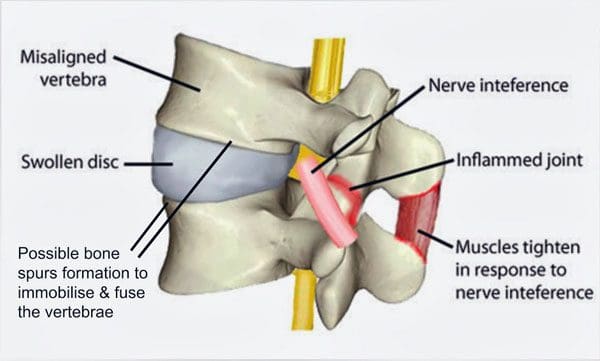
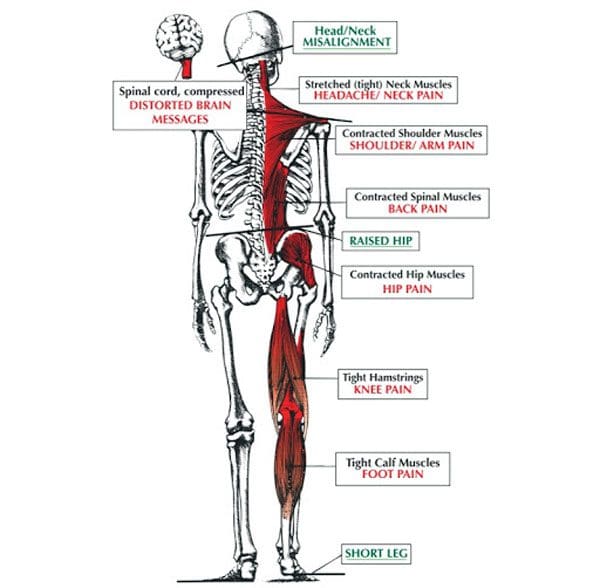
When spinal misalignments happen the body experiences soreness, inability to rotate the neck, or after sitting/standing in one position for too long hip and leg discomfort/pain. This is why spinal alignment is so crucial to healthy living. These examples help to illustrate the delicate balance required in the spine to maintain optimal health, stay pain-free, prevent injury, and the ability to conduct everyday chores/responsibilities without the fear and anxiety of setting off pain symptoms.
Understanding how pain is processed
Pain is a complex sensation. Neural pain receptors, also known as nociceptors detect harmful stimulation/s in the form of:
Body Temperature changes
Mechanical forces and pressure on the body
Chemical changes in the body brought on by inflammation or cell damage
How the signal transmits from the stimulated nerve and how it is perceived depends on the upper levels of neural activity in the body. Specifically, the spinal cord, brainstem, and the brain. Examples of pain perceptions:
Previous pain generating experiences – auto accident, work injury, etc.
Spinal Misalignments and Balance
Pain is essential for alerting the body when engaged in activities, and body positions that can cause damage to the tissues like poor postures, work/sports/personal injuries, inflammatory foods, etc. The nerves’ pain pathways can experience overstimulation when the system is overloaded.
Excessive stimulation can be brought on by chronic inflammation, mood disorders, and poor health. One overlooked issue with the perception of pain is the health/effectiveness of the actual neural pathways. The nerve’s energy is affected by spinal misalignments. Proper nerve health and circulation are crucial for the body to transmit proper pain signals. Spinal misalignments can be brought on by:
Can lead to major dysfunction of the nerves pathways
The longer the pain and discomfort go on the more intense/severe the issues can become. This is when pain and discomfort become chronic leaving individuals feeling hopeless, frustrated.
Symptoms
The spine does more than provide stability. Any type of spinal misalignments will affect the rest of the body as well. Possible symptoms that the spine is out of alignment includes:
Chronic headaches
Frequent illnesses
Fatigue
Lower back pain
Neck pain
Hip pain
Knee pain
Numbness/tingling in the hands or feet
Walking gait abnormalities causing one shoe to wear out quicker than the other
Chiropractic Management
Many treatments focus on masking the pain rather than addressing the underlying root cause. This can lead to a chronic pain cycle and dependence on pain medications and invasive treatment. Chiropractic is a science-based approach that focuses on getting to the root issue. Chiropractic utilizes gentle and effective techniques like:
Manipulation
Exercise regimen
Stretching regimen
Body mechanics training
Health nutritional education
When the body is aligned and the spinal nerves are healthy, an individual’s pain perception will be changed for optimal functionality.
The first step is to reduce caloric intake by changing/adjusting dietary nutritional habits. Individuals can experiment with various types of diets and regular exercise regimens, and getting into the habit of getting the proper amount of sleep. Depending on an individual’s existing muscle mass, gaining Lean Body Mass first could be an option. An individual may be able to lose fat and gain muscle because:
Increased muscle mass will increase the Basal Metabolic Rate/metabolism, and if no extra calories are added body fat can be shed while building muscle.
Lifting weights can increase Total Daily Energy Expenditure, causing the body to burn more calories.
Circuit training is one option for improving changes in body composition while not affecting changes in overall body weight. This means muscle gain and fat loss is happening at the same time.
Dr. Alex Jimenez�s Blog Post Disclaimer
The scope of our information is limited to chiropractic, musculoskeletal, physical medicines, wellness, and sensitive health issues and/or functional medicine articles, topics, and discussions. We use functional health & wellness protocols to treat and support care for injuries or disorders of the musculoskeletal system. Our posts, topics, subjects, and insights cover clinical matters, issues, and topics that relate and support directly or indirectly our clinical scope of practice.*
Our office has made a reasonable attempt to provide supportive citations and has identified the relevant research study or studies supporting our posts. We also make copies of supporting research studies available to the board and or the public upon request. We understand that we cover matters that require an additional explanation as to how it may assist in a particular care plan or treatment protocol; therefore, to further discuss the subject matter above, please feel free to ask Dr. Alex Jimenez or contact us at 915-850-0900. The provider(s) Licensed in Texas& New Mexico*
References
Dubinsky RM, Miyasaki J.Assessment: Efficacy of transcutaneous electric nerve stimulation in the treatment of pain in neurologic disorders (an evidence-based review). Report of the Therapeutics and Technology Assessment Subcommittee of the American Academy of Neurology.�Neurology. 2010;74:173-176.
Shrier I. Does stretching help prevent injuries?�Evidence-based Sports Medicine. Williston, VT: BMJ Books; 2002.
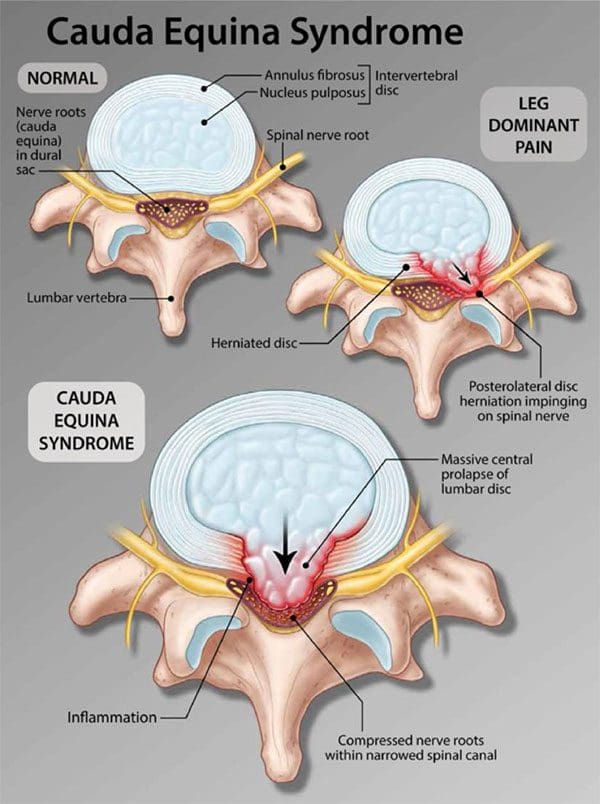
Cauda equina syndrome is an emergency that needs to be treated as soon as possible. It is a form of spinal nerve compression, but if left untreated, it can lead to permanent paralysis of one or both legs and permanent loss of bowel/bladder control. Lower back pain after sitting for too long or improperly lifting something heavy happens to most if not all of us.
However, sometimes pain in the lower back can be an indicator of something more serious. Especially, for individuals that are dealing with or managing back pain. One condition is cauda equina syndrome. It�s not like sciatica or arthritis, but it does have specific symptoms that individuals should be aware of.
Cauda Equina Syndrome
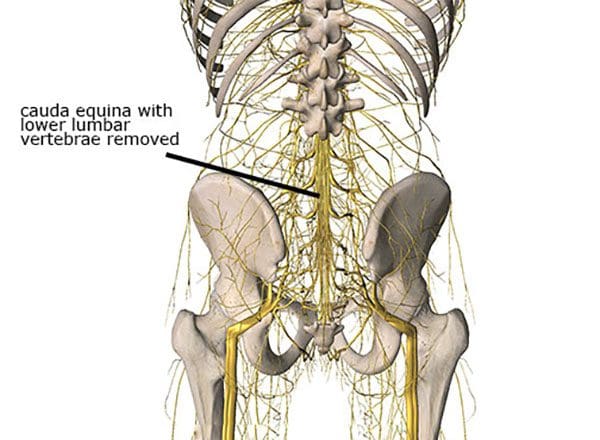
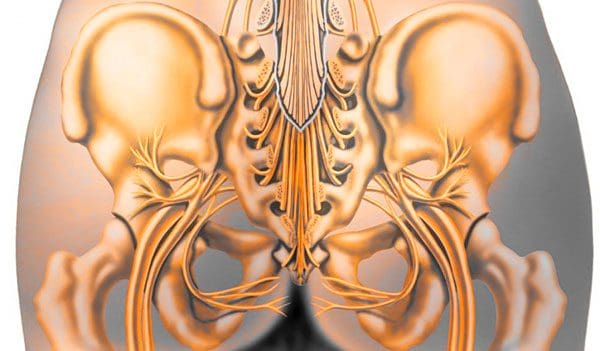
The term comes from Latin that means horse�s tail. The cauda equina forms the group of nerves that run through the lumbar spinal canal. Generally, the condition means two things:
There is nerve compression of most of the lumbar spinal canal
Compression symptoms like numbness or weakness in the leg/s
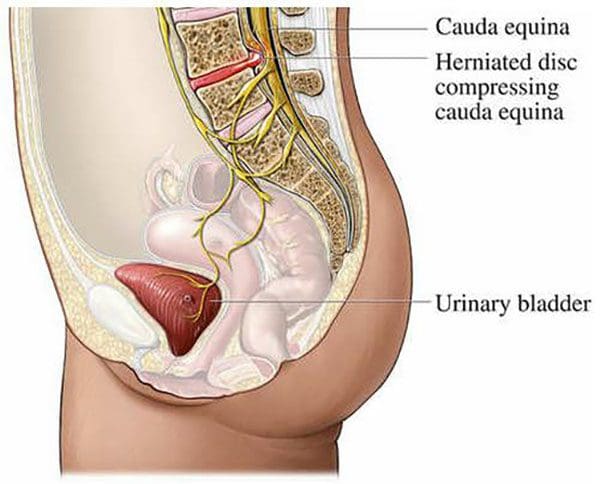
How cauda equina syndrome differs from typical compression of the lumbar spinal canal is that it can be caused by different issues, from fractures, tumors, and infections. More commonly, it is disc herniations that cause the problems. The key difference is the degree of nerve compression, and the number of nerves compressed.
For example, compression of a single nerve will not cause loss of bladder function. But compression of multiple nerves, especially the sacral nerves can cause loss of function. Nerve compression that leads to pain or numbness can be treated differently. Surgery is reserved for severe cases and for individuals that are not improving with non-invasive treatment.
Sneaky Presentation
One of the major factors is long-term compression that individuals do not realize they have. Individuals are more likely to be aware of symptoms from another spinal condition before cauda equina syndrome presents. However, the condition presents quickly but often other overlapping back problems mask cauda equina syndrome.
Causes
The syndrome can be brought on from anything that compresses the nerves. Most commonly, it is a root compression from degenerative processes, specifically lumbar disc herniations. Other causes include:
A doctor will examine any significant changes in bladder, bowel, or leg function that are considered red flags prompting an early and complete assessment. A physician will ask for a complete/detailed history of the onset and progression of symptoms.
The second is a close physical examination which includes testing sensation and strength along with a rectal exam to assess voluntary contraction. Also checking the body’s reflexes, assess walking gait and alignment. If most or all of the symptoms are presenting this will set in motion spinal imaging or an MRI. If the symptoms, exam, and imaging match, it will lead to an emergency admission to the hospital.
Body Composition Spotlight
Obesity and Osteoarthritis Connection
A variety of factors contribute to the development of osteoarthritis, including genetic factors and lifestyle choices. Research supports obesity is a significant risk factor in the development of osteoarthritis. It is pretty straightforward as body weight increases this equals increased load on the spine, and joints, especially the weight-bearing ones like the hips and knees. Increased pressure leads to early wearing, tearing, and eventual development of osteoarthritis. Added weight affects the body’s biomechanics and gait patterns.
However, obesity has also been shown to be a risk factor even on the non-weight-bearing joints. This is based on adipose tissue, which is more than just insulation. Adipose tissue is metabolically active and is involved in the secreting adipokines and cytokines which promote an inflammatory response. Pro-inflammatory adipokines and cytokines can have detrimental effects on joint tissue including damage to cartilage, synovial joints, and subchondral bone. The effect of inflammation on the joints in the body can contribute to the development of osteoarthritis.
Dr. Alex Jimenez�s Blog Post Disclaimer
The scope of our information is limited to chiropractic, musculoskeletal, physical medicines, wellness, and sensitive health issues and/or functional medicine articles, topics, and discussions. We use functional health & wellness protocols to treat and support care for injuries or disorders of the musculoskeletal system. Our posts, topics, subjects, and insights cover clinical matters, issues, and topics that relate and support directly or indirectly our clinical scope of practice.*
Our office has made a reasonable attempt to provide supportive citations and has identified the relevant research study or studies supporting our posts. We also make copies of supporting research studies available to the board and or the public upon request. We understand that we cover matters that require an additional explanation as to how it may assist in a particular care plan or treatment protocol; therefore, to further discuss the subject matter above, please feel free to ask Dr. Alex Jimenez or contact us at�915-850-0900. The provider(s) Licensed in Texas& New Mexico*
IFM's Find A Practitioner tool is the largest referral network in Functional Medicine, created to help patients locate Functional Medicine practitioners anywhere in the world. IFM Certified Practitioners are listed first in the search results, given their extensive education in Functional Medicine