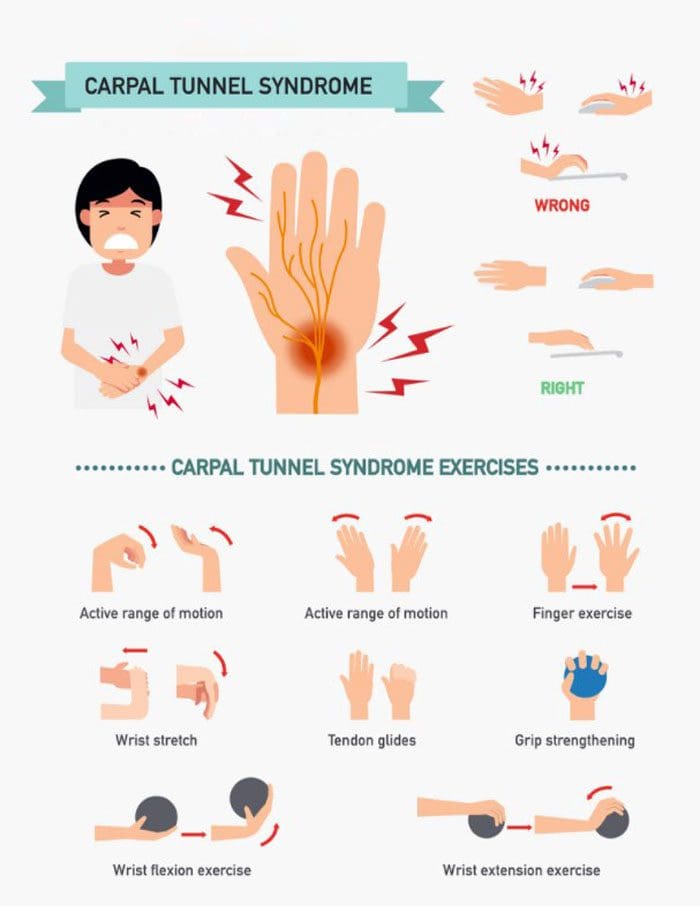
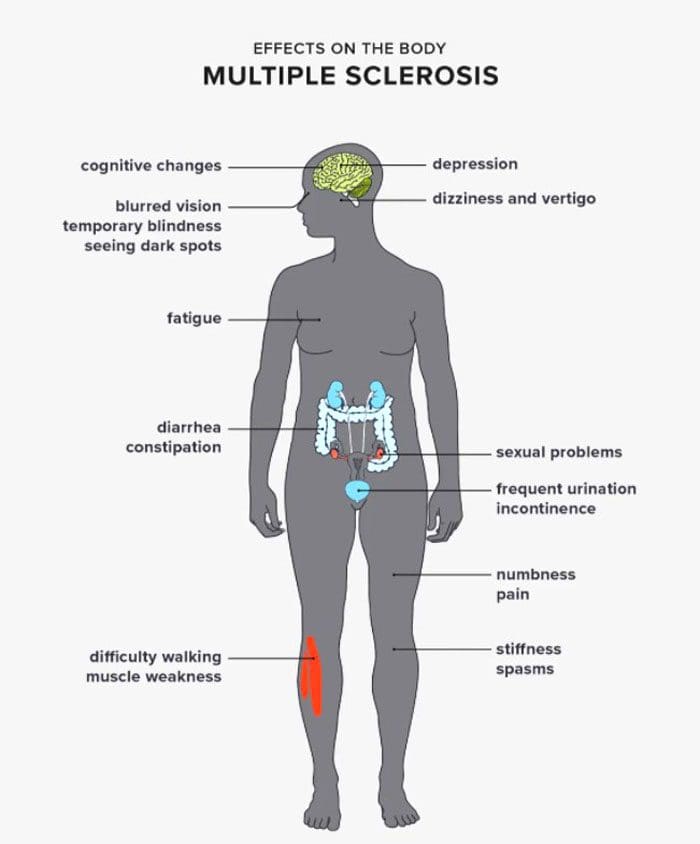
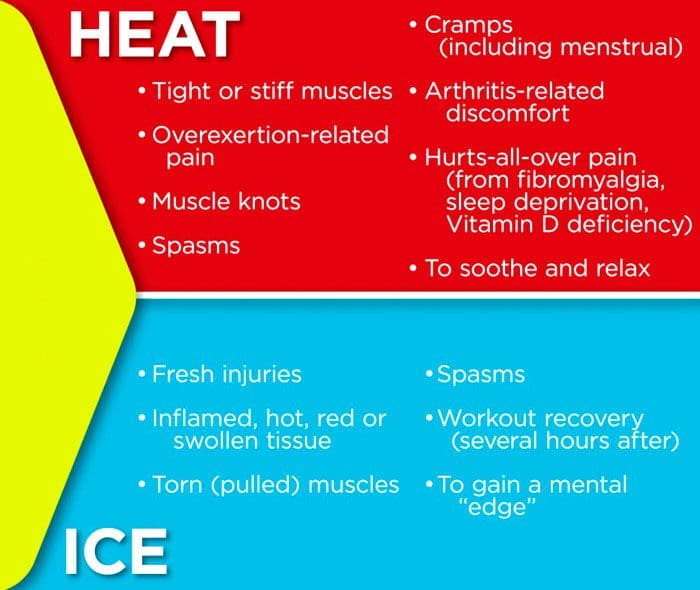
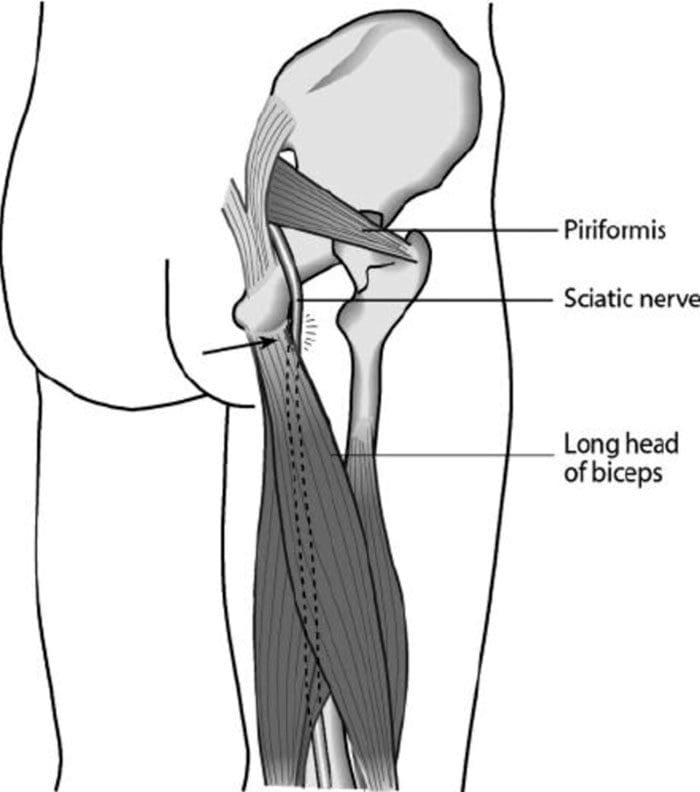
Today, we are constantly tapping, scrolling, clicking, using our hands, fingers, and thumbs on smartphones, tablets, computers, etc. Constant repetitive use has increased the development of carpal tunnel syndrome. If tingling, numbness, soreness, or electrical sensations have begun to develop in the hands, especially the index finger, thumb, or palm, carpal tunnel prevention measures can help before it becomes severe.
Pinched Nerve
Carpal tunnel syndrome is the medical terminology for a pinched nerve. It is the median nerve that passes through the narrow carpal tunnel passageway of ligaments and bones at the base of the hand. This tunnel houses the median nerve and the tendons that allow the fingers to bend. The median nerve generates physical sensation in the index, middle, ring finger, and palm near the thumb. Compression of the nerve or inflammation can cause tingling, numbness, and pain in any and/or all of the hand areas. It can also cause the fingers to bend awkwardly; however, this symptom develops over time. There are so many different causes of carpal tunnel syndrome that it is almost impossible to avoid with the constant overuse/repetition of the hands.
Work – tasks, typing, mouse use, writing, scanning, etc.
School
Injury
Doctors recommended approach for carpal tunnel prevention is to take action at the first sign/symptom. The most effective preventative measures include:
Using a computer mouse – moving, clicking, using the scrolling wheel, etc.
Writing
Cooking – chopping, slicing, mixing, squeezing, etc.
Drawing
Make sure to take frequent breaks from the motion.
Carpal tunnel is more likely to develop if the nerves and muscles are overused for a long time without stopping. When focused on a task, we often don’t realize how the repetitive motions cause strain until a sting or pinch makes us stop. Taking a hand break is essential to give the muscles, tendons, ligaments, and nerves time to relax and stay loose. The break only has to be a few minutes to be effective.
Repetitive Movements and Proper Hand Form/Posture
Repetitive hand or wrist motions in everyday activities sometimes cannot be helped. It is recommended to try to switch hands when performing the task, space it out over the day, take frequent breaks, stretch, and gently shake out the hands throughout the day. Make sure any pressure on the hands or wrists is as light as possible and evenly distributed. Keep the wrists straight or slightly bent and use light tools if possible. Proper posture is crucial for carpal tunnel prevention. Many individuals don’t realize the back, neck, and wrists are intricately connected. Poor posture like hunching over the computer, shoulders rolled forward, and forward neck posture can cause the nerves and muscles of the arm to become compressed, causing tingling, numbing, pain symptoms because they’re not properly aligned. The compression can run down the arms and affect the wrists and hands as well.
Carpal Tunnel Prevention Supportive Accessories
It is also recommended to consider integrating supportive accessories, like ergonomic keyboards, mice, wrist splints, keypad cushions, etc. These tools can support the body and keep the wrists and hands healthy, comfortable, and pain-free. Wrist splints can help by keeping the wrist in a straight, neutral position without thinking about it. This reduces stress on the area and absorbs the pressure of everyday tasks on the carpal tunnel and median nerve. Individuals can also wear the splint at night to support and train the wrist to stay straight throughout the day. Taking action before the symptoms become severe is highly recommended. Talk to a chiropractor or physical therapist for exercises, stretches, and general tips to help with carpal tunnel prevention.
Body Composition
A Snack and A Meal
Without proper planning, the calories an individual consumes from snacks can add up. A recent survey found that snacking contributes 586 calories for men and 421 calories for women per day. Weight loss, weight gain, and weight maintenance come down to calories in vs. calories out.
Eating snacks that are too high in calories or snacking too much can disrupt and derail health goals.
It’s essential to know what a snack consists of, what to look for on a label, and how to plan.
Snacks come in a range of calories, depending on individual goals.
For many, 100-200 calories are recommended for snacks.
Individuals that need increased calories may require a higher calorie snack.
The number of snacks eaten per day depends on individual needs and goals.
It’s best to plan and factor snacks into the overall meal plan to avoid overeating.
LeBlanc, Kim Edward, and Wayne Cestia. “Carpal tunnel syndrome.” American family physician vol. 83,8 (2011): 952-8.
Page, Matthew J et al. “Splinting for carpal tunnel syndrome.” The Cochrane database of systematic reviews vol. 2012,7 CD010003. 11 Jul. 2012, doi:10.1002/14651858.CD010003
Shiri, Rahman, and Kobra Falah-Hassani. “Computer use and carpal tunnel syndrome: A meta-analysis.” Journal of the neurological sciences vol. 349,1-2 (2015): 15-9. doi:10.1016/j.jns.2014.12.037
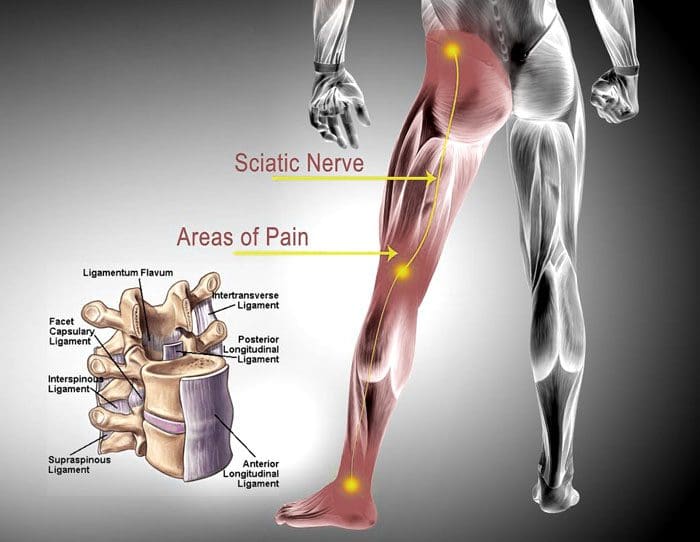
Multiple sclerosis and sciatica can exist side by side or have overlapping symptoms. The sciatic nerve begins at the lower back, then through the hips into the buttocks, and separates into both legs into the feet. Sciatica is a type of pain caused by a compressed/pinched or damaged/injured sciatic nerve. The sensation radiates across the nerve with frequency and severity at varying levels, depending on the individual’s body position and/or movement. Individuals with multiple sclerosis can also experience sciatica, believing it’s their multiple sclerosis. Neuropathic pain is a common symptom in multiple sclerosis or MS. It is caused by injury or damage to the nerves of the central nervous system and can cause burning, or sharp, stabbing sensations.
Multiple Sclerosis and Sciatic Nerve Pain Difference
MS is an autoimmune disorder where the immune system attacks the protective layer around nerve fibers known as myelin. This affects the central nervous system pathways that regulate feeling and sensation in the body. It can cause painful sensations that include:
Muscle spasms
Burning, tingling, or aching in the lower legs
Electrical shock-like sensations travel from the back toward the legs.
Migraines
The painful sensations result from the damaged nerve fibers creating interference in the brain’s neural pathways.
Sciatica works differently
An autoimmune response does not damage the sciatic nerve’s pathway, but an added stress/pressure compresses the sciatic nerve. The pain is usually caused by a quick, jerking, twisting, bending, reaching motion that pinches or twists the nerve. Herniated discs and bone spurs are another common cause, along with being overweight can place intense pressure on the sciatic nerve. The critical difference is that multiple sclerosis causes the central nervous system’s signaling pathways to malfunction.
MS and Sciatica
Most individuals, around 40%, will at some point experience some form of sciatica symptoms. This is from age, and all the wear and tear the low back goes through daily. This is why it’s not unusual for individuals with MS to experience sciatica as well. MS can cause body changes that affect activity levels.
Decreased mobility can lead to sitting for extended periods that can strain the muscles, tendons, and ligaments, causing sciatica.
There is evidence that the lesions that present from MS can extend to the sciatic nerve.
One study compared 36 individuals with MS to 35 individuals that don’t have it.
The research found that those with MS had slightly more lesions on the sciatic nerve than those without MS.
Sciatica Care
It can be challenging to figure out the types of pain being experienced. Sciatica travels down the length of the nerve uniquely and is often felt in only one leg. The pain, tingling, numbness, electrical sensations can present only in the lower back, the buttock, the back of the leg, hamstring, calf, and foot, or in a combination of all the areas. Treatments for sciatica depend on the severity. They include:
Medications – anti-inflammatories, muscle relaxants, tricyclic antidepressants, and antiseizure medications.
Steroid injections – corticosteroids
Surgery is a last resort reserved for severe cases that did not improve with other treatments and therapies.
It can be easy to mistake sciatica as a symptom or related condition of multiple sclerosis. Chiropractic can help alleviate sciatica, and although treatment cannot directly treat MS or its symptoms, it can relieve pain and discomfort.
Body Composition
Diabetic Nephropathy
Diabetic nephropathy or diabetic kidney disease is the result of mismanaged diabetes. Kidney failure is a severe medical emergency and can be fatal if not treated. Chronic low kidney function results in:
Fluid retention in the body.
Inability to filter out metabolites and waste from the blood.
Increased risk of infections.
Common symptoms of diabetic kidney disease include:
Increased blood pressure
This is the result of increased stress on the body.
The kidneys can no longer filter out all the metabolites and excess fluid needed to stabilize the blood pressure.
Chronic kidney damage results in the protein being excreted through urine.
Fatigue
Poor kidney function affects every organ in the body.
The organs have to work harder to compensate, leading to fatigue and low energy.
Lower extremity edema
Fluid retention usually presents in the lower extremities.
Puffy, swollen ankles and legs may appear shiny or waxy.
This is common in individuals that have severe diabetic nephropathy.
Shortness of breath
As the fluid builds up in the body, additional weight can get stored on and around the lungs.
This can make breathing very difficult when lying down or when engaged in physical activity.
Impaired cognition
Metabolites in the blood can cause brain damage when not filtered properly.
Memory loss
Mood changes
Loss of consciousness
References
Jende JME, et al. (2017). Peripheral nerve involvement in multiple sclerosis: Demonstration by magnetic resonance neurography. DOI:
10.1002/ana.25068
Mayo Clinic Staff. (2019). Sciatica.
mayoclinic.org/diseases-conditions/sciatica/symptoms-causes/syc-20377435
Murphy KL, et al. (2017). Chapter 4: Neuropathic pain in multiple sclerosis—current therapeutic intervention and future treatment perspectives.
ncbi.nlm.nih.gov/books/NBK470151/
Pain and itching. (n.d.).
nationalmssociety.org/Symptoms-Diagnosis/MS-Symptoms/Pain
Samson K. (2017). In the pipeline-multiple sclerosis neurography, MRI reveals peripheral nerve lesions in MS patients. DOI:
10.1097/01.NT.0000527861.27137.b0
Sciatica: Of all the nerves. (2016).
health.harvard.edu/pain/sciatica-of-all-the-nerve
Most if not all of us have probably used heat and/or ice on a sprain, strain, or sore area of the body. Having a pinched nerve, however, has a different feeling than a sprain or strain. Chiropractic treatment for a pinched nerve is recommended, but if the pain isn’t too bad, then home care can work. Which is better for a pinched nerve, heat or ice? Both. Using heat and ice helps reduce swelling, increases blood flow to the area, and relaxes the muscles around the pinched nerve. The objective is to know when to use ice and/or heat.
Applying Heat on a Pinched Nerve
Applying heat on a pinched nerve is fine. The general guideline for a pinched nerve is to use heat only after the pain has subsided/reduced.
When pain presents or flares up, use ice before using heat.
Do not apply heat to the area directly after applying ice.
Wait 30 minutes to an hour.
Keep the heat on the affected area for 10 to 20 minutes at a time.
Take a minimum 30-minute break between sessions.
If the heat helps, make the heat moderate and use it on the area for an hour or more.
Extended heat therapy is beneficial for severe pain from a pinched nerve.
The equivalent is like soaking in a hot bath.
Heat for a Pinched Nerve Benefits
Heat soothes and relaxes both the muscles and the mind.
Heat increases healing abilities by circulating new blood to the injured/affected area, helping to flush toxins away.
Decreases tension and spasms in the muscles.
Increases the range of motion in the joints.
When Not To Use Heat Therapy
It can be dangerous for individuals with pre-existing conditions. Conditions include:
If home remedies don’t work, know when to consult a chiropractor.
Doctors of chiropractic specialize in pinched/compressed nerves. A chiropractor is trained in different techniques to relieve the pressure and release the nerve back to its proper position.
Body Composition
Peripheral Artery Disease
Peripheral artery disease or PAD is the narrowing of the arteries that carry blood away from the heart to the other areas of the body. What to know about PAD:
Peripheral artery disease risks increase with age.
Over half of affected individuals do not present with symptoms.
Around one-fourth of individuals with peripheral artery disease have diabetes mellitus.
Smokers have an increased risk of developing PAD.
This is why it’s important to monitor blood pressure.
References
Chandler, Anne, et al. “Using heat therapy for pain management. (clinical practice).” Nursing Standard, vol. 17, no. 9, 13 Nov. 2002, pp. 40+. Accessed 15 Sept. 2021.
Edzard Ernst, Veronika Fialka, Ice freezes pain? A review of the clinical effectiveness of analgesic cold therapy, Journal of Pain and Symptom Management, Volume 9, Issue 1, 1994, Pages 56-59, ISSN 0885-3924, https://doi.org/10.1016/0885-3924(94)90150-3.
Shu, Jun, and Gaetano Santulli. “Update on peripheral artery disease: Epidemiology and evidence-based facts.” Atherosclerosis vol. 275 (2018): 379-381. doi:10.1016/j.atherosclerosis.2018.05.033
The hamstring muscles are three muscles in the back of the thigh. The sciatic nerve goes through or around and down the legs into the feet. Hamstring syndrome is a condition where injury or spasm apply pressure compressing the sciatic nerve.
The nerve can become pinched between the hamstring muscles and the pelvic bone or the band of tissue that connects the hamstring muscles.
This can cause discomfort, tingling, numbness, and pain down the back of the leg, hip, buttock, and into the foot.
Pain can present when sitting down or stretching the hamstrings.
Pain reduces when lying flat on the back.
Hamstring syndrome
This condition could be the result of wearing and tearing to the back muscles and hamstring muscles. It is often seen in individuals that play sports involving running, kicking, and/or jumping. But it can happen to anyone from some awkward leg motion causing the muscles to spasm that can twist around the sciatic nerve or pull on it, causing various symptoms. A doctor or chiropractor will diagnose the condition by examining the symptoms, physical activities, and leg. Most individuals diagnosed with hamstring syndrome report discomfort or pain where they sit down. The pain gradually worsens when performing physical activities, regularly sitting, and when flexing the knee. Hamstring syndrome usually gets better within a few weeks with proper rest and home care. A doctor or chiropractor will recommend exercises and stretches to strengthen the muscles.
Home care
Ask the doctor or chiropractor about taking over-the-counter pain medication:
Acetaminophen – Tylenol
Ibuprofen – Advil, Motrin
Naproxen – Aleve
Read and follow all label instructions.
Use an ice pack on the pain area for 10 to 20 minutes at a time.
Try to do this every 1 to 2 hours for 3 days or until the swelling goes down.
After 2 or 3 days, if the swelling is gone, apply heat.
Use a warm water bottle, heating pad, or warm cloth over the area.
Avoid sitting if possible, unless it feels better than standing.
Take short walks to keep the muscles stretched.
Don’t do anything that causes symptoms to worsen.
Return to normal physical activities slowly.
If symptoms do not improve, then contact a doctor or chiropractor.
Caffeine falls under stimulants, or substances that excite the systems throughout the body.
Ingesting caffeine can cause the body to experience increased excitement, especially in the cardiovascular system.
This excitement causes the heart rate and blood pressure to rise
Then it lowers back down to baseline levels for most healthy individuals.
It is recommended to drink coffee in moderation, safe for individuals with pre-existing cardiovascular conditions.
References
de Ridder, Roel et al. “Neurodynamic sliders promote flexibility in tight hamstring syndrome.” European journal of sports science vol. 20,7 (2020): 973-980. doi:10.1080/17461391.2019.1675770
Matsuda, Dean K. “Editorial Commentary: Proximal Hamstring Syndrome: Another Pain in the Buttock.” Arthroscopy: the journal of arthroscopic & related surgery: official publication of the Arthroscopy Association of North America and the International Arthroscopy Association vol. 34,1 (2018): 122-125. doi:10.1016/j.arthro.2017.08.260
Park, Jung Wee et al. “Deep gluteal syndrome as a cause of posterior hip pain and sciatica-like pain.” The bone & joint journal vol. 102-B,5 (2020): 556-567. doi:10.1302/0301-620X.102B5.BJJ-2019-1212.R1
According to chiropractic physiological concepts, the body is in a state of relaxation when the body’s natural intelligence can properly function. With regular movement, work, school, chores, tasks, the body takes a beating getting pushed, pulled, and twisted. This results in loss of function, disharmony, chronic conditions, and disease. Chiropractic assistance restores the communication flow with various types of adjustments.
Like a vehicle that has something loose or is out of place, but can still move, so do individuals continue to work despite their body telling them that something is wrong or out of place. As they continue the body can start to break down. Even with a minor vertebral subluxation. A subluxation is when a vertebra/spine’s bones interfere with the transmission of information along the spine and throughout the central nervous system. The messages/transmissions to and from the brain disrupt the body’s ability to function properly resulting in health issues. A chiropractor adjusts the body to correct the subluxation. This facilitates the body’s natural ability to:
Adapt
Regulate
Heal itself through its own natural intelligence.
Chiropractic is based on principles of physiology. These principles have a significant impact on individuals:
Overall health
Vitality
Well-being
Self-healing and Regulating
When individuals cut themselves, or when a bone gets broken, the body will heal itself. No thought or practice is needed. The body breathes, digests food, the heart continues to beat and the kidneys filter out waste products.
Brain, Nervous System, and Body Health
The brain and nervous system are what controls and coordinate the body’s ability to heal and self-regulate. The brain sends out information through the nervous system to the organs of the body. The information tells the organs what to do and when to do it. The organs reply to the brain through the nervous system letting the brain know everything is operating correctly.
To function properly and maintain optimal function, the body depends on the proper circulation of nerve transmissions/information traveling through the nervous system.
Spinal State
The condition or state of the spine if out of place even just a little could interfere with the transmission of information via the nerve pathways. Misalignments and subluxations don’t always hurt so individuals don’t know this is happening. The nervous system is protected by the skull and spinal bones, known as the vertebrae. The spinal bones allow for free movement. Subluxations and misalignments:
Stretch
Pinch
Irritate
Choke
Rub the nerve fibers.
This alters the information/messages traveling and interferes with the body’s ability to function as it should.
Chiropractic Assistance
Chiropractic assistance will diagnose and correct misalignments and subluxations, restoring proper nerve circulation. These spinal adjustments unlock and realign the bones allowing for optimal movement and the communication pathways are fixed. A healthy spine and nervous system are vital to healthy body function. This is the body’s natural state. How to know if you have a subluxation, have your spine checked by a chiropractor.
Body Health Assistance
Body Composition Goals
For individuals that fall within the extremely overweight and obese body fat percentage category, an effective strategy is to lose fat while preserving the existing Lean Body Mass. Individuals with high body fat percentages often have existing muscle developed from carrying the added weight when moving. Preserving this muscle is important. Having more muscle means increased metabolism and more strength.
To start losing body fat it is recommended to cut down/cut out processed foods and reduce caloric intake.
Consult with a health coach and nutritionist to find out about different types of diets and types of physical activity.
One study showed that obese individuals could quickly improve body composition by:
Maltese, Paolo Enrico et al. “Molecular foundations of chiropractic therapy.” Acta bio-medica : Atenei Parmensis vol. 90,10-S 93-102. 30 Sep. 2019, doi:10.23750/abm.v90i10-S.8768
Pickar, Joel G. “Neurophysiological effects of spinal manipulation.” The spine journal: official journal of the North American Spine Society vol. 2,5 (2002): 357-71. doi:10.1016/s1529-9430(02)00400-x
Rosner, Anthony L. “Chiropractic Identity: A Neurological, Professional, and Political Assessment.” Journal of chiropractic humanities vol. 23,1 35-45. 20 Jul. 2016, doi:10.1016/j.echu.2016.05.001
Vining, Robert et al. “Assessment of chiropractic care on strength, balance, and endurance in active-duty U.S. military personnel with low back pain: a protocol for a randomized controlled trial.” Trials vol. 19,1 671. 5 Dec. 2018, doi:10.1186/s13063-018-3041-5
Rain generally comes with a drop in barometric pressure. A low-pressure system you may have heard from the local weather forecast. Lower pressure outside can cause tissues inside the body to swell and irritate sensitive nerves. For those who have sciatic nerve pain, rainy, hot, humid weather can cause the nerve tissues to expand causing increased compression, inflammation, and pain.
Rainy Weather
For anyone who is prone to inflammation, there are ways to cope with rainy weather-related symptoms, including:
Stay inside air-conditioned areas where the humidity level is lower.
Use a dehumidifier to keep the indoor air at 40-60% relative humidity for comfort.
Utilize vent fans in the kitchen and in laundry areas and after baths/showers in bathrooms.
Easy Physical Activity
Easing the pain can also be done through:
At work, school, home adjust the seat to work for you. Individuals with sciatic nerve pain already know how to make adjustments to chairs and other places for sitting.
If you’re heading out to a baseball or soccer game, you may want to use a comfortable sideline seat that provides cushion and support. If attending a pro game, check online or call to see if you can bring a therapeutic seat cushion.
Going on a trip whether road or flight, seats might not be comfortable or supportive. Tips that can help maintain comfort to mitigate the pain, include:
Adjust the seat for proper posture to maintain spinal curvature
Use lumbar support
Maintaining a workout routine is key leading up to your trip. If the body is inactive for a period of time, the back muscles are more likely to spasm when having to sit in tight quarters.
Don’t overpack. Carrying around heavy luggage increases the risk of straining the muscles.
Pack pain medication or anti-inflammatories on hand in case of a flare-up.
Inflammation
Target inflammation with ice therapy
Using topical heat or a heating pad can get the blood circulation flowing through the area
Wear compression garments over the affected areas to bring down swelling and promote blood and nerve circulation.
Chiropractic Rainy Day Relief
Chiropractors know the whole musculoskeletal system. Chiropractic massage therapy induces deep muscles relaxation and the release of endorphins/natural painkillers. A regular spa massage can release sore muscles and tension, chiropractic massage focuses on soothing and healing sciatica. Adjustments or spinal manipulations allow the disc/s rest back into position and relieve the pressure on the sciatic nerve. This will lessen the pain and generate nerve signal flow and mobility.
Spinal decompression relieves the compression of the nerves that are causing sciatica pain. This includes techniques to lengthen the spine and enhance the space between the vertebrae.
A chiropractor will recommend exercises to prevent nerve aggravation and help release the pressure that comes from the inflamed and tight muscles.
Exercises include stretching programs that can be done at home to release pressure on the nerve and ease irritations.
Body Composition
About Fat
Fat, also known as adipose tissue, contributes to overall body weight. This is also the type that individuals want to get rid of when talking about weight loss. Two different kinds of fat:
Subcutaneous fat is the fat that is beneath the skin.
Visceral fat lies deep in the abdominal cavity and surrounds the organs.
Having a certain amount of fat tissue is necessary for a healthy body.
The body stores unused energy from food as fat. This is to provide a reliable source of fuel when the body needs it.
Fat tissue acts as insulation to keep the body warm and as a cushion to protect the vital organs.
The problem/issue is excess body fat. This is what leads to higher body weight and altered hormone release that can make the excess weight condition worse.
References
National Institutes of Health. (2019.) “Sciatica.” medlineplus.gov/sciatica.html.
Zwart, J A et al. “Warm and cold sensory thresholds in patients with unilateral sciatica: C fibers are more severely affected than A-delta fibers.” Acta neurologica Scandinavica vol. 97,1 (1998): 41-5. doi:10.1111/j.1600-0404.1998.tb00607.x
Zwart, John-Anker, and Trond Sand. “Repeatability of dermatomal warm and cold sensory thresholds in patients with sciatica.” The European spine journal: official publication of the European Spine Society, the European Spinal Deformity Society, and the European Section of the Cervical Spine Research Society vol. 11,5 (2002): 441-6. doi:10.1007/s005860100333
The sciatic nerve is the largest in the body and is created by five nerve roots that come together and exit the lower spine. It goes through the buttocks on either side and down the thighs all the way to the heels and soles of the feet. The sciatic nerve connects the spinal cord to the muscles of the thigh, leg, and foot. Any type of pain and/or neurological symptom/s that comes from the sciatic nerve is known as sciatica. The symptoms can be felt along the nerve’s path. This could be the:
When the nerve is compressed, neurological symptoms can accompany the pain. These include:
Thigh muscle weakness
If the thigh muscles are affected, weakness can be felt when bending or flexing the knee.
Leg and foot muscle weakness
Weakness can be felt while attempting to bend the knee or pointing the foot/toes upward/downward. This can lead to foot drop, which makes lifting the front part of the foot when walking difficult. Difficulty can also present when getting up from a sitting position or walking on the tiptoes.
Numbness
Loss of sensation can happen when the nerve impulses/transmissions cannot pass all the way through. Common areas affected by numbness are the:
Side of the calf
Side of the heel
Bottom of the foot
Top of the foot
Paresthesia
This is an abnormal sensation felt on the skin. It is brought on by improper nerve transmission. This sensation can include:
Tingling
Tightness
Pins-and-needles
Crawling feeling along the back of the thigh and/or leg
The Sciatic Nerve Gets Affected
The sciatic nerve can become:
Irritated
Compressed
Inflamed
This lumbar/low back radiculopathy means that the pain originates in and around the lumbar and/or sacral/sacrum nerve roots.
Compression
Physical forces could affect the nerve following common conditions:
Disc Herniation
A disc in the lower back can bulge or herniate. This causes irritation that can lead to compression of a nerve root.
Stenosis
Stenosis means the opening where the sciatic nerve exit into the buttocks begins to get narrow in size. This creates a clog with the other nerve roots that compresses or irritates the sciatic nerve. Degenerative changes in the spine like the thickening of the facet joint capsules and/or ligaments can also compress the sciatic nerve.
Instability
Instability of a vertebral segment happens when one vertebra slips over the one below it, known as spondylolisthesis. There are also vertebral defects like spondylolysis which is a complete dislocation of one or more vertebrae. This can directly compress the sciatic nerve roots.
Inflammatory Response
The body’s own chemicals can irritate the nerve causing inflammation. These chemical irritants include:
Hyaluronic acid
Fibronectin protein fragments leak out of degenerated or herniated discs onto and around the sciatic nerve roots.
There are times when degenerated discs can cause nerve tissues to grow into a disc. The tissue penetrates the outer and inner layers of the disc, causing inflammation and pain.
Some studies have shown how an immune system response can contribute to sciatic pain when there is exposure to the disc material from herniated disc/s.
Glycosphingolipids which are fats, and neurofilaments which are protein polymers. They are secreted by the immune system and have been found to have high levels in individuals with sciatica. It is believed they are released in reaction to the nerve roots and exposed disc material. This can lead to inflammation of the sciatic nerve.
Body Composition
The physical characteristics of an individual can also affect the sciatic nerve. Research has shown an increased risk of sciatica in:
Overweight individuals
Obese individuals
Older individuals
Tall individuals
Work Injuries
Individuals with certain jobs can have an increased risk of developing sciatica. Examples include:
Semi-Truck operators
Machine operators
Construction workers
Hairstylists
Office workers
Athletes that lift weights
This comes from:
Sitting for long amounts of time
Poor posture
Constant bending forward or sideways
Regularly lifting the arms above shoulder level
All are risk factors.
Vitamin B12 deficiency
Adequate levels of vitamin B12 are important for nerve health. Vitamin B12 supports the myelin sheath that covers and protects the nerves. It is important in nerve function and in transmitting impulses. Sciatica can present from vitamin B12 deficiency. However, this is more common in individuals 60+.
Body Analysis
Alleviating Nerve Pain Through Clinical Nutrition
Clinical nutrition is a powerful tool to help alleviate sciatica. Many individuals can relieve their pain through diet adjustments. Here are a few diet tips to alleviate sciatic nerve pain through clinical nutrition:
Sometimes, sciatica can be triggered by constipation from an unhealthy diet
Oily fish like salmon and halibut are rich in omega 3 fatty acids
Fresh pineapples and berries are anti-inflammatories that support healing and boost the immune system
2-3 cups of green tea
Add turmeric, ginger, and garlic to meals
B-Vitamins are important to take in when going through sciatica and are found in green peas, spinach, navy beans, nuts, bananas
Foods that are rich in A-Vitamins like dairy products, dark leafy vegetables, orange-colored fruits, eggs, and oily fish
Foods rich in C-Vitamins, like citrus and tomatoes
K-Vitamins like broccoli and spinach
Drink plenty of water, between 6 to 8 glasses a day
Foods to Avoid
Nutritionists recommend cutting out meat products except for oily fish for the first two weeks.
Foods that contain sunflower oil, corn oil, sesame oil, margarine, and partially hydrogenated oil.
Stressor foods like caffeine, processed food, soda, refined sugars, and chocolate.
Alcohol
References
Giuffre BA, Jeanmonod R. Anatomy, Sciatic Nerve. [Updated 2018 Dec 16]. In: StatPearls [Internet]. Treasure Island (FL): StatPearls Publishing; 2019 Jan-. Available from: https://www.ncbi.nlm.nih.gov/books/NBK482431/.
Heuch I, Heuch I, Hagen K, Zwart JA. Association between body height and chronic low back pain: a follow-up in the Nord-Trøndelag Health Study [published correction appears in BMJ Open. 2015;5(10):e006983]. BMJ Open. 2015;5(6):e006983. Published 2015 Jun 15. doi:10.1136/bmjopen-2014-006983.
Kumar, M. Epidemiology, pathophysiology and symptomatic treatment of sciatica: A review. nt. J. Pharm. Bio. Arch. 2011, 2.
Quero L, Klawitter M, Schmaus A, et al. Hyaluronic acid fragments enhance the inflammatory and catabolic response in human intervertebral disc cells through modulation of toll-like receptor 2 signaling pathways. Arthritis Res Ther. 2013;15(4): R94. Published 2013 Aug 22. doi:10.1186/ar4274.
Shiri R, Lallukka T, Karppinen J, Viikari-Juntura E. Obesity as a Risk Factor for Sciatica: A Meta-Analysis. American Journal of Epidemiology. 2014;179(8):929-937. doi:10.1093/aje/kwu007.
IFM's Find A Practitioner tool is the largest referral network in Functional Medicine, created to help patients locate Functional Medicine practitioners anywhere in the world. IFM Certified Practitioners are listed first in the search results, given their extensive education in Functional Medicine