Natural Sciatica Healing Solutions for Pain Relief
Sciatic Nerve Health at El Paso Back Clinic: Holistic Healing Solutions
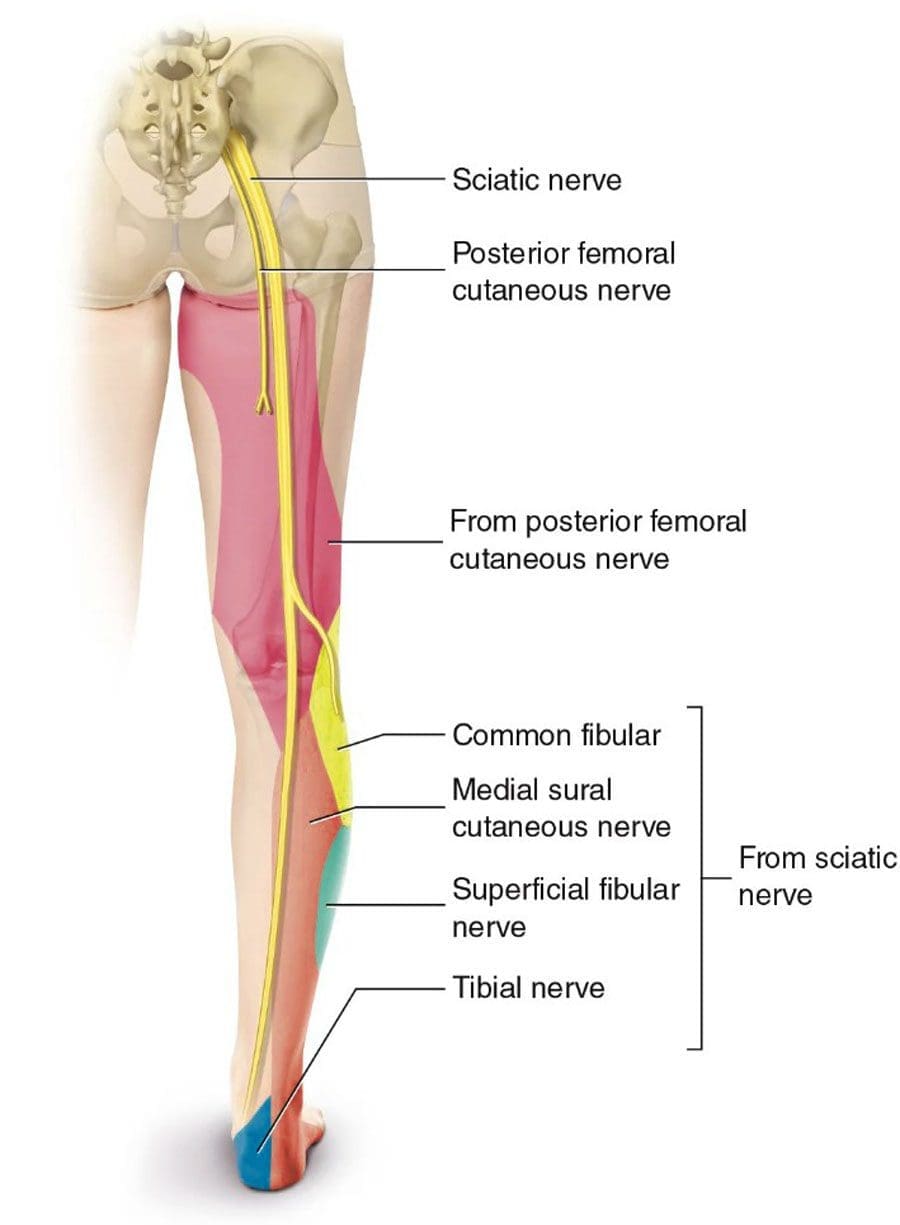
The sciatic nerve is essential for movement and sensation, stretching from the lower back through the legs as the body’s largest nerve. When irritated or compressed, it can cause sciatica—sharp pain, numbness, or tingling that radiates down the leg. At El Paso Back Clinic® in El Paso, TX, we specialize in helping patients overcome sciatic nerve issues through expert chiropractic care and integrative therapies.
This article explores the sciatic nerve’s structure, made of axon bundles wrapped in protective connective tissue, and how El Paso Back Clinic’s chiropractic techniques relieve nerve pressure. We’ll also highlight our integrative approach, combining massage, physical therapy, acupuncture, and nutrition to promote natural healing. Led by Dr. Alexander Jimenez, DC, APRN, FNP-C, our clinic addresses injuries from work, sports, personal accidents, and motor vehicle accidents (MVAs) with personalized, evidence-based care.
Whether you’re managing sciatica or aiming to prevent nerve problems, El Paso Back Clinic offers solutions to help you regain mobility and live pain-free.
Understanding the Sciatic Nerve
The sciatic nerve originates from the L4 to S3 nerve roots in the lower back, runs through the buttocks, and extends down each leg, controlling muscles and sending sensations from the thighs, calves, and feet. Compression from a herniated disk, tight muscles, or injury can trigger sciatica, disrupting daily activities like walking or sitting.
At El Paso Back Clinic, we focus on addressing the root causes of sciatica using non-invasive methods to support the body’s natural healing process, helping patients return to an active lifestyle.
Sciatic Nerve Structure: Axons and Protective Layers
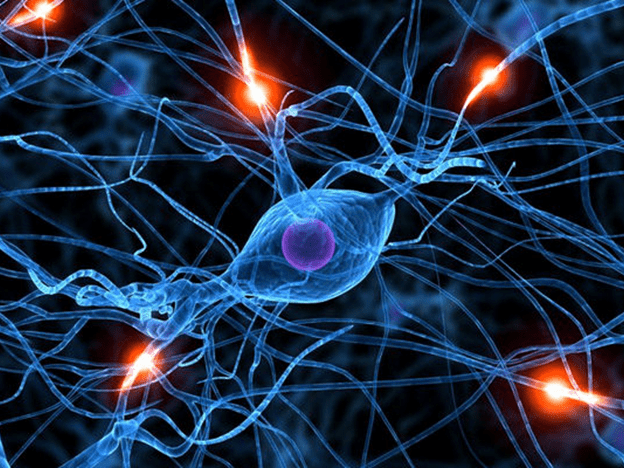
The sciatic nerve is a complex network of neurons, each with a long fiber called an axon that transmits electrical signals. These axons are organized into bundles called fascicles, supported by layers of connective tissue:
- Endoneurium: Wraps each axon and its myelin sheath, which speeds up signals and protects the nerve fiber.
- Perineurium: Encases each fascicle, regulating the environment to maintain signal efficiency.
- Epineurium: The outer layer surrounds the entire nerve, providing strength and flexibility.
These layers, which can comprise up to half of the nerve’s volume, ensure durability but can cause issues if they become inflamed or scarred, trapping axons and triggering pain. El Paso Back Clinic’s treatments aim to reduce inflammation and restore nerve function.
Causes of Sciatic Nerve Issues
Sciatica often results from nerve compression due to:
- Herniated disks: Bulging spinal disks pressing on nerve roots.
- Spinal stenosis: Narrowed spinal canals crowd the nerves.
- Piriformis syndrome: A Tight piriformis muscle pinching the nerve.
- Injuries: Trauma from work, sports, falls, or MVAs.
Our clinic sees these issues in patients with repetitive job strains, athletic injuries, or car accidents. Accurate diagnosis is key to effective treatment.
Chiropractic Care at El Paso Back Clinic: Relieving Nerve Pressure
Chiropractic care is at the heart of our approach at El Paso Back Clinic. Dr. Alexander Jimenez and our team use precise spinal adjustments to realign vertebrae and reduce pressure on the sciatic nerve. The procedure alleviates pain and improves mobility by addressing misalignments that cause disc bulging or muscle tension.
For example, a patient with sciatica from a slipped disk may receive lumbar adjustments to create space for the nerve. Dr. Jimenez uses advanced imaging like X-rays and MRIs to identify the issue, ensuring targeted care. His dual expertise as a chiropractor and nurse practitioner allows for comprehensive assessments, combining spinal exams with neurological testing.
Research supports the effectiveness of chiropractic care for chronic pain over medications alone (Ideal Spine, n.d.). For a delivery driver with sciatica from heavy lifting, Dr. Jimenez might use spinal decompression to gently stretch the spine, paired with rehab exercises to prevent recurrence.
Integrative Care: A Holistic Approach to Nerve Health
El Paso Back Clinic embraces integrative medicine, combining chiropractic care with massage therapy, physical therapy, acupuncture, and nutrition for optimal results. Our team, including chiropractors, therapists, and nutritionists, collaborates to create personalized treatment plans.
- Massage Therapy: Techniques like deep tissue and trigger point massage relax tight muscles, such as the piriformis, reducing nerve compression. Patients often report less numbness and better movement.
- Physical Therapy: Exercises like the McKenzie method or core strengthening stabilize the spine and improve flexibility, guided by our skilled therapists.
- Acupuncture: Needle placements reduce inflammation and stimulate the body’s natural pain relief mechanisms, thereby enhancing chiropractic outcomes.
- Nutrition Counseling: We recommend nerve-supporting nutrients like vitamin B12 (found in fish and eggs) for myelin repair and alpha-lipoic acid (in spinach) to reduce inflammation (RxWellness, n.d.; Verywell Health, n.d.).
This approach aligns with evidence-based principles of integrative care (NCCIH, n.d.), promoting healing while minimizing reliance on medications.
Dr. Jimenez’s Expertise: Healing Diverse Injuries
With over 25 years of experience, Dr. Alexander Jimenez leads El Paso Back Clinic with a dual perspective as a DC and APRN. His clinic uses advanced tools like EMG, MRI, and functional assessments to diagnose sciatica and related injuries.
- Work Injuries: For a construction worker with sciatica from repetitive bending, Dr. Jimenez combines adjustments with B-vitamin supplements and ergonomic advice to prevent further strain.
- Sports Injuries: A soccer player experiencing leg pain receives decompression therapy and acupuncture, supplemented by balance exercises to help restore function.
- Personal Injuries: A fall victim benefits from massage and PT to reduce swelling, with detailed documentation for insurance claims.
- MVAs: Car accident patients get full-body scans to connect whiplash to sciatica, with legal reports to support recovery and claims.
Dr. Jimenez’s approach, detailed on dralexjimenez.com, focuses on root-cause treatment and patient empowerment through holistic care.
Supporting Legal and Medical Needs
Injury cases often require legal or insurance documentation to support claims. El Paso Back Clinic provides thorough records, from initial X-rays to recovery progress, using pain scales and range-of-motion tests. For MVA patients, we collaborate with attorneys to streamline paperwork, ensuring patients focus on healing.
Preventing Long-Term Nerve Issues
Our integrative care promotes natural healing by improving blood flow to axons, strengthening supporting muscles, and reducing inflammation through nutrition. Regular checkups and personalized therapy goals help prevent chronic pain or arthritis, keeping patients active.
Choose El Paso Back Clinic for Sciatic Nerve Care
Located in El Paso, TX, El Paso Back Clinic® offers a welcoming environment where licensed professionals deliver tailored care. Our services—chiropractic, physical therapy, acupuncture, and nutrition—work together to relieve sciatica and boost wellness. Contact us at 915-850-0900 or visit our blog for more insights.
With El Paso Back Clinic, you’re investing in a healthier, pain-free future.
References
Alliance Orthopedics. (n.d.). Can chiropractic care help with sciatica? https://allianceortho.com/can-chiropractic-care-help-with-sciatica/
Asuta Health. (n.d.). Natural approaches to neuropathic pain relief: Evidence-based strategies for managing nerve pain. https://asutahealth.org/natural-approaches-to-neuropathic-pain-relief-evidence-based-strategies-for-managing-nerve-pain/
Atlas Pain Specialists. (n.d.). Can a chiropractor help with nerve pain? https://atlaspainspecialists.com/can-a-chiropractor-help-with-nerve-pain/
Byju’s. (n.d.). Nerves. https://byjus.com/biology/nerves/
Cleveland Clinic. (n.d.). Nerves. https://my.clevelandclinic.org/health/body/22584-nerves
Enhanced Living Chiropractic. (n.d.). How chiropractic care can help with sciatica. https://www.enhancedlivingchiro.com/blog/1193309-how-chiropractic-care-can-help-with-sciatica
Ideal Spine. (n.d.). Pain, chiropractic care, and the neuromusculoskeletal system. https://idealspine.com/pain-chiropractic-care-and-the-neuromusculoskeletal-system/
Jimenez, A. (n.d.). Dr. Alex Jimenez’s website. https://dralexjimenez.com/
Merck Manuals. (n.d.). Nerves. https://www.merckmanuals.com/home/brain-spinal-cord-and-nerve-disorders/biology-of-the-nervous-system/nerves
NCCIH. (n.d.). Complementary, alternative, or integrative health: What’s in a name? https://www.nccih.nih.gov/health/complementary-alternative-or-integrative-health-whats-in-a-name
RxWellness. (n.d.). Natural therapies for nerve damage: A guide to holistic healing solutions. https://www.rxwellness.net/natural-therapies-for-nerve-damage-a-guide-guide-to-holistic-healing-solutions/
ScienceDirect. (n.d.). Sciatic nerve. https://www.sciencedirect.com/topics/immunology-and-microbiology/sciatic-nerve
SEER Training. (n.d.). Structure of a nerve. https://training.seer.cancer.gov/anatomy/nervous/organization/pns.html
Spine-Health. (n.d.). Sciatic nerve anatomy. https://www.spine-health.com/conditions/spine-anatomy/sciatic-nerve-anatomy
Verywell Health. (n.d.). Supplements for neuropathy. https://www.verywellhealth.com/supplements-for-neuropathy-11693153