Although their main method of treatment is the spinal manipulation, many chiropractors also use other therapies to treat their patients. The following is a brief description of some of the most common therapies chiropractors offer.
Therapeutic Exercise
Chiropractors commonly prescribe specific strengthening exercises for their patients with back, neck, and extremity problems. These exercises can decrease pain, prevent muscle deterioration, promote joint health, increase strength, stability and range of motion, and protect against new or recurring injuries.
Your chiropractor will show you how to do the exercises and supervise you until you are comfortable doing them on your own. It’s important to keep up with your exercises as prescribed (similarly to drug prescriptions). Studies show that individuals who follow their exercise instructions heal faster than those who do not.
Therapeutic Stretches
Following an injury, therapeutic stretching is an important way to prevent scar tissue from forming. Even after the injury has healed, maintaining a regular stretching program helps keep tissues flexible, increases mobility, and protects you from new injuries. As with exercise, your chiropractor will instruct you on proper stretching techniques and will supervise you until you are comfortable enough to do them on your own.
Traction
Many chiropractors use traction, in which traction devices are applied to distract areas of the spine. This treatment helps separate the vertebrae resulting in disc decompression, reduced nerve root pressure, and decreased.
Soft Tissue Manual Therapy
Chiropractors use a variety of hands-on soft tissue therapies to improve the function of the soft tissues (muscles, ligaments, tendons, and joint capsules).�These include pin and stretch, also known under a proprietary name Active Release Technique (ART) and instrument-assisted soft tissue mobilization (Graston Technique).
Physical Therapy Modalities
Muscle Stimulation
This type of therapy uses light electrical pulses that are transmitted to specific areas of the body through electrodes placed on the skin. There are many different types of electrical stimulation. Some are more beneficial for pain relief or to reduce inflammation, some best treat muscle spasm, and some actually cause muscles to contract in order to reduce muscle atrophy. Some forms of electrical stimulation have combination effects.
TENS
A TENS (transcutaneous electric nerve stimulation) unit is a small, battery-powered, portable muscle stimulation machine that can be used at home to help control pain. Variable intensities of electric current are used to control pain. This treatment is recommended to help patients get through periods of severe (acute) pain. TENS units are typically not recommended for chronic pain. In fact, a 2009 �report from the American Academy of Neurology found that TENS units are not effective at treating chronic low back pain.1
Ultrasound
Therapeutic ultrasound is a form of deep heat therapy created by sound waves. When applied to soft tissues and joints, the sound waves are a form of micro-massage that help reduce swelling, increase blood flow, and decrease pain, stiffness, and spasms.
Ice and Heat Therapy
Ice and heat have long been used to treat many painful conditions. Ice therapy is often used to reduce swelling and help control pain immediately after an injury. Heat therapy is used to relax the muscles, increase circulation, and can provide relief to patients with chronic pain. Depending on the patient’s condition, a combination of ice and heat can be used.
Diet and Nutritional Counseling
Studies have shown that poor diet and nutritional imbalances contribute to a number of serious illnesses, such as heart disease, stroke, diabetes, and cancer. Chiropractors are specifically trained in diet and nutritional counseling. Your chiropractor can design a nutritional program specific to your needs that can help you maintain good health and minimize the risk of developing these serious health conditions.
Lifestyle Modification Counseling
Good health is much more than the absence of pain or disease. The lifestyle choices you make on a daily basis can greatly affect your long-term health. We now know that years of seemingly small unhealthy lifestyle choices can, over time, turn into very large health problems. Examples of lifestyle choices and behaviors that can have negative effects on your health include:
lack of regular exercise
smoking
poor diet
excessive mental stress
over-reliance on medication
excessive consumption of alcohol
poor posture
improper lifting
Your chiropractor will talk to you about your lifestyle choices, help you sort through and identify unhealthy health habits, and give you practical strategies to deal with and manage them.
As you can see, chiropractic medicine is more than just spinal manipulations. Chiropractors use a variety of treatment modalities to help the body to heal itself and return the patient to a pain-free and healthy life.
Many of us experience back and neck pain. But when is it the right time to see a chiropractor for a diagnosis or treatment? And can they really help? The answer is yes.
Chiropractors have been around for a hundred years, and are licensed doctors who are required to pass a series of four national board exams and are regulated by state licensing boards. They are medical professionals who diagnose and treat musculoskeletal and nervous system disorders.
A chiropractor can use many different techniques to relieve pain, including applied pressure, massage, and hands-on manipulation (adjustment) of the vertebrae and joints. They may also order X-rays, MRI studies, and lab work. Chiropractors don�t prescribe medications, but they do recommend such things as therapeutic and rehabilitative exercises and nutritional and lifestyle counseling to help the body heal itself.
Chiropractors believe one of the main causes of back or neck pain is subluxation. Subluxation occurs when your vertebrae become misaligned. Treating subluxations can help to alleviate pain associated with a myriad of conditions, including:
headaches
sciatica
trauma, such as whiplash
scoliosis
leg pain
sports injuries
bursitis and tendonitis
fibromyalgia
spinal arthritis (spondylosis)
Sometimes chiropractic care (eg, an adjustment) can cause mild soreness or aching but that usually resolves itself within 12 to 48 hours.
Chiropractic Tests
When you visit your chiropractor for the first time, he/she will probably ask you to perform a series of simple tests to evaluate your posture and range of motion. You may be asked to bend forward,� backward or side-to-side. The chiropractor will also check the way you walk and how your posture looks sitting down and standing up.� Other tests may include:
Piriformis Test: The patient flexes and bends the knee while lying down.
Straight Leg Raise: One leg at a time is raised in a locked-knee position to check the sciatic nerve and flexibility of the hamstring muscle.
Measuring the length of each leg helps determine if there is a discrepancy in leg length or if the pelvis is out of balance.
Hand strength (grip)
Evaluation of reflexes and muscle testing
Sometimes you might hear a pop while the chiropractor is testing or adjusting you, which is perfectly normal. This is caused by small pockets of air or bubbles in the fluid that surrounds your joints. When joint tissues are stretched, those pockets of air �pop,� which creates the cracking sound you hear.
Diagnosis
Once the chiropractor identifies the problem, he/she can recommend treatment options, and explain how many chiropractic visits are necessary to reach an expected outcome (eg, resolution of pain). He/she may also suggest improvements to your diet and lifestyle, such as quitting smoking or increasing/modifying certain activities. A chiropractor may also recommend certain types of exercises in conjunction with chiropractic treatment to stretch and/or strengthen the back and neck.
Adjustment Techniques
A chiropractor is educated in dozens of ways to treat pain. Here is a sampling of the different techniques that may be used.
Toggle Drop � The chiropractor presses down firmly on a particular area of the spine followed by a quick and precise thrust.
Lumbar Roll � With the patient on his/her side, a quick thrust is applied to the misaligned vertebrae.
Release Work � The chiropractor uses gentle pressure with the fingertips to separate the vertebrae.
TENS (Transcutaneous electrical stimulation) � This device sends stimulating pulses across the surface of the skin and nerve strands to block pain signals along the nerves and release endorphins which are natural painkillers.
Cold/Heat Treatment � Chiropractors may alternate between ice and heat therapy to treat back or neck pain. Ice packs are used to reduce inflammation (swelling) for 15 minutes at a time. A heating pad (or other heat source) helps increase circulation and may promote faster healing.
Table Adjustments � The patient lies on a special table with a �drop piece� then a quick thrust is applied when the table drops.
Instrument Adjustments � Instead of hands-on manipulation, the patient lies on the table face down while the chiropractor uses a spring-loaded activator instrument to perform the adjustment.
Manipulation Under Anesthesia � This is performed by chiropractors certified in this technique. The treatment is performed in a hospital outpatient setting.
Keep in mind that chiropractic care is not a cure-all for your back and neck pain! However, it is considered by many to be a safe and effective way to help relieve pain and improve spinal function. Many physicians and surgeons recommend chiropractic care to their patients.
What Is Neck Pain (Cervical Pain)?� The cervical spine is a marvelous and complex structure. It is capable of supporting a head weighing 15 or more pounds while moving in several directions. No other region of the spine has such freedom of movement. This combination however, complexity and mobility, make the neck susceptible to pain and injury.
Quick Cervical Spine Anatomy Lesson
This complex structure includes 7 small vertebrae, intervertebral discs to absorb shock, joints, the spinal cord, 8 nerve roots, vascular elements, 32 muscles, and ligaments.
The nerve roots stem from the spinal cord like tree branches through foramen in the vertebrae. Each nerve root transmits signals (nerve impulses) to and from the brain, shoulders, arms, and chest. A vascular system of 4 arteries and veins run through the neck to circulate blood between the brain and the heart. Joints, muscles, and ligaments facilitate movement and serve to stabilize the structure.
Neck mobility is matchless. It is capable of moving the head in many directions: 90� of flexion (forward motion), 90� of extension (backward motion), 180� of rotation (side to side), and almost 120� of tilt to either shoulder.
Neck Pain Causes
The causes of neck pain are as varied as the list is long. Consider a few examples:
Injury and Accidents: Whiplash is a common injury sustained during an auto accident. This is typically termed a hyperextension and/or hyperflexion injury because the head is forced to move backward and/or forward rapidly beyond the neck’s normal range of motion. The unnatural and forceful movement affects the muscles and ligaments in the neck. Muscles react by tightening and contracting creating muscle fatigue resulting in pain and stiffness.
Growing Older: Degenerative disorders such as osteoarthritis, spinal stenosis, and degenerative disc disease are known to affect the spine.
Osteoarthritis is a common joint disorder causing progressive deterioration of cartilage. The body reacts by forming new bone termed osteophytes (bone spurs) that impact joint motion.
Spinal stenosis causes the foramen, small neural passageways, to narrow possibly compressing and entrapping nerve roots. Stenosis may cause neck, shoulder, and arm pain and numbness when these nerves are unable to function normally.
Degenerative disc disease (DDD) can cause the intervertebral discs to become less hydrated, resulting in decreased disc elasticity and height. Over time, a disc may bulge or herniate causing upper extremity pain, tingling, and numbness.
Everyday Life: Poor posture, obesity, and weak abdominal muscles disrupt the spine’s balance often causing the neck to bend forward to compensate. Stress and emotional tension can cause muscles to tighten and contract resulting in pain and stiffness.
Other Disease Processes: Although neck pain is commonly caused by strain, prolonged pain and/or neurologic deficit may be an indication of something more serious. These symptoms should not be ignored. Spinal infection, spinal cord compression, tumor, fracture, and other disorders can occur. If head injury has been sustained, more than likely the neck has been affected too. It is wise to seek medical attention promptly.
Neck Pain Diagnosis: Figuring Out What is Causing Your Pain
Obtaining a proper diagnosis is paramount to determine the best course of treatment for neck pain. You have to know what spinal condition is causing your neck pain before you can know how to treat it.
The physician will take the your medical history. The oral segment of the examination often includes many questions such as:
When did the pain start?
What activities preceded the pain?
What have you tried to relieve the neck pain?
Does the pain radiate or travel into other body parts?
What makes the pain less or greater?
A physical examination includes observing the your posture, range of motion, and physical condition. Any movement generating pain is carefully noted. The physician will palpate or feel the curvature of the spine, vertebral alignment, and detect muscle spasm.
The neurological examination tests the patient’s reflexes, muscle strength, sensory and/or motor changes, and pain distribution.
Radiographic studies may be ordered. An x-ray can reveal narrowing of disc space, fracture, osteophyte formation, and osteoarthritis. Bulging discs and herniations, often responsible for neurologic symptoms, are detected using MRI.
If nerve damage is suspected, the physician may order a special test to measure how quickly nerves conduct impulses. These tests are termed nerve conduction studies and/or electromyography. Typically these studies are not performed immediately because it may take several weeks for nerve impairment to become apparent.
Common Questions About Neck Pain
I woke up with neck pain. What can I do?
Daily life (and night life) can take its toll on your neck. You may have slept wrong last night, causing your neck muscles to tighten. The best thing to do is give your body time to heal on its own. To get through the day without letting the pain interfere with your normal activities, you have a few options.
Gently stretch your neck.
Take over-the-counter pain medications, such as Tylenol or Advil.
Alternate between heat and ice treatments on your neck: 20 minutes of heat followed by 20 minutes of ice should help the pain and the healing process.
Will I need surgery?
Most patients with neck pain respond well to non-surgical treatments (such as medication), so cervical spine surgery is seldom needed to treat it. In fact, less than 5% of neck pain patients need surgery. However, there are situations when you may want to go ahead with spine surgery.
Non-surgical treatment is not helping�that is, you’ve tried a combination of chiropractic care, physical therapy, medication, massage, exercises, and more, and you’re still in pain.
You experience progressive neurological symptoms (numbness, tingling, weakness) involving your arms and legs.
You’re having trouble with balance or walking.
You are otherwise in good health.
Generally, surgery is done for degenerative disc disease, trauma, or spinal instability. These conditions may put pressure on your spinal cord or on the nerves coming from the spine.
Typically, surgeons use 2 surgical techniques for cervical spine surgery.
Decompression, where they remove tissue pressing against a nerve structure
Stabilization, where they work to limit motion between vertebrae
There are different types of decompression procedures such as discectomy, corpectomy, and TransCorporeal MicroDecompression (TCMD).
Discectomy: The surgeon removes all or part of a damaged disc.
Corpectomy: The vertebral body is removed to access whatever is compressing the spinal cord or nerve.
TransCorporeal MicroDecompression (TCMD): The surgeon accesses the cervical spine from the front of the neck. TCMD is performed through a small channel made in the vertebral body to access and decompress the spinal cord and nerve.
Your surgeon will determine what’s best for your condition.
Stabilization surgery is sometimes�but not always�done at the same time as a decompression surgery. In some forms of decompression surgery, the surgeon may need to remove a large portion of the vertebra or vertebrae. That results in an unstable spine, meaning that it moves in abnormal ways, and that puts you more at risk for serious neurological injury. In that case, the surgeon will restabilize the spine. Commonly, this is done with a fusion and spinal instrumentation, or implantation of an artificial disc.
Some patients are at high-risk for poor bone healing or unsuccessful fusion. Smoking and diabetes are two of several risk factors that impede bone healing and fusion. A bone growth stimulator may be recommended and prescribed for patients with certain risk factors.
What are some non-surgical options for treating my neck pain?
Less than 5% of neck pain patients will need surgery, and there are a lot of options for you to try before surgery.
Let�s chat about chiropractic and pregnancy. For those of you that didn�t read my last post, What I Wish I Would�ve Known the First Time Around, I am the daughter of a chiropractor. My dad, Dr. Robert J. Natusch, Jr, DC, recently retired after near 40 years with offices in Northern New Jersey. My brother and sister-in-law are both licensed chiropractors at their family owned and operated practice, Upper Valley Chiropractic in Lebanon, New Hampshire (you can find them on Facebook).
Chiropractic � a Lifestyle of Health
My two siblings and I grew up vaccine-free, drug-free, and antibiotic-free. We never took over-the-counter pain meds or pills, even for headaches. If we had an issue, my dad would give us an adjustment and my mom gave us an herbal or holistic remedy and sent us on our way. To me, that was normal!
I was born at home. Those in attendance for my birth aside from my mom and dad? My older brother (21 months older) and my aunt, to tend to my brother while my mom and dad labored with me. I was mere minutes old when I received my first adjustment. It was our way of life and continues to be for my husband, our two sons, and I. It is our weekly preventative healthcare maintenance. Dr. John Tenpenny is our �primary� care doctor and if you�re in Florida, I highly recommend him.
Why the Two Go Together
Since you�re reading this, I�m guessing you�re curious how chiropractic care and pregnancy can be in the same sentence. Some feel those two are taboo and many were shocked when I told them I�d continue to see my chiropractor weekly through my 9 months of pregnancy. The gasps came when I told them my chiropractor adjusted me while I was in labor with my childrenand he came to my house again after my children were born to give them their first adjustments, too! I�m sure I�m a smidge biased, but thankfully, this has become much more mainstream. And personally, I feel moms and babes are all the better for it!
I don�t have many official references for this post, except what I�ve heard my dad repeat in his lectures my entire life.
�It is vital for moms to get adjusted through their pregnancy and beyond. Since you�re gradually adding weight to your abdomen, that causes lower back stress. Your whole posture and skeletal structure slowly alters for the duration of the pregnancy. This can amplify current misalignments.�
But, let�s get a little more in depth as to why this is important while you�re growing another human being inside you.
(Please remember, I am not a licensed chiropractor. This post is not intended to diagnose, cure, or treat any disease or health concern. This information is for educational purposes only.)
This image shows a few vertebrae within your spine. The vertebrae are your bones. The blue and red slivers are your sponge-like discs that cushion your vertebrae so your bones don�t rub on each other and cause pain. The yellow parts are the nerves nestled safely in between your vertebrae which send and receive signals to and from your brain to your organs. When that perfect structure is altered by things like bad posture, carrying your baby on your hip, sleeping on a pillow, crossing your legs, tripping, falling, carrying a purse on one shoulder, car accidents, sports, etc., etc. those messages are not able to be sent or received properly. It�s like a garden hose with the water on full blast, but there�s a kink in the line. The water won�t be at its fullest potential because there is a blockage.�
That�s the red nerve and disc within this picture. The organs which are connected to that nerve are not sending and receiving the complete message to and from the brain because the vertebra is putting pressure (a kink) in that nerve. That causes pain which may even be felt elsewhere in the body and not felt within the spine. You may treat the symptom of pain unsuccessfully until you get to the source which lies within the spine.
Just think for a moment, does that nerve have anything to do with the organ that helps grow your baby? Maybe it�s the one that represents your uterus. If left unadjusted, your body is not able to operate to its fullest potential and ability when growing your little one. Messages are not being sent or received fully. The consequences of not rectifying the issue may not reveal itself until delivery!
A simple adjustment (or series of adjustments depending on the severity and years of your life without chiropractic care) can aid in rectifying the issue and allowing your body to operate at its fullest potential and health while growing your baby.
Call Today!
How The Pelvis Benefits From Chiropractic
Let�s take a moment to look at how God designed our birthing pelvis.
Our pelvis is designed with a cartilage substance to connect our pubic (pubis) bone. During pregnancy, labor, and birth, the body sends signals to control that cartilage. When it softens, it�s time for the baby to soon make his arrival! If there is a communication kink somewhere within the spine, those signals would not be clearly communicated. You�d be so much better off addressing the misalignment (know as a subluxation) now � well before delivery day � so your body can relax in its designed location.
When people ask me if it�s safe to be adjusted during pregnancy, the analogy of the kinked water hose comes to mind. Our female bodies are created and designed to grow and carry a baby. A chiropractor�s job is to keep my spine in the correct alignment so my body can function to its fullest potential. During the most spine-altering 9 months in my life, I would never think to neglect my weekly chiropractic adjustments! That�s like deciding to stay home from the grocery store when you need food.
Every parent can say they only want the best, optimal health for their child once they are born. Being under a chiropractor�s care allows you the ability to give your child the best, optimal health while they are in your womb.
Though the most visible kinesiology tape users might be professional athletes, Olympians, or weekend warriors � a much smaller clientele is also proving the advantages of this unique treatment. With a special line designed for sensitive skin and playful prints and colors that will speak to the sticker and Band-Aid loving child, it�s not surprising that kinesiology tape is quickly becoming more than an athlete�s aid.
While the uses and applications of kinesiology tape for pediatric treatment are growing daily, here is a quick run down of how kinesiology tape is being used in pediatric care today:
Pain &�Swelling Relief
� When kinesiology tape is applied to an injured or inflamed area, children can enjoy some relief without having to take pain medication or sit through icing and therapy treatments.
Orthopedic Treatment
� Children often don�t understand the purpose behind rehabilitation exercises, so kinesiology tape provides an additional or alternative treatment for children with orthopedic injuries, weak or underdeveloped muscles, gait abnormalities, paralysis � even poor posture.
Neuromuscular Disorders
� Kinesiology tape has proven effective to activate weak muscles and inhibit overactive muscles.� With a simple and safe taping application, children suffering from neuromuscular conditions like cerebral palsy, or muscular dystrophy could see improvements in symptoms and movement ability. It has also been shown to improve muscle tone in genetic disorders like Downs Syndrome and other conditions causing either spasticity, atrophy or poor muscle tone.
For children dealing with serious medical conditions, a colorful and painless treatment that can be worn for several days, even while playing and bathing, can make a big difference in their comfort level.
Interested in learning more about pediatric kinesiology taping? Dr. Kenzo Kaze, the creator of Kinesio Tape, provides step by step guidelines for taping infants and children in his manual, Kinesio Taping in Pediatrics available at Theratape.com.
For a list of successful case studies where kinesiology tape has provided improvement for children, check out Theratape�s research compilation as well as this case report (pdf) from Novel Physiotherapies. Hopefully, as more and more case studies document positive results, the use of kinesiology tape in pediatric care will continue to expand and increase.
If you want to reduce the number of opioid prescriptions and pills being used, and potentially misused, you need alternative pain management. And chiropractors say that�s what they�ve been providing for decades.
�It gives people options, and that�s probably the most important thing right now is to give people options for treatment,� Dr. Mark Stagnone, president of the New Hampshire Chiropractic Association said.
At its annual meeting, the association is pointing to a trio of recent studies showing that chiropractic care cuts down on the use of opiate pain medicines.
In one of the studies, a former Dartmouth doctor analyzed 33,000 cases of lower back pain in a New Hampshire database.
�His preliminary research is indicating that there�s about a 56-57 percent reduction in opioid use when chiropractic care has been utilized in a patients treatment,� Stagnone said.
James Vara, the governor�s adviser on addiction and behavorial health, said the state needs more alternative pain management.
�It becomes a question of what insurance covers it and how long they cover it for, and that�s certainly something I�ve looked at and will continue to,� said Vara.
The Current Insurance Model Puts Patients On A Path To Prescription Drugs
�The problem that it produces is that the average individual who�s trying to treat a condition is faced with paying a high co-pay to visit a chiropractor or paying a considerably lower one to see a primary care physician,� Stagnone said.
Changing that dynamic will require legislation that has failed in the past. But chiropractors said in this ongoing addiction crisis, it�s time for adjustment.
Chiropractic care is covered under the New Hampshire Health Protection program, or expanded Medicaid. And if the program lapses, so does that coverage.
Call Today!
Painkillers Sometimes Increase Chronic Pain
We’re facing an opioid addiction crisis in America. Opioid (narcotic) pain medications killed an estimated 14,000 people in the U.S. in 2014 through overdose. A further 14,000 people overdosed on heroin, another opioid that many people turn to when they can’t access prescription painkillers.
This epidemic is why physicians and pharmacists are increasingly raising the bar on who can receive opioid medications, how much, and for how long. It’s not just the addiction risk that calls for caution when using opioids to treat chronic pain though�long-term use of opioids can actually make pain worse.
Becoming addicted to pain medication is a disease. This is because these painkillers (oxycodone, hydrocodone, methadone, fentanyl) cause a change in your brain chemistry that is not under your control.
Most people who take opioids for more than 2 to 4 weeks will develop a tolerance to the medication. Tolerance means your body may need an increased dosage to feel the same effect. Opioid tolerance can cause withdrawal symptoms when the medication is stopped. This is a natural process, and it is not to be confused with addiction.
In his recent blog on the subject, Dr. Ullrich explains: “Pain medication addiction is a more complicated process. It involves manipulative behavior to obtain narcotic medications and a refusal to discontinue a medication even though it is no longer being used for a medical purpose. Some, including those at significant risk of overdosing, will go to multiple doctors to get medications.”
For those who are addicted to opioid medications, a detoxification program is often needed. Painkiller addiction is a chemical, physical disease, one that requires expert medical treatment in a safe, humane environment.
Most people know that painkillers can be addictive, but they don’t know that taking opioids over a long period of time may in fact increase a patient’s sensitivity to pain (hyperalgesia). This happens because long-term use of opiate painkillers causes a decrease in your ability to tolerate pain and an increase in sensitivity to pain. In fact, people taking opioids long term may keep having pain, or may see their pain increase, long after the original cause of pain has healed.
Stopping opioid use can solve this problem�but it may not seem as if the pain is gone at first, because the discomfort of withdrawal can mimic the original pain. Dependency is not easy to deal with, but it shouldn’t be an excuse to stay on the opioid medication and raise the risk for addiction. This is why physicians are encouraged to only prescribe opioids for short durations and be cautious when using them to treat chronic pain.
Since long-term use of opioid painkillers is a risky option for controlling chronic pain, patients are often advised to focus on other safe, proven methods for managing chronic pain, such as:
Exercise to maintain motion and release endorphins
Cognitive therapy to develop coping techniques
Relaxation and meditation techniques to distract the brain from pain
Six Things Every Chiropractor Should Know About Opioids
Men health concept. Portrait of 50s mature Asian man reading the label on bottle medicine, sitting on sofa at home.
An increase in addictions and deaths due to opioids has raised significant concern and media attention. We offer this brief overview on this important public health problem for the practicing chiropractor.
1. What Are Opioids?
Opioid medications are prescribed to reduce pain; however, they are addictive and can be dangerous. Although some suggest there is �no safe dose� for opioids, these drugs may be helpful for people with severe pain, such as those experiencing pain from cancer. However, over the past several decades, more patients have been prescribed opioids for musculoskeletal pain, such as back or neck pain, instead of being provided with nondrug therapies.
As with any drug, opioids have side effects and may �adversely affect respiratory, gastrointestinal, musculoskeletal, cardiovascular, immune, endocrine, and central nervous systems.�1 �As the dose increases, the risks for overdose and health concerns also increase, including �fractures, addiction, intestinal blockages, and sedation.�1 If too high a dose is consumed or if opioids are taken with certain other drugs or alcohol, death may result.
2. Why Is Opioid Use / Overuse Problematic?
Since 1999, prescription opioid sales have increased fourfold, along with a surge in the use of opioids as a first line for pain management, rather than only for severe cancer-related pain. This trend has led to burgeoning opioid prescribing in the U.S.:2
? One in five people with non-cancer pain have been prescribed opioids.
? More than 165,000 prescription opioid-related deaths occurred between 1999 and 2014.
? An estimated 2 million people were addicted to opioids as of 2014.
3. Who Is Addressing This Health Crisis?
Currently, many professions are seeking ways to address this national epidemic. The medical profession has launched various initiatives to help medical doctors (MDs) reduce prescriptions. These include an initiative to remove pain as the 5th�vital sign, and promoting guidelines for when to prescribe and how to better manage patients in pain without the use of opioids.
The Centers for Disease Control and Prevention (CDC) has�released guidelines�to curb opioid prescriptions, with the following categories of recommendations to those who prescribe opioids: 1) determine when to initiate or continue opioids for chronic pain; 2) opioid selection, dosage, duration, follow-up, discontinuation, and assessing risk; and 3) addressing harms of opioid use.
In addition to these efforts, even more focus is needed to assist people who seek help for pain and to provide them with nonpharmacological alternatives.
4. What Can Doctors of Chiropractic Do?
Chiropractic care can be part of the solution. DCs can work with other health care providers and support policy to offer alternatives to opioids for addressing patients in pain, especially chronic non-cancer pain.
Although there are no large trials comparing outcomes of chiropractic care to opioids, we do know opioid use is associated with worse functioning in back pain patients at six-month follow-up3 �and greater disability;4 �and that injured workers whose first health care visit is to a DC have better outcomes.5 �We also know that the per-capita supply of DCs and higher use of manipulative therapy is associated with lower rates of opioid prescriptions among Medicare recipients.6
All this suggests chiropractic care may help reduce the use of and need for opioid prescriptions for back pain sufferers; and may play an important role in reducing the opioid epidemic by helping to prevent patients from ever getting an opioid prescription in the first place.
Important resources DCs should be aware of include:
? Chiropractic: A Safer Strategy Than Opioids:�www.f4cp. com/f4cp_opioid_white_paper.pdf
? Centers for Disease Control and Prevention (CDC): Opioid Overdose:�www.cdc.gov/drugoverdose/ Six Things Every Chiropractor Should Know About Opioids By Claire Johnson, DC, MSEd, PhD, Bart N. Green, DC, MSEd, PhD and Michael Haneline, DC, MPH Reprinted with permission from Dynamic Chiropractic, Sept. 1, 2016, Vol. 34, Issue 15 (www.dynamicchiropractic.com/digital/index.php?i=1220&r=t#19)
5. What Can We Do If a Patient Is Already Taking Opioids?
Most chiropractors take a history and ask patients what medications they are taking. The first step is to recognize that the following are opioid-class drugs: hydrocodone (Vicodin), ultram (Tramadol), oxycodone (OxyContin, Percocet), morphine (Kadian, Avinza) and codeine.7
Once we know a patient is taking opioids, we must first seek to understand the situation before we provide education.
Questions we can ask include:
? For what condition is the patient taking the medication?
? How long has the patient been taking opioids and at what daily dose?
? Who is the provider watching over their prescription? Is more than one provider prescribing opioids?
? When was the last time the patient saw the prescribing physician and when is the next appointment?
? Does the patient have any safety issues? For example, does the patient operate machinery? Is the patient experiencing side effects such as �sedation, dizziness, nausea, vomiting, constipation, physical dependence, tolerance, or respiratory depression�?8
? What is the patient�s level of function? Are there any psychological flags or addictive behaviors?
? Is the patient taking any other substances or drugs that may have deadly interactions, such as alcohol, benzodiazepines and/or other opioids?
As chiropractors, we can discuss treatment goals, such as reasonable functional activity; and pain goals with and without medication. We also can discuss potential adverse events, including the risks for side effects, addiction and death.
We can inform patients of other dangers they may not be aware of, such as the deadly combination of opioids when combined with other drugs that depress CNS activity (e.g., alcohol or drugs for anxiety such as benzodiazepines). We can encourage patients to contact the prescribing provider to discuss reducing and stopping opioid use, and to ask for safer alternatives for pain control, such as chiropractic care, physical therapy, acupuncture and mind-body methods. If a patient is already addicted, we can encourage the patient to seek a specialist provider and addiction care program. (Note that some patients may need to remain on opioids, such as for cancer pain or end-of-life care.)
Most importantly, we can work with the patient and their prescribing provider to offer them nonpharmacological care to help reduce their pain and help them reach their functional goals.
6. How Can We Collaborate More on Solutions?
As DCs, we can work more closely with local MDs and discuss better ways to collaborate concerning patients with pain. Remember that MDs are not the enemy, but are an essential component of the solution to this epidemic. Most MDs are also extremely concerned about the opioid epidemic, and are looking for efficient and cost-effective ways of helping their patients. We should remain professional when speaking about MDs with our patients, as our patients likely have good relations with them.
We can be part of the safety net to help reduce the number of people who become addicted or die from overdose. As we work with other health care professionals and our patients, we can remind them that the first recommendation per the CDC�s�Guideline for Prescribing Opioids for Chronic Pain�is �Nonpharmacologic therapy and nonopioid pharmacologic therapy are preferred for chronic pain.�9 �Thus, through collaboration, the chiropractic profession can be a part of the solution.
As a team physician for the St Louis Cardinals during their 2011 World Series Championship season, I learned a lot about the importance of players taking care of themselves firsthand. I would see players preparing themselves both mentally and physically for the game ahead. Kids look up to these players and emulate them. Major League Baseball (MLB) recognizes this and wants their youth players to be healthy and play as safely as possible. This is why MLB took time, energy, and resources, to determine what would be best for today�s young pitchers. Below is a snapshot of what the MLB and the American Sports Medicine Institute (ASMI) found as risk factors for the young pitcher. It�s recommended that these guidelines be followed by coaches, parents, and players.
The MLB Pitch Smart guidelines provide practical, age-appropriate parameters to help parents, players, and coaches avoid overuse injuries and encourage longevity in the careers of young pitchers.
It was found that specific risk factors were seen as creating a higher incidence of injuries. According to the ASMI, youth pitchers that had elbow or shoulder surgery were 36 times more likely to regularly have pitched with arm fatigue. Coaches and parents are encouraged to watch for signs of pitching while fatigued during their game, in the overall season, and during the course of the entire year.
The ASMI also found that players that pitched more than 100 innings over the course of a year were 3.5 times more likely to be injured than those who did not exceed the 100 innings pitched mark. It�s important to note that every inning counts. Games and showcase events should count toward that total number of 100.
Rest is key. Overuse on a daily, weekly, and annual basis is the greatest risk to a young pitcher�s health. Numerous studies have shown that pitchers that throw a greater number of pitches per game, as well as those who don�t get enough rest between outings, are at a greater risk of injury. In fact, in little league baseball, pitch count programs have shown a reduction in shoulder injuries by as much as 50% (Little League, 2011). Setting limits for pitchers throughout the season is vitally important to their health and longevity in the game.
Pitching with injuries to other areas of the body will also affect a player�s biomechanics and change the way he delivers his pitch. An ankle, knee, hip, or spinal injury can cause changes in the biomechanics of how a player throws and will put more stress on his arm. Be cautious with these injuries, because at times the changes in the mechanics of the player can be very subtle; however, they can cause a significant amount of strain on a player�s pitching arm.
For best results for your youth baseball player�s longevity in the sport and keeping a healthy arm for seasons to come follow the MLB�s pitch count and required rest guide.
Call Today!
3 Common Shoulder Sports Injuries
The shoulder is the most mobile joint in the body, which also makes it prone to injury. If you�re an athlete, taxing your shoulder over time with repetitive, overhead movements or participating in contact sports may put your shoulder at risk for injury.
There are several nonsurgical and surgical options available to treat labrum tears in the shoulder.
These are three common shoulder injuries caused by sports participation:
1. SLAP Tear
This is a tear to the ring of cartilage (labrum) that surrounds your shoulder’s socket. A SLAP tear tends to develop over time from repetitive, overhead motions, such as throwing a baseball, playing tennis or volleyball, or swimming.
Athletic performance decreases. You have less power in your shoulder, and your shoulder feels like it could �pop out.�
Certain movements cause pain. You notice that pain occurs with certain movements, like throwing a baseball or lifting an object overhead.
Range of motion decreases. You may not throw or lift an object overhead like you used to, as your range of motion decreases. You may also find reaching movements difficult.
Shoulder pain you can�t pinpoint. You have deep, achy pain in your shoulder, but you can’t pinpoint the exact location.
It�s common to experience shoulder instability if you�re an athlete. This injury can occur if you�re participating in contact sports, including football or hockey, or ones that require repetitive movements, like baseball.
Shoulder instability happens when your ligaments, muscles, and tendons no longer secure your shoulder joint. As a result, the round, top part of your upper arm bone (humeral head) dislocates (the bone pops out of the shoulder socket completely), or subluxates (the bone partially comes out of the socket).
Dislocation is characterized by severe, sudden onset of pain; subluxation (partial dislocation) may be accompanied by short bursts of pain. Other symptoms include arm weakness and lack of movement. Swelling and bruising on your arm are visible changes you may also notice.
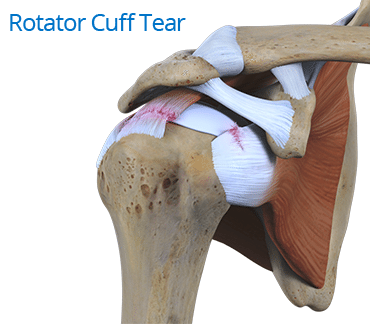
This is another injury commonly seen in athletes participating in repetitive, overhead sports, including swimming and tennis. Rotator cuff injuries are typically characterized by weakness in the shoulder, reduced range of motion, and stiffness.
Being aware of these injuries and knowing their symptoms may encourage you to seek medical treatment sooner; early treatment intervention could result in a better outcome and earlier return to sports.
There�s nothing more frustrating for an athlete than sitting injured on the sidelines watching others compete. Although there�s not one foolproof way to stop shoulder pain from occurring, there are several tips that may help prevent it from starting or getting worse.
If you notice shoulder pain during certain activities, say while throwing a baseball or swimming, stop that activity for a period of time and find an alternative exercise, such as riding a stationary bike. Doing so can give your shoulder some time to rest and heal, while maintaining your cardiovascular fitness.
At the same time, don�t eliminate all shoulder movement. This is because you don�t want to develop a stiff shoulder from infrequent use. Consider doing some mild stretches to keep your arm moving.
2. Change Your Sleeping Position
If you notice pain in your right shoulder, don�t sleep on your right side. Try sleeping on your left side or back instead. If sleeping on your back irritates your shoulder, try propping your arm up with a pillow.
3. Warm Up
Exercising cold muscles is never a good idea. Before practicing your volleyball serve or baseball pitch, warm up your body with mild exercise. For example, start walking for a few minutes and gradually build up to a jog. Doing so raises your heart rate and body temperature and activates the synovial fluid (lubricant) in your joints.1 In other words, a mild warm up gets your body ready for the intense workout that follows.
4. Build Up Your Endurance
It�s a good idea to increase your endurance over time. If it�s been a few weeks or months since you�ve hit the tennis court, consider playing for a short period of time�maybe just 20 minutes to start�and build up to a longer period of playing time. Don�t fall into the trap of doing too much too soon, especially when your body is not used to it.
Strengthening your shoulder muscles can help provide support and stabilization to your shoulder joint. This, in turn, may prevent painful injuries like a shoulder dislocation, which is when the ball of your shoulder comes out of its socket.
Speak to your doctor before starting a strengthening program. They can suggest exercises to perform or may recommend working with a physical therapist.
6. Cross-Train
Some sports are particularly taxing on the shoulder due to repetitive, overhead movements. So you may want think about cross-training. If you�re a swimmer, for example, alternate some of your swimming workouts with a running or biking workout to reduce the stress on your shoulder, while still staying physically fit.
Alternatively, if you�re a painter or construction worker�two occupations commonly associated with repetitive, overhead movements�talk to your boss and ask if there are other non-repetitive tasks you can take on.
Above all, listen to your body and be proactive. You may need to make some adjustments to workout or daily routine to help prevent further damage down the road. It may also be worth getting your doctor�s input, even if you think you�ve got a minor injury. Catching injuries or discomfort early may help keep you in the game and prevent painful injuries down the road.
Being aware of sports�injuries and knowing their symptoms may encourage you to seek medical treatment sooner as early treatment intervention could result in a better outcome and earlier return to sports.�For Answers to any questions you may have please call Dr. Jimenez at
Does Neck Curvature Protect You In a Car Accident?
Does the curvature of your cervical spine play a determinant in the severity of injury sustained in a motor vehicle accident?
We asked Chiropractic Biophysics, Dr. Deed Harrison to comment on this subject matter.
Unfortunately, many people can relate to having been involved in a car crash or motor vehicle collision (MVC) at some point in their lives. Whether it was a major accident or a minor one, MVC�s are no fun and can cause a variety of minor to serious injuries to those persons in the vehicles. These injuries are commonly and collectively referred to as �Whiplash Injuries�. The financial implications of a MVC, as well as interruption of your daily routine due to whiplash are also other major detriments of car crashes that may take years to recover from.
With more distracted drivers texting and speaking on their phones, MVC�s are on the rise, making for much more dangerous roadways. While we cannot control other people�s behaviors, we can certainly drive more cautiously and defensively to hopefully avoid being in a car accident. Unfortunately, MVC�s do happen despite our best efforts, so being prepared and having a plan in mind is key to recovering quickly and getting back on our feet again.
More serious car accidents mean more serious injuries, ranging from cuts and bruise to broken bones, brain damage, and even death. At first, less serious MVC�s however, may not seem like a big deal, with victims often walking away without a scratch, believing they have escaped the crash unscathed. Others may only complain of a slight headache, neck pain, stiff or kinked neck while resorting to taking over the counter pain killers, or wearing a neck brace to assist with their recovery � something that is far from addressing the true cause of the injury.
What most lay people (and even many physicians) don�t realize is the extent to which the CERVICAL LORDOIS (curvature in your neck from the side) plays a role in both: 1) the extent of the initial injury to the occupant(s) and 2) the long term pain and suffering from whiplash injury to the occupants. Furthermore, the MVC itself will damage the cervical lordosis.
1. Concerning the extent of initial injury, researchers have found that having a well preserved cervical lordosis actually prevents neck tissue damage to the sensitive cervical spine ligaments.1 In the figure at the top, the right hand image demonstrates what a normal cervical curve looks like when viewed from the side and the person facing to the right. In contrast, the same researchers identified that straightened cervical curves and worse yet, reversed (kyphotic) cervical curves predisposed to more severe cervical spine tissue injuries due to more extreme forces acting on the neck during the exact same MVC circumstances. The x-rays above at the far left and the middle show abnormal neck curves where more severe injury to the person is likely to result should they be involved in an MVC.
Thus, if you already have an abnormal cervical curvature prior to any MVC, it is in your best interest to rehabilitate the shape and amount of your cervical lordosis. If you do not, you�re at a higher risk of having more serious injuries should you be involved in a MVC.
2. In terms of long term pain and suffering, several research studies have identified that the patients who experience long term whiplash injuries and suffering are in fact the ones that have abnormal cervical lordosis. Straightened, S-curves, and Reversed cervical curvatures have been found to pre-dispose to the following conditions after MVC.
� Neck pain and stiffness,
� Headaches,
� Arm pain,
� Thoracic outlet symptoms,
� Dizziness,
� Lack of concentration,
� Degenerative arthritis in the cervical spine,
� Disc herinations.
What many whiplash injured subjects don�t realize is that a slight headache or neck pain is a true sign of a much more serious injury to your cervical lordosis and underlying neck tissues. Spinal misalignments as a result of the sudden jolt of the MVC may manifest immediately, or not become evident at all for a long period of time. But this doesn�t mean the spine is healthy or that no injury was sustained.
The fact is that MVC�s statistically damage the shape of your cervical lordosis. Researchers from Chiropractic BioPhysics have identified that the average patient exposed to a MVC will lose 10 degrees of their cervical lordosis, develop a mid cervical kyphosis, and have increased forward head posture as a result of the MVC.
A misaligned cervical curvature as a result of a MVC is a serious health condition. Altered cervical curves will cause nerve interference � hindrance of critical nerve energy that is responsible for every function of our organs, and every movement of our limbs. Ignoring the cervical spinal misalignment can manifest into pain and discomfort, fatigue, sleep disorders, organ dysfunction, depression, and eventually disease.
If you have been in a minor or major car accident, please see a corrective care chiropractor immediately for a full assessment of the health of your spine, even if you don�t feel any discomfort whatsoever. A small misalignment can only get worse with time, so addressing this injury quickly can mean a faster recovery time and less health problems in the future.
Corrective methods using Chiropractic BioPhysics��or CBP� Technique extension traction procedures and devices are the only true evidence based methods that have been shown to statistically and clinically improve the amount of cervical lordosis without the use of surgery. This has been documented in several clinical trials and case reports.8-11 Other conservative methods may restore the cervical lordosis in selected cases, but these have never been proven in clinical trials and are thus, at best, hit and miss. If you are suffering from an altered cervical lordosis as a result of a MVC, use the procedures that are truly scientifically supported.
Chiropractic Treatments for Whiplash
Whiplash Video
Because each individual case of whiplash is different, it is not possible to generalize about the chiropractic whiplash treatment.
The appropriate chiropractic treatment is unique to each whiplash injury and is directed at the primary dysfunctions detected during the chiropractic exam.
However, chiropractors commonly employ different chiropractic treatments for whiplash, often including:
Manipulation
Muscle relaxation and/or stimulation
Various exercises
Ergonomic and lifestyle changes.
This article explains when, why and how chiropractors may employ these whiplash treatments for neck pain, shoulder pain, back pain and other related symptoms.
Chiropractic Manipulation for Whiplash
The primary whiplash treatment for joint dysfunction, spinal manipulation involves the chiropractor gently moving the involved joint into the direction in which it is restricted.
Also known as a chiropractic adjustment, spinal manipulation may involve the application of a short thrust in that direction. In many cases, instead of a thrust, a slow mobilizing movement is used by the chiropractor.
The chiropractor’s primary whiplash treatment for related muscle dysfunction, muscle relaxation and/or stimulation consist of gentle stretches to the muscle that has excessive tension or repeated contractions of the muscle that is inhibited.
If the muscle is very tight, a more vigorous stretch may be applied by the chiropractor. Gentle finger pressure techniques may be applied to trigger points to relieve the pain associated with the tight muscles.
McKenzie Exercises and Stabilization/Sensorimotor Activities
View Chiropractic Videos
Chiropractors may employ different types of exercises, including McKenzie exercisesand/or stabilization and sensorimotor exercises, to help treat patients with whiplash injuries.
McKenzie exercises are specifically designed to reduce disc derangement related to a whiplash injury. They consist of simple movements that are initially done in the office but make for an easy transition to self-care at home. McKenzie exercises also help the patient take an active role in his or her own recovery
Stabilization and sensorimotor exercise approaches are designed to correct faulty movement patterns in routine activities and everyday life. Such whiplash treatment trains the nervous system to better coordinate and control movement patterns, and improves the ability of the neck muscles to maintain stability of the neck.
These exercises are designed to help in a major trauma, such as a fall or whiplash during a motor vehicle accident, or in “micro trauma” from simple things such as being jostled in a crowd, playing sports or performing occupational or home jobs that require physical effort.
Chiropractic Advice on Ergonomic and Lifestyle Changes
These whiplash treatment suggestions stress improvements for performing everyday activities with minimal strain to the body. The chiropractic advice addresses factors in an individual�s work, home or recreational activities that perpetuate the dysfunctions that result from the whiplash accident.
Additionally, spine care professionals at the chiropractic clinic may teach the patient better “use of self” and, if necessary, stress reduction methods to help chiropractic problems.
Whiplash Treatment in Chiropractic Care
Chiropractic On Cervical Spine Video
The whiplash treatment plan developed by the chiropractor for each specific problem may include one or more of these approaches and may involve others as well.
See Chiropractic Manipulation for the Cervical Spine
In addition to his or her whiplash treatment plan, the doctor of chiropractic might give a referral to another health professional, such as a medical specialist, if it is deemed appropriate.
�WHIPLASH, A SOFT TISSUE INJURY TO THE NECK, is also called neck sprain or neck strain. It is characterized by a collection of symptoms that occur following damage to the neck, usually because of sudden extension and flexion,� according to the National Institutes of Health.1
Approximately two-thirds of people involved in motor vehicle accidents develop symptoms of whiplash. The symptoms usually do not develop until two to 48 hours after the injury. Whiplash can also occur from falls, sports injuries, work injuries and other incidents.
Patients with whiplash injury may complain of pain and stiffness in the neck, extending into the shoulders and arms, upper back and even the upper chest. Two-thirds of patients suffer with headaches, especially at the base of the skull. Patients may also experience dizziness, difficulty swallowing, nausea and even blurred vision after injury, but these symptoms tend to resolve quickly.
According to Marshall, 45 percent to 85 percent of people who suffer a whiplash injury have the symptoms five years after the accident, and 82 percent had a straightening or reversal of their cervical curvature.2 “Many authors regard a straightening or reversal of the normally lordotic curvature to be one of the most significant changes of a whiplash injury.� 3
�The initial injury is due to damage of cervical muscles, ligaments, disks, blood vessels and nerves. The actual injury to soft tissues happens so rapidly that normal protective muscle reflexes cannot respond in time to decrease or prevent the injury,� according to a 2006 case report in the Journal of the American Chiropractic Association.3
The Diagnosis
To diagnose whiplash, a DC must first take a thorough history of the injury and the patient�s previous medical history. Pre-existing conditions, such as arthritis, may increase the severity of the whiplash. The DC should give the patient an in-depth physical examination with concentration on the neuromusculoskeletal system.
Similar to asking about whiplash injuries from motor vehicle accidents, DCs should ask the patient questions that reveal the details of a sports-related incident. DCs must ask patients with vehicular accident injuries, �Where was the impact from? Were you moving at the time? Did you have a seatbelt on? What type of seatbelt? Were you braced for impact? Did you hit anything in the vehicle?� says Dr. Alan Sokoloff, team chiropractor for the Baltimore Ravens. �You have to do the same for sport-related neck injuries, too,� he says.
Dr. Sokoloff explains that he �encounters doctors that say, �I do not treat sports injuries,� but if you are treating injuries from auto accidents and really dig into the mechanism of the injury with all of its details, it�s pretty much the same.�
Advanced Imaging
In some cases, advanced imaging may be necessary to make a proper diagnosis. A cervical CT scan is ordered if a DC suspects cervical spine trauma, such as a vertebral fracture, if the patient complains of paresthesia of the hands, if the patient is unconscious or has severe pain together with neurological deficits, explains Jerrold Simon, DC, president of the ACA Rehab Council.
�A cervical MRI is ordered when the whiplash patient complains of neck pain with radicular symptoms, such as a tingling sensation radiating down the arms or if there is suspected cervical spine trauma and the clinical findings suggest ligamentous damage. A cervical MRI may be ordered as a follow-up to normal cervical CT scan if the above symptoms are present,� says Dr. Simon.
Treatment
In treating whiplash injury, patients should be reminded to stay active, unless immobilization is necessary due to serious injury. �A cervical foam collar may be needed during the first few days following the incident if the cervical trauma is severe. However, in general, cervical collars are not recommended,� says Dr. Simon.
Immediately after the whiplash injury, Dr. Simon applies an ice compress to the posterior para-cervical spine musculature for about 10 minutes on a periodic basis. Ice compresses are generally only used for the first 48 hours after an injury.4
�A nutritional intervention for pain should include d-Phenylalanine 250 mg/day, dl-Phenylalanine 750 mg/day, L-tryptophan 3 g/day, and instruct the patient to to avoid coffee and other caffeinated beverages,� he says.
In addition, chiropractic care is beneficial. A retroactive study by Woodward et al. published in Injurydemonstrated that chiropractic treatment benefited 26 of 28 patients suffering from chronic whiplash syndrome.5 Chiropractic care in this study included spinal manipulation, proprioceptive neuromuscular facilitation stretching and cryotherapy [ice-pack therapy].
A neck adjustment works to improve the mobility of the spine to increase range of motion, while also enhancing movement of the adjoining muscles. This will eventually eliminate pain, soreness and stiffness and allow a patient to painlessly turn and tilt the head. In addition to adjustments, a treatment plan of mobilization, massage or rehabilitative exercises may speed up the recovery process.
�Cervical rehabilitation procedures should be considered after the initial pain and inflammation have substantially subsided,� says Dr. Simon. �Then a functional capacity evaluation with focal attention to the cervical spine should be performed to assess the magnitude and degree of upper spinal functional deficiency.�
Following this test, a DC can decide if the patient should receive a treatment of isometric cervical flexion, extension and lateral flexion against resistance exercises, a proprioceptive rocker board, wobble board and/or gym ball exercises and vibration therapy.
�Every person is different, and everyone�s ability to heal is different, so how we treat patients is very individualized,� says Dr. Sokoloff. �We will use modalities initially, if indicated. We will use soft-tissue techniques, if indicated. We will usually use a chiropractic adjustment, if indicated. But the one procedure we always use is progressive rehabilitative exercises, in office and home recommendations.�
Home recommendations include proper computer and phone ergonomics, range-of-motion exercises and icing, to name a few.
�Treatment plans that do not hold the patient responsible for helping themselves cheat everyone,� says Dr. Sokoloff. �The more a patient is informed about home icing instructions, home exercise and activity of daily living modifications, the better the outcomes are for everyone.�
What many whiplash injured subjects don�t realize is that a slight headache or neck pain is a true sign of a much more serious injury to your cervical lordosis and underlying neck tissues.�Because each individual case of whiplash is different, it is not possible to generalize about the chiropractic whiplash treatment.�For Answers to any questions you may have please call Dr. Jimenez at�915-850-0900
IFM's Find A Practitioner tool is the largest referral network in Functional Medicine, created to help patients locate Functional Medicine practitioners anywhere in the world. IFM Certified Practitioners are listed first in the search results, given their extensive education in Functional Medicine