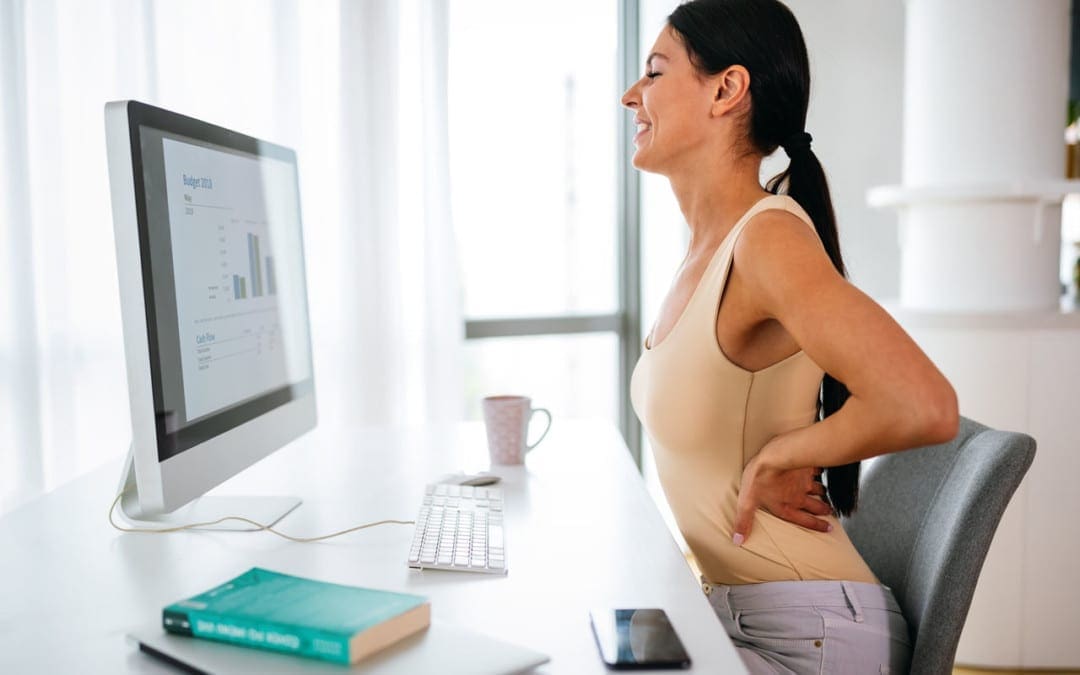
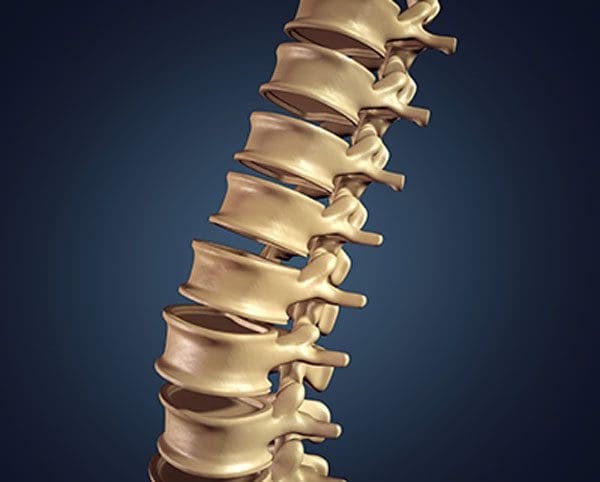
Back or disc pain is becoming increasingly common for individuals of all ages. The spinal discs are prone to injury because of the extreme amount of pressure/stress placed on the lower back and neck. Fortunately, most cases of back pain heal on their own, while others can cause long-term chronic pain that can be difficult to manage, without proper treatment.
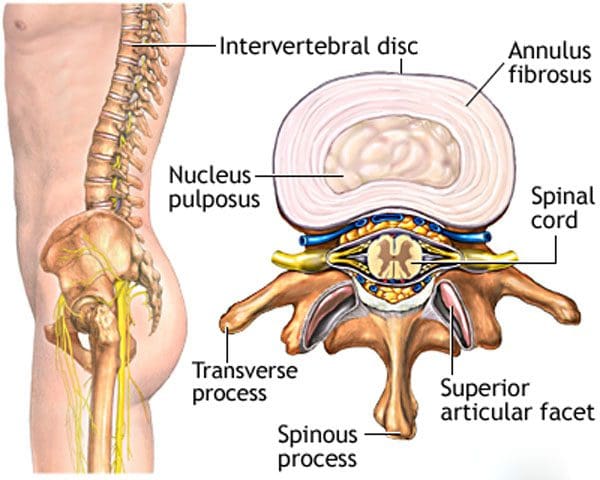
Different types of pain can be caused by problems with the spinal discs. The spinal discs are elastic sections of the spine that sit between the vertebrae. They are made up of materials called annulus fibrosus on the outside and a gel-like material called nucleus pulposus on the inside.
These discs are flexible, which allows for a range of motion to the spine and body shock absorption to increase comfort when in motion. When an individual visits a chiropractor, the practitioner will not know the exact cause of the pain, but only that it hurts around a certain area. Our spinal experts will help individuals understand the different types of ailments or conditions that could be affecting the spine. Then a customized treatment plan can be developed.
Disc problems
Spinal disc pain has two major sources of pain related to spinal discs: They are disc degeneration and nerve root pain. They are most common in the neck and the lower back. Individuals need to be informed of the difference to understand what is happening with the spine and potential treatment options to alleviate the pain and heal the problem.
Degenerative disc disease
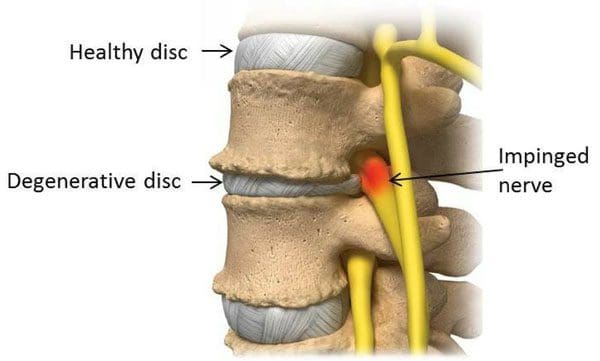
Degenerative disc disease is when the spinal discs begin to dry out and deteriorate. The discs start to shrink and can tear, which leaves that segment with little or no cushioning. This can cause pain, as well as inflammation of the surrounding muscles and joints. Disc degeneration usually presents with low levels of consistent pain and occasional severe flare-ups.
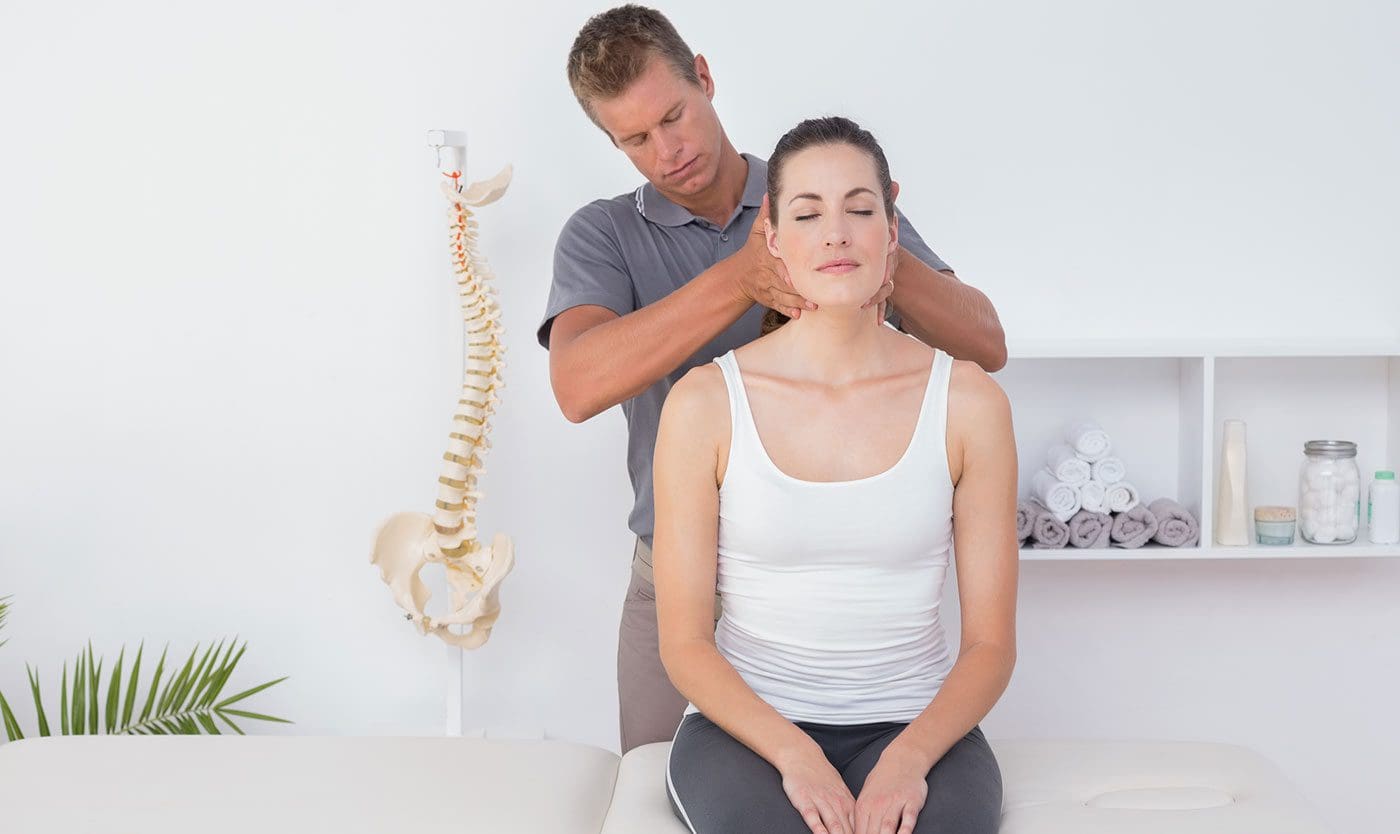
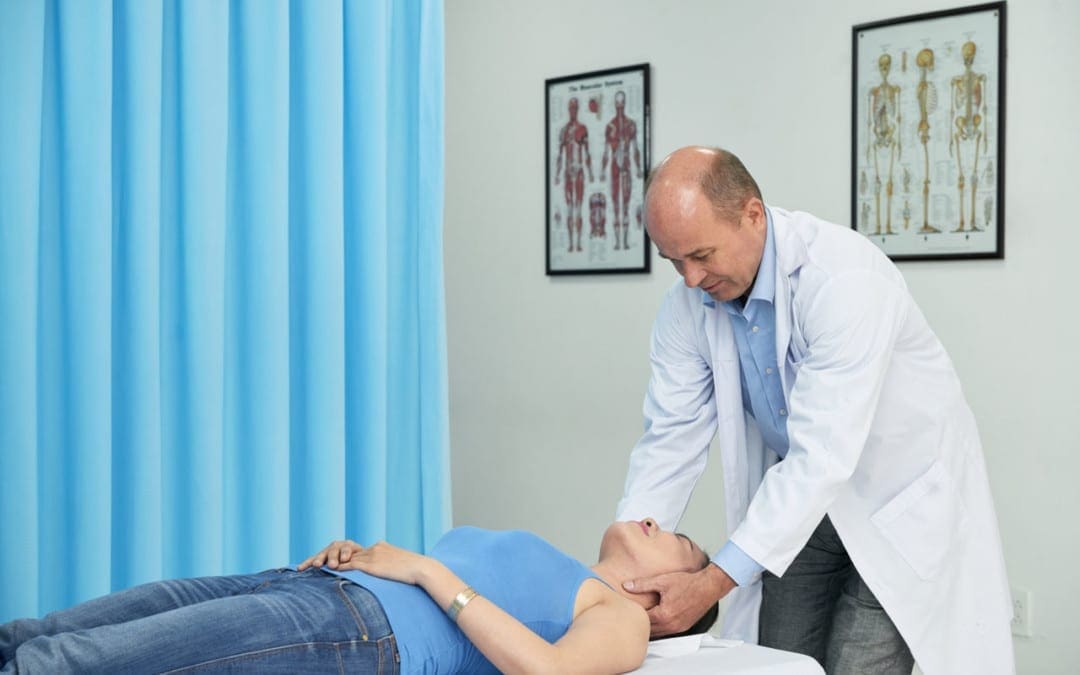
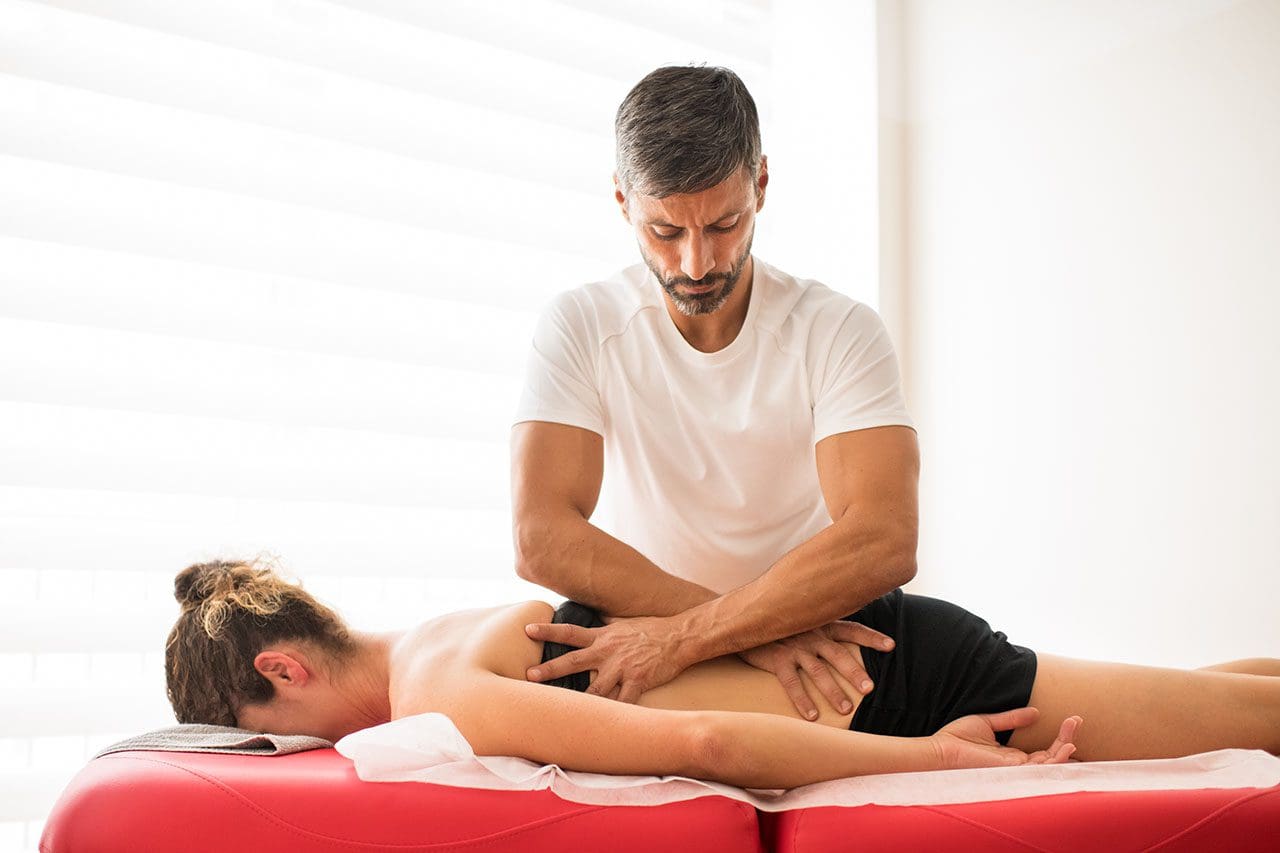
A chiropractor can utilize spinal manipulation to restore alignment, function, and mobility of the affected joint. Massages stretches and exercises will help alleviate the tension in the surrounding muscles along with strengthening them for better support.
Nerve root pain
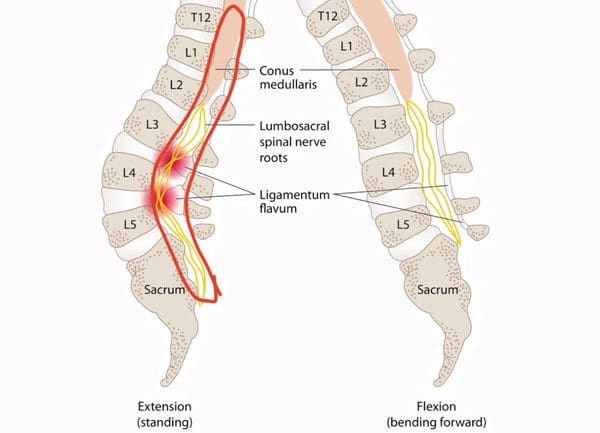
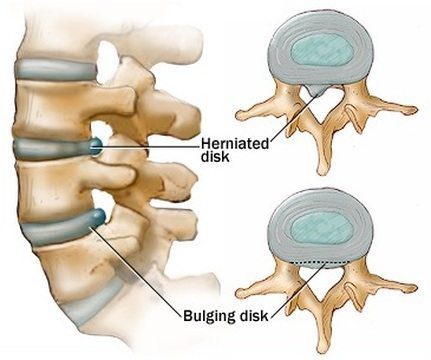
Nerve root pain does not take place within the disc but is usually caused by a bulging or herniated disc. This condition can be called a slipped disc or pinched nerve, affect the nerves that are in close proximity to the neck and lower vertebrae.
The pain can lead to numbness, tingling, and weakness along the path of the nerve, and radiate out to the arms and legs. A bulging disc is when the spinal disc progressively protrudes through a narrow opening.
This can irritate any nearby nerve roots causing inflammation and pain. If the disc herniates or breaks through then the outer protective material tears, letting the cushion/gel leak out and come in contact with the nerve root/s, which could also cause pinching and inflammation. Treatment for a bulging or herniated disc includes:
Spinal manipulation
Corrective exercises
Physical therapy
Massage
Diet adjustments
These treatments can help realign the disc/s, moving them away from any nerves, and minimizing inflammation.
Proper Identification and Diagnosis
Spinal disc problems can be similar in their pain and symptoms. For example, degenerative disc disease can weaken the spinal discs to such a degree that nerve root pain follows creating a dual combination of pain. The conditions require various approaches and treatment methods often done in combination. However, they require a proper diagnosis to create a proper and custom treatment program for every individual. This will ensure the root cause of the disc pain is properly identified and handled. Call us to learn more.
Skateboarding Injury Treatment
Dr. Alex Jimenez�s Blog Post Disclaimer
The scope of our information is limited to chiropractic, musculoskeletal, physical medicines, wellness, and sensitive health issues and/or functional medicine articles, topics, and discussions. We use functional health & wellness protocols to treat and support care for injuries or disorders of the musculoskeletal system. Our posts, topics, subjects, and insights cover clinical matters, issues, and topics that relate and support directly or indirectly our clinical scope of practice.*
Our office has made a reasonable attempt to provide supportive citations and has identified the relevant research study or studies supporting our posts. We also make copies of supporting research studies available to the board and or the public upon request. We understand that we cover matters that require an additional explanation as to how it may assist in a particular care plan or treatment protocol; therefore, to further discuss the subject matter above, please feel free to ask Dr. Alex Jimenez or contact us at 915-850-0900. The provider(s) Licensed in Texas& New Mexico*
References
Browning, J E. �Chiropractic distractive decompression in the treatment of pelvic pain and organic dysfunction in patients with evidence of lower sacral nerve root compression.��Journal of manipulative and physiological therapeutics�vol. 11,5 (1988): 426-32.
Axial neck pain is also known as uncomplicated neck pain, whiplash, and cervical/neck strain. They refer to pain and discomfort running along the back or posterior of the neck. Axial is defined as forming or around an axis. This type of pain stays around the neck and immediate surrounding structures. It does not spread/radiate out to the arms, hands, fingers, and other areas of the body. Axial neck pain differs from two other neck conditions. They are:
Cervical radiculopathy describes irritation or compression/pinching of the nerve as it exits the spinal cord. The nerves of the cervical spine are known as the peripheral nerves. They are responsible for relaying signals to and from the brain to specific areas of the arms and hands. The signals sent from the brain are for muscle movement, while signals going to the brain are for sensation.
When one of these nerve/s gets irritated, inflamed, or injured, it can result in:
Muscle pain
Weakness
Numbness
Tingling sensation
Burning pain
Other types of abnormal sensations in the arms, hands, or fingers.
Cervical myelopathy describes compression of the spinal cord itself. The spinal cord is the information highway/pipeline to all parts of the body. There is a range of symptoms that can include:
Same symptoms as cervical radiculopathy
Balance problems
Coordination problems
Loss of fine motor skills
Bowel and bladder incontinence
Axial neck pain
Axial neck pain is a quite common type of neck pain. It affects around 10% of the population. However, the majority of these cases do not involve severe symptoms that limit daily activity.
Symptoms
Pain in the back of the neck is the primary and most common symptom. Sometimes the pain travels to the base of the skull, shoulder, or shoulder blade. Other symptoms include:
Neck stiffness
Headaches
Localized muscle pain
Warmth
Tingling
Developmental Risk factors
Poor posture, lack of ergonomics, and muscle weakness increase the chances of developing axial neck pain. Risk factors for development include:
Age
Trauma – Auto accident, sports, personal, work injury
Headaches
Depression
Chronic neck pain
Sleep problems
Diagnosis
Based on symptoms and physical exam findings are how a diagnosis is usually achieved. A doctor will typically order an x-ray, CT, or MRI of the cervical spine. This calls for an immediate visit to a hospital/clinic for evaluation. There could be severe symptoms that could indicate something more dangerous, causing pain like infection, cancer, or fracture. These symptoms include:
Prior trauma/injury from a fall, automobile accident, sports, work injury
Fever
Weight loss
Night sweats
Constant night pain
Rheumatic conditions/diseases that cause neck pain can include morning stiffness and immobility that gets better as the day progresses. If symptoms continue for more than 6 weeks, imaging of the spine could be recommended, especially for individuals that have had previous neck or spine surgery or if it could be cervical radiculopathy or myelopathy.
Treatment
There is a wide range of treatment options. Surgery is rarely required except for severe cases. Returning to normal activities almost right away is one of the most important things to prevent the pain from becoming chronic. First-line treatments typically begin with:
Physical therapy
Chiropractic
Stretching routine
Strengthening exercises
Acetaminophen
Anti-inflammatory medication/s
Muscle relaxants are sometimes prescribed
If a cervical spine fracture has been diagnosed, a neck brace could be recommended for short-term use. A soft collar could be utilized if the pain is severe, but a doctor usually discontinues use after 3 days. Other non-invasive treatment options include:
Invasive treatments like injections, nerve ablation, and surgery are rarely required. But if necessary, it can be beneficial for those cases.
Causes
A variety of the neck’s anatomical structures can contribute to the pain. Common causes include:
Poor posture
Age
Degeneration
Ergonomics
Injury to muscles or ligaments
Arthritis
All of these can affect vertebral bodies, discs, and facet joints. Shoulder arthritis or a rotator cuff tear can imitate axial neck pain. Dysfunction of the temporomandibular jaw joint or the blood vessels of the neck can cause axial pain, but it is rare.
Prognosis
Symptoms are usually alleviated within 4-6 weeks from when the pain started. Pain that continues beyond this should encourage a visit to a chiropractic physician.
We all have our hobbies that we are passionate about, love doing, and could see turning into a second career. However, certain hobbies can generate stress on the spine. This often leads to a decrease in being able to participate in these activities, which can lead to various health issues. Maintaining the body’s physical fitness and keeping the spine healthy is key to being able to continue without neck or back pain. Hobbies are an important part of life. Individuals need to enjoy what they love from sports activities to music to arts and craft projects. Having activities/hobbies help:
Boost mental health
Relieve stress
Lower blood pressure
Promotes weight loss
Meditative qualities
Here�s how to make sure the hobbies/activities are fun and safe.
Protecting the Neck
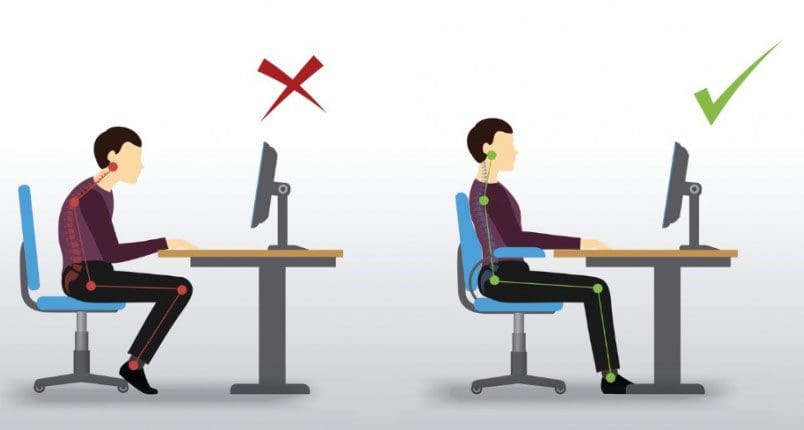
Poor posture is one of the leading causes of neck and back pain. Looking down or being in a standing/sitting hunched position regularly increases the load/stress on the neck increasing the chances for strain, injury, headaches, and chronic pain. In the neutral position, the skull weighs around 10-12 pounds.
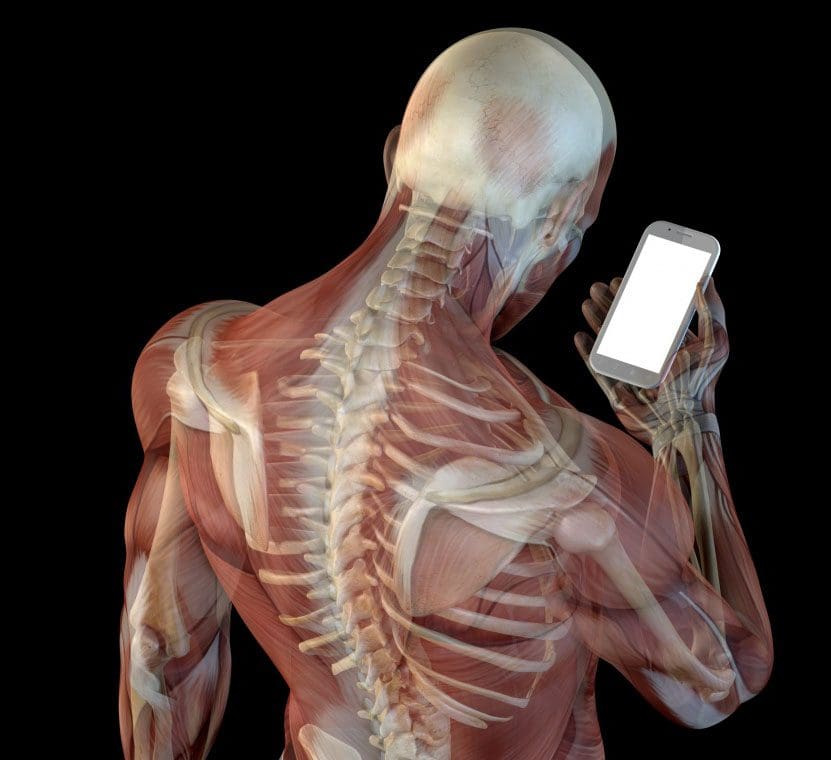
When leaning the head forward weight increases from let’s say 27 pounds at a 15-degree angle to 60 pounds at a 60-degree angle. The strain on the cervical vertebrae, joints, and muscles can be immense. A good example is text-neck. This has become a normal thing when using a smartphone, gaming, or other similar activities.
Studies suggest that the average individual spends three to five hours a day on a smartphone or tablet. This means three to five hours of extra weight on the cervical spine. Engaging in a hobby that requires an individual to look down constantly in a similar fashion can lead to serious and chronic neck pain along with other cervical issues.
Individuals are spending more time at home and getting more serious about their hobbies. This is fantastic, however, these individuals need to take time to stretch out, and get some physical activity into their hobby routine. Just like taking frequent walk-around, stretch out at work breaks, so to do hobbyists need to step back from their projects to keep a healthy balance. The position of the neck and the way it is held for activities like:
Sewing
Carpentry
Gardening
Painting
Pottery
Knitting
Music
Hobbies like this can increase the risk of neck pain, so the key is prevention, paying attention to head posture every now and again, and taking stretching breaks.
Proper Posture Makes a Difference
Many individuals stand and sit when working on their hobbies. This is quite common and is encouraged when doing these absorbing activities. But being immersed in these activities, most forget to check their posture when doing so. This is what leads to problems that at first are shrugged off as just soreness.
Eventually, the individual begins to engage in bad/awkward posture habits that avoid the pain and think this will help. This worsens the problems and promotes further strain/injury. Leaning, bending, reaching, and twisting curves the spine increasing the load and stress. Performing these actions over and over for extended periods means:
Strain
Low back pain
Muscle spasms
Sciatica
Leg pain
Foot pain
Slouching is another posture problem that increases the likelihood of lower back pain. Slouching causes gaps between the lower back vertebrae. This stresses the facet joints or the connections between the vertebrae. The soft tissues elongate/stretch and lengthen like muscles and connective tissue. What elongation does is:
Cause the tissues to attempt to snap back to the original shape. This can cause painful spasms.
Muscles that are constantly elongated become weaker with time.
The longer an individual sits, stands, and slouches impacts the body’s health negatively, leading to a chain of health problems. Maintaining proper posture and keeping the spine straight minimizes the strain on muscles and the vertebrae. Prevent pain and discomfort.
Ergonomics at the House
Ergonomic stressors include:
The force/s required to perform and complete a physical chore/task.
Adopted static and awkward working postures to complete task/s
The repetitiveness of the task/s
Any of these factors or combination places a higher risk for discomfort, pain, and injury. The immediate surroundings like the bench, work area, craft room, etc. and how the individual moves or does not move, and interacts in these areas is the focus of ergonomics. Proper ergonomics will help protect the spine, as well as the rest of the body. Improper ergonomics can cause damage like muscle strain, repetitive movements, and incorrect posture. Taking a look at the hobby workspace the ergonomics, and making any necessary adjustments can help prevent strain/injury.
Proper seating
Make sure the right type of chair, stool, bench, etc is being utilized. Adjustable types that have neck and lower back support are the way to go. Make sure the base is stable, the seat is comfortable and adjustable. Backrests and armrests can help maintain proper posture.
Correct table/desk/workstation height
Various drafting tables and lap desks have adjustable surfaces to adjust the height for working with a proper ergonomic posture. If the work surface is not adjustable adjust the chair or make adjustments as needed. The hips should be higher than the knees to take the strain off the sacrum and lower back. The upper back should be straight, with the shoulder blades together creating a supportive platform for the neck and head.
Tools
Using the best tools for working and organization will help avoid injuries and constant awkward positions like leaning/reaching over and around the workspace. Look for tools that can be adjusted to different heights, resistance levels, etc. depending on what is needed and what will reduce any strain.
Vision
If an individual needs to lean in to get a closer look then vision could be the problem. If an individual wears glasses it could be time for a check-up. Or if an individual does not wear glasses, it could be time to see an optometrist. Non-prescription magnifiers could be the answer.
Stretching Regularly
Working too long in one position can be detrimental to overall health.
It is very understandable when individuals get into the zone, working on something creative, and not wanting to stop the flow. However, frequent breaks are vital. Stretching regularly and getting up to move around is key to staying healthy.
Neck Stretch
Stretch the neck by turning the head from side to side in a gentle fashion.
Tip the head to each side so the ear almost touches the shoulder.
Lower the head so that the chin almost touches the chest.
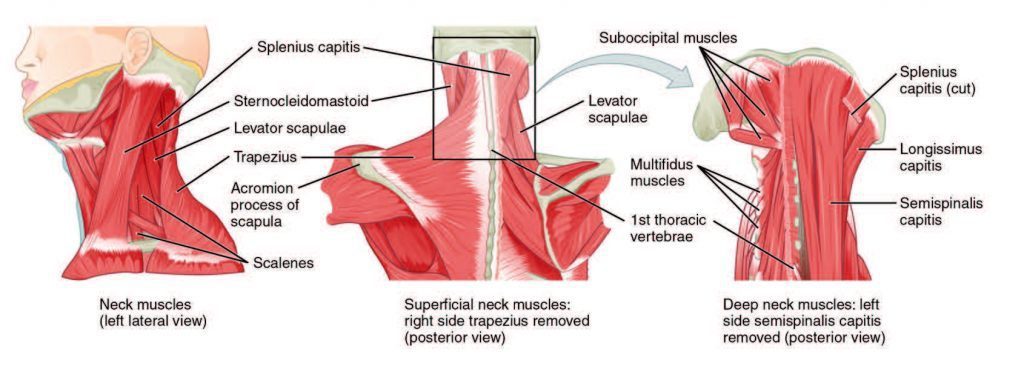
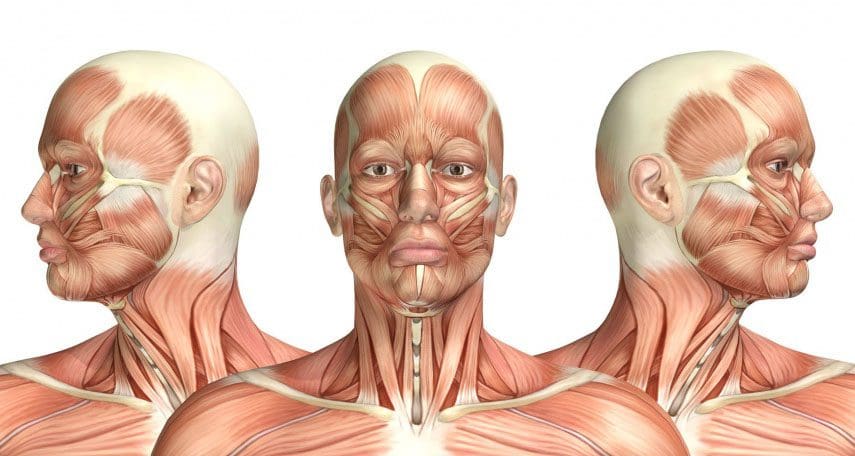
Turn the to look diagonally down at the armpit. This stretches the trapezius and levator scapulae muscles.
Hold the stretches for 10-15 seconds.
Always perform slowly and gently.
Lower Back Stretch
15 minutes a day of stretches will maintain the health of the spine. If pain or discomfort becomes frequent or unmanageable, seek professional help. Physical therapists and chiropractors are trained in orthopedic issues and ergonomics without prescription. Call a doctor or physical therapist to find out if treatment is necessary. Following these guidelines can help keep hobbies fun and without pain.
Lower Back Pain Skate Boarding Injury Treatment
Dr. Alex Jimenez�s Blog Post Disclaimer
The scope of our information is limited to chiropractic, musculoskeletal, physical medicines, wellness, and sensitive health issues and/or functional medicine articles, topics, and discussions. We use functional health & wellness protocols to treat and support care for injuries or disorders of the musculoskeletal system. Our posts, topics, subjects, and insights cover clinical matters, issues, and topics that relate and support directly or indirectly our clinical scope of practice.*
Our office has made a reasonable attempt to provide supportive citations and has identified the relevant research study or studies supporting our posts. We also make copies of supporting research studies available to the board and or the public upon request. We understand that we cover matters that require an additional explanation as to how it may assist in a particular care plan or treatment protocol; therefore, to further discuss the subject matter above, please feel free to ask Dr. Alex Jimenez or contact us at 915-850-0900. The provider(s) Licensed in Texas& New Mexico*
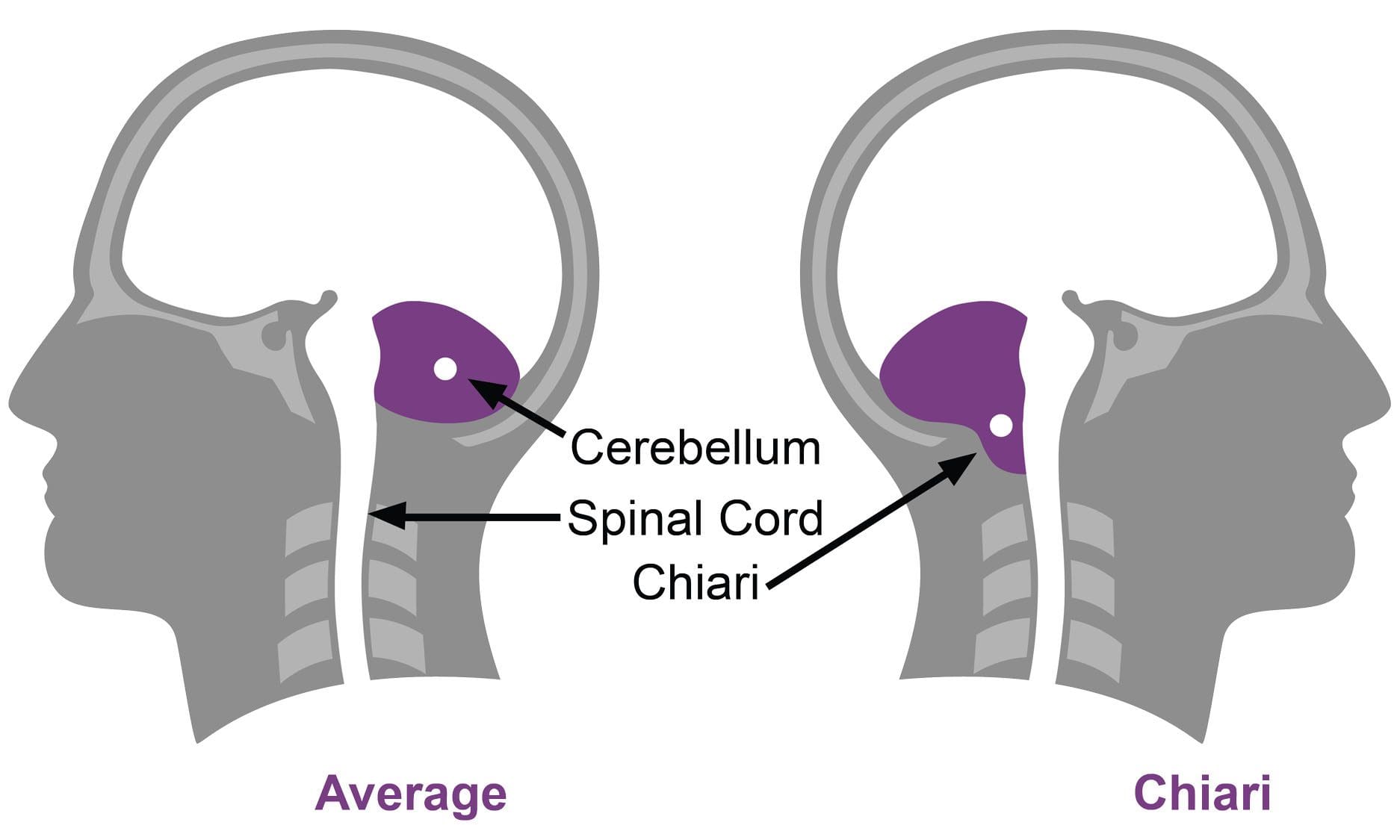
Chiari malformation is a condition that causes brain tissue to extend out and settle into the spinal canal. It protrudes out where the skull and neck meet. It occurs because part of the skull is too small or shaped in a unique way that allows part of the brain to settle into the foramen magnum. The foramen magnum is a large opening at the bottom of the skull. The brain’s nerves go through into the spinal canal and join the spinal cord. However, only the nerves should be present. The brain should not be able to push/press/leak through. When it does this is Chiari malformation.
Causes
Chiari malformation can be caused by structural problem/s with the:
Brain
Skull
Spinal canal
Structural conditions/issues can be present at birth, which are congenital defects. This is also called primary Chiari malformation and is not caused by any other condition. Secondary Chiari malformations are caused by something else, most often through surgery. This is extremely rare, but it is possible to develop after having surgery to remove a tumor in the skull or neck region. A surgeon could have removed too much bone while removing the tumor. This allowed the brain to settle into the open space.
Types
There are 4 types and are categorized by how much brain tissue protrudes into the spinal canal.
Type I
This is the adult version and is also the most common.
It is usually first noticed and discovered from an examination for something else. Most individuals don’t realize that they have Chiari malformation unless the symptoms are severe. With Type I a part of the brain, specifically the cerebellar tonsils settle into the foramen magnum.
Type II
Type II is also known as Arnold-Chiari malformation. This is the pediatric version. Symptoms are more severe with Type II because more brain tissue comes through. With this type, the cerebellar tonsils and some of the brainstem protrude. With Type II myelomeningocele, which is a form of spina bifida is a concern. What happens is the vertebrae and spinal canal do not close correctly before birth, so the spinal cord has no protection.
Type III
This type also affects children and is more severe than types 1 or 2. Here a significant portion of the brain, including the cerebellum and the brainstem protrude all the way through the foramen into the spinal canal.
The symptoms vary based on the type and severity. The most common symptom is a headache. Individuals with a Chiari malformation usually have headaches in the occipital region of the brain. This is the back of the head, right where the skull joins the cervical spine/neck. The headaches can be aggravated being in certain positions and actions, tilting the head back, and coughing. Typical symptoms include:
However, Chiari malformation can interrupt the flow of cerebrospinal fluid. Cerebrospinal fluid is necessary to protect the brain and spinal cord. If the normal flow is disrupted it becomes more difficult for the brain and spinal cord to send/receive nerve messages. The pressure built up can also cause nerve issues/problems. For some individuals, symptoms can come and go. This depends on how much cerebrospinal fluid has built up. Individuals with Type I sometimes don’t have any symptoms. It all depends on the severity.
Diagnosis
Diagnosis is done with a magnetic resonance imaging test or MRI. The MRI will show the various parts of the brain, skull, spinal cord, and spinal canal. They will be able to see abnormalities that could point to Chiari malformation.
Treatment
The recommended treatment depends on the severity. If pain is presenting a doctor could recommend pain medications to help manage the pain. Non-steroidal anti-inflammatory meds could also be recommended to reduce inflammation. Analgesics or pain killers can be recommended. Often both non-steroidal anti-inflammatories and analgesics are available in over-the-counter and prescription. The doctor will figure out the best medication treatment plan.
Surgery can be used to relieve symptoms and is the only way to relieve the pressure on the spinal cord and nerves. The goal is to stop the malformation from worsening. Surgeons use a posterior fossa decompression procedure. The surgeon removes part of the skull to make more room for the brain to sit in. This takes the pressure off the brain and spinal cord, and should reduce the neurological symptoms and problems. The surgeon may increase the size of the dura or the sac around the brain.
Laminectomies at C1 and C2, which are the first and second levels of the neck and are utilized to make more room for the brain. The surgeon will place a patch that is made from animal or synthetic tissue that will grow into the dura. The patch makes the dura bigger, which allows more room for the brain. Not all surgeries involve the dural patch.
Neck Pain Chiropractic Care
Dr. Alex Jimenez�s Blog Post Disclaimer
The scope of our information is limited to chiropractic, musculoskeletal, physical medicines, wellness, and sensitive health issues and/or functional medicine articles, topics, and discussions. We use functional health & wellness protocols to treat and support care for injuries or disorders of the musculoskeletal system. Our posts, topics, subjects, and insights cover clinical matters, issues, and topics that relate and support directly or indirectly our clinical scope of practice.*
Our office has made a reasonable attempt to provide supportive citations and has identified the relevant research study or studies supporting our posts. We also make copies of supporting research studies available to the board and or the public upon request. We understand that we cover matters that require an additional explanation as to how it may assist in a particular care plan or treatment protocol; therefore, to further discuss the subject matter above, please feel free to ask Dr. Alex Jimenez or contact us at 915-850-0900. The provider(s) Licensed in Texas& New Mexico*
Analgesics are pain-relieving medications, also known as painkillers. These can be over-the-counter and prescription medications. Either could be part of a treatment plan for spine-related pain. Individuals dealing with back or neck conditions, typically take analgesics to reduce symptoms.
Analgesics are available over-the-counter/OTC and with a prescription
Prescription analgesics usually include the more powerful form of over-the-counter medications
Analgesics can be specialized with some to relieve pain, with others reducing inflammation/pain
Over-the-counter
Acetaminophen, Non-steroidal anti-inflammatory drugs, and topical analgesics are the most commonly used medications for various pain symptoms. Over-the-counter analgesics are most effective when taken at the first sign/presentation of acute pain. Whiplash, along with muscle sprains and strains are common injuries known to cause short term pain that can be mild to severe. Follow the medication’s instructions on dosage recommendations and precautions.
If the medication does not work or helps manage the pain, and/or pain symptoms worsen, contact your healthcare provider. This could be an indicator that a more powerful prescription analgesic is needed to help manage the pain, along with added therapy like physical therapy, and chiropractic to help avoid dependence on the prescription meds.
Acetaminophen
Tylenol is one form of medication taken for different types of pain and is one of the most popular over-the-counter analgesics. Acetaminophen’s purpose is exclusively to relieve pain. It does not reduce inflammation.
Non-steroidal anti-inflammatory drugs – NSAIDs
Non-steroidal anti-inflammatory drugs work to reduce inflammation and pain. Types of over-the-counter These include:
Aspirin
Ibuprofen
Naproxen
Topical analgesics
Topical analgesics like capsaicin cream and salicylates are an alternative to analgesics taken by mouth. These creams, balms, gels, and sprays are applied to the painful area. It is a very common application and is widely used for joint, muscle, and back pain. Salicylates are plant-based chemicals that operate to decrease the body’s production of prostaglandins. These are lipids that let the body know that there is a problem causing inflammation and pain.
Prescription
A doctor could prescribe an analgesic as part of a treatment plan to help manage short-term and chronic pain. It is extremely important to precisely follow the doctor’s instructions on how much and when to take the medication. Remember that any of these medications have the potential for side effects, which includes the risk of negative interactions when taken with other meds. Be sure to talk with a doctor about potential risks, and keep them informed about all medications like blood pressure and diabetes meds and natural herbs/vitamins/supplements taken for other medical conditions.
COX-2 Inhibitors
Cyclo-oxygenase-2 or COX-2 inhibitors are a prescription NSAID medication type that is formulated to target specific enzymes that trigger inflammation. Inflammation is not just a symptom but can also be a cause of pain related to many different spinal disorders. COX-2 inhibitors have a lower risk of causing/contributing to gastrointestinal problems.
There are other potential side effects and risks associated with COX-2 inhibitors. Potential side effects include an increased risk of cardiovascular problems, like a heart attack or blood clots. COX-2 inhibitors reduce the risk of stomach problems than classic NSAIDs but if gastrointestinal conditions exist to talk with a doctor before taking these medications.
Opioids
These are highly potent analgesics and are no longer the first type of pain-relieving medication that a doctor prescribes. They are now to be the last resort for reducing moderate to severe pain symptoms. These medications work by decreasing the perception and reaction to the pain. Opioids are prescribed for short-term use following surgical procedures and trauma. However, there are different situations where use is appropriate. When opioids are recommended, the doctor will begin with the lowest strength/dosage to manage the pain. Types of opioids include:
Analgesic medications are commonly used for various types of pain-causing conditions. When they are used properly with a doctor�s supervision they are safe and effective at managing pain and discomfort. If new symptoms present and/or the pain worsens or becomes different contact your doctor on appropriate instructions.
Chiropractic Neck Pain Treatment
Dr. Alex Jimenez�s Blog Post Disclaimer
The scope of our information is limited to chiropractic, musculoskeletal, physical medicines, wellness, and sensitive health issues and/or functional medicine articles, topics, and discussions. We use functional health & wellness protocols to treat and support care for injuries or disorders of the musculoskeletal system. Our posts, topics, subjects, and insights cover clinical matters, issues, and topics that relate and support directly or indirectly our clinical scope of practice.*
Our office has made a reasonable attempt to provide supportive citations and has identified the relevant research study or studies supporting our posts. We also make copies of supporting research studies available to the board and or the public upon request. We understand that we cover matters that require an additional explanation as to how it may assist in a particular care plan or treatment protocol; therefore, to further discuss the subject matter above, please feel free to ask Dr. Alex Jimenez or contact us at 915-850-0900. The provider(s) Licensed in Texas& New Mexico*
Acetaminophen, best known as Tylenol, is one of the most common medications for headaches and general pain. More than likely the most common back, neck, and overall pain medication around. However, it is only a pain reducer, and will not reduce inflammation.
Doctors often recommend this medicine before moving on to prescription medication. A member of the analgesic pain reliever class of medications. These can vary in strength along with side effects, but their purpose is to reduce pain. Acetaminophen can be found in over 600 prescriptions and over-the-counter medicines, including certain opioids. Other acetaminophen brand names include:
Tylophen
Tempra
FeverAll
Mapap
Pharbetol
Panadol
Strength and Weakness
When neck or back pain presents, over-the-counter medicines fall into two categories. These are acetaminophen or non-steroid anti-inflammatory drugs also known as NSAIDs. Acetaminophen and NSAIDs like Advil, aspirin both relieve pain. However, non-steroid anti-inflammatories also help in reducing inflammation. Although non-steroid anti-inflammatories have this added benefit, they can also present potential side effects like stomach and gastrointestinal problems.A spinal sprain or strain can cause acute back pain. Acetaminophen is typically recommended for acute back or neck pain and for pain that comes and goes quickly. Individuals that experience periodic pain usually take acetaminophen when the pain flares up. Individuals with chronic spinal pain report acetaminophen help to alleviate/reduce the pain. Many with chronic pain use acetaminophen regularly and not only when the pain presents. This helps manage before pain strikes.
Safety
Acetaminophen is gentle on the stomach, making some individuals preferring it over the non-steroid anti-inflammatories. But just like any other medication acetaminophen has its risks and can cause severe damage if used improperly.
Taking acetaminophen in large doses can cause severe liver damage. The Food and Drug Administration reports that acetaminophen overdoses send over fifty-thousand individuals to the emergency room every year. And over one-hundred Americans die yearly from accidental overdoses.
Using acetaminophen safely means taking no more than 3,000 milligrams a day and no more than 1,000 milligrams at a time. Take extra precautions when taking extra-strength. These can include as much as 650 mg per pill/capsule.Before taking acetaminophen for back and neck pain, talk to a doctor or pharmacist about the proper dosage. And tell the doctor about all the medications being taken including natural herbs and holistic. Another reason for telling the doctor is that many other medications have acetaminophen included without you knowing it. Part of the discussion should include alcohol consumption. This can elevate the risk of negative reactions.
Resources
If non-pharmacological treatments/therapies done for at least 4 months prove ineffective then an acetaminophen regimen could be a safe and effective part of a back and neck pain treatment plan. While this medicine is one of the most common treatments, it is not without risks and side effects. Talk to a doctor or pharmacist about all the medications and supplements to ensure the regimen supports health for the long-term. To learn more along with safety information go to Acetaminophen Patient Guide.
Severe Back Pain Chiropractic Treatment
Dr. Alex Jimenez�s Blog Post Disclaimer
The scope of our information is limited to chiropractic, musculoskeletal, physical medicines, wellness, and sensitive health issues and/or functional medicine articles, topics, and discussions. We use functional health & wellness protocols to treat and support care for injuries or disorders of the musculoskeletal system. Our posts, topics, subjects, and insights cover clinical matters, issues, and topics that relate and support directly or indirectly our clinical scope of practice.*
Our office has made a reasonable attempt to provide supportive citations and has identified the relevant research study or studies supporting our posts. We also make copies of supporting research studies available to the board and or the public upon request. We understand that we cover matters that require an additional explanation as to how it may assist in a particular care plan or treatment protocol; therefore, to further discuss the subject matter above, please feel free to ask Dr. Alex Jimenez or contact us at 915-850-0900. The provider(s) Licensed in Texas& New Mexico*
Using a neck brace or collar can be part of a treatment option for individuals dealing with a neck injury, pain, and recovery. Cervical-neck spinal conditions can go from mild to debilitating if left untreated and could progress to chronic pain. Whiplash and abnormal cervical lordosis, which is an unnatural curvature of the spine, can happen from looking down at a phone too long, known as text-neck. These are common but different neck disorders that can be helped with a neck brace.
Being prescribed a neck brace depends on the severity of the pain symptoms. Does it present with or without upper back pain, radiate into the shoulders, cause headaches/migraine? These details will help a doctor or chiropractor figure out the best treatment option. If the patient can benefit then a neck brace, also called a cervical collar or cervical orthosis could be used.
Neck Brace
Fortunately, spinal surgery is rarely necessary. There are plenty of non-surgical treatment options that can help manage and reduce neck pain. A neck brace or collar could be part of a treatment plan that includes:
Chiropractic
Physical therapy
Massage
Acupuncture
Medications – over-the-counter and prescription if necessary
The treatment plan will be based on the outcome of:
Physical examination
Neurological examination
X-rays
Other imaging tests
Severity of symptoms
These combined will confirm a diagnosis with the treatment focusing on:
Neck stabilization
Pain management
Advanced healing
Early mobilization
Brace Basics
There are a variety of soft and rigid neck braces available to help manage different cervical spine conditions. The type of brace prescribed is based on the diagnosis and treatment plan. Soft neck braces are flexible and offer the greatest range of motion. Rigid collars are for stricter immobilization/stabilization.
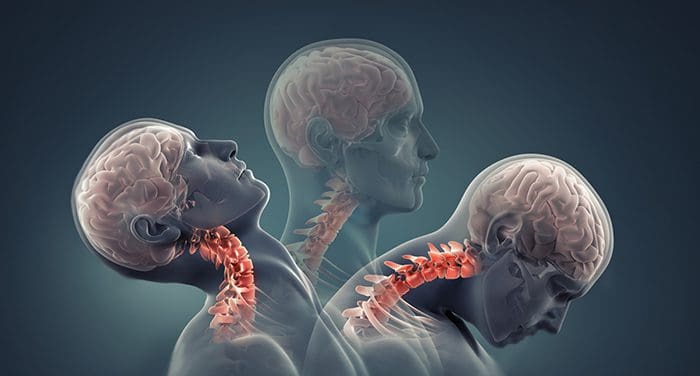
Stabilization refers to immobilizing the head and neck. Limiting or preventing motion helps to support the head while reducing weight from the cervical spine. Two of the most common neck pain disorders are whiplash and poor posture.
Soft Collar
Whiplash is a hyperflexion and hyperextension neck injury. It is caused when the neck quickly, forcefully and swiftly whips forward and backward. Whiplash injuries most commonly happen from auto accidents, work, personal, and sports injuries.
Whiplash symptoms are considered sprains and strains. This is when ligaments, in this case, those of the neck, and the muscles are stretched or torn. These include:
Neck pain
Stiffness
Muscle spasms
Headaches that start in the neck
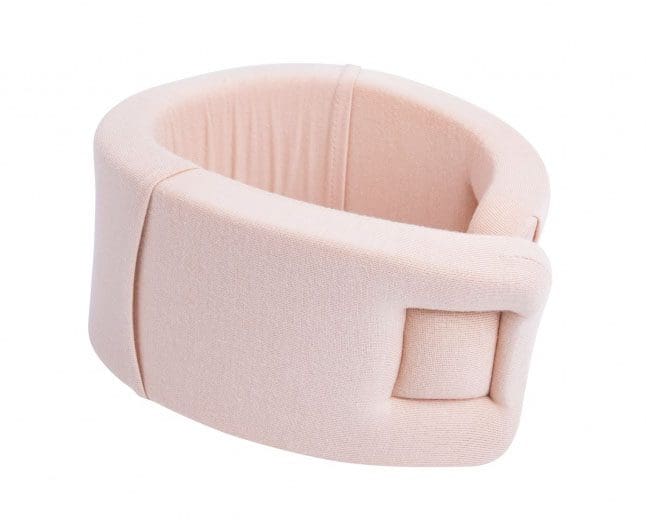
However, all of the symptoms can radiate into the head and upper back. This is where a doctor could recommend a soft cervical collar as part of a treatment plan. This could be in conjunction with muscle relaxants and physical therapy. Soft collars provide neck support to help reduce soft tissue inflammation and the pain forty-eight to seventy-two hours after the injury.
Soft neck braces are usually made of foam and covered with cotton or other easily washable, comfortable wearable material. The brace wraps around the neck and is secured with Velcro straps. Be aware that over-using a neck brace can happen. A doctor will explain further and will prescribe/encourage performing daily motion exercises, and stretching exercises, as soon as the patient is able after a whiplash injury.
Rigid Collar
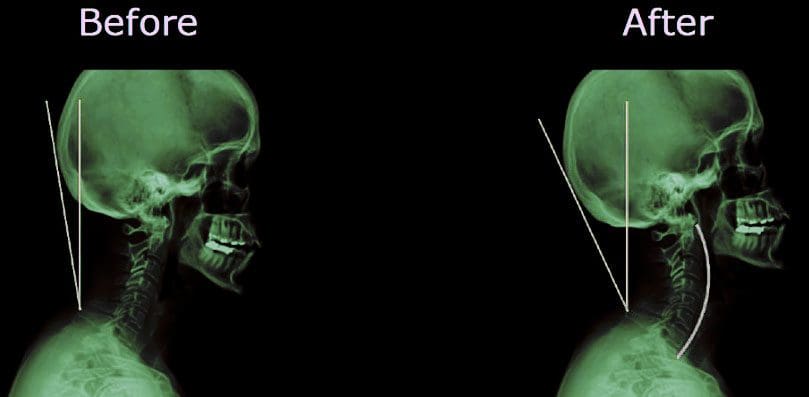
Lordosis means the normal forward curve in the neck. However, the normal curve can change negatively with time when the head regularly bends forward past the shoulders. An example is looking down at your phone. Most of us spend hours a day looking down at a phone pad, etc. This causes significant strain on the neck. The human head weighs around 12 pounds. This weight increases to about 60 pounds when the head and neck are extended forward and bent down.
A constantly increased load on the spine can lead to massive stress to the bones, ligaments, and muscles with the potential change in the normal curve and chronic neck pain. Text neck is another spinal disorder that a neck brace can help treat. Depending on the severity of the pain and injury a rigid neck brace or collar could be used.
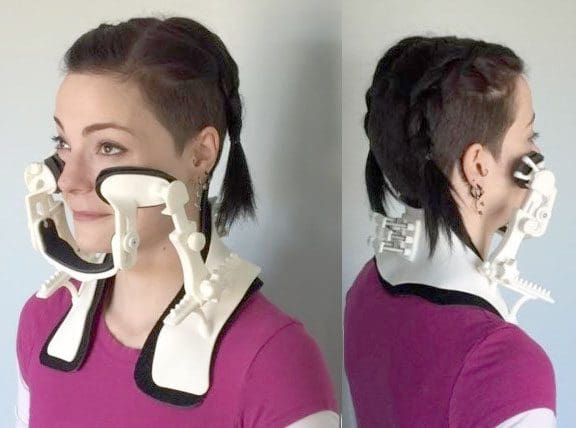
All neck braces offer some degree of head and neck support. Another type of rigid neck brace has adjustable features that were developed to treat forward head posture caused by poor posture. This brace is called the Cervigard Forward Head Posture Neck Collar. It supports while correcting the alignment of the head and neck. Regular use can gradually restore the normal curvature by correcting head and neck posture.
Doctors recommend the brace be worn for 20 minutes a day or several hours, depending on the severity of pain and injury. The process of correcting the deformation can be compared to straightening teeth with braces, aligners, etc. This retrains the muscles and corrects the abnormal soft tissue tightness that develops from the condition.
Instructions
If a doctor prescribes a brace, follow their instructions for how to wear the neck brace. This will ensure the pain reduces and alleviates, while at the same time reducing the risk of the negative effects of overuse. Ask the doctor or chiropractor how to care for the brace.
Neck & Low Back Pain Treatment
Dr. Alex Jimenez�s Blog Post Disclaimer
The scope of our information is limited to chiropractic, musculoskeletal, physical medicines, wellness, and sensitive health issues and/or functional medicine articles, topics, and discussions. We use functional health & wellness protocols to treat and support care for injuries or disorders of the musculoskeletal system. Our posts, topics, subjects, and insights cover clinical matters, issues, and topics that relate and support directly or indirectly our clinical scope of practice.*
Our office has made a reasonable attempt to provide supportive citations and has identified the relevant research study or studies supporting our posts. We also make copies of supporting research studies available to the board and or the public upon request. We understand that we cover matters that require an additional explanation as to how it may assist in a particular care plan or treatment protocol; therefore, to further discuss the subject matter above, please feel free to ask Dr. Alex Jimenez or contact us at 915-850-0900. The provider(s) Licensed in Texas& New Mexico*
IFM's Find A Practitioner tool is the largest referral network in Functional Medicine, created to help patients locate Functional Medicine practitioners anywhere in the world. IFM Certified Practitioners are listed first in the search results, given their extensive education in Functional Medicine