Whiplash injuries very rarely call for surgery. But with those rare occurrences, that are severe cases, surgery is considered appropriate when neck or shoulder pain worsens. Doctors recommend patients go through 4 to 6 weeks of non-surgical treatment. If there is no improvement or the condition is worsening then a doctor could recommend whiplash surgery as the best option.
A spine surgeon will recommend the best procedure for the specific injury. Ask all the questions you have to fully understand the exact process, the outcome, and the recovery time. Surgery is an individual’s decision. The surgeon can recommend it, but the patient has the final say. The procedure depends on what area/s the cervical spine is injured/damaged.
Disc Herniation
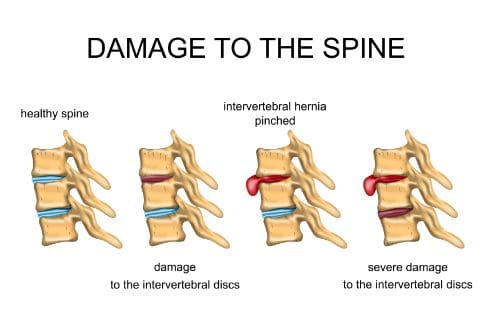
Depending on the type of trauma individuals can rupture or herniate the intervertebral disc/s, located between the vertebrae. This can generate constant pain, numbness, and weakness. With cases like this sometimes removal of the disc is necessary.
A surgeon will remove all or portion of the damaged disc through a process called a discectomy. After the discectomy, a doctor may have to permanently stabilize the area. This is because the spine becomes unstable and can move in abnormal ways. This increases the risk of a serious neurological injury. Therefore a discectomy is usually followed with a re-stabilization of the spine. Spinal stabilization techniques used:
Artificial Disc Replacement
Cervical artificial disc replacement also known as ADR could be performed instead of standard discectomy combined with spinal fusion. An artificial disc is implanted into the empty space following the procedure. Artificial disc replacement preserves or restores movement of the neck.
Fusion and Spinal Instrumentation
This form of spine stabilization can be done on its own or in combination with decompression surgery. The bones in the spine fuse together over time usually several months or longer depending on how the surgeon set up the fusion process. The surgeon will use a bone graft or a biological chemical that stimulates bone growth. A surgeon could use spinal instrumentation. These are:
Interbody device/s
Screws
Rods
Plates
These all are used to increase stability and help fuse the bones properly. The fusion prohibits movement between the vertebrae for long-term stability.
Stenosis
Whiplash surgery could also be necessary if the injury caused the spinal canal in the neck to narrow. Here a cervical corpectomy could be performed to remove part of the vertebra and intervertebral disc/s. This reduces the added pressure on the spinal cord and nerves.
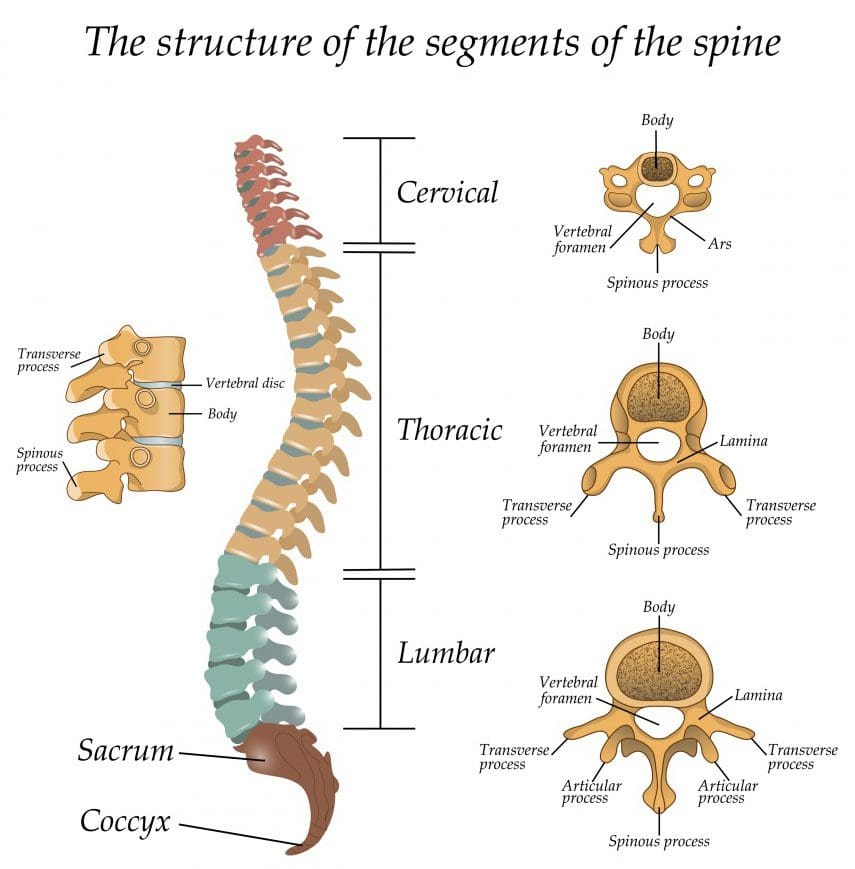
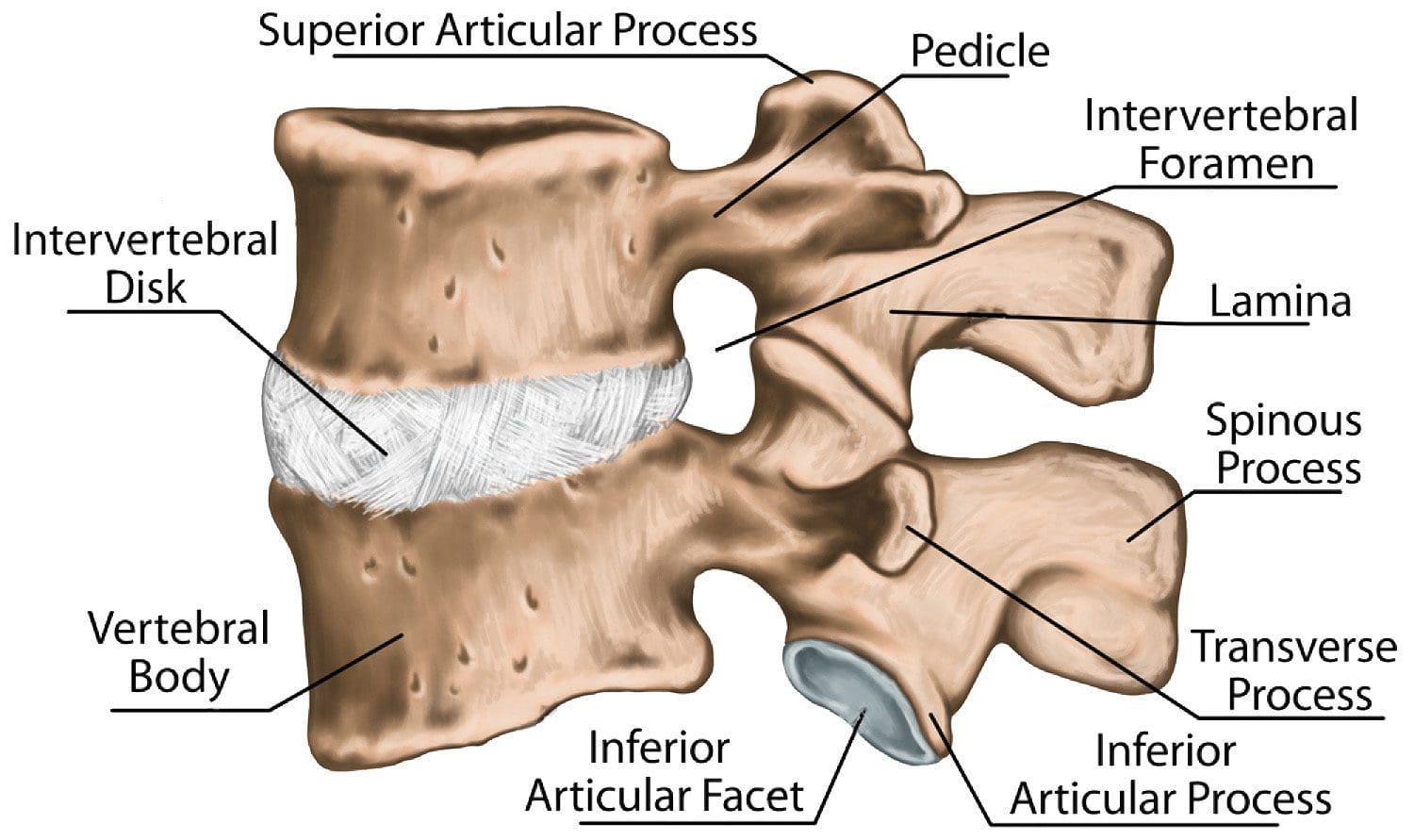
A surgeon could also do a laminectomy or a laminoplasty. Both focus on the lamina, which is the bony plate at the back of each vertebra. The lamina protects the spinal cord and canal. The lamina could also present added pressure on the spinal cord. This is where the surgeon will create extra space for the cord by removing all or part of the lamina. This is a laminectomy.
A laminoplasty re-shapes the lamina to create more room for the spinal cord. If there is a narrowing of the space where the nerve exits the canal, a cervical foraminotomy could be utilized. The foramen is the area where the nerve roots exit the spinal canal. This is removed to allow for more space for the nerves to move through. A larger pathway is less likely to pinch/compress the nerve.
Complications
A doctor will discuss all the potential risks before being asked to sign a surgical consent form. Complications can include:
Injury to the spinal cord, nerves, esophagus, carotid artery, vocal cords
Pain and swelling in the leg veins known as phlebitis
Blood clots in the lung
Urination problems
Complications could lead to more surgery, so make sure there is a complete understanding of the surgery and the risks before proceeding. The final decision is up to the individual.
Whiplash Surgery Recovery
After surgery, things might not be great right away. More than likely individuals are out of bed within 24 hours, and on pain meds for 2 to 4 weeks. Individuals will receive instructions on how to sitting down, and standing up. The body needs time to heal, so the doctor will recommend restricting certain activities that involve moving the neck too much. Avoid sports, twisting, or heavy lifting during recovery. And report any problems like fever increased pain, or infection right away.
Whiplash Massage Therapy
Dr. Alex Jimenez�s Blog Post Disclaimer
The scope of our information is limited to chiropractic, musculoskeletal, physical medicines, wellness, and sensitive health issues and/or functional medicine articles, topics, and discussions. We use functional health & wellness protocols to treat and support care for injuries or disorders of the musculoskeletal system. Our posts, topics, subjects, and insights cover clinical matters, issues, and topics that relate and support directly or indirectly our clinical scope of practice.*
Our office has made a reasonable attempt to provide supportive citations and has identified the relevant research study or studies supporting our posts. We also make copies of supporting research studies available to the board and or the public upon request. We understand that we cover matters that require an additional explanation as to how it may assist in a particular care plan or treatment protocol; therefore, to further discuss the subject matter above, please feel free to ask Dr. Alex Jimenez or contact us at 915-850-0900. The provider(s) Licensed in Texas& New Mexico*
Being attached to a smartphone and looking down for a long can cause phone neck pain. We are all constantly connected to our family, friends, work, etc. When we keep our head down, shoulders hunched forward, neck straining from the uncomfortable angle for a long time a neck injury can develop. This has to do with knowing how to maintain proper posture while using a smartphone.
Most of us know this syndrome as tech neck, text neck, and is caused by straining the neck too far down and forward while talking/texting, etc. Holding this position for too long will cause neck muscle strain and pain. This also occurs with handheld devices with users hunching their shoulders forward. The awkward neck angel and rounded shoulders strain the entire upper body.
�
Phone Neck Pain Stretches/Tips
Here are a few tips along with some light stretches/exercises to keep the neck muscles flexible and loose.
Try to bring the phone to eye level.
Check around and look up from the screen every few minutes so as not to remain in a downward position.
Move the chin towards the chest, and hold for 5 seconds as there will be a comfortable stretch from the neck to the base of the skull to the mid-back. Try doing a few up to 10 times until you feel thoroughly stretched.
Side Bend
Tilt the head to the right, bringing the ear close to the shoulder. Use your hand to pull your head farther into the stretch if possible. Hold for 20 seconds. Bring the head back to the center, and tilt to the left, and hold for 20 seconds. Repeat this motion 3-5 times on each side.
Head Rotation
Rotate the chin towards the right shoulder and hold for 20 seconds. Use your hand to push your head farther into the stretch if possible. Bring the head back to the center, and rotate to the left, and hold for 20 seconds. Repeat this motion 3-5 times on each side.
Neck pain can turn into a full injury or condition if an individual continues with this form of very poor posture. Taking care of our bodies needs to be a priority. Make proper posture a habit and it will help prevent neck and back pain from developing. This along with related posture and biomechanical issues. Proper posture means the head is upright, the ears are in line with the shoulders, and the shoulder blades are down.
Neck Pain Chiropractic Care
Dr. Alex Jimenez�s Blog Post Disclaimer
The scope of our information is limited to chiropractic, musculoskeletal, physical medicines, wellness, and sensitive health issues and/or functional medicine articles, topics, and discussions. We use functional health & wellness protocols to treat and support care for injuries or disorders of the musculoskeletal system. Our posts, topics, subjects, and insights cover clinical matters, issues, and topics that relate and support directly or indirectly our clinical scope of practice.*
Our office has made a reasonable attempt to provide supportive citations and has identified the relevant research study or studies supporting our posts. We also make copies of supporting research studies available to the board and or the public upon request. We understand that we cover matters that require an additional explanation as to how it may assist in a particular care plan or treatment protocol; therefore, to further discuss the subject matter above, please feel free to ask Dr. Alex Jimenez or contact us at 915-850-0900. The provider(s) Licensed in Texas& New Mexico*
An individual may need to wear a neck brace or cervical collar after cervical spine surgery, or after experiencing a traumatic injury to the neck, from an automobile accident, sports, work, or personal injury. Neck braces are some of the most common spinal braces. A doctor might call these orthoses or orthotics. There are different types of neck braces also called cervical collars, and function for different purposes.
They can be utilized in stabilizing the neck after cervical/neck surgery.
They can provide non-surgical relief after experiencing trauma or injury to the neck
Neck braces or collars are used to limit movement, support the head, and take the load off the neck. This gives the muscles time to rest, recover, and heal properly and thoroughly. �
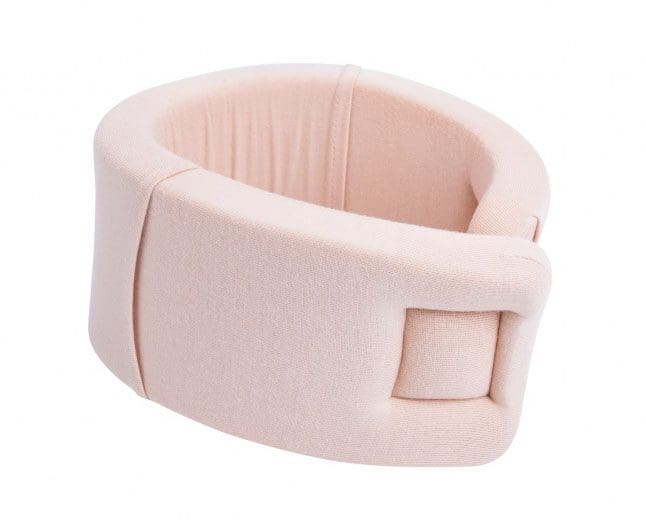
Soft braces are made to be flexible and are made of a polyurethane foam rubber. They easily wrap around the neck and are secured with Velcro.
Soft collars are usually worn for a minor injury that just needs to be worn for a short time or to transition from wearing a hard brace from a more serious injury or surgery. Soft braces are worn typically at the end or completion of the healing process. The main purpose is to help with the gradual transition to remove the brace.
Hard neck braces look sort of like soft braces. The difference is that they are made of hard polyethylene and are rigid/stiff to really keep the neck from moving. These braces provide support and pain relief for spinal conditions like cervical spondylosis and acute neck pain. �
�
Philadelphia
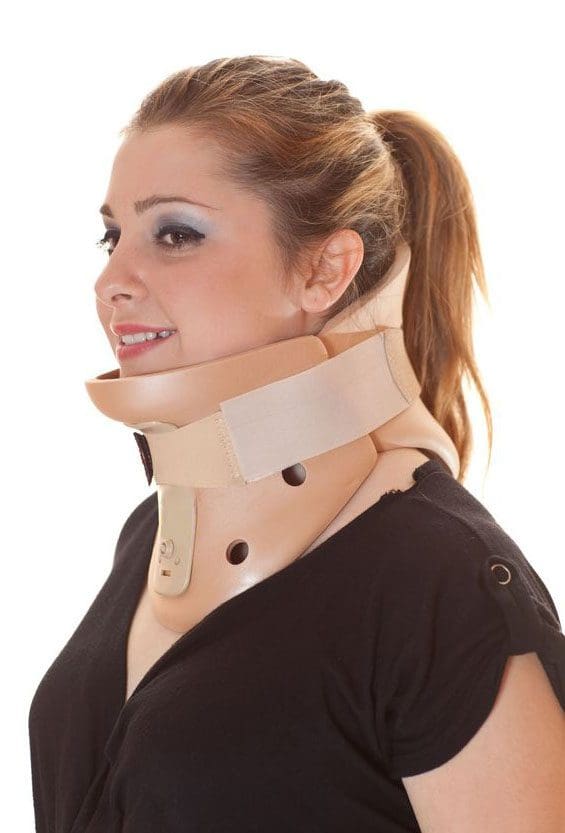
A Philadelphia brace is made of stiff foam and is made in two pieces that attach with Velcro. The upper portion supports the lower jaw with the lower brace extending down to cover the upper back.
This brace is made to protect more of the neck area than a soft or hard brace. However, it does place a higher restriction on the neck and body’s range of motion. Because of its effectiveness for limiting movement, it is usually prescribed after cervical surgery for a healthy recovery. The Philadelphia neck brace is also used for stabilization of minor cervical fractures and to reduce pain brought on from neck muscle strain. �
�
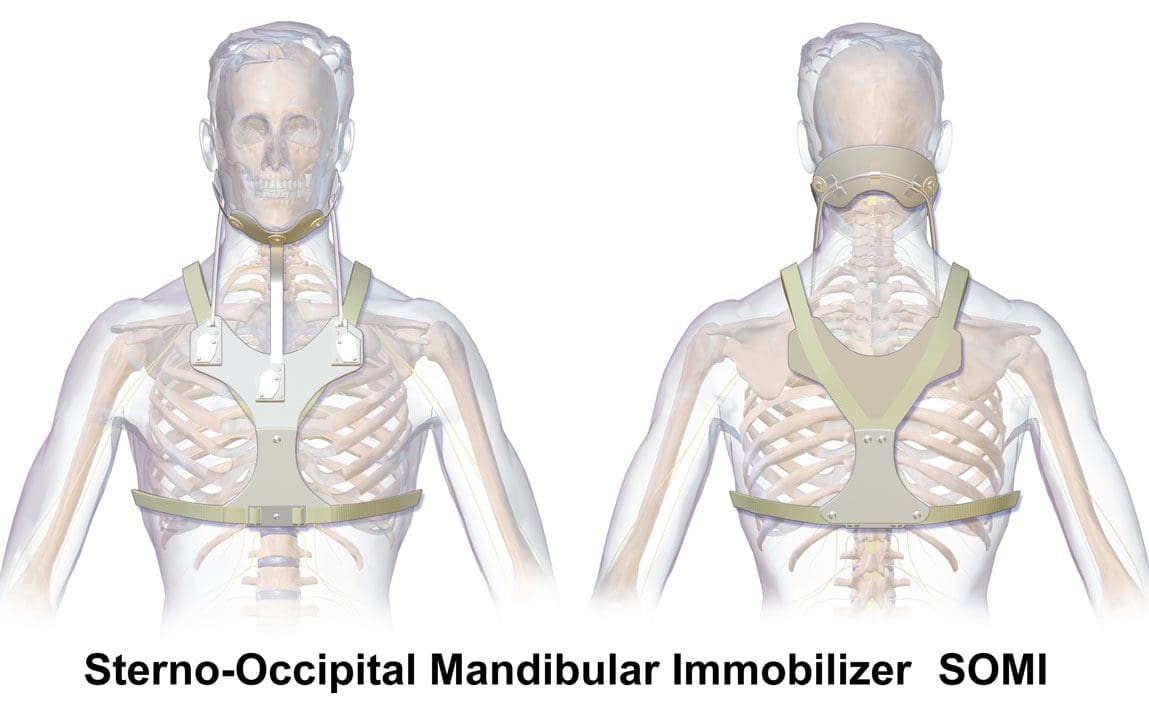
Sterno-Occipital-Mandibular Immobilization
The Sternooccipital mandibular immobilization brace is a highly rigid braceused to position the neck in straight alignment with the spine. This brace immobilizes the neck completely by preventing the head and neck from moving at all. This allows the injured/damaged structures to heal correctly and quickly. Sterno comes from the sternum. The brace has a front chest plate, and bars that go over the shoulder. �
�
It is secured with straps that attach to the front chest plate. It also has a removable chin piece where the mandibular comes from, which is the lower jawbone. And there is an optional headpiece for added protection and support. Occipital is referring to the occipital bone at the back of the head. This type of brace is used for the treatment of severe neck injury/s or cervical pain caused by a chronic condition, like arthritis. It can also aid in recovery after cervical spine surgery.
�
Halo
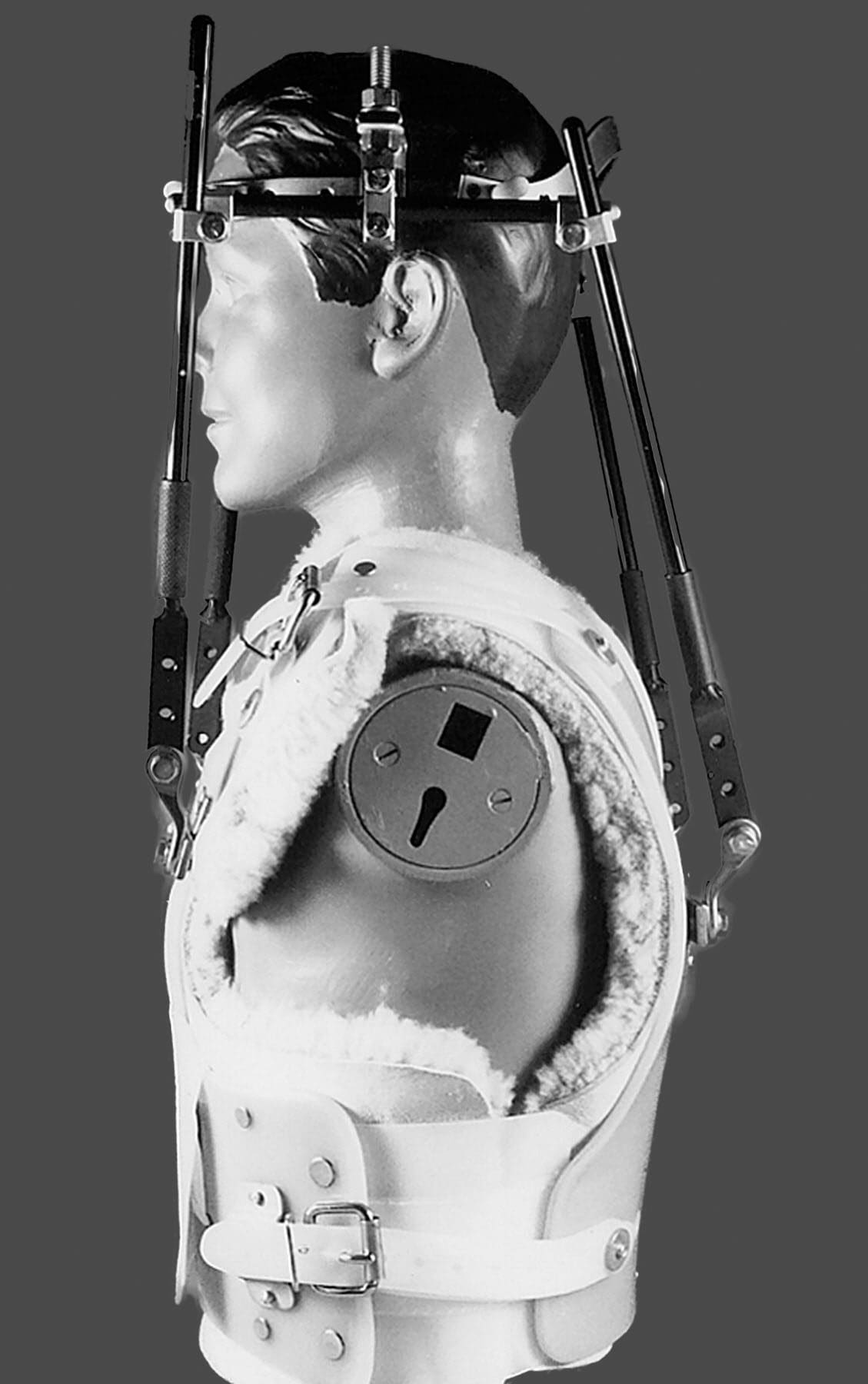
The halo brace is the most rigid of the neck braces. It completely immobilizes the head and neck from moving. Sometimes it is necessary to immobilize the spine after a major neck procedure or for stabilizing fractures in the neck or middle back area. Halo bracing is considered a form of spinal traction. Traction pulls the spine in 2 different directions.
The tension reduces the abnormal curvature associated with spinal conditions, like scoliosis. A halo brace has a metal ring secured to the head using pins. The ring is connected to bars that are attached to a properly weighted vest. The weight of a halo brace is different depending on the individual wearing it. A halo brace is worn at all times until completely healed and recovered. �
�
Effectiveness
Neck braces are the most effective when they are used as directed by a doctor, chiropractor, or spine specialist. Working with an orthotist, or a specialist that designs and custom fits spinal braces can be extremely beneficial. Any questions about how to wear and care for a spinal brace should be brought up with a doctor or orthotist. They will help ensure a full understanding of how to get the most benefit from the treatment.
�
Neck Pain Chiropractic Treatment
Dr. Alex Jimenez�s Blog Post Disclaimer
The scope of our information is limited to chiropractic, musculoskeletal, physical medicines, wellness, and sensitive health issues and/or functional medicine articles, topics, and discussions. We use functional health & wellness protocols to treat and support care for injuries or disorders of the musculoskeletal system. Our posts, topics, subjects, and insights cover clinical matters, issues, and topics that relate and support directly or indirectly our clinical scope of practice.*
Our office has made a reasonable attempt to provide supportive citations and has identified the relevant research study or studies supporting our posts. We also make copies of supporting research studies available to the board and or the public upon request. We understand that we cover matters that require an additional explanation as to how it may assist in a particular care plan or treatment protocol; therefore, to further discuss the subject matter above, please feel free to ask Dr. Alex Jimenez or contact us at 915-850-0900. The provider(s) Licensed in Texas& New Mexico*
Chiropractor Dr. Alexander Jimenez of Injury Medical and Chiropractic Clinic focuses on long-haul truck driversand non-invasive spinal treatments. Truck drivers are at a much higher risk of developing degenerative spinal disorders from the stress that constant driving and repetitive lifting can place on the spinal muscles of the lower back.
Driving a huge truck for eight to ten hours every day/night means the person sits in a stationary position for a long time. The muscles, joints, and ligaments tend to become stiff, and proper blood circulation is affected over time. Ailments can last for weeks, even up to several years if drivers don’t take time to focus on their health and find the right treatment.
Teams are in a truck that never stops. Even sleeping in the bunk, these drivers are subject to constant vibration and bouncing as the truck moves. Roads that are poorly maintained can cause impact trauma to both the driver and the person in the bunk. Various factors can cause musculoskeletal pain like:
Having limited mobility can lead to structural problems like pain in the back, hip, knee, shoulder, arms, and legs. This is compounded by the fact that prescription medications are the norm for these issues and can be dangerous.
Long Haul
These individuals are taught proper lifting techniques but with time forget to follow them during the rush to make the delivery/s on time. Driving for extended periods regularly places added strain on the back. This is due in part because these individuals can’t use their feet to support the lower part of their bodies while working the pedals of the truck.
The continuous instability, vibrations, and positional changes that come with long-haul driving can cause tension in the spine and surrounding muscles in the area. Research has shown that vibration of the body while driving increases the load on the lower back and driving on roads that are not maintained can exacerbate the condition.
The continuous bouncing can lead to spinal disc compression, which in turn causes degeneration of pain in the spine and nerves. This continuous strenuous routine can lead to herniated/bulging discs, which can cause pain and lead to the development of other spinal conditions like sciatica. Improper alignment of the spine can lead to dysfunction and pain in one or several areas of the body. Other conditions that could develop include:
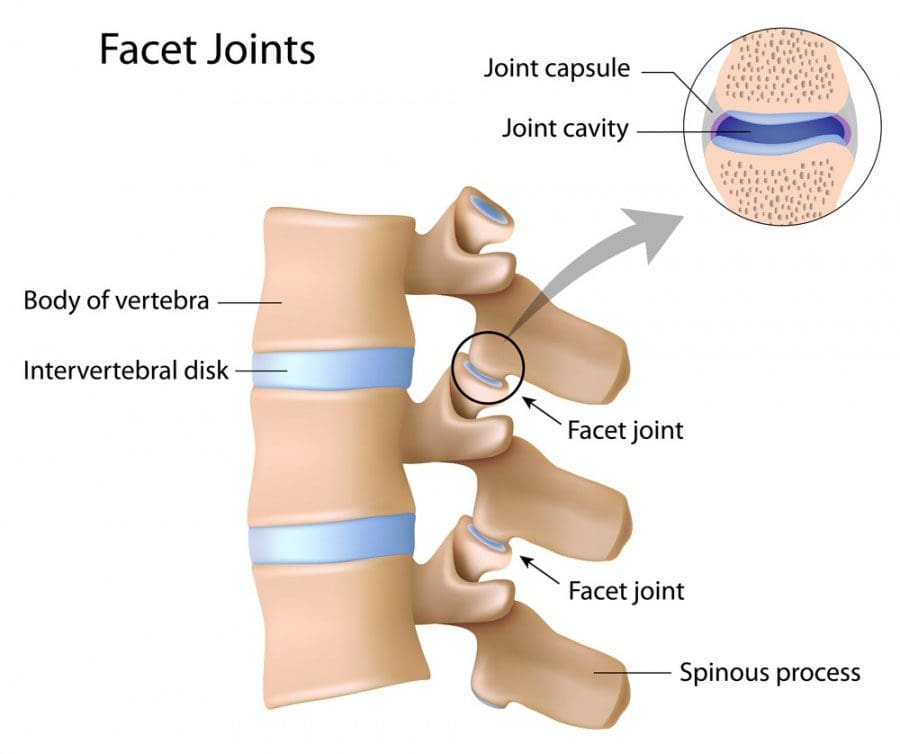
Facet joint syndrome – the cartilage wears away making the spinal joints stiff and swollen. This syndrome can lead to reduced mobility.
Spinal compression from sitting in a single position for a long time places pressure on the spinal column. As the spinal column compresses, it causes tightness in the lower and upper back muscles.
Sciatica is a combination of symptoms and pain that travel from the lower back to the knee and even into the foot. Usually, caused by a herniated disc that compresses the sciatic nerve, it can cause shooting electrical pain down the leg. Drivers with sciatica can also have tight gluteal muscles that place pressure on the nerve.
Neck pain from tight and tender muscles can affect the middle back and cervical/neck area of the spine causing soreness.
Tension headaches begin with the muscles at the base of the skull. When these muscles are tight, they can pinch the nerves, beginning a headache.
Shoulder pain can be caused by overuse when loading, along with rotator cuff injuries and bicep tendonitis. An inflamed bicep can cause inflammation and pain in the shoulder.
Preventable and Treatable
Prevention and proper treatment are key. Here are a few simple ways to improve the drive:
Better seating to reduce vibration
Correct sitting posture
Chiropractic/physical therapy
Exercise
Proper diet
Ice therapy
Proper sleep support
Proper Seat
The seats that are standard in a truck do not offer proper support for a driver’s back, shoulders, neck, and legs. A seat pad for extra comfort or a memory foam seat with a massage base can relax the muscles. For quick lumbar supportroll up a pillow, towel, or t-shirt and place it behind the lower back.
An ergonomic truck seat helps fight the discomfort and awkward positions, that result in positive posture. A proper seat will force the back into its healthy arch. Driving with less strain helps:
Boost circulation
Distribute the body weight evenly
Helps drivers operate longer
Reduces the vibrations running through the body
These long-haul drivers can choose to bypass invasive procedures that can take months to heal. This is because the inability to drive means they don’t earn a check. And being taken out of a driving job for any period can cause financial difficulties.
Chiropractic provides long-haul truck drivers with a non-invasive, drug-free way to treat injuries, manage conditions, and relieve pain. Regular chiropractic can help correct postural habits that expose the body to injury or move the body and the spine out of alignment. It can identify emerging issues before they become a severe condition.
Larger truck stops offer drivers access to medical and chiropractic services allowing them to get treatment when they need it. Long haul drivers can be out for weeks and may not be able to get their regular adjustments. But it is still a good idea to have a regular chiropractor at home so you can stay healthy and on the road.
Spinal injections are exactly what the name says. They are administered direct injections of medicine/s in a specific location of the spine. These are used to treat various conditions affecting the spine when non-invasive treatment/s are not working.
This could be an area along the upper cervical/neck spine all the way down to the sacrum. Injections are also utilized in helping to diagnose neck or back pain that radiates or spreads into an individual�s arms and legs. These are known as:
Cervical radiculopathy
Lumbar radiculopathy
Spinal injection/s for diagnostic or treatment purposes could be a part of an overall treatment plan along with chiropractic/physical therapy and possible medication.
�
�
The medicine in the injection
The medicine could be comprised of a local anesthetic on its own, steroid on its own, or a combination of the two. Steroids are short for corticosteroid, which is a strong anti-inflammatory medication. A contrast dye like an x-ray dye could be added to the injection mix. This dye acts as a guide for precise placement of the needle using image guidance.
�
Spinal disorders that could benefit
Proceeding with an injection treatment plan is based on an individual’s unique factors that apply to their condition/state. This decision will be made after consultation, and diagnosis with your doctor, spine specialist, or chiropractor.
Healthcare providers recommend conservative treatment first. A treatment plan typically runs around 4-6 weeks. If there is no change or improvement in the individual’s condition from the conservative therapy then injection treatment/s could be recommended. Conditions, where injection/s are used, include:
Disc herniation
Facet joint pain
Failed back syndrome
Sacroiliac joint pain
Sciatica
Spinal stenosis
�
Spinal injection and nerve block difference
Spinal injections are a general term that could mean any type of injection involving the spine. Nerve blocks are a precise type of injection that targets a specific nerve. As the medicine is injected into the target nerve/s, it blocks or creates a blockade of the pain signals being sent from the area (ex. neck, low back, etc.) that is generating the pain.
�
Injection types
Epidural
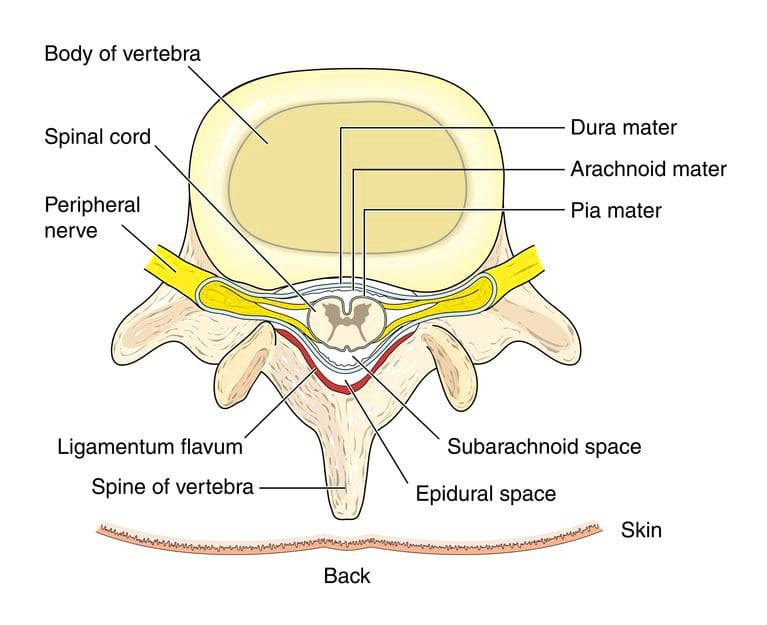
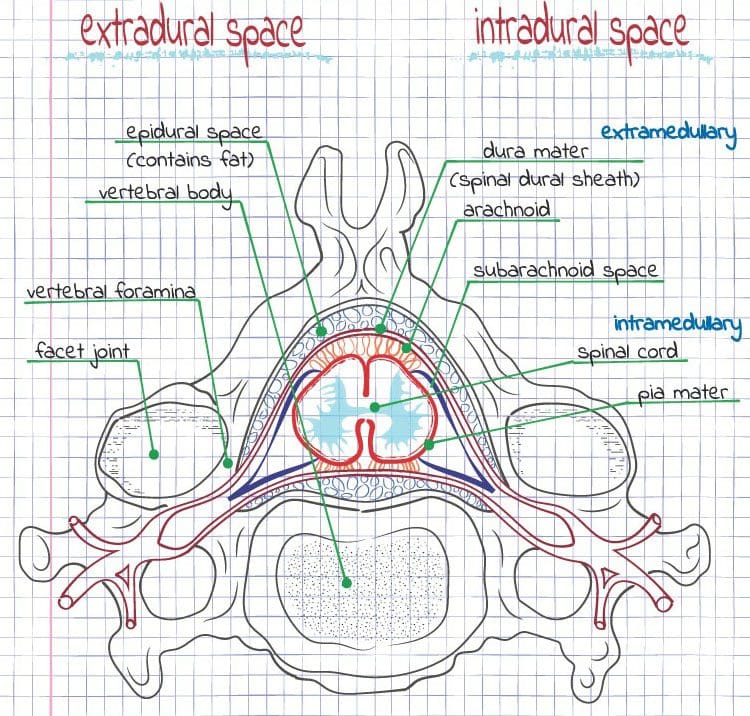
An epidural means an injection on the dura. The dura is the outermost layer that encloses the spinal cord. �
�
3 types of epidurals. They are named according to the direction and angle the needle takes to get to the dura.
Caudal epidural:
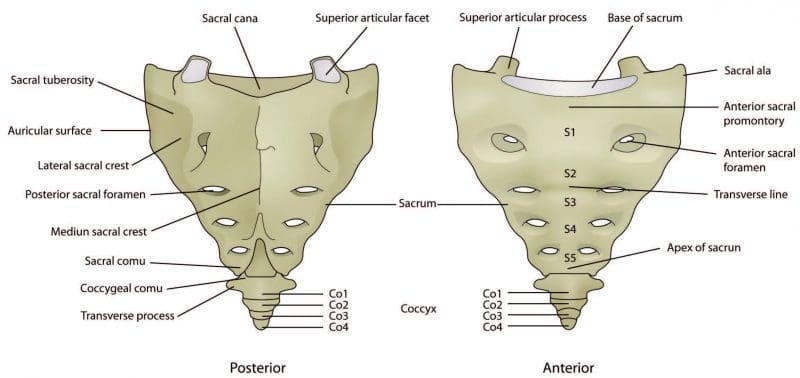
The spinal canal ends at an opening at the end of the sacrum called the spinal hiatus. The medicine is injected into the epidural space through the sacral hiatus. This is the method that is used to provide anesthesia to pregnant women when they’re in labor. �
�
Transforaminal epidural:
There are nerve roots that come out of the spinal canal at each level through a bony opening called the intervertebral foramen or neuroforamen. The medicine is injected into the epidural space in these areas.
Interlaminar epidural:
The lamina is a section that forms the arch of each level and forms the spinal canal. The lamina at each level lays on top of the lamina right below. The needle is inserted between the lamina for delivery of the medicine into the epidural space. �
�
Selective Nerve Root Block – SNRB
These involve the injection of a local anesthetic onto a targeted nerve. They are typically used for diagnostic purposes. For individuals with multi-spinal compression/s, these combined with:
Medical history
Physical exam
MRI
These can help identify the pain generator such as spinal stenosis.
�
Medial Branch Block – MBB
The facet joints are bony projections that connect a vertebral level to the levels above and below. These can become arthritic and is responsible for different forms of back pain.
This type of spinal injection is local anesthetic injected on the medial branch nerves. These are the nerves that send pain signals from the facet joint/s. They are useful in determining if the facet joint is the pain generator. �
�
Facet Joint
These are injections directly into the facet joint itself. Much like injecting anti-inflammatory and pain meds into a knee with arthritis.
�
Sacroiliac Joint
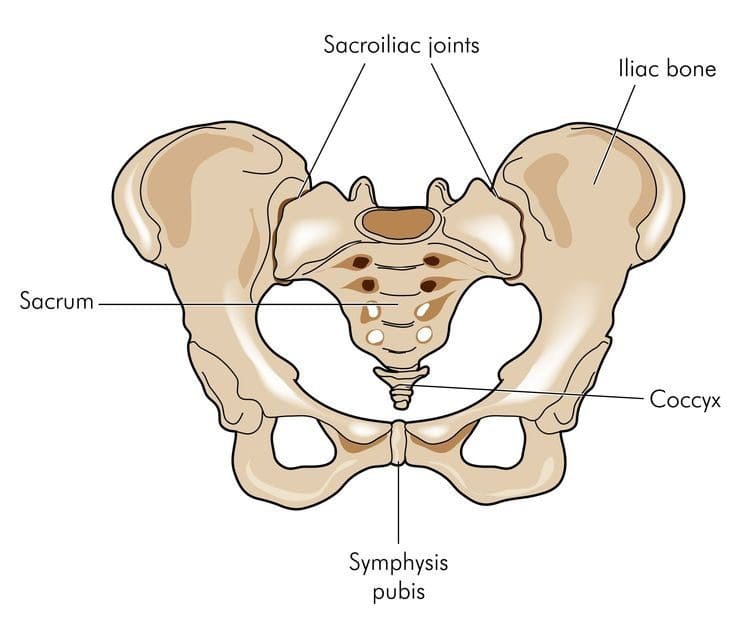
The two sacroiliac joints help connect either side of the sacrum to the hip joint. Like other joints, these can get inflamed and cause painful symptoms. This is an injection directly into one or both of the sacroiliac joints.
�
Administration of the spinal injection or nerve block
Injections are only to be performed by doctors trained specifically in spinal injections. Injections are usually performed by an:
Anesthesiologist
Neurologist
Neurosurgeon
Orthopedic surgeon
Physiatrist
Radiologist
�
Role of these procedures
Reasons why an injection could be used:
Help as a diagnostic to identify the pain generator
Therapeutically to provide pain relief
As a prognostic pain predictor of the relief, an individual could expect from a more invasive procedure like nerve ablation.
�
How often
A maximum of 6 injections for one year is the recommended treatment protocol. Each injection should be based on the effect/s of the previous injection.
�
Potential benefits
The main benefit is to bring pain relief and the ability to function.
Major complications happen in less than one percent of those undergoing the treatment. Individuals with diabetes could see a temporary elevation of their blood sugar.
�
Lasting effects
How long the medicine lasts is different for everyone and comes with variables like:
Type of injection
Type of pathology
Diagnosis
Cause
How long the symptoms last
Most can expect to have one and a half to three months of relief. However, with some, they may only provide minimal relief, while others may see improvements for up to a year.
�
Treating Severe & Complex Sciatica Syndromes
�
Dr. Alex Jimenez�s Blog Post Disclaimer
The scope of our information is limited to chiropractic, musculoskeletal, physical medicines, wellness, and sensitive health issues and/or functional medicine articles, topics, and discussions. We use functional health & wellness protocols to treat and support care for injuries or disorders of the musculoskeletal system. Our posts, topics, subjects, and insights cover clinical matters, issues, and topics that relate and support directly or indirectly our clinical scope of practice.*
Our office has made a reasonable attempt to provide supportive citations and has identified the relevant research study or studies supporting our posts. We also make copies of supporting research studies available to the board and or the public upon request. We understand that we cover matters that require an additional explanation as to how it may assist in a particular care plan or treatment protocol; therefore, to further discuss the subject matter above, please feel free to ask Dr. Alex Jimenez or contact us at�915-850-0900. The provider(s) Licensed in Texas& New Mexico*
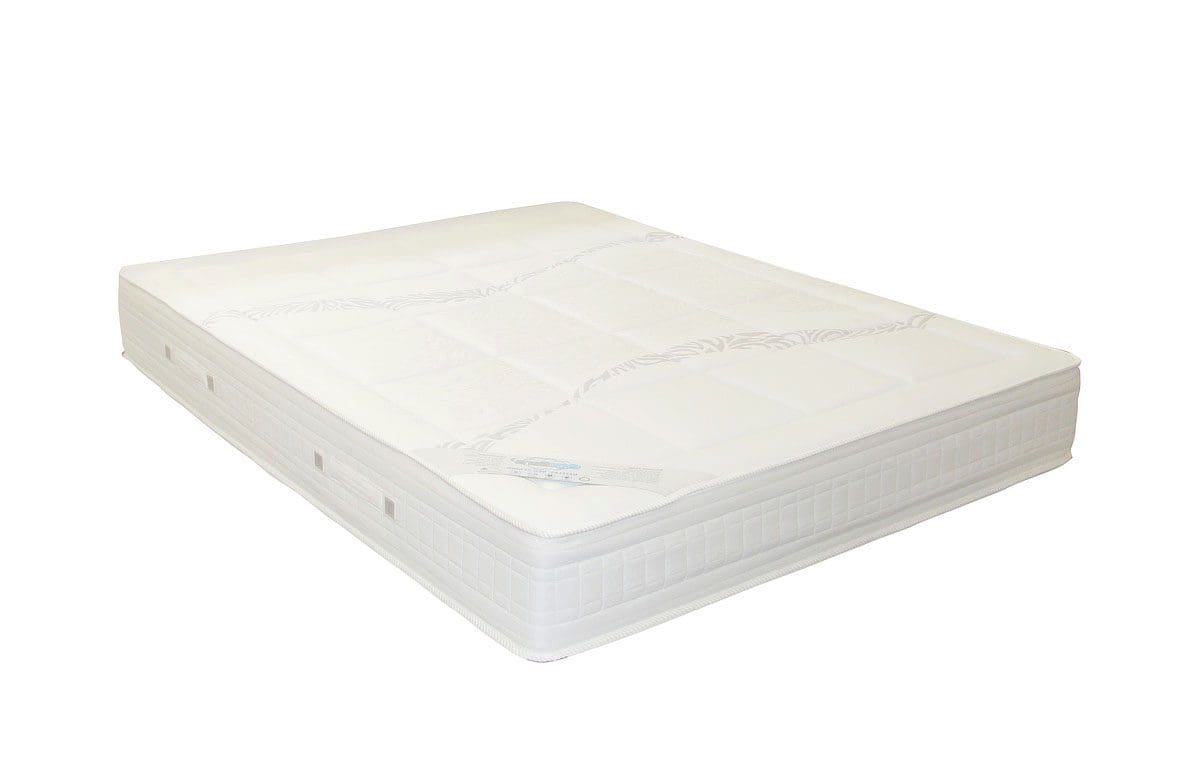
Having the proper mattress can help reduce, prevent, and alleviate neck and back pain. Individuals spend around one-third of their life sleeping. However, when it comes to the mattress that we sleep on, there seems to be no consideration of how the mattress will affect our spines. No other piece of furniture in the house is used more often or affects overall health more than our beds. �
�
�
Down to sleep
Everybody needs to sleep, as the proper amount of rest is an essential part of life. When there is a lack of sleep or sleep disorder, this contributes and leads to health issues of all types and increased/exacerbated pain.
Specifically, the spine benefits tremendously from a proper sleep cycle. The spine works all day supporting the body and its functions. Rest is essential to maintain this level of activity day in and out. But when the surface that we sleep on does not support our body and spine in the correct form, then proper sleep can be impossible to achieve.
�
Proper Mattress Selection
The mattress we sleep on can make a significant difference in the quality of sleep we are getting on a regular basis. A mattress that does not provide optimal support for the spine can lead to muscle fatigue and sleep deprivation.
A proper mattress keeps the spine in the same natural alignment as when standing. When the body can rest in its natural position, the muscles are relaxed and the sleep is healthy following the five stages of a full sleep cycle.
�
Healthy sleep means the individual needs to cycle through five stages: 1, 2, 3, 4, and rapid eye movement or REM sleep. A full sleep cycle takes around 90 to 110 minutes to complete. Once the five stages have finished, it starts over at stage 1. Here is a look at the stages:
Stage 1
This is the lightest stage and is characterized by slow eye movement and relaxed muscle activity.
Stage 2
Eye movement stops and brain waves slow down.
Stage 3
This is the first stage of deep sleep where brain waves appear but are extremely slow. It can be quite difficult to wake someone from this stage.
Stage 4
This is the second stage of deep sleep with no eye or muscle activity. Just like stage 3, it can be more difficult to wake someone in this stage.
REM sleep
This is the dream phase where breathing quickens, heart rate, blood pressure increase, and eyes begin to move around in different directions. REM sleep could be considered the most important stage, as researchers believe REM sleep contributes to storing memories, learning, and regulating mood. Most adults spend half of their total sleep time in stage 2, 20% in REM sleep, and 30% in the other stages. �
Innerspring mattresses can offer more variety in terms of firmness and support. However, individuals find other types of mattresses just as comfortable. What makes a proper mattress the best is that it is the one that offers you the most support and the most comfort.
�
Foundation
This is usually called the box spring, which is just as important as the mattress. The box spring absorbs the weight along with the added stress of movement etc, from the mattress. Having the proper foundation extends the life of the mattress.
If possible try to purchase the box spring designed for the mattress. Using no box spring, an old box spring, or mixing the mattress and box spring can have a negative impact on the level of support and durability of the mattress.
�
Firmness
The belief that the firmer the mattress is the better is not exactly true. A too-firm mattress does not support the body in a balanced fashion. Which means that only the body’s heaviest parts are supported. A too-soft mattress can sink, preventing the spine from keeping proper alignment. Too firm or too soft does not allow the muscles to relax and rest, because they have to keep working to find a comfortable position just to maintain correct posture.
�
Comfort
Make sure to take the time to lie on the mattress and test it out when shopping. Lie down and position yourself the way you would when sleeping. Take turns turning/moving from side to side. If sleeping with a spouse or partner, try out the mattress together to make sure there is enough space to move around comfortably. Be sure that the mattress can support the spine and maintain its natural curve.
Beware, mattress manufacturers use different terms for comfort and firmnessthat could be confusing. Mattress makers will use a term like orthopedic but it does not have any actual medical merit or benefit. That is why trying out the mattress before buying is the way to go. It will definitely help to tell which one is the most supportive and comfortable.
�
Durability
How long the mattress and materials that it’s made of will last determines the durability. Top-quality materials are what to aim for. Especially, the core and the cover. Prices are determined by:
What the mattress is made out of
The quality of the construction
The size
A proper mattress and box spring should last for around 8-10 years. Therefore it is an investment in your spine and quality health. Don’t automatically go for the mattresses on sale or that are the cheapest. Instead, search for the best quality and value.
�
Flip or Rotate
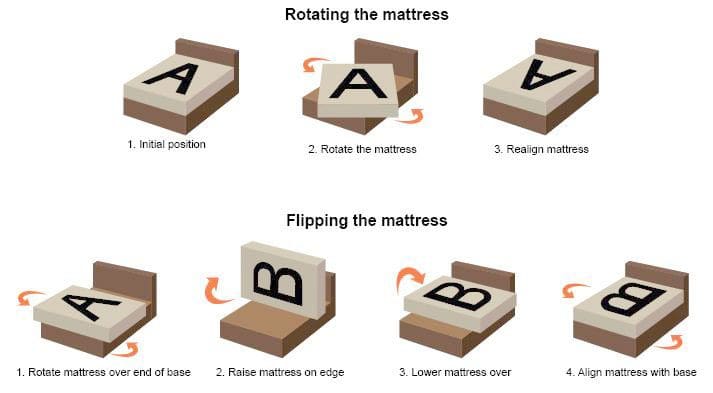
Keeping the mattress in top form means flipping or rotating the mattress on a regular basis. This will ensure even wear and tear giving you optimal spine and body support. �
�
Time for a new one
Even proper mattresses don’t last a lifetime. But like most of us, we wait way too long when it comes to replacing. For those who’ve had the same mattress for 10 years or more, it is definitely time for a new one. There are other signs letting you know it’s time to replace including:
Waking up tired and aching could signal that the mattress is no longer providing enough support for proper rest. Not feeling refreshed after sleep could be the sign it’s time for a new mattress.
If the mattress looks old, worn, or strained, and the box spring rocks and squeaks are all signs that the mattress and foundation are worn out.
The bed is no longer comfortable with the mattress sagging/sinking or leaving an impression where you sleep. Slipping or rolling toward the center along with the inability to find a comfortable position means it’s time to think about a new mattress.
�
Sleep position makes a difference
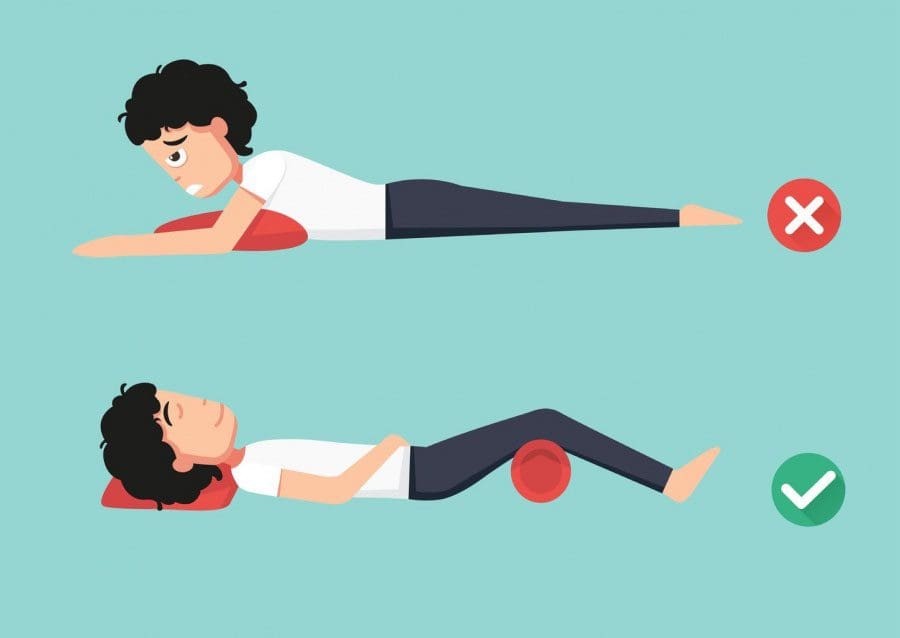
Sleeping on the side, with knees bent or with a pillow between the knees is considered the best way to maintain proper body posture. However, if you must sleep on your back, place a pillow under the knees to support the normal curve of the spine.
Sleeping on the stomach or with the head elevated on an oversized pillow creates an unnatural arch of the spine. This increases pressure on the diaphragm and lungs. These positions usually lead to restless tossing and turning and loss of proper sleep. �
�
Don’t Worry
If there is difficulty getting the right amount of sleep or you are waking up exhausted then this could be the time to take a look at where and how you sleep. A proper mattress and box spring will generate proper comfortable rest all the while maintaining posture and protecting the spine. Remember that sleep is an essential nutrient for our bodies. Therefore, the bed that we sleep on can make a significant difference.
Three Points of Weight Loss @ PUSH Fitness Center
Dr. Alex Jimenez�s Blog Post Disclaimer
The scope of our information is limited to chiropractic, musculoskeletal, physical medicines, wellness, and sensitive health issues and/or functional medicine articles, topics, and discussions. We use functional health & wellness protocols to treat and support care for injuries or disorders of the musculoskeletal system. Our posts, topics, subjects, and insights cover clinical matters, issues, and topics that relate and support directly or indirectly our clinical scope of practice.*
Our office has made a reasonable attempt to provide supportive citations and has identified the relevant research study or studies supporting our posts. We also make copies of supporting research studies available to the board and or the public upon request. We understand that we cover matters that require an additional explanation as to how it may assist in a particular care plan or treatment protocol; therefore, to further discuss the subject matter above, please feel free to ask Dr. Alex Jimenez or contact us at�915-850-0900. The provider(s) Licensed in Texas& New Mexico
Calcium is vital to bone health, and as long as you are getting enough supplements are not necessary. Calcium is a primary building block for strong, healthy bones, especially the bones of the spine. A diet rich in Cacan help prevent spinal problems/issues/conditions like spinal fractures and osteoporosis.
The best and easiest way to get the proper amount of calcium is by eating plenty of Ca-rich foods. However, calcium supplements could be utilized to ensure the proper amount is taken every day. To determine if you may need a calcium supplement talk with your doctor to make sure it�s the best option for you.
Calcium Supplements
Calcium supplements can help individuals reach the daily recommended amount, but they are not intended to replace real Ca-rich foods. If there is enough Ca in your diet, a supplement won’t be necessary, unless there is an underlying condition that doesn’t allow the individual to eat certain Ca-rich foods. However, if there is only a lack of sufficient calcium intake then supplements could help. Otherwise, if there is a continued lack of Ca it could be detrimental to bones and overall health.
Proper Amount Every Day
Before considering a supplement, it�s essential to know how much calcium you should be getting each day. Daily recommendations vary by age and sex but largely depend on age:
Men and women age 19-50, including pregnant women, require 1,000 mg a day
Men 51-70 require 1,000 mg a day
Women 51-70 require 1,200 mg a day
The elderly 71 and over require 1,200 mg a day
Your Diet
Once you know how much Ca you need, the next step is to evaluate how much to get. The American Bone Health advocacy group recommends using the Calcium Rule of 300 to determine if a supplement is necessary.
The way it works:
Begin with the number of dairy or juices with added calcium and the amount that is consumed daily.
Multiply that number by 300.
Add 300 if a nutritious and balanced diet is being observed
The total is the proper dietary intake of calcium
If the total does not meet the recommended number consult a doctor or health coach about a calcium supplement.
Supplement Tips
If you decide to take a supplement, check out these tips:
Make sure your doctor/pharmacist know all medications and supplements being taken, this includes over-the-counter products. The reason for this is your doctor wants so be sure they will not interfere with each other or have some kind of negative side effect. An example of this is calcium and iron supplements can prevent each other from properly�absorbing into the body when taken together.
Buy supplements that have the USP Verified symbol, which shows that the supplement has been independently evaluated and certified.
Rather than taking one high-dose calcium supplement, which could be more than 500-600 mg. Smaller-doses of supplements can be taken 2-3 times throughout the day.
The body cannot absorb more than 500-600 mg of calcium supplement at once
Don�t take the supplement with a high-fiber meal or laxative. This fiber can prevent the body from fully absorbing the calcium
There are all kinds of nutrients that contribute to the development and maintenance of healthy bones, but calcium is backed by a strong body of evidence that presents a clear connection to bone health. A simple and straight-forward focus on eating foods rich in calcium can help keep the bones of the spine, and entire body for that matter�strong and supportive for life-long healthy movement.
IFM's Find A Practitioner tool is the largest referral network in Functional Medicine, created to help patients locate Functional Medicine practitioners anywhere in the world. IFM Certified Practitioners are listed first in the search results, given their extensive education in Functional Medicine