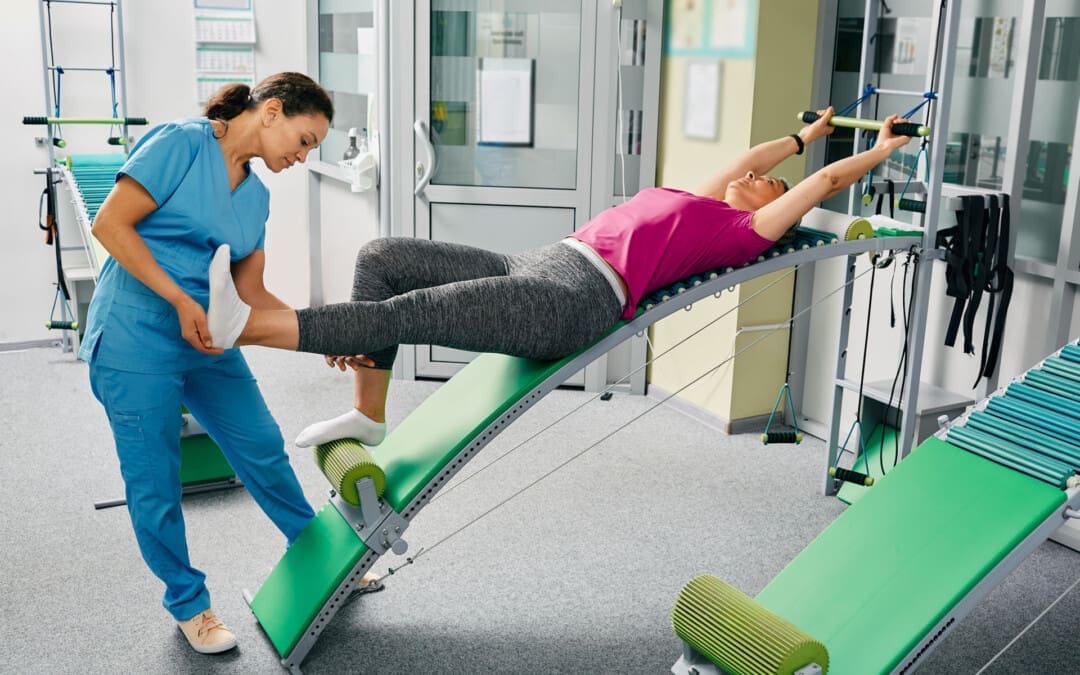
Why do the muscles retighten days or weeks later for individuals who have received massage or chiropractic adjustments?
Muscles Retighten
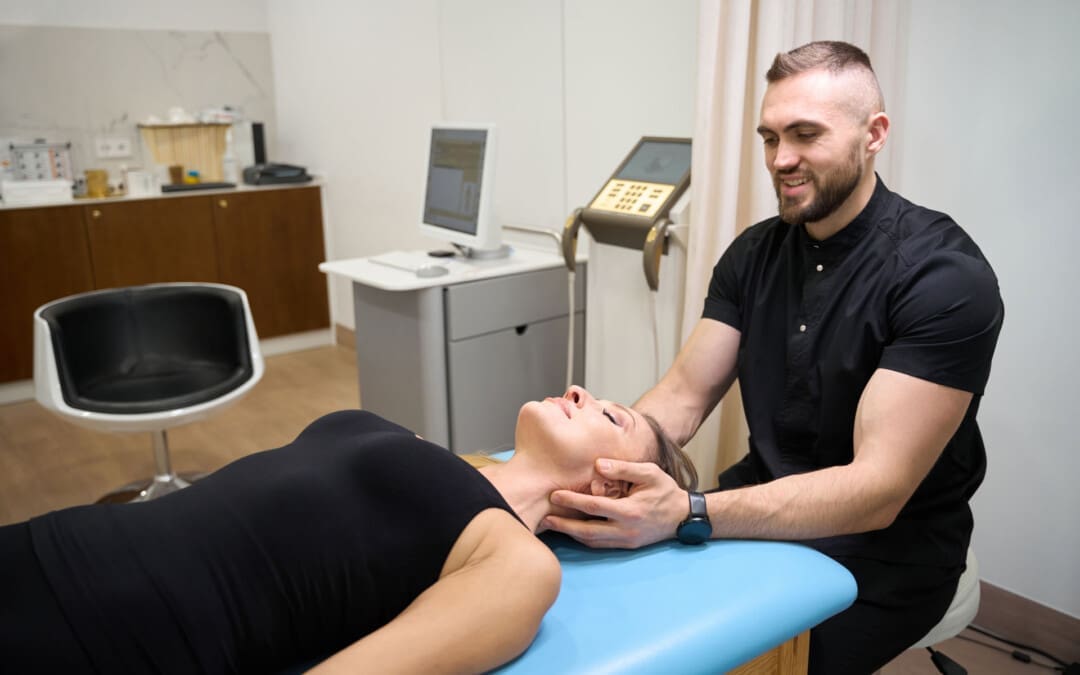
Muscles can retighten again days or weeks after chiropractic treatment and/or a massage. A few factors may cause this.
Muscle memory: The body’s natural tendency to return to its previous state of tension.
This includes all the unhealthy postures/positioning
Delayed inflammatory response.
The body’s natural healing process
How muscles respond to manipulation
The need for ongoing maintenance of muscle health
After a massage, muscles can experience a temporary increase in soreness or tightness as the body heals from any minor damage or inflammation caused by the massage. Additionally, if the underlying issue causing muscle tightness is not addressed, the muscles may revert to their original state over time. (Cleveland Clinic, 2024)
Causes
Causes for muscles to retighten.
Underlying Issues
If the root cause of the muscle tightness is not addressed, such as unhealthy posture, injuries, repetitive motions, or muscle imbalances, it can lead to further complications.
In that case, the muscles may return to their original state after a few days or weeks.
Delayed Onset Muscle Soreness (DOMS)
For example, muscles feel sore after intense exercise, and individuals can also experience DOMS after a massage, especially if they are particularly tight or if it’s been a while since their last massage. (Healthline, 2020)
Delayed Inflammatory Response
Massage can sometimes cause microscopic tears or inflammation in muscle tissue, which triggers the body’s natural healing process.
This response can cause soreness and temporary tightness, as the body repairs the damaged tissue even after the initial massage. (Essential Chiropractic, 2025)
Muscle Memory
The body tends to revert to habitual patterns of muscle tension, especially if the underlying cause of the tightness isn’t addressed.
Muscles can retain how they were manipulated during the massage and may revert to their original tightness if they haven’t been consistently relaxed.
Muscle Guarding
The individual and body can subconsciously tense muscles to avoid pain or soreness, even after the massage.
This muscle guarding can counteract the benefits of the massage and lead to a renewed cycle of tension. (Bhimani R. H., & Soomar D. 2019)
Muscle Health Maintenance
Regular Maintenance
Muscles need consistent care to maintain their optimal state of health and function.
Regular massages and other lifestyle changes, such as stretching and strengthening exercises, can help maintain muscle flexibility and reduce the likelihood of muscle tightness returning.
Individual Variation
Factors like the type of massage received, the frequency of massages, and individual body responses can all influence how long a massage’s benefits last. (Cleveland Clinic, 2024)
Massage Treatment
Muscles can retighten after a massage due to the body’s response to the pressure and manipulation during the treatment. This can include individual sensitivity to massage, the type of massage, and hydration levels, which can also play a role.
Type of Massage
Deep tissue massage, which focuses on specific muscle groups and applies deeper pressure, may cause more soreness than other types of massage.
Some individuals may be more sensitive to massage and experience soreness, even with a gentle massage. (Cleveland Clinic, 2024)
Muscle Fiber Manipulation
Deep tissue massage can break down spasms or microtears in muscle fibers, leading to soreness.
This is similar to the microscopic tears that occur during exercise, which are necessary for muscle repair and growth.
Dehydration
Individuals who are not adequately hydrated may experience increased soreness after a massage. (Cleveland Clinic, 2024)
Lactic Acid Buildup
During an intense massage, particularly deep tissue, lactic acid can build up in the muscles, leading to soreness and tightness.
If the muscles were particularly tense or knotted before the massage, the manipulation could lead to soreness as the knots get worked out.
Injury Medical Chiropractic and Functional Medicine Clinic
As a Family Practice Nurse Practitioner, Dr. Jimenez combines advanced medical expertise with chiropractic care to address various conditions. Our clinic integrates Functional Medicine, Acupuncture, Electro-Acupuncture, and Sports Medicine to create customized care plans that promote natural healing, mobility, and long-term wellness. By focusing on flexibility, agility, and strength, we empower patients to thrive, regardless of age or health challenges. At El Paso’s Chiropractic Rehabilitation Clinic & Integrated Medicine Center, we passionately focus on treating patients after injuries and chronic pain syndromes. We focus on improving your ability through flexibility, mobility, and agility programs tailored for all age groups and disabilities. We use in-person and virtual health coaching and comprehensive care plans to ensure every patient’s personalized care and wellness outcomes.
Secrets of Optimal Wellness
References
Cleveland Clinic. (2024). How to Relieve Muscle Soreness After a Massage. https://health.clevelandclinic.org/why-does-my-body-feel-worse-after-a-massage
Healthline. (2020). How to Relieve Sore Muscles After a Massage. https://www.healthline.com/health/sore-after-massage#causes-of-soreness
Essential Chiropractic and Physiotherapy. (2025). Muscle Ache After Massage: Common Causes and Relief. https://essentialchiropractic.co.uk/muscle-ache-after-massage-common-causes-and-relief/#:~:text=Post%2Dmassage%20soreness%20is%20a,hours%20as%20the%20muscles%20recover.
Bhimani, R. H., & Soomar, D. (2019). Understanding Symptoms of Muscle Tightness, Weakness, and Rigidity From a Nursing Perspective. Rehabilitation Nursing: The Official Journal of the Association of Rehabilitation Nurses, 44(5), 271–281. https://doi.org/10.1097/rnj.0000000000000151
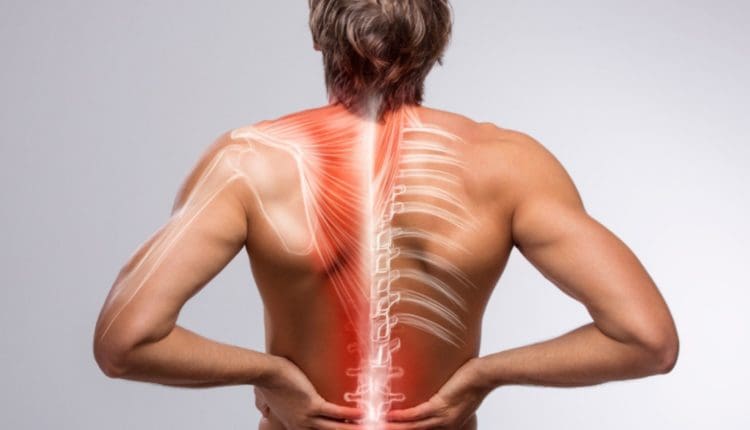
Can Affect Lower Back Muscles and Cause Hamstring Spasms
Lower back muscles, including those like the quadratus lumborum, can be affected by paraspinal spasms. (Hospital for Special Surgery, 2024)
The spasms can cause these muscles to tighten or spasm, potentially pulling on the hamstring muscles.
This can lead to hamstring spasms and tightness, further contributing to pain and potential nerve irritation.
Entrapment of the Sciatic Nerve
Piriformis syndrome is a common condition where the piriformis muscle (located in the buttock) spasms and compresses the sciatic nerve. (Cedars-Sinai, 2025)
The sciatic nerve runs from the lower back down the back of the thigh and into the leg, making it vulnerable to compression by surrounding muscles.
If the paraspinal and hamstring spasms create enough tension on the piriformis muscle or surrounding tissues, it can lead to sciatic nerve entrapment. (Hospital for Special Surgery, 2024)
How acupuncture helps relieve sciatica
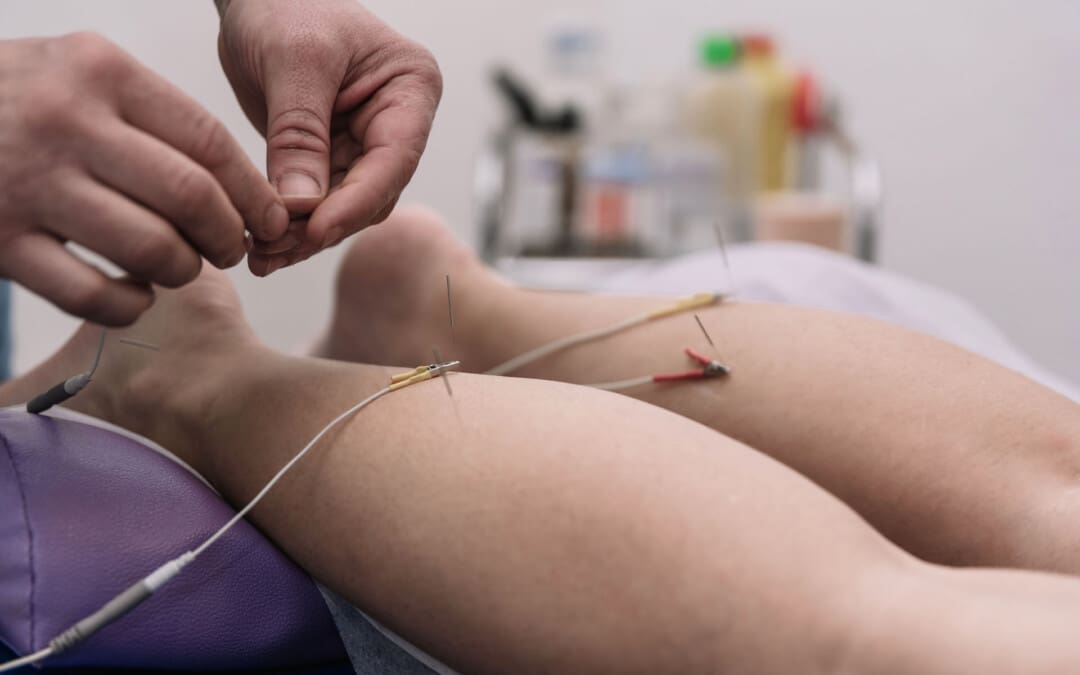
Acupuncture can help relieve sciatica pain by stimulating specific points on the body, which can trigger the release of endorphins, reduce inflammation, improve blood flow, and relax tight muscles that could be compressing the sciatic nerve. By modulating the nervous system and promoting the body’s natural healing processes, acupuncture can help alleviate pain and improve overall function. (Qin, Z. et al., 2015)
Releases endorphins
Acupuncture stimulates the nervous system, triggering the release of endorphins, the body’s natural painkillers.
Reduces inflammation
Acupuncture can help reduce inflammation in the area surrounding the sciatic nerve, which can contribute to pain and nerve irritation. (Natural Care Chiropractic, 2022)
Improves circulation
By increasing blood flow to the affected area, acupuncture can help deliver nutrients and oxygen to the sciatic nerve and surrounding tissues, promoting faster healing.
Relaxes tight muscles
Sciatica pain can be exacerbated by tight muscles compressing the nerve. Acupuncture can help relax these muscles, reducing pressure on the sciatic nerve and alleviating pain.
Regulates the nervous system
Acupuncture can help regulate the nervous system, positively impacting pain perception and overall well-being. (Qin, Z. et al., 2015)
Promotes regeneration
Some evidence suggests that acupuncture can promote sciatic nerve regeneration, potentially leading to long-term pain relief. (Natural Care Chiropractic, 2022)
Needling Types
Distal needling
Acupuncture can also involve using points that are further away from the site of pain, which can also help to reduce pain and inflammation.
Local needling
Points are also selected on or near the sciatic nerve’s path, which can help directly address the source of pain and inflammation. (Qin, Z. et al., 2015)
Holistic approach
Acupuncture is often viewed as a holistic approach to pain management, addressing the symptoms of sciatica and the underlying causes and imbalances in the body.
Injury Medical Chiropractic and Functional Medicine Clinic
As a Family Practice Nurse Practitioner, Dr. Jimenez combines advanced medical expertise with chiropractic care to address various conditions. Our clinic integrates Functional Medicine, Acupuncture, Electro-Acupuncture, and Sports Medicine to create customized care plans that promote natural healing, mobility, and long-term wellness. By focusing on flexibility, agility, and strength, we empower patients to thrive, regardless of age or health challenges. At El Paso’s Chiropractic Rehabilitation Clinic & Integrated Medicine Center, we passionately focus on treating patients after injuries and chronic pain syndromes. We focus on improving your ability through flexibility, mobility, and agility programs tailored for all age groups and disabilities. We use in-person and virtual health coaching and comprehensive care plans to ensure every patient’s personalized care and wellness outcomes.
Noonan, A. M., & Brown, S. H. M. (2021). Paraspinal muscle pathophysiology associated with low back pain and spine degenerative disorders. JOR spine, 4(3), e1171. https://doi.org/10.1002/jsp2.1171
Hospital for Special Surgery. (2024). Sciatica. https://www.hss.edu/condition-list_sciatica.asp
Qin, Z., Liu, X., Wu, J., Zhai, Y., & Liu, Z. (2015). Effectiveness of Acupuncture for Treating Sciatica: A Systematic Review and Meta-Analysis. Evidence-based complementary and alternative medicine: eCAM, 2015, 425108. https://doi.org/10.1155/2015/425108
Natural Care Chiropractic, D. M. F. (2022). Acupuncture for Sciatica Pain Relief. https://www.naturalcarechiropractic.com/post/acupuncture-for-sciatica-pain-relief
Should individuals experiencing nerve pain or various sensations get a nerve conduction velocity study to examine nerve health and function?
Nerve Conduction Velocity
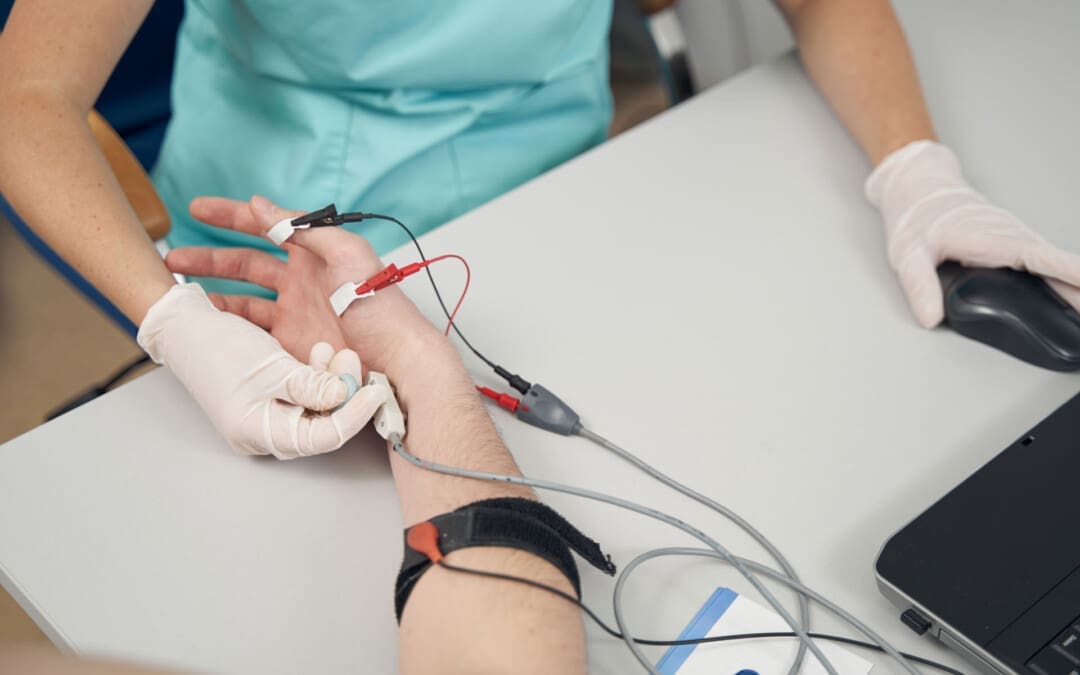
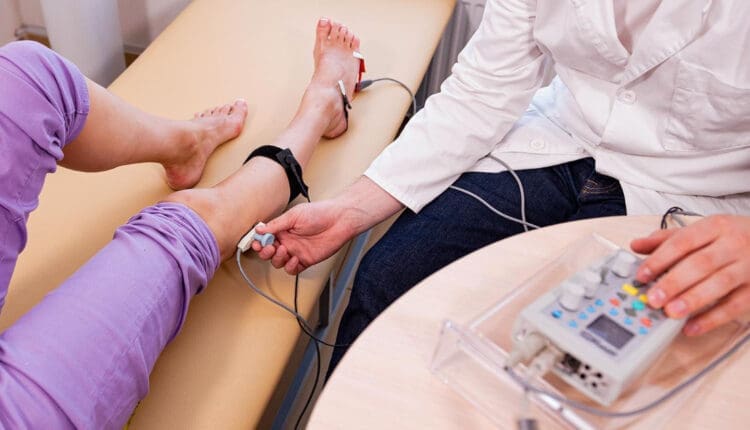
A nerve conduction velocity (NCV) is a noninvasive test that measures the speed and strength of nerve stimulation using electrical probes placed on the skin. It’s used to diagnose nerve damage or disease, often alongside an EMG (electromyogram) to differentiate between nerve and muscle problems. It can also evaluate sensory issues, pain, and weakness of the extremities.
This test involves safe electrical shocks that can be slightly uncomfortable but not painful.
Nerve conduction velocity (NCV) measures the speed at which electrical impulses travel along a nerve fiber, which measures how quickly electrical signals travel through a nerve.
This information indicates nerve health and function.
Electromyography (EMG) is a nerve test that involves placing tiny needles into the muscles.
A slower NCV can indicate nerve injury or dysfunction.
Test Uses
Generally, the test is ordered to assess peripheral nerve diseases, those that connect from the muscles, organs, and skin to the spinal cord or brain. It can help identify the type and location of nerve damage.
Peripheral nerve conditions typically cause pain, sensory loss, tingling, or burning.
Mild weakness and diminished reflexes can be detected during a neurological examination.
Conditions
Nerve conduction studies are performed to help diagnose conditions.
Nerve damage (neuropathy), such as from diabetes, chemotherapy, or autoimmune disorders
Charcot-Marie-Tooth disease
Nerve compression
Many different conditions, including trauma, inflammation, and tumors, can compress one or more nerves.
Radiculopathy
Often described as a pinched nerve, radiculopathy can affect an arm or a leg, causing pain and weakness.
Peripheral Neuropathy
This nerve damage begins in the most distal nerves, those farthest from the center of the body, such as the toes and fingers. It is often due to chronic alcohol misuse, uncontrolled diabetes, nutritional deficits, and inflammatory diseases. (Ferdousi M. et al., 2020)
Carpal Tunnel Syndrome
Commonly caused by inflammatory diseases or overuse of the wrists, such as from assembly line work, carpal tunnel syndrome causes numbness, pain, and weakness of the fingers and hands. (Tada K. et al., 2022)
Ulnar neuropathy
This common condition causes arm pain and sensory changes, usually due to repetitive movements or a prolonged position that causes pressure on the ulnar nerve.
Guillain-Barré syndrome (GBS)
This inflammatory condition causes demyelination, or loss of the insulating covering around nerves, which results in leg weakness.
It begins in the motor nerves, which send signals to muscles in the legs. (Shibuya K. et al., 2022)
The inflammation travels to nerves of the upper body, often affecting the muscles that control breathing.
Respiratory support is necessary until the condition improves.
Chronic Demyelinating Polyneuropathy (CIDP)
This condition is a chronic, recurrent form of GBS that usually affects the legs and causes episodes of weakness.
ICU neuropathy
Metabolic changes, severe illness, and not moving enough can cause nerves to develop a pattern of weakness and sensory loss.
Myasthenia gravis (MG)
This autoimmune condition affects the junction between the nerves and the muscles.
Myasthenia gravis causes drooping eyelids and weakness of the arms and shoulders.
Amyotrophic lateral sclerosis (ALS)
ALS is a serious, degenerative disease affecting the spinal cord’s motor neurons.
Amyotrophic lateral sclerosis progresses rapidly, resulting in substantial weakness of muscles throughout the body.
How it’s Done
Surface electrodes are placed on the skin over nerves, and a small electrical current is applied to stimulate the nerve.
The time it takes for the electrical signal to travel between the electrodes is measured, and this time is used to calculate the NCV.
Values
Normal NCV values are generally between 50 and 70 meters per second. However, these values can vary depending on the nerve and the individual.
NCV Factors
Various factors can influence NCV.
Age
Sex
Medical conditions like diabetes
Interpretation
A slower NCV can indicate nerve damage or demyelination (loss of the myelin sheath, which insulates nerve fibers), while an EMG can help determine if the problem is with the nerve or the muscle.
Results
The results of NCV testing can be used to determine the type, severity, and location of nerve damage. The results will be ready in report form about a week after the test.
The test measures velocity (how fast a nerve transmits signals) and amplitude (how many nerve fibers were activated). (Tavee J. 2019)
The measurements are transmitted to a computer and shown as waves and numerical values.
The values are compared to a standard measurement based on the tested nerve.
The distance between the electrodes.
The person’s age.
Compared to the standard, the NCV results can identify certain patterns of nerve damage. (Tada K. et al., 2022) Outcomes include: (Tavee J. 2019)
If one or more nerves are affected.
If motor nerves (control movement), sensory nerves (transmit sensory signals), or both are affected.
Whether a nerve is blocked or damaged.
The severity of the damage.
The type of nerve damage
Axonal (damage to the nerve itself)
Demyelination (damage to the protective fatty layer around the nerve)
The results can help point to certain diagnoses.
Preparation Before the Test
Individuals will not need to change their diet before having an NCV. However, patients will be asked to avoid lotions or creams on their skin before the test. Individuals who are also having an EMG at the time of their NCV might be asked to stop taking medications or supplements that increase the risk of bleeding and bruising. If a healthcare provider says not to stop taking the medicines for health reasons, the patient might be warned that they could have some bruising after the EMG test.
NCV may advise against getting the test for those with electrical device implants.
Make sure your healthcare providers are aware of your whole medical history.
Injury Medical Chiropractic & Functional Medicine Clinic
Injury Medical Chiropractic and Functional Medicine Clinic works with primary healthcare providers and specialists to develop an optimal health and wellness solution. We focus on what works for you to relieve pain, restore function, and prevent injury. Regarding musculoskeletal pain, specialists like chiropractors, acupuncturists, and massage therapists can help mitigate the pain through spinal adjustments that help the body realign itself. They can also work with other medical professionals to integrate a treatment plan to resolve musculoskeletal issues.
Peripheral Neuropathy and Chiropractic Care
References
Ferdousi, M., Kalteniece, A., Azmi, S., Petropoulos, I. N., Worthington, A., D’Onofrio, L., Dhage, S., Ponirakis, G., Alam, U., Marshall, A., Faber, C. G., Lauria, G., Soran, H., & Malik, R. A. (2020). Corneal confocal microscopy compared with quantitative sensory testing and nerve conduction for diagnosing and stratifying the severity of diabetic peripheral neuropathy. BMJ open diabetes research & care, 8(2), e001801. https://doi.org/10.1136/bmjdrc-2020-001801
Tada, K., Murai, A., Nakamura, Y., Nakade, Y., & Tsuchiya, H. (2022). In Carpal Tunnel Syndrome, Sensory Nerve Conduction Velocities Are Worst in the Middle Finger Than in the Index Finger. Frontiers in Neurology, 13, 851108. https://doi.org/10.3389/fneur.2022.851108
Shibuya, K., Tsuneyama, A., Misawa, S., Suzuki, Y. I., Suichi, T., Kojima, Y., Nakamura, K., Kano, H., Ohtani, R., Aotsuka, Y., Morooka, M., Prado, M., & Kuwabara, S. (2022). Different patterns of sensory nerve involvement in chronic inflammatory demyelinating polyneuropathy subtypes. Muscle & Nerve, 66(2), 131–135. https://doi.org/10.1002/mus.27530
Tavee J. (2019). Nerve conduction studies: Basic concepts. Handbook of Clinical Neurology, 160, 217–224. https://doi.org/10.1016/B978-0-444-64032-1.00014-X
Join the calisthenics movement and experience a versatile approach to fitness designed for all skill levels.
Introduction
Many people might suffer musculoskeletal ailments due to their stressful schedules and habits. Anyone at any age may be affected by it, from muscular imbalances to low back discomfort; therapy is required when people have overlapping risk profiles. Many patients begin seeking therapy for musculoskeletal diseases to lessen the pain they experience. Many would choose surgical treatment to alleviate the overlapping risk profiles depending on the degree. Others, conversely, could attempt non-surgical methods to alleviate musculoskeletal discomfort. Since musculoskeletal issues are one of the main causes of disability, non-surgical therapies may safely and affordably relieve the body’s misdirected pain. By aligning the spine and extending the afflicted muscles, non-surgical therapies such as chiropractic adjustments may help alleviate musculoskeletal problems. However, to assist patients in healing over the long term, chiropractors will create a personalized treatment plan that includes active movement exercises—where calisthenics comes in—to help rebuild muscle strength and mobility function.
What is Calisthenics?
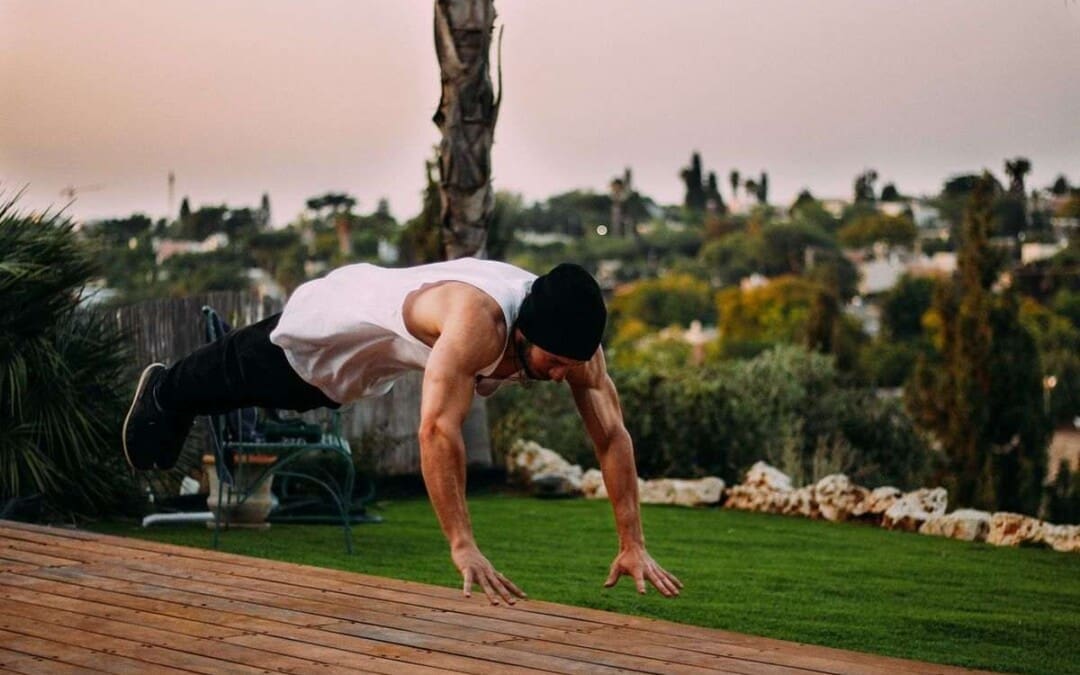
Also known as bodyweight training, calisthenics utilizes the person’s body to build muscle strength and increase flexibility while enhancing neuromuscular control. When people start incorporating regular physical activity into their routine, they will notice their health and quality of life improved, their fitness levels will increase, and the risk of several chronic diseases associated with the musculoskeletal body will be reduced. (Bellissimo et al., 2022) The best way to think about calisthenics is to think like push-ups, planks, squats, and dynamics stretches when working out. Additionally, calisthenics can be scalable and adaptable to any person’s fitness level without heavy gym equipment or HIIT workouts. For individuals dealing with musculoskeletal conditions like low back pain or associated pain symptoms, calisthenics is a safer and more effective option. Calisthenics can even help with cognitive decline associated with musculoskeletal disorders by reducing comorbidities correlated with the muscles and cognitive function. (Osuka et al., 2020)
How It Supports Musculoskeletal Health?
Musculoskeletal pain is a multi-factorial condition that involves environmental factors that cause long-term pain and disability. (Caneiro et al., 2021) Everyday motions can cause strain and fatigue to the various muscle groups and, over time, can affect the joints in the extremities. For individuals dealing with musculoskeletal disorders, calisthenics can offer numerous benefits to reduce pain-like symptoms associated with the musculoskeletal system:
Improved Core Stability: Calisthenics can help strengthen the core muscles, providing the necessary stability to reduce low back pain. (Zemkova & Zapletalova, 2022)
Enhanced Mobility: Calisthenics can utilize gentle functional movements within the upper and lower extremities to help preserve the joint’s range of motion.
Injury Prevention: Individuals incorporating calisthenics for muscle pain will notice that their postural muscles are getting stronger, thus improving body biomechanics and reducing compensatory movements.
Neuromuscular Re-education: Calisthenic exercises help retrain muscles to fire appropriately, which is excellent for individuals with a sedentary lifestyle. Individuals with a sedentary lifestyle who start doing calisthenic exercises will notice a positive effect on energy expenditure, endothelial function, and muscle improvement. (Mear et al., 2022)
Can Core Exercises Help With Back Pain?-Video
Calisthenics Integrated With Chiropractic Care
When it comes to incorporating non-surgical treatment with calisthenics, chiropractic care can help many individuals deal with overlapping pain symptoms associated with musculoskeletal disorders. Chiropractic care incorporates mechanical and manual spinal manipulation to help realign the spine and remobilize the body while reducing muscle pain. (Coulter et al., 2018) When chiropractors address the structural misalignment of the person’s spine through adjustments, they can pinpoint the causes and start to assess the individual by coming up with a personalized treatment plan that includes calisthenics as part of their active rehabilitation to reengage their musculoskeletal system to maintain the improvements. In chiropractic and functional medicine settings, calisthenics is often prescribed as part of active rehabilitation. After addressing structural misalignments through manual adjustments, patients are encouraged to reengage their musculoskeletal system to maintain improvements.
Here’s how calisthenics fits in:
Post-Adjustment Stabilization: Exercises help “lock in” structural corrections by reinforcing proper posture and movement.
Corrective Exercise Protocols: Practitioners may prescribe targeted calisthenics to improve muscular imbalances contributing to pain.
Home Programs: These exercises are ideal for patients to perform safely at home with little to no equipment.
Calisthenic Exercises For Low Back Pain
For individuals dealing with acute or chronic low back pain, these beginner-friendly calisthenics exercises can help relieve muscle tension in the lower back while promoting postural stability. It is always important to consult a doctor before starting a new exercise routine.
Glute Bridge
Glute bridges can help decompress the lumbar spine while strengthening the glutes and hamstrings.
How to do it:
Laying down on your back with knees bent and feet flat on the floor.
By engaging the core muscles, lift the hips towards the ceiling.
Hold the position for 5 seconds, then lower slowly.
Repeat 10–15 times for three sets.
Bird-Dog
Bird-Dog can be an excellent exercise to help individuals improve their spinal stability by engaging their core and multifidus muscles to reduce back pain.
How to do it:
Be on a mat on your hands and knees to have a neutral spine alignment.
Simultaneously extend the right arm and left leg while keeping your spine neutral.
Hold the position for 5-10 seconds, then slowly switch sides.
Perform 10 reps per side for three sets.
Wall Sit
Wall sit exercises are excellent for individuals with low back pain. They help strengthen the surrounding muscles in the lumbar spine and activate the quadriceps to support neutral pelvic alignment.
How to do it:
Stand up straight with your back against a wall and slide to a seated position with the thighs parallel to the floor
Engage the core muscles and hold between 10-30 seconds. Tip: Gradually increase the time for an effective workout.
Repeat 3–5 times for three sets.
Pelvic Tilt
For individuals dealing with tension and low back pain in their lumbar spine, pelvic tilts can help provide relief while improving core muscle control.
How to do it:
Lay on your back with bent knees on a mat.
Gently lower your lower back into the mat while engaging the core muscles.
Hold the position for 10 seconds before relaxing.
Repeat the motion for 10–15 times for three sets.
Conclusion
Calisthenics is more than simply a bodyweight exercise; it’s a fantastic therapeutic technique that can be used in conjunction with chiropractic adjustments. By using exercises to reenergize the musculoskeletal system and lessen muscular soreness, calisthenics may motivate people to take charge of their health and wellbeing. Calisthenic exercises may hasten rehabilitation, avert more injuries, and enhance general functional ability since the body’s primary function is mobility. People who begin using calisthenics into their everyday practice will see that their movement improves and that their fitness objectives are met.
Injury Medical & Functional Medicine Clinic
We associate with certified medical providers who understand the importance of assessing individuals with musculoskeletal disorders affecting their daily routines. When asking important questions to our associated medical providers, we advise patients to incorporate exercises like calisthenics to help reengage the musculoskeletal system while reducing muscle pain within the lumbar region. Dr. Alex Jimenez, D.C., uses this information as an academic service. Disclaimer.
References
Bellissimo, G. F., Ducharme, J., Mang, Z., Millender, D., Smith, J., Stork, M. J., Little, J. P., Deyhle, M. R., Gibson, A. L., de Castro Magalhaes, F., & Amorim, F. (2022). The Acute Physiological and Perceptual Responses Between Bodyweight and Treadmill Running High-Intensity Interval Exercises. Front Physiol, 13, 824154. https://doi.org/10.3389/fphys.2022.824154
Caneiro, J. P., Bunzli, S., & O’Sullivan, P. (2021). Beliefs about the body and pain: the critical role in musculoskeletal pain management. Braz J Phys Ther, 25(1), 17-29. https://doi.org/10.1016/j.bjpt.2020.06.003
Coulter, I. D., Crawford, C., Hurwitz, E. L., Vernon, H., Khorsan, R., Suttorp Booth, M., & Herman, P. M. (2018). Manipulation and mobilization for treating chronic low back pain: a systematic review and meta-analysis. Spine J, 18(5), 866-879. https://doi.org/10.1016/j.spinee.2018.01.013
Mear, E., Gladwell, V. F., & Pethick, J. (2022). The Effect of Breaking Up Sedentary Time with Calisthenics on Neuromuscular Function: A Preliminary Study. Int J Environ Res Public Health, 19(21). https://doi.org/10.3390/ijerph192114597
Osuka, Y., Kojima, N., Sasai, H., Ohara, Y., Watanabe, Y., Hirano, H., & Kim, H. (2020). Exercise Types and the Risk of Developing Cognitive Decline in Older Women: A Prospective Study. J Alzheimers Dis, 77(4), 1733-1742. https://doi.org/10.3233/JAD-200867
Zemkova, E., & Zapletalova, L. (2022). The Role of Neuromuscular Control of Postural and Core Stability in Functional Movement and Athlete Performance. Front Physiol, 13, 796097. https://doi.org/10.3389/fphys.2022.796097
Learn about gua-sha combined with chiropractic care and how it can improve your well-being through ancient healing techniques.
Introduction
When it comes to many individuals dealing with musculoskeletal pain, it can be due to many environmental factors that can affect the body. Excessive movement can affect different body areas, from overly stressful days to injuries. Some of the more common musculoskeletal issues are neck, shoulder, and back pain. These muscle issues can cause referred pain to the upper and lower extremities while causing the affected muscles to become tight and stiff. When individuals are experiencing musculoskeletal pain, many can incorporate non-surgical treatments to not only relax the body but also reduce the overlapping symptoms of musculoskeletal pain affecting the muscles. One of the most underutilized and effective tools that can help relax the affected muscles is Gua Sha therapy.
What is Gua-Sha?
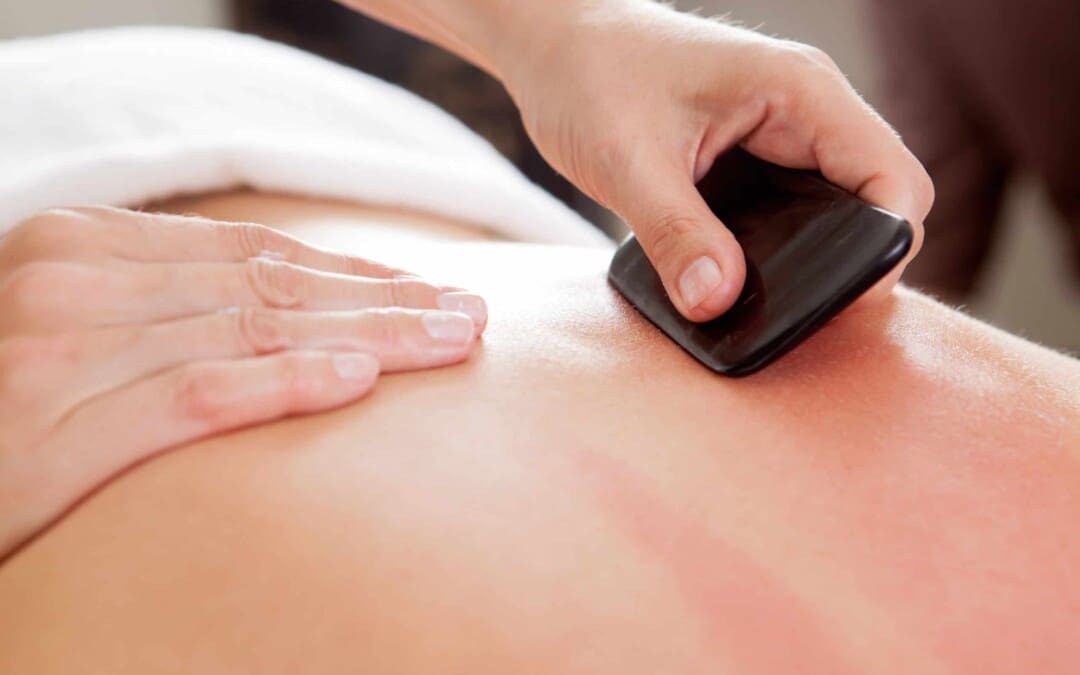
Gua Sha is a traditional healing technique incorporating a smooth-edged tool made from either jade, rose quartz, or metal to scrape the skin gently. This technique has been used regularly in China and Southeast Asia and has therapeutic properties to restore the body’s chi or energy. “Gua Sha” means scraping stagnant blood to increase circulation beneath the skin. Thus enhancing the immune surveillance function of the affected muscle. (Chu et al., 2021) GuaSha therapy can be a powerful therapeutic tool for reducing inflammation in soft tissues, improving mobility within the extremities, and relieving muscle pain.
How Gua-Sha Helps With Musculoskeletal Pain
Now, when it comes to individuals dealing with musculoskeletal pain, it is often associated with overuse, repetitive movements, injuries, poor posture, or chronic conditions. When these environmental factors start to cause musculoskeletal pain, it can affect different body areas, especially the neck, shoulders, and back. These common areas of musculoskeletal pain can cause localized or referred pain that causes the muscles, fascia, and ligaments to be pain generators due to overuse, leading to myofascial pain and muscle trigger points. (Knezevic et al., 2021) Gua Sha therapy can address these root musculoskeletal causes by:
Breaking up fascia adhesions and scar tissue within the soft tissues
Gua Sha can reduce inflammation in the affected area by improving muscle microcirculation.
Help stimulate the parasympathetic nervous system, providing pain relief
Releasing muscle tension and myofascial trigger points in the upper and lower extremities
Helps to enhance lymphatic drainage, thus reducing swelling and stagnation
In short, Gua Sha can help remove du meridian obstructions, replenish the body’s energy, remove blood stasis, and promote blood circulation for natural healing. (Wang et al., 2020)
Discovering the Benefits of Chiropractic Care- Video
Gua-Sha & Chiropractic Care: A Powerful Combination
When individuals are experiencing musculoskeletal issues within their upper and lower extremities correlated with environmental factors, many will often seek non-surgical treatment for their pain. Some non-surgical treatments, like chiropractic care, can benefit the musculoskeletal system. Chiropractic care emphasizes diagnosing and managing musculoskeletal disorders that use mechanical and manual spinal manipulation. (Trager et al., 2024) Combined with Gua Sha, it can be more effective in promoting healing properties since chiropractic care helps restore joint mobility and realign the spine. Gua-Sha helps break down or scrape the surrounding tissues. For chiropractors, incorporating the Graston technique (another form of Gua Sha) utilizes specialized instruments to modify the affected body area structure and composition of soft tissue. This then enhances fascia mobility while addressing tissue adhesions. (Deshmukh & Phansopkar, 2023)
The Benefits of Chiropractic Care & Gua-Sha
Chiropractic adjustments assist people in maintaining healthy musculoskeletal alignment, significantly reducing discomfort in the muscles, joints, bones, and connective tissues. (Chu et al., 2023) The following are some advantages of using gua sha either by itself or in conjunction with chiropractic care:
Relief from shoulder, back, and neck discomfort
Increase the flexibility and range of motion of your muscles.
Reduced inflammation in the afflicted muscle
Speeds up the body’s recuperation process
As part of an individual’s personalized treatment strategy, Gua-Sha and chiropractic adjustments may assist in addressing the underlying problems that impact the whole kinetic body chain. Gua Sha may be used either before to or after a chiropractic adjustment to help restore tissue flow and function, lessen guarding, promote mobility, and boost the procedure’s efficacy. This, in turn, supports both functional musculoskeletal mobility and long-term repair.
Common Gua-Sha Uses In Musculoskeletal Care
A mild, non-invasive treatment that can be tailored to each person’s tolerance and healing requirements, gua sha therapy is useful for several ailments. This comprises:
Persistent lower back or neck discomfort
Syndrome of Myofascial Pain
Carpal tunnel syndrome
Tendonitis (e.g., Achilles, tennis elbow)
Fascia plantar
Scarring or stiffness after surgery
The malfunctioning of the TMJ and tension headaches
Although Gua Sha treatment has several positive benefits for the musculoskeletal system, not everyone who has particular vascular or skin issues or who bleeds readily should use it. People must speak with their affiliated healthcare professionals to explore a suitable, individualized treatment plan for certain illnesses.
Conclusion
People seeking a natural, non-pharmacological remedy for environmental-induced musculoskeletal discomfort may use Gua Sha in their personalized chiropractic therapy regimen. By promoting soft tissue health and ensuring adequate spinal alignment, this combination may lessen the likelihood that musculoskeletal issues will recur. People who begin to consider their health and well-being will have a whole team to support them on their path to wellness and help them become pain-free with chiropractic adjustments and Gua Sha treatment.
Injury Medical & Functional Medicine Clinic
We associate with certified medical providers who understand the importance of assessing individuals dealing with musculoskeletal pain by incorporating Gua-Sha and chiropractic care. When asking important questions to our associated medical providers, we advise patients to utilize Gua-Sha combined with chiropractic care to reduce musculoskeletal pain and restore soft tissue mobility in the extremities. Dr. Alex Jimenez, D.C., uses this information as an academic service. Disclaimer.
References
Chu, E. C., Lin, A. F. C., & Chu, V. (2023). The Inclusion of Chiropractic Care in the Healthy China Initiative 2030. Cureus, 15(8), e43068. https://doi.org/10.7759/cureus.43068
Chu, E. C. P., Wong, A. Y. L., Sim, P., & Kruger, F. (2021). Exploring scraping therapy: Contemporary views on an ancient healing – A review. J Family Med Prim Care, 10(8), 2757-2762. https://doi.org/10.4103/jfmpc.jfmpc_360_21
Deshmukh, N. S., Jr., & Phansopkar, P. (2023). Effect of the Graston Technique and Cupping Therapy on Pain and Functions in Individuals With Medial Tibial Stress Syndrome: A Randomized Clinical Trial. Cureus, 15(11), e48246. https://doi.org/10.7759/cureus.48246
Knezevic, N. N., Candido, K. D., Vlaeyen, J. W. S., Van Zundert, J., & Cohen, S. P. (2021). Low back pain. The Lancet, 398(10294), 78-92. https://doi.org/10.1016/s0140-6736(21)00733-9
Trager, R. J., Bejarano, G., Perfecto, R. T., Blackwood, E. R., & Goertz, C. M. (2024). Chiropractic and Spinal Manipulation: A Review of Research Trends, Evidence Gaps, and Guideline Recommendations. J Clin Med, 13(19). https://doi.org/10.3390/jcm13195668
Wang, Y. W., Xi, Z. W., Pu, B., Chen, G. Y., Ma, Y. F., Liu, D. L., & Xu, X. (2020). Gua sha therapy for chronic low back pain: A protocol for systematic review. Medicine (Baltimore), 99(40), e20606. https://doi.org/10.1097/MD.0000000000020606
For individuals with lower back pain when walking, could they have injured a muscle or have an underlying condition affecting the joints, ligaments, or nerves?
Back Pain When Walking
Lower back pain when walking can occur for a variety of reasons. It can result from poor posture, injuries, muscle fatigue, or an underlying condition. Specific injuries, like muscle strains, can affect the ligaments in the spine and cause pain. Muscles that have not been used often can result in fatigue and pain. Specific health conditions, such as degenerative disc disease, spinal stenosis, herniated discs, sciatica, or even sacroiliac joint dysfunction, can cause lower back pain. Factors like overexertion or improper gait can exacerbate it.
Muscle Issues
Muscle strains, ligament sprains, or fatigue can cause lower back pain when walking. Pain can occur after walking or come on gradually from wear and tear without an apparent cause, as follows (American Association of Neurological Surgeons, 2024)
Strains
Occur when the fibers in the back are overstretched or torn.
Pain from muscle strains is usually worse during activity and better when resting.
Sprains
It occurs when the ligaments that connect bone to bone become detached.
If the muscles do not adequately support the spine, the spinal joints absorb more pressure, which can lead to injury to the spinal ligaments.
Fatigue
It can happen from overexertion and lead to lower back pain when walking.
It could occur when walking longer than the body is used to, on uneven surfaces that make the muscles work harder to help maintain balance, or climbing hills that cause you to lean forward while walking.
Degenerative Disc Disease
Between each vertebra is a disc that provides cushioning between the bones.
As the disc wears down, surrounding muscles, ligaments, joints, and nerves in the spine absorb more pressure, causing damage.
Degenerative disc disease is a wear-and-tear condition that becomes more common as individuals age and is a common cause of lower back pain.
Healthcare providers recommend walking as a low-impact activity for individuals with the disease. However, if the condition is more severe, individuals could experience pain from this exercise, especially when walking on hard surfaces. (Hospital for Special Surgery, 2024)
Sciatica
Sciatica pain occurs when a nerve exiting the spine in the lower back becomes compressed or pinched. It is a common symptom of a herniated disc, in which a disc moves out of place and puts pressure on nearby nerves. In addition to lower back pain, sciatica can cause pain in the hip, the back of the thigh, and down the leg. Sciatica can also cause: (American Academy of Orthopaedic Surgeons, 2021)
Numbness
Tingling
Muscle cramps
Leg muscle weakness
Healthcare providers often recommend walking as a safe form of physical activity for individuals with sciatica. However, individuals should avoid twisting or bending forward. (American Academy of Orthopaedic Surgeons, 2021) To decrease pain, avoid walking on uneven surfaces or uphill.
Lumbar Spinal Stenosis
Spinal stenosis is a wear-and-tear condition that often affects the lumbar spine/five vertebrae in the lower back.
It causes the space surrounding the spinal cord to narrow.
Lumbar spinal stenosis typically causes pain when standing upright, including when walking.
Many with this condition find that leaning slightly forward helps to reduce the pain by opening up the compressed areas.
Hyperlordosis
Lordosis describes the normal curve in the spine in the lower back. However, when this curve is exaggerated, it causes hyperlordosis or swayback. (American Academy of Orthopaedic Surgeons, 2020) Hyperlordosis affects the range of motion, putting abnormal pressure on the muscles, ligaments, and joints. It also reduces the spine’s ability to absorb shock correctly when walking, leading to pain. (Cedars-Sinai, 2025)
Prevention Strategies
Individuals can take steps to reduce their risk of lower back pain when walking, even if they’ve been diagnosed with a condition that can potentially cause this symptom. Walking can decrease chronic low back pain for some. (Suh J. H. et al., 2019) As with any new exercise program, check with a healthcare provider to ensure that walking for exercise is appropriate for the injury, condition, or disease and is safe. Recommended tips: (Harvard Health Publishing, 2015)
Wear shoes made for walking.
Perform gentle lower back stretches before walking.
Start slowly by walking for a few minutes, then gradually increase the time.
Walk on a smooth surface, such as a sidewalk or athletic track, or indoors, such as in a shopping center or mall.
Warm up and cool down by walking slowly at the beginning and end of the walk.
This allows the back and leg muscles to warm up before exercise and recover afterward.
Walk at a slow to moderate pace/speed that allows one to converse.
Standing up straight while walking or standing upright reduces pressure on the lower back.
Alternative Exercise
If there is still back pain when walking, it might not be an appropriate exercise for the individual and/or how their condition presents symptoms. Alternate activities can include: (Hospital for Special Surgery, 2023)
Elliptical Trainer
This exercise keeps the feet in contact with the pedals, putting less shock-absorbing pressure on the spine than walking.
Recumbent Biking
will keep the back upright, which is recommended if there is more pain when bending forward.
Upright Stationary Biking
This is recommended if the back pain improves when bending forward.
Walking In A Pool
This activity provides benefits while reducing pressure on the spine.
To target different muscles, try walking laps in waist-deep water in multiple directions (forward, backward, and side to side).
Water Aerobics
This activity provides cardiovascular health benefits with decreased pressure on the back.
Injury Medical Chiropractic & Functional Medicine Clinic
See a physical therapist for a personalized exercise program to reduce back pain and appropriate for your condition. Injury Medical Chiropractic and Functional Medicine Clinic works with primary healthcare providers and specialists to develop an optimal health and wellness solution. We focus on what works for you to relieve pain, restore function, and prevent injury. Regarding musculoskeletal pain, specialists like chiropractors, acupuncturists, and massage therapists can help mitigate the pain through spinal adjustments that help the body realign itself. They can also work with other medical professionals to integrate a treatment plan to resolve musculoskeletal issues.
Beyond Adjustments: Chiropractic and Integrative Healthcare
References
American Association of Neurological Surgeons. (2024). Low back strain and sprain. https://www.aans.org/patients/conditions-treatments/low-back-strain-and-sprain/
Hospital for Special Surgery. (2024). Degenerative disc disease. https://www.hss.edu/condition-list_degenerative-disc-disease.asp
American Academy of Orthopaedic Surgeons. (2021). Sciatica. https://orthoinfo.aaos.org/en/diseases–conditions/sciatica
American Academy of Orthpaedic Surgeons. (2021). Lumbar spinal stenosis. https://orthoinfo.aaos.org/en/diseases–conditions/lumbar-spinal-stenosis/
American Academy of Orthopaedic Surgeons. (2020). Spine basics. https://orthoinfo.aaos.org/en/diseases–conditions/spine-basics/
Suh, J. H., Kim, H., Jung, G. P., Ko, J. Y., & Ryu, J. S. (2019). The effect of lumbar stabilization and walking exercises on chronic low back pain: A randomized controlled trial. Medicine, 98(26), e16173. https://doi.org/10.1097/MD.0000000000016173
Harvard Health Publishing. (2015). 5 tips for getting started with a walking program. https://www.health.harvard.edu/exercise-and-fitness/get-started
Hospital for Special Surgery. (2023). Best types of exercise for back pain. https://www.hss.edu/article_best-exercise-lower-back-pain.asp
What are the recommendations for a pulled muscle injury to fully recover?
Pulled Muscle Recovery Time
A pulled muscle, medically known as a strain, occurs when muscle fibers are stretched too far and sometimes tear. A pulled muscle injury typically starts to heal within days. Mild injuries can heal completely in one to three weeks, but more serious strains or tears, depending on the severity, can take six to 12 weeks or longer. (Fernandes T. L., Pedrinelli A., & Hernandez A. J. 2015) Rest, hydration, healthy foods, and slowly returning to activity can help expedite healing time.
Timeline
The timeline for recovering from a pulled muscle depends on the injury’s severity.
Pulled muscles are typically categorized into three grades based on the degree and size of pulled muscle fibers, as follows (Hospital for Special Surgery, 2024)
Grade 1 (mild)
Heals in a few days.
A microscopic tear or stretch in the muscle fiber.
It might feel sore, but you can still use the muscle.
Grade 2 (moderate)
Heals in four to six weeks.
A partial tear in the muscle causes noticeable pain and swelling, making it harder to move or use the injured muscle.
Grade 3 (severe)
Heals in several months
This type of muscle strain causes a complete tear, also known as a rupture.
It results in intense pain, significant swelling, and inability to use the muscle.
Surgery may be required in some cases.
Larger muscles, such as the hamstrings and quadriceps, may take longer to heal than smaller muscles due to their increased size and greater weight-bearing loads.
Body Parts More Susceptible To Injury
The following are more susceptible to muscle strains, pulls, or tears (Nölle L. V. et al., 2022)
Neck – levator scapulae and trapezius
Shoulders – rotator cuff muscles
Lower back – erector spinae
Groin – adductors
Front of the thigh – quadriceps
Behind the thigh – hamstrings
Calves – gastrocnemius and soleus
Healing Stages and Factors
Pulled muscles heal in three predictable stages, though the timing and progression may vary by individual and injury severity (Baoge L. et al., 2012).
Inflammatory Stage (zero to three days)
When pulling a muscle, the body reacts instantly with an inflammatory response that may include swelling, redness, bruising, and pain.
Rest is important during this stage to prevent the injury from getting worse.
Repair Stage (three to 21 days)
Damaged muscle fibers are repaired and regrow during this stage.
Collagen fills in any tears to rebuild damaged muscle tissue.
Gentle movement and easy activity can help the fibers line up properly and reduce stiffness.
Start slowly moving a pulled muscle as soon as possible, but avoid too much activity too soon, as it can delay and prolong healing.
Remodeling Stage (three weeks to one year)
Repaired tissue gets stronger and adapts to regular movement.
Gradually adding more activity, stretching, and strengthening exercises helps treat a pulled muscle and return to full strength and function but should be done carefully to avoid re-injury.
Avoid activities that cause pain, but move the muscle gently to prevent stiffness.
Prolonged rest can slow healing, so maintain a balance between rest and exercise.
Ice
Add ice for 10–20 minutes for the first 48 hours to reduce swelling and pain.
Ice helps control inflammation by limiting blood flow to the injured area.
Compression
Use compression stockings or wrap the injured part in bandages to help reduce swelling.
Ensure the binding is not too tight so circulation is not cut off.
Elevation
Raise the injured area above heart level throughout the day.
This helps reduce swelling by allowing fluids to drain away from the injury site.
Heat
After the first two to three days, heat therapy increases blood circulation and improves flexibility, helping the muscle heal.
Eat Healthy
Get enough protein for muscle repair.
Maintain Hydration
Drink plenty of water to help with circulation and muscle lubrication.
Massage and Physical Therapy
These hands-on interventions can improve circulation, help reduce scar tissue, and restore range of motion.
Over-the-counter Medications
If needed, over-the-counter nonsteroidal anti-inflammatory medications like Advil or Motrin (ibuprofen) and Aleve (naproxen sodium) can help with pain and swelling.
Only use as directed.
These steps can help promote faster healing and expedite returning to normal daily activities.
When to Resume Normal Activity
Individuals may need one to two weeks to recover before resuming normal activity for mild strains. However, for more severe injuries, it could take four to six weeks or longer to return to all daily activities. (Harvard Health Publishing, 2023) It’s essential to gradually return to daily activities to avoid reinjury, which can delay and prolong healing. Follow these recommendations to recover from a pulled muscle safely and quickly (Kraemer W., Denegar C., & Flanagan S. 2009)
Once the pain has subsided, the swelling has decreased, and the muscle feels better, start with low-impact exercises.
Slowly resume normal activities, avoiding overexerting the injured area.
Gradually increase activity levels and stop if there is any pain.
Avoid strenuous activities that place excessive stress on the injured muscle until the muscle is completely healed.
Contact a Healthcare Provider
While most pulled muscles heal with home care, seek medical attention if: (Penn Medicine, 2023)
Pain persists or worsens after seven to 10 days.
This can indicate a more serious injury, such as a severe torn muscle.
Significant pain, loss of motion and strength, and swelling disrupt daily activities or show signs of worsening despite rest and self-care.
It is difficult to move the affected area, or the muscle cannot bear weight, suggesting a more severe injury.
There are signs of infection, including redness, warmth, increased swelling, or fever, especially if the skin is cut or broken near the injured area.
There is unusual bruising or a visible deformity, which could indicate a bone fracture requiring professional evaluation.
A healthcare provider may recommend imaging studies, such as MRI, ultrasound, or X-rays, to assess the extent of the injury, rule out fractures, or check for muscle tears.
Injury Medical Chiropractic & Functional Medicine Clinic
Injury Medical Chiropractic and Functional Medicine Clinic works with primary healthcare providers and specialists to develop an optimal health and wellness solution. We focus on what works for you to relieve pain, restore function, and prevent injury. Regarding musculoskeletal pain, specialists like chiropractors, acupuncturists, and massage therapists can help mitigate the pain through spinal adjustments that help the body realign itself. They can also work with other medical professionals to integrate a treatment plan to resolve musculoskeletal issues.
Say Goodbye to Pain with Chiropractic Care
References
Fernandes, T. L., Pedrinelli, A., & Hernandez, A. J. (2015). MUSCLE INJURY – PHYSIOPATHOLOGY, DIAGNOSIS, TREATMENT, AND CLINICAL PRESENTATION. Revista brasileira de ortopedia, 46(3), 247–255. https://doi.org/10.1016/S2255-4971(15)30190-7
Hospital for Special Surgery. J. N. R., MD. (2024). Muscle Strain: Causes, Symptoms, Treatment. https://www.hss.edu/conditions_muscle-strain.asp
Nölle, L. V., Mishra, A., Martynenko, O. V., & Schmitt, S. (2022). Evaluation of muscle strain injury severity in active human body models. Journal of the mechanical behavior of biomedical materials, 135, 105463. https://doi.org/10.1016/j.jmbbm.2022.105463
Baoge, L., Van Den Steen, E., Rimbaut, S., Philips, N., Witvrouw, E., Almqvist, K. F., Vanderstraeten, G., & Vanden Bossche, L. C. (2012). Treatment of skeletal muscle injury: a review. ISRN orthopedics, 2012, 689012. https://doi.org/10.5402/2012/689012
Laumonier, T., & Menetrey, J. (2016). Muscle injuries and strategies for improving their repair. Journal of Experimental Orthopaedics, 3(1), 15. https://doi.org/10.1186/s40634-016-0051-7
Harvard Health Publishing. (2023). Muscle strain. https://www.health.harvard.edu/staying-healthy/muscle-strain-a-to-z
Kraemer, W., Denegar, C., & Flanagan, S. (2009). Recovery from injury in sport: considerations in the transition from medical care to performance care. Sports Health, 1(5), 392–395. https://doi.org/10.1177/1941738109343156
Penn Medicine. (2023). Strains. https://www.pennmedicine.org/for-patients-and-visitors/patient-information/conditions-treated-a-to-z/strains
IFM's Find A Practitioner tool is the largest referral network in Functional Medicine, created to help patients locate Functional Medicine practitioners anywhere in the world. IFM Certified Practitioners are listed first in the search results, given their extensive education in Functional Medicine