Individuals that go through severe low back pain caused by degeneration, herniated discs, vehicle, personal, work, and sports injuries, surgery, or spinal fusion is usually a last resort if non-invasive treatments fail to provide relief or not enough relief. Patients try to avoid spinal fusion because it can be an intense experience and requires a year-long recovery period. Unfortunately, individuals still experience discomfort and pain after surgery. Do individuals want to know what other treatment options are available, including chiropractic care?
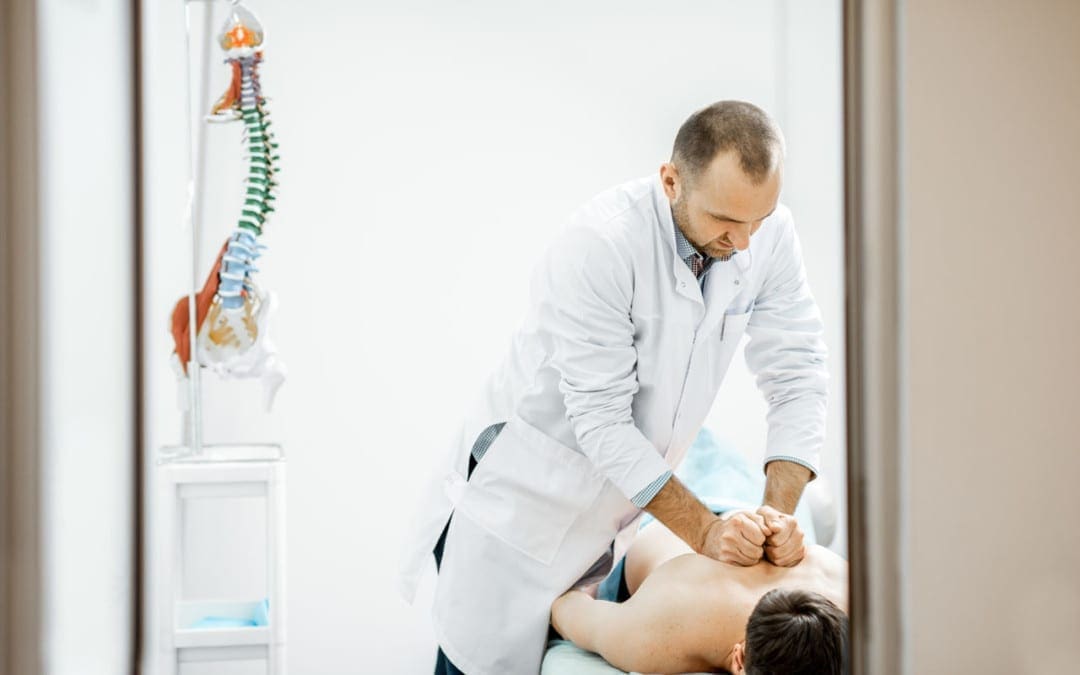
Doctors will inform post-op patients of the risks involved with chiropractic therapy. However, chiropractic medicine can bring natural pain relief after surgery. Chiropractic treatment requires that an individual be adequately or fully healed before beginning a personalized treatment plan. At Injury Medical Chiropractic and Functional Medicine Clinic, we consult patients post-surgery about the effectiveness of rehabilitation spinal adjustments and physical therapy massage.
Wait Time After Surgery
Spinal fusion surgery involves removing the discs between two or more vertebrae and fusing the bones with metal screws and plates. The objective is to correct conditions like herniated discs and degenerative diseases by immobilizing the spine in that area. It can take at least three months for the vertebrae to fuse for a fully immobilized graft. Once the graft is complete, a few months of physical therapy are recommended to loosen/stretch and strengthen the muscles around the graft. Initial recovery combined with physical therapy typically takes a full year for a complete recovery.
It is during recovery where it can be difficult and for discomfort and pain to present. The reason is patients are recommended to avoid any twisting, bending, over-reaching motions, or the graft could break. This can make an individual take on awkward poses/postures, flexing and contracting muscles incorrectly, causing strain. The result is added discomfort and/or pain.
How Chiropractic Helps
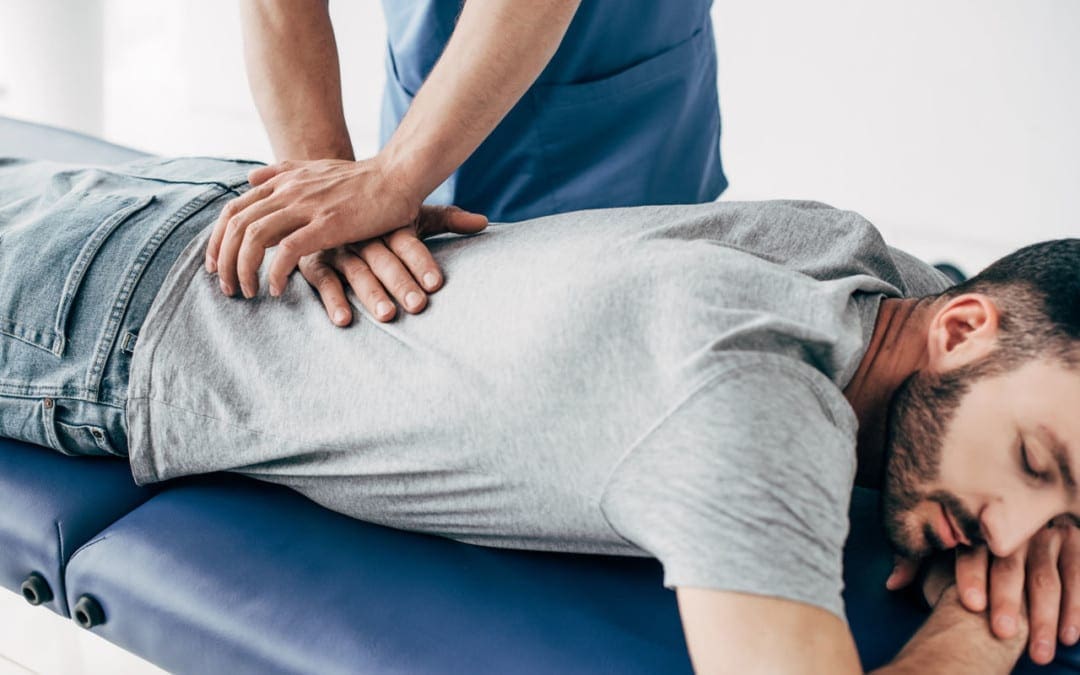
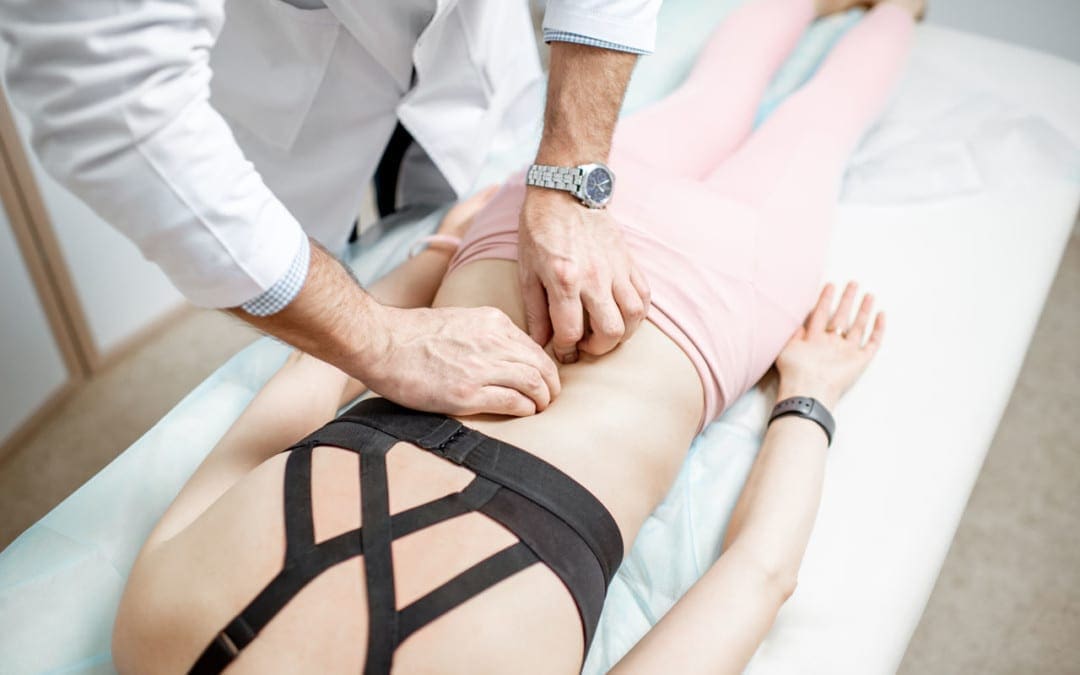
Spinal fusion is not guaranteed to alleviate an individual’s back pain completely. But many do experience discomfort or pain post-surgery. This could be for a little while or longer, depending on their condition or injuries. Fortunately, chiropractic treatment can help bring pain relief through mobilization, manipulation, and massage techniques. Manipulations’ objective is to adjust and/or realign the bones of the spine and other areas of the body. Because of the intricacy of spinal manipulations, many who have undergone back or spinal fusion surgery are hesitant to seek chiropractic treatment. Discuss possible chiropractic care with your physician to determine if the surgical graft is strong enough to withstand spinal manipulations. If the graft is adequately/fully healed and your physician believes it can endure mild adjustments, reach out to a chiropractor to discuss a customized treatment plan.
Body Composition Testing
Poor Leg Skeletal Muscle Mass
The gluteal muscles or buttock muscles are the largest muscle group in the body. Individuals can start losing bone density by their 30s. This increases the risk of injury and further bone density loss. Bone density loss is a natural process, but the process can be accelerated for individuals with under-developed skeletal muscle mass. The health of muscles and bones are closely linked. Researchers found that individuals with less muscle mass than average for their height tended to have narrower and thinner bones. This resulted in limited lower bending strength.
Decreased muscle mass was shown to be linked to balance problems and increased risk of falls. There is a higher prevalence of sarcopenia or muscle wasting for patients with hip fractures and a reduction of leg muscle mass. The combination of:
Low muscle mass
Low bone density
Hip fractures
It can have lifelong consequences
References
Fernandez, Matthew et al. “Surgery or physical activity in the management of sciatica: a systematic review and meta-analysis.” The European spine journal: official publication of the European Spine Society, the European Spinal Deformity Society, and the European Section of the Cervical Spine Research Society vol. 25,11 (2016): 3495-3512. doi:10.1007/s00586-015-4148-y
Keller, Glenda. “The effects of massage therapy after decompression and fusion surgery of the lumbar spine: a case study.” International journal of therapeutic massage & bodywork vol. 5,4 (2012): 3-8. doi:10.3822/ijtmb.v5i4.189
O’Shaughnessy, Julie et al. “Chiropractic management of patients post-disc arthroplasty: eight case reports.” Chiropractic & osteopathy vol. 18 7. 21 Apr. 2010, doi:10.1186/1746-1340-18-7
Perrucci, Rachel M, and Christopher M Coulis. “Chiropractic management of post-spinal cord stimulator spine pain: a case report.” Chiropractic & manual therapies vol. 25 5. 6 Feb. 2017, doi:10.1186/s12998-017-0136-0
Szulc, Pawel et al. “Low skeletal muscle mass is associated with poor structural parameters of bone and impaired balance in elderly men–the MINOS study.” Journal of bone and mineral research: The American Society for Bone and Mineral Research vol. 20,5 (2005): 721-9. doi:10.1359/JBMR.041230
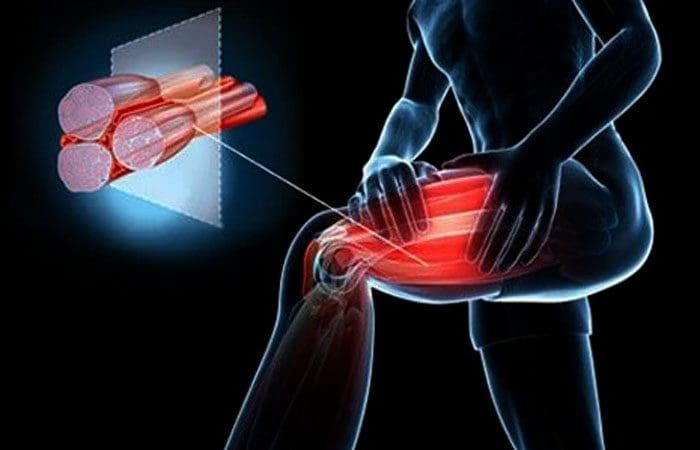
Muscle cramps are sudden and involuntary contractions of one or more of the body’s muscles. They often occur at night or at any moment stopped by a sudden Charley horse. These cramps can cause severe pain, making it impossible to move and use the affected muscle/s. They are usually brought on from:
Muscle cramps are common and can happen to anyone, but often occur to:
Indoor/outdoor physical work employees
Pregnant women
The elderly
Infants
Individuals that are overweight
Athletes
Cramping Up
Muscle cramps can be a symptom of a variety of medical issues. It is typically dehydration and muscle strain from overworking/exercising the muscles, but it can also be a sign of medical conditions like:
Poor circulation
Mineral depletion low levels of magnesium, calcium, potassium, and choline
Nerve disorders are rare cases, but a pinched nerve or spinal cord injury can cause nerve compression that can lead to cramping
Tight muscles, this comes from inactivity and not stretching the body causes the muscles to contract involuntarily
Hypothyroidism, a thyroid gland that is less active than normal can cause cramps
Liver disease
Muscle cramps can make daily activities difficult if not impossible to perform. They often happen at night affecting proper sleep. This can lead to:
Pain hangover
Grogginess
Fogginess
Cautious body behavior – as an individual wants to avoid pain and more cramping they begin to watch how they:
Step
Reach
Bend
Move
So as not to cause discomfort, pain, and further cramping, they develop awkward body positions that create more health problems from improper body posture.
Muscle cramps can happen to any muscle of the body. However, they present most often in the:
This is usually sudden, sharp pain. Individuals can also feel or see a lump of muscle tissue under the skin.
When to see a professional
They usually go away on their own not requiring medical care. However, seek medical attention if the cramps:
Are causing severe discomfort and pain
Severe swelling, redness, or changes in skin tone
Muscle weakness is present
They are occurring frequently
They do not improve with self-care
There is no connection with an obvious cause, like intense physical activity/exercise
Mineral Depletion
Choline is a nutrient that just as important but not as well known as B vitamins. Choline has a fundamental role in muscle physiology and low levels could be a cause/contributor of muscle cramping. Choline is well-known for its function as part of the neurotransmitter acetylcholine. This is a chemical messenger that transmits signals between nerve cells and muscles. Acetylcholine is the physiological link that tells the muscles to contract. This is where medications can interfere with the messaging system.
Most believe that muscle cramps are caused by magnesium deficiency. This is true, but magnesium is not the only nutrient that could present with muscle issues. Choline regulates intracellular calcium and muscle contraction. This is what helps bind calcium proteins to muscle receptors. Choline keeps minerals like calcium available to the muscles so they can use it instantly when they need to contract. For individuals with skeletal muscle issues, which can be muscle cramping, general soreness, or another type of issue, testing for choline status could be the key.
Prevention and Relief
Home self-care for prevention and relief includes:
Heat or ice application to the muscle/s and affected areas
Avoiding caffeine
Drink plenty of water before and during physical activities, indoor/outdoor work, exercise
The information herein is not intended to replace a one-on-one relationship with a qualified health care professional, licensed physician, and is not medical advice. We encourage you to make your own health care decisions based on your research and partnership with a qualified health care professional. Our information scope is limited to chiropractic, musculoskeletal, physical medicines, wellness, sensitive health issues, functional medicine articles, topics, and discussions. We provide and present clinical collaboration with specialists from a wide array of disciplines. Each specialist is governed by their professional scope of practice and their jurisdiction of licensure. We use functional health & wellness protocols to treat and support care for the musculoskeletal system’s injuries or disorders. Our videos, posts, topics, subjects, and insights cover clinical matters, issues, and topics that relate to and support, directly or indirectly, our clinical scope of practice.* Our office has made a reasonable attempt to provide supportive citations and has identified the relevant research study or studies supporting our posts. We provide copies of supporting research studies available to regulatory boards and the public upon request. We understand that we cover matters that require an additional explanation of how it may assist in a particular care plan or treatment protocol; therefore, to further discuss the subject matter above, please feel free to ask Dr. Alex Jimenez or contact us at 915-850-0900.
Dr. Alex Jimenez DC, MSACP, CCST, IFMCP*, CIFM*, CTG*
email: [email protected]
phone: 915-850-0900
Licensed in Texas & New Mexico
References
American Osteopathic Association. Muscle Cramp. Accessed 12/10/2019.
Merck Manual. Muscle Cramps. Accessed 12/10/2019.
Miller, Timothy M, and Robert B Layzer. “Muscle cramps.” Muscle & nerve vol. 32,4 (2005): 431-42. doi:10.1002/mus.20341
There are different types of muscle from a biological perspective, however, there is no such thing as lean muscle. Lean suggests the absence of body fat. But the fact is that all muscle is lean muscle. It is important to build muscle mass as the body ages, however, it is more important to build lean body mass. Here is the difference.
Lean Body Mass
Lean Body Mass is the total weight of an individual’s body minus all the weight from the fat mass.
Lean Body Mass (LBM) = Total Weight – Fat Mass
Lean Body Mass includes the weight of the:
Skin
Body Water
Bones
Organs
Muscle Mass
Because Lean Body Mass consists of various components, any change in the weight of these areas is recorded as changes in lean body mass. However, the weight of the body’s organs will not change. Bone density does decrease with time and age, but will not significantly affect the weight of lean body mass. With lean body mass, 2 areas of focus include:
Body water
Muscle mass
Lean Muscle
Sometimes, individuals use the term lean muscle referring to the shape of the muscles. However, both types of muscle are lean and fat-free.
The difference between muscle mass and lean muscle
The strict definition of muscle mass is the weight of the muscles of the body. When individuals say they are gaining muscle mass, they typically mean that the muscles look and feel bigger.
Lean muscle masson the other hand is a term often used when someone is referring to the weight of the muscles, not factoring in the amount of fat that could be present within a muscle.
Combining Lean Gains
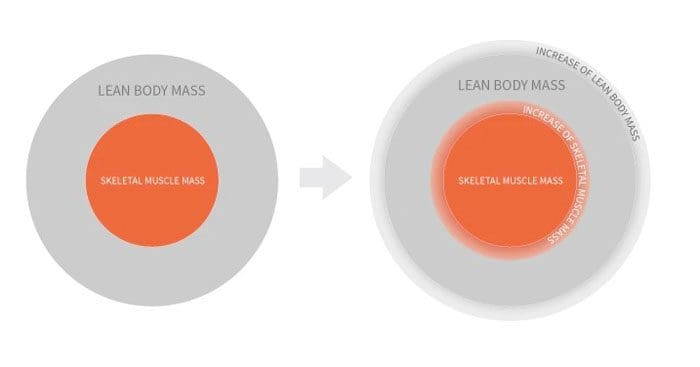
Increases in Skeletal Muscle Mass are also an increase in Lean Body Mass. What tends to happen is individuals combine them as lean mass gains or lean gains. However, an increase in Lean Body Mass does not always increase muscle.
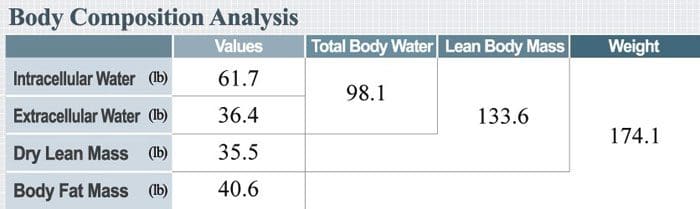
This is because body water makes up a significant portion of an individual’s Lean Body Mass. For example, a body composition analysis of a 174-pound male.
98.1 Total Body Water + 35.5 Dry Lean Mass = 133.6 Lean Body Mass
Water makes up more than 55% of total body weight
This is normal for healthy adult males
Lean Body Mass consists of three components, two of which are water.
Everything else grouped together makes up the individual’s Dry Lean Mass.
This includes bone minerals, protein content, etc.
Muscle gains contribute to Lean Body Mass gains, but so does water. The difference is that water levels can fluctuate throughout the day depending on:
Hydration levels
Diet
Physical activity
The muscle tissue itself contains a significant amount of water. Muscle tissue is comprised of up to 79% water. Research has shown that resistance training increases intracellular water in both men and women. This creates an issue when looking at lean gains.
Lean Mass gains can happen quickly, and the increases are mostly body water
Measuring Lean Body Mass and Muscle Mass
What not to do
Don’t try to use a scale to calculate changes in Skeletal Muscle Mass. A popular method used is to estimate muscle gain from the number on the scale and applying fitness websites/magazine tips. The problem with this technique is that estimating progress has many factors that can influence an increase in body weight. These include:
It is the difference between total body weight and body fat weight. However, these calculations are more for helping physicians determine the appropriate amount of prescription medication/s or if an individual will be undergoing anesthesia and not a computation of overall body composition.
Paying Attention to Weight Loss
Paying attention to weight loss is an inaccurate reflection of lean body mass, muscle mass, or lean mass.
Weight loss, or gain, does not reflect overall health and body composition.
Resistance training/weightlifting workouts combined with added protein will generate a muscle mass percentage increase
Skeletal Muscle Mass is connected with Lean Body Mass
Everyone’s body composition is different, making the proportion of an individual’s skeletal muscle mass to Lean Body Mass unique.
Lean Mass or Lean body mass is the safest term to use to describe gains.
Which Is More Important?
When it comes to tracking muscle gain or fat loss, it all comes down to what tools are being used to measure progress.
If working with just a weight scale, an individual will only know their weight increases or decreases.
This is difficult to see the difference in weight gain from water, muscle, or body fat.
For individuals that want accurate measuring of their muscle gain and assessing their health, then body composition analysis is the key.
Body Composition Difference
Disclaimer
The information herein is not intended to replace a one-on-one relationship with a qualified health care professional, licensed physician, and is not medical advice. We encourage you to make your own health care decisions based on your research and partnership with a qualified health care professional. Our information scope is limited to chiropractic, musculoskeletal, physical medicines, wellness, sensitive health issues, functional medicine articles, topics, and discussions. We provide and present clinical collaboration with specialists from a wide array of disciplines. Each specialist is governed by their professional scope of practice and their jurisdiction of licensure. We use functional health & wellness protocols to treat and support care for the musculoskeletal system’s injuries or disorders. Our videos, posts, topics, subjects, and insights cover clinical matters, issues, and topics that relate to and support, directly or indirectly, our clinical scope of practice.* Our office has made a reasonable attempt to provide supportive citations and has identified the relevant research study or studies supporting our posts. We provide copies of supporting research studies available to regulatory boards and the public upon request. We understand that we cover matters that require an additional explanation of how it may assist in a particular care plan or treatment protocol; therefore, to further discuss the subject matter above, please feel free to ask Dr. Alex Jimenez or contact us at 915-850-0900.
Dr. Alex Jimenez DC, MSACP, CCST, IFMCP*, CIFM*, CTG*
email: [email protected]
phone: 915-850-0900
Licensed in Texas & New Mexico
References
Galán-Rioja, Miguel Ángel et al. “Effects of Body Weight vs. Lean Body Mass on Wingate Anaerobic Test Performance in Endurance Athletes.” International journal of sports medicine vol. 41,8 (2020): 545-551. doi:10.1055/a-1114-6206
Köstek, Osman et al. “Changes in skeletal muscle area and lean body mass during pazopanib vs sunitinib therapy for metastatic renal cancer.” Cancer chemotherapy and pharmacology vol. 83,4 (2019): 735-742. doi:10.1007/s00280-019-03779-5
Ribeiro, Alex S et al. “Resistance training promotes an increase in intracellular hydration in men and women.” European journal of sports science vol. 14,6 (2014): 578-85. doi:10.1080/17461391.2014.880192
Ten Haaf, Dominique S M et al. “Protein supplementation improves lean body mass in physically active older adults: a randomized placebo-controlled trial.” Journal of cachexia, sarcopenia and muscle vol. 10,2 (2019): 298-310. doi:10.1002/jcsm.12394
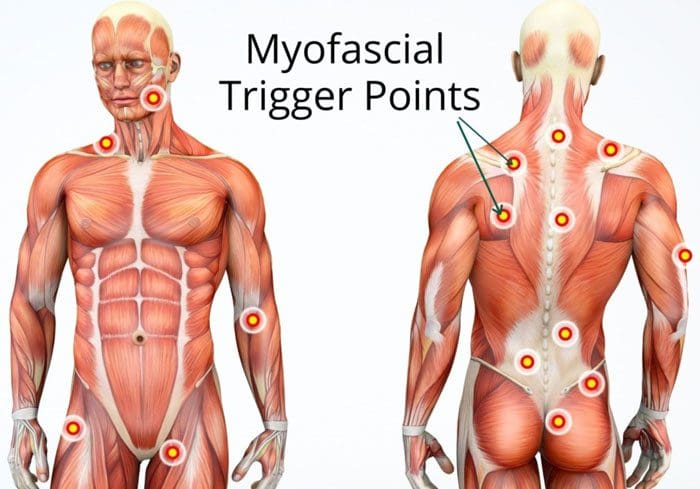
Muscle knots are common and can occur anywhere on the body. They can cause aching and pain in the muscles and joints. When examining a muscle knot also known as myofascial trigger points, it can feel swollen, tense, or like a bump. A particular area where these knots present is in the low back. This happens from excessive wear-and-tear on the lower spine from work, school, daily tasks, and chores. This causes the muscle fibers to tear, and with restricted or no time to rest the area and let it heal properly leads to the fibers bunching/clumping together forming a painful knot.
Muscle Knots In The Lower Back
A muscle knot in the lower back causes aching, soreness, and full-on pain. They tighten and contract even when the muscle is resting. The affected area often becomes inflamed or swollen causing pain and aches to radiate/spread to the gluteal muscles, as well.
Development
These knots develop when the tissue fibers pull apart and bunch up together. They start to stick together and with time the area becomes thicker. This results in the muscle knot. They can be caused by:
Stress
Tension
Poor posture
Muscle overuse
Muscle strain
Sedentary habits
Body dehydration and an unhealthy diet can also contribute to muscle knots. They look like a small bump under the skin. The bump can be red and is usually tender/sore when touched. However, not all muscle knots are visible, but when touched there is soreness and/or pain.
Do They Go Away?
They can go away on their own, but this comes from proper rest and recovery time. However, muscle knots should not be ignored, as even the smallest knot can compress surrounding nerves and muscle tissues. This can cause irritation and weakness. Larger muscle knots could cause movement/mobility issues.
Therapies
Stretching
Stretching will help stretch out and release tight muscle knots. Stretching loosens the muscle fibers and prevents them from becoming attached. Stretches to release a muscle knot include:
Start with these simple stretches/exercises and slowly work up to more vigorous ones.
Chiropractic Care
Chiropractic care can break down muscle knots through various adjustments. They are experts on the musculoskeletal system and understand where the problem is occurring along with the connected muscles.
A chiropractor will palpate the spot where the most pain presents and the surrounding area.
They will begin with a soft massage. This warms up the area getting the blood circulating. The blood circulation helps prevent pain making the adjustment/s far more effective.
Then pressing on nearby joints that the muscle knot is connected to breaks up the tight fibers.
Then the section/area is stretched out. This extends the fibers and prevents them from winding back into a knot.
They will recommend stretches and exercises
Therapeutic Massage
A massage helps to release tension and encourages muscle knots to loosen up and break down. A massage therapist will perform a deep tissue massage or a Swedish massage. Massage helps to release endorphins, which are the body’s natural painkiller. These calm the body and reduce pain. They will also recommend simple massages at home. These can include:
Rolling a massage ball/roller on the muscle knot
Self-massage using the fingers in circular motions on the affected area
Heat and Ice
Hot and cold therapy can calm and prevent inflammation. Heating pads are best if the area has stiffness or is painful. The heat relaxes tight muscles and increases blood flow. Cold therapy stops the swelling. If the muscle knot gets bigger or begins turning red, icing the area is recommended. Alternating between the two can eliminate symptoms and assist with quicker healing.
Body Composition
Building Functional Strength
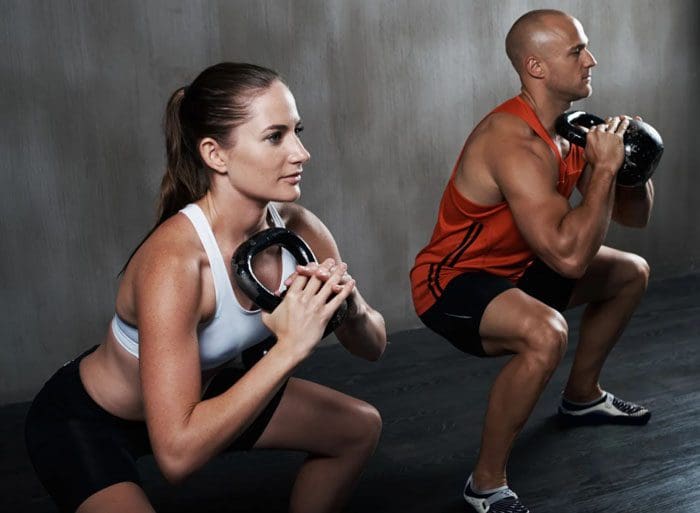
There are exercises to improve functional strength. Functional training targets specific areas:
Then lift the outside leg up as high as possible and hold for 10 seconds
Repeat on the other side
Do 6-10 repetitions on each side
This exercise builds shoulder, arm, and hip strength. It engages the core and abdominal muscles and improves flexibility in the shoulders, back, and hips.
Disclaimer
The information herein is not intended to replace a one-on-one relationship with a qualified health care professional, licensed physician, and is not medical advice. We encourage you to make your own health care decisions based on your research and partnership with a qualified health care professional. Our information scope is limited to chiropractic, musculoskeletal, physical medicines, wellness, sensitive health issues, functional medicine articles, topics, and discussions. We provide and present clinical collaboration with specialists from a wide array of disciplines. Each specialist is governed by their professional scope of practice and their jurisdiction of licensure. We use functional health & wellness protocols to treat and support care for the musculoskeletal system’s injuries or disorders. Our videos, posts, topics, subjects, and insights cover clinical matters, issues, and topics that relate to and support, directly or indirectly, our clinical scope of practice.* Our office has made a reasonable attempt to provide supportive citations and has identified the relevant research study or studies supporting our posts. We provide copies of supporting research studies available to regulatory boards and the public upon request. We understand that we cover matters that require an additional explanation of how it may assist in a particular care plan or treatment protocol; therefore, to further discuss the subject matter above, please feel free to ask Dr. Alex Jimenez or contact us at 915-850-0900.
Dr. Alex Jimenez DC, MSACP, CCST, IFMCP*, CIFM*, CTG*
email: [email protected]
phone: 915-850-0900
Licensed in Texas & New Mexico
References
Cramer, Holger et al. “Postural awareness and its relation to pain: validation of an innovative instrument measuring awareness of body posture in patients with chronic pain.” BMC musculoskeletal disorders vol. 19,1 109. 6 Apr. 2018, doi:10.1186/s12891-018-2031-9
Malanga, Gerard A et al. “Mechanisms and efficacy of heat and cold therapies for musculoskeletal injury.” Postgraduate medicine vol. 127,1 (2015): 57-65. doi:10.1080/00325481.2015.992719
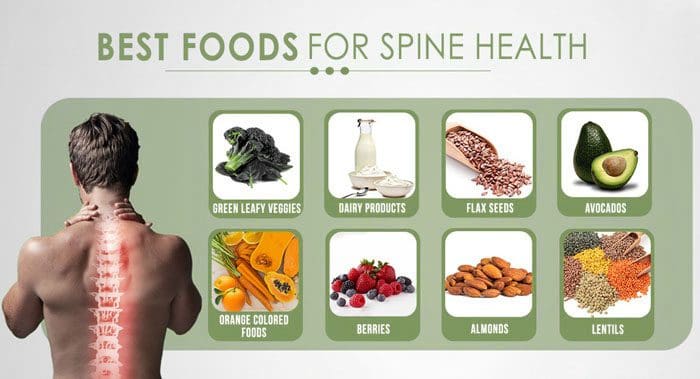
Eating healthy and spinal health are interconnected. Eating healthier will help to lose weight, and provide a healthier body mass index. This means more muscle mass, especially when integrated with more protein. The spine sustains and supports the whole torso and upper body. When weight increases in these areas it can cause an array of issues like subluxations, curvature problems, sciatica, and more. The extra muscle mass takes the added stress from any extra weight off of the spine. Strong muscles can carry the weight of the body, taking the pressure off the spine and keeping it healthy and operating in top form.
Making Healthy Adjustments
No matter where an individual is on their healthy eating plan, there are common practices that work for many and helps improve their diet. This involves integrating healthy food groups into the diet in different ways, and not giving up when mistakes are made, but learning from them. When developing new healthy habits it takes time, diligence, practice, and research to eat the right foods.
Fruits and Veggies
It is easier and tastier to forget the nutritious foods and go for the carbs, fats, etc. Rather than trying to add more vegetables, or eating fruit as a snack every day can be tough. An easier, and better way to integrate fruits and vegetables into one’s diet is to substitute the carbs and fats for fruits and veggies in the main meals every day.
This could be spiralized zucchini, squash, or no-carb spaghetti instead of pasta spaghetti.
Instead of ice cream try real fruit sorbet.
Mashed cauliflower instead of white rice or mashed potatoes.
There are plenty of substitutes that are healthier and just as tasty and as the real thing.
Healthy recipes out there that can give you ideas on how to do this.
The benefit of substituting fruits and vegetables, rather than just adding them to a diet is individuals increase their health by reducing unhealthy dietary elements and adding healthy new ones at the same time. However, this does not mean doing it all at once. The goal is to gradually substitute these nutritious foods into everyday dishes for maximum health benefits.
More Fiber and Protein
It is important that the body gets enough fiber and protein as a healthy energy source. Many individuals can become dependent on:
Ingesting unhealthy foods all day every day takes a significant toll on the body. This includes:
Blood sugar
Weight
Energy
Mood
Fiber and protein are important because the two regulate the body’s systems to promote healthy bodily functions.Fiber helps the digestive system and regulates carbohydrate breakdown. This means the energy obtained from any carb will last longer and will not increase blood sugar when integrated with fiber. Most individuals know that protein builds muscle. But it also makes the body feel full much longer than carbs or sugars do. This allows for natural regulation of how much is eaten during the day so an individual does not eat more than the body needs. Carbs and sugars are not filling and can become addictive. This means that they can be eaten all day long without feeling full and just load up with empty calories. A few ways to integrate fiber and protein into a diet:
Breakfast
Eggs
Turkey bacon
Whole wheat/multigrain toast
Lunch
Whole wheat wrap or sandwich
Dinner
Brown rice and beans are loaded with protein and fiber.
A great substitution for vegetarians/vegans for more protein or fiber
Reduce Sugar Intake
Reducing sugar intake or switching to balanced sugars from fruits, yogurt, etc. A diet high in sugar can wreck the body, causing:
Weight gain
Mood swings
Overeating
Other unhealthy effects
Sugar is fine when practiced in moderation. But when it becomes a daily habit, that’s when it can start affecting the body. The objective is to drink more water, and use substitutions when cravings present. Try:
Yogurt instead of ice cream
Healthy fruit drinks instead of soda
Tea instead of wine
Keep the indulgences to once or twice a week if possible.
Eating Healthy Benefits
A few of the benefits from eating healthy that will improve quality of life:
Improved digestive health
Weight loss
Reduced to no back pain
Reduced to no foot pain
Healthy sleep patterns
Less fatigue
Improved focus
Improved brain health
Clear skin
Reduced to no irritability
Body Composition
New Health Issues
Steady weight gain throughout life can lead to adult diabetes. This is brought on by more body fat and muscle loss. Loss of skeletal muscle mass is linked to insulin resistance. The less muscle is available, the less insulin sensitive the body becomes. Loss of muscle can cause other problems with age. One damaging condition, especially for women, is osteoporosis. This happens when old bone is reabsorbed rather than new bone being created. Both men and women can have decreased muscle mass with thinner, weaker bones. This increases the risk of osteoporosis and the risk of serious injury from falls. Prevention includes
Eat sufficient protein throughout the day. It is often best to space out protein intake across meals and not consume all at once to ensure the proper amount is being met daily. Regular body composition monitoring can help. The goal is to minimize muscle mass loss and fat mass gain as the body ages.
Disclaimer
The information herein is not intended to replace a one-on-one relationship with a qualified health care professional, licensed physician, and is not medical advice. We encourage you to make your own health care decisions based on your research and partnership with a qualified health care professional. Our information scope is limited to chiropractic, musculoskeletal, physical medicines, wellness, sensitive health issues, functional medicine articles, topics, and discussions. We provide and present clinical collaboration with specialists from a wide array of disciplines. Each specialist is governed by their professional scope of practice and their jurisdiction of licensure. We use functional health & wellness protocols to treat and support care for the musculoskeletal system’s injuries or disorders. Our videos, posts, topics, subjects, and insights cover clinical matters, issues, and topics that relate to and support, directly or indirectly, our clinical scope of practice.* Our office has made a reasonable attempt to provide supportive citations and has identified the relevant research study or studies supporting our posts. We provide copies of supporting research studies available to regulatory boards and the public upon request. We understand that we cover matters that require an additional explanation of how it may assist in a particular care plan or treatment protocol; therefore, to further discuss the subject matter above, please feel free to ask Dr. Alex Jimenez or contact us at 915-850-0900.
Dr. Alex Jimenez DC, MSACP, CCST, IFMCP, CIFM, CTG*
email: [email protected]
phone: 915-850-0900
Licensed in Texas & New Mexico
References
Cena, Hellas, and Philip C Calder. “Defining a Healthy Diet: Evidence for The Role of Contemporary Dietary Patterns in Health and Disease.” Nutrients vol. 12,2 334. 27 Jan. 2020, doi:10.3390/nu12020334
Locke, Amy et al. “Diets for Health: Goals and Guidelines.” American family physician vol. 97,11 (2018): 721-728.
Warensjö Lemming, Eva, and Liisa Byberg. “Is a Healthy Diet Also Suitable for the Prevention of Fragility Fractures?.” Nutrients vol. 12,9 2642. 30 Aug. 2020, doi:10.3390/nu12092642
When a machine isn’t working correctly because the mechanism’s parts have slipped, shifted, become loose, and are on the verge of breaking down, an expert/professional is called in to repair the damaged parts. The same can be said of the spine. From all the movement at home, work, shopping, activities the spine also compresses and falls out of place becoming misaligned. That’s when individuals need to call a chiropractor to repair/realign the spine. The spine is an integral component of the body’s functionality and health. This includes:
For the spine to operate at its best proper alignment is necessary. The spine is impacted by everyday activities that shift, jolt, bounce, and stress the spine. Exacerbating the regular wear and tear includes:
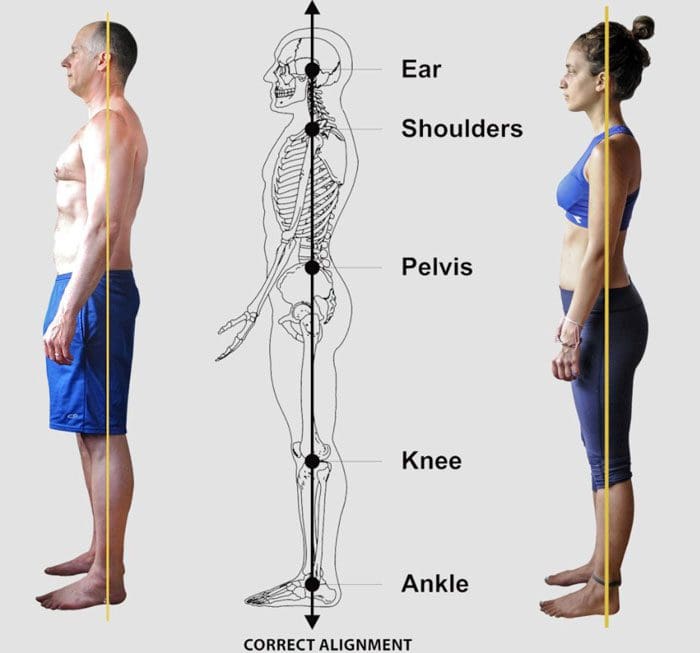
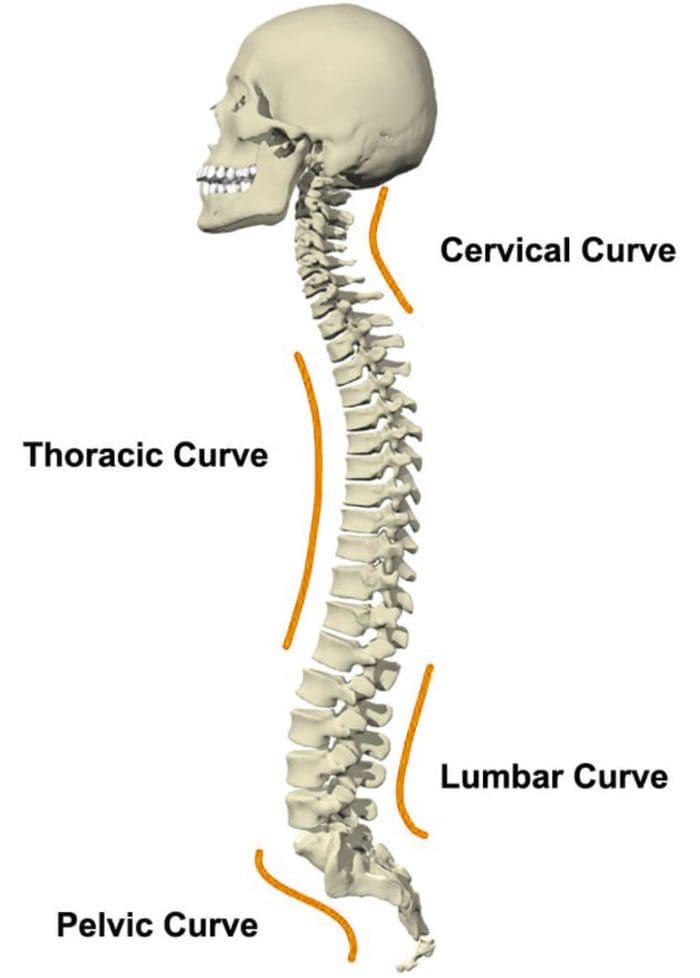
The head, shoulders, and spinal curves align from the side in general creating an S shape
Every individual’s spine varies significantly. This is why a professional chiropractic examination, diagnosis, and customized treatment plan will maximize spinal alignment and overall health.
Chiropractors are the Expert Repair Specialists
Chiropractors are specially trained at spotting spinal misalignment/s and repair. This is done non-invasively through manual adjustments and mobilization techniques. When the spine is in optimal alignment it will prevent and activate the body’s natural healing abilities. Once spinal alignment is achieved the chiropractor can help maintain proper alignment with exercise, health coaching, lifestyle adjustments, and nutrition to maximize individual health.
Body Composition
A partner, spouse, friend, co-worker, professional for maintaining health
Finding someone to share the highs and lows during an individual’s health journey will significantly help relieve stress and continue to be motivated. It can be a spouse, best friend, coworker, or licensed professional. When an individual vocalizes their thoughts and feelings, they gain confidence in their ability to handle whatever comes their way. This is an individual that will help navigate the negative emotions by listening and providing advice and encouragement.Take some time every week to share successes, failures, goals, etc. Whatever comes to mind to just get it out there so it can be evaluated and broken down into manageable parts. The great thing about sharing is that it can inspire positive changes.
Disclaimer
The information herein is not intended to replace a one-on-one relationship with a qualified health care professional, licensed physician, and is not medical advice. We encourage you to make your own health care decisions based on your research and partnership with a qualified health care professional. Our information scope is limited to chiropractic, musculoskeletal, physical medicines, wellness, sensitive health issues, functional medicine articles, topics, and discussions. We provide and present clinical collaboration with specialists from a wide array of disciplines. Each specialist is governed by their professional scope of practice and their jurisdiction of licensure. We use functional health & wellness protocols to treat and support care for the musculoskeletal system’s injuries or disorders. Our videos, posts, topics, subjects, and insights cover clinical matters, issues, and topics that relate to and support, directly or indirectly, our clinical scope of practice.* Our office has made a reasonable attempt to provide supportive citations and has identified the relevant research study or studies supporting our posts. We provide copies of supporting research studies available to regulatory boards and the public upon request. We understand that we cover matters that require an additional explanation of how it may assist in a particular care plan or treatment protocol; therefore, to further discuss the subject matter above, please feel free to ask Dr. Alex Jimenez or contact us at 915-850-0900.
Dr. Alex Jimenez DC, MSACP, CCST, IFMCP, CIFM, CTG*
email: [email protected]
phone: 915-850-0900
Licensed in Texas & New Mexico
References
Diebo, Bassel G et al. “Sagittal alignment of the spine: What do you need to know?.” Clinical neurology and neurosurgery vol. 139 (2015): 295-301. doi:10.1016/j.clineuro.2015.10.024
Caprara, Sebastiano et al. “Spinal sagittal alignment goals based on statistical modeling and musculoskeletal simulations.” Journal of biomechanics vol. 102 (2020): 109621. doi:10.1016/j.jbiomech.2020.109621
Senzon, Simon A. “The Chiropractic Vertebral Subluxation Part 10: Integrative and Critical Literature From 1996 and 1997.” Journal of chiropractic humanities vol. 25 146-168. 6 Apr. 2019, doi:10.1016/j.echu.2018.10.008
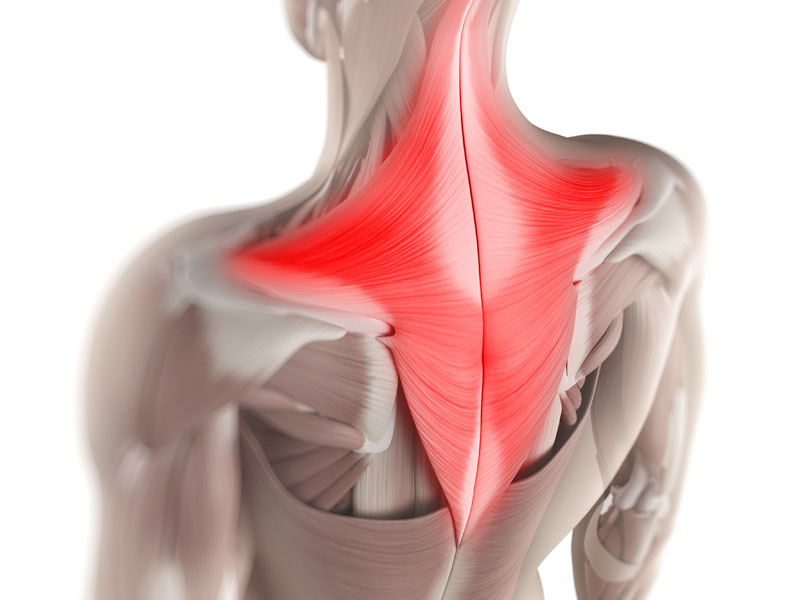
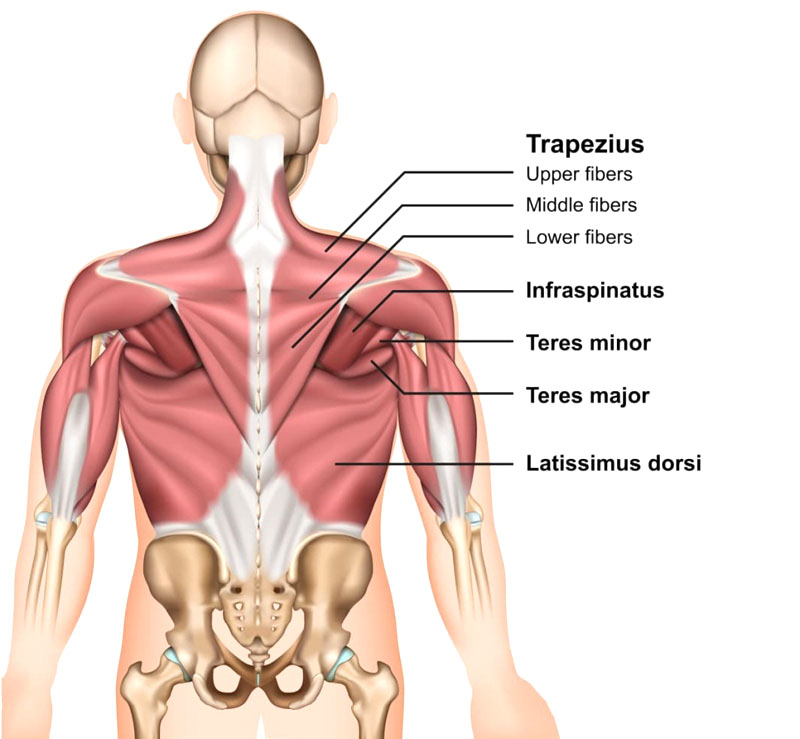
The body’s muscles function to produce force and motion. The trapezius muscle is one of the largest, which makes it highly susceptible to injury/s and spasms. A trapezius muscle spasm is when the muscle starts to contract. This muscle group is based around the neck and shoulders and is used to move the scapula shoulder bone.
Causes of Trapezius Muscle Spasms
A few causes for this muscle to become inflamed/irritated include:
Poor posture
Injury
Stress
Tension
Improper lifting
Symptoms
The effects feel similar to a pulled shoulder muscle. Common symptoms include:
Upper body stiffness
Shoulder pain
Neck pain
Arm numbness/tingling
Lack of shoulder flexibility
Spasm and Pinched Nerve Difference
A muscle spasm and pinched nerve might seem or feel similar, but they are different. A muscle spasm makes the area tight and can cause muscle twitching. They vary in intensity with some spasms being mild and others excruciating. In some cases, a spasm can cause a nerve to get pinched if the knot contorts tightly around a nerve and if it is big enough. Conversely, a pinched nerve can also cause twitching, but it typically results in severe pain. Pinched nerves can also cause tingling sensations and numbness depending on the severity it could cause muscle spasms.
Treating The Spasms
There are a few ways to treat this naturally.
Heat and Ice Therapy
One way to calm a muscle spasm is using heat and ice. The heat will increase nerve and blood circulation keeping the muscles flexible, and the warmth will soothe the injury. This helps prevent the muscles from spazzing and generating pain. Ice therapy also increases blood circulation but the focus is on reducing inflammation. The nerves become slightly frozen which stops the tingling, significantly reducing the pain.
If pain presents around the trapezius, immediately put an ice pack on.It should be applied every few hours in 15-minute sessions. Once the pain subsides, heat therapy can be applied. A heating pad placed around the area, a warm/hot bath, or standing in the shower if possible with a massage setting letting the warm/hot water hit the muscle. But it must be consistent, doing it for about 20-minute sessions three times a day.
Stretches and Exercises
Stretches and exercises can help keep the muscle flexible and prevent any tightening.
Upper Trapezius Stretch
This stretch will move the upper trapezius area, promoting flexibility and preventing the muscle from becoming stiff.
Sit in a chair with proper posture
Holding onto the chair with the left hand, wrap the right arm over the top of the head so that the hand touches the left ear.
Gently pull the head toward the right and hold.
Slowly move the head back and repeat with the other hand.
Shoulder Shrugs
Moving the shoulders up and down throughout the day stretches the trapezius.
It releases tension and strengthens the muscle to protect it.
This exercise should be done every few hours for about a minute or two.
Also occasionally rolling the shoulders will help stretch the smaller components of the trapezius.
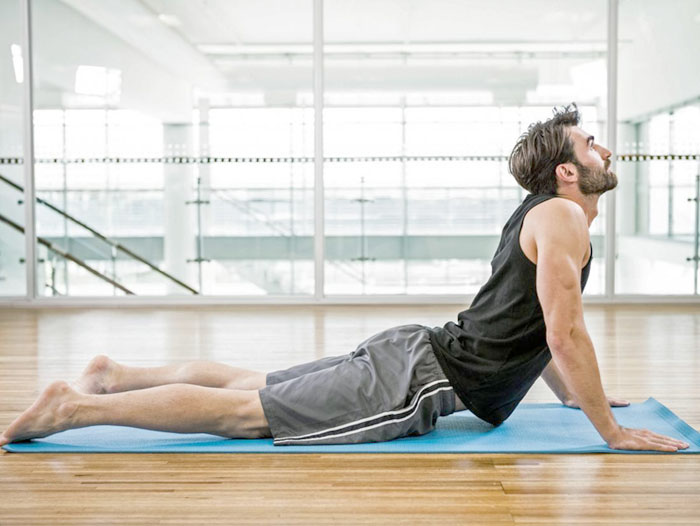
Cobra Pose
This yoga pose is for relieving tension.
It can be very helpful for those suffering from severe spasms or from a pinched nerve.
The first thing is to lie face-down on the floor.
Keeping the feet straight behind, use the hands to gently push the upper body up so that the spine slightly curves.
Make sure that the hands are situated in front of the body and firm on the ground.
Hold for a few seconds and then release.
Repeat the process three more times.
Therapeutic Massage
The soothing motions from a massage will calm irritated areas and encourage them to heal quicker.
At first, because of the tenderness around the area, a massage could present with pain.
The massage therapist needs to press on the area to increase blood circulation so that toxins get flushed out.
While it might hurt the individual soon notices that the swelling and pain are reducing.
Chiropractors specialize in the musculoskeletal system and understand how the muscles, bones, and joints all work together. For muscle spasms, they investigate the problem and look at other areas of the body that could be contributing to or worsening the condition. For some, muscle spasms could be brought on by a misplaced joint pressing on the area. A chiropractor will palpate the areas to ensure this is not the case. And if there is a problem, they will perform a joint manipulation. This realigns the joint back in place and reduces muscle spasm symptoms. Over time the muscles become healthier because chiropractic releases toxins and improves the range of motion.
Body Composition
Anti-Inflammatory Diet
Often, muscle spasms are the result of inflammation. When a muscle swells, it can place pressure on surrounding nerves. The more intense the inflammation the more pressure/stress on the nerves. This can make moving and functioning very difficult because of the pain. To naturally reduce inflammation consider an anti-inflammatory diet. This type of diet is filled with antioxidants, vitamins, and minerals that will work to reduce swelling. Although it might not completely repair the muscle injury, it can reduce symptoms and stop oxidative stress. Foods to eat more of are:
Cherries
Tomatoes
Almonds
Blueberries
Oranges
Salmon
Kale
Turmeric
Dr. Alex Jimenez�s Blog Post Disclaimer
The scope of our information is limited to chiropractic, musculoskeletal, physical medicines, wellness, and sensitive health issues and/or functional medicine articles, topics, and discussions. We use functional health & wellness protocols to treat and support care for injuries or disorders of the musculoskeletal system. Our posts, topics, subjects, and insights cover clinical matters, issues, and topics that relate and support directly or indirectly our clinical scope of practice.*
Our office has made a reasonable attempt to provide supportive citations and has identified the relevant research study or studies supporting our posts. We also make copies of supporting research studies available to the board and or the public upon request. We understand that we cover matters that require an additional explanation as to how it may assist in a particular care plan or treatment protocol; therefore, to further discuss the subject matter above, please feel free to ask Dr. Alex Jimenez or contact us at 915-850-0900. The provider(s) Licensed in Texas& New Mexico*
References
Finley JE. Physical Medicine and Rehabilitation for Myofascial Pain.�Medscape. https://emedicine.medscape.com/article/313007-overview#showall. Updated May 21, 2017. Accessed July 16, 2018.
Rodante JA, Al Hassan QA, Almeer ZS. Myofascial Pain Syndrome: Uncovering the Root Causes.�Practical Pain Manag. https://www.practicalpainmanagement.com/pain/myofascial/myofascial-pain-syndrome-uncovering-root-causes. 2012;6. Last updated on October 5, 2012. Accessed July 16, 2018.
http://citeseerx.ist.psu.edu/viewdoc/download?doi=10.1.1.656.582&rep=rep1&type=pdf
IFM's Find A Practitioner tool is the largest referral network in Functional Medicine, created to help patients locate Functional Medicine practitioners anywhere in the world. IFM Certified Practitioners are listed first in the search results, given their extensive education in Functional Medicine