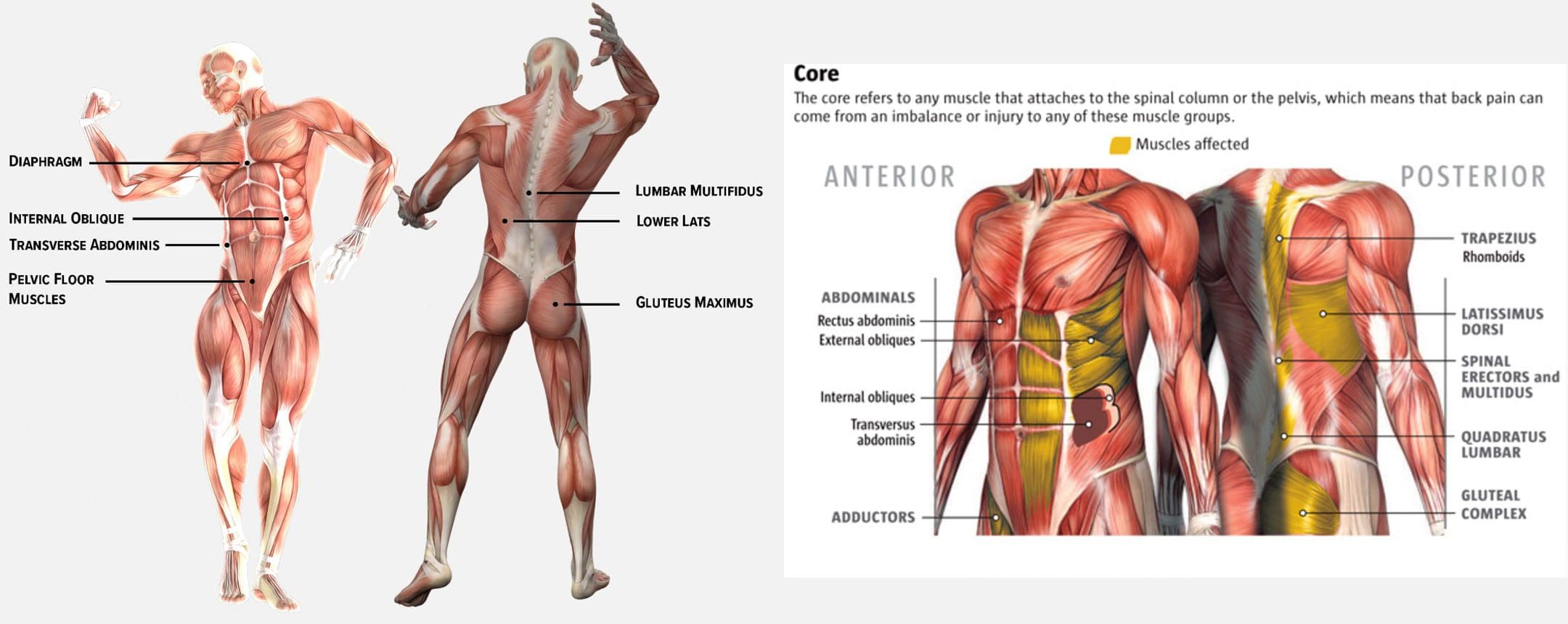
The body’s core muscles are used for stability, balance, lifting, pushing, pulling, and movement. Engaging the core muscles means bracing and tightening the abdominal muscles, which include the latissimus dorsi/lats, paraspinal muscles, gluteus maximus/glutes, and trapezius/traps. When engaged, the trunk muscles help maintain spinal stability, support the spine and pelvis in sitting and resting positions and during dynamic movements, and help prevent injury.
Engaging The Core
To know how to engage the core, individuals need to understand what the core is. The most important muscles for engaging the core include: These muscles are involved every time the body inhales and exhales, in posture control, and when using the bathroom, they start and stop the process.
Rectus Abdominis
The rectus abdominis muscle is responsible for the six-pack.
It’s a long, flat muscle that extends from the pubic bone to the sixth and seventh ribs.
The rectus abdominis is primarily responsible for bending the spine.
External Obliques
These are the muscles on either side of the rectus abdominis.
The external obliques allow the torso to twist, bend sideways, flex the spine, and compress the abdomen.
Internal Obliques
The internal obliques lie below the external obliques.
They work with the external obliques in the same functions.
Transverse Abdominis
This is the deepest layer of muscle in the abdomen.
It completely wraps around the torso and extends from the ribs to the pelvis.
The transverse abdominis are not responsible for spine or hip movement but for stabilizing the spine, compressing the organs, and supporting the abdominal wall.
Latissimus Dorsi
Commonly known as the lats, these muscles run along both sides of the spine from just below the shoulder blades to the pelvis.
The lats help stabilize the back, especially when extending the shoulders.
They also contribute to body ability when twisting from side to side.
Erector Spinae
The erector spinae muscles are on each side of the spine and extend down the back.
These muscles are responsible for extending and rotating the back and side-to-side movement.
These are considered postural muscles and are almost always working.
What Not To Do
Individuals learn from mistakes, which might make learning how to engage the core easier by understanding what not to do. Common examples of failing to or not engaging the core correctly.
The back slumps when sitting down – the upper body lacks strength and stability.
When bending, the stomach sticks out more.
Swaying or leaning far to one side when walking – lack of lower body strength causes balance and stability problems.
The lower abdomen and back present with discomfort and pain symptoms.
Training
Engaging the core decreases the chance of sustaining an injury at home, work, or exercising and can help with chronic back pain. It creates a stable musculature around the spine that keeps the vertebrae from over-flexing, over-extending, and bending too far to one side. Engaging the core muscles can mean different things, depending on what is trying to be achieved.
For example, if doing bending work, the muscles needed, and the order in which they contract differs from when trying to maintain balance while standing on one leg.
The muscles engaged will differ in their movement depending on whether an individual is:
Trying to move the spine or stabilize it.
Pushing or pulling weight.
Standing, sitting, or lying down.
For a strong and functional core, the objective is to be able to engage the core in any situation. Engaging the core can be challenging, but with training and practice, the body becomes stronger. Practice engaging the core throughout daily activities that include.
Bracing the core while standing, sitting at a workstation or desk, and walking.
Day-to-day activities, like reaching for something from a high shelf, grocery shopping, and taking the stairs.
Injury Medical Chiropractic and Functional Medicine Clinic can create a personalized program to address musculoskeletal issues, core training, targeted exercise, stretching, nutrition, massage, and adjustments to get the body to optimal health and maintain health.
The Non-Surgical Solution
References
Eickmeyer, Sarah M. “Anatomy and Physiology of the Pelvic Floor.” Physical Medicine and rehabilitation clinics of North America vol. 28,3 (2017): 455-460. doi:10.1016/j.pmr.2017.03.003
Lawson, Samantha, and Ashley Sacks. “Pelvic Floor Physical Therapy and Women’s Health Promotion.” Journal of Midwifery & Women’s Health vol. 63,4 (2018): 410-417. doi:10.1111/jmwh.12736
Seaman, Austin P et al. “Building a Center for Abdominal Core Health: The Importance of a Holistic Multidisciplinary Approach.” Journal of gastrointestinal surgery: official journal of the Society for Surgery of the Alimentary Tract vol. 26,3 (2022): 693-701. doi:10.1007/s11605-021-05241-5
Vining, Robert, et al. “Effects of Chiropractic Care on Strength, Balance, and Endurance in Active-Duty U.S. Military Personnel with Low Back Pain: A Randomized Controlled Trial.” Journal of Alternative and complementary medicine (New York, N.Y.) vol. 26,7 (2020): 592-601. doi:10.1089/acm.2020.0107
Weis, Carol Ann, et al. “Chiropractic Care for Adults With Pregnancy-Related Low Back, Pelvic Girdle Pain, or Combination Pain: A Systematic Review.” Journal of Manipulative and physiological therapeutics vol. 43,7 (2020): 714-731. doi:10.1016/j.jmpt.2020.05.005
Zachovajeviene, B et al. “Effect of the diaphragm and abdominal muscle training on pelvic floor strength and endurance: results of a prospective randomized trial.” Scientific Reports vol. 9,1 19192. 16 Dec. 2019, doi:10.1038/s41598-019-55724-4
Injuries after a motorcycle crash include contusions, skin abrasions, soft tissue injuries to tendons, ligaments, and muscles, sprains, strains and tears, facial and jaw fractures, traumatic brain injury, broken bones, misalignment, neck and back injuries, and biker’s arm. The Injury Medical Chiropractic and Functional Medicine Team can develop a comprehensive view of the sustained injuries to create a personalized treatment plan to reduce inflammation, increase flexibility, correct misalignments, rehabilitate the body, relax, stretch, and strengthen the musculoskeletal system, and restore mobility and function.
Motorcycle Crash Injuries
Motorcycle crash injuries are not easy to recover from. Acute soft tissue injuries caused by sudden trauma are common, as well as herniated discs, pelvis, and spinal misalignments that can have a cascading effect on the rest of the body.
Pelvic Misalignment
The pelvis comprises the pubic joint in the front and two sacroiliac joints in the back.
The sacroiliac joints work to connect the pelvis to the spine.
The pelvis also connects various muscles, including the pelvic floor and hip.
When the hip sustains a crash/collision impact or the impact causes the individual to fall on their hip, the hip or pelvis can become misaligned. Pelvic misalignment is one of the leading causes of severe back problems and pain. To realign the pelvis, a chiropractor will develop a physical therapy program that will include the following:
Therapeutic massage to relax the muscles and increase blood circulation.
Directed stretching of tight and overactive muscles.
Strengthening or reactivating weak and inhibited muscles.
Exercises to train proper pelvis positioning awareness.
Neck Injuries
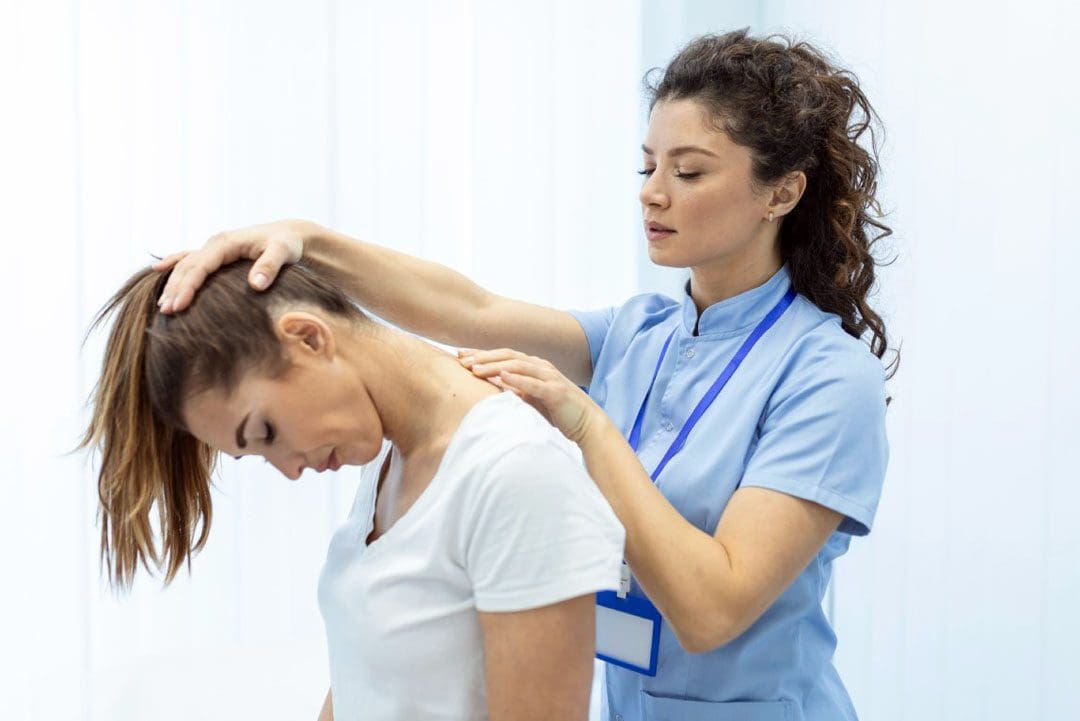
In addition to whiplash, spinal misalignment to the vertebrae in the neck can occur. A chiropractor can help restore the range of motion. The treatment team will develop a therapy program in addition to chiropractic. The primary focus is to improve the flexibility and strength of the neck. The common types of physical therapy include:
Massage.
Neck stretches.
Back strengthening.
Core strengthening.
Leg and Foot Injuries
Extremity injuries frequently occur, particularly to the feet and legs, and include:
Sprains.
Strains.
Muscle tears.
Road Rash.
Bone fractures.
The therapy team will build a treatment plan that works through each system up the foot, knee, and hip. This plan will help heal soft tissue injuries by applying techniques like massage therapy and at-home exercises.
Rider’s Arm
Motorcyclists may extend their hands out to protect themselves from the impact when falling. This position can lead to injuries that affect the shoulders, arms, wrists, and hands. The physical therapy team can help heal soft tissue injuries and increase mobility using mobilization. Chiropractic can restrengthen damaged shoulder muscles, support torn ligaments, and treat tissue damage.
This hands-on technique involves easing a joint or muscle through normal movement patterns to release and relax stiffness and increase mobility.
Manual adjustments, deep tissue massage, exercise, and hot/cold therapy help restore health and mobility and expedite recovery.
Injury Rehabilitation
References
Dischinger, Patricia C et al. “Injury patterns and severity among hospitalized motorcyclists: a comparison of younger and older riders.” Annual proceedings. Association for the Advancement of Automotive Medicine vol. 50 (2006): 237-49.
Mirza, M A, and K E Korber. “Isolated rupture of the anterior tibialis tendon associated with a fracture of the tibial shaft: a case report.” Orthopedics vol. 7,8 (1984): 1329-32. doi:10.3928/0147-7447-19840801-16
Petit, Logan, et al. “A review of common motorcycle collision mechanisms of injury.” EFORT open reviews vol. 5,9 544-548. 30 Sep. 2020, doi:10.1302/2058-5241.5.190090
Sander, A L et al. “Mediokarpale Instabilitäten der Handwurzel” [Mediocarpal instability of the wrist]. Der Unfallchirurg vol. 121,5 (2018): 365-372. doi:10.1007/s00113-018-0476-9
Tyler, Timothy F et al. “Rehabilitation of soft tissue injuries of the hip and pelvis.” International journal of sports physical therapy vol. 9,6 (2014): 785-97.
Vera Ching, Claudia, et al. “Traumatic tracheal injury after a motorcycle accident.” BMJ case reports vol. 13,9 e238895. 14 Sep. 2020, doi:10.1136/bcr-2020-238895
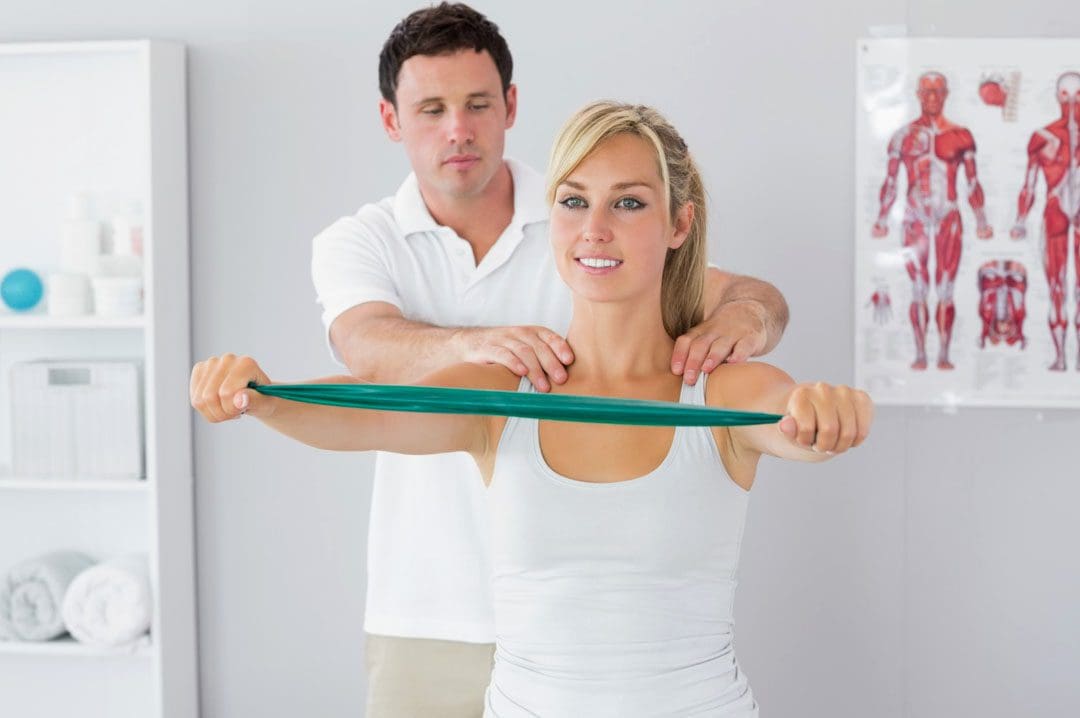
Resistance band exercises can be very useful for injury rehabilitation. As a part of a chiropractic neuromusculoskeletal treatment plan, personalized rehabilitation exercises using resistance bands can be prescribed to strengthen targeted areas of the body that require retraining due to an injury or condition. Resistance band training can effectively rehabilitate neck, shoulder, back, leg, knee, and ankle conditions and offer several advantages, from improving strength and posture to increasing mobility and improving joint health.
Resistance Bands
Resistance bands are rehabilitation and exercise equipment that provide consistent resistance throughout a specific exercise. They are rubberized bands or elastic cables that can be color-coded (different brands may vary in color progressions) to signify the amount of resistance they provide. These bands are great for all types of injuries to the joints or muscles and have been found to be effective in the following types:
Weakened neck muscles from injury.
Shoulder dislocation
Tennis elbow
Hip bursitis
Knee injuries
IT band syndrome
Ankle sprains
Improve flexibility for arthritis.
The body does need time to heal before engaging in exercise, especially after major muscle, ligament, or tendon tears. A chiropractor or physical therapist will inform the patient when they can begin. However, some areas can be worked out three days after an injury.
Benefits
Resistance bands can isolate strength training and stretching to specific muscles affected by surgery or a non-surgical injury/condition in chiropractic and physical therapy. They can help in the following:
Increased circulation.
Increased range of motion and flexibility.
Increased muscular strength.
Improved posture.
Increased joint stability.
Improved balance.
Added benefits:
They are small, lightweight, and portable making them perfect for those that travel frequently.
They are simple to use.
They are cost-effective.
They provide a whole-body workout.
They come in different resistance levels to progress gradually.
Safe for every fitness level.
Exercises
Exercises with bands can be used in standing, sitting, or lying down positions. Some may consist of movements with resistance coming from body weight. Other activities may require additional resistance. Lunges are an example of a simple exercise to help rehabilitate certain back conditions.
Injury Stages
Strength and resistance training is essential for healing from neuromusculoskeletal injuries and overall health.
Early/Acute Stage
This stage entails light, gentle exercising that will allow damaged tissues to begin healing with simple movements to get circulation moving through the areas.
This gradually increases the weight on the injured bone, ligament, or muscle so the tissue can develop the ability to withstand strains from daily activities.
Late/Functional Stage
This is the final step, in which the tissues are stressed through functional exercises to be fit enough to return to work, sports, and activities.
Exercises For Lower Back
References
Lee, Jae-Kwang, and Jae-Hong Lee. “Effect of the lumbar stabilization exercise on the height difference between shoulders and range of motion in older adults.” Journal of physical therapy science vol. 35,1 (2023): 46-50. doi:10.1589/jpts.35.46
Mikesky, A E et al. “Efficacy of a home-based training program for older adults using elastic tubing.” European journal of applied physiology and occupational physiology vol. 69,4 (1994): 316-20. doi:10.1007/BF00392037
Seguin, Rachel C et al. “The Efficacy of Upper-Extremity Elastic Resistance Training on Shoulder Strength and Performance: A Systematic Review.” Sports (Basel, Switzerland) vol. 10,2 24. 14 Feb. 2022, doi:10.3390/sports10020024
Seo, Myong-Won et al. “Effects of 16 Weeks of Resistance Training on Muscle Quality and Muscle Growth Factors in Older Adult Women with Sarcopenia: A Randomized Controlled Trial.” International journal of environmental research and public health vol. 18,13 6762. 23 Jun. 2021, doi:10.3390/ijerph18136762
Yamamoto, Yutaro, et al. “Effects of resistance training using elastic bands on muscle strength with or without a leucine supplement for 48 weeks in elderly patients with type 2 diabetes.” Endocrine journal vol. 68,3 (2021): 291-298. doi:10.1507/endocrj.EJ20-0550
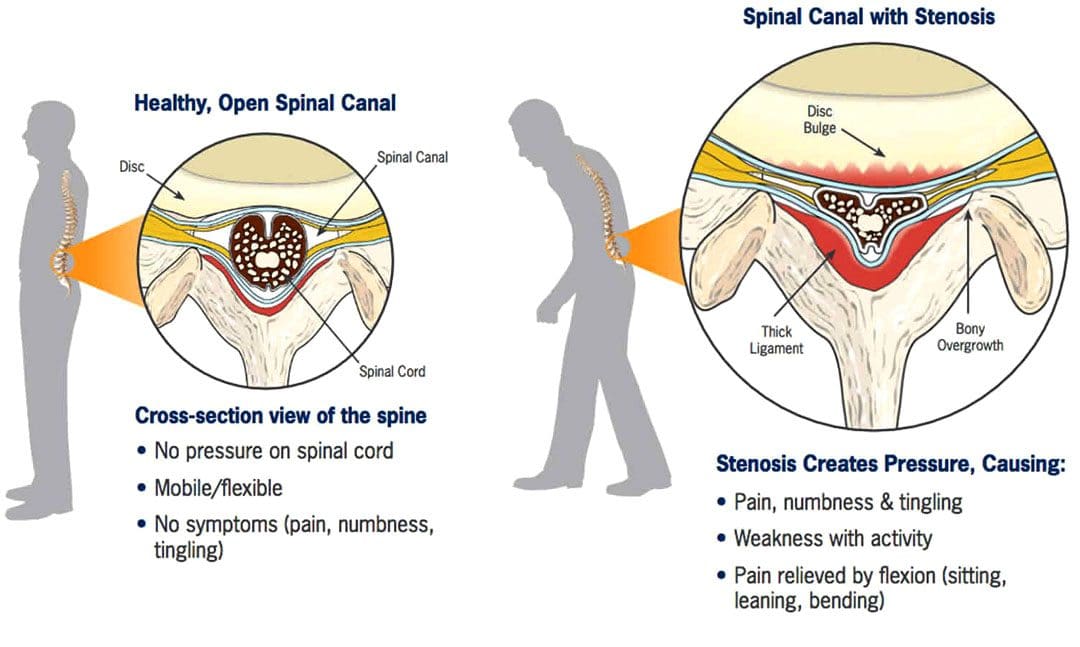
Spinal Stenosis Walking Issues:Stenosis means a narrowing. Spinal stenosis can happen in any spine region, but the neck and lower back are the most common locations. The spinal canal becomes narrower and can cause the nerves to become compressed, pinched, and irritated and can extend from the lumbar spine through the hips, buttocks, legs, and feet. Individuals with lumbar spinal stenosis may have difficulty walking caused by sensations of discomfort like numbness, electrical shocks, and pain, requiring the need to lean forward to relieve pressure and symptoms. Additionally, symptoms are likely to worsen the longer the walk. Chiropractic treatment can treat spinal stenosis because it corrects and re-aligns the spine, thus reducing pressure on the spinal cord, joints, and nerve roots.
Spinal Stenosis Walking Issues
The spine is made up of interlocking vertebrae. The regions are cervical, thoracic, lumbar, and sacral bones with a foramen opening. These openings form the protective tunnel/spinal canal surrounding the spinal cord. The spinal cord is a group of nerves that run through the tunnel. The narrowing suffocates the nerves supplying the lower extremities that can influence walking activity.
Symptoms
There may be no symptoms with early lumbar spinal stenosis. Most individuals develop symptoms gradually and may begin to notice them while walking or standing. These can include:
Lower back pressure sensations when standing upright or walking.
Leg numbness, tingling, weakness, burning, and/or cramping.
Muscle weakness.
Persistent pain in the back, hips, buttocks, or legs while walking.
Difficulty lifting the top part of the foot – known as drop foot.
Loss of sensation in the feet.
A weak foot that drops/slaps down when walking.
Loss of sexual ability.
In more serious cases, severe numbness, bladder problems, and inability to stand.
Individuals begin to lean forward when symptoms start, bringing relief by reducing the pressure on the nerves. However, constantly leaning forward leads to other posture and health problems.
Diagnosis
A doctor or chiropractor will ask questions about symptoms and medical history and perform a complete physical examination to diagnose lumbar spinal stenosis. During the physical examination, a healthcare provider will look for signs, such as loss of sensation, weakness, and abnormal reflexes.
Tests:
X-rays of the lumbar spine may show bone growths called spurs that push on spinal nerves and/or narrowing of the spinal canal.
Imaging tests – A CT or MRI scan can provide a detailed look at the spinal canal and nerve structures.
Other studies include – bone scans, myelogram, which is a CT scan that uses a color dye, and EMG, which is an electrical test of muscle activity.
Chiropractic Treatment
Chiropractic care combined with physical therapy is a tried-and-true treatment for spinal stenosis. A chiropractic treatment plan can include targeted and passive exercise programs. Targeted exercises involve strengthening the core and back muscles. Passive treatments include hot and cold therapy, massage, decompression, and electrical stimulation. The objective of chiropractic therapy is to:
Strengthen muscles in the core and legs
Correct posture and body mechanics.
Improve mobility.
Maintain ability to perform day-to-day activities.
Recommend stretches.
Educate on how to keep the spine and back muscles safe.
Train on using devices like a back brace, cane, or walker properly.
Advise about shoe inserts and splints.
Suggest work and home environment modifications, such as ergonomics and cushions.
Chiropractic Relief
References
Conway, Justin, et al. “Walking assessment in people with lumbar spinal stenosis: capacity, performance, and self-report measures.” The spine journal: official North American Spine Society journal vol. 11,9 (2011): 816-23. doi:10.1016/j.spinee.2010.10.019
Lurie, Jon, and Christy Tomkins-Lane. “Management of lumbar spinal stenosis.” BMJ (Clinical research ed.) vol. 352 h6234. 4 Jan. 2016, doi:10.1136/bmj.h6234
Macedo, Luciana Gazzi, et al. “Physical therapy interventions for degenerative lumbar spinal stenosis: a systematic review.” Physical therapy vol. 93,12 (2013): 1646-60. doi:10.2522/ptj.20120379
Tomkins-Lane, Christy C et al. “Predictors of walking performance and walking capacity in people with lumbar spinal stenosis, low back pain, and asymptomatic controls.” Archives of physical medicine and rehabilitation vol. 93,4 (2012): 647-53. doi:10.1016/j.apmr.2011.09.023
Flexibility is the ability of a joint or joints to move through an unrestricted, range of motion. To maintain joint health, the cartilage and structures within the joint need a constant supply of blood, nutrients, and synovial fluid to move through a full range of motion. The range of motion is influenced by the mobility of the soft tissues that surround the joint. These soft tissues include muscles, ligaments, tendons, joint capsules, and skin. Factors affecting the loss of normal joint flexibility include injury, inactivity, or little to no stretching. Although flexibility varies for everybody, minimum ranges are necessary for maintaining total body health. Injury Medical Chiropractic and Functional Medicine Clinic can create a personalized stretching program to restore joint flexibility.
The effect can be particularly noticeable in weight-bearing joints like the hips and knees.
If the joints become weak, the risk of injury increases.
Inflexible muscles tire more quickly, causing opposing muscle groups to work harder.
Muscle fatigue can lead to muscular injuries and the inability to protect the joints from more severe injuries.
Decreased flexibility can also lead to added stress on structures and tissues in a different body area from the source of the inflexibility.
An example is tendonitis in the knee can be related to calf tightness.
Stretching Routine Benefits
Research has shown that stretching can help improve flexibility and, as a result, the range of motion of the joints. Benefits include:
Improved performance in physical activities.
Improved ability with daily activities.
Decreased risk of injuries.
Increase circulation.
Improved muscle function.
Testing
Flexibility can be measured with functional tests. These tests measure the joint’s range within common movement patterns. Using these tests, areas of inflexibility can be identified and addressed. The tests look at the following:
Neuromuscular coordination.
How the muscles return to a normal resting state.
Blood circulation and recirculation.
Typical assessment areas include the lower back, hips, hamstrings, knees, and feet.
Stretching the Body
Developing a regular stretching routine to be incorporated into a training program is recommended. A stretching routine should cover all the major muscle groups of the body as well as any specific muscle groups. Implementing a physical therapy stretching program can help individuals stay motivated, as gaining flexibility takes time. It can take several weeks of consistent, regular stretching for improvement.
Stretching with a physical therapist will target the largest areas of inflexibility.
Stretching sessions can be 20 minutes or more.
Once these areas have been addressed, the therapist will move on to more specific areas.
The therapist will train the individual how to stretch at home.
The therapist will provide specific guidelines that should be followed for stretching at home:
Stretching when muscles are cold could lead to a strain or pull.
Warming up before stretching is recommended as it increases the blood flow and temperature of the muscles, ligaments, and tendons, improving the elasticity and functioning of the tissues.
Begin each stretch slowly and gently.
Maintain the stretch position for 30 seconds, and gradually increase to 1-2 minutes.
There should be pulling or tightness but not pain.
Static stretching should gradually go through the full range of motion until the resistance is felt.
Stretch to the point of tightness and then just beyond.
Gradually release the stretch.
Repeat daily.
A stretching therapy program keeps the body loose and effectively increases the mobility of all soft tissues.
Full Body Stretching
References
Behm DG. Does stretching affect performance? In: The Science and Physiology of Flexibility and Stretching. Kindle edition. Routledge; 2019.
Berg, K. Stretching fundamentals. In: Prescriptive Stretching. 2nd ed. Kindle edition. Human Kinetics; 2020.
Ghasemi, Cobra, et al. “The effect of soft tissue manipulation and rest on knee extensor muscles fatigue: Do torque parameters and induced perception following muscle fatigue have enough reliability?.” Journal of family medicine and primary care vol. 9,2 950-956. 28 Feb. 2020, doi:10.4103/jfmpc.jfmpc_838_19
Gordon BT, et al., eds. Flexibility assessments and exercise programming for apparently healthy participants. In: ACSM’s Resources for the Exercise Physiologist. 3rd ed. Kindle Edition. Wolters Kluwer; 2022.
Hui, Alexander Y et al. “A systems biology approach to synovial joint lubrication in health, injury, and disease.” Wiley interdisciplinary reviews. Systems biology and medicine vol. 4,1 (2012): 15-37. doi:10.1002/wsbm.157
Lindstedt, Stan L. “Skeletal muscle tissue in movement and health: positives and negatives.” The Journal of experimental biology vol. 219, Pt 2 (2016): 183-8. doi:10.1242/jeb.124297
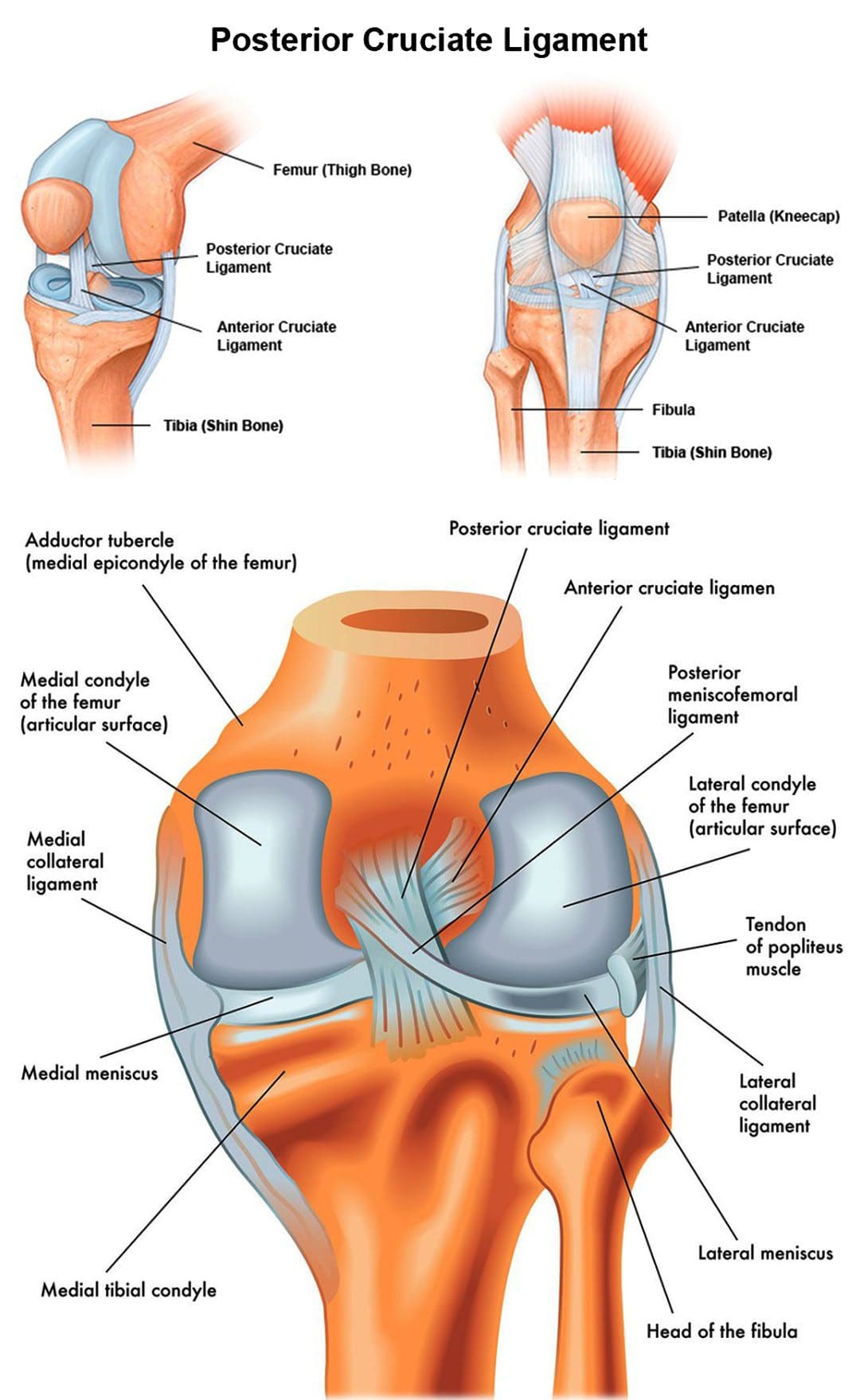
The body has around 1,000 ligaments that connect bones and joints. Ligaments are strong bands of tissue that support joint mobility and stabilize the muscles and bones. An injury to one or more ligaments can cause inflammation, swelling, discomfort, and instability. The PCL refers to the posterior cruciate ligament that runs along the back of the knee joint. This ligament connects the femur/thigh bone to the tibia/shinbone. Anyone can suffer from an injury to the posterior cruciate ligament. It can be caused by the knee hitting a dashboard in an automobile collision, a worker twisting or falling on a bent knee or a sports contact injury. The Injury Medical Chiropractic and Functional Medicine Clinic Team provide soft tissue work, trigger point therapy, and targeted non-surgical treatment through advanced therapy methods and technologies.
Posterior Cruciate Ligament
The posterior cruciate ligament – PCL is located inside the knee, just behind the anterior cruciate ligament – ACL. It is one of several ligaments that connect the femur/thighbone to the tibia/shinbone. The posterior cruciate ligament keeps the tibia from moving backward.
Injury
Posterior cruciate ligament injuries are far less common than ACL – anterior cruciate tears. PCL injuries make up less than 20% of all knee ligament injuries. It is more common for PCL tears to occur with other ligament injuries. A PCL injury can cause mild, moderate, or severe damage and is rated into four different categories:
Grade I
A partial tear is present in the ligament.
Grade II
There is a partial tear.
The ligament can feel loose.
Grade III
The ligament is completely torn.
The knee is unstable.
Grade IV
The PCL is injured.
Other knee ligaments are damaged.
Individuals with posterior cruciate ligament injuries can have short or long-term symptoms. Typically, long-term symptoms occur when an injury slowly develops over time. In mild cases, individuals may still be able to walk, and their symptoms may be less noticeable. Common symptoms associated with PCL injuries include:
Difficulty placing weight on the injured knee.
Stiffness.
Walking difficulties.
Difficulty descending stairs.
A wobbly sensation inside the knee.
Inflammation and swelling can be mild to severe.
Knee pain.
Pain that worsens over time.
Over time, tears could lead to the development of osteoarthritis.
There is an increased risk of extensive damage and chronic pain conditions if left untreated.
Chiropractic Care
The continued participation in work or activity following a mild injury is the primary reason individuals undergo therapy, injections, or surgical repairs. Knee injuries need immediate attention to prevent worsening or further damage. A chiropractor will examine the knee, check the range of motion and ask about symptoms. They may request imaging tests to determine the extent of the damage. These tests may include the following:
X-rays.
Magnetic resonance imaging.
CT scan.
During the physical examination, they will check all the structures of the injured knee and compare them to the non-injured knee. The wounded knee may appear to sag backward when bent or could slide back too far, specifically when beyond a 90-degree angle. Treatment depends on the severity of the injury. Common treatments include:
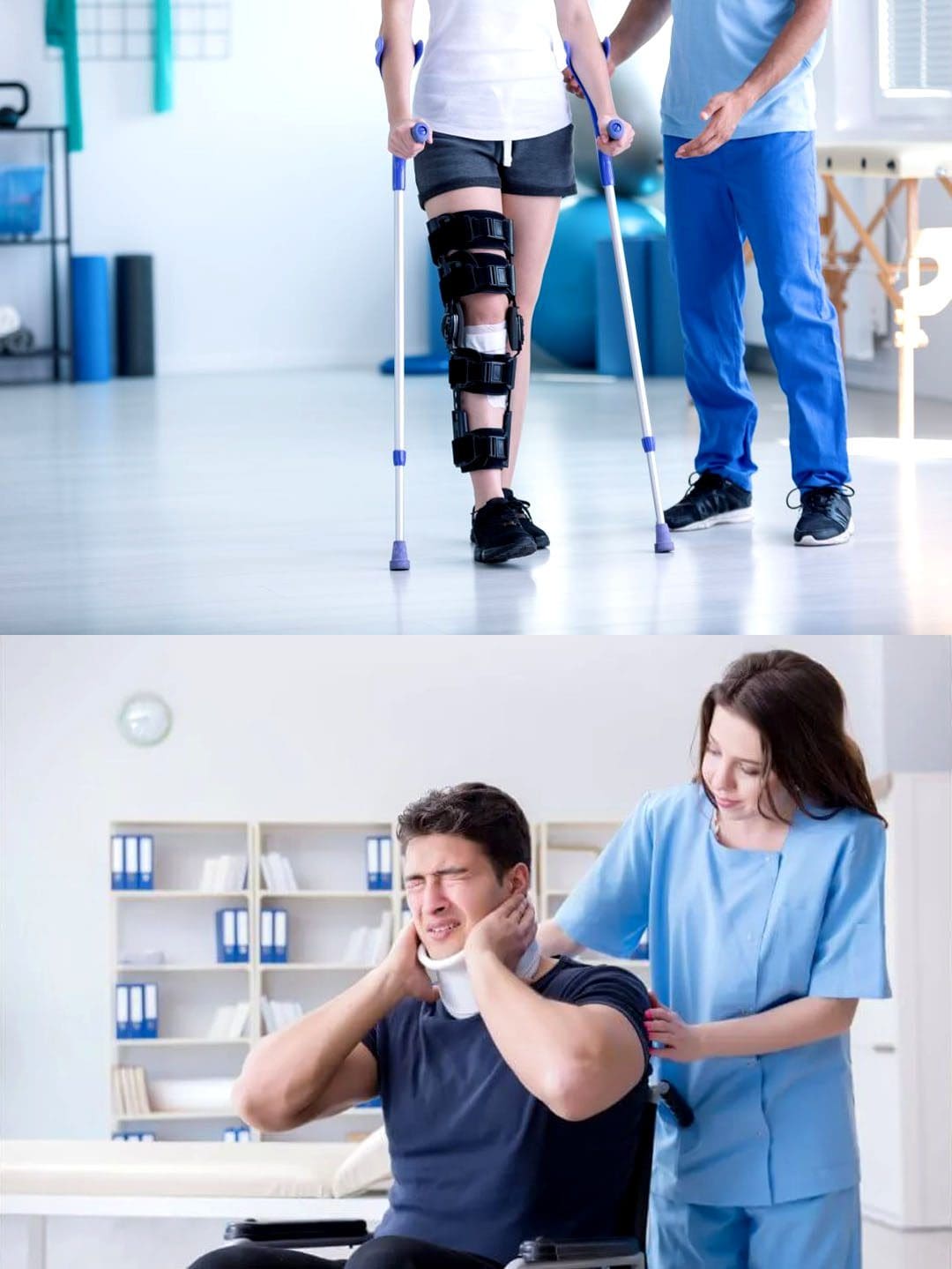
Crutches
Crutches may be recommended to limit the weight placed on the knee.
Knee Brace
A special brace can address instability and help prevent the tibia bone from sagging backward.
Gravity tends to pull the bone backward when lying down.
Chiropractic and Physical Therapy
As the swelling goes down, a carefully personalized rehabilitation program can begin.
This procedure is less invasive compared to traditional surgical methods.
Recovery time varies from person to person. If the injury is mild, it may only take around ten days to heal. If surgery was needed, recovery could take about six to nine months. Full recovery typically requires 6 to 12 months.
Best Knee Injury Chiropractor
References
American Academy of Orthopaedic Surgeons. Posterior Cruciate Ligament Injuries. (https://orthoinfo.aaos.org/en/diseases–conditions/posterior-cruciate-ligament-injuries) Accessed 7/26/21.
Bedi A, Musahl V, Cowan JB. Management of Posterior Cruciate Ligament Injuries: An Evidence-Based Review. Journal of the American Academy of Orthopedic Surgery. 2016 May;24(5):277-89. Accessed 7/26/21.
Lu, Cheng-Chang, et al. “Twelve Weeks of a Staged Balance and Strength Training Program Improves Muscle Strength, Proprioception, and Clinical Function in Patients with Isolated Posterior Cruciate Ligament Injuries.” International journal of environmental research and public health vol. 18,23 12849. 6 Dec. 2021, doi:10.3390/ijerph182312849
Pierce, Casey M et al. “Posterior cruciate ligament tears: functional and postoperative rehabilitation.” Knee surgery, sports traumatology, arthroscopy: official journal of the ESSKA vol. 21,5 (2013): 1071-84. doi:10.1007/s00167-012-1970-1
Schüttler, K F et al. “Verletzungen des hinteren Kreuzbands” [Posterior cruciate ligament injuries]. Der Unfallchirurg vol. 120,1 (2017): 55-68. doi:10.1007/s00113-016-0292-z
Zsidai, Bálint, et al. “Different injury patterns exist among patients undergoing operative treatment of isolated PCL, combined PCL/ACL, and isolated ACL injuries: a study from the Swedish National Knee Ligament Registry.” Knee surgery, sports traumatology, arthroscopy: official journal of the ESSKA vol. 30,10 (2022): 3451-3460. doi:10.1007/s00167-022-06948-x
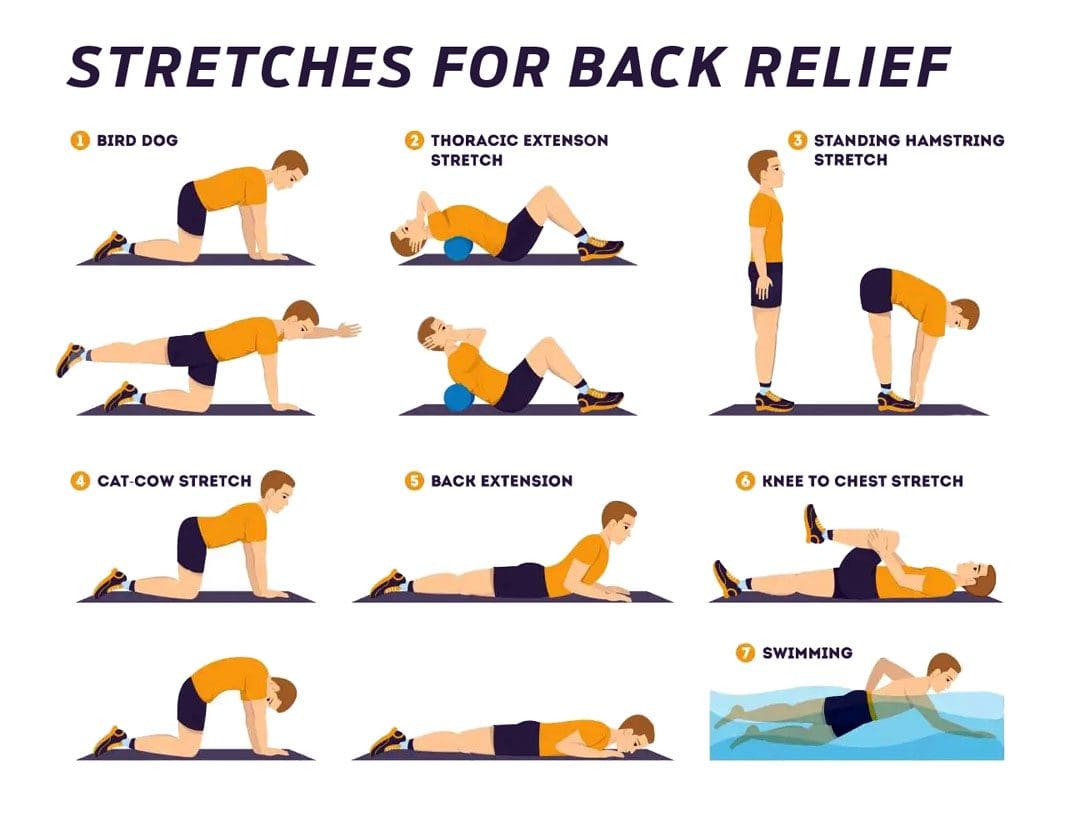
Stretching Objective: The body needs to be flexible to maintain a full range of motion. Stretching keeps the muscles supple, strong, and healthy; without it, the muscles shorten and become stiff and tight. Then, when the muscles are needed, they are weak and unable to extend fully. This increases the risk of joint pain, strains, injuries, and muscle damage. For example, sitting in a chair for a long time results in tight glute muscles and hamstrings, which leads to back discomfort symptoms and inhibits walking. Injury Medical Chiropractic and Functional Medicine Clinic can help individuals develop a personalized stretching program to maintain smooth mobility, flexibility, and function.
Stretching Objective
Benefits
The body needs to be flexible to maintain mobility, balance, and independence. The benefits of regularly stretching include:
When the muscles are stretched, so are the muscle spindles. The spindle records the change in length and speed and transmits the signals through the spinal cord, which conveys the information. This triggers the stretch reflex, which tries to resist the change by causing the stretched muscle to contract. Muscle spindle function helps maintain muscle tone and protects the body from injury. One of the reasons for holding a stretch for a specific amount of time is because, as the muscle stays in a stretched position, the spindle acclimates to the new condition and reduces its resistance signaling, gradually training the stretch receptors to allow greater lengthening of the muscles.
Chiropractic Stretch Training
However, stretching once won’t generate maximum flexibility. Tight muscles may have taken months or years to develop; therefore, it will take time to achieve flexibility and must be continually worked on to maintain it. Chiropractors and physical therapists are body movement experts and can assess individual muscle strength and develop a customized stretching program.
Muscle Spindle Activation
References
Bhattacharyya, Kalyan B. “The stretch reflex and the contributions of C David Marsden.” Annals of Indian Academy of Neurology vol. 20,1 (2017): 1-4. doi:10.4103/0972-2327.199906
Behm, David G et al. “Acute effects of muscle stretching on physical performance, range of motion, and injury incidence in healthy active individuals: a systematic review.” Applied physiology, nutrition, and metabolism = Physiologie applique, nutrition et metabolism vol. 41,1 (2016): 1-11. doi:10.1139/apnm-2015-0235
Berg, K. Stretching fundamentals. In: Prescriptive Stretching. 2nd ed. Kindle edition. Human Kinetics; 2020.
da Costa, Bruno R, and Edgar Ramos Vieira. “Stretching to reduce work-related musculoskeletal disorders: a systematic review.” Journal of rehabilitation medicine vol. 40,5 (2008): 321-8. doi:10.2340/16501977-0204
Page, Phil. “Current concepts in muscle stretching for exercise and rehabilitation.” International journal of sports physical therapy vol. 7,1 (2012): 109-19.
Witvrouw, Erik, et al. “Stretching and injury prevention: an obscure relationship.” Sports medicine (Auckland, N.Z.) vol. 34,7 (2004): 443-9. doi:10.2165/00007256-200434070-00003
IFM's Find A Practitioner tool is the largest referral network in Functional Medicine, created to help patients locate Functional Medicine practitioners anywhere in the world. IFM Certified Practitioners are listed first in the search results, given their extensive education in Functional Medicine







 Posterior Cruciate Ligament
 Stretching Objective