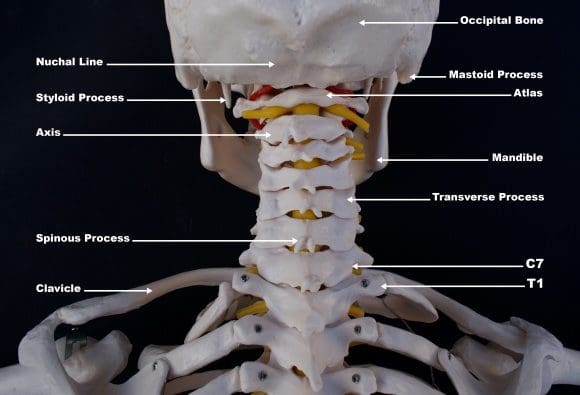
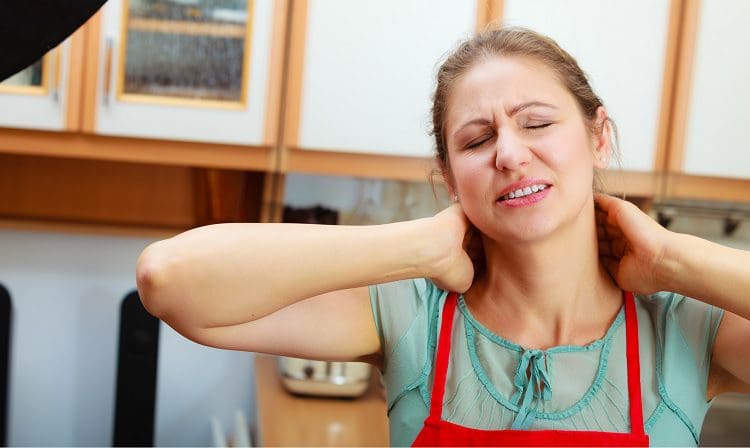
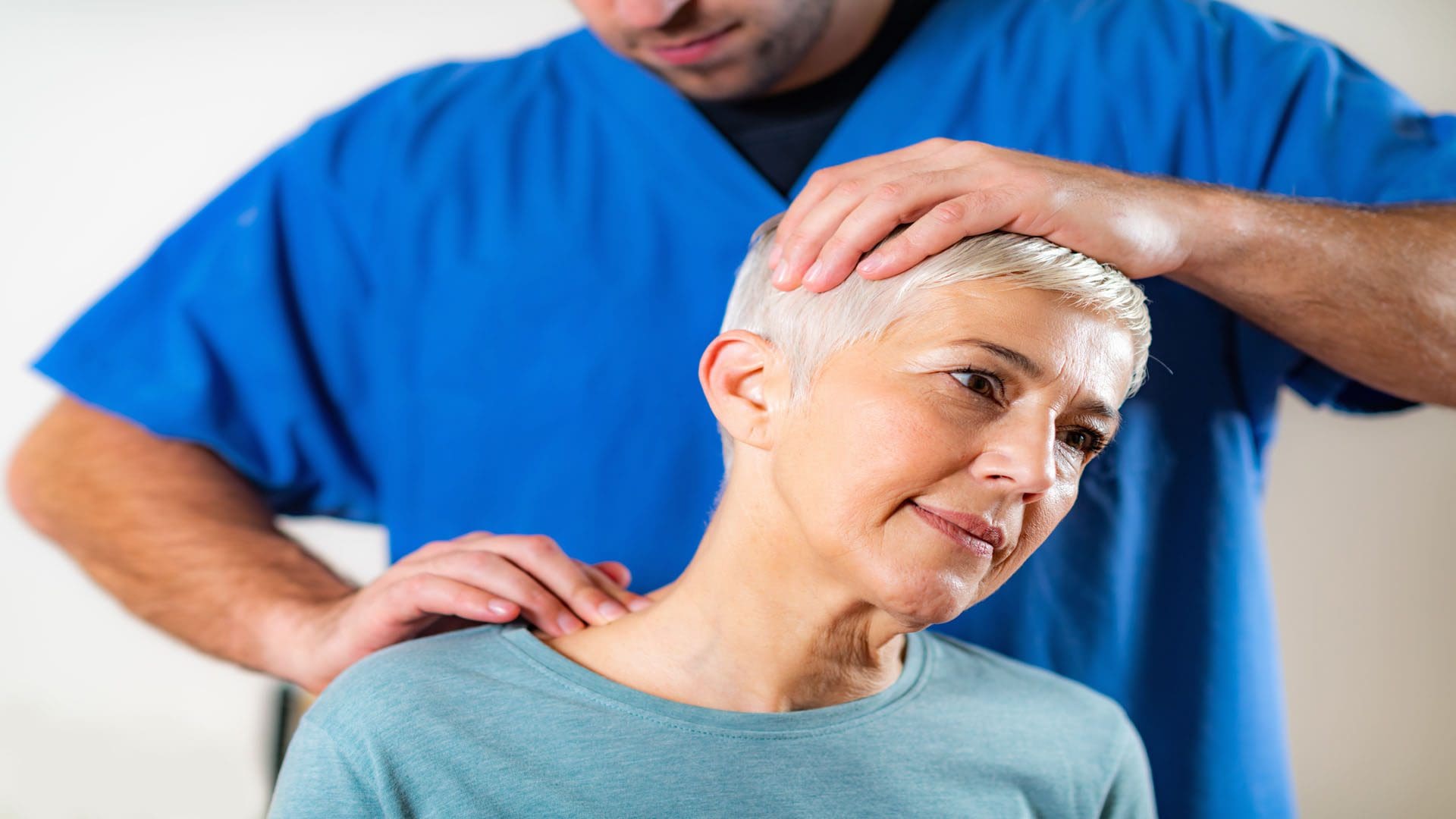
We are familiar with neck stiffness or a crick. This can prevent us from comfortably moving the head all around. A crick can cause the spine, and shoulders to feel rigid and stressed from not being able to turn around and could cause an upper or low-back strain from having to turn the whole body to look back or even just to the side. Chiropractic treatment is available and will help, along with some self-care therapies that can be done at home.
Crick in the Neck vs. Neck Stiffness
A crick in the neck is the same as a stiff neck. It develops when the neck muscles, tendons, and ligaments become strained/sprained. Most strains and sprains are minor but do cause inflammation/swelling of the neck�s soft tissues, which results in stiffness and, at times muscle spasms.
The symptoms
Cricks in the neck are uncomfortable, but not necessarily painful. If there is a pre-existing neck condition or injuries like whiplash the crick and stiffness could increase the uncomfortableness and generate pain.
The most common symptoms include:
Neck stiffness
Muscle stiffness
Reduced mobility affecting the neck�s range of motion
A popping sensation when trying to turn or tilt the head
Causes of a stiff neck or crick
There are different causes of neck stiffness. It can be a combination of things you can control and some you can�t.
Possible causes that you can control:
Poor posture working either sitting or standing for several hours without breaks or stretching.
Sleeping in a position that puts the neck in an awkward position or using a pillow that does not support the neck when sleeping.
Constantly looking down at a cell phone or tablet.
Stress and emotional tension can cause involuntarily tightening of the neck muscles and shoulders.
Heavy labor along with incorrect lifting techniques.
Reaching or having to look up/overhead for several hours like when painting a ceiling.
Possible causes that are out of your control:
Whiplash injury
Sports-injuries like a football stinger
Aging muscles and bones
Around 13% of cases the stiffness, and pain are caused by separate cervical spinal conditions, like:
Cold therapy reduces the swelling of soft tissues, like muscles and ligaments, while heat soothes the tightness by boosting blood circulation to the affected area. There are different products available that can deliver cold or heat to the neck and upper back.
Apply ice for 15 minutes each hour.
Apply heat therapy like a heating pad for 15 minutes every 2 or 3 hours.
Over-the-counter anti-inflammation medicines
Non-steroidal anti-inflammatory medications like ibuprofen and naproxen can help relieve inflammation and pain.
Because neck stiffness can be linked to lifestyle choices, individuals may find that they occur repeatedly. Simple neck stretches, chiropractic treatment, using a supportive pillow, and taking frequent breaks at your job can help prevent neck stiffness and keep you moving. These professionals have undergone extensive training in their field and are capable of treating neck pain effectively. So if you or a loved one are experiencing neck pain, give us a call. We�re ready to help!
Industrialization/modernization has impacted our food, the way we eat and our weight. Processed fast food can be purchased pretty much anywhere. We no longer expend physical energy to hunt and forage for food. Because of this back pain is probably the most common and most troublesome condition that individuals experience. Eight out of 10 will struggle with back pain at some point in their life. Low chronic back pain can become aggravated by a variety of triggers.
Mechanical stress
Excessive strain
Muscle weakness
Poor sleep position
No exercise
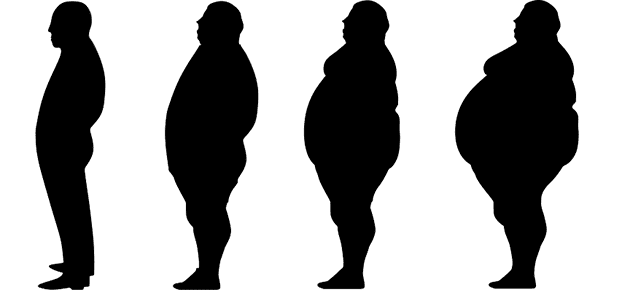
Excessive weight
These can all contribute to making back pain even worse. Obesity is defined as a disease. It is a serious disorder that affects adults and children. Being overweight can contribute to the development of coronary heart disease, diabetes, high blood pressure, and colon cancer. And it can also contribute to symptoms associated with:
Osteoporosis
Osteoarthritis
Rheumatoid arthritis
Degenerative disc disease
Spinal stenosis
Spondylolisthesis
Osteoporosis coupled with a sedentary lifestyle and an unhealthy diet can affect the density and the strength of the bones. When the structural integrity of the spine is compromised there is a higher risk for fracture. Vertebral fractures can be painful and disabling. Those diagnosed with osteoporosis probably have lost between 25% to 30% of bone density.
Being Overweight Affects the Spine
The spine carries the body’s weight and distributes the weight in an equal manner when resting and during activity. When there is excess weight the spine is forced to compromise which can lead to injuries and structural damage. The area of the spine that is the most vulnerable is the low back or lumbar spine.
Exercise is Important
When we don’t exercise it leads to:
Poor flexibility
Weak back muscles
Weak pelvis
Weak thighs
This can increase the lower back’s curve, which causes the pelvis to tilt forward in an unhealthy manner. This is detrimental to proper posture and when our posture weakens, the rest of the body follows.
Age Relation
These disorders of the spine might be thought of as the normal aging process. This is true that as we age, the body tissues begin to change and the spine’s disc wear down. But, if you are overweight, chances are you have, or will have pain in the back.
Weight Loss Reduces Back Pain
Weight loss can contribute to a partial or complete reduction in the back pain symptoms. The research between weight loss and back pain is still ongoing but numerous practitioners report cases of patients experiencing a serious reduction in pain after losing the excess weight. Because the extra weight is taken off the spine further stress is avoided. Especially when a chiropractor realigns the vertebral column. According to the American Spine Society, individuals that stay around 10 pounds of their proper weight are those least likely to experience back problems.
Back Health and Physical Activity
Chiropractic is one of the most popular treatments for back pain. With chiropractic adjustments, pain is alleviated but also the root cause of the problems is corrected. Spinal adjustments can help even more when combined with a proper diet and weight loss treatment program.
Besides weight loss, exercising and strengthening the core muscles can guarantee the proper distribution of the body�s weight. Stronger muscles, less weight, and better posture will provide amazing long-term benefits. If you want to know how to incorporate weight loss and exercise in your daily routine, speak to your chiropractor. They are ready to guide you along the way. If you aren�t currently seeing a chiropractor, give us a call. We�re here to help!
Chiropractic Weight Loss
NCBI Resources
While chiropractic adjustments and associated therapies can ease back pain symptoms and aid in healing, lifestyle changes like a healthy diet are just as important. The more a patient can get to their ideal weight, the easier it becomes to treat and eliminate the back pain.
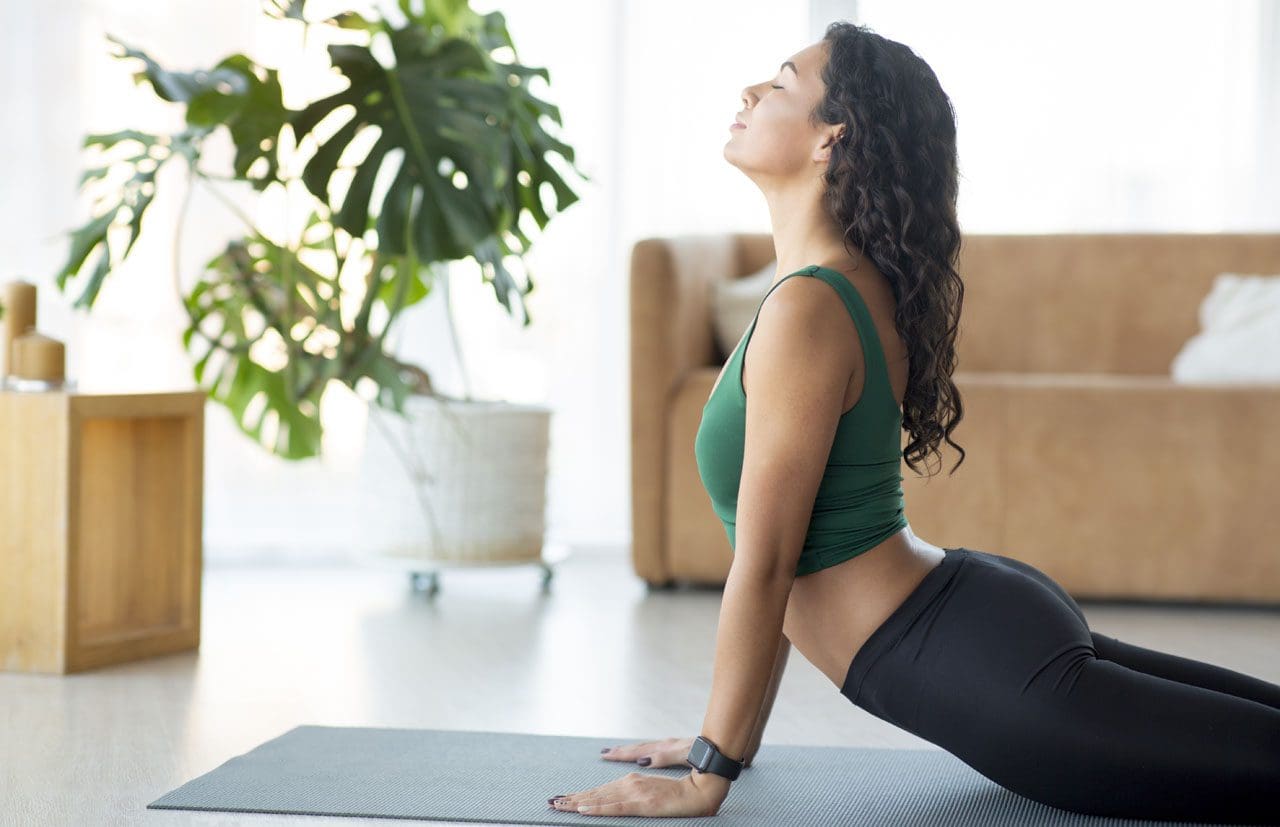
You don’t have to be highly athletic to do back extensions. They’re common in yoga, Pilates, and other stretching and strengthening exercises. Health and fitness begin with the desire to improve oneself. When desire and belief are strong enough, it leads to action. When done properly and consistently, success follows. Considering all that the back goes through in a typical day, it isn’t much of a stretch to think that pain could present at times. This is especially true if the back is not properly aligned.
Strong back muscles can reduce injuries and improve posture. There are some muscles along the length of the spine that support the spine. One of the most important�deep muscle groups in your back is the erector spinae. If this muscle group becomes weak, back pain can start to present.
Back Extension
Back extensions can be done:
Using a machine
With an exercise ball
No equipment or objects at all described below
When beginning it’s a good idea to consult a certified personal trainer that has experience rehabilitating people with back pain. They will also teach proper form, body mechanics and alignment. Before doing any exercises consult your chiropractor or primary doctor.
Three You Can Do
The Cow Pose
Begin on hands and knees.
Hands are shoulder-distance apart and knees are hip-distance apart.
Inhale and arch your spine by rocking your pelvis toward the floor.
Look up toward the ceiling.
As you exhale, move back to your starting neutral back position.
Inhale, and repeat. Link your inhales and exhales with your movement.
Do the cow stretch 5 to 10 times once a day.
Upper Back Extension
Begin on your stomach with a small pillow or�rolled�towel under your hips.
Arms should be along your sides.
Slowly lift your upper body off the floor and contract your low back muscles.
Hold 3 seconds before lowering back to the floor.
Repeat 10 times.
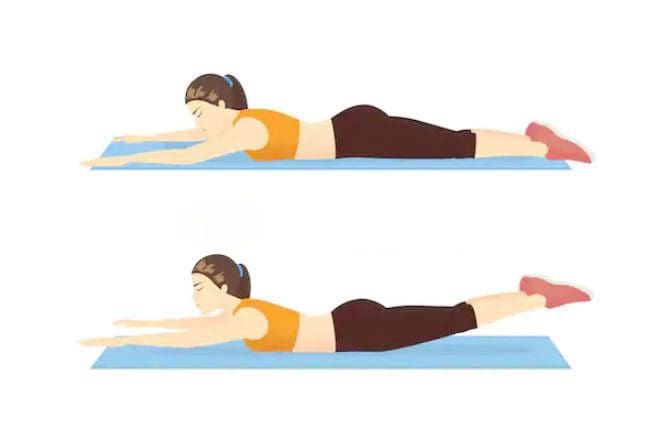
Opposite Arm/Leg Extension
Start on your stomach with legs together and arms stretched in front.
Breathe in and tighten your tailbone as you lift your arms and legs off the floor (about hip height and if you can higher).
Pump the right arm down and left leg down so they just graze the ground, and then bring them back to hip height and pump the left arm and right leg down.
Alternating right arm/left leg and left arm/right leg in small movements. Keep your eyes toward the mat.
Repeat 3 times every day.
These are just a few back extensions that can help you build strong back muscles. Do these exercises regularly to decrease and prevent back pain.
Belief Action Success
All of us want to be living healthy lives.
When realistic, specific and measurable goals are expertly set-up in a health program what really keeps us from getting there is a break in the link that falls between belief and the action. And that is the excuses that seem to pop up at those moments.
Every time I try to exercise or eat healthy, something comes up
Someone or something else is responsible for the situation.
We know what we need to do but just don’t want to do it. We believe that something out of our control prevents us.
Be Proactive
It means more than just taking initiative. It means a responsibility or you can think of it as a response and the ability for our own lives. People that become proactive do not blame circumstances, conditions, etc for their behavior or lack of behavior. It is a product of their own conscious choice. Once you realize the power you have, obstacles become welcome challenges to be overcome. With just a little success, confidence grows and commitment to health and fitness goals becomes a priority.
Back Pain Specialist
NCBI Resources
Dealing with joint or muscle pain can be a daunting experience. It�s important to work on maintaining�mobility and flexibility. The more flexible, the less likely to be injured. One of the best ways to improve flexibility is through stretching. A�chiropractor�can recommend stretches, or you can use some of these basic techniques
Two types of muscles exist in the body, and they are voluntary or the ones that we can move and involuntary or those that move on their own like the digestive and heart muscles. Both can be made stronger and more resilient through exercise and physical activity. We’re shall focus on the voluntary muscles that move and support the spine.
When there is a lack of muscle strength and flexibility it can create an environment for back pain. The muscles connect to the bones through the tendons. When contracted the signal concentrates through the tendon, and moves the bone/s. The tendons are attached to the bones. When the tendons get inflamed, tendonitis can occur even in the spine.
Muscle layers
Some go deeper while others are more superficial and at the surface. The deeper muscles are the ones that stabilize and secure the bones. The abdominal muscles along with the hips and legs can play a part in back pain/problems.
A doctor might have told you that to have a healthy spine. That is great news, however, we all need to build a strong core, which includes the abdominal muscles, to help stabilize the entire torso. There are four types of abdominal muscles.
The Corset
The deepest is the transversus abdominis, which wraps around your body just like a corset. These muscles contract if you place your hands on your waist and cough. On the sides of your body, there are two sets of oblique muscles. The internal obliques go deeper, while the external obliques are closer to the surface. The obliques enable us to twist and bend from side to side.
The Six-Pack
And of course, there is the rectus abdominis which we all know as the six-pack. These can be sculpted into the washboard abs but they do not help in stabilizing the spine/back. The job of the abs is to pull you forward like when doing sit-ups and crunches.
They do help compress the deeper ab muscles, but to stabilize the spine, you want to strengthen the deepest ab muscles. The corset, internal obliques, and back muscles are the ones you want to work. One of the most effective ab and back workouts is Pilates. It targets all abdominal and spine muscles in a gentle way.
Flexors
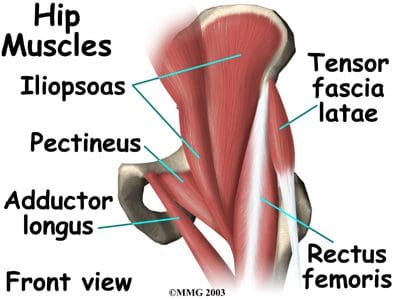
Within the body are two muscles on either side of the body, called the iliopsoas muscles, or the psoas (so-as). These are the hip and thigh flexors which lift the thighs like when�walking, going upstairs.
When in a stationary position, the psoas enables you to bend forward or flex the hips. When sitting, the psoas stabilizes the spine into an upright position. It is one of the largest and thickest muscles, and it extends from your lumbar vertebrae, crosses in front of each hip, and attaches on the inside top of the thigh bone. When we sit for long periods it constricts or shortens the psoas, which causes soreness/pain when you stand.
Layers
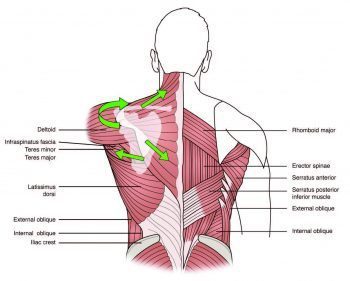
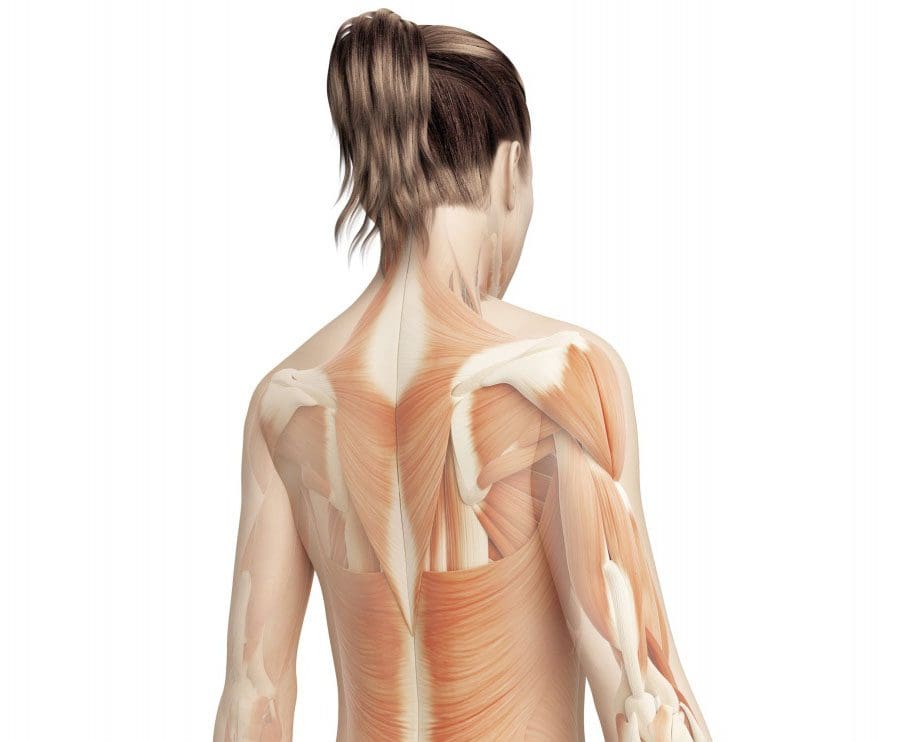
Spinal muscles are made up of layers. The deepest are small and are attached one vertebra to another. The deepest level are the interspinalis muscles, which connect the spinous processes; thank them for helping you stretch backward.
The transversospinalis group forms a chevron pattern along the back and helps with side bending, twisting, and assists in back bending. The next layer up is the erector spinae. The main job of this group is bending, but also assist with�bending to the side . When muscle spasms occur, it’s often the erector spinae muscles.
The next level consists of the rhomboids. These are situated between the shoulder blades. Exercise or physical therapy can realign the vertebrae if there is upper back, shoulder and neck pain. The wings on either side of the back are called latissmius dorsi. These stabilize the back and help in doing all kinds of activities, like pull-ups.
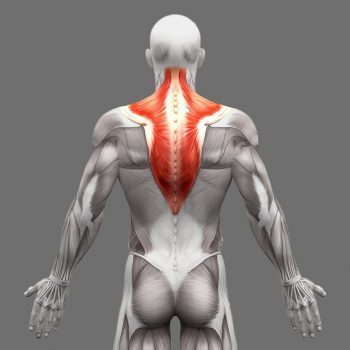
Next are the trapezius (traps) muscles that extend from your neck and midback to the shoulders. These muscles help move your neck and lift the shoulder blades. When there is tension, there is a tendency to lift our shoulders, which is what makes these muscles tight and sore. It�s never too late to increase strength and flexibility. Look at activities that you and your friends/family can enjoy and turn them into a regular thing.
Athletes and Custom Foot Orthotics
NCBI Resources
A�chiropractor�is the ideal�medical professional to consult with for any unexplained pain in the musculoskeletal system. They are highly qualified professionals that their specialty is treating conditions like lower back pain and they are very affordable. If you or a loved one have pain give us a call. We�re here to help!
Everyday exercises that increase the strength of the abdomen/core along with the back muscles will optimize your body to resist spinal injuries.
Your spine goes through a lot each day. It provides structural support and houses the central nervous system that carries impulses from the brain throughout the body. When it doesn’t work as it is supposed to, the entire body can be affected. Chiropractic has long been praised as a way to keep the back healthy.
The spine is the primary support for the body. When it breaks down, the body suffers. Regular chiropractic care keeps the spine properly aligned, which keeps the body in proper alignment.
Chiropractic helps with joint health as well as the health of the related muscles and ligaments. Your chiropractor can also recommend stretching and strength-building exercises to help keep your spine strong and in optimal form.
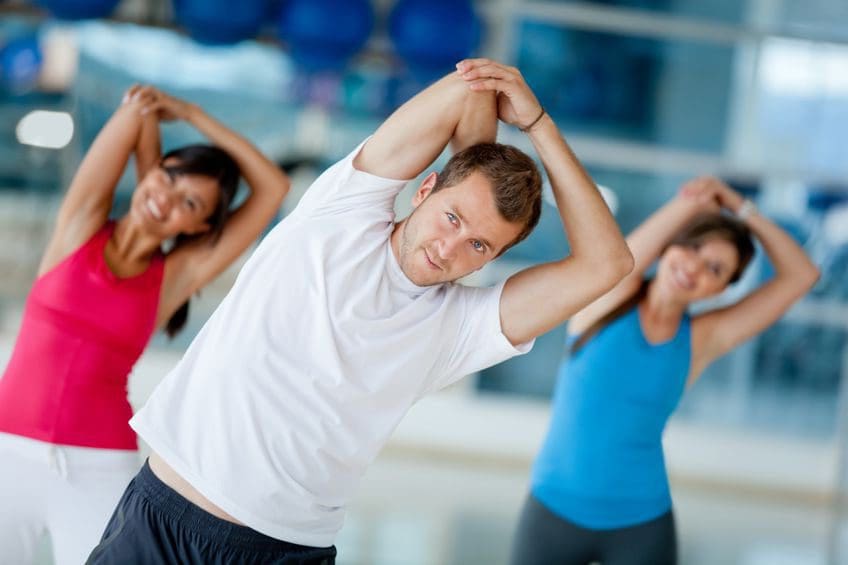
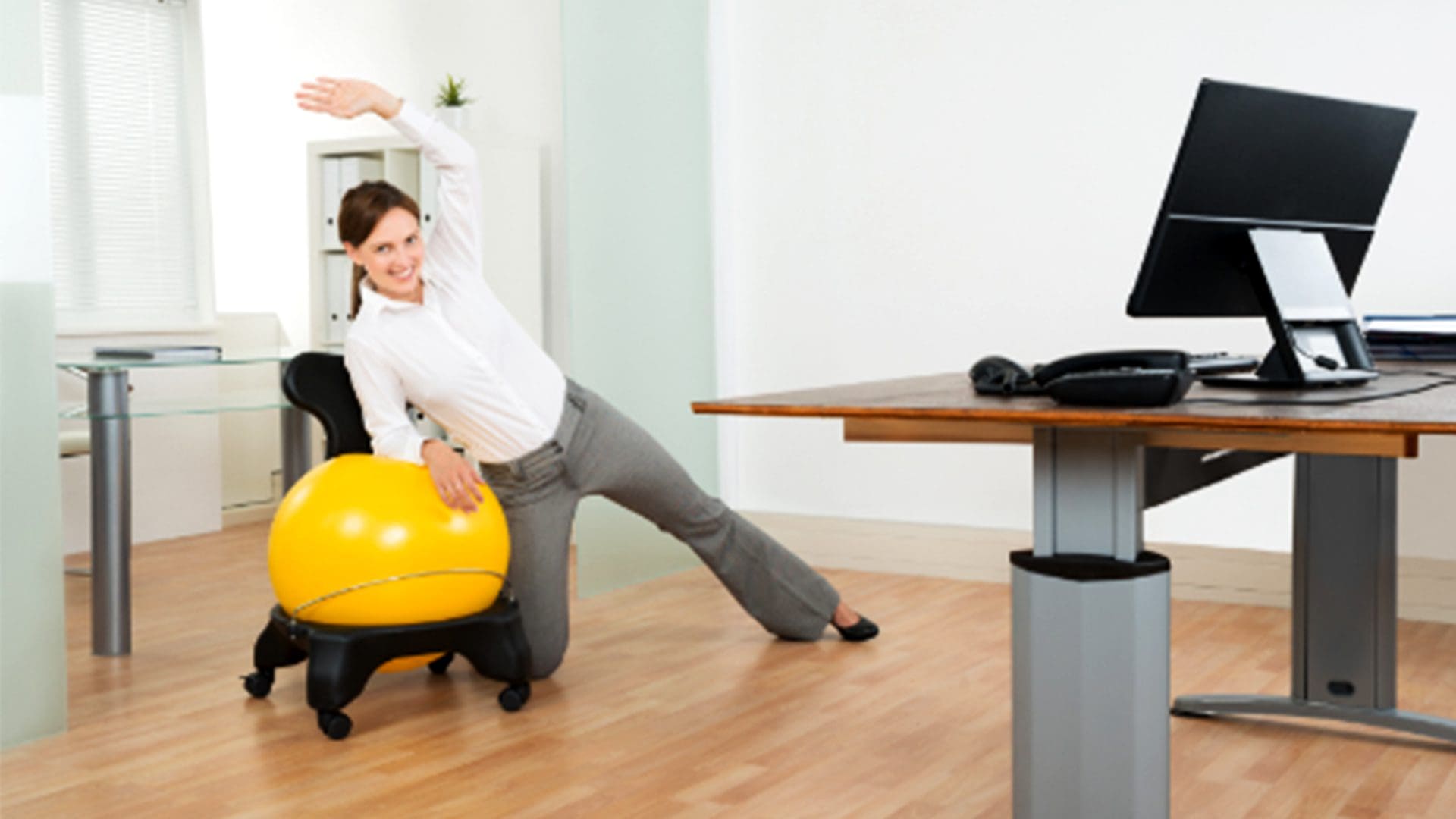
Try the following everyday exercises as the day progresses.
Rotate the shoulders, forward and back.
Turn the head slowly from side to side.
Imagine an airplane taking off, just over your right shoulder. Feel the neck stretch, and follow the plane as it goes up, around and down, until it disappears behind the other shoulder. Reverse and do the same from the left side.
When there is a break or pause in your day waiting at the elevator or for a traffic light to change pull in the abdominal muscles, tighten and hold for 8 seconds without breathing. Relax and increase the count gradually when you feel ready. After a week or so, practice breathing the way you normally do with your abdomen flat and contracted. Try this when you sit, stand, and walk.
Before rising out of bed in the morning, push your head against the pillow and hold for 6 seconds. This strengthens the neck muscles and helps you wake up.
Chiropractic helps keep the spine flexible and loose to prevent injury/s. A strong flexible spine reduces the chances of a misaligned back and could experience pain.Your quality of life will greatly improve being more flexible and mobile.
Continued Everyday Exercises
As you get ready for your day, brushing teeth or shaving, pull in the abdominal muscles and hold them as hard as you can.
Make a habit of starting your day holding stomach muscles in.
In the car, waiting in traffic make the most of it, grab the steering wheel on either side of the wheel at three o’clock and nine o’clock. Try to pull the wheel apart and hold it for a few seconds. Then do the same but push inward. You can also push with your palms against the roof. Also push against your knees using the muscles in your forearms, chest, and abdomen.
Waiting for an elevator, push your toe against the bottom of a wall and hold. You should feel it in your rear, abdomen and low back.
You can strengthen your grip and arms by squeezing a solid object like an office landline phone receiver and then let go and repeat.
While talking on the phone, stand over your desk waste-basket with legs straight, squeeze in using the muscles in your legs and hips.
You can also choose to do some exercises that can be done anywhere and in public.
Chiropractic Improves Posture
Proper posture is beneficial for the entire body. Proper alignment keeps the muscles working correctly and in strong fashion. This prevents over wear and tear on the joints surface and keeps the muscles working effectively and efficiently. Good posture prevents injury and helps with organ function.
Chiropractic optimizes overall health by keeping the body balanced and in tip-top form. Many think that its only purpose is to treat back pain, but it actually focuses on total body wellness.
Reduce Excessive Foot Pronation with Custom Foot Orthotics
NCBI Resources
Having healthy body composition means�there needs to be more lean body mass i.e.�muscle mass�and less body fat.�Strength training/CrossFit�helps by raising the�metabolic rate�while lowering body fat. The increased muscle strength helps maintain correct posture and body mechanics in whatever you do.
Physical activity reduces the chance of injury while increasing physical performance like being able to climb stairs or carry groceries with added confidence.
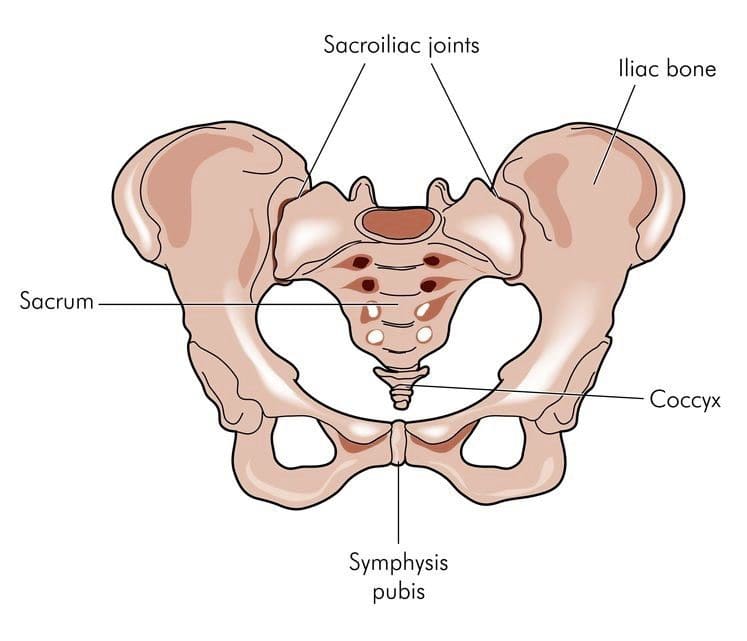
Sacroiliac joint dysfunction and its symptoms can also be a cause for low back pain conditions and disorders.
This condition is also known as:
Sacroiliitis
SI joint inflammation
SI joint syndrome
Sacroiliac joint dysfunction
SI joint strain
It can make regular activities like sitting, standing, walking, and sleeping frustrating, difficult and unbearable. It has been found in around 30-35% of individuals.�Many individuals can spend months or even years dealing with symptoms but are never aware that it’s not the correct diagnosis. Sacroiliac joint dysfunction can sometimes be difficult to diagnose. These joints are so close to the hip and low back, that it is common for sacroiliac joint dysfunction to be mistaken for other causes/conditions of low back pain, like a herniated, slipped or bulging disc.
Sacroiliac Joint Dysfunction Symptoms
When low back pain is present, it can be quite difficult for a doctor to figure out the exact source/cause of your pain.
These are a few recognizable symptoms of sacroiliac joint dysfunction.
Low back pain is the most common.
Pain could also present in the hips, buttocks, thighs, and possibly the groin area.
The pain can be so severe that just touching the area is unbearable.
Other activities that can cause symptoms:
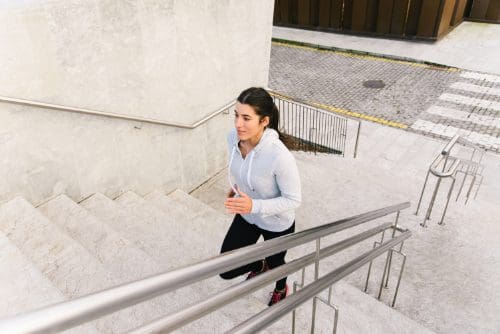
Common movements like climbing stairs, sitting down/getting up out of a seat, can cause pain. Pain can also be aggravated from standing or walking for extended periods but improve when relaxed or lying down. Stiffness or a burning sensation in the pelvis can also present.
Causes of Joint Dysfunction
A variety of conditions can cause sacroiliac joint dysfunction. The most common:
Arthritis
Joint pain can be caused by spinal osteoarthritis because as the cartilage around the sacroiliac joint wears down, the bones can start to rub against each other. Ankylosing spondylitis is an inflammatory arthritis that affects the spine that can also cause joint dysfunction.
Pregnancy
Pregnant women can experience low back pain or pelvic pain from sacroiliac dysfunction because the joints get stretched and lose their elasticity during pregnancy. Hormone changes and added weight during pregnancy can place added stress on the sacroiliac joints.
Accident Trauma
High impact from an auto accident, slip and fall injury, or sports injury could damage the sacroiliac joint/s.
Viral Infection
Infections are extremely rare but could be another cause of joint pain.
There are a variety of treatment options that can help reduce and prevent low back pain.
Exercise/Physical Therapy
Exercise and physical therapy are therapies that doctors highly recommend before other treatments like pain medications or surgery. Exercise, chiropractic and physical therapy can help manage pain and other symptoms. Consult your doctor before starting any physical therapy or exercise program. Your doctor can recommend a chiropractor or therapist that can help get you started with the proper exercise treatment plan.
Physical Therapy
Physical therapy can help reduce stress on the joints, that are strained and tight. It also helps maintain joint flexibility. A physical therapist will perform passive and active treatment therapies to help manage joint pain.
Passive treatments – the physical therapist does the majority of the work. An example of passive treatment applying heat or ice along with massaging the area.
Active treatments – the patient participates in the treatment with at-home exercise routines is an example of active treatment.
A combination of passive and active treatment provides the best outcomes and offers the most benefits, as the patient has the know-how of proper posture, exercises that they can do and injury prevention. A chiropractor and physical therapist can build a physical therapy program to help address your symptoms.
Exercise
With sacroiliac joint dysfunction, you do not have to do hard intense exercise. The benefits come from a consistent gentle exercise routine with an emphasis on consistency. Exercising stretches and strengthens muscles of the low back muscles and helps maintain joint flexibility.
An overall exercise plan should incorporate the three main types:
Sacroiliac joint dysfunction is known to cause low back pain, but diagnosing can be hard for some doctors. Especially those that do not have a great deal of experience in sacroiliac joint pain. However,�chiropractors specialize in this area as the SI joint is an important part of the musculoskeletal system.
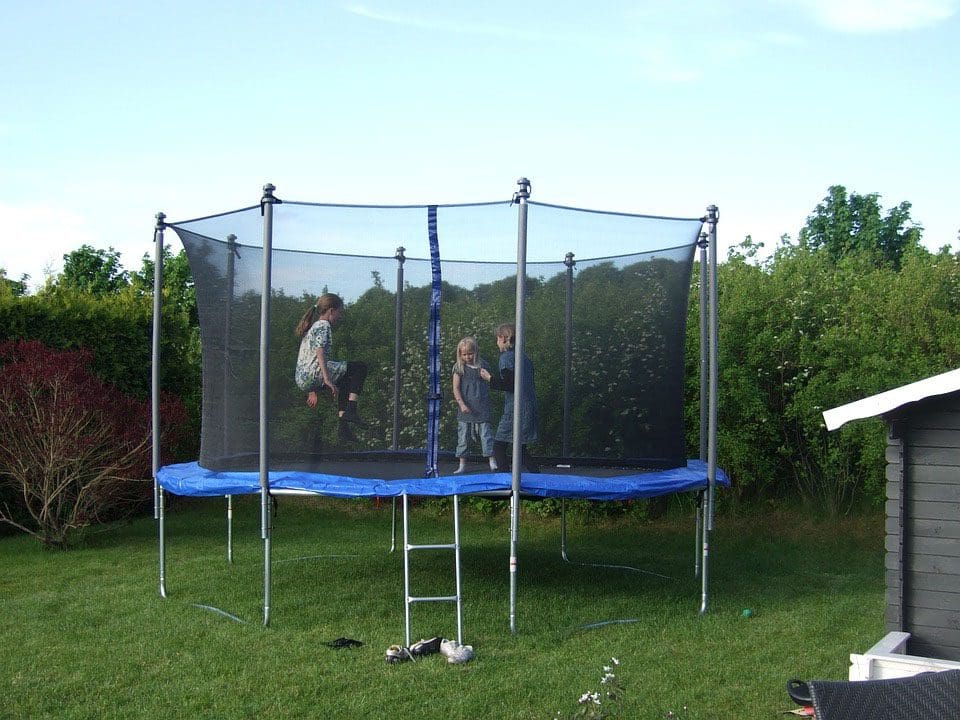
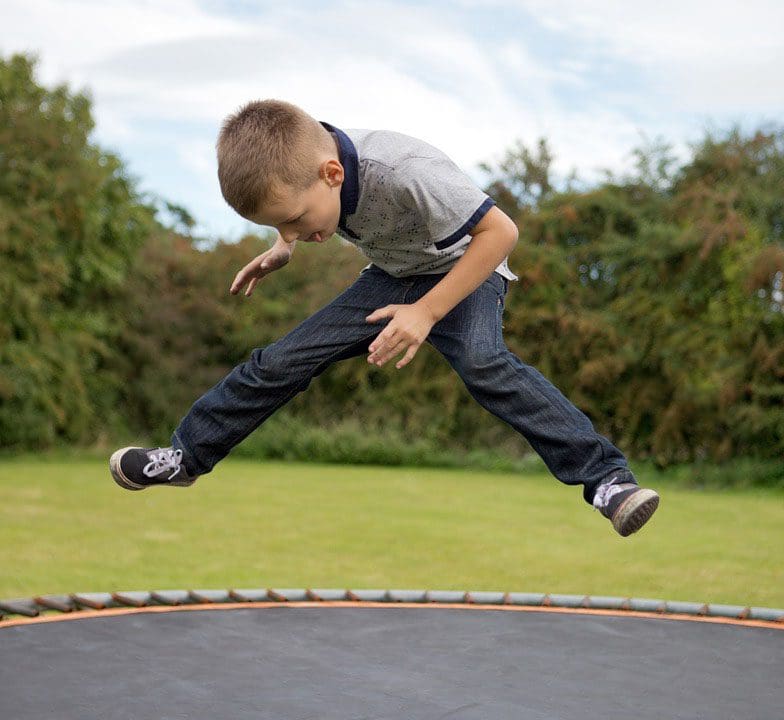
It’s the weekend in the backyard doing some chores, grilling, etc, while several kids play and jump on a� nearby trampoline. The joviality from all this fun is filled with laughter, screams of joy, and other sounds or game instructions from one child to another. Then there is silence. The kids are huddled around their friend. One of the children fell off flat on their back.
The paramedics arrive and immobilize the head, neck, and spine strapping the child to a backboard and off to the hospital where there is no severe damage, just some mild bruising but everything turned out ok. This was a made-up scenario but unfortunately, emergency room doctors are seeing and treating this type of injury more and more.
Statistics
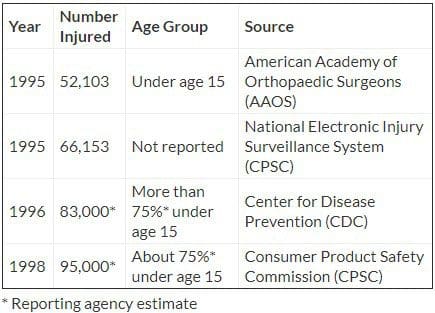
The statistics of the number of trampoline-related injuries treated in emergency rooms.
A simple analysis of the above stats is shocking. This means that since 1995, the number of injuries has increased between 30 and 45 percent. The CDC states that around 10 percent of trampoline injuries affect the head and neck. Many injuries are minor like bruising, scrapes and whatnot but some can be serious like broken bones, blunt-force trauma, and even paralysis.
For Home
Most of us see trampolines as a toy but are not aware of the dangers that come with it. Most injuries take place on trampolines purchased for home use. The American Academy of Pediatrics recommends that parents never let their children use a friend’s trampoline. While the American Medical Association recommends children should not be allowed to play/jump on a trampoline, even with adult supervision.
Trampoline Safety
Equipment Tips
A full-size trampoline consists of flexible fabric attached to a metal frame with springs, hooks, and a safety mesh/net. Most are around three feet off the ground. Consider the following safety tips:
Read the information and instructions provided by the trampoline manufacturer. Give this information to anyone who will be using the trampoline.
The proper placement of the trampoline is very important. Look at the location and surrounding area. Don’t place the trampoline close to a house/building, playground equipment, a swimming pool, the street, electrical lines, outdoor appliances, and plants/trees.
Remember a child can bounce 10 feet or higher in the air from a trampoline.
Make sure the springs, hooks, and frame are secured and covered with sturdy shock-absorbing pads.
There should be shock-absorbing material all-around and under the trampoline.�Use the owner�s manual for recommended materials.
Stores where trampolines are sold often sell special padding.
Check the trampoline for wear and tear often. Which include the frame’s structure like the screws, bolts springs, hooks, and fabric.
Using the Trampoline
Step-ladders, boxes, and chairs to climb on the trampoline should be kept out of reach to prevent children from using the equipment without permission. And they should be moved out of the way once the individuals are on.
Do not use the trampoline when darkness begins to take over like sunset. Individuals cannot see and when up in the air judging distance and where the trampoline is can be difficult/impossible.
Before use, warm-up with a few exercises. To make sure muscles are loose and ready to react.
Children need adult supervision at all times. Judging distances, foreseeing danger and quick reaction in situations that can become dangerous require an adult.
At least two adults are needed to spot the individuals and help prevent anyone from falling off.
Most want to jump together but too many people on a trampoline can be dangerous. Limit the number of people to where they can bounce safely without bumping into someone else, or falling off from lack of space.
CDC reports that half of all injuries happen when more than two people use a trampoline. Usually, this happens with children that are lightweight, still not fully coordinated, and can’t control how they move, especially in the air.
Learn how to land properly.
Unless a professional or expertly trained do not try somersaults, backflips, stunts, or crazy acrobatics.
Don’t jump or bounce off the trampoline.
Professional Help
There are professional gymnastic centers that have trampolines with padding all around and also give lessons/classes on proper usage. This could help a great deal, as it could be a safe alternative instead of home use. But if not then take the classes which could save a trip to an emergency room!
As El Paso�s Chiropractic Rehabilitation & Integrated Medicine Center, we are focused on treating patients after debilitating injuries and chronic pain conditions. We focus on improving your ability through flexibility, mobility and agility programs tailored for all age groups and disabilities.
The Best Sports Injury Rehabilitation Chiropractor El Paso, TX.
NCBI Resources
Spinal cord injuries occur more in the neck or cervical spine. Around 60% of cases involve the neck, followed by the mid-back or thoracic spine that averages to around 32% of injuries. Although most people experience low-back pain,�only 9% of spinal injuries occur in the low back and tailbone or lumbosacral spine.
Damage to the spinal cord not only affects the area where the point of impact occurred. The primary injury can also�damage cells, dislocate the vertebrae and cause spinal compression.�It can also trigger secondary injuries, that cause a series of biological changes. This can happen within weeks or months after the injury.
IFM's Find A Practitioner tool is the largest referral network in Functional Medicine, created to help patients locate Functional Medicine practitioners anywhere in the world. IFM Certified Practitioners are listed first in the search results, given their extensive education in Functional Medicine