Keeping an individual’s spine in top form equals less pain and more mobility, flexibility, and freedom. The body wears down and is a natural effect of aging that happens to every single one of us. Spinal issues related to aging can become serious if not addressed and enacted upon with exercises, stretching, and chiropractic maintenance.
Aging and The Back
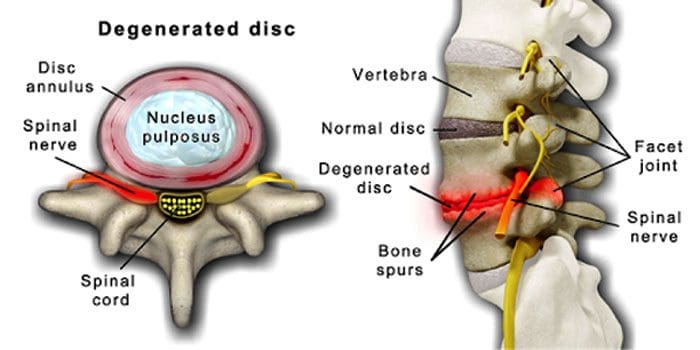
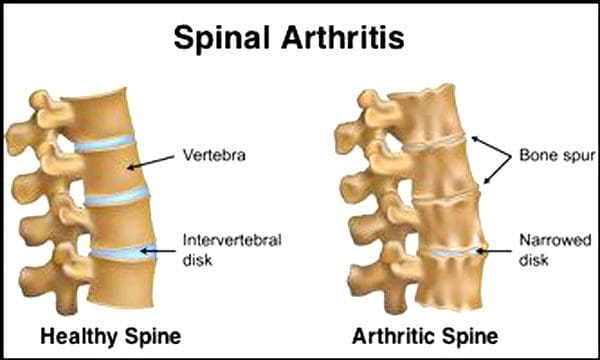
It is normal for the spinal discs and joints to deteriorate with age. Spinal stenosis or the narrowing of the spinal canal can also be part of the aging process. Two conditions brought on by aging are degenerative disc disease and arthritis that can also include stiffening of the spinal ligaments and osteoporosis.
Degenerative disc disease is experienced by 40% of individuals 40 years of age
Increases to 80% for individuals 80 years of age and older.
It centers around discs that gradually change from being mostly water to mostly fat.
When it is fat, the discs become narrowed and lose elasticity.
The Centers for Disease Control and Prevention say that 23% of American adults have arthritis. This is a condition that mainly affects the facet joints. The joints become swollen, which reduces the range of motion and can impinge on the spinal nerves, causing pain, weakness, and sciatica. With time the ligaments around and in the spine stiffen, reducing the range of motion, causing stenosis. Bone loss, or osteoporosis, is brought on by changes in hormones and other factors like nutrition. Aging is a natural process, but individuals can help their spines stay in top form no matter how old they are.
Practicing Healthy Posture
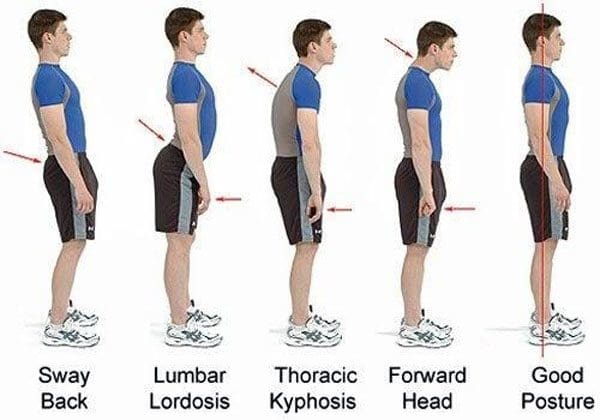
Right off the bat proper healthy body mechanics is a must. Staying aware and mindful of body posture maintains alignment and keeps the body balanced. Healthy posture will help reduce the effects of:
Spinal stenosis
Degenerative disc disease
Herniation
Risk of spinal fractures
Practicing proper posture includes:
Reduce slouching
Make sure the workstation is in top form and ergonomically sound
Make sure to bend the knees when lifting and keep the spine as vertical as possible.
Yoga
Yoga can be highly beneficial for a healthier, more youthful spine. Yoga fulfills three areas for keeping the spine in top form. This includes:
Regular exercise
Maintains flexibility
Achieves ideal body weight
Yoga is an age-defying activity for the spine. Because it:
Maintains strength
Flexibility
Posture
Balance
Can be helpful for a variety of spinal conditions, specifically arthritis pain
Falls can cause serious injuries. Yoga can also help work on balance as well.
See a Chiropractor
Preventive medicine is key to keeping the body healthy, youthful, and as strong as possible. A chiropractic examination can determine if there are any spinal problems and a diagnosis to develop an optimal treatment plan. If body function is limited because of pain in the back and/or legs, contact Injury Medical Chiropractic and Functional Medicine Clinic and get the spine back in top form.
Body Composition
Exercise/Stability Ball Curls
This exercise works muscle groups specific to spinal strength and includes the:
Hamstrings
Glutes
Deep abdominals
Hip abductors and rotators
Exercises like this are one of the most effective ways to build functional strength and endurance in the hamstrings, hips and prevent injuries. To do this workout:
Lie on your back with the knees bent
Lift legs up so the bottom of the feet rests on top of an exercise ball
Roll your legs out until they are straight
Hold the position for a second or two
Return to the top of the movement while squeezing the hamstrings
Working these muscles will help make squatting, lunging, or bending motions easier on the spine.
Dr. Alex Jimenez�s Blog Post Disclaimer
The scope of our information is limited to chiropractic, musculoskeletal, physical medicines, wellness, and sensitive health issues and/or functional medicine articles, topics, and discussions. We use functional health & wellness protocols to treat and support care for injuries or disorders of the musculoskeletal system. Our posts, topics, subjects, and insights cover clinical matters, issues, and topics that relate and support directly or indirectly our clinical scope of practice.*
Our office has made a reasonable attempt to provide supportive citations and has identified the relevant research study or studies supporting our posts. We also make copies of supporting research studies available to the board and or the public upon request. We understand that we cover matters that require an additional explanation as to how it may assist in a particular care plan or treatment protocol; therefore, to further discuss the subject matter above, please feel free to ask Dr. Alex Jimenez or contact us at 915-850-0900. The provider(s) Licensed in Texas& New Mexico*
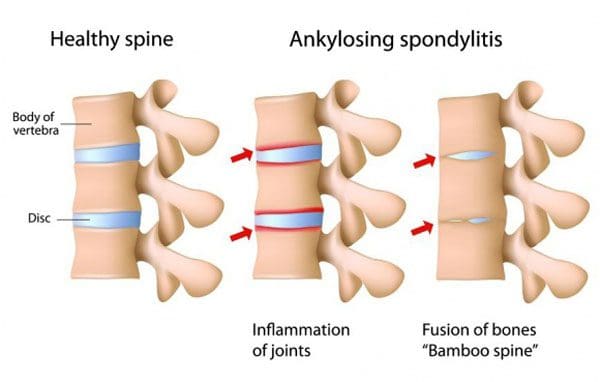
Individuals with ankylosing spondylitis have a new treatment option that was previously used for rheumatoid arthritis. It is a medication that belongs to a class known as JAK inhibitors. Ankylosing spondylitis combines joint pain with reduced mobility. Ankylosing spondylitis is different because in severe cases, the bones in the spine can fuse together, literally reducing mobility.
The disease typically begins with pain and stiffness in the back. This is usually after some time of inactivity. Symptoms start before the age of 45 and develop gradually. There is no cure for ankylosing spondylitis but there are treatments that can improve symptoms and put the condition into remission. Ankylosing spondylitis treatment is the most successful when addressed early before irreversible damage to the joints begins.
Janus Kinase Inhibitors
Janus kinase inhibitors have traditionally been used to treat:
Rheumatoid arthritis
Psoriatic arthritis
Ulcerative colitis
The medication works by decreasing the immune system�s activity. Janus kinase inhibitor drugs affect several cellular compounds that are important in the development and progression of ankylosing spondylitis. Currently, there are only three Janus kinase inhibitor medications available in the United States and FDA-approved to treat rheumatoid arthritis:
Xeljanz
Rinvoq
Olumiant
Each of the approved inhibitors targets specific enzymes
Current Ankylosing Spondylitis Treatments
Janus kinase inhibitors are not given to individuals right away. However, it could be an option if first and second-line treatments are not working. Treatments usually consist of:
First-Line Treatments
NSAIDs
Nonsteroidal anti-inflammatory medications are the most commonly used to treat ankylosing inflammation, pain, and stiffness.
Chiropractic
Chiropractic physical therapy is a major part of ankylosing spondylitis treatment keeping the spine flexible and as healthy as possible. A chiropractic/physical therapy team design and develop specific exercises to fit individual needs, which include:
Stretching and Range-of-motion exercises help maintain flexibility in the joints
Sleeping and walking posture adjustment exercises
Abdominal and spinal exercises to maintain a healthy posture
If nonsteroidal anti-inflammatory medications do not relieve symptoms, then biological medications could be prescribed. This class of medications includes:
Tumor necrosis factor blockers work by targeting cell protein that is part of the immune system, known as tumor necrosis alpha. This protein causes inflammation in the body, and the blockers suppress it.
Interleukin 17 Inhibitors
Interleukin 17 in the body’s immune system defends against infection. It uses an inflammatory response to fight infections. The IL-17 inhibitors suppress the inflammatory response and help reduce symptoms.
Other Treatment Options
Lifestyle Adjustments
Following a medical treatment plan is often combined with diet and lifestyle adjustments that are recommended to help with the condition, these include:
Most individuals with ankylosing spondylitis do not require surgery. However, a doctor could recommend surgery if there is joint damage, the hip-joint needs to be replaced, or if the pain is severe.
Inhibitor Potential
Studies are ongoing in the treatment of ankylosing spondylitis. The drug is currently in Phase 3 trials for the treatment of adults. The trial results have shown patients with active ankylosing spondylitis showed improvement in:
Fatigue
Inflammation
Back pain
The study enrolled adults with active ankylosing spondylitis who took at least two NSAIDs that were ineffective at treating symptoms. Most of the participants were men, average age of 41, and no prior usage of biologic disease-modifying antirheumatic drugs.
Janus kinase could become a standard treatment
There is still not enough research to make a prediction, but the data is promising. The inhibitors seem to be a safe option when used in a properly screened, well-matched setting that includes regular monitoring. The inhibitors appear to be effective and have the advantages of being taken orally and working fast.
Body Composition
Osteoarthritis and weight loss
Being obese has shown to be a high-risk factor for the development of osteoarthritis. This is not only from the effects of extra weight on the body’s joints but also as a result of the inflammatory effects of adipose tissue. The lower back, hips, and knees, bear the majority of the body’s weight.
An excess amount of adipose tissue on the body’s midsection and legs has been shown to negatively impact the weight-bearing joints. Promoting Lean Body Mass and encouraging weight loss lowers the risk of osteoarthritis and improves an individual’s quality of life. Exercise is regarded safe for individuals with osteoarthritis and should be incorporated to improve body composition, reduce Body Fat Mass, improve Lean Body Mass and maintain a healthy weight.
Dr. Alex Jimenez�s Blog Post Disclaimer
The scope of our information is limited to chiropractic, musculoskeletal, physical medicines, wellness, and sensitive health issues and/or functional medicine articles, topics, and discussions. We use functional health & wellness protocols to treat and support care for injuries or disorders of the musculoskeletal system. Our posts, topics, subjects, and insights cover clinical matters, issues, and topics that relate and support directly or indirectly our clinical scope of practice.*
Our office has made a reasonable attempt to provide supportive citations and has identified the relevant research study or studies supporting our posts. We also make copies of supporting research studies available to the board and or the public upon request. We understand that we cover matters that require an additional explanation as to how it may assist in a particular care plan or treatment protocol; therefore, to further discuss the subject matter above, please feel free to ask Dr. Alex Jimenez or contact us at 915-850-0900. The provider(s) Licensed in Texas& New Mexico*
References
Hammitzsch A, Lorenz G, Moog P. Impact of Janus Kinase Inhibition on the Treatment of Axial Spondyloarthropathies. Frontiers in Immunology 11:2488, Oct 2020; doi 10.3389/fimmu.2020.591176.�https://www.frontiersin.org/article/10.3389/fimmu.2020.591176, accessed Jan 21, 2021.
van der Heijde D, Baraliakos X, Gensler LS, et al. Efficacy and safety of filgotinib, a selective Janus kinase 1 inhibitor, in patients with active ankylosing spondylitis (TORTUGA): results from a randomized, placebo-controlled, phase 2 trial.�Lancet.�2018 Dec 1;392(10162):2378-2387. doi: 10.1016/S0140-6736(18)32463-2. Epub 2018 Oct 22. PMID: 30360970.�https://pubmed.ncbi.nlm.nih.gov/30360970/�accessed Jan 19, 2021.
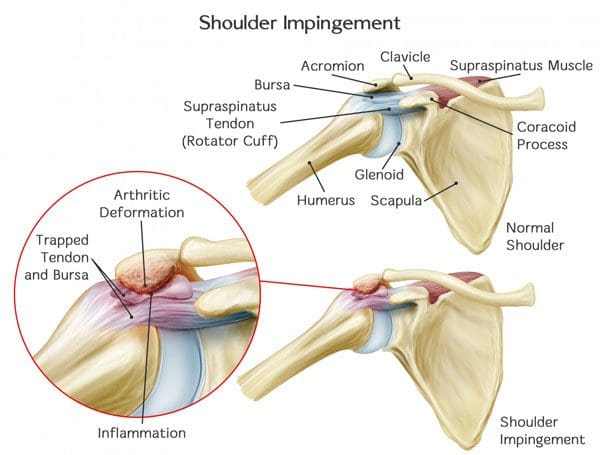
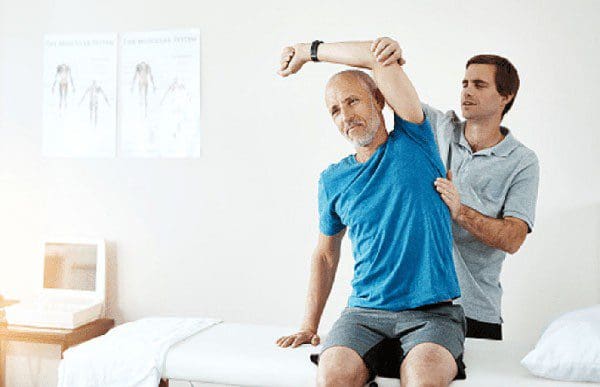
The shoulder is subject to different irritations, injuries, and conditions. Shoulder impingement is a common ailment but is often confused with other shoulder problems. Properly treating impingement syndrome needs proper diagnosis first. Most shoulder impingement cases do not require surgery. Conservative treatment like chiropractic focuses on pain reduction while increasing the range of motion. This is achieved with manual manipulation, soft tissue therapy, cold laser therapy, and spinal adjustments for shoulder posture realignment.
Shoulder Impingement Symptoms
Shoulder impingement often gets confused with a pinched nerve or a rotator cuff tear. The symptoms can be similar, but the treatment options differ. This is why it�s important to know the specific shoulder issue presenting. This can be done by recognizing the symptoms and performing a shoulder impingement self-exam. Symptoms include:
Pain when lifting the arm straight out.
Pain when lifting the arm overhead.
Pain along the outside of the shoulder, the front, back, or side.
Dull throbbing pain.
Trouble sleeping specifically individuals that sleep with their arm over their head.
Shoulder Impingement Self Exams
There are self-exams at home to help determine if it is in fact shoulder impingement. These exams are just to get a better idea, but a professional chiropractic diagnosis is recommended.
Exam 1
Take the hand of the affected arm and place it on the opposite shoulder, creating a V shape at the elbow.
Keeping the hand on the opposite shoulder, raise the elbow straight out in front bringing it up toward the face.
If pain presents in the shoulder while moving the elbow up, then shoulder impingement could be a possibility.
Exam 2
Stand up with hands down at the sides.
Turn the hand of the affected shoulder inward, so the thumb faces back instead of forward.
Keep the thumb pointing backward, raise the arm straight up in front and over the head.
Note if there is any discomfort or pain.
Bring the hand back down to the side.
Next, turn the hand so that the palm is facing forward.
Again, raise the arm in an arc, ending above the head.
If pain presents while raising the arm with the thumb back, but feel relief with the palm facing forward, it is likely a shoulder impingement.
Chiropractic Relief
If there is some sort of impingement different treatment options exist. Many doctors treat shoulder impingement with injections and pain management. Studies show that conservative treatment, like chiropractic, have shown positive results for shoulder impingement cases.
Chiropractic improves joint function and mobility while treating the underlying root cause. A chiropractor will use a multi-approach depending on the cause. A combination of adjustments, anti-inflammatory protocols, and active release techniques can be used.
Chiropractic Adjustment
One of the first things chiropractors look at is the spine. This is because poor posture, and slumping shoulders, can be a major contributor to impingement. Chiropractors perform a posture assessment and, if necessary a spinal adjustment to achieve proper alignment is the beginning to get the body back in balance.
Anti-Inflammation Protocols
Next, is the shoulder itself. Deep tissue massage and anti-inflammation techniques like cold laser therapy or ultrasound can relieve pain, and reduce inflammation. Once the pain has decreased, the chiropractor will move on to active release techniques.
Active Release Technique
Usually the result of the muscles or tendons becoming inflamed and irritated, the active release technique is used to separate any scar tissue from the soft tissue. The active release technique is performed with a combination of movement and manipulation. This increases healing through proper blood flow and circulation.
Healing Naturally
Here is an example of a potential treatment plan. All treatment plans are different depending on:
Individual health
Activity level
Medical history
Age
Injury
Rest and Pain Reduction
The first step in healing is rest. Individuals will be recommended to cease any overhead arm activity and any activity that causes inflammation of the shoulder.
Pain reduction treatment. This could be:
Ultrasound
Laser therapy
Massage
Other forms of pain relief and inflammation reduction
Adjustments/Alignment
Chiropractic adjustments performed on the upper cervical spine, upper back, and shoulder area will address the overall cause.
Posture assessments will determine if the spine needs adjusting and if it is a cause of the impingement.
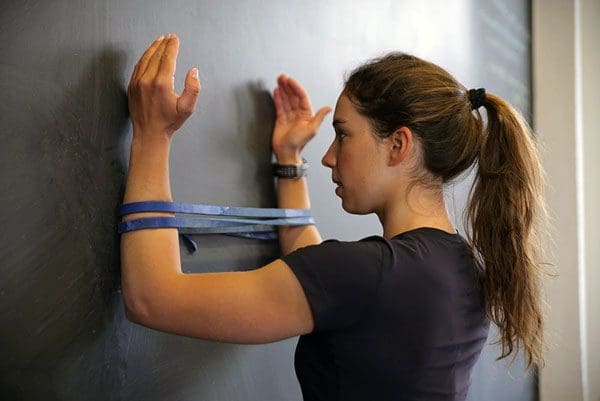
The exercises are also called shoulder impingement rehab protocols.
Rehab Protocol
The stretches and exercises are an essential part of the healing process. The specific exercises will depend on the individual’s specific treatment plan but are made to be gentle on the body without any special equipment. If you have any questions call our chiropractic and physical therapy clinic to talk to a trained professional.
Body Composition
Strength Training
Strength training is defined as a technique/method of improving the body’s muscular strength. This is achieved by gradually increasing the resistance force through the use of free weights, machines, or body weight. This means the body gets stronger and more capable of performing regular, work, and sports activities without experiencing weakness, fatigue, discomfort, and pain. Examples could include:
Carrying groceries or children
Moving furniture, household objects, etc.
Running
Jumping
Other physical activities
Strength training has numerous benefits, including:
Increased physical performance
Improved blood pressure
Improved metabolism
Reduced fat mass
Increased bone strength/density
Improved cognitive ability
Prevention and management of type 2 diabetes
Improved cholesterol levels
Reduction of pain associated with chronic conditions
Dr. Alex Jimenez�s Blog Post Disclaimer
The scope of our information is limited to chiropractic, musculoskeletal, physical medicines, wellness, and sensitive health issues and/or functional medicine articles, topics, and discussions. We use functional health & wellness protocols to treat and support care for injuries or disorders of the musculoskeletal system. Our posts, topics, subjects, and insights cover clinical matters, issues, and topics that relate and support directly or indirectly our clinical scope of practice.*
Our office has made a reasonable attempt to provide supportive citations and has identified the relevant research study or studies supporting our posts. We also make copies of supporting research studies available to the board and or the public upon request. We understand that we cover matters that require an additional explanation as to how it may assist in a particular care plan or treatment protocol; therefore, to further discuss the subject matter above, please feel free to ask Dr. Alex Jimenez or contact us at 915-850-0900. The provider(s) Licensed in Texas& New Mexico*
Sedentary lifestyle prevention through chiropractic is highly recommended for seniors. With advanced age, the body’s muscles, bones, and spinal system begin to wear down and need to be maintained to retain their mobility and flexibility. Regular chiropractic adjustments are recommended as part of an active/fitness lifestyle for seniors and can help older individuals maintain optimal health.
Sedentary Lifestyle Prevention
Many seniors tend to reduce physical activity after reaching retirement age. Many individuals just want to kick back and relax. However, living too laid-back can impact overall health. A lack of exercise and physical activity can cause the muscles, cardiovascular system, and skeletal system to prematurely wear out. Living an active lifestyle will keep individuals at their best when retiring and maintain a healthy quality of life.
Pain Management
Chiropractic can help individuals realize their full potential. The chiropractic approach to achieving top health means treating the source of symptoms, and not just the symptoms. This helps maintain a high quality of life. Chiropractic sedentary prevention includes:
Adjustments
Adjustments to the body are the core of chiropractic. Adjustments are utilized to realign the spine that helps treat various nervous system-related conditions. These include subluxations, slipped discs, sciatica, nerve damage, and more. Adjustments also increase the immune system’s functionality. This is extremely beneficial for older individuals.
Nutritional Recommendations
Older individuals can benefit from a customized nutrition plan to help with any deficits in their diets. Often older individuals need more calcium to help fortify bone health. Chiropractors and health coaches can provide individuals with nutritional information needed to live a healthy life.
Exercise Program
An active lifestyle is an essential component of staying healthy. Chiropractors can provide individuals with specialized exercises that take into account their specific and specialized needs.
Physical Therapy
Physical therapy is another component of chiropractic, as it helps enhance the adjustments.
Health Coaching
Health coaching can provide individuals with the tools necessary to take charge of their health. Counseling involves exercise recommendations, nutritional advice, healthy habits development, and more depending on the individual’s abilities.
Stay Moving
A sedentary lifestyle places an older individual’s spine in a compromised position. Older individuals have an increased risk of developing detrimental spinal conditions. Overexertion happens more easily in weakened bodies. The solution is to maintain physical activity with proper support. Chiropractic is designed to improve the whole-body. If you�re looking for sedentary prevention and the latest care approaches, contact us, we’re ready to help!
Chiropractic Shoulder Pain Treatment
Dr. Alex Jimenez�s Blog Post Disclaimer
The scope of our information is limited to chiropractic, musculoskeletal, physical medicines, wellness, and sensitive health issues and/or functional medicine articles, topics, and discussions. We use functional health & wellness protocols to treat and support care for injuries or disorders of the musculoskeletal system. Our posts, topics, subjects, and insights cover clinical matters, issues, and topics that relate and support directly or indirectly our clinical scope of practice.*
Our office has made a reasonable attempt to provide supportive citations and has identified the relevant research study or studies supporting our posts. We also make copies of supporting research studies available to the board and or the public upon request. We understand that we cover matters that require an additional explanation as to how it may assist in a particular care plan or treatment protocol; therefore, to further discuss the subject matter above, please feel free to ask Dr. Alex Jimenez or contact us at 915-850-0900. The provider(s) Licensed in Texas& New Mexico*
References
Hawk, Cheryl et al. �Best Practices for Chiropractic Care for Older Adults: A Systematic Review and Consensus Update.��Journal of manipulative and physiological therapeutics�vol. 40,4 (2017): 217-229. doi:10.1016/j.jmpt.2017.02.001
Scar tissue if left untreated/unmanaged could lead to mobility and chronic pain issues. Individuals that are recovering from a traumatic injury often have issues brought on from scar tissue. Scar tissue build-up is part of the healing process but in some cases, the tissue build-up can create another set of health issues. Restricted mobility and range of motion and lack of flexibility can worsen over time.
Chiropractors are taught to consider the presence of scar tissue when performing adjustments. This is especially true for patients recovering from a traumatic injury. If left untreated it could affect:
Recovery progress
Treatment approaches
The capability of the individual to handle the treatment
The planning and execution for a chiropractic recovery strategy
Scar Tissue Breakdown
Scar tissue can be broken up, managed, and kept loose/relaxed through various chiropractic/physical therapy techniques, stretches, exercises, and diet adjustments. Breaking up scar tissue and keeping it relaxed is necessary to restore full movement and range of motion. A certain degree of scar tissue will remain to mark the wound, but the pliability and softness of these tissues can be treated. Chiropractors can implement several techniques to break down scar tissue.
Graston Technique
The Graston technique uses instrumentation for addressing scarring in soft-tissue areas like the legs, neck, and lower back. A chiropractor targets the thicker scar tissue areas gently breaking them down.
Instrument Adjustment
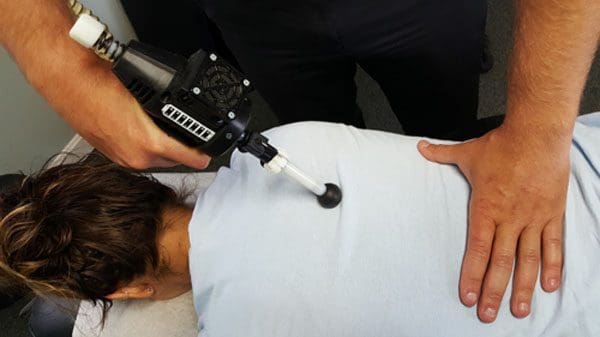
Using a pulsating instrument, chiropractors can target specific areas of scar tissue buildup. The instrument massages the areas to improve flexibility and reduce stress in the tissue.
Assisted Manipulation
The assisted manipulation technique soothes the area before performing manual adjustments. A chiropractor could use light oil for heat, transcutaneous electrical nerve stimulation to loosen tension, or numbing gel/cream to soften any sensitivity.
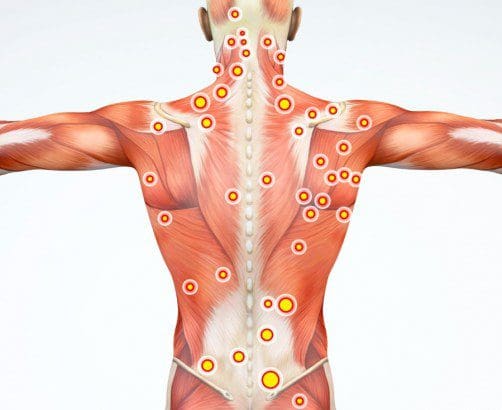
Trigger point therapy
This therapy focuses on heavily scarred tissue areas, where there is substantial buildup. A chiropractor breaks down the scar tissue while continually testing the motion.
Therapeutic massage
Therapeutic massage is necessary with widespread scar tissue. It improves blood flow and gently stimulates scar tissue to improve movement and alleviate pain. These techniques and how they are applied depending on the individual and the amount of tissue build-up. For example, certain techniques work better for different situations like:
The Graston technique could help after surgery
Trigger point therapy can help when muscle spasms, and knots present
Therapeutic massage could be best suited for soft tissue scarrings, like whiplash or muscle strains
Adjustment Attention
Recent injuries that produce scar tissue can usually be felt while a chiropractor palpates the area, while radiological imaging shows scar tissue from past injuries. A chiropractor will take note of these areas when developing a treatment plan. Severe scar tissue will need special focus, which could mean a longer recovery. This is because the body could take longer to adjust to the adjustments being made. A thorough consultation and investigation will be performed/examined before any adjustments begin.
Chiropractic Massage Rehabilitation
References
Shin, Thuzar M, and Jeremy S Bordeaux. The role of massage in scar management: a literature review. Dermatologic surgery: official publication for American Society for Dermatologic Surgery [et al.] vol. 38,3 (2012): 414-23. doi:10.1111/j.1524-4725.2011.02201.x
Being able to hike with back pain is a blessing for individuals that love being outdoors. Enjoying nature and being able to get away from all the stress and tension is something we all can use. Hiking is an excellent physical activity that cleanses the mind, body, and spirit. Not to mention the great exercise benefits that come with it.
The time spent going up and down hills following trails, etc. can feel unbelievable until pain symptoms start to present. Those with back pain know and understand that there are certain activities that can kick in the pain. If hiking has been stopped in its tracks because of back pain, or, if just about to start hiking for the first time, here is some advice to reduce and alleviate back pain during and after a hiking session. �
�
Hike The Right Way
Dr. Alex Jimenez D.C. is a spine injury specialist at Injury Medical Chiropractic Clinic. He believes at its core, hiking is very beneficial to individuals with back pain.
Hiking is a great activity for those with back pain because it increases muscular circulation improving soft tissue flexibility in the spine along with other muscle groups. Hiking helps strengthen spinal support muscles, improves flexibility and posture. The result is minimized pain on all levels. Walking on different uneven terrain/s contributes to improved balance and synergistic muscle activity of the back, legs, and core, and the small muscles of the feet. However, there is an incorrect way to hike with back pain.
If done incorrectly hiking can have a negative detrimental impact on the body. Proper technique and form need to be followed. For example, a backpack that is improperly worn or not correctly sized for the body type could lead to imbalance. This could lead to improper form and injuries. Poor posture during a hike places added pressure on the:
Joints
Spine
Ligaments
Tendons
This could easily result in muscle/tendon injuries. With some preparation, a few tips and being aware of your surroundings will help you to become a hiking pro in no time, with reduced, improved, and possibly no back pain after a while of doing this great activity. Here are some words of wisdom when it comes to hiking and back pain.
�
Proper Backpack
A poor-fitting backpack will easily lead to increased back pain and even other ailments like shoulder and neck pain issues. A proper backpack should have the straps around the waist and across the back to evenly distribute the weight. Visit a sports/outdoor store to get correctly fitted for a backpack.
�
Stretching Out
Getting and staying loose before and after a hike is very important. Before a hike improves circulation and loosens the muscles, in turn, reducing the stress on the joints. Stretching after a hike reduces muscle fatigue and soreness that can amplify and exacerbate back pain along with any other body soreness.
�
Trekking Poles
Using trekking poles can be beneficial and quite helpful for individuals with back pain. Trekking poles can help avoid poor posture by keeping the body in an upright position. This helps reduce back pain experienced during and after a hike. �
�
Body Care
Hiking successfully means that the body needs to be fully functional and fueled before even stepping on the trail. Fueling the body with nutritious snacks like bananas, dried fruit, and trail mix will keep the body’s energy supply going. And above all stay hydrated with plenty of water. Also, focus the workout on developing upper body and core strength to prevent injury.
Don’t forget to listen to what your body is telling you. Individuals with back pain need to listen to their bodies making sure not to overdo it, as well as, with any type of exercise, to adjust to your specific pain tolerance level. If unable to limit distance or time, then make sure to take frequent breaks. This will help avoid placing unnecessary strain on the spine. �
�
Recovery Time
The body needs a proper amount of time between hikes to recover properly. If there is still soreness and pain, WAIT until the body is no longer sorebefore trekking to the next trail. The amount a person can hike depends on the individual, overall strength, and how fast their body recovers between hikes. It is different for everyone.
�
Assistance
As the journey commences, whether going for pain-free or less painful hiking, remember that it’s ok to have others help get you there. Getting help from a veteran hiker will definitely benefit proper form and posture. Hiking with an experienced partner can also help avoid poor hiking techniques that can worsen back pain or even create new injuries. �
�
Consult a local chiropractor, or spine, and pain specialist if you are unsure about hiking and are experiencing ongoing back pain. They will help develop a customized/personalized treatment plan with the focus on decreasing and controlling the pain and improving the body’s overall function to be able to participate in physical recreational activities.
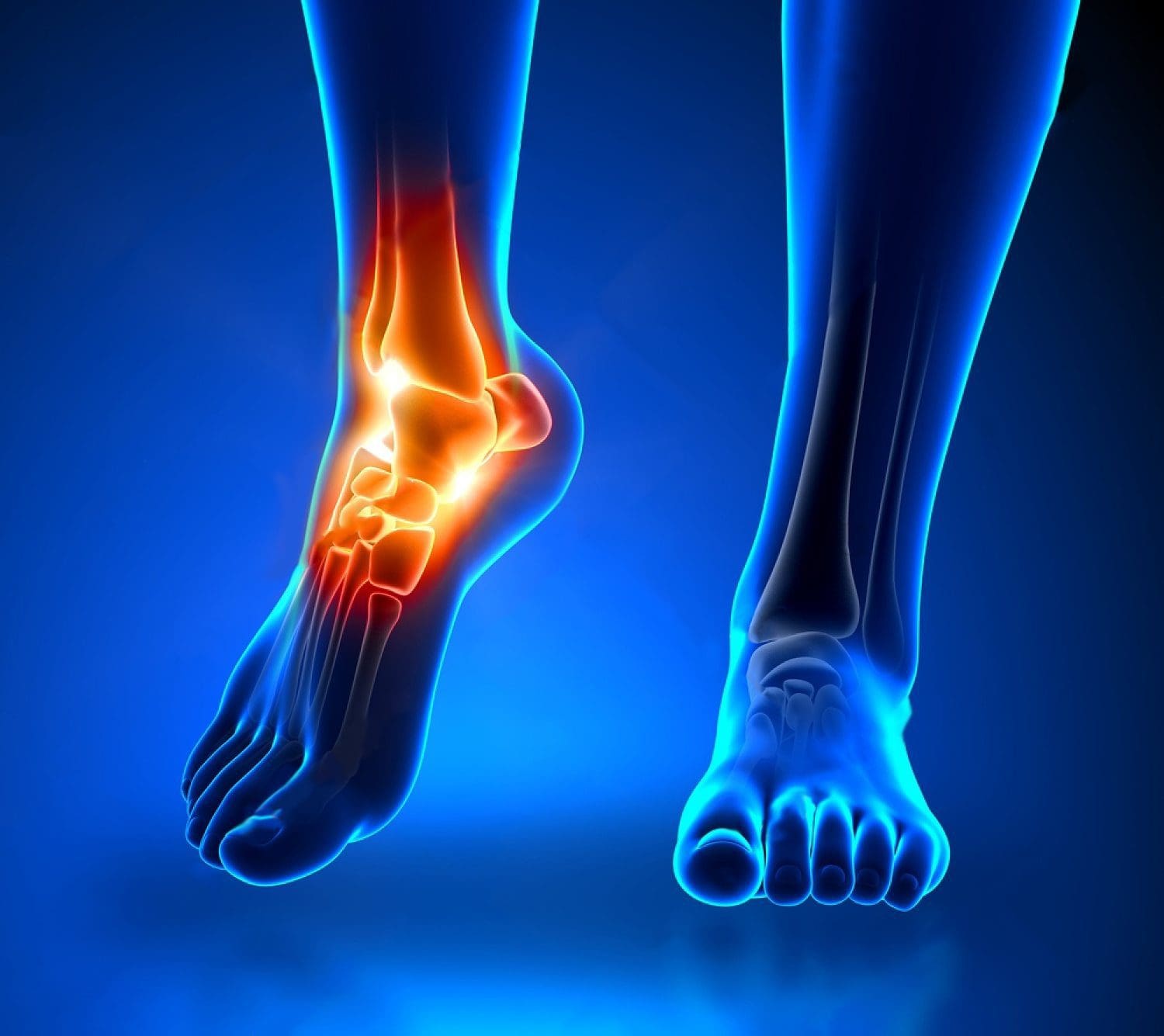
In the United States, ankle�injury/s like�ankle sprains and strains�happen to�people every day.�Around 50 percent of ankle injuries are�misdiagnosed, and not treated correctly, which can lead to disability or chronic ankle pain. An ankle that is not functioning properly affects the whole body. The muscles on either side of the leg and underneath the foot can present with soreness and pain.
This can lead to:
Loss of mobility
Uneven walking gait
Hip pain
Back pain
Ankle Anatomy
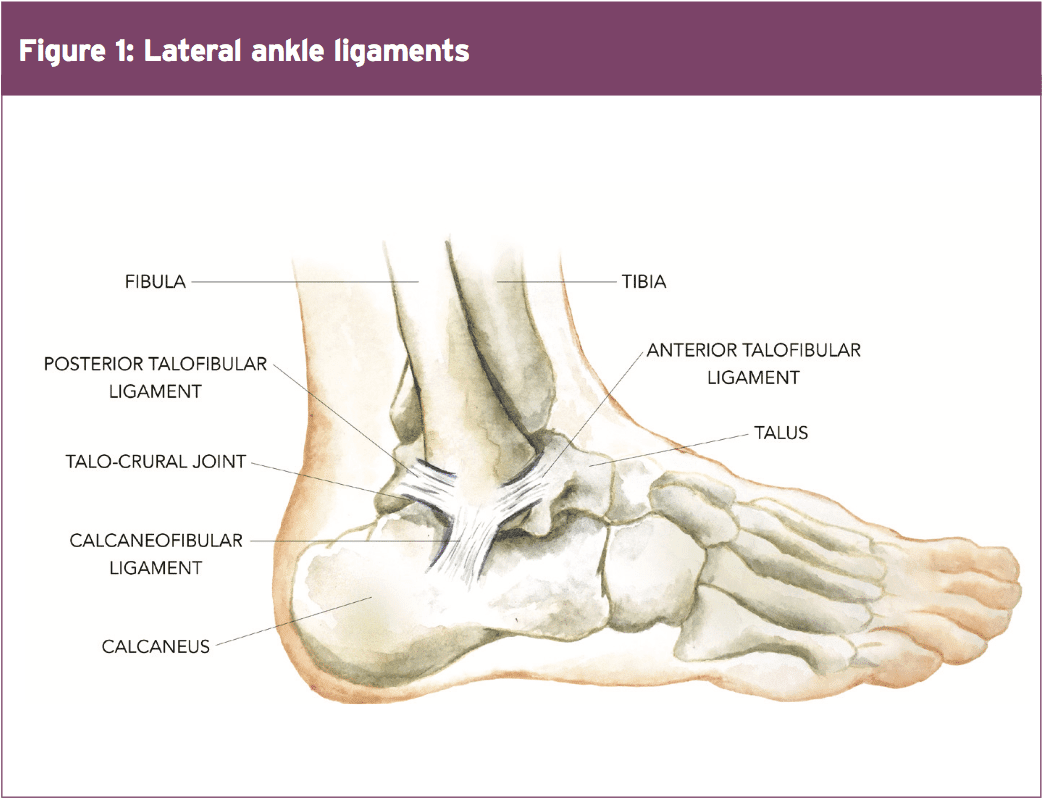
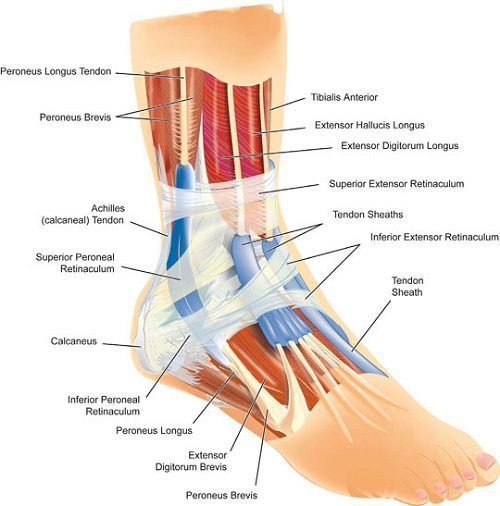
Three bones are connected to the ankle joint. The lower ends of the shinbone and the lower leg small bone meet to form a socket that the ankle bone sits in. The bottom of the talus rests on the heel bone.
There is around an inch-thick lining of soft cartilage inside the joint. This provides shock absorption for the body’s weight. It is so tough and durable provided there is no injury, it lasts for life. The bones are held together with ligaments and the muscles are attached to the bones by the tendons.
The standard treatment for ankle pain is R.I.C.E., which means rest, ice, compression, and elevation. Depending on the injury type there is an updated treatment approach that replaces the R with an M, where instead of resting, movement is the more beneficial treatment. This is done to keep the muscles, tendons, and ligaments from swelling, whereas resting would have allowed swelling to set in, thus extending recovery time.
There are certain types of ankle injuries that can be exacerbated by movement so only when it is deemed appropriate, otherwise stick with the rest. Other types of treatment include different techniques of pain control from ibuprofen to prescription meds.
When it comes to severe injuries, like a torn ligament, these could require surgical treatment. X-rays and MRIs are utilized to see if there is an injury and to determine the extent of the injury.
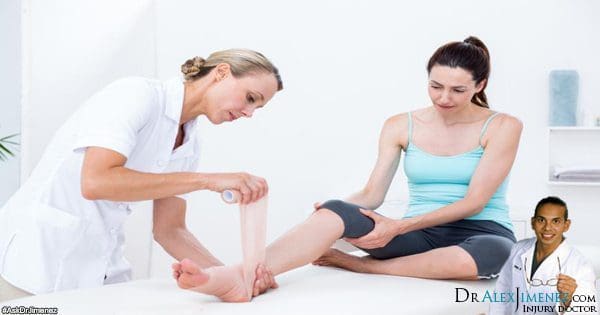
Physical Therapy/Chiropractic
A chiropractor will assess the individual’s source of pain and determine the cause. They will use all the tools available. This includes x-rays, MRI, CT scans, and other diagnostic tools to help them determine the best treatment protocol.
When an ankle injury is new and inflammation has set in along with tenderness, treatment can include:
This is in addition to rest, ice, compression and elevation. As the ankle heals, the inflammation reduces and becomes more stable, ankle adjustments and foot adjustments could be introduced.
Chiropractic can reduce pain without prescription medication and any associated side effects. This is one of the reasons individuals gravitate towards chiropractic. Regular chiropractic can strengthen the ankle, increase its stability and increase mobility and flexibility.
Nerves and soft tissues can also become damaged. Chiropractic therapy promotes blood flow. This speeds the healing process and reduces the chance of further injury. The whole-body approach that chiropractic embraces also deals with a proper diet and a healthy lifestyle like losing weight and exercise. Chiropractic is a very effective therapy for treating ankle pain and injury/s. It is a non-invasive, natural approach to healing that allows and trains the body to heal itself.
IFM's Find A Practitioner tool is the largest referral network in Functional Medicine, created to help patients locate Functional Medicine practitioners anywhere in the world. IFM Certified Practitioners are listed first in the search results, given their extensive education in Functional Medicine