For individuals experiencing sacroiliac joint/SIJ dysfunction and pain, could applying kinesiology tape help bring relief and manage symptoms?
Kinesiology Tape For Sacroiliac Joint Pain
A lower back ailment that is common during pregnancy. The pain is usually on one or both sides of the back, just above the buttocks, that comes and goes and can limit the ability to bend, sit, and perform various physical activities. (Moayad Al-Subahi et al., 2017) The therapeutic tape provides support while allowing for movement and may help treat and manage sacroiliac joint/SIJ pain by:
Decreasing muscle spasms.
Facilitating muscular function.
Increasing blood circulation to and around the pain site.
Decreasing muscle trigger points.
Mechanism
Some studies have found that taping the SI joint has benefits that include:
One theory is it helps lift and hold the overlying tissues off of the SI joint, which helps decrease the pressure around it.
Another theory is that lifting the tissues helps create a pressure differential under the tape, like non-surgical decompression, allowing increased circulation to the tissues surrounding the sacroiliac joint.
This floods the area with blood and nutrients, creating an optimal healing environment.
Application
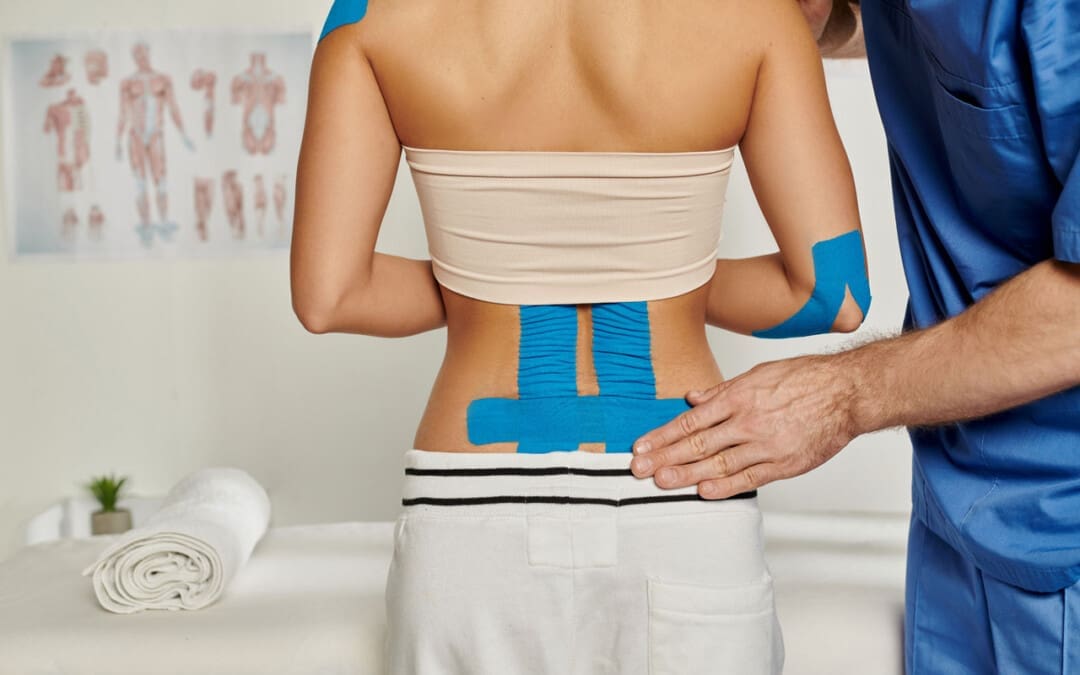
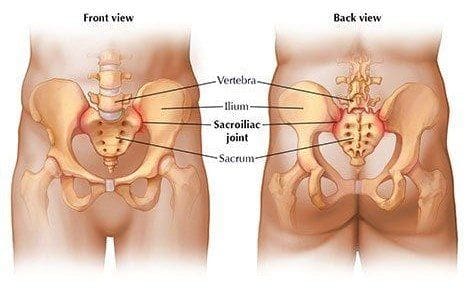
A sacroiliac joint on the right and left sides connects the pelvis to the sacrum or the lowest part of the spine. To apply the kinesiology tape correctly, locate the lowest part of the back within the pelvic area. (Francisco Selva et al., 2019) Ask a friend or family member for help if you can’t reach the area.
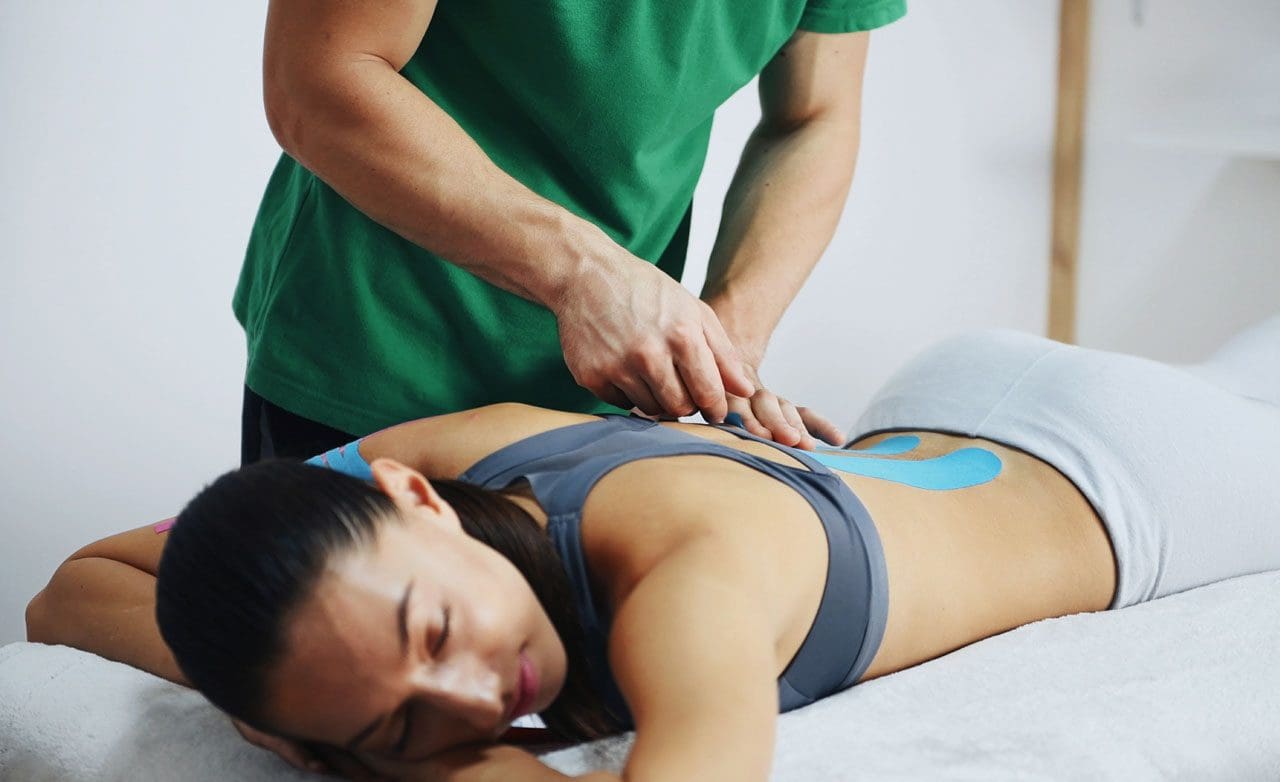
Taping steps:
Cut three strips of tape, each 4 to 6 inches long.
Sit in a chair and bend the body slightly forward.
If someone is helping, you can stand and slightly bend forward.
Remove the lift-off strip in the middle and stretch the tape to expose several inches, leaving the ends covered.
Apply the exposed tape at an angle over the SI joint, like making the first line of an X, just above the buttocks, with full stretch on the tape.
Peel the lift-off strips from the ends and adhere them with no stretching.
Repeat the application steps with a second strip, adhering at a 45-degree angle to the first strip, making the X over the sacroiliac joint.
Repeat this with the final strip horizontally across the X made from the first two pieces.
There should be a tape pattern of star shape over the sacroiliac joint.
Kinesiology tape can stay over the sacroiliac joint for three to five days.
Watch for signs of irritation around the tape.
Remove the tape if the skin becomes irritated, and consult your primary healthcare provider, physical therapist, or chiropractor for other treatment options.
Some individuals with specific conditions should avoid using the tape and get confirmation that it’s safe.
Individuals with severe sacroiliac pain where self-management is not working should see a healthcare provider, physical therapist, and or chiropractor for an evaluation and to learn therapeutic exercises and treatments to help manage the condition.
Sciatica During Pregnancy
References
Al-Subahi, M., Alayat, M., Alshehri, M. A., Helal, O., Alhasan, H., Alalawi, A., Takrouni, A., & Alfaqeh, A. (2017). The effectiveness of physiotherapy interventions for sacroiliac joint dysfunction: a systematic review. Journal of physical therapy science, 29(9), 1689–1694. https://doi.org/10.1589/jpts.29.1689
Do-Yun Shin and Ju-Young Heo. (2017). The Effects of Kinesiotaping Applied onto Erector Spinae and Sacroiliac Joint on Lumbar Flexibility. The Journal of Korean Physical Therapy, 307-315. https://doi.org/https://doi.org/10.18857/jkpt.2017.29.6.307
Selva, F., Pardo, A., Aguado, X., Montava, I., Gil-Santos, L., & Barrios, C. (2019). A study of reproducibility of kinesiology tape applications: review, reliability and validity. BMC musculoskeletal disorders, 20(1), 153. https://doi.org/10.1186/s12891-019-2533-0
For individuals dealing with chronic fatigue syndrome, can incorporating acupuncture with other treatment protocols help regain functionality and improve quality of life?
Acupuncture For Chronic Fatigue Syndrome
Research is looking at how acupuncture can help manage symptoms of chronic fatigue. These studies focused on specific acupoints and techniques and how they affected certain symptoms or abnormalities linked to the condition. The researchers found that acupuncture may help manage and alleviate some symptoms (Qing Zhang et al., 2019). However, they were still unable to determine the mechanisms of how acupuncture exactly works.
Symptom Relief
Various studies showed that acupuncture could improve physical and mental fatigue symptoms, including:
One case study showed improvements in groups of athletes who were put through a series of exhaustive physical exercises and short-term rest. One group of athletes was treated with acupuncture on selected acupoints while the others were given an extended rest. Analysis was applied to the metabolic profiles of urine samples collected from the athletes at three points: before the exercises, before and after the acupuncture treatment, or taking extended rest. The results indicated that the recoveries of disturbed metabolites in the athletes treated with acupuncture were significantly faster than in those who only took extended rest. (Haifeng Ma et al., 2015)
Researchers said studies involving acupuncture alone or in combination with other treatments appear to show that it is effective at lessening fatigue. (Yu-Yi Wang et al., 2014) However, further studies are needed to confirm the benefits. This is a significant change from a review that found limited evidence for the effectiveness of alternative treatments for relieving chronic fatigue symptoms. (Terje Alraek et al., 2011)
Another review of alternative therapies found acupuncture and certain meditation techniques showed the most promise for future investigation. (Nicole S. Porter et al., 2010)
Another study compared prednisone, a steroid, with an acupuncture technique called coiling dragon and an additional treatment called cupping. It suggested that acupuncture and cupping treatments surpassed the steroid regarding fatigue. (Wei Xu et al., 2012)
Another study found that needling with heat application or moxibustion produced better results than standard acupuncture regarding physical and mental fatigue scores. (Chen Lu, Xiu-Juan Yang, Jie Hu 2014)
From Consultation to Transformation: Assessing Patients In A Chiropractic Setting
References
Zhang, Q., Gong, J., Dong, H., Xu, S., Wang, W., & Huang, G. (2019). Acupuncture for chronic fatigue syndrome: a systematic review and meta-analysis. Acupuncture in medicine : journal of the British Medical Acupuncture Society, 37(4), 211–222. https://doi.org/10.1136/acupmed-2017-011582
Frisk, J., Källström, A. C., Wall, N., Fredrikson, M., & Hammar, M. (2012). Acupuncture improves health-related quality-of-life (HRQoL) and sleep in women with breast cancer and hot flushes. Supportive care in cancer : official journal of the Multinational Association of Supportive Care in Cancer, 20(4), 715–724. https://doi.org/10.1007/s00520-011-1134-8
Gao, D. X., & Bai, X. H. (2019). Zhen ci yan jiu = Acupuncture research, 44(2), 140–143. https://doi.org/10.13702/j.1000-0607.170761
Mandıroğlu, S., & Ozdilekcan, C. (2017). Impact of Acupuncture on Chronic Insomnia: A Report of Two Cases with Polysomnographic Evaluation. Journal of acupuncture and meridian studies, 10(2), 135–138. https://doi.org/10.1016/j.jams.2016.09.018
Zhu, L., Ma, Y., Ye, S., & Shu, Z. (2018). Acupuncture for Diarrhoea-Predominant Irritable Bowel Syndrome: A Network Meta-Analysis. Evidence-based complementary and alternative medicine : eCAM, 2018, 2890465. https://doi.org/10.1155/2018/2890465
Ma, H., Liu, X., Wu, Y., & Zhang, N. (2015). The Intervention Effects of Acupuncture on Fatigue Induced by Exhaustive Physical Exercises: A Metabolomics Investigation. Evidence-based complementary and alternative medicine : eCAM, 2015, 508302. https://doi.org/10.1155/2015/508302
Wang, Y. Y., Li, X. X., Liu, J. P., Luo, H., Ma, L. X., & Alraek, T. (2014). Traditional Chinese medicine for chronic fatigue syndrome: a systematic review of randomized clinical trials. Complementary therapies in medicine, 22(4), 826–833. https://doi.org/10.1016/j.ctim.2014.06.004
Alraek, T., Lee, M. S., Choi, T. Y., Cao, H., & Liu, J. (2011). Complementary and alternative medicine for patients with chronic fatigue syndrome: a systematic review. BMC complementary and alternative medicine, 11, 87. https://doi.org/10.1186/1472-6882-11-87
Porter, N. S., Jason, L. A., Boulton, A., Bothne, N., & Coleman, B. (2010). Alternative medical interventions used in the treatment and management of myalgic encephalomyelitis/chronic fatigue syndrome and fibromyalgia. Journal of alternative and complementary medicine (New York, N.Y.), 16(3), 235–249. https://doi.org/10.1089/acm.2008.0376
Lu, C., Yang, X. J., & Hu, J. (2014). Zhen ci yan jiu = Acupuncture research, 39(4), 313–317.
For individuals experiencing eye problems, can acupuncture treatment help and benefit overall eye health?
Acupuncture For Eye Health
Acupuncture is an alternative medical practice that involves inserting thin needles at specific points on the body. The objective is to restore balance and health by restoring and balancing energy circulation through pathways throughout the body. These pathways, known as meridians, are separate from nerve and blood pathways.
Studies have shown that the insertion of needles manipulates accumulations of certain neurotransmitters by nearby nerves and may be what causes beneficial health effects. (Heming Zhu 2014)
Scientists are not sure exactly how acupuncture works, but it has been shown to provide pain relief and alleviation of cancer treatment nausea. (Weidong Lu, David S. Rosenthal 2013)
Studies have shown that acupuncture can help treat eye conditions like dry eye syndrome. (Tae-Hun Kim et al., 2012)
Eye Problems
For some individuals, a body imbalance can be caused by eye problems or disease. With acupuncture, imbalance-causing symptoms are addressed. Acupuncture promotes the circulation of energy and blood around the eyes.
Acupuncture has been used as an alternative treatment for chronic dry eye syndrome. (Tae-Hun Kim et al., 2012)
Studies have shown acupuncture helps reduce the eye surface’s temperature to reduce the evaporation of tears.
The procedure is also sometimes used to treat glaucoma.
Glaucoma is an optic nerve disease usually caused by above-normal eye pressure levels.
Another study showed successful reduced allergic and inflammatory eye disease symptoms. (Justine R. Smith et al., 2004)
Eye Acupoints
The following acupoints are for eye health.
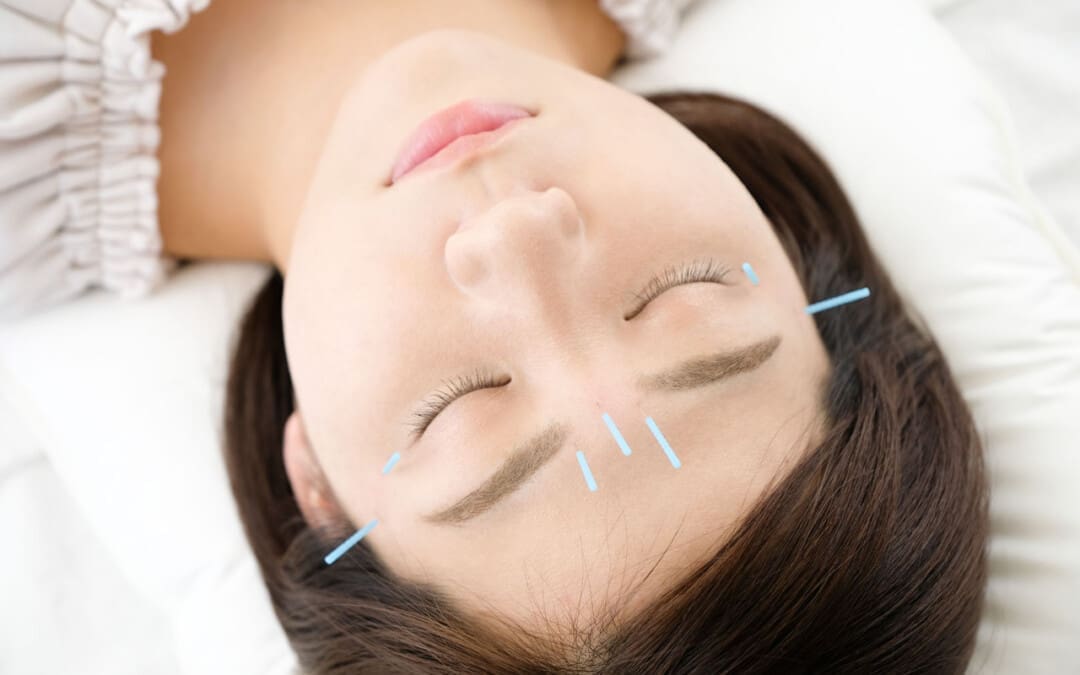
Jingming
Jingming – UB-1 is located in the inner corner of the eye.
This point is thought to increase energy and blood and to help with problems such as blurry vision, cataracts, glaucoma, night blindness, and conjunctivitis. (Tilo Blechschmidt et al., 2017)
Zanzhu
The Zanzhu point – UB-2 is in the crease at the inner end of the eyebrow.
This acupoint is used when individuals complain of headaches, blurred vision, pain, tearing, redness, twitching, and glaucoma. (Gerhard Litscher 2012)
Yuyao
Yuyao is in the middle of the eyebrow, above the pupil.
This point is used for treating eye strain, eyelid twitching, ptosis, or when the upper eyelid droops over, cloudiness of the cornea, redness, and swelling. (Xiao-yan Tao et al., 2008)
Sizhukong
The Sizhukog – SJ 23 area is in the hollow area outside the eyebrow.
It is thought to be a point where acupuncture can help with eye and facial pain, including headaches, redness, pain, blurred vision, toothache, and facial paralysis. (Hongjie Ma et al., 2018)
Tongzilia
The Tongzilia – GB 1 is located on the outside corner of the eye.
The point helps brighten the eyes.
Acupuncture also helps treat headaches, redness, eye pain, light sensitivity, dry eyes, cataracts, and conjunctivitis. (GladGirl 2013)
Early studies with acupuncture have shown promise for improving eye health. Individuals considering acupuncture are recommended to consult their primary healthcare provider to see if it can be an option for those who have not found a resolution by traditional means.
Neck Injuries
References
Zhu H. (2014). Acupoints Initiate the Healing Process. Medical acupuncture, 26(5), 264–270. https://doi.org/10.1089/acu.2014.1057
Lu, W., & Rosenthal, D. S. (2013). Acupuncture for cancer pain and related symptoms. Current pain and headache reports, 17(3), 321. https://doi.org/10.1007/s11916-013-0321-3
Kim, T. H., Kang, J. W., Kim, K. H., Kang, K. W., Shin, M. S., Jung, S. Y., Kim, A. R., Jung, H. J., Choi, J. B., Hong, K. E., Lee, S. D., & Choi, S. M. (2012). Acupuncture for the treatment of dry eye: a multicenter randomised controlled trial with active comparison intervention (artificial teardrops). PloS one, 7(5), e36638. https://doi.org/10.1371/journal.pone.0036638
Law, S. K., & Li, T. (2013). Acupuncture for glaucoma. The Cochrane database of systematic reviews, 5(5), CD006030. https://doi.org/10.1002/14651858.CD006030.pub3
Smith, J. R., Spurrier, N. J., Martin, J. T., & Rosenbaum, J. T. (2004). Prevalent use of complementary and alternative medicine by patients with inflammatory eye disease. Ocular immunology and inflammation, 12(3), 203–214. https://doi.org/10.1080/092739490500200
Blechschmidt, T., Krumsiek, M., & Todorova, M. G. (2017). The Effect of Acupuncture on Visual Function in Patients with Congenital and Acquired Nystagmus. Medicines (Basel, Switzerland), 4(2), 33. https://doi.org/10.3390/medicines4020033
Litscher G. (2012). Integrative laser medicine and high-tech acupuncture at the medical university of graz, austria, europe. Evidence-based complementary and alternative medicine : eCAM, 2012, 103109. https://doi.org/10.1155/2012/103109
Tao, X. Y., Sun, C. X., Yang, J. L., Mao, M., Liao, C. C., Meng, J. G., Fan, W. B., Zhang, Y. F., Ren, X. R., & Yu, H. F. (2008). Zhongguo zhen jiu = Chinese acupuncture & moxibustion, 28(3), 191–193.
Can physical therapy treatment protocols aimed at improving range of motion and flexibility around the hip and relieving inflammation around the sciatic nerve help individuals experiencing deep buttock pain or piriformis syndrome?
Deep Buttock Pain
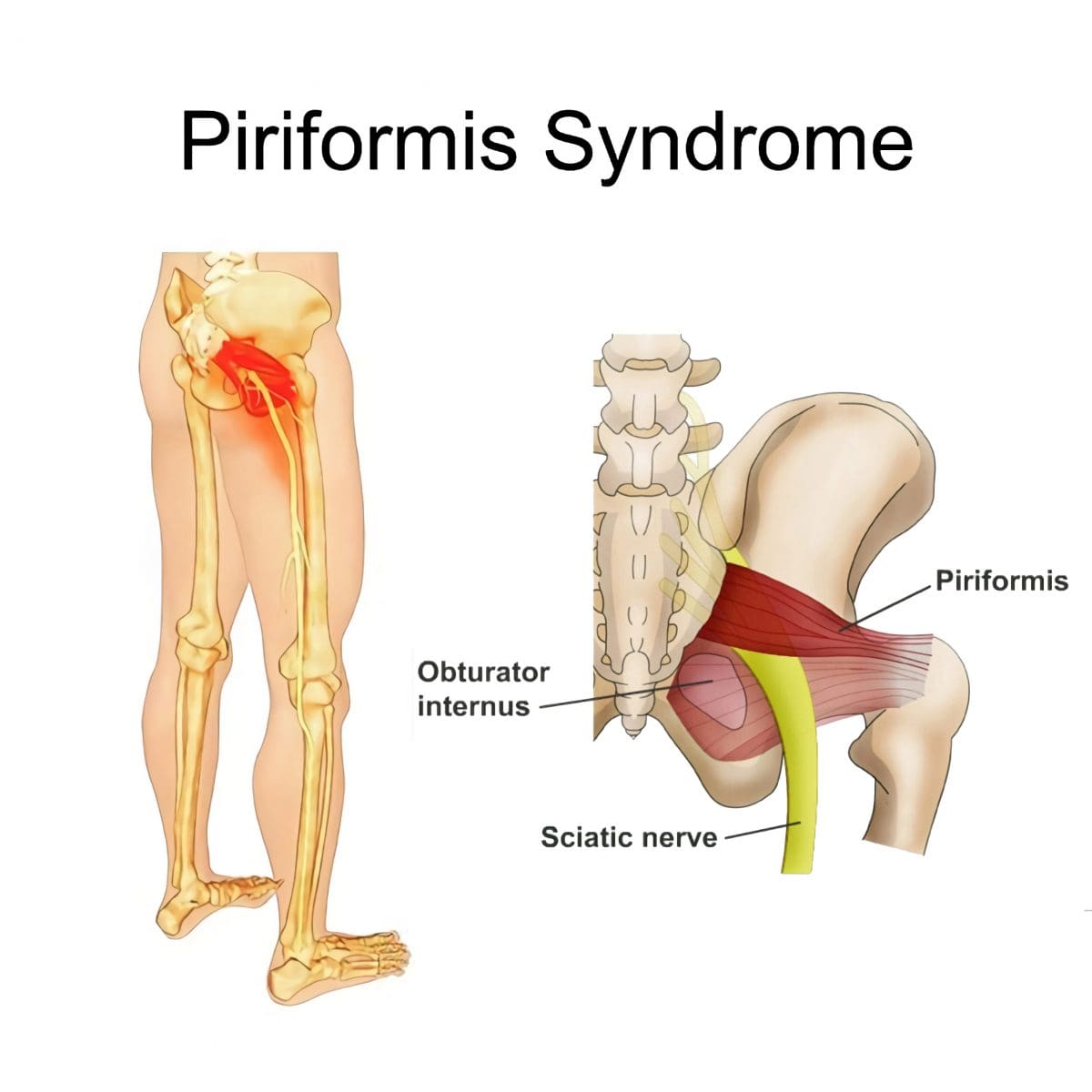
Piriformis syndrome, a.k .a. deep buttock pain, is described as sciatic nerve irritation from the piriformis muscle.
The piriformis is a small muscle behind the hip joint in the buttocks.
It is about one centimeter in diameter and functions in the hip joint’s external rotation or turning outward.
The piriformis muscle and tendon are close to the sciatic nerve, which supplies the lower extremities with motor and sensory functions.
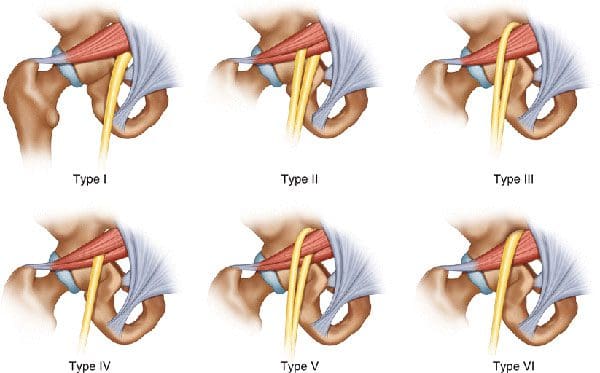
Depending on an individual’s anatomic variation of the muscle and tendon:
The two cross over, under, or through each other behind the hip joint in the deep buttock.
This relationship is thought to irritate the nerve, leading to sciatica symptoms.
Piriformis Syndrome
When diagnosed with piriformis syndrome, it is thought that the muscle and tendon bind to and/or spasm around the nerve, causing irritation and pain symptoms.
The theory supported is that when the piriformis muscle and its tendon tighten, the sciatic nerve becomes compressed or pinched. This decreases blood circulation and irritates the nerve from the pressure. (Shane P. Cass 2015)
Tenderness with pressure on the piriformis muscle.
Discomfort in the back of the thigh.
Deep buttock pain behind the hip.
Electric sensations, shocks, and pains travel down the back of the lower extremity.
Numbness in the lower extremity.
Some individuals develop symptoms abruptly, while others go through a gradual increase.
Diagnosis
Doctors will order X-rays, MRIs, and nerve conduction studies, which is normal.
Because piriformis syndrome can be challenging to diagnose, some individuals with minor hip pain may receive a piriformis syndrome diagnosis even if they don’t have the condition. (Shane P. Cass 2015)
It is sometimes referred to as deep buttock pain. Other causes of this type of pain include back and spinal problems like:
Herniated discs
Spinal stenosis
Radiculopathy – sciatica
Hip bursitis
A piriformis syndrome diagnosis is usually given when these other causes are eliminated.
When the diagnosis is uncertain, an injection is administered in the area of the piriformis muscle. (Danilo Jankovic et al., 2013)
Different medications can be used, but the injection itself is used to help determine the specific location of the discomfort.
When an injection is given into the piriformis muscle or tendon, it is often administered by ultrasound guidance to ensure the needle delivers the medication to the correct location. (Elizabeth A. Bardowski, J. W. Thomas Byrd 2019)
Avoiding activities that cause symptoms for at least a few weeks.
Physical Therapy
Emphasize stretching and strengthening the hip rotator muscles.
Non-Surgical Decompression
Gently pulls the spine to release any compression, allowing optimal rehydration and circulation and taking the pressure off the sciatic nerve.
Therapeutic Massage Techniques
To relax and release muscle tension and increase circulation.
Acupuncture
To help relax the piriformis muscle, sciatic nerve, and surrounding area.
Relieve pain.
Chiropractic Adjustments
Realignment rebalances the spine and musculoskeletal system to alleviate pain.
Anti-Inflammatory Medication
To decrease inflammation around the tendon.
Cortisone Injections
Injections are used to decrease inflammation and swelling.
Botulinum Toxin Injection
Injections of botulinum toxin paralyze the muscle to relieve pain.
Surgery
Surgery can be performed in rare cases to loosen the piriformis tendon, known as a piriformis release. (Shane P. Cass 2015)
Surgery is a last resort when conservative treatments have been tried for at least 6 months with little to no relief.
Recovery can take several months.
Sciatica Causes and Treatment
References
Cass S. P. (2015). Piriformis syndrome: a cause of nondiscogenic sciatica. Current sports medicine reports, 14(1), 41–44. https://doi.org/10.1249/JSR.0000000000000110
Jankovic, D., Peng, P., & van Zundert, A. (2013). Brief review: piriformis syndrome: etiology, diagnosis, and management. Canadian journal of anaesthesia = Journal canadien d’anesthesie, 60(10), 1003–1012. https://doi.org/10.1007/s12630-013-0009-5
Bardowski, E. A., & Byrd, J. W. T. (2019). Piriformis Injection: An Ultrasound-Guided Technique. Arthroscopy techniques, 8(12), e1457–e1461. https://doi.org/10.1016/j.eats.2019.07.033
Could pita bread be a possible option for individuals trying to eat healthier?
Pita Bread
Pita bread is a yeast-leavened, round flatbread made with wheat flour. When baked, the dough turns into two layers. These layers create a pocket that can be filled with vegetables, meats, or vegetarian proteins. Pita bread offers health benefits because of its low carbohydrate count, the amount of nutrients in one serving, and the use of wheat flour.
The carbohydrate count for pita bread is 17 grams per serving or a little more than one carb count – 15 grams, used in meal planning for individuals with diabetes.
Non-keto bread is around 20 grams of carbohydrates per serving or slice.
Pita bread has a lower carbohydrate count than most breads.
Fats
Pita breads are relatively low in fat content.
The total lipid fat is under 2 grams, only 2% of the recommended daily amount or RDA.
The bread contains no fatty acids or trans or saturated fat.
Protein
Four grams of protein are in one serving of pita bread.
The protein content is found in the wheat flour.
Vitamins and Minerals
Other minerals in pita bread include:
Calcium, with 60.1 milligrams per serving.
Iron with 1.08 milligrams per serving – helps the body create hemoglobin, a protein in red blood cells that carries oxygen from the lungs. (National Institute of Health, 2023)
Sodium with 120 milligrams.
According to the Federal Drug Administration, this is a low amount of sodium. However, individuals should stay aware of sodium intake and limit it to no more than 2,300 milligrams per day.
Pita bread for a sandwich contains fewer calories than two slices of regular bread.
Benefits
Potential health benefits include the following:
Glucose Levels Lowered
Whole wheat can be beneficial to glucose levels.
The American Diabetes Association suggests that choosing bread with whole wheat grains, like pita bread, instead of white bread, can work to keep blood sugar levels from spiking. (American Diabetes Association 2024)
Digestion Support
Whole-grain pita bread fiber content can benefit the digestive system by regulating bowel movements.
Complex carbohydrates are digested slower than simple carbohydrates, keeping the body fuller for longer and assisting in weight management. (Harvard Health 2022)
Protein Source
Pita bread provides a healthy amount of protein.
A serving contains around 8% of protein.
Consuming the proper amount of protein helps in muscle repair. (Harvard Health 2024)
Allergies
Major allergies or intolerances can cause individuals to pass on the bread. What individuals need to know.
Celiac Disease
Celiac disease is a heredity autoimmune disease that occurs in genetically predisposed individuals.
Individuals with the disease cannot ingest gluten – a protein found in wheat – which can lead to small intestinal damage.
Individuals who experience gastrointestinal distress when eating wheat should consult a healthcare professional to get tested. (Celiac Disease Foundation 2023)
Wheat Allergy
A wheat allergy may mimic celiac disease symptoms, but they are different allergies.
The allergy occurs when the body produces antibodies to wheat proteins.
USDA. Pita Bread. (2021). Pita Bread. Retrieved from https://fdc.nal.usda.gov/fdc-app.html#/food-details/2134834/nutrients
National Institute of Health, Office of Dietary Supplements. (2023). Iron. Retrieved from https://ods.od.nih.gov/factsheets/Iron-HealthProfessional/
Food and Drug Administration. (2022). Sodium in your diet. Retrieved from https://www.fda.gov/food/nutrition-education-resources-materials/sodium-your-diet
American Diabetes Association. (2024). Types of carbohydrates (Food and Nutrition, Issue. https://diabetes.org/food-nutrition/understanding-carbs/types-carbohydrates
Harvard Health. (2022). Fiber (The Nutrition Source, Issue. https://www.hsph.harvard.edu/nutritionsource/carbohydrates/fiber/
Harvard Health. (2024). Protein (The Nutrition Source, Issue. https://www.hsph.harvard.edu/nutritionsource/what-should-you-eat/protein/
Celiac Disease Foundation. (2023). What is celiac disease? (About Celiac Disease, Issue. https://celiac.org/about-celiac-disease/what-is-celiac-disease/
American College of Allergy, Asthma, and Immunology. (2024). Wheat (Allergic Conditions, Issue. https://acaai.org/allergies/allergic-conditions/food/wheat-gluten/
For individuals considering acupuncture for sciatica relief and management, can knowing how it works and what to expect during a session help in making the decision?
Acupuncture Sciatica Treatment Session
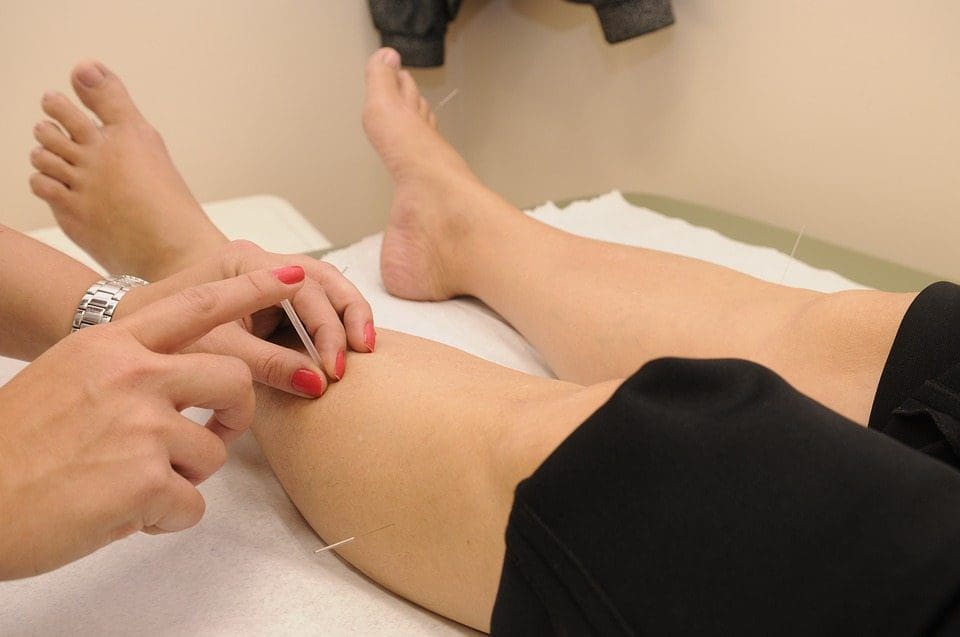
Acupuncture for sciatica is a safe and effective medical treatment to relieve and manage pain symptoms. Studies suggest it is as effective as other treatment strategies and causes fewer side effects. (Zhihui Zhang et al., 2023) The frequency of acupuncture to relieve sciatica pain depends on the severity of the condition and injury, but many report improvement within two to three weeks. (Fang-Ting Yu et al., 2022)
Needle Placement
Circulation problems can cause the body’s energy to stagnate in one or more meridians/channels, leading to pain in and around the surrounding area. (Wei-Bo Zhang et al., 2018)
The objective of acupuncture is to restore optimal circulation by stimulating specific points in the body called acupoints.
Thin, sterile needles stimulate the acupoints to activate the body’s natural healing abilities and relieve pain. (Heming Zhu 2014)
Some practitioners use electroacupuncture – a gentle, mild electrical current is applied to the needles and passes through the tissues to activate the nervous system. (Ruixin Zhang et al., 2014)
Acupoints
Acupuncture sciatica treatment involves specific acupoints along the bladder and gallbladder meridians.
Bladder Meridian – BL
The bladder meridian/BL runs down the back along the spine, hips, and legs. The acupoints within the meridian for sciatica include: (Fang-Ting Yu et al., 2022)
BL 23 -Shenshu – Location on the lower back, near the kidney.
BL 25 – Dachangshu – Location on the lower back.
BL 36 – Chengfu – Location on the back of the thigh, just below the buttocks.
GB 30 – Huantiao – Location on the back, where the buttocks meet the hips.
GB 34 – Yanglingquan – Location on the outside of the leg, below the knee.
GB 33 – Xiyangguan – Location lateral to the knee, on the side.
Stimulating acupoints in these meridians increases blood flow to the area, reduces inflammation, and releases endorphins and other pain-relieving neurochemicals to relieve symptoms. (Ningcen Li et al., 2021) The specific acupoints vary depending on symptoms and the root cause. (Tiaw-Kee Lim et al., 2018)
Example Patient
An example of acupuncture sciatica treatment session: A patient with persistent shooting pain extending down the back and side of the leg. A standard treatment consists of the following:
The acupuncturist thoroughly goes over the patient’s medical history and symptoms and has the patient point to where the pain is located.
Then, they palpate on and around the area to find where the pain worsens and lessens, communicating with the patient as they go along.
Depending on the site and severity, they may start placing needles at the lower back, focusing on the site of the injury.
Sometimes, the sacrum is involved, so the acupuncturist will place needles on those acupoints.
They then move to the back of the leg and insert needles.
The needles are retained for 20-30 minutes.
The acupuncturist leaves the room or treatment area but regularly checks in.
The patient may feel a warmth, tingling, or mild heaviness, which is a normal response. This is where patients report a calming effect. (Shilpadevi Patil et al., 2016)
The needles are carefully removed.
The patient may feel deeply relaxed and will be advised to get up slowly to avoid dizziness.
There may be soreness, redness, or bruising at the needle insertion site, which is normal and should resolve quickly.
The patient will be given recommendations as to avoiding strenuous activity, properly hydrating, and performing gentle stretches.
Acupuncture Benefits
Acupuncture has been shown to be a complementary therapy for pain relief and management. The benefits of acupuncture:
Improves Circulation
Acupuncture stimulates blood circulation, which nourishes damaged or irritated nerves and promotes healing.
This helps relieve sciatica symptoms, like numbness, tingling, and pain. (Song-Yi Kim et al., 2016)
Releases Endorphins
Acupuncture triggers the release of endorphins and other natural pain-relieving chemicals, which help relieve pain. (Shilpadevi Patil et al., 2016)
Regulates the Nervous System
Acupuncture rebalances the sympathetic and parasympathetic responses, which reduces stress, tension, and pain. (Xin Ma et al., 2022)
Relaxes the Muscles
Nerve pain often accompanies muscle tension and spasms.
Acupuncture relaxes tight muscles, reducing pressure and providing relief. (Zhihui Zhang et al., 2023)
From Symptoms to Solutions
References
Zhang, Z., Hu, T., Huang, P., Yang, M., Huang, Z., Xia, Y., Zhang, X., Zhang, X., & Ni, G. (2023). The efficacy and safety of acupuncture therapy for sciatica: A systematic review and meta-analysis of randomized controlled trails. Frontiers in neuroscience, 17, 1097830. https://doi.org/10.3389/fnins.2023.1097830
Yu, F. T., Liu, C. Z., Ni, G. X., Cai, G. W., Liu, Z. S., Zhou, X. Q., Ma, C. Y., Meng, X. L., Tu, J. F., Li, H. W., Yang, J. W., Yan, S. Y., Fu, H. Y., Xu, W. T., Li, J., Xiang, H. C., Sun, T. H., Zhang, B., Li, M. H., Wan, W. J., … Wang, L. Q. (2022). Acupuncture for chronic sciatica: protocol for a multicenter randomised controlled trial. BMJ open, 12(5), e054566. https://doi.org/10.1136/bmjopen-2021-054566
Zhang, W. B., Jia, D. X., Li, H. Y., Wei, Y. L., Yan, H., Zhao, P. N., Gu, F. F., Wang, G. J., & Wang, Y. P. (2018). Understanding Qi Running in the Meridians as Interstitial Fluid Flowing via Interstitial Space of Low Hydraulic Resistance. Chinese journal of integrative medicine, 24(4), 304–307. https://doi.org/10.1007/s11655-017-2791-3
Zhu H. (2014). Acupoints Initiate the Healing Process. Medical acupuncture, 26(5), 264–270. https://doi.org/10.1089/acu.2014.1057
Zhang, R., Lao, L., Ren, K., & Berman, B. M. (2014). Mechanisms of acupuncture-electroacupuncture on persistent pain. Anesthesiology, 120(2), 482–503. https://doi.org/10.1097/ALN.0000000000000101
Perreault, T., Fernández-de-Las-Peñas, C., Cummings, M., & Gendron, B. C. (2021). Needling Interventions for Sciatica: Choosing Methods Based on Neuropathic Pain Mechanisms-A Scoping Review. Journal of clinical medicine, 10(10), 2189. https://doi.org/10.3390/jcm10102189
Li, N., Guo, Y., Gong, Y., Zhang, Y., Fan, W., Yao, K., Chen, Z., Dou, B., Lin, X., Chen, B., Chen, Z., Xu, Z., & Lyu, Z. (2021). The Anti-Inflammatory Actions and Mechanisms of Acupuncture from Acupoint to Target Organs via Neuro-Immune Regulation. Journal of inflammation research, 14, 7191–7224. https://doi.org/10.2147/JIR.S341581
Lim, T. K., Ma, Y., Berger, F., & Litscher, G. (2018). Acupuncture and Neural Mechanism in the Management of Low Back Pain-An Update. Medicines (Basel, Switzerland), 5(3), 63. https://doi.org/10.3390/medicines5030063
Kim, S. Y., Min, S., Lee, H., Cheon, S., Zhang, X., Park, J. Y., Song, T. J., & Park, H. J. (2016). Changes of Local Blood Flow in Response to Acupuncture Stimulation: A Systematic Review. Evidence-based complementary and alternative medicine : eCAM, 2016, 9874207. https://doi.org/10.1155/2016/9874207
Patil, S., Sen, S., Bral, M., Reddy, S., Bradley, K. K., Cornett, E. M., Fox, C. J., & Kaye, A. D. (2016). The Role of Acupuncture in Pain Management. Current pain and headache reports, 20(4), 22. https://doi.org/10.1007/s11916-016-0552-1
Ma, X., Chen, W., Yang, N. N., Wang, L., Hao, X. W., Tan, C. X., Li, H. P., & Liu, C. Z. (2022). Potential mechanisms of acupuncture for neuropathic pain based on somatosensory system. Frontiers in neuroscience, 16, 940343. https://doi.org/10.3389/fnins.2022.940343
For individuals looking to improve their spinal health, can understanding the anatomy of the intervertebral foramen help in injury rehabilitation and prevention?
Intervertebral Foramen
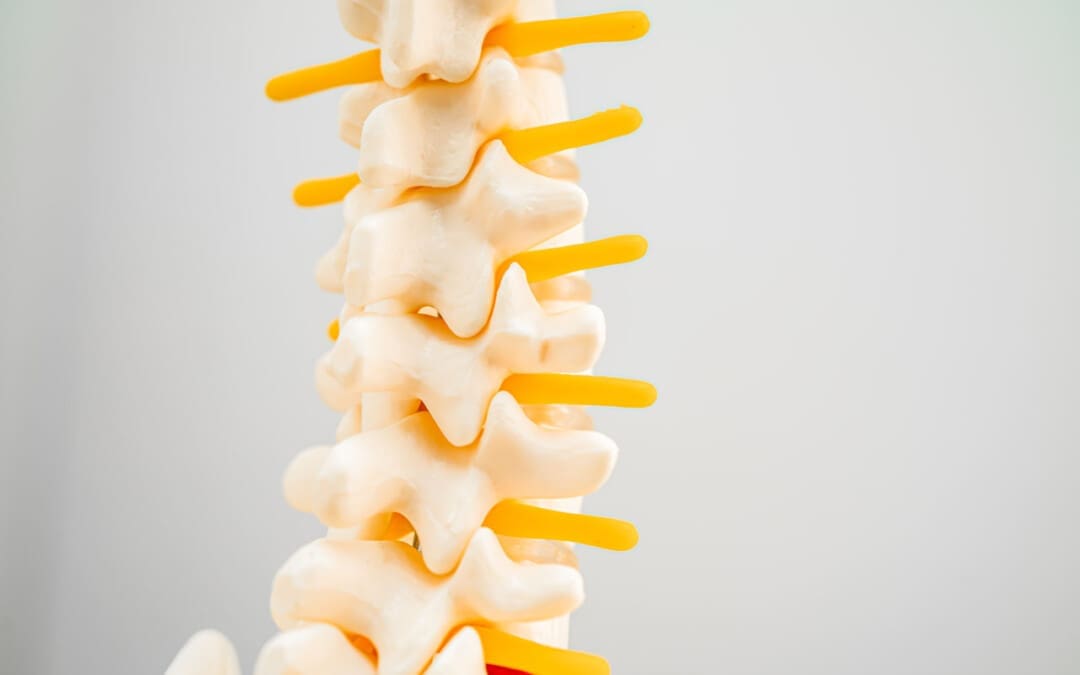
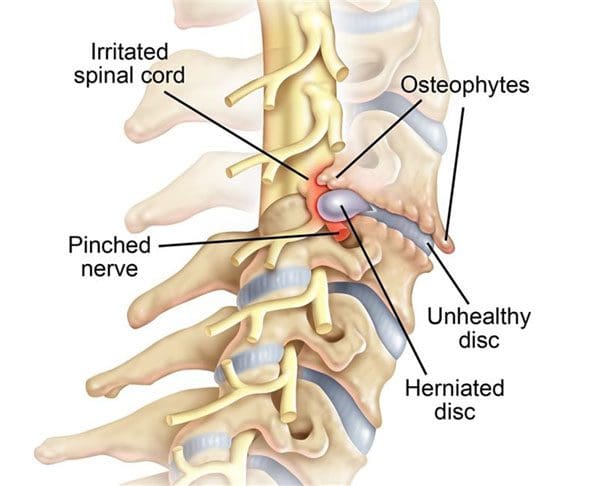
The intervertebral foramen, aka neural foramen, is the opening between the vertebrae through which spinal nerve roots connect and exit to other body areas. If the foramina narrows, it can place added pressure on the nerve roots near and around them, causing pain symptoms and sensations. This is known as neuroforaminal stenosis. (Sumihisa Orita et al., 2016)
Anatomy
The vertebrae comprise the spinal column.
They protect and support the spinal cord and most of the weight placed on the spine.
Foramen is the singular form, and foramina is the plural form.
Structure
The body is the large, round part of the bone that makes up each vertebra.
The body of each vertebra is attached to a bony ring.
Stenosis can occur in the spinal canal, known as central canal stenosis, and the foramina.
Pain brought on by neuroforaminal spinal stenosis and arthritis-related bone growth/bone spurs/osteophytes that are present in one or more foramen rub against the nerve root that passes through the space, causing radicular pain.
Pain accompanied by other sensations, like tingling or numbness, is known as radiculopathy. (Young Kook Choi, 2019)
The main symptom is pain.
Numbness and/or tingling can present depending on the injury.
Neurogenic claudication occurs as a result of ischemia or a lack of blood circulation to the nerves and typically presents with a heaviness in the legs.
It is typically associated with central stenosis rather than foraminal stenosis.
Most individuals with spinal stenosis feel better when flexing or bending forward and worse when arching their backs.
Stenosis treatment aims to relieve pain and prevent nerve symptoms from occurring or worsening. Conservative treatments are recommended and can be highly effective.
These include:
Myelopathy in the neck and/or upper or mid-back (myelopathy symptoms are spinal cord related and occur in central canal stenosis) (Cleveland Clinic. 2021)
Intense incapacitating pain
Different surgical techniques include:
Decompression laminectomy – entails removing the buildup of bone in the spinal canal.
Spinal fusion – when there is instability of the spine or severe foraminal stenosis.
Orita, S., Inage, K., Eguchi, Y., Kubota, G., Aoki, Y., Nakamura, J., Matsuura, Y., Furuya, T., Koda, M., & Ohtori, S. (2016). Lumbar foraminal stenosis, the hidden stenosis including at L5/S1. European journal of orthopaedic surgery & traumatology : orthopedie traumatologie, 26(7), 685–693. https://doi.org/10.1007/s00590-016-1806-7
American Academy of Orthopaedic Surgeons. (2020). Spine Basics (OrthoInfo, Issue. https://orthoinfo.aaos.org/en/diseases–conditions/spine-basics/
American Academy of Orthopaedic Surgeons. (2021). Lumbar spinal stenosis (OrthoInfo, Issue. https://orthoinfo.aaos.org/en/diseases–conditions/lumbar-spinal-stenosis/
Choi Y. K. (2019). Lumbar foraminal neuropathy: an update on non-surgical management. The Korean journal of pain, 32(3), 147–159. https://doi.org/10.3344/kjp.2019.32.3.147
Lee, S. Y., Kim, T. H., Oh, J. K., Lee, S. J., & Park, M. S. (2015). Lumbar Stenosis: A Recent Update by Review of Literature. Asian spine journal, 9(5), 818–828. https://doi.org/10.4184/asj.2015.9.5.818
Lurie, J., & Tomkins-Lane, C. (2016). Management of lumbar spinal stenosis. BMJ (Clinical research ed.), 352, h6234. https://doi.org/10.1136/bmj.h6234
IFM's Find A Practitioner tool is the largest referral network in Functional Medicine, created to help patients locate Functional Medicine practitioners anywhere in the world. IFM Certified Practitioners are listed first in the search results, given their extensive education in Functional Medicine

 Taping steps: