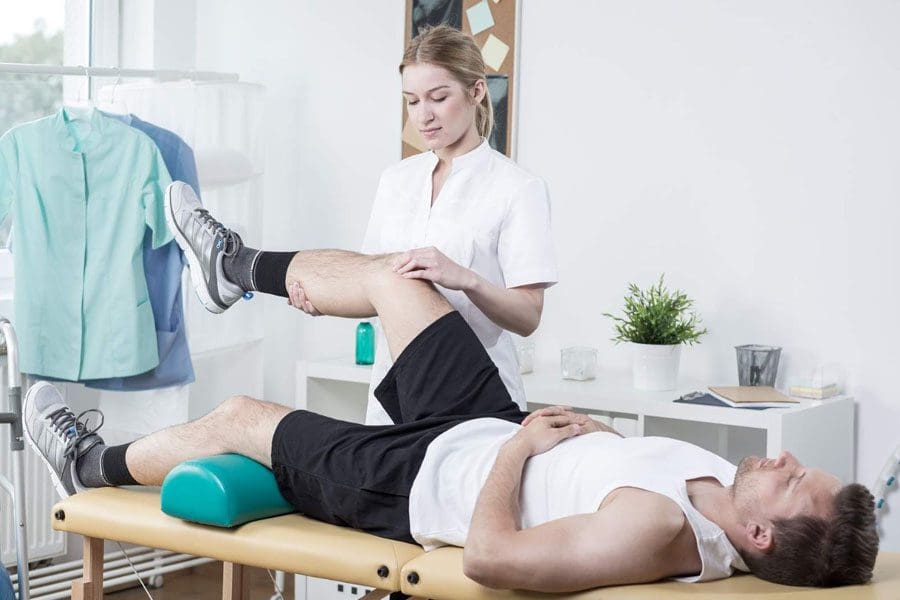
Individuals drive to jobs, to school, run errands, take road trips, spending a lot of time on the road. Accidents and crashes happen more frequently with all kinds of injuries. The National Highway Traffic Safety Commission has found that 37% of car accidents and crashes involve leg injuries and damage. Chiropractic physical rehabilitation and functional medicine can help heal injuries getting the individual back to everyday life.
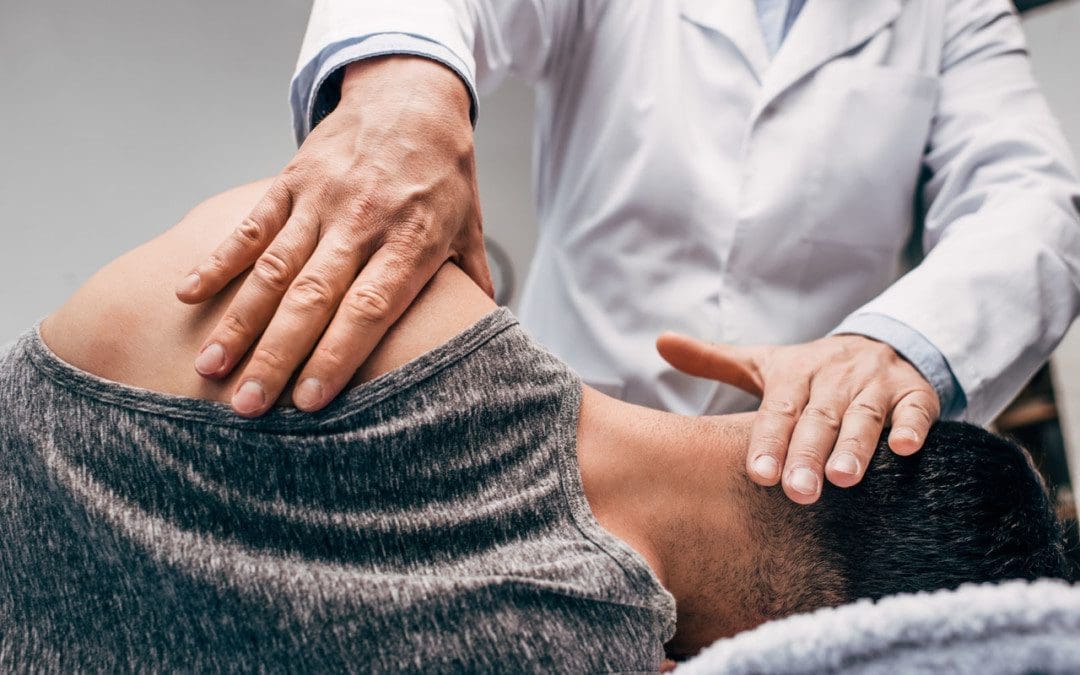
Bruising and cuts are typical from the impact and the body getting slammed around. Lacerations can be noticed right away, but bruising comes from blood pooling underneath the skin and can take time to present, possibly 24 to 48 hours. Most bruises and cuts heal independently from home first aid care. A standard recovery used to take care of bruising is R.I.C.E or rest, ice, compression, and elevation. This helps the healing process; however, if the injury/s are more severe, chiropractic can help with therapeutic massage to relieve pain and strengthen the injured muscles, tendons, and ligaments.
ACL Injuries
The femur or thigh bone has several bands of tissue connecting it to the patella or kneecap and tibia or shin bone. One of the bands is the anterior cruciate ligament or ACL. Injuries to this band of tissue are common in sports. Car accidents and crashes are another common cause, specifically tearing the ligament. Individuals experiencing a tear may notice some or all of the following symptoms:
A cracking or popping sound when the accident or crash took place.
Swelling in and around the knee.
Severe pain in and around the knee.
Unstable and unsteady when walking or standing.
Reduced range of motion that makes walking or moving difficult.
A chiropractor can help treat the injury and help correct any muscular imbalances.
Meniscus Tears
Tears to the meniscus are also common in car accidents and crashes. The meniscusis a part of the knee. Two wedge-shaped pieces of cartilage provide a cushion where the femur and tibia meet to absorb shock. The wedges are called menisci.
When the meniscus tears, individuals might feel or hear a pop and could feel the leg suddenly give out.
Swelling in the knee.
Some pain but still be able to walk.
The knee will be stiff for the next few days.
More difficulty bearing weight or walking.
The RICE method is a recommended method of self-care. Many meniscus tears do not require surgery to improve knee function. Mild to moderate meniscus tears can be successfully treated with chiropractic techniques like soft tissue work, corrective stretches, and exercises. Surgery could eventually be necessary for severe cases to repair the meniscus to prevent long-term complications.
Chiropractic care can help the body heal and recover from a bone fracture. A patient’s bone density is evaluated and tested with an individualized treatment plan to help regain and maintain optimal bone strength. The treatments strengthen the muscles, reduce stiffness, improve nutrition, and relieve pain. Manipulation adjustments, rehabilitation, relaxation techniques, and dietary health coaching help individuals heal faster and strengthen their bones. The objective is to help regain increased mobility and range of motion.
Sciatica
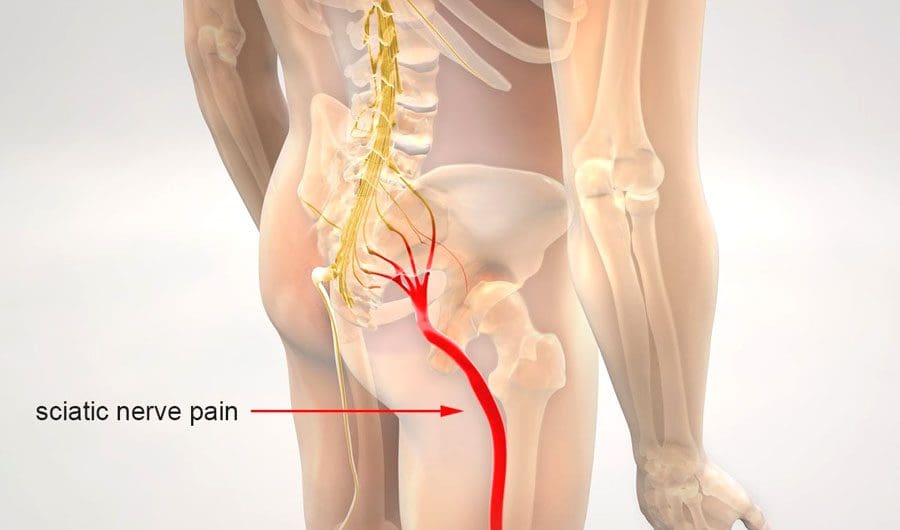
Car accidents and crashes are one instance where the spine can be damaged enough to bring on sciatic pain where no back problems were present before. The impact from a car accident can cause the discs to be knocked out of place, damaged, and/or rupture around the surrounding tissue. Any of these results can pinch the sciatic nerve, leading to pain and other sciatica symptoms. Chiropractic can realign the spine and relieve pressure from the nerve/s.
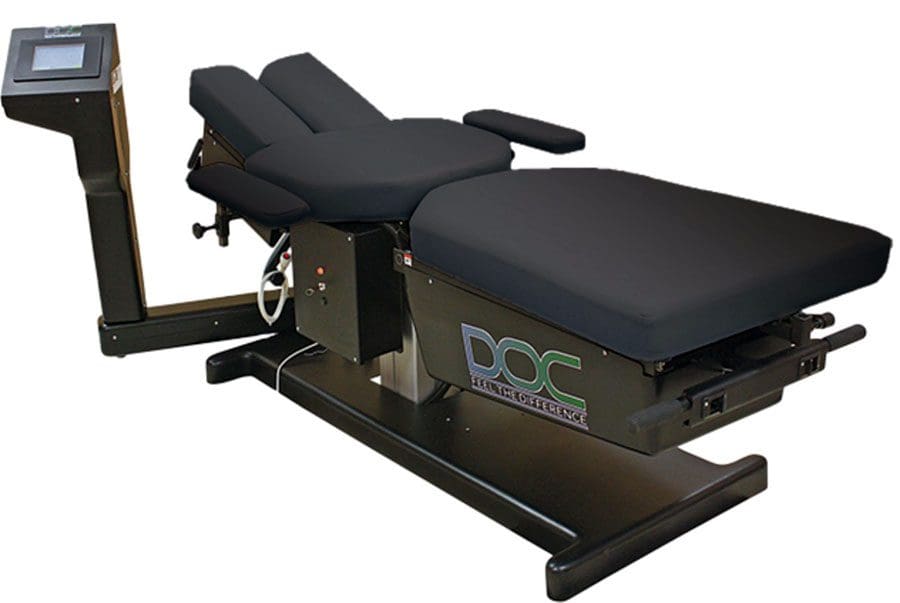
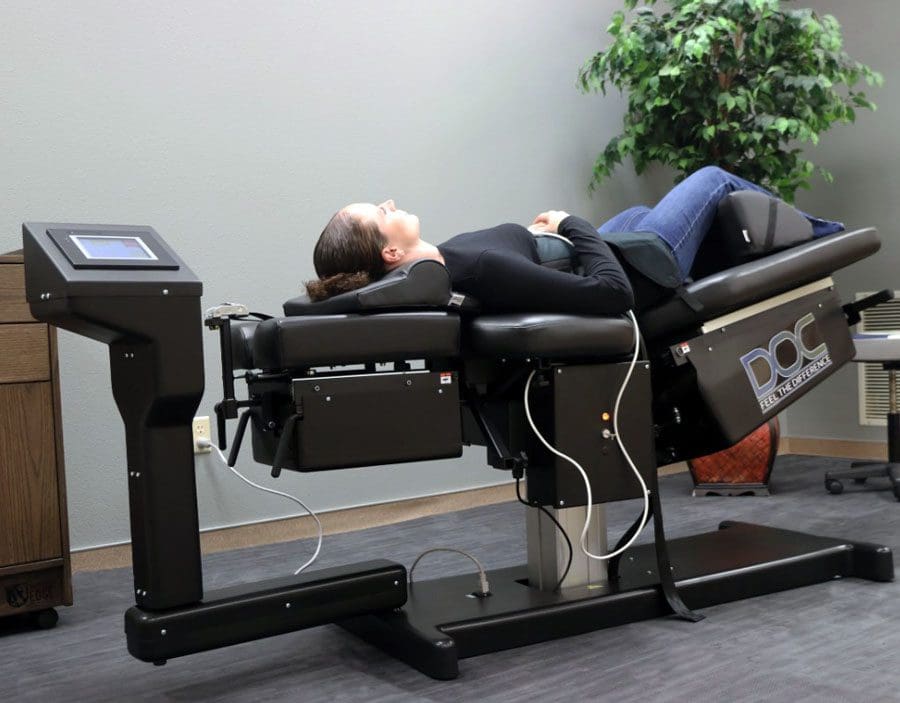
DOC Spinal Decompression Table
References
Atkinson, T, and P Atkinson. “Knee injuries in motor vehicle collisions: a study of the National Accident Sampling System database for the years 1979-1995.” Accident; analysis and prevention vol. 32,6 (2000): 779-86. doi:10.1016/s0001-4575(99)00131-1
Foulk, David M, and Brian H Mullis. “Hip dislocation: evaluation and management.” The Journal of the American Academy of Orthopaedic Surgeons vol. 18,4 (2010): 199-209. doi:10.5435/00124635-201004000-00003
Wilson, L S Jr et al. “Foot and ankle injuries in motor vehicle accidents.” Foot & ankle international vol. 22,8 (2001): 649-52. doi:10.1177/107110070102200806
Spinal stress can affect nerve health. Neuropathy happens when disease or damage is sustained in the nerves that transmit messages from the brain through the spinal cord to the whole body. The source of the damage can be inside the spine, where a herniated disc could be squeezing the nerves, impeding or completely blocking blood circulation until deterioration begins to disease or damage nerve receptors. Removing the pressure from the spine and reversing the stress on the nerves can be done through manual or motorized spinal decompression.
Spinal Stress and the Nerves
The peripheral nervous system is comprised of three types of nerves that are directly influenced by the central nervous system, each with a distinct function which is why there is a wide range of symptoms associated with neuropathy. The types of nerves include:
Sensory nerves receive sensations from the skin like heat, cold, pleasure, and pain.
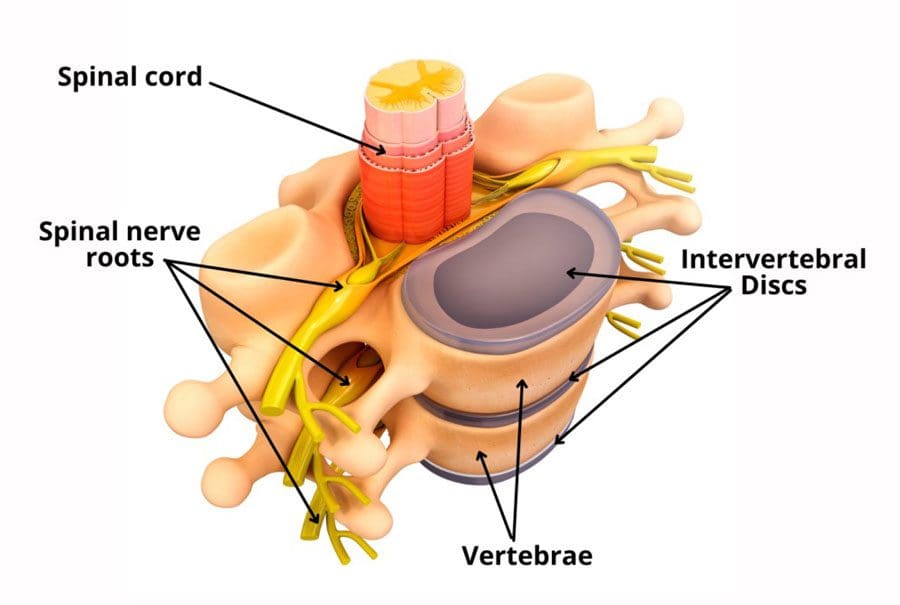
Spinal nerves contain sensory and motor fibers giving them sensory and motor functions. The spinal nerves receive sensory messages from the skin, internal organs, and bones. Any disruption from a bent, crushed, or entangled nerve group will not allow proper blood circulation and message transmission, causing delayed responses, tingling, numbness, and pain. If left untreated, it could cause permanent damage that can lead to chronic pain. Decompression therapy accelerates healing as it floods the spine with blood, oxygen, and nutrients.
Peripheral nerves originate from the spinal cord and extend a network of lines throughout the body called dermatomes. Injury to one dermatome can radiate/spread out to other dermatomes and the peripheral areas like the hands and feet. Once communication with the brain is compromised, results can lead to sensations like numbness and severe pain. Several factors can result in peripheral neuropathy, including:
Gordon, Tessa. “Peripheral Nerve Regeneration and Muscle Reinnervation.” International journal of molecular sciences vol. 21,22 8652. 17 Nov. 2020, doi:10.3390/ijms21228652
Menorca, Ron M G et al. “Nerve physiology: mechanisms of injury and recovery.” Hand clinics vol. 29,3 (2013): 317-30. doi:10.1016/j.hcl.2013.04.002
Wang, Mark L et al. “Peripheral nerve injury, scarring, and recovery.” Connective tissue research vol. 60,1 (2019): 3-9. doi:10.1080/03008207.2018.1489381
Sciatica is experienced as lower back pain and pain that radiates down the back of the legs. It is pain caused by compression, irritation, or inflammation of the sciatic nerve. It is generally experienced on one side of the body. Body movements like twisting, bending, sitting, or responses like coughing and sneezing can worsen the pain. Individuals with sciatica also experience muscle weakness, numbness, tingling, or electrical shock-like sensations. Injury Medical Chiropractic and Functional Medicine Clinic offer manual and motorized sciatic nerve decompression to stretch/realign the spine, release the compressed nerves, and relieve pain.
Sciatic Nerve Decompression
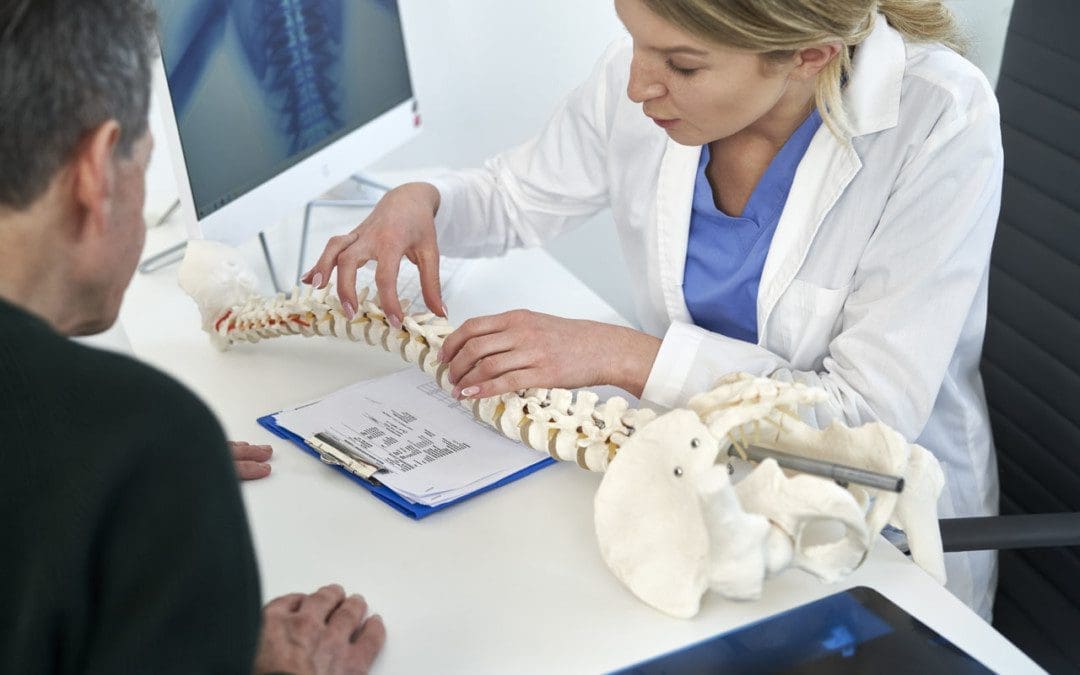
The spine consists of 23 spinal discs that are shock absorbers for the body during movement. Each disc consists of a soft inner core of a gel substance and a thick outer layer. Wear and tear of the spinal discs from aging, degenerative disc disease, repetitive physical activities like lifting and bending, obesity, and poor posture are some of the factors that can stress the spine, causing the thick outer layer of the spinal disc to crack/breakdown causing the soft inner core to leak out forming a bulging or herniated disc. This type of injury compresses, pinches, or irritates one or more nerve roots that form the sciatic nerve, triggering sciatica.
Spinal stenosis or the narrowing of the spinal canal.
Spondylolisthesis, or the slipping or dislocation of the spinal vertebrae in the lower part of the spine.
Are also known sciatica causes.
Symptoms
Common compressed nerve symptoms include:
Pain or burning sensations radiating down the leg.
Because branches of the sciatic nerve extend from the lumbar spine through the buttocks and down the leg, pain, burning sensations or dull aching can present along the nerve’s pathway if the nerve gets compressed or irritated.
Weakness in the affected leg.
When walking or moving the legs, the nerves transmit information to the brain, stimulating the muscles to react in specific ways.
A pinched sciatic nerve can cause interference with relaying signals, resulting in weakness.
Numbness.
The compression impedes blood circulation and nerve energy transmission.
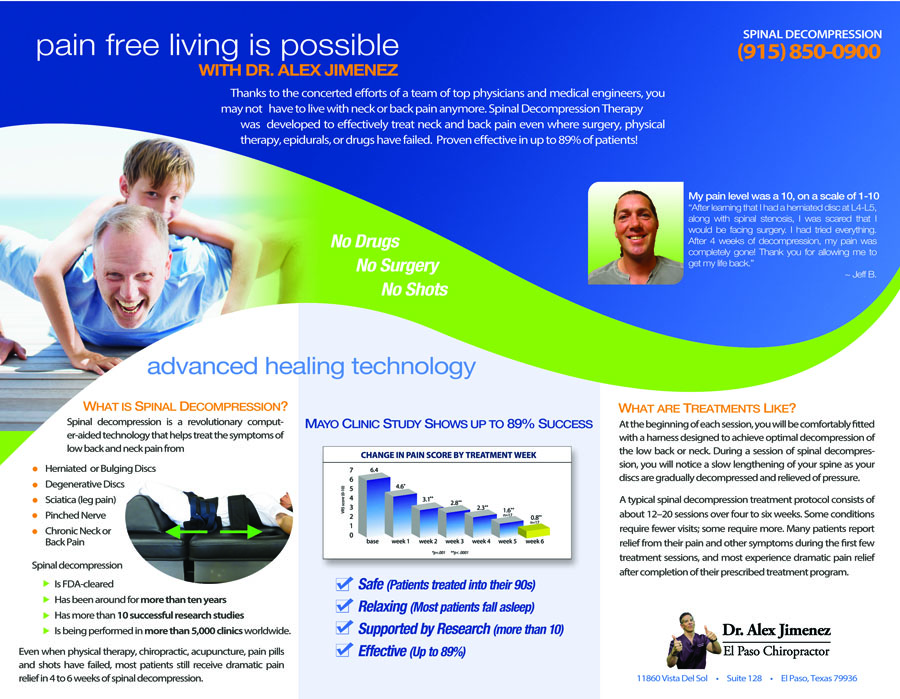
Spinal decompression therapy relieves pressure on the spine by pulling/stretching it in small increments. Non-surgical spinal decompression creates negative pressure within the discs. The negative pressure pulls or vacuums back the disc material that has protruded or herniated and an abundance of nutrients to activate the healing response. The chiropractor, physical therapist, or nurse uses motorized medical equipment with sensors linked to a computer-aided system to perform the procedure. The equipment is designed to adjust the pull force accordingly to prevent muscle resistance. The adjustable table also allows the spine to be stretched at different angles to target the upper or lower back.
The objective of spinal decompression treatment is to relieve the symptoms of sciatica or disc disorders and heal the injured disc. We utilize spinal decompression as an effective tool in treating a vast array of spinal conditions.
DRX9000 Non-Surgical Spinal Decompression
References
Berry, James A et al. “A Review of Lumbar Radiculopathy, Diagnosis, and Treatment.” Cureus vol. 11,10 e5934. 17 Oct. 2019, doi:10.7759/cureus.5934
Davis D, Maini K, Vasudevan A. Sciatica. [Updated 2022 Feb 4]. In: StatPearls [Internet]. Treasure Island (FL): StatPearls Publishing; 2022 Jan-. Available from: https://www.ncbi.nlm.nih.gov/books/NBK507908/
Giuffre BA, Jeanmonod R. Anatomy, Sciatic Nerve. [Updated 2021 Jul 29]. In: StatPearls [Internet]. Treasure Island (FL): StatPearls Publishing; 2022 Jan-. Available from: https://www.ncbi.nlm.nih.gov/books/NBK482431/
National Institutes of Health. (2019.) “Sciatica.” https://medlineplus.gov/sciatica.html
Motorized non-surgical decompression helps relieve pain, removes pressure on the nerves, promotes healing, and increases blood flow to the spine. Spinal discs cannot attain nutrients from the blood without circulation. Decompression opens the spine, flooding the discs with nutrients that result in quicker and optimal healing. This, combined with manual chiropractic adjustments and therapeutic massage, can help get an individual to a pain-free lifestyle.
Spinal Discs
The soft disc material that separates each spinal bone can lose hydration, causing the material to dry out and compress. The discs can also compress from pressure from added weight, trauma from an automobile accident, work, school, and sports injury. Often the soft gel center of the discs spills out, causing a disc herniation. This is usually accompanied by:
Numbness
Tingling
Soreness
Stiffness
Sharp pain
Dull pain
Achiness
Muscle Weakness
Stinging/Burning sensation
Leg pain
Poor balance
These are often indicators of a nerve or nerve bundle, including the sciatic nerve becoming compressed by a herniated disc, bulging disc or slipped disc, stenosis, facet syndrome, or degenerative disc disease. When this happens, the symptoms may be felt in the back or neck area, and/or they may spread out into the arms, hands, legs, or feet.
We focus on providing expert chiropractic treatment that incorporates the most current research and technology into personalized treatment plans. Our goal is to help the individual heal as quickly as possible while educating and training them to use tools to maintain health and wellness.
What Is Spinal Decompression?
References
Andersson, G B, and R A Deyo. “History and physical examination in patients with herniated lumbar discs.” Spine vol. 21,24 Suppl (1996): 10S-18S. doi:10.1097/00007632-199612151-00003
Apfel, Christian C et al. “Restoration of disk height through non-surgical spinal decompression is associated with decreased discogenic low back pain: a retrospective cohort study.” BMC musculoskeletal disorders vol. 11 155. 8 Jul. 2010, doi:10.1186/1471-2474-11-155
Cherkin, DC, and F A MacCornack. “Patient evaluations of low back pain care from family physicians and chiropractors.” The Western journal of medicine vol. 150,3 (1989): 351-5.
Koçak, Fatmanur Aybala et al. “Comparison of the short-term effects of the conventional motorized traction with non-surgical spinal decompression performed with a DRX9000 device on pain, functionality, depression, and quality of life in patients with low back pain associated with lumbar disc herniation: A single-blind randomized controlled trial.” Turkish Journal of physical medicine and rehabilitation vol. 64,1 17-27. 16 Feb. 2017, doi:10.5606/tftrd.2017.154
Urban, Jill PG, and Sally Roberts. “Degeneration of the intervertebral disc.” Arthritis research & therapy vol. 5,3 (2003): 120-30. doi:10.1186/ar629
Non-surgical spinal decompression relieves pain related to spinal conditions, injuries, and disorders that provides a comfortable, affordable alternative treatment option to costly and invasive surgical procedures. Non-surgical spinal decompression can also relieve pain associated with post-surgical rehabilitation. A key to successful outcomes is including added components of the treatment that includes spinal decompression nutrition.
Spinal Decompression Nutrition
Proper nutrition and a balanced diet are essential elements of overall health. Individuals suffering from herniated discs, bulging discs, degenerated discs, sciatica, and chronic low back and neck pain are often deficient in vitamins and minerals, leading to inflammation and pain. These deficiencies can cause or exacerbate the pain and prevent or slow down healing. The bones, muscles, and other structures in the spine need proper nutrition to be strong enough to support the body and perform functions optimally. A health coach and nutritionist can recommend the proper diet and supplements to expedite healing, depending on the patient, the circumstances, and the individual situation. A non-inflammatory diet can make a big difference in patients’ symptoms and the effectiveness of decompression therapy.
The Right Foods
Eating a balanced diet with the right amount and variety of vitamins and nutrients can reduce back problems by nourishing the spine’s bones, muscles, discs, and other structures. While a healthy diet calls for various vitamins and nutrients, several healthy choices can directly benefit the spine. First and foremost is:
Sugar and Nitrate Reduction
High sugar diets lack the nutrients needed to prevent the release of inflammatory mediators.
The average individual consumes around 100 lbs of sugar per year.
Dessert foods are high infatty acids, which increase inflammation.
Any foods containing high fructose corn syrup like salad dressings and sodas.
Processed foods high in nitrates like hot dogs, sausage, and lunch meats.
Super Foods
Increase healing of the spine at the cellular level with superfoods that include:
Water – maintaining hydration is important for re-hydrating degenerated, dried-out discs.
Pre Spinal Decompression Nutrition
The human body was created to heal itself; however, getting the proper nutrition can be difficult as circulation is impeded/blocked when going through a back injury or spinal condition. Eating and/or supplementing with essential nutrients and minerals could be recommended to encourage and engage the healing process. Using nutrients to improve recovery and healing is known as immunonutrition. Pre-decompression allows the tissues to begin healing. Then the chiropractic health team can prepare the tissues for decompression through therapeutic massage, heat, low-level laser therapy, and ultrasound.
DRX9000 Explained by a Neurosurgeon
References
Calder, Philip C. “Fatty acids and inflammation: the cutting edge between food and pharma.” European journal of pharmacology vol. 668 Suppl 1 (2011): S50-8. doi:10.1016/j.ejphar.2011.05.085
Gay R. “All About Spinal Decompression Therapy.” Spine-health. http://www.spine-health.com/treatment/chiropractic/all-about-spinal-decompression-therapy. Published September 2013. Accessed April 2015.
InformedHealth.org [Internet]. Cologne, Germany: Institute for Quality and Efficiency in Health Care (IQWiG); 2006-. What is inflammation? 2010 Nov 23 [Updated 2018 Feb 22]. Available from: https://www.ncbi.nlm.nih.gov/books/NBK279298/
Innes, Jacqueline K, and Philip C Calder. “Omega-6 fatty acids and inflammation.” Prostaglandins, leukotrienes, and essential fatty acids vol. 132 (2018): 41-48. doi:10.1016/j.plefa.2018.03.004
Restaurant work takes a toll on the body with the repetitive moving, bending, twisting, reaching, prepping, cutting, serving, and washing. This is especially true of the shoulders, arms, and hands. When individuals avoid treating their aches and pains, this can lead to chronic pain conditions that can cause severe and permanent damage to the musculoskeletal system. Chiropractic can alleviate the tingling and pain by removing the compression, re-stretching/lengthening, and strengthening the muscles and nerves to perform at optimal levels.
Restaurant Work
The arms and hands are designed to accomplish various tasks. When functioning normally, tasks can be performed flawlessly. Repetitive/Overuse or trauma can cause nerve compression, stiffness, and pain, decreasing function and affecting daily routines.
Carpal Tunnel
Carpal tunnel syndrome is one of the most common disorders that affect the arm and hands.
The carpal tunnel is a space where a nerve and several tendons pass. If the nerve becomes compressed, it can cause numbness, tingling in the fingers, pain, and muscle weakness, making it difficult to grip objects.
Discomfort and pain start gradually in one or both hands.
It can cause tightness and pain in the shoulder, forearm, wrist, and hand.
It can also cause numbness in the palm and fingers.
Avoid scheduling multiple consecutive long shifts for jobs that require repetitive hand motions.
Body Composition
Sticking To A Meal Plan
Identify personal motivation to stick to a meal plan other than improving body composition. To keep motivation high, individuals need to identify other reasons behind goals. This could be:
Saving money from the food budget.
Spending time with loved ones preparing a healthy recipe.
Setting an example to family and friends.
It can be whatever motivates you.
Reassess and tweak the meal plan as needed.
Nutritional needs or dietary preferences change.
Meal planning should be a dynamic process.
Don’t get disappointed if not going as planned.
Refocus by making changes as needed.
References
Gentzler, Marc D, and Janan A Smither. “Using practical ergonomic evaluations in the restaurant industry to enhance safety and comfort: a case study.” Work (Reading, Mass.) vol. 41 Suppl 1 (2012): 5529-31. doi:10.3233/WOR-2012-0872-5529
Laperrière, Ève et al. “Work activity in foodservice: The significance of customer relations, tipping practices and gender for preventing musculoskeletal disorders.” Applied ergonomics vol. 58 (2017): 89-101. doi:10.1016/j.apergo.2016.05.013
Masear, V R et al. “An industrial cause of carpal tunnel syndrome.” The Journal of hand surgery vol. 11,2 (1986): 222-7. doi:10.1016/s0363-5023(86)80055-7
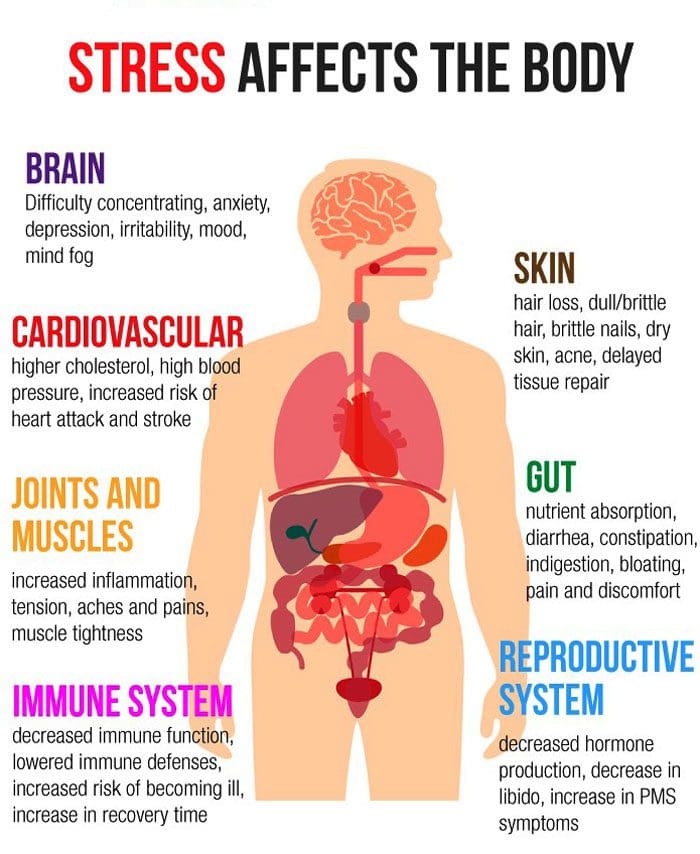
Stress health recognizes how stress affects the body, thoughts, feelings, and behavior. Stress that’s left untreated can contribute to various health problems. These include:
Chiropractic serves as a powerful intervention for anxiety-related symptoms.
Stress Health Blood Pressure and Heart Rate Balance
Chiropractic benefits cardiovascular health as it directly affects the nervous and other body systems that include the spinal system, the bones, joints, and muscular system, affecting the function of the cardiovascular system. Chiropractic regulates these system’s functions allowing for a moderate heart rate and blood pressure. Balanced blood pressure and heart rate can help minimize stress and anxiety, making it much easier to stay relaxed and focused. Individuals report experiencing decreased blood pressure and lower heart rate with long-term chiropractic treatment.
Mental Clarity
Cerebrospinal fluid/CSF is necessary for detoxifying the brain and helping to protect the brain. CSF transports oxygen and nutrients to the brain, helping to increase brain function efficiency. Chiropractic has been shown to increase the amount of cerebrospinal fluid delivered to the brain. This is because the spine is aligned correctly, allowing for a smooth flow of blood and nerve energy from the brain through the spine to the rest of the body. This provides:
Chiropractic can help increase energy levels in different ways for different individuals.
For some, this works by eliminating headaches, migraines, and other nerve dysfunction/s.
For others, this happens by decreasing or eliminating pain symptoms.
These conditions can contribute to lowered energy levels. Constant stress can change the body’s chemistry, leading to increased stress hormones like cortisol. Over time, these hormone releases can decrease energy, causing interference with the body/brain’s natural rejuvenating processes that reduce stress. With chiropractic, the therapeutic effects help correct body chemistry and improve energy levels.
Body Composition
Increase Immune Function
Lymphatic fluid has a vital role in stress health and the function of the immune system. Lymphatic fluid helps separate and release:
Toxins
Viruses
Fungus
Bacteria from the body.
When lymphatic fluid flows smoothly and is not impeded or trapped in tissues, joints, or muscles, the immune system operates at a high level. Chiropractic helps drive lymphatic fluid out of the tissues, joints, and muscles of the body, facilitating optimal immune function.
References
Dragoş, Dorin, and Maria Daniela Tănăsescu. “The effect of stress on the defense systems.” Journal of medicine and life vol. 3,1 (2010): 10-8.
Meier, Jacqueline Katharina et al. “Stress Alters the Neural Context for Building New Memories.” Journal of cognitive neuroscience vol. 32,12 (2020): 2226-2240. doi:10.1162/jocn_a_01613
Pickar, Joel G. “Neurophysiological effects of spinal manipulation.” The spine journal: official journal of the North American Spine Society vol. 2,5 (2002): 357-71. doi:10.1016/s1529-9430(02)00400-x
IFM's Find A Practitioner tool is the largest referral network in Functional Medicine, created to help patients locate Functional Medicine practitioners anywhere in the world. IFM Certified Practitioners are listed first in the search results, given their extensive education in Functional Medicine