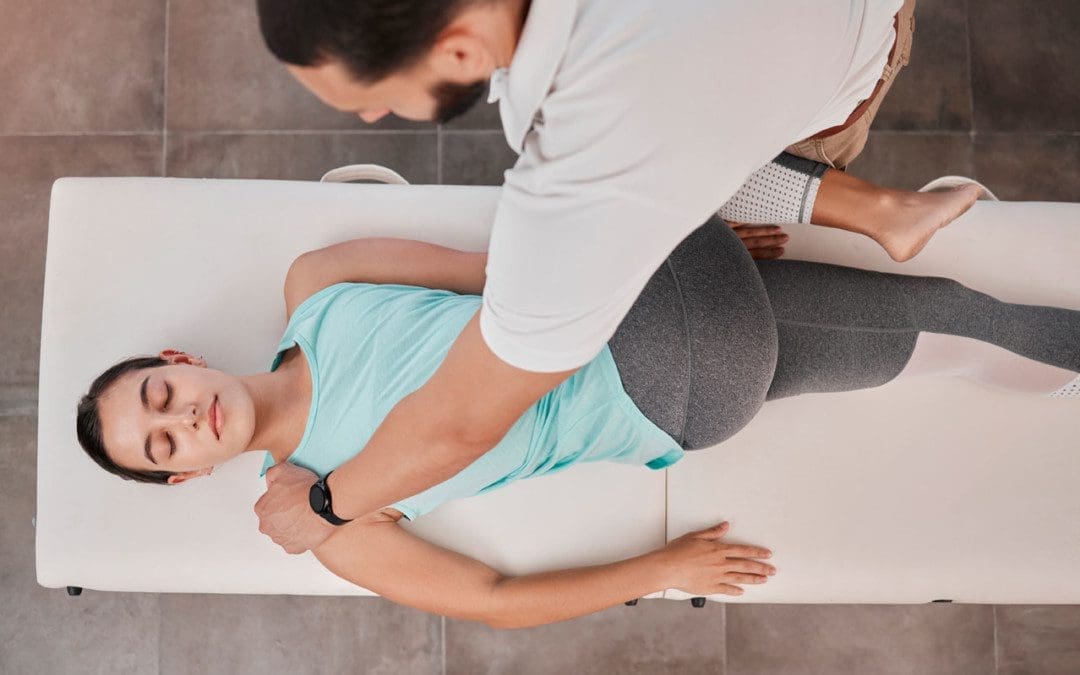
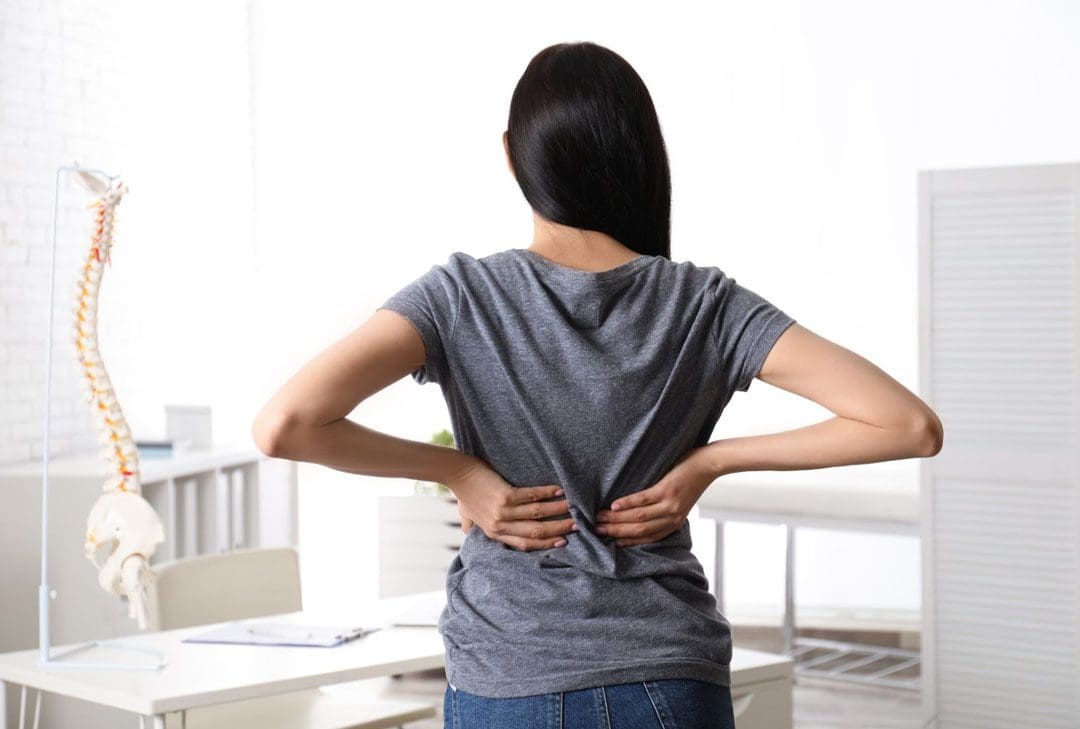
Prolonged standing can cause the pelvis to push backward, increasing the curve of the lower back/lumbar region. This increased pressure on the soft tissues surrounding the spine causes the lower back muscles to tighten and/or spasm, resulting in discomfort in the joints and nerves. Weakened core muscles and unhealthy posture/postural syndrome are the most common causes, but injury, aging, congenital malformations, or a disease/condition can also contribute to the symptoms. Injury Medical Chiropractic and Functional Medicine Clinic has a top team of professional therapists to evaluate the problem, diagnose the cause/s accurately, and develop a customized treatment and rehabilitation plan.
Prolonged Standing Back Discomfort
Back Structure
The lower back is one of the most used areas of the spine, moving around and bending during a normal day. When the body stands, the spine naturally curves both in and outwards.
The inward curve, called lordosis, curves towards the front of the body at the lower back and neck regions.
The outward curve, called kyphosis, curves towards the back of the body at the chest.
When bending over while standing, the five lumbar vertebrae of the lower back change position and shift from lordosis to kyphosis when bent completely.
When standing up from bending, the lumbar vertebrae change position again and return to the lordosis position.
Causes
The facet joints allow movement between each spine level. The standing spinal curvature can increase contact between the facet joints. As the body ages, the facet joints and discs begin to wear out, which can cause the discs and facet joints to become inflamed. Prolonged standing during normal daily activity combined with inflammation in these joints can aggravate the inflammation and cause symptoms. Regular routines and habits may contribute to low back discomfort during prolonged standing. These include:
Sleeping on a sinking or unsupportive mattress.
Practicing unhealthy postures that cause imbalances with proper weight distribution.
Not wearing proper footwear and/or supportive orthotics forces the lower spine into increased curvature and can compress the facet joints.
Not getting enough physical activity that strengthens the core.
Chiropractors are experts on the musculoskeletal system. They will:
Listen to the patient about symptoms, medical history, and occupation.
A physical examination of muscle tone, strength, and range of motion.
Therapeutic massage, electric muscle stimulation, and ultrasound therapy can help reduce muscle inflammation and increase circulation to injured soft tissues.
Chiropractic adjustments will reset joints, removing pressure from the surrounding muscles and nerves.
Targeted therapeutic strength training is recommended for core and leg muscles to improve hip flexibility.
Non-surgical decompression or traction, either with a machine or suspension, can reverse the pressure in spinal discs.
Standing Lower Back Relief Exercises
References
Hasegawa, Tetsuya, et al. “Association of low back load with low back pain during static standing.” PloS one vol. 13,12 e0208877. 18 Dec. 2018, doi:10.1371/journal.pone.0208877
Jo, Hoon, et al. “Negative Impacts of Prolonged Standing at Work on Musculoskeletal Symptoms and Physical Fatigue: The Fifth Korean Working Conditions Survey.” Yonsei medical journal vol. 62,6 (2021): 510-519. doi:10.3349/ymj.2021.62.6.510
Ognibene GT, Torres W, von Eyben R, Horst KC. Impact of a sit-stand workstation on chronic low back pain: randomized trial results. J Occup Environ Med. 2016;58(3):287-293. Abstract. https://www.ncbi.nlm.nih.gov/pubmed/26735316. Accessed March 2, 2017.
Parry, Sharon P et al. “Workplace interventions for increasing standing or walking for decreasing musculoskeletal symptoms in sedentary workers.” The Cochrane database of systematic reviews vol. 2019,11 CD012487. November 17, 2019, doi:10.1002/14651858.CD012487.pub2
Rodríguez-Romero, Beatriz, et al. “Thirty Minutes Identified as the Threshold for Development of Pain in Low Back and Feet Regions, and Predictors of Pain Intensity During 1-h Laboratory-Based Standing in Office Workers.” International journal of environmental research and public health vol. 19,4 2221. February 16, 2022, doi:10.3390/ijerph19042221
Smith, Michelle D et al. “The Influence of Using a Footstool during a Prolonged Standing Task on Low Back Pain in Office Workers.” International journal of environmental research and public health vol. 16,8 1405. April 18. 2019, doi:10.3390/ijerph16081405
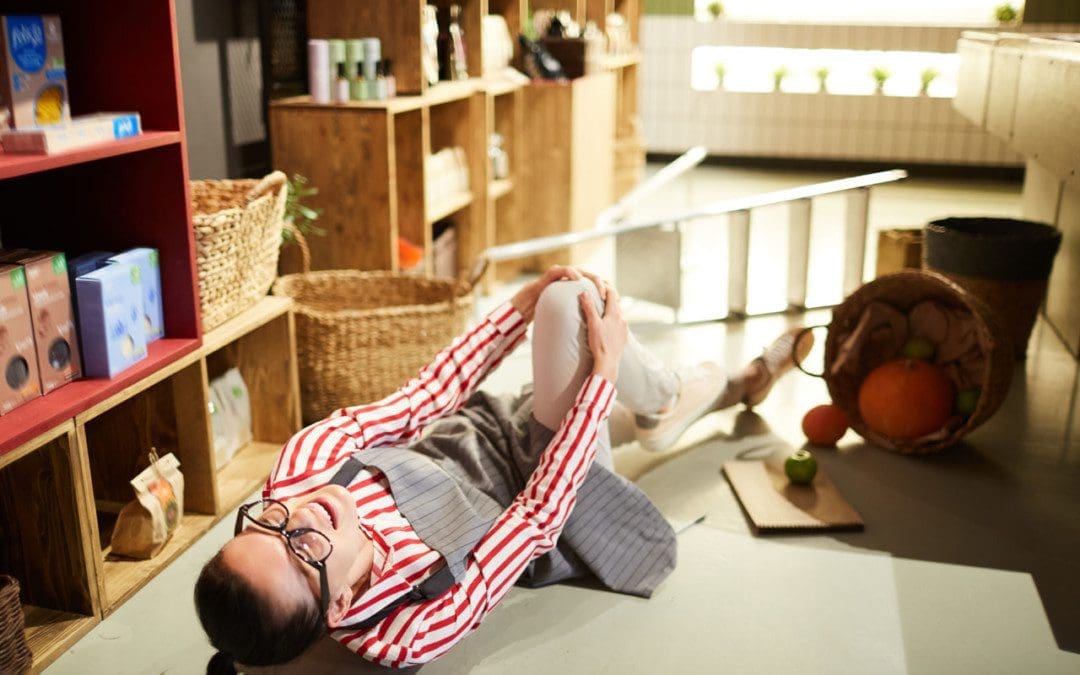
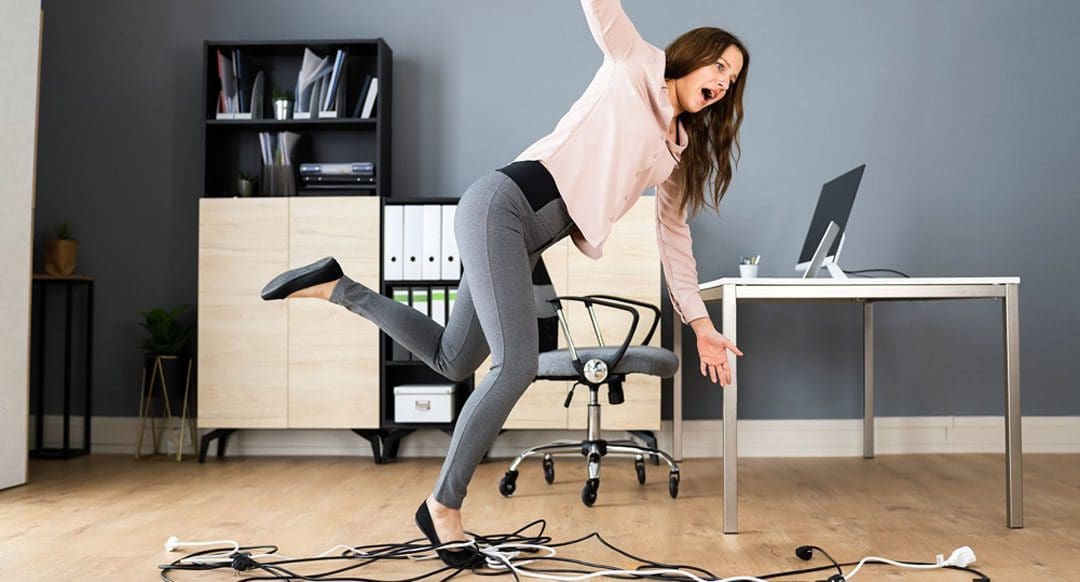
Slip and fall accidents are among the most common causes of workplace/job injuries and can happen anywhere. Work areas can have all kinds of slipping or tripping hazards, including uneven or cracked floors, equipment, furniture, cords, wet floors, and clutter from debris. Individuals involved in a slip-and-fall accident can sustain injuries that vary in severity. The key is to see a doctor or chiropractor immediately to document the slipping and falling injuries and develop a personalized treatment and rehabilitation plan. Injury Medical Chiropractic and Functional Medicine Clinic can help.
The type of injury and degree of severity depends on physical and biological factors present during the slipping and falling. These include:
Physical Condition
An individual’s age, size, gender, and health can influence the type of injury sustained.
Height and Location of the Fall
Slipping, tripping, stumbling, or tumbling injuries could be minimal to severe, depending on the force, height, and location.
Surface Impact
The acceleration during the fall and how the body impacts the surface play an important role in the severity of the injury.
Body Position
Protective reflexes, such as outstretched arms, to break the fall or whether or not the body hit the ground directly determine the injury and to what extent.
Symptoms
Muscle pain and tension are the most common symptoms after slipping and falling.
The muscle fibers overstretch, causing inflammation and swelling to develop.
The pain can often start immediately after or a few days later, known as delayed injury symptoms.
If the nerves sustain injury or irritation, they begin to swell, and the body responds to protect the damaged areas.
The contact inflammation and irritation can cause tightness and spasms.
Continuing ongoing discomfort and pain.
Stomach discomfort and pain.
Significant bruising.
Limitations in movement.
Chiropractic Treatment
Chiropractors are experts in slip-and-fall injuries and will use adjustments and various therapy protocols to realign the body and restore function. The objective is to relieve symptoms, rehabilitate the injured area/s, and regain mobility. Physical therapy and strength-building exercises under a specialist’s supervision and at home are implemented to get back the use of the injured body part.
Inflammation
References
Li, Jie, et al. “Slip and Fall Incidents at Work: A Visual Analytics Analysis of the Research Domain.” International journal of environmental research and public health vol. 16,24 4972. 6 Dec. 2019, doi:10.3390/ijerph16244972
Pant, Puspa Raj et al. “Home-related and work-related injuries in Makwanpur district, Nepal: a household survey.” Injury prevention: journal of the International Society for Child and Adolescent Injury Prevention vol. 27,5 (2021): 450-455. doi:10.1136/injuryprev-2020-043986
Shigemura, Tomonori, et al. “Characteristics of stepladder fall injuries: a retrospective study.” European journal of trauma and emergency surgery: official publication of the European Trauma Society vol. 47,6 (2021): 1867-1871. doi:10.1007/s00068-020-01339-8
Smith, Caroline K, and Jena Williams. “Work-related injuries in Washington State’s Trucking Industry, by industry sector and occupation.” Accident; analysis and prevention vol. 65 (2014): 63-71. doi:10.1016/j.aap.2013.12.012
Son, Hyung Min, et al. “Occupational fall injuries presenting to the emergency department.” Emergency medicine Australasia: EMA vol. 26,2 (2014): 188-93. doi:10.1111/1742-6723.12166
Mindfulness is a valuable tool for reflection and centering/balancing mind and body. Applying mindfulness to fitness can impact the body’s physical well-being and can be incorporated into an existing routine to get the most out of every workout. Applying mindfulness to a fitness routine includes increased satisfaction after a workout and a strengthened commitment to engaging in healthy activity.
Applying Mindfulness
The benefits of applying mindfulness to workouts include the following:
Increased emotional control.
Improved overall wellness.
Increased coping skills to lower blood pressure and reduce stress.
Stay more consistent with a fitness routine.
Workout time builds a stronger relationship between the mind and body.
Mental State
Mindfulness is a mental state that enables individuals to experience their current surroundings uninterrupted by thoughts, worries, or distractions. The objective is to maintain awareness during an activity, such as exercising, and not focusing on judging oneself or the surroundings. It is a form of getting oneself in the zone during their fitness routine that brings an enhanced awareness of the senses like:
Sight
Hearing
Smell
Touch
Taste
Awareness of the location and movement of the body in space.
Meditation
Meditation is a mindfulness exercise that can enhance relaxation, increase the ability to focus, and reduce stress. Different types of meditation range from:
Mantra-based meditation – where a word or phrase is repeated to act as an anchor during an activity.
Movement meditation involves using light exercises like yoga, tai chi, or walking to build a stronger connection with the body.
Benefits
Mental Health
Research has shown that mindfulness is linked to improved overall mental health. One study found that completing a mindfulness-based stress reduction program or MBSR helped increase mental wellness. The analysis discovered that participants who practiced regularly through the program noticed improvements in their quality of life and coping skills during moments of stress. Other mental health benefits include:
One study of individuals with chronic hypertension found that engaging in mindfulness training two hours per week for eight weeks resulted in a clinically significant reduction in systolic and diastolic blood pressure readings. Other physical health benefits include:
Positive physical responses in the body.
Chronic pain alleviation.
Higher sleep quality.
Successful long-term weight loss.
Improved and increased healthy habit-building.
Increased motivation
Feeling more connected to your body
Staying on track with fitness goals.
Workout Implementation
How to apply mindfulness to get the most out of a workout. Exercises like walking, lifting weights, or participating in a fitness class are great ways to practice mindfulness. A few tips for creating a more enjoyable, effective, and mindful workout session includes:
Set A Workout Goal
Before starting a workout, it’s recommended to set an intention (things an individual aims for, strives to achieve, and is related to the mental and physical state. This could be something along the lines of:
Believe in me.
Keep an open mind.
Try my best.
Remember to enjoy the workout.
A simple and short intention can ground the workout process.
It has been proven to enhance commitment and completion of regular physical exercise.
If you begin to struggle or experience a wandering mind during an activity, remind yourself of the intention to focus on the current moment and get back in the groove.
Practice Visualization During the Workout
Visualization is effective for enhancing mindfulness during physical activity, as it allows the brain to create impulses that help complete the task. It is defined as focusing on movement and visualizing performing the physical routine to the best of your ability.
Mix Up the Workout Environment
The workout space plays a significant role in overall exercise efficacy, especially when working out outdoors. Exercising outdoors, like an outdoor class, hiking, or weight-lifting in the backyard, allows the body to attune to nature and the surroundings. This is an effective and simple way to reduce mental fatigue, improve mood, and decrease the perception of the overall effort to maintain motivation to exercise for longer and with more intensity.
Breathe From the Diaphragm
The importance of timing movements with breathing and breathing from the diaphragm can positively impact the autonomic nervous system to promote increased emotional and psychological control. Breathing from the diaphragm while exercising can intensify relaxation and increase the enjoyment of physical activity. The Injury Medical Chiropractic and Functional Medicine Team can educate individuals on applying mindfulness and develop a personalized treatment and fitness program for restoring, improving, and maintaining overall health.
Mindfulness Workout
References
Demarzo, Marcelo M P, et al. “Mindfulness may both moderate and mediate the effect of physical fitness on cardiovascular responses to stress: a speculative hypothesis.” Frontiers in physiology vol. 5 105. 25 Mar. 2014, doi:10.3389/fphys.2014.00105
Mantzios, Michail, and Kyriaki Giannou. “A Real-World Application of Short Mindfulness-Based Practices: A Review and Reflection of the Literature and a Practical Proposition for an Effortless Mindful Lifestyle.” American journal of lifestyle medicine vol. 13,6 520-525. 27 Apr. 2018, doi:10.1177/1559827618772036
Ponte Márquez, Paola Helena, et al. “Benefits of mindfulness meditation in reducing blood pressure and stress in patients with arterial hypertension.” Journal of human hypertension vol. 33,3 (2019): 237-247. doi:10.1038/s41371-018-0130-6
Wieber, Frank, et al. “Promoting the translation of intentions into action by implementation intentions: behavioral effects and physiological correlates.” Frontiers in human neuroscience vol. 9 395. 14 Jul. 2015, doi:10.3389/fnhum.2015.00395
Flexibility is the ability of a joint or joints to move through an unrestricted, range of motion. To maintain joint health, the cartilage and structures within the joint need a constant supply of blood, nutrients, and synovial fluid to move through a full range of motion. The range of motion is influenced by the mobility of the soft tissues that surround the joint. These soft tissues include muscles, ligaments, tendons, joint capsules, and skin. Factors affecting the loss of normal joint flexibility include injury, inactivity, or little to no stretching. Although flexibility varies for everybody, minimum ranges are necessary for maintaining total body health. Injury Medical Chiropractic and Functional Medicine Clinic can create a personalized stretching program to restore joint flexibility.
The effect can be particularly noticeable in weight-bearing joints like the hips and knees.
If the joints become weak, the risk of injury increases.
Inflexible muscles tire more quickly, causing opposing muscle groups to work harder.
Muscle fatigue can lead to muscular injuries and the inability to protect the joints from more severe injuries.
Decreased flexibility can also lead to added stress on structures and tissues in a different body area from the source of the inflexibility.
An example is tendonitis in the knee can be related to calf tightness.
Stretching Routine Benefits
Research has shown that stretching can help improve flexibility and, as a result, the range of motion of the joints. Benefits include:
Improved performance in physical activities.
Improved ability with daily activities.
Decreased risk of injuries.
Increase circulation.
Improved muscle function.
Testing
Flexibility can be measured with functional tests. These tests measure the joint’s range within common movement patterns. Using these tests, areas of inflexibility can be identified and addressed. The tests look at the following:
Neuromuscular coordination.
How the muscles return to a normal resting state.
Blood circulation and recirculation.
Typical assessment areas include the lower back, hips, hamstrings, knees, and feet.
Stretching the Body
Developing a regular stretching routine to be incorporated into a training program is recommended. A stretching routine should cover all the major muscle groups of the body as well as any specific muscle groups. Implementing a physical therapy stretching program can help individuals stay motivated, as gaining flexibility takes time. It can take several weeks of consistent, regular stretching for improvement.
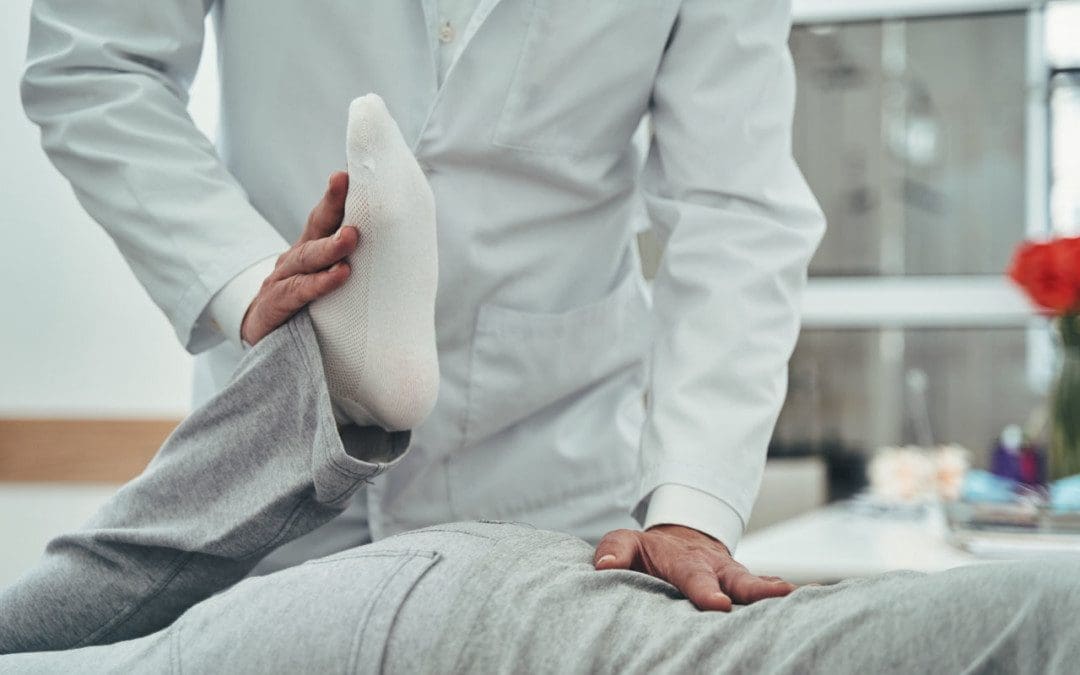
Stretching with a physical therapist will target the largest areas of inflexibility.
Stretching sessions can be 20 minutes or more.
Once these areas have been addressed, the therapist will move on to more specific areas.
The therapist will train the individual how to stretch at home.
The therapist will provide specific guidelines that should be followed for stretching at home:
Stretching when muscles are cold could lead to a strain or pull.
Warming up before stretching is recommended as it increases the blood flow and temperature of the muscles, ligaments, and tendons, improving the elasticity and functioning of the tissues.
Begin each stretch slowly and gently.
Maintain the stretch position for 30 seconds, and gradually increase to 1-2 minutes.
There should be pulling or tightness but not pain.
Static stretching should gradually go through the full range of motion until the resistance is felt.
Stretch to the point of tightness and then just beyond.
Gradually release the stretch.
Repeat daily.
A stretching therapy program keeps the body loose and effectively increases the mobility of all soft tissues.
Full Body Stretching
References
Behm DG. Does stretching affect performance? In: The Science and Physiology of Flexibility and Stretching. Kindle edition. Routledge; 2019.
Berg, K. Stretching fundamentals. In: Prescriptive Stretching. 2nd ed. Kindle edition. Human Kinetics; 2020.
Ghasemi, Cobra, et al. “The effect of soft tissue manipulation and rest on knee extensor muscles fatigue: Do torque parameters and induced perception following muscle fatigue have enough reliability?.” Journal of family medicine and primary care vol. 9,2 950-956. 28 Feb. 2020, doi:10.4103/jfmpc.jfmpc_838_19
Gordon BT, et al., eds. Flexibility assessments and exercise programming for apparently healthy participants. In: ACSM’s Resources for the Exercise Physiologist. 3rd ed. Kindle Edition. Wolters Kluwer; 2022.
Hui, Alexander Y et al. “A systems biology approach to synovial joint lubrication in health, injury, and disease.” Wiley interdisciplinary reviews. Systems biology and medicine vol. 4,1 (2012): 15-37. doi:10.1002/wsbm.157
Lindstedt, Stan L. “Skeletal muscle tissue in movement and health: positives and negatives.” The Journal of experimental biology vol. 219, Pt 2 (2016): 183-8. doi:10.1242/jeb.124297
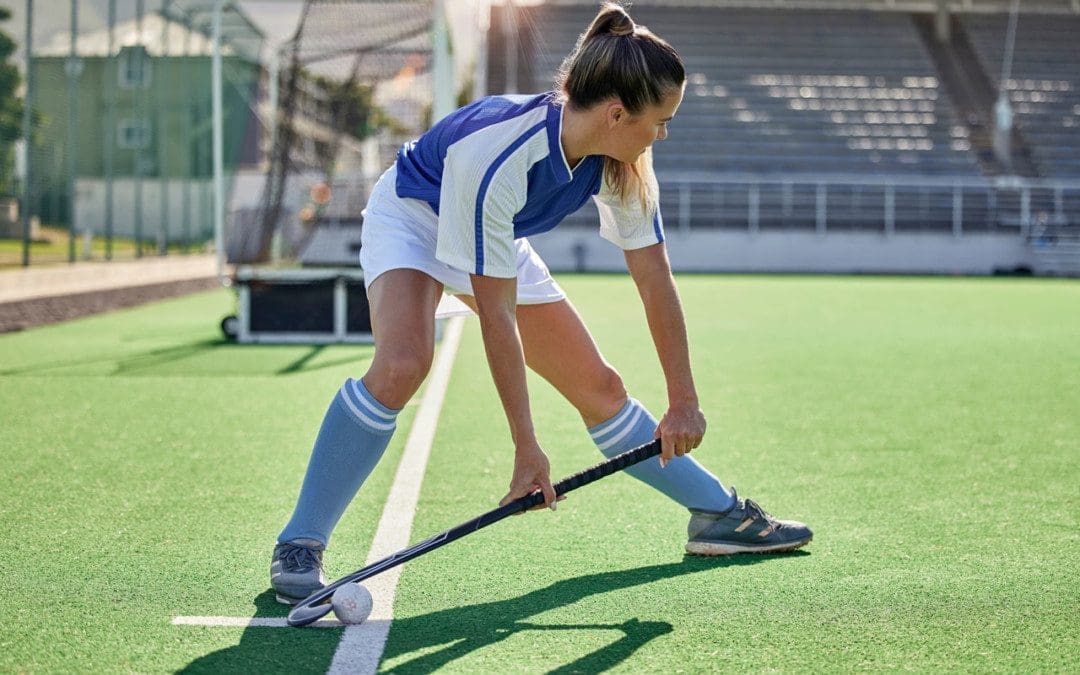
Field hockey is one of the world’s oldest team sports, dating back to the classical Greek era. It also is recognized as one of the oldest college sports in America. It is a game where teams composed of 11 players, including one goalkeeper, come together on a field and use hockey sticks to drive a ball into a net to score points. The winner is determined by whoever has the most points at the end of the game. The sport requires high aerobic and anaerobic fitness to provide endurance, strength to position, trap, pass, and hit the ball, push and flick the ball, and acceleration/speed and agility. Here we look at the basic fitness components and chiropractic care benefits.
Field Hockey
Aerobic Fitness
Field hockey players need to have high levels of endurance to perform. The game consists of 2 35 – minute halves, with a 10-minute break, plus stoppages. This consistent use of energy and muscular strength requires the cardiovascular system to supply oxygen through the blood.
A conditioning workout should include long-distance and interval training.
Long-distance running or biking is a great way to build up the endurance to run back and forth on the field.
To keep workouts fun, alternate between long-distance and interval.
Strength and Power
Players need to be physically strong to power through an opponent, drive the ball, or push the ball out from another player’s stick. Incorporating exercises that strengthen the entire body will help.
Body-weight workouts will work if you don’t have access to a gym or weights.
Squats, glute bridges, and lunges can help build a strong lower body.
Push-ups and tricep dips are great for the upper body.
Lower body injuries are common. The risk can be reduced by 50% through regular participation in a strength training program with a resistance component, such as neuromuscular training.
Agility
The ability to change direction quickly is important, as players will change direction at least every 5 seconds during a game.
Players should include interval training to increase quickness and agility.
Common agility drills are ladder drills, lateral sprints, and hill climbs.
Flexibility
Healthy hamstring and lower back flexibility maintain stability and balance, which is also important for injury prevention.
Field hockey fitness is about perfecting moves to become an automatic reaction.
Chiropractic Benefits
After putting their body through intense training, players can benefit from sports massage and chiropractic. Benefits include:
Increased Range of Motion
The sport requires a wide range of motion. A misaligned area like the spine and hips causes weakness in the muscles and tendons near the joints causing the player to take on awkward positioning that can lead to various neuromusculoskeletal issues and injuries. Chiropractic reset and realignment maintain body flexibility, muscle relaxation, optimal circulation and strengthen the areas causing weakness.
Enhanced Balance and Coordination
Balance and coordination are critical as the players sprint, shift, twist, and turn. The eyes and ears are the main balance components, but the nervous system plays a role. Chiropractic spinal alignment increases the nervous system’s function of sending signals to the rest of the body.
Speeds up Recovery From Injury
Chiropractic helps heal injury quicker because fluids and nutrients released after an adjustment will move toward the damage expediting healing. Chiropractic breaks up scar tissue and trigger points to rebuild that strength and stamina without the risk of worsening or further injury.
Chiropractic care will improve how the central nervous system communicates with the rest of the body.
Strength Training
References
Espí-López, Gemma V et al. “Effect of manual therapy versus proprioceptive neuromuscular facilitation in dynamic balance, mobility and flexibility in field hockey players. A randomized controlled trial.” Physical therapy in sport: official journal of the Association of Chartered Physiotherapists in Sports Medicine vol. 32 (2018): 173-179. doi:10.1016/j.ptsp.2018.04.017
Krzykała, M et al. “Does field hockey increase morphofunctional asymmetry? A pilot study.” Homo : internationale Zeitschrift fur die vergleichende Forschung am Menschen vol. 69,1-2 (2018): 43-49. doi:10.1016/j.jchb.2018.03.003
Reilly, T, and A Borrie. “Physiology applied to field hockey.” Sports medicine (Auckland, N.Z.) vol. 14,1 (1992): 10-26. doi:10.2165/00007256-199214010-00002
Tapsell, Liam C et al. “Validity and Reliability of a Field Hockey-Specific Dribbling Speed Test.” Journal of strength and conditioning research vol. 36,6 (2022): 1720-1725. doi:10.1519/JSC.0000000000003700
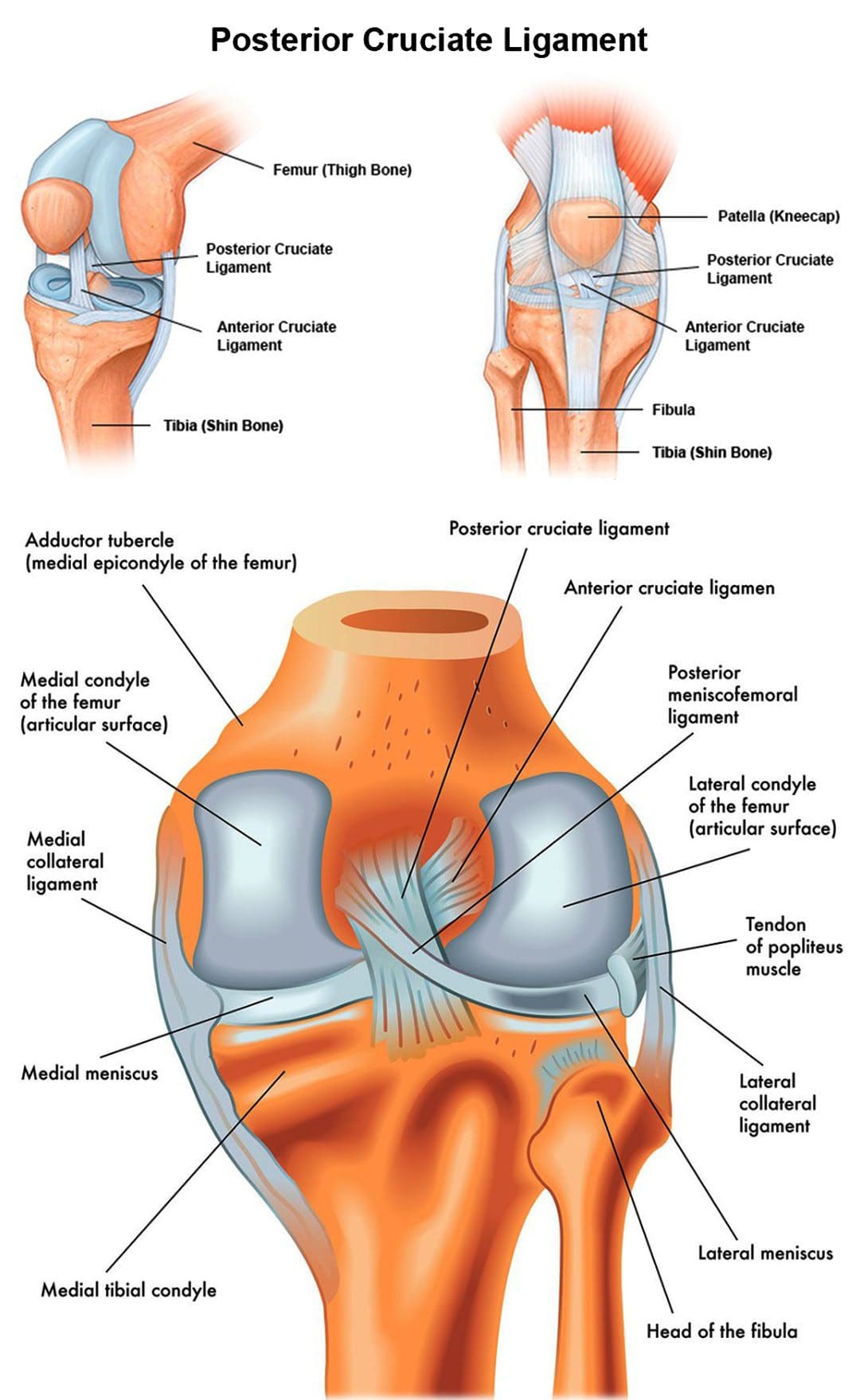
The body has around 1,000 ligaments that connect bones and joints. Ligaments are strong bands of tissue that support joint mobility and stabilize the muscles and bones. An injury to one or more ligaments can cause inflammation, swelling, discomfort, and instability. The PCL refers to the posterior cruciate ligament that runs along the back of the knee joint. This ligament connects the femur/thigh bone to the tibia/shinbone. Anyone can suffer from an injury to the posterior cruciate ligament. It can be caused by the knee hitting a dashboard in an automobile collision, a worker twisting or falling on a bent knee or a sports contact injury. The Injury Medical Chiropractic and Functional Medicine Clinic Team provide soft tissue work, trigger point therapy, and targeted non-surgical treatment through advanced therapy methods and technologies.
Posterior Cruciate Ligament
The posterior cruciate ligament – PCL is located inside the knee, just behind the anterior cruciate ligament – ACL. It is one of several ligaments that connect the femur/thighbone to the tibia/shinbone. The posterior cruciate ligament keeps the tibia from moving backward.
Injury
Posterior cruciate ligament injuries are far less common than ACL – anterior cruciate tears. PCL injuries make up less than 20% of all knee ligament injuries. It is more common for PCL tears to occur with other ligament injuries. A PCL injury can cause mild, moderate, or severe damage and is rated into four different categories:
Grade I
A partial tear is present in the ligament.
Grade II
There is a partial tear.
The ligament can feel loose.
Grade III
The ligament is completely torn.
The knee is unstable.
Grade IV
The PCL is injured.
Other knee ligaments are damaged.
Individuals with posterior cruciate ligament injuries can have short or long-term symptoms. Typically, long-term symptoms occur when an injury slowly develops over time. In mild cases, individuals may still be able to walk, and their symptoms may be less noticeable. Common symptoms associated with PCL injuries include:
Difficulty placing weight on the injured knee.
Stiffness.
Walking difficulties.
Difficulty descending stairs.
A wobbly sensation inside the knee.
Inflammation and swelling can be mild to severe.
Knee pain.
Pain that worsens over time.
Over time, tears could lead to the development of osteoarthritis.
There is an increased risk of extensive damage and chronic pain conditions if left untreated.
Chiropractic Care
The continued participation in work or activity following a mild injury is the primary reason individuals undergo therapy, injections, or surgical repairs. Knee injuries need immediate attention to prevent worsening or further damage. A chiropractor will examine the knee, check the range of motion and ask about symptoms. They may request imaging tests to determine the extent of the damage. These tests may include the following:
X-rays.
Magnetic resonance imaging.
CT scan.
During the physical examination, they will check all the structures of the injured knee and compare them to the non-injured knee. The wounded knee may appear to sag backward when bent or could slide back too far, specifically when beyond a 90-degree angle. Treatment depends on the severity of the injury. Common treatments include:
Crutches
Crutches may be recommended to limit the weight placed on the knee.
Knee Brace
A special brace can address instability and help prevent the tibia bone from sagging backward.
Gravity tends to pull the bone backward when lying down.
Chiropractic and Physical Therapy
As the swelling goes down, a carefully personalized rehabilitation program can begin.
This procedure is less invasive compared to traditional surgical methods.
Recovery time varies from person to person. If the injury is mild, it may only take around ten days to heal. If surgery was needed, recovery could take about six to nine months. Full recovery typically requires 6 to 12 months.
Best Knee Injury Chiropractor
References
American Academy of Orthopaedic Surgeons. Posterior Cruciate Ligament Injuries. (https://orthoinfo.aaos.org/en/diseases–conditions/posterior-cruciate-ligament-injuries) Accessed 7/26/21.
Bedi A, Musahl V, Cowan JB. Management of Posterior Cruciate Ligament Injuries: An Evidence-Based Review. Journal of the American Academy of Orthopedic Surgery. 2016 May;24(5):277-89. Accessed 7/26/21.
Lu, Cheng-Chang, et al. “Twelve Weeks of a Staged Balance and Strength Training Program Improves Muscle Strength, Proprioception, and Clinical Function in Patients with Isolated Posterior Cruciate Ligament Injuries.” International journal of environmental research and public health vol. 18,23 12849. 6 Dec. 2021, doi:10.3390/ijerph182312849
Pierce, Casey M et al. “Posterior cruciate ligament tears: functional and postoperative rehabilitation.” Knee surgery, sports traumatology, arthroscopy: official journal of the ESSKA vol. 21,5 (2013): 1071-84. doi:10.1007/s00167-012-1970-1
Schüttler, K F et al. “Verletzungen des hinteren Kreuzbands” [Posterior cruciate ligament injuries]. Der Unfallchirurg vol. 120,1 (2017): 55-68. doi:10.1007/s00113-016-0292-z
Zsidai, Bálint, et al. “Different injury patterns exist among patients undergoing operative treatment of isolated PCL, combined PCL/ACL, and isolated ACL injuries: a study from the Swedish National Knee Ligament Registry.” Knee surgery, sports traumatology, arthroscopy: official journal of the ESSKA vol. 30,10 (2022): 3451-3460. doi:10.1007/s00167-022-06948-x
Nerve irritation occurs when the nerves exiting the spine become irritated and sensitized. Also known as nerve gliding restriction, it is a condition whereby a nerve becomes irritated by inflamed swelling of structures close to the nerve, such as joints, ligaments, muscles, or discs, that have sustained an accumulative strain which results in swelling and inflammation. A thorough chiropractic assessment and examination can diagnose the extent of the irritation and develop a personalized treatment plan.
Nerve Irritation
When swelling and inflammation interfere with the nerve root, the nerve transmits signals to the brain to let it know there is a threat. The brain interprets these signals and creates a protective response to avoid worsening the damage to the nerve. The protective reactions vary from person to person but can include the following:
Muscle tightness and guarding
Aching sensation
Cramping
Radiating discomfort or pain
Pins and needles
Tingling
Numbness
Nerve root irritation also inhibits the body from recovering as fast as it should.
Nerve irritation is not to be confused with nerve root compression or radiculopathy. This is when the nerve becomes compressed/pinched, resulting in the loss of its functions like muscle strength and sensation. Sometimes individuals with nerve irritation can also experience increased neural tension. The nerves adapt to the mechanical loads placed on them through regular movements. Restrictions to neural mobility can cause symptoms to worsen along the pathway and distribution of the nerve.
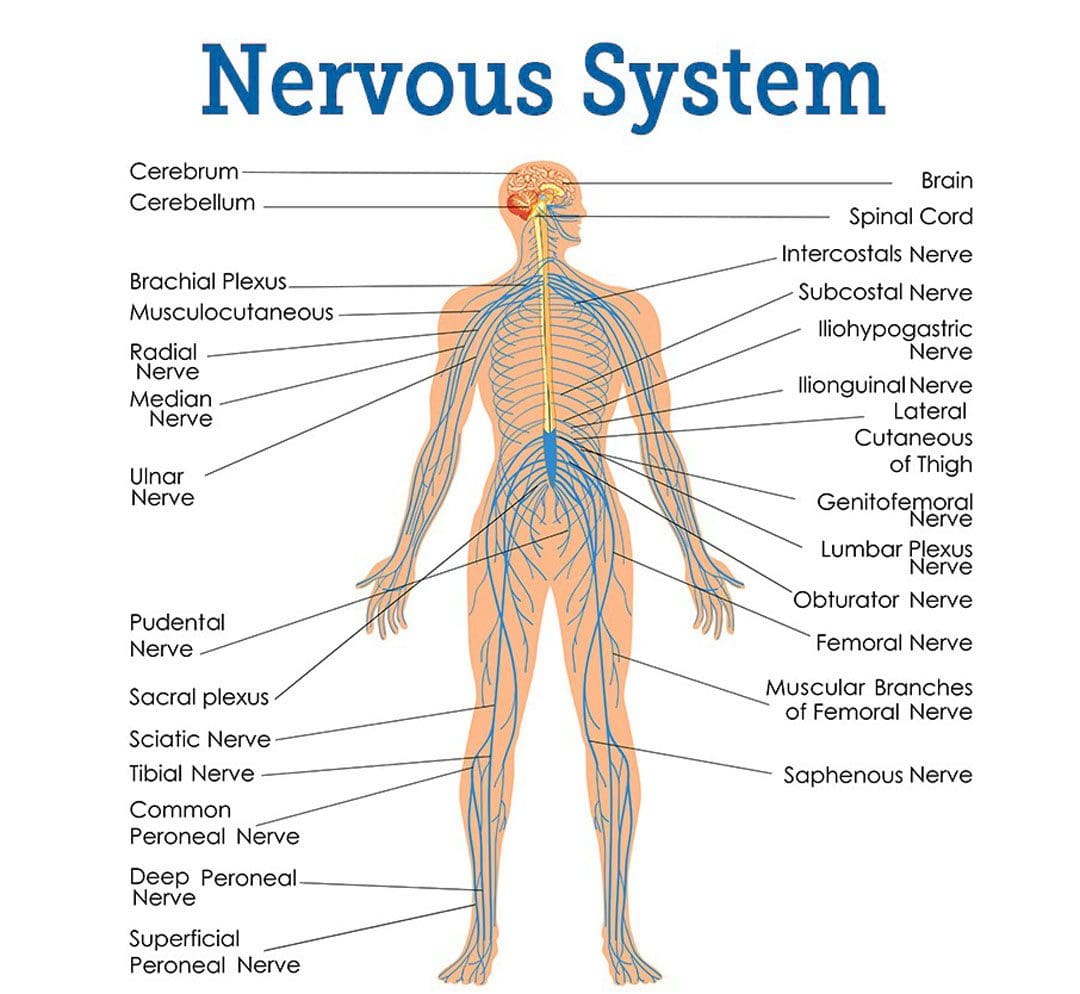
The nervous system consists of the brain, spine, and nerve branches.
The branches, similar to electrical cables, cannot stretch.
Tension is generated when straightening out body areas, creating a pull and gliding of the nerve to the spinal cord.
When nerve irritation occurs, signals are sent to protect the body, brain, spine, and branches.
Causes
Most commonly, nerve irritation occurs when a structure adjacent to the nerve; this could be a joint, ligament, and/or muscle that accumulates strain and becomes dysfunctional, swollen, inflamed, and/or spasms resulting from protective guarding.
Mild nerve irritation can include accumulated strain from postural overload and swelling from a minor tear in an adjacent ligament.
Often nothing shows as a problem on an MRI scan.
Severe nerve irritation can include disc herniation and shows up on an MRI scan; surgery could be required in some cases.
Symptoms
Stiffness
Tightness
Aches
Pains
Persist even after days of rest, stretching, targeted exercises, avoiding movements, etc.
Stretching feels good at first, but the pain returns or worsens a few hours later or the next day.
The irritation blocks the effective recovery of muscle, joint, tendon, and ligament discomfort symptoms.
Chiropractic Care
Treatment involves various therapies and strengthening the supporting structures while relaxing and releasing tight structures to avoid recurring injuries. Chiropractic care realigns the spine, corrects joints that have shifted out of place, helps to regulate the nervous system’s function, and relieves irritation and inflammation. Whether in the form of an adjustment, traction, or guided exercise, all systems in the body are moved closer to a balanced state. This includes the:
Nervous system
Immune system
Respiratory system
Circulatory system
Endocrine system
Skeletal system
All help support the body’s self-healing process and increase the nervous system’s function.
The chiropractic team will guide the patient through the rehabilitation process to get back to full strength.
Peroneal Nerve Irritation
References
Ellis, Richard F, and Wayne A Hing. “Neural mobilization: a systematic review of randomized controlled trials with an analysis of therapeutic efficacy.” The Journal of manual & manipulative therapy vol. 16,1 (2008): 8-22. doi:10.1179/106698108790818594
Gibson, William, et al. “Transcutaneous electrical nerve stimulation (TENS) for neuropathic pain in adults.” The Cochrane database of systematic reviews vol. 9,9 CD011976. 14 Sep. 2017, doi:10.1002/14651858.CD011976.pub2
O’Shea, Simone D et al. “Peripheral muscle strength training in COPD: a systematic review.” Chest vol. 126,3 (2004): 903-14. doi:10.1378/chest.126.3.903
Rozmaryn, L M et al. “Nerve and tendon gliding exercises and the conservative management of carpal tunnel syndrome.” Journal of hand therapy: official Journal of the American Society of Hand Therapists vol. 11,3 (1998): 171-9. doi:10.1016/s0894-1130(98)80035-5
Sipko, Tomasz, et al. “Mobility of cervical spine and postural equilibrium in patients with spinal overload syndrome.” Ortopedia, traumatologia, rehabilitacja vol. 9,2 (2007): 141-8.
IFM's Find A Practitioner tool is the largest referral network in Functional Medicine, created to help patients locate Functional Medicine practitioners anywhere in the world. IFM Certified Practitioners are listed first in the search results, given their extensive education in Functional Medicine




 Posterior Cruciate Ligament