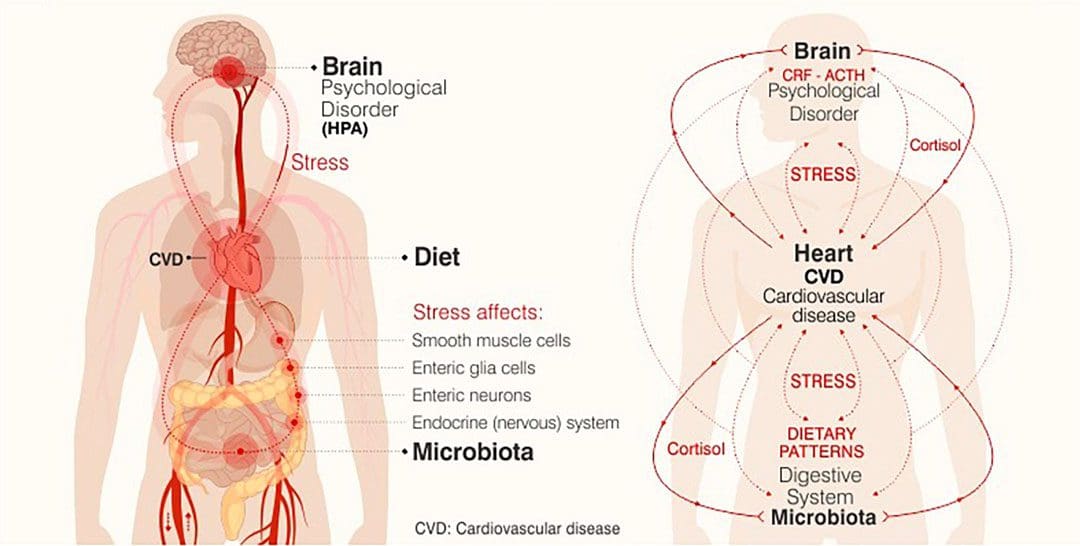
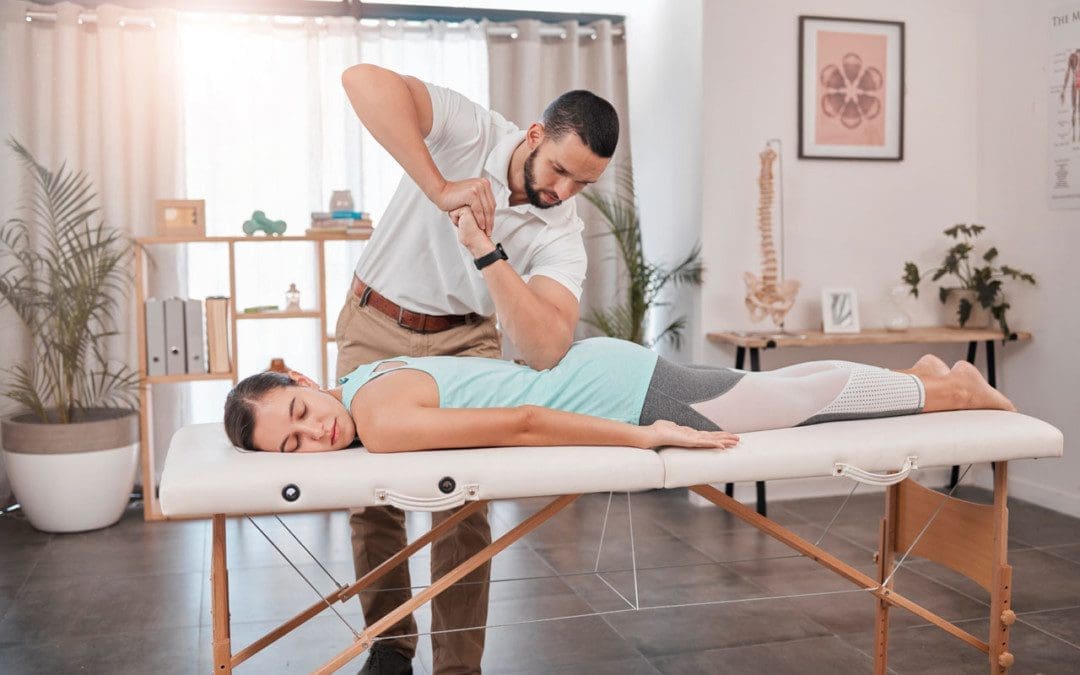
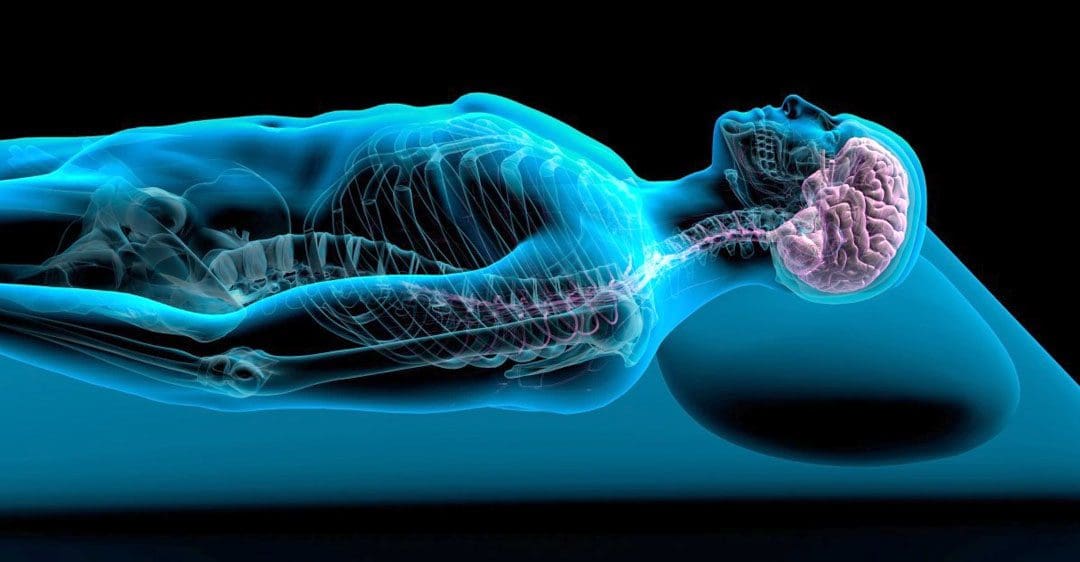
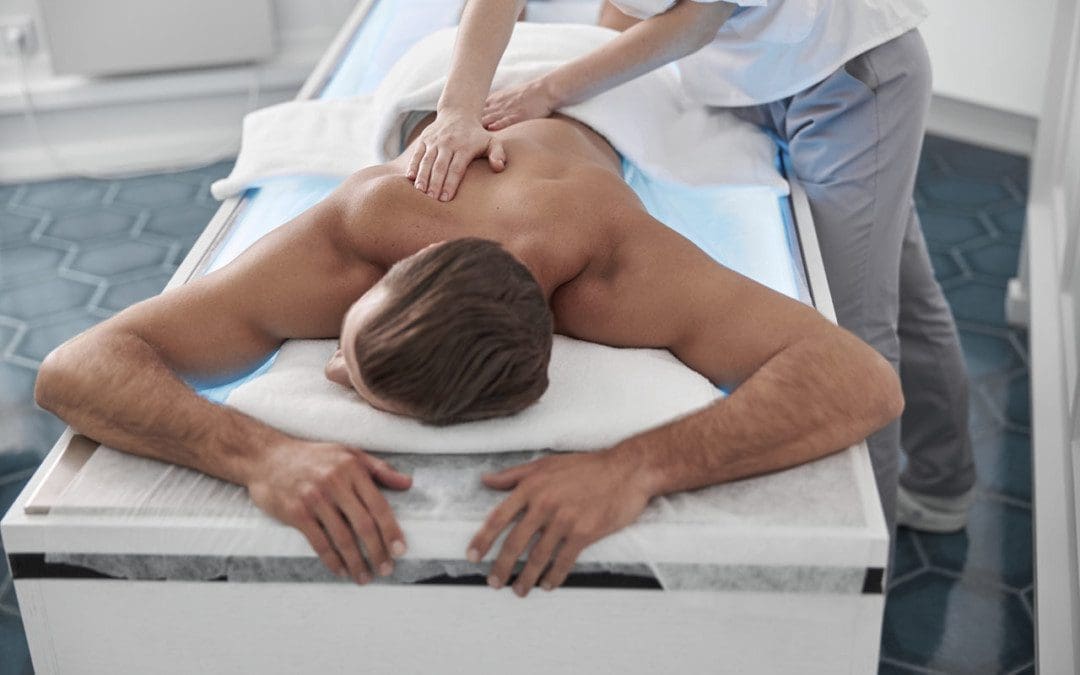
Maintaining a healthy and well-balanced nutritional plan is recommended for overall health. When the body is nourished healthily, it will perform optimally. Stress is part of daily life, and certain foods can enhance the body’s ability to handle stress, help target physical and emotional states, and protect the brain. The Injury Medical Chiropractic and Functional Medicine Clinic Team can provide therapeutic massage to increase circulation, and relax the mind and body, adjustments to restore any misalignments, and nutritional support and health coaching for total wellness.
Foods For Stress
Anxiety is a widespread condition affecting millions of individuals. Trying to lower stress levels includes self-care, sleep management, physical activity, and incorporating foods to reduce cortisol levels, the primary hormone responsible for stress.
Cortisol
Cortisol has a variety of functions that include:
Manages how the body uses carbohydrates, fats, and proteins.
Sleep cycle regulation.
Blood pressure regulation.
Increases blood sugar.
Decreases inflammation.
Cortisol is sometimes known as the stress hormone because the adrenal gland releases it when experiencing stress or when the body is under physical stress/inflammation. It is the key to managing the fight-or-flight instinct and is healthy for a short period as a protective mechanism providing the energy needed to respond to short-term stress. However, the long-term release of cortisol generates tension in the body, leading to chronic inflammation and raised blood pressure. Learning how to manage stress is necessary for lowering cortisol levels.
Symptoms
Symptoms vary and are different for everybody.
Physical
Exhaustion.
Sleep problems.
Headaches.
Muscle tension.
Jaw clenching.
Aches and pains.
Chronic illness from a weakened immune system.
Stomach or digestive problems.
High blood pressure.
Chest pain or a feeling like the heart is racing.
Dizziness.
Shaking.
Emotional and mental
Irritability and or anxiousness.
Sadness.
Depression.
Panic attacks.
Foods
The objective is to reduce inflammation, thus reducing cortisol levels. Recommended foods for stress include foods high in magnesium, vitamin B, Omega-3 fatty acids, protein, and foods that benefit the gut. Here are a few.
Magnesium
Magnesium is highly beneficial in reducing inflammation, metabolizing cortisol, and relaxing the mind and body.
Dark chocolate.
Bananas.
Broccoli.
Spinach.
Avocados.
Pumpkin seeds.
Vitamin B
Vitamin B12 can help with the metabolism of cortisol.
The key to lowering stress is a whole-body approach that includes exercise, proper sleep, and managing chronic diseases like diabetes, hypertension, and obesity, all of which can put the body in a prolonged state of inflammation. Incorporating these foods into a nutritional plan can help relieve stress naturally.
Impact of Stress
References
Aucoin, Monique, and Sukriti Bhardwaj. “Generalized Anxiety Disorder and Hypoglycemia Symptoms Improved with Diet Modification.” Case reports in psychiatry vol. 2016 (2016): 7165425. doi:10.1155/2016/7165425
Errisuriz, Vanessa L et al. “Perceived stress and dietary choices: The moderating role of stress management.” Eating behaviors vol. 22 (2016): 211-216. doi:10.1016/j.eatbeh.2016.06.008
Norwitz, Nicholas G, and Uma Naidoo. “Nutrition as Metabolic Treatment for Anxiety.” Frontiers in psychiatry vol. 12 598119. 12 Feb. 2021, doi:10.3389/fpsyt.2021.598119
Serafini, Mauro, and Ilaria Peluso. “Functional Foods for Health: The Interrelated Antioxidant and Anti-Inflammatory Role of Fruits, Vegetables, Herbs, Spices and Cocoa in Humans.” Current pharmaceutical design vol. 22,44 (2016): 6701-6715. doi:10.2174/1381612823666161123094235
Zellner, Debra A et al. “Food selection changes under stress.” Physiology & behavior vol. 87,4 (2006): 789-93. doi:10.1016/j.physbeh.2006.01.014
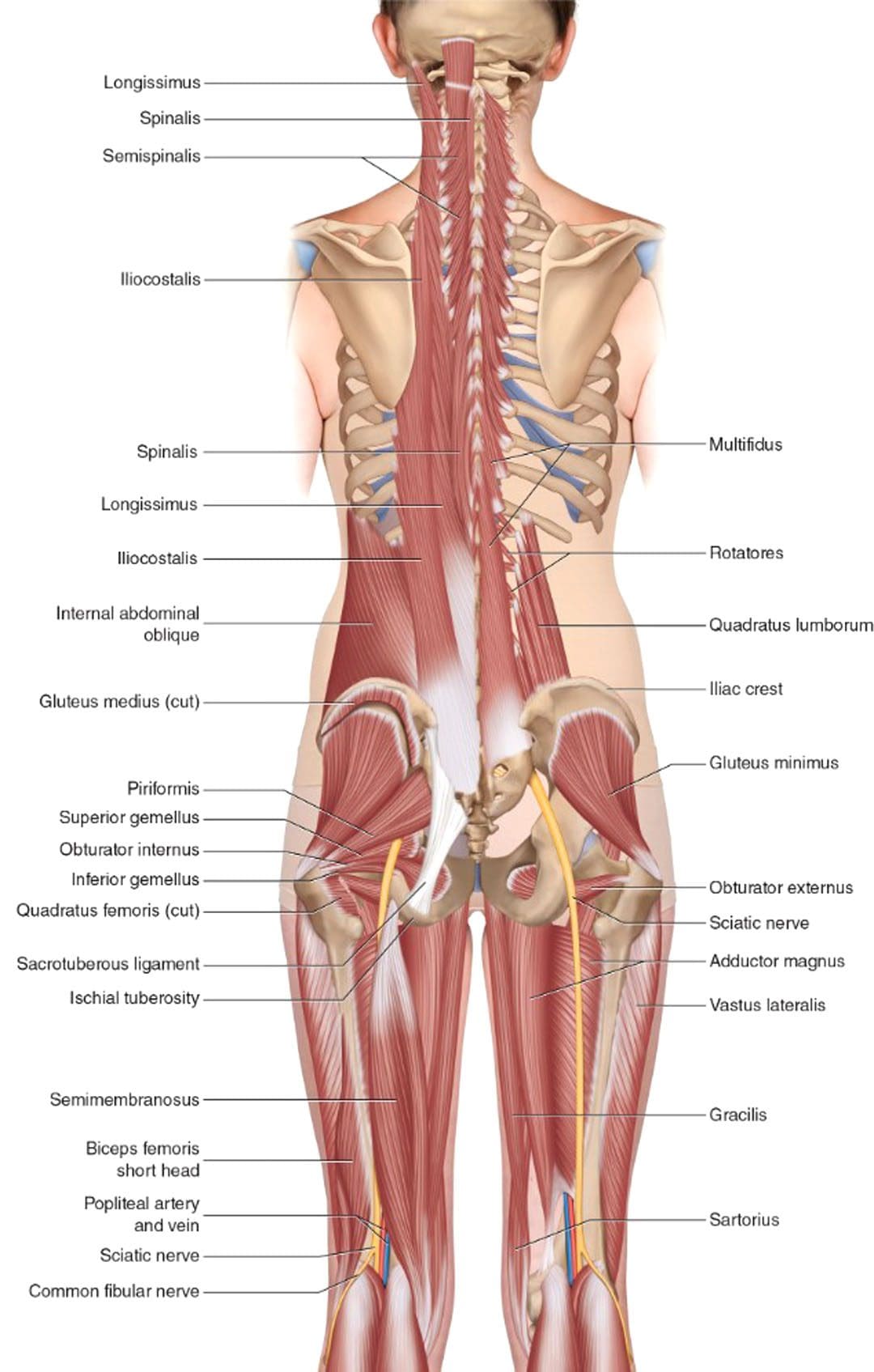
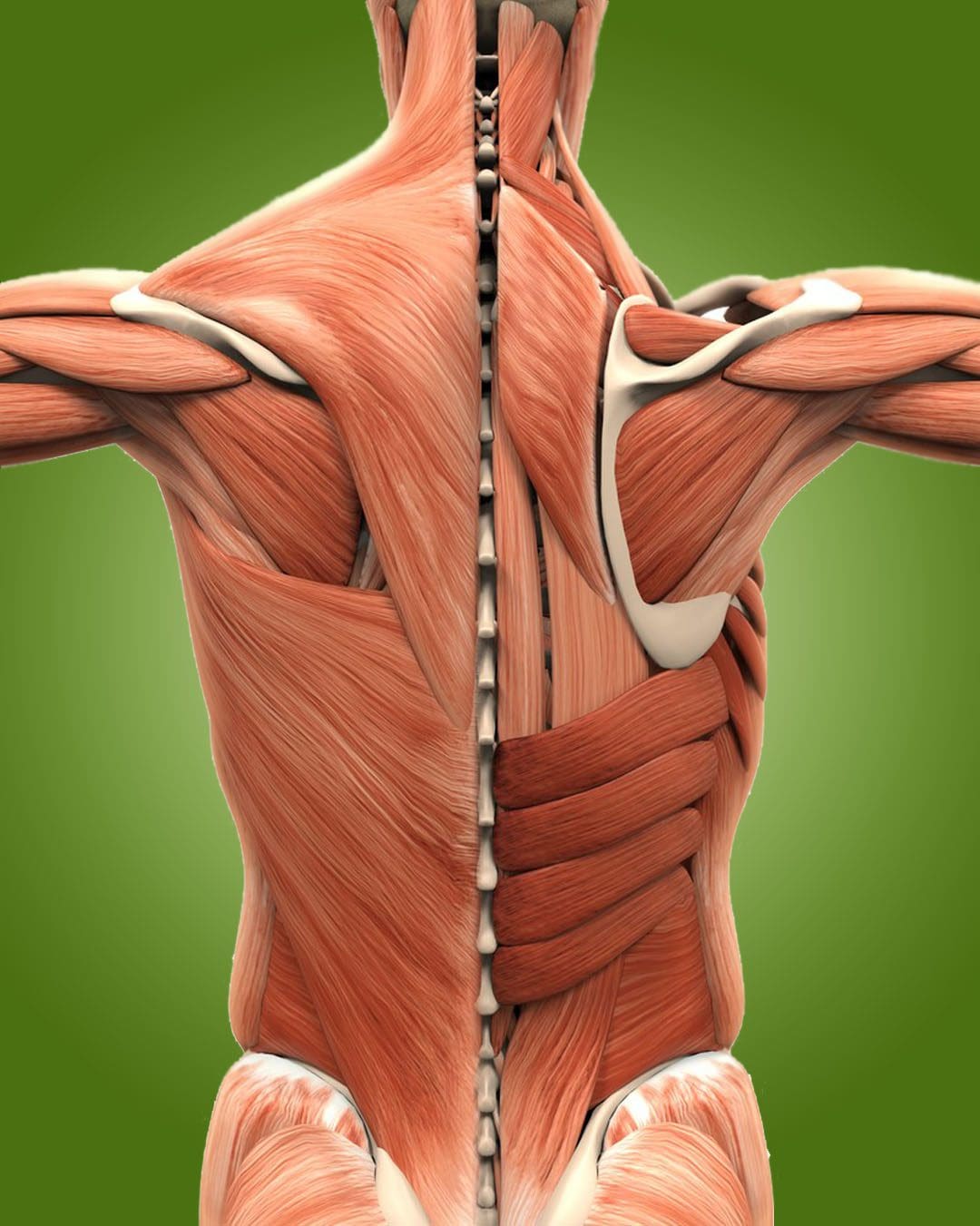
The lumbar/low back muscles support the upper body’s weight and are involved in moving, twisting, bending, pushing, pulling, and reaching. These repetitive actions can result in a lumbar strain, which is muscle damage or injury to the tendons or muscles of the lower back, causing spasms, soreness, and pain. A lumbar strain can be the source of severe pain symptoms; it can be debilitating and, if left untreated, can lead to chronic conditions. Injury Medical Chiropractic and Functional Medicine Clinic can relieve symptoms, realign the body, relax, rehabilitate, strengthen muscles, and restore function.
Lumbar Strain
The lumbar vertebra makes up the region of the spine in the lower back. Sudden injuries or overuse injuries can damage the tendons and muscles. Lumbar muscle strain is caused when the muscle fibers are abnormally stretched or torn. Lumbar strain can be acute/sudden or chronic/lingering. A strain that has been present for days or weeks is referred to as acute. It is considered chronic if it has persisted for over three months. It can occur at any age but is most common in individuals in their forties. Increased risk factors can include:
Weakened back or abdominal muscles can cause
Tight hamstrings can pull the low back muscles down.
Excessive lower back curvature.
Forward-tilted pelvis.
Symptoms
Lumbar strain can have varied signs and symptoms depending on the location, damage, and cause of injury. The damage can range from simple overstretching injuries to partial or complete tears of varying degrees. The tears cause inflammation in the surrounding area, resulting in back spasms and difficulty moving. A muscle spasm is a cramp caused by a sudden and involuntary contraction or twitch and can be one of the symptoms of a lumbar strain. Other symptoms can include:
Muscle spasms either with activity or when resting.
Stiffness in the low back.
Difficulty standing or walking, with slight relief when resting.
Trouble doing simple tasks like bending or climbing stairs.
Low back pain can radiate into the buttocks without affecting the legs.
The lower back may be tender and sore to the touch.
Decreased muscle strength.
Restricted or limited range of motion.
Inability to maintain healthy posture because of stiffness and/or pain.
Discomfort symptoms that persist.
Discomfort ranges from mild aches to sharp, debilitating pain.
Intermittent flare-ups.
Causes
There are often multiple underlying risk factors contributing to the injury or damage. A few of the most common causes:
Depending on the severity, a doctor or health care provider could recommend chiropractic treatment and physical therapy. The chiropractor will perform an evaluation, combined with the doctor’s diagnosis, to develop a customized/personalized treatment plan. Treatment may include:
Ice and heat therapy
Massage to stimulate blood circulation
Percussive muscle stimulation
Pelvic traction
Ultrasound
Stretching exercises
Exercises to do at home for long-term relief.
It is a safe option to loosen tight back muscles, relieve pain, and promote lower back healing.
Spine Injuries In Sports
References
Ball, Jacob R et al. “Lumbar Spine Injuries in Sports: Review of the Literature and Current Treatment Recommendations.” Sports medicine – open vol. 5,1 26. 24 Jun. 2019, doi:10.1186/s40798-019-0199-7
Domljan, Z et al. “Lumbalni strain-sindromi” [Lumbar strain syndromes]. Reumatizam vol. 38,5-6 (1991): 33-4.
Li, H et al. “Rehabilitation effect of exercise with soft tissue manipulation in patients with a lumbar muscle strain.” Nigerian journal of clinical practice vol. 20,5 (2017): 629-633. doi:10.4103/njcp.njcp_126_16
Williams, Whitney, and Noelle M Selkow. “Self-Myofascial Release of the Superficial Back Line Improves Sit-and-Reach Distance.” Journal of sport rehabilitation vol. 29,4 400-404. 18 Oct. 2019, doi:10.1123/jsr.2018-0306
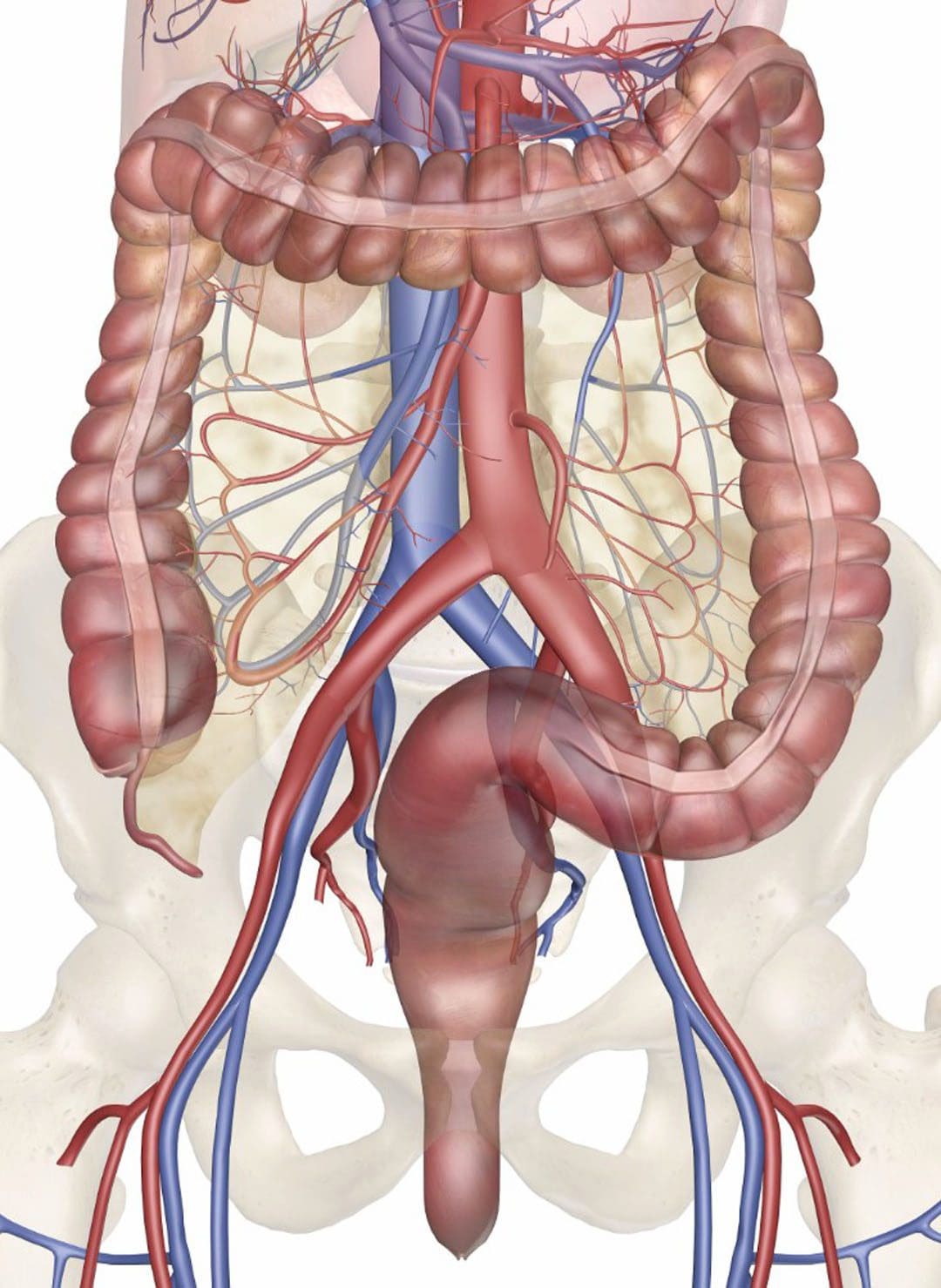
Constipation is a leading cause of low back pain in America and can cause a chain reaction in the rest of the body. When the digestional tract swells, it generates added stress on the back and surrounding nerves. Prolonged constipation and pressure can cause sciatica symptoms. Constipation sciatica can be relieved through chiropractic treatment, therapeutic massage, non-surgical spinal decompression, and functional medicine to alleviate symptoms and restore optimal body function.
Constipation Sciatica
Sciatica is irritation, compression, and inflammation of the sciatic nerve, which supplies the thighs, lower legs, and feet. It is usually caused by a pinched/compressed of one or more spinal nerve roots between the vertebrae of the lower back. The buildup of stool in the intestines can cause a dull aching sensation in the low back that can radiate to surrounding areas. Common causes of constipation include:
Bowel movements vary for everyone, and not having a movement daily does not mean constipation is occurring. Some individuals have only three movements a week, while others have multiple movements daily. A recommended indicator of constipation is if there has been a sudden decrease in typical bowel movements. The digestive tract occupies a significant region of the lower torso. Back pain symptoms can present after the rectum becomes obstructed or stools have solidified in the colon. Once constipation has developed, the blockage presses against the nerves and muscles of the back. This causes a range of discomfort signaling by the brain, which worsens as the backup grows. Symptoms of general constipation include:
Feeling full despite not eating anything.
Bloating.
Swelling.
Abdominal cramping.
Infrequent bowel movements.
Discomfort or aching when trying to pass a stool.
Hard and/or lumpy stool.
Constipation is considered chronic when two or more of the following symptoms occur for at least three months:
Further decreased bowel movements.
Straining to defecate.
Stools do not loosen without the use of laxatives.
Passage of hard pebble/pellet stools.
Consistent abdominal pain that is relieved by even slight movement.
Feeling as if the bowels are not fully emptied or a blockage in the rectum.
Feeling the need to assist the release by pressing on the abdomen.
Chiropractic Treatment
Chiropractic treatment can realign the spine, release compressed nerves, increase the frequency of bowel movements, and through the massage and relaxation of the muscles, help to soften stools. Intestinal muscles push the stool to the anus, where it leaves/evacuates the body. Special nerve cells in the intestine, known as ganglion cells,innervate the muscles to push. These nerves connect to the celiac ganglion, which connects to the spinal cord through nerve roots that exit the spine in the lower thoracic and upper lumbar region. The celiac ganglion innervates the liver, stomach, gallbladder, spleen, kidneys, small intestine, and the ascending and transverse colon. Treatment for constipation and back pain depends on the cause of the symptoms. For example, if the constipation is caused by dehydration, a chiropractor will instruct the patient on water intake as part of the personalized treatment plan.
Diagnosis to Recovery
References
Fernandes, Walkyria Vilas Boas, et al. “The effect of a six-week osteopathic visceral manipulation in patients with non-specific chronic low back pain and functional constipation: study protocol for a randomized controlled trial.” Trials vol. 19,1 151. 2 Mar. 2018, doi:10.1186/s13063-018-2532-8
Panarese, Alba, et al. “Chronic functional constipation is strongly linked to vitamin D deficiency.” World journal of gastroenterology vol. 25,14 (2019): 1729-1740. doi:10.3748/wjg.v25.i14.1729
Rédly, Monika. “The effects of chiropractic care on a patient with chronic constipation.” The Journal of the Canadian Chiropractic Association vol. 45,3 (2001): 185–191.
Trager, Robert James, et al. “Association between radicular low back pain and constipation: a retrospective cohort study using a real-world national database.” Pain reports vol. 6,3 e954. 26 Aug. 2021, doi:10.1097/PR9.0000000000000954
Medication overuse headaches – MOH comes from frequent or excessive use of pain-relieving medications, resulting in daily or near-daily headaches for which the drugs become less and less effective. They are also known as rebound headaches, medication misuse, or drug-induced headaches. It is a common disorder, with around one out of every 100 individuals experiencing these headaches yearly. They can be disabling, causing individuals to be less productive. Injury Medical Chiropractic and Functional Medicine Clinic can assess, diagnose, and manage headaches naturally with massage, adjustments, and decompression.
Medication Overuse Headaches
The same medications that relieve headache pain can trigger headaches if used too often, triggering an unhealthy cycle. Diagnosis of medication overuse headaches means an individual must experience headaches more than 15 days a month for at least three months while taking pain-relieving and/or antimigraine meds and cannot find other cause/s for their headaches. It is more common in women and individuals with headache disorders, chronic pain conditions, and individuals dealing with depression and anxiety.
Symptoms
Symptoms can vary depending on the type of headache being treated and the medicine used. Common symptoms include:
They occur every day or nearly every day.
They usually start when waking up.
They improve with the medication but then return as it wears off.
Headache can feel like a dull, tension-type headache or more severe, like a migraine.
Other symptoms can include:
Sleep problems
Restlessness
Difficulty concentrating
Memory problems
Constipation
Irritability
Neck discomfort and pain symptoms
Weakness
Nasal stuffiness and/or Runny nose
Light sensitivity
Teary eyes
Sound sensitivity
Nausea
Vomiting
Medicines
Doctors and medical experts don’t know the exact reasons/causes why these headaches occur, and the risk varies depending on the medication. But most medicines have the potential to lead to overuse headaches, including:
Simple Pain Relievers
Common pain relievers like aspirin and acetaminophen like Tylenol can contribute to the condition. This is especially true if taking more than the recommended dosages.
Other pain relievers like ibuprofen – Advil, Motrin IB, and naproxen sodium – Aleve has shown to have a low risk of contributing to overuse headaches.
Combination Pain Relievers
Pain relievers that can be purchased at a store that combines caffeine, aspirin, and acetaminophen – Excedrin has been found to contribute to the condition.
This group also includes combination prescription medicines that contain butalbital – Butapap, and Lanorinal. Drugs that contain butalbital have a high risk of causing medication overuse headaches.
Migraine Medicines
Various migraine medicines have been linked with the condition. They include triptans – Imitrex, Zomig, and certain headache meds known as ergots, such as ergotamine – Ergomar. These medicines have a moderate risk of causing headaches.
The ergot dihydroergotamine – Migranal, Trudhesa have a lower risk of causing headaches.
A newer group of migraine medicines known as gepants appear not to cause headaches. Gepants include ubrogepant – Ubrelvy and rimegepant – Nurtec ODT.
Opioids
Opium-derived meds or synthetic compounds have a high risk of causing medication overuse headaches. They include combinations of codeine and acetaminophen.
Prevention and Chiropractic
The following steps can help prevent headaches:
Follow the label instructions of the medications and the instructions of the doctor.
Limit any headache medications taken as needed to relieve head pain to no more than two to three days a week.
Consult with a doctor if there is a need to take medications more than two days a week.
Contact a doctor if headaches present more than four days a month which could require headache-preventive medication.
Control and avoid anything that triggers headaches, like stress, dehydration, hunger, certain foods and drinks, and unhealthy sleep.
Chiropractic
Our team utilizes a personalized and combined treatment approach, including understanding the triggers. The team will work to understand each individual’s situation. A treatment plan can consist of the following:
Therapeutic massage to relax and release tight muscles and increase circulation.
Spinal manipulation and adjustments to realign the body, improve function and alleviate the stress on the nervous system.
Non-surgical spinal decompression.
Health Coaching
Nutritional recommendations
Posture retraining, work postures, ergonomics, targeted stretches/exercises, and relaxation techniques.
Chiropractic and Brain Health
References
Alstadhaug, Karl B et al. “Preventing and treating medication overuse headache.” Pain reports vol. 2,4 e612. 26 Jul. 2017, doi:10.1097/PR9.0000000000000612
Bryans, Roland, et al. “Evidence-based guidelines for the chiropractic treatment of adults with headache.” Journal of manipulative and physiological therapeutics vol. 34,5 (2011): 274-89. doi:10.1016/j.jmpt.2011.04.008
Diener, Hans-Christoph, et al. “Pathophysiology, prevention, and treatment of medication overuse headache.” The Lancet. Neurology vol. 18,9 (2019): 891-902. doi:10.1016/S1474-4422(19)30146-2
Kulkarni, Girish Baburao, et al. “Medication Overuse Headache.” Neurology India vol. 69, Supplement (2021): S76-S82. doi:10.4103/0028-3886.315981
Negro, Andrea, and Paolo Martelletti. “Gepants for the treatment of migraine.” Expert opinion on investigational drugs vol. 28,6 (2019): 555-567. doi:10.1080/13543784.2019.1618830
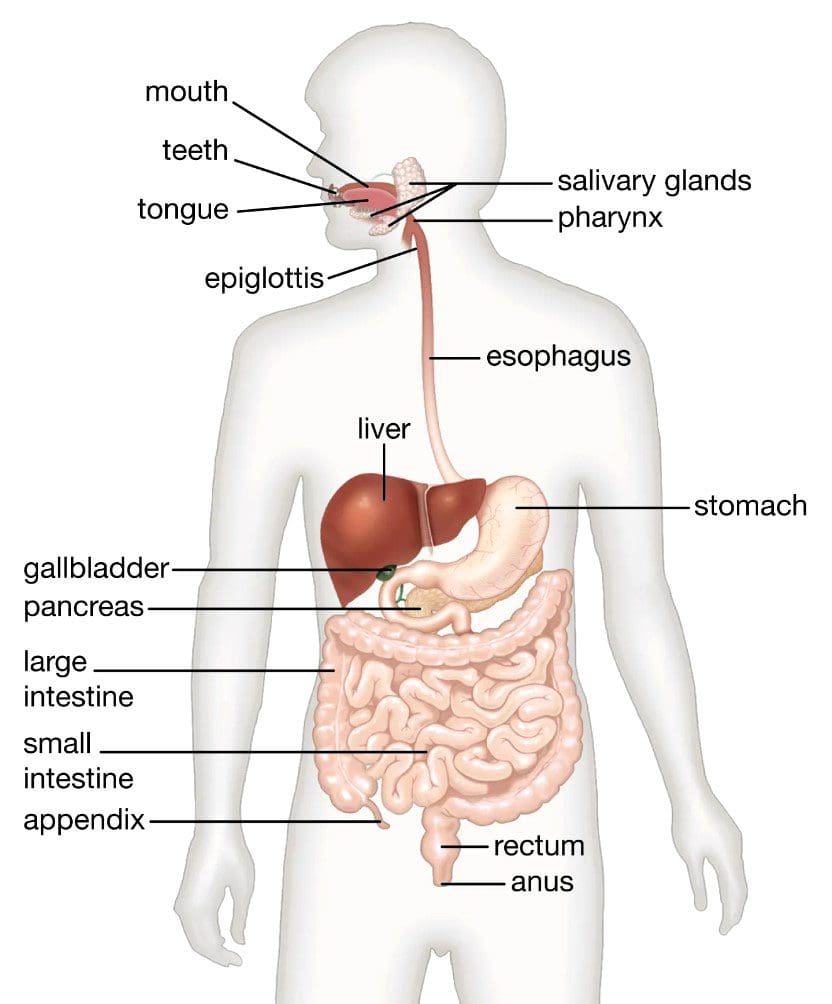
Digestive disorders affect millions of individuals and cover a variety of diseases ranging from mild to severe. These conditions involve the digestive tract, also known as the gastrointestinal or GI tract. The digestive disorders of heartburn, acid reflux, and gastroesophageal reflux disease/GERD are related and have similar symptoms but are different. Accurately diagnosing digestive disorders involves a thorough medical history, imaging and lab tests, and physical examination to develop the proper treatment plan.
Digestive Disorders
The gastrointestinal tract includes the esophagus, liver, gallbladder, stomach, pancreas, and large and small intestines.
Heartburn
Heartburn has nothing to do with the heart but describes a burning sensation in the chest. Individuals experience heartburn when stomach acid flows back into the esophagus. Occasional heartburn after eating spicy foods or foods an individual is not used to is common and is no cause for alarm. Most can manage the discomfort symptoms with lifestyle adjustments and over-the-counter medications. Chronic heartburn that interferes with daily/nightly routines could indicate a more serious condition requiring medical care. Symptoms include:
The burning discomfort sensations in the stomach and chest regions are usually worse after eating a meal, bending down, at night, and when lying down.
A bitter or acidic taste.
Acid Reflux
The esophagus comprises mainly smooth muscle that extends from the throat down through the chest cavity and past the abdomen, where it connects with the stomach. When swallowing, the esophagus opens and squeezes food down to the bottom, where a valve (lower esophageal sphincter LES) separates it from the stomach. The valve is normally closed. When swallowing, it opens so that food can pass through and then closes up. Acid reflux is a disorder that causes the valve to open when it’s not supposed to. This allows stomach contents like acid, digestive juices, enzymes, and food to flow backward from the stomach into the esophagus, causing heartburn symptoms. This usually happens when the lower esophageal sphincter is under added pressure, weakened, or malfunctioning. Symptoms can be caused by:
Overeating.
Eating spicy or acidic foods that can trigger symptoms.
Eating right before going to bed.
Medications.
Over alcohol consumption.
Exercising after eating.
Pregnancy.
Smoking.
Acid reflux and heartburn affect everyone, but most can handle the discomfort by taking antacids and avoiding the foods that brought it on. Occasional acid reflux can be treated with over-the-counter medication, including:
Acid reflux can potentially progress to gastroesophageal reflux disease, a more serious form of acid reflux that lasts longer. GERD is frequent heartburn that happens two or more times a week. Other signs and symptoms can include:
Some individuals with digestive disorders may need more extensive diagnostic evaluations, including GI endoscopy, laboratory tests, and imaging.
Chiropractic Treatment
Body misalignments, unhealthy posture, and restrictive positions can contribute to digestive disorders that put pressure on the stomach and chest, triggering symptoms. A chiropractor can realign the body and take the stress off the joints and spine, relieving the pressure on the nerves. They can also strengthen the muscles through adjustments that help alleviate pressure on the stomach. A chiropractor designs a treatment plan that suits the individual’s needs, including stretches and exercises, nutrition, and health coaching to achieve and manage a healthy weight.
Chiropractic Precision
References
Carvalho de Miranda Chaves, Renata, et al. “Respiratory physiotherapy can increase lower esophageal sphincter pressure in GERD patients.” Respiratory medicine vol. 106,12 (2012): 1794-9. doi:10.1016/j.rmed.2012.08.023
Harding, Susan M. “Acid reflux and asthma.” Current opinion in pulmonary medicine vol. 9,1 (2003): 42-5. doi:10.1097/00063198-200301000-00007
Kahrilas, Peter J. “Regurgitation in patients with gastroesophageal reflux disease.” Gastroenterology & hepatology vol. 9,1 (2013): 37-9.
Pope, C E 2nd. “Acid-reflux disorders.” The New England journal of medicine vol. 331,10 (1994): 656-60. doi:10.1056/NEJM199409083311007
Healthy sleep is vital for having enough energy, thinking clearly, and managing everyday stresses confidently. Chronic unhealthy sleep patterns and/or insomnia can lead to and contribute to various health issues. This includes daytime fatigue, irritability, difficulty concentrating, delayed reaction time, constantly getting sick, and memory problems. Sleeping health problems can get worse with every night of poor rest. Injury Medical Chiropractic and Functional Medicine Clinic provide treatment, training, and tools to realign and relax the body and restore healthy sleep.
Sleeping Health Problems
Lack of sleep disrupts and slows down nerve impulses and transmissions throughout the body. This can lead to health problems that can include:
Excessive fatigue
Brain fog
Slow responses
Physical performance problems
Inability to remember
Low sex drive
Chronic illness
Over time the risk of developing a serious medical condition increases and can include:
Anxiety
Depression
High blood pressure
Diabetes
Weakened immune system
Stroke
Heart attack
Seizures
Staying On
There is some research that insomnia is associated with hyperarousal or the state of staying on. It often starts with a stressful event that sets off the body’s systems, causing the inability to relax completely. Body discomfort and pain symptoms can also present when the mind and body can’t relax. The entire body can tighten/stiffen, causing aches, soreness, and pain. Continuation of sleeping health problems of the cycle leads to more stress.
Chiropractic care, massage, and decompression therapy can help break the cycle. Breaking the process is necessary to help the body recover and rehabilitate properly. Treatment retrains the body to relax; stretching and pulling the muscles increases blood circulation, as well as advanced and improved brain signals telling the body to relax. A chiropractor will evaluate the individuals sleeping patterns and recommend various solutions. The benefits for individuals with sleep issues include:
Alleviates muscle tension.
Stimulates nerve circulation and blood flow.
Relaxes the whole body.
Enhances central nervous system function.
Relieves pain and discomfort.
A chiropractor will also provide the following:
Sleeping position recommendations.
Postural stretches and exercises.
Recommendations on supportive mattresses.
Ergonomics for work, home, and bed.
Chiropractic’s Evolution
References
Hale, Deborah, and Katherine Marshall. “Sleep and Sleep Hygiene.” Home healthcare now vol. 37,4 (2019): 227. doi:10.1097/NHH.0000000000000803
What Are Sleep Deprivation and Deficiency?https://www.nhlbi.nih.gov/health/sleepdeprivation#:~:text=Sleep%20deficiency%20is%20linked%20to,adults%2C%20teens%2C%20and%20children.
What Makes You Sleep? https://www.nhlbi.nih.gov/health/sleep-deprivation/body-clock
How Sleep Affects Your Health https://www.nhlbi.nih.gov/health/sleep-deprivation/health-effects
Riemann, Dieter. “Sleep hygiene, insomnia, and mental health.” Journal of sleep research vol. 27,1 (2018): 3. doi:10.1111/jsr.12661
Individuals can experience back muscle rigidity for years and not realize it. This is because the muscles tighten incrementally, and slowly the body begins to acclimate to the feeling and positioning that it becomes normal. And it continues with gradually increased aches and pains. Not until an individual has experienced a therapeutic massage and chiropractic adjustment do they realize just how tight and stiff they were. This is when individuals realize how their musculoskeletal system works and need to maintain loose, flexible muscle tissue for mobility and function. Injury Medical Chiropractic and Functional Medicine Clinic can treat, rehabilitate, educate, and improve an individual’s overall health.
Muscle Rigidity
When the body needs to move, the brain sends a nerve signal to the muscles in that region, causing the muscles to tighten or contract. Muscles can contract a little or a lot, depending on the activity. After contracting, the muscles relax until the next time they are needed. Muscle rigidity happens when a muscle or a group of muscles stays fully or partly contracted for an extended period. The nerve signals keep telling the muscle to contract even when the muscle is no longer needed. This can last for several hours or days.
The longer the muscle remains contracted, the more symptoms present and persist. Muscle rigidity is often triggered by stress. Stress affects the body’s nervous system, including nerves and their function. The nervous system can respond to stress by generating additional pressure on the blood vessels, reducing blood circulation, and causing tension and pain.
Causes
Certain medications, such as statins, can cause muscle rigidity, and several conditions can also contribute to it. These include:
Dehydration is a condition as a result of not drinking enough water.
A repetitive strain injury is an injury to the muscles or nerves due to muscle overuse.
Pinched nerves.
Delayed-onset muscle soreness is stiffness and pain that develops hours or days after strenuous physical activity and exercise.
Chronic fatigue syndrome is a condition that causes extreme fatigue, sleep problems, and pain.
Myofascial pain syndrome is a chronic disorder where pressure on sensitive muscle points causes pain.
Rheumatoid arthritis is a chronic inflammatory disorder affecting the joints.
Fibromyalgia is a chronic disorder that can cause muscle soreness, pain, and rigidity.
Claudication is a condition in which cramping occurs due to a lack of blood flow to the muscles, usually in the legs.
Lyme disease and Rocky Mountain spotted fever wick-borne illnesses that can cause nerve damage.
Amyotrophic lateral sclerosis is a neurodegenerative disease that causes nerve problems and a loss of voluntary muscle control.
Chronic exertional compartment syndrome is a muscle and nerve condition that causes pain and swelling.
Dystonia is a condition that causes random/involuntary muscle contractions.
Lupus is a chronic inflammatory disease that can cause joint pain and stiffness.
Parkinson’s disease is a neurological disease that affects movement.
Polymyalgia rheumatica is a chronic inflammatory disease that can cause muscle pain and stiffness.
Bacterial and Viral infections.
Treatment
The objective of treatment is to train the muscles to relax completely. The specific treatment used can vary depending on the cause and severity.
Chiropractic
Chiropractic treatment will address the condition or injury and then the muscle rigidity. Treatment involves massaging (manually and percussively) the areas to relax and stretch the tight tissues. Chiropractic releases and realigns the misaligned joints and bones to their proper position. The central nervous system recognizes the new positioning as naturally energy efficient. However, there will still be aches and soreness as the body adjusts until it becomes more consistent and normal for the individual.
Home Therapy
Home therapy is recommended with physical therapy and/or chiropractic to maintain flexibility and make necessary changes/adjustments to a treatment plan as the patient progresses and the muscles start to adhere to the massaging, manipulation, and training. They can include the following:
Applying a warm compress or heating pad to the affected area increases circulation.
Targeted gentle stretches.
Avoiding certain activities that could trigger the muscle to become rigid again until the body is ready.
Chandwani D, Varacallo M. Exertional Compartment Syndrome. [Updated 2022 Sep 4]. In: StatPearls [Internet]. Treasure Island (FL): StatPearls Publishing; 2022 Jan-. Available from: https://www.ncbi.nlm.nih.gov/books/NBK544284/
Chu, Eric Chun-Pu et al. “Chiropractic care of Parkinson’s disease and deformity.” Journal of medicine and life vol. 15,5 (2022): 717-722. doi:10.25122/jml-2021-0418
Joshi, Aditi et al. “Effectiveness of Myofascial Release (MFR) vs. High-Frequency Transcutaneous Electrical Nerve Stimulation (TENS) for Pain Relief and Functional Improvement in College Students With Trapezius Myalgia.” Cureus vol. 14,10 e29898. 4 Oct. 2022, doi:10.7759/cureus.29898
Tan, Xueli, et al. “The efficacy of music therapy protocols for decreasing pain, anxiety, and muscle tension levels during burn dressing changes: a prospective randomized crossover trial.” Journal of burn care & research: official publication of the American Burn Association vol. 31,4 (2010): 590-7. doi:10.1097/BCR.0b013e3181e4d71b
IFM's Find A Practitioner tool is the largest referral network in Functional Medicine, created to help patients locate Functional Medicine practitioners anywhere in the world. IFM Certified Practitioners are listed first in the search results, given their extensive education in Functional Medicine