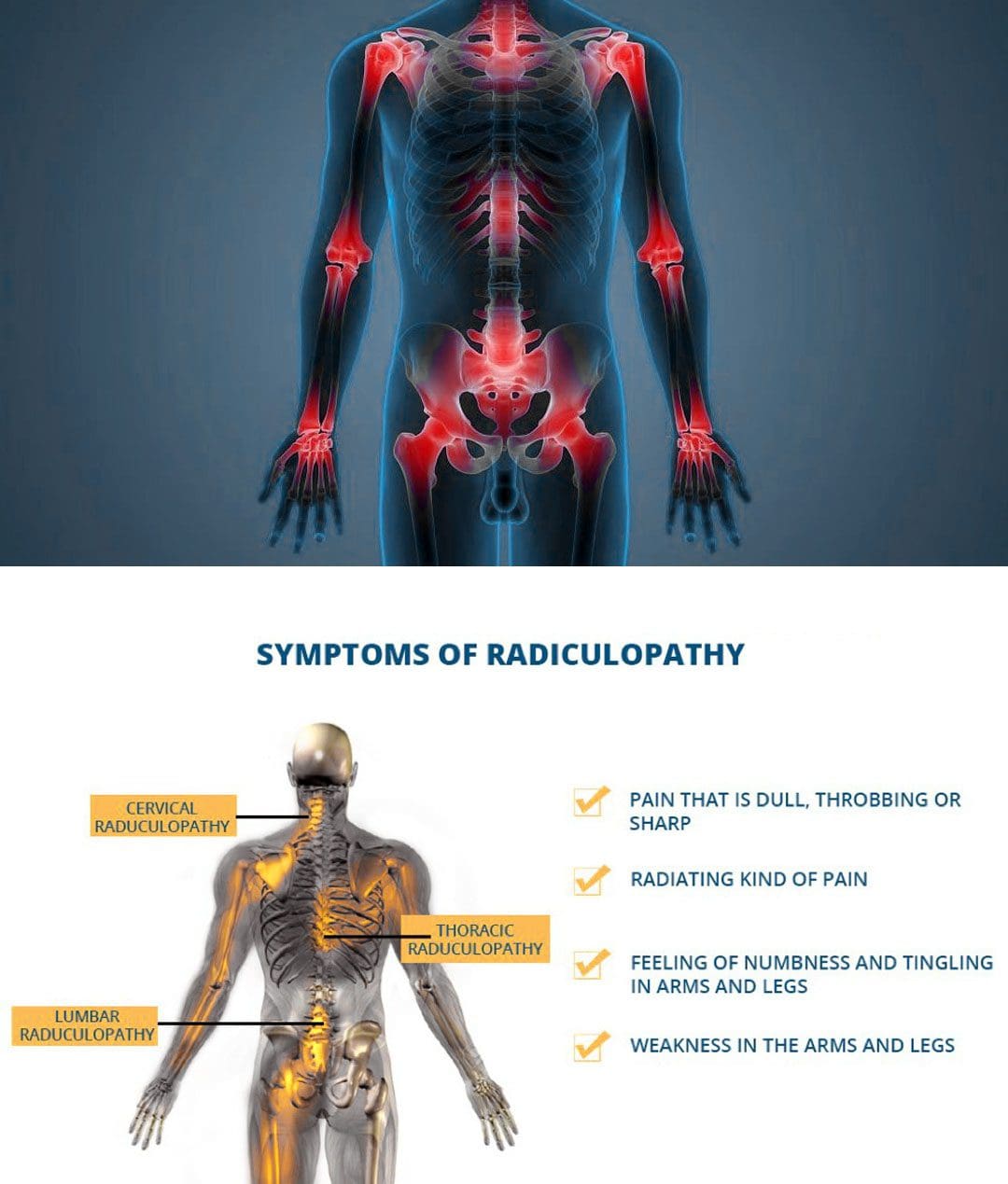
A pinched, compressed, overly stretched, twisted, and entangled nerve can happen throughout the body. The most common locations are the neck, shoulder, upper back, upper chest, arm, elbow, hand, wrist, low back, legs, and feet. This disrupts the nerve’s ability to function properly. Each nerve stimulates muscles and detects sensations in specific areas of the skin or internal organs so they work properly. Common symptoms are tingling, numbness, pain, weakness, and musculoskeletal problems. The average pinched nerve duration can last a few days to as long as 4 to 6 weeks or, in some cases, longer, in which case individuals should see a doctor or neurologist. Injury Medical Chiropractic and Functional Medicine Clinic can relieve, release, and restore nerve health.
Pinched Nerve
A pinched nerve is caused by pressure from surrounding tissues that place added stress on it. Muscles, bones, cartilage, and tendons can all press, pull, or entangle a nerve. This can result in a loss of function, which can then lead to symptoms including:
Tingling
Numbness
Muscle weakness
Various types of pain – sharp, electrical, throbbing, aching, and radiating/spreading out to other areas.
Burning sensation
A pinched nerve can become serious, cause chronic pain conditions and lead to permanent nerve damage.
More severe cases may require surgery.
Pinched Nerve Duration
Pinched nerve duration depends on the injury, which can happen suddenly or gradually. A temporary case with an acute cause, such as injury or poor posture, can last several days. Cases related to chronic conditions, like arthritis, may last longer. Treatment, as well as recovery, also vary based on the location of the injury and what’s causing the pressure.
Body Locations
Neck
A pinched nerve in the neck can cause tingling sensations and pain, which can travel to the shoulders and arms. This type can be caused by:
Sleeping position
Repetitive movements
Injuries
The pain will usually ease within several days unless a chronic health condition is the cause of the pinching.
Lower back
A pinched nerve in the lower back is often brought on by herniated discs that compress nerve roots.
It may also be caused by arthritis or injuries.
Individuals may feel a sharp pain in the lower back, as well as in the buttocks and back of the leg.
Sciatica may be a symptom.
Lower back pain may be acute, lasting only a few days.
If the injury doesn’t resolve, it may cause chronic back pain that can last 12 weeks or more.
Leg
The legs can develop pinched nerves from herniated discs or injuries.
If left untreated can lead to peripheral neuropathy.
This can develop over several weeks or years.
Hip
A pinched nerve in the hip can last a few days if related to an injury. If the pain lasts longer than a few days, consult a doctor. Possible causes of chronic hip pain may include:
Obesity
Bone spurs
Arthritis
Shoulder
Shoulder pain brought on by a pinched nerve usually starts in the upper spine and is caused by:
Injury
Tendinitis
Arthritis
To tell if the pain symptoms are from a pinched nerve and not a muscle strain, the pain tends to occur in one shoulder, and there is a sharpness to the aches.
Left untreated, arthritis or tendinitis can lead to chronic pain that can come and go for several weeks, months, or years.
Wrist
Repetitive overuse is commonly linked to pinched nerves in the wrist.
Pinched nerves can lead to carpal tunnel syndrome – pain and numbness extending through the arm, hand, and fingers.
Pain lasting over two months could indicate other underlying conditions, like arthritis.
Chiropractic Relief
Chiropractic adjustments identify the impacted nerve/s and use various therapies to remove the compression, relieving symptoms and the injury or issue. A personalized treatment plan can include the following:
Cornwall, R, and T E Radomisli. “Nerve injury in traumatic dislocation of the hip.” Clinical orthopedics and related research, 377 (2000): 84-91. doi:10.1097/00003086-200008000-00012
Dmytriv, Mariya, et al. “PT or cervical collar for cervical radiculopathy?.” The Journal of family practice vol. 59,5 (2010): 269-72.
Hochman, Mary G, and Jeffrey L Zilberfarb. “Nerves in a pinch: imaging of nerve compression syndromes.” Radiologic clinics of North America vol. 42,1 (2004): 221-45. doi:10.1016/S0033-8389(03)00162-3
Lopez-Ben, Robert. “Imaging of nerve entrapment in the foot and ankle.” Foot and ankle clinics vol. 16,2 (2011): 213-24. doi:10.1016/j.fcl.2011.04.001
Needham, C W. “Pinched nerves and signature signs.” Connecticut Medicine vol. 57,1 (1993): 3-7.
Siccoli, Alessandro, et al. “Tandem Disc Herniation of the Lumbar and Cervical Spine: Case Series and Review of the Epidemiological, Pathophysiological and Genetic Literature.” Cureus vol. 11,2 e4081. 16 Feb. 2019, doi:10.7759/cureus.4081
Automobile accidents and collisions can cause knee and ankle injuries in various ways. Automobile crashes are considered high-energy collisions versus slip and fall traumas which are generally low-energy. However, a 30mph or under-collision can have serious and detrimental effects on the knees and ankles. The sudden forces can cause the knees to collide with the dashboard or push the feet and legs into the body, generating intense pressure and compressing the bones, muscles, and ligaments damaging soft tissues and bone structures from the impact. The Injury Medical Chiropractic and Functional Medicine Clinic Team can rehabilitate, realign, strengthen, and restore function to individuals with minor to severe auto collision injuries.
Knee and Ankle Injuries
Musculoskeletal motor vehicle crash/collision injuries affect the body’s movement. The impact can pull, tear, crush, and smash bones, muscles, tendons, ligaments, discs, and nerves. These injuries restrict the range of motion and can cause pain and sensation symptoms. The National Accident Sampling System reports 33% of injuries sustained during vehicle collisions are to the lower extremities.
Despite the knees and ankles having soft tissues that absorb and distribute the energy’s impact, the forces from the collision often happen instantly and unexpectedly, causing the individual to tense up, which overwhelms the structures.
Even panic stepping on the brake pedal can cause injury to the ankle and foot.
A passenger’s reflex of trying to resist forces can experience foot, ankle, and knee injuries from bracing off the vehicle’s floorboard.
Automobile collisions can cause strains, sprains, fractures, and dislocations.
Torn, Strained, or Sprained Knee
If the foot becomes planted on the floorboard while the body continues to move forward or sideways, the force can travel into the knee, causing twisting or shearing.
Depending on the injury type, the impact strength can damage different ligaments.
The ligaments resist forces that push the knee inwards/medially and outwards/laterally and slightly resist rotational forces.
When any of these ligaments are damaged, swelling, pain, and limited ranges of motion can result.
Putting weight on the affected leg can be difficult.
In some cases, the ligaments tear completely, necessitating surgical repair.
Once the individual can engage in mild activity, they can begin a rehabilitation program to restore function.
Recovery times vary based on the location and severity of the injury.
Fractured Knee or Ankle
When a fracture occurs in a joint, like the knees or ankles, surgical procedures may be necessary to repair the broken bone/s.
Broken bones can result in simultaneous damage and/or inflammation of the connective tissues that can cause the muscles to contract/tighten or atrophy during the recovery and healing phases.
Joints and bones are kept healthy with moderate movement and weight-bearing.
Fractures require immobilization of the affected area.
A physical therapy rehabilitation program can begin when the brace or cast comes off.
Targeted exercises and resistance will strengthen and stretch the joint to improve flexibility and promote healing through improved circulation.
Torn Meniscus
The meniscus is a C-shaped area of cartilage that rests between the thigh and shin bones.
It acts as a shock absorber.
The meniscus can become torn, resulting in pain, stiffness, and loss of motion.
This injury can heal independently with the right rest and therapeutic exercises.
A chiropractic auto collision specialist can diagnose the severity of the tear and provide the recommendations needed to rehabilitate and strengthen the knee.
If the tear is severe enough, surgery may be required.
Strained or Sprained Ankle
Strained tendons and sprained ligaments can result from the ankle being subject to tremendous force.
Strains and sprains vary in severity.
Both indicate that the connective tissue has been damaged or stretched beyond normal limits.
They can present with pain, inflammation, and problems moving the affected area.
With proper medical attention and rehabilitation, recovery is possible.
Torn Achilles Tendon
The Achilles tendon connects the calf muscle to the heel and is necessary for walking, running, physical activity, and bearing weight.
If the tendon gets torn, surgery will be required to reattach the muscle and tendon.
After recovery, the individual can begin physical therapy to work the tendon and muscle, slowly building strength and range of motion.
It is critical to do this with the supervision of an expert in musculoskeletal rehabilitation to avoid re-injury or developing new injuries.
Chiropractic Treatment
Any musculoskeletal motor vehicle injuries can result in intense pain that worsens with activity, inflammation, swelling, redness, and/or heat in the affected area. This is why correctly diagnosing the injury is essential if the condition is to be properly and thoroughly treated. A physical examination will vary based on the individual’s state and can include:
Strength assessment
Range of motion
Reflexes
Other variables to determine the underlying issues.
Diagnostic imaging such as X-rays, MRIs, and CT scans can help identify and clarify injuries’ extent, nature, and location and rule out problems.
A qualified healthcare professional will combine the data with medical history to develop an accurate diagnosis. Our ability to effectively treat accident individuals is based on applying clinical expertise in musculoskeletal diagnosis and care. Our medical team takes a practical approach to help individuals quickly heal from musculoskeletal injuries using the latest treatments possible. When you meet with one of our professionals, you will feel relaxed and confident that you have come to the right place.
From Injury To Recovery
References
Dischinger, P C et al. “Consequences and costs of lower extremity injuries.” Annual proceedings. Association for the Advancement of Automotive Medicine vol. 48 (2004): 339-53.
Fildes, B et al. “Lower limb injuries to passenger car occupants.” Accident; analysis and prevention vol. 29,6 (1997): 785-91. doi:10.1016/s0001-4575(97)00047-x
Gane, Elise M et al. “The impact of musculoskeletal injuries sustained in road traffic crashes on work-related outcomes: a protocol for a systematic review.” Systematic reviews vol. 7,1 202. 20 Nov. 2018, doi:10.1186/s13643-018-0869-4
Hardin, E C et al. “Foot and ankle forces during an automobile collision: the influence of muscles.” Journal of biomechanics vol. 37,5 (2004): 637-44. doi:10.1016/j.jbiomech.2003.09.030
Li, Wen-Wei, and Cheng-Chang Lu. “Knee deformity following a motor vehicle accident.” Emergency medicine journal: EMJ vol. 38,6 (2021): 449-473. doi:10.1136/emermed-2020-210054
M, Asgari, and Keyvanian Sh S. “Crash Injury Analysis of Knee Joint Considering Pedestrian Safety.” Journal of biomedical physics & Engineering vol. 9,5 569-578. 1 Oct. 2019, doi:10.31661/jbpe.v0i0.424
Torry, Michael R et al. “Relationship of knee shear force and extensor moment on knee translations in females performing drop landings: a biplane fluoroscopy study.” Clinical biomechanics (Bristol, Avon) vol. 26,10 (2011): 1019-24. doi:10.1016/j.clinbiomech.2011.06.010
Not getting enough fiber in one’s diet can lead to fiber deficiency. Fiber helps support gut and microbiome health. Individuals not getting enough fiber may experience irregular bowel movements, constipation, blood sugar fluctuations, not feeling full/satisfied after eating, or rising cholesterol levels. About 100 trillion microorganisms in the gut are integral to maintaining a healthy immune system. Fiber is the food these microorganisms eat that helps them to do their job. Without the proper amount, the immune system’s health may also be compromised.
Fiber and Gut Health
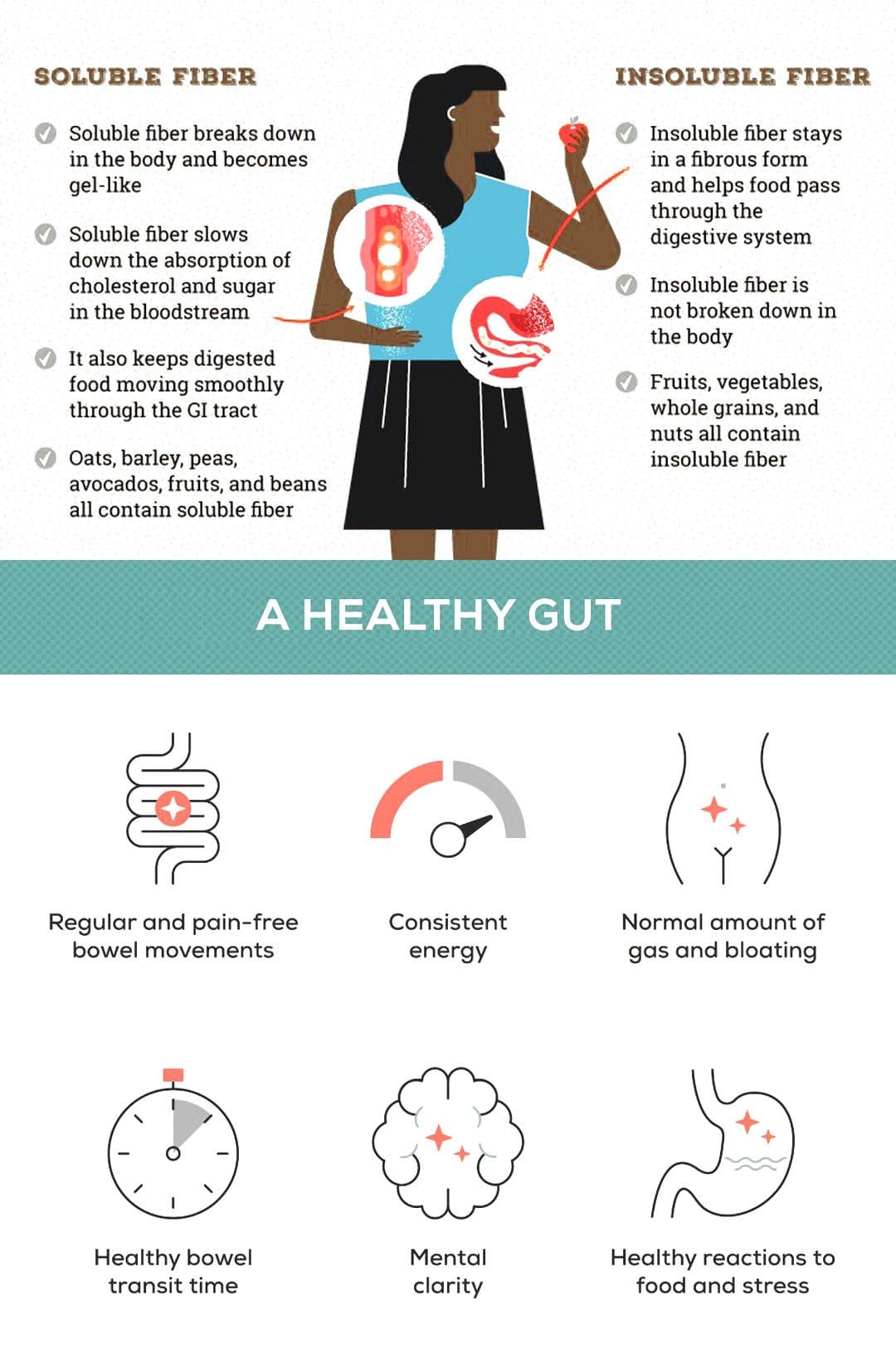
Fiber and gut health benefits include regulating the body’s sugars, helping to keep hunger and blood sugar in check, helping to maintain a healthy weight, its ability to prevent or relieve constipation, reduce the risk of diabetes, heart disease, and certain types of cancer.
Dietary fiber, or roughage, is the part of plant foods the body can’t digest or absorb.
It passes through the stomach, small intestine, and colon and out of the body.
It is found mainly in fruits, vegetables, whole grains, and legumes.
Soluble and insoluble forms are important to overall health.
Types
Soluble Fiber
This type dissolves in water to form a gel-like substance.
It can help lower blood cholesterol and glucose levels.
It is found in oats, peas, beans, apples, citrus fruits, carrots, and barley.
Insoluble Fiber
This type of fiber promotes the movement of material through the digestive system.
It increases stool bulk, benefiting individuals who struggle with constipation or irregular stools.
Whole-wheat flour, wheat bran, nuts, beans, and vegetables, such as cauliflower, green beans, and potatoes, are good sources.
Benefits
Healthy Bowel Movements
Dietary fiber increases stool weight and thickness and makes it soft.
Fiber helps to solidify the stool by absorbing water and adding bulk.
A thicker stool is easier to pass, decreasing the potential for constipation and other problems.
Maintains Bowel Health
A high-fiber diet can lower the risk of developing hemorrhoids and small pouches in the colon/diverticular disease.
Studies have also found that a high-fiber diet can help lower the risk of colorectal cancer.
Some fiber gets fermented in the colon.
Researchers are looking at how this can help prevent diseases of the colon.
Lowers Cholesterol
Soluble fiber found in beans, oats, flaxseed, and oat bran can help lower blood cholesterol levels by lowering low-density lipoprotein or unhealthy cholesterol levels.
Studies also have shown that high-fiber foods can help reduce blood pressure and inflammation.
Regulates Blood Sugar Levels
In individuals with diabetes, fiber, particularly soluble fiber, can slow the absorption of sugar and improve blood sugar levels.
A healthy nutrition plan that includes insoluble fiber can help reduce the risk of developing type 2 diabetes.
Helps Achieve Healthy Weight
High-fiber foods can be more filling than low-fiber foods, helping individuals eat less and stay satisfied.
High-fiber foods can also take longer to eat and are less energy dense, meaning they have fewer calories.
Getting More Fiber
Ideas for adding more fiber to meals and snacks:
Fiber to Start The Day
Choose a high-fiber breakfast cereal with five or more grams of fiber per serving.
Choose cereals with whole grain, bran, or fiber in the name.
Add a few tablespoons of unprocessed wheat bran to the cereal.
Add Whole Grains
Try to make at least half of the grains eaten whole grains.
Look for bread that lists whole wheat, whole-wheat flour, or another whole grain as the first ingredient, with at least 2 grams of dietary fiber per serving.
Experiment with whole-wheat pasta, brown rice, wild rice, barley, and bulgur wheat.
Baked Foods
Substitute whole-grain flour for half or all white flour when baking.
Add crushed bran cereal, unprocessed wheat bran, or uncooked oatmeal to muffins, cakes, and cookies.
Legumes
Beans, peas, and lentils are recommended sources.
Add kidney beans to soups or salads.
Make nachos with refried black beans, fresh vegetables, whole-wheat tortilla chips, and healthy salsa.
Fruit and Vegetables
Fruits and vegetables are rich in fiber and vitamins and minerals.
Try to eat a favorite fruit daily.
Healthy Snacks
Fresh fruits, raw vegetables, low-fat popcorn, and whole-grain crackers are healthy choices.
Try for a handful of nuts or dried fruits; however, be aware that nuts and dried fruits can be high in calories.
Moderation
High-fiber foods are beneficial for the body’s health.
Adding too much fiber can promote intestinal gas, abdominal bloating, and cramping.
Increase fiber gradually over a few weeks.
This allows the natural bacteria in the digestive system to make adjustments.
Maintain hydration, as fiber works best when it absorbs water.
Individuals not sure how to incorporate more fiber can consult a nutritionist and health coach to help begin the process.
Gut Dysfunction
References
Anderson, James W et al. “Health benefits of dietary fiber.” Nutrition Reviews vol. 67,4 (2009): 188-205. doi:10.1111/j.1753-4887.2009.00189.x
Cronin, Peter, et al. “Dietary Fiber Modulates the Gut Microbiota.” Nutrients vol. 13,5 1655. 13 May. 2021, doi:10.3390/nu13051655
Fuller, Stacey, et al. “New Horizons for the Study of Dietary Fiber and Health: A Review.” Plant foods for human nutrition (Dordrecht, Netherlands) vol. 71,1 (2016): 1-12. doi:10.1007/s11130-016-0529-6
Gill, Samantha K et al. “Dietary fiber in gastrointestinal health and disease.” Nature reviews. Gastroenterology & hepatology vol. 18,2 (2021): 101-116. doi:10.1038/s41575-020-00375-4
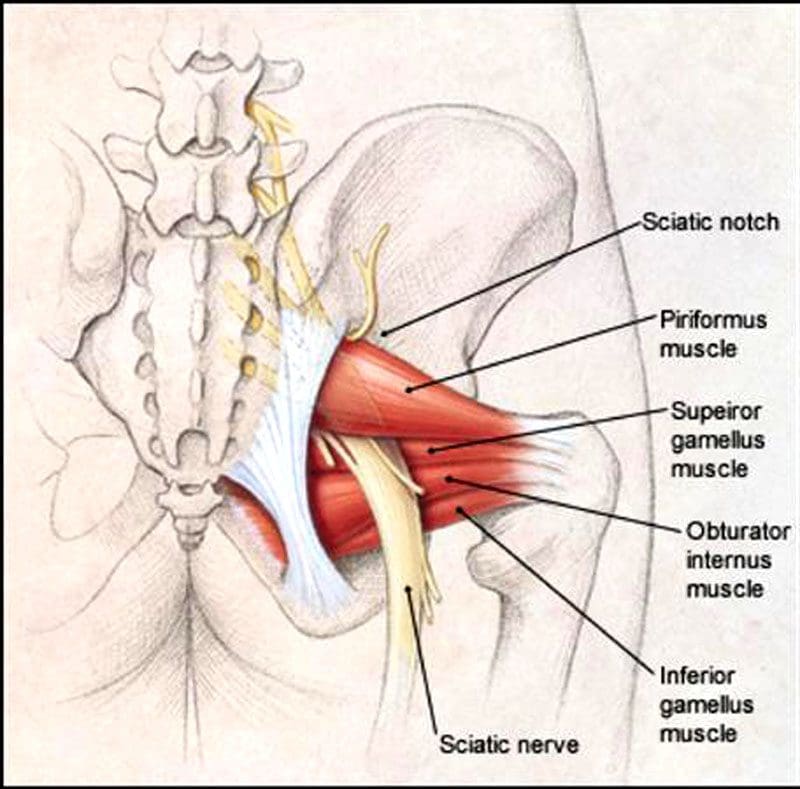
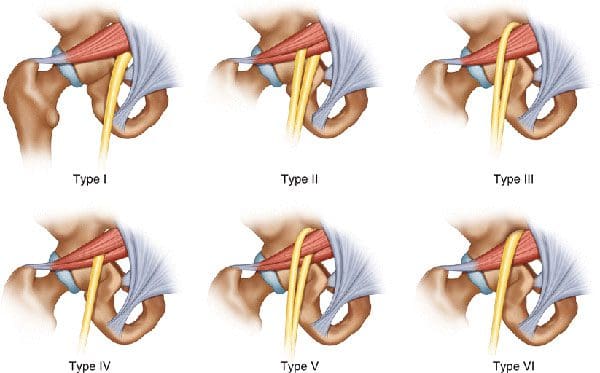
The piriformis is a large and powerful muscle beneath the gluteal/buttocks muscles. It runs from the bottom of the sacrum, where the base of the spine and pelvis converge to the top of the femur. This muscle plays a critical role in running motion; it helps externally rotate the hips and upper leg outward, provides hip flexibility and stability, and stabilizes the pelvis. The sciatic nerve passes next to, over, under, or through the piriformis muscle. When the piriformis contracts or spasms, it can irritate, become entangled and compress the nerve, resulting in painful symptoms. This can lead to various problems and is how piriformis syndrome occurs.
Running Piriformis Syndrome
The proper function of the piriformis muscle is essential for athletes who participate in running sports. Repetitive activities, like running, can fatigue the muscle and irritate and inflame the nerve.
Symptoms
Piriformis syndrome can be challenging to diagnose because it can be confused for a herniated disc, sciatica, a proximal hamstring strain/high hamstring tendinitis, or lower back problems. A few symptoms that can help determine whether the piriformis is the cause include:
Sitting, Stairs, Squatting Discomfort or Pain
Individuals don’t always experience discomfort while running.
Instead, it’s sitting, climbing stairs, and squatting where pain symptoms present.
Pain while running, specifically an overstretched sensation when going up a hill or increasing speed, is more associated with a proximal hamstring strain.
Tenderness
The area around the piriformis is tender.
Applying pressure can cause discomfort or pain around the area and radiate down the leg.
Centered Pain
Piriformis syndrome is usually felt in the middle of the glutes.
A proximal hamstring strain typically causes non-radiating pain at the bottom of the glutes, where the hamstrings connect to the pelvis.
Causes
Pelvic misalignment.
Pelvic misalignments created by other conditions, like a tilted pelvis, functional leg-length discrepancy, or practicing unhealthy posture, make the piriformis work harder to compensate, which leads to tightness and/or spasms.
Sudden increases in distance or workout intensity can worsen any weakness in the piriformis and other gluteal muscles.
Continuing to run, which is possible, can worsen and prolong the condition.
When running, the muscle’s signal transmissions are interrupted by inflammation and/or compression and cannot synchronize with each other.
The result is the inability to withstand the repetitive strain of running.
Resting may not be enough to alleviate piriformis syndrome. This is especially true if the problem involves spine and pelvic misalignment. Chiropractic can provide significant relief from running piriformis syndrome. A combination of spinal, pelvic, and extremity adjustments, therapeutic massage, MET, decompression, stretches, and anti-inflammatory nutrition will take the pressure off overly tight areas, realign the body, and maintain nervous system function.
Running form could be evaluated and checked for leg-length discrepancies and muscle-strength imbalances.
Running can continue if the individual can do so without pain or symptoms.
But it is recommended to avoid slanted surfaces, which increase the risk of pelvic misalignment.
Avoid long runs, which increase the chance of overload and fatigue.
The goal is to relax and release the piriformis.
If it’s impinging on the sciatic nerve, loosening and releasing the muscle will significantly lessen radiating pain.
Orthotics may be recommended for excessive overpronation or inward movement of the foot when landing.
Other treatments to stop piriformis spasms.
Ice and take over-the-counter anti-inflammatory medications can be used during acute phases when the area is tender.
Work out tight spots using a foam roller or percussive massager.
Stretching and loosening the muscle before and after runs can help it relax and increase blood flow.
Ahmad Siraj, Sidra, and Ragini Dadgal. “Physiotherapy for Piriformis Syndrome Using Sciatic Nerve Mobilization and Piriformis Release.” Cureus vol. 14,12 e32952. 26 Dec. 2022, doi:10.7759/cureus.32952
Chang A, Ly N, Varacallo M. Piriformis Injection. [Updated 2022 Sep 4]. In: StatPearls [Internet]. Treasure Island (FL): StatPearls Publishing; 2023 Jan-.
Heiderscheit, Bryan, and Shane McClinton. “Evaluation and Management of Hip and Pelvis Injuries.” Physical Medicine and rehabilitation clinics of North America vol. 27,1 (2016): 1-29. doi:10.1016/j.pmr.2015.08.003
Julsrud, M E. “Piriformis syndrome.” Journal of the American Podiatric Medical Association vol. 79,3 (1989): 128-31. doi:10.7547/87507315-79-3-128
Kraus, Emily, et al. “Piriformis Syndrome With Variant Sciatic Nerve Anatomy: A Case Report.” PM & R: the Journal of Injury, Function, and Rehabilitation vol. 8,2 (2016): 176-9. doi:10.1016/j.pmrj.2015.09.005
Lenhart, Rachel, et al. “Hip muscle loads during running at various step rates.” The Journal of Orthopedic and sports physical therapy vol. 44,10 (2014): 766-74, A1-4. doi:10.2519/jospt.2014.5575
Sulowska-Daszyk, Iwona, and Agnieszka Skiba. “The Influence of Self-Myofascial Release on Muscle Flexibility in Long-Distance Runners.” International Journal of environmental research and public health vol. 19,1 457. Jan 1, 2022, doi:10.3390/ijerph19010457
Back problems can affect everyone. The most healthy individuals can experience back issues from time to time because of unhealthy postures, standing or sitting for extended periods at a job or school, athletes, and individuals with previous injuries. Back soreness and pain symptoms are common in today’s active and inactive world. The pain can range from dull and constant aches to sharp and sudden piercing sensations. This causes pressure to build up against different regions of the spine. Individuals trying to reposition the body can cause an imbalance in the spine that often leads to more pain and problems. It is impossible to adjust one’s spine effectively and should be evaluated and treated by a professional chiropractor and therapy team.
Professional Chiropractor
Problems With DIY adjustments
Self-cracking or having a friend/family/spouse walk on their back or squeeze the body to achieve the crack or pop forces an increase in mobility that can lead to overexerting the spine.
Can loosen all of the joints instead of just the tight joints.
This can overly loosen already flexible joints that must compensate for the stiff joints.
The muscles have to work overtime to maintain stability, adding stress which increases muscle tension.
This can cause the health of compressed segments to continue to decline and worsen and/or cause further injury.
It can cause abnormal vertebral degeneration.
It can be dangerous if the individual has weak bones.
Injuries can include herniated and dislocated discs.
In the worst-case scenario, fractures and broken vertebrae.
Although rare, there is the possible risk of rib fracture or subluxation.
This can cause pain and symptoms to turn into a serious health or chronic condition.
Chiropractic Training
Chiropractors are trained medical specialists on the body’s structure and function. Chiropractors know the correct positioning and function of every area of the spine, from the neck to the tailbone. The most common injuries that chiropractic treats include:
Muscle Strains
Sciatica
Overuse/Repetitive Strains
Neck Sprains
Whiplash
Headaches
Herniated Discs
Dislocations
Fractures
Proper Realignment
Individuals think the popping sound is the goal; however, it’s not what relieves the pain or symptoms. The relief comes from the improved movement of the joints. The term for the popping sound is cavitation. Chiropractic manipulation is a specific force applied in a specific direction to a particular joint. During a professional realignment session, the pressure inside the joint decreases, releasing gasses within the synovial fluid into the joint space. That’s the popping sound. When a professional chiropractor performs adjustments/cavitations, they:
ImproveJoint function.
Relax the muscles.
Relieve nerve irritation.
There’s also the possibility of an unknown underlying cause for the pain symptoms. Therefore, friends and family should not attempt back adjustments unless they are professional chiropractors. When symptoms persist, treatment from a professional licensed chiropractic clinic is safer and more effective, and early treatment can prevent permanent damage caused by chronic inflammation. Professional chiropractor treatments include:
Adjustments
To gently realign joints to decrease pain and increase range of motion.
Soft-Tissue Therapy
Relaxes tight muscles, relieves spasms, and releases tension in the tissues that surround the muscle fascia.
Exercises and Stretches
Restore and maintain joint stability and mobility.
Joint Bracing and Kinesio Taping
Supports sprained joints or muscles during recovery.
Referrals to Medical Experts
For guidance on diet and nutrition to reduce inflammation and promote healthy weight.
The Path To Healing
References
Dunning, James, et al. “CAVITATION SOUNDS DURING CERVICOTHORACIC SPINAL MANIPULATION.” International Journal of sports physical therapy vol. 12,4 (2017): 642-654.
Evans, David W, and Nicholas Lucas. “What is manipulation? A new definition.” BMC musculoskeletal disorders vol. 24,1 194. 15 March 2023, doi:10.1186/s12891-023-06298-w
Hardy, Katie, and Henry Pollard. “The organization of the stress response, and its relevance to chiropractors: a commentary.” Chiropractic & osteopathy vol. 14 25. 18 October 2006, doi:10.1186/1746-1340-14-25
LaPelusa, Andrew. and Bruno Bordoni. “High-Velocity Low Amplitude Manipulation Techniques.” StatPearls, StatPearls Publishing, 6 February 2023.
Navid, Muhammad Samran, et al. “The effects of chiropractic spinal manipulation on central processing of tonic pain – a pilot study using standardized low-resolution brain electromagnetic tomography (sLORETA).” Scientific Reports vol. 9,1 6925. 6 May. 2019, doi:10.1038/s41598-019-42984-3
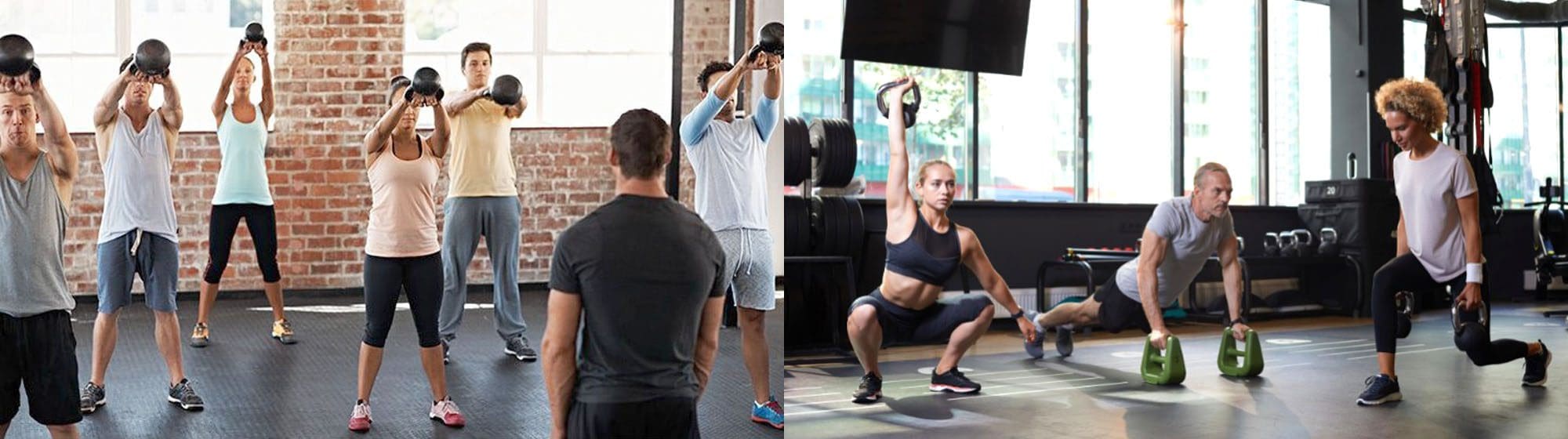
Power is the combination of strength and speed over time. Strength is how much force an individual can exert. Powerishow fast an individual can exert force. Strength training for power, aka power training, is being able to exert a certain amount of force in a given time. Power can be built with weight training. However, power strength training is not just for weightlifters. Many athletes like football, basketball, and volleyball players, sprinters, dancers, and wrestlers build strength to increase power, improve explosiveness, increase their vertical leap/jump, and give their bodies a break from heavy weight training.
Power Strength Training
Building strength is one factor, but becoming powerful requires another element in training. Biologically, individuals train the muscles to elongate and contract fast so the body can perform a certain set of movements.
Benefits
The benefits of power strength training.
Promotes Active Body Rest
Power training gives the mind and body a break from heavy training.
Provides the tendons, joints, and central nervous system a rest.
Offers a fun and healthy change with jumping, throwing, swinging, etc.
A study found individuals with knee osteoarthritis that participated in high-intensity strength training, compared with low-intensity, had a reduction in knee pain symptoms.
Improves Vertical Jump
Vertical jump or leap is how high an individual can jump and is a common parameter for assessing athletic ability.
It is an integral part of movement training programs to improve sports performance.
Research has shown that power strength and jump training can improve jump height.
Training Program
Before starting any exercise program, it is recommended to talk with a doctor. Key components to focus on when training for power.
Going above this frequency can be intense on the body and central nervous system.
Limiting sessions to a few times a week gives the body time to recover.
Equipment
Because power training involves a combination of increasing force and speed, using the right equipment that allows both is important. However, there are ways to improve without equipment.
For practicing jumps, increase the force by increasing the distance using a taller box.
For practicing push-ups on the floor, increase the force by pushing with more power so the hands come off the ground.
To improve power by increasing speed, exercises can be performed faster or with decreased rest between sets.
Weight
The weight depends on an individual’s one-rep max or the heaviest weight that can be lifted in a single repetition.
This is essentially an individual’s record for whatever type of weightlifting is being done.
Power training movement options: Plyometrics, Ballistic, or Dynamic.
Plyometrics includes activities like squats or jump lunges, common with football and basketball players.
Ballistic training includes activities like a back squat for football or soccer players.
Dynamic training works for sports-specific training motions like golf swinging or tennis serving.
Nutrition
Whether cardio or strength training, adequate caloric intake is important regardless of workout type, this means having a healthy balance of the three macronutrients: carbohydrates, fat, and protein.
Carbohydrates could be the most important, as research has shown that high-intensity exercise like power training improves when eating carbohydrates before, during, and after the workout.
Fat is necessary, and a daily intake below 20% of calorie intake can decrease the absorption of various essential nutrients.
It is recommended to consume 1.2-1.7 grams of protein per kilogram of individual body weight.
As with any exercise, training takes time, and it’s important to gradually progress only when the body is prepared. Incorporating the elements of a healthy lifestyle includes a balanced, nutrient-rich diet and proper sleep and rest days. This will help get the most benefits and prevent injuries.
Improving Athletic Performance Through Chiropractic
References
Balachandran, Anoop T et al. “Comparison of Power Training vs. Traditional Strength Training on Physical Function in Older Adults: A Systematic Review and Meta-analysis.” JAMA Network Open vol. 5,5 e2211623. 2 May. 2022, doi:10.1001/jamanetworkopen.2022.11623
Maestroni, Luca, et al. “Strength and Power Training in Rehabilitation: Underpinning Principles and Practical Strategies to Return Athletes to High Performance.” Sports medicine (Auckland, N.Z.) vol. 50,2 (2020): 239-252. doi:10.1007/s40279-019-01195-6
Marián, Vanderka, et al. “Improved Maximum Strength, Vertical Jump and Sprint Performance after 8 Weeks of Jump Squat Training with Individualized Loads.” Journal of sports science & Medicine vol. 15,3 492-500. 5 Aug. 2016
Peebles, Alexander T et al. “Landing biomechanics deficits in anterior cruciate ligament reconstruction patients can be assessed in a non-laboratory setting.” Journal of orthopedic research: official publication of the Orthopaedic Research Society vol. 40,1 (2022): 150-158. doi:10.1002/jor.25039
Suchomel, Timothy J et al. “The Importance of Muscular Strength: Training Considerations.” Sports medicine (Auckland, N.Z.) vol. 48,4 (2018): 765-785. doi:10.1007/s40279-018-0862-z
Wesley, Caroline A et al. “Lower Extremity Landing Biomechanics in Both Sexes After a Functional Exercise Protocol.” Journal of athletic training vol. 50,9 (2015): 914-20. doi:10.4085/1062-6050-50.8.03
Westcott, Wayne L. “Resistance training is medicine: effects of strength training on health.” Current sports medicine reports vol. 11,4 (2012): 209-16. doi:10.1249/JSR.0b013e31825dabb8
Body balance is essential for walking, tying shoelaces, picking up objects, etc. Balance is an acquired skill that the body develops in response to different activities and surroundings. Everyone can benefit from improving and maintaining their balance muscles regardless of age. Balance exercises condition and strengthen the core muscles. Balance training helps improve posture and stability; athletes find it provides increased agility and added power; seniors utilize it to prevent injuries and maintain mobility, and fitness enthusiasts use it to improve workouts. Injury Medical Chiropractic and Functional Medicine Clinic provide whole-body realignment, rehabilitation, postural and balance training, and nutritional advice.
Balance Exercises
Being able to move around efficiently requires healthy postural alignment and balance. The systems responsible for balance can be affected by the following:
Gradual changes brought on by aging.
Back problems.
Foot problems.
Injury.
Side effects from medications.
Arthritis.
Stroke.
Parkinson’s disease.
Multiple sclerosis.
However, it was found that all responded well to exercises designed to improve balance.
Definition
Balance is the ability to control the body in space and distribute weight evenly to maintain uprightness. There are two types.
Dynamic Balance
The ability to remain stable while performing movements or actions that require displacing or moving the body.
Individuals use this type of balance each time the body takes a step in any direction.
Dynamic balance is required when the body is in motion, like walking.
A healthy dynamic balance is essential for the body’s ability to react to sudden changes.
Static Balance
The ability to maintain a stationary position during movements like bending, twisting, reaching, and swaying around the axis of the body.
Both types are essential and can be improved with targeted exercises.
Benefits
Everyone can benefit from balance exercises and can help at different stages of life and fitness levels.
General Public
Balance training:
Teaches the body to use the core for stabilization.
Creates muscular balance.
Improves neuromuscular coordination and communication between the brain and muscles.
Individuals can start incorporating balance exercises into everyday routines. A few ways to do this include:
When picking up an object, reach over to pick them up on one leg, with the other lifting straight into the air behind to engage the abs.
Sit on a stability ball at work, school, or when watching TV.
Stand on one foot while engaged in static balance activities like washing dishes, brushing teeth, etc., and alternate the feet.
Athletes
Proprioceptive training is used with athletes for rehabilitation and prevention of injuries. Proprioception is the sense of body position.
Practicing balance exercises increases the sense of control and awareness of the muscles and joints and how they function when in motion.
Balance training increases power because the individual learns to use their center of gravity more efficiently.
A stronger and more active core helps to increase jump height, throwing, swinging, shifting, and running.
Seniors
Seniors can use balance exercise programs to improve stability for falling prevention and injuries.
Exercises
Below are basic instructions for the following balance exercises:
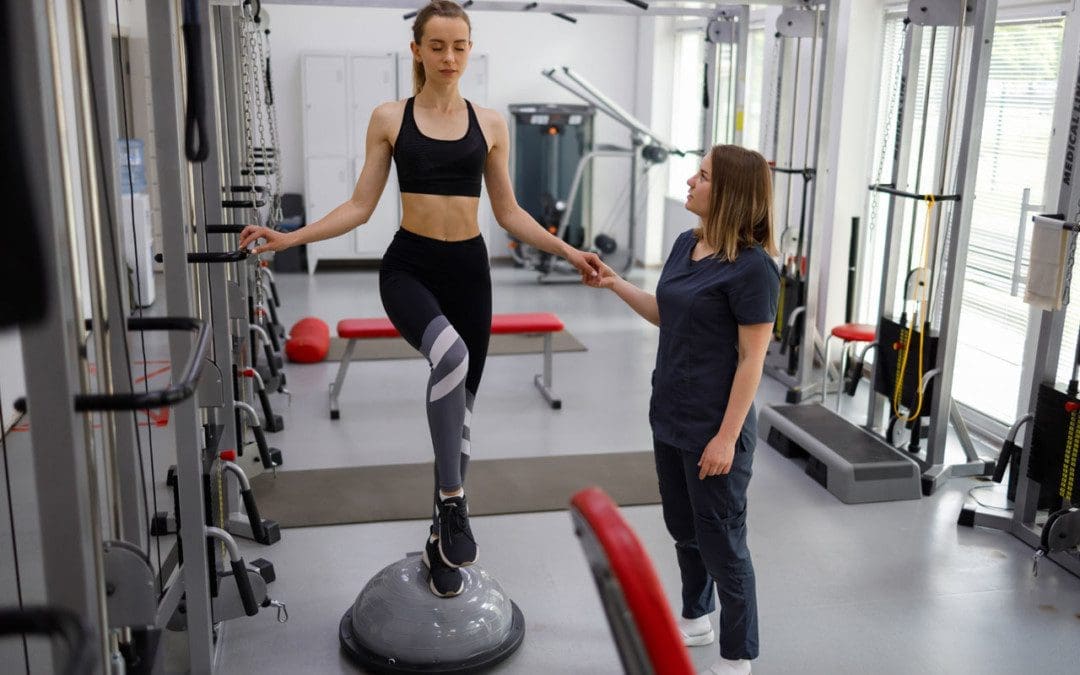
Tree Pose
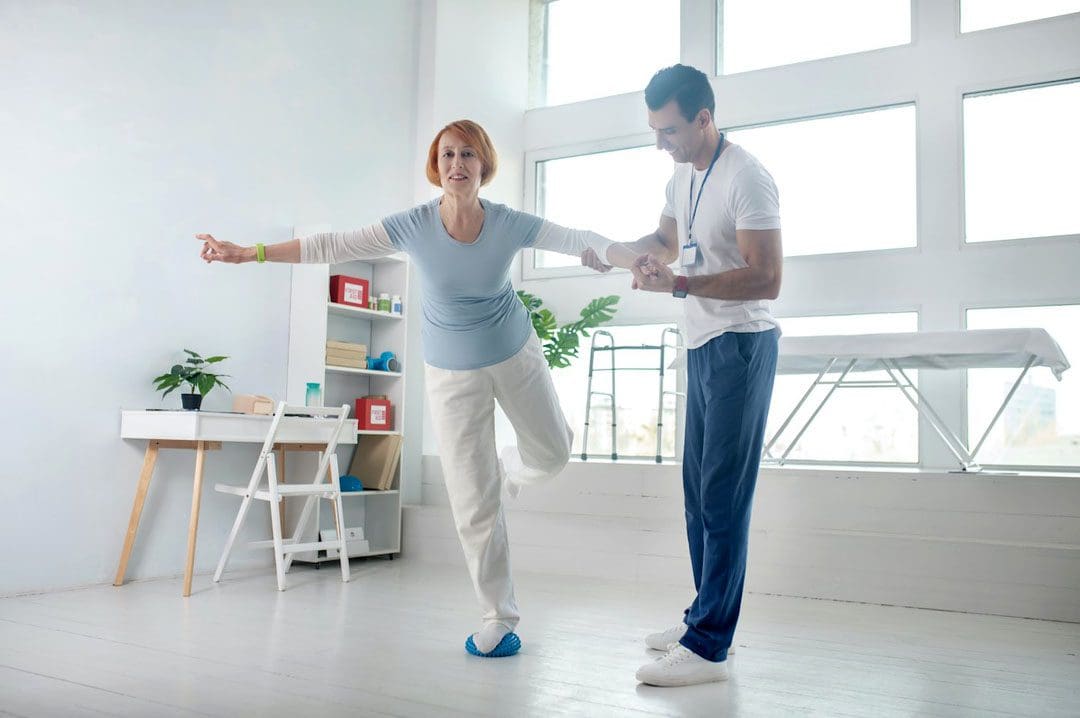
Tree pose can be done on the floor, a mat, or Bosu. It strengthens the ankles, improves balance, and engages the core.
Stand with feet together, spine tall and straight, and arms outstretched.
If using a BOSU, use either the ball or the flat side.
Gradually lift the left foot to the side of the calf and balance on the right foot.
Gradually lift arms overhead to make the branches.
Hold for 30 seconds, then switch to the other leg.
Single Leg Deadlift
This exercise strengthens the hamstrings and glutes, works on balance, and activates the abdominal wall. It can be done with or without weights like dumbells.
Stand on the floor with feet together.
Place most of the weight onto the right foot.
Stare at a focal point in front and on the floor
Slowly lower the torso to the ground while lifting the left leg behind.
Keep the spine neutral and reach the hands toward the floor.
Stop when the back is parallel to the floor.
Don’t tighten or stiffen the right knee but keep it moveable.
Squeeze the hamstrings, glutes, and abs while slowly returning to an upright position.
Lie on your back and extend your arms and legs toward the ceiling.
Pull the abdominals in toward the midline.
Lower the right leg and extend the left arm back.
Return to the starting position and repeat with the opposite arm and leg.
Keep switching sides until the set is complete.
The Chiropractic Approach
References
Bruijn, Sjoerd M, and Jaap H van Dieën. “Control of human gait stability through foot placement.” Journal of the Royal Society, Interface vol. 15,143 (2018): 20170816. doi:10.1098/rsif.2017.0816
Dunsky, Ayelet, et al. “Balance Performance Is Task Specific in Older Adults.” BioMed research international vol. 2017 (2017): 6987017. doi:10.1155/2017/6987017
Feldman, Anatol G. “The Relationship Between Postural and Movement Stability.” Advances in experimental medicine and biology vol. 957 (2016): 105-120. doi:10.1007/978-3-319-47313-0_6
Hlaing, Su Su et al. “Effects of core stabilization exercise and strengthening exercise on proprioception, balance, muscle thickness and pain-related outcomes in patients with subacute nonspecific low back pain: a randomized controlled trial.” BMC musculoskeletal disorders vol. 22,1 998. 30 Nov. 2021, doi:10.1186/s12891-021-04858-6
Kim, Beomryong, and Jongeun Yim. “Core Stability and Hip Exercises Improve Physical Function and Activity in Patients with Nonspecific Low Back Pain: A Randomized Controlled Trial.” The Tohoku Journal of experimental medicine vol. 251,3 (2020): 193-206. doi:10.1620/tjem.251.193
Prado, Erick Tadeu et al. “Hatha yoga on body balance.” International Journal of Yoga vol. 7,2 (2014): 133-7. doi:10.4103/0973-6131.133893
Thomas, Ewan, et al. “Physical activity programs for balance and fall prevention in elderly: A systematic review.” Medicine vol. 98,27 (2019): e16218. doi:10.1097/MD.0000000000016218
IFM's Find A Practitioner tool is the largest referral network in Functional Medicine, created to help patients locate Functional Medicine practitioners anywhere in the world. IFM Certified Practitioners are listed first in the search results, given their extensive education in Functional Medicine




 Fiber and Gut Health