Although it is not officially summer, the past few weeks sure feels like it. Especially for those with joint discomfort and pain. As the body ages, individuals may notice their joints have some mobility/flexibility issues in the summer heat. Again, the heat and humidity are the culprits. The hotter it is, the more the body is susceptible to inflammation and swelling. The more prone an individual’s body is to swelling, the more pain can present. Barometric pressure can also have some form of impact on joint health. The pressure changes can cause the joints to become more sensitive. When the pressure changes, individuals often speak of their joints feeling tighter combined with stiffness, leading to a cycle of swelling and pain.
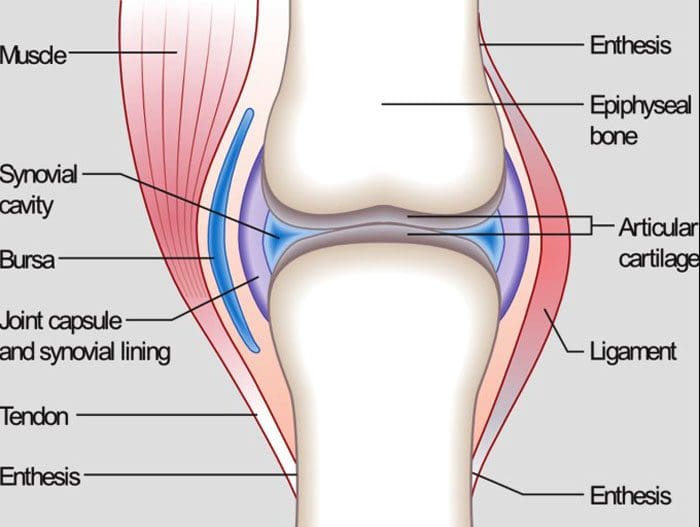
Joint Anatomy
Whether it’s the hip, knee, elbow, or hand, all of the body’s joints have fluid in them. It is a gel-like substance known as synovial fluid. This is what lubricates the joints and keeps them functioning smoothly. However, the temperature and humidity levels can change the thickness of the fluid in the joints. This means that the synovial fluid can become inflamed with the weather changes. This is a symptom when the joints begin to feel like they cannot move and/or are becoming stiff. Joint inflammation can become more common and chronic as the body gets older.
Weather and the joints
The summer heat and humidity can affect the joint because:
The tendons, ligaments, and muscles expand in this type of weather
The heat can restrict individuals from moving around. Non-use stiffens the joints
Joints that have worn down cartilage could have exposed nerves that are reacting to the temperature changes
Humidity causes the body to lose water by sweating. This can reduce the fluid around the joints leading to stiffness, immobility, and pain.
However, not everyone has joint problems in the summer heat. Many have joint issues when it’s cold, damp, or raining. Other’s are at their best in cool, dry weather. It depends on an individual’s body and how their joints react when the temperature changes.
Maintaining joint health for the summer heat
When joint discomfort or pain presents in the summer, there are a few easy ways to gain relief.
Properly Hydrate the Body
Water and sports drinks maintain the fluid levels in the body, specifically, it keeps the joints moving. One way to hydrate the body can be achieved by eating healthy fruits and vegetables. Water-rich fruits and vegetables include:
Watermelon
Oranges
Strawberries
Tomatoes
Cucumbers
Spinach
Celery
Over-The-Counter pain ointments and creams
Arthritis and anti-inflammatory creams/ointments can ease joint pain by allowing more blood circulation in the affected areas.
Dressing for the heat
Wear loose, natural fiber, breathable clothing that allows the body to move freely while maintaining a cool temperature.
Relax in the air conditioning
Get into the air conditioning. The cool air can help reduce joint inflammation.
Get in the Water
Swimming or just wading through doing some light exercise in the water cools the body’s core. In addition, the buoyancy of the water relieves pressure on the joints.
Body Composition Testing
Body Water
The body is made up of as much as 2/3’s water. Even though much of the body is made up of water, the percentage of body composition changes based on functional needs. Essential functions of water include:
Water is the building block to almost every cell in the body
It regulates the body’s temperature through sweating and respiration
Carbohydrates and proteins for energy are transported via the water in the blood
Water assists in the removal of metabolic waste through urination
It is part of the shock-absorbing system that protects the brain and spinal cord
Water is part of the saliva and fluid that lubricates the joints
The amount of water in the body depends on various factors. This includes:
Age
Gender
Physical activity
It is referred to as Total Body Water or TBW.
TBW is constantly changing with gains and losses of fluid in healthy adults. The body can detect irregularities and compensate for losses and/or gains to make sure that the systems are balanced.
The information herein is not intended to replace a one-on-one relationship with a qualified healthcare professional or licensed physician and is not medical advice. We encourage you to make your own health care decisions based on your research and partnership with a qualified health care professional. Our information scope is limited to chiropractic, musculoskeletal, physical medicines, wellness, sensitive health issues, functional medicine articles, topics, and discussions. We provide and present clinical collaboration with specialists from a wide array of disciplines. Each specialist is governed by their professional scope of practice and their jurisdiction of licensure. We use functional health & wellness protocols to treat and support care for the injuries or disorders of the musculoskeletal system. Our videos, posts, topics, subjects, and insights cover clinical matters, issues, and topics that relate to and support, directly or indirectly, our clinical scope of practice.* Our office has made a reasonable attempt to provide supportive citations and has identified the relevant research study or studies supporting our posts. In addition, we provide copies of supporting research studies available to regulatory boards and the public upon request.
We understand that we cover matters that require an additional explanation of how it may assist in a particular care plan or treatment protocol; therefore, to further discuss the subject matter above, please feel free to ask Dr. Alex Jimenez or contact us at 915-850-0900.
Morton, Darren, and Robin Callister. “Exercise-related transient abdominal pain (ETAP).” Sports medicine (Auckland, N.Z.) vol. 45,1 (2015): 23-35. doi:10.1007/s40279-014-0245-z
Peeler, Jason et al. “Managing Knee Osteoarthritis: The Effects of Body Weight Supported Physical Activity on Joint Pain, Function, and Thigh Muscle Strength.” Clinical journal of sports medicine: official journal of the Canadian Academy of Sports Medicine vol. 25,6 (2015): 518-23. doi:10.1097/JSM.0000000000000173
Quick, D C. “Joint pain and weather. A critical review of the literature.” Minnesota medicine vol. 80,3 (1997): 25-9.
Timmermans, Erik J et al. “The Influence of Weather Conditions on Joint Pain in Older People with Osteoarthritis: Results from the European Project on OSteoArthritis.” The Journal of rheumatology vol. 42,10 (2015): 1885-92. doi:10.3899/jrheum.141594
Jaw pain can make chewing, yawning, and talking a painful experience. This is a syndrome known as Temporomandibular Joint syndrome or disorder or TMJ and TMD. What happens is the temporomandibular joint that connects the jaw to the skull becomes inflamed. It is part of the musculoskeletal system, which means that chiropractors can treat the syndrome with various chiropractic techniques that include soft tissue work and temporomandibular joint adjustments. Chiropractic can bring lasting relief from Temporomandibular Joint Syndrome/Disorder.
How to Tell if TMJ Is Present
Jaw pain is the most common symptom but there are other factors that can cause pain. To help determine if it is TMJ, here is a list of additional symptoms:
Difficulty or pain moving the mouth such as when chewing
Popping sensation sound when opening/closing the jaw
Cracking sensation sound when opening or closing the jaw
If it is TMJ should an individual see a dentist or a chiropractor? This depends on the situation and individual.
If TMJ is caused by teeth grinding while sleeping, or there is pain/problems with the teeth then seeing a dentist is recommended.
If TMJ pain is accompanied by joint or muscle pain, or there is neck and/or back pain, then chiropractic is recommended.
Certain cases could require dental treatment and a chiropractor for the joint issues.
Chiropractic TMJ Treatment
Jaw Adjustment
One way chiropractic treats TMJ is through jaw adjustment/s. This varies from patient to patient. An example assessment and adjustment for TMJ.
The chiropractor will utilize the most beneficial technique/s for each individual.
The chiropractor will have the individual open and close their jaw while feeling each side.
They will determine which side opens first and widest, and which opens last and not as wide.
Then they will perform a jaw adjustment through gentle pressure applied to both sides of the jaw.
Soft Tissue Treatment
A contributor to jaw pain can be attributed to the muscles that are used to open and close. In this case, the chiropractor will perform soft tissue manipulation to loosen them up. This releases the jaw so it evens out. This also helps with headaches associated with TMJ. The focus is on three muscles:
Masseter
Pterygoid
Temporalis
A chiropractor will mobilize these muscles applying pressure repeatedly as the individual opens and closes their mouth.
Jaw Exercise Therapy
The chiropractor will recommend exercises to help quicken the healing process and strengthen the muscles. These are simple exercises that can be done at home or work to help relieve any discomfort or pain and for prevention.
Mouth Opening
Place one thumb under the chin
Open the mouth and gently push against it with the thumb
Hold for 5 to 8 seconds then close mouth
Repeat a few times every day
Mouth Closing
Open the mouth holding the chin with the index finger and thumb from both hands
Close jaw with gentle resistance with the fingers
Hold for 5 to 8 seconds
Repeat a few times every day
A chiropractor may collaborate with a dentist to provide the best treatment plan.
Body Composition
Body Dehydration
Dehydration happens when the body loses more water than it can replace. This can come from frequent:
Diarrhea episodes
Vomiting episodes
Too much alcohol the night before
Excessive sweating
Excessive urination
When dehydration sets in a wide range of symptoms can present. Early signs/symptoms include:
Dizziness
Headaches
Dry mouth
Cool skin
If dehydration is not addressed in the early stages, it can lead to not having the urge/need to urinate. There is potential for long-term health issues like high blood pressure. High blood pressure is common for individuals that are chronically dehydrated. When the body’s cells lack water, the brain sends a signal to secrete vasopressin, which is a chemical that constricts the blood vessels. This causes blood pressure to rise. This could eventually lead to heart failure. If the blood vessels continue to progressively narrow, oxygen, and blood circulation to the brain decreases. This results in migraine headaches and decreased ability to concentrate.
Disclaimer
The information herein is not intended to replace a one-on-one relationship with a qualified health care professional, licensed physician, and is not medical advice. We encourage you to make your own health care decisions based on your research and partnership with a qualified health care professional. Our information scope is limited to chiropractic, musculoskeletal, physical medicines, wellness, sensitive health issues, functional medicine articles, topics, and discussions. We provide and present clinical collaboration with specialists from a wide array of disciplines. Each specialist is governed by their professional scope of practice and their jurisdiction of licensure. We use functional health & wellness protocols to treat and support care for the musculoskeletal system’s injuries or disorders. Our videos, posts, topics, subjects, and insights cover clinical matters, issues, and topics that relate to and support, directly or indirectly, our clinical scope of practice.* Our office has made a reasonable attempt to provide supportive citations and has identified the relevant research study or studies supporting our posts. We provide copies of supporting research studies available to regulatory boards and the public upon request. We understand that we cover matters that require an additional explanation of how it may assist in a particular care plan or treatment protocol; therefore, to further discuss the subject matter above, please feel free to ask Dr. Alex Jimenez or contact us at 915-850-0900.
Dr. Alex Jimenez DC, MSACP, CCST, IFMCP, CIFM, CTG*
email: [email protected]
phone: 915-850-0900
Licensed in Texas & New Mexico
References
Ibi, Miho. “Inflammation and Temporomandibular Joint Derangement.” Biological & pharmaceutical bulletin vol. 42,4 (2019): 538-542. doi:10.1248/bpb.b18-00442
Blum, Charles L. “Chiropractic and dentistry in the 21st Century.” Cranio: the journal of craniomandibular practice vol. 22,1 (2004): 1-3. doi:10.1179/crn.2004.001
Brantingham, James W et al. “Manipulative and multimodal therapy for upper extremity and temporomandibular disorders: a systematic review.” Journal of manipulative and physiological therapeutics vol. 36,3 (2013): 143-201. doi:10.1016/j.jmpt.2013.04.001
https://www.nidcr.nih.gov/health-info/tmj
Rheumatoid arthritis is said to affect around 1.5 million individuals. Recognized as an autoimmune condition that presents with chronic pain in the body’s joints. It commonly affects regularly used joints like the shoulders, hands, and feet. The condition can begin to present in individuals in their 30s. Concerns that come with a rheumatoid arthritis diagnosis are the condition’s effect on the spinal facet joints. These joints are susceptible to attack from a dysfunctional immune system, leaving them prone to weakness, inflammation, and nerve compression. Chiropractors understand the manifestation of rheumatoid arthritis. They can pinpoint at-risk facet joints and provide corrective relief before more dangerous symptoms begin to present.
Facet joint risks
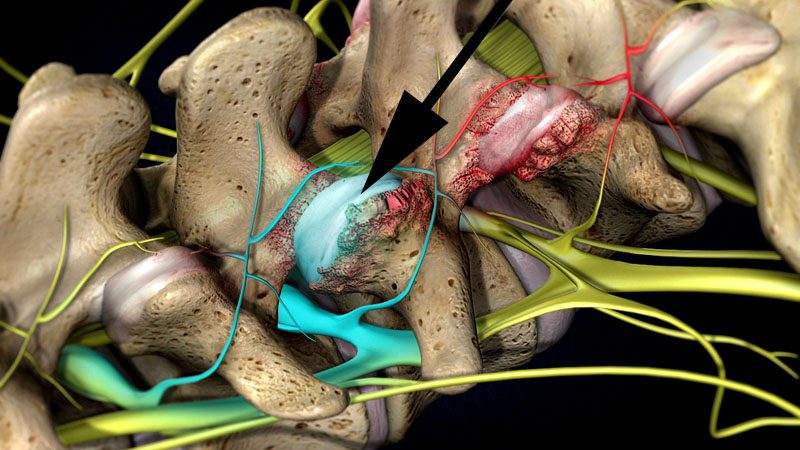
There are two facet joints that connect each vertebra to the one above and below. Their objective is to stabilize the spine, whether in a neutral position or engaged in flexion/extension movement. When targeted by the body’s immune system, the joints begin to weaken. The body attacks the synovial fluid that lubricates the joints. This creates friction that generates inflammation. Over time the joints break down leading to everything from loss of mobility to bone spurs. When left untreated the facet joints begin to deteriorate, causing nerve compression that can lead to permanent nerve damage. When the joints are not working properly the spine has to work around them.
Subluxations
Disc herniation
Ruptured discs
Sciatica all are possible with facet joint dysfunction.
Treatment
Currently, rheumatoid arthritis cannot be cured but symptoms can go into remission when treatment begins early.Chiropractic is an effective treatment at disrupting the symptoms of joint deterioration that stops the progression.
It has the ability to increase and maintain an individual’s range of motion, from a condition that causes loss of mobility.
It helps to bring rapid pain relief and helps with postural improvements.
It maintains positive spinal health and homeostasis.
Prevents problems with compression and subluxations.
Stretching and strengthening exercises are incorporated to preserve an individual’s spinal integrity.
Diet and nutrition are also adjusted to mitigate the effects, helping with inflammation prevention.
The spinal focus
As rheumatoid arthritis affects the body’s joints, it is vital to protect the facet joints. These joints can experience degenerative damage that can cause long-term problems. Injury Medical Chiropractic and Functional Medicine Clinic provide individuals with the tools necessary to combat rheumatoid arthritis that medications by themselves might not be able to.
Body Composition
Muscle Mass Fitness for Long-Term Health
Muscle building is not just for bodybuilders and athletes. Everyone benefits from building muscle for long-term health. Monitoring the changes in Lean Body Mass can be accomplished by having body composition measured. Body composition analysis can divide an individual’s weight into various components. These include:
Fat Mass
Lean Body Mass
Basal Metabolic Rate will give a clearer picture of overall fitness and health.
Building Lean Body Mass is an investment for maintaining health long-term. The more Lean Body Mass that is built the more is in storage/reserve when the body really needs it. Before adding protein shakes and resistance workouts to the daily regimen, a plan needs to be developed. The first step to building a healthy level of lean body mass is to measure how much there is with a body composition analysis.
Disclaimer
The information herein is not intended to replace a one-on-one relationship with a qualified health care professional, licensed physician, and is not medical advice. We encourage you to make your own health care decisions based on your research and partnership with a qualified health care professional. Our information scope is limited to chiropractic, musculoskeletal, physical medicines, wellness, sensitive health issues, functional medicine articles, topics, and discussions. We provide and present clinical collaboration with specialists from a wide array of disciplines. Each specialist is governed by their professional scope of practice and their jurisdiction of licensure. We use functional health & wellness protocols to treat and support care for the musculoskeletal system’s injuries or disorders. Our videos, posts, topics, subjects, and insights cover clinical matters, issues, and topics that relate to and support, directly or indirectly, our clinical scope of practice.* Our office has made a reasonable attempt to provide supportive citations and has identified the relevant research study or studies supporting our posts. We provide copies of supporting research studies available to regulatory boards and the public upon request. We understand that we cover matters that require an additional explanation of how it may assist in a particular care plan or treatment protocol; therefore, to further discuss the subject matter above, please feel free to ask Dr. Alex Jimenez or contact us at 915-850-0900.
Dr. Alex Jimenez DC, MSACP, CCST, IFMCP, CIFM, CTG* email: [email protected] phone: 915-850-0900 Licensed in Texas & New Mexico
References
Pope JE, Cheng J. Facet (Zygapophyseal) Intraarticular Joint Injections: Cervical, Lumbar, and Thoracic. Injections for Back Pain. 129-135. ClinicalKey.com. Accessed July 16, 2019.
Brummett CM, Cohen SP. Pathogenesis, Diagnosis, and Treatment of Zygapophyseal (Facet) Joint Pain. 816-844. ClinicalKey.com. Accessed July 16, 2019.
Chiropractic manipulation under anesthesia, also known as M.U.A is a non-invasive stretching and musculoskeletal manipulation technique. This type of chiropractic treatment can offer relief from chronic and constant back pain and other types of pain that have not responded well or at all to conservative non-surgical care. Chiropractic manipulation under anesthesia breaks up adhesions/internal scar tissue that could result from an injury or previous surgery, helping restore the normal range of motion and reduce pain. This technique is utilized to treat:
Undergoing chiropractic manipulation under anesthesia while sedated means the body is in a highly relaxed state. This sedation allows the chiropractor to adjust the bones, joints into proper alignment and stretch the muscles without the individual�s voluntary/reflexive resistance. And the sedation allows the chiropractor to use less force, making the procedure painless.
Manipulation Under Anesthesia Specialists
This type of manipulation is a specialty procedure. Trained and certified physicians only perform it in the fields of:
Chiropractic medicine
Orthopedics
Physical therapy and rehabilitation
Osteopathy
Advantages to MUA treatment
There are individuals with pain that respond well to regular chiropractic manipulation, physical therapy, or exercise. However, depending on their condition, relief might only last for a few days or weeks. This is where manipulation under anesthesia could improve the range of motion and relieve pain. Manipulation under anesthesia has been performed for more than sixty years. It can be cost-effective and safer than invasive treatment like spine surgery. It is recognized and covered by most insurance and workers’� compensation plans.
Determining if MUA is right for the individual and their condition
Manipulation under anesthesia is not for all individuals with back pain. MUA is only recommended for patients that meet the procedure’s criteria. Like any other type of recommended treatment, a doctor will carefully consider the individual’s medical history, symptoms, previous treatments, and effectiveness. A doctor will also perform a physical and neurological examination with an individual’s complete medical history. Test results will confirm the patient�s diagnosis and determine if anesthetic manipulation can help relieve pain and other symptoms. Tests can include:
Not an appropriate treatment for individuals with:
Uncontrolled diabetic neuropathy
Spinal cord compression
Morbid obesity
Any cancer
Acute or healing bone fracture/s
Osteomyelitis vertebral bone infection
Acute inflammatory arthritis
Metastatic bone disease
Severe osteoporosis
Acute inflammatory gout
Tuberculosis of the bone
Co-existing medical problems could mean an individual may not be able to undergo any procedure that requires sedation.
Another reason why a patient’s complete medical history is vital
Procedure
This procedure is usually performed in an ambulatory surgery center that is a modern healthcare facility focused on providing same-day surgical care for diagnostic and preventive procedures or at a hospital. An anesthesiologist administers the medicine/s. The patient could be sedated but not unconscious or general anesthesia meaning complete unconsciousness. The choice of sedation depends on various factors, like the patient’s diagnosis and how severe the condition is. The anesthesiologist can recommend a specific type of medicine or a cocktail of medications for the patient’s comfort during and after.
Once sedated, the chiropractor utilizes specialized techniques to stretch, adjust and mobilize the affected areas of the spine and body. The manipulations free up fibrous adhesions or scar tissue in one or more areas of the spine and surrounding tissues. The procedure usually takes 15 to 30 minutes. The individual will be awakened and then is carefully monitored in a recovery area. Many report an immediate reduction in pain and a broader range of motion after the procedure. There is usually temporary muscle soreness, similar to the soreness after an intense workout.
Recommended aftercare
Before being discharged, the patient is provided instructions about aftercare therapy. Instructions may include:
At-home warm-up movements
Physical therapy rehabilitation
Passive stretching
Electrical stimulation
Cryotherapy or cold therapy to reduce inflammation and pain
Physical therapy, exercise, and stretching
Three to six weeks after the procedure, individuals continue with physical therapy to help prevent back pain from returning and any fibrous adhesions/scar tissue broken up from reforming. Exercise and stretching will help strengthen and stabilize the abdominal and spinal muscles and prevent pain from returning.
InBody
Malnutrition
Malnutrition is defined as a lack of uptake or intake of nutrition that can negatively affect body composition. An important nutrient that elderly individuals might not get enough of is protein. Trouble chewing, food cost, and trouble cooking are all factors that limit elderly individuals’ access to protein, which can lead to sarcopenia. These complications can affect how the body responds to diet and exercise.
That is because protein requirements for the elderly are usually higher than for younger individuals. This comes from age-related changes in the metabolism that includes a decreased response to protein intake. This means that an older individual needs to consume more protein to achieve the same anabolic effect. Micronutrient deficiency is a lack of nutrients like minerals and vitamins. These support important bodily processes like cell regeneration, immune system function, and vision. A common example is iron and calcium deficiencies. This type of deficiency has the greatest impact on normal physiological functions in conjunction with protein-energy deficiency, as most micronutrients are acquired from food.
Dr. Alex Jimenezs Blog Post Disclaimer
The scope of our information is limited to chiropractic, musculoskeletal, physical medicines, wellness, sensitive health issues, and/or functional medicine articles, topics, and discussions. We use functional health & wellness protocols to treat and support care for injuries or disorders of the musculoskeletal system. Our posts, topics, subjects, and insights cover clinical matters, issues, and topics that directly or indirectly support our clinical scope of practice.*
Our office has made a reasonable attempt to provide supportive citations and has identified the relevant research study or studies supporting our posts. We also make copies of supporting research studies available to the board and or the public upon request. We understand that we cover matters that require an additional explanation as to how it may assist in a particular care plan or treatment protocol; therefore, to further discuss the subject matter above, please feel free to ask Dr. Alex Jimenez or contact us at 915-850-0900. The provider(s) Licensed in Texas& New Mexico*
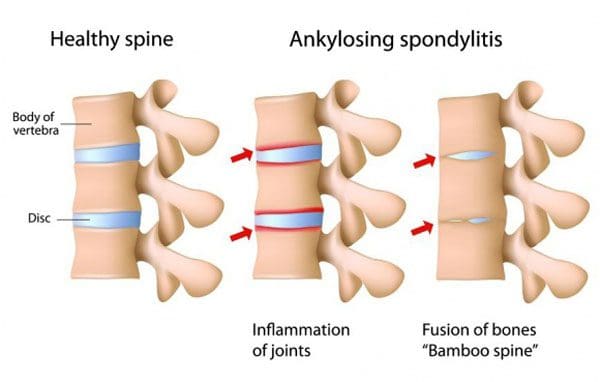
Individuals with ankylosing spondylitis have a new treatment option that was previously used for rheumatoid arthritis. It is a medication that belongs to a class known as JAK inhibitors. Ankylosing spondylitis combines joint pain with reduced mobility. Ankylosing spondylitis is different because in severe cases, the bones in the spine can fuse together, literally reducing mobility.
The disease typically begins with pain and stiffness in the back. This is usually after some time of inactivity. Symptoms start before the age of 45 and develop gradually. There is no cure for ankylosing spondylitis but there are treatments that can improve symptoms and put the condition into remission. Ankylosing spondylitis treatment is the most successful when addressed early before irreversible damage to the joints begins.
Janus Kinase Inhibitors
Janus kinase inhibitors have traditionally been used to treat:
Rheumatoid arthritis
Psoriatic arthritis
Ulcerative colitis
The medication works by decreasing the immune system�s activity. Janus kinase inhibitor drugs affect several cellular compounds that are important in the development and progression of ankylosing spondylitis. Currently, there are only three Janus kinase inhibitor medications available in the United States and FDA-approved to treat rheumatoid arthritis:
Xeljanz
Rinvoq
Olumiant
Each of the approved inhibitors targets specific enzymes
Current Ankylosing Spondylitis Treatments
Janus kinase inhibitors are not given to individuals right away. However, it could be an option if first and second-line treatments are not working. Treatments usually consist of:
First-Line Treatments
NSAIDs
Nonsteroidal anti-inflammatory medications are the most commonly used to treat ankylosing inflammation, pain, and stiffness.
Chiropractic
Chiropractic physical therapy is a major part of ankylosing spondylitis treatment keeping the spine flexible and as healthy as possible. A chiropractic/physical therapy team design and develop specific exercises to fit individual needs, which include:
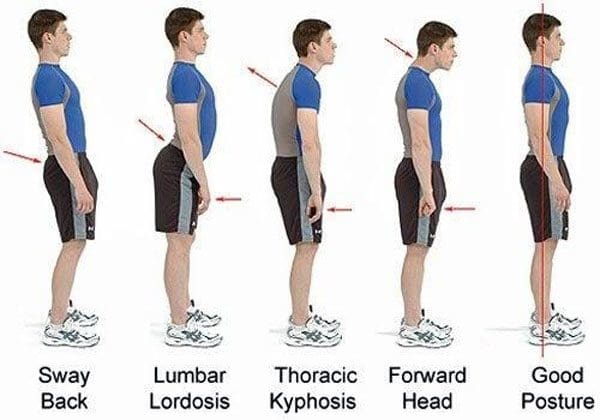
Stretching and Range-of-motion exercises help maintain flexibility in the joints
Sleeping and walking posture adjustment exercises
Abdominal and spinal exercises to maintain a healthy posture
If nonsteroidal anti-inflammatory medications do not relieve symptoms, then biological medications could be prescribed. This class of medications includes:
Tumor necrosis factor blockers work by targeting cell protein that is part of the immune system, known as tumor necrosis alpha. This protein causes inflammation in the body, and the blockers suppress it.
Interleukin 17 Inhibitors
Interleukin 17 in the body’s immune system defends against infection. It uses an inflammatory response to fight infections. The IL-17 inhibitors suppress the inflammatory response and help reduce symptoms.
Other Treatment Options
Lifestyle Adjustments
Following a medical treatment plan is often combined with diet and lifestyle adjustments that are recommended to help with the condition, these include:
Most individuals with ankylosing spondylitis do not require surgery. However, a doctor could recommend surgery if there is joint damage, the hip-joint needs to be replaced, or if the pain is severe.
Inhibitor Potential
Studies are ongoing in the treatment of ankylosing spondylitis. The drug is currently in Phase 3 trials for the treatment of adults. The trial results have shown patients with active ankylosing spondylitis showed improvement in:
Fatigue
Inflammation
Back pain
The study enrolled adults with active ankylosing spondylitis who took at least two NSAIDs that were ineffective at treating symptoms. Most of the participants were men, average age of 41, and no prior usage of biologic disease-modifying antirheumatic drugs.
Janus kinase could become a standard treatment
There is still not enough research to make a prediction, but the data is promising. The inhibitors seem to be a safe option when used in a properly screened, well-matched setting that includes regular monitoring. The inhibitors appear to be effective and have the advantages of being taken orally and working fast.
Body Composition
Osteoarthritis and weight loss
Being obese has shown to be a high-risk factor for the development of osteoarthritis. This is not only from the effects of extra weight on the body’s joints but also as a result of the inflammatory effects of adipose tissue. The lower back, hips, and knees, bear the majority of the body’s weight.
An excess amount of adipose tissue on the body’s midsection and legs has been shown to negatively impact the weight-bearing joints. Promoting Lean Body Mass and encouraging weight loss lowers the risk of osteoarthritis and improves an individual’s quality of life. Exercise is regarded safe for individuals with osteoarthritis and should be incorporated to improve body composition, reduce Body Fat Mass, improve Lean Body Mass and maintain a healthy weight.
Dr. Alex Jimenez�s Blog Post Disclaimer
The scope of our information is limited to chiropractic, musculoskeletal, physical medicines, wellness, and sensitive health issues and/or functional medicine articles, topics, and discussions. We use functional health & wellness protocols to treat and support care for injuries or disorders of the musculoskeletal system. Our posts, topics, subjects, and insights cover clinical matters, issues, and topics that relate and support directly or indirectly our clinical scope of practice.*
Our office has made a reasonable attempt to provide supportive citations and has identified the relevant research study or studies supporting our posts. We also make copies of supporting research studies available to the board and or the public upon request. We understand that we cover matters that require an additional explanation as to how it may assist in a particular care plan or treatment protocol; therefore, to further discuss the subject matter above, please feel free to ask Dr. Alex Jimenez or contact us at 915-850-0900. The provider(s) Licensed in Texas& New Mexico*
References
Hammitzsch A, Lorenz G, Moog P. Impact of Janus Kinase Inhibition on the Treatment of Axial Spondyloarthropathies. Frontiers in Immunology 11:2488, Oct 2020; doi 10.3389/fimmu.2020.591176.�https://www.frontiersin.org/article/10.3389/fimmu.2020.591176, accessed Jan 21, 2021.
van der Heijde D, Baraliakos X, Gensler LS, et al. Efficacy and safety of filgotinib, a selective Janus kinase 1 inhibitor, in patients with active ankylosing spondylitis (TORTUGA): results from a randomized, placebo-controlled, phase 2 trial.�Lancet.�2018 Dec 1;392(10162):2378-2387. doi: 10.1016/S0140-6736(18)32463-2. Epub 2018 Oct 22. PMID: 30360970.�https://pubmed.ncbi.nlm.nih.gov/30360970/�accessed Jan 19, 2021.
There is a multitude of chiropractic techniques for spinal alignment. They are used by chiropractors all over the world. All chiropractors have their favorite and specific techniques that they utilize. Depending on how long they have been practicing they can have five to ten different approaches or more refined techniques from years of experience.
The focus of these chiropractic techniques is to get the body back to optimal health and allow the body to heal itself naturally. As the body gets restored joint function is enhanced, muscle tension is released, and inflammation and pain are alleviated.
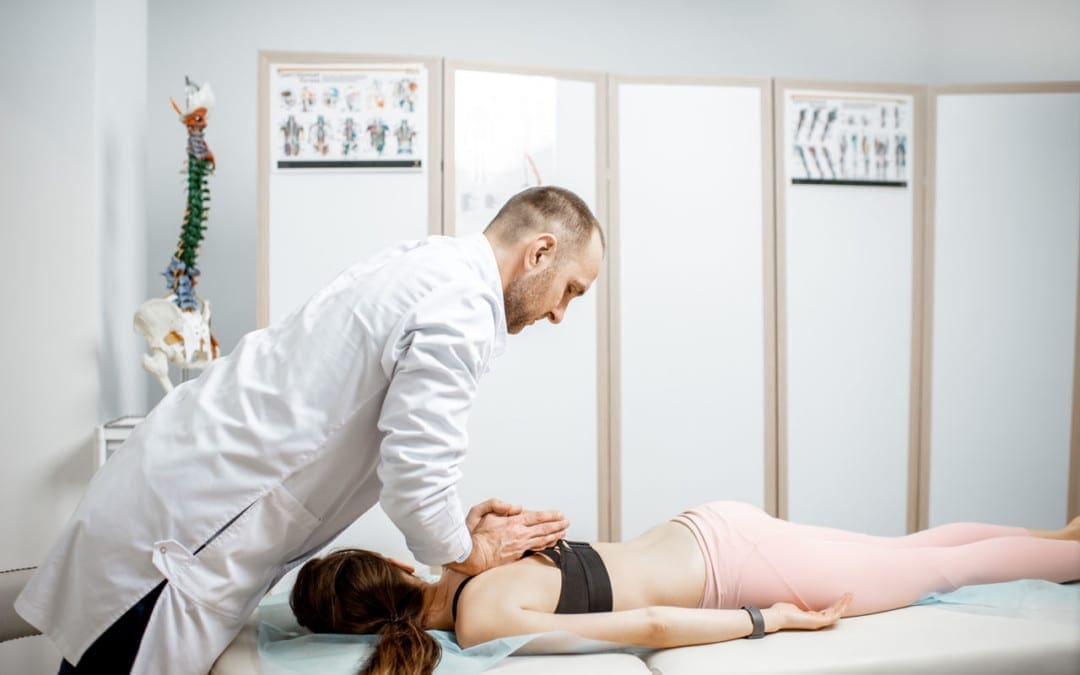
Various approaches use a form of force, hence the manipulation of the spine. The chiropractic adjustment technique that is the most common is spinal manipulation. It can also be called the diversified technique or HVLA – high-velocity, low-amplitude thrust.
However, chiropractic techniques are continually evolving. This comes from creating variations on existing techniques, a combination of techniques, or the chiropractor needs to adjust/tweak their own specific technique/s because they begin to suffer overuse injury/s from the constant adjusting, pushing, thrusting motions. Most techniques are named after the chiropractor that developed the method. These are the most common spinal manipulation techniques currently in use.
Manipulation Techniques
Chiropractic adapts to the condition/s and specific needs of each individual. Treatment plans can involve a forceful approach and a gentler force technique. This could happen during the same visit or the treatment plan could be half forceful adjustments, that could range from 6 to 10 visits, with the final visits using the gentle approach.
Spinal Manipulation
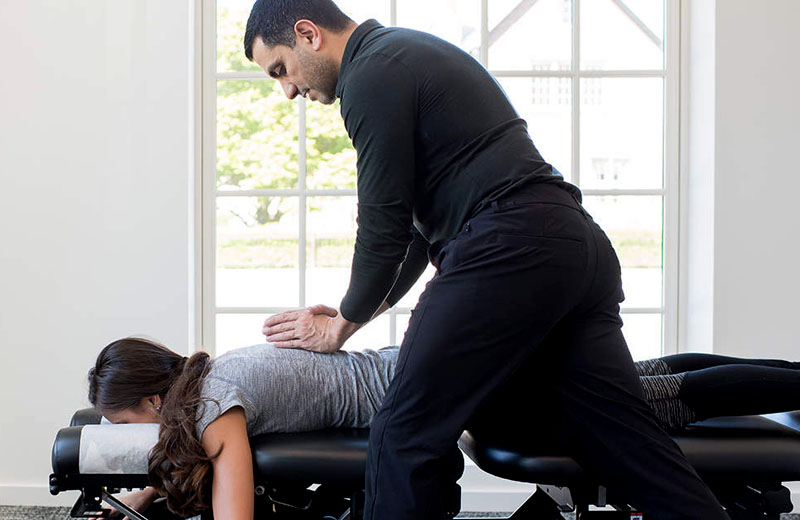
This is the High-Velocity Low-Amplitude Thrust technique. The most frequently used chiropractic technique. This is the manipulation that most are familiar with because of the audible pop that results. This is from the chiropractor’s hands applying a controlled quick forceful thrust to the spine while the body is positioned in a specific way.
Spinal Mobilization
This is the Low-Force/Gentle Chiropractic Technique. These techniques are for individuals that require a gentler approach. The technique is known as spinal mobilization. This approach could be utilized due to:
Underlying conditions like Osteoporosis for example
Some chiropractors prefer and/or specialize in mild spinal mobilization techniques. These are techniques that do not involve twisting the body or using forceful thrusts. Along with spinal mobilization, chiropractors often employ complementary therapy, as part of an overall treatment plan. This could be:
Ice
Heat
Physical therapy
Electric stimulation
Ultrasound
Individuals need to discuss symptoms and preferences with the chiropractor. It is their role to perform a thorough examination to determine the most optimal treatment plan satisfactory to the patient. Chiropractors are not the only health care providers who utilize spinal manipulation for back pain. Osteopathic physicians can also provide types of spinal adjustments. Physical and massage therapists often work with chiropractors with continued treatment. They are fully trained in providing spinal therapy as well.
Pregnancy Lower Back Pain Chiropractic Treatment
Dr. Alex Jimenez�s Blog Post Disclaimer
The scope of our information is limited to chiropractic, musculoskeletal, physical medicines, wellness, and sensitive health issues and/or functional medicine articles, topics, and discussions. We use functional health & wellness protocols to treat and support care for injuries or disorders of the musculoskeletal system. Our posts, topics, subjects, and insights cover clinical matters, issues, and topics that relate and support directly or indirectly our clinical scope of practice.*
Our office has made a reasonable attempt to provide supportive citations and has identified the relevant research study or studies supporting our posts. We also make copies of supporting research studies available to the board and or the public upon request. We understand that we cover matters that require an additional explanation as to how it may assist in a particular care plan or treatment protocol; therefore, to further discuss the subject matter above, please feel free to ask Dr. Alex Jimenez or contact us at 915-850-0900. The provider(s) Licensed in Texas& New Mexico*
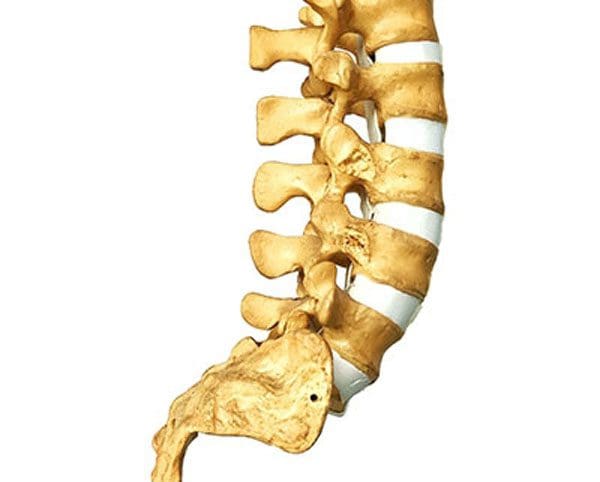
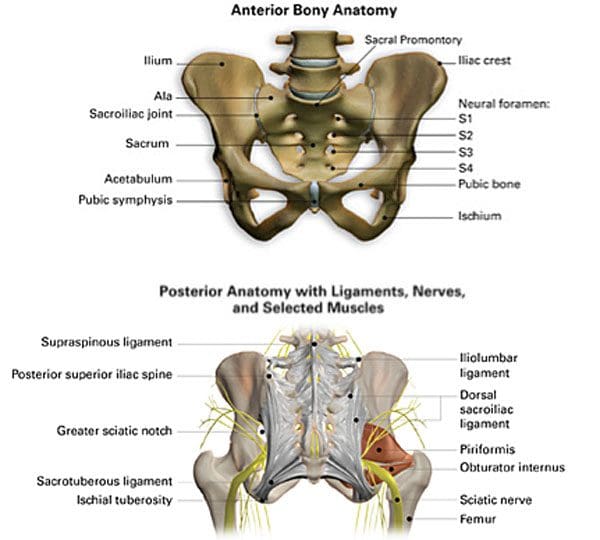
Thelumbosacral joint is the first place chiropractors start their investigation with individuals presenting with low back pain and possible sciatica. Because of the importance of the sciatic nerve, almost any lumbar condition has the potential to disturb the nerve that can lead to chronic nerve pain. For many low back conditions, the best way to start is from the bottom and work up.
Starting at the lumbosacral joint L5-S1, the chiropractor will palpate and massage the area. This is because the lumbosacral joint is a central nerve center with all kinds of possible sciatic nerve interference because of the proximity to the various nerve bundles and vertebral discs.
When sciatic nerve issues begin to develop, often the problem will be in this region of the spine. Beginning at the lumbosacral joint can generate vast insight into the root cause of radiating pain in the lower back and legs.
The Lumbosacral Joint
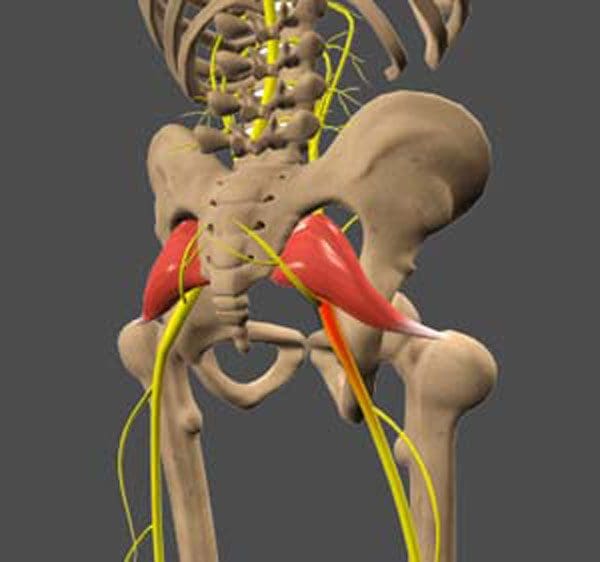
This pain typically presents when the nerve is inflamed, compressed, or irritated. Numbness or chronic weakness can also happen in the lower extremities and can cause unbearable discomfort. Some of the reasons that make the joint a prime suspect for sciatic pain include:
The L5 vertebrae are vulnerable to slipping forward over the connecting S1 vertebrae. The sciatic nerve goes through this area, leaving it open to compression.
A disc herniation and/or inflammation can also stress the sciatic nerves.
Deterioration of the lumbosacral facet joints is common with older individuals. This can lead to nerve compression and sciatic nerve irritation.
Piriformis syndrome can affect the area around the lumbosacral joint, causing nerve compression and inflammation.
The lumbosacral joint is frequently used making it a consistently stressed joint. Overuse, poor posture, and improper body mechanics affect this region of the lumbar spine. And, because of the closeness to the sciatic nerve, it is commonly affected.
Other Spinal Conditions
The lumbosacral joint also experiences problems that stem from chronic conditions, which can involve some form of sciatic pain as a symptom. They include:
Degenerative disc disease
Lumbar stenosis
Sacroiliac joint dysfunction
Spondylolisthesis
Sciatica is a condition that represents a series of symptoms. But it is often a symptom of other condition/s that affect the sciatic nerve. If spinal conditions progress, it can bring undue stress and strain to the lumbosacral joint and the sciatic nerve.
Knowing Where To Begin
The key to a proper and successful treatment plan is an accurate diagnosis. Knowing and understanding the symptoms, spinal conditions, and having an idea of the origin of these types of pain promotes a rapid diagnosis. Our chiropractic and physical therapy team thoroughly investigate the pain source using imaging, palpation, observation, and other diagnostic tools to help get individuals back on track and healthy.
Facet Syndrome Chiropractic Treatment
Dr. Alex Jimenez�s Blog Post Disclaimer
The scope of our information is limited to chiropractic, musculoskeletal, physical medicines, wellness, and sensitive health issues and/or functional medicine articles, topics, and discussions. We use functional health & wellness protocols to treat and support care for injuries or disorders of the musculoskeletal system. Our posts, topics, subjects, and insights cover clinical matters, issues, and topics that relate and support directly or indirectly our clinical scope of practice.*
Our office has made a reasonable attempt to provide supportive citations and has identified the relevant research study or studies supporting our posts. We also make copies of supporting research studies available to the board and or the public upon request. We understand that we cover matters that require an additional explanation as to how it may assist in a particular care plan or treatment protocol; therefore, to further discuss the subject matter above, please feel free to ask Dr. Alex Jimenez or contact us at 915-850-0900. The provider(s) Licensed in Texas& New Mexico*
References
Grgi?, Vjekoslav. �Lumbosakralni fasetni sindrom: funkcijski i organski poreme?aji lumbosakralnih fasetnih zglobova� [Lumbosacral facet syndrome: functional and organic disorders of lumbosacral facet joints].�Lijecnicki vjesnik�vol. 133,9-10 (2011): 330-6.
IFM's Find A Practitioner tool is the largest referral network in Functional Medicine, created to help patients locate Functional Medicine practitioners anywhere in the world. IFM Certified Practitioners are listed first in the search results, given their extensive education in Functional Medicine